Major retailers in Canada are rapidly advancing artificial intelligence initiatives to gain efficiencies, reduce costs, and strengthen competitive positioning in an increasingly demanding market. What began as limited experimentation with chatbots and data tools has evolved into enterprise-wide deployments that are reshaping merchandising, supply chains, marketing, and customer engagement.
The latest wave of AI adoption in Canadian retail reflects a shift from pilot projects to full-scale execution. As of early 2026, the industry has entered what many executives describe as the era of agentic commerce, where AI systems act as digital agents capable of completing complex tasks for both consumers and businesses. This transformation extends beyond conversational interfaces and into logistics optimization, perishable forecasting, workforce management, and personalized marketing.
Grocers, general merchandise retailers, fashion brands, and electronics specialists are all moving quickly to embed AI into core operations. The result is a retail landscape increasingly defined by automation, predictive intelligence, and real-time responsiveness.
From Experimentation to Enterprise Execution
In 2023 and 2024, retailers across Canada experimented with generative AI tools, customer service bots, and limited personalization engines. However, inflationary pressures, labour shortages, and persistent supply chain disruptions exposed the limits of incremental innovation. Retailers required scalable, integrated systems capable of delivering measurable margin improvements.
By late 2025 and early 2026, leading retailers had transitioned from testing isolated applications to deploying enterprise platforms that connect front-end consumer experiences with back-end operational systems. This integrated approach defines the current phase of AI adoption in Canadian retail, where digital agents assist customers with shopping decisions while simultaneously optimizing inventory, pricing, and fulfillment.
Agentic commerce represents a step change. Instead of simply answering questions, AI systems now complete transactions, curate product bundles, predict demand surges, and allocate resources before customers even initiate a search.
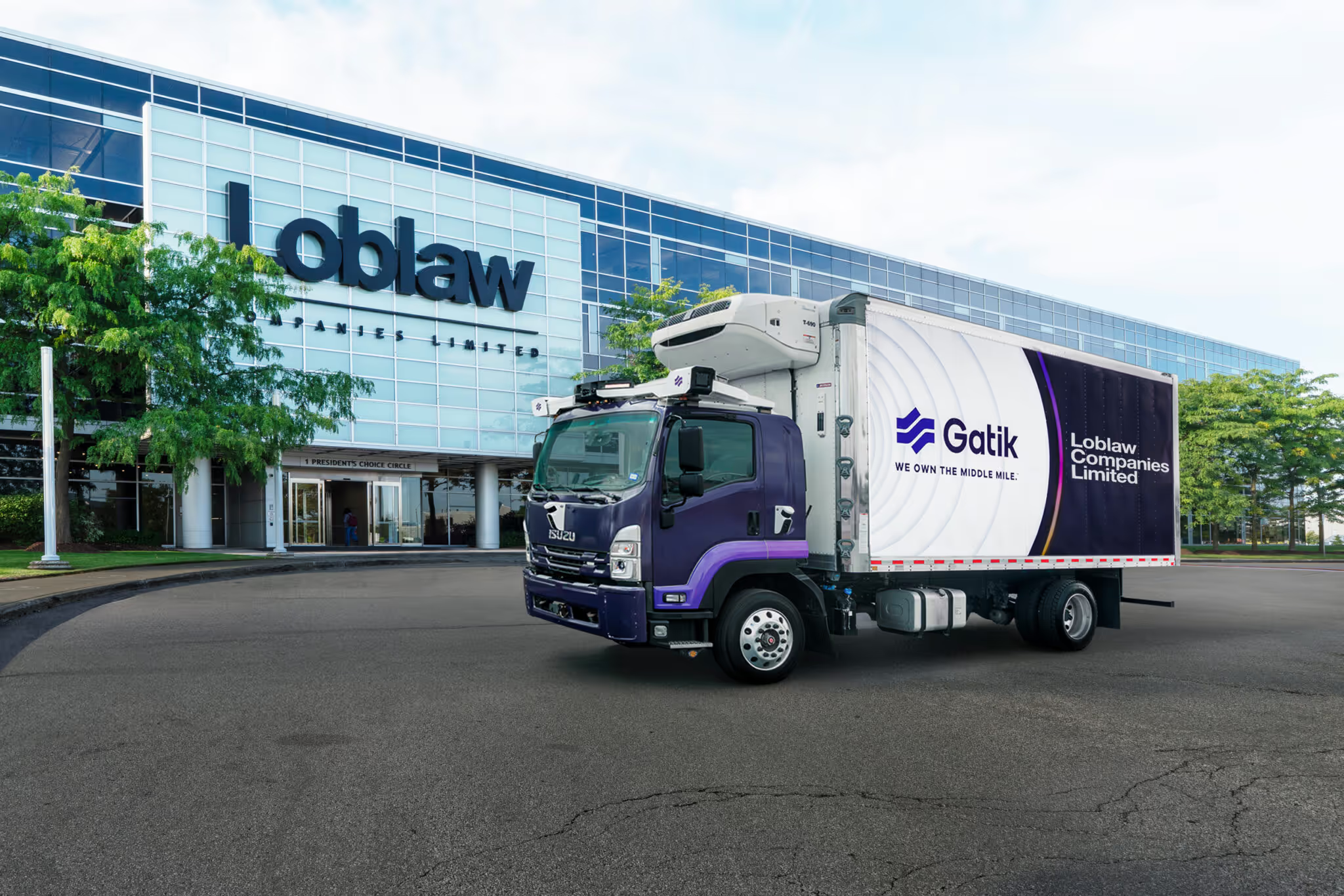
Loblaw Companies Limited: Advancing Agentic Shopping
Loblaw Companies Limited has emerged as one of the most aggressive adopters of AI in the country, integrating the technology directly into the purchase journey.
In February 2026, Loblaw launched a shopping application within ChatGPT that allows users to describe dietary goals and budget constraints. For example, a customer can request a week of low-carb, family-friendly dinners within a defined price range. The system generates recipes, curates the necessary ingredients, and transfers items directly into a PC Express cart for pickup or delivery.
Loblaw also became the first Canadian grocer to enable direct shopping through Google’s AI Mode and Gemini application using the Universal Commerce Protocol. This integration positions the company inside widely used digital ecosystems, allowing consumers to shop without navigating to a traditional website.
Operationally, Loblaw has implemented a proprietary AI assistant known as Robin. Store managers use Robin to monitor inventory levels and staff scheduling in real time. The system addresses out-of-stock challenges that intensified during 2024 and supports more precise labour allocation.
At the corporate level, the company has migrated approximately 220,000 employees to ChatGPT Enterprise. The goal is to automate administrative tasks, streamline internal data queries, and accelerate reporting processes.
Canadian Tire Corporation: Predictive Context and Micro-Occasions
Canadian Tire Corporation has centered its strategy on predictive context, aiming to anticipate consumer needs based on weather, geography, and loyalty data.
In February 2026, the company introduced MOSaiC, a platform built on Microsoft Azure that identifies more than 1,000 micro-occasions. If weather models forecast a rapid thaw in Calgary, for example, the system automatically increases shipments of sump pumps and sandbags to affected stores. This preemptive inventory positioning reduces missed sales opportunities and enhances local relevance.
MOSaiC integrates longitudinal data from millions of Triangle Rewards members. By analyzing purchase histories and behavioral patterns, the system develops occasion personas that enable highly targeted promotions rather than broad national discounts. This approach supports margin preservation while maintaining customer engagement.
Internally, Canadian Tire is rolling out Microsoft 365 Copilot tools across corporate teams and partnering with Canadian business schools to promote responsible AI adoption.
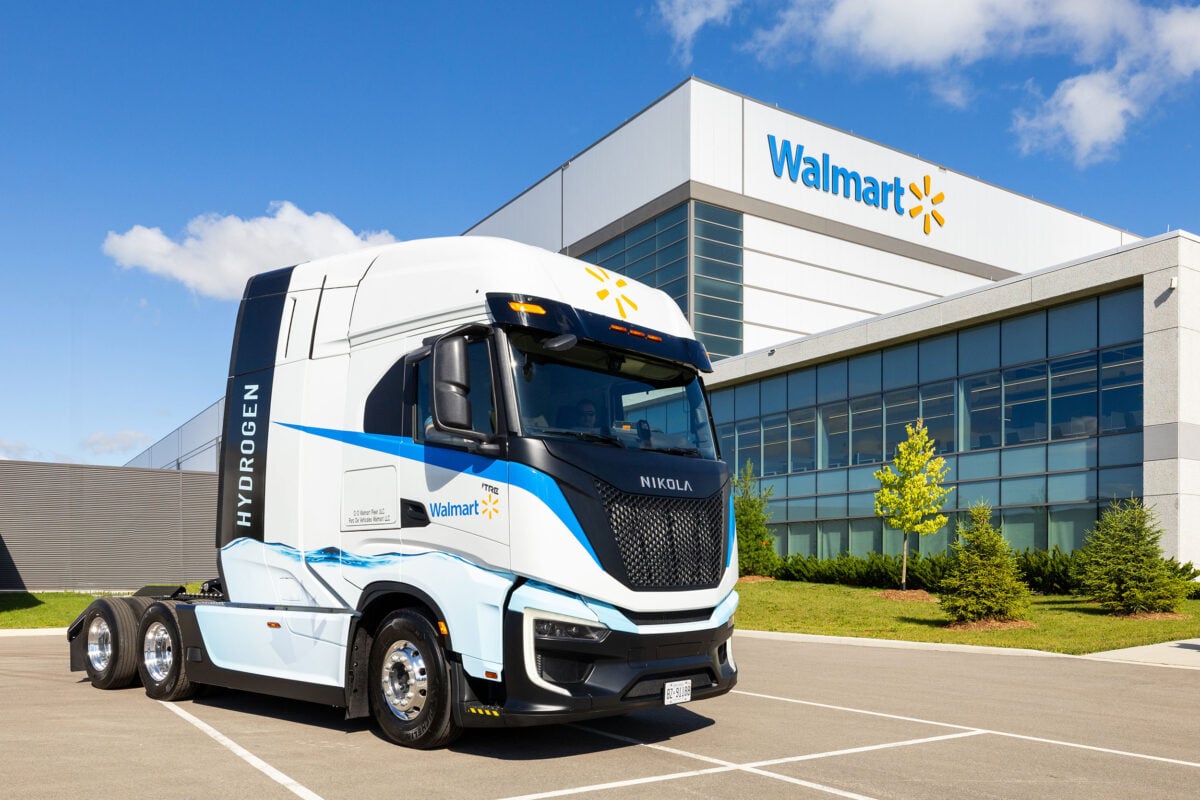
Walmart Canada: Logistics Intelligence at Scale
Walmart Canada has focused its AI investments on logistics intelligence rather than solely on digital storefront enhancements.
In October 2025, the retailer opened a 550,000 square foot Ambient Distribution Centre in Vaughan, Ontario. The facility, one of the most technologically advanced in Walmart’s global network, uses AI-driven warehouse management systems and autonomous forklifts to process approximately 70 million cases annually.
The centre incorporates automated storage and retrieval systems that maximize vertical space up to 94 feet. This configuration reduces the physical footprint while increasing shipping speed by roughly 40 percent compared with traditional warehouses.
On the store level, Walmart has deployed generative AI tools that translate complex corporate manuals into conversational, task-based instructions for associates. This reduces training time for new hires and improves operational consistency.
Empire Company: Data Foundations and Margin Protection
Empire Company Limited, parent of Sobeys, Safeway, and FreshCo, has prioritized data infrastructure as the core enabler of AI deployment.
The company’s advanced analytics team refines promotional strategies by tailoring price points and deal types to specific neighbourhood demographics. Instead of uniform buy-one-get-one offers, AI determines localized promotional structures that align with consumer profiles in banners such as FreshCo and Sobeys.
In late 2025, Empire reported that AI-driven personalization within the Scene+ app contributed to record quarterly earnings. The company also applies AI-based traffic flow analysis to optimize store layouts, enhancing space productivity and customer navigation.
A multi-year migration to SAP S/4HANA supports these initiatives by serving as the operational backbone for future AI applications across more than 1,600 stores.
Metro Inc.: Reducing Shrink Through Perishable Intelligence
Metro Inc. has concentrated on the persistent challenge of grocery shrink, using AI to refine perishable forecasting.
Partnering with Moov AI, Metro employs systems that predict daily demand for more than 5,000 fresh products in Quebec stores. By aligning supply with granular forecasts, the retailer reduces food waste while improving freshness.
In 2026, Metro is launching a 230,000 square foot automated facility in Brampton that uses goods-to-person robotics for online order fulfillment. The company estimates picking efficiency could increase by as much as 500 percent compared with manual processes.
Across its Jean Coutu and Metro Pharmacy banners, AI models forecast prescription demand and optimize front-of-store health and beauty assortments.
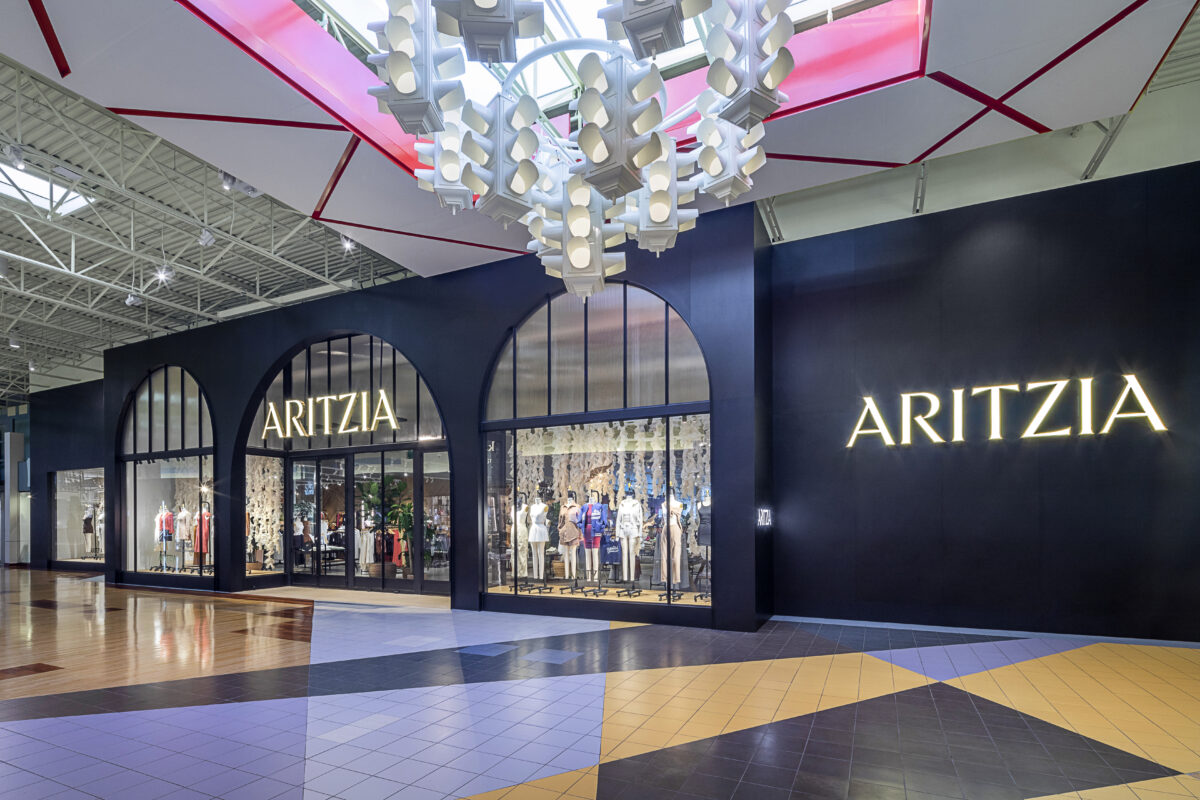
Aritzia: Omni-First Fashion and Predictive Intent
Aritzia has positioned itself as an omni-first leader by integrating predictive analytics into marketing and merchandising decisions.
The retailer uses AI-powered Google Search tools and Performance Max campaigns to detect early spikes in consumer interest. When data indicated heightened attention around the Super Puff line, Aritzia adjusted its campaign mid-season, contributing to a reported 55 percent year-over-year increase in demand for that product category.
In December 2025, Aritzia launched a dedicated mobile application that functions as a closed AI ecosystem. The app delivers personalized style recommendations linked directly to local store inventory, bridging social inspiration and physical availability.
The company reported a 42 percent lift in e-commerce revenue in its most recent fiscal results, attributing part of the growth to AI-driven omni-channel integration.
Alimentation Couche-Tard: Reinventing Convenience Through AI
Alimentation Couche-Tard, operator of Circle K, unveiled its Core + More strategy in early 2026 under CEO Alex Miller.
The company is applying AI to predict optimal preparation timing for fresh food offerings such as pizzas and sandwiches. These models aim to balance speed and waste reduction in high-traffic convenience environments.
Couche-Tard also uses AI-driven geospatial modeling to select locations for approximately 100 new-build stores scheduled to open in 2026. The system analyzes traffic flows, electric vehicle charging needs, and demographic data to enhance site profitability.
Best Buy Canada: AI-Assisted Expertise
Best Buy Canada has embraced AI as both a product category and a service opportunity.
In February 2026, the retailer integrated AI-assisted writing and troubleshooting tools into its Best Buy Blog and product guides. These systems generate highly specific technical content aligned with real-time search trends.
During CES 2026, Best Buy Canada announced expanded training for Geek Squad agents in edge AI technologies embedded in devices rather than cloud platforms. The retailer aims to position itself as a primary Canadian service provider for AI-enabled appliances, laptops, and home systems entering the market this year.
The Competitive Implications
Collectively, these initiatives demonstrate that AI adoption in Canadian retail is no longer optional. Competitive advantage increasingly depends on predictive accuracy, operational speed, and the ability to personalize engagement at scale.
Retailers that successfully integrate AI across supply chains, marketing, and in-store operations can reduce waste, protect margins, and deliver tailored experiences. Meanwhile, laggards risk potential higher costs, slower response times, and diminished market share.
The industry’s competitive landscape will continue to be shaped by retailers capable of converting data into action at scale.