Luxury retail is often discussed in terms of product, brand equity, and real estate. Yet behind every successful maison, flagship, or global expansion is something less visible but equally decisive: leadership.
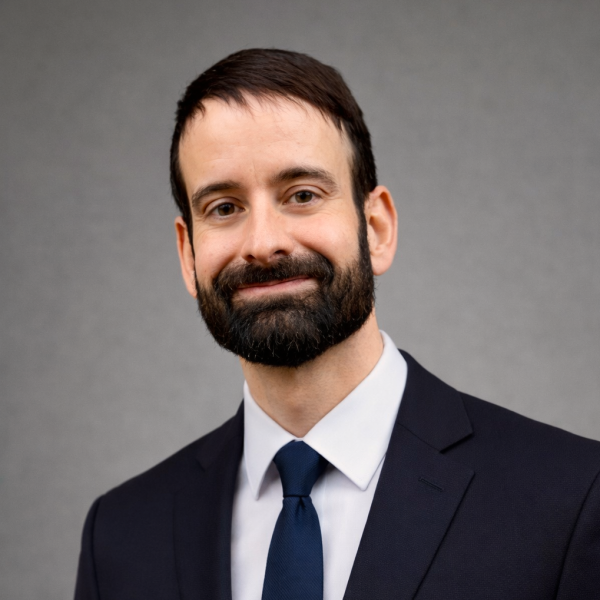
Leading in luxury demands clarity of vision, talent development, cultural intelligence, and the discipline to build teams that embody the brand at every touchpoint. Douglas Mandel, former VP of Dior who led Canada and a longtime luxury retail executive, offers insight into how teams and culture shape performance at the highest levels of the industry.
For Canadian retailers navigating expansion, succession, or brand evolution, these lessons are especially relevant. The store may be the stage, but leadership sets the script.
From Founder to Retail Leader
Mandel’s career arc illustrates how leadership in luxury evolves over time.
After years of entrepreneurship, including running his own menswear label and flagship boutique in Old Montreal, he made a deliberate mid-career pivot. In 2009, he enrolled in the MBA in International Luxury Brand Management at ESSEC Business School in Paris. The program, sponsored by LVMH, exposed him to the strategic frameworks behind global houses such as Louis Vuitton, Dior, Hermès, and others.
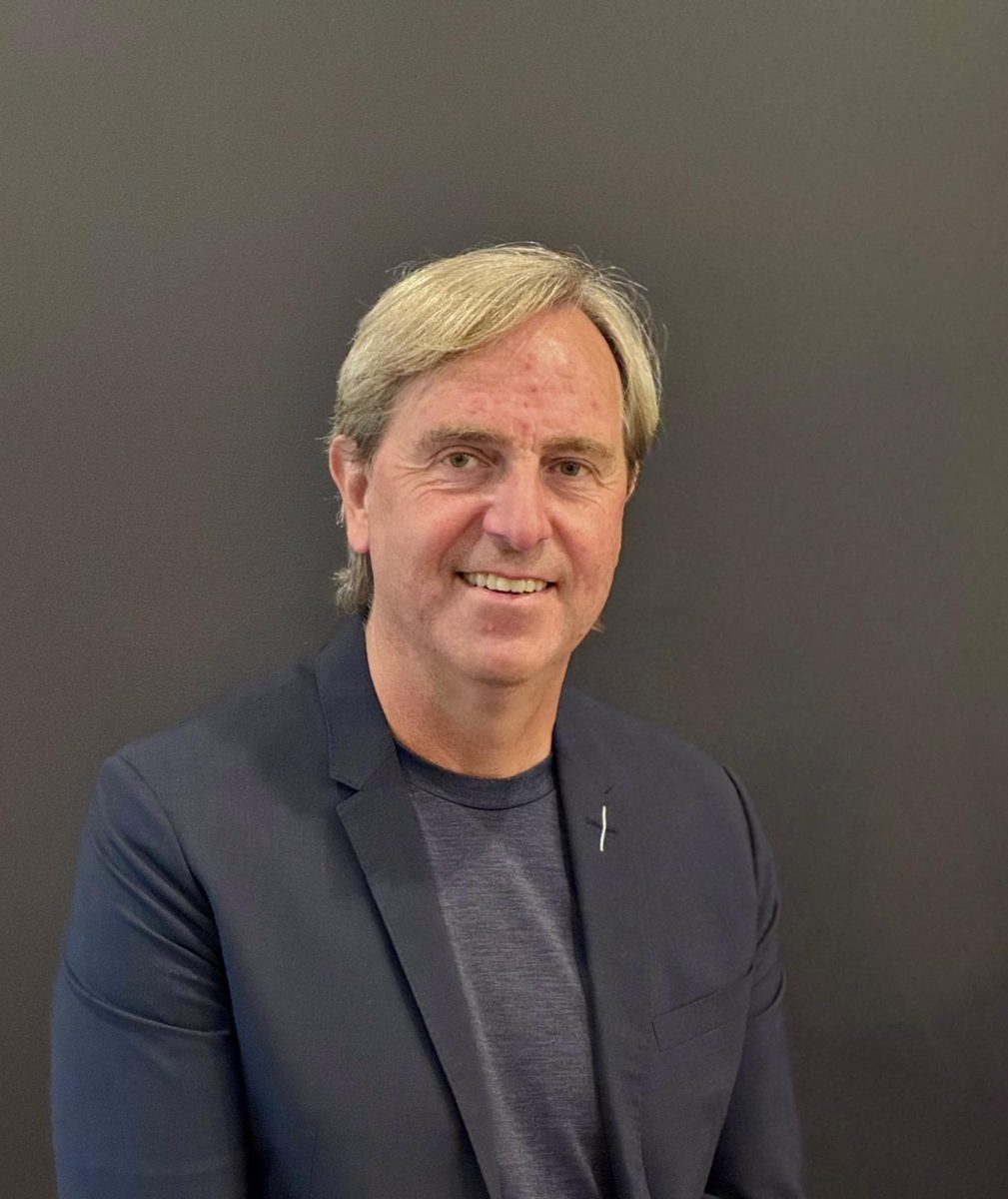
During that period, a critical insight emerged. The brands with the strongest long-term equity controlled their distribution. They owned their retail environments. They disciplined pricing. They protected experience.
“If I wanted to operate at the highest level, I needed to understand every part of the store experience, from the client journey to staff performance to visual execution,” Mandel said.
If design was the creative engine, retail was the strategic one.
That realization reshaped his trajectory. Rather than remain solely in creative entrepreneurship, Mandel set his sights on retail leadership inside a global maison. An internship at Dior led to a full-time role in London and eventually to senior leadership responsibilities across multiple markets.
The shift from founder to corporate leader underscores a central theme in leading in luxury. Vision must be matched by structure. Creativity must be supported by systems. And leaders must be willing to evolve.
Building a Brand World
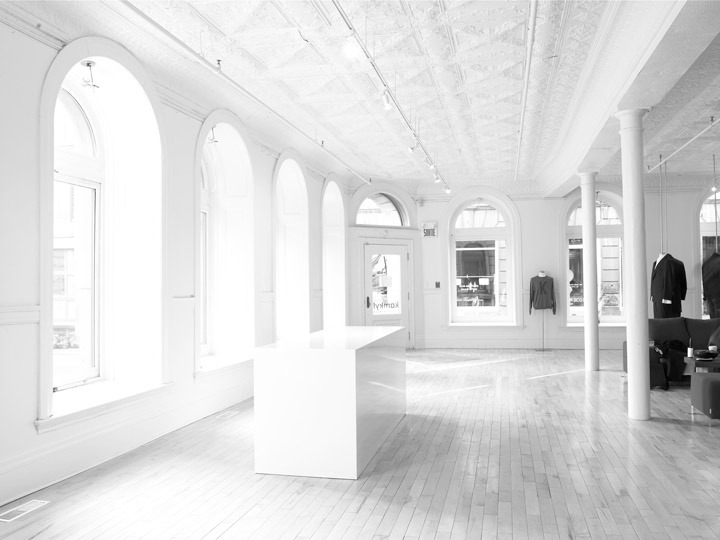
Before Dior, Mandel’s experience opening a kamkyl flagship in Old Montreal provided foundational lessons in culture-building.
Retail, he said, was never the original plan. Yet the desire to connect directly with clients and present the full brand universe led him and his wife to purchase and renovate a building on Rue Saint-Pierre. The store was designed internally rather than outsourced to consultants. It became part gallery, part atelier, part showroom.
The basement housed the design studio. Clients could see patterns drafted and fabrics discussed. Transparency around craftsmanship built credibility.
“A brand isn’t just what you sell. It’s how you make people feel when they enter your world,” Mandel says.
Leading in luxury means curating that world intentionally. Layout, scent, music, staffing, and proximity to the maker all contribute to culture. Even a small team can create resonance when alignment is strong.
For Canadian retailers, particularly independent and growth-stage brands, this insight matters. Control of narrative and environment is not reserved for global conglomerates. It begins with leadership choices.
Seeing What Is Missing
Earlier in his career, Mandel demonstrated another dimension of luxury leadership: identifying gaps and filling them strategically.
After leaving a previous role, he approached Club Monaco with a pointed observation. The women’s assortment was elevated and cohesive. The men’s offer lacked refinement. Rather than critique from a distance, he assembled tailored samples with an Italian manufacturer and presented a solution.
The result was an immediate order and the launch of his own company, supplying tailored product that complemented Club Monaco’s brand identity.
“They didn’t need to be reinvented. They needed someone to see what was missing, build it with integrity, and bring it to market with excellence,” Mandel explains.
The broader leadership lesson is instructive. Strong leaders do not attempt to reinvent a brand unnecessarily. They respect its DNA while identifying what is missing.
In Canadian luxury retail, where legacy brands and emerging labels coexist, this approach is particularly valuable. Leadership is not about ego. It is about augmentation. It is about strengthening what exists rather than diluting it.
Talent as the Strategic Advantage
Luxury brands succeed when teams embody the brand consistently. That requires recruitment, mentorship, and ongoing development.
Mandel’s transition into Dior was not accidental. He deliberately positioned himself for roles at the highest level. Industry mentors advised aiming high and aligning with brands that reflected personal values. By adding academic rigor to practical experience, he expanded credibility and opportunity.
Inside global houses, he observed that retail excellence depended on more than aesthetics. It required training systems, clear KPIs, disciplined clienteling, and leaders who could inspire performance while preserving brand integrity.
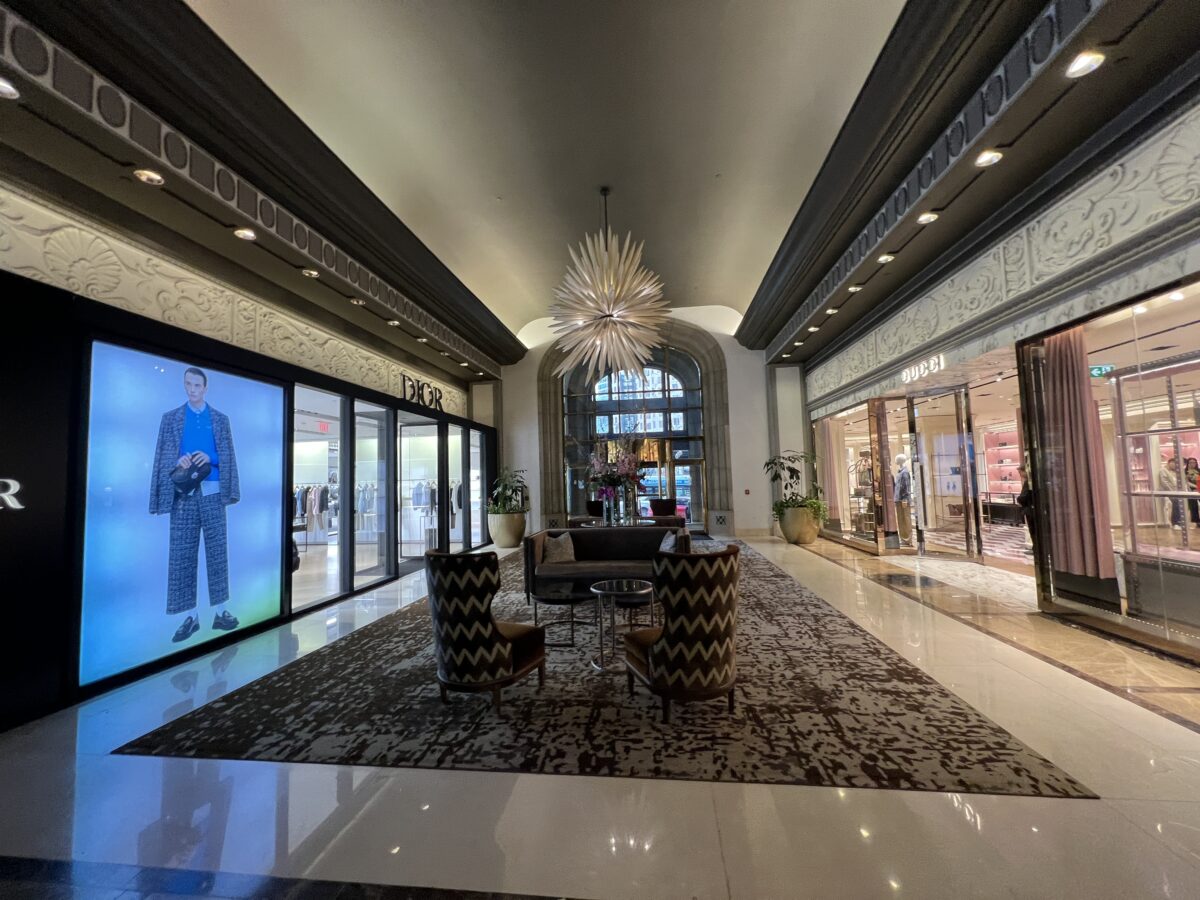
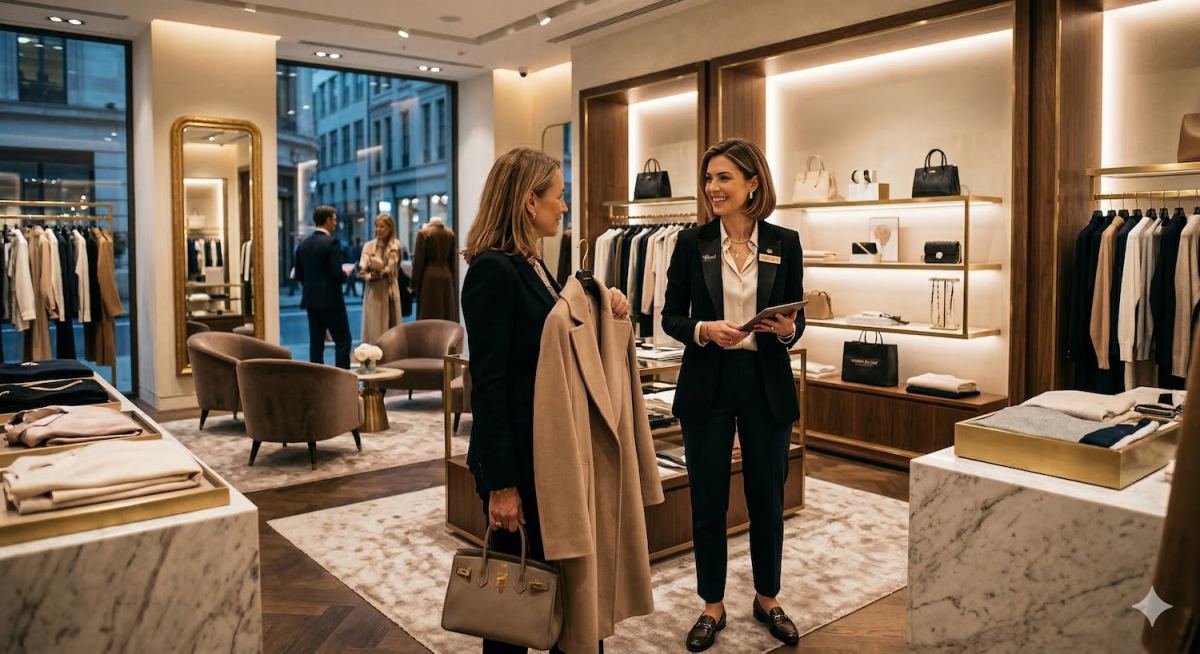
Leading in luxury means understanding that store managers and sales associates are not simply staff. They are brand ambassadors. Their tone, posture, and pacing shape perception as much as visual merchandising.
For Canadian retailers, investing in talent development is no longer optional. As luxury expands in major urban centers, competition for experienced retail professionals intensifies. Brands that build culture intentionally will retain talent more effectively than those that rely solely on compensation.
Fractional Leadership and Modern Agility
The luxury market has evolved. Growth-stage brands often face expansion pressure without the infrastructure of global groups. Hiring a full-time head of retail can be costly and time-consuming.
Mandel highlights the rise of fractional retail leadership as a strategic alternative. Under this model, a senior executive provides strategic oversight, mentorship, and systems development on a part-time basis. The objective is agility without sacrificing expertise.
“In today’s environment, flexibility is the ultimate luxury,” Mandel says.
For brands launching first stores, testing pop-ups, or preparing for capital raises, this approach can provide immediate strategic structure. Retail playbooks, performance dashboards, clienteling frameworks, and team culture initiatives can be implemented without the overhead of a permanent executive hire.
In Canada’s entrepreneurial luxury ecosystem, this model has growing relevance. Founders often excel at creative direction but may lack retail operations experience at scale. Fractional leadership bridges that gap while preserving flexibility.
Leading in luxury today requires balancing vision with pragmatism. Agility itself has become a competitive advantage.
Culture as the Differentiator
Ultimately, luxury leadership is about culture.
Culture determines how decisions are made, how clients are treated, and how teams collaborate. It shapes resilience during downturns and ambition during growth phases.
Mandel’s career illustrates that leadership in luxury is not linear. It may involve entrepreneurship, corporate pivots, global relocations, and continuous learning. What remains constant is commitment to excellence and alignment between brand values and team behavior.
“What brands want today is something more than a showroom. They want resonance, connection, and meaning,” Mandel says.
For Canadian retailers operating in an increasingly global marketplace, culture will differentiate leaders from followers. Beautiful stores and strong assortments are necessary. They are not sufficient.
Leading in luxury means cultivating teams that understand not only what they sell, but why it matters. It means investing in talent before crisis demands it. It means building systems that support creativity rather than constrain it.
In a sector defined by aspiration and perception, leadership behind the scenes often determines what clients ultimately see on the floor.
The brands that prioritize teams, talent, and culture will not only scale successfully. They will build organizations capable of sustaining excellence across markets and generations.