Editor’s Note: This article is the third in a special Retail Insider thought leadership series exploring how luxury retail actually works, based on insights from luxury retail executive Douglas Mandel. [Previous: ‘The New Luxury Client’ and What Luxury Really Is in a Changing World]
Luxury marketing does not function like traditional retail marketing. It does not compete on price. It does not shout promotions. It rarely explains itself in practical terms. Instead, it builds mythology.
Douglas Mandel, former VP of Dior who led Canada and a longtime luxury retail executive, offers insight into what truly drives luxury performance. At the core of his perspective is a simple premise: in the business of luxury, desire is everything.
Understanding The Art of Desire is essential for Canadian retailers operating in an increasingly global and competitive environment. As digital platforms democratize access to brands and consumer expectations evolve, luxury houses must work harder to maintain mystique. The brands that succeed do not merely market products. They create moments, symbols, and experiences that elevate perception.
The Haute Couture Principle
Mandel describes what he calls the Haute Couture Principle as the summit of luxury strategy. Haute Couture, technically defined as made-to-measure garments produced by hand in Paris under strict standards, represents the pinnacle of craftsmanship and exclusivity. Yet almost no one buys it.
That is precisely the point.
Haute Couture exists not primarily to generate revenue, but to create aspiration. It is the unreachable apex that fuels desire across the entire product architecture of a brand. A hand-beaded gown shown on a runway may cost hundreds of thousands of euros. The vast majority of clients will never purchase it. However, the image of that gown shapes perception of everything beneath it, from ready-to-wear to fragrance.
Mandel argues that the top rung of the ladder defines the dream. Without that dream, the ladder leads nowhere. When consumers purchase a pair of sunglasses or a bottle of perfume from a luxury house, they are buying into a narrative established at the very highest level.
For Canadian retailers, this principle has implications beyond fashion. Automotive brands, hospitality groups, and even high-end real estate developers apply similar logic. The most exclusive offering may be unattainable for most, yet it sets the tone for everything else.
Marketing as Mythology
“Luxury marketing doesn’t just sell products. It builds mythology,” Mandel says.
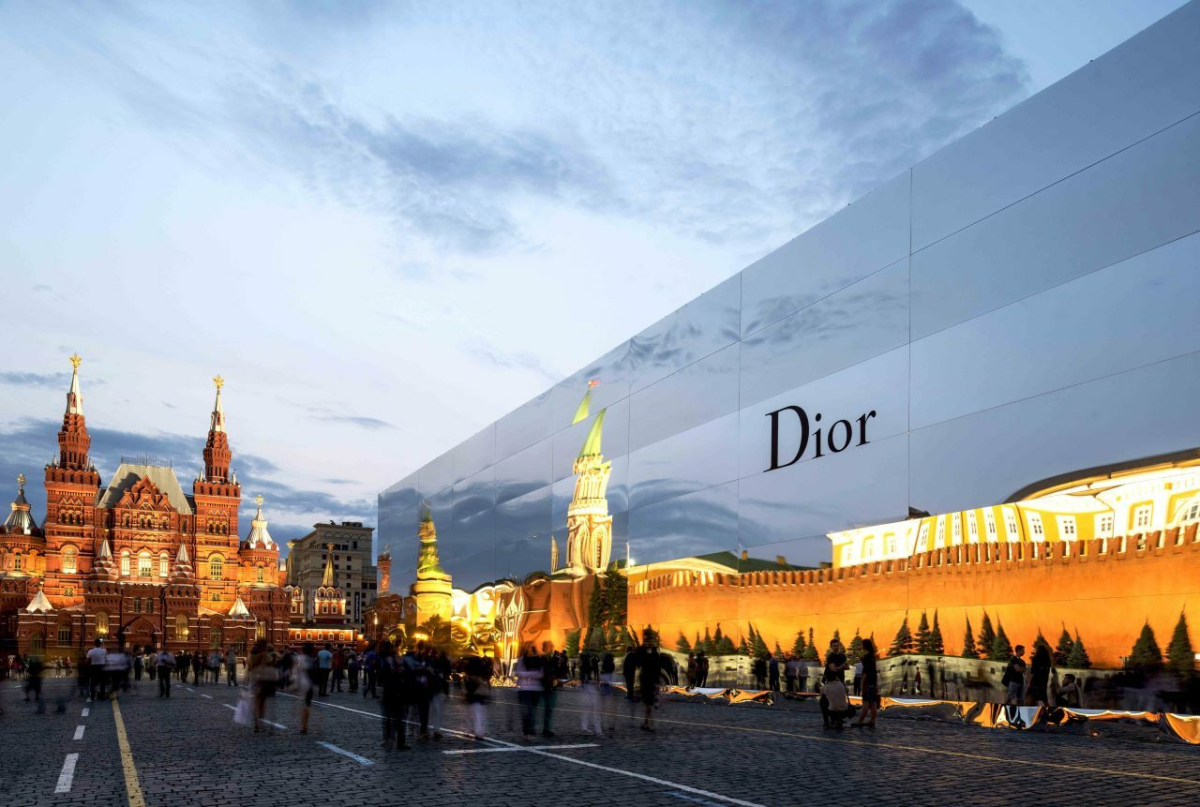
He recounts one of the most extraordinary examples of this during his time with Dior: staging a fashion show on Red Square in Moscow. A mirrored glass cube was constructed to reflect the Kremlin. The show drew global media attention and positioned Dior not simply as a fashion house, but as a cultural force.
The idea emerged from a negotiation over retail space inside GUM department store. Instead of approaching the situation conventionally, leadership proposed something unprecedented. The result generated global press, reinforced client loyalty, and cemented prestige.
This is The Art of Desire in action. Luxury brands create stories that transcend the transaction. They anchor themselves in historic monuments, cultural events, and symbolic settings. The product becomes part of a larger narrative.
For Canadian retailers, the lesson is clear. Cultural relevance amplifies brand equity. Whether through partnerships, events, or experiential activations, luxury marketing succeeds when it connects with something bigger than the store itself.
Showing Up in Culture
Desire is often built not in advertising campaigns, but in lived moments.
Mandel recalls hosting an after-party during Montreal’s Formula One Grand Prix weekend while operating a flagship boutique in Old Montreal. After local clubs closed, select VIP guests were transported to the store for a late-night gathering. The event was unconventional, informal, and culturally attuned to the city’s energy.
The outcome was not measured solely in immediate sales. Instead, the store positioned itself within the cultural fabric of Montreal. International visitors discovered the brand in an unexpected setting. Tastemakers connected with the space before the term influencer became commonplace.
Luxury marketing works when brands show up where their clients live, celebrate, and dream. In Canada’s major cities, from Toronto to Vancouver to Montreal, luxury retail intersects with sports, arts, film festivals, and global tourism. Strategic cultural alignment builds memory.
Clients may forget a promotional email. They rarely forget an experience that felt exclusive and unexpected.
The Power of the Impossible
At the heart of The Art of Desire is the strategic use of the unattainable.
Mandel compares Haute Couture to Ferrari’s Formula 1 program. Billions are invested in engineering, sponsorship, and racing at the highest level, even though the majority of customers will never drive an F1 car. The racetrack defines the mythology that filters down to every road model.
Similarly, Haute Couture defines the visual language and emotional resonance of a luxury house. It is more exclusive than most art and more precise than many forms of watchmaking. Its purpose is not volume. It is symbolism.
Luxury brands that begin from the middle, focusing solely on accessible collections or modest price points, risk diluting aspiration. In this business model, the dream must come first. Everything else cascades downward.
For Canadian luxury retailers competing in a market increasingly influenced by global brands, this principle is critical. Without a clear aspirational peak, brand positioning flattens.
Negotiation, Spectacle, and Strategy
Luxury marketing often intersects with negotiation and strategic opportunity.
In the Red Square example, what began as a real estate dispute became an opportunity for global spectacle. The decision to build a mirrored cube and host a runway show transformed a logistical challenge into brand-defining mythology.
This approach requires confidence and clarity. It also requires a willingness to think beyond immediate metrics. While short-term return on investment is important, luxury houses often prioritize long-term prestige.
Canadian retailers, particularly those scaling or entering new markets, can draw lessons from this mindset. Strategic boldness, when aligned with brand values, can accelerate positioning in ways incremental campaigns cannot.
How Desire Translates Into Revenue
Ultimately, desire must translate into business performance.
The cascade from couture to cosmetics illustrates how aspiration drives accessibility. A €250,000 gown generates media coverage and cultural attention. A ready-to-wear piece echoes its silhouette. Accessories and fragrance carry the same mood and muse at more attainable price points.
The presence of an anchor at the top elevates perceived value across the entire assortment. Pricing psychology plays a role. When the highest tier signals exceptional craftsmanship and exclusivity, products below it benefit from reflected prestige.
For Canadian retailers managing assortments in premium and luxury segments, understanding this architecture is vital. Desire must be engineered intentionally. It does not happen accidentally.
The Art of Desire in Canada
The Canadian luxury market is maturing. Global brands are investing more deeply. Domestic consumers are increasingly sophisticated. Travel and digital exposure mean that clients compare experiences across borders.
In this environment, The Art of Desire becomes a competitive advantage. It is not about louder messaging or deeper discounts. It is about cultural presence, aspirational peaks, and disciplined storytelling.
Luxury marketing works when it builds mythology. It works when it anchors product in symbol and experience. It works when the dream is visible, even if it is unreachable.
As Mandel’s reflections make clear, desire is not a byproduct. It is the strategy.
The brands that understand this will not merely sell more product. They will shape perception, define aspiration, and secure long-term loyalty in a market that increasingly rewards those who master the art of wanting.