

Canadian consumers continue to prioritize value as economic pressure and elevated food costs reshape grocery shopping habits across the country, according to executives at Loblaw Companies Limited during the company’s first quarter 2026 earnings call. The retailer reported continued strength in its discount banners, growing demand for promotions and private label products, and an ongoing shift toward lower-cost food purchases as shoppers remain cautious with spending.
The company delivered first quarter revenue growth of 4.2% year-over-year to $14.48 billion, while adjusted diluted net earnings per share increased 10.6%. Loblaw also reported strong momentum in both food and pharmacy operations, supported by new store openings and continued expansion across Canada.
Executives, however, spent much of the call discussing how Canadians are continuing to adjust purchasing behaviour in response to affordability pressures.
“We are seeing right now is more of the same,” said President and CEO Per Bank during the earnings call. “Customers, they are still doing what they did in the last quarter. They are trading down.”
Consumers Continue Seeking Lower-Cost Grocery Options
Loblaw executives pointed to changing purchasing patterns across core grocery categories as consumers increasingly gravitate toward lower-cost alternatives and promotional pricing.
Per Bank cited chicken sales as one example, noting that customers are buying fewer premium “free-from” products while increasingly purchasing entry-level offerings instead.

“It’s a double-digit decline in the free form, it’s a double up in our opening price point,” he said during the call.
Executives also noted consumers are purchasing fewer steaks while shifting toward lower-cost proteins such as minced beef, alongside increased promotional shopping activity across the grocery business.
The comments reflect broader trends unfolding across Canada’s grocery sector, where value-focused shopping habits continue to shape retail performance. Loblaw executives said the company’s internal food inflation metrics remain below Canada’s grocery CPI rate of 4.4%, which management attributed partly to promotional strategies, loyalty offers, and efforts to resist supplier price increases.
Private label products also continued to outperform national brands during the quarter, according to management, as consumers increasingly seek lower-cost alternatives without sacrificing perceived quality.
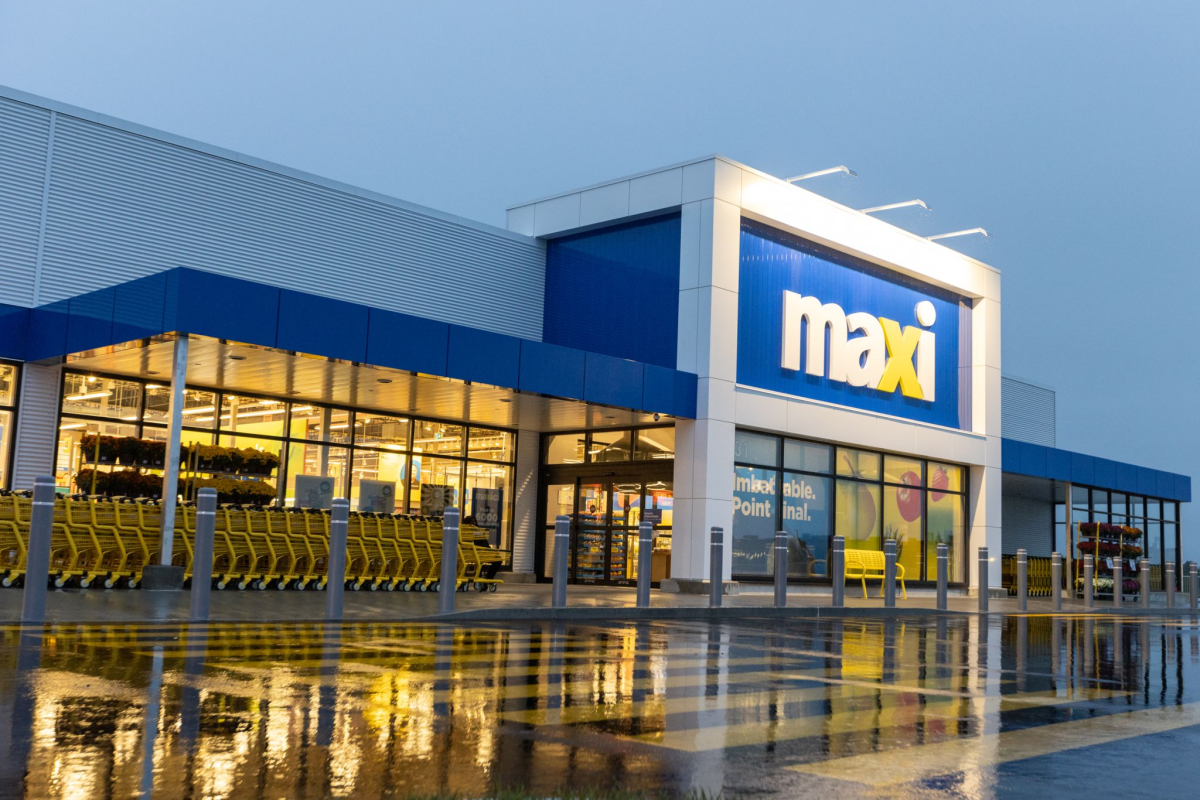
Discount Banners Continue Driving Growth
Loblaw’s discount banners, particularly No Frills and Maxi, remained among the company’s strongest growth drivers during the quarter as consumers continued prioritizing affordability.
The company opened five new hard discount stores during the quarter and plans to open approximately 30 discount locations in total during 2026.
Executives said newer discount locations have been generating particularly strong results. Loblaw noted that 28 hard discount stores opened since 2023 are averaging double-digit same-store sales growth.
Management also emphasized that many new stores are being developed in underserved markets where discount grocery penetration has historically been limited.
Per Bank highlighted Vancouver Island as an example, noting that Loblaw operated only one No Frills location there when he joined the company in 2023. By the end of this year, the retailer expects to have four stores operating on Vancouver Island, with additional locations already planned.
The company also cited Sudbury, Ontario, where Loblaw previously had no No Frills stores despite a population of approximately 166,000 residents. The retailer now operates two locations in the market and said performance has exceeded expectations.
Loblaw Reducing Store Construction Costs
Executives also revealed that Loblaw has reduced grocery store construction costs by approximately 30% over the past several years through operational and design efficiencies.
According to Chief Financial Officer Richard Dufresne, the company has focused heavily on reducing refrigeration costs, accelerating store construction timelines, and testing semi-assembled building components to improve development economics.
Management said these efficiencies allow Loblaw to expand into smaller Canadian communities while maintaining acceptable returns on investment.
“For every dollar that we reduce our construction cost, it just drives up our IRR,” Dufresne said.
The comments underscore how major grocery operators are increasingly adapting real estate strategies to support discount expansion and smaller-format growth opportunities across Canada.
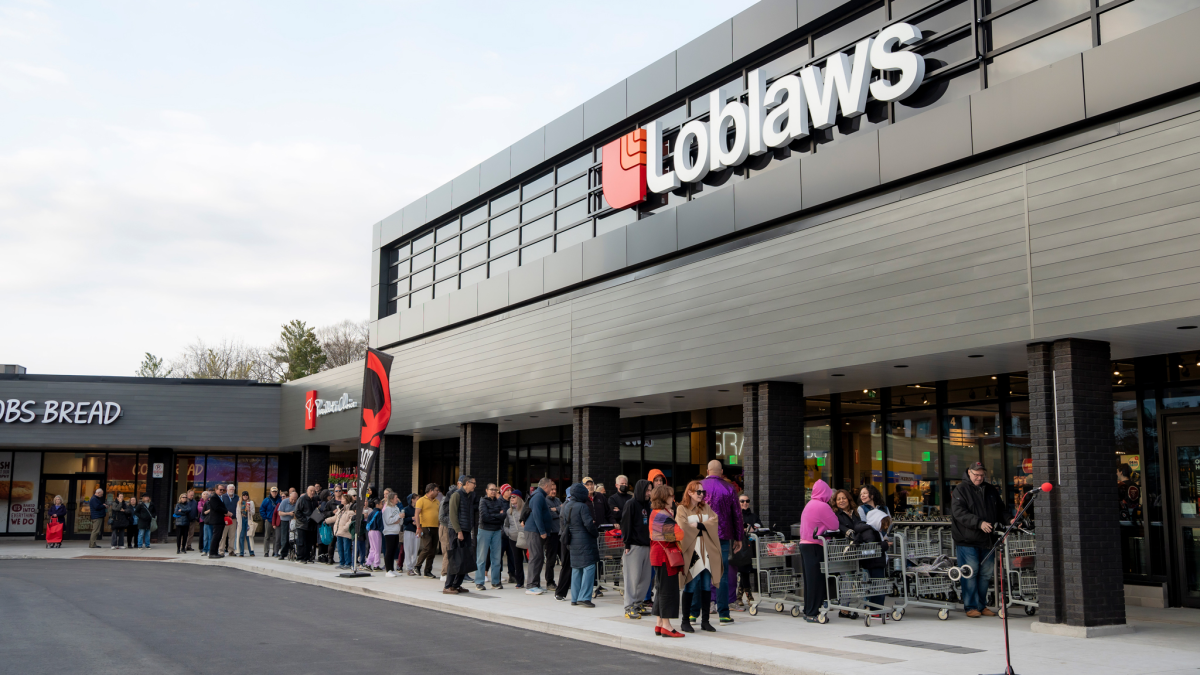
Conventional Grocery Stores Still Performing Well
While discount banners continue outperforming, Loblaw executives stressed that the company’s conventional grocery operations also remain healthy.
The retailer pointed to strong performance at banners including Fortinos and T&T Supermarket, with management highlighting continued growth in multicultural grocery offerings and preferred food categories.
Executives also said conventional stores continued gaining tonnage and market share against competitors despite cautious consumer spending.
The company’s food same-store sales grew 2.4% during the quarter, while absolute food sales increased 3.9%.
Loblaw additionally reported continued momentum in e-commerce, with online sales increasing 20.3% year-over-year, driven by growth in PC Express delivery and third-party delivery integration.
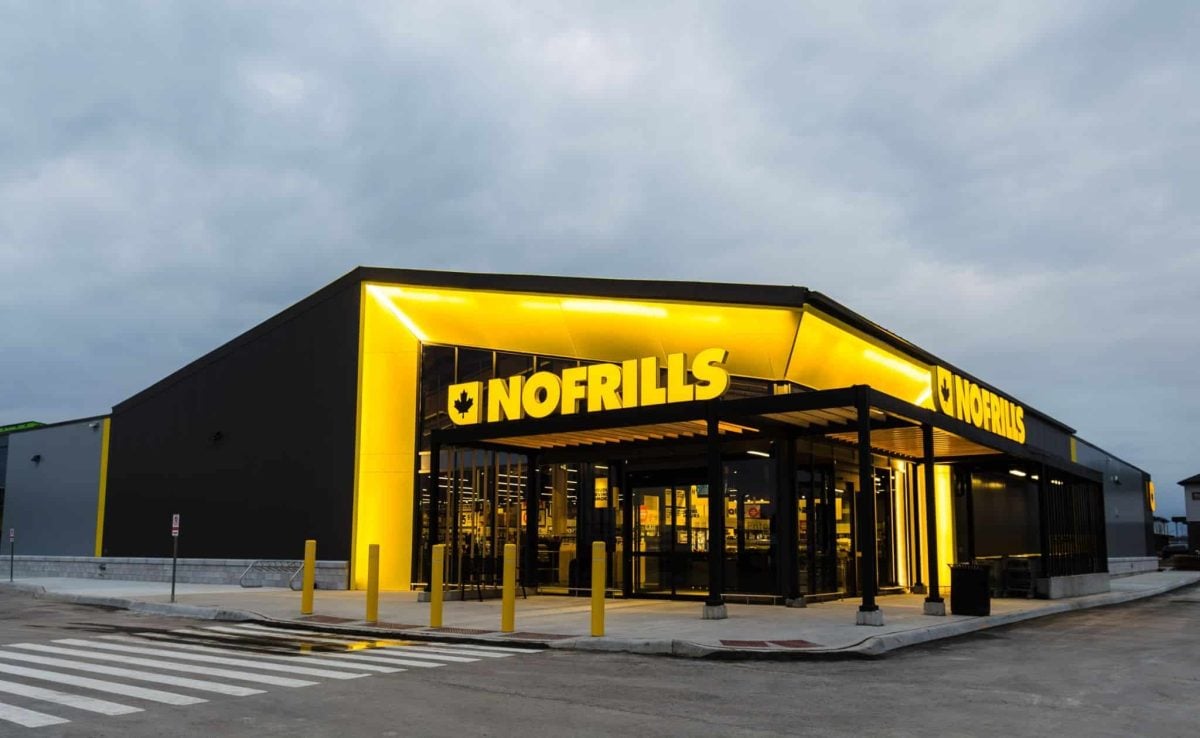
Discount Grocery Growth Continues Reshaping Canadian Retail
The latest results reinforce how discount grocery continues evolving from a temporary inflation-era response into a more deeply embedded consumer behaviour trend across Canada.
Although executives said shopping patterns have not materially worsened in recent months, the company acknowledged that consumers remain cautious and highly focused on value across multiple categories.
At the same time, Loblaw is continuing to invest aggressively in discount grocery expansion, supply chain modernization, e-commerce, and operational efficiencies as competition intensifies across Canada’s grocery sector.
The company plans to open approximately 70 stores in total during 2026, including both grocery and pharmacy locations.









While Dollarama is on the fringe of the grocery business with its food section, its introduction of some recognized brands in most of its aisles provides reassurance that its ‘unknown’ labels provide value.