This summer, visitors to Carlingwood Shopping Centre can take a step back in time.
The Ottawa shopping centre is marking its 70th anniversary with roller skating, vintage cars and family activities that celebrate a property that has been part of daily life in the city’s west end for generations.
Few shopping centres in Canada have reached such a milestone.
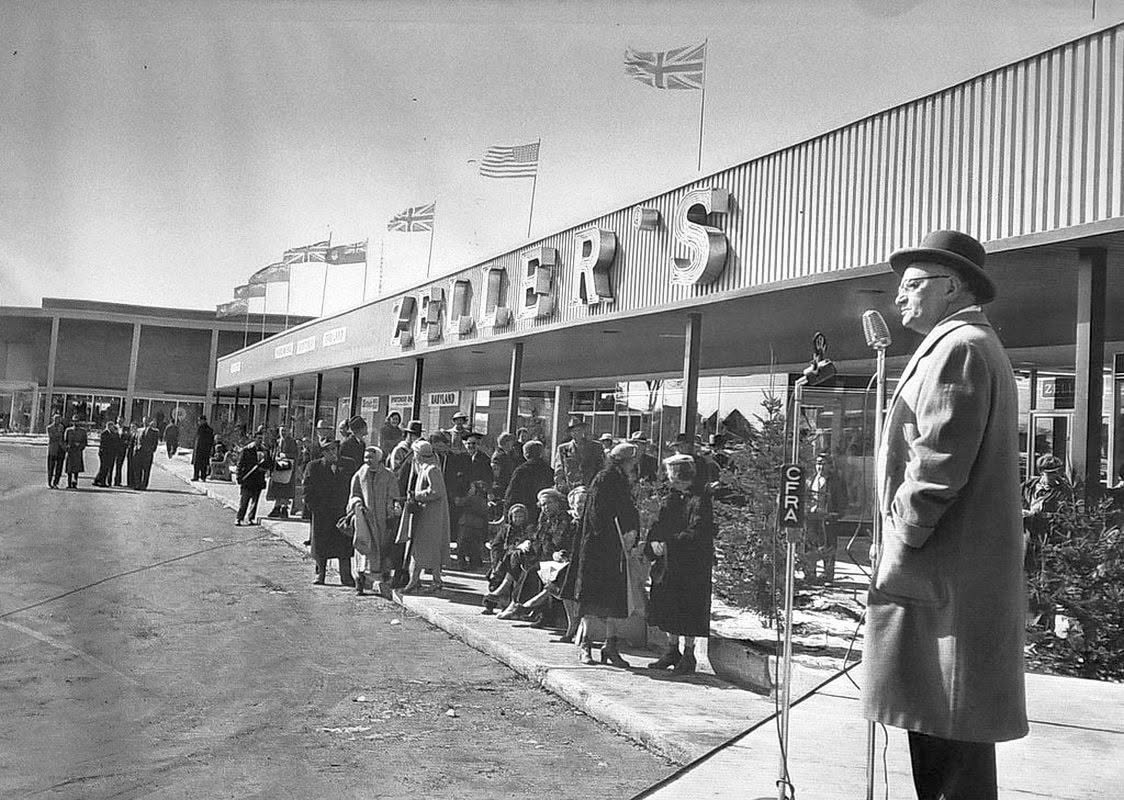
When Carlingwood opened in 1956, it was promoted as the largest shopping centre in Eastern Canada. The centre arrived during the postwar boom, as new suburban communities spread beyond Ottawa’s traditional core and the automobile transformed the way Canadians shopped.
Seventy years later, Carlingwood remains a busy retail destination despite dramatic changes that have reshaped the industry around it.
The shopping centre has outlasted department stores, adapted to the rise of regional malls and big-box retail and navigated the growth of e-commerce. In many ways, its history mirrors the evolution of Canadian retail itself.
A New Era of Shopping in Ottawa
The 1950s ushered in a new chapter for Ottawa retail.
As families moved into rapidly growing suburban neighbourhoods, shopping centres emerged as a modern alternative to traditional downtown shopping districts. Carlingwood became one of the city’s defining retail destinations, offering the convenience of multiple stores, abundant parking and a shopping experience designed for the automobile age.
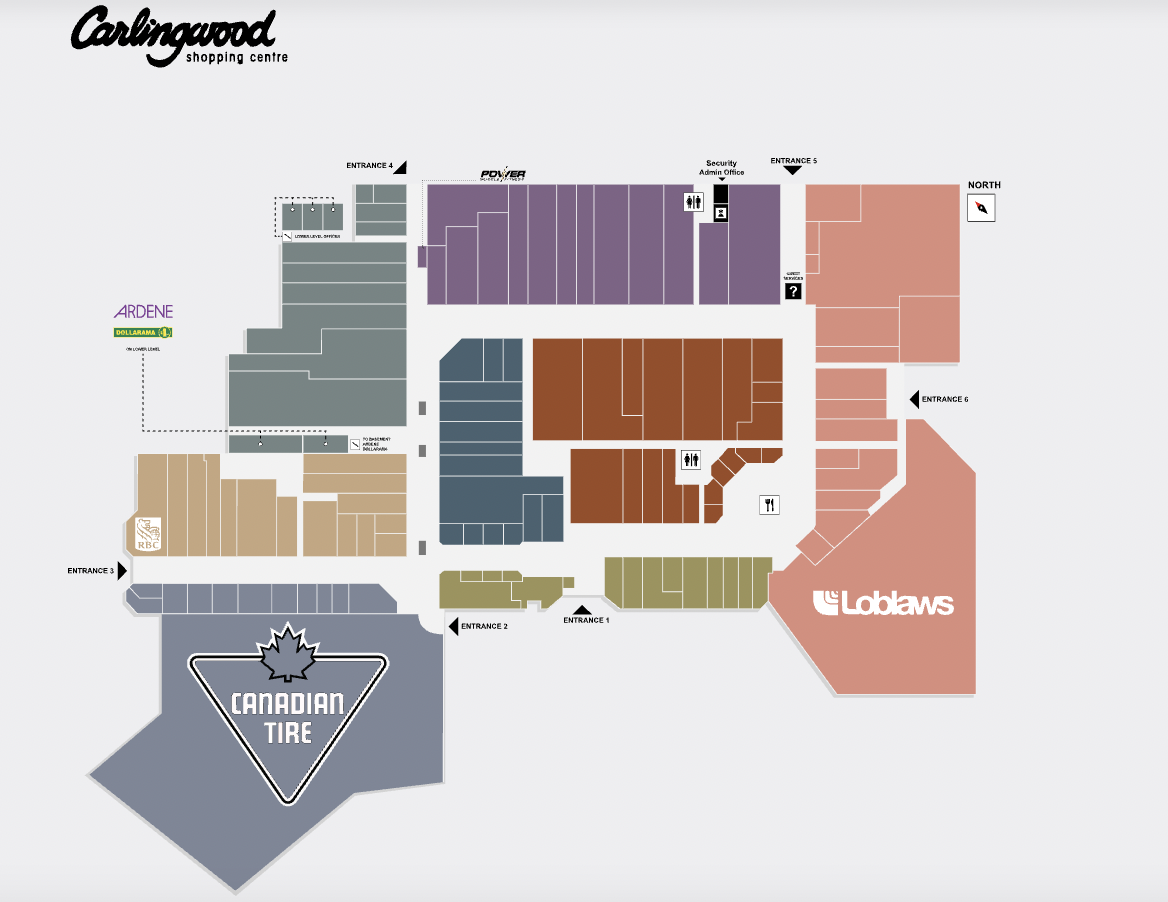
The original development featured a two-storey Simpsons-Sears department store and a large Loblaws supermarket. The mall built between those anchors was home to retailers including Woolworth’s, Reitmans, Fairweather, Kiddytown and Zellers.
For many Ottawa residents, Carlingwood became more than a place to shop. It became a community gathering place where families spent weekends, met friends and embraced the growing culture of suburban retailing.
As Ottawa expanded, so did its shopping landscape. Larger regional destinations eventually emerged, including Bayshore Shopping Centre and the downtown-focused Rideau Centre. New power centres and big-box developments later changed shopping patterns once again.
Yet Carlingwood endured. The centre was enclosed and modernized in 1971, beginning a pattern of reinvention that would become one of its defining characteristics.

Adapting to a Changing Retail Landscape
The history of Carlingwood is, in many respects, the history of Canadian retail.
The centre experienced the golden age of department stores and later watched as traditional anchors lost their dominance. It saw consumers embrace discount retailers and category killers and later witnessed the rise of online shopping and digital commerce.
Many shopping centres of a similar age struggled to navigate those transitions. Some were redeveloped. Others lost their relevance altogether. Carlingwood evolved into something different: a community shopping centre focused increasingly on convenience and everyday needs.
Its mix of grocery, pharmacy, banking, dining and service-oriented tenants has helped it remain closely connected to the surrounding neighbourhoods that have supported the centre for decades.
The Sears Closure Became an Opportunity
One of the most significant moments in the shopping centre’s history came in 2018 when Sears Canada closed its doors.
Across the country, the collapse of Sears left shopping centre owners facing difficult questions about how to replace massive department store spaces that had anchored malls for generations.
At Carlingwood, the answer became one of the property’s biggest reinventions.
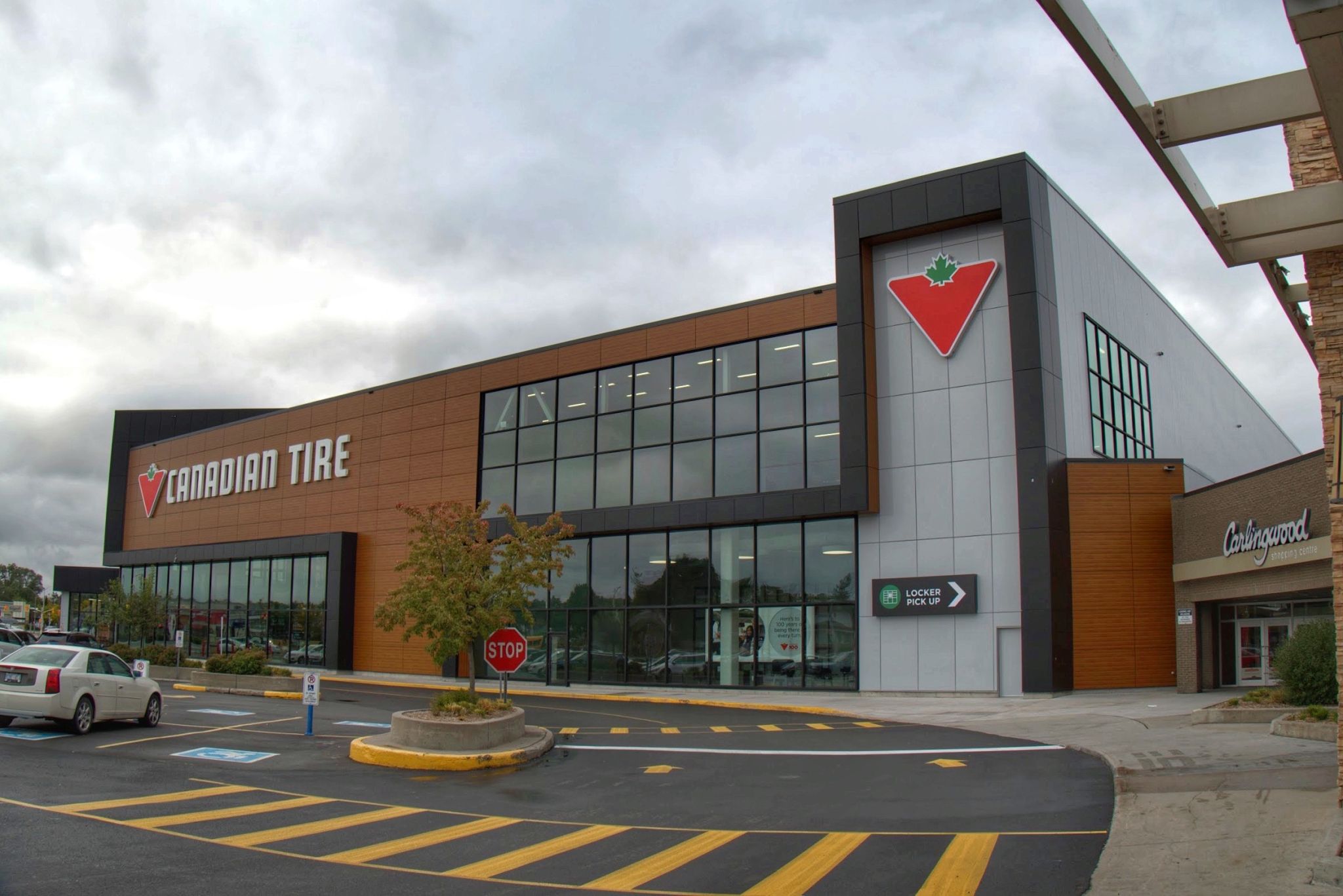
The former Sears building was demolished and replaced by a massive new Canadian Tire location that is widely regarded as the largest Canadian Tire store in the country.
The transformation reinforced Carlingwood’s role as a destination for practical, everyday shopping and demonstrated that older shopping centres can remain successful when they adapt to changing consumer needs.
In many respects, the replacement of Sears with Canadian Tire symbolizes a broader shift in Canadian retail. The era of the traditional department store has given way to retailers that focus on convenience, value and products that are woven into daily life.
Why Community Shopping Centres Continue to Matter
Carlingwood is not Ottawa’s largest mall, nor is it trying to become a luxury retail destination. Its strength lies elsewhere.
Community shopping centres have shown remarkable resilience because they serve local needs in ways that are difficult to replicate online. Grocery shopping, pharmacy visits, banking and everyday errands continue to bring customers through their doors on a regular basis.
Carlingwood’s accessible location, ample parking and neighbourhood-oriented tenant mix have allowed it to remain relevant while many older shopping centres have faded.
The property also remains deeply connected to the communities that surround it, serving not only as a retail destination but as a social and community hub.
Looking Toward the Next Chapter
Carlingwood entered a new era in 2024 when Streamliner Properties and Anthem Properties Group acquired the 30-acre shopping centre.
The new owners have highlighted the property’s proximity to Ottawa’s expanding LRT network and its long-term potential for incremental residential density.
Those comments reflect a broader trend unfolding across Canada as shopping centre owners increasingly explore opportunities to add housing to large urban properties while preserving successful retail uses.
No major redevelopment plans have been announced publicly for Carlingwood. Still, its size and location suggest that the shopping centre could continue evolving in the decades ahead.
That possibility feels fitting for a property that has spent the past 70 years adapting to change.
A Legacy of Reinvention
Carlingwood Shopping Centre’s anniversary is about more than longevity. It is about resilience.
Few shopping centres that opened during the postwar suburban boom remain important retail destinations today. Fewer still have managed to reinvent themselves repeatedly while maintaining a strong connection to their communities.
Seventy years after welcoming its first shoppers, Carlingwood stands as a reminder that successful shopping centres are rarely static. They endure because they evolve.
The future of Canadian retail will likely include more mixed-use communities, transit-oriented development and new forms of shopping. If the past seven decades are any indication, Carlingwood will continue finding ways to adapt to whatever comes next.