

Vancouver has seen billions of dollars invested in retail over the past decade, from the transformation of Oakridge Park to the growth of Alberni Street’s luxury corridor and continued investment in destinations such as CF Pacific Centre. Yet one of the city’s most compelling shopping districts is not defined by scale.
It is defined by three blocks in Kitsilano.
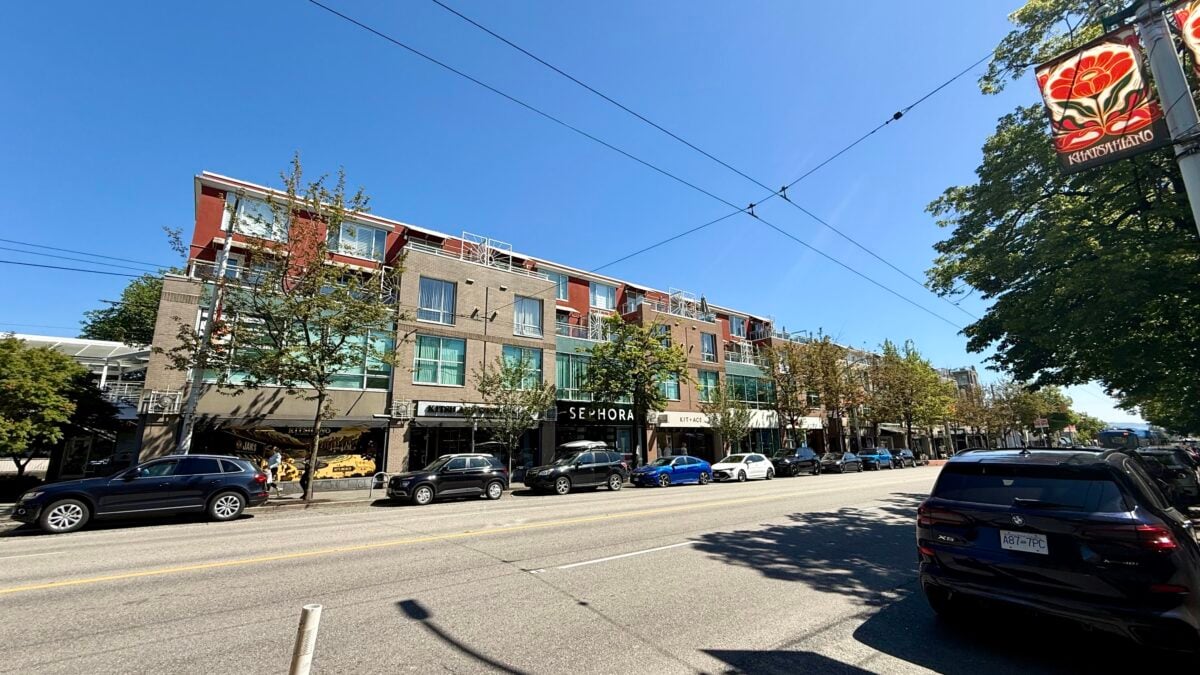
The heart of West 4th Avenue’s retail district stretches roughly between Vine Street and Maple Street, where a compact mix of retailers, restaurants, cafes, services and specialty concepts has created one of Canada’s most distinctive urban shopping environments.
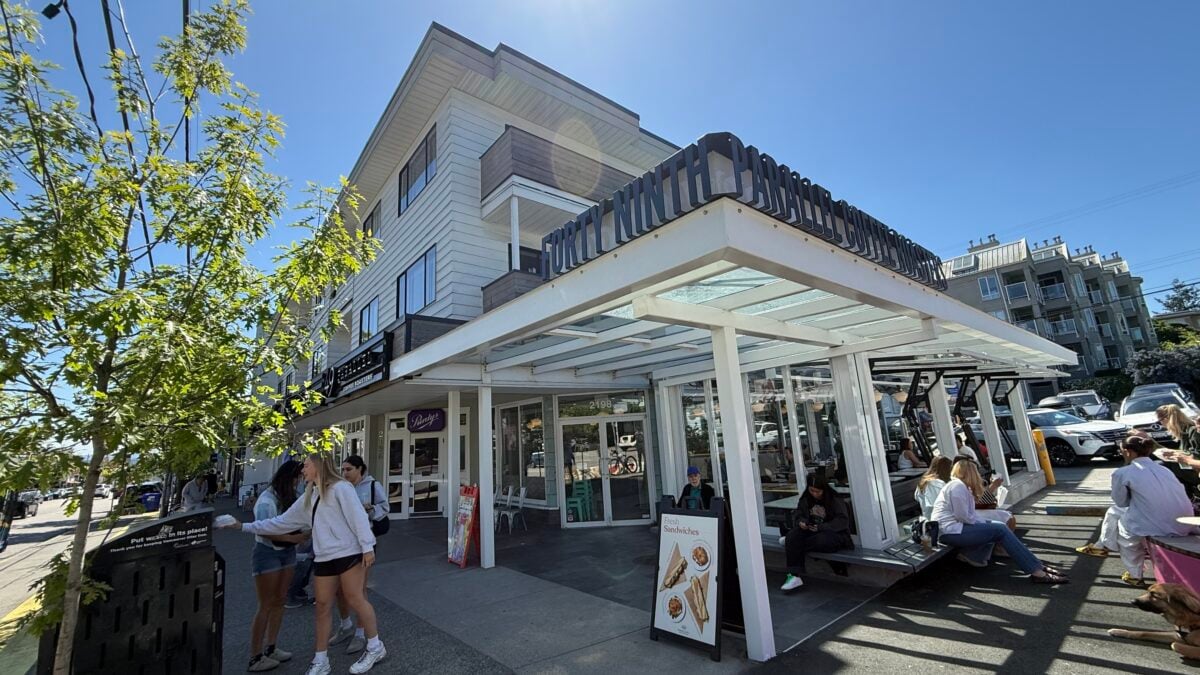
On a recent Sunday afternoon visit, Retail Insider observed strong pedestrian activity throughout the district. Restaurants and brunch destinations were busy, shoppers moved between stores, and the street maintained steady foot traffic despite no major event taking place.
That everyday activity helps explain why retailers continue to invest in the corridor.
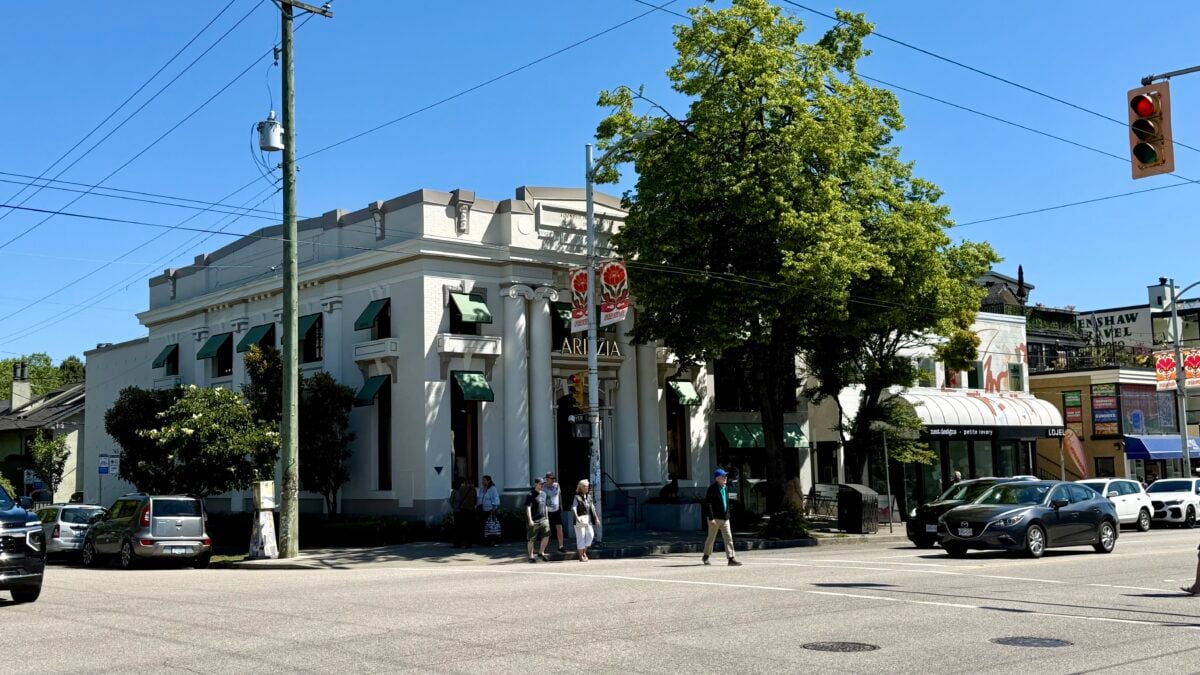
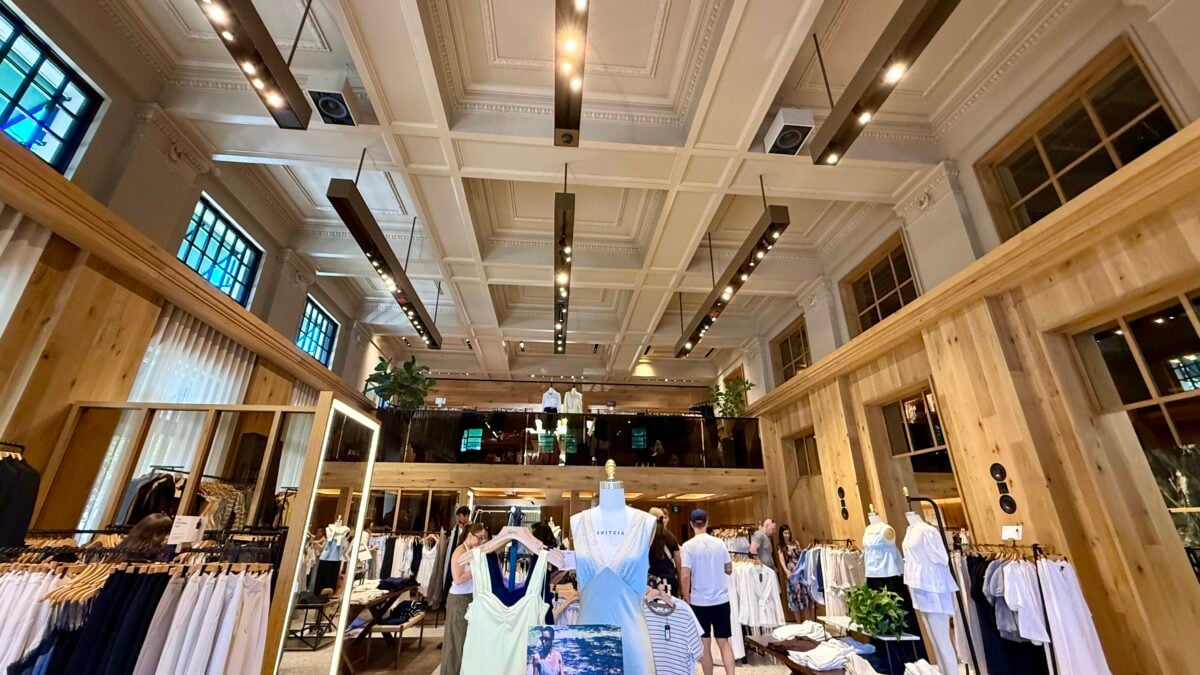
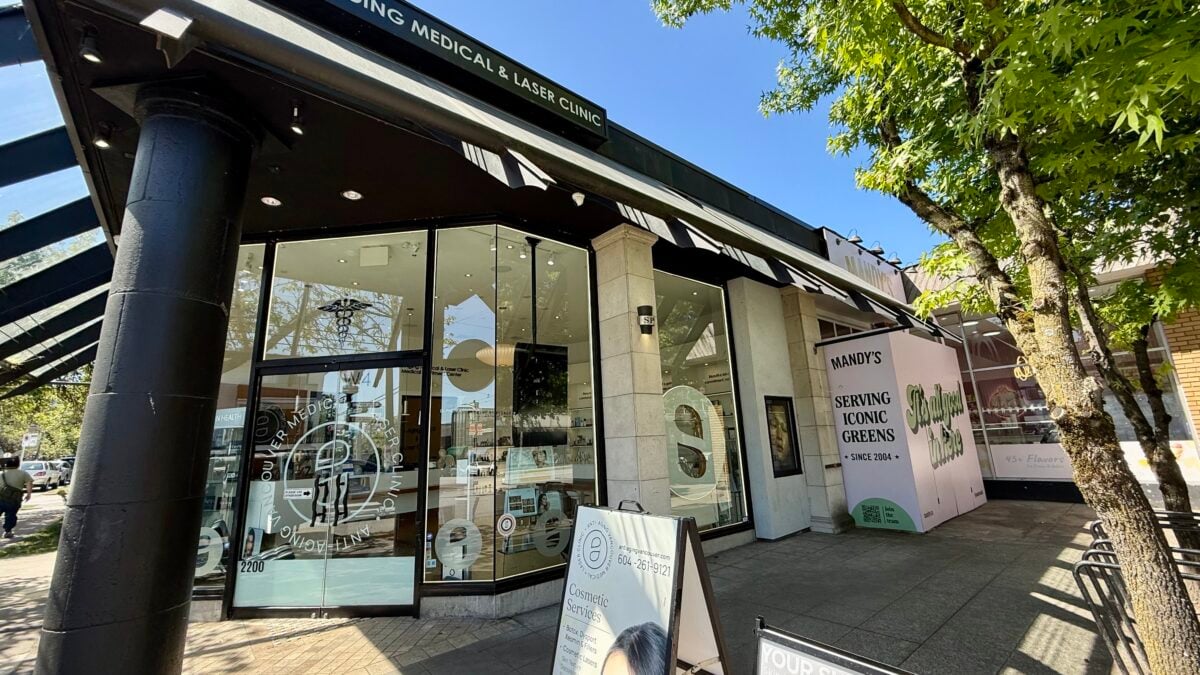
Recent additions include Sephora’s first Canadian small-format store, a new Aritzia location in the former Urban Outfitters building, and an upcoming Mandy’s Gourmet Salads restaurant. Together, they point to ongoing confidence in a district that has managed to evolve while retaining the character that made it successful.
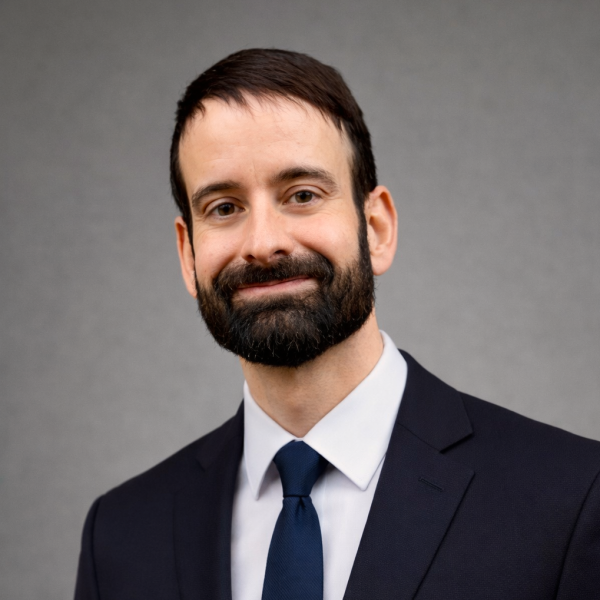
For Jeff Berkowitz, Co-CEO and Chartered Real Estate Broker at Aurora Retail Group, West 4th’s strength begins with something many retail districts struggle to achieve.
“West Fourth knows exactly what it is,” Berkowitz said in an interview with Retail Insider. “It has a great sense of self.”

A Street That Feels Like an Experience
Berkowitz has spent his career studying retail markets across Canada and internationally, and says West 4th stands out because it offers something that cannot be easily replicated online or inside a conventional shopping centre.
He is careful with one word in particular.
“I hate using the word experiential because it’s overused,” he said. “But people want to enjoy the environment when they’re out of their house. They want a reason to go out, not just order something online or stay home.”
West 4th provides that reason. The district combines practical neighbourhood uses with destination retail. A shopper can visit a restaurant, pick up groceries, browse fashion, buy skincare, visit a specialty retailer and stop for coffee within a short walk.
“You’ve got local pharmacies, food stores and restaurants, but you’ve also got Sephora, Mejuri and other brands that make the street more than a neighbourhood strip,” Berkowitz said.
That balance is central to the corridor’s appeal. West 4th functions as a local commercial street for Kitsilano residents while also drawing consumers from other parts of Vancouver who come for the atmosphere, retailer mix and sense of discovery.
Three Blocks, Dozens of Reasons to Stop
The most active stretch of West 4th is unusually compact. A walk from Vine Street to Maple Street takes only a few minutes, but the corridor contains a dense collection of retailers and restaurants.
For Berkowitz, that density is part of what makes the street work.
“You can walk three blocks and discover twenty different stores,” he said.
The relatively small storefronts help create variety. Instead of a few large-format tenants occupying long stretches of frontage, the district offers a sequence of smaller businesses that keep the street visually and commercially interesting.
That built form creates a natural sense of exploration. Consumers do not simply arrive at one destination and leave. They move from one storefront to the next, often discovering retailers and restaurants along the way.
“It’s a bit of an adventure,” Berkowitz said.
That adventure is increasingly important in modern retail. Online shopping is efficient. Enclosed malls are convenient. But West 4th offers something different: a street-level experience where the appeal comes as much from the walk itself as from any individual store.
Retailers Continue to Invest in Kitsilano
Recent activity on the street shows how the corridor is attracting a mix of major brands, Vancouver-founded companies and specialty operators.
Sephora’s arrival brought one of the world’s largest beauty retailers to the neighbourhood in a smaller format tailored to the local market. Aritzia has opened in the former Urban Outfitters space at West 4th and Yew, one of the district’s most prominent retail locations. Mandy’s Gourmet Salads is also under construction, adding another food-focused concept to the corridor.
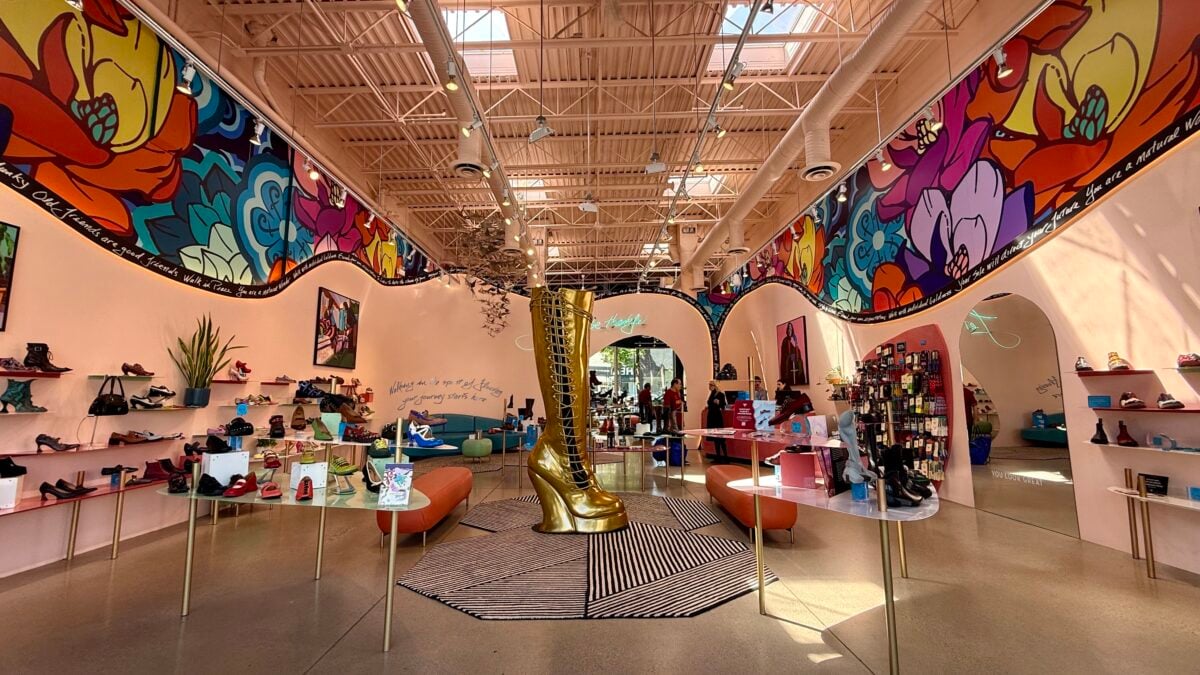
Nearby, Kit and Ace operates next to Sephora, while Westbeach has returned with a flagship store that brings a distinctly Vancouver story back to the street.
Westbeach is particularly well suited to the corridor. The revived brand’s flagship includes experiential elements and a strong sense of local identity, offering the kind of retail environment that adds texture to a district rather than simply filling space.
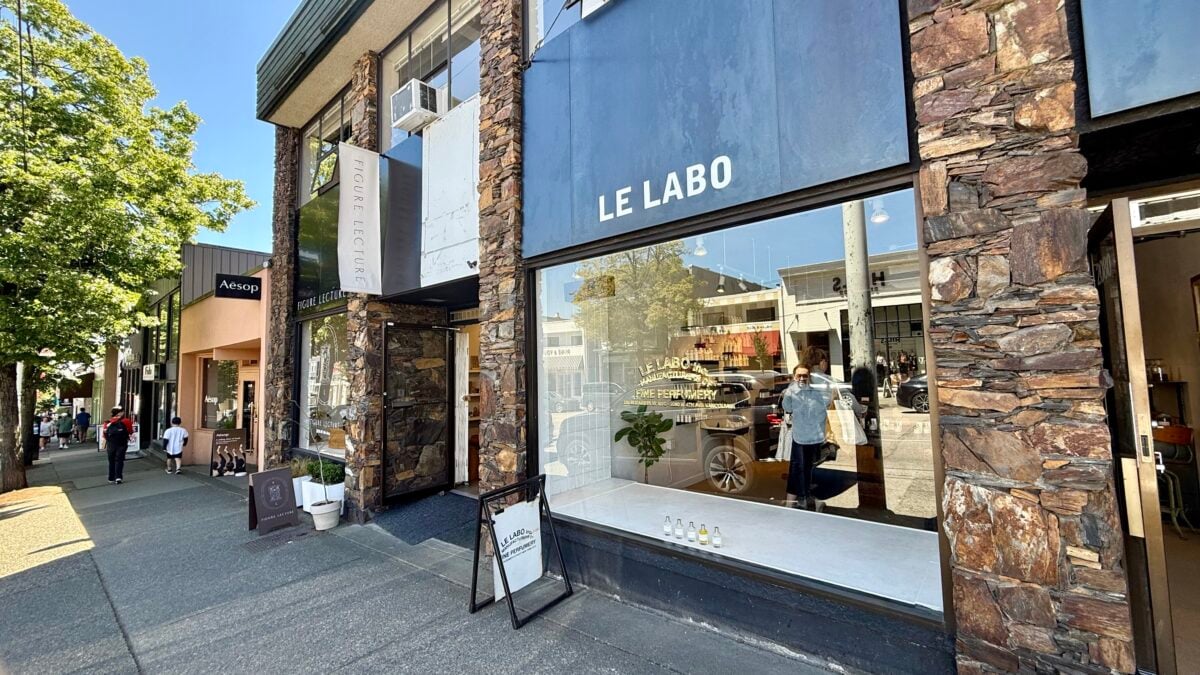
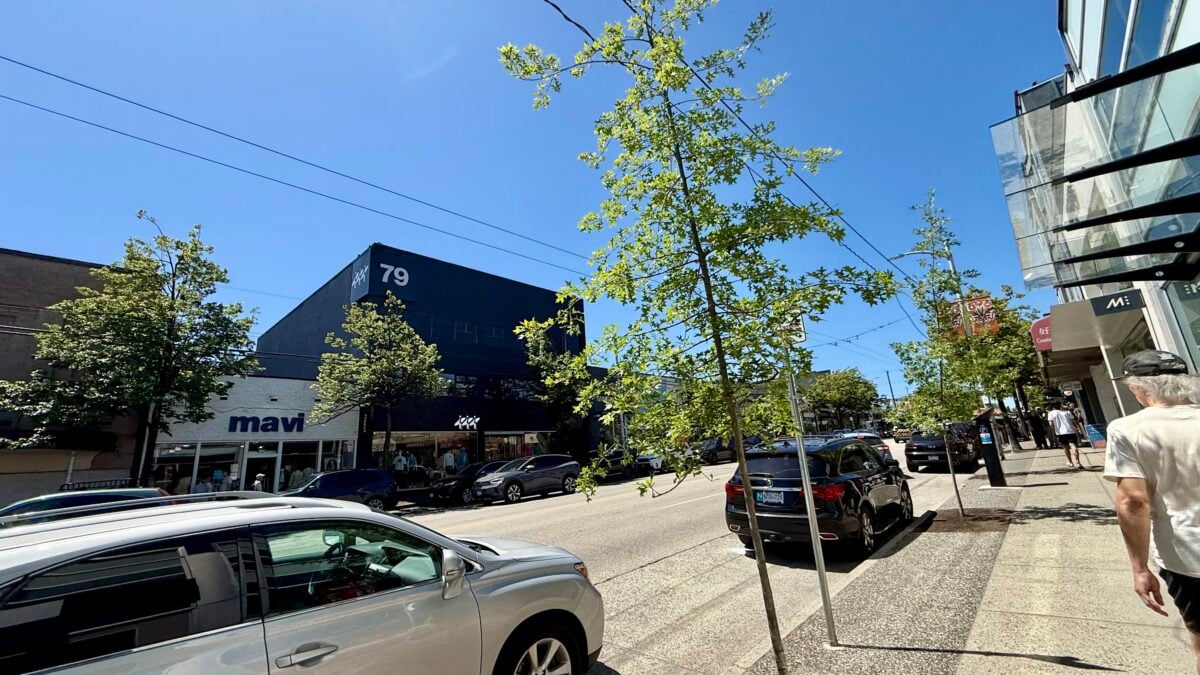
Other retailers in the area include lululemon, Reigning Champ, Patagonia, Monos, Mejuri, Le Labo and Aesop, creating a mix that spans apparel, wellness, beauty, food, services and specialty retail.
Retail Insider has followed West 4th’s evolution for years, including reporting on the expansion of lululemon’s original Vancouver store in 2017, Westbeach’s return to Kitsilano, and Sephora’s first Canadian small-format location.
The current momentum is therefore not a sudden shift. It reflects years of gradual evolution as the street has attracted new investment while retaining its neighbourhood foundation.
Why West 4th Is Different from Other Retail Districts
Berkowitz said part of West 4th’s strength is that it is not trying to be something else.
In Vancouver, different retail districts now serve different purposes. Alberni Street has increasingly become the city’s luxury corridor. CF Pacific Centre remains a major enclosed downtown shopping destination. Oakridge Park is reshaping the city’s retail landscape with a large-scale mixed-use redevelopment, housing a lot of luxury retail.
Robson Street, long one of Vancouver’s best-known retail streets, remains important but continues to evolve amid competition from nearby shopping centres, luxury streets and changing consumer patterns.
West 4th, by contrast, has a clearer role.
It is not trying to become Alberni. It is not trying to become Pacific Centre. It is not trying to become a mall without a roof.
The district’s identity is built around walkability, neighbourhood energy, smaller storefronts and a balanced tenant mix. That makes it different from larger retail districts where the shopping experience can become more standardized.
The Value of Not Being Too Polished
One of the most interesting things about West 4th is that it succeeds without feeling overly manufactured.
Berkowitz described the street as having both polished and “granola” elements — a mix of established retailers, local businesses, restaurants and independent operators that gives the corridor personality.
That blend is difficult to create intentionally.
Large retail projects can carefully curate tenant mixes, but they often struggle to replicate the layered character of an established neighbourhood street. West 4th benefits from years of organic evolution, multiple property owners, a strong local customer base and a retail mix that has changed gradually over time.
The result is a district that feels commercial without feeling generic.
That distinction may be increasingly important as consumers grow more selective about where they spend time. Retailers can no longer rely solely on location or brand recognition. The surrounding environment matters. On West 4th, the environment is part of the draw.
Success Creates Its Own Risks
The challenge for West 4th is that success attracts more interest.
As larger retailers and national brands look to the corridor, the street must maintain the mix that made it attractive in the first place. Too much standardization could weaken the very identity retailers are trying to access.
Berkowitz cautions against allowing West 4th to become another generic commercial strip.
“You don’t want to turn this into the same old street people can find anywhere else,” he said.
That tension is not unique to Vancouver. Across North America, successful urban retail districts often face a similar challenge. As rents rise and more brands seek space, independent retailers and local operators can become harder to sustain.
Looking Ahead
Retailer interest in West 4th appears likely to continue. The corridor offers many of the qualities brands increasingly seek: affluent local demographics, strong walkability, active restaurants and a retail mix that gives consumers multiple reasons to visit.
The challenge may be ensuring that future growth does not come at the expense of the qualities that made the district attractive in the first place.
For Berkowitz, West 4th’s appeal comes from the balance it has achieved between national brands, local businesses, restaurants and independent operators. That mix gives the corridor personality and creates the sense of discovery that keeps shoppers returning.
As more retailers look for opportunities in Kitsilano, preserving that balance may become increasingly important. After all, consumers have no shortage of places to shop. What continues to set West 4th apart is that it feels less like a retail project and more like a neighbourhood that evolved into a destination.










This was an interesting examination of the elements and real estate alchemy that produces this distinctive urban shopping district. As you explained, it’s difficult to reproduce intentionally which is part of what makes it so special. It’s a delicate balance, easily disrupted and not as easy to maintain. Not that this has stopped developers from trying to simulate such districts in so called life-style, experiential (the buzz word of the moment) projects throughout the nation. These pre-fab complexes have a sense of Potemkin Village corporate identikit atmosphere about them.
This brings up another buzz word, authenticity. West Fourth Street was not so much planned as germinated from conditions unique to Vancouver, which gives it that authenticity. It’s not the result of a master plan and marketing committee meetings, it evolved. But this type of street can be found in variants across the country. Other cities have districts germinated by entrepreneurial activity concentrated on a particular street sparking an evolution to the type of phenomenon seen on West Fourth. I hope this report will be the first in a series of portraits of fascinating streets across the country.