7-Eleven Canada is bringing some of its South Korean counterpart’s top-selling snacks to Canadian stores, extending a strategy that is increasingly drawing on products developed and tested elsewhere in the retailer’s global network.
The assortment marks the first time 7-Eleven Canada says it has imported a snack selection from another 7-Eleven international market. Products are rolling out between August and November at stores from Ontario through British Columbia.
It follows the Canadian introduction earlier this year of a Japanese-style egg salad sandwich inspired by a popular 7-Eleven Japan product. According to the company, it went on to become 7-Eleven Canada’s best-selling sandwich.
The progression gives the Canadian operation access to something considerably larger than its own product-development pipeline. Successful products from other 7-Eleven markets can increasingly become candidates for Canadian shelves.
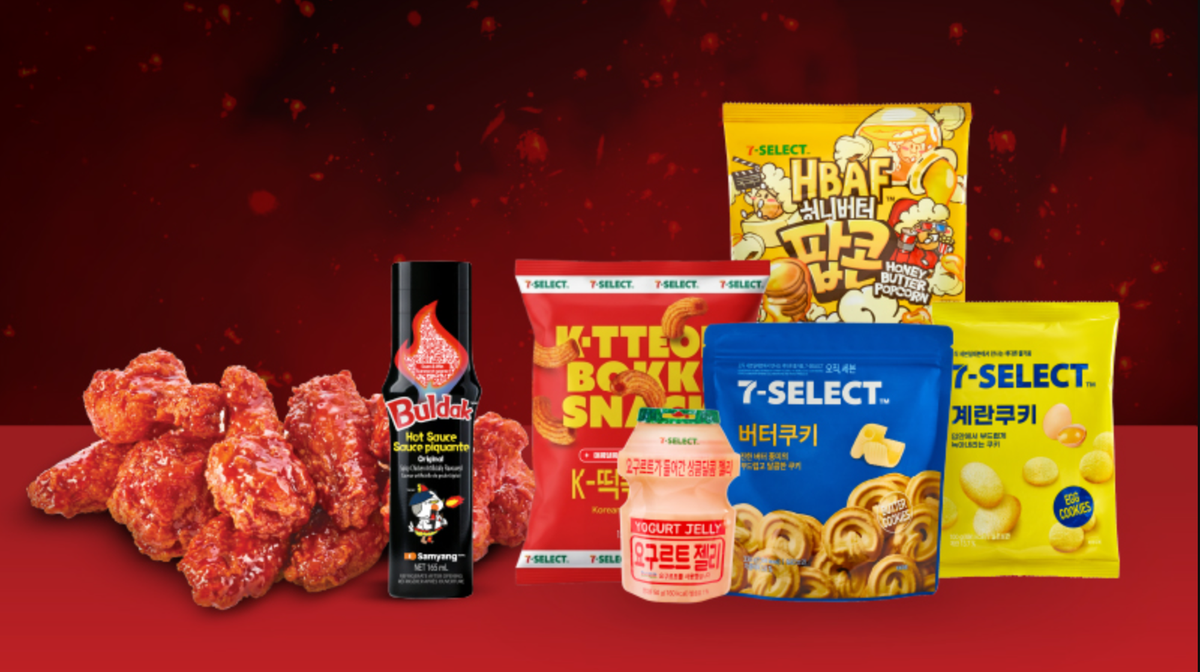
Korean Bestsellers Head to Canada
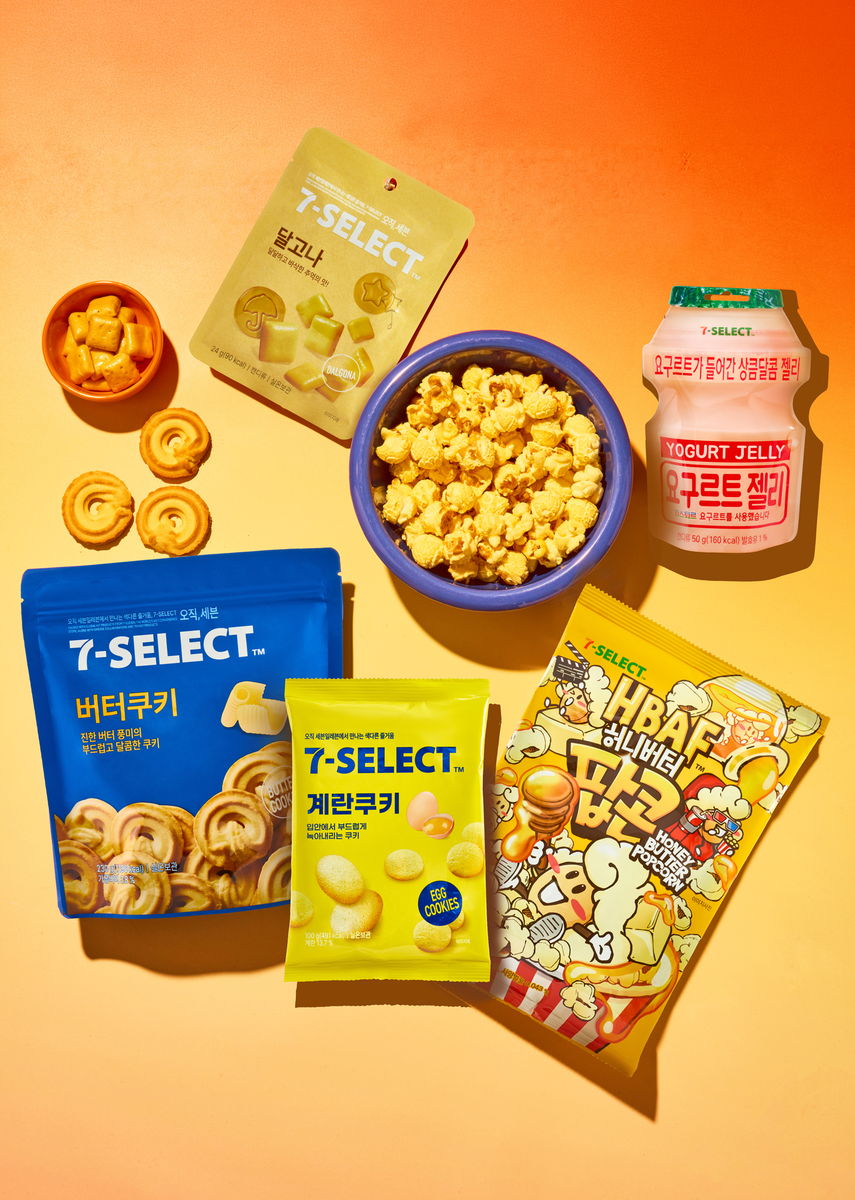
The Korean assortment includes 7-Select Tteokbokki Snack, Yogurt Jelly Gummies and HBAF Honey Butter Popcorn, along with cookies and chicken wings and strips using Buldak sauce.
Several arrive with an established track record in South Korea. 7-Eleven says its HBAF Honey Butter Popcorn sold 600,000 units within 50 days of its Korean debut in 2021.
Korean sales are no guarantee of Canadian demand, but they give the Canadian operation actual sales experience from another market rather than relying entirely on a forecast of what might sell.
“With 7-Eleven operating in 19 countries around the world, we have a front-row seat to emerging food trends,” said Marc Goodman, Vice President and General Manager of 7-Eleven Canada. “Our customers have shown incredible enthusiasm for our internationally inspired products, from our Japanese-style egg salad sandwich to matcha beverages.”
Goodman said the company intends to continue bringing products from its international stores to Canada.
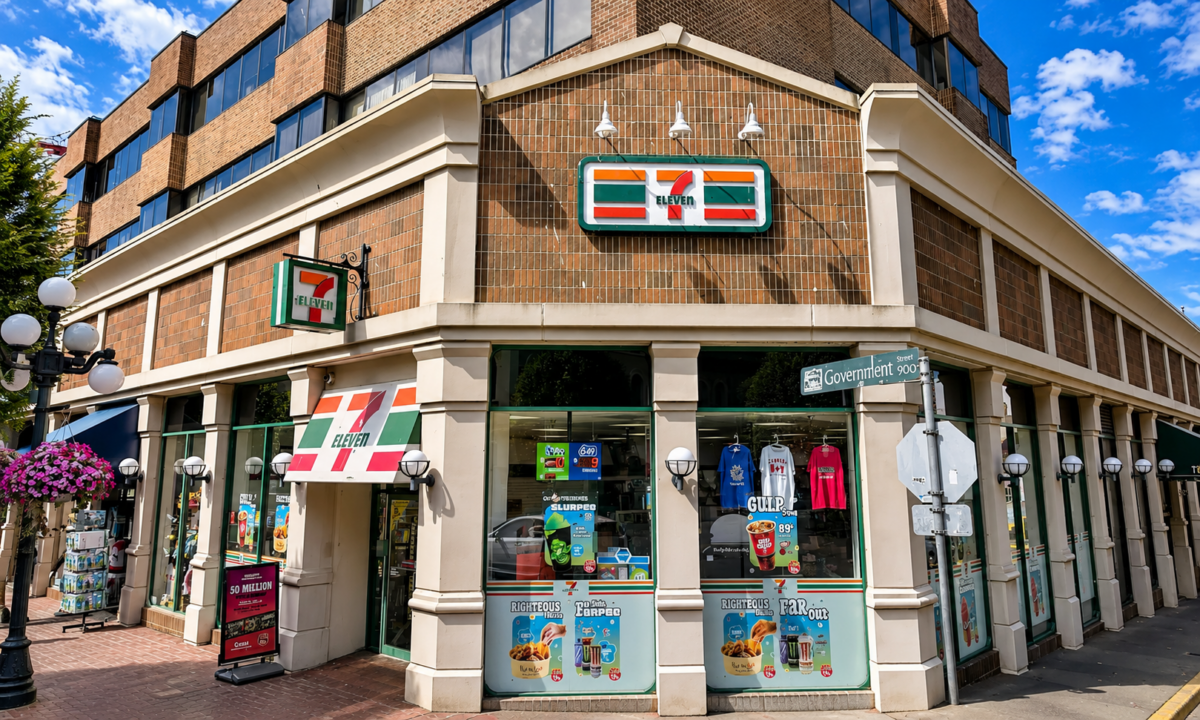
Japanese Egg Sandwich Provided an Early Test
7-Eleven Canada introduced its Japanese-style egg salad sandwich in March, using Kewpie mayonnaise and shokupan-style milk bread. At the time, Goodman said Canadians had been asking the retailer to bring products associated with 7-Eleven Japan into the country.
The company now says the sandwich became its top-selling sandwich in Canada. That gave 7-Eleven evidence that a product closely associated with another part of its international business could generate meaningful sales here.
Goodman had already indicated where the company wanted to take the idea. Speaking to The Canadian Press earlier this year, he said popular products from Japan could eventually find their way into Canadian 7-Eleven stores.
The Korean assortment broadens that approach from one Japanese-inspired food item to a range imported from another 7-Eleven market.
7-Eleven Wants a Bigger Share of the Food Business
The international products are arriving as 7-Eleven works to increase the importance of food within its Canadian business.
Goodman has described the operation as increasingly food-focused for several years. The company has expanded prepared foods, fresh sandwiches, baked products, proprietary beverages and hot foods, supported by four Canadian commissaries.
Earlier this year, he told The Canadian Press that 7-Eleven wants a greater proportion of Canadian sales to eventually come from fresh food, hot food and proprietary beverages. He described the longer-term direction as closer to a quick-service restaurant that also sells convenience merchandise.
International private-label products complement that strategy. National-brand snacks are widely available across competing channels. A 7-Select product sourced through another 7-Eleven market gives the chain a more differentiated assortment and greater control over what it puts on the shelf.
Seven & i Holdings has also identified private brands and proprietary products as areas it wants to strengthen across its operations.
The Global Network Couche-Tard Wanted to Buy
That global network became the subject of considerably more attention when Laval-based Alimentation Couche-Tard attempted to acquire 7-Eleven parent Seven & i Holdings.
The Circle K owner pursued Seven & i through much of 2024 and 2025 before withdrawing its proposal in July 2025. Couche-Tard argued that combining the businesses could use their international scale and operating capabilities to accelerate growth.
Seven & i remained independent and has continued emphasizing merchandising, proprietary products and the transfer of operating expertise across its international operations.
There is no evidence that Couche-Tard’s takeover attempt prompted the Korean rollout. 7-Eleven Canada was pursuing its food strategy independently, while Seven & i’s efforts to share products and expertise between markets predate the bid.
The takeover fight nevertheless put an unusually public spotlight on the strategic value of global convenience-store scale. Seven & i retained its network, and moving successful products between markets is one practical way of extracting more value from it.
Turning International Scale Into Canadian Shelf Space
Seven & i’s network encompasses roughly 87,000 stores globally. The company has discussed sharing merchandise-development expertise, manufacturing knowledge and successful products between markets while adapting assortments to local demand.
The Canadian operation, by comparison, has about 550 corporately operated stores, according to Goodman earlier this year, concentrated between Ontario and British Columbia. It is also exploring franchising as a route to expansion, including potentially entering Quebec and Atlantic Canada.
The assortment strategy matters because 7-Eleven competes for purchases well beyond the traditional convenience-store category. Grocery chains sell prepared meals and snacks, dollar stores compete aggressively on packaged food, and quick-service restaurants compete for immediate-consumption spending.
Exclusive and proprietary merchandise can give customers a reason to seek out a 7-Eleven instead of merely shopping there because one happens to be convenient.
There is also a growing commercial market for Korean food in Canada. Agriculture and Agri-Food Canada reported that South Korea exported $337.5 million worth of agri-food and seafood products to Canada in 2024, providing a firmer measure of the opportunity than familiar references to K-pop and Korean television.
For 7-Eleven, the more interesting advantage sits inside the company. Its international operations generate products, sales information and merchandising experience that the Canadian business can draw from without starting every concept from scratch.
The Japanese egg sandwich produced an early Canadian success, according to the company. Korean snacks will provide a broader test.
Goodman says more products from 7-Eleven’s international stores are coming to Canada. If customers continue responding, Canadian shelves could become increasingly connected to what is already selling across the retailer’s much larger global system.