Have you ever gone to a store to try on shoes before going on to buy them elsewhere? Or had a salesperson talk you through the advantages of different models of printers before buying a cheaper version online? If so, you have engaged in “showrooming.”
Showrooming is the practice of visiting brick-and-mortar retail stores to research a product before buying it elsewhere at a lower price. It allows consumers to look and test out products before spending their money on them.
Showrooming, along with online shopping, has long been predicted to be a threat to retailers. It’s easy to understand the concern — some have argued that showrooming is what led to the demise of RadioShack and Circuit City.
In addition, research has found that brick-and-mortar businesses do indeed suffer from this type of consumer behaviour. Showrooming puts retailers under price pressure by intensifying competition and squeezing margins.
But this isn’t always the case. Recent years have seen stores that encourage showrooming, like Best Buy, and companies like Amazon, that have invested in bricks-and-mortar stores, to flourish. This suggests the reality of showrooming might be a little more complicated than initially thought.
How consumers affect prices
Our recent research dispels the assumption that showrooming always drives prices down in retail. Rather, our study found the opposite can occur: showrooming can actually increase prices.
Our research took into account several different types of consumers. Some consumers were pickier than others and preferred to shop at stores with more product variety, while others engaged in showrooming.
Crucially, those who showroomed didn’t engage in price-comparison shopping — they did their research ahead of time and knew exactly what products and prices to seek out.
Some shoppers didn’t engage in showrooming because they felt guilty about buying a product elsewhere after a salesperson spent time marketing a product to them, or had no time to visit many different venues.
But other consumers were not-so-choosy and opted to shop at stores with less variety, with the intent of making a purchase, so long as they found a product that was a good enough fit. If they didn’t find an acceptable fit, they moved onto another store.
Our research found that only this last kind of consumer — the not-so-choosy consumer who doesn’t showroom — was the key to determining prices. Their choices and behaviours determine product prices in any given sector.
The reason why showrooming can increase prices is because most consumers — including showroomers — do not compare prices. This leads stores to increase their prices (even just slightly) to make more profit.
Stores and consumer behaviour
Our research differs from past studies in a crucial way. Instead of assuming there is only one kind of store where consumers can discover how suitable a product is, our research accounted for three different types of stores.
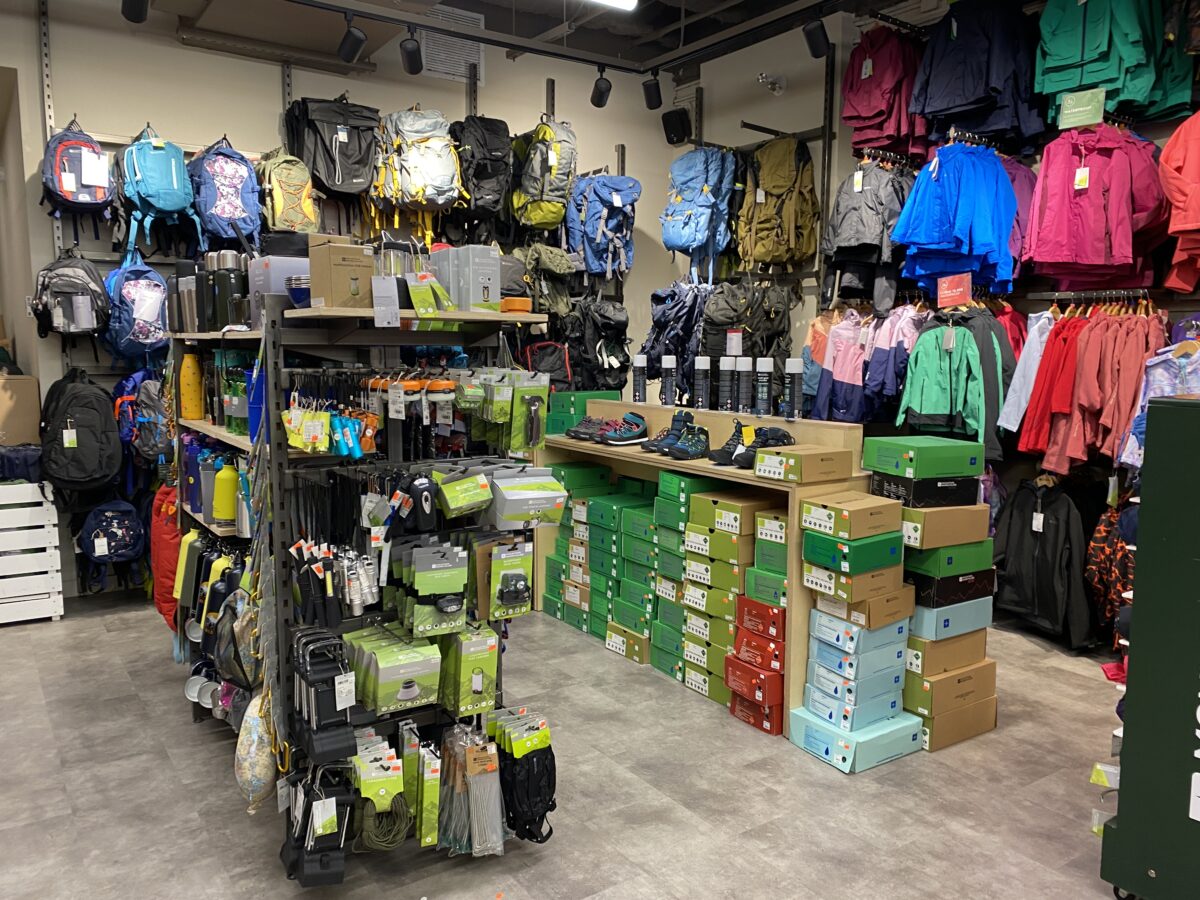
The first type, known as deep stores, carry many varieties of products within a certain category. Best Buy, for example, carries many types of television to allow consumers to find the product that suits them best. Deep stores tend to charge higher prices because their shoppers are more likely to make a purchase. Picky consumers tend to shop here.
The second type, known as shallow stores, carry many different types of products, but fewer brands within each product category. Walmart and Costco are examples of shallow stores. These types of stores tend to have lower prices, and less picky consumers tend to shop there.
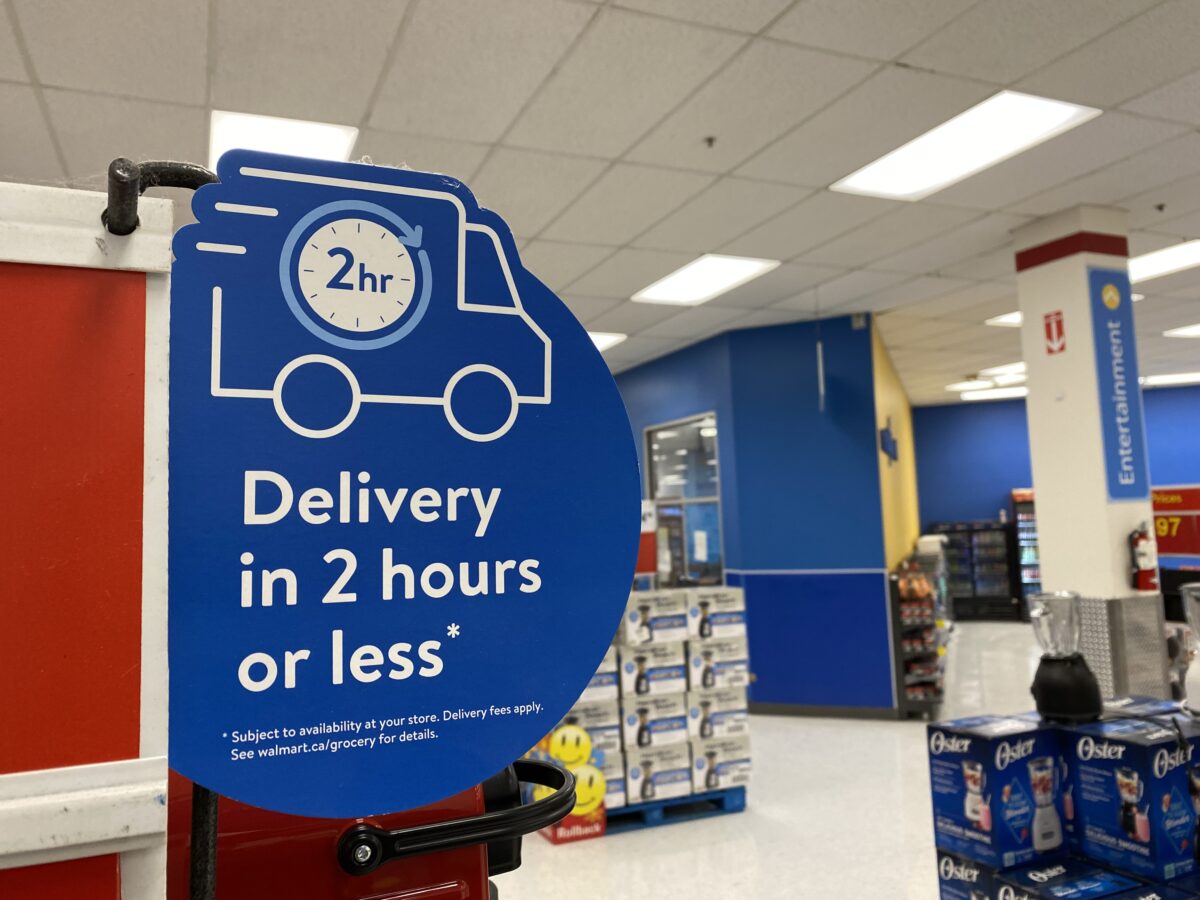
Lastly, online stores offer the widest variety of goods (and usually at the lowest prices), but don’t allow consumers to test out products. The mix of consumers at these three store types affects how retailers price their products by shaping the shopping experience.
Broader implications
As showrooming becomes more widespread — and easier to do thanks to online shopping — prices across the retail industry could increase, depending on price sensitivities and the overall mix of different kinds of consumers.
Ultimately, the range of different kinds of stores determines how people shop. Consumers’ shopping patterns and behaviours, in turn, determine prices.
While the perceived threat of showrooming has led to strong policy proposals — like one minister in Spain that proposed retailers should charge shoppers for using changing rooms — our study suggests the effects of showrooming are more subtle than initially thought.
Understanding showrooming requires thinking about the impact the practice has on consumer shopping patterns and how stores respond to them. Retailers, policymakers and observers should be wary of over-emphasizing the role showrooming plays in bringing down prices and changing the retail landscape.
By Heski Bar-Isaac, Distinguished Professor of Economics and Finance, University of Toronto and Sandro Shelegia, Associate Professor, Department of Economics and Business, Universitat Pompeu Fabra
This article is republished from The Conversation under a Creative Commons license. Read the original article.