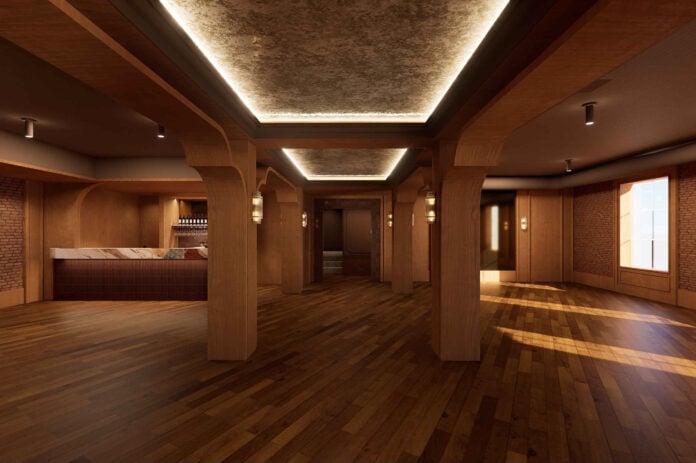
Award-winning restaurateur and chef, Nuit Regular, and her husband and business partner, Jeff Regular, are set to open UP Events on October 1, 2026, a new private event venue located above their acclaimed PAI restaurant in the heart of Toronto’s Entertainment District.
“For us, hospitality has always been about bringing people together and making them feel at home,” said Nuit Regular. “With UP Events, we wanted to take the warmth and care people know from our restaurants and create a space where they can celebrate their own special moments, with great food at the heart of it all.”
“Toronto has no shortage of incredible places to gather, but we saw an opportunity to create something that brings every element of an event together under one roof,” said Jeff Regular. “UP Events gives us the flexibility to make each event feel completely its own, while pairing a beautiful, adaptable space with great food, thoughtful service and the kind of hospitality our team is known for.”
Chef Nuit Regular
They said the new space, at 22 Duncan St., will bring the hospitality and culinary experience behind the By Chef Nuit family of restaurants to weddings, corporate gatherings, brand launches, film events and private celebrations.
“After years of bringing people together through their restaurants, UP represents a natural move upward into events, building on their existing hospitality foundation while expanding into something new. The name also speaks to the feeling they hope to bring to every occasion; an uplifting sense of joy, celebration and connection,” they said.
The concept is designed by Toronto-based Studio Uva and the open-concept venue can accommodate 125 guests seated or 200 standing, with a flexible design that can be tailored to suit everything from intimate gatherings to milestone celebrations and large-scale events.Every menu item will be curated by Nuit and prepared by her culinary team in the UP Events kitchen.
UP Events is a collaboration between the Regulars and restaurateur Janet Zuccarini, founder and CEO of Gusto 54 Restaurant Group.
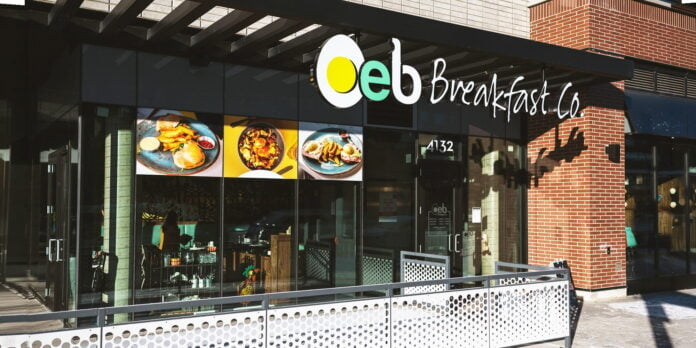
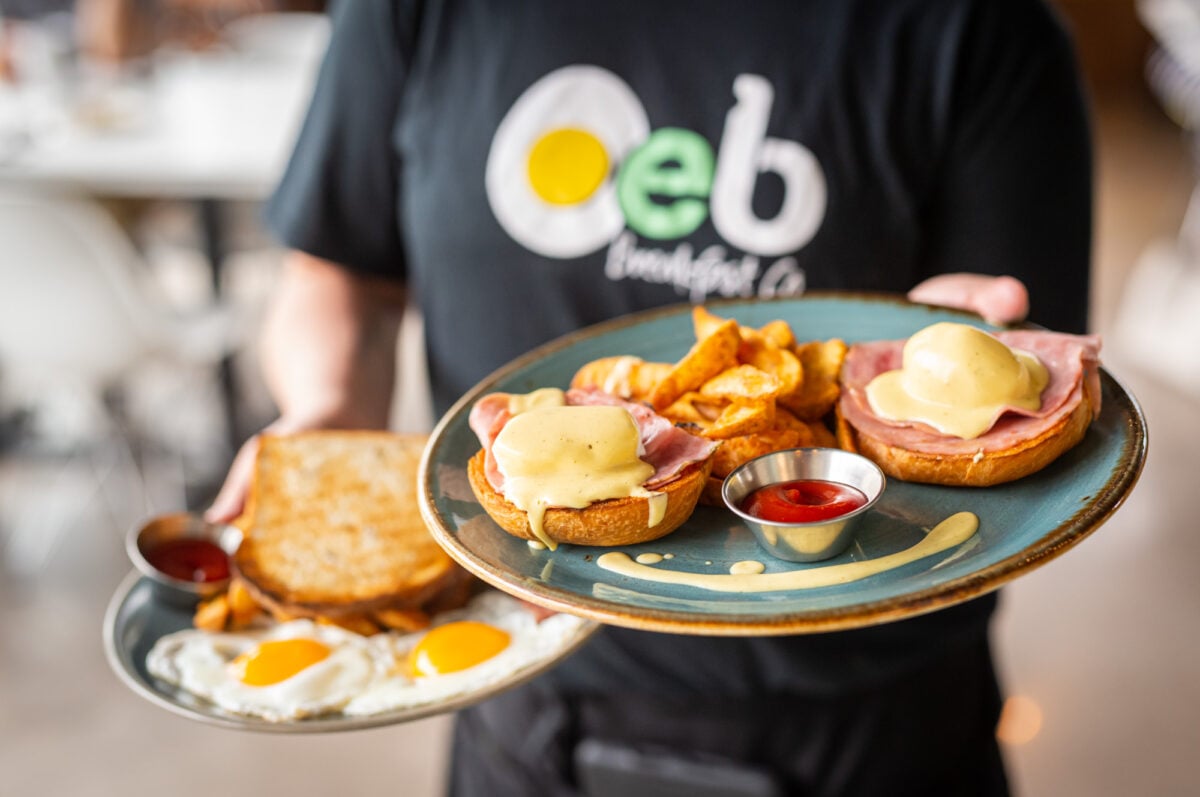
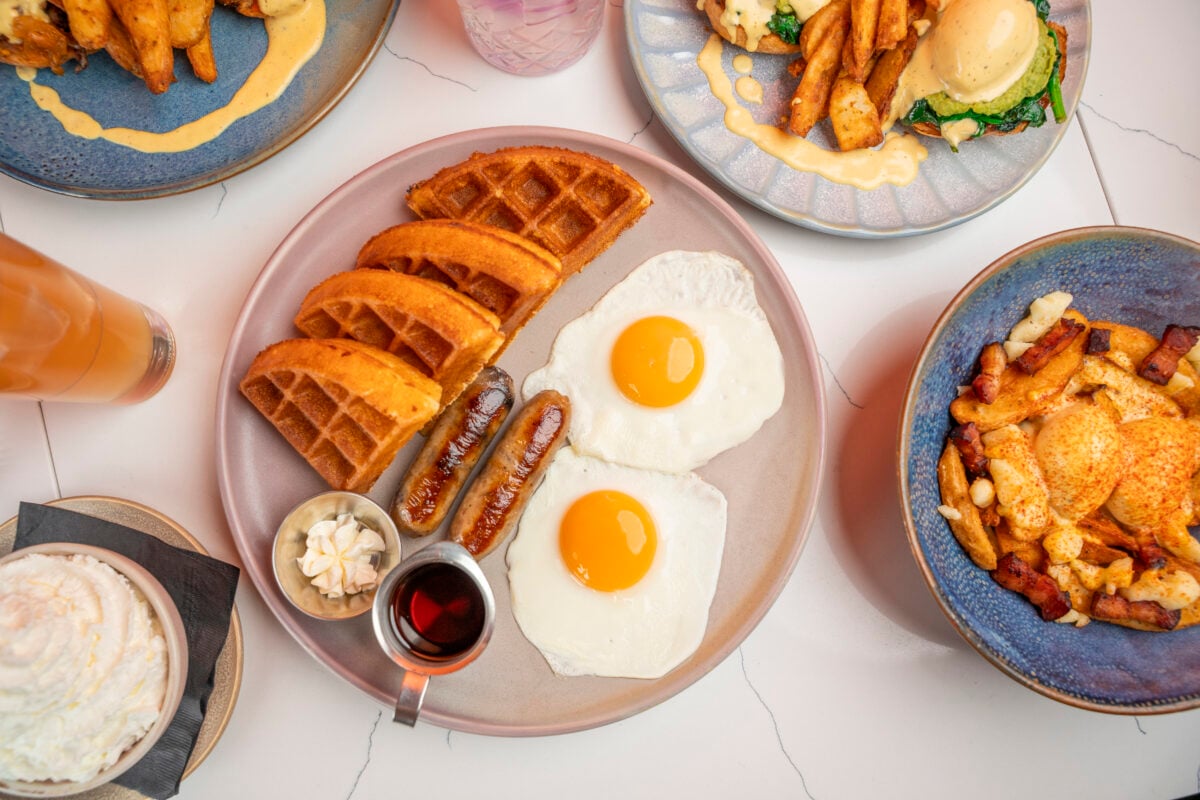
OEB Breakfast Co.’s 2025 sales data shows that three familiar breakfast dishes — the Classic Breakfast, The Threesome and Traditional Benny — accounted for more than 434,000 orders across its Canadian restaurants last year.
For a brand known for approaching breakfast differently, the numbers raise an interesting question: why do familiar breakfast foods continue to outperform when consumers have more choice than ever?
In an interview with Retail Insider, OEB CEO Dave Orsten spoke about the industry.
Dave OrstenOEB photo
What does OEB’s 2025 sales data tell you about why customers continue to choose familiar breakfast dishes such as the Classic Breakfast, The Threesome and Traditional Benny despite the brand’s focus on menu innovation?
I think the 434,000 orders give us an entry point into a bigger part of the OEB story, which is comfortable, approachable food done exceptionally well.
One of the things we’ve always believed is that something doesn’t need to be complicated to be special. In some ways, the simplest food is actually the hardest place to differentiate yourself because the guest already knows exactly what it should taste like. There’s nowhere to hide with eggs, bacon, potatoes and toast.
I think familiarity actually raises the standard. When you introduce an ingredient or flavour someone has never experienced before, there’s an element of discovery. With a Classic Breakfast, guests bring a lifetime of reference points to the table. The differentiation has to come from the quality of the ingredients, how they’re prepared and how consistently you execute them.
A simple egg is a good example. It may be one of the most basic ingredients in breakfast, but we put a lot of thought into what that egg is before it ever reaches one of our restaurants. Our eggs come from free-run, pecking hens fed a vegetarian diet bolstered with flax and marigold, which produces that deep yellow, rich and creamy yolk. Our meats are made to our specifications with clean ingredient decks and no fillers, and our breads are signature recipes produced specifically for OEB.
Those choices aren’t necessarily obvious when someone looks at a Classic Breakfast on the menu, but they become obvious when they eat it.
To me, that’s what more than 434,000 orders reinforces. Guests don’t always need us to reinvent breakfast. Sometimes they want us to take something they already know and love, obsess over the details and simply make it better.
OEB photo
How do familiarity and consistency influence customer trust, repeat visits and ordering decisions at OEB?
I think the classics establish trust.
Guests have a very clear expectation of what familiar breakfast food should be. If they order a Benny today and come back weeks later, they expect that same quality and experience. Consistently delivering on that expectation is part of how you earn the right to ask them to trust you with something less familiar.
If we’re going to put truffle or caviar on the menu and talk about pushing breakfast forward, we had better also be able to cook a great egg, make exceptional potatoes and serve a Benny consistently.
I think that’s an important relationship between familiarity and innovation that sometimes gets overlooked. They’re not competing strategies. Being exceptional at the fundamentals gives you credibility as a culinary brand and creates a foundation from which you can introduce guests to something different.
After many years, one of the biggest lessons for me is that innovation can get someone’s attention, but quality, craveability and consistency are what earn their trust and bring them back.
What have you learned from OEB’s ordering patterns about when customers are willing to try new or more inventive dishes versus returning to their favourites?
We’ve talked internally about our guests and menu through three broad lenses: Traditional, Adventurous and Lifestyle.
Roughly two-thirds of our guests lean Traditional. They value familiarity and approachable food done well. About 25% lean Adventurous — they’re our foodies who want to discover flavours and ingredients they wouldn’t necessarily expect from a typical breakfast restaurant. The remaining 10% or so lean Lifestyle, where things like health, nutrition and dietary considerations are more prominent in their choices.
But one of the most important things we’ve learned is that people don’t actually live in those three boxes.
The same person can have a balanced, protein-forward breakfast today and order something completely indulgent tomorrow. Someone who generally gravitates toward familiar dishes can become Adventurous when something catches their eye. Occasion matters. Who you’re dining with matters. What you’re craving that particular day matters.
That’s why I don’t think the goal is necessarily to turn a Traditional guest into an Adventurous guest. It’s to build enough trust and variety into the menu that OEB can serve that same person across different occasions and different needs.
Our more adventurous dishes — whether that’s truffle, caviar, great smoked salmon or duck — give people opportunities to discover something and help define OEB as a culinary brand. But sometimes that same guest simply wants the breakfast they already know they love.
Understanding that fluidity has been important for us. Consumer behaviour isn’t always about identifying what type of guest someone is; sometimes it’s about understanding what that guest needs from you on that particular visit.
OEB photoOEB photo
How does OEB balance introducing new menu items and keeping the classic dishes that consistently generate strong sales?
For us, innovation has to create craveability. Being different for the sake of being different isn’t enough.
I also don’t think innovation necessarily means introducing something unfamiliar. Sometimes the opportunity is to take something people already understand and rethink how good it can be.
Our brown butter hollandaise is probably one of the best examples. Hollandaise is completely familiar within breakfast, but we took that foundation and created something distinctly OEB. It has become a flavour people crave and, in some cases, will drive specifically to OEB to have. To me, that’s innovation at its best. It doesn’t need to be unfamiliar or complicated. It needs to make the food better and give people a reason to come back.
There is absolutely a place on our menu for more adventurous culinary innovation as well. Ingredients like Maritime lobster, wild blue crab and Korean-style beef aren’t things guests would necessarily expect to encounter at breakfast, but they give us an opportunity to bring different flavours and culinary influences into the category. That creative side of the menu helps push expectations of what breakfast can be and is an important part of what makes OEB different.
But that doesn’t mean innovation needs to come at the expense of the dishes guests already love.
I think there are different ways to push breakfast forward. Sometimes it’s creating something unexpected. Sometimes it’s taking something incredibly familiar and raising the standard for it. The common denominator has to be whether we’ve made the food better and created something people actually want to eat again.
OEB photo
How do you expect consumer preferences for breakfast to evolve, and what role will familiar favourites and menu innovation play in OEB’s strategy going forward?
We’re already seeing guests pay more attention to what they put into their bodies, where ingredients come from and how they’re produced. Clean ingredients and thoughtful, ethical sourcing have become an increasingly important part of the relationship we have with our guests.
In the coming years, I don’t see breakfast moving strongly toward any one category. Guests will continue to want familiar comfort, indulgence, healthier choices and culinary discovery, often on different occasions. The same person may want a classic breakfast one day, an indulgent brunch experience the next, and a choice that supports their wellness goals on another. The opportunity is to respond to those different expectations without losing a clear culinary point of view.
Familiar food will remain the foundation, but familiar cannot mean ordinary. Guests expect recognizable dishes made exceptionally well. They also want new ingredients, flavours and thoughtful interpretations that elevate the culinary experience. Health-conscious dining is becoming less about what is removed and more about what ingredients contribute, including protein, fibre, whole foods and other recognizable health benefits, without sacrificing flavour or craveability.
Trust, value and experience will continue to become more important. Guests want transparency around ingredients, sourcing and preparation, along with dietary options they can trust and easy customization. They will define value not simply by price, but by quality, hospitality, consistency and whether the experience feels worth leaving home for.
A creative dish may earn attention, but execution, hospitality and consistency are what earn the return visit.
Kinton Ramen is bringing its authentic Japanese cuisine to a second location in Edmonton, in the city’s Windermere community.
“Windermere is a growing residential and amenity-focused area of Edmonton, making it a natural fit for Kinton Ramen as we continue to expand,” says Trista Jorgensen, Marketing Director, Kinton Ramen, part of the Foodtastic family of brands. “We’ve received an incredible response since opening our first Edmonton restaurant, and we’re excited to build on that momentum by bringing Kinton Ramen closer to even more residents, families and visitors in the city’s southwest.”
The new restaurant is located at 1217 Windermere Way SW.
The new restaurant joins an amenity-rich pocket of Edmonton surrounded by residential communities and a wide range of shops, services, restaurants and entertainment. Nearby is the Currents of Windermere, a major open-air shopping and entertainment district with more than one million square feet of retail space. The location gives residents and shoppers in southwest Edmonton a convenient and affordable new option for authentic Japanese cuisine, said the company.
“Alberta has been an incredible market for Kinton, and our first Edmonton restaurant has been an important part of that success,” said Jorgensen. “Opening a second restaurant in the city is an exciting next step for us and reinforces the demand we’re seeing for authentic, high-quality ramen. We’re looking forward to becoming part of the Windermere community and continuing to grow alongside Edmonton.”
Kinton Ramen now operates more than 60 locations across five provinces – Ontario, British Columbia, Manitoba, Alberta and Quebec – with much of its growth taking place over the past five years.
Trista JorgensenKinton Ramen photo
The brand was established in May 2012 and was one of Toronto’s first Japanese ramen restaurants. It is now part of the Foodtastic group of food companies.
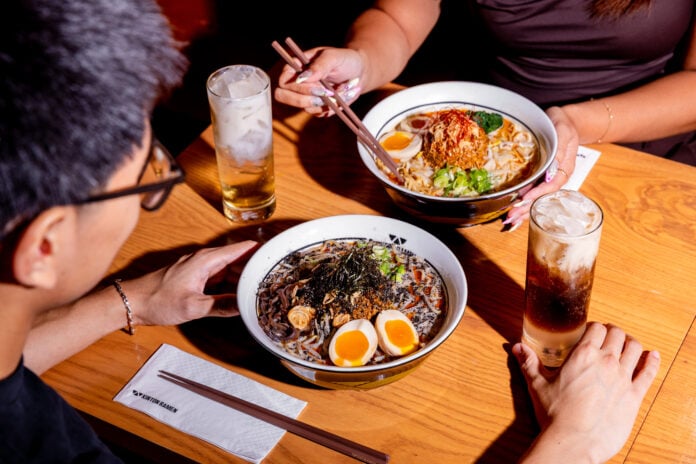
As part of its Fall Limited Time Offers, Kinton Ramen also announced it is bringing back one of its most requested ramen bowls. Golden Sesame Ramen returns as a customer favourite and a Bowl of Happiness in its own right, featuring thick noodles in a rich pork broth blended with creamy white sesame paste and topped with seasoned ground pork, spinach, bean sprouts and a seasoned egg. In addition, Kinton Ramen is also launching a Black Sesame Ramen that takes sesame in a deeper, toastier direction, with wood ear mushrooms and black sesame seeds adding flavour and texture, it said.
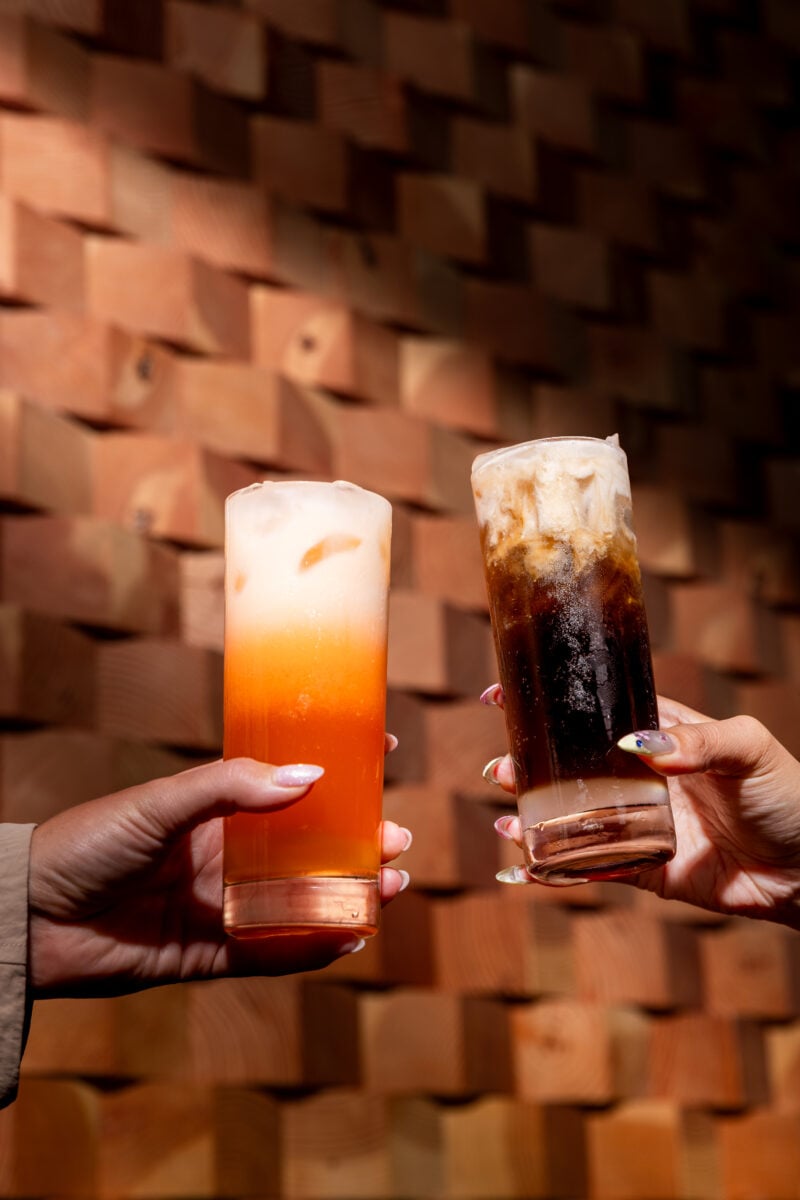
Kinton Ramen has also introduced its first-ever Cream Soda lineup, inspired by a Japanese café tradition more than a century old.
Cream Soda has a history in Japan dating back to the early 1900s, when soda water and ice cream began appearing together at Tokyo soda fountains. The colourful drink would go on to become a familiar part of Japanese café culture, known for bringing together fizzy soda and a creamy finish, it said.
“Cream Soda has been enjoyed in Japan for generations, and we saw an opportunity to take that tradition somewhere new,” said Jorgensen. “We wanted to keep the colourful, playful spirit that makes Cream Soda so recognizable while putting our own spin on the flavours and the experience.”
Kinton Ramen said its take swaps the traditional scoop of ice cream for creamy oat milk and introduces flavours including yuzu, lychee, mandarin, peach and coconut. Each drink arrives with its components separate, allowing guests to mix everything together themselves at the table.
Kinton Ramen photoKinton Ramen photo
Available for a limited time starting September 28 at participating locations across Canada, the lineup includes:
Yuzu Coconut Dirty Coke – Coca-Cola combined with yuzu, coconut and oat milk.
Lychee Cream Tea – Lychee iced tea paired with oat milk for a fruity, creamy finish.
Mandarin Orange Cream Soda – Fanta Orange mixed with mandarin, vanilla and oat milk.
Peach Yuzu Cream Soda – Sprite paired with peach, yuzu and oat milk for a sweet and citrusy combination.
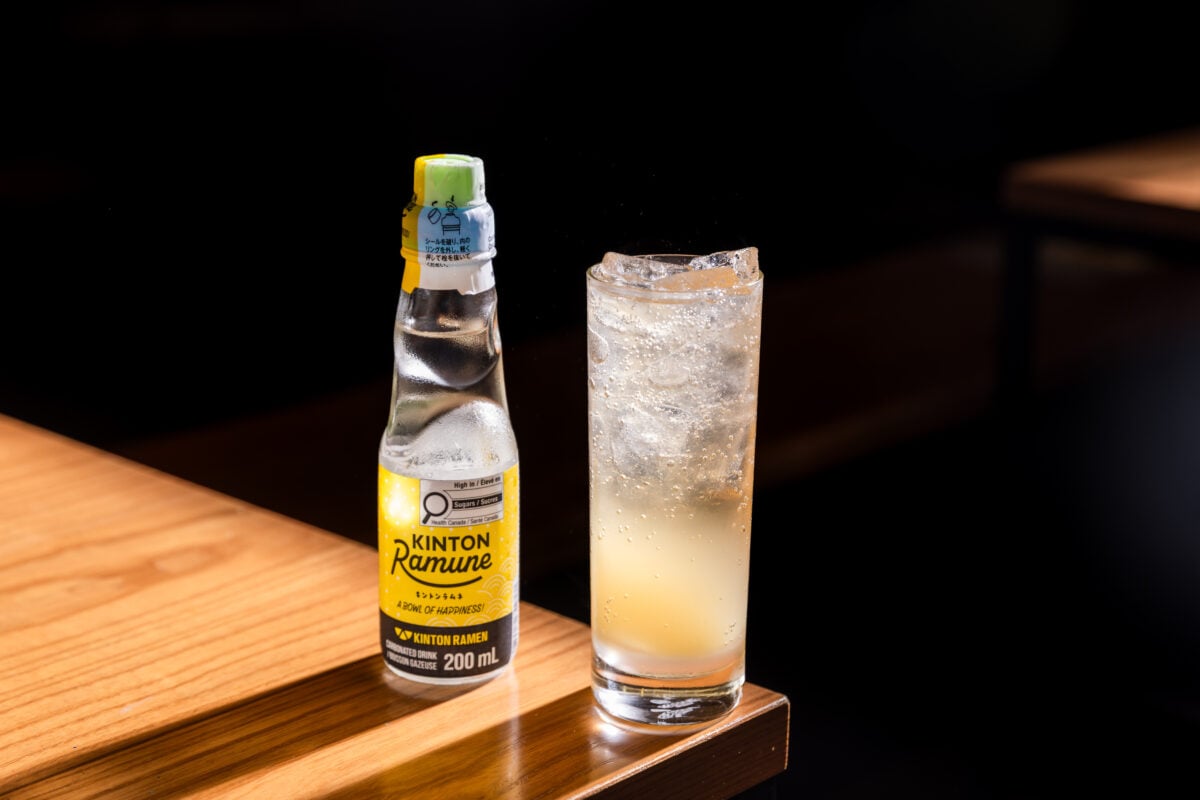
Yuzu Coconut Marble Ramune – Original Ramune combined with yuzu and coconut and served in the Japanese soda’s distinctive marble-sealed bottle.
“There’s an experience that comes with these drinks beyond just the flavours,” said Jorgensen. “They arrive colourful and layered, and then you get to mix everything together yourself. It’s something completely new for Kinton and a fun way for our guests to experience a Japanese favourite in a different way.”
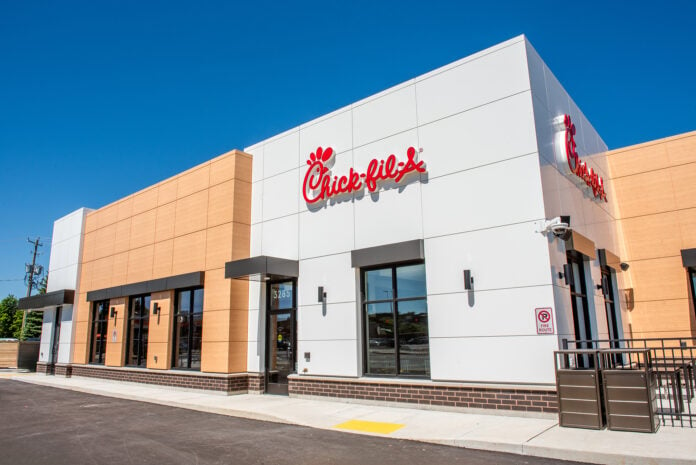
A new Chick-fil-A is coming to Calgary with the opening Thursday of the brand’s latest location in the Sunridge area of the city.
And the famous restaurant brand will celebrate with Calgary’s first-ever Moove-In Party.
On opening day, local Owner-Operator Dharshan “Dash” Anbalagan is inviting people to dress like a cow — whether in a full cow suit or a simple pair of spotted ears, anyone who visits the restaurant dressed in cow attire can redeem one complimentary entrée or kid’s meal — no purchase necessary.
The latest location for the company is 2807 32nd Ave. NE.
It marks the brand’s 31st restaurant in Canada.
Owner-Operator Dash Anbalagan
Chick-fil-A, Inc. is the third largest quick-service restaurant company in the United States. More than 200,000 Team Members are employed by local Owner-Operators in more than 3,000 restaurants across the United States, Canada, Puerto Rico, the United Kingdom and Singapore.
Chick-fil-A opened its first Canada restaurant in 2019 in Toronto. In 2024, the brand announced plans to expand its international footprint with up to 20 additional restaurants across Canada by 2030.
The family-owned and privately held company was founded in 1967 by S. Truett Cathy.
The latest Calgary location offers dine-in, drive-thru, carry-out, delivery, catering and Mobile Thru. The free-standing restaurant features a multi-lane drive-thru with an outdoor canopy for face-to-face ordering, 4,000 square feet of space and seating for 85 people.
As part of its commitment to the northeast Calgary community, Chick-fil-A said it is:
Participating in the Chick-fil-A Shared Table program, which redirects surplus food to local nonprofits.
Creating approximately 80–100 jobs in the Sunridge community, with above-minimum-wage pay, flexible scheduling for youth, and career development opportunities.
With peak shopping season quickly approaching, retail businesses are already thinking ahead to hiring before the rush hits.
Dina Taylor, Chief Evangelist at Hirevue, said AI is helping retailers move beyond resumes and manual screening to identify job-relevant skills earlier in the hiring process.
Dina TaylorGustavo Fring photo
“Ahead of the holiday season, retailers can use AI to automate routine steps, engage candidates around the clock and deliver structured, consistent interviews at scale. This gives every applicant an opportunity to demonstrate qualities that matter in retail, including communication, reliability and customer focus, while helping hiring teams quickly surface qualified candidates before they accept another offer,” she said.
Retail employers are receiving more applications than ever, yet identifying qualified talent has become increasingly difficult, added Taylor.
“AI-generated resumes and one-click applications have flooded hiring funnels, making candidates appear more similar on paper while obscuring the skills, behaviours, and potential that actually predict success on the job,” she said.
“At the same time, hiring teams face mounting pressure to fill roles quickly. The average time to hire for retail positions is 47.5 days, even as labor shortages, high turnover, and rising candidate expectations demand faster decisions. The result is a growing tension between speed and quality: organizations need to move quickly to secure talent, but they can’t afford the cost of poor hiring decisions.
“With a large volume of applicants, tools like Hirevue’s AI Interviewer offer organizations the true signals that measure demonstrated capability rather than self-reported qualifications. The tool offers every candidate a dynamic, two-way voice conversation to reveal the skills needed to succeed earlier in the process and highlight top candidates.”
Arina Krasnikova photo
Taylor said the future of high-volume hiring isn’t simply about moving faster. It’s about moving from inference to evidence.
“The organizations that succeed will be those that can identify quality talent earlier, predict retention and performance more accurately, and create hiring processes that scale efficiently without sacrificing candidate experience. This is the new challenge facing retail organizations today—and why a science-backed approach to hiring has never been more important,” she noted.
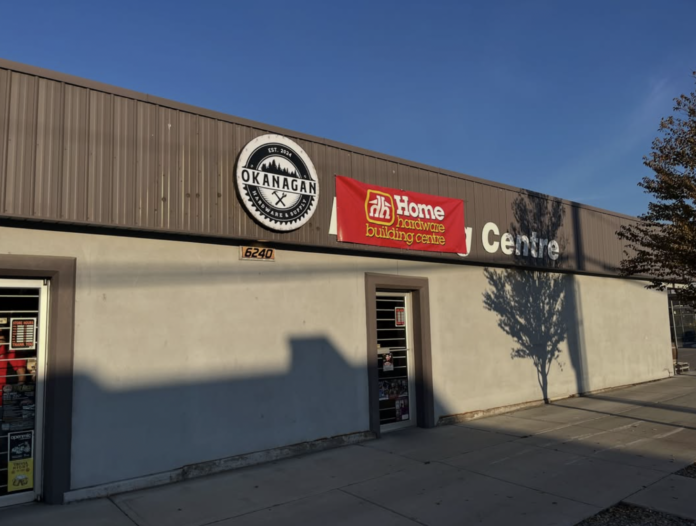
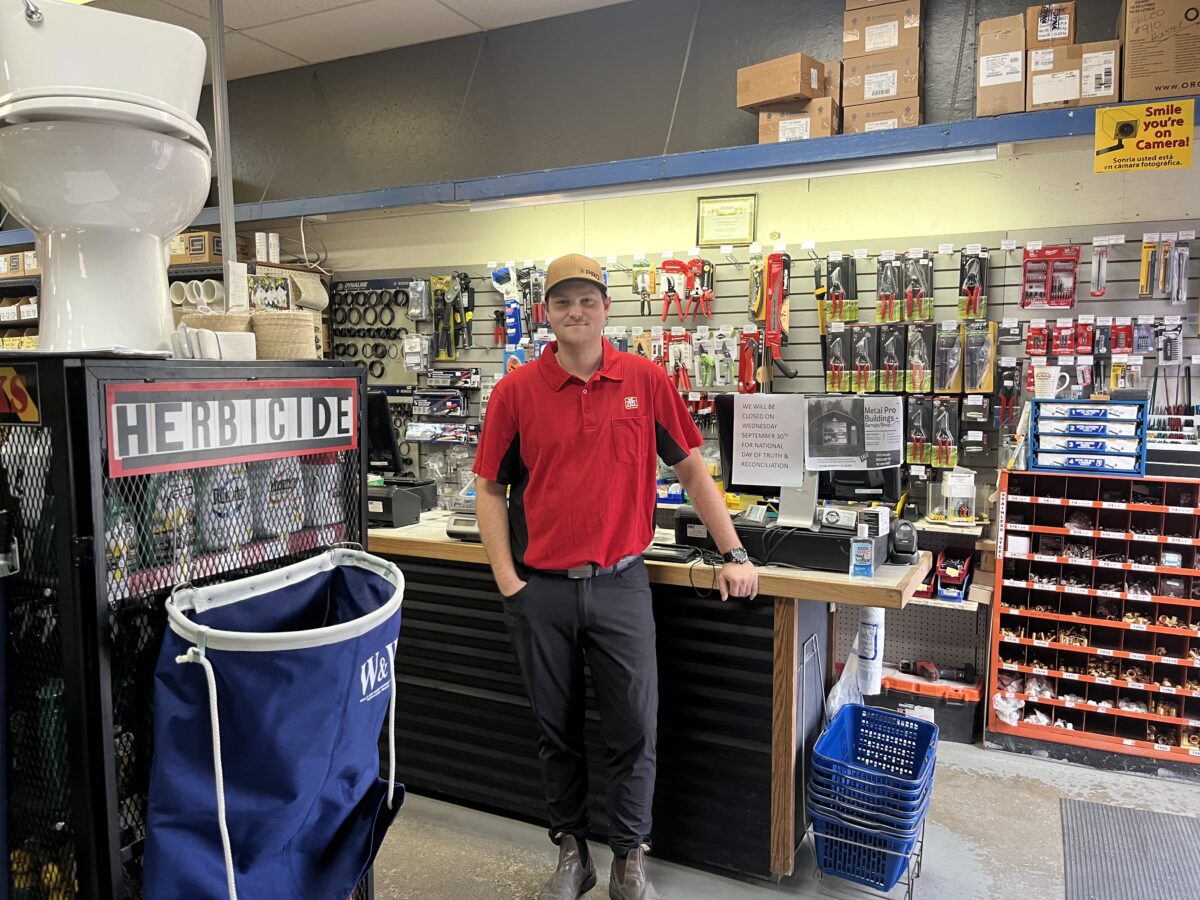
The store is locally owned and operated by Logan Malmberg and Kianna Carvalho and will remain independent while gaining access to the support and buying power of Canada’s largest Dealer-owned home improvement retailer.
“Choosing Home Hardware was an easy decision for us,” said Logan. “We looked for a partner that supports independent businesses and understands the importance of local relationships. Home Hardware gives us both the hardlines and LBM programs to continue growing while staying true to who we are and the community we’ve proudly served for years.”
The family owned business began in 1999 and doubled in size in 2014, expanding its offering to include lumber and building materials.
“When successful independent businesses choose to join Home Hardware, it speaks volumes about the strength of our Dealer-owned model,” said John Pierce, Chief Retail Operations Officer, Home Hardware Stores Limited. “Logan, Kianna and their team have earned the trust of customers throughout the Oliver community, and we’re proud to welcome them to the Home Hardware network of proud Dealer-Owners.”
Home Hardware was founded more than 60 years ago in St. Jacobs, Ontario and today has nearly 1,000 stores as the country’s largest Dealer-Owned and operated home improvement retailer.
Welcome to the Daily Synopsis by Retail Insider. We hope you enjoy the 11 articles we published covering key developments in Canadian retail. Here are a couple highlights with a full list of the day’s articles thereafter.
Aritzia is managing higher U.S. tariffs and the end of duty-free low-value imports while growing revenue and margins, demonstrating how cross-border expansion involves complex trade and real estate considerations. At the same time, Toronto-based STEFF ELEOFF is growing its Canadian retail presence through Holt Renfrew pop-ups at Yorkdale and Bloor Street, blending physical and digital experiences to enhance customer engagement during its FW26 launch. Both highlight distinct growth approaches amid regulatory and market challenges.
Bed Bath & Beyond has returned to Canada with an e-commerce platform, offering a curated selection of about 6,000 home-related products tailored to Canadian consumers under Sleep Country Canada ownership. The retailer plans to open physical stores by late 2027, emphasizing a mix of trusted essentials and new brands in a design-forward approach. At the same time, Craig’s Cookies has expanded to 25 locations across the country using franchising, focusing on balancing market demand and community fit while baking locally in each store.
Last week, we reported on Aritzia and its success south of the Canadian border. The company’s U.S. expansion has exposed the Vancouver-based retailer to a cost that was far less important when Canada accounted for most of its business: American trade policy. This brought about a continuation of our reporting on the retailer, as they navigate the dynamic trade relationships directly influencing its expansion – past and present.
The additional tariffs and the suspension of the U.S. de minimis exemption put approximately 260 basis points of pressure on Aritzia’s adjusted EBITDA margin in fiscal 2026. Despite that burden, revenue increased 35%, while adjusted EBITDA margin improved substantially. The effect was particularly visible in the fourth quarter. Aritzia reported 390 basis points of gross-margin pressure from tariffs and de minimis, yet gross margin still increased 90 basis points to 43.3%. Improvements in initial markup, lower markdowns and leverage on store occupancy and other fixed costs more than compensated for the trade-related pressure. The pattern continued in the first quarter of fiscal 2027. Tariffs and de minimis represented another 190 basis points of pressure, according to CFO Todd Ingledew, while gross margin increased 310 basis points to a record 50.3%.
For the non-financial minded: Aritzia is paying a significant tariff-related bill, but its operating performance has so far improved faster than that bill has grown.
Why Aritzia Is Exposed
Aritzia’s Canadian headquarters do not insulate it from U.S. import duties. The company sources merchandise internationally, and goods imported into the United States can be subject to duties based on factors including their country of origin and tariff classification.
Who ultimately bears the economic cost is more complicated. Aritzia can absorb some of the expense in its merchandise margin, seek lower costs through sourcing and vendor negotiations, reduce freight or other operating expenses, or pass some costs to consumers. Aritzia’s financial results do not disclose precisely how the fiscal 2026 burden was divided among those responses. Attributing a specific portion to customers or suppliers would therefore go beyond the evidence.
De minimis (a threshold set by a country below which imported goods can enter without paying customs duties or import taxes) adds another dimension. The suspension of duty-free treatment for qualifying low-value shipments into the United States removed a route that had allowed eligible merchandise valued at US$800 or less to enter without the usual duties.
For a retailer with a large U.S. digital business and Canadian distribution infrastructure, that change makes cross-border fulfilment economics more important. It does not mean every Aritzia order incurred the same additional cost, but one previously available route for duty-free low-value imports disappeared.
Aritzia Has Been Able to Offset the Cost
Aritzia’s financial results show why higher tariffs do not necessarily produce an equivalent increase in consumer prices or decline in retailer margins. In fiscal 2026, the company absorbed substantial tariff and de minimis pressure while improving profitability through better initial markup, lower markdowns, expense leverage and other savings. The first quarter produced a similar result. Gross margin reached 50.3% despite the 190-basis-point tariff and de minimis headwind, while adjusted EBITDA margin reached 20%. Those offsets are increasingly important because the United States now accounts for most of Aritzia’s business. U.S. revenue increased 54.5% to $638.1 million in the first quarter and represented 67.1% of company revenue.
The physical footprint has crossed the same threshold. In our earlier analysis of Aritzia’s expansion strategy, the company had 76 boutiques in the United States and 67 in Canada at the end of the quarter, excluding Reigning Champ. Most incremental store investment is also going south. Aritzia expects 11 to 12 of its 12 to 13 new boutiques planned for fiscal 2027 to open in the United States.
The economics remain compelling. CEO Jennifer Wong said in July that recent new boutiques were paying back their investment in less than one year, ahead of Aritzia’s 12-to-18-month target. Management has also said newer U.S. boutiques are opening closer to maturity than earlier generations of American stores, which historically required a longer ramp.
Tariffs have therefore increased the cost of Aritzia’s largest growth opportunity without, so far, undermining its store economics. The returns help explain why management continues directing most incremental boutique expansion toward the United States.
Measuring Aritzia’s Tariff Exposure
Aritzia has incorporated tariffs directly into its financial planning, although the policy environment has continued to change. On the May earnings call, Ingledew said the company was paying what he described as a 10% global surcharge, and management’s fiscal 2027 outlook assumed that rate would remain in place along with the suspension of de minimis.
The July call provided a useful measure of Aritzia’s sensitivity to higher tariffs. At the time, management said its guidance continued to assume a 10% tariff. If that rate increased to 20%, Ingledew estimated it could create another $25 million to $30 million of pressure during the second half of fiscal 2027.
That figure is better viewed as a sensitivity analysis than a forecast. It was based on the tariff assumptions in place when Aritzia reported in July, and Ingledew also said potential tariff refunds had not been included in the outlook. Depending on their treatment, those refunds could offset incremental pressure. Tariffs are not the only cross-border cost facing the retailer. Ingledew said in May that Aritzia had encountered higher fuel surcharges and air-freight costs, which the company incorporated into its outlook at then-current levels.
U.S. Customers Have Yet to Show Much Resistance
There is little in Aritzia’s current results to suggest its American customers are pulling back as the company manages higher trade-related costs. First-quarter comparable sales increased 35.1%, digital revenue increased 55.5%, and U.S. revenue increased 54.5%.
Wong was similarly direct when asked about U.S. conditions on the May earnings call: “We’re not seeing any letup in demand.” She said traffic remained strong and the company continued to benefit from it. Those figures do not establish unlimited pricing power, nor does Aritzia disclose enough information to determine precisely how much of its tariff burden has been passed through to consumers. They do indicate that tariffs have yet to produce an obvious demand problem in the company’s reported results.
The more consequential test could arrive as growth normalizes. Comparable sales growth of 35.1% and U.S. revenue growth above 50% are generating considerable operating leverage, but neither is a reasonable perpetual assumption. If tariffs remain elevated while sales growth moderates, the operating leverage that has helped Aritzia offset higher costs would become less powerful. Increased markdowns, weaker store productivity or greater consumer resistance to pricing could put additional pressure on the factors that have protected margins so far.
Management’s outlook does not anticipate margin deterioration this year. Aritzia expects further adjusted EBITDA margin expansion in fiscal 2027 despite incorporating tariffs and de minimis into its assumptions.
Distribution Is Following the U.S. Business
Aritzia’s distribution strategy is also moving closer to its largest market. Its new 380,000-square-foot British Columbia distribution centre went live in May, and management has begun planning for additional distribution capacity in the United States.
Wong said in July that the company was beginning to “pivot toward expanding our distribution network in the United States.” The project remains preliminary, however, with no site selected when management discussed the plans. Management has not characterized the planned U.S. facility as a tariff-mitigation project, and there are straightforward operating reasons to put distribution capacity closer to a rapidly growing U.S. store and digital network. The loss of de minimis nevertheless means cross-border inventory movement carries different economics than it did previously.
For Aritzia, the broader shift is significant. A Canadian retailer that once had its domestic business as its centre of gravity is building an operating system increasingly designed around U.S. scale, while becoming more exposed to the trade rules governing that market.
The Lesson for Canadian Retailers Looking South
Aritzia provides an instructive example for Canadian retailers considering the United States. Geographic expansion can diversify revenue away from Canada while increasing exposure to U.S. trade policy, particularly when merchandise is sourced internationally.
For landlords and brokers, tariffs have not stopped Aritzia’s store program. Recent boutiques are producing paybacks ahead of management’s target, and almost all of this year’s planned new stores are still heading to the United States. Persistent import costs can also give retailers an incentive to protect initial markup through sourcing, product costing and vendor negotiations, although Aritzia has not disclosed how much of its tariff burden, if any, has been pushed upstream to suppliers.
For investors, the relevant measures include U.S. sales growth, gross margin, markdowns, new-store productivity and the size of the tariff headwind. So far, improvements in Aritzia’s underlying business have outweighed that headwind.
The harder test will come if tariff pressure persists or increases as extraordinary sales growth begins to normalize. Aritzia has demonstrated that it can absorb substantial trade-related costs while expanding margins, but the United States has become too important to its growth strategy for American trade policy to remain a peripheral supply-chain risk.
“Retailing activity at gasoline stations and fuel vendors (-3.5%) contracted in July, offsetting most of the increase recorded in the previous month and coinciding with rapidly rising gasoline prices during the peak travel season. Similarly, lower activity at general merchandise retailers (-2.2%) further contributed to the decline in July after being among the largest contributors to growth in June,” explained the federal agency.
“Sporting goods, hobby, musical instrument, book, and miscellaneous retailers (-1.8%) and motor vehicle and parts dealers (-0.6%) further contributed to the sector’s contraction in July.”
Tima Miroshnichenko photo
Statistics Canada said real gross domestic product (GDP) nationally was essentially unchanged in July.
The goods-producing industries grouping was essentially unchanged in July as increases in construction and utilities were offset by declines in the other sectors comprising the aggregate. The services-producing industries aggregate was essentially flat, as increases across several sectors were offset by declines in retail trade and wholesale trade. Overall, 10 of 20 industrial sectors expanded in July, it said.
Advance information indicates that real GDP increased 0.2% in August, added StatsCan.
“Activity was flat in July, with that result in line with the advance estimate albeit coming off the heels of a stronger than initially reported 0.4% gain in the prior month. Manufacturing, mining, oil & gas and retail weighed on growth during July, countering a surge in construction activity. The advance estimate for August pointed to growth of 0.2%, which leaves Q3 as a whole tracking around a 2.0% annualized pace,” he said.
“While that’s a deceleration compared to the strength seen in Q2, it would still be enough, if maintained, to gradually reduce slack within the economy. However, given the escalation of US trade uncertainty towards the end of August, today’s data will likely be viewed as old news, with even the advance estimate mostly covering a period of time before new tariffs came into effect. Because of that, we suspect that upcoming employment and CPI data will be more important heading into the late October rate decision, as well as the Bank’s own Business Outlook Survey.”
“It is still early in the quarter, but given the advanced guidance, Q3 real GDP growth is tracking a solid 2% annualized–consistent with our expectation for a moderation in growth following a robust second quarter rebound. Renewed U.S.–Canada trade frictions and higher energy costs weigh will continue to weigh on household and business activity over the near-term,” he said.
“This report alone is unlikely to materially alter the Bank of Canada’s outlook. Markets have recently turned more hawkish as persistent energy pressures raise the risk that inflation broadens, while higher U.S. policy rates and the spillover from rising global bond yields add to the tightening in Canadian financial conditions. Still, we think uneven domestic growth, a labour market that remains in recovery mode, and elevated uncertainty gives the Bank cover to remain on the sidelines for now.”
“This report puts Q3 GDP growth in line or slightly better than the BoC’s forecast. However, the new round of tariffs creates some questions for the outlook, but the Productivity Mega Deduction should provide a firm tailwind for Q4. There’s nothing here to heavily skew the balance of risks for the October policy meeting, with CPI, energy prices and the Business Outlook Survey likely the key inputs for policymakers,” he said.
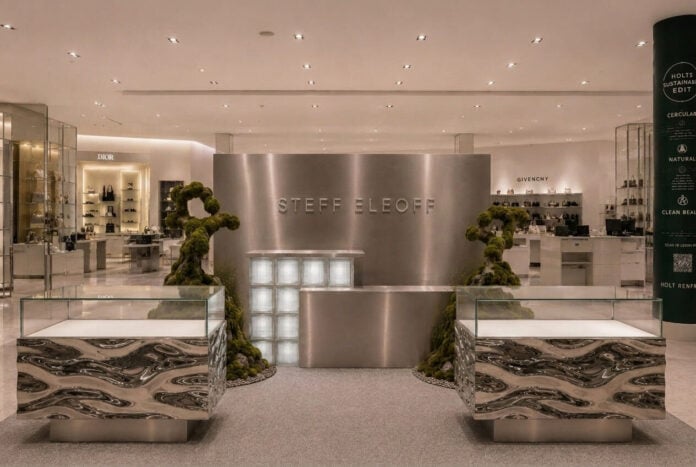
Rendering of the STEFF ELEOFF space at Holt Renfrew, Yorkdale Shopping Centre in Toronto. Image supplied
Toronto-based jewellery brand STEFF ELEOFF is expanding its presence in Canadian luxury retail through a partnership with Holt Renfrew, bringing experiential pop-ups to the retailer’s Yorkdale and Bloor Street stores this fall.
The first activation will run at Holt Renfrew Yorkdale from October 2 to 29, followed by Holt Renfrew Bloor Street from November 12 to December 12. The installations coincide with the launch of STEFF ELEOFF’s FW26 Body of Water collection and will feature an edited assortment alongside pieces created exclusively for Holt Renfrew.
For founder and designer Steff Eleoff, the partnership brings a largely digital business into a more substantial physical setting in its home market. Despite the company’s Canadian roots, Eleoff told Retail Insider that most of its business now comes from outside Canada.
“We’ve grown so much online, but haven’t had many opportunities for customers to experience STEFF ELEOFF physically,” Eleoff said. “As a Canadian brand with most of our business coming from outside Canada, it felt like the right time to build a stronger presence at home.”
Holt Renfrew offered an established Canadian luxury platform for that next stage, while the two Toronto stores provide access to different customer bases.
Steff Eleoff
Yorkdale and Bloor Offer Different Toronto Markets
Eleoff sees distinct roles for the two locations. Yorkdale provides the scale and traffic of one of Canada’s major shopping centres, while Holt Renfrew’s Bloor Street flagship places the brand within Toronto’s established luxury shopping district.
“Yorkdale has incredible scale and energy, while Bloor sits at the heart of luxury and fashion in the city,” Eleoff said.
Operating at both stores will also allow the company to see how different customers interact with the brand in person, providing information that is more difficult to capture through a predominantly digital business.
The Holt Renfrew partnership follows earlier experiments with offline retail and brand experiences. STEFF ELEOFF has previously staged pop-ups during Paris and London Fashion Weeks, and its products have been carried internationally, including at Kith Tokyo. The company has also experimented with experiential concepts in Toronto, including a STEFF ELEOFF Café activation.
A Preview of What a STEFF ELEOFF Store Could Become
Eleoff describes the Holt Renfrew installations as an interpretation of what a future STEFF ELEOFF store could eventually feel like, although the company has not announced plans for a permanent location.
The environment combines metal with natural elements and is intended to create a calmer setting than a conventional multi-brand retail space.
“We wanted it to feel almost zen, where you can slow down, experience the jewellery and step into our world for a moment,” Eleoff said.
That approach reflects how the company develops its collections beyond the individual pieces. Eleoff said imagery, film, art direction and storytelling are used to create a broader visual world around each collection, with the Holt Renfrew installation allowing that work to take physical form.
The format also addresses some of the limitations of selling jewellery online. Customers can handle pieces, feel their weight and try different shapes while encountering the product within the environment envisioned by the designer.
“Digital will always be a huge part of our business, but physical retail gives customers something online can’t,” Eleoff said. “I see physical experiences becoming an important part of how we enter and grow in key markets in the brand’s future.”
From Toronto Start-Up to an International Customer Base
Eleoff launched her namesake brand in Toronto in 2020. The company grew initially through digital channels, attracting fashion-industry attention and subsequently reaching customers outside Canada.
Early exposure included coverage from Vogue France, while international distribution and collaborations broadened the company’s audience. Eleoff was also recognized at the Canadian Arts & Fashion Awards in 2024, winning the Emerging Talent, Accessories award.
How consumers discover the brand has changed considerably as the business has expanded. Eleoff said customers now arrive through TikTok and Instagram, celebrity exposure, retailers and the company’s growing business producing covers for wearable technology.
“Our customer wants something they haven’t seen everywhere else,” she said. “The entry points have multiplied, but what ultimately brings them into the brand is still the design and the product itself.”
That range of discovery channels has allowed STEFF ELEOFF to develop an audience without relying solely on traditional jewellery retail distribution.
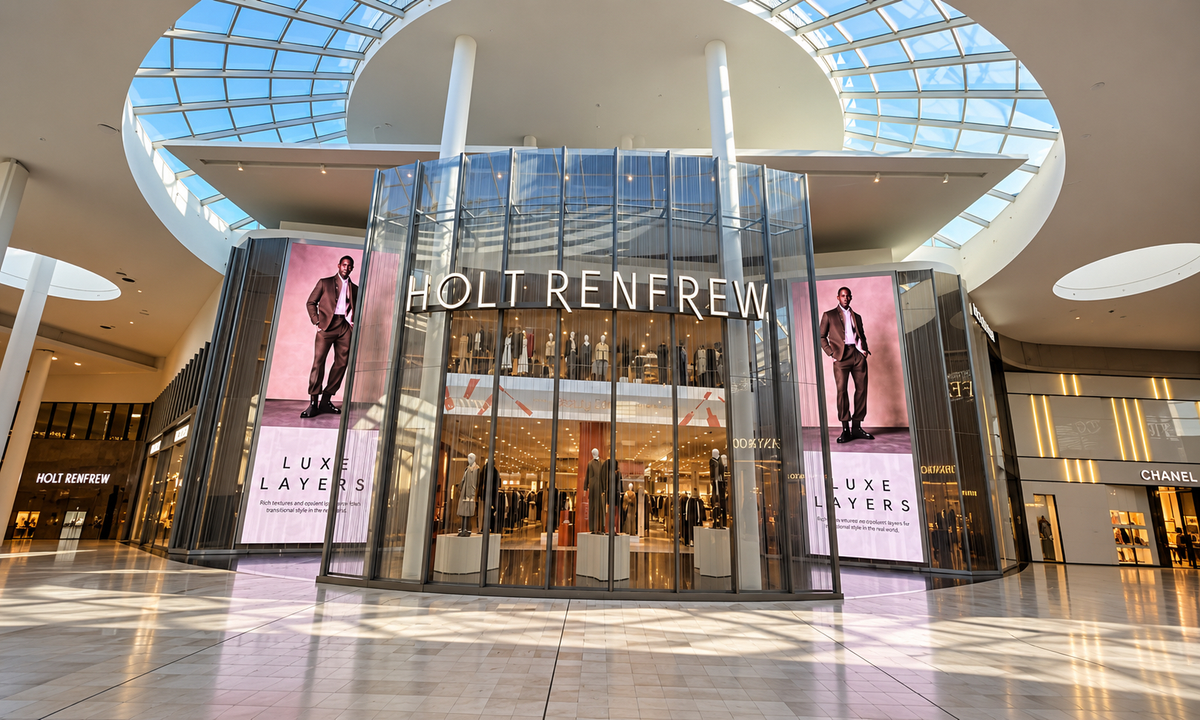
Holt Renfrew Yorkdale. Photo: Nishant Anand
Collaborations Bring STEFF ELEOFF to New Audiences
Projects involving Kylie Cosmetics and Porsche have also introduced the company to consumers outside conventional jewellery channels.
The Porsche collaboration extended STEFF ELEOFF’s design language into a much larger format. For Porsche SCOPES Toronto, the company translated the aesthetic of its Sedona ring into an installation and art car, providing an earlier example of Eleoff taking a design developed for jewellery and applying it to a physical environment.
“Porsche allowed us to explore our design language through a much larger-scale installation, while Kylie Cosmetics brought the brand into a different cultural and beauty space,” Eleoff said.
Those projects served both creative and customer-acquisition purposes for the company, putting the brand in front of audiences that may not otherwise have encountered its jewellery.
Wearable Technology Develops into a Significant Business
One of STEFF ELEOFF’s more unusual growth categories sits at the intersection of jewellery and wearable technology. The company designs sculptural jewellery covers that fit over smart rings, changing the appearance of a functional wearable device. The concept gives consumers a way to incorporate increasingly common wearable technology into a more traditional jewellery wardrobe.
What began as another product category has become an important source of business and customer discovery.
“Tech ring covers have become a significant part of our business and introduced an entirely new audience to STEFF ELEOFF,” Eleoff said.
She views the products as an extension of the company’s jewellery rather than a separate technology business. The same sculptural design approach is applied to the covers, while the category has introduced customers searching for wearable accessories to STEFF ELEOFF’s broader assortment.
Exclusive Product for Holt Renfrew
The Holt Renfrew pop-ups will not simply reproduce the assortment available through STEFF ELEOFF’s website. The company has developed pieces specifically for the retailer alongside an edit of its broader collection.
“We wanted customers to have a reason to experience STEFF ELEOFF at Holt Renfrew rather than simply recreating our website in a store,” Eleoff said.
The exclusives include colour and design variations connected with what Eleoff describes as the company’s 2026 “gem hunt journey,” with those pieces available only through Holt Renfrew.
The approach gives Holt Renfrew differentiated product while allowing STEFF ELEOFF to present a curated version of the brand to customers encountering it through the retailer.
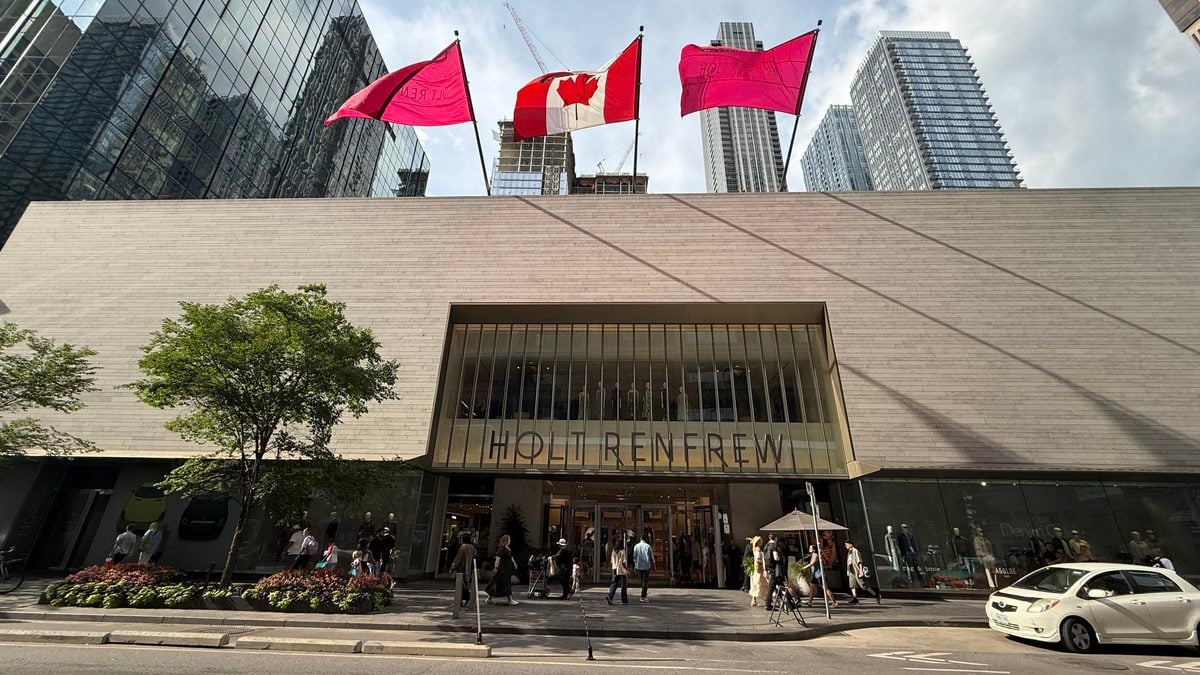
Holt Renfrew at 50 Bloor Street West in Toronto. Photo: Craig Patterson
International Markets Remain a Focus
While the Holt Renfrew partnership strengthens STEFF ELEOFF’s presence in Canada, international markets remain central to its growth plans.
“We want to continue bringing STEFF ELEOFF into the markets where our customers already are,” Eleoff said. “International markets are a big focus for us, as we want to give people the brand experience.”
The company has not identified specific markets for future physical locations or announced plans for a permanent standalone store. Eleoff’s comments point to a strategy in which in-person experiences could increasingly accompany digital growth as the company enters or develops key markets.
The Holt Renfrew installations provide an early look at how a more permanent STEFF ELEOFF environment might eventually take shape.
“At the heart of it all, I want every physical expansion to feel intentional and distinctly STEFF ELEOFF.”