Home Blog Page 111

Spirits brands shift to experiential marketing as consumption declines: Gradient report

Gradient photo
Gradient photo

A new industry report, by Gradient, suggests global spirits makers are shifting away from traditional advertising and toward immersive, experience-led marketing as they contend with declining consumption and changing consumer habits.

The 2026 “I.M.P.A.C.T. Spirits Edition”, based on interviews with executives from major companies including Diageo, Pernod Ricard and Moët Hennessy, along with a survey of more than 100 North American marketers, argues that brands are no longer competing for shelf space, but for “memory space.”

The report finds that while overall alcohol consumption is under pressure — driven by wellness trends, the rise of non-alcoholic alternatives and shifting Gen Z behaviours — consumers are demanding more meaningful, higher-quality experiences when they do drink.

Despite 81 per cent of marketers saying experiential marketing should be integrated early in campaign planning, only 25 per cent currently do so, highlighting a gap between strategy and execution.

It also points to a growing emphasis on on-premise environments such as bars, events and cultural gatherings as primary drivers of brand discovery, with experiences increasingly designed to generate shareable content and long-term customer relationships.

The report concludes that brands investing in cultural relevance, participation and first-party data will be best positioned to grow in a contracting but still highly competitive market.

In an interview with Retail Insider, Pauline Oudin, CEO of Gradient, discusses the report.

Pauline Oudin
Pauline Oudin

Question: What are the biggest shifts currently reshaping marketing strategy in the spirits industry across North America?

Answer: Category volume is declining, but relevance is still very much up for grabs. Three structural tensions define where we are right now: shrinking consumption versus expanding opportunity, heritage versus cultural agility, and passive consumption versus active participation. 

Wellness culture, lo-no alternatives, THC, appetite suppressants, tighter consumer budgets. These aren’t just headwinds. They’re signals worth paying attention to. Consumers who are drinking less expect more from every sip: more meaning, more quality, more intention behind the choice. 

And yet, spirits and wine marketers are clearly reading the room. Nearly nine in 10 say their experiential budgets have grown over the past three years, with 38% describing that growth as significant. The fight for shelf space is already over. Now it’s about memory space.

Q: Based on your interviews with major global brands, how are spirits companies adapting to changing consumer behaviour, particularly among younger demographics?

A: Gen Z isn’t abstaining, they’re just drinking differently. RTDs, occasion-led choices, pre-organized social experiences. Millennials are pulling back on frequency, while Gen Z is rethinking format and ritual altogether. Both cohorts are more choiceful than any generation before them, and that changes everything. What wins now is an experience that earns a place in someone’s plans, not just their glass. Brands at Diageo, Moët Hennessy, and William Grant are designing for gathering occasions, not just drinking occasions. Only 11% of spirits marketers surveyed currently define experiential as encompassing the full consumer journey, which means most are still meeting the choiceful consumer halfway. That’s the whole shift, and it’s a meaningful one.

Gradient photo
Gradient photo

Q: What role do luxury positioning and premiumization play in growth strategies for companies like Diageo, Moët Hennessy LVMH, and Pernod Ricard?

A: “Less but better” isn’t a threat to spirits, it’s a mandate to elevate. Luxury consumers are trading frequency for significance: pinnacle releases, personalized buying flows, halo activations that build desire up and down the portfolio. Edrington’s Vault strategy tracked 24 billion in reach, but the real ROI was equity and desirability cascading through every tier. 

Heritage storytelling (Louis XIII, The Macallan) functions as both cultural permission and status signal. CRM data capture has become the top measurement priority for 61% of spirits marketers, a sign that the category understands high-value consumer relationships now matter more than high-volume moments. Premium tier growth isn’t about convincing people to spend more. It’s about becoming genuinely worth more to them.

Q: Were there any surprising findings or points of consensus that emerged from your research with more than 100 marketing professionals?

A: Two findings cut straight against what the category assumes. First, product trial and sampling ranks dead last as a primary objective for brand experiences, despite being spirits’ most iconic tactic. Relationship-building tops the list instead. The glass on the table still belongs in the experience, it’s just no longer the point of it. Second, 84% of respondents describe themselves as satisfied with their ability to measure experiential ROI, yet measurability (60%) and proving ROI (53%) still rank as their top two challenges. That’s not confidence, that’s familiarity. Most are measuring what’s easiest to capture, not what actually moves the business.

Gradient photo
Gradient photo

Q: How do you see the future of spirits marketing evolving over the next three to five years, especially as digital engagement and cultural trends continue to shift?

A: The brands that lead the next chapter will be competing for cultural territory: music, culinary, hospitality, sport, ritual spaces, not just category share. On-premise becomes the primary media channel, with brands being built there rather than in liquor stores. Experience gets designed first, and the campaign follows, not the other way around. The gap between aspiration and architecture is closing fast, and the brands best positioned to close it aren’t necessarily the ones with the biggest budgets. Internal cross-collaboration is currently the single biggest barrier, cited by 56% of respondents, ahead of budget, measurement, and every external challenge on the list. The ones that close the gap will be collapsing those silos, recalibrating measurement systems, and integrating experiential before the big idea is already baked. In spirits, experiential stopped being a tactic a while ago. It’s now the last defensible moat.

More from Retail Insider:

Daily Synopsis: Jun 24, 2026

Welcome to the Daily Synopsis by Retail Insider. We published 9 articles covering key developments in Canadian retail across various sectors and geographies.

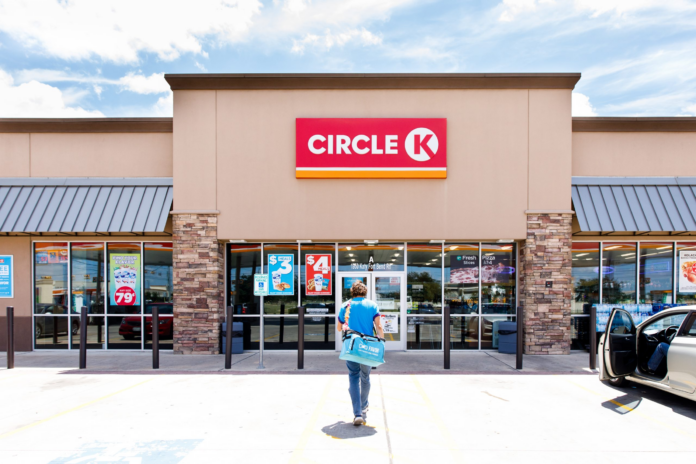
Vancouver’s West 4th retail district remains vibrant by balancing local businesses, national brands, and diverse small-format stores, demonstrated in Why Vancouver’s West 4th Retail District Continues to Thrive. In southern Ontario, Longo’s marked expansion with its first Welland store while emphasizing disciplined growth and family values through Longo’s Opens First Welland Store as Growth Continues. Convenient retail was also highlighted as Alimentation Couche-Tard advanced plans to open 750 new Circle K stores focused on foodservice and loyalty programs found in Circle K Advances 750-Store Expansion Plan as Foodservice and Loyalty Drive Growth.

Retail Insider also published an op-ed on Why Bureaucratic Delays Are Making Food More Expensive in Canada, highlighting how paperwork and permit issues delay meat imports and raise costs. The growing preference for Canadian brands was examined in ‘Buy Canadian’ Movement Gains Momentum as Shoppers Prioritize Local Brands, emphasizing health supplements and natural foods. Sustainability trends appear in the Mastercard report on circular commerce showing rising secondhand shopping, rentals, and repairs, detailed in Secondhand Shopping Growth Outpacing Retail Overall.

🗞️ The Day’s Retail Insider Article List

🌐 Canadian Retail News From Around the Web

Why Bureaucratic Delays Are Making Food More Expensive in Canada

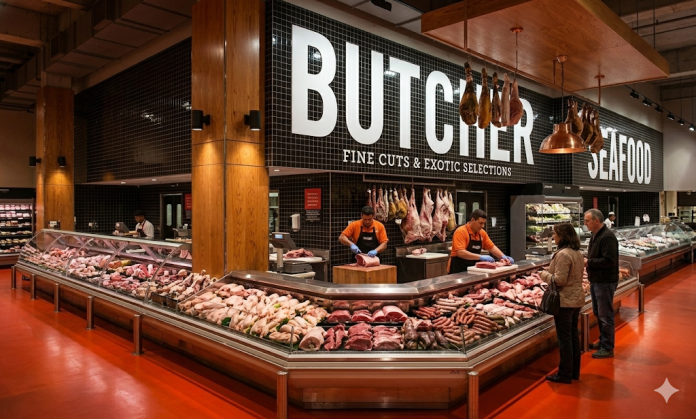
Grocery store meat butcher department. Image: RI/Google

Canadians often wonder why food costs so much. Many economists are quick to blame President Trump, climate change, global supply chains, exchange rates, or other external forces. These are convenient explanations and, in some cases, legitimate ones. But while these factors matter, many of the reasons behind Canada’s persistent food affordability problem are far less visible. Some are buried deep within regulatory and administrative processes that rarely attract public attention.

The Agri-Food Analytics Lab at Dalhousie University recently received privileged information regarding several cases involving delays in the importation of meat products into Canada. While the details remain confidential, the cases reveal a broader issue that deserves scrutiny.

Importing meat into Canada is a highly regulated process. Before any shipment arrives, the exporting country must be recognized by the Canadian Food Inspection Agency (CFIA) as having food safety standards equivalent to Canada’s. Processing facilities must be approved, permits may be required, veterinary certificates must accompany shipments, and all documentation must satisfy Canadian requirements. Upon arrival, products may be subject to additional verification and inspection before entering the marketplace. These safeguards exist for good reason. Canadians expect a safe food supply, and maintaining high standards should never be compromised.

The problem arises when administrative processes become inefficient.

In several cases reviewed by the Lab, companies encountered lengthy delays despite products already being approved, shipped, and physically present in Canada. In one instance, imported meat remained detained for more than five weeks due to permit-related issues, generating thousands of dollars in additional costs while the shipment sat idle. Food products, unlike manufactured goods, lose value over time. Refrigerated containers continue to incur storage charges, refrigeration costs, financing expenses, and demurrage fees, while shelf life steadily declines.

Industry estimates suggest that delays involving refrigerated containers can cost between $700 and $2,000 per day, with a single week of delay often exceeding $10,000 in additional costs.

These expenses do not remain with importers alone.

They ripple throughout the supply chain. Processors face disruptions when expected ingredients or products fail to arrive on schedule. Retailers encounter supply uncertainty and inventory shortages. Foodservice operators pay more to secure alternatives. Ultimately, consumers absorb many of these costs through higher prices at the checkout counter. This is how inflation often manifests itself—not through one dramatic event, but through countless inefficiencies that quietly increase costs at every stage of the food chain.

The economic implications are significant. Canada imported approximately $6.7 billion worth of meat products in 2025. If only a modest share of shipments experience avoidable delays, annual costs to the industry can quickly reach tens of millions of dollars.

More realistic assumptions suggest the burden could exceed $100 million annually. Unlike weather events, trade disputes, or global commodity shocks, however, these costs are largely self-inflicted.

Administrative delays represent an inefficiency that governments have the ability to address.

None of this diminishes the important work performed by the CFIA. The agency remains one of the world’s most respected food safety regulators and plays a critical role in protecting public health. However, food safety and administrative efficiency should not be viewed as competing objectives. A modern food system requires both. If governments are serious about improving productivity, reducing costs, and enhancing food affordability, they should pay closer attention to the hidden expenses created by bureaucratic delays.

Canadians are often told that food prices are rising because of forces beyond anyone’s control. Sometimes that is true. But sometimes the explanation is much simpler: a shipment is waiting for paperwork.

For those trying to understand why food remains so expensive in Canada, this is merely Exhibit 4271.

More from Retail Insider:
Why Leading Companies Are Re-Engineering Applications Instead of Replacing Them

Many businesses discover that throwing away functional software is an expensive mistake. It costs too much. Instead of building brand-new platforms from scratch, forward-thinking organizations are modernizing their existing software infrastructure to improve performance and agility. Choosing application reengineering services allows enterprise teams to preserve vital core logic while stripping away outdated dependencies. This approach dramatically reduces operational risk and helps companies avoid the chaos of sudden system transitions. Industry data indicates that maintaining older systems can consume up to 70% of an organization’s technology budget. Experienced technology partners like CHI Software help companies optimize these existing assets. Refactoring software safeguards historical business workflows and improves overall system stability without causing operational gridlock.

Why Full Application Replacement Is Often Too Risky

Scrapping an entire system looks simple on paper, but the reality is frequently problematic. Complete software replacement introduces massive delivery risks that can halt standard corporate operations. Data migration acts as a primary bottleneck, where moving millions of legacy records often leads to corruption or massive gaps. Employees face steep learning curves when forced onto unfamiliar interfaces, causing internal productivity to plunge. Furthermore, industry studies show that over 70% of large-scale core system replacements experience severe budget overruns or outright failure. When a business relies on decades of accumulated rules hidden inside custom code, a total rewrite frequently deletes those rules by accident. Companies often realize too late that old application re-engineering services provide a much safer path. Retaining the underlying platform core limits downtime and avoids the financial strain of unproven alternatives. Business stability requires an evolutionary approach rather than a chaotic revolution that compromises transactional data integrity.

How Application Reengineering Services Help Modernize What Already Works

Modernization does not require the complete destruction of working software. Instead, comprehensive application re-engineering services focus on upgrading the internal mechanics of a system while keeping its outer purpose intact. Engineering teams achieve this by systematically refactoring brittle source code and redesigning rigid software architectures. This transformation optimizes application speed and strengthens security frameworks against modern digital vulnerabilities. Updating old data storage layers allows systems to process modern transactional volumes without lagging. Additionally, these services build clean integration layers that connect legacy core features with modern cloud ecosystems or third-party web tools. By separating functional components from outdated technical setups, developers give ancient software a clean operational environment. This methodology allows organizations to adopt the latest technology tools without losing the reliability of their core transactional mechanisms. Upgrading software from within ensures that regular user workflows continue without unexpected functional breaks. It bridges the gap between old stability and modern performance requirements seamlessly.

Preserving Business Logic While Improving the Architecture

Enterprise applications hold decades of proprietary domain logic, customized workflows, and specific edge-case solutions. Tearing down these systems means losing the hidden knowledge built into the software over many years. This is a massive waste. Utilizing professional legacy application re-engineering services helps extract this valuable operational intelligence from failing, ancient codebases. Engineers can isolate core business logic and migrate it into modular, cleanly structured architectural frameworks. This separation removes old software dependencies and out-of-date infrastructure while keeping business rules perfectly intact. As a result, the business preserves its competitive operational advantages without remaining trapped in a crumbling technological environment. It is a calculated strategy that honors past engineering investments while building a sustainable base for future software enhancements.

Reducing Technical Debt Without Disrupting Operations

Technical debt silently drains company resources and slows down software development cycles. McKinsey research shows that technical debt can absorb up to 40% of standard IT investments. Instead of pausing all feature development for a multi-year rebuild, companies deploy app re-engineering services to fix issues incrementally. This phased methodology addresses fragile code blocks, modernizes specific components, and cleans up confusing databases step by step. The system remains operational throughout the entire modernization process, avoiding costly downtime. Internal engineering teams can steadily improve code maintainability and lower operational risks without alarming customers or freezing daily business tasks. It transforms a massive, scary engineering crisis into a series of predictable, safe operational updates.

When Re-Engineering Is Better Than Rebuilding

Deciding between fixing a system and replacing it depends on specific business realities. If a software system successfully manages core corporate operations but suffers from slow performance, full replacement is a wasteful option. When users trust current screen layouts and workflows, changing everything causes needless frustration. Strategic application re-engineering solutions work best under specific conditions.

  • The underlying business logic remains accurate and matches current operational needs.
  • Scalability limitations and slow database response times are the primary technical bottlenecks.
  • The software code is difficult to maintain but the core calculations are completely correct.

Choosing to modify rather than replace keeps essential systems online. It allows businesses to address real technical infrastructure limitations directly without introducing the massive organizational strain of an entirely new corporate platform implementation. This practical focus ensures that corporate funding fixes actual performance problems instead of funding unnecessary conceptual overhauls.

What Companies Usually Modernize During Application Re-Engineering

Re-engineering is a focused process that targets specific parts of a system to get the best results. Engineers usually start by cleaning up messy codebase structures and breaking apart giant monolithic code setups into smaller microservices. The database layer often gets a significant upgrade, which improves data query speeds and fixes old storage problems. Modern APIs are added to help the old software communicate smoothly with modern external platforms. Security frameworks receive updates to protect sensitive corporate information from modern security threats. Furthermore, teams upgrade development operations infrastructure by adding automated build and deployment pipelines. This preparation makes the application fully compatible with cloud hosting environments. By using software application re-engineering services, organizations fix their worst performance problems without changing the parts of the program that work perfectly. This focused work turns heavy legacy applications into quick, lightweight software systems ready for modern business demands. It updates key technical elements while preserving original functionality.

Business Benefits of Re-Engineering Instead of Replacing

Choosing to upgrade an existing system brings clear financial and operational advantages to an organization. It extends the total lifespan of established software investments and prevents original code development capital from going to waste. Working with an experienced application re-engineering company allows businesses to achieve faster delivery of new software features. Because the engineering team modifies an existing platform instead of building a new one, the testing timelines are shorter. Security updates reduce corporate liability by protecting data assets according to modern compliance rules. Scalability improvements let the application handle larger user volumes without crashing during peak work hours. Furthermore, modernization expenses become predictable and manageable when broken into smaller phases. This practical spending model prevents the massive financial surprises that usually happen during complete system replacements. Companies gain a flexible, modern platform while keeping their overall software engineering costs under tight control.

Final Takeaway

Smart companies do not throw away working software just because it is old. They choose to improve their systems carefully to stay competitive without taking on massive delivery risks. Re-engineering allows enterprises to fix performance issues, eliminate technical debt, and prepare for cloud migration while keeping their valuable business logic safe. This practical strategy avoids the high failure rates and high costs of total system replacements. It focuses effort on fixing bad code and keeping good workflows. Ultimately, keeping what works and fixing what limits expansion helps businesses grow safely. Organizations maintain complete operational continuity and upgrade their software systems securely by using reliable application reengineering services.

Longo’s Opens First Welland Store as Growth Continues

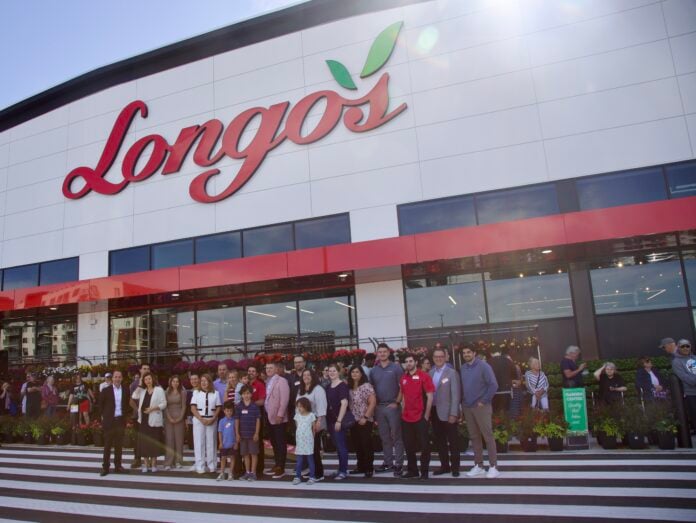
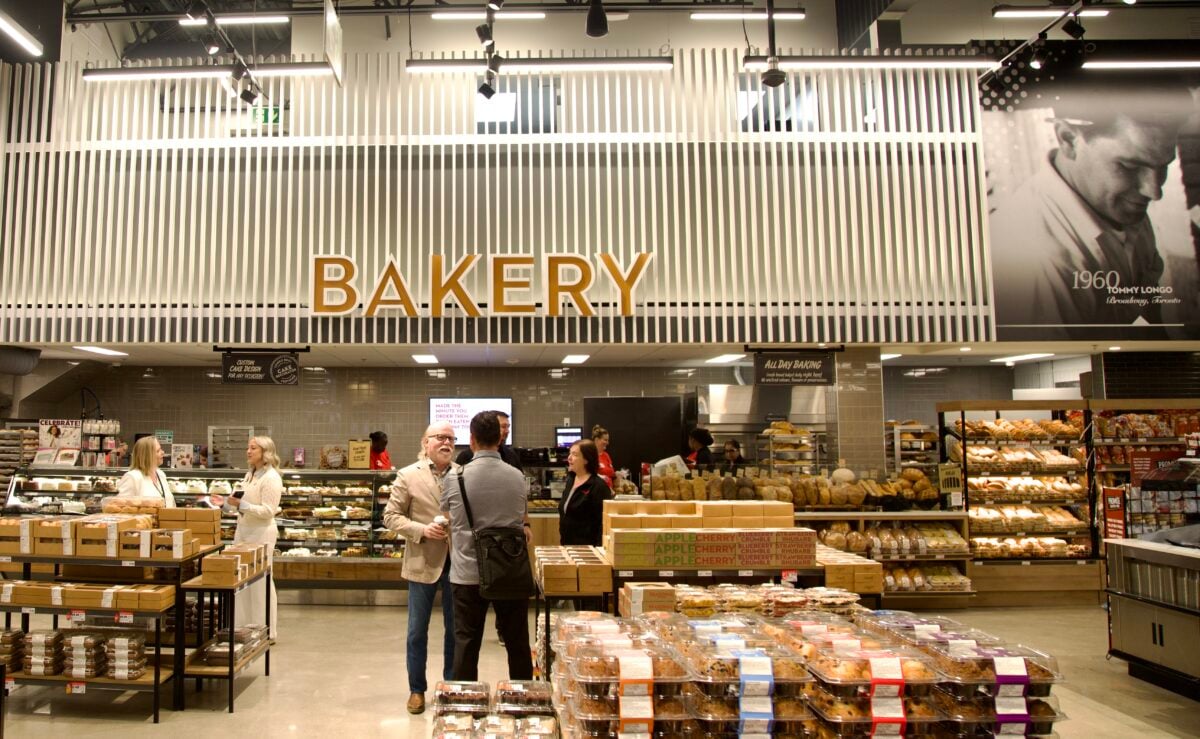
Welland store. Longo's photo

After 70 years in business, Longo’s executive chairman Anthony Longo credits the grocer’s steady expansion and adherence to founding values as the key drivers behind its longevity in a competitive retail sector.

The Ontario-based supermarket chain, which began as a small vegetable market in Toronto in 1956, now operates 44 stores with the opening of its latest location in Welland, marking its first entry into the Niagara region.

Longo’s continues to grow its presence in southern Ontario.

Just the other day, RioCan Real Estate Investment Trust said it will redevelop the former Hudson’s Bay Company (HBC) space at Georgian Mall with the addition of three new tenants: Longo’s, GYMVMT by GoodLife Fitness, and Mark’s. The new tenants are expected to open in 2027, with a temporary Mark’s location opening in advance of the permanent store, said RioCan.

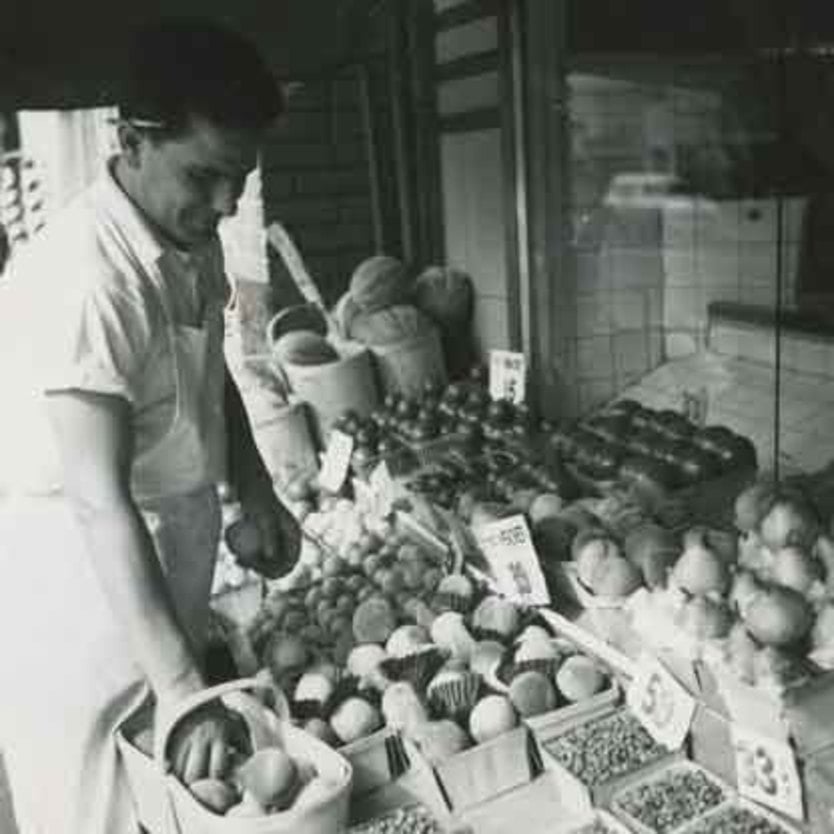
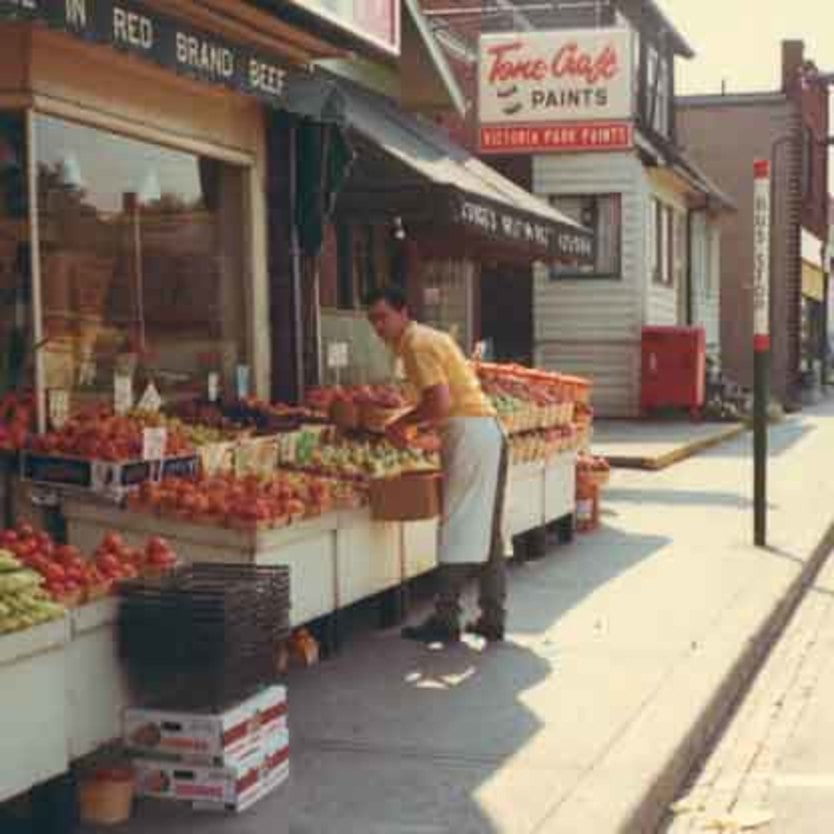
Longo’s is a family-operated Canadian organization that started in 1956 when three brothers, Tommy, Joe and Gus opened their first fruit market. What began as a small family-run store has since grown into a company that operates 44 stores in communities across Toronto and the GTA. And it continues to grow.

Longo's photo
Longo’s photo

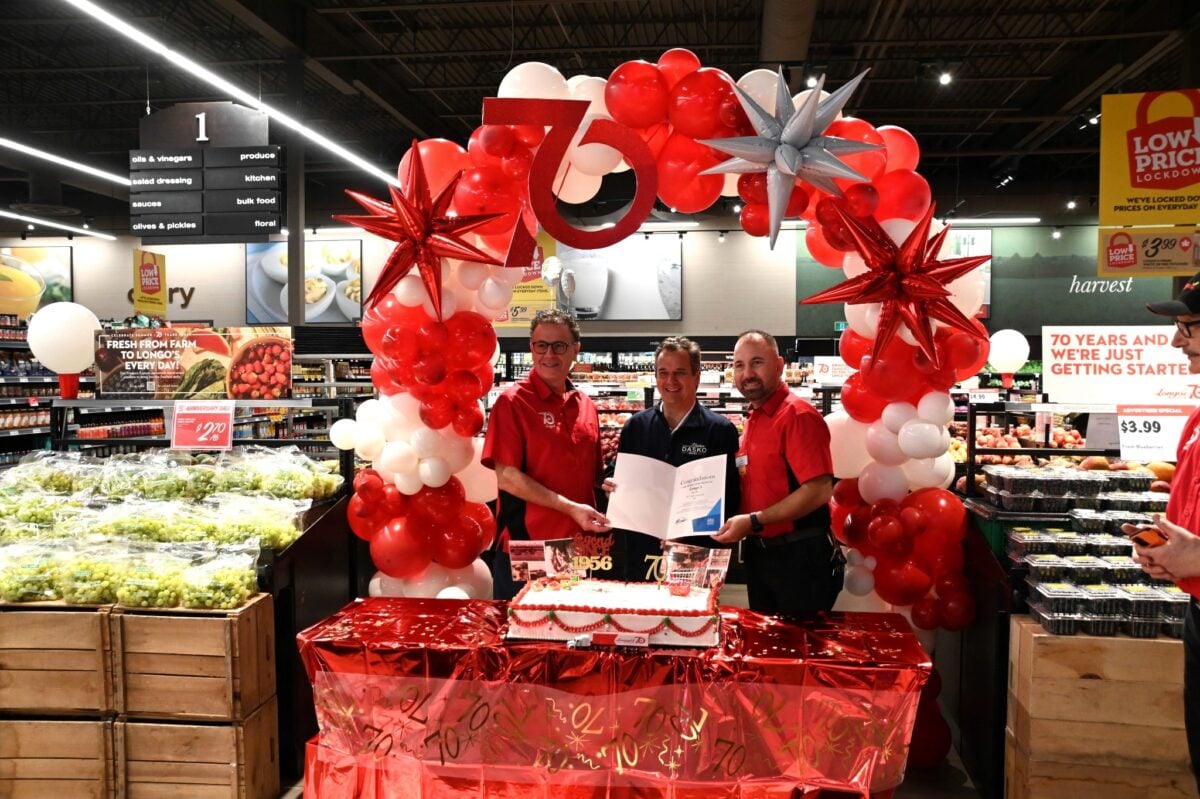
Recently, the popular brand celebrated its milestone of being in business for 70 years – a feat not many companies can proclaim.

Anthony Longo said the company’s growth has been deliberate rather than aggressive, guided by principles instilled by its founders — his father and uncles — who emphasized quality, service and discipline over rapid expansion.

“Our foundation is very solid in terms of our values,” Longo said in an interview. “Don’t do growth at any cost. Grow when you’re ready and you’ve got a great team behind you.”

Measured expansion over decades

The company’s early decades were marked by slow, incremental growth. After opening its first store in 1956, Longo said the business added locations only every few years through the 1960s and 1970s.

Momentum began to build in the late 1980s and 1990s, when the company expanded into markets such as Markham and Vaughan, followed by further growth into Toronto in the early 2000s.

Today, Longo said the company continues to pursue expansion within the Greater Toronto and Hamilton Area, with additional stores planned in King City later this year and Barrie by late 2027.

At the same time, the retailer is investing in existing locations, including renovations to its Burloak store on the Oakville-Burlington border.

“We think there are still lots of opportunities within that region to continue building the business,” he said.

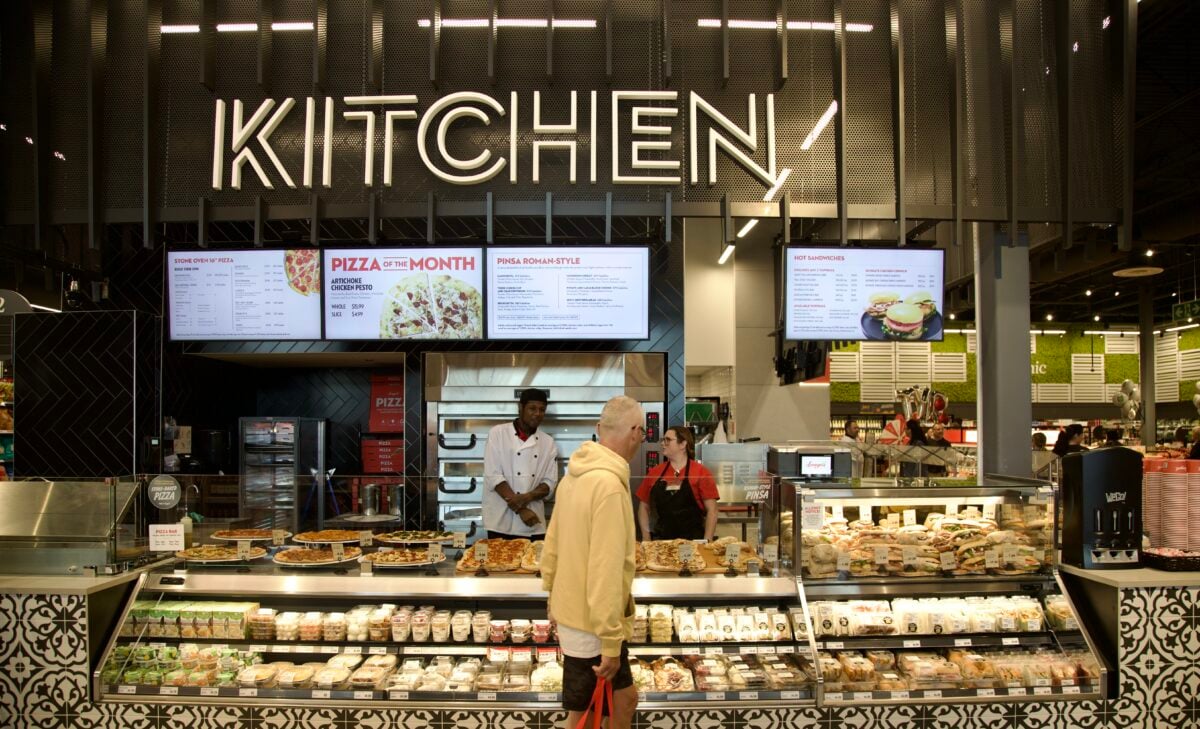
Longo's photo
Longo’s photo

Leadership continuity and succession

Longo, who joined the company full time in 1982 and became chief executive in 1998, transitioned to executive chairman last spring. He now works alongside president Deb Craven, who has held the role for two years.

The company remains closely tied to its founding family, with more than 20 family members involved in day-to-day operations.

“We have a strong leadership team, and the family is still very involved,” Longo said, adding that he does not expect that to change.

He said the company has focused on succession planning and internal development to sustain its leadership pipeline as it grows.

Changing consumer expectations

Longo said one of the most significant shifts over his career has been the evolution of consumer preferences, particularly in product assortment and global availability.

“Forty or 50 years ago, we didn’t have access to as much global assortment as we do today,” he said, noting that products such as fresh produce are now available year-round.

He added that customers have become more informed and experimental in their food choices, while also placing greater emphasis on health and product origin, including interest in Canadian-made goods.

At the store level, Longo said shoppers continue to prioritize quality, value and convenience, along with efficient service.

“We don’t want people to be stressed in the store,” he said. “They might come in stressed, but we want them to leave feeling better.”

Welland store. Longo's photo
Welland store. Longo’s photo

Balancing in-store and digital channels

While in-store shopping remains the dominant channel, Longo said the company has expanded its digital offerings through partnerships with multiple e-commerce and delivery platforms.

Longo’s participates in Empire Co. Ltd.’s Voilà platform, while also working with third-party services including Instacart, Uber and DoorDash. Each platform serves different customer needs, from large planned grocery orders to immediate purchases and prepared food delivery, he said.

“The vast majority is still in-store, and we think that will continue, but we want to offer options,” Longo said.

Product strategy and differentiation

Looking ahead, Longo identified prepared foods and private label offerings as key areas of investment.

The company has been expanding its prepared meals category, including protein bowls introduced over the past year that have gained traction with customers seeking convenient, high-protein options.

“It’s an area where we differentiate,” he said.

Longo also pointed to growth in its private label line, including products sourced from Italy under its Curato brand, which emphasizes smaller producers and ties to the company’s heritage.

Welland store. Longo's photo
Welland store. Longo’s photo

Anniversary milestone

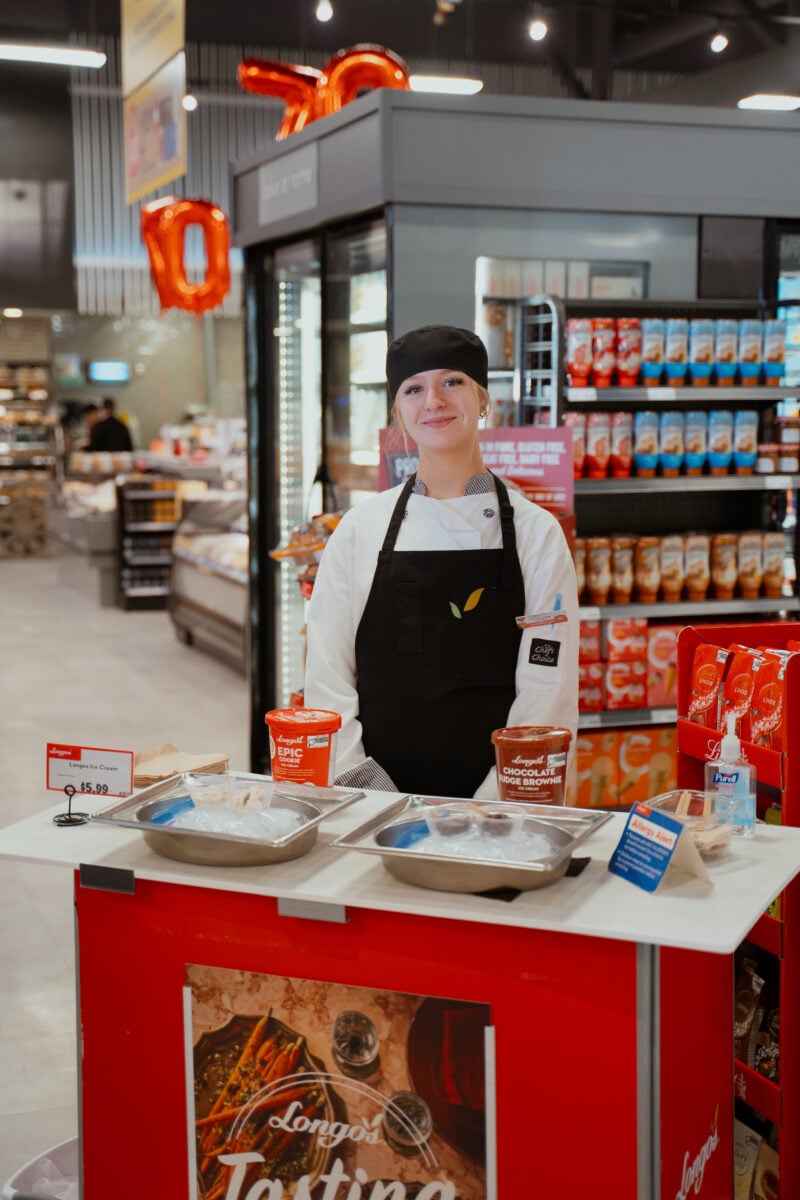
The company is marking its 70th anniversary with a series of events and promotions throughout the year, including in-store celebrations and themed campaigns reflecting different decades of its history.

Longo said the milestone has generated strong engagement from customers, employees and supplier partners.

“It shows where we’ve been and what was happening in the world at the time,” he said.

As the company looks ahead, Longo said its focus remains on maintaining the same principles that guided its early growth while continuing to invest in new stores, products and customer experience.

“Our foundation is what carries us through,” he said.

More from Retail Insider:
Tommy Longo
Tommy Longo
Gus Longo
Gus Longo
Joe Longo
Joe Longo

Why Vancouver’s West 4th Retail District Continues to Thrive

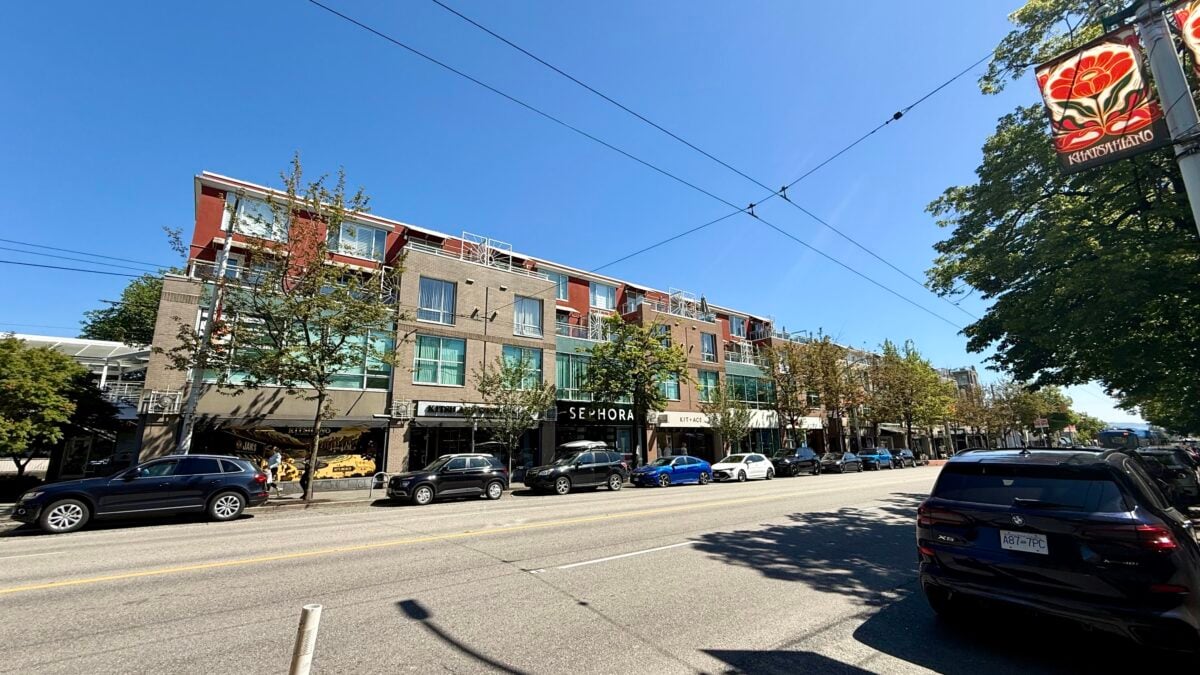
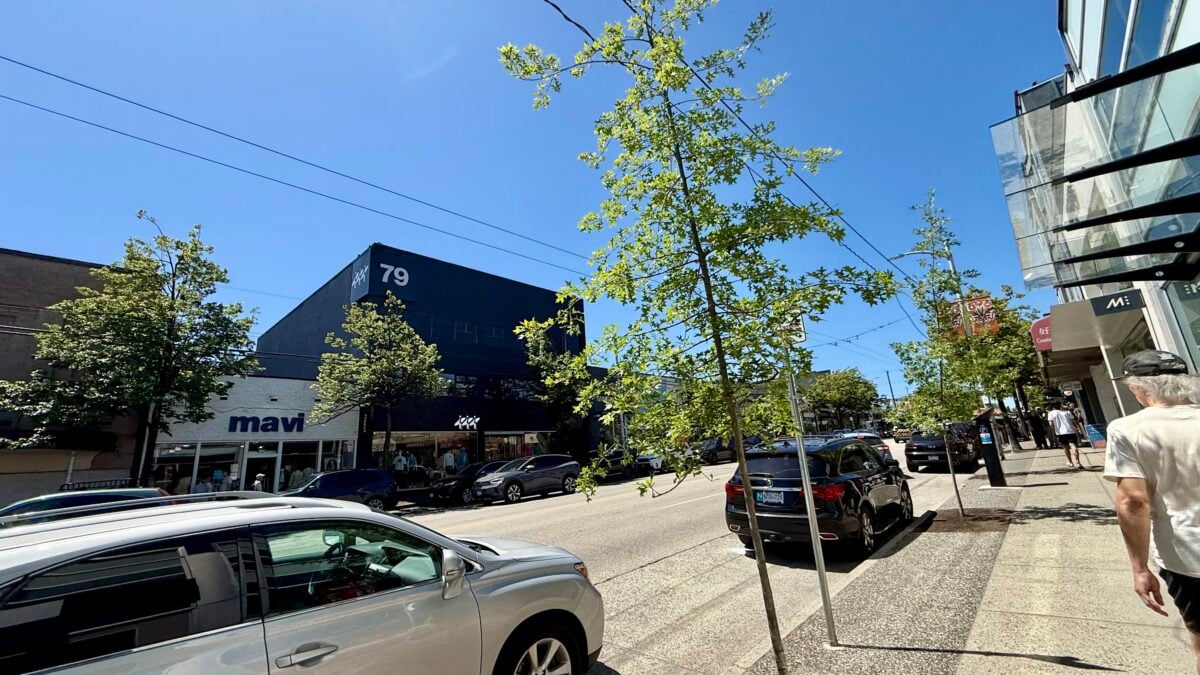
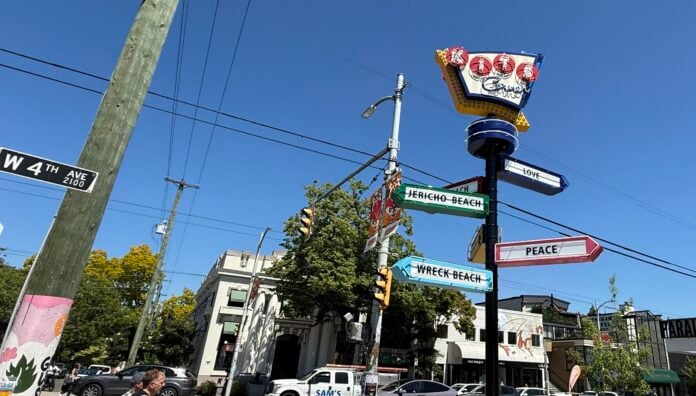
West 4th Avenue, Kitsilano, Vancouver. Photo: Craig Patterson

Vancouver has seen billions of dollars invested in retail over the past decade, from the transformation of Oakridge Park to the growth of Alberni Street’s luxury corridor and continued investment in destinations such as CF Pacific Centre. Yet one of the city’s most compelling shopping districts is not defined by scale.

It is defined by three blocks in Kitsilano.

The heart of West 4th Avenue’s retail district stretches roughly between Vine Street and Maple Street, where a compact mix of retailers, restaurants, cafes, services and specialty concepts has created one of Canada’s most distinctive urban shopping environments.

On a recent Sunday afternoon visit, Retail Insider observed strong pedestrian activity throughout the district. Restaurants and brunch destinations were busy, shoppers moved between stores, and the street maintained steady foot traffic despite no major event taking place.

That everyday activity helps explain why retailers continue to invest in the corridor.

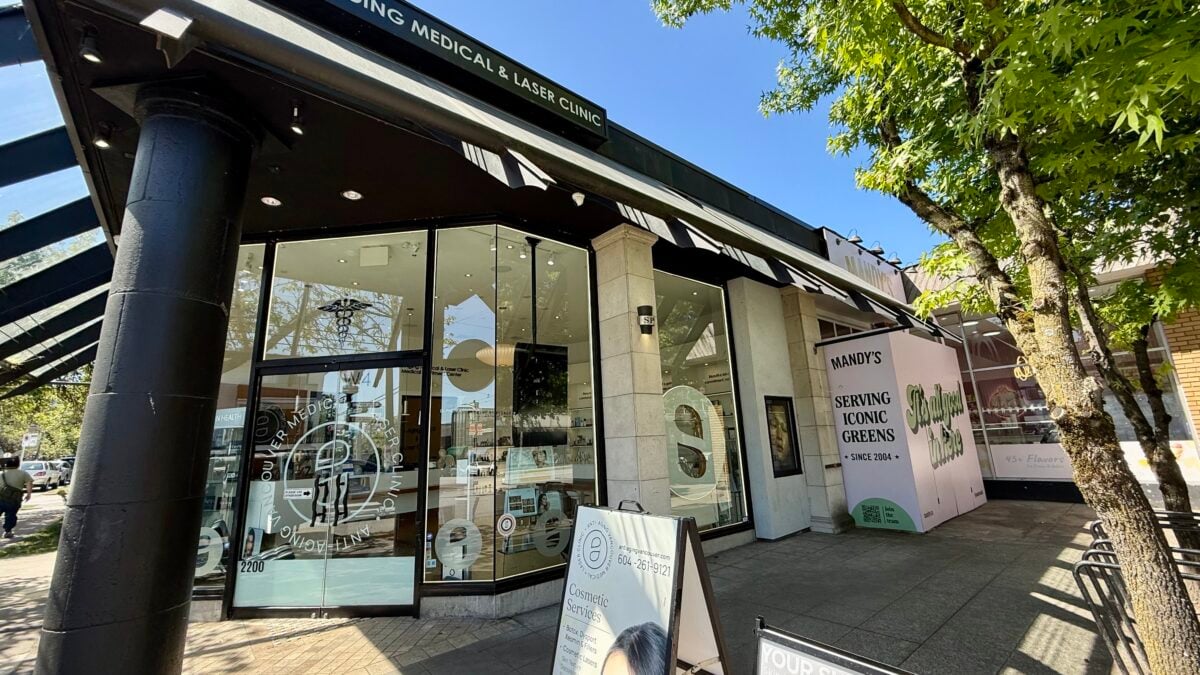
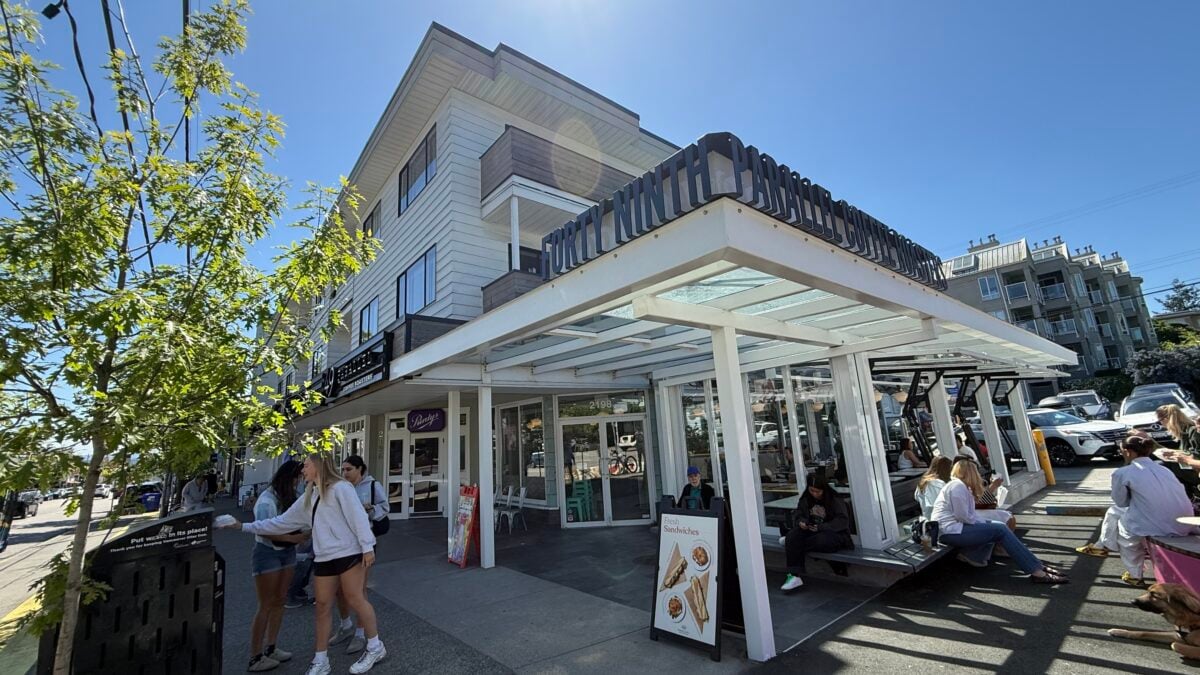
Recent additions include Sephora’s first Canadian small-format store, a new Aritzia location in the former Urban Outfitters building, and an upcoming Mandy’s Gourmet Salads restaurant. Together, they point to ongoing confidence in a district that has managed to evolve while retaining the character that made it successful.

For Jeff Berkowitz, Co-CEO and Chartered Real Estate Broker at Aurora Retail Group, West 4th’s strength begins with something many retail districts struggle to achieve.

“West Fourth knows exactly what it is,” Berkowitz said in an interview with Retail Insider. “It has a great sense of self.”

Jeff Berkowitz
Jeff Berkowitz

A Street That Feels Like an Experience

Berkowitz has spent his career studying retail markets across Canada and internationally, and says West 4th stands out because it offers something that cannot be easily replicated online or inside a conventional shopping centre.

He is careful with one word in particular.

“I hate using the word experiential because it’s overused,” he said. “But people want to enjoy the environment when they’re out of their house. They want a reason to go out, not just order something online or stay home.”

West 4th provides that reason. The district combines practical neighbourhood uses with destination retail. A shopper can visit a restaurant, pick up groceries, browse fashion, buy skincare, visit a specialty retailer and stop for coffee within a short walk.

“You’ve got local pharmacies, food stores and restaurants, but you’ve also got Sephora, Mejuri and other brands that make the street more than a neighbourhood strip,” Berkowitz said.

That balance is central to the corridor’s appeal. West 4th functions as a local commercial street for Kitsilano residents while also drawing consumers from other parts of Vancouver who come for the atmosphere, retailer mix and sense of discovery.

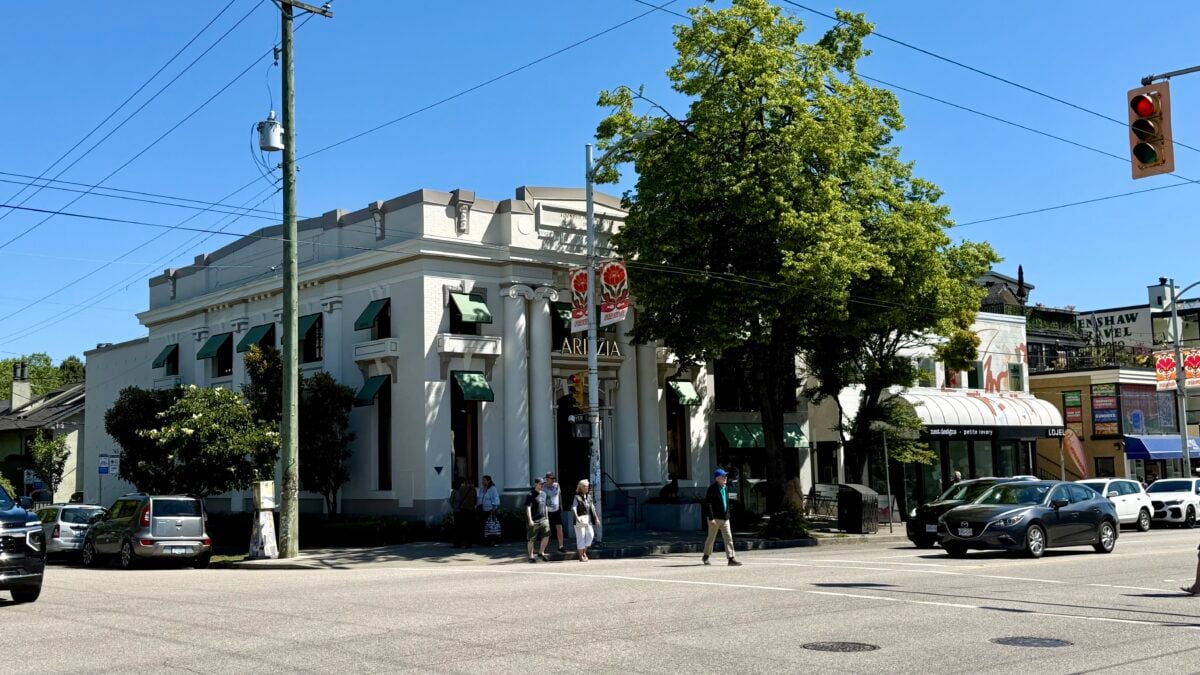
New Aritzia and Lojel storefronts on West 4th Avenue, Kitsilano, Vancouver. Photo: Craig Patterson
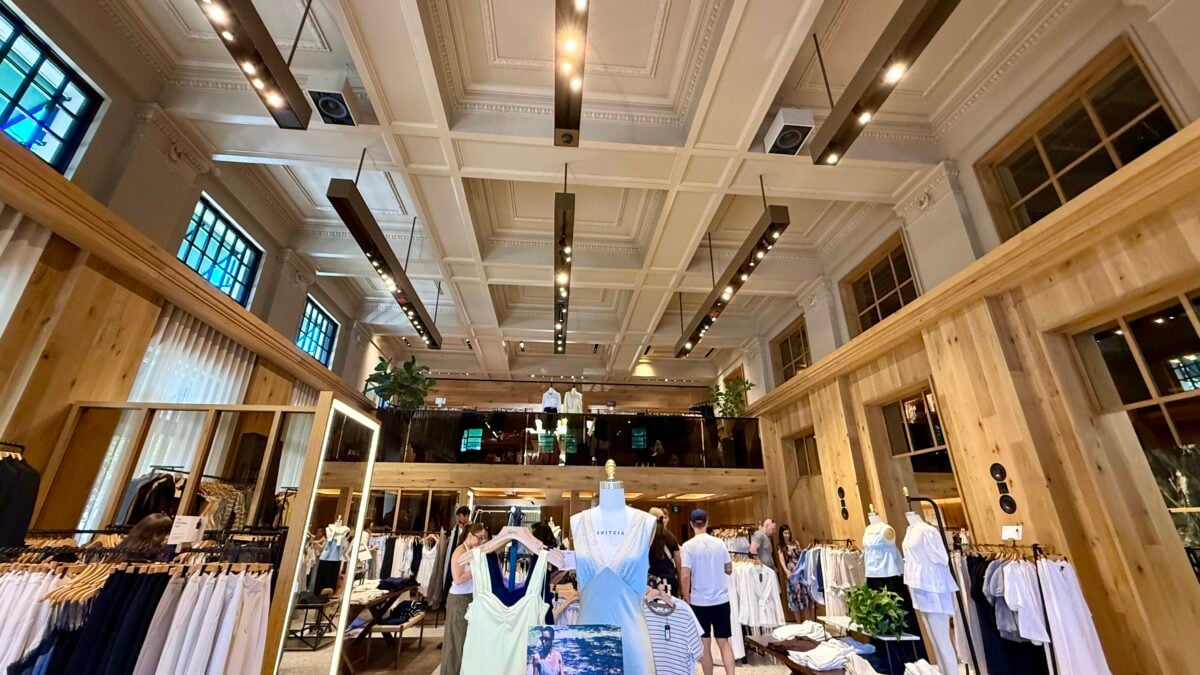
Inside the new Aritzia store on West 4th Avenue, Kitsilano, Vancouver. Photo: Craig Patterson

Three Blocks, Dozens of Reasons to Stop

The most active stretch of West 4th is unusually compact. A walk from Vine Street to Maple Street takes only a few minutes, but the corridor contains a dense collection of retailers and restaurants.

For Berkowitz, that density is part of what makes the street work.

“You can walk three blocks and discover twenty different stores,” he said.

The relatively small storefronts help create variety. Instead of a few large-format tenants occupying long stretches of frontage, the district offers a sequence of smaller businesses that keep the street visually and commercially interesting.

That built form creates a natural sense of exploration. Consumers do not simply arrive at one destination and leave. They move from one storefront to the next, often discovering retailers and restaurants along the way.

“It’s a bit of an adventure,” Berkowitz said.

That adventure is increasingly important in modern retail. Online shopping is efficient. Enclosed malls are convenient. But West 4th offers something different: a street-level experience where the appeal comes as much from the walk itself as from any individual store.

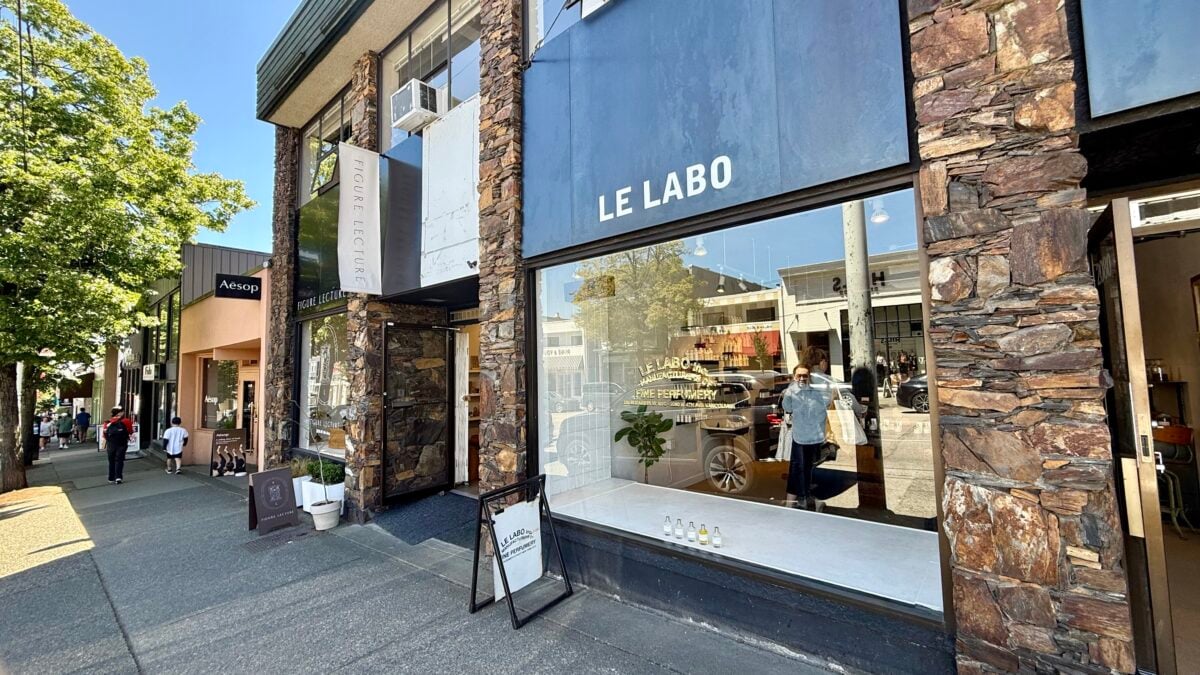
Le Labo and Aesop are among the major global brands that have set up shop on West 4th Avenue, Kitsilano, Vancouver. Photo: Craig Patterson

Retailers Continue to Invest in Kitsilano

Recent activity on the street shows how the corridor is attracting a mix of major brands, Vancouver-founded companies and specialty operators.

Sephora’s arrival brought one of the world’s largest beauty retailers to the neighbourhood in a smaller format tailored to the local market. Aritzia has opened in the former Urban Outfitters space at West 4th and Yew, one of the district’s most prominent retail locations. Mandy’s Gourmet Salads is also under construction, adding another food-focused concept to the corridor.

Nearby, Kit and Ace operates next to Sephora, while Westbeach has returned with a flagship store that brings a distinctly Vancouver story back to the street.

Westbeach is particularly well suited to the corridor. The revived brand’s flagship includes experiential elements and a strong sense of local identity, offering the kind of retail environment that adds texture to a district rather than simply filling space.

Other retailers in the area include lululemon, Reigning Champ, Patagonia, Monos, Mejuri, Le Labo and Aesop, creating a mix that spans apparel, wellness, beauty, food, services and specialty retail.

Retail Insider has followed West 4th’s evolution for years, including reporting on the expansion of lululemon’s original Vancouver store in 2017, Westbeach’s return to Kitsilano, and Sephora’s first Canadian small-format location.

The current momentum is therefore not a sudden shift. It reflects years of gradual evolution as the street has attracted new investment while retaining its neighbourhood foundation.

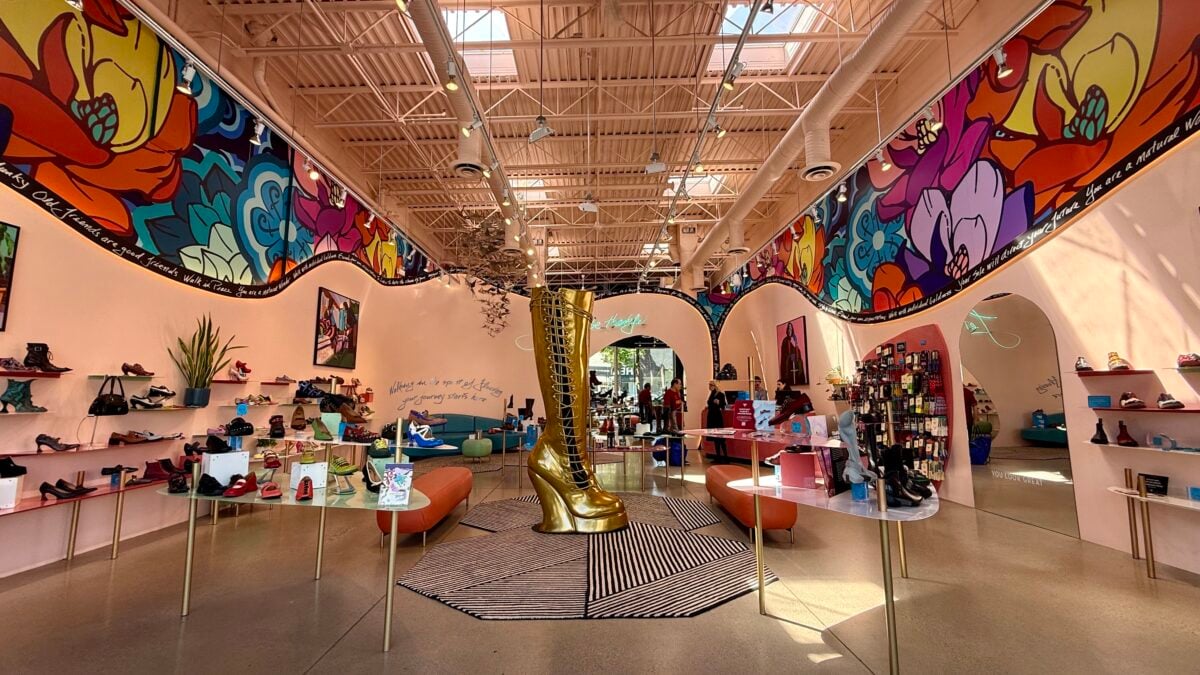
Inside the John Fluevog store on West 4th Avenue, Kitsilano, Vancouver. Photo: Craig Patterson

Why West 4th Is Different from Other Retail Districts

Berkowitz said part of West 4th’s strength is that it is not trying to be something else.

In Vancouver, different retail districts now serve different purposes. Alberni Street has increasingly become the city’s luxury corridor. CF Pacific Centre remains a major enclosed downtown shopping destination. Oakridge Park is reshaping the city’s retail landscape with a large-scale mixed-use redevelopment, housing a lot of luxury retail.

Robson Street, long one of Vancouver’s best-known retail streets, remains important but continues to evolve amid competition from nearby shopping centres, luxury streets and changing consumer patterns.

West 4th, by contrast, has a clearer role.

It is not trying to become Alberni. It is not trying to become Pacific Centre. It is not trying to become a mall without a roof.

The district’s identity is built around walkability, neighbourhood energy, smaller storefronts and a balanced tenant mix. That makes it different from larger retail districts where the shopping experience can become more standardized.

New Sephora and Kit and Ace stores on West 4th Avenue, Kitsilano, Vancouver. Photo: Craig Patterson

The Value of Not Being Too Polished

One of the most interesting things about West 4th is that it succeeds without feeling overly manufactured.

Berkowitz described the street as having both polished and “granola” elements — a mix of established retailers, local businesses, restaurants and independent operators that gives the corridor personality.

That blend is difficult to create intentionally.

Large retail projects can carefully curate tenant mixes, but they often struggle to replicate the layered character of an established neighbourhood street. West 4th benefits from years of organic evolution, multiple property owners, a strong local customer base and a retail mix that has changed gradually over time.

The result is a district that feels commercial without feeling generic.

That distinction may be increasingly important as consumers grow more selective about where they spend time. Retailers can no longer rely solely on location or brand recognition. The surrounding environment matters. On West 4th, the environment is part of the draw.

Montreal-based Mandy’s Gourmet Salads is among the new tenants on West 4th Avenue, Kitsilano, Vancouver. Photo: Craig Patterson

Success Creates Its Own Risks

The challenge for West 4th is that success attracts more interest.

As larger retailers and national brands look to the corridor, the street must maintain the mix that made it attractive in the first place. Too much standardization could weaken the very identity retailers are trying to access.

Berkowitz cautions against allowing West 4th to become another generic commercial strip.

“You don’t want to turn this into the same old street people can find anywhere else,” he said.

That tension is not unique to Vancouver. Across North America, successful urban retail districts often face a similar challenge. As rents rise and more brands seek space, independent retailers and local operators can become harder to sustain.

New West Beach flagship store on West 4th Avenue, Kitsilano, Vancouver. Photo: Craig Patterson

Looking Ahead

Retailer interest in West 4th appears likely to continue. The corridor offers many of the qualities brands increasingly seek: affluent local demographics, strong walkability, active restaurants and a retail mix that gives consumers multiple reasons to visit.

The challenge may be ensuring that future growth does not come at the expense of the qualities that made the district attractive in the first place.

For Berkowitz, West 4th’s appeal comes from the balance it has achieved between national brands, local businesses, restaurants and independent operators. That mix gives the corridor personality and creates the sense of discovery that keeps shoppers returning.

As more retailers look for opportunities in Kitsilano, preserving that balance may become increasingly important. After all, consumers have no shortage of places to shop. What continues to set West 4th apart is that it feels less like a retail project and more like a neighbourhood that evolved into a destination.

More from Retail Insider:

Canada’s only commercial olive farm on Salt Spring Island to be sold through online auction (Video)

CLHbid.com photo
CLHbid.com photo

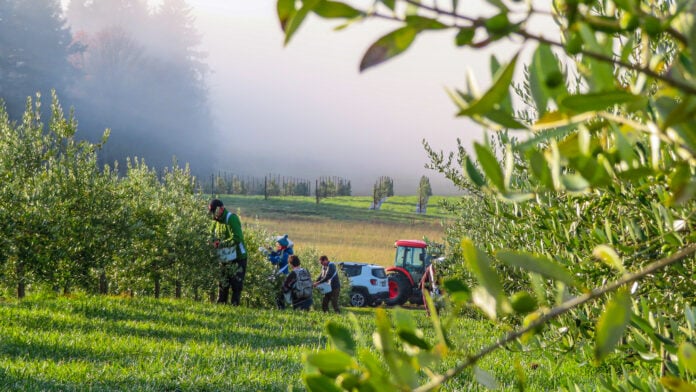
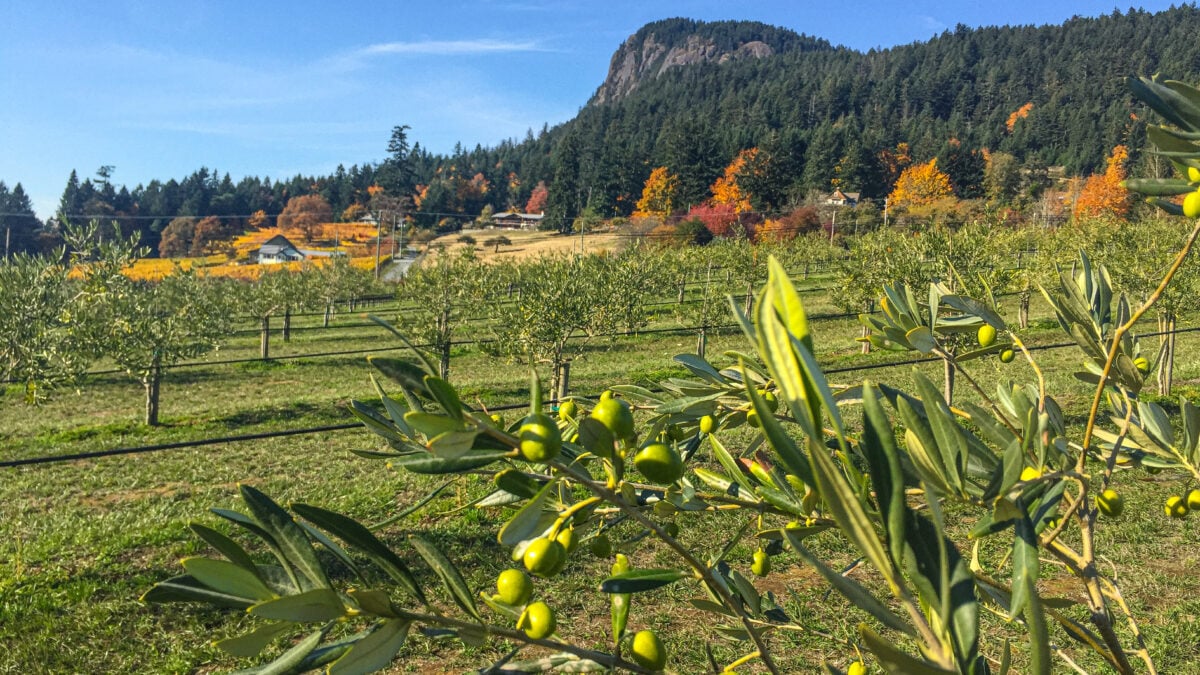
Canada’s only commercial olive oil farm, located on Salt Spring Island, B.C., is set to be sold through an online bidding process on Aug. 12 as its owner retires.

The 74-acre property, known as “The Olive Farm,” will be offered in two parcels through a one-hour online tender managed by CLHbid.com, with starting bids of $2.19 million per parcel.

The sale marks a transition for a niche agricultural operation that has established a foothold in Canada’s high-end food market, producing extra virgin olive oil used by restaurants across the country and internationally. The farm’s output, which retails for $625 per litre, has consistently sold out and operates with a waitlist, according to a news release.

CLHbid.com photo
CLHbid.com photo

The property sits in Salt Spring Island’s Fulford Valley, identified after years of research as the only location in Canada with a microclimate suitable for commercial-scale olive production. Owners Sheri Braun and her late husband George Braun developed the operation after searching multiple locations, eventually planting approximately 750 olive trees and building a processing facility on site.

The farm produces what is described as entirely Canadian-grown and produced extra virgin olive oil, with production increasing annually as the trees mature.

Braun is now selling the property as she moves into retirement, with the offering structured to allow buyers flexibility. The first parcel, spanning 36 acres, includes the olive grove along with water features, hay production land, a processing facility equipped to grind and mill olives, irrigation systems, a greenhouse and a small home. The second 38-acre parcel features a two-bedroom residence designed in a Tuscan villa style overlooking Fulford Valley.

The sale has already attracted interest from prospective buyers in Canada as well as several U.S. states, including Colorado, California and Texas, the release said.

Roy Carter, chief executive of CLHbid.com, said the offering combines agricultural production with potential for expansion and residential appeal.

“We’re pleased to support Sheri as she looks to turn her dream project over to a new owner,” said Carter, CEO. “The olive production is increasing annually as the trees mature and the property’s plentiful irrigation and unused land provides additional opportunities to scale-up production. The high bidder will also have the option to purchase the farm equipment, the olive mill and malaxing equipment. Given that this sale is offering 74 beautiful green acres in one of the world’s most desirable locations, along with one of Canada’s most comfortable climates, we expect tremendous interest from across North America from people looking to carry on Sheri and George’s impressive legacy and business, and anyone simply looking for a spectacular place to live.”

The auction will take place online beginning at 9 a.m. Pacific Time and will run for approximately one hour. The process uses an escalating tender format in which bids extend the closing time if submitted near the deadline, allowing multiple participants to remain active.

CLHbid.com photo
CLHbid.com photo

CLHbid.com, which was created in 2016 by CLH Law, specializes in online sales of agricultural land across Western Canada. The platform sets minimum starting bids to establish a baseline price and does not disclose bidder identities during the process, with only the successful buyer revealed at closing.

The Salt Spring Island property is located near Fulford Harbour with regular ferry access to Vancouver Island, as well as connections to Vancouver by floatplane and ferry.

The current owner has indicated she hopes the next buyer will continue operating the olive oil business, maintaining production that has positioned the farm as a unique player in Canada’s agricultural sector.

More from Retail Insider:
Mary Brown’s Chicken opens Toronto flagship with José Bautista at Sankofa Square

Mary Brown's Chicken (CNW Group/Mary Brown's Chicken)

Mary Brown’s Chicken has opened a new flagship restaurant in downtown Toronto in partnership with former Blue Jays player José Bautista, marking a high-profile expansion at one of the country’s busiest intersections.

The Canadian-owned quick-service restaurant chain said the location at 10 Dundas St. E., in Sankofa Square, represents a strategic move to strengthen its brand presence in a prominent urban market as it continues its national growth.

The restaurant officially opened to the public on June 23, placing Mary Brown’s Chicken in the centre of a heavily trafficked area in Toronto. The company said the flagship site is intended to attract a broad mix of customers, including residents, office workers, students and tourists.

Mary Brown’s Chicken (CNW Group/Mary Brown’s Chicken)

The opening builds on a relationship between the company and Bautista that has developed over the past two years through marketing campaigns and other initiatives.

“Over the past few years, I’ve had the chance to get to know the Mary Brown’s team and see firsthand how passionate they are about quality and community. Being part of this flagship opening at such an iconic Toronto location is exciting for me, and I’m looking forward to welcoming everyone into the store to experience the great food and atmosphere,” said Bautista.

Karen Tam
Karen Tam

Company president Karen Tam said the new location reflects both the partnership with Bautista and the company’s broader ambitions.

“This opening marks a special moment for Mary Brown’s, and we’re thrilled to be celebrating it with José Bautista. What started as a partnership has grown into a genuine relationship built on shared values and a mutual love for the brand. This restaurant places Mary Brown’s at the centre of one of Canada’s most dynamic destinations and allows us to introduce even more guests to the quality, freshness and hospitality that have made us a Canadian favourite for more than 55 years,” said Tam.

The company said the flagship opening follows the recent launch of its 300th restaurant in New Brunswick, part of what it describes as ongoing expansion into key markets across the country. The Toronto site is positioned as a high-visibility location intended to reinforce brand recognition while supporting continued growth.

Gregory Roberts
Gregory Roberts

Chief executive Gregory Roberts said the new restaurant underscores the company’s trajectory from its origins to its current scale.

“From our beginnings in Newfoundland more than five decades ago to opening a flagship restaurant at one of the busiest and most recognizable intersections in Canada, this is a proud moment for our brand. This location reflects how far Mary Brown’s has come while staying true to the quality, hospitality and Canadian roots that have defined us from the start,” said Roberts.

The chain, founded in St. John’s in 1969, now operates more than 300 locations across Canada and has begun expanding internationally, with sites in markets including Mexico, the United Kingdom, India and Pakistan.

More from Retail Insider:
‘Buy Canadian’ movement gains momentum as shoppers prioritize local brands: Healthy Planet

Photo- Healthy Planet

Ahead of Canada Day, Canadians are looking for ways to support homegrown businesses. That mindset is increasingly influencing what ends up in their shopping carts. 

Healthy Planet, a Canadian-owned retailer with 44 stores across Ontario and nationwide e-commerce shipping, is seeing continued demand for Canadian-owned products across the health food, natural grocery, clean beauty and vitamin/supplement categories. 

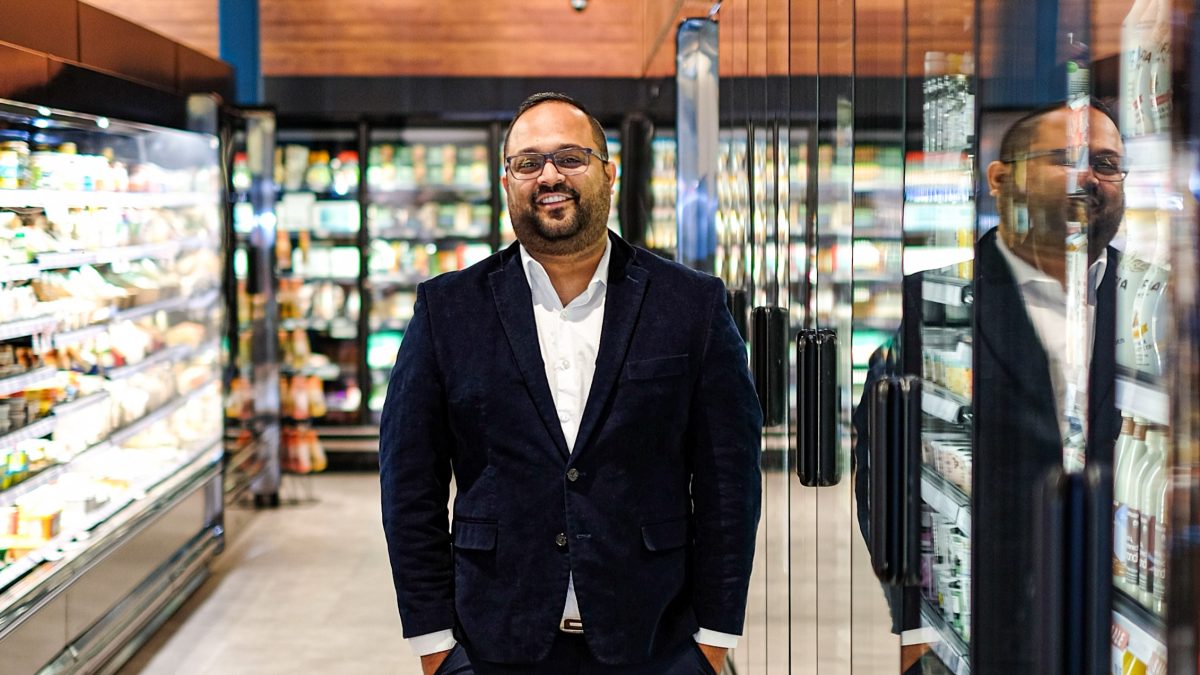
Muhammad Mohamedy, Healthy Planet

“Canadians are becoming more intentional about the brands they support,” said Muhammad Mohamedy, General Manager of Healthy Planet.  “Since our inception, Healthy Planet has been a strong supporter of Canadian brands and businesses-to the point where today, one out of every two brands we carry are Canadian. 

“This hyper-local focus aligns perfectly with a broader shift in consumer behavior, as we’re seeing shoppers ask more questions about where products come from and make purchasing decisions based on values, transparency and a desire to support Canadian businesses.”  

One year after launching its #HealthyCanadianSwap initiative, Healthy Planet said the interest in buying Canadian has evolved from a short-term reaction into a longer-term shopping habit, with consumers actively seeking out local alternatives and paying closer attention to where products are made. 

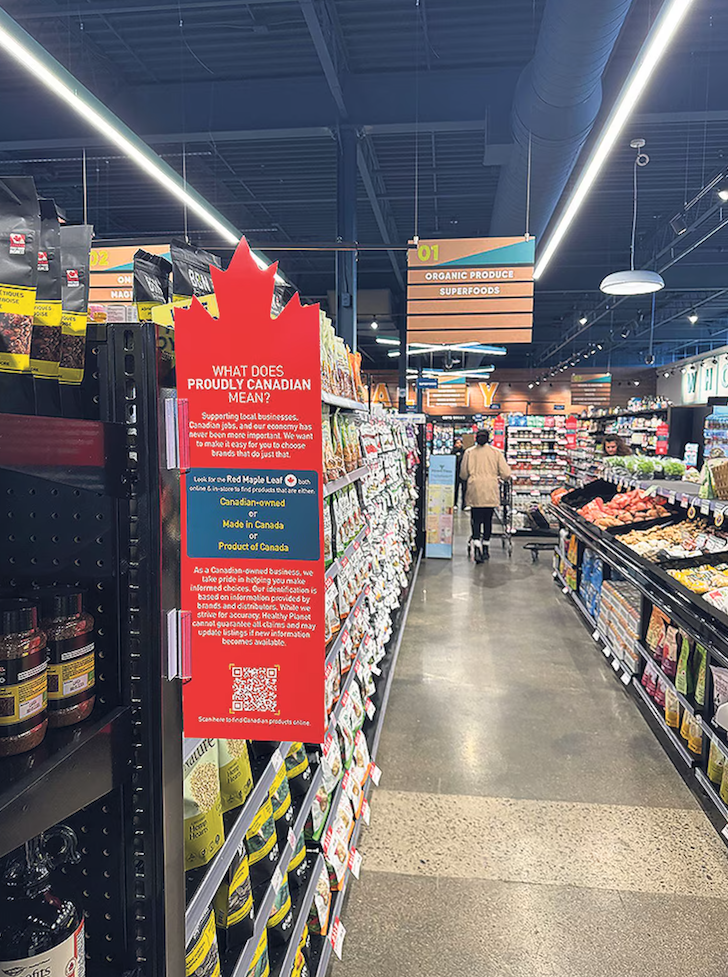
Healthy Planet said it continues to support Canadian brands through targeted initiatives which includes dedicated online shopping filters, a Canadian products section on its website and in-store maple leaf shelf tags that help customers quickly identify Canadian-owned businesses or made-in-Canada products. 

The product categories seeing the strongest demand for Canadian-owned brands is most pronounced in supplements, said Mohamedy.

“In several aisles Canadian-owned brands are nearly the entire shelf – roughly 98% of our magnesium sales and 97% of our vitamin sales are Canadian-owned, with joint care, omega and protein not far behind. Sports nutrition is the fastest-growing of all, with Canadian-made protein and pre/post-workout products outpacing their categories,” he said.

“A striking way to see it: Canadian-owned brands are only about a quarter of the roughly 2,200 brands we carry, but they drive about two-thirds of our sales – they punch well above their weight. And it’s broadening into natural and specialty food, where dairy, frozen and snacks now run majority-Canadian too.”

“Where a strong Canadian-made option exists, our shoppers are choosing it, and the supplement aisle is where that’s most complete,” added Ashish Khera, Head of Marketing, Healthy Planet.

Over the past year, Canadian-owned brands have taken a larger and notably broader share of the basket – the preference that used to live mostly in supplements has been spreading into food,” said Mohamedy.

Healthy Planet Photo

“It reads less like a one-time patriotic moment and more like our shoppers steadily building Canadian-made into their regular routine, consistent with the wider ‘buy Canadian’ sentiment retailers across the country have reported.”

In health and wellness, origin and ownership map directly onto what shoppers already care about – ingredient transparency, trust, and supporting local makers, explained Mohamedy.

“Often the Canadian-owned brand is also the one being most open about how a product is made, so ‘buy Canadian’ and ‘buy the product I trust’ increasingly point to the same item on the shelf. We can’t quantify motivation from sales data, but the behaviour is consistent with people weighing where a product comes from and who’s behind it.

“This is where a retailer earns its keep. We carry close to 600 Canadian-owned brands, many of them small and emerging, and our job is to make them findable – curating shelf space, tagging Canadian-owned products clearly, and training staff to point shoppers to a strong local option. Our data also shows where the work isn’t done: Canadian-owned brands are still only about 4% of our cosmetics sales and 9% of baby, simply because credible local options are thinner there. That’s exactly where retailers and Canadian makers can partner to give shoppers a real choice.”

More from Retail Insider: