Home Blog Page 14

Window Shopping, Rebuilt: How Retailers Are Buying Back Sidewalk Attention

A storefront window has one job, and it is not decoration. It has to interrupt a person who is already walking somewhere else. For most of the last decade it lost that fight to the phone in the shopper’s hand, a device engineered by some of the best-funded companies on earth to hold attention and give none of it back. Retailers responded the way the numbers told them to: less money in the window, more money in the feed.

That calculation is shifting. Digital advertising has grown more expensive and less reliable at the same time, while the sidewalk in front of a store remains one of the few audiences a retailer does not have to bid for. The people moving past a Queen Street West storefront, or through a mall concourse on a Saturday, are already in a shopping posture and already within a few steps of the door. They are unclaimed by any platform. The window is the last piece of genuinely owned media most retailers still have, and a growing number of them have started treating it that way.

The Window Lost Its Audience Slowly

The decline was gradual enough that most operators never made a decision about it. Visual merchandising budgets were trimmed. Seasonal installs went from four a year to two. Mannequins stayed in place long enough that staff stopped seeing them, which is usually the point at which customers stopped seeing them too.

The sightline problem got worse at the same time. Storefronts migrated into mixed-use podiums with deeper setbacks and more glazing, a combination that photographs beautifully and flattens the view from the sidewalk at any angle other than straight on. A static window has a narrow window of its own. It works on the shopper looking directly at it, from roughly head-on, during the two or three seconds they spend passing the glass. Everyone approaching at an angle, walking the far side of the street, or scanning a concourse for a specific banner gets nothing at all. The display is technically visible and functionally invisible.

Motion Is the Cheapest Form of Attention

Human peripheral vision is poor at resolving detail and very good at detecting movement. That asymmetry is old news to anyone who has worked a trade show floor, where a rotating display will pull a crowd away from a better product sitting still fifteen feet away. It is the cheapest lever in retail presentation and the one most storefronts have quietly stopped pulling.

Flat screens are the obvious answer and a partly successful one. They are bright, easy to source, simple to schedule, and unmistakably screens. A shopper walking past a 55-inch panel in a window reads it the way they read every other panel in the building, which is to say they skip it. Screens solve the motion problem and inherit a credibility problem, because looking exactly like a hundred other surfaces competing for the same glance is not a neutral design choice.

What a Holographic Fan Display Actually Does

The format that has moved fastest into storefronts over the past few seasons takes a different approach. A set of blades studded with addressable LEDs spins fast enough to paint an image into the air. Because the blades disappear at speed and the frame behind them is matte black, the image appears to float, attached to nothing. A product rotates in mid-air at eye level. A logo assembles itself out of empty space and dissolves again.

Calling it a hologram is a stretch in the optical sense. It is persistence of vision, the same principle as a sparkler drawing a shape in the dark on Canada Day. But the perceptual effect is what matters commercially, and the effect is that the image has no bezel, no glare rectangle and no visible edge, so the brain does not file it under advertising. Shoppers stop. More usefully, they point, and then they film. A commercial 3D hologram fan is available in sizes from roughly 16 inches across, suitable for a countertop or a queue line, up to life-size units built for an atrium or a double-height window, with content loaded from an SD card or pushed over a local network.

The operating economics are unusual for retail hardware. A mid-size unit costs less than a single month of a modest paid social campaign, draws less power than a desk lamp, and carries no recurring media spend at all. Once it is mounted and loaded, the cost of running it is electricity and content.

Match the Display to the Sightline, Not the Budget

The most common installation mistake is buying on price and then discovering the display is too small to register from where people actually stand. Sizing should start with viewing distance and work backwards to the invoice, not the other way around.

As a working rule, the image needs to occupy a meaningful share of the viewer’s field of vision at the distance they first encounter it. A 16-inch unit reads well from roughly two to four metres, which covers a service counter, a lineup, or a narrow storefront on a tight street. A 39-inch unit holds up across a standard mall corridor or a sidewalk with a modest setback. Anything wider than a corridor, including an atrium, a two-storey window or an anchor entrance, needs a life-size unit or several smaller ones tiled and driven as a single canvas.

Ambient light deserves as much attention as distance. These displays are emissive and they compete directly with daylight. A south-facing window at two in the afternoon in July will wash out an underpowered unit completely, and no amount of content work will fix it afterwards. Brightness specifications are worth reading closely and worth testing on site before the install is signed off rather than after.

The Content Is the Product

Hardware is the smaller half of this investment, and retailers routinely get the proportion backwards. A holographic display running a stock rotating logo is a novelty that exhausts its audience inside a week. These units earn their place when the content is specific: the actual product, modelled or shot cleanly, turning slowly against black.

Three constraints govern content that works in this format. Backgrounds must be pure black, because black is how the display renders transparency, and anything lighter becomes a visible rectangle that collapses the floating effect entirely. Detail must be coarse, since effective resolution is low compared with a panel and fine type, thin rules and subtle gradients simply vanish. Loops should be short, ideally eight to fifteen seconds, because a passing shopper sees one loop and never the second.

Retailers who already hold 3D product assets have a real head start here. Footwear, eyewear, jewellery, small electronics and packaged goods brands often have models built for e-commerce configurators that need only a lighting pass and a black background to become display content. Anyone without them can commission a single asset per campaign for less than the cost of a conventional window install.

Power, Noise, Safety and the Landlord

Four practical considerations decide whether an installation survives its first quarter.

Power is the easy one. A standard outlet will do, ideally on the same circuit and timer as the window lighting so the unit is not left spinning in an empty store overnight or, more commonly, switched off during peak hours because nobody was told it was there.

Noise is the surprise. Spinning blades move air, and a unit mounted near a cash desk or a fitting room produces a hum that staff will notice long before any customer does. Windows and vestibules absorb it. Quiet interiors amplify it, and a display that irritates the team is a display that gets unplugged.

Safety is not negotiable. Blades turning at speed belong behind glass, inside an acrylic enclosure, or mounted high enough that nobody can reach into the rotation plane. Reputable units ship with proximity sensors that cut the motor when something enters that plane, and in any location accessible to children that feature should be treated as a requirement rather than a selling point.

Landlord approval is the step most often skipped and the most expensive to skip. Shopping centre operators maintain signage and display standards covering brightness, motion, projection into common areas and hours of operation. A display facing a concourse is a conversation with the centre’s operations team, and that conversation costs considerably less before the unit is mounted than after.

How to Tell Whether It Worked

Attribution for a window display is imperfect, which is not the same as impossible. Three measures are practical for almost any operator.

Door count against a control period is the bluntest and the most useful: traffic for the two weeks after install compared against the two weeks before, and against the same weeks at a comparable location without the display. Conversion on the specific item featured, tracked at the point of sale, separates whether the display moved that product or simply moved people through the door. Staff observation, gathered deliberately rather than anecdotally, catches what neither number can, including whether shoppers stop, whether they photograph the display, and whether they walk in asking about the item by name.

Social capture is worth tracking on its own. A display that shoppers film and post is producing distribution the retailer never paid for, and that effect concentrates heavily in the first few weeks before novelty wears down. Rotating content quarterly, instead of leaving a single loop running indefinitely, keeps a meaningful share of it alive.

The Window as a Standing Invitation

The argument for reinvesting in the storefront is not really about technology. It is about where the cheapest remaining attention sits. A retailer pays repeatedly, and at rising rates, for every impression on a platform it does not own. It pays once for the window, and the audience walks past it every day the doors are open.

What has changed is that the window can now do something a printed graphic and a pair of mannequins cannot. It can move. It can hold a product in the air at eye level. And it can do all of that without announcing itself as one more screen in a building already full of them. The retailers getting real value out of it are not the ones who bought the largest unit in the catalogue. They are the ones who treated the window as a channel, with a content calendar, a named owner and a number attached to it, in exactly the way they would treat any other line in the media plan.

The best window displays were never the most expensive ones. They were the ones somebody was responsible for.
Packaging, EPR and ZEVs: Inside This Year’s RCC Retail Sustainability Conference

Retail sustainability has moved past setting targets. The real test now is whether companies can hit those targets at scale and across supply chains that run through dozens of countries and regulatory systems.

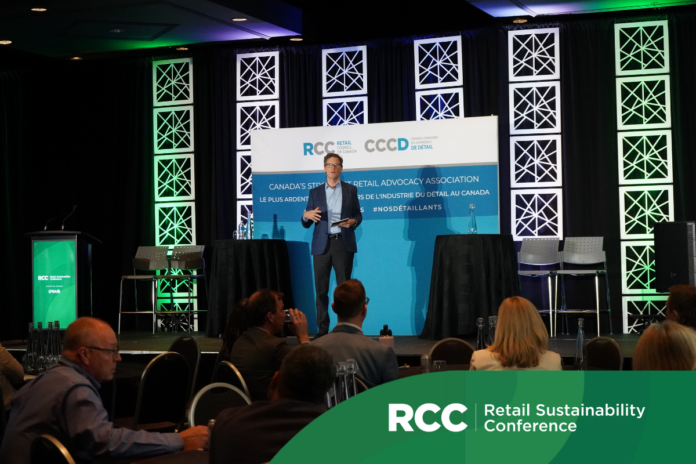
Retail Council of Canada built this year’s Retail Sustainability Conference around this shift. The conference runs October 27-28 at the Metro Toronto Convention Centre, and the agenda, posted at rccretailsustainability.ca, centers on execution: packaging, extended producer responsibility, textile circularity and fleet transitions, led by the retailers and manufacturers already doing the work.

Global Perspectives, Shared Challenges

The mainstage conference program combines global sustainability leadership with examples of implementation across the retail ecosystem.

Kathleen McLaughlin, Executive Vice President and Chief Sustainability Officer at Walmart, brings one of the world’s largest retail and supply-chain organizations to the mainstage, sharing the opportunities to influence change across suppliers, packaging, recyclability and circularity.

Canadian perspectives will also feature prominently. A discussion on textile circularity brings together Holt Renfrew, Canadian Tire and Goodwill Ontario Great Lakes, while Allen Langdon, CEO of Circular Materials, will examine the evolution of packaging and paper EPR with Restaurant Brands International.

The conference closes with a fireside chat between Ann Tracy, Chief Sustainability Officer at Colgate-Palmolive and Kim Furlong, President and CEO of RCC, on how a global manufacturer moves circularity, packaging and emissions reduction from strategy to execution.

Together, the conversations reflect the interconnected nature of today’s sustainability challenges. Packaging design affects recyclability; collection and recycling systems affect material availability; and policy can either support greater scale or add complexity across jurisdictions.

Moving Beyond the Main Stage

That need for collaboration is also behind the return of the conference’s interactive workshops, following strong response from attendees last year.

Two half-day workshops open the conference on October 27.

A Recycled Content Workshop, developed with Environment and Climate Change Canada and the Association of Plastic Recyclers, will bring together retailers, producers, recyclers, governments and other stakeholders to examine material supply and quality, standards, recycling infrastructure, end markets, EPR, policy approaches and the cost gap between new and recycled materials.

A dedicated ZEV Workshop will explore the transition to zero-emission delivery, including fleet strategies, commercial charging infrastructure, incentives and funding. IKEA will also share lessons from its transition to zero-emission vehicles in last-mile delivery and the role collaboration with logistics partners is playing in that work.

The workshop format is designed to allow participants to compare experiences across organizations and jurisdictions, identify barriers and discuss potential solutions with those directly involved in implementation.

Recognizing Measurable Progress

New this year, the conference will conclude with the inaugural Retail Sustainability Excellence Awards Gala, recognizing 60 finalists across 10 categories and putting a spotlight on organizations demonstrating leadership, innovation and measurable results.

The evening will also introduce the Retail Sustainable Leader Awards, recognizing Kathleen McLaughlin and Fisk Johnson, Chairman and CEO of SC Johnson, for their leadership in advancing sustainability within global retail and consumer products.

With more than 600 retailers, manufacturers, suppliers, sustainability professionals, government representatives and other industry stakeholders expected to participate, the conference brings together perspectives that don’t always sit at the same table, giving attendees ideas and relationships they can put to work right away.

Daily Synopsis: September 23, 2026

Welcome to the Daily Synopsis by Retail Insider. We hope you enjoy the 11 articles we published covering key developments in Canadian retail. Here are a couple highlights with a full list of the day’s articles thereafter.

Harry Rosen has launched its largest single-store investment with a new 38,000-square-foot flagship in Toronto’s Yorkville, replacing its longtime Bloor Street location. Yorkdale Shopping Centre in Toronto is experiencing significant tenant reshuffling, highlighted by Indigo downsizing by 31% and relocating, Zara expanding into the former Old Navy space, and luxury brands such as Gucci, Rolex, and Van Cleef & Arpels opening or relocating boutiques. Cineplex has appointed Bill Walker as its new CEO and initiated a strategic review that includes the potential sale of the company to maximize shareholder value.

Makers, a retail concept showcasing Canadian artisans’ handmade goods through a membership model allowing vendors to keep all their sales revenue, has expanded to Saskatoon’s Midtown Shopping Centre following success in Regina. DAVIDsTEA is planning further expansion of its Canadian store network in 2027 following a rebound in comparable-store sales and improved margins, with physical retail now driving growth more than digital or wholesale channels.

🗞️ The Day’s Retail Insider Article List

🌐 Canadian Retail News From Around the Web

Healthy Planet launches $1M grant for emerging Canadian health and wellness brands

Healthy Planet photo

Healthy Planet is launching a $1-million media grant aimed at helping emerging Canadian health and wellness brands increase their exposure through the retailer’s stores and e-commerce channel.

The Homegrown Grant will provide selected brands with Healthy Planet media value through visibility and promotional programs, with the company saying the initiative is intended to help smaller Canadian businesses reach more consumers.

Grant targets emerging brands

The program is being announced ahead of CHFA NOW Toronto, an event that brings together health, wellness and organic brands from across Canada. The company says the grant is focused on brands that are Canadian-owned and headquartered, family-owned or founder-led, and new to its shelves.

Rather than accepting applications, Healthy Planet will use its own sales data and selection criteria to shortlist eligible brands. The company said shortlisted businesses will be contacted directly with information about the program and next steps.

“We have been a Canadian family business since 1995, and we remember what it took to get noticed,” said Muhammad Mohamedy, General Manager at Healthy Planet. “Today we meet founders with wonderful products who are up against global brands whose marketing budgets they will never match. Visibility is the one thing we can give them that they would otherwise have to buy. When a shopper discovers a homegrown brand and comes back for it, that brand gets to hire someone, add a product, and stay on the shelf. That is the impact we are after.”

The $1 million in media value will be divided among the selected brands and used to provide additional exposure through Healthy Planet’s retail locations and e-commerce operation.

Increased consumer interest in Buy Canadian 

Healthy Planet says the initiative reflects its position as a Canadian-owned, family-run business and its experience working with local brands. The company said it sees increased interest among consumers in buying Canadian and supporting local businesses as an opportunity to help emerging brands gain visibility.

The grant is specifically aimed at companies early in their development that have not previously been carried by Healthy Planet. The retailer will determine which businesses receive support rather than using an open application process.

Healthy Planet says the selected brands will receive further information directly as the program moves forward.

Harry Rosen Opens New Yorkville Flagship in Toronto

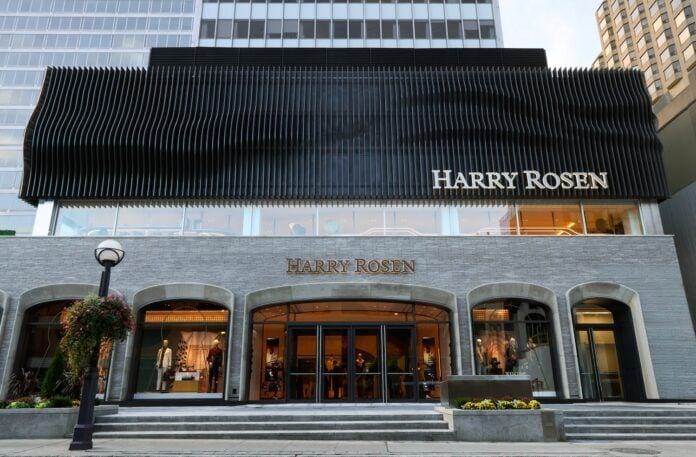
Harry Rosen store at 153 Cumberland Street. Image via Harry Rosen

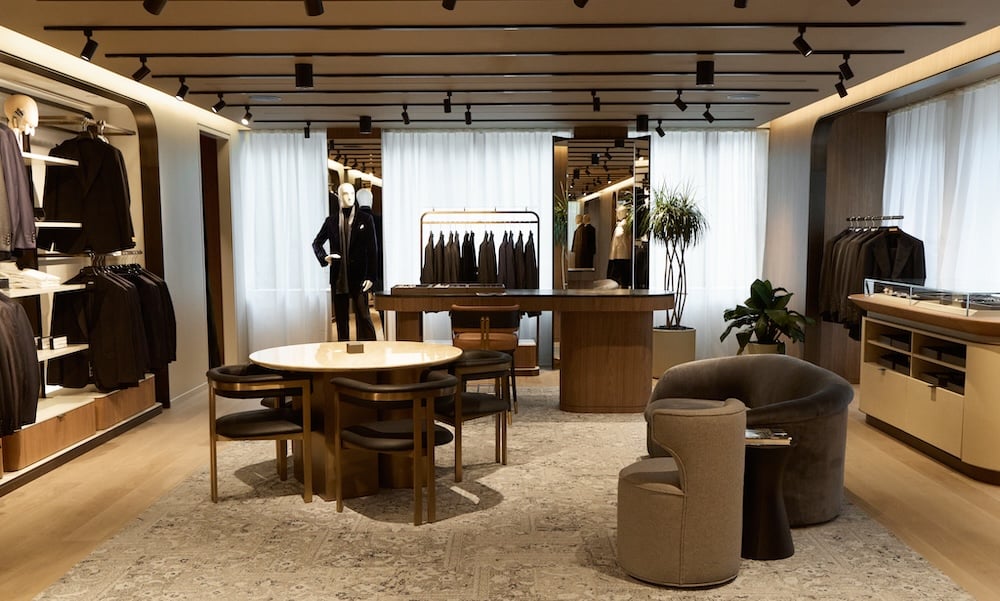
Harry Rosen has opened its new 38,000-square-foot flagship at 153 Cumberland Street in Toronto’s Yorkville neighbourhood, marking what the company says is the largest single store investment in its more than 70-year history.

The three-storey flagship officially opened Wednesday morning, replacing Harry Rosen’s longtime location at 82 Bloor Street West, which closed earlier this month after nearly four decades at the address. The Cumberland store is the centrepiece of a previously announced $50-million, five-year investment program to transform the company’s Canadian retail network.

“This is the centrepiece or cornerstone of our $50-million spend,” Graham Rosen said during an opening-day tour with Retail Insider. “It’s the largest single investment in our company’s history.”

The move represents a significant transition for a retailer whose identity has been closely tied to Bloor Street for more than half a century. It also provides a look at how Harry Rosen is rethinking the role of a large physical store when customers can browse merchandise, check inventory and make purchases without leaving home.

For Ian Rosen, President and CEO of Harry Rosen, that reality made the move from Bloor onto Cumberland particularly consequential.

“When you move off of Bloor Street, you have to build something worth walking to,” Rosen said. The mandate given to Toronto-based dkstudio architects inc., which designed the flagship, was to create what he described as a “beacon” and a destination customers would actively seek
out.

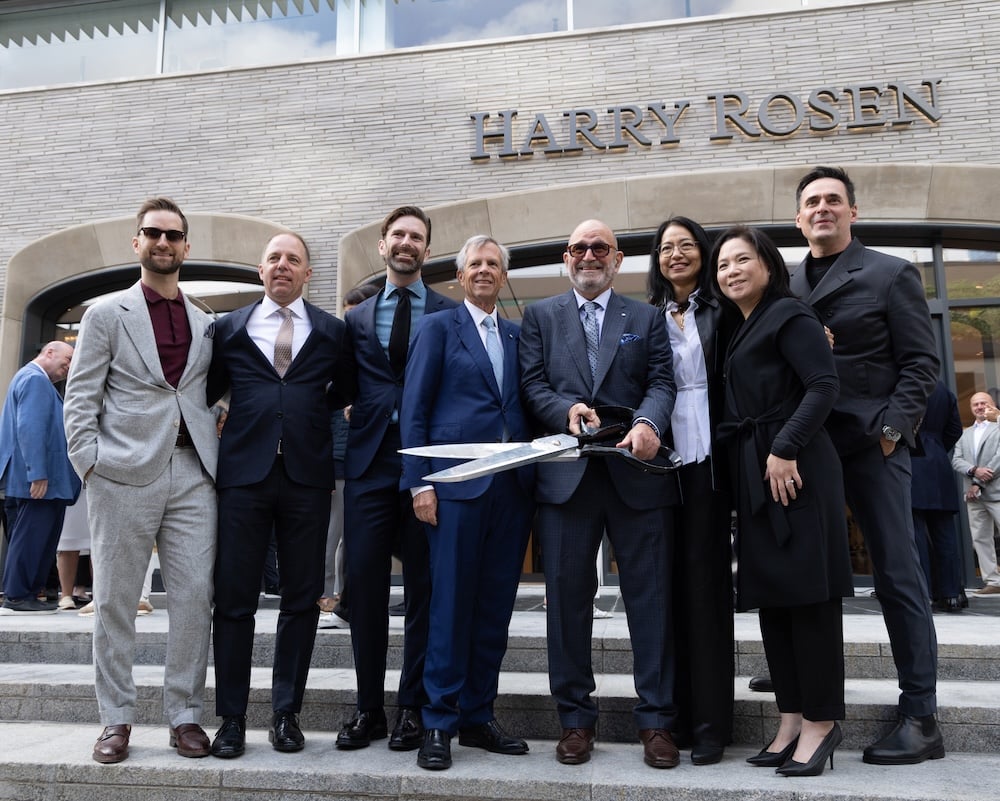
Rosen family members, dkstudio, and Kingsett Capital at the ribbon cutting for the new Harry Rosen at 153 Cumberland St. in Toronto on Wednesday morning. Photo: Harry Rosen

More Than 55 Years on Bloor Street

Harry Rosen’s presence on Bloor Street dates to 1970, when the company opened a roughly 4,000-square-foot store as the luxury shopping district was taking shape. In 1987, the retailer moved next door into 82 Bloor Street West, creating a roughly 32,000-square-foot flagship over three levels.

Two additional floors were added in 2008, ultimately taking the store beyond 50,000 square feet. The flagship closed September 12 as the property awaits eventual redevelopment, ending almost 39 years at 82 Bloor and more than 55 years of Harry Rosen operating directly on Bloor Street.

The new store is smaller than the five-level flagship it replaces, but the comparison illustrates how Harry Rosen’s priorities have changed. At Cumberland, considerably more space has been allocated to inventory, hospitality, private appointments and customer service, while the selling floors have been designed to feel more open.

Larry Rosen, who led the company for decades before Ian Rosen became President and CEO, toured the store with Retail Insider shortly before its opening. For him, the expectations for the replacement of 82 Bloor were straightforward.

“This is our flagship. It has to be spectacular,” Rosen said, crediting dkstudio with creating a store that was “designed to wow.”

The relocation also presented an unusual real estate opportunity. Harry Rosen occupies the Cumberland-facing ground-floor retail space at 153 Cumberland as well as former office space on the second and third levels of the 130 Bloor Street West complex. Landlord KingSett Capital says approximately 32,000 square feet of former office space was converted to retail as part of the project.

According to KingSett, the conversion increased high-street retail’s share of the property from 13 per cent to 31 per cent. The project is a notable office-to-retail conversion at a time when much of the discussion around downtown commercial real estate has focused on finding alternative uses for older office space.

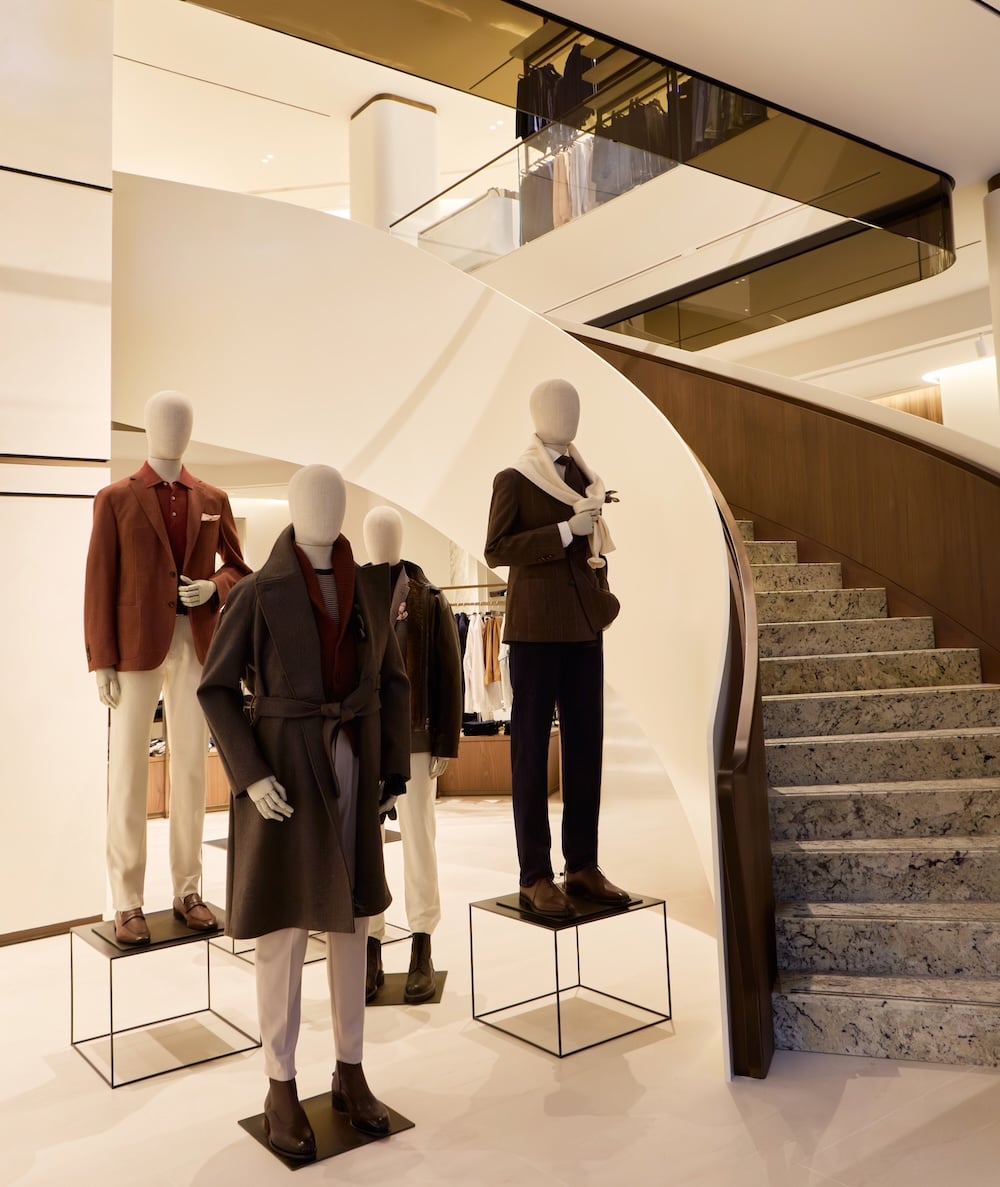
Staircase at Harry Rosen, 153 Cumberland Street in Toronto. Photo: Harry Rosen

Transforming Offices Into Luxury Retail

Creating the upper retail levels required substantial work. During the opening-day tour, the Rosens and Dmytriy Pereklita of dkstudio recalled standing in what was then raw office space filled with exposed electrical systems, pipes and mechanical infrastructure and considering whether it could realistically become a luxury retail environment.

The second floor had low ceilings in places, with mechanical systems dropping to roughly eight or nine feet. Ian Rosen said ceilings were ultimately raised while water pipes and mains had to be relocated.

The resulting store has an unconventional configuration. The ground floor addresses Cumberland Street, while the expansive second level stretches through the building toward Bloor Street. Portions of the upper store also have visibility toward Bloor.
Instead of attempting to disguise the unusual footprint, dkstudio used it as part of the architectural narrative connecting the three levels.

Patrick Assaraf collection near Hugo Boss on the main floor of Harry Rosen, 153 Cumberland Street in Toronto. Photo: Harry Rosen

A More Flexible Harry Rosen

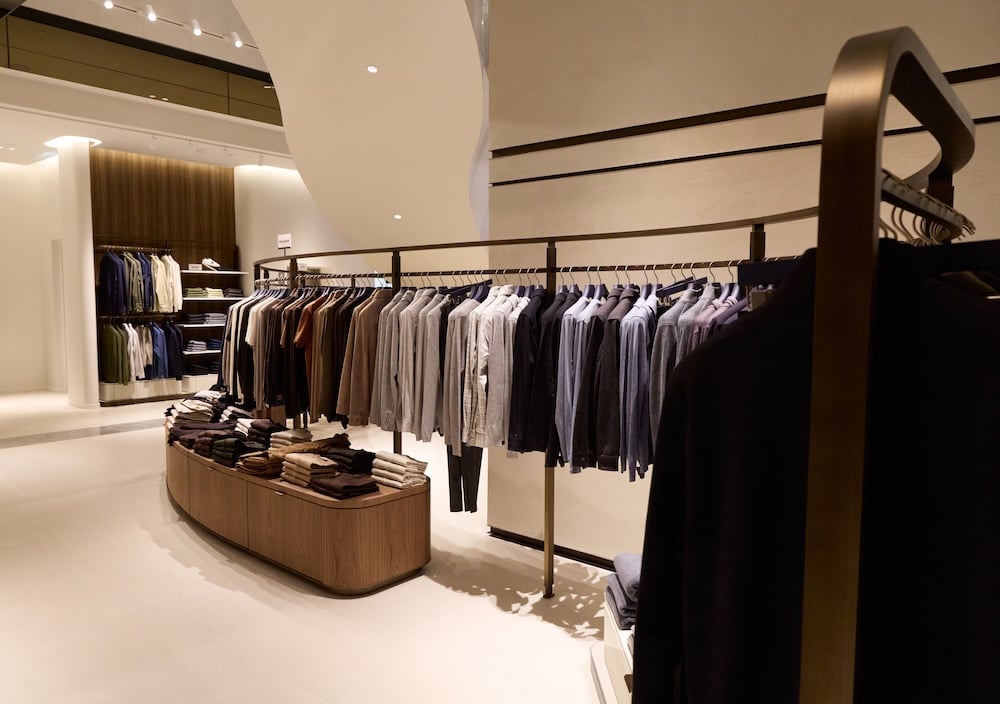
The Cumberland entrance opens into a contemporary sportswear environment featuring denim, casual clothing and brands including BOSS and Patrick Assaraf. A dedicated Zegna boutique occupies a prominent corner and was still receiving finishing touches when Retail Insider toured the flagship on opening morning. A sweeping central staircase immediately signals that much of the store lies upstairs.

The merchandising strategy is intentionally less rigid than at the former Bloor location. Ian Rosen said 82 Bloor contained roughly 16 defined branded areas, while Cumberland reduces the reliance on permanent shop-in-shop environments in favour of spaces Harry Rosen can continually refresh.

Rosen said some presentations could change every three or four weeks, giving repeat customers a greater chance of encountering something new.

Major international labels still maintain distinctive identities within the flagship, but the approach gives Harry Rosen greater control over how collections sit together and how the floor evolves over time.

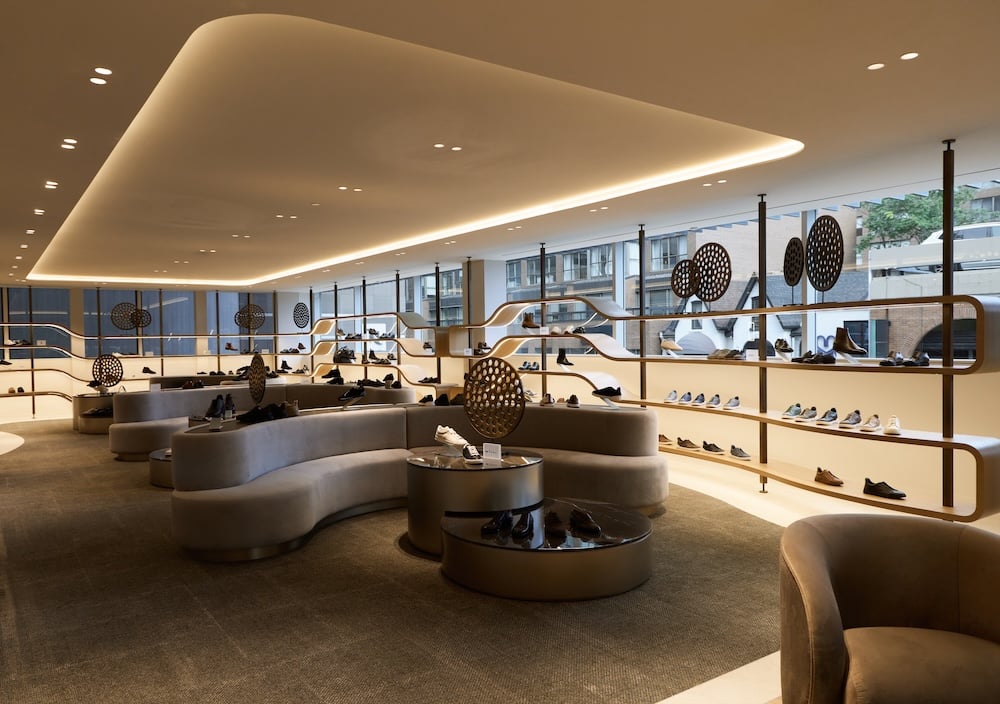
Second floor footwear at Harry Rosen, 153 Cumberland Street in Toronto. Photo: Harry Rosen

Drawing Customers Upstairs

One of the project’s defining architectural features is its sweeping staircase, positioned near the entrance within a large vertical opening connecting the principal retail levels.

It also addresses a practical problem faced by multi-level retailers: getting customers beyond the ground floor. Rosen said considerable attention was paid to opening sightlines and creating an immediate sense on arrival that there was more to discover above.

The staircase has a white-steel exterior that gives way to a walnut lining and richly veined white granite treads. The contrast was conceived in much the same way as a tailored garment, where a relatively restrained exterior can reveal more intricate craftsmanship within.

The atrium creates a strong vertical perspective through the store. The design firm also draws a subtle connection to Turin, where views along historic streets can terminate against the rising Alps, pulling the eye toward the distance.

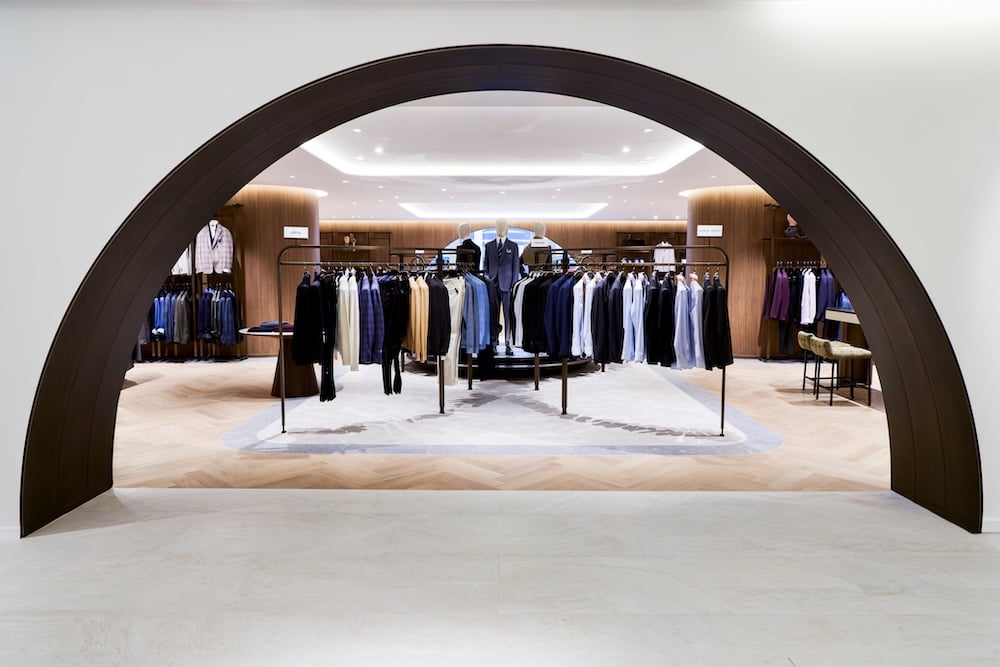
Arch leading the second floor tailoring dept. at Harry Rosen, 153 Cumberland Street in Toronto. Photo: Harry Rosen

Luxury, Tailoring and Hospitality Upstairs

The second level contains the largest amount of selling space and brings together luxury designer collections, footwear, accessories, fragrance and tailoring.

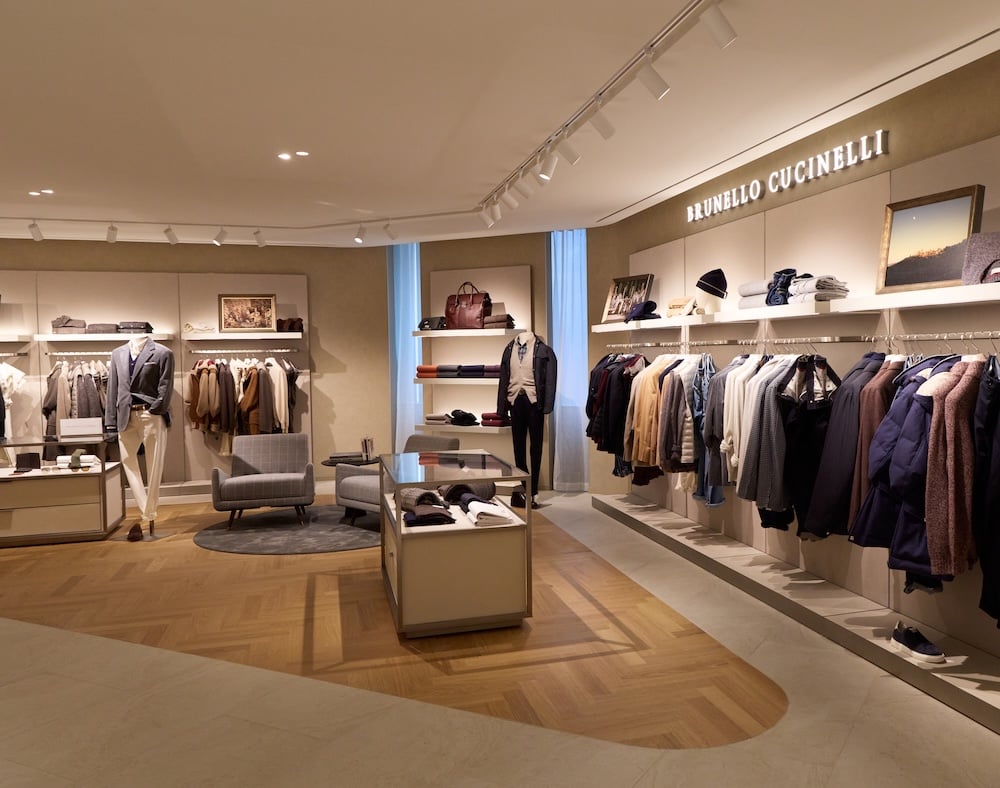
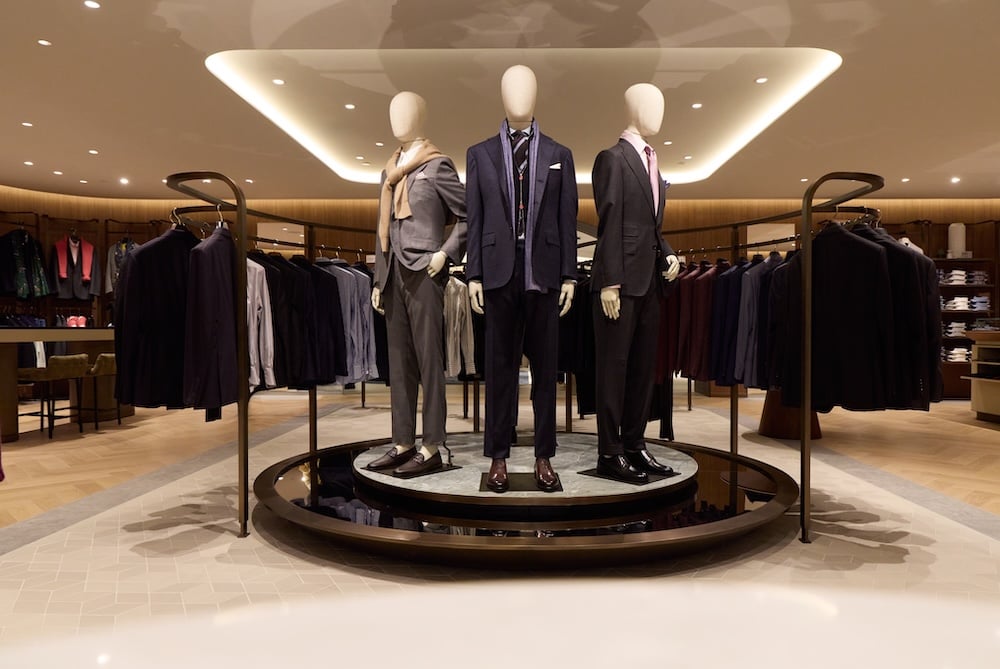
Harry Rosen’s assortment includes names such as Brunello Cucinelli, Kiton, Tom Ford, Canali and Giorgio Armani. The brands retain distinct identities, but the overall environment is more open than the series of enclosed boutiques traditionally associated with multi-brand luxury retail.

Ian Rosen described the designer sequence as retaining some of the “high street” quality customers knew from 82 Bloor while allowing considerably longer sightlines through the new flagship.

Tailoring is integrated into the floor rather than treated simply as a department for conventional business suits. Suiting, sport jackets and related categories can be brought together across brands, while fitting salons provide more private environments for customers working with advisors.

One of the biggest differences between the old and new flagships, however, is largely invisible to customers.

Brunello Cucinelli shop-in-store at Harry Rosen, 153 Cumberland Street in Toronto. Photo: Harry Rosen

More Inventory Behind the Walls

At 82 Bloor, Ian Rosen estimates that only about five per cent of the store was devoted to back-of-house inventory. At Cumberland, he estimates the figure is closer to 20 to 30 per cent.

The change allows Harry Rosen to maintain considerable inventory depth without filling the sales floor with duplicate merchandise and racks of sizes. Products can be presented more selectively while additional sizes and options remain available behind the scenes.

That model depends on employees being able to retrieve merchandise quickly.

Rosen said he and Graham had mystery-shopped retailers where customers could wait 15 or 20 minutes for an associate to return with another size. Harry Rosen has therefore put considerable emphasis on the organization of its Cumberland stock rooms and the tools available to associates, with the aim of retrieving another size or item within a few minutes.

Harry Rosen is placing greater value on deeper inventory, faster service and a cleaner selling floor instead of maximizing the amount of merchandise on display.

Third floor bar/hospitality area at Harry Rosen, 153 Cumberland Street in Toronto. Photo: Harry Rosen

Hospitality Moves Into the Shopping Experience

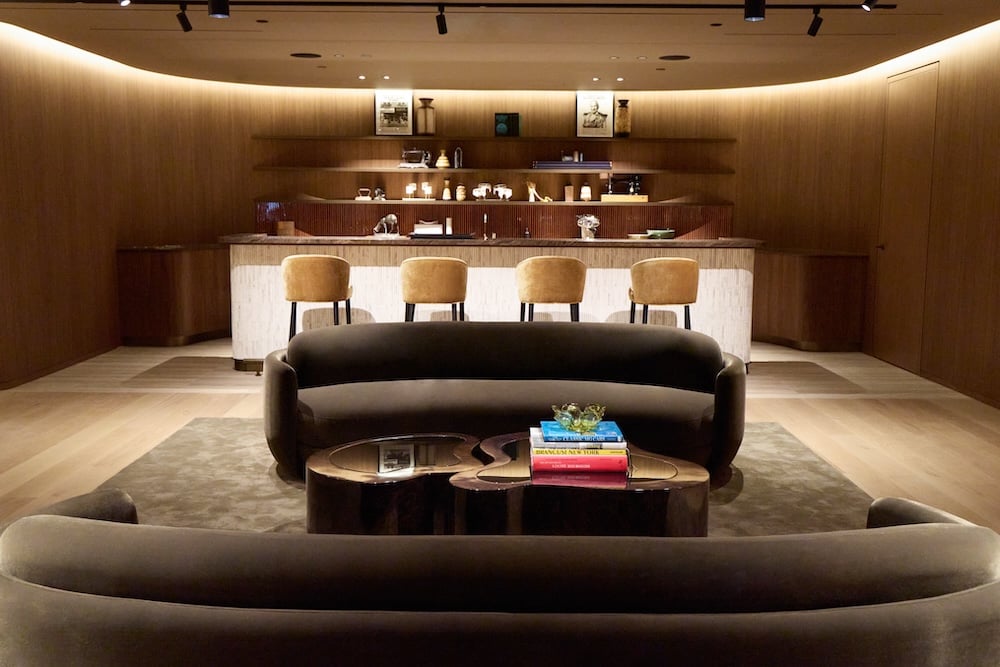
A lounge and café area on the second floor incorporates an Illy coffee partnership and connects with an outdoor terrace overlooking the Village of Yorkville Park. The space is part of the everyday shopping environment but can also support brand activations and client gatherings.

Harry Rosen had outdoor space at its former Bloor flagship, but Ian Rosen said it was difficult to integrate into normal store operations. At Cumberland, the terrace has been positioned directly within the flow of the second floor.

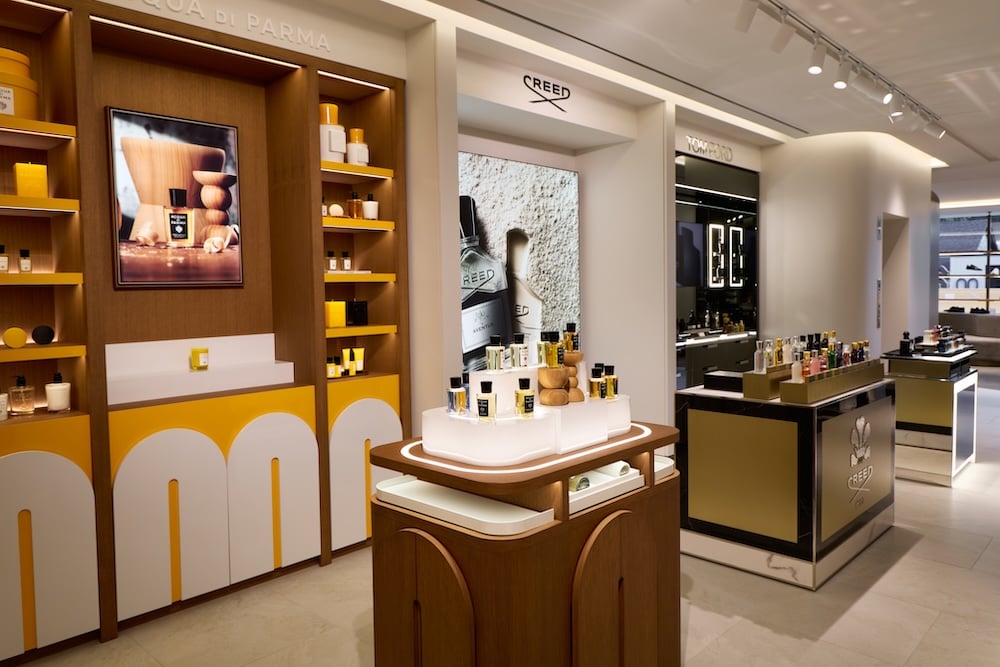
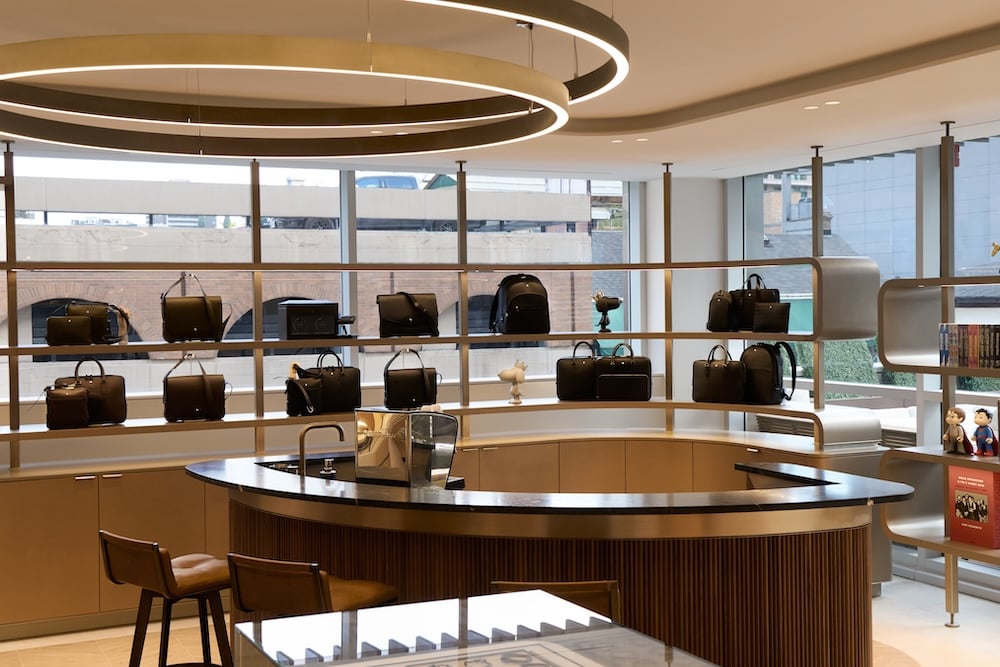
Footwear, leather goods, accessories and fragrance are positioned nearby, putting the lounge and terrace alongside active retail categories instead of separating them from the selling environment.

The approach becomes more pronounced on the third level.

Second floor at Harry Rosen, 153 Cumberland Street in Toronto. Photo: Harry Rosen

Private Clients, Events and Made-to-Measure

Harry Rosen considered using the top floor for additional conventional retail but ultimately decided to devote much of it to private selling, made-to-measure, events and client hosting.

The level includes private fitting areas, a welcome lounge and bar, along with space for trunk shows, talks, dinners and other gatherings. Technology has also been incorporated to facilitate virtual meetings, potentially allowing Toronto customers to connect with craftspeople or master tailors overseas.

“We want to be a venue,” Ian Rosen said.

Curtains and other spatial elements allow larger areas to be divided for private appointments and reopened for events, making the floor adaptable depending on how it is being used. Customers can spend time with an advisor, have garments fitted and bring a spouse or companion without the interaction feeling like a conventional fitting-room visit.

At the time of Retail Insider’s tour, Rosen said the company was applying for a liquor licence to support client hosting.

The decision to dedicate prime Yorkville square footage to uses beyond conventional product display reflects the broader thinking behind Cumberland. The third floor is designed around relationships and time spent with customers as much as it is around transactions.

Men’s beauty/fragrance on the second floor at Harry Rosen, 153 Cumberland Street in Toronto. Photo: Harry Rosen

A Grand Tour Through Italy

The architecture ties the different environments together through a narrative developed by dkstudio around the historic Grand Tour of Italy.

According to the design firm, Harry Rosen’s longstanding relationship with Italian tailoring, fabrics and fashion houses provided the starting point. The size and unusual three-storey configuration then suggested the idea of a journey, loosely referencing the Grand Tours through Italy undertaken by European travellers from the 17th through 19th centuries.

The references are expressed through architecture and materials instead of a literal recreation of Italian environments.

At street level, stylized stone arches and handmade European brick draw on traditional architecture and craftsmanship. Above, perforated metal louvres fold across the façade in a form intended to evoke fabric before it is shaped into a tailored garment.

Inside, walnut, bronze, marble and crafted plaster recur throughout the flagship. The elongated second floor takes inspiration from Rome’s Piazza Navona, with softened ends and sculptural elements breaking up the long floorplate. Walnut walls create separation between collections without interrupting views across the space.

The third level shifts toward references to Venice and historic palazzo interiors through darker ceilings, substantial wood elements and marble finishes.

The Italian connection also has a longstanding place in Harry Rosen’s history. The retailer was an early Canadian proponent of Italian luxury menswear and developed relationships with fashion houses that remain important to the business today. Harry Rosen has previously said founder Harry Rosen encountered Zegna ready-to-wear during a trip to Italy in the mid-1970s and subsequently became the first retailer to introduce Ermenegildo Zegna to North America.

Bar area on the second floor of Harry Rosen, 153 Cumberland Street in Toronto. Photo: Harry Rosen

A New Face on Cumberland Street

dkstudio also approached the project in relation to Cumberland Street and the surrounding Yorkville neighbourhood.

The ground floor had previously been divided among several storefronts, with a service entrance interrupting the frontage. Those spaces have now been consolidated behind a unified architectural treatment.

Because the entrance is slightly recessed and elevated, the design team viewed the space immediately outside as having the potential to function almost like a small urban piazza. The relationship with the neighbourhood continues upstairs through the café and terrace overlooking Village of Yorkville Park.

The geography creates an interesting result. Harry Rosen has left its Bloor Street storefront, but the flagship itself extends through the property toward Bloor.

“We’re right above Gucci,” Ian Rosen said during the tour.

Third floor client space at Harry Rosen, 153 Cumberland Street in Toronto. Photo: Harry Rosen

Is the Customer Going to Come at All?

The architecture, merchandising, inventory strategy and additional amenities ultimately address a larger challenge facing Harry Rosen and other retailers making substantial investments in stores.

For Ian Rosen, the company’s principal competition isn’t necessarily another menswear retailer.

“What is our biggest competition these days?” he said. “It’s not whether the client comes to us or goes to a competitor. It’s whether they come at all.”

Customers can already browse Harry Rosen’s assortment online and determine whether merchandise is available at individual stores. That changes what a store has to accomplish.

“Every trip to the store has to be worth it,” Rosen said.

That thinking runs through Cumberland. Flexible merchandising increases the likelihood of discovering something new, while more back-room inventory allows a cleaner environment without sacrificing selection. The lounge and terrace encourage customers to spend more time in the store, and private rooms and third-floor gathering spaces give Harry Rosen ways to build client relationships beyond a conventional transaction.

Despite Cumberland’s size and broad collection of international labels, Rosen is also deliberate about how Harry Rosen defines itself.

“We’re not a department store,” he said. “We’re a specialty store for men.”

The distinction is rooted in the service model. The company expects customers to engage with advisors who understand the merchandise and can help assemble wardrobes and outfits, rather than simply navigate a large assortment independently.

Part of a $50-Million Canadian Transformation

Cumberland is the most significant project yet in Harry Rosen’s broader physical retail investment program.

The company announced in 2024 that it would invest $50 million over five years in its Canadian store network following a period of substantial investment in e-commerce and digital technology. The company said at the time that e-commerce had become its largest storefront, underscoring why the subsequent investment in physical stores was being centred on experiences and services that are difficult to reproduce online.

Since then, Harry Rosen has unveiled an updated store at West Edmonton Mall, reimagined its First Canadian Place location in downtown Toronto and opened a new flagship at Oakridge Park in Vancouver.

Cumberland builds on ideas visible in those locations while taking them further. Oakridge, for example, introduced a more open approach to merchandising, enhanced tailoring facilities and a greater emphasis on hospitality. The Toronto flagship applies many of those principles on a larger scale and adds substantial private-client and event space.

The transformation is far from finished. Ian Rosen told Retail Insider that the company is close to signing another project and has two additional major projects in development. He did not disclose the locations.

“There isn’t a Harry Rosen store that’s going to read in the old experience and aesthetic in the next five years,” Rosen said.

The statement points to a broader evolution underway across the chain. Harry Rosen is moving away from a store model heavily defined by selling space and fixed branded environments and giving greater weight to flexibility, inventory, service and customer relationships.

Cumberland is the clearest expression of that strategy so far.

The new flagship is smaller than the five-level Bloor Street store it replaces, yet considerably more of its footprint has been allocated to functions intended to make an in-person visit worthwhile. After more than five decades on Bloor Street, Harry Rosen’s move around the corner provides a look at what the company believes a Canadian luxury flagship now needs to be, and where its national store network is heading next.

More from Retail Insider:

Cineplex to consider potential sale of company in Strategic Review, appoints new CEO

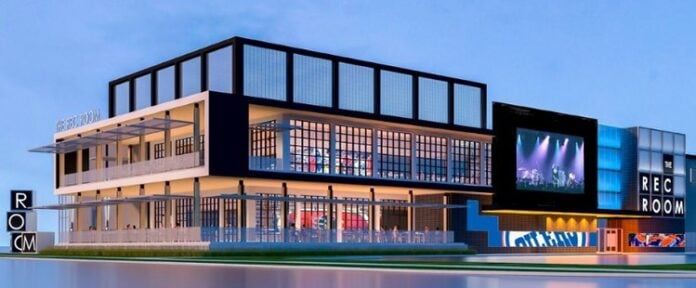
Rendering: The Rec Room / Cineplex

Entertainment and media giant Cineplex announced Wednesday it has initiated a review of strategic alternatives “to evaluate opportunities to enhance and maximize value for all shareholders” while also officially naming Bill Walker as its Chief Executive
Officer following the retirement of Ellis Jacob.

It said the company’s board will consider a number of strategic alternatives including the potential sale of the company.

It said Jacob will serve as Special Advisor to the Board through December 31, 2026, working closely with the Board, management team and
the Company’s advisors in connection with the review and assessment of strategic alternatives available to the company.


Appointment of Bill Walker as Chief Executive Officer

Cineplex photo
Cineplex photo


Board Commences Strategic Review

Second quarter financial results

Cineplex has 169 movie theatres and location-based entertainment venues, including The Rec Room, Playdium, Cineplex Junxion.

Cineplex is a publicly traded Canadian company, listed on the Toronto Stock Exchange under CGX.

Four wellness trends to watch in 2027: CHFA

Photo: CHFA
Photo: CHFA

Four emerging trends have emerged in the natural, organic and wellness industry that consumers will notice on store shelves in 2027, says the Canadian Health Food Association.

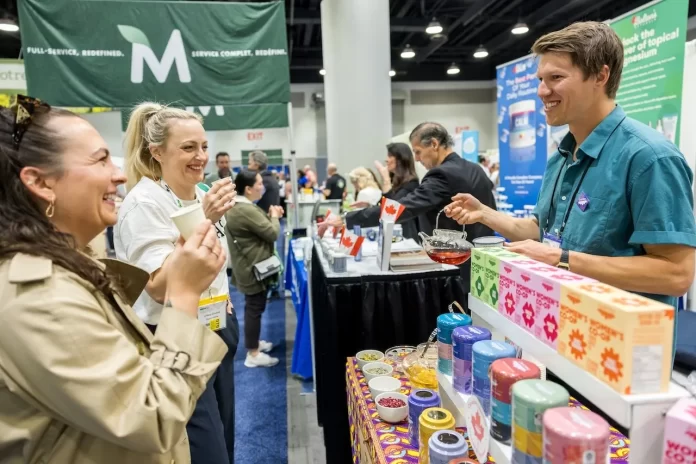
The Association says the trends will be on display throughout CHFA NOW Toronto, Canada’s largest trade show dedicated to the natural, organic, and wellness space, taking place from Friday, September 25 to Sunday, September 27 at Exhibition Place.

The CHFA outlined the four trends:

  1. Texture Takeover: Feeling is the Leading Factor – ASMR and social media are fuelling a growing appetite for texture. Millennials and Gen Z are seeking sensory-rich products – from crunchy and soft to gummy – that engage the senses, build anticipation, and create an experience that lasts beyond the first bite or sip.
  2. Micro-Rituals: Small Moments of Wellness: As consumers push back against wellness overload, small, intentional rituals are making healthy habits feel more accessible, achievable, and easier to incorporate into everyday life. Every product has a purpose, and every moment is celebrated through mini rituals that make Canadians feel good, all day long. 
  3. Raised on Wellness: Healthy Habits Start Young: As wellness becomes more mainstream, kids aren’t being left out. Among parents buying snacks for kids, 35% prioritize natural ingredients (WGSN, 2026). Proving the shift that parents increasingly want clean, nutrient-dense products without sacrificing convenience or enjoyment for little ones.  
  4. Passed Down: Tradition Makes a Comeback: Consumers are seeking alternatives to long ingredient lists and fast-moving wellness trends, turning instead to familiar, time-tested traditions: simmered, fermented, baked, pickled, and preserved using recipes and techniques passed down through generations. This renewed interest in traditional practices reflects a broader desire for simplicity, authenticity and a deeper connection to where products come from. 

“CHFA NOW Toronto offers an up-close look at how natural, organic, and wellness is evolving,” said Canadian Health Food Association President and CEO, Aaron Skelton. “With $26 billion (MNP, 2026) in sales in Canada last year, it’s clear that wellness plays an important role in Canada’s economy. From the research we do, we’re seeing that Canadians are becoming more intentional about what they buy, seeking products that meet specific needs and fit seamlessly into their routines. The four trends we’ve identified reflect those changing priorities and offer a glimpse of where the market is headed.”

The CHFA said many of these trends take root in The Greenhouse, a new CHFA NOW program spotlighting emerging Canadian natural, organic and wellness brands. The dedicated show-floor space gives retailers an early look at innovative products that shoppers may not have discovered yet. Beyond visibility at the show, The Greenhouse connects founders with education, industry relationships and opportunities to help grow their businesses and bring their products to more Canadians.

More from Retail Insider:

Yorkdale Retail Shakeup Includes Zara Expansion, Indigo Move and New Luxury Stores

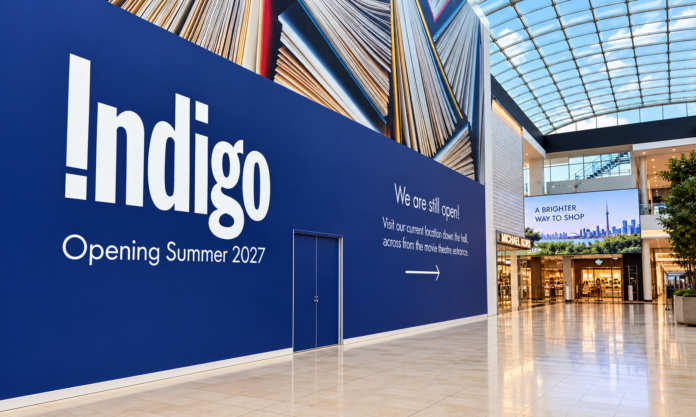
Future Indigo at Yorkdale. Image: Craig Patterson

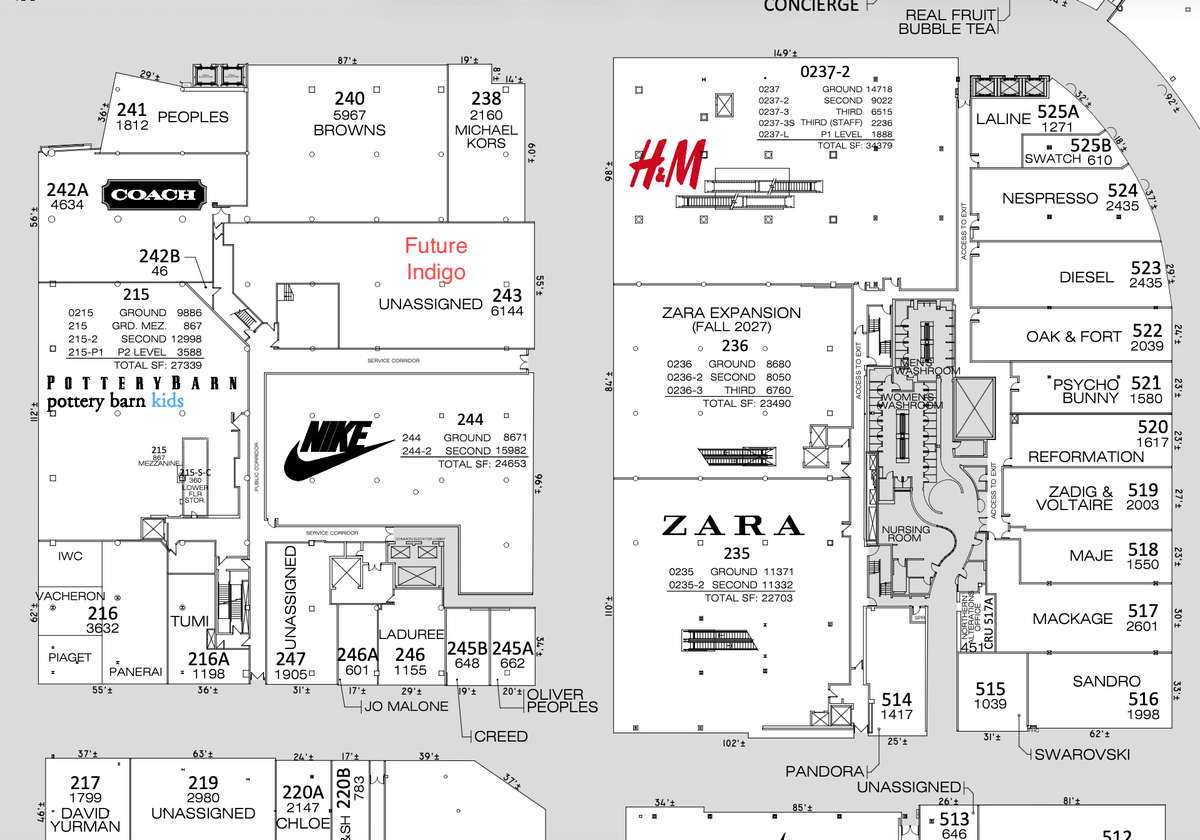
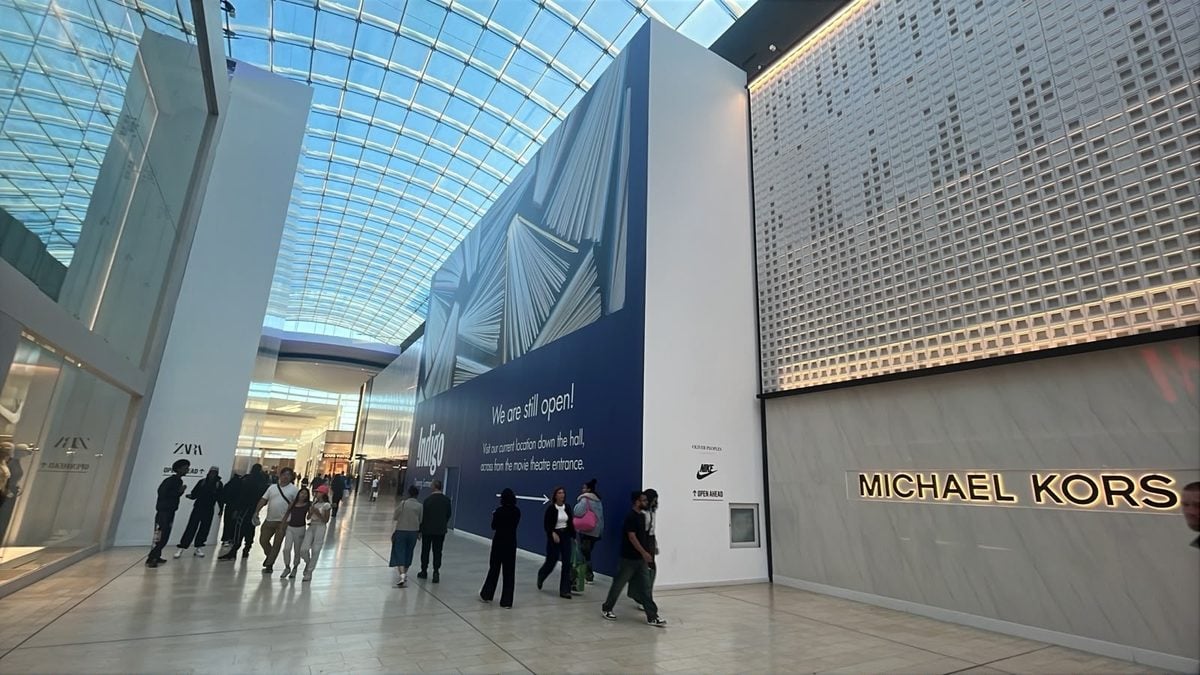
Yorkdale Shopping Centre in Toronto is undergoing another substantial reshuffling of its retail mix, with Indigo preparing to move into a smaller store while Zara plans a major expansion across the corridor in space formerly occupied by Old Navy.

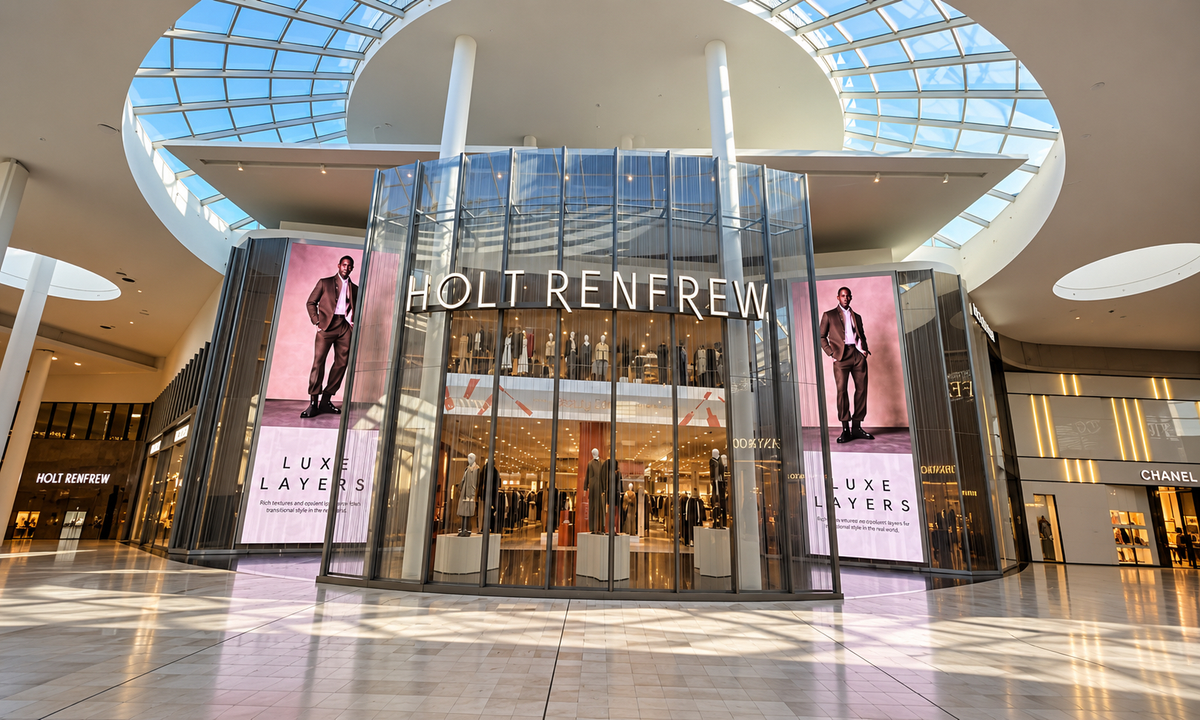
Luxury retailers are also relocating and opening new stores, a large new Rolex boutique is planned according to sources, Gucci is preparing to open in Yorkdale’s newest luxury corridor, and Holt Renfrew has been shifting departments and brands following the opening of a large two-level Chanel boutique.

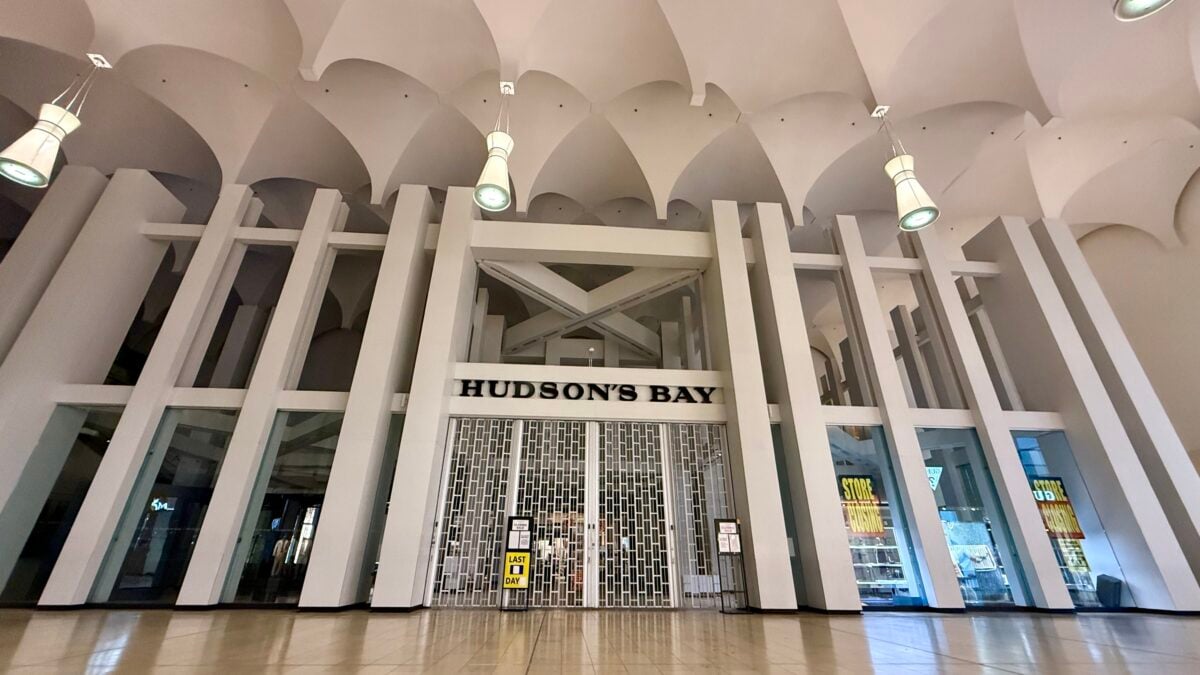
The biggest piece of the puzzle remains the former Hudson’s Bay. The approximately 300,000-square-foot department store is ultimately expected to be repurposed for other retail uses, although plans for the space have not been announced.

Together, the moves represent one of the more extensive periods of tenant change at Yorkdale in recent years, ranging from the downsizing of a major bookstore to the expansion of Zara and further growth in luxury retail.

Indigo to Relocate at Yorkdale

One of the most notable changes involves Indigo Books & Music, which is preparing to leave its longtime two-level store for another location within the shopping centre.

Oxford Properties’ lease plan lists Indigo’s existing Unit 27 at 26,155 square feet, comprising 9,053 square feet on the ground floor and 17,102 square feet on the second level.

Indigo will relocate to Unit 243 and an upper-level space identified as Unit 248-2. Unit 243 spans 6,144 square feet, while the second-level space is approximately 11,985 square feet. That would give the new two-level Indigo approximately 18,129 square feet, about 8,000 square feet less than its existing store. The move represents a reduction in footprint of approximately 31 per cent.

Indigo’s relocation will also put its existing 26,155-square-foot store back into play. A replacement tenant has not been confirmed, amid rumours of Eataly taking the space, or even a TJX label.

Indigo opened at the shopping centre in 1999 as part of an earlier expansion and subsequently overhauled the location, including the addition of an American Girl shop-in-store in 2015.

Future Zara expansion into a former Old Navy space at Yorkdale. Photo: Nishant Anand

Zara Taking Over Former Old Navy Space

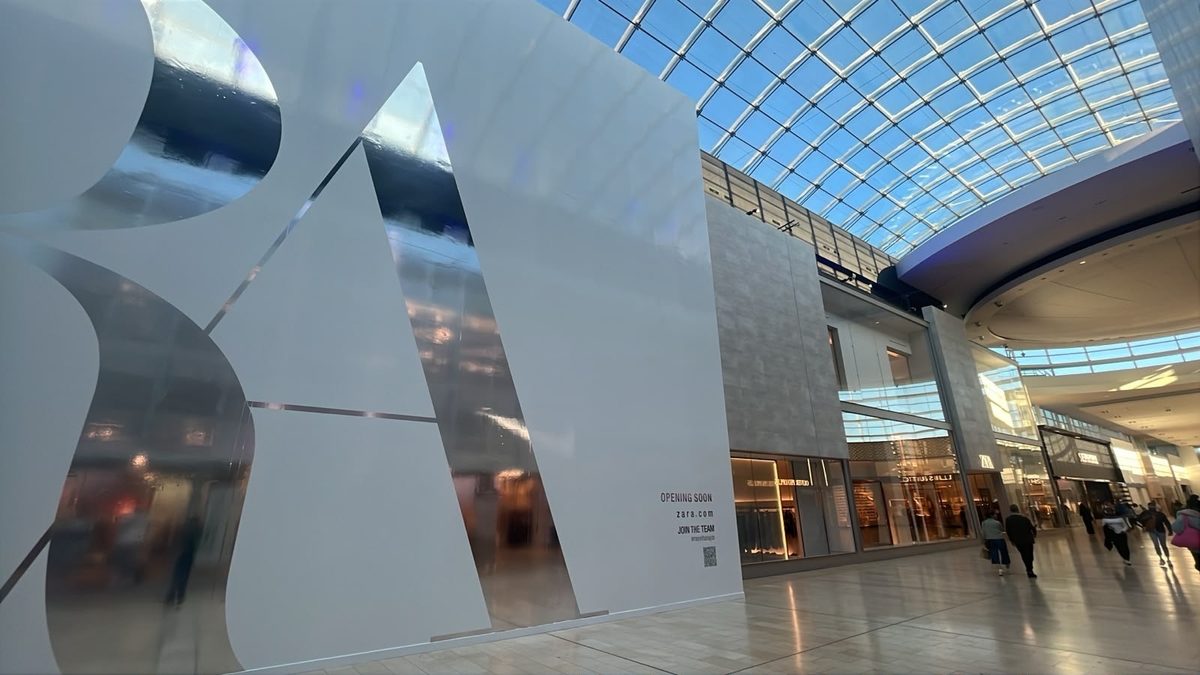
Across the corridor, Zara is moving in the opposite direction. The Zara is expanding with a targeted opening for fall 2027. The additional premises comprise 8,680 square feet on the ground floor, 8,050 square feet on the second level and 6,760 square feet on the third level, totalling 23,490 square feet.

The space was formerly occupied by Old Navy. Zara’s existing Yorkdale store is listed at 27,339 square feet across several levels. While the lease plan identifies the former Old Navy premises specifically as an expansion, the final configuration and total selling area of the completed Zara store have not been confirmed.

The contrasting moves by Indigo and Zara are notable. One established Yorkdale tenant is reducing its footprint by nearly a third while another is taking on a substantial amount of additional space almost directly across from it.

They are also unfolding in a part of Yorkdale that has already been dramatically transformed.

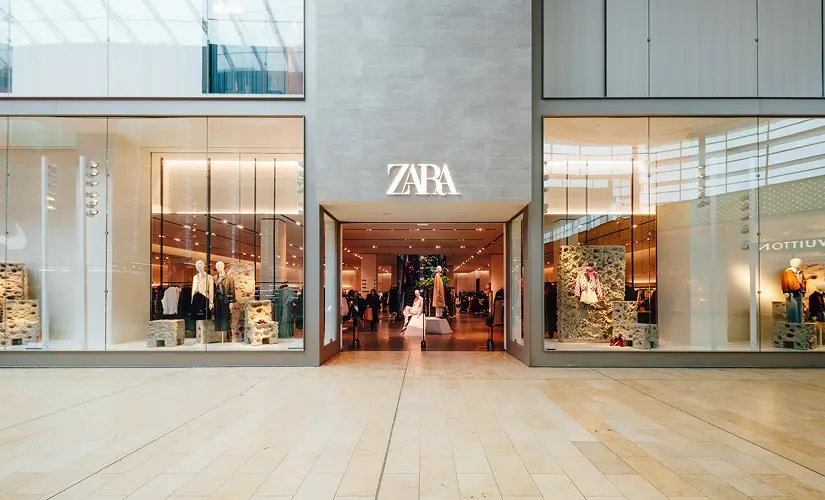
Zara Yorkdale. Image: Yorkdale

Former Eaton’s Space Reinvented Again

The area containing Zara, Old Navy and several other large retailers was once occupied by an Eaton’s department store, one of Yorkdale’s original anchors when the shopping centre opened in 1964.

Following Eaton’s closure, the former department store was divided into multiple retail spaces as part of a major redevelopment. A glass-covered shopping street was created through the area, changing what had previously been a traditional department-store box.

The structural glass roof stretches approximately 328 feet and rises roughly 60 feet above the mall floor, incorporating more than 18,000 square feet of glass. Much of its structural support was positioned above the glazing, creating a comparatively unobstructed interior. The contractor involved in the project described it as the first skylight of its kind in Canada.

Zara and Old Navy were among the major retailers that occupied the redeveloped area. Roughly two decades later, that tenant mix is changing again: Old Navy has left and Zara, one of the retailers that helped establish the redeveloped wing, is preparing to expand into its former space.

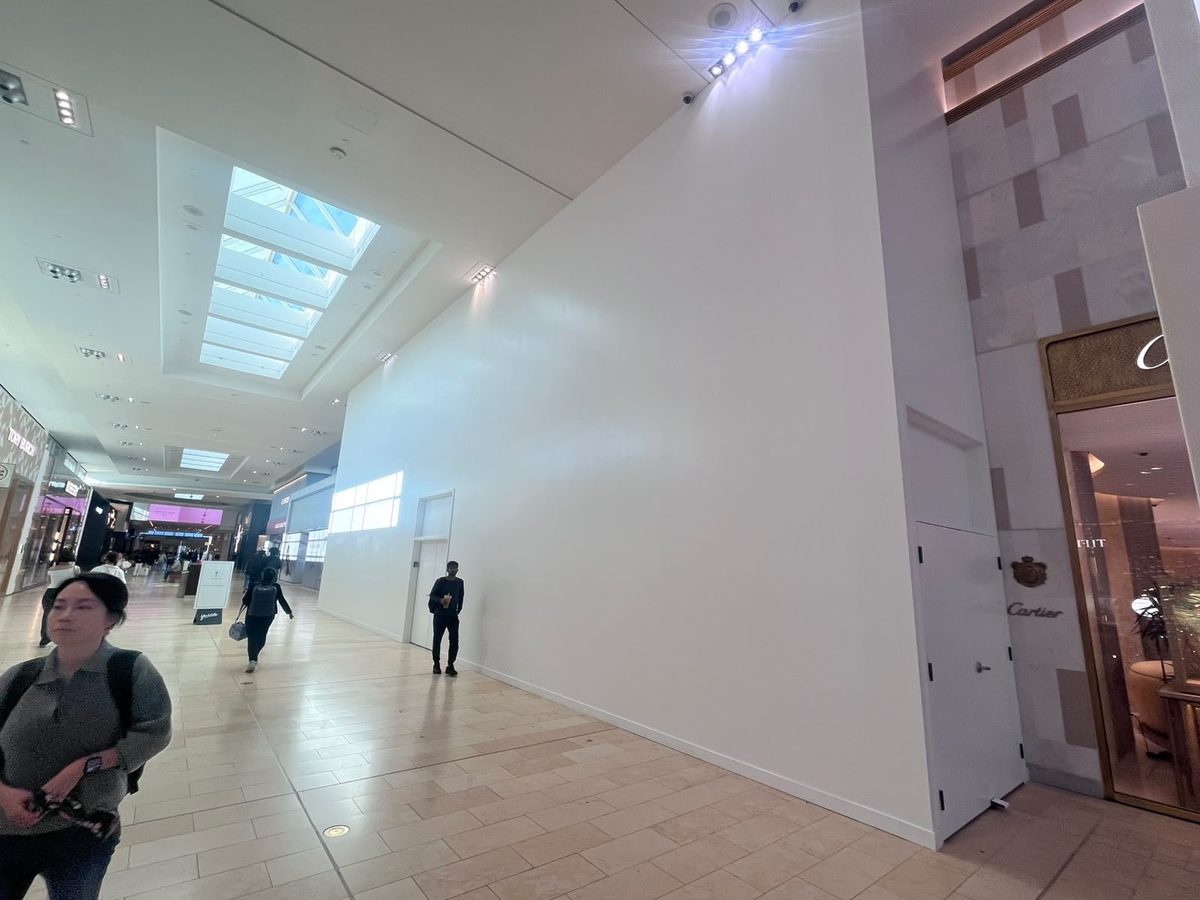
Vacant retail space between Cartier and David Yurman — Rolex could take part lf the space according to sources. Photo: Nishant Anand

Another Round of Luxury Changes

Elsewhere at Yorkdale, movement is accelerating among luxury fashion, jewellery and watch retailers.

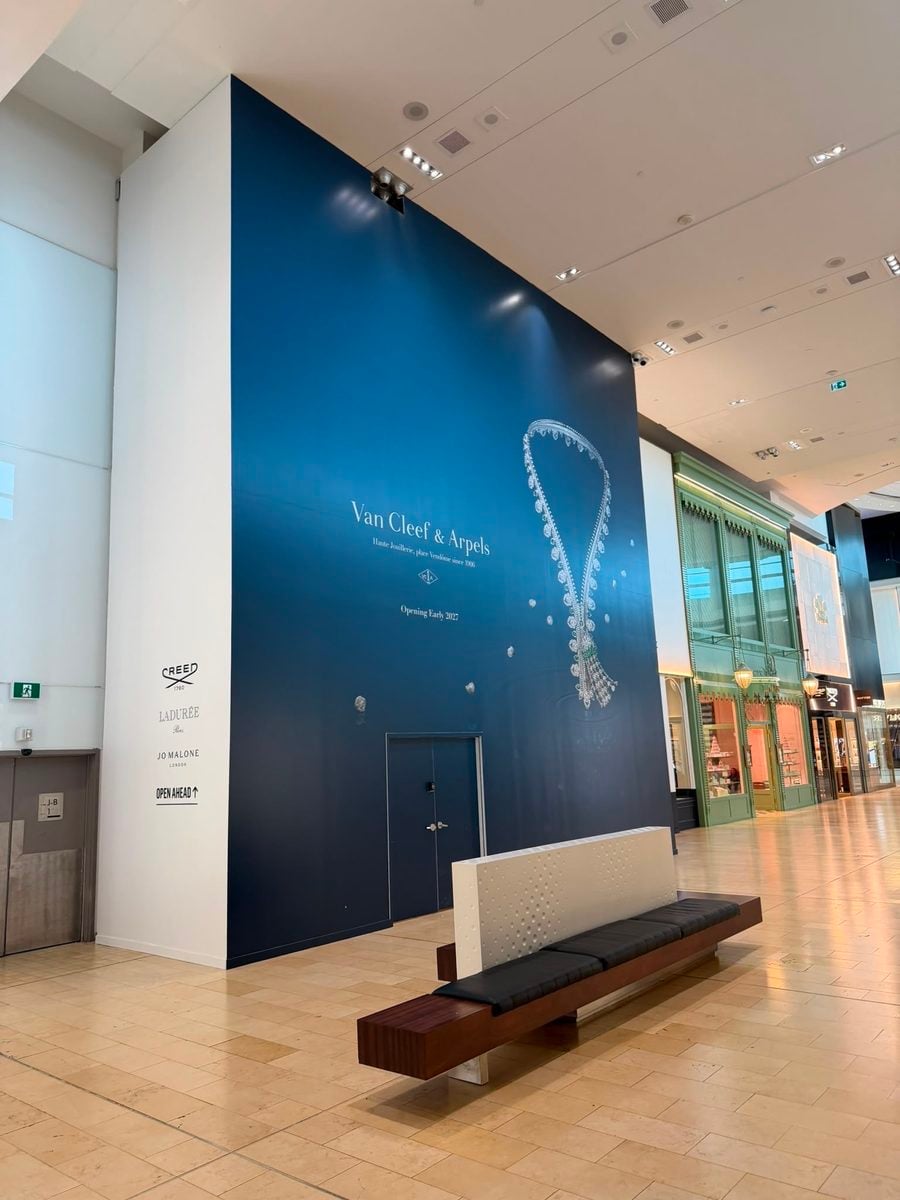
Van Cleef & Arpels is preparing to relocate from its existing boutique to Unit 247, which the Oxford plan lists at 1,905 square feet. Its current Unit 72 is shown at 1,621 square feet, meaning the new location would be approximately 18 per cent larger based on the lease-plan areas. The French jewellery house opened its first standalone Toronto boutique at Yorkdale in 2017 and has since become part of a growing concentration of international jewellery and watch brands at the mall.

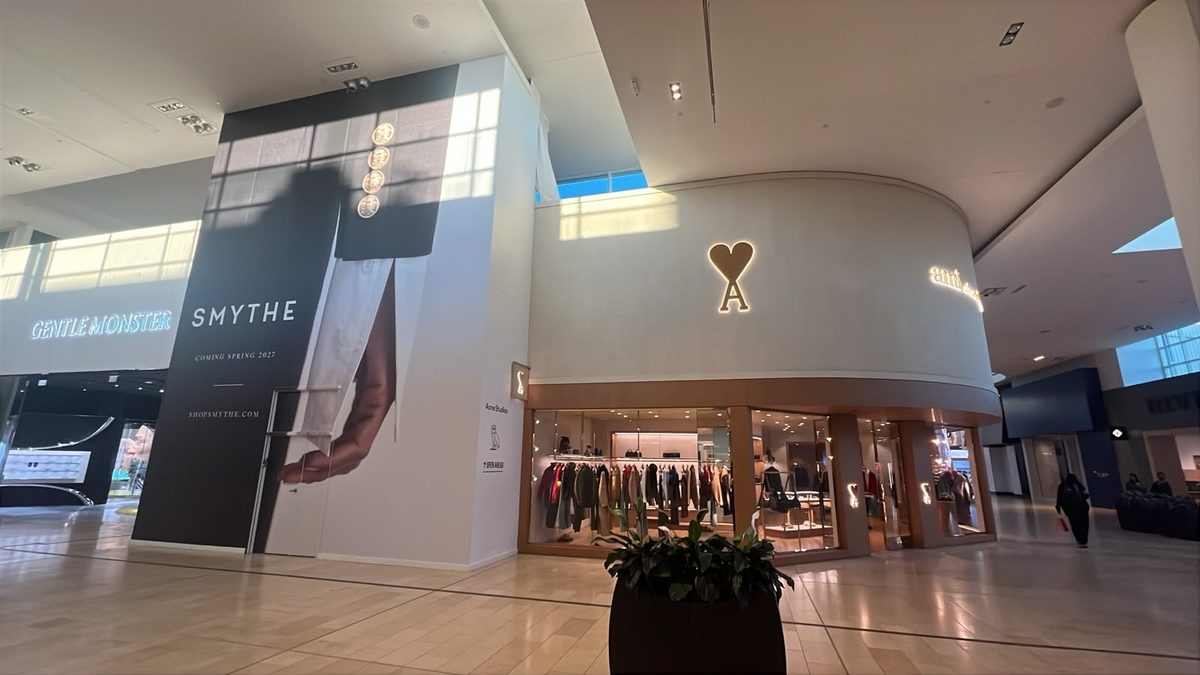
Yorkdale is also adding a permanent store from Canadian womenswear brand Smythe. The new 1,180-square-foot boutique will be located between Ami Paris and Gentle Monster, adding another Canadian fashion name to a section of the mall that has recently gained several international brands.

New Smythe storefront at Yorkdale. Photo: Nishant Anand

Other recent additions have included Ami Paris and Gentle Monster, while House of Creed opened its first standalone Canadian boutique at Yorkdale. The activity provides additional context for the next round of changes now taking shape across Yorkdale’s luxury and premium retail areas.

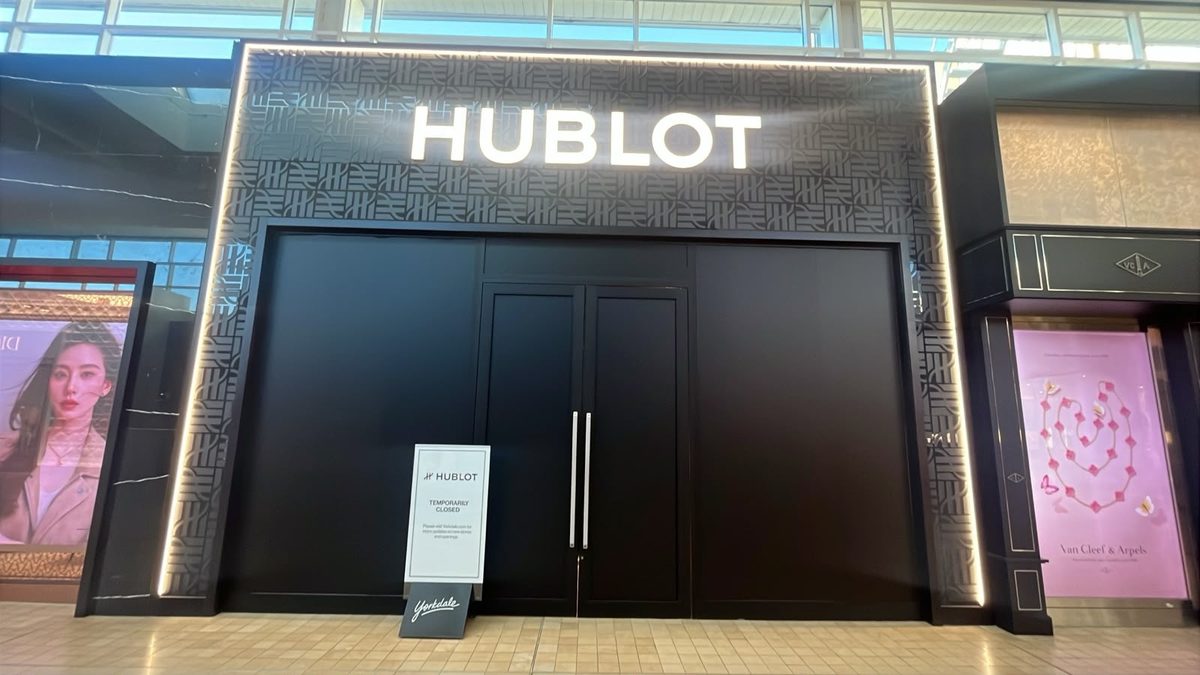
Hublot is also relocating within Yorkdale, taking a space formerly occupied by Oliver Peoples. The Swiss watch brand already operates at the shopping centre, making the move another example of an established luxury tenant changing locations as Yorkdale reworks portions of its luxury mix. The new Hublot store will open next week.

A larger change is taking shape nearby. Retailers occupying the stretch between Kate Spade and David Yurman have vacated, clearing a sizeable block of space for a new group of tenants. Sources tell Retail Insider that a large Rolex store is expected to be among the incoming boutiques. Its exact size and configuration have not been confirmed.

Future Van Cleef & Arpels at Yorkdale. Image: Craig Patterson

Rolex already has a dedicated Yorkdale presence through authorized retailer Raffi Jewellers, which is said to be behind the new flagship.

Gucci to Complete New Luxury Corridor

Gucci is also preparing a standalone Yorkdale boutique. Oxford Properties said earlier this year that the forthcoming Gucci store will complete Yorkdale’s new luxury corridor, with the boutique expected to open November 2026. The new store will give Gucci a more prominent standalone presence at the shopping centre, where the brand has also operated a concession inside Holt Renfrew.

Gucci will join a luxury lineup in the new corridor that includes Brunello Cucinelli, Dior, Loewe, Loro Piana, Jimmy Choo, Maison Margiela, Moncler, RIMOWA, Saint Laurent, Tom Ford and Versace.

The expansion of luxury retail comes as Yorkdale remains Canada’s highest-performing shopping centre by sales per square foot. Oxford Properties said the mall generated $2,368 per square foot in 2025, up 34 per cent from 2021 and more than $700 per square foot above any other Canadian shopping centre in the ICSC data cited by the landlord.

Ferragamo, ba&sh and MCM Among Other Moves

Several other relocations have already altered Yorkdale’s tenant mix.

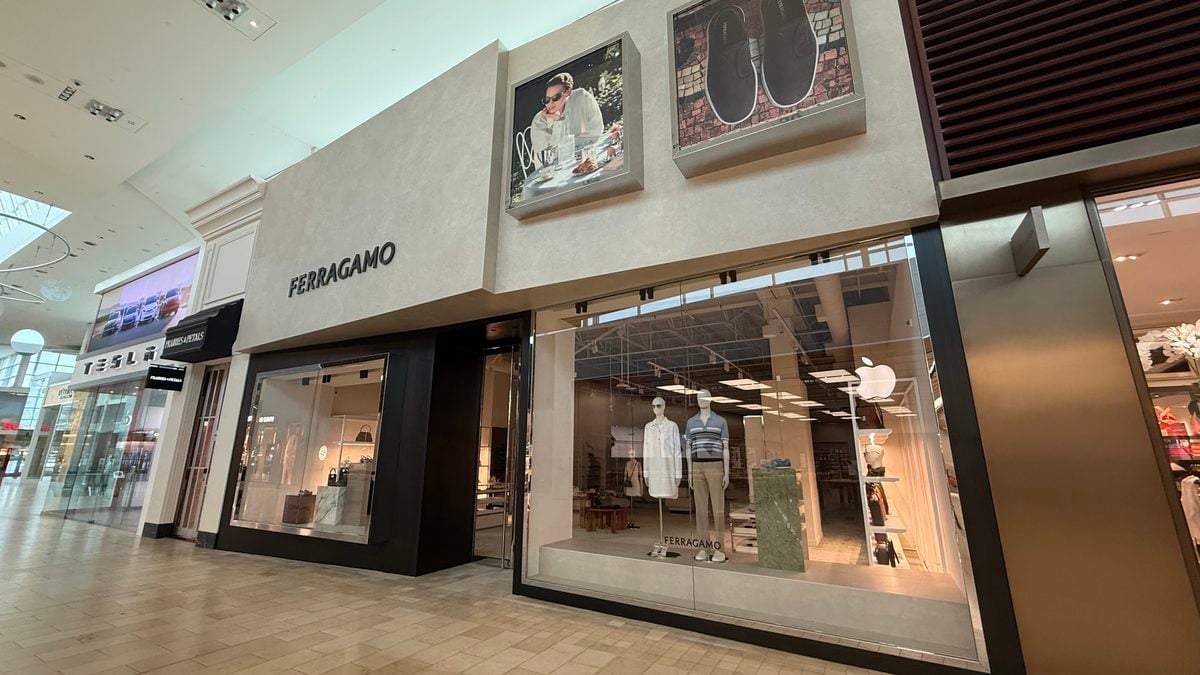
Ferragamo relocated several months ago to Unit 319, taking a 4,322-square-foot space formerly occupied by Ted Baker. A source told Retail Insider that the store is temporary, and a new location in the mall will be built. The former Ted Baker premises had been vacant following the British fashion brand’s departure from the Canadian market.

French fashion brand ba&sh is also relocating, taking over the Yorkdale space recently vacated by German luxury brand MCM. MCM’s departure from Yorkdale may coincide with a return to Toronto’s Bloor Street luxury corridor.

The brand previously operated a flagship at 93 Bloor Street West before closing the location and directing customers to its Yorkdale boutique. More recently, Retail Insider was able to look through an opening in the paper covering the former Bloor store’s windows and observed MCM merchandise inside.

The presence of merchandise indicates activity inside the space, although MCM has not announced that the Bloor Street store will reopen.

Future Leah Alexander store at Yorkdale. Image: Craig Patterson

Leah Alexandra Coming to Yorkdale

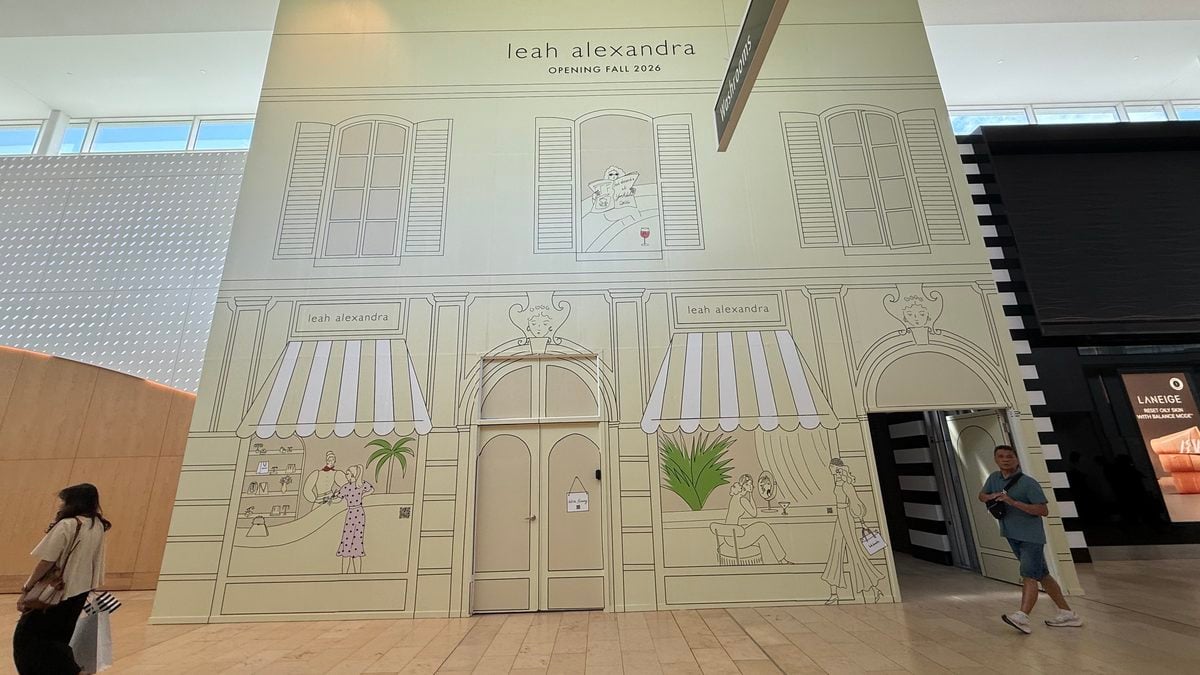
Another addition is Vancouver-based jewellery brand Leah Alexandra, which is preparing to open in Unit 513, formerly occupied by Wolford.

The company’s website now lists “Yorkdale Centre — Coming Soon” among its locations. The Yorkdale store will join existing Leah Alexandra locations in Vancouver, at Oakridge Park, and in Toronto at the Shangri-La Hotel.

Founded in 2006 by Leah Belford, the brand designs and assembles its jewellery in Vancouver. Belford grew up in Toronto before moving west and establishing the company, giving the Yorkdale opening a connection to her home city.

Former location for Hublot, which next week opens a new store across the hall. Photo: Nishant Anand

Existing Retailers Also Updating Stores

Changes have also been taking place elsewhere at Yorkdale. Recent activity has included a new Rains store, a newly built Abercrombie & Fitch location and the relocation of Massimo Dutti, alongside renovations and concept changes involving existing tenants. Diesel recently renovated its Yorkdale boutique, refreshing an existing store rather than moving elsewhere in the property

FOX has also changed concepts at the mall. A FOX fashion store has replaced FOX HOME following the home furnishings banner’s exit from its Canadian stores several months ago. The fashion concept offers casual apparel for women, men and children.

VinFast, meanwhile, has exited Yorkdale. The Vietnamese electric vehicle company closed its showroom as it reduced its Canadian retail network. Its former Unit 301 is listed at 3,158 square feet on Oxford’s lease plan.

The smaller moves add another layer to the changes underway across the property, with existing spaces being renovated, reused and shifted between retail categories.

Holt Renfrew Yorkdale. Photo: Nishant Anand

Holt Renfrew Shifts Brands Following Chanel Opening

Yorkdale’s Holt Renfrew flagship is undergoing changes of its own, with brands and departments being shifted as portions of the store are updated.

A major recent addition was an expansive Chanel boutique that opened in November 2025. The two-level space spans approximately 10,635 square feet, and is Canada’s second-largest Chanel fashion boutique. It also includes Toronto’s first Chanel Watches & Fine Jewelry boutique.

The scale of the Chanel space resulted in changes to surrounding departments, with further adjustments continuing inside Holt Renfrew.

The department store has long been central to Yorkdale’s luxury positioning. Its presence has expanded and changed considerably as the mall’s luxury offering grew from a relatively small collection of upscale retailers into one of Canada’s largest concentrations of global luxury brands.

Shuttered Hudson’s Bay store at Toronto’s Yorkdale Shopping Centre on the evening of June 1, 2025. Photo: Craig Patterson

Former Hudson’s Bay Remains the Biggest Question

None of the current changes approaches the scale of the opportunity created by the closure of Hudson’s Bay.

The former department store spans approximately 300,000 square feet over three levels and was one of Yorkdale’s largest retail spaces. Hudson’s Bay closed the location in 2025 during the liquidation of its Canadian department-store operations.

The space subsequently became the subject of a high-profile court dispute after a proposed transaction would have seen Fairweather-controlled Les Ailes de la Mode take over the premises. Oxford Properties opposed the proposal, and an Ontario court ultimately declined to approve the arrangement.

The ruling left one of the country’s most prominent vacant department-store boxes without a replacement tenant.

The former Hudson’s Bay premises are eventually expected to be repurposed for other retail uses. Oxford has not announced a redevelopment plan or tenants for the space.

At approximately 300,000 square feet, the former Bay represents a fundamentally different opportunity from the smaller relocations and expansions happening elsewhere at Yorkdale. Even Indigo’s entire existing two-level store would fit inside it more than 11 times.

What ultimately replaces Hudson’s Bay therefore has the potential to reshape a substantial portion of the shopping centre.

New Ferragamo store at Yorkdale. Image: Craig Patterson

Yorkdale’s Tenant Mix Keeps Moving

The volume of change is particularly notable given Yorkdale’s scale and performance. The shopping centre spans approximately two million square feet, contains more than 270 stores and attracts about 18 million visits annually, according to Oxford Properties.

The current wave of changes also shows how differently retailers are using space within the same property. Indigo is reducing its footprint by approximately 31 per cent while Zara is taking over a substantial former Old Navy space. Luxury houses are moving into larger or purpose-built boutiques, Holt Renfrew is reallocating space internally, and established brands are renovating existing stores.

Above all of those projects sits the former Hudson’s Bay. How Oxford ultimately brings those approximately 300,000 square feet back into productive use could determine the next major chapter in Yorkdale’s evolution — much as the redevelopment of the former Eaton’s department store did two decades ago.

Future Indigo and Zara expansion at Yorkdale. Photo: Nishant Anand

More from Retail Insider:

Unique retail concept Makers expands with location in Saskatoon’s Midtown shopping centre

Founders Adam and Veronica Sharanewych pictured outside the new store in Midtown Mall

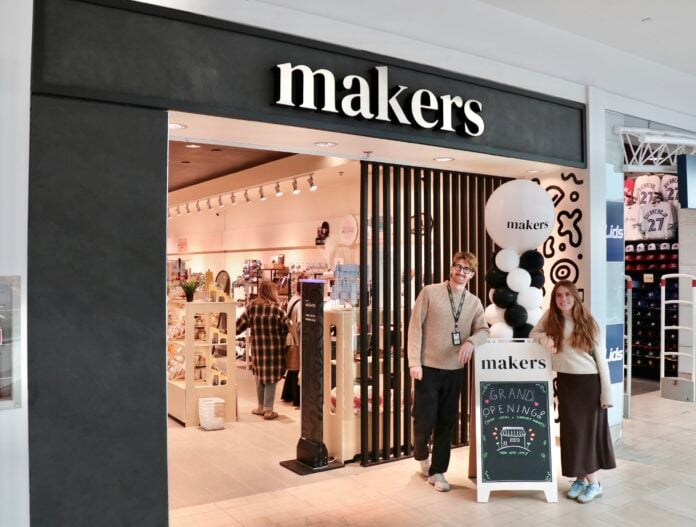
Makers, a retailer which showcases handmade goods, has opened its latest location at Midtown Shopping Centre in Saskatoon with ambitious plans to continue to expand the concept in Canada and in the United States. 

In April, the concept opened in Regina’s Cornwall Centre and that success set the stage for the latest store opening.

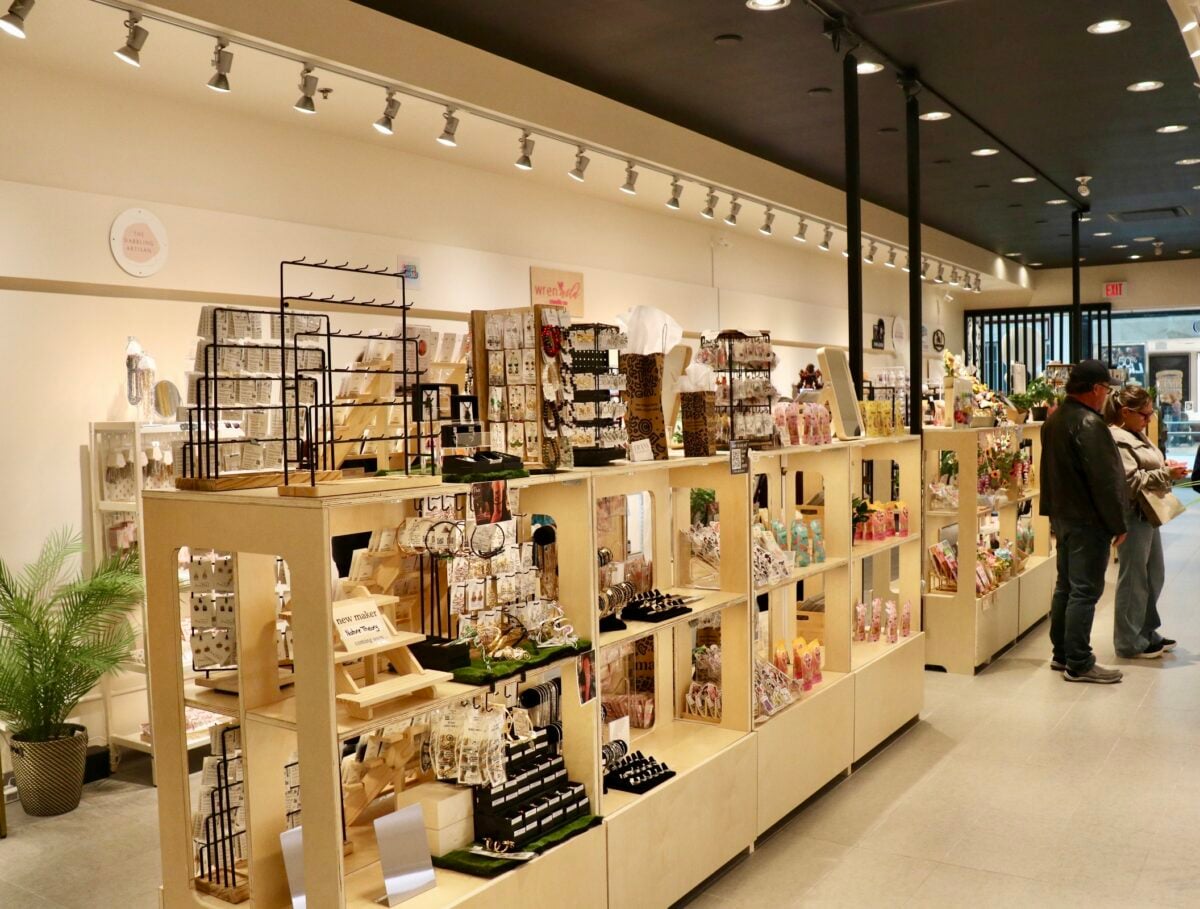
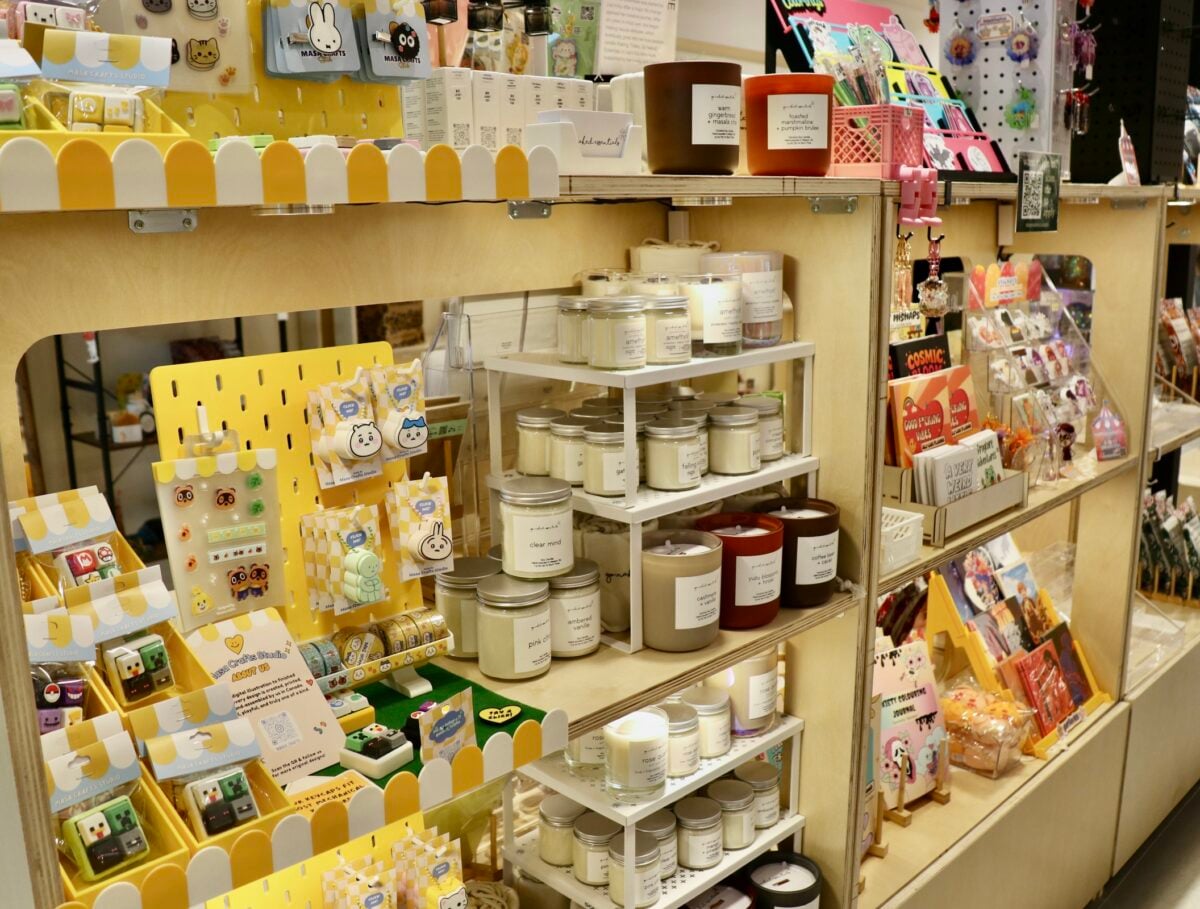
The retailer’s business model is to charge artisans rent for displaying their products in the store but they keep 100 per cent of their sales. Canadian-made local products, including ceramics, self-care items, candles, soaps, apparel, gourmet sweets, jewelry, home decor, original artwork and more.

“Midtown is the premier shopping destination in central and northern Saskatchewan, drawing over 4.3 million annual visitors and boasting record sales productivity. Opening here allows us to give local entrepreneurs exposure alongside top national brands, ensuring consumer dollars flow directly back into Saskatchewan families and small businesses,” said Adam Sharanewych, co-founder and CEO of Shop Makers. “We’ve already seen fantastic sales and support in Regina since we opened in Cornwall Centre in April of this year, and we look forward to featuring artisans from Saskatoon and across Saskatchewan at Midtown Mall.”

The retailer is operated by Adam’s wife Veronica Sharanewych and his brother Chris Sharanewych.

Makers operates 28 stores across Canada, featuring more than 1,600 Canadian makers nationwide. With the new Midtown store, Makers is  projecting  it will generate over $1 million annually for local makers and entrepreneurs, while showcasing their crafts inside a high-performing retail hub in the heart of downtown Saskatoon. 

Regina vendors that are already expanding their businesses by selling at Makers include: The Sask Bath Company, Magnolia Candle Co, Mozzman Creations and many more.

“One of my biggest dreams has always been to see my products on the shelves of a retail store inside a shopping mall,”  said Kongkona Choudhury, Founder of Magnolia Candle Company. “As a small business owner, opening my own retail location wasn’t realistic, so when Makers opened its Regina location, I applied right away. The response from customers exceeded my expectations, and the exposure has helped me grow my business in ways I may never have reached otherwise. I’m excited that I will have the opportunity to continue growing with Makers as it expands into Saskatoon.”

Makers Midtown is actively seeking vendors to feature in the mall. Saskatchewan-based vendors, creators, and makers interested in joining the store are encouraged to reach out via the Makers website: https://www.shopmakers.ca/apply.

Makers photo
Makers photo

Veronica said the Regina store is about 1,100 square feet  while the Saskatoon store is about 1,400 square feet.

The couple are from Vancouver where they started their first store in Gastown in November 2020.

“Makers is an artisan retail platform where we essentially. Each location features anywhere from 80 to 95 local artisans. They pay a flat membership fee for their space in the store, and then in exchange, they get to keep 100% of their sales. So it’s kind of like a brick-and-mortar Etsy,” explained Veronica.

“They bring in their products, they control their display, they pay that fee, and then we handle all of the retail operations, so all the staffing, all the supplies, all the operations, point-of-sale system, paying out the vendors. We handle all the back end.

“They can basically just come in, bring their products, they enter them into our system, we pay. We sell the products for them, we pay them out, and the cycle continues.”

Makers photo
Makers photo

The couple want to continue to expand across Canada reaching 35 to 40 locations with the Greater Toronto Area a prime area for expansion. Then there’s the goal of expanding further east into Halifax.

Earlier this year, they opened their first U.S. location in Seattle just outside the famous Pike market. It’s what they call their experimentation store to see how the concept would fare entering a new country and a new market. And so far it’s been very successful.

More from Retail Insider:

Spruce Meadows gears up for another record-breaking International Christmas Market

Spruce Meadows Masters tournament. Photo by Mario Toneguzzi

Now that the horse jumping competition is over for the season, Calgary’s world famous equestrian facility Spruce Meadows is gearing up for another successful International Christmas Market.

And the hugely successful Market is going to be even bigger this year, said Krista Poffenroth, Manager of Exhibits and Business Development, Spruce Meadows.

“New this year, we’ve added a fourth weekend. It started as one weekend, grew to two, three, and now this is our first year as four,” she said.

This year, the Market runs November 13–15, 20–22, 27–29, and December 4–6 as Spruce Meadows transforms into a winter wonderland filled with warmth, tradition, and Christmas cheer. 

“For the Christmas Market, we’re really trying to develop that experience where you can, you know, see, taste, and smell, like a European market,” said Poffenroth. 

Krista Poffenroth
Krista Poffenroth

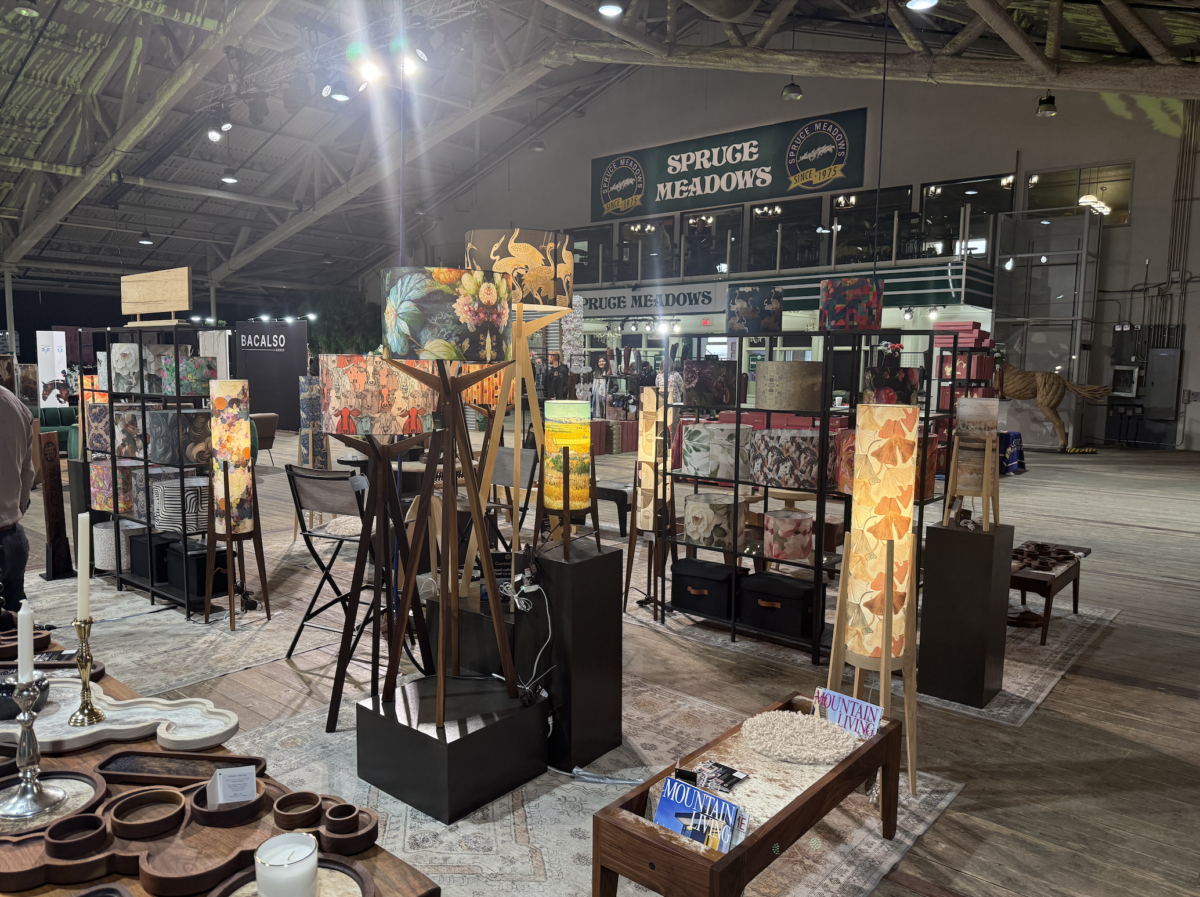
Each spring the sprawling multi-sports facility, which is also home to the Cavalry FC professional soccer team in the Calgary Premier League, becomes a venue filled with vendors and artisans, particularly during the key show jumping competitions. 

While other events like the recent Masters, host many vendors and thousands of shoppers, they don’t match the magnitude of the Christmas Market, which is in its 26th year.

“Twinkling lights, festive music, and the scent of mulled wine and fresh evergreen set the stage for a truly enchanting holiday experience. Wander through charming European-inspired stalls featuring hundreds of unique artisans and specialty vendors, savour seasonal treats, and discover one-of-a-kind gifts for everyone on your list,” says Spruce Meadows on its website.

Spruce Meadows Masters tournament. Photo by Mario Toneguzzi

Poffenroth said the Masters had over 120 different businesses and artists, but the Christmas Market this year, “we’re looking upwards of 330 booth spaces.”

In the past two years, the Market has been breaking records. Poffenroth said last year it had its largest-ever single-day attendance with over 15,000 people. 

“We average just over 10,000 people a day,” she said, adding over the nine days the Market attracted more than 100,000 people through its doors.

A number that is very attractive for vendors. 

“I have had different vendors tell me that sometimes what they do at the Christmas Market accounts for 50 per cent of their retail year,” explained Poffenroth.

“So it has quite a big impact.”

Spruce Meadows Masters tournament. Photo by Mario Toneguzzi

Throughout the year at Spruce there are about five major events that have a retail component to it. For the year, there’s about 400 different vendors on the Spruce Meadows’ site.

“A lot of our vendors, we’ve encouraged to apply for multiple events. And we’ve just developed some really great relationships with them, and so that’s why we try to support them throughout the year,” said Poffenroth.

“In the last four years since I’ve been in this role, we’ve really turned towards supporting local and individual creatives. So we’re looking for something that’s produced ideally in Calgary or Canada that isn’t mass-produced and that’s not available in, like, a big-box store as much. We really want to support those small entrepreneurs that are creating their own product.”

More from Retail Insider:

Spruce Meadows Masters tournament. Photo by Mario Toneguzzi