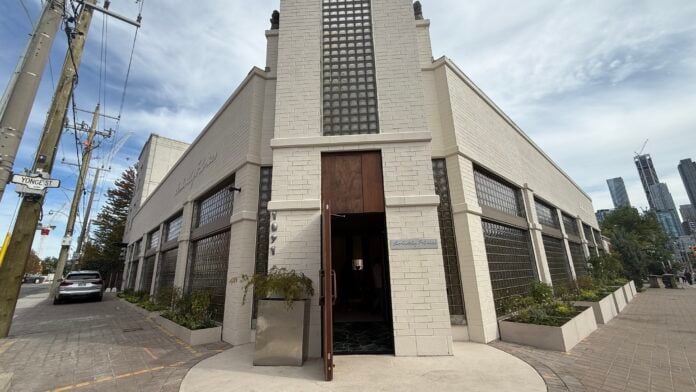
Toronto fashion retailer Absolutely Fabrics has opened its new 7,000-square-foot flagship in Summerhill, bringing an ambitious independent fashion store to one of the city’s wealthiest and increasingly active retail neighbourhoods.
Located at 1091 Yonge Street, the store marks a significant expansion for the retailer founded by Kaelen Haworth, which opened its first location on Queen Street West in 2023. The Summerhill flagship introduces menswear for the first time while providing considerably more space for Absolutely Fabrics’ mix of established designers, emerging labels and archival vintage.
The opening comes amid considerable residential and commercial investment in Summerhill and neighbouring Rosedale. New condominium and rental development is adding density to an already affluent area, while a growing collection of fashion, food, beauty and hospitality businesses is strengthening the retail offering along this section of Yonge Street.
Absolutely Fabrics celebrated the new store with a gala opening on Friday, September 18. Retail Insider visited on Sunday, two days later, and found the flagship busy with customers exploring the space, browsing merchandise and trying on clothing.
Opening-weekend traffic is too early to say much about longer-term performance. Haworth does, however, enter Summerhill with an established customer base in the area, including customers who had been travelling to Queen West from Rosedale, Forest Hill and surrounding neighbourhoods.
Inside the New Summerhill Flagship
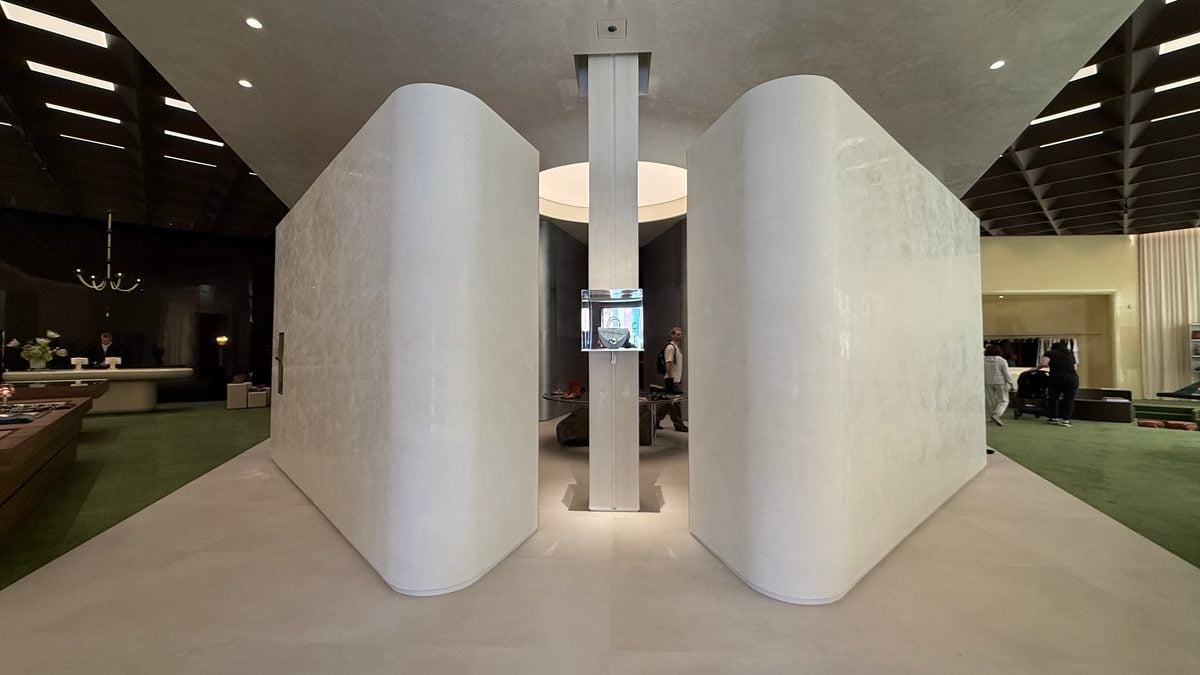
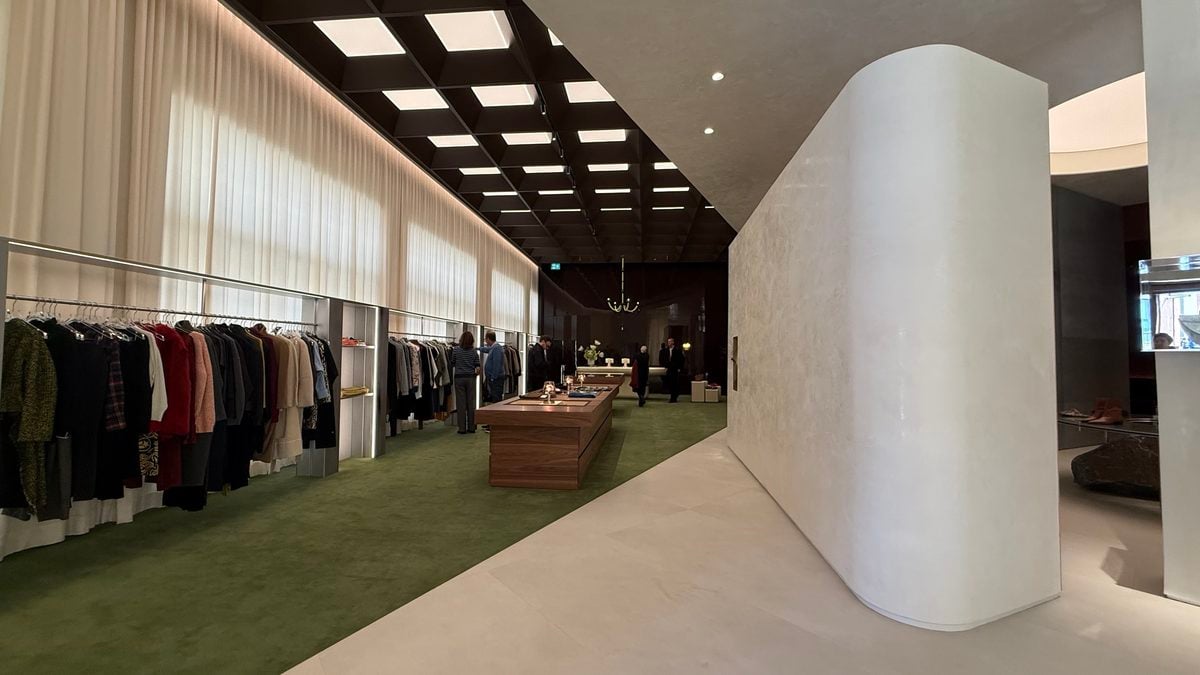
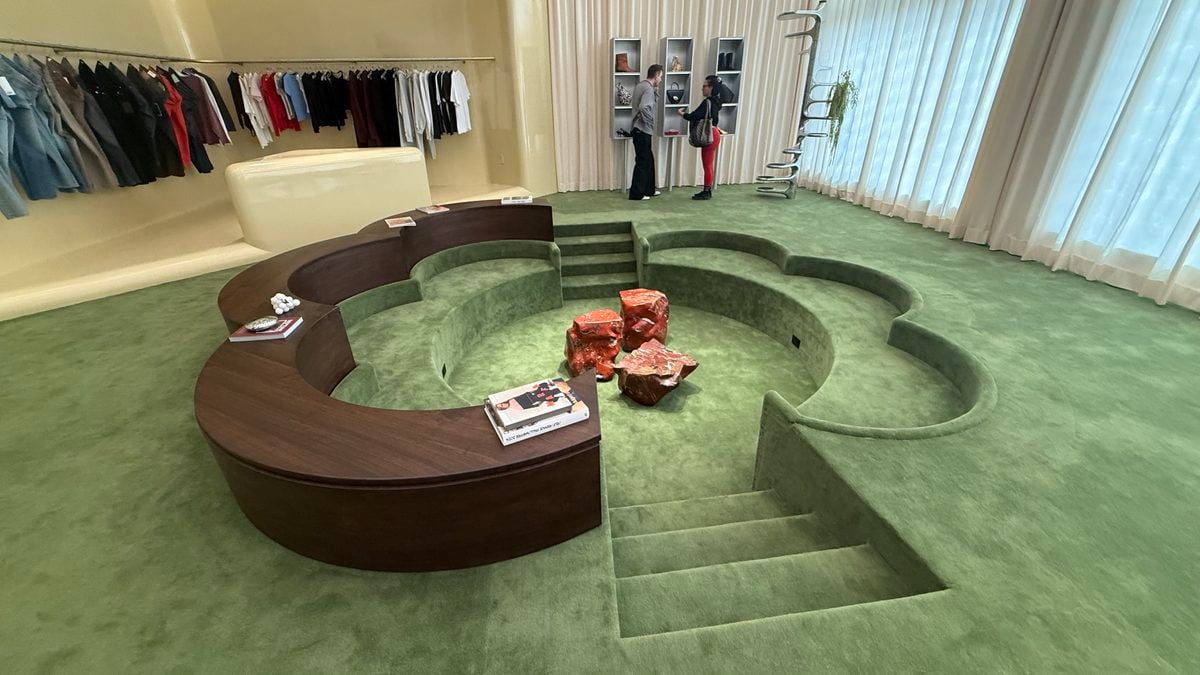
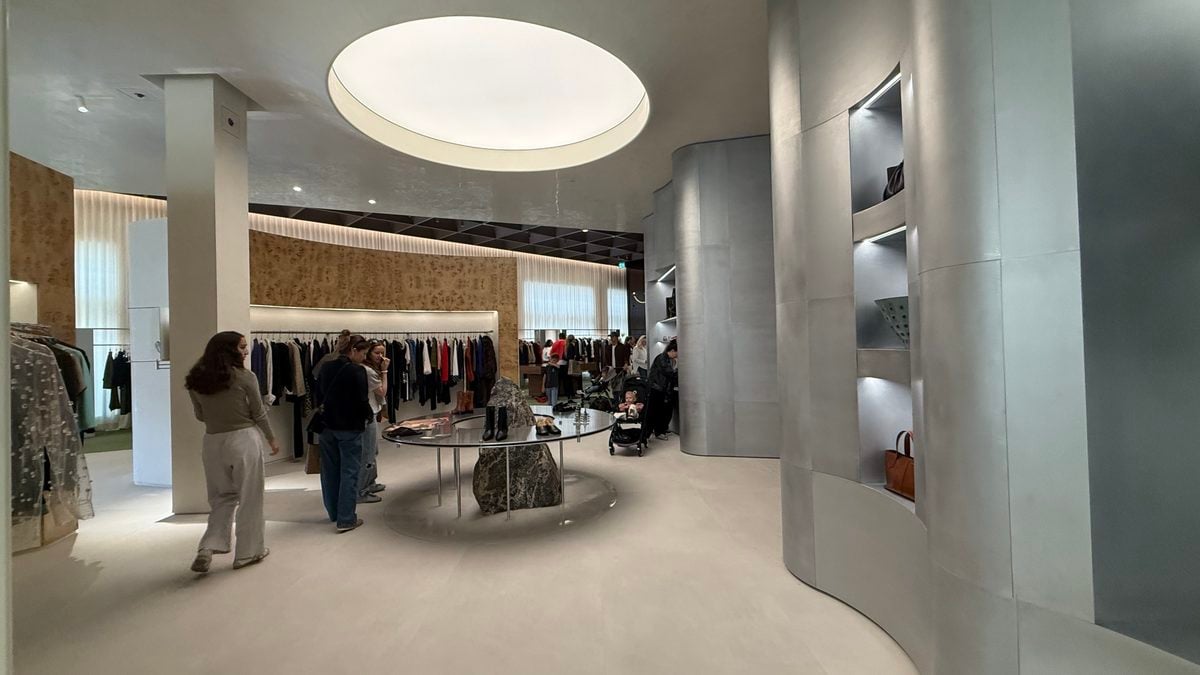
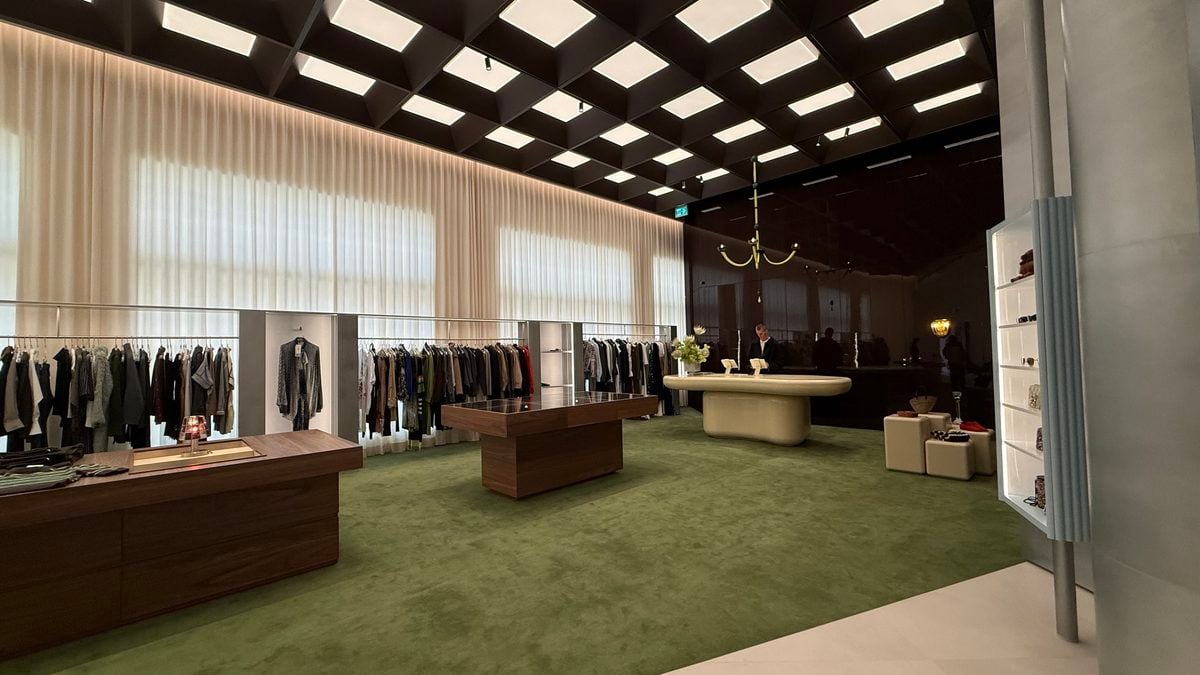
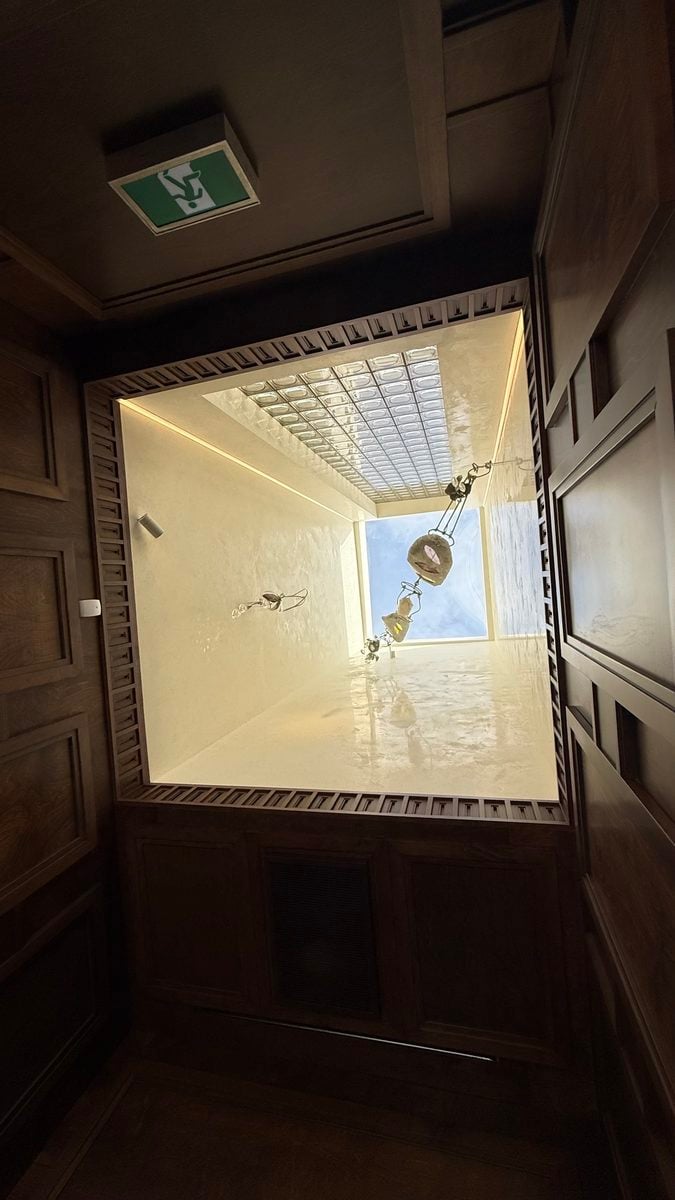
The scale of the new Absolutely Fabrics becomes apparent upon entering. The store has been conceived with the character of a private residence rather than a conventional fashion boutique. Carpeting, dark wood, coffered ceilings, glass-block detailing, sculptural lighting, furniture and artwork create a warm environment far removed from the sparse interiors found in many contemporary fashion stores.
Among the pieces incorporated into the store are a Red Jasper coffee table and coordinating benches by South African artist and designer Lea Colombo, along with sculptural lighting by artist Dana Arbib. Artwork by designers represented at Absolutely Fabrics further connects the interior with the fashion being sold.
Clarisa Llaneza of Clarisa Llaneza Studio collaborated with Haworth on the interior design, while Trevor Wallace of Reflect Architecture oversaw the space and Carbon Building Group brought the project to life.
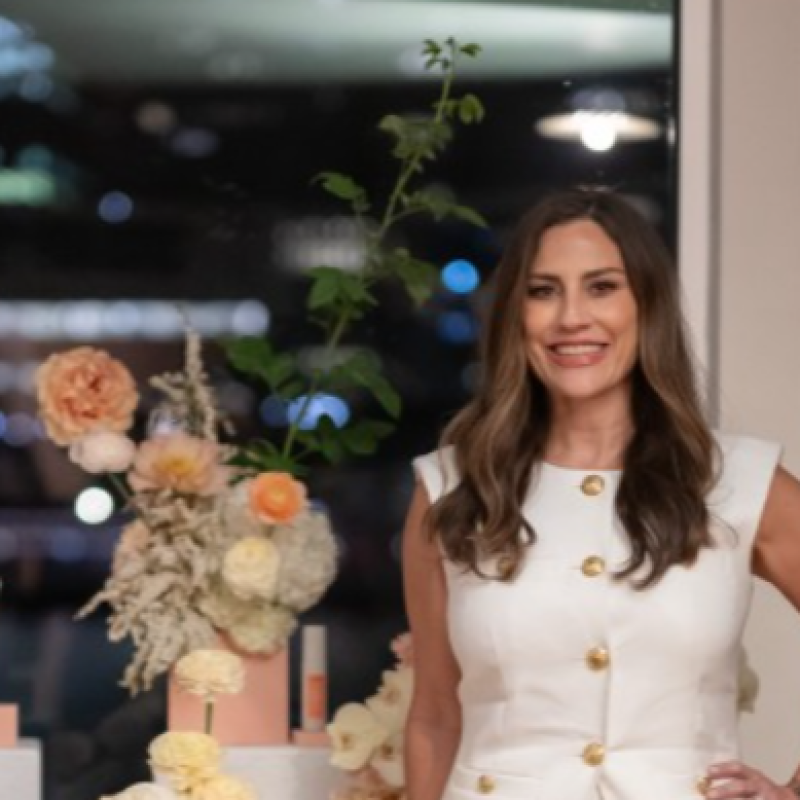
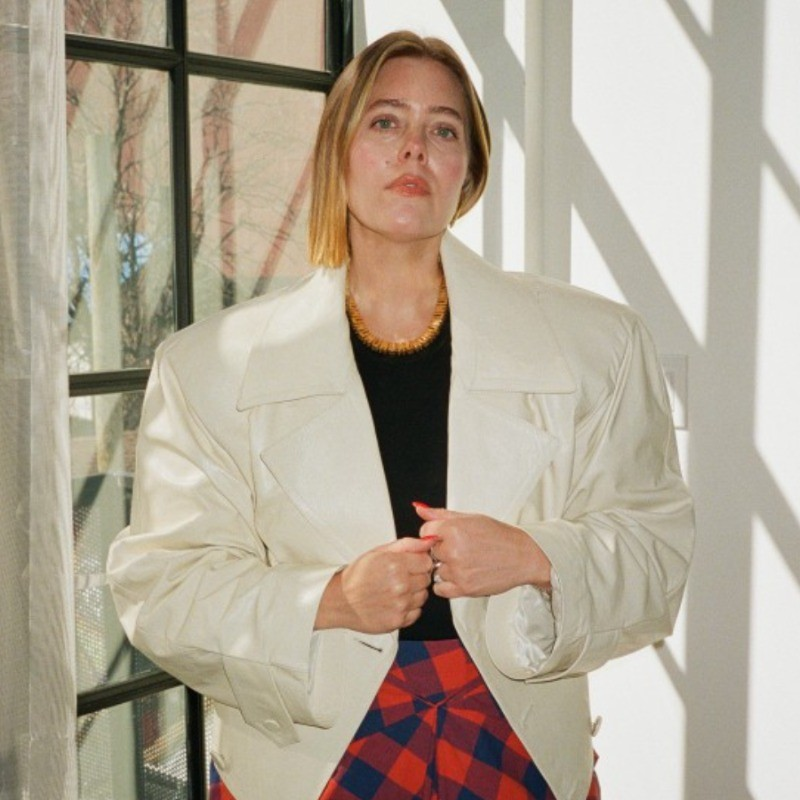
Before the opening, Haworth told Retail Insider that she wanted the flagship to feel residential while still giving customers the sense that they had entered somewhere distinctive.
“I really wanted it to feel like a warm and inviting space, but also a really inspiring, highly intentional and thoughtful space,” Haworth said. “I want it to feel like you’ve really stepped into a different place, somewhere that transports you.”
The completed store gives considerably more room to the merchandise than was possible at Queen West. Seating, furniture and gathering areas are integrated throughout, while the large fitting rooms continue the residential feel.
“We want people to stay and linger,” Haworth said. “It’s about being there. It’s not just about shopping.”
During Retail Insider’s Sunday visit, customers were spending time moving through the store, speaking with staff and trying on merchandise. The activity offered an early look at how customers were using the space, even if opening weekend itself says little about what regular traffic will eventually look like.
Investing in the Physical Shopping Experience
The scale of the Summerhill store reflects Haworth’s belief that higher-end fashion still benefits from a physical environment where customers can spend time with the merchandise.
“When you’re asking people to spend a lot, you can expect them to want to take their time, try things on and get to know the brands and the pieces,” she previously told Retail Insider.
That is particularly relevant to the Absolutely Fabrics assortment, which combines established fashion names with emerging designers and labels with limited Canadian distribution.
Summerhill also gives Absolutely Fabrics the space to introduce menswear, available only at the new location. The men’s assortment includes Aubero, Studio Nicholson, Willy Chavarria, Rier, Martine Rose, ssstein and Soshiotsuki, among others.
Soshiotsuki is exclusive to Absolutely Fabrics in Canada, while Haworth previously said she expected Aubero to be a Canadian exclusive as well.
Haworth had considered the Queen West location too constrained to introduce menswear in a meaningful way. The much larger Summerhill space allowed her to develop the category from the outset instead of fitting it into an existing store.
Her buying strategy extends beyond securing brands with limited Canadian distribution. Haworth has spoken about the gap she sometimes sees between the expressive pieces generating attention on international runways and the safer merchandise that ultimately makes it onto store racks.
“I want to be able to support those really exciting runway or editorial pieces,” she said. “People want that. They want both, but they definitely want the editorial and the excitement as well.”
Those buys also give customers another reason to experience the assortment in person.
Moving Closer to Customers
The choice of Summerhill was not based solely on the neighbourhood’s demographics. Absolutely Fabrics had already developed a customer base in the area through its Queen West store. Haworth told Retail Insider before the opening that many customers travelling downtown to shop with the retailer lived closer to where the new location now operates.
The relationship with some customers had become sufficiently established that Absolutely Fabrics was taking merchandise directly to them.
“We were doing a lot of travelling with our clothing, doing events in people’s homes or bringing pieces from the new collection to some of our best clients,” Haworth said.
Opening at Yonge and Price streets brings a much larger version of Absolutely Fabrics closer to those customers while the Queen West store remains open.
The two locations also serve different retail environments. Queen West puts Absolutely Fabrics in one of Toronto’s best-known shopping districts, with substantial pedestrian traffic and a broad mix of consumers. Summerhill places it in a smaller, exceptionally affluent residential market where the retailer already had customers.
Wealth and Density Reshape the Summerhill Market
Summerhill and neighbouring Rosedale have long been among Toronto’s wealthiest residential areas, providing a strong customer base for high-end fashion, restaurants, beauty and other discretionary spending.
Previous Retail Insider research found average household income within one kilometre of nearby Scrivener Square at more than $300,000.
The neighbourhood is also becoming denser. When Retail Insider examined development activity in the area in 2025, 17 residential projects were under construction within 1.5 kilometres of Scrivener Square, representing approximately 3,800 additional units. Another 39 developments were then in pre-construction.
Those figures were a snapshot of the development pipeline at the time, but illustrate the amount of residential investment underway around an area historically characterized by lower-density housing.
New condominium and purpose-built rental projects are putting more residents within walking distance of Yonge Street while adding housing to an already affluent market. For Absolutely Fabrics, the location provides proximity to existing customers as the surrounding residential population grows.
A Retail Cluster Takes Shape Across Yonge Street
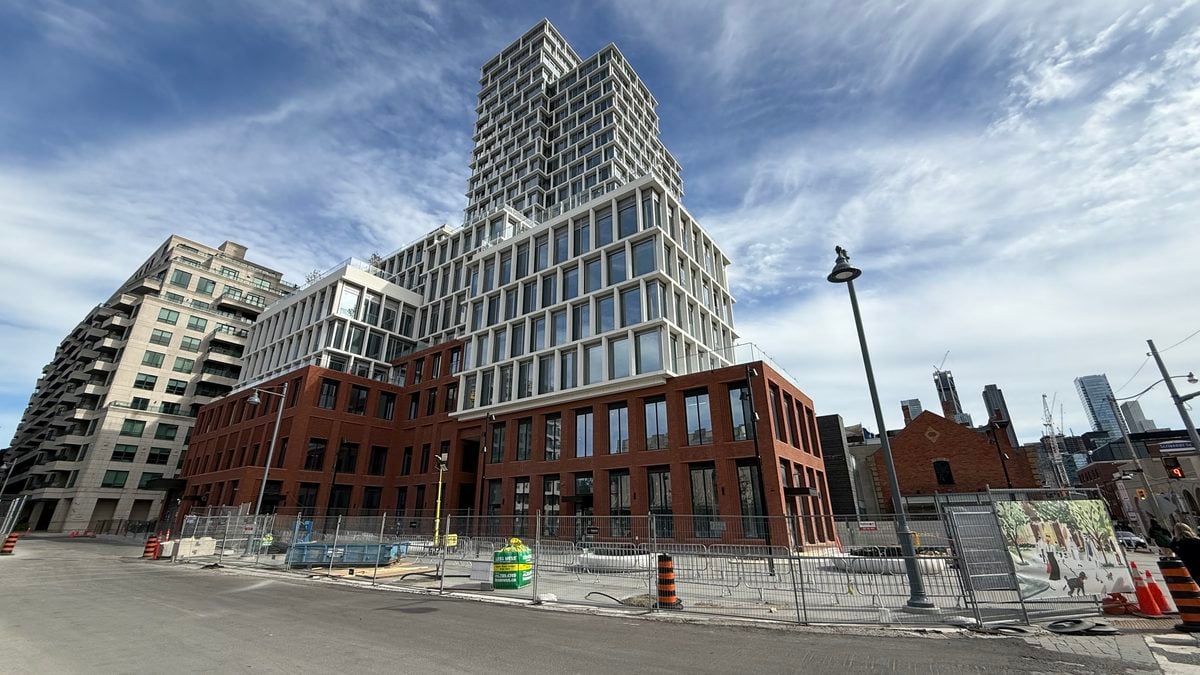
Some of the most visible change is happening directly across Yonge Street from the new flagship. The historic Five Thieves retail stretch is being expanded through The James at Scrivener Square, a 23-storey luxury rental development by Tricon Residential. The project includes approximately 10,500 square feet of ground-floor boutique retail, a pedestrian retail mews and public square, along with a new connection to Summerhill subway station.
The development builds around a longstanding specialty-food cluster that includes Harvest Wagon, Olliffe Butcher Shop and Pisces Gourmet.
Businesses announced for The James have included Mamakas, Gee Beauty, 6 By Gee Beauty, Nutbar, Dear Grain Bakery, Chocolat de Kat and jewellery retailer Bluboho. Toronto fashion boutique Clementine’s is also relocating to the development.
Together with existing businesses in the surrounding area, the additions are broadening what has historically been a strong specialty-food destination into a more varied retail and hospitality district.
Absolutely Fabrics now adds a sizeable fashion store on the opposite side of Yonge Street.
A New Destination Business for Summerhill
Haworth has described Absolutely Fabrics as a destination store, including when discussing the original Queen West business.
“We can’t rely only on walk-in traffic,” she told Retail Insider. “We have to rely on people hearing about us, knowing about us and wanting to make an appointment and come in.”
The new flagship retains that destination character. Its assortment includes merchandise that can be difficult to find elsewhere in Toronto or Canada, while Absolutely Fabrics already has customers accustomed to travelling specifically to shop with the retailer.
The store could bring additional shoppers to this section of Yonge Street and create more opportunities for cross-shopping among nearby businesses. Customers coming specifically to Absolutely Fabrics may also visit restaurants, cafés and shops around Scrivener Square, while people already visiting the Five Thieves and The James have another substantial retailer within steps.
It is far too early to measure any spillover. The busy Sunday observed by Retail Insider came immediately after the store’s opening, on a pleasant day when curiosity around a new flagship would naturally have been high.
The longer-term question is whether Absolutely Fabrics joins the businesses giving consumers from elsewhere in Toronto a reason to make Summerhill a specific shopping and dining destination.
From Queen West to Summerhill in Three Years
The scale of the new store is notable for a retailer founded only three years ago. Haworth spent 15 years in New York City, where she studied at Parsons and operated fashion labels Kaelen and Second Sight, before returning to Toronto. Absolutely Fabrics opened at 613 Queen Street West in 2023 after Haworth concluded that her interests increasingly centred on curation, editing, styling and the broader presentation of fashion.
She told Retail Insider earlier this year that business had steadily increased since Queen West opened and that customers had responded strongly to the concept.
Absolutely Fabrics was also recently included in The Business of Fashion’s The Best Fashion Stores in the World, a hand-curated guide highlighting independent fashion retailers around the world.
Summerhill takes the concept considerably further, adding menswear while making a substantial investment in store design and the physical customer experience.
Haworth has remained measured about the risks involved.
“We’re taking a lot of risks, and so far they are paying off, which is excellent,” she said. “But retail ebbs and flows, so we’ll see how we do. I’m not taking that for granted.”
For now, the focus is on establishing the new flagship.
At 1091 Yonge Street, Absolutely Fabrics has opened as significant residential investment and a growing collection of independent businesses reshape the surrounding area. The retailer brings another fashion destination to the neighbourhood, backed by an existing customer base and an assortment designed to give shoppers a reason to make the trip.
The opening-weekend crowds were encouraging, but they remain only a first impression. The more significant development is the scale of Haworth’s investment in physical retail: three years after opening on Queen West, Absolutely Fabrics has committed to a 7,000-square-foot flagship in one of Toronto’s wealthiest and fastest-changing retail districts.