“In 2025, our teams delivered the outstanding value and experience Canadians expect, while maintaining gross margin and cost discipline. These efforts drove strong full-year results. System-wide sales grew 2.8% to $3.1 billion, normalized adjusted diluted EPS increased 16.5%, and we continued to generate robust cash flow. Reflecting these results, we increased our quarterly dividend by 20% and ended the year with a rock-solid balance sheet supported by $603 million in unrestricted liquidity,” said Mike Walsh, President and CEO of LFL.
“The fourth quarter unfolded largely as anticipated, with consumers taking a more deliberate approach to significant discretionary purchases and promotional activity intensifying across the industry. Results were further impacted by Canada Post service disruptions and unfavorable weather comparisons during key selling periods. Despite these headwinds system-wide sales was up 0.8%, gross margin expanded 23 basis points, and normalized adjusted diluted EPS grew by 1.3%. For more than 115 years, we have made it a priority to gain share in markets like this by providing value to our consumers. Supported by our competitive advantages – a coast-to-coast presence, omnichannel platform, sourcing capabilities, distribution network, and strong balance sheet – we remain confident in our ability to grow market share in our core categories and to deliver long-term returns for our shareholders.”
Financial Highlights – Q4-2025
System-wide sales for the quarter was $813.0 million, an increase of 0.8%.
Q4 Revenue was $671.4 million, an increase of 0.7%, driven by strong performance in the furniture category
Same store sales increase of 0.6%.
Gross profit margin was 46.08%, a 23-basis point improvement driven by favourable retail category sales mix and improved furniture rates driven by assortment and sourcing improvements.
SG&A rate increased by 13 bps driven by higher occupancy and amortization costs.
Net Income was $51.0 million compared to $67.9 million in the prior year.
Normalizing for a one-time $23.4M pre-tax settlement in Q4 2024, adjusted normalized net income for the quarter increased by $1.0 million or 2.0%.
On December 31 2025, unrestricted liquidity was $603.0 million, comprised of cash, cash equivalents, debt and equity instruments and the undrawn revolving credit facility.
A special dividend of $0.50 per common share was declared by the Board of Directors.
Financial Highlights – Year Ended December 31, 2025
System-wide sales for the year was $3,088.9 million, an increase of 2.8%.
2025 Revenue was recorded at $2,573.7 million, an increase of 3.0%, driven by strong performance in the furniture and appliance categories.
Same store sales increase of 3.0%.
Gross profit margin was 45.04%, a 65-basis points improvement driven by strong furniture mix and margin rate improvement.
SG&A rate decreased by 24 bps primarily as a result of lower point-of-sale retail financing fees due to lower Bank of Canada interest rates.
Net Income was $157.0 million compared to $153.7 million in the prior year.
Normalizing for the one-time gain from CURO in both years, adjusted normalized net income for the year increased by $22.2 million or 16.6%.
Leon’s Furniture Limited is the largest retailer of furniture, appliances and electronics in Canada. Retail banners include: Leon’s; The Brick; Brick Outlet; and The Brick Mattress Store. The company has 300 retail stores from coast to coast in Canada under various banners. It operates six websites: leons.ca, thebrick.com, furniture.ca, midnorthern.com, transglobalservice.com and appliancecanada.com.
Freshii in Sherbrooke, Quebec. Photo: Freshii/Google Maps
A new chapter is underway at Freshii in Sherbrooke as local entrepreneur Jennyfer Lafond strengthens operations and deepens community ties. When Lafond officially took over as owner and operator of Freshii Sherbrooke on April 12, 2025, she set out to sharpen performance while reinforcing the restaurant’s role in the Eastern Townships business community.
Less than a year later, the location has moved well beyond a traditional quick-service model. Lafond has prioritized hands-on leadership and fast decision-making. “Being present allows me to move quickly, support my team in real time, and ensure our guests experience the quality Freshii is known for,” she says.
Catering and Corporate Services Drive Growth
Under Lafond’s direction, Freshii Sherbrooke has expanded into catering and corporate food services. The restaurant now offers buffet-style options, corporate lunch boxes, and event catering tailored to businesses, institutions, and student groups.
Jennyfer Lafond
New curated meal bundles combine wraps, salads, and snacks in flexible, shareable formats. These options balance convenience and flavour and have gained traction with local organizations. Freshii now operates four outlets within various buildings at Cégep de Sherbrooke, where a tailored selection of bowls, wraps, and snacks serves the campus community. Portions and pricing have been adjusted to reflect student demand.
“Our goal is to be flexible and solution-oriented,” Lafond explains. “Whether it’s a corporate meeting, a sports team, or a family on the go, we adapt our offering to fit lifestyles and needs.”
A complete family combo designed for busy households is also in development. At the same time, Lafond has tightened menu execution and product quality in-store. Guests are responding to bolder flavours, improved textures and aromas, and more satisfying meal options. As a result, repeat visits and word-of-mouth have strengthened.
Strategic Location and Regional Reach
Located along Sherbrooke’s high-traffic King Street West corridor, which sees between 25,000 and 35,000 vehicles daily, Freshii Sherbrooke benefits from strong visibility. The restaurant sits near Highway 410 and Boulevard de Portland within a commercial zone of more than 150 businesses.
This positioning draws customers from across the Eastern Townships, including Magog, Lennoxville, and Rock Forest. In addition, Lafond and her team have secured corporate agreements with major organizations such as BRP, Desjardins, IA Insurance, SherWeb, Héma-Québec Plasmavie, Dermapure, Glorius, and CIUSSS de l’Estrie, which employs more than 23,000 staff and physicians. These partnerships focus on supporting workplace well-being through balanced meals and tailored delivery.
Community Engagement as a Growth Strategy
Community involvement has become central to the Freshii Sherbrooke strategy. The restaurant sponsors the Mistral de Sherbrooke Soccer Club, which counts more than 3,500 members, including a Freshii senior community league. It also supports sporting events, student initiatives, and charitable organizations throughout the region.
Fundraising campaigns have benefited Maison Aube Lumière, regional early childhood centres, and the Justin Lefebvre Foundation. Through these efforts, the restaurant has aligned commercial growth with community impact.
The business employs ten team members, including students and newcomers to Canada, contributing to local workforce development. It also aligns with Freshii’s Mission Green sustainability platform by using biodegradable packaging and prioritizing environmentally responsible practices.
Brand Context and Ownership
Freshii was founded in Toronto in 2005 as a health-focused fast-casual concept built around making nutritious food convenient and affordable. In February 2023, Montreal-based franchisor Foodtastic Inc. acquired Freshii for approximately $74.4 million, taking the company private and integrating it into a broader restaurant portfolio.
Under Foodtastic, the brand has leveraged greater scale in supply chain and expanded into non-traditional venues such as gas stations and grocery stores. Freshii continues to focus on customization, menu innovation, and environmentally conscious operations.
Looking Ahead
Looking forward, Lafond plans to introduce seasonal menus, expand corporate services, deepen regional partnerships, and improve digital ordering and loyalty tools through the Freshii app.
“As a local entrepreneur, I’m proud to build a business that delivers strong financial performance while creating value for the community in everything we do,” Lafond says. “Growth doesn’t have to come at the expense of purpose. The two can and should work together.”
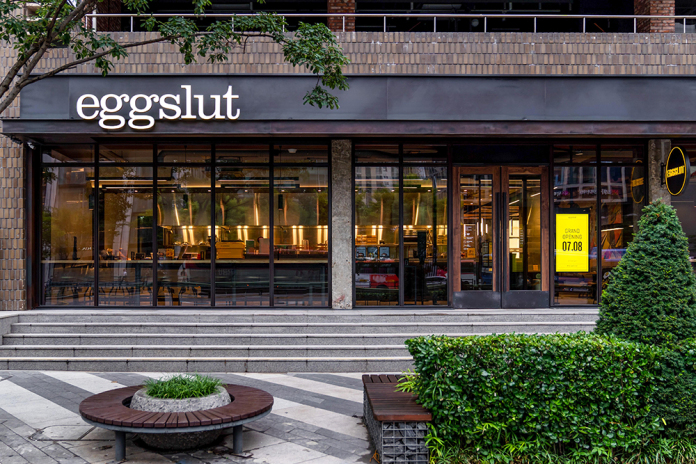
Eggslut location in Seoul, South Korea. Image: SPC
Los Angeles-born iconic breakfast concept Eggslut is preparing to enter the Canadian market with its first restaurants in Toronto, followed by a Vancouver opening later in 2026. The chef-driven fast-casual brand, known internationally for its indulgent egg sandwiches and cult following, will launch two Toronto locations in high-traffic downtown areas before expanding west.
The expansion is being spearheaded by Westrich Hospitality Inc., a subsidiary of the national development firm Westrich Pacific Corp., which holds the exclusive Canadian development rights for the brand. Adam Flook, Development Lead at Westrich Hospitality, stated that the company intends to strategically launch a curated portfolio of locations in prime urban markets across Canada.
“We’re opening the first two in Toronto. Those will be the first two in Canada,” said Flook. “Then we have another location in Vancouver that’s opening up in the summer.”
First Canadian Locations Planned for Downtown Toronto
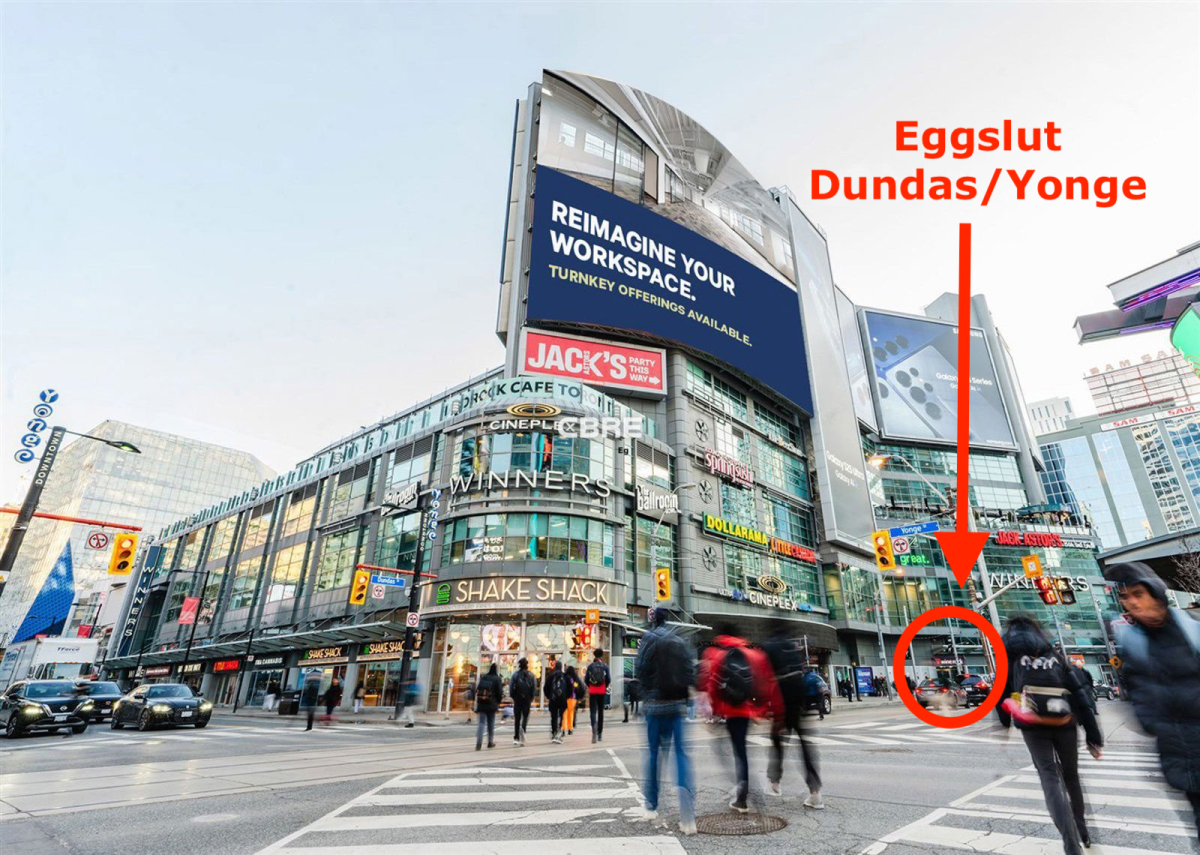
The first restaurant is scheduled to open in spring 2026 at 545 King Street West, in a high-traffic entertainment district that blends office workers, residents, and nightlife activity. The second Toronto location is expected to follow in early summer 2026 at 10 Dundas Street East, within The Tenor development at the city’s busiest pedestrian intersection.
The Dundas site occupies a former Wine Rack space on the ground floor facing Dundas Street, adjacent to major quick-service brands and steps from Yonge-Dundas Square.
Flook said the Toronto locations are intentionally positioned in dense, highly visible corridors.
“Our strategy is to open in premium high-traffic areas and ultra-premium locations,” he explained. “That’s why we’re in King West and at The Tenor. All the locations we’re looking for are very high-traffic, premium, high-visibility sites.”
The King Street restaurant will span about 1,500 square feet, while the Dundas location is approximately 1,300 square feet. Flook noted that the ideal footprint for the concept is between 1,500 and 2,000 square feet, with an emphasis on compact, efficient layouts suited to urban settings.
“It’s more grab-and-go, like a premium quick-service concept,” he said. “About 1,500 square feet is the sweet spot.”
Eggslut’s first Canadian location will open at the base of 545 King St. W. in Toronto. Image: Showcase
Vancouver to Follow as Third Canadian Market
A third Canadian location is expected to open in Vancouver in summer 2026, though the exact address has not yet been disclosed as the lease is still being finalized.
Beyond the initial three locations, Westrich Pacific is planning a broader but selective rollout across the country.
“Our strategy is we want to open up around 30 locations across the country, just in premium high-traffic areas,” said Flook. “It’s not a brand where you just roll out 500 restaurants. You’ll have a few locations in each major centre, maybe five or six in the Toronto area, and about 30 across Canada.”
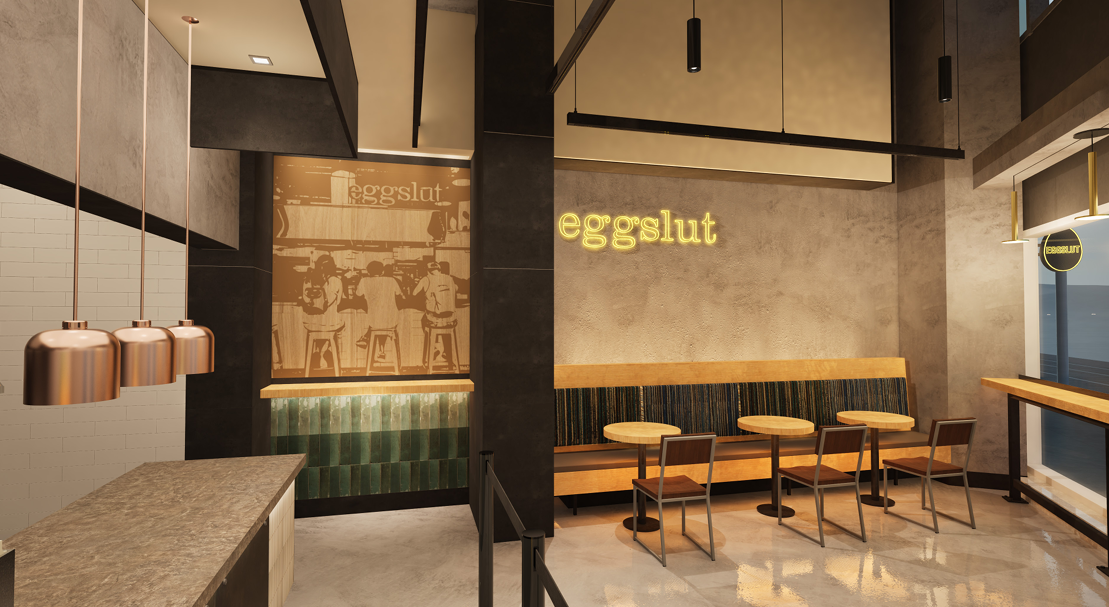
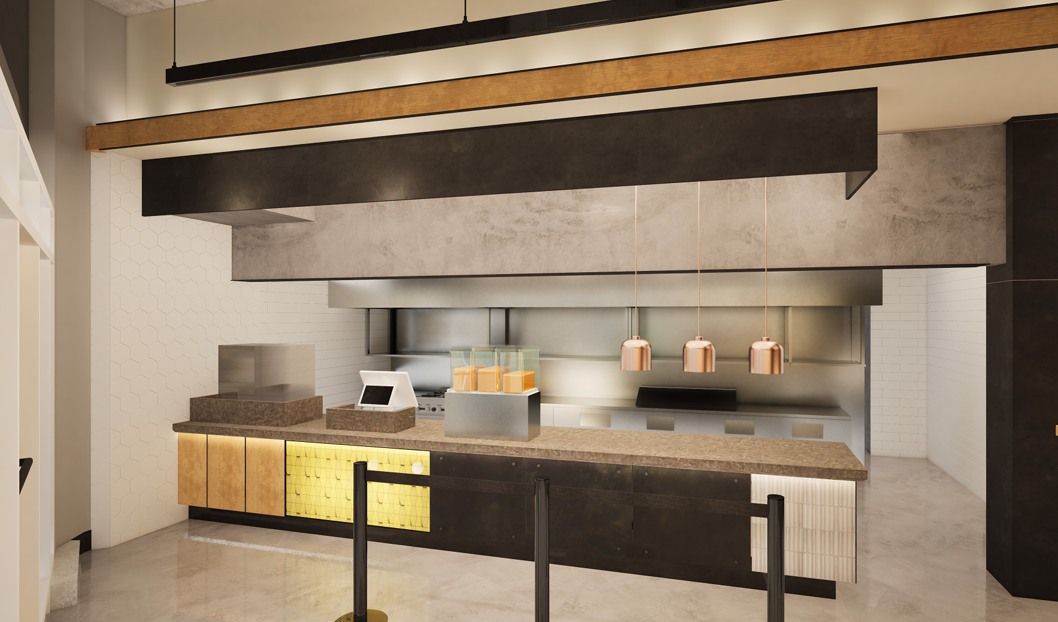
Eggslut will open in a retail space formerly occupied by Wine Rack at 10 Dundas St. E. at The Tenor in Toronto. Photo: CBRERendering of the interior of the future Eggslut at 10 Dundas St. E. in Toronto.
From Los Angeles Food Truck to Global Brand
Eggslut was founded in 2011 by chef Alvin Cailan, who launched the concept as a gourmet egg sandwich food truck in Los Angeles. The truck quickly gained a cult following and later moved into a permanent stall at Grand Central Market, where it became a major draw for tourists and locals alike.
Media attention helped propel the brand into the global spotlight. At one point, MSNBC described Eggslut as the most Instagrammed restaurant in the world, while Bon Appétit named it among the top 50 restaurants in the United States.
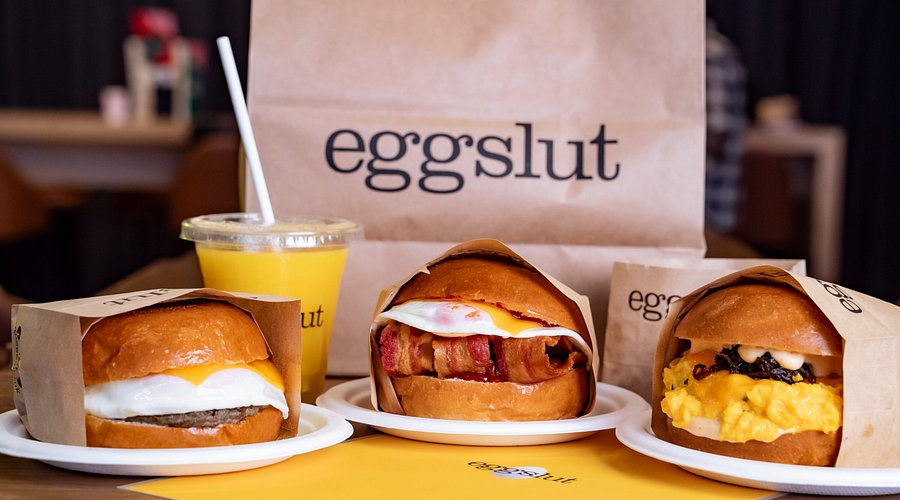
The concept focuses on egg-centric comfort food, including brioche-bun sandwiches and the signature “Slut,” a coddled egg served over potato purée in a jar.
After establishing locations in Southern California and Las Vegas, the company expanded internationally into markets including London, Tokyo, Kuwait, and Singapore.
Today, the brand maintains a mix of company-operated and licensed locations across North America, Europe, and parts of Asia and the Middle East, though the exact count fluctuates as markets evolve.
Photo: Eggslut
Premium Ingredients and Chef-Driven Approach
Flook said one of the defining characteristics of the brand is its focus on high-quality ingredients and chef-driven recipes, even within a quick-service format.
“Everything is organic. We use organic brown shell eggs and free-run chickens,” he said. “The quality of the eggs we use is extremely expensive, almost one-and-a-half times what a normal egg would cost. But that’s part of the concept.”
He noted that the brand takes an unusually strict approach to ingredient sourcing.
“I was surprised at how stringent they were at signing off the suppliers,” Flook said. “From the meats to the bread, everything is carefully thought out. The bacon has to have a certain fat content and smokiness, the brioche buns are a special recipe. There’s no cost spared.”
He added that the corporate culinary team conducts extensive tastings and product testing.
“The chef came up from California and tasted around 30 different types of butter,” he said. “Everything is of the highest quality. There’s no substitutes.”
Rendering of the interior of the future Eggslut at 10 Dundas St. E. in Toronto.
Menu and Pricing Strategy for Canada
The Canadian menu is expected to closely mirror the U.S. offering, with a focus on signature sandwiches and sides.
“It’s exactly the same as the U.S. menu,” said Flook.
He said pricing is being positioned within the premium quick-service segment while remaining accessible to urban consumers.
“Our most expensive sandwich will be the bacon, egg and cheese at around $15,” he said. “Other sandwiches will be around $13 or $14. It’s in line with other premium quick-service brands.”
The brand is also positioning itself as an alternative to traditional breakfast chains and sit-down brunch spots.
“If people want a good breakfast, they often have to go to a hotel or sit down somewhere and spend $100 and an hour and a half,” Flook said. “This gives them something that tastes great without spending that kind of time or money.”
Image via eggslut.ca
Targeting Urban, Younger Consumers
Flook described the core customer demographic as younger urban consumers seeking quality and convenience.
“The demographic is really 20 to 40, people who just love eggs and value quality ingredients,” he said.
He compared the positioning to other premium quick-service imports that have gained traction in Canada.
“Shake Shack is a similar concept, a cool premium burger place,” he said. “We’re the breakfast version of that. We’re going after that younger clientele and offering something different for breakfast.”
He added that brand awareness already exists among Canadian travellers.
“So many people I’ve talked to have been to an Eggslut in California or Vegas,” Flook said. “The one in Vegas is like an attraction. It has hour-long lineups all the time.”
Real Estate Strategy Focused on High-Traffic Sites
The company is prioritizing street-front locations with strong pedestrian traffic and dense surrounding populations.
“We like street-front exposure,” said Flook. “Very busy corners, lots of tourism, lots of office and residential density. Places where people are dropping in, ordering takeout or delivery.” He noted that transit-connected locations are also attractive.
A Selective National Rollout
While the initial openings will focus on Toronto and Vancouver, the longer-term strategy calls for a curated national presence rather than rapid saturation.
“You’ll have a few locations in each major centre,” Flook said. “It’s about being in the right locations, not just opening as many stores as possible.”
That approach mirrors the brand’s international strategy, which has tended to concentrate on high-traffic urban markets and tourist-heavy districts rather than broad suburban rollouts.
A Name That Gets Attention
The brand’s provocative name has long been a point of conversation, but Flook said its origin is more playful than controversial.
“The name comes from Anthony Bourdain,” he said. “He used the term ‘egg slut’ to describe someone who has an uncontrollable desire for eggs. So it’s really just someone who loves eggs.”
He added that the company does not lean into any suggestive messaging around the name.
“We don’t market the sexual component of it at all. It’s just someone who has a real love for eggs.”
Canadian Launch Reflects Continued Global Expansion
Eggslut’s Canadian debut comes as the brand continues to evolve its international footprint, focusing on markets where it can secure strong real estate and operational partners.
For Canadian consumers, the arrival of the concept represents another example of a globally recognized, chef-driven fast-casual brand targeting high-traffic urban corridors.
Flook said the company expects strong interest once the first locations open.
“Almost everyone we talk to knows the brand,” he said. “There’s a lot of excitement for it. People are looking for something new and something that tastes really good.”
Today’s Retail Insider articles are listed below alongside Canadian Retail News From Around the Web. Loblaw reported retail revenue exceeding $16 billion in 2025, fueled by strong e-commerce growth and new store openings. Amazon introduced its AI-powered Creative Agent tool in Canada to accelerate ad creation for retailers. Pilgrim expanded its presence with a new store in London, Ontario, reflecting strategic growth beyond tourist areas. These developments highlight ongoing innovation and nuanced retail expansion across Canada.
In today’s crowded market, traditional advertising is no longer enough to capture consumer attention. People have learned to tune out generic ads, creating a challenge for retail brands that want to build a genuine connection with their audience. This is where retail brand activation comes in — the process of bringing a brand to life through memorable, engaging and interactive experiences.
Instead of just telling people about your brand, these strategies allow them to experience it firsthand, forging an emotional connection that turns passive consumers into active ambassadors. From immersive pop-ups to high-impact mobile campaigns, here are four creative brand activation strategies and the innovative companies paving the way for each.
1. AR Try-Before-You-Buy Experiences
Augmented reality (AR) has become an increasingly popular tool for creating compelling consumer experiences. This is part of a wider trend of “phygital” — or physical and digital — activations that leverage digitization to create unique physical interactions that immerse the target audience. A common example of this is in AR-powered mirrors, where customers can try on clothing and makeup virtually, helping them feel confident in their purchase.
Brand Spotlight: Sephora
Sephora has been a leading example of how to effectively integrate AR into branding and customer interaction. Its flagship Virtual Artist uses 3D mapping technology to turn your phone into a digital tester that feels like a magic mirror. Users can virtually try on makeup or use the color-matching feature by uploading a photo of themselves for product recommendations.
The company has also planted virtual mirrors stores nationwide, ensuring that walk-in customers get the immersive virtual experience that sets Sephora apart.
2. Vehicle Wrapping
Mobile brand activation utilizes the city itself as a canvas. The most effective brands today understand that waiting for a consumer to walk past a stationary billboard is not ideal. The more modern, effective and dynamic choice is to use high-visibility vehicle wraps to bring the message directly to urban areas with high traffic. This strategy brings in the high volume of eyes that traditional billboards do not.
Brand Spotlight: Good Traffic
GOOD TRAFFIC offers the best vehicle wrap advertising for retail brand activation by leveraging custom designs and high-end vehicles to ensure every asset reflects the brand. To bridge the gap between the physical and digital worlds, the activation can include digital retargeting and interior headrest displays as premium add-ons.
In 2024, GOOD TRAFFIC helped Netflix promote its miniseries Senna, a biopic of Brazilian three-time Formula One World Drivers’ Champion. The company executed a blitz for their client by deploying 360-wrapped rideshare cars across Las Vegas. The campaign made a memorable statement in the strip, gaining 18,115,000 impressions during the week leading up to the F1 race day.
3. Immersive Pop-ups
The modular pop-up is an excellent tool for market testing. It entails creating a temporary space within an established retail environment. Brands can generate a powerful sense of exclusivity and urgency without spending capital on a long-term lease. Focus on sensory design and personality to ensure attendees have a memorable experience.
Brand Spotlight: Glossier
Glossier has set a high standard for pop-up implementation and retail activation. Its 2026 strategies involve sensory zones where customers engage with its products in stylish, dynamic environments that photograph well. Offering location-exclusive merchandise means transforming a simple product into a statement.
During its Seattle residency, Glossier utilized a lush installation that brought significant organic reach, teaching brands that if your stores feel like art, people will be more inclined to visit.
4. Gamified Reward Systems
Gamification is a highly effective tool because it taps into the competitive side of the human brain. Getting customers to engage in physical activities for rewards captivates and educates them while connecting the fun experience with the company, ultimately creating a positive brand perception. Businesses that employ this method most effectively seamlessly integrate digital and physical experiences, forming an ecosystem that is consistent across all stores and apps.
Brand Spotlight: Nike
Nike has turned the hunt for exclusive footwear into a compelling real-world game. Through “SNKRS Stash” events, the SNKRS app uses clues and notifications to send users on a challenge — physically travel to a specific park, store or landmark. Once a user arrives, their phone’s GPS unlocks the exclusive opportunity to purchase a limited-edition product.
This strategy taps into people’s competitive nature and provides a clear prize, creating a memorable brand experience that goes far beyond a simple transaction.
Build a Brand That Resonates
At the end of the day, effective marketing is based on being adaptable in a rapidly evolving landscape. Trends will constantly evolve, and the brands that do not get lost in the noise and stay true to their core mission have the best chance at maintaining relevance. When retail brands look past gimmicks and create activation strategies that bring innovative, unique and valuable experiences for their customers, they set themselves apart from the crowd.
Retail has become one of the most competitive industries in the digital world. Customers expect constant innovation, from personalized recommendations to faster checkout experiences and flexible payment options. Brands are under pressure to launch new features quickly in order to keep pace with competitors and shifting consumer behavior.
In this blog, we explore how retail teams can release new features faster without disrupting the systems that already drive revenue. The key is finding the right balance between speed and stability so innovation strengthens the business instead of putting it at risk.
Why Speed Matters in Retail
Retail moves at a relentless pace. Timing can determine success or failure.
Key drivers of speed include:
Seasonal promotions and flash sales that demand rapid updates
Customer expectations for seamless digital and mobile experiences
Competitive pressure from global online marketplaces
Omnichannel operations across web, mobile apps, and physical stores
Constant experimentation with pricing, loyalty programs, and personalization
A delayed feature can mean lost revenue. A missed holiday update can mean losing customers to competitors. Speed is not simply a technical goal. It is a business necessity.
The Hidden Risks of Rapid Feature Releases
Moving fast without safeguards can introduce serious risks. Retail systems are interconnected, and even small changes can affect checkout flows, payment gateways, or inventory synchronization. A new promotion feature might unintentionally interfere with discount calculations or tax logic.
The impact of such disruptions can be immediate and visible. Customers encountering failed transactions or incorrect pricing may abandon their carts and leave negative reviews. Revenue loss during peak traffic periods can be substantial, and brand trust can erode quickly. Innovation without protection often creates more problems than it solves.
Building a Safety Net with Automated Testing
To innovate confidently, retail teams need a strong safety net. Automated testing provides continuous validation of core systems while allowing new features to be introduced at speed.
A robust automation strategy supports:
Continuous regression testing of critical user journeys
Validation of checkout, payment, and cart functionality
Early detection of integration issues
Faster feedback during development cycles
With a reliable testing automation tool like testRigor, teams can automate high-impact workflows in human-readable steps and reduce maintenance overhead. This enables frequent releases without sacrificing quality. Instead of slowing innovation, automation accelerates it by ensuring existing functionality remains intact.
Protecting What Already Works
Retail platforms rely on several foundational systems that must remain stable even as new features are introduced.
Checkout and Payment Systems
Checkout is the revenue engine of any retail operation. Even minor disruptions can result in abandoned carts and lost sales. Automated tests should consistently validate payment processing, discount application, shipping calculations, and tax rules.
Inventory and Order Management
Accurate inventory data is essential for customer satisfaction and operational efficiency. Changes to front-end features must not break backend synchronization. Automated validation helps ensure stock levels, order confirmations, and fulfillment workflows function properly.
Loyalty and Personalization Engines
Personalized offers and loyalty programs drive repeat purchases. However, new promotional features can conflict with existing reward logic. Continuous testing ensures that personalization rules and loyalty calculations remain accurate across updates.
Protecting these core systems ensures that innovation enhances the customer experience rather than undermining it.
Balancing Innovation with Stability in Omnichannel Retail
Retail today operates across multiple platforms. Customers browse on mobile apps, complete purchases on desktops, and pick up items in store. Backend systems connect web storefronts, payment providers, inventory databases, and customer profiles.
A change introduced on one channel can ripple across others. For example, updating a pricing engine for mobile must not create discrepancies on desktop or at point of sale systems. Unified testing across channels ensures consistent behavior across the entire ecosystem.
Integrating automated testing into CI pipelines allows validation to happen with every code change. This approach reduces last-minute surprises and supports continuous delivery without compromising stability.
Smart Strategies for Retail Teams
Retail teams can adopt practical strategies to balance speed and reliability.
1. Prioritize High-Impact User Journeys
Start by identifying critical flows such as product search, cart management, checkout, and order tracking. Automating these journeys protects revenue-generating features and reduces the risk of customer-facing failures.
2. Implement Continuous Integration and Testing
Make testing part of the development pipeline. Running automated tests with every code commit ensures issues are detected early, when they are easier and less costly to fix.
3. Monitor Production Performance
Testing does not stop at deployment. Monitoring real-world performance metrics helps teams detect unexpected behavior under live traffic conditions and respond quickly.
4. Invest in Scalable Tools and Collaboration
Choose automation solutions that scale with growing product complexity. Encourage collaboration between developers, QA, and operations teams so quality becomes a shared responsibility rather than a bottleneck.
Turning Speed into a Competitive Advantage
When retail teams consistently release features quickly and reliably, speed becomes more than an operational goal. It becomes a strategic differentiator. Customers gain access to new promotions, smoother checkout experiences, and improved personalization without encountering disruptive errors. This consistency strengthens brand trust and increases customer loyalty over time.
Reliable speed also empowers internal teams. Marketing can experiment with campaigns, product teams can test new capabilities, and leadership can respond rapidly to market changes. Instead of fearing system instability, the organization moves forward with confidence. Quality and speed reinforce each other, turning operational efficiency into measurable business growth.
Conclusion
The retail race demands both speed and precision. Launching new features quickly is essential for staying competitive, but breaking core systems can damage revenue and customer trust. The solution lies in building a strong testing foundation that protects what already works.
By investing in automated testing and integrating it into everyday development workflows, retail teams can innovate confidently. Speed and stability do not have to compete. When supported by the right strategy and tools, they work together to drive growth and long-term success.
For more than five decades, Casavogue has welcomed Montréal families into its showroom to explore high-end furniture designed to shape everyday living. Established in 1972, the family-founded business has built its reputation on attentive service, curated collections, and a commitment to evolving alongside the needs of its clients. Now, in direct response to customer feedback and changing lifestyle patterns, Casavogue is announcing a meaningful update to its schedule.
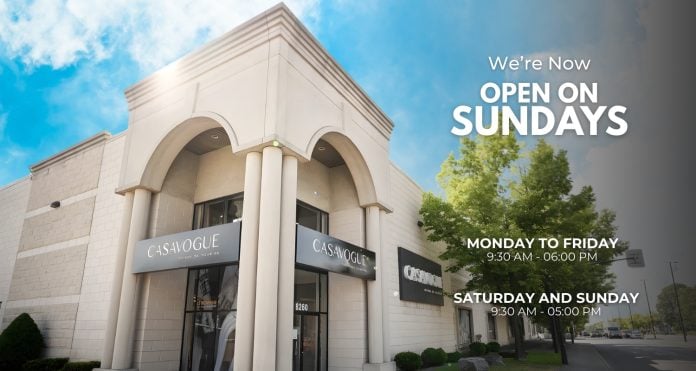
Casavogue will now be open on Sundays from 9:30 AM to 5:00 PM, offering greater flexibility for families and professionals who prefer to visit on weekends.
Responding to Evolving Lifestyles
Over the years, shopping habits have shifted. Many clients balance demanding work schedules, family commitments, and social obligations throughout the week. As a result, weekends have become an important time for thoughtful decisions about the home.
The decision to open on Sundays reflects Casavogue’s attentiveness to these realities. By extending its hours, the showroom provides clients with additional time to explore collections at a relaxed pace, consult with staff, and make informed choices about high-end furniture for their living spaces.
Sunday access also allows couples and families to visit together, ensuring that key decisions about living room furniture, dining sets, and bedroom pieces can be made collaboratively.
Splendum Sectional Sofa by Charles David.
A Trusted Montréal Destination Since 1972
Founded in 1972, Casavogue remains rooted in its heritage as a family-founded Montréal showroom. The business has grown over the decades while maintaining its focus on quality craftsmanship, curated international brands, and personalized guidance.
The 38,000-square-foot, two-floor showroom continues to serve as a destination for those seeking high-end furniture across every major room of the home. From contemporary sofas and refined dining tables to complete bedroom collections, Casavogue offers a cohesive approach to furnishing that reflects both design sensibility and long-term value.
Greater Accessibility, Same Commitment to Service
While the hours are expanding, Casavogue’s core values remain unchanged. The showroom continues to prioritize attentive service, design expertise, and a welcoming environment that encourages thoughtful decision-making.
Beginning March 1, the showroom will operate under updated hours: 9:30 AM to 6:00 PM, Monday to Friday, and 9:30 AM to 5:00 PM on weekends.
Clients are invited to visit the showroom during its expanded schedule and experience the collections in person.
Toronto-based premium outdoor lifestyle brand Roots has appointed Rosie Pouzar as its new Roots Chief Commercial Officer. The appointment follows Pouzar’s tenure as Head of Omnichannel Growth at Roots, where she played a central role in advancing the company’s commercial performance across channels. The company trades on the Toronto Stock Exchange under the symbol ROOT and continues to position itself as a premium Canadian brand with global reach.
Meghan Roach, President and Chief Executive Officer of Roots, said the appointment supports the company’s broader growth ambitions.
“Rosie’s appointment is an important step in advancing our growth strategy,” said Meghan Roach, President & Chief Executive Officer, Roots. “She is a highly respected leader with a strong track record of driving performance and exceptional strategic clarity. As Chief Commercial Officer, Rosie will help sharpen our enterprise priorities and accelerate decision-making to unlock new areas of growth.”
The creation and formalization of the Roots Chief Commercial Officer role underscores the company’s intent to align commercial strategy, operational execution, and customer insight under a unified leadership structure. In an increasingly competitive retail environment, brands are placing greater emphasis on cross-functional leadership that can drive speed, clarity, and performance across both physical stores and digital platforms.
Background in Scaling National Retail Brands
Prior to joining Roots, Pouzar held senior leadership positions at Sephora Canada, including Senior Vice President, Retail and Chief Operating Officer. During her time there, she helped scale the business through a period of significant expansion, with a focus on operational excellence and strengthening in-store execution.
She is recognized for building high-impact partnerships and translating customer insight into actionable strategy. That capability, according to the company, will be central to her mandate as Roots Chief Commercial Officer as the brand seeks to deepen customer engagement and unlock incremental growth.
Earlier in her career, Pouzar held leadership roles at Cineplex and began her professional career at PwC. Her background includes a strong financial foundation, having earned both the Chartered Professional Accountant and Chartered Business Valuator designations. She holds a Bachelor of Business Administration from Wilfrid Laurier University.
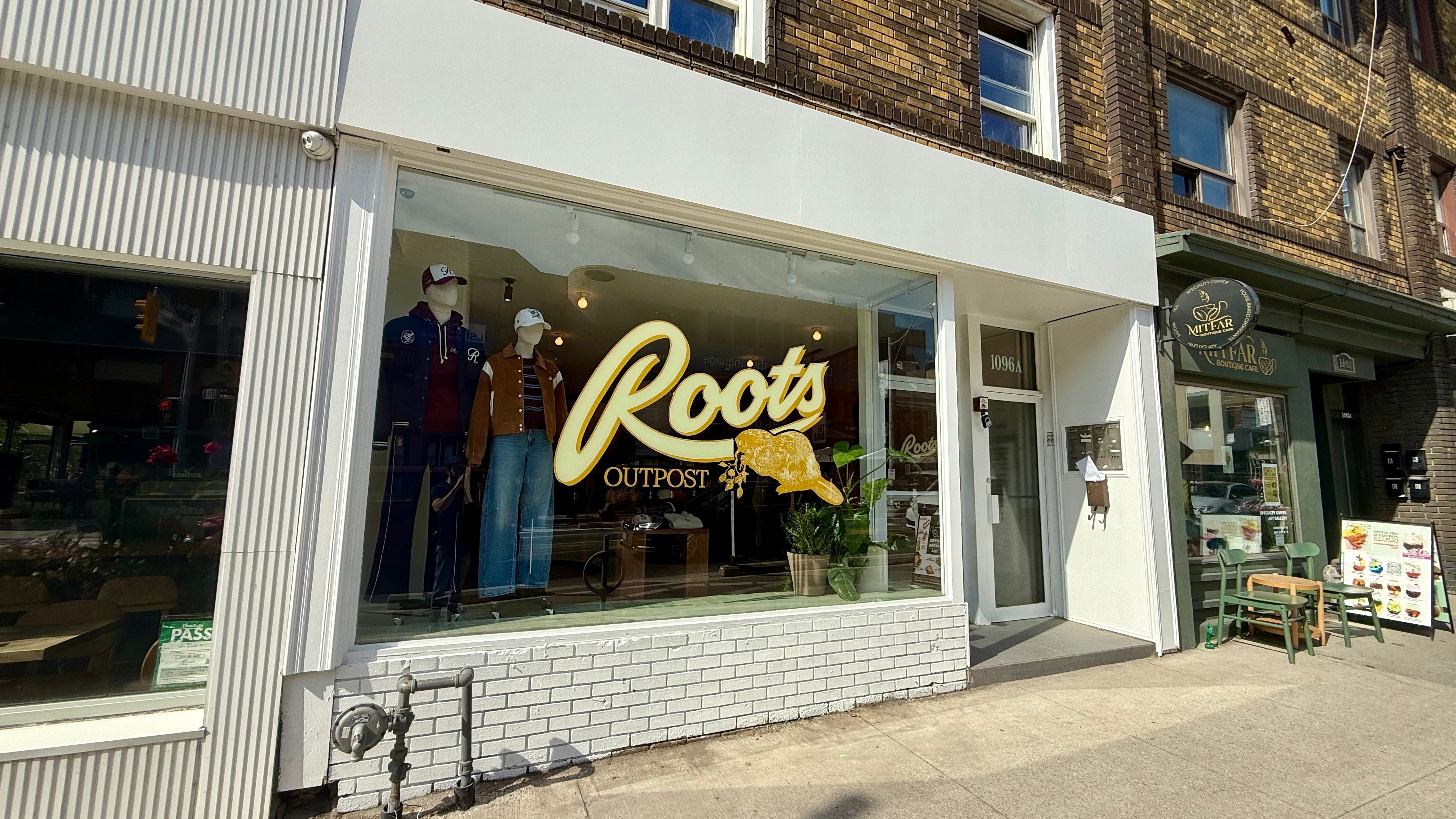
Roots Outpost at 1096 Yonge Street in Toronto. Photo: Craig Patterson
Blending Commercial Discipline with Brand Sensibility
Roots described Pouzar as bringing a blend of commercial rigor and brand sensibility, combining data-driven decision-making with customer-centric thinking. In today’s retail climate, where brands must balance margin discipline with emotional resonance, that combination has become increasingly critical.
The company noted that she is passionate about building resilient, high-performing organizations capable of adapting quickly within an evolving commercial landscape. As Roots continues to operate more than 100 corporate retail stores in Canada, alongside two U.S. locations, an e-commerce platform, and an extensive partner-operated footprint in Asia, enterprise alignment will be key to sustaining performance across markets.
Executive Perspective on the Next Phase
Pouzar expressed enthusiasm about taking on the expanded leadership mandate.
“I am honoured to support this iconic brand in our next phase of growth,” said Rosie Pouzar, Chief Commercial Officer, Roots. “Roots has an incredibly powerful foundation, and I am excited to unlock new opportunities for long-term growth, while strengthening commercial capabilities and deepening our connection with our loyal customer base.”
The Roots Chief Commercial Officer appointment comes at a time when many Canadian retailers are refining their leadership structures to support omnichannel growth, operational efficiency, and brand clarity. For Roots, a company founded in 1973 that has grown from a small cabin in northern Canada into a global lifestyle brand, leadership alignment remains central to its long-term strategy.
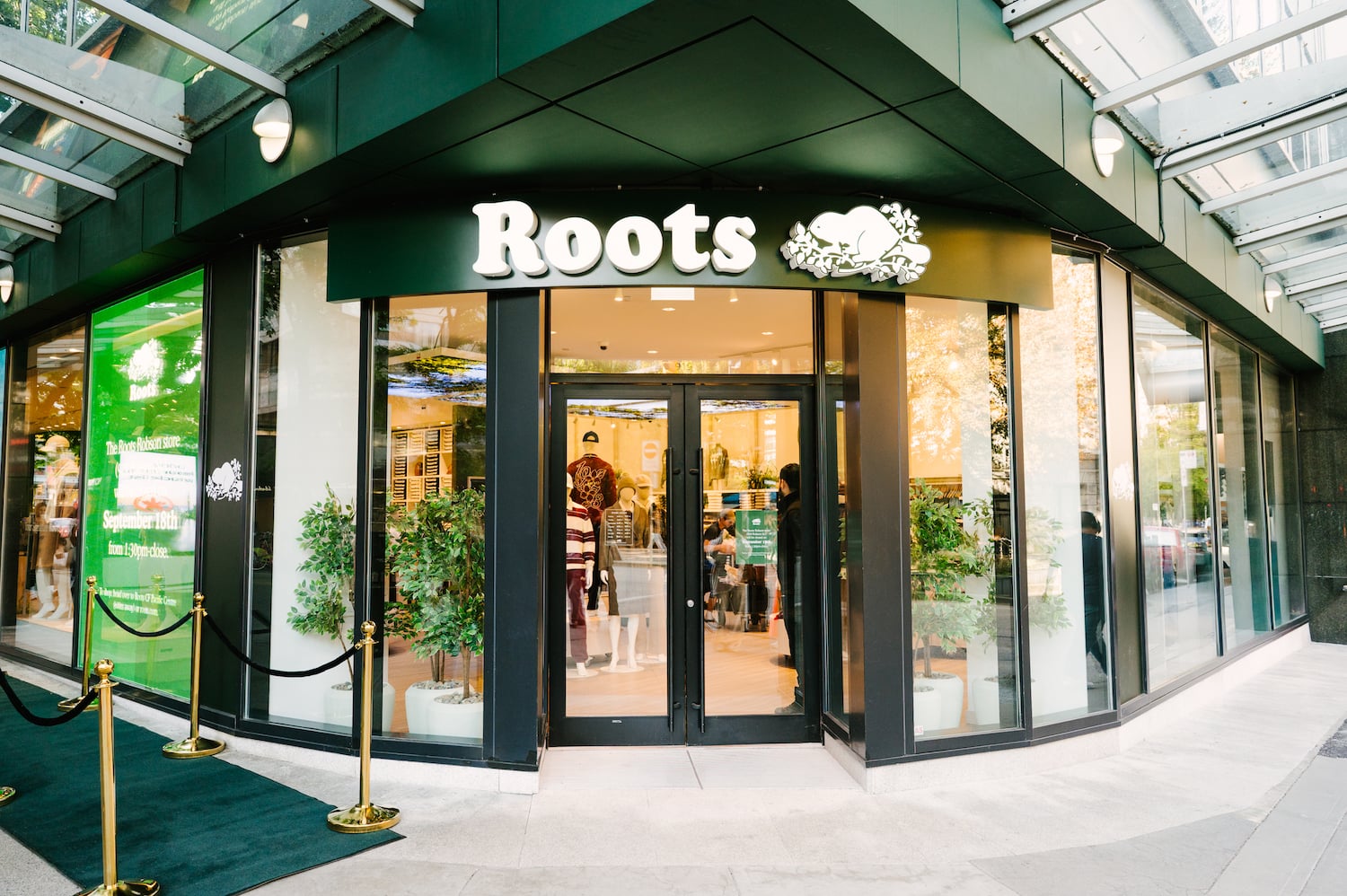
Roots flagship store in downtown Vancouver. Photo: Brandon Artis
Corporate Overview
Established in 1973, Roots operates over 100 corporate retail stores in Canada and two stores in the United States. The brand also maintains more than 100 partner-operated stores in Asia and a dedicated Roots-branded storefront on Tmall.com in China, in addition to its e-commerce platform at roots.com.
The company designs, markets, and sells apparel, leather goods, footwear, and accessories across women’s, men’s, children’s, and gender-free categories. It also maintains wholesale relationships and licenses the brand to select partners selling to major retailers.
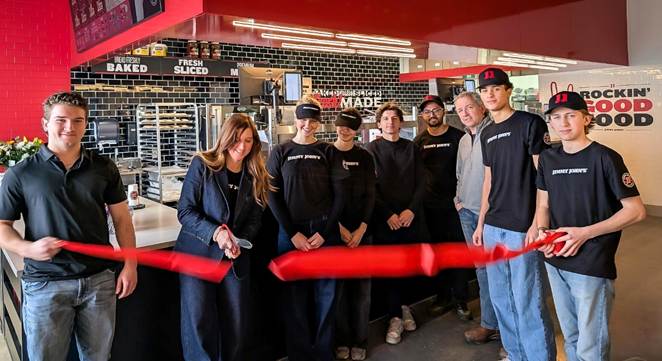
The first Jimmy John’s Saskatoon restaurant has officially opened, marking the brand’s entry into Saskatchewan and another step in its Canadian expansion. Located at 120-225 Payne Bend, the restaurant began serving guests at 11 a.m. on February 24.
To mark the occasion, the first 100 guests received a complimentary 6-inch sandwich and fountain drink, generating early momentum for the new location.
The move into Saskatchewan reflects the brand’s continued push beyond its initial Ontario base. “Expanding into Saskatchewan is an important step in building Jimmy John’s nationally,” said Mike Warren, Director of Operations at Foodtastic, a Montreal-based restaurant franchisor and the master franchisor of Jimmy John’s in Canada. “We look forward to introducing the brand to a new market and to introducing more Canadians to what makes Jimmy John’s the Sandwich of Sandwiches, from fresh-baked bread and hand-sliced meats to our freaky fast service.”
The Saskatoon restaurant is locally owned and operated by franchisee Jenelle Diederichs. The opening brings new jobs to the market while delivering the brand’s in-store prepared sandwiches and rapid service model.
“Today is a proud moment for our team,” said Diederichs. “We are excited to open our doors and start serving Saskatoon officially. We look forward to welcoming guests and becoming part of the community.”
Guests can order from the full Jimmy John’s menu, with sandwiches prepared throughout the day. The Saskatoon location is open daily from 11 a.m. to 10 p.m.
From Ontario Debut to Western Canada Push
The opening of Jimmy John’s Saskatoon comes less than two years after the brand’s Canadian debut. The first location opened on November 19, 2024, in Etobicoke at 197 North Queen Street near Sherway Gardens. A second location followed at Fallsview Casino in Niagara Falls on August 27, 2025, expanding the brand’s presence in a high-traffic tourism corridor.
Throughout late 2025, the chain added several Ontario locations, including Vaughan and a flagship at 299 King Street West in Toronto’s Entertainment District. By the end of 2025, roughly 11 to 12 restaurants were operating nationally.
Expansion then shifted west. Manitoba saw the launch of the first Canadian drive-thru on Pembina Highway in Winnipeg. Alberta followed with early openings in Edmonton as part of the Western growth strategy.
This phased rollout aligns with Foodtastic’s clustering approach, which builds density in one region before accelerating into the next.
Adapting the Model for Canadian Consumers
Jimmy John’s Canadian strategy includes adjustments tailored to local preferences. Canadian restaurants launched with the option to toast any sandwich, diverging from the brand’s traditional U.S. focus on cold subs. The shift positions the chain more directly against established players in Canada’s quick-service sandwich segment.
The company has also emphasized its lettuce-wrapped “Unwich” as a low-carb option. In addition, suburban and Western expansion has leaned more heavily into drive-thru formats, reflecting demand for convenience-driven service.
Foodtastic CEO Peter Mammas has outlined a long-term goal of 200 Jimmy John’s locations across Canada over the next decade. With the Saskatchewan opening, that plan continues to advance.
A Brand Built on Operational Focus
Founded in 1983 by Jimmy John Liautaud in Charleston, Illinois, the company began with a $25,000 loan and a one-year deadline to turn a profit. After pivoting from a planned hot dog stand to sandwiches due to lower equipment costs, Liautaud opened the first shop in a converted garage near Eastern Illinois University.
Early growth was driven by direct campus marketing and delivery service, which later became central to the brand’s identity. A limited menu and streamlined operations helped define its “freaky fast” positioning.
The company began franchising in 1994 and expanded rapidly across U.S. college markets. Roark Capital Group acquired a majority stake in 2016, and Inspire Brands completed a full acquisition in 2019. Inspire also owns Arby’s, Dunkin’, and Buffalo Wild Wings.
As of 2026, Jimmy John’s operates more than 2,800 U.S. locations and is expanding internationally into Canada, Latin America, and South Korea.
Non-seasonally adjusted prices for food purchased from restaurants were up 8.5% in December when compared with December 2024. Unadjusted prices for alcoholic beverages served in licensed establishments increased 6.5% over the same period. These were particularly large increases in the year-over-year Consumer Price Index due to the tax break starting December 14, 2024, that lowered the price of food and some alcoholic beverages paid by consumers at restaurants, explained the federal agency.
In December 2025, the largest decrease in dollar terms came from lower sales at full-service restaurants (-0.4%), followed by limited-service eating places (-0.3%). Sales were also down at drinking places (-0.7%). Sales increased at special food services (+0.5%), said Statistics Canada.
In December, eight provinces saw decreased sales, with Quebec (-1.7%) posting the largest decline in dollar terms. Sales also fell across the east coast and the prairies. Ontario (+0.7%) and British Columbia (+0.3%) posted the only increases, it added.
“Annual sales of food services and drinking places totalled $101.4 billion in 2025, up 5.6% from 2024. Sales increased at limited-service eating places (+5.9%), full-service restaurants (+5.8%) and special food services (+5.7%) from 2024 to 2025. In contrast, sales at drinking places (-2.3%) were down in the same period. Sales were up in all provinces, and Ontario (+6.0%) recorded the largest dollar growth. Quebec (+5.1%), British Columbia (+4.8%) and Alberta (+5.9%) also posted significant dollar increases,” said the report.
Photo by Mario Toneguzzi
“Limited-service eating places, also known as fast food or quick-service restaurants, recorded an increase of $2.6 billion from 2024 to total $47.3 billion in 2025. Each province experienced growth in the fast food industry, with the highest increase in dollar terms being in Ontario (+6.3%), followed by Quebec (+6.3%), Alberta (+5.1%) and British Columbia (+4.4%). Sales at limited-service eating places accounted for 46.6% of total sales in the food services and drinking places subsector.
“Sales in full-service restaurants increased by $2.4 billion from one year earlier to $43.6 billion in 2025. Sales were up in each province, driven by increases in Ontario (+5.3%), British Columbia (+6.2%), Quebec (+5.0%) and Alberta (+7.6%). Full-service restaurants represented 43.0% of total sales in the subsector.
“Prices continued to rise in this subsector. The prices for food purchased from restaurantsincreased 2.6% in 2025 compared with 2024, while the prices for alcoholic beverages served in licensed establishments increased 2.7% over the same period.”