Home Blog Page 22

Canadian businesses face rising debt, payment stress: Equifax

Ron Lach photo
Ron Lach photo

Canadian businesses are carrying more debt and showing increasing signs of payment stress with banks and lenders, according to new Equifax Canada data for the second quarter of 2026.

Average commercial debt per business rose 7.3 per cent year-over-year to $30,581, while the 60-plus-day delinquency rate on financial credit products reached 4.0 per cent, its highest level since 2019 and a 19.7 per cent increase from a year earlier.

“The data continues to show an important divide in how Canadian businesses are managing their financial obligations,” said Jeff Brown, head of commercial solutions at Equifax Canada. “Businesses appear to be doing a better job of staying current with suppliers they depend on to keep operating, all the while payment pressure with banks and lenders continues to build. This suggests many businesses are still making difficult choices about where their cash goes.”

Trade tariffs add uncertainty

Equifax said recent changes to trade tariffs are affecting selected Canadian exports and adding pressure to businesses and sectors already managing elevated debt and cash-flow challenges.

Business restructuring proposals surged 30.32 per cent year-over-year, while late payments to suppliers continued to decline. The 60-plus-day delinquency rate for industrial trade credit fell 24.4 per cent year-over-year to 4.26 per cent.

“This is a period of significant economic and market uncertainty. Equifax Canada is committed to helping lenders make smart lending decisions so that businesses will have the access to capital they need to keep our economy strong,” noted Brown.


Debt growth concentrated among higher-risk businesses

The increase in commercial debt was most pronounced among higher-risk businesses, Equifax said. Businesses classified as high risk, with an Equifax Business Failure Risk Score between 1026 and 1060, carried average debt of $125,517 per business, an increase of 48.2 per cent from a year earlier.

Businesses in the highest-risk tier saw average balances more than double, rising 103.1 per cent to $42,986. Debt also increased sharply among the youngest businesses, with companies 12 months old or younger recording a 71.7 per cent year-over-year increase in average debt balances to $48,173.

“These are the businesses we need to watch closely,” said Brown. “Rising debt is not necessarily a sign of financial distress on its own, particularly for a young or growing business. The concern is when rapidly increasing balances are combined with greater difficulty staying current on financial obligations.”

Businesses continued to move away from revolving credit during the quarter. Average lines of credit balances declined 14.6 per cent year-over-year to $17,570, while average commercial credit-card balances fell 8.9 per cent to $5,412. Average installment-loan balances, meanwhile, increased 6.9 per cent to $131,107, which Equifax said may suggest businesses are seeking other debt-consolidation solutions.

The number of businesses with at least one delinquency of 30 days or more fell 3.6 per cent year-over-year to 271,645. However, the severity of late payments on financial products continued to rise, with the 60-plus-day delinquency rate on commercial credit cards increasing 24 per cent to 4.07 per cent.

Provincial credit performance diverges

Ontario had the highest provincial financial-trade delinquency rate at 4.44 per cent, followed by Alberta at 3.93 per cent and Manitoba at 3.68 per cent.

Supplier payment trends moved in the opposite direction, with industrial trade delinquencies declining across every region. Ontario, Quebec, Alberta, Saskatchewan and British Columbia each recorded declines of more than 20 per cent.

British Columbia entered the second half of 2026 with the highest average commercial debt per business in Canada, at $79,171, while commercial credit inquiries in the province declined four per cent year-over-year. Atlantic Canada recorded the fastest increase in average business debt, at 21.2 per cent.

“Lower supplier delinquencies are encouraging, but they should not necessarily be interpreted as evidence that business conditions are broadly improving,” added Brown. “When businesses are staying current with suppliers while falling further behind with lenders, it can be an indication that they are prioritizing the payments most essential to keeping the business operating.”

Kampus Production photo

Credit demand and restructuring

Commercial credit inquiries increased 2.6 per cent overall in the second quarter to 259,720, although manufacturing inquiries declined 3.5 per cent year-over-year. The manufacturing sector also recorded a 21.9 per cent increase in 60-plus-day bank-loan delinquencies, which reached 4.5 per cent.

Separate federal insolvency statistics showed 1,281 business insolvency filings during the quarter, essentially unchanged from a year earlier. Bankruptcies declined 8.1 per cent, while restructuring proposals increased 30.3 per cent year-over-year.

“The shift suggests that a growing proportion of insolvent businesses are attempting to restructure their obligations rather than move directly to bankruptcy,” noted Brown.

Transportation and Warehousing recorded a 36 per cent year-over-year increase in insolvencies. Construction had the largest number of insolvency filings nationally, at 214, representing a two per cent increase from a year earlier.

Businesses remain cautious

Equifax said the second-quarter results come as Canadian businesses contend with uncertainty around economic growth, interest rates, operating costs and the evolving Canada-U.S. trade environment.

“For businesses, that makes managing cash flow and understanding their credit position increasingly important,” concluded Brown. “The data suggests many Canadian companies are being cautious about borrowing while managing higher debt and rising payment pressure.”

More from Retail Insider:

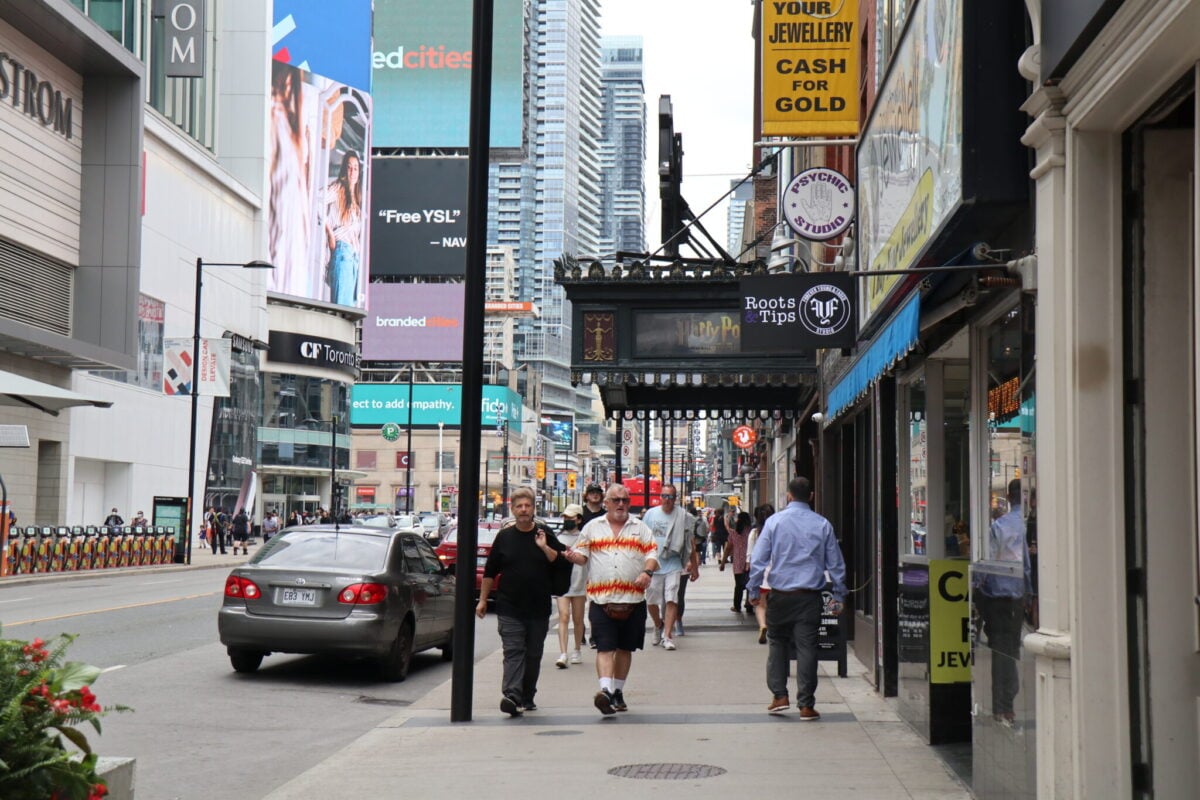
Downtown Yonge BIA expands food tour program with new fall experiences

The Downtown Yonge Business Improvement Area is expanding its Taste of Downtown Yonge food-tour program this fall with two new experiences aimed at workers and weekend visitors exploring businesses in the area.

The program, created by the Downtown Yonge BIA and operated by Tour Guys, will add a weekday lunch tour beginning Sept. 17 and a Sunday beverage tour launching Sept. 20. The expansion follows three sold-out seasons of the community food-tour series.

New tours target weekday, weekend traffic

The new Fall Flavours Lunch Tour is a one-hour experience designed for people who work in the Downtown Yonge area. The tour runs Thursdays at 11:30 a.m. and 1 p.m., with participants visiting three to four lunch spots during the workday.

The all-inclusive tour costs $20 and is intended to give workers an opportunity to leave their desks while discovering local restaurants and hearing stories about the neighbourhood.

The second addition, Sip & Stroll, is a 90-minute walking tour focused on independent cafés, tea shops, bakeries and other beverage businesses. It begins Sept. 20 and will run every Sunday at 1:30 p.m. through Dec. 20.

The all-inclusive beverage tour costs $15 and includes five to six beverages.

“Taste of Downtown Yonge is passionate about connecting people to food culture in this neighbourhood and, just as importantly, to each other,” said Pauline Larsen, Executive Director & Chief Operating Officer, Downtown Yonge BIA.

The BIA said the tours are intended to encourage people to explore businesses they might otherwise pass while providing an accessible way to learn about the neighbourhood.

Program builds on previous seasons

Taste of Downtown Yonge has completed winter, spring and summer seasons, with the BIA saying participants responded positively to the combination of food, local stories and neighbourhood discovery.

“I loved hearing all the stories. As someone new to the city, it was great learning about my new home.”

“I learned some new facts about Toronto, even though I have lived here all my life.”

The fall expansion gives the program two formats aimed at different parts of the week. The lunch tour is focused specifically on Downtown Yonge workers and fits within a standard lunch break, while Sip & Stroll is scheduled for Sunday afternoons.

The Downtown Yonge BIA said the tours are part of an effort to connect people with the people, stories and small businesses in the neighbourhood.

The program is presented by the Downtown Yonge BIA and operated by Tour Guys, described as Toronto’s original walking tour company.

More from Retail Insider:

Daily Synopsis: September 15, 2026

Welcome to the Daily Synopsis by Retail Insider. We hope you enjoy the 12 articles we published covering key developments in Canadian retail. Here are a couple highlights with a full list of the day’s articles thereafter.

The LEGO Group is expanding its Canadian footprint by adding three new stores in the Greater Toronto Area, increasing its total Canadian locations from 12 to 15 and significantly boosting its retail space. Walmart Canada is aggressively expanding its Supercentre network through 2028 with a $6.5 billion investment, targeting growth in suburban markets, grocery expansion, and large retail spaces vacated by Hudson’s Bay and Sears.

Circle K and Couche-Tard have introduced the Road to Rewards campaign in Canada, linking customer visits to app-based rewards and cash prize opportunities, incentivizing frequent store visits through in-store purchases tracked via their mobile apps. IKEA Canada celebrates its 50th anniversary with a new campaign emphasizing how its products gain personal significance in everyday life, connecting Swedish product names to Canadian home experiences.

🗞️ The Day’s Retail Insider Article List

🌐 Canadian Retail News From Around the Web

Beyond the Seat Cushions: What Anabei Sofa Reviews Mean by Fully Washable

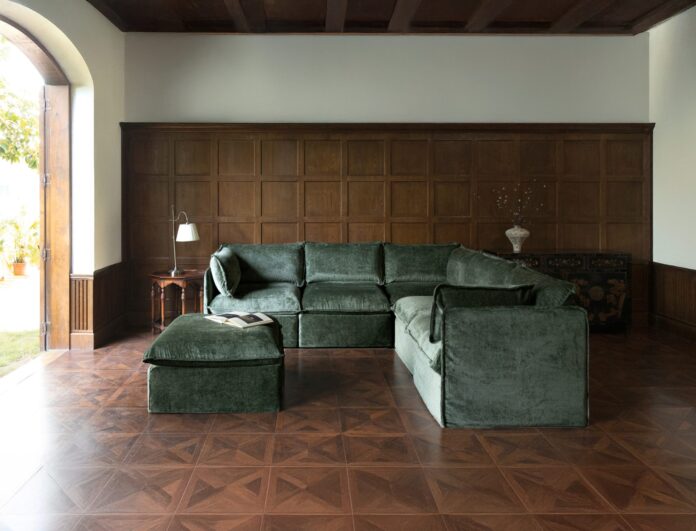
Anabei L-shaped modular sectional with ottoman in Willow green washable fabric in a wood-paneled room

By Anabei Home

People reading Anabei sofa reviews often ask whether “machine washable” covers only the cushions or the upholstered structure as well. With Anabei, the answer is both: covers come off the cushions and the frame, and that removability sits at the core of how the sofa system is designed.

Covering the whole piece this way gives households a workable response to spills, pet hair, fingerprints, and the everyday contact that upholstery absorbs. Fabrics that resist liquids and stains act as the first barrier, and the removable covers step in as a fuller maintenance route when a wash makes sense.

Around that washable core, the system adds certified materials, a choice of two comfort inserts, and swappable slipcovers, letting shoppers weigh upkeep, comfort, and looks side by side instead of judging washability as a standalone spec.

Where the Washable Covering Stops, and Where It Doesn’t

The key point for anyone reading Anabei reviews is that washability doesn’t end at the seat cushions. It reaches the fabric wrapped around the frame too. A cushion cover that washes handles just one portion of an upholstered sofa, while everyday contact lands on the frame as well, including the surfaces around the seats and back cushions.

Anabei builds removable construction into both the cushion covers and the frame covers, and each can be taken off and machine-washed following the care instructions. Since removability is part of the product’s structure, washing is built into the way the sofa goes together. The covers, the inserts, and the underlying structure stay separate pieces of the larger system.

That matters most in homes with kids, pets, or a living room that gets constant use. Pet-friendly and snag-resistant fabric options are available for households that want them.

Being washable doesn’t replace routine care, and it can’t promise that every kind of mark will come out. What it does is put more of the upholstered covering within reach when cleaning is called for.

Fabric Performance as the First Barrier

The Anabei sofa washable-cover system comes paired with fabrics built for household performance. For anyone comparing washable furniture, what a fabric is made of and how it is certified are useful benchmarks.

The brand’s performance fabrics are OEKO-TEX certified and free of PFC/PFAS. They are designed to resist liquids and stains without the PFC/PFAS compounds that some performance treatments rely on.

That resistance is the opening defense. It can hold a spill at the surface long enough for everyday cleanup, and the removable design opens the door to machine washing when that’s the better call.

Anabei also cites recycled water and nontoxic processes in its fabric manufacturing, adding material and manufacturing context to the performance traits shoppers can compare.

Pet-friendly and snag-resistant qualities are options, not traits shared by every fabric in the lineup. Checking the specs of the particular fabric under consideration shows which features apply.

Washability also hands households more say over routine cleaning. Rather than treating the frame upholstery as fixed in place, the Anabei system makes cushion and frame covers alike removable.

Comfort Inserts and Slipcovers Sit Inside the Same Design

Anabei keeps the washable outer layer separate from the comfort built into the cushions. Choosing between the Deluxe+ Blend and the Memorix+ Blend leaves the removable-cover structure unchanged.

Deluxe+ Blend relies on high-resilience foam for a softer, sink-in feel. Memorix+ Blend uses contoured high-resilience memory foam to strike a balance between support and comfort.

The foam carries CertiPUR-US certification, giving shoppers one more defined credential to check when reviewing the materials used throughout the sofa.

Either insert works inside the washable system, so buyers can pick the seat feel they like and still keep removable covers across cushions and frame. Comfort customization and washability are independent decisions within one product structure.

Anabei also sells interchangeable sofa slipcovers. One extra set can stay ready for wash days, and a different color or style can change the sofa’s look without touching the components underneath.

A modular layout gives owners a secondary way to adjust the seating arrangement when their household or room changes. The main maintenance feature is still the washable covering over the full sofa.

Individual components can be replaced too, so an owner can fix one part without automatically buying a new sofa.

A Checklist for Judging Washability in Practice

Sizing up a washable sofa starts with a handful of concrete questions. Do the covers come off both the cushions and the frame? Do the fabrics hold recognized certifications? Can replacement covers or components be purchased?

Anabei answers with its removable cover system, OEKO-TEX certified fabrics, PFC/PFAS-free materials, CertiPUR-US certified foam, and changeable slipcovers. For households that put a priority on them, pet-friendly and snag-resistant options add more choice.

Comfort belongs in the comparison too. Deluxe+ Blend delivers a softer profile, and Memorix+ Blend offers a more contoured mix of support and comfort.

Selling direct to consumers and a starting price of $699 help frame how the feature set lines up against cost. Shoppers should check current pricing, configurations, fabric availability, and care requirements for the exact sofa they have in mind.

What defines the design is that covers come off, and go in the wash, from the cushions and the frame alike. Backed by performance fabrics, certified materials, replaceable components, and a choice of comfort, that construction gives households a practical way to keep the sofa maintained.

About Anabei

Anabei is a direct-to-consumer furniture brand based in the United States that operates under parent company CABA Design. Its sofa systems include machine-washable covers over cushions and frame, OEKO-TEX certified performance fabrics, PFC/PFAS-free materials, and two customizable comfort options, the Deluxe+ and Memorix+ Blends. Sofas start at $699. Browse the brand’s washable furniture on Anabei’s official site.

Nespresso opens new experiential kiosk in Montreal’s Royalmount

Nespresso photo
Nespresso photo

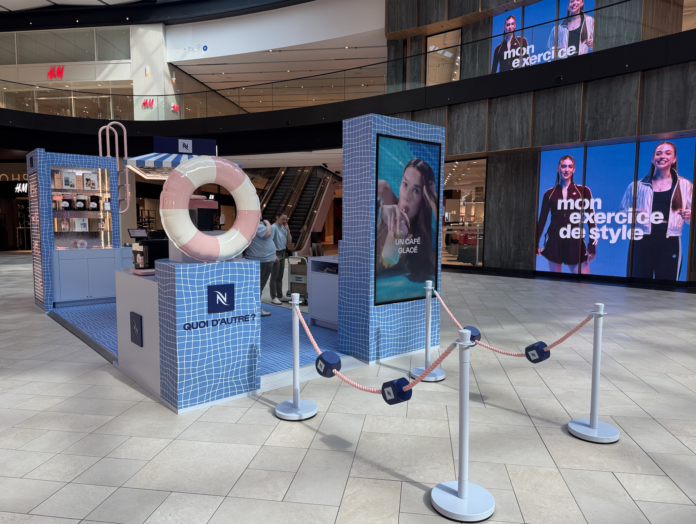
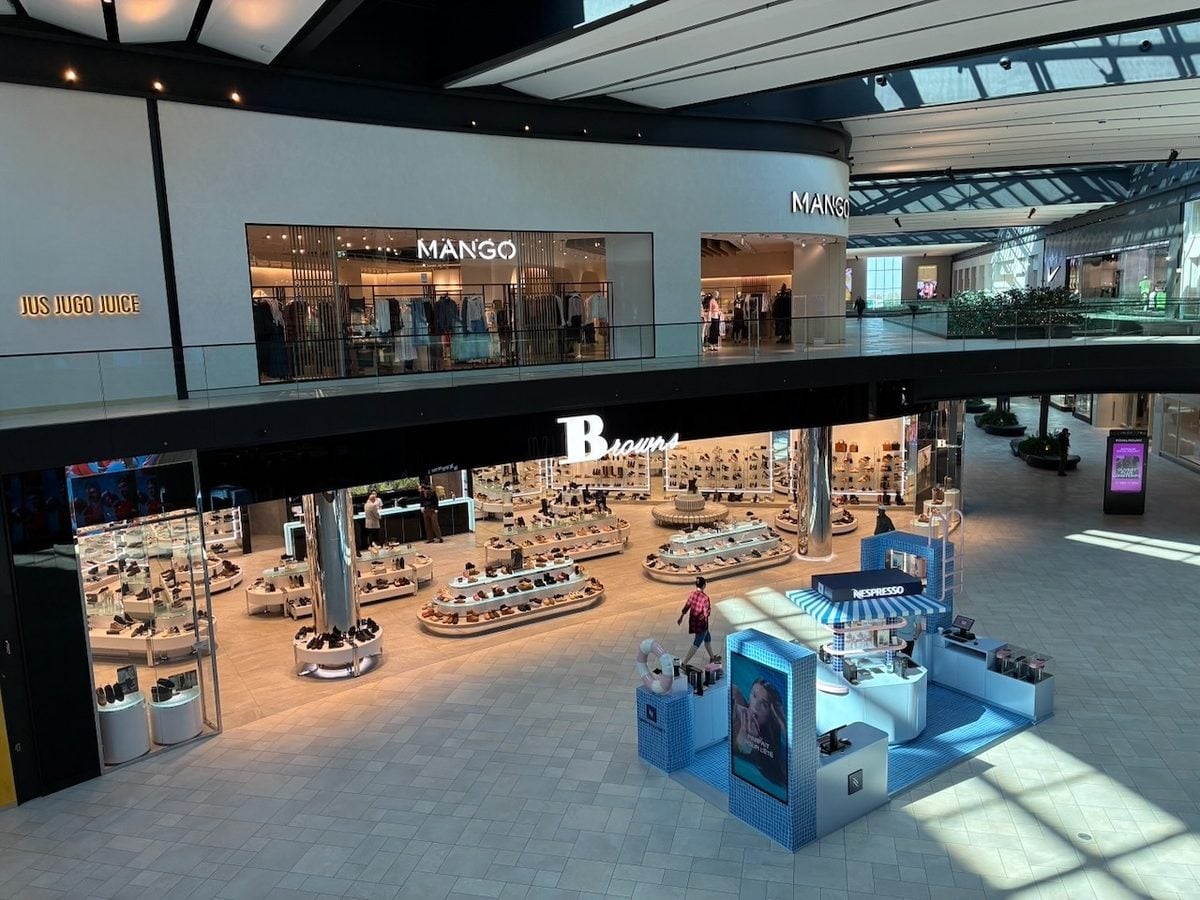
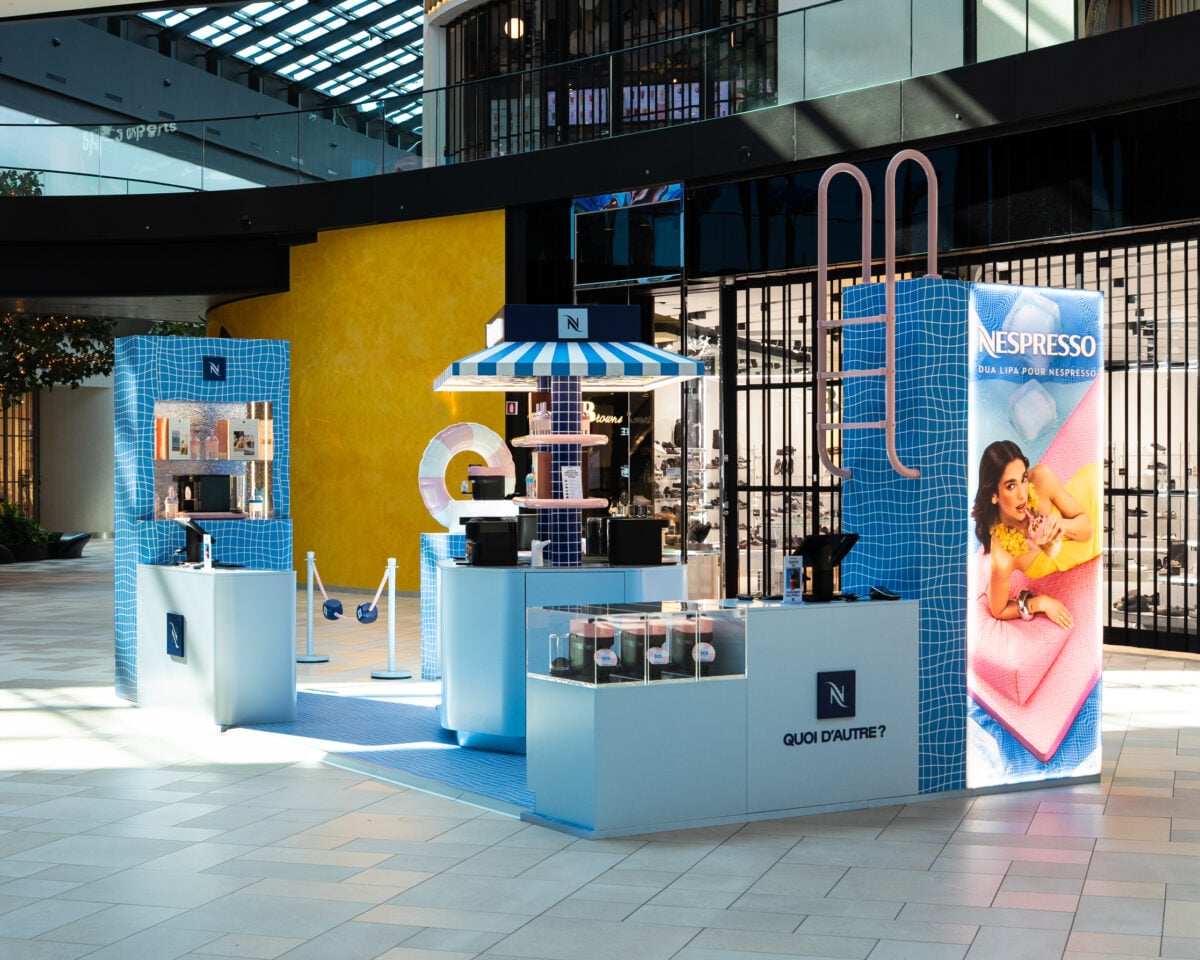
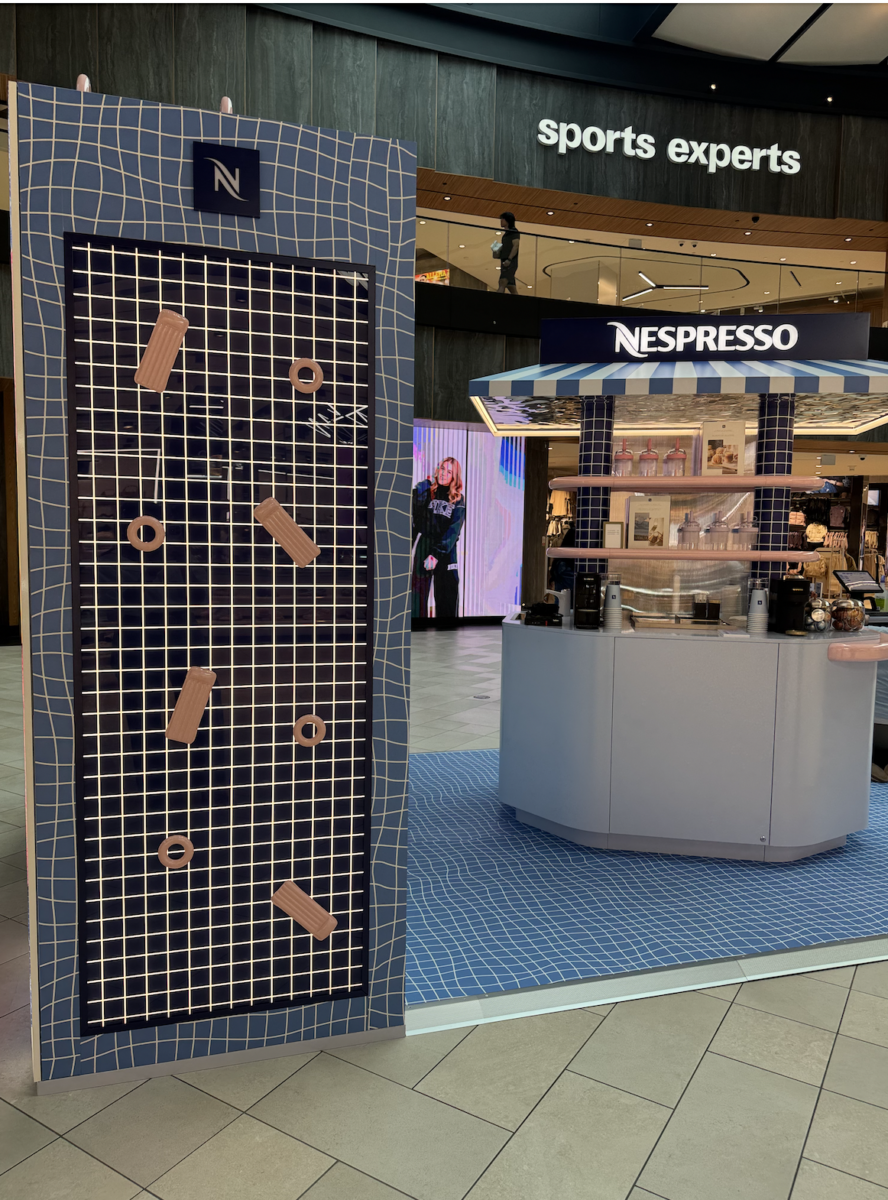
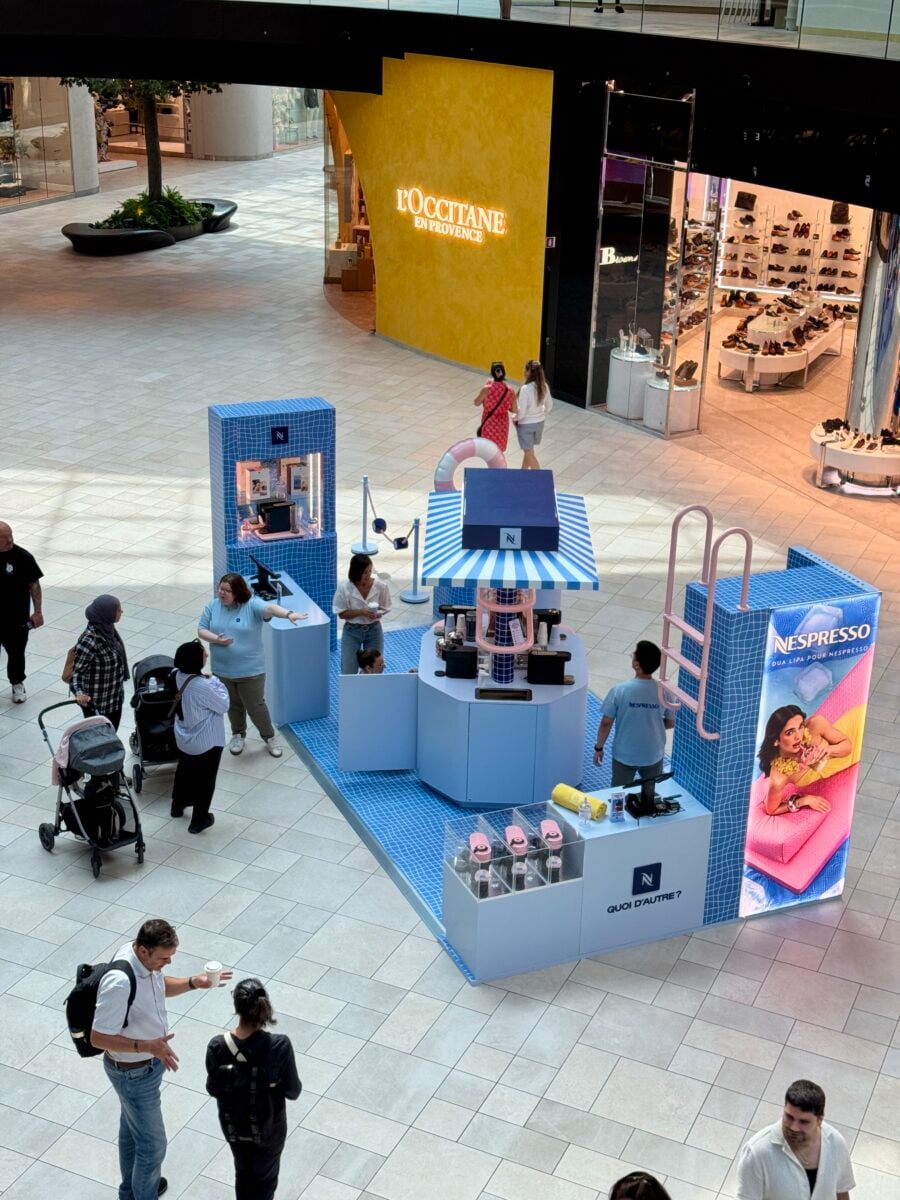
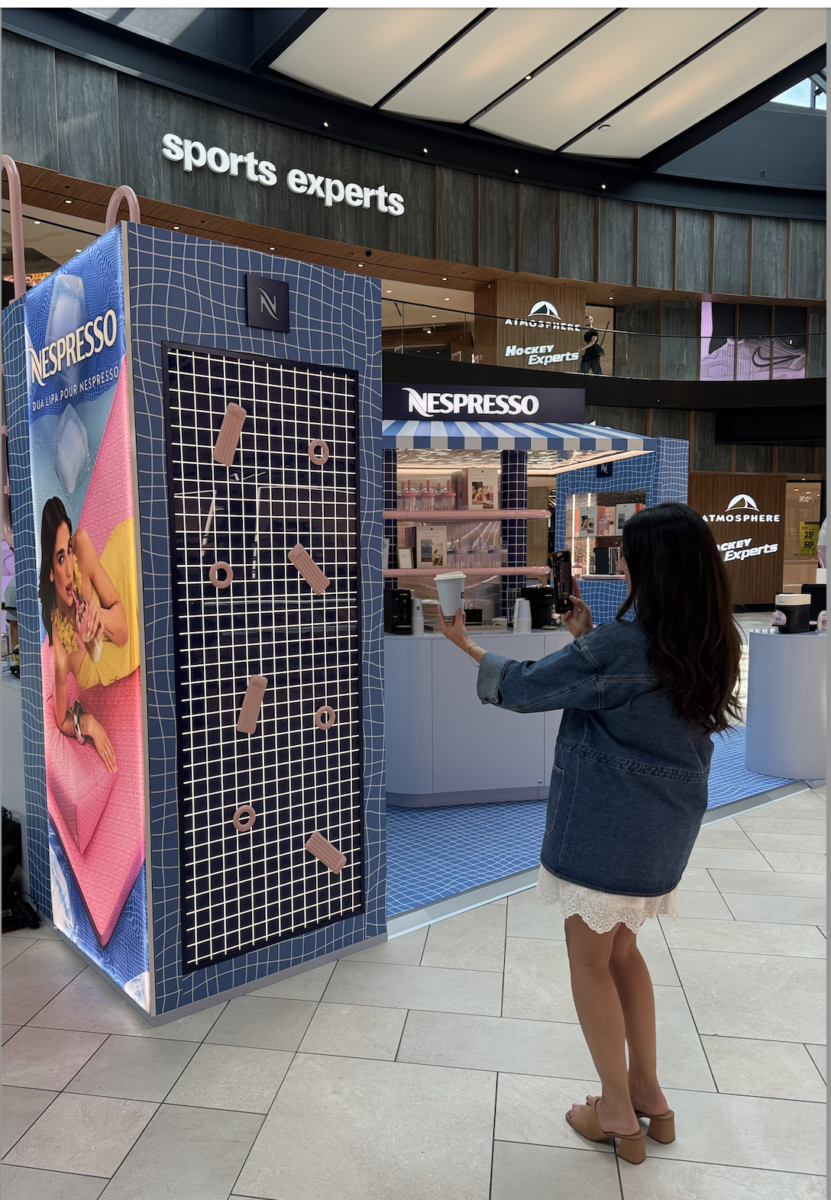
Nespresso has launched its new Nespresso Coffee Discovery Kiosk at Royalmount in Montreal, a 200-square-foot experiential kiosk.

The concept is inspired by Nespresso’s collaboration with Dua Lipa and its “By the Pool” campaign, bringing a colourful, summer-inspired and immersive experience to the shopping centre. Beyond the traditional sale of Nespresso machines and accessories, customers can enjoy iced coffee on-site, with a menu featuring a range of capsule flavours from classic to more indulgent options.

The kiosk also incorporates interactive elements, including dedicated photo areas and a tumbler customization station featuring exclusive charms available only at the kiosk.

Pascale Fournier from Urban Reform Immobilier represented Nespresso in securing the location, working with Sandra Mellul of Carbonleo on behalf of Royalmount.

Carla Adwan, Retail Director, of Nespresso said the Nespresso Coffee Discovery Kiosk is a new scalable retail concept designed to introduce more consumers to the brand in high-potential markets. 

“Aligned with Nespresso’s growth ambitions and evolving retail strategy in Canada, the concept combines coffee discovery, product education and immersive experiences in a compact format. Its flexible design allows us to bring the Nespresso experience to different locations, connect with new audiences and create meaningful interactions with consumers through a fresh and engaging retail environment,” she said.

“The kiosk is designed to build awareness and foster meaningful connections with consumers, particularly younger audiences who value discovery and experience. Through coffee tastings, product demonstrations and interactive elements, the space offers an engaging introduction to the Nespresso brand and coffee expertise. The concept helps consumers explore the brand in a hands-on way while encouraging engagement across both our retail and digital channels.”

Nespresso pop-up at Royalmount. Photo: Dustin Fuhs/6ix Retail
Nespresso photo
Nespresso photo

Adwan said the kiosk is a new retail concept for the company that combines elements of an experiential pop-up and a retail space.

“It is distinct from both our traditional boutiques and classic pop-up boutiques, offering a more agile and flexible format that can be adapted to different retail environments. This approach allows us to continue exploring innovative ways to connect with consumers while complementing our broader retail presence,” she said.

“As part of our site selection process, we assessed several key shopping destinations and identified locations that offered both strong visibility and the right environment to bring the Nespresso experience to life. Experiential retail remains an important way for us to connect with consumers, allowing them to discover our coffees, learn more about the brand, and experience Nespresso in an interactive setting.

“This concept supports our broader retail strategy of increasing accessibility to the Nespresso brand and reaching new consumers in key markets. Following the first deployment in Royalmount, we plan to bring the kiosk to additional locations across Canada ahead of the holiday season, with further details to be announced in the coming weeks. Stay tuned.”

More from Retail Insider:
Nespresso photo
Nespresso photo
Nespresso photo
Nespresso photo
Nespresso photo
Nespresso photo

Criterion Establishes Permanent Toronto Retail Presence After Strong TIFF Demand

Inside the Criterion retail space in Toronto. Photo: Ritchie Po

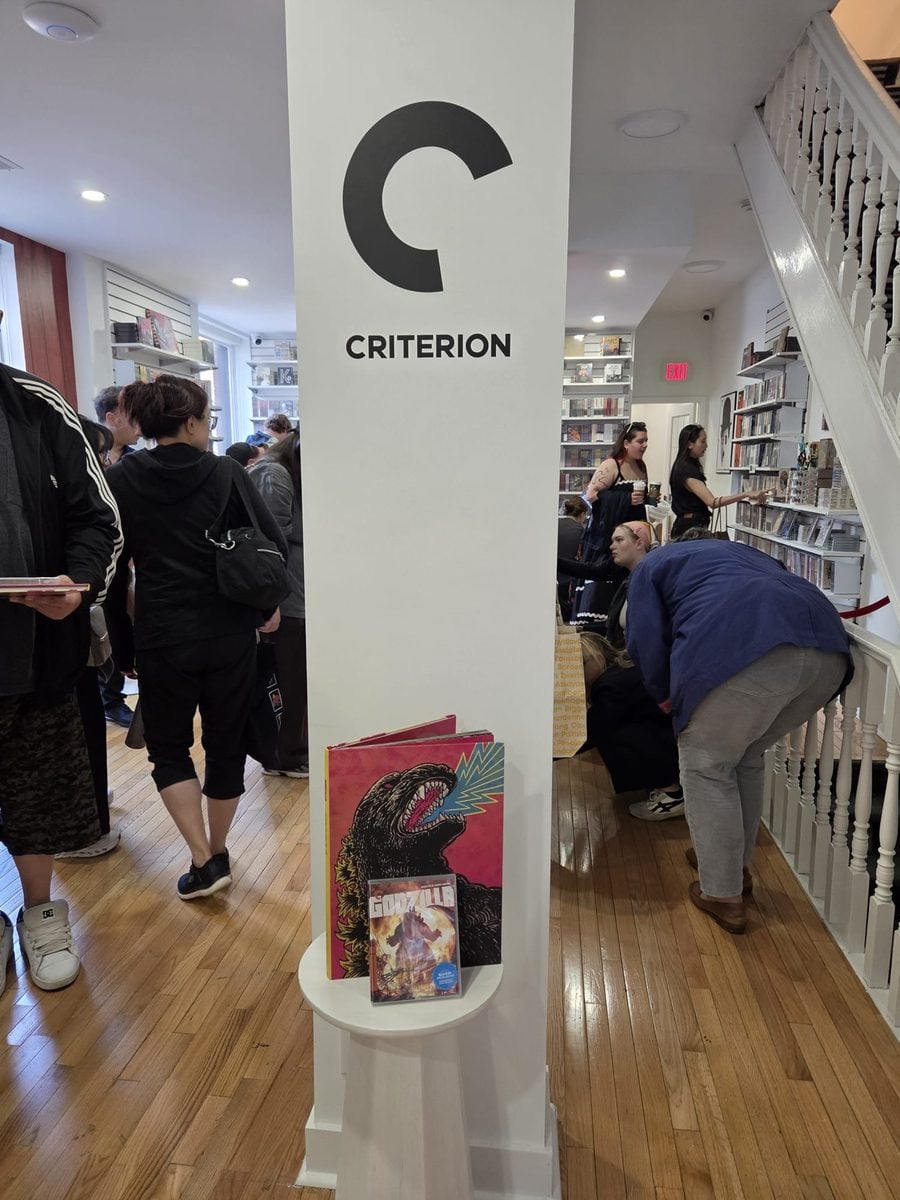
The Criterion Collection has established a permanent retail presence in Canada, opening a dedicated year-round section inside Cinema Cellar’s first bricks-and-mortar store in downtown Toronto.

Located at 129 John Street in the Entertainment District, the store is steps from TIFF Lightbox and Scotiabank Theatre. Its opening coincided with the 2026 Toronto International Film Festival and follows strong consumer response to Criterion’s previous temporary activations in the city.

During TIFF, Criterion is taking over the Cinema Cellar space with an extensive selection spanning its collection, along with branded merchandise. Criterion discs are being offered at 30 per cent off during the festival, while a dedicated section will remain inside Cinema Cellar year-round.

The arrangement gives Criterion a permanent Canadian retail home without requiring a standalone store. For Cinema Cellar, it puts one of physical media’s best-known collector brands at the centre of its move into storefront retail.

Cinema Cellar Moves Into Physical Retail

Cinema Cellar evolved from Unobstructed View, a longtime Canadian physical-media distributor. Blue Fox Entertainment Canada acquired the assets of Unobstructed View in late 2024, with the business subsequently operating as Cinema Cellar.

The Toronto location marks Cinema Cellar’s first bricks-and-mortar store, bringing Criterion together with other specialist film labels under one roof. The format targets consumers who continue to buy films on Blu-ray, 4K UHD and DVD.

Its location puts the retailer at the centre of Toronto’s film district. John Street is close to TIFF Lightbox and Scotiabank Theatre, with the surrounding area seeing significant pedestrian traffic during the Toronto International Film Festival.

Criterion retail space in Toronto. Photo: Ritchie Po

Criterion Tested Toronto Demand

Criterion had already tested Toronto’s collector market before establishing a permanent presence.

The Criterion Mobile Closet made its first international stop at TIFF in September 2025. The travelling installation replicated the film closet at Criterion’s New York offices, known through the company’s Closet Picks video series.

More than 1,000 people visited the Mobile Closet during its four-day Toronto appearance. Demand was immediate. On opening day, visitors were instructed not to line up before 1:30 p.m. for a 3 p.m. opening; by 1:56 p.m., the line had reached capacity for the day.

Visitors could browse the collection, purchase up to three items at a 40 per cent discount and receive a Polaroid with their selections. The format turned buying physical media into an event built around discovery, scarcity and participation.

Criterion followed the TIFF appearance with another Toronto retail test. In November 2025, a Criterion Closet holiday pop-up opened at 356 King Street West beside TIFF Lightbox. The temporary location carried more than 100 films as well as merchandise and apparel and operated through December 31.

Within roughly a year, Criterion had progressed from a high-demand festival activation to a temporary store and then a permanent retail presence in Toronto.

Turning Movies Into Collectibles

Founded in 1984, Criterion built its reputation publishing curated editions of classic and contemporary films. Its releases typically combine restored or high-quality film transfers with supplementary material including documentaries, filmmaker interviews, essays, commentary tracks and archival material.

That model has helped Criterion maintain a physical-media business even as mainstream film consumption has shifted heavily toward streaming.

Criterion is selling more than access to a movie. Packaging, artwork, restoration quality, supplementary material and curation turn its releases into collectible products, giving enthusiasts a reason to purchase films they may already be able to watch digitally.

Physical ownership also addresses one limitation of streaming. Movies routinely move between platforms or disappear from subscription catalogues as licensing agreements change. A physical copy remains accessible regardless of changes to a streaming service’s library.

Criterion has reinforced the collector model by building a community around its catalogue. Its Closet Picks series, launched in 2010, invites filmmakers, actors and other cultural figures to browse Criterion’s film library and discuss their selections. The Mobile Closet took that concept on the road, allowing consumers to participate in an experience previously associated with filmmakers and celebrities.

Criterion retail space in Toronto. Photo: Ritchie Po

Physical Media Finds a Premium Niche

The expansion does not signal a return to the mass-market dominance once enjoyed by DVDs and Blu-rays. Streaming remains firmly established as the primary way most consumers access films at home.

Collector-focused physical media operates differently. Premium releases can compete on qualities streaming does not easily reproduce, including ownership, presentation, limited editions, high-quality transfers and supplementary material.

Criterion is particularly well positioned within that niche because curation itself has become part of the brand. Its customers are buying specific editions of films selected, restored and packaged for a collector audience.

Cinema Cellar now gives that collector market a permanent physical environment in Toronto. In a category increasingly purchased online, browsing shelves, discovering titles and engaging with other film enthusiasts become part of the store’s appeal.

Canadian Cinema Gets Dedicated Space

Criterion’s Cinema Cellar presence also includes a section highlighting Canadian cinema. Titles available around the opening include David Cronenberg’s Crash and François Girard’s Thirty Two Short Films About Glenn Gould.

During TIFF 2026, visitors can also get an early look at The Complete Kubrick, Criterion’s forthcoming box set scheduled for release on October 20, alongside recent additions to the collection.

The Canadian assortment reinforces the logic of a permanent Toronto presence, particularly in a location closely connected to TIFF and the city’s film community.

From TIFF Activation to Permanent Retail

Cinema Cellar attracted queues during its opening weekend, continuing the pattern established by Criterion’s earlier Toronto activations. Ritchie’s original reporting observed lineups around the block as TIFF got underway.

The progression from the 2025 Mobile Closet to a holiday pop-up and finally a year-round presence shows how a specialty brand can test demand before making a longer-term retail commitment. Criterion built awareness through content, brought the experience directly to Toronto consumers, tested temporary retail and then established a permanent presence through a Canadian partner.

For Cinema Cellar, the store is also a test of specialist physical-media retail at a time when consumers have no shortage of digital alternatives. Its opportunity rests with an audience that sees value in the physical product itself and in the experience surrounding it.

Criterion’s Toronto expansion shows how a niche collector brand can translate online community and temporary activations into permanent bricks-and-mortar demand.

More from Retail Insider:
Holiday shopping starts earlier as retailers face growing mobile, AI customer-experience risks: Quantum Metric

Vitaly Gariev photo
Vitaly Gariev photo

The holiday shopping window is widening and e-commerce platforms like Shopify are doubling down on their mobile presence to capitalize.

However, as retailers roll-out new app campaigns, AI-driven features and discovery tools, they’re also introducing more opportunities for friction across the digital shopping journey. 

Quantum data found that last year 45% of consumers started holiday shopping pre-Black Friday.

In an interview with Retail Insider, Michelle Brigman, Contact Center Principal at Quantum Metric, discusses the digital experience in the upcoming holiday shopping season.

Question: As the holiday shopping season continues to start earlier, what are the biggest customer-experience challenges retailers should be preparing for on mobile?

Answer: When the holiday season starts earlier, the biggest customer experience risk on mobile is that customers are spending more time with you and have more chances to notice every little thing that makes shopping feel harder than it should. A slow load, a search result that misses the mark, a promo that won’t apply, a checkout step that’s finicky, a loyalty offer that’s confusing – while none of those are headline-worthy on their own, over weeks, they stack up into a feeling of ‘I can’t trust this brand.’

Mobile is the relationship because people don’t separate the experience from the brand. They aren’t coming here just to browse, they’re coordinating real life needs: meaningful gifts, deals, delivery timing, exchanges and returns. If your mobile experience adds uncertainty, you become work and they already have enough of that.

A few things I’d keep in mind as you’re planning and quality checking for a longer shopping season:

– Make sure your “truth moments” are solid. Inventory signals, delivery/pickup status, pricing, and promo applications, and loyalty value are the moments where customers decide whether to keep going or switch. If those moments are clunky, everything else you do is harder to feel good about.

– Pay attention to recovery, not just the happy path. Even great apps have issues. What customers remember is whether it was easy to get back on track, whether the experience gave them a clear next step and didn’t trap them in loops when something went wrong.

– Listen past the dashboard. Operational metrics can say everything is “green” while customers are telling a very different story with their behaviour: bird nesting, rage clicking, toggling, escalating to support, or simply disappearing. The earlier the season starts, the more valuable it is to catch those signals early, when there’s still time to tighten the experience before the real crunch.

Q: Where are you seeing the most friction in mobile shopping journeys, particularly as retailers add new apps, AI features and product-discovery tools?

A: Shoppers get frustrated when search results don’t feel relevant and often leave because of it.

On mobile, customers aren’t browsing for fun (they doomscroll for that), they’re trying to get something done. When you add new discovery tools like AI search, recommendations, assistants, the experience should make it easier to find the right thing quickly, not create extra work. If people must keep retying, re-filtering, and second-guessing, you didn’t add convenience, you added steps.

Trust is the other friction point that shows up fast. Shoppers reward accuracy. If  recommendations feel off, if answers feel vague, or if it isn’t clear what information the experience is using, people pull back, especially in the “truth” moments that matter most: availability, delivery/pickup status, promo application, returns eligibility, loyalty value.

As you plan for the extended season, the simplest gut-check for every new mobile feature is: does it reduce customer effort and uncertainty?

Vitaly Gariev photo
Vitaly Gariev photo

Q: How can retailers determine whether new AI-driven features are genuinely improving the customer experience rather than adding complexity or creating new points of friction?

A: You can tell AI is improving the customer experience when it does two things at once: it makes the journey feel easier and it makes the customer feel more certain at the moments that matter. The measurable signals are straightforward – fewer steps and less time from intent to desired outcome, fewer “duplicative” behaviours like toggling and re-typing as if they are lost, and less need for support help. The human signals should line up with that data; shoppers move forward with less hesitation,and when something goes wrong, they can recover quickly because the experience gives them a clear next step and easy exit ramp to real help.

Q: What do shoppers actually want from AI when they are browsing or making purchases through retail apps and mobile sites?

A: Shoppers want AI to take work off their plate while they’re browsing and buying: fast, relevant, and without making them think harder. They want relevance that feels personal in a normal way. If the shopper has shown they don’t like or buy certain products, they don’t want those items pushed on them anyway, they want recommendations that reflect what they actually care about, and they’re drawn to discovery that feels like “what are other people like me doing?” rather than generic cross-sells.

They also want an experience that stays easy. AI should help them get to an answer or a product quickly, not add steps or complexity. And when the experience isn’t working, whether the AI is confused, the app is glitching, or the issue is high stakes, they want a clear next steps and a faster exit ramp to real help.

Q: With 45 per cent of consumers starting their holiday shopping before Black Friday last year, what should retailers be doing now to protect customer retention and brand loyalty through the extended holiday season?

A: Protecting retention through an extended season is mostly about not breaking trust in small ways, repeatedly, over the long stretch. When shopping starts earlier, customers have more time to form an opinion about your brand through the day-to-day reality of your mobile experience and loyalty program.

A few considerations I’d keep front and centre right now. Be extremely careful with changes to loyalty and value. If you take something away, without clear communication, customers don’t experience it as an update, they experience it as the brand moving the goalposts. Keep the “truth moments” solid and simple for the entire season: what’s available, what’s actually going to happen next with delivery/pickup, what promos apply, how returns work, and what loyalty points can really be used for. 

And design for recovery. Even good apps have issues; what customers remember is whether they could get back on track quickly or whether they got stuck in loops where the system considered the issue resolved while the customer still didn’t have what they needed.

If there’s one mindset shift to adopt early, it’s listening past the dashboard. Operational metrics can look “fine” while customers are telling you a different story through their behaviour: birdnesting, rage clicking, repeated retries, abandonment, escalating to support, and abandoning. The earlier the season starts, the more important it is to spot those signals early and tighten the experience before you’ve trained customers to stop trusting you.

More from Retail Insider:

LEGO Expands Canadian Store Network with Three GTA Locations

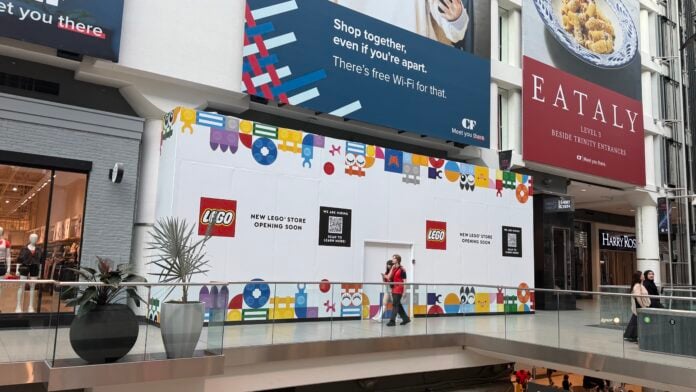
The LEGO Group is increasing its Canadian store network by 25% this fall, adding three Greater Toronto Area locations in what the company describes as its largest Canadian retail expansion in more than five years.

The expansion will take LEGO from 12 to 15 stores in Canada and add a combined 8,297 square feet of retail space. The first location, at CF Markville in Markham, opened Friday September 11, while stores at CF Toronto Eaton Centre and Square One Shopping Centre in Mississauga are scheduled to open October 23 and November 6, respectively.

Marina Edwards, Senior Vice President, LEGO Retail, said the openings reflect the company’s confidence in Canada and its importance within LEGO’s broader retail strategy.

“Canada is a key market for the LEGO Group and our retail strategy across the Americas,” Edwards told Retail Insider. “These three new stores reflect our confidence in the market and our commitment to reaching more Canadian consumers.”

The CF Markville store spans approximately 2,690 square feet, while the CF Toronto Eaton Centre location will occupy 2,637 square feet. At approximately 2,970 square feet, Square One will be the largest of the three.

The expansion also significantly increases LEGO’s presence in Ontario. The province had four stores before the latest openings and will have seven once all three are operating, accounting for nearly half of the company’s Canadian network.

Three GTA Markets

LEGO is concentrating its latest investment in three major GTA shopping centres, with each location serving a different part of the market.

CF Markville gives LEGO a dedicated store in Markham and the surrounding York Region market. The nearly one-million-square-foot shopping centre serves a growing and relatively affluent trade area and has reported retail sales productivity above $1,000 per square foot.

CF Toronto Eaton Centre puts LEGO in the downtown core and Canada’s busiest retail environment. The store expands the company’s reach beyond its existing Toronto locations at Yorkdale Shopping Centre and CF Fairview Mall, providing exposure to downtown residents, office workers, students, commuters and tourists.

Square One provides a major regional platform in Mississauga. The approximately two-million-square-foot shopping centre has about 330 stores and attracts roughly 22 million visits annually. The surrounding Square One District is also planned as a major mixed-use community, adding substantial residential density around the shopping centre over the longer term.

Edwards said LEGO considers the communities surrounding potential stores when selecting locations.

“Location is about more than finding a retail space,” she said. “We look for places that bring us closer to consumers and feel relevant to the communities we serve. Markham, downtown Toronto and Mississauga give us the opportunity to make LEGO play more accessible and part of everyday moments.”

Marina Edwards

LEGO Stores Serve as ‘Brand Lighthouses’

The expansion is notable because LEGO products already have extensive Canadian distribution through major retailers including Walmart, Mastermind Toys and Indigo, alongside the company’s own e-commerce business. LEGO’s stores have a different role within that distribution network, providing direct interaction with the brand while wholesale partners extend its reach.

Edwards described the stores as LEGO’s “brand lighthouse.”

“Our retail partners are an important part of our strategy, helping make LEGO products widely accessible across Canada,” she said. “LEGO Retail stores operate as our brand lighthouse, offering an immersive experience through hands-on activities, LEGO Insiders benefits and our knowledgeable Brick Specialists.”

LEGO has increasingly designed its stores around participation and personalization. Depending on the location, features can include Build a Minifigure, Pick a Brick walls and Minifigure Factory experiences, while stores also provide a physical connection to the LEGO Insiders loyalty program. The new Markville store includes Build a Minifigure, a Pick & Build Wall and a DUPLO play table.

“Our physical and digital channels play distinct and complementary roles,” Edwards said. “LEGO.com offers our widest assortment of products, while our stores bring the brand to life through hands-on experiences and storytelling.”

The model gives each sales channel a defined role. Wholesale partners provide broad product availability, LEGO.com carries the company’s widest assortment, and LEGO stores place greater emphasis on brand engagement, service, loyalty and personalization.

That strategy gives LEGO a reason to continue investing in physical stores despite already having extensive third-party distribution across Canada.

“Across our Canadian stores, we’ve seen that consumers value experiences that bring the LEGO brand to life beyond simply shopping for products,” Edwards said. “That reinforces the importance of creating spaces that encourage creativity, discovery and connection.”

Expansion Comes Amid Strong Global Growth

The Canadian expansion comes as LEGO continues to report strong global growth and gain market share in the toy sector.

Revenue increased 21% in the first half of 2026 to DKK 41.9 billion, while consumer sales rose 22% and operating profit increased 22% to DKK 10.9 billion. Those results followed a record 2025, when revenue reached DKK 83.5 billion and consumer sales increased 16%.

LEGO has continued investing in physical retail alongside that growth. Its global branded retail network exceeds 1,100 locations across several operating models, including company-operated stores, LEGO Certified Stores, travel-retail locations and partner-operated stores.

The global figure encompasses several ownership and operating models and therefore is not directly comparable with LEGO’s Canadian store count. Its scale nevertheless shows the continued importance of physical retail within LEGO’s wider distribution strategy.

Ontario Takes a Larger Share of LEGO’s Canadian Network

Before the three GTA openings, LEGO’s 12 Canadian stores were spread across Ontario, Alberta, British Columbia, Quebec and Manitoba. Ontario had four locations, Alberta had three, British Columbia and Quebec each had two, and Manitoba had one.

The three new stores will bring Ontario to seven of LEGO’s 15 Canadian locations. Six of those seven will serve the broader Greater Toronto market, with the remaining Ontario store at CF Rideau Centre in Ottawa.

LEGO’s Canadian network is also heavily represented in Cadillac Fairview properties. Several existing stores are located in CF shopping centres, while two of the three new locations are at CF Markville and CF Toronto Eaton Centre. Square One is owned by Oxford Properties, which also owns Yorkdale Shopping Centre, home to an existing LEGO store.

The pattern puts much of LEGO’s Canadian store network in major regional shopping centres, where locations can draw from large trade areas while supporting the company’s emphasis on experience and direct consumer engagement.

A Significant Increase in the Canadian Footprint

Adding three stores within less than two months represents a substantial increase for a Canadian network that stood at 12 locations before the Markville opening.

LEGO is not yet confirming whether the GTA expansion will be followed by additional Canadian stores in 2027.

“These three openings mark an important step in expanding our Canadian retail presence,” Edwards said. “While we don’t have additional store announcements to share at this time, our focus is on bringing these new locations to life and creating meaningful destinations for the communities they serve.”

The company also declined to identify specific Canadian cities or regions being considered for future stores. Edwards said LEGO looks for communities where it can create an accessible store experience and build connections with local families and fans.

For now, the investment is concentrated in the GTA. By early November, LEGO will have increased its Canadian store network by one-quarter in less than two months, giving the company a larger direct-to-consumer presence in Canada’s biggest retail market while maintaining the broader reach of its wholesale and digital channels.

More from Retail Insider:

Constant Contact launches real estate marketing platform in Canada

WeStarMoney Rec photo

Constant Contact is launching a real estate-focused marketing platform in Canada following a two-year company-wide investment aimed at adapting its technology to the structure and needs of the country’s real estate industry.

Constant Contact for Real Estate is designed for the broader Canadian real estate ecosystem, including associations, Multiple Listing Services, brokerages, franchises, teams and individual agents. The company says the platform is intended to connect with marketing and customer relationship tools already used by real estate professionals.

The launch comes as Canadian agents face pressure to manage their existing relationships, maintain visibility between transactions and use technology to support their businesses. Constant Contact’s research found that 86 per cent of an agent’s business comes from their existing database and sphere of influence.

“Real estate has always been a relationship business, and that has never been truer than it is today in Canada,” said Jim Mandala, vice-president of strategic verticals at Constant Contact. “We made a deliberate decision to build for how this industry actually works – to be the marketing thread that connects the technologies Canadian real estate professionals already rely on.”

ARK FILMS photo
ARK FILMS photo

Two-year investment

Constant Contact said the development effort involved its product, engineering, user experience, partnership, customer success, marketing and sales teams, as well as executive leadership. The initiative was focused on changing the platform to reflect the organizational structure of the Canadian real estate industry.

The company said the work included developing functionality for brokerages, franchises, associations, teams and agents, expanding integrations with customer relationship management platforms and other tools, incorporating artificial intelligence into the platform, and investing in Canadian-specific education, onboarding, partnerships and industry experiences.

“The research kept pointing us back to one truth: relationships drive this business,” said Stephanie Alfonso, senior director of vertical innovation at Constant Contact. “Everything we built starts there — and we built it to work for the full structure of this industry, from national associations and brokerages right down to the individual agent managing their sphere from their phone between showings.”

The platform is being offered through two tailored experiences, with features aimed at different levels of the real estate sector.

For brokerages and franchises, Constant Contact says the platform is intended to scale agent productivity while maintaining brand standards. It also provides centralized visibility into usage, adoption and engagement, which the company says can support leadership coaching, recruiting and retention.

For associations and member-based organizations, the platform is positioned as a member benefit intended to support year-round engagement and continuing education.

Integrations with existing technology

Constant Contact for Real Estate also integrates with a range of technology platforms used by Canadian real estate professionals.

The company lists CRM platforms including BoldTrail, Lofty, Follow Up Boss and Cloze, as well as design tools Canva and MAXA Design. Content solutions integrated with the platform include Roomvu, Real Grader Instacard and Keeping Current Matters.

Constant Contact said artificial intelligence is embedded throughout the platform to help agents create, personalize and automate marketing activities.

The Canadian launch is being announced as Western Canada’s real estate community prepares to gather in Vancouver for PacificWest, presented by the Fraser Valley Real Estate Board and Greater Vancouver Realtors. Constant Contact said its real estate platform is available now to Canadian real estate professionals.

The company said it has been operating as a marketing platform for nearly 30 years and describes its broader business as providing marketing technology to small businesses, nonprofits, franchises, multi-location brands and real estate teams.

More from Retail Insider:
Walmart Canada Builds Supercentre Pipeline as Retailer Targets Malls and Growing Communities

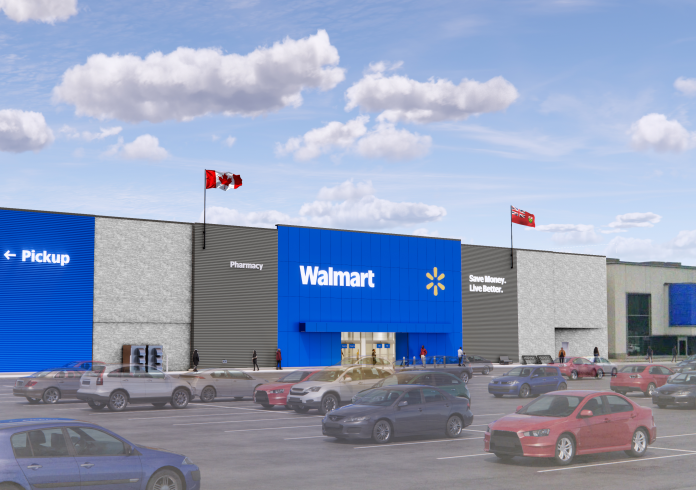
Future Walmart store at Lime Ridge Mall in Hamilton. Image: Walmart Canada

Walmart Canada is building a sizeable pipeline of new Supercentres as its $6.5-billion investment program moves into its next phase, with confirmed projects extending through 2028 and further store announcements expected.

The expansion is taking several forms. Walmart is building in growing suburban and regional markets, adding grocery capacity to existing locations and securing large spaces in established shopping centres. The collapse of Hudson’s Bay has created another source of potential locations at a time when Walmart is actively looking for Canadian real estate.

Walmart has already committed to the former Hudson’s Bay space at Place d’Orléans in Ottawa. Retail Insider understands that additional former HBC locations are expected to become Walmart stores, including two properties in the Calgary market that industry sources say are being earmarked for the retailer. Walmart has not formally announced those locations.

The result is a Canadian expansion strategy that extends well beyond opening more stores. Walmart is increasing grocery capacity, gaining access to established mall properties, following population growth and adding physical locations that can support its growing e-commerce business.

Walmart’s $6.5-Billion Expansion Takes Shape

Walmart announced the five-year Canadian investment program in January 2025, describing the $6.5-billion commitment as its largest investment in expanding its Canadian footprint since entering the country in 1994. The company said it would build dozens of new stores while investing in distribution and supply-chain infrastructure.

Less than two years later, the first substantial pipeline is taking shape. Confirmed new Supercentres include Lime Ridge Mall in Hamilton, Taza Park West on Tsuut’ina Nation near Calgary, Desrochers Village in southwest Edmonton, Place d’Orléans in Ottawa, Bramalea City Centre in Brampton, southwest London and Lindsay, Ontario.

Other investments will increase Walmart’s Supercentre footprint without necessarily adding to its net store count. A larger replacement store is being developed in Fort McMurray, the Sherbrooke, Quebec store is relocating to a new Supercentre, and Walmart’s existing Squamish, British Columbia location is being converted to a full Supercentre with fresh grocery.

HBC Real Estate Opens Another Path for Growth

Hudson’s Bay’s collapse has put large blocks of well-located retail space back into the Canadian leasing market just as Walmart is expanding its store network. The connection is already visible at Place d’Orléans, where Walmart will open a roughly 115,500-square-foot, two-level Supercentre in the former Hudson’s Bay space by 2027.

Landlord Primaris REIT has moved quickly to reposition its former HBC portfolio. The company reported this summer that 84 per cent of its former Bay space was either leased or in advanced negotiations, including 58 per cent already covered by long-term leases.

Primaris expects substantially higher rental income from replacement tenants than it received from Hudson’s Bay. The HBC closures have therefore created an opportunity for landlords that can secure stronger tenants and invest the capital required to reposition the space.

Walmart is particularly relevant because relatively few retailers in Canada can absorb more than 100,000 square feet in a single transaction. Its combination of grocery, pharmacy, household essentials and general merchandise can also generate more frequent visits than the department stores these spaces previously housed.

Primaris President and Chief Operating Officer Patrick Sullivan has described Walmart as a proven traffic driver and said its Place d’Orléans store is expected to materially increase footfall at the property. That traffic is also expected to benefit other tenants at the shopping centre.

More HBC-related Walmart deals appear likely. Walmart participated in the process surrounding former HBC real estate, and Retail Insider understands that two former Hudson’s Bay locations in the Calgary market are being positioned for Walmart. Those transactions have not been formally announced by the retailer or confirmed with opening dates.

If completed, the Calgary deals would reinforce an emerging strategy in which Walmart can use the restructuring of Canada’s department store sector to secure large spaces in established retail nodes. Former department store boxes need suitable loading, parking, access and physical configurations to accommodate Walmart’s operating requirements, particularly when full grocery departments are involved.

For properties that work, Walmart gives landlords something increasingly difficult to find: a national retailer capable of taking a substantial portion of a department store box while generating frequent visits.

Former Sears Space Also Part of the Strategy

Walmart was pursuing large former department store spaces before the HBC liquidation. At Lime Ridge Mall in Hamilton, an approximately 140,000-square-foot Supercentre is being built in the former Sears space, with an opening now scheduled for fall 2026 after initially being targeted for early 2027.

Bramalea City Centre in Brampton will also add an approximately 140,000-square-foot Walmart Supercentre in 2027, giving the retailer another major enclosed-mall location.

These projects are part of a larger shift in Canadian shopping-centre leasing. Sears and Hudson’s Bay once controlled millions of square feet of anchor space, often under legacy lease structures. Their disappearance gives landlords the ability to redevelop, subdivide or re-lease properties that had been tied up for decades.

Walmart will be one of several retailers absorbing that space, but its scale makes it unusually important. A Supercentre can occupy more than 100,000 square feet while adding grocery and other high-frequency uses, potentially changing both the economics and traffic profile of a former department store anchor.

New Development Follows Population Growth

The other side of Walmart’s expansion is taking place in communities where residential development is creating demand for more retail. A roughly 140,000-square-foot Supercentre is planned for Desrochers Village in southwest Edmonton, with an opening expected in 2027.

Another approximately 140,000-square-foot location will anchor Taza Park West on Tsuut’ina Nation near Calgary. The store is part of the broader Taza development and gives Walmart another position in the Calgary market.

Ontario has two additional projects scheduled for 2028. Walmart plans an approximately 140,000-square-foot store in southwest London, while a roughly 142,000-square-foot Supercentre will anchor a SmartCentres development at Highway 35 and Sylvester Drive in Lindsay.

These projects show Walmart pursuing established and emerging markets at the same time. Former department store properties provide access to mature retail nodes, while new developments allow Walmart to establish large stores where residential growth is increasing the customer base.

Walmart Is Adding Grocery Capacity

The expansion has a direct implication for Canada’s grocery sector. Walmart’s new Supercentres generally include fresh produce, bakery, meat, seafood, dairy and deli departments alongside pharmacy, household products and general merchandise.

The same grocery expansion is occurring at existing locations. In Squamish, Walmart already operates in the community, but conversion to a Supercentre adds a broader fresh-food assortment without requiring the retailer to enter a new market.

Sherbrooke follows a similar pattern. The existing Walmart is being relocated approximately one kilometre away into a full Supercentre, increasing the retailer’s grocery presence while replacing an existing location.

The store count therefore understates Walmart’s competitive impact if measured only by net additions. New Supercentres, relocations and conversions all increase the amount of grocery capacity Walmart can put into the Canadian market.

That matters as Canada’s major grocery companies pursue their own expansion plans. Loblaw and Empire are adding stores, with hard discount among the areas receiving significant investment, while Walmart continues to compete for the same food, household and value-conscious consumer spending.

Canadian Sales Continue to Grow

Walmart is making these investments while its Canadian business continues to expand. Canadian net sales reached approximately US$6.38 billion in the quarter ended July 31, 2026, an increase of about 4.3 per cent from a year earlier.

Reported Canadian sales for the first six months reached approximately US$12.1 billion, although currency movements affect year-over-year comparisons. The physical expansion is therefore taking place alongside continued growth in Walmart’s existing Canadian business.

The company is also gaining digital volume. During Walmart’s most recent earnings call, management identified Canada as one of the markets contributing to strong international e-commerce growth, while Canada became the first market outside the United States to receive Walmart+.

Walmart has also been adding Marketplace capabilities while using stores for pickup and delivery. A larger physical network gives the retailer more inventory points close to customers and can support online orders, making store expansion and digital growth increasingly interconnected.

Walmart Adds Distribution Capacity

The retailer has been investing behind the stores as well. Walmart opened a 550,000-square-foot ambient distribution centre in Vaughan, Ontario, with automation and technology capable of handling as many as 70 million cases annually.

A roughly 750,000-square-foot fulfillment centre has also opened in Milton, adding capacity for larger products including furniture, televisions and patio merchandise. Together, the facilities show that Walmart’s $6.5-billion program extends beyond adding consumer-facing retail space.

The retailer is increasing store and grocery capacity while building the distribution and fulfillment infrastructure needed to support a larger physical and digital business.

More Walmart Stores Are Coming

The announced locations are unlikely to represent the full Canadian pipeline. Walmart said from the outset that its five-year investment would include dozens of new stores and has described Lindsay as the fifth new Ontario Supercentre announced under the program “so far.”

Walmart also opened new Supercentres in Port Credit and Oakville in 2025, meaning the current expansion was underway before many of the projects now scheduled for 2027 and 2028 were announced. Former HBC properties could provide another pool of locations as landlords continue to reposition the department store chain’s former real estate.

The pattern is becoming clear. Walmart is using new development to follow population growth, taking advantage of large spaces released by Canada’s shrinking department store sector and increasing grocery capacity through new stores, relocations and conversions.

For shopping-centre owners, Walmart is one of the few retailers with the scale to solve some of Canada’s largest anchor vacancies. For grocery competitors, the same expansion puts more food-selling capacity into local markets.

For Walmart, the stores also provide more than additional selling space. A larger network supports grocery, e-commerce, pickup and delivery as the retailer expands its physical and digital businesses in Canada at the same time.

More from Retail Insider