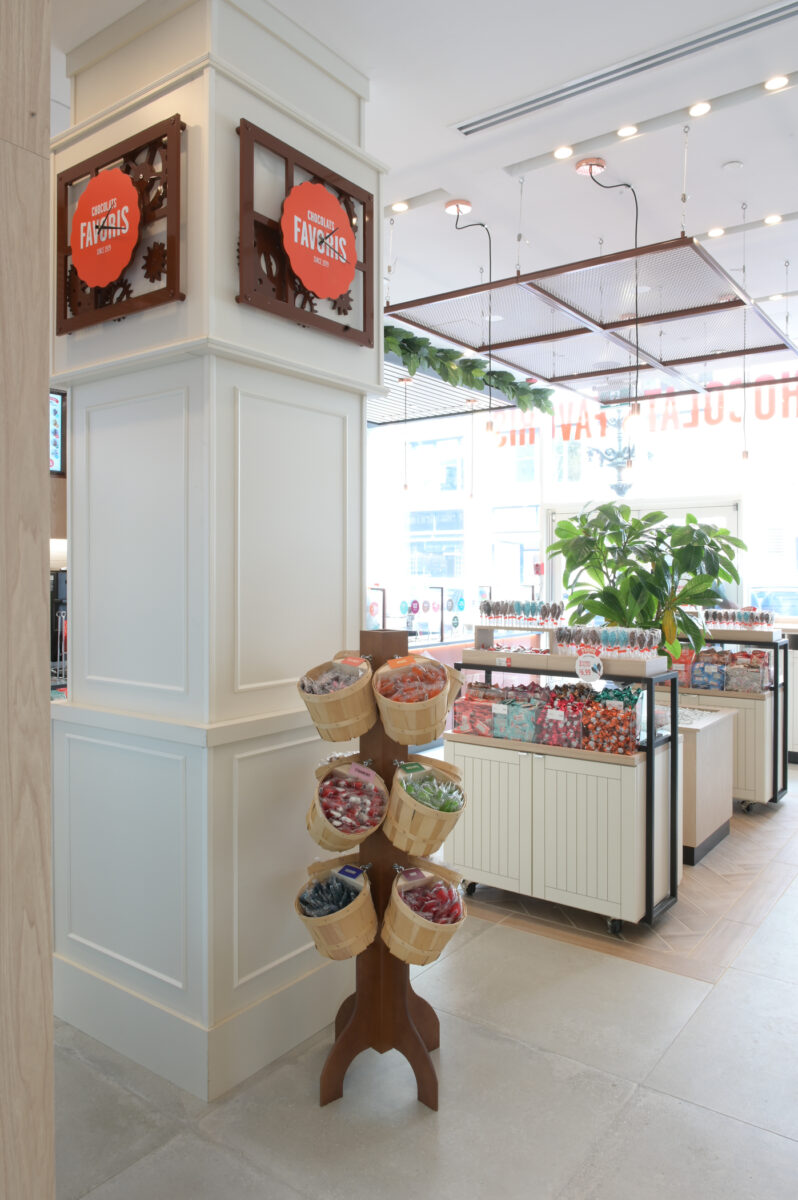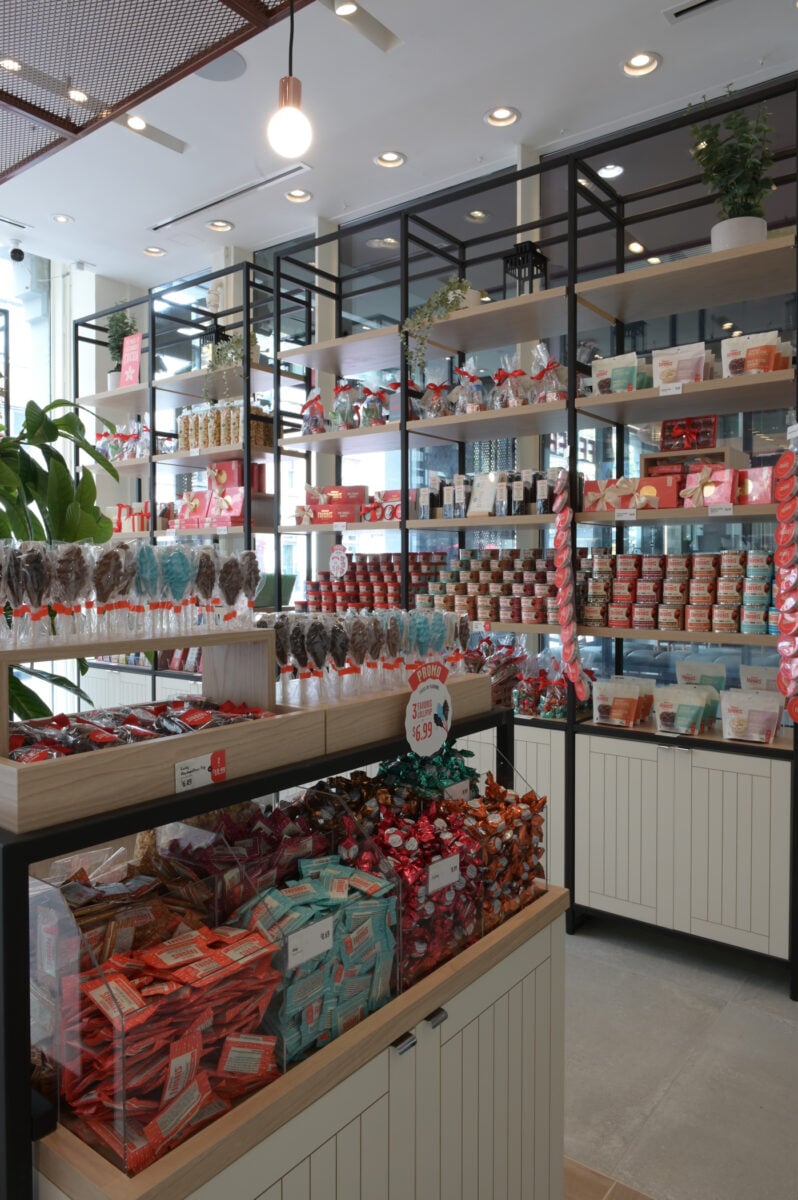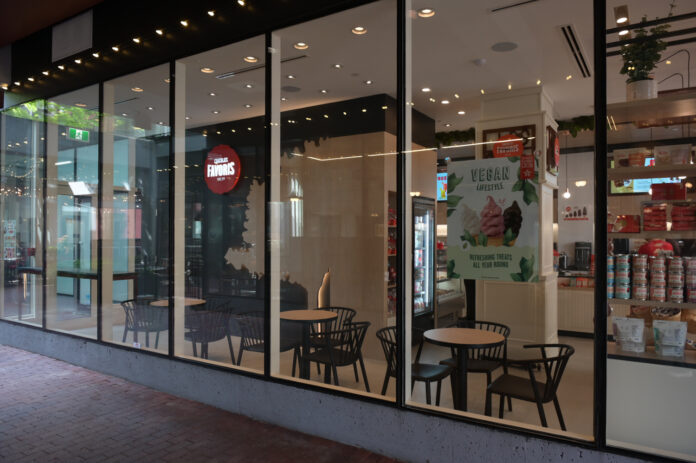
Chocolats Favoris, an artisanal chocolate shop and creamery, has brought its one-of-a-kind chocolate experience to Vancouver with the grand opening of its 59th location at 14 Water Street in the heart of Gastown.
This marks the Canadian brand’s second location in British Columbia and Western Canada, furthering its mission to share its extraordinary chocolate creations with more Canadians, it said in a news release.
“From the moment we first experienced Chocolats Favoris, we knew we wanted to bring it to the West Coast. After years of persistence—starting with Victoria and now expanding to Vancouver—we’re excited to see that vision come to life in Gastown,” said Patrick Robert, co-owner of Chocolats Favoris’ Victoria and Vancouver locations.
“For us, Chocolats Favoris isn’t just about chocolate—it’s about creating memorable moments for everyone who walks through our doors, and we can’t wait to introduce more Canadians to what makes both our products and the store itself so special.”
Chocolats Favoris said the new Gastown location will feature the brand’s signature real chocolate dipping station, where soft serve ice cream is liberally coated in one of 12 premium flavours, including classic milk, dark, and white chocolate as well as indulgent options such as Dulce de Leche, Salted Caramel, Cotton Candy, and Cookies and Cream.Chocolats Favoris takes it up a notch with their Kooky Cones loaded with toppings as well as their rotating surprise flavours. Guests can also enjoy Chocolats Favoris’ famous take-home chocolate fondues (in microwave and stove-top sizes) and an extensive selection of fine chocolates and bars in a whimsical, inviting setting.

The new location is the passion project of business and life partners Patrick Robert and Paul Codilla, who became franchisees of the Victoria location in June 2023. They quickly turned it into the company’s best-performing store, earning the 2025 Consumer Choice Award in the category of Chocolate Shop for the Victoria region. Patrick’s love for Chocolats Favoris began in Ottawa, where his parents introduced him to the brand. Years later, while visiting Montreal, his mother made a dramatic highway U-turn to ensure Paul could experience it for the first time too. Both Patrick and Paul’s “love at first bite” sparked a dream that led them to relocate to take over the Victoria location as franchisees. After years of dedication and hands-on involvement, the duo is now bringing their passion to Vancouver, explained the company.
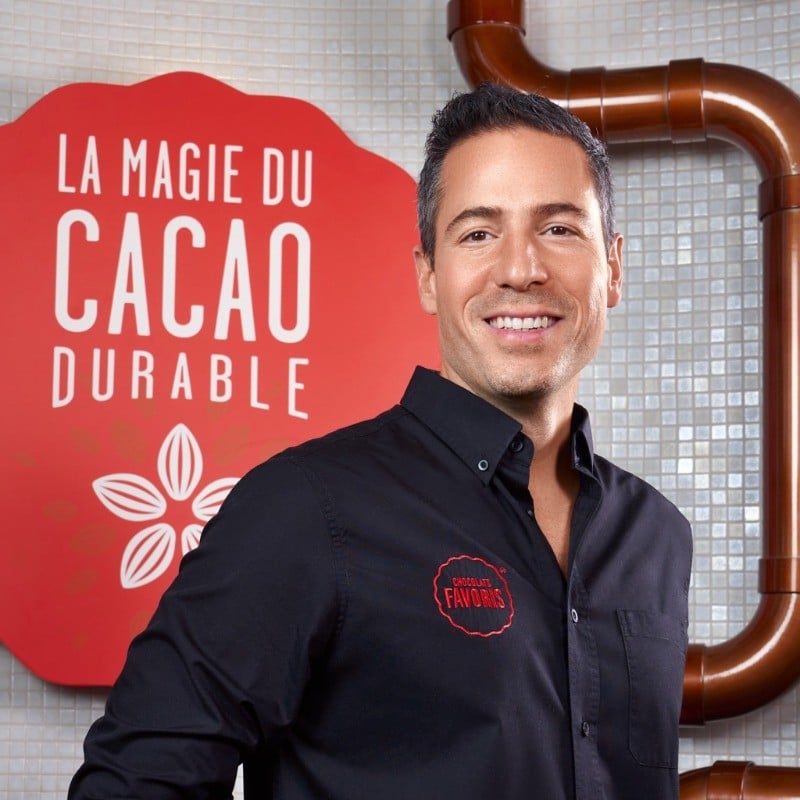
“We knew Gastown would be a neighbourhood that perfectly complements the Chocolats Favoris experience,” said Dominique Brown, President and CEO of Chocolats Favoris. “Chocolats Favoris is more than just a chocolate shop—it’s an immersive destination for families, friends, and chocolate lovers alike to come together, indulge, and make lasting memories. We can’t wait to welcome Vancouverites to this location!”
Chocolats Favoris said it is dedicated to responsible chocolate production through its Sustainable Cocoa Mission, ensuring that all cocoa is ethically sourced to support fair wages, environmental sustainability, and community development in cocoa-growing regions. The brand also prioritizes inclusivity by offering a wide variety of vegan-friendly products including soft serve, chocolate dips, drinks and more. In addition, they maintain strict cross-contamination protocols for customers with celiac disease, nut allergies, and other dietary restrictions.
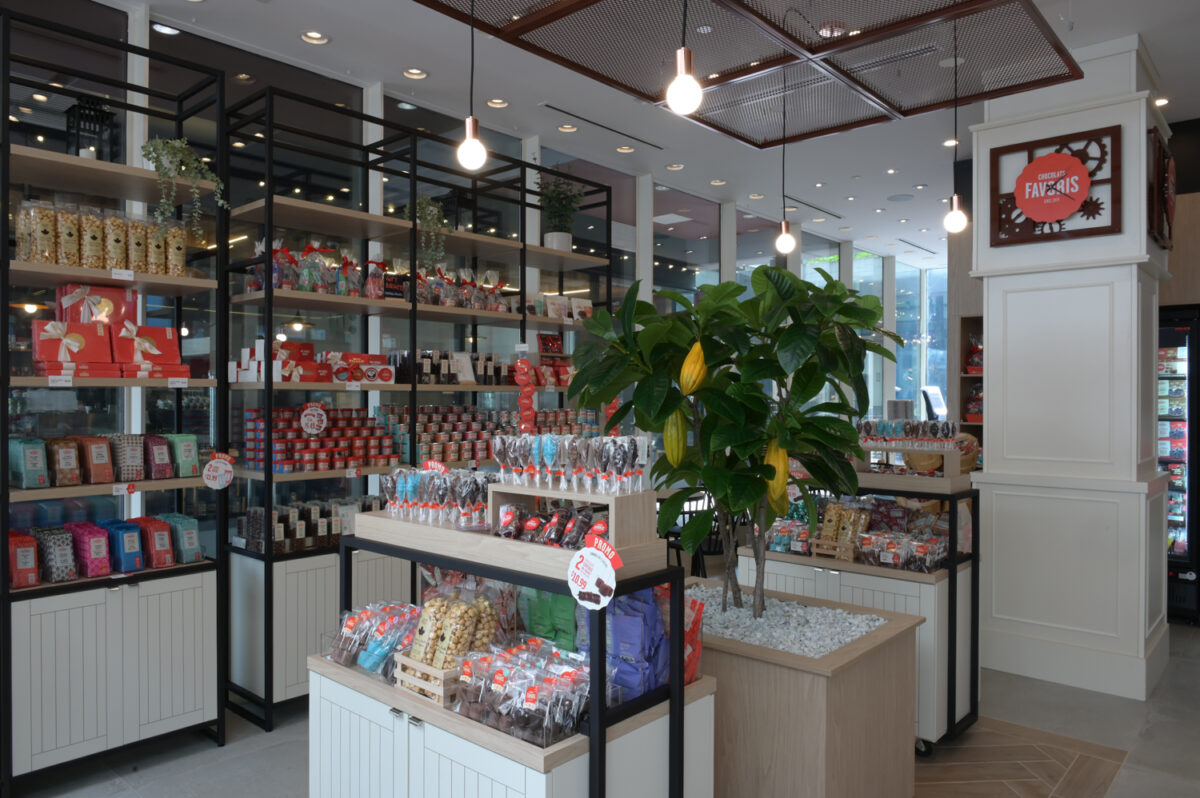
The company said the 1,250-square-foot Gastown store represents a major investment in the local economy, creating 30 new jobs and adding to the neighbourhood’s vibrant culture. Looking ahead, it also plans to open additional B.C. locations later this year.
The company was founded in Lévis, Québec, in 1979.
Related Retail Insider stories: