Advertisement
Advertisement
Home Blog Page 433

Inflation, technology and crime key issues for small retailers in Canada

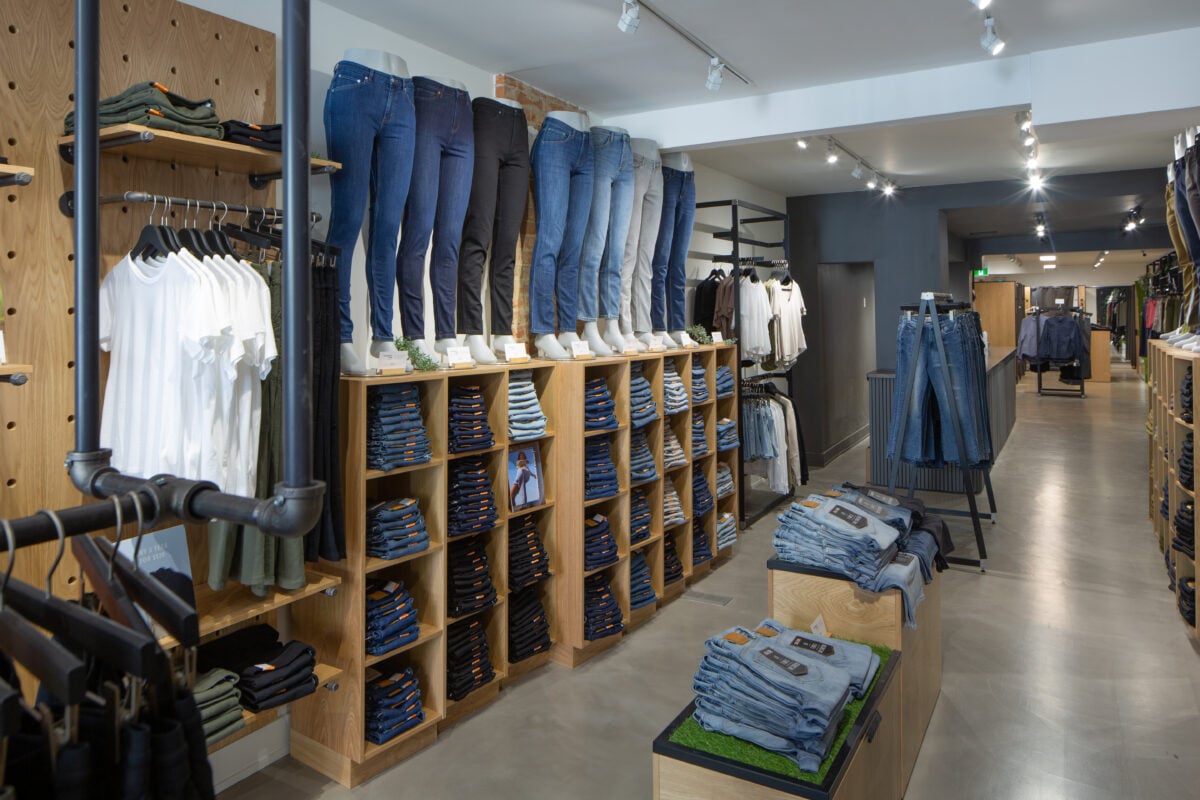
A small retailer in Canada grappling with inflation, technology and crime issues. Photo: Barry Austin

Canadian small and medium-sized retailers are facing a challenging landscape, with rising inflation, technology adoption hurdles, and a surge in retail crime threatening their survival. In an interview with Matthew Poirier, Vice President of Federal Government Relations for the Retail Council of Canada (RCC), he discussed the pressing issues affecting these businesses and the advocacy efforts aimed at supporting them in this difficult time.

Inflation Pressures on Small and Medium-Sized Retailers in Canada

One of the primary issuies facing small and medium-sized retailers in Canada is inflation. Poirier explained that rising costs are having a more profound impact on these businesses than on larger retailers. “Inflation is hitting smaller retailers particularly hard,” he said, “because they lack the same pricing power as their larger competitors.” Larger businesses can adjust their supply chains or absorb some of the costs, but smaller ones are left to pass higher prices onto customers, which can be risky in a price-sensitive market.

Matthew Poirier, Vice President of Federal Government Relations for the Retail Council of Canada (RCC)

Poirier also emphasized the difference between the U.S. and Canadian retail markets, noting that small businesses in Canada are feeling the pressure more acutely. “While the U.S. economy has rebounded stronger, Canada is still struggling. Small and medium-sized retailers are facing tighter margins and slower sales,” he said. The differences between the two economies create unique challenges for Canadian retailers, particularly in terms of consumer spending and operational costs.

Supply chain disruptions continue to exacerbate the problem, as small and medium-sized retailers find it more difficult to source products in a timely and cost-effective manner. “Smaller businesses don’t have the same leverage when negotiating with suppliers,” Poirier explained. These challenges make it increasingly difficult for Canadian retailers to compete in an already tough economic environment.

Technology Adoption Is Essential for Small Retailers’ Growth

One of the key challenges that small and medium-sized retailers in Canada must address is the adoption of technology. Poirier highlighted the importance of digital tools and AI, which are critical in helping businesses manage inventory, enhance customer service, and improve operational efficiencies. “Larger retailers have the advantage when it comes to integrating technology,” he noted. “Small businesses, on the other hand, often lack the resources and expertise to implement these tools effectively.”

While some small businesses have embraced digital transformation, many remain hesitant due to the financial costs and the knowledge gap. Poirier explained that smaller retailers often operate with limited staff, making it challenging to dedicate time and resources to learning and integrating new technologies. “It’s not that small businesses don’t see the benefits of technology,” he said, “but they face significant barriers in getting there.”

The Canadian Digital Adoption Program (CDAP) was designed to address these barriers by providing financial aid and expert guidance. However, as Poirier pointed out, the program has struggled with implementation. “The demand was overwhelming, and many businesses couldn’t access the help they needed,” he said. Poirier believes that improving programs like CDAP could give smaller retailers the tools they need to compete in an increasingly digital marketplace.

Image: National Retail Federation

Retail Crime Adds Pressure on Small and Medium-Sized Retailers in Canada

Retail crime is another growing concern for small and medium-sized retailers across Canada. Organized crime has become a significant issue, affecting businesses of all sizes. However, small and medium-sized retailers are particularly vulnerable due to limited resources for security. “Retail crime isn’t just about shoplifting anymore—it’s organized and well-planned,” Poirier explained. “Smaller retailers often don’t have the budget for robust security measures, making them easy targets.”

The impact of retail crime extends beyond lost merchandise. Retailers also face increased insurance premiums, higher operating costs, and damaged customer trust. Poirier pointed out that many larger retailers can afford to invest in comprehensive security measures, but for smaller businesses, the costs are prohibitive. “The cost of crime prevention can be devastating for a small retailer,” he said.

The RCC has been working with law enforcement and policymakers to address this issue at the national level. “This isn’t just a problem in certain regions—it’s a nationwide issue,” Poirier emphasized. The RCC is advocating for stronger policies and better resources to help small retailers protect their businesses from crime.

Credit cards. Photo: iStock

Credit Card Fees Remain a Financial Burden

Small and medium-sized retailers in Canada are also grappling with high credit card fees, which add to their financial challenges. Recently, two major credit card companies announced they would reduce interchange fees for small businesses, a move welcomed by the RCC. However, Poirier stressed that this is only a partial solution. “While the fee reduction is helpful, it doesn’t address the larger issue,” he said. Larger businesses are still subject to high fees, which continue to put pressure on the broader retail sector.

The RCC is advocating for a more comprehensive approach to credit card fees, focusing on the benefits to both retailers and consumers. “Reducing these fees across the board would not only help retailers but also create a better shopping experience for consumers,” Poirier said. By addressing credit card fees more broadly, the RCC hopes to provide some financial relief to small and medium-sized retailers who are already dealing with multiple challenges.

Supporting Canadian Small Retailers Is Critical for the Economy

Canadian small and medium-sized retailers face numerous challenges, from inflation and supply chain disruptions to technology adoption and retail crime. As Matthew Poirier outlined, these businesses are vital to the Canadian economy but require more support to thrive in today’s competitive market.

Programs like CDAP and recent credit card fee reductions provide some relief, but more needs to be done to ensure that small businesses can adopt new technologies, secure their operations, and maintain profitability. The Retail Council of Canada says it remains committed to advocating for these businesses, ensuring that they have the resources and support needed to succeed in a rapidly evolving retail landscape.

Related:

Shake Shack announces 2 new Toronto locations

Photo: Shake Shack

U.S.-based burger chain Shake Shack continues its Canadian expansion with two new locations in Toronto. One will be at Union Station and the other at the Yorkdale Shopping Centre

Following the success of its first Canadian store at Yonge and Dundas, the brand is now making strides to solidify its presence in Toronto and beyond. That includes plans to open 35 locations across Canada by 2035.

The Union Station location will offer commuters and visitors a unique dining experience, while the Yorkdale spot will add to one of Canada’s premier shopping destinations. Both new restaurants are set to open this winter.

Shake Shack will occupy a space originally earmarked for The Queenston restaurant at Union Station in Toronto. Photo: 6retail

Union Station to Welcome Unique Shake Shack Experience

The Shake Shack at Toronto’s Union Station will be a major draw for commuters and locals seeking a quick meal. Union Station’s Shake Shack will be one of the few globally to feature a full bar. It will offer custom-crafted cocktails to accompany its signature burgers, crinkle-cut fries, and frozen custard. The location, initially earmarked for another restaurant concept called The Queenston, will be a lively hub in the transit centre.

Incorporating local culture, Toronto-based illustrator Pui Yan Fong will be commissioned to create artwork for the space. Her work is known for its storytelling and will bring the energy of the city into the restaurant. The attention to detail is part of Shake Shack’s broader effort to connect with the communities it serves.

“Toronto has been incredibly welcoming, and we’re excited to further our presence in the city with these two fantastic locations,” said Billy Richmond, Business Director of Shake Shack Canada. “Both Union Station and Yorkdale Shopping Centre offer unique opportunities to engage with our guests in new ways, and we look forward to becoming a part of these lively hubs.”

Shake Shack construction hoarding at Toronto’s Yorkdale Shopping Centre on Thursday, October 24, 2024. Photo: Craig Patterson

Yorkdale Shake Shack to Transform Former Illy Space

Shake Shack’s other new Toronto location will be situated within Yorkdale Shopping Centre. The space itself will be interesting, as it combines a former Illy Cafe on a mezzanine with an adjoining area that was once part of the former Eaton’s department store. The reimagined space will sit between two escalators, providing a dynamic and visually striking dining spot for Yorkdale shoppers.

The Yorkdale location will feature artwork by Vivian Rosas, a queer Mestizx/Latinx illustrator from Toronto. Her work celebrates diversity and community. Like the Union Station site, this attention to local artistry reinforces Shake Shack’s commitment to making each restaurant feel distinctly connected to its surroundings.

The arrival of Shake Shack at Yorkdale is expected to draw crowds, much like the first Canadian store at Yonge and Dundas, which opened earlier this year in the complex branded as ‘The Tenor’ at 10 Dundas St. W. The location quickly gained popularity, setting the stage for the brand’s ongoing success in Toronto.

Shake Shack will occupy unit R-03 at Yorkdale, as well as expand into space 248-2 which was originally part of the second floor of an Eaton’s department store. Image: Oxford Properties lease plan.

Shake Shack’s Expansion Across Canada

The opening of these two new Toronto locations is part of a bigger expansion. Shake Shack has ambitious plans for the Canadian market, with the goal of opening 35 additional stores nationwide by 2035. The expansion, long in the works, reflects the company’s confidence in Canada’s appetite for premium fast-casual dining experiences.

Shake Shack and The Tenor at 10 Dundas St. W. Photo: Dustin Fuhs

Shake Shack says that guests at both the Union Station and Yorkdale locations can expect the same ingredients and hospitality that have made the brand a global success. The menu will include Shake Shack’s signature items, such as 100% Canadian Angus beef burgers, crispy chicken sandwiches, crinkle-cut fries, and hand-spun frozen custard made with Canadian dairy, real cane sugar, and cage-free eggs.

Shake Shack Canada, formed in 2023, is a partnership between Toronto-based private investment companies Osmington Inc. and Harlo Entertainment Inc.

Since its first location opened in NYC’s Madison Square Park in 2004, Shake Shack has expanded to over 510 locations across the U.S. and internationally, including major cities such as London, Hong Kong, Tokyo, and Mexico City.

Related:

CFIB criticizes government plans to reduce immigration

Photo- RF._.studio

The rush to make massive changes to Canada’s permanent immigration levels and the Temporary Foreign Worker (TFW) Program have many small business owners’ heads spinning, says the Canadian Federation of Independent Business (CFIB).

Dan Kelly

“And while it is entirely appropriate to turn the immigration dial up or down based on the needs in the labour market, any huge swings hold significant implications for employers, workers and the economy,” said Dan Kelly, President of the CFIB, after the federal government made its immigration announcement on Thursday.  

“CFIB is already receiving panicked calls from small business owners, including many who are heartbroken to have to say goodbye to their foreign workers who are already in Canada and whose visas are soon to expire. Others are telling us the new skilled temporary worker prevailing wage level requirements do not reflect the reality of a small business and will mean their firms will struggle to survive. Earlier decisions to reduce access to lower skilled TFWs will also have a major impact on the ability of small firms to build the teams they need to put their products or services to market.

“The dramatic cut to permanent immigration levels too is troubling for Canada’s employers. Yes, the unemployment rate has ticked up in recent months, but there are still 379,000 persistent vacancies in the private sector. And while we are experiencing housing pressures right now, any look at Canada’s demographics reveals we will struggle to maintain a strong workforce without robust immigration.

“These decisions hold huge implications for small business owners, Canadian workers as well as permanent immigrants and temporary workers. A restaurant owner who can’t find a cook ready and willing to work in their community will not have work for the Canadians who may work in the front of the house. We need to rethink many of these recent changes and be ready to turn the dial back up whenever and wherever needed.”

The CFIB is Canada’s largest association of small and medium-sized businesses with 97,000 members across every industry and region .

On Thursday, Marc Miller, Minister of Immigration, Refugees and Citizenship, announced the 2025–2027 Immigration Levels Plan: a plan that will pause population growth in the short term to achieve well-managed, sustainable growth in the long term. For the first time ever, the levels plan includes controlled targets for temporary residents, specifically international students and foreign workers, as well as for permanent residents, said the government.

“Immigration is essential to our country’s economic success and growth. As Canada reopened following the pandemic, the needs of businesses were greater than the supply of workers available to support their recovery. We took decisive measures to attract some of the world’s best and brightest to study and work in Canada, and to integrate them into the economy quickly. This meant a faster economic recovery. It also meant that robust immigration helped prevent a recession, while contributing to Canada’s workforce,” said the government in a news release.

“In response to the evolving needs of our country, this transitional levels plan alleviates pressures on housing, infrastructure and social services so that over the long term we can grow our economic and social prosperity through immigration. This unprecedented plan offers a comprehensive approach to welcoming newcomers—one that preserves the integrity of our immigration programs and sets newcomers up for success. Canadians also expect a well-managed immigration system from the Government of Canada.

“The 2025–2027 Immigration Levels Plan is expected to result in a marginal population decline of 0.2% in both 2025 and 2026 before returning to a population growth of 0.8% in 2027. These forecasts account for today’s announcement of reduced targets across multiple immigration streams over the next two years, as well as expected temporary resident outflows resulting from the 5% target, natural population loss and other factors.

Compared to last year’s plan, the government is:

  • reducing from 500,000 permanent residents to 395,000 in 2025
  • reducing from 500,000 permanent residents to 380,000 in 2026
  • setting a target of 365,000 permanent residents in 2027

“The Levels Plan also supports efforts to reduce temporary resident volumes to five per cent of Canada’s population by the end of 2026. Given temporary resident reduction measures announced in September and this past year, Canada’s temporary population will decrease over the next few years as significantly more temporary residents will transition to being permanent residents or leave Canada compared to new ones arriving.

Specifically, compared to each previous year, we will see Canada’s temporary population decline by

  • 445,901 in 2025
  • 445,662 in 2026
  • a modest increase of 17,439 in 2027.”

Related articles:

Canadians plan to spend less this holiday season: BMO survey

Photo- Leeloo The First

The BMO Real Financial Progress Index reveals that – amid growing concerns about the cost of living (54 per cent) and their overall financial situation (36 per cent) – 79 per cent of Canadians are planning to cut back on spending this holiday season, reported the bank on Thursday.

In a news release, BMO said the survey’s insights provide an outlook on Canadians’ holiday spending plans, including:

  • The Holiday Price Tag:
    • On average, Canadians plan on spending more than $1,991 this holiday season, including travel ($1,802), holiday gifts ($519), entertaining ($295), decorations ($141) and other holiday expenses ($275).
    • Nearly a quarter (23%) plan on spending more than $2,000 during the holidays.
  • Making a List and Checking it Twice:
    • 79 per cent plan on buying fewer gifts this year, and over a quarter (27 per cent) will cut down the number of people on their gift list.
    • More than a third (36 per cent) plan on buying less expensive gifts.
  • Sleighing Spending:
    • 41 per cent are spending less on fewer gifts, and 44 per cent had cut back on spending on other occasions, including birthdays and anniversaries, throughout the year in order to spend more on holiday gifts.
    • Nearly half (49 per cent) admit to spending more than they know they should.
  • Financial Anxiety Forecast:
    • More than half (54 per cent) say thinking about holiday spending causes financial anxiety.
    • 30 per cent are not confident they will be able to afford every item on their holiday shopping list.
  • Unravelling Post Holiday Receipts:
    • Over half (55 per cent) of Canadians plan on using credit cards to pay for their holiday gifts this year and 5% plan on using buy-now-pay-later tools.
    • On average, Canadians believe it will take them three months to pay off their holiday bills. However, 21 per cent are not confident they will be able to pay off their holiday bills on time and 11 per cent are not sure when or if they will be able to pay off these bills.
Gayle Ramsay
Gayle Ramsay

“While affordability and cost of living concerns will be top of mind for many this holiday season, Canadians are still finding ways to celebrate the season by reevaluating their priorities and adapting their spending habits,” said Gayle Ramsay, Head, Everyday Banking Segment & Customer Growth, BMO. “Ahead of holiday parties, trips and gift exchanges, Canadians are encouraged to work with an expert to develop a personalized plan that reflects their long-term and immediate goals and take advantage of the convenient digital tools available to monitor their budgets to alleviate some of the financial stress the holidays can bring and help them make real financial progress.”

Sal Guatieri
Sal Guatieri

“Faced with higher living costs and a rising unemployment rate, it’s no surprise that many Canadians are planning to scale back their holiday spending plans this year,” said Sal Guatieri, Senior Economist, BMO. “Thankfully, the Bank of Canada is also concerned about the weak economy and possibly undershooting its inflation target and will likely continue to reduce interest rates through next summer. This should add some cheer to the 2025 holiday shopping season.”

BMO said the suryey also found that while 69 per cent of Canadians feel confident in their financial situation, only 53 per cent feel they are making real financial progress and 25 per cent feel less financially secure than they did a year ago. Concerns about their overall financial situation (82 per cent), fear of unknown expenses (82 per cent), housing costs (73 per cent) and keeping up with monthly bills (64 per cent) are among the leading sources of financial anxiety.

Related articles:

Empire partners with Instacart and Uber Eats to expand grocery delivery

Farm Boy in Burlington Ontario

Empire Company Limited is launching partnerships with Instacart and Uber Eats, providing customers with new ways to shop its stores online.

In a news release, the company said these new partnerships complement Voilà, Empire’s existing online grocery home delivery service. Instacart and Uber Eats users will now see Empire banner stores on their apps in Ontario, with rollout across Canada to follow.  

“By making its banners available on the additional channels of Instacart and Uber Eats, Empire is responding to evolving market dynamics and customer demands, particularly in the immediacy segment of e-commerce. Customers in Ontario will now have more ways to enjoy product offerings from Empire’s banners using Instacart and Uber Eats. And, for the first time, FreshCo customers in the province can have their favourite products delivered right to their door,” it said.

Doug Nathanson
Doug Nathanson

“We are excited to be expanding our e-commerce offering and continuing to grow the market. Through these new partnerships with Instacart and Uber Eats, Empire has expanded how customers can shop our banners, giving us access to a larger segment of the e-commerce market,” said Doug Nathanson, Chief Development Officer, Empire. “We have proudly offered home delivery service to customers with our world-class Voilà platform since 2020 and now expand our reach to give more customers more choices, faster. That’s a winning recipe.” 

Delivery will be available at Sobeys, Farm Boy, Longo’s and, for the first time, FreshCo.

Empire said customers simply download their app of choice, select their preferred participating Empire banner store, and fill their baskets with their favourite products.  

Chris Rogers
Chris Rogers

“At Instacart, we’re always looking for ways to bring more variety and convenience to our customers, so we couldn’t be more thrilled to grow our presence in Canada by welcoming Empire’s iconic grocery store banners to the Instacart App,” said Chris Rogers, Chief Business Officer at Instacart. “As someone who calls Canada home and has been going to these grocery stores for as long as I can remember, I’m excited to provide Empire’s customers with an additional channel of exceptional online grocery experience.” 

Klaas Knieriem
Klaas Knieriem

“We are thrilled to welcome Empire and its banners to the Uber Eats app. Canadians now have more grocery options available to choose from right from the Uber or Uber Eats apps they already have on their phone with the on-demand speed Uber is known for,” said Klaas Knieriem, Head of Grocery and Retail for Uber Eats in Canada. “Uber Eats has grown quickly from a platform to get your favourite meals delivered to a one-stop-shop for anything you need—from pharmacy essentials to groceries to alcohol and everyday household items. We’re continuously expanding the in-app selection by bringing new retailers onto the delivery platform to deliver Canadians their favourite items.” 

Related articles:

MINISO Canada’s new IP Collection store opens at CF Toronto Eaton Centre (Photos)

MINISO’s IP Collection Store at CF Toronto Eaton Centre, Toronto. Image: Miniso

MINISO, the renowned global lifestyle brand, recently opened its newest IP Collection Store at CF Toronto Eaton Centre, Toronto featuring the Sanrio characters.

“Building on the success of the West Vancouver flagship store, this new IP Collection Store further underscores MINISO’s commitment to providing well-designed, diverse IP products and delightful shopping experiences across Canada, said the company in a news release.

“As the latest of MINISO’s beloved IP Collection stores, the new Toronto store welcomes customers with enchanting Sanrio character-themed elements, including soft pink decorations and a charming storefront adorned with Sanrio character displays, blended into the overall design. The new store spans around 300 square meters in the Eaton Centre, which is one of the city’s busiest retail hubs, ensuring exposure to a wide and diverse audience. Inside the store, customers can explore well-organized zones for perfumes, personal care, cosmetics, and electronics, along with themed sections celebrating popular IPs such as Sanrio, Harry Potter, Loopy, and Barbie, bringing the joy of multiple IP worlds together in one store.”

The company said Harry Potter collection is making its Canada debut in the Eaton Centre store, bringing the joy and magic of the Harry Potter films to life across a huge range of categories.

“The collection was enthusiastically received at its launch in Hong Kong and has since brought fan-favorite characters and enchanting designs to Harry Potter and MINISO fans globally. Lovers of all things enchanted will discover everything from collectible blind boxes and adorable plushies, to everyday items like stationery, bags and accessories, helping them to relive childhood nostalgia and make special new memories,” it explained.

“This new store marks a significant milestone in MINISO’s expansion across Canada, building on the momentum of the successful Vancouver launch. With more locations planned in key malls and exciting new IP collaborations on the horizon, MINISO is set to continue bringing innovative and engaging shopping experiences to communities across Canada and beyond.”

Related articles:

The new IP Collection store features MINISO’s beloved products including IP collaborations with Sanrio characters, Harry Potter, Loopy, and Barbie
Harry Potter Product Shelf at MINISO’s new IP Collection store in Toronto
Customers in Front of the New IP Collection Store

Giant Tiger brings holiday cheer to deployed Canadian troops with Operation Santa Claus

Beginning Saturday (Oct. 26), until Saturday, Nov. 9, customers can donate to Operation Santa Claus at their local Giant Tiger store by rounding up their purchase or donating $1 or $2 at checkout. (CNW Group/Giant Tiger Stores Limited)

Retailer Giant Tiger is launching Operation Santa Claus in partnership with Canadian Forces Morale and Welfare Services (CFMWS) to help deliver care packages to more than 2,500 members of the Canadian Armed Forces deployed in Canada and across the world who are unable to be with their families for the holiday season.  

Beginning Saturday (Oct. 26), until Saturday, Nov. 9, customers can donate to Operation Santa Claus at their local Giant Tiger store by rounding up their purchase or donating $1 or $2 at checkout.

Gabrielle Hargrove
Gabrielle Hargrove

“As a community-focused retailer, we have proudly supported Operation Santa Claus since 2014, and we’re thrilled to continue this meaningful initiative again this year,” said Gabrielle Hargrove, Senior Vice President and Chief HR Officer, Giant Tiger Stores Limited. “This program delivers a piece of home to those away from their loved ones during the holidays, and it’s a beautiful way to bring our communities together during the holiday season.”

“The package was filled with thoughtfully selected items, and we were truly impressed by the care put into each one. It included everything from toiletries and food to a coffee cup and a small bag. Every item was warmly received by our soldiers, and nothing went to waste. If a soldier preferred certain items, we pooled them for our weekly movie night. For a brief moment, it felt like a little piece of home, making each soldier feel valued. We cannot express enough gratitude to everyone involved in this wonderful initiative,” said a deployed CAF member recipient of an Op Santa Package in 2023.

In a news release, officials said Operation Santa Claus began in 1992 in Montréal initiated by women sending holiday packages to their spouses serving on peacekeeping missions abroad. These packages included cards, greetings from across Canada, and donated items from local businesses. The program quickly grew nationwide sending care packages annually to all deployed Canadian Armed Forced members thanks to the generous support of Canadians and Corporate Canada. Each package contains cozy essentials, treats, and self-care items, bringing holiday joy to deployed personnel, it was explained.

“Since 2014, Giant Tiger has contributed more than $610,000 in product through funds raised, helping to fill care packages for over 27,632 members of the Canadian Armed Forces. Last year alone, through the generosity of our customers, Giant Tiger Stores raised enough funds to supply products in 3,000 care packages. Donations to Operation Santa Claus can be made at your local Giant Tiger,” said the news release.

Giant Tiger, a privately held company, has over 260 locations across Canada and employs over 10,000 members of Team Tiger.

Related articles:

Crime impacting Canadian small businesses: CFIB

Photo: Freepik/licensed

The share of Canadian small businesses directly affected by crime and safety issues has almost doubled in the last year, jumping from nearly a quarter (24 per cent) in 2023 to 45 per cent in 2024, finds a new report by the Canadian Federation of Independent Business (CFIB) released on Thursday.

Keyli Loeppky
Keyli Loeppky

“It’s been a nightmare on Main Street. Imagine working hard, providing jobs, contributing to the community, just to have your goods stolen, windows broken, and property vandalized. For small businesses, it’s devastating when they are hit by crime over and over again,” said Keyli Loeppky, CFIB’s director for Alberta and interprovincial affairs

“As crime continues to rise, small businesses are being left to fend for themselves, shouldering the emotional and financial burden. It’s time for all levels of government to step up, protect our communities, and ensure that every tax dollar spent makes a tangible difference in improving safety for small businesses and the people they serve.”

Read the full Broken Windows and Broken Trust: The Impact of Rising Crime on Small Business report.

CFIB report
CFIB report

Waste and litter (e.g. drug paraphernalia, garbage, excrement), vandalism, and theft were the most common types of crime small businesses experience. Crime and safety issues take an emotional toll on small businesses as well, with over two-thirds (68 per cent) worrying about their personal safety and that of their staff and customers, explained the CFIB.

“Businesses have spent a median of $5,000 on crime-related expenses in the last three years, such as replacing stolen inventory or equipment and vandalism repairs. In addition, 68 per cent of small firms do not consistently file crime-related insurance claims, with most saying they worry about driving their insurance premiums even higher, at a time when such costs are already skyrocketing,” added the national organization.

Small businesses say governments and law enforcement aren’t doing enough

The report said 54 per cent of business owners consistently file police reports, but only 33 per cent are satisfied with police response times and services. Some business owners reported that the crimes they experienced, such as theft or vandalism, were “too small” for police to take action, or that police wouldn’t come for hours or even days after they have been called in these cases.

To deal with safety concerns, 50 per cent of small businesses adjusted their ways of operating, such as shifting to appointment-only services, locking doors during business hours and/or leaving lights on overnight. Also, 67 per cent have invested in extra security measures such as surveillance cameras, window bars and security guards, said the CFIB.

SeoRhin Yoo
SeoRhin Yoo

“Some security measures, while helpful and necessary, may come at a steep price, deter customer foot traffic and, as a result, lead to lower revenues,” said SeoRhin Yoo, CFIB’s senior policy analyst and report co-author. “Many businesses are already operating on thin profit margins, so just one crime incident could be make-or-break-for a small business owner.”

The CFIB said 79 per cent of business owners believe their tax dollars are not being used effectively to improve community safety, while 78 per cent think that governments are failing to work together on these issues.

CFIB is recommending governments:

  • Address underlying issues contributing to crime, including affordable housing, mental health and addictions. 
  • Improve resources for small businesses including proactive funding for increased security, crime related repairs, and guidance, prevention and response strategies for business owners and their staff. 
  • Strengthen collaboration between all levels of government, non-profits, community organizations, and small businesses to develop evidence-based policies and programs to address crime and safety.
  • Governments should also improve safety in commercial areas and public spaces, develop an improved approach to recidivism, and support diversity among insurance firms by reducing barriers to entry.

Related articles:

Knix opens pop-up at Yorkdale in Toronto

Facade of the Knix pop-up store at Yorkdale in Toronto. Image supplied

Knix, a leading Canadian intimates and activewear brand, has launched a new pop-up store at the Yorkdale Shopping Centre in Toronto. It’s the brand’s fifteenth store in North America. Knix’s ambitious retail growth strategy includes plans to open over 20 new locations across Canada and the U.S. within three years.

“Community has remained at the heart of Knix since day one,” said Joanna Griffiths, Founder and President of Knix. “This location is one of the many ways we’re continuing to serve our customers, who may have never shopped with us in person before, in our hometown of Toronto.”

Knix pop-up store at Yorkdale in Toronto. Image supplied

Knix Yorkdale: Inclusive and Immersive Store Design

The new Knix pop-up spans 1,800 square feet, offering a fresh and welcoming design. The layout is thoughtfully arranged to make shopping easy. Dedicated sections for bras, underwear, and activewear are in place, with a special area for the teen line, Kt by Knix. True to Knix’s values, the store features mannequins in diverse sizes and skin tones, reflecting inclusivity. A focus on exceptional customer service ensures that shoppers receive personalized fittings.

Yorkdale is one of Canada’s most productive shopping centres in terms of sales per square foot. As a premium retail destination, it houses a diverse range retailers, including luxury. This strategic placement will provide Knix with high visibility and exposure to a discerning customer base. Yorkdale’s foot traffic offers a strong opportunity for the brand to connect with both loyal customers and new shoppers.

Knix pop-up store at Yorkdale in Toronto. Image supplied

Knix Yorkdale Opening Perfect Timing for the Holiday Season

The timing of the store opening aligns with the busy holiday shopping season. Knix’s newly appointed Chief Marketing Officer, Nicole Tapscott, emphasized the importance of this launch. “We’ve made sure to highlight Toronto’s fan-favourites ahead of the gifting season, ensuring our customers can spot their go-to Knix products with ease,” said Tapscott.

The holiday collection features cozy modal lounge sets, sleepwear, lace lingerie, and best-selling bras and leakproof underwear. The collection includes rich tones and festive prints, perfect for gifting. Actress Gabrielle Union, Knix’s Brand Ambassador, will be featured in the holiday campaign. Select items are already available both in-store and online. Knix also recently introduced customizable shapewear, allowing up to eight adjustments for a perfect fit, making it ideal for the holiday season.

Knix pop-up store at Yorkdale in Toronto. Image supplied

Knix: Pioneering the Future of Intimates

Founded in 2013 by Joanna Griffiths, Knix quickly became a disruptor in the intimates market. The brand launched its Leakproof Underwear in its first year, addressing a need for functional and comfortable products. In 2015, Knix introduced its first wireless bra, which became an instant hit. In 2016, the brand broke barriers by using real women of all sizes and backgrounds in its marketing.

The introduction of Kt by Knix in 2017 brought period-proof underwear to teens and tweens. Knix’s commitment to diversity and inclusion continued in 2019 with a campaign featuring women aged 50 to 81. The brand’s 2022 Confidence Tour encouraged women to walk the runway in their Knix intimates, promoting body positivity and empowerment.

Knix pop-up store at Yorkdale in Toronto. Image supplied

Related:

Canadian resale apparel market sees strong growth: Trendex Report

Calgary Value Village Boutique. Photo by Samantha Ungaro

Resale apparel sales has been the fastest growing segment in the Canadian apparel market for the past three years, says a new report by Trendex.

In 2023, the sale of resale apparel in Canada according to Trendex, increased 13 per cent to C$4.2 billion. The same year the sale of resale apparel in the U.S. according to Thread Up increased 11 per cent to C$71.6 billion, it said.

“A report published this year by Canada’s Value Village documented the importance of both second-hand shopping and the importance of the apparel category for Canadian second-hand retailers.”

Trendex cited the following data on second-hand shopping in general:

  • 90 per cent of consumers have either shopped or donated a used item in the past year
  • 25 per cent of consumers who have shopped in a second-hand marketplace, shopped for second-hand items monthly
  • 84 per cent of consumers say that cost savings is the biggest motivator for second-hand shopping Apparel as a resale category:
  • Apparel is the number one item purchased in second-hand stores, followed by books and furniture
  • More than 30 per cent of second-hand shoppers report that second-hand apparel makes up nearly 40 per cent of their second-hand purchasing
  • 60 per cent of Gen Z consumers say that second-hand apparel makes up a quarter of their wardrobe.

Trendex said a number of factors are driving the above average growth rate for the resale apparel market:

  • Economic conditions: Canadian consumers adversely affected by inflation and high interest rates have turned to retailers who offer demonstrable value. Consumers have also identified reselling their apparel as a means to generate revenue.
  • Availability: The number of apparel retailers have continued to expand in terms of both their number and accessibility
  • Lack of negative stigma: Historically second-hand apparel carried a stigma, but especially in the case of Gen Z consumers, buying used clothing is now seen as “cool”
  • Consumers have become concerned about the ecological sustainability of a model in which garments are often worn for less than a half dozen times then discarded. Companies including Nike and lululemon have set up their own apparel resale sites.
  • The advent of the internet has facilitated buyers and selling interacting in unprecedented ways. E-commerce based fashion resellers, including ThreadUp Canada and Calgary’s Upside facilitate the resale of apparel on both a national and international level (However resale apparel sales on the internet is one eighth the sales in brick-and- mortar stores)

“From a retailing standpoint, the resale apparel market is fragmented into eight channels of distribution. The most important of the channels include resale brick-and-mortar chains, consignment shops and local thrift/second-hand shops. Value Village with its new boutique stores, indicates that within the largest channel a new sub-upscale segment is developing that could compete with consignment shops. The fastest growing resale apparel channels in 2023 were the branded resale and online apparel resale channels,” said Trendex.

“The two largest apparel resellers in Canada during 2023 were Savers Value Village and the Salvation Army with 159 and 94 stores respectively. Trendex estimates that Value Village’s 2023 apparel sales increased 4.9 per cent to C$430 million,” said the report.

Calgary Value Village Boutique. Photo by Samantha Ungaro

A forecast of the Canadian resale apparel market is dependent on a number of factors, added Trendex:

  • The overall performance of the Canadian economy
  • The increase in the number of doors and online sites selling resale apparel
  • Increased consumer awareness of sustainability. It should be noted that the 2023 market entry and subsequent growth of Shein and Temu, both fast-fashion e-commerce retailers, could conceivably set back efforts to increase sustainability as their apparel is often characterized as disposable
  • The supply of better resale apparel
  • The number of apparel brands/retailers operating their own resale program . . . ThreadUp is forecasting that the U.S. resale apparel market will increase by 16 per cent in 2024 and by 87 per cent in 2028. Trendex is forecasting that the Canadian resale apparel market will increase by 15 per cent in 2024 and by 69 per cent in 2028.

Trendex said its estimate of growth for the Canadian resale apparel market will be less than that for the U.S. because: the Canadian online resale apparel market is not as developed; the relative importance of Shein and Temu which should limit resale apparel purchases; a lack of resale apparel donations as noted by Canada’s Value Village and the Salvation Army earlier this year.

“It needs to be noted that Winners will undoubtedly be negatively affected as it will increasingly have to share the consumer interested in a “treasure hunt” with the resale apparel sector. The sector will also affect the overall growth rate for all retail apparel sales, at least for now, to an unknown degree,” added Trendex.

Related articles: