A 25% U.S. tariff on Canadian products, followed by potential Canadian retaliatory tariffs, would lead two-thirds (65%) of small businesses to increase prices for consumers to offset tariff impacts, warns the Canadian Federation of Independent Business (CFIB).
Additionally, 69% of small business owners said tariffs would lead to higher costs of doing business, it said.
Corinne Pohlmann
“A trade war would be disastrous for both Canadian small businesses and consumers. We need to ensure that as governments face the tariff threat with their American counterparts, they must also stay focused on keeping Canadian businesses competitive at home,” said Corinne Pohlmann, Executive Vice-President of Advocacy. “The solution is a no-brainer. This is an SOS call to all governments: reduce red tape, eliminate internal trade barriers, and ease the tax burden on small businesses.
“It’s ridiculous that it’s still easier for Canadian small firms to do business overseas or across the border than within their own country. Now is the time for governments to step up and support Canada’s small businesses so they can be more productive and competitive in the face of tariff threats.”
CFIB is Canada’s largest association of small and medium-sized businesses with 100,000 members across every industry and region.
The CFIB said new data found that a strong majority (82%) of businesses would be impacted by tariffs in some way. The U.S. is Canada’s largest trading partner, with over half (51%) of small businesses directly involved in either importing from or exporting to the U.S., and this does not include thousands more that rely on suppliers or customers that are trading with the U.S. Overall, businesses expect to face limited inventory or product availability and a need to find alternative markets or suppliers if tariffs are imposed.
CFIB said it sent a letter to all premiers earlier this week, expressing concerns over the tariff threat and providing recommendations.
“To address the impact of a potential tariff on Canadian goods, a strong majority of business owners (62%) agree that Canadian governments must reduce the tax burden, with an equal percentage supporting the strengthening of border security measures to address U.S. concerns. Governments must also take bold action on interprovincial trade,” it said.
Retail Insider is streamlining its Canadian retail news from around the web to include a handful of top news stories that can be viewed quickly during the day. Here are the top stories from the past 24 hours.
Peace Collective x Toronto Tempo merchandise launch, photo: Amanda Lee Coffey
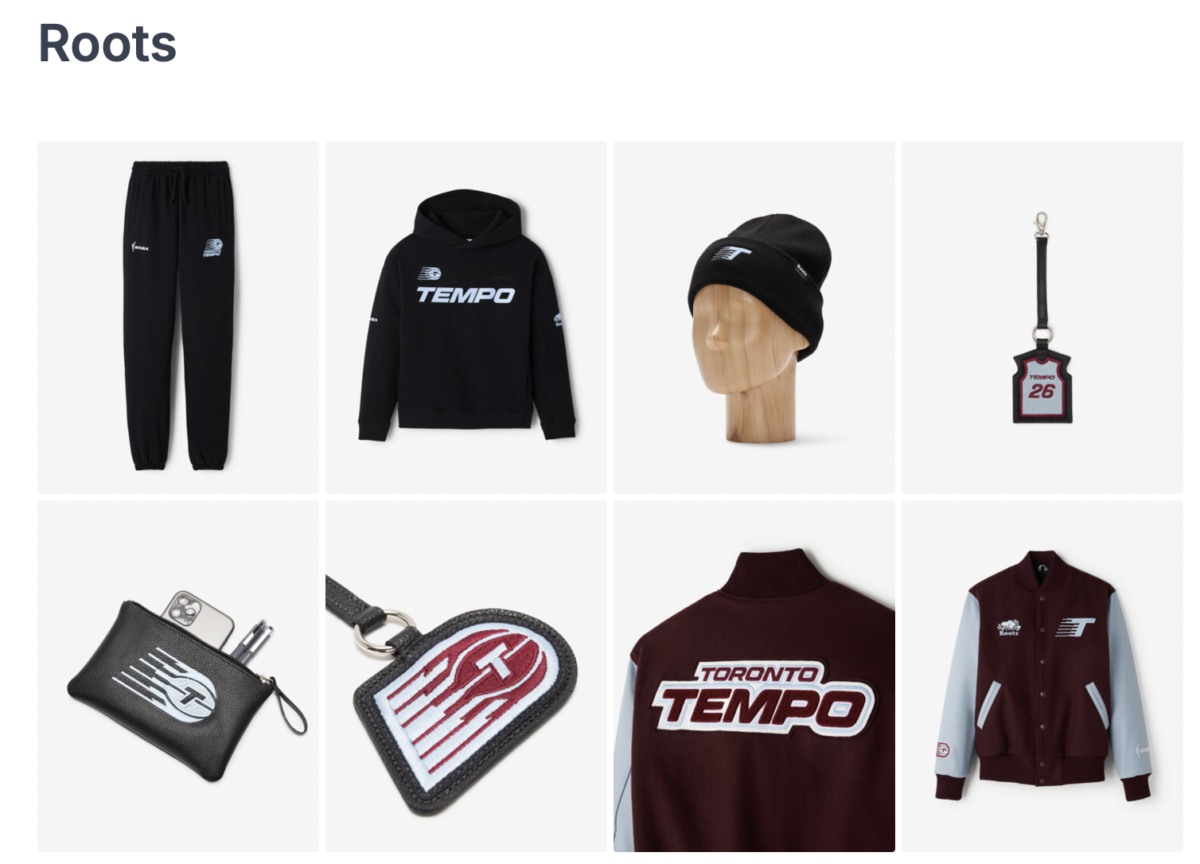
The Toronto Tempo, Canada’s first Women’s National Basketball Association (WNBA) team, has officially launched its inaugural merchandise collection, bringing a fresh wave of excitement to Canadian sports and retail. Featuring a wide range of apparel and accessories, the collection is now available online at shop.torontotempo.com and through select retailers in Toronto.
The merchandise launch signals the team’s entry into the sports scene and also highlights its commitment to local collaboration and community engagement. From partnerships with iconic Toronto-based retailers like Roots and Peace Collective to collaborations with female-founded businesses, the Tempo is setting a new standard for sports franchises in Canada.
A Collaborative Celebration of Toronto’s Retail Culture
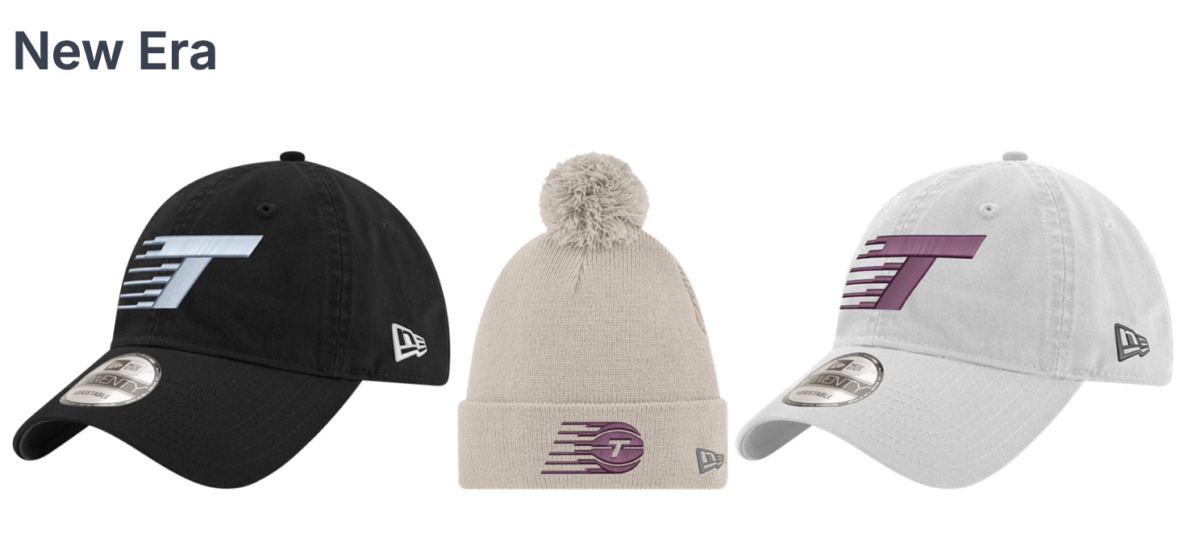
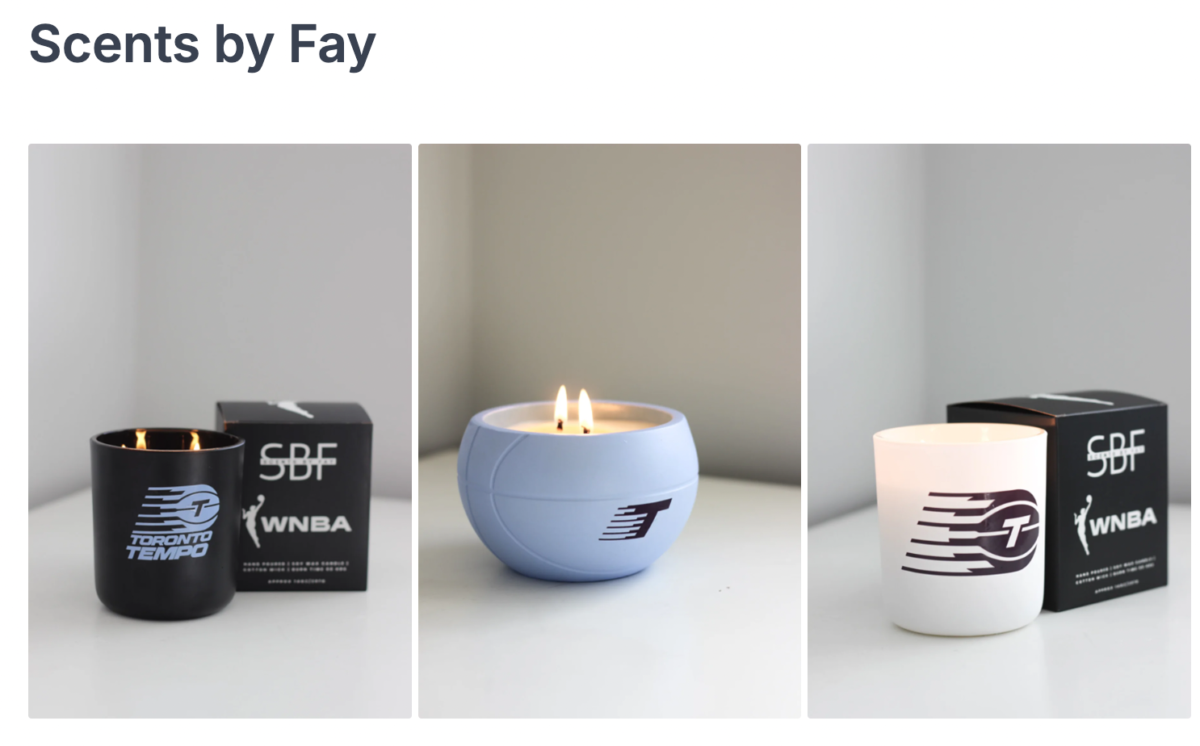
The merchandise collection embraces the Tempo’s distinct branding, with items featuring the team’s vibrant Hydrogen Blue and Bordeaux colours, along with newly unveiled logos and wordmarks. Highlights include hoodies, hats, jackets, leather goods, candles, and baby clothing. Notably, many items were produced in partnership with Canadian companies, ensuring a local touch that resonates with fans.
Roots, known for its heritage leather goods and athleisure apparel, brings its signature craftsmanship to the collection. Peace Collective, a Toronto-based brand celebrated for its community-focused designs, lends its urban aesthetic to the lineup. Both brands have deep connections to the city’s sports culture and represent a seamless integration of Toronto’s identity into the Tempo’s offerings.
Whitney Bell, Chief Marketing Officer of Toronto Tempo
Whitney Bell, Chief Marketing Officer of Toronto Tempo, expressed her excitement for the launch. “‘When can I get my hands on merch?’ is, without a doubt, the most-asked question we’ve had since we announced the launch of this team,” she said in a statement. “We’re thrilled to finally give our community the chance to wear their support for the Tempo proudly.”
Empowering Female Entrepreneurs
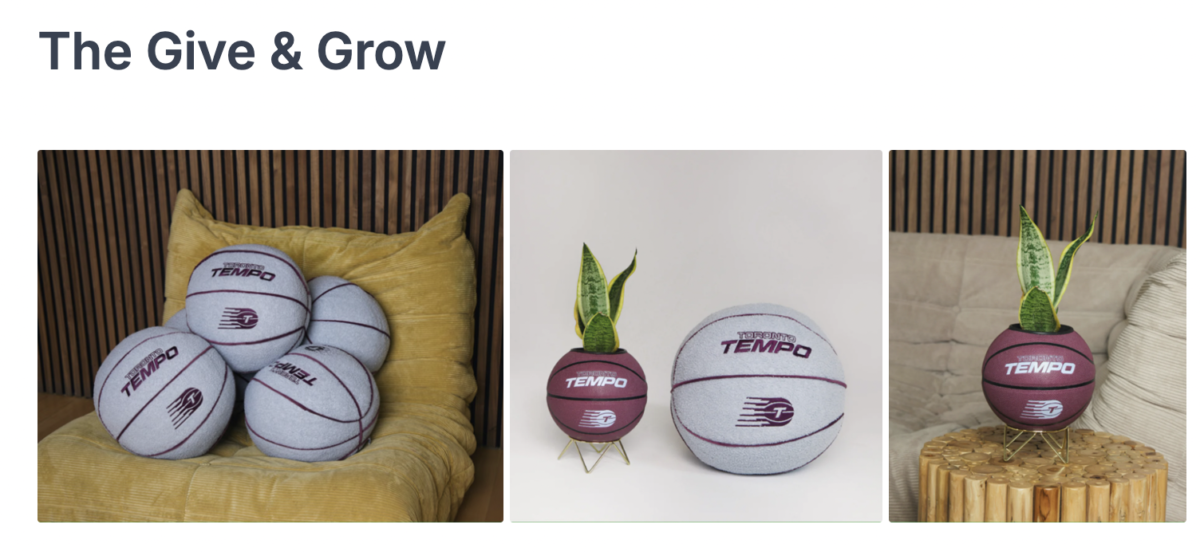
In a powerful nod to gender equality and innovation, the Tempo has partnered with several female-founded brands, including Round21, Playa Society, The Give & Grow, and Scents by Fay. These collaborations go beyond traditional merchandise, offering lifestyle accessories and home fragrances that align with the Tempo’s brand values.
The partnerships reflect the team’s dedication to uplifting women in business, a mission that aligns with the broader goals of the WNBA.
Accessible Merchandise for All Fans
The Tempo’s retail strategy ensures widespread availability of its merchandise. Fans can shop online or visit local retailers, including Makeway, Real Sports, and Sport Chek. Makeway, a store focused on women-led brands, aligns with the Tempo’s ethos.
The merchandise, produced by licensees such as Fanatics, Nike, New Era, and Peace Collective, caters to a variety of tastes and price points. Notably, Fanatics, the team’s official omnichannel retail partner, will oversee both e-commerce and in-venue sales, ensuring seamless access for fans across Canada.
Future Plans for Merchandise
While the current collection is diverse, it’s only the beginning. Additional gear and licensing partnerships will roll out throughout 2025. The Tempo’s official team jersey, a highly anticipated item, will debut closer to the team’s inaugural tip-off at Toronto’s Coca-Cola Coliseum in 2026.
“This is just the beginning,” said Bell. “We can’t wait to hear from fans; what are your favourite pieces? What’s missing? What should we make next?”
Bridging Sports and Community
The Tempo’s approach to merchandise transcends retail, creating a meaningful connection between the team and its community. The decision to collaborate with local brands and focus on inclusivity underscores the team’s commitment to empowering women, fostering local pride, and embracing Toronto’s dynamic retail landscape.
For Toronto’s retail sector, the Tempo represents a unique opportunity. By integrating professional sports with local partnerships, the franchise is creating a blueprint for future sports-related retail initiatives in Canada.
Where to Buy
Fans can purchase the collection at shop.torontotempo.com or through local retail partners including Makeway, Sport Chek, and Real Sports.
About Toronto Tempo The Toronto Tempo was announced as Canada’s first WNBA team in May 2024. Owned by Kilmer Sports Ventures, the franchise will play its first season in 2026 at Coca-Cola Coliseum. For more information, including season ticket waitlist registration, visit tempo.wnba.com.
Former Sears Canada store at CF Fairview Mall in Toronto, January 2018. Photo: Dustin Fuhs
January 14, 2025, marks seven years since Sears Canada—a retail giant once synonymous with shopping in Canada—closed its final stores. This milestone prompts reflection on the retailer’s legacy, the reasons for its failure, and its lasting impact on the Canadian retail landscape. From its ambitious beginnings to its ultimate demise, Sears Canada’s story offers lessons for retailers navigating today’s ever-evolving market.
Sears Canada: From Entry to Expansion
Sears Canada began as a joint venture between Sears, Roebuck & Co. of Chicago and Simpsons of Toronto in 1952, forming Simpsons-Sears Limited. This partnership combined Simpson’s understanding of the Canadian market with Sears’ extensive catalog and retail expertise. The first Simpsons-Sears store opened in Stratford, Ontario, in 1953, followed by rapid expansion across the country.
At its peak, Sears Canada operated hundreds of stores and was a staple of Canadian households. Its catalog business became iconic, reaching millions of homes with a wide array of products, from appliances to clothing. The catalog, often called the “Wish Book,” was particularly significant during the holiday season, influencing consumer culture and creating nostalgia for generations of Canadians.
Former Sears Canada store, photo: Dustin Fuhs
The Beginning of the End
Despite its early dominance, cracks began to appear in Sears Canada’s foundation by the 1990s. The company struggled to adapt to changing retail dynamics, facing increasing competition from Walmart, Canadian Tire, and later Amazon. The acquisition of the bankrupt Eaton’s chain in 1999 was a pivotal misstep. Sears attempted to reposition Eaton’s as a luxury brand, but the strategy faltered, and the Eaton’s stores were shuttered by 2002.
Leadership changes and strategic missteps further eroded the retailer’s position. By the early 2000s, Sears Canada faced mounting challenges, including an aging customer base, a lack of investment in e-commerce, and an inability to clearly define its brand. These issues compounded as competitors modernized and captured market share.
Former Sears Canada store at Upper Canada Mall in Newmarket, ON (Image: Sears Canada)
What Went Wrong?
Several factors contributed to Sears Canada’s downfall:
Failure to Innovate: The retailer lagged behind in adopting e-commerce, leaving it ill-equipped to compete with Amazon and other online retailers. Its website lacked the functionality and user experience needed to attract modern consumers.
Leadership and Ownership Issues: Under Eddie Lampert’s leadership, Sears Holdings Corporation (Sears Canada’s largest shareholder) focused on cost-cutting and real estate sell-offs rather than reinvestment in the core business. This short-term strategy exacerbated the retailer’s decline.
Brand Identity Crisis: Sears Canada struggled to appeal to younger demographics while retaining its traditional customer base. Its product mix lacked focus, alienating both groups.
Competitive Pressure: The rise of big-box retailers like Walmart and Costco, alongside the growing popularity of e-commerce, left Sears Canada unable to maintain its market share.
Economic Challenges: The 2008 financial crisis and subsequent economic shifts further strained the company’s resources and customer base.
Former Sears store at CF Toronto Eaton Centre in Toronto, 2013. Photo: Dustin FuhsSEARS METROTOWN: FORMER SEARS CANADA CEO RON BOIRE VISITED THE BURNABY STORE IN 2015 AS PART OF HIS B.C. TOUR. BOIRE STOPPED TO VISIT WITH METROTOWN EMPLOYEES JOYCE CHIEN, VICKY HERNANDEZ AND BIANCA LEUNG. PHOTO: LARRY WRIGHT/BURNABY NOW
Competitor Analysis
While Sears Canada faltered, its competitors thrived by adapting to new trends. Walmart expanded aggressively, offering low prices and a robust e-commerce platform. Canadian Tire solidified its market position by innovating within its niche and investing in loyalty programs like Triangle Rewards. Amazon disrupted traditional retail with its convenience and vast selection, attracting tech-savvy consumers that Sears failed to engage.
Hudson’s Bay, a fellow department store, survived by leveraging its history and focusing on upscale and high-margin products. However, even it faced struggles, highlighting the challenges of the department store model in the digital age in North America.
Former Sears store at CF Toronto Eaton Centre. Photo: Dustin Fuhs
The International Context
Sears Canada’s struggles mirrored those of its parent company, Sears, Roebuck & Co., in the United States. Both entities failed to adapt to the changing retail environment, facing similar challenges with leadership, innovation, and competition. While the U.S. division also entered bankruptcy, Sears Canada’s fate was sealed by its unique challenges in the Canadian market, including differences in consumer behaviour and market dynamics.
The rise and fall of Sears globally reflect broader trends in the retail industry, including the decline of department stores and the rise of e-commerce giants. The story of Sears Canada highlights how even established brands can falter if they fail to evolve.
Scarborough Town Centre Sears Box Redevelopment (Image: Matheson Constructors)
Aftermath and Legacy
The closure of Sears Canada left a significant void in the Canadian retail landscape. Many of its former stores, particularly in suburban shopping malls, remained vacant for years. Some of the large retail spaces proved difficult to repurpose, with some malls struggling to attract new tenants. This has contributed to the broader challenges faced by shopping malls in an era of declining foot traffic and changing consumer preferences.
However, many Sears Canada locations eventually found new life. Former Sears spaces have been repurposed into new retail space, mixed-use developments, fitness centres, and even educational institutions. This adaptive reuse reflects the shifting priorities of property developers and the evolving needs of communities.
For employees, the closure was devastating. Approximately 12,000 workers lost their jobs, many of whom faced difficulties finding comparable employment. The liquidation process also left pensioners in a precarious position, sparking debates about corporate responsibility and the protection of worker benefits.
Conclusion
Seven years after its closure, Sears Canada remains a cautionary tale of a retail giant that failed to adapt to a rapidly changing market. Its legacy endures in the memories of Canadian consumers and the lessons it offers to today’s retailers. As the industry continues to evolve, the story of Sears Canada underscores the importance of innovation, adaptability, and strategic leadership in achieving lasting success.
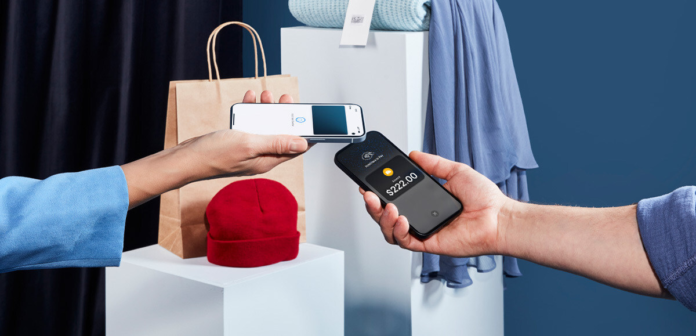
Montreal-based Lightspeed Commerce Inc., a global leader in omnichannel commerce solutions, has unveiled its latest retail innovation: Selling on Lightspeed Scanner. The feature, now available on iPhone, is set to transform in-store shopping by allowing sales associates to complete purchases directly with customers. This eliminates the need for checkout lines and enhances personalized service.
This breakthrough comes as retailers face growing pressure to deliver frictionless and customized experiences. According to Lightspeed’s State of Retail 2024 Report, 39% of shoppers cite exceptional customer service as their top reason for spending more. The new feature empowers retailers to meet this demand head-on, addressing common frustrations such as long queues and inefficient service.
Transforming the In-Store Experience
Selling on Lightspeed Scanner equips sales associates with tools that redefine the in-store shopping experience. By enabling employees to finalize purchases directly on the sales floor, the feature eliminates the bottleneck of traditional checkout counters. Customers can enjoy a more seamless experience as transactions are completed on the spot.
The technology also enhances the role of sales associates, enabling them to deliver more personalized service. Employees can check inventory in real-time, provide tailored consultations, and process purchases without ever leaving the customer’s side. This approach not only improves operational efficiency but also strengthens the connection between retailers and their customers.
Additionally, the feature is designed for versatility. It works effectively across diverse retail settings, including pop-up shops, events, and large-format stores. By providing flexibility, Lightspeed is catering to the evolving needs of modern retailers and the dynamic environments in which they operate.
Elevating Customer Service
Personalized and efficient service is becoming increasingly vital in retail. Research from Lightspeed indicates that 42% of shoppers are open to VIP shopping experiences, such as skipping lines and receiving tailored recommendations. The new feature aligns with these expectations by enabling sales associates to create faster, more customized interactions.
Dax Dasilva, Founder and CEO of Lightspeed
“This launch marks a pivotal moment for retailers,” said Dax Dasilva, CEO of Lightspeed. “By closing the sale directly with the customer—no lines, no disruptions—retailers are meeting shoppers’ needs for speed and personalization, all while creating moments of delight that turn transactions into lasting relationships.”
Retailers using the system are already seeing results. Cody Coleman, owner of Do It Yourself Pest and Weed, shared his experience: “The new selling function on Lightspeed Scanner for X-Series with Tap to Pay has given our team peace of mind. It provides a backup ready when unexpected issues occur, without the added cost of extra hardware. Plus, we now have the flexibility to quickly add an additional register when the store gets busy.”
A History of Innovation
The introduction of mobile checkout is the latest in Lightspeed’s long-standing commitment to revolutionizing retail. The company has consistently delivered solutions that address modern challenges, from optimizing inventory management with Retail Insights to streamlining employee scheduling through enhanced Homebase integration.
These tools reflect Lightspeed’s vision of empowering merchants to thrive in a competitive landscape. By providing technology that simplifies operations and enhances customer experiences, Lightspeed helps retailers stay ahead of evolving market trends.
Why This Matters for Retailers
The benefits of Selling on Lightspeed Scanner extend beyond customer satisfaction. By enabling faster, more efficient transactions, the technology reduces bottlenecks and allows retailers to optimize their workforce. It also supports retailers in environments requiring flexibility, such as pop-up shops or busy seasonal periods, without the need for costly additional hardware.
For customers, the feature delivers a frictionless shopping experience that meets their growing expectations for speed and personalization. For retailers, it’s a valuable tool for improving operational efficiency and building long-term relationships with shoppers.
About Lightspeed
Founded in Montreal in 2005, Lightspeed Commerce Inc. has grown into a global powerhouse in retail and hospitality technology. The company’s cloud-based platform enables merchants to unify online and in-store operations, manage multichannel sales, and simplify payments. Serving over 100 countries, Lightspeed continues to lead with innovation, empowering businesses to deliver exceptional customer experiences across all touchpoints.
Lightspeed’s tools provide merchants with the capability to scale, adapt, and thrive in a dynamic market. With Selling on Lightspeed Scanner, the company is taking yet another step toward shaping the future of retail—one seamless transaction at a time.
Montreal-based outerwear brand Quartz Co. has launched its ambitious Winter 2025 marketing campaign, aiming to redefine how Canadians embrace winter. Known for its eco-conscious innovation and sophisticated designs, Quartz Co. has unveiled a message that positions winter not as a challenge but as an opportunity for confidence and celebration.
The campaign, titled “Keep Your Cool,” is spearheaded by Quartz Co.’s Vice President of Marketing and Communications, Francis Guindon. It aims to shift perceptions of winter through a blend of wit, charm, and bold visual storytelling. “We’re redefining how people perceive winter—giving them the tools, the confidence, and the style to truly own it. This campaign is about more than outerwear; it’s about a mindset,” says Guindon.
Francis Guindon
Striking Visuals and Taglines
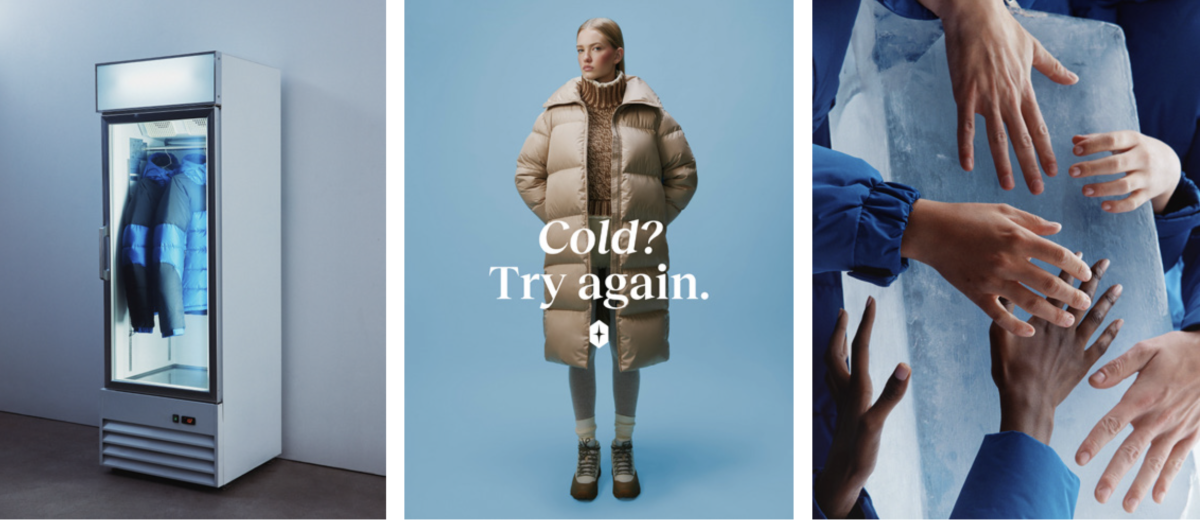
Designed to resonate deeply with the brand’s ethos, the campaign showcases Quartz Co.’s commitment to style and performance. The visuals are infused with striking taglines such as “Got Our Survival Kit,”“Too Warm to Handle,” and “Arctic Air? Don’t Care.” These, paired with bold colour palettes of red, blue, icy tones, and luminous beige, echo Canadian pride and the latest in winter fashion trends.
Drawing inspiration from 1990s advertising while embracing a contemporary aesthetic, the campaign bridges the brand’s history with its vision for the future. “It’s bold, it’s confident, and it’s unmistakably Quartz Co.,” Guindon explains.
Celebrating a Global Presence
Since its reimagining in 2015, Quartz Co. has evolved from a Canadian favourite to an international outerwear brand. With flagship stores in Montreal and a presence in global markets, the company has become a leader in sustainable, high-performance outerwear. Its nomination for the 2024 CAFA Awards as Outerwear Brand of the Year underscores its prominence in the fashion industry.
Quartz Co. campaign images. Photo: Quartz Co.
“Montreal is the heart of Quartz Co., the world is its playground,” says Guindon, highlighting the brand’s creative inspiration from its home city and urban landscapes worldwide.
Behind the Scenes
The campaign features creative direction by Francis Guindon, photography by Samuel Pasquier, and styling by Marianne Dubreuil and Raphaelle Simard. The result is a compelling narrative that celebrates both the rugged spirit of Canadian winters and the elegance of global fashion.
Randy Harris, founder of Trendex North America, shared his insights on these developments and the broader implications for the industry during an in-depth conversation.
The Mid-Priced Segment: A Shrinking Market
Harris didn’t mince words when discussing the fate of mid-priced women’s retailers, a segment he describes as “in the worst possible position.” He cited economic uncertainty, shifting consumer preferences, and increased competition as compounding factors.
Randy Harris
“This niche is shrinking,” Harris stated. “If you’re a mid-priced retailer without a unique brand proposition, there’s no future for you. We see flashes in the pan—brands that rise and disappear within a few years.”
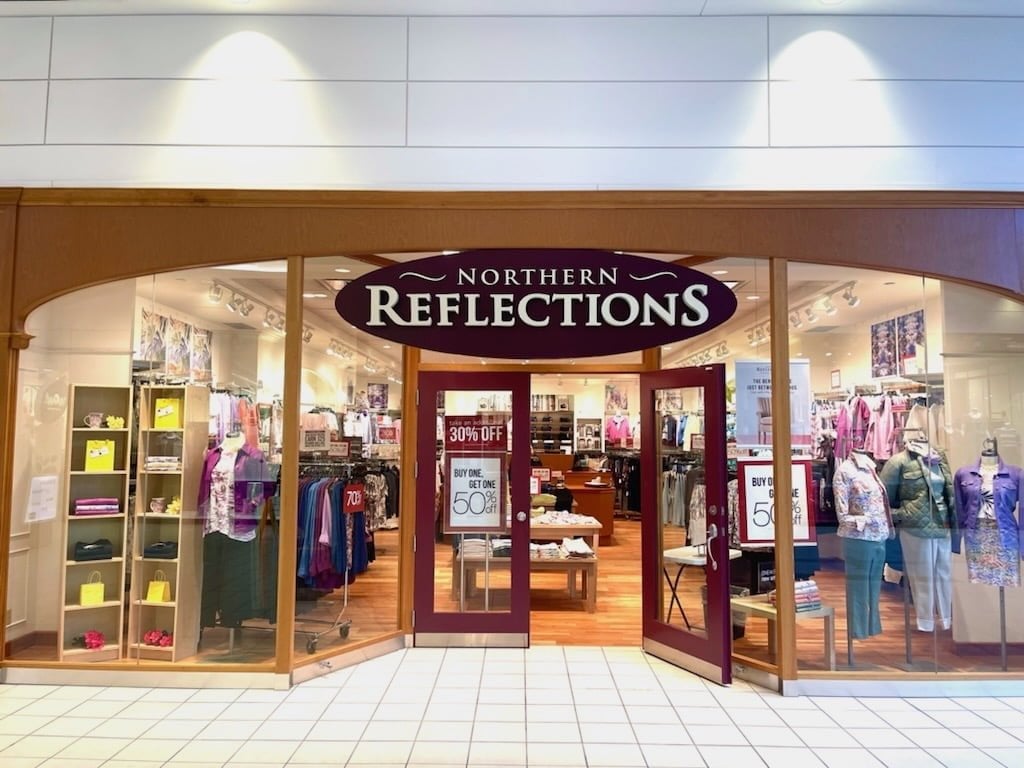
Harris highlighted that many retailers in this segment struggle to differentiate themselves, relying heavily on private-label products without the marketing budgets to build lasting brand recognition. He speculated that Doug Putman, now at the helm of Northern Reflections, would likely slash marketing expenditures to cut costs.
“Marketing is always the first thing to go,” he noted. “But in this segment, it’s essential to stand out.”
Northern Reflections: A Transition Fraught with Challenges
Northern Reflections has attempted to reinvent itself in recent years, shifting away from fleece tops and “cute Christmas sweaters” to a more modern product lineup. However, Harris questioned whether these efforts will yield long-term success.
“They’ve worked to change their image, but it’s still an uphill battle,” he said. “The segment they’re in isn’t growing, and standing out requires substantial investment. It’s hard to see how they’ll achieve sustainable growth.”
Harris predicted that Putman’s immediate focus would be on profitability, likely through closing underperforming stores and cutting costs. “Putman’s strategy will probably involve slashing marketing budgets, which might save money in the short term but won’t help them stand out in a crowded market.”
Erosion of Demand for Dressy Apparel
Another hurdle for women’s specialty retailers lies in evolving consumer behaviour. Harris observed that women in the 40-plus demographic are buying less dressy apparel—a staple for many mid-priced brands.
“The market isn’t growing, and much of the demand is shifting toward casual and practical clothing,” Harris explained. “This leaves retailers like Northern Reflections and their competitors scrambling to adapt.”
He added that the age group traditionally targeted by these retailers is also exploring e-commerce and second-hand options, further fragmenting the market.
Ricki’s store opening at Willowbrook Centre in Langley, BC. Photo: Ricki’s
The Competitive Landscape: Independent Retailers and Regional Dynamics
While national chains like Ricki’s and Cleo have dominated headlines, Harris pointed out that the Canadian market is dotted with independent retailers, particularly in smaller communities.
“In towns like Red Deer, you’ll find independents catering to this niche,” Harris said. “They’re not in big cities, but they fill a gap with a curated selection of brands. However, these stores face their own challenges in keeping up with changing trends and consumer demands.”
Despite their localized appeal, these independents are under pressure from second-hand retailers and discount chains, which continue to draw budget-conscious consumers. Harris also noted that many independents lack the scale or resources to compete with larger, more established brands.
Second-Hand Retail: A Growing Threat
Harris emphasized that second-hand retailers are gaining traction among budget-conscious consumers, particularly in the women’s mid-priced segment. “Women in the 40-plus demographic are increasingly turning to second-hand options,” he said. “They’re looking for value and variety, which these retailers are offering.”
This trend reflects a broader shift toward sustainability and affordability, which has disrupted traditional retail models. Harris acknowledged that while second-hand shopping isn’t a new phenomenon, its impact on the mid-priced segment has grown significantly in recent years.
Northern Reflections at Sherwood Park Mall (March 2022)
Photo: Rebecca Quinn / Sherwood Park Mall
E-Commerce: Not the Panacea Many Expected
While e-commerce has surged in popularity across many retail segments, Harris argued that its growth in Canadian apparel has been overestimated.
“People always talk about Lululemon and Aritzia as though they represent the entire market, but they don’t,” Harris said. “The real market is brands like Reitmans, and their e-commerce sales have been down. Even Canada Goose reported a decline in online sales last quarter.”
Harris believes that mid-priced retailers’ reliance on e-commerce to offset in-store losses is unlikely to yield long-term success. “Consumers in this demographic are looking for value, and e-commerce isn’t necessarily delivering that,” he stated.
A Grim Outlook for the Segment
Harris concluded the discussion with a sobering assessment of the mid-priced women’s retail market. “This is an unglamorous niche, and it holds out very little prospect for sustained success,” he said. “Retailers in this segment are under immense pressure, and many will not survive without drastic changes.”
While Harris acknowledged the resilience of independent retailers and the potential for niche players to carve out a loyal customer base, his overall outlook remained cautious. “The facts are the facts,” he said. “This segment faces structural challenges that won’t be resolved overnight.”
He ended with a pragmatic suggestion for survival: “Retailers need to innovate, differentiate, and build a strong understanding of their target audience. Without a unique offering or a clear value proposition, they’re not going to last.”
Calgary-based fashion retailer SophieGrace recently received an unexpected personal endorsement from Hollywood star Eva Longoria.
The celebrity posted a short video on her social media describing her purchase of clothing from the Calgary brand, which was officially launched in 2020 by Emma May.
And the endorsement couldn’t have come at a better time as May looks to expand the brand into the U.S. market.
“It’s just this incredible reinforcement of what we’re doing. What was cool about it is she bought from an Instagram ad. We did not approach her. We had no contact with her. She saw our products online. And she bought it. And when she received it, she liked it and she decided to make a post about it,” said May.
“We weren’t expecting it. We didn’t know it was going to happen. And then you’re like, ‘Oh my God, this is so cool’. We saw her order come through.”
Photo from Eva Longoria Instagram Page
The brand has showrooms in Calgary and Vancouver but May said the focus and strategy from day one has been online.
Emma May
“I knew that my customer was sort of a type of woman as opposed to regional. Whether she’s living in Atlanta, Georgia, or Calgary, or Toronto, or New York, she’s someone who’s professional and needs to look pulled together for the office,” said May.
“Basically, we are a brand that caters to professional women and we give them mix and match really comfortable separates that create easy solutions for suiting. We really focus a lot on monochromatics so that our colour palettes match really perfectly all the time so you can pull together something that’s really easy and comfortable. All of our products right now are machine washable. So even the blazers and the pants, everything is like super comfortable, stretchy. You feel good in it, but it looks really elevated and elegant.”
The brand is worn by a few CNN anchors, such as Abby Phillip, as well as commentator Rachael Segal and Alberta Premier Danielle Smith.
“Our customer list is actually pretty impressive,” said May.
Emma May
“What we found is that about 20 per cent of our customers are in the American market and they’re all over the U.S. It’s Alabama, Mississippi, New York, LA, San Francisco, Seattle. You name it. So we don’t really have a specific geographic location we cater to but it’s definitely a type of woman.
“She’s usually sort of like 40 and over. She’s got a professional workplace thing and she wants stuff that lets her feel super comfortable and pulled together in the flash of an eye. The plan is really for us to expand into the U.S. market because what we’re finding is that our U.S. customer spends a lot more money and she is coming back to us at the same rate as our other customers.
“So we’ve got about a 40 to 45 per cent repeat customer rate. Our customers come back to us on repeat and then we’ve got about five per cent of our customers who basically have bought the entire collection, everything that we do. We have a repeat customer stat that’s actually akin to menswear. It’s not something that’s actually found a ton in the womenswear space. So we’re really lucky in terms of that, but I think it’s because we’re really catering to a very specific demo.”
May said the brand’s opportunity in the U. S. is huge.
“It’s important for Canadian exporters to get down here to get a handle on this market to understand what’s going on. Americans love Canadian brands. They love lululemon. They love Aritzia. They love Canada Goose. We have a very successful track record in the US and there’s no reason why our company can’t follow that path.”
Every year, Vibes said it surveys a broad range of over 1,000 mobile-centric consumers with the intention of understanding what their relationship with their smartphones looks like today; how this has changed over multiple years; how they prefer to interact with brands on their phones, and how these interactions help or hinder their path to purchase.
“Among the core findings for 2025 is the power that SMS and digital wallets have together on influencing consumer purchases, with 86% reporting that they’re more likely to engage with or redeem mobile offers sent to them via text message than those sent via email or offers in a brand’s mobile app,” it said.
“What’s more, the survey found that these channels are equally influential on their own, with 4 out of 5 consumers preferring brands send them text messages at least once a week, and with more than half saying they use digital wallet passes (often called Mobile Wallet passes) at least a few times each week.
The report said over 55% of consumers also said they’re more likely to engage with brands that offer a digital wallet option for coupons/offers and loyalty cards, with more than half wishing they could do away with physical wallets and just use digital ones.
“This growing preference of SMS and digital wallets clearly opens an opportunity for brands looking to drive more in-store and in-location traffic, given 98% open rates for SMS and the ability to directly attribute the ROI that a digital wallet drives for their business. 51% of consumers even said they’d be interested in using digital wallets more frequently than they do now, if the ones saved on their phones automatically updated with new promotions – a sentiment that rose from 43% of consumers surveyed last year,” explained the report.
Alex Campbell
“Every year we’ve conducted the Consumer Insights survey, we’ve been thrilled to watch the evolution of both SMS and Mobile Wallet in consumers’ eyes – from fun but moderately-used channels to the absolute cornerstones of their shopping and dining experiences”, said Alex Campbell, Vibes’ Co-Founder & CIO.
“Seeing how this ties into purchase behavior and brand revenue this time around only underscores just how crucial these channels have become for modern brands and the consumers who love them”.
Additionally, only two in five are making investments to improve their productivity.
The report, Removing roadblocks: Unlocking small business capital investment, said that, when adjusted for workforce size, business investment in machinery and equipment declined by 16% — equivalent to $1,178 less per private sector worker— between 2013 and 2023. This drop in investment is exacerbating Canada’s productivity challenges, which already lags behind most G7 countries, it added.
Bradlee Whidden
“If we don’t improve our productivity and make it easier for businesses to equip workers with the tools and equipment they need to be more efficient, Canada risks falling behind its global competitors, losing entrepreneurs to other countries, and worsening the standard of living for all Canadians,” said Bradlee Whidden, senior policy analyst for Western Canada and report co-author. “We will all feel the impacts, that’s why governments need to act now, and fast.”
The CFIB is Canada’s largest association of small and medium-sized businesses with 100,000 members across every industry and region.
Over two-thirds (69%) of businesses said equipment costs are deterring them from investing in capital, followed by the high cost of doing business (56%) and cash flow constraints (50%). Nearly four in 10 small businesses (37%) in British Columbia, Saskatchewan, and Manitoba report that their inability to write off Provincial Sales Taxes is a barrier to increasing their investments, said the report.
“To tackle Canada’s stagnant productivity and encourage more investment, CFIB is calling on the federal government to simplify and make the Accelerated Investment Incentive and Immediate Expensing measures permanent to allow faster write-offs, as well as abandon its increase in the capital gains inclusion rate to 66.7% from 50%,” said the CFIB.
It said all levels of government should:
Reduce corporate income tax rates, allowing businesses to reinvest more of their income.
Prioritize faster permitting, processing, and impact assessments for large infrastructure projects especially in capital-intensive sectors like energy.
Francesca Basta
“All governments have a role in tackling Canada’s productivity emergency by adopting policies that make it easier for businesses to make valuable investments,” said Francesca Basta, CFIB’s research analyst. “Providing small businesses with the financial space and tools they need will increase productivity and boost economic activity, allowing for more production and lower prices at a time when Canadians need it.”