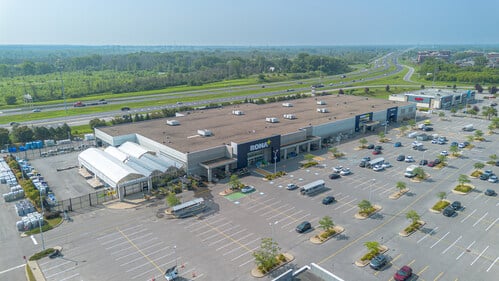
GALION COMPLETES THE LARGEST ACQUISITION IN ITS HISTORY WITH THE PURCHASE OF FIVE RONA AND RONA L’ENTREPÔT STORES ON MONTRÉAL’S SOUTH SHORE (CNW Group/Galion)
Quebec-based real estate company Galion has completed the largest transaction in its history with the acquisition of five large-format RONA and RONA L’Entrepôt stores located on Montréal’s South Shore, for an amount exceeding $100 million.
The acquired properties are located in Saint-Bruno-de-Montarville, Brossard, Granby, Beloeil, and Saint-Hyacinthe.
Marking a key strategic milestone for Galion, this initiative adds 620,000 square feet to its portfolio, said the company on Wednesday.
Following this transaction, Galion’s real estate portfolio now includes 73 properties across Québec. The company’s assets are now approaching $1 billion, and the organization clearly states its ambition to double this value in the short term, it said, adding its portfolio includes office space, retail space, light industrial properties, and gas stations, reflecting a strong and structured diversification strategy across Québec.
“This acquisition marks a turning point in Galion’s history. Not only is it the largest transaction we have completed, but it also allows us to continue our entry into the large-format retail segment, a strategic market offering strong growth prospects,” said Yves Sanscartier, President of Galion.
Yves Sanscartier
“These acquisitions are fully aligned with our vision of sustained and disciplined growth. They strengthen the quality and diversification of our portfolio while consolidating our presence on Montréal’s South Shore, a dynamic and attractive market. We see strong long-term value creation potential,” he added.
Founded on an entrepreneurial approach and active asset management, Galion now employs 42 people and continues to expand with determination. This transaction confirms its position as a leading real estate player in Québec and demonstrates its commitment to accelerating its development in the coming years. It is worth noting that Galion was created by accomplished Québec entrepreneurs who have succeeded in various sectors and have chosen to reinvest in Québec to create value, said the company.
“The acquisition of the five RONA and RONA L’Entrepôt stores strengthens Galion’s presence on the South Shore, where it owns other properties, notably in Brossard with the Jonxion project completed a few years ago, located at the corner of Lapinière and du Quartier boulevards. This complex of four office towers, totaling nearly 500,000 square feet, has an occupancy rate of 98% and is home to prestigious tenants such as Beneva, Hydro-Québec, General Electric, Vinci Construction, CYME International, OACIQ, Raymond Chabot Grant Thornton, Fédération des Caisses Desjardins du Québec, etc.,” it said.
More businesses in Canada have closed than opened for six consecutive quarters, and more than half (55%) of small business owners say they would not recommend starting a business right now, according to new research by the Canadian Federation of Independent Business (CFIB).
The entrepreneurial drought, a sustained period of four or more quarters where business exits outpace new business entries, has been ongoing since early 2024. While the overall trend of business creation in Canada has been declining since mid-1980s, openings had mostly outpaced business closures. That’s not the case anymore. In the second quarter of 2025, exit rates reached 5.6%, while entry rates fell to 4.8% in Q4 2025, marking some of the highest closure rates and weakest startup activity outside the pandemic, added Canada’s largest association of small and medium-sized businesses with 103,000 members across every industry and region.
Michelle Auger
“Small businesses have watched governments hand out billions of dollars to multinationals while ignoring the realities on Main Street. Governments need to wake up. If we want a more productive and competitive economy tomorrow, we need more small businesses today,” said Michelle Auger, CFIB director of trade and marketplace competitiveness. “Small business priorities should be government priorities. That means reducing taxes, cutting red tape, and promoting investment and entrepreneurship across the country.”
The challenges behind the entrepreneurial drought go beyond business entry and exit trends. Two‑thirds of small firms said they feel unsupported by their provincial governments, only 3% strongly believed their government had a clear vision for entrepreneurship, while 73% are not confident in the federal government. High costs, tax and payroll pressures, complex rules, red tape, and ongoing labour challenges against a backdrop of persistent global uncertainty, all make entrepreneurship more difficult and less attractive, explained the CFIB.
Brianna Solberg
“Canada’s economic foundation is crumbling. Governments need to stop just papering over the cracks and really refocus efforts on policies that improve the small business environment,” said Brianna Solberg, CFIB’s director for the Prairies and the North. “We cannot afford to regulate ambition out of our economy. When more than half of current small business owners are telling you they wouldn’t recommend starting a business, it’s time to listen.”
Part 2 of CFIB’s entrepreneurial drought report series: “Fixing Canada’s Shrinking Business Landscape” will be released on April 18. Part 2 will provide practical recommendations for governments to help end Canada’s entrepreneurial drought.
A newly released report from the Canadian Federation of Independent Business, published April 8, 2026, points to a growing crisis for independent retailers across the country, as rising crime and underreporting reshape the realities of operating on Main Street.
The latest data highlights a widening disconnect between official crime statistics and what business owners are experiencing daily. Half of Canadian small business owners report that crime has increased in their community over the past year, while only 2% say it has declined.
A Growing Gap Between Data and Reality
The CFIB findings suggest that traditional crime metrics may not fully capture the scale of the issue. While some major crime categories have declined in certain urban markets, retail-focused crimes continue to trend upward.
Shoplifting under $5,000 has surged 66% since 2014 and has now risen for four consecutive years. At the same time, Theft Over $5,000 was the only major property crime category to increase in the most recent reporting period, rising 8.4% year over year.
For retailers, the frequency of incidents matters more than severity. Many describe a constant stream of low-value theft that accumulates into significant financial loss and operational strain.
Safety Concerns Are Reshaping Retail
The impact extends beyond financial performance. Nearly half of small business owners, 49%, now report concerns about their own physical safety and that of their staff.
Retailers are responding by changing how they operate. Some have introduced locked-door entry systems, while others are limiting staff from working alone. These adjustments are designed to reduce risk, though they often come at the expense of customer experience and accessibility.
The result is a retail environment that is becoming more controlled and, in some cases, less inviting for shoppers.
The Rise of “Security Inflation”
A notable trend emerging in 2026 is what industry observers describe as “security inflation,” where retailers are significantly increasing spending on loss prevention and safety measures.
Small businesses are investing in surveillance systems, reinforced fixtures, and in some cases, body-worn cameras for staff. This marks a shift toward more aggressive deterrence strategies that were previously limited to large chains or law enforcement.
At the same time, retailers report an average profit shrink rate of approximately 1.5%, nearly double pre-pandemic levels. These losses, combined with rising security costs, are placing additional pressure on already thin margins.
Organized Crime and Cross-Border Networks
Beyond individual incidents, organized retail crime continues to expand in scale and sophistication. Ongoing enforcement efforts such as Project Sommes, launched in August 2025, are targeting coordinated theft networks that move stolen goods across jurisdictions and international borders.
These operations highlight the complexity of the issue, as retailers face both opportunistic theft and organized criminal activity.
Underreporting and the “Statistics of Silence”
The gap between reported crime and lived experience is further reinforced by new data from the Save Our Streets coalition, a growing advocacy group focused on public safety concerns.
Recent findings indicate that 71% of crime victims in British Columbia did not report incidents to police, largely due to a lack of confidence in the justice system. Additionally, 73% of residents say crime and public disorder are affecting their quality of life, while 85% of small business owners in the network believe their taxes are not translating into improved safety.
This phenomenon, often described as the “statistics of silence,” suggests that official crime data may significantly understate the true scale of retail-related incidents.
Policy Pressure Builds Across Canada
The CFIB is urging governments to respond with more coordinated and effective measures. These include stronger consequences for repeat offenders, improved police response times, and financial supports such as security rebates to help businesses manage risk.
Industry stakeholders emphasize that small businesses are deeply embedded in their communities. However, the ongoing strain from crime is contributing to burnout among owners and, in some cases, decisions to close or scale back operations.
A Structural Challenge for Main Street
Retail crime in Canada is increasingly being viewed as a structural issue rather than a temporary disruption. The combination of rising theft, underreporting, and escalating security costs is creating a challenging environment for independent retailers.
As more businesses adjust their operations to prioritize safety, the broader implications extend beyond individual storefronts to the vitality of commercial districts and local economies.
Without meaningful intervention, the pressure on Canada’s small business sector is expected to continue, reshaping the future of retail at the community level.
If product strategy is the foundation of luxury, retail execution is the proof.
Luxury retail does not succeed because a store is beautiful. It succeeds because the experience is repeatable, disciplined, and emotionally precise. Clients may walk in for a handbag, but they return because of how the space made them feel.
To understand how luxury retail actually works, we have to move beyond architecture and into systems.
In an interview, Douglas Mandel, former VP of Dior who led Canada and a veteran global luxury executive, outlines the operational discipline behind luxury retail execution. His perspective reveals that behind every seemingly effortless boutique lies a structured playbook.
For Canadian brands scaling stores domestically or expanding internationally, this distinction matters. Luxury may feel intuitive. In reality, it is engineered.
When a Store Becomes a Story
Douglas Mandel
“There’s a moment, just before the doors open, when everything goes still,” Mandel says of flagship launches.
The floors are polished. The scent calibrated. The lighting refined. What began as a sketch or moodboard becomes a living embodiment of the brand.
A flagship store is not simply a commercial site. It is narrative made physical.
Luxury retail execution begins with immersion. Every material, sound, and surface communicates intention. The architecture becomes part of the storytelling. The service becomes theatre.
For Canadian luxury corridors, whether in Toronto’s Yorkville, Vancouver’s Alberni Street, or Montreal’s Royalmount, the flagship must do more than transact. It must anchor the brand locally while reflecting global standards.
However, storytelling alone is insufficient. Emotion must be supported by operational rigour.
The Competitive Moat: Retail Playbooks
One of the most overlooked realities of luxury retail is that scaling without structure leads to inconsistency.
“Unless you’re part of a mega-brand group with decades of infrastructure, most luxury retail brands don’t scale, they scramble,” Mandel observes.
What works in store number one does not automatically work in store number ten.
This is where retail playbooks become essential.
A luxury retail playbook transforms instinct into infrastructure.
It documents how stores open and close, how staff greet clients, how product is packaged, how clienteling follow-up occurs, and how performance is measured.
Luxury is emotional. It is also operationally precise.
Consistency protects brand equity. A fragrance wrapped with care in Vancouver must feel identical in ritual to one wrapped in Miami. A store opening in Montreal must deliver the same hospitality standards as one in London.
Without a documented operating system, store managers invent their own versions of excellence. The result is variability.
Luxury retail execution depends on repetition at the highest level.
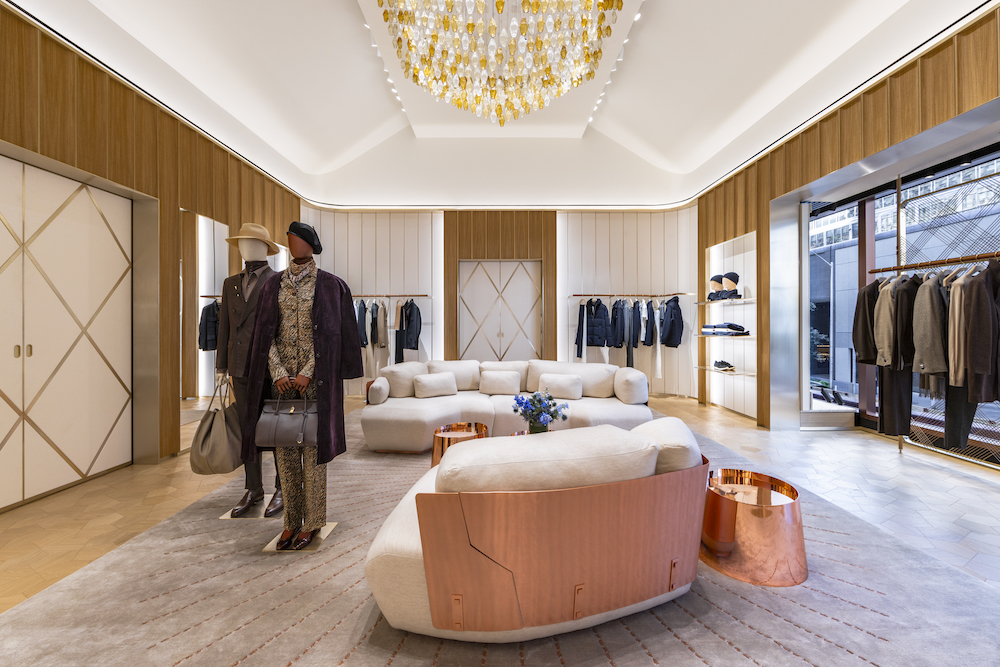
Women’s second floor ready to wear at Loro Piana, 111 Bloor St. W. in Toronto. Photo: ETHAN ESPIRITU/Loro Piana
Why Physical Stores Matter More Than Ever
In a time defined by digital saturation, inflation pressures, and shifting acquisition costs, opening a physical store may appear risky. Mandel argues the opposite.
For luxury brands, stores are no longer optional. They are proof of value.
In-person conversion rates remain significantly higher than digital. Clients treat luxury stores as sanctuaries, places to reconnect with craftsmanship and experience tactile reassurance.
“Trust is built in person,” Mandel says.
In Canada, where e-commerce penetration is high but luxury remains experiential, physical retail anchors credibility. Hospitality, texture, lighting, and staff presence communicate worth in ways websites cannot.
Luxury retail execution therefore requires viewing stores not as distribution points, but as brand assets. They function as showroom, salon, and studio simultaneously.
The smartest luxury brands in 2026 will use stores to deepen client relationships, not merely to increase revenue per square foot.
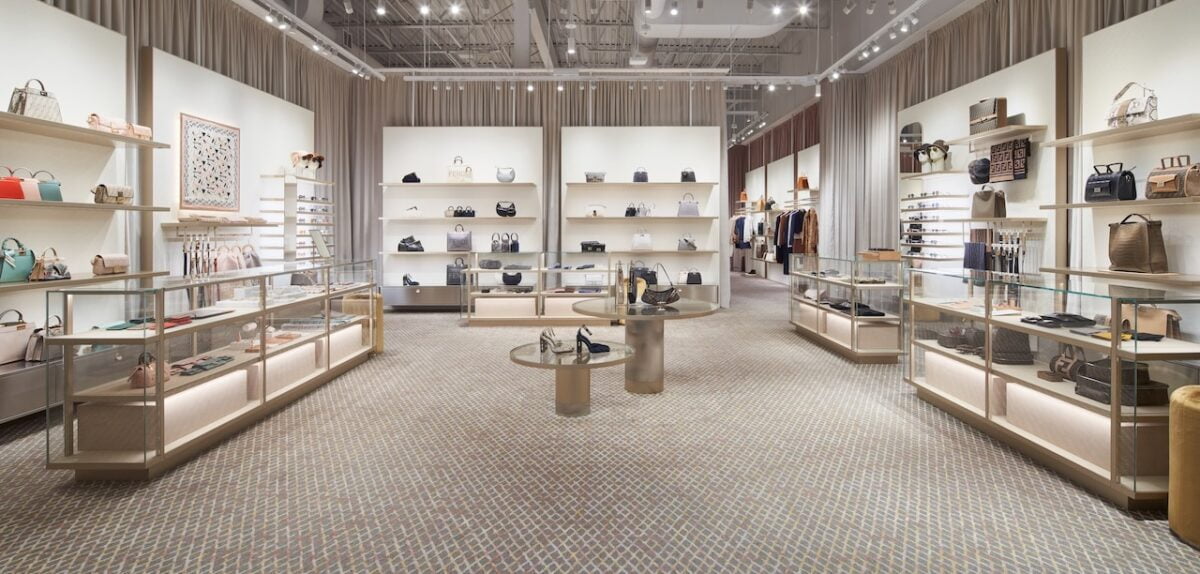
Former Fendi pop-up in Toronto. Image: Fendi (2022)
The Pop-Up as Strategic Laboratory
Pop-ups have evolved beyond temporary installations.
“A successful pop-up isn’t just a beautiful space. It’s a controlled test of your brand’s story, service, and scalability in real time,” Mandel says.
Too often, brands treat pop-ups as marketing stunts. In luxury retail execution, they are laboratories.
A pop-up can validate pricing, product mix, client flow, and staff performance before committing to a long-term lease.
It can test a new market without overexposure. It can refine service rituals before scaling.
Mapping the client journey inside a pop-up becomes critical. The space must include a hero moment, an engagement zone, and a conversion point. Staff must be trained as ambassadors, not temporary sales help.
Data capture is equally important. Conversion rates, sales per hour, CRM enrollment, and product heat mapping transform the pop-up from spectacle to strategy.
For Canadian brands entering new provinces or testing U.S. expansion, pop-ups offer structured experimentation. Luxury retail execution thrives when experimentation is disciplined.
Systems Behind the Magic
Luxury retail appears effortless. Behind the scenes, it is structured.
These elements are not glamorous. They are essential.
A luxury retail playbook ensures that brand culture scales without dilution.
It protects identity as growth accelerates. It empowers teams to perform consistently at luxury standards.
For growth-stage Canadian brands, this infrastructure can mean the difference between sustainable expansion and operational strain.
Retail execution is not about micromanagement. It is about clarity.
When expectations are documented and rituals are defined, teams gain confidence. Leaders gain visibility. Investors gain predictability.
Luxury retail works because magic is repeatable, Mandel says.
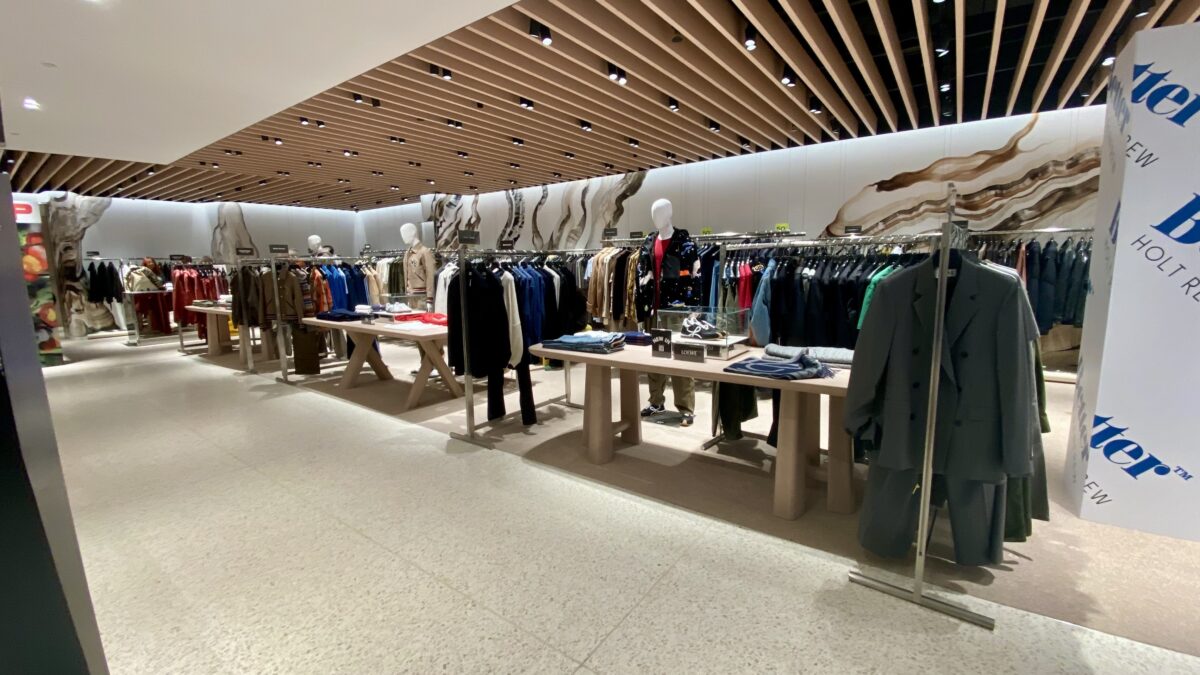
Men’s designer area ON3 in Holt Renfrew at 50 Bloor St W in Toronto. Photo: Craig Patterson
What This Means for Canada
Canada’s luxury ecosystem continues to mature. International brands are deepening their presence. Domestic brands are testing physical retail. Developers are investing in experiential corridors.
As this environment evolves, luxury retail execution will differentiate leaders from followers.
The brands that thrive will treat store openings as storytelling opportunities. They will implement playbooks before scaling. They will use pop-ups as laboratories rather than photo opportunities. They will recognize that physical retail builds trust in ways digital cannot.
Luxury retail does not succeed by accident. It works because the story is intentional, the systems are disciplined, and the experience is consistent.
Behind every polished floor and calibrated scent lies a framework.
That framework is what makes the magic possible, according to Mandel.
Première Vision Montréal will return to the Grand Quay at the Port of Montréal on April 21 and 22 for its second edition, building on the momentum of its inaugural event and reinforcing Montreal’s position as a key hub in the global fashion ecosystem.
The event will once again bring together textile manufacturers, suppliers, designers, brands, and industry professionals, offering a platform for collaboration, sourcing, and knowledge-sharing across the fashion value chain.
The return of Première Vision Montreal follows a successful debut that welcomed more than 100 exhibitors and approximately 2,300 industry professionals. That turnout signaled strong demand for a North American edition of the globally recognized trade show and highlighted Montreal’s strategic importance within the industry.
Organizers say the second edition will continue to expand the event’s presence in North America while strengthening connections between European and North American markets. As global supply chains evolve, events such as Première Vision Montreal are increasingly viewed as critical touchpoints for industry alignment and innovation.
Focus on Innovation, Sustainability, and Digital Transformation
Beyond the exhibition floor, Première Vision Montreal will feature a program of conferences and workshops addressing some of the most pressing issues facing the fashion industry today.
Topics will include textile innovation, material circularity, sustainability best practices, and digital transformation. Industry leaders, designers, and entrepreneurs are expected to share insights on emerging trends and strategies for navigating ongoing structural changes within the sector.
The programming reflects a broader shift in the fashion industry toward more sustainable production methods and digitally enabled supply chains, areas where collaboration across markets has become essential.
Première Vision Montreal. Photo: Knitting Industry
Strengthening Montreal’s Role in the Global Fashion Industry
Industry leaders say the return of Première Vision Montreal represents a significant milestone for Quebec’s fashion and apparel ecosystem.
“Première Vision’s return to Montréal marks a structuring milestone for the fashion and apparel ecosystem,” said Mathieu St-Arnaud Lavoie, Executive Director of Montreal’s fashion cluster. “At a time when global supply chains are being reshaped, anchoring Première Vision in Montréal represents a strategic lever to strengthen the international competitiveness of Québec companies, showcase local expertise, and consolidate a stronger, more integrated and forward-looking fashion and apparel sector.”
Montreal’s leadership also views the event as validation of the city’s growing influence on the international stage.
“I am delighted that Montreal is hosting Première Vision for the second consecutive year,” said Soraya Martinez Ferrada. “Since the creation of the fashion cluster in 2015, our metropolis has become a hub for the fashion industry, where creativity meets innovation, from design to retail. Montreal is among the international cities shaping the future of fashion, and we can be very proud of that.”
A Global Platform with Expanding North American Presence
Founded in 1973, Première Vision is recognized as a global leader in organizing trade shows for the fashion industry. The organization connects stakeholders across textiles, leather, accessories, and finished products, serving as a platform for discovering trends, materials, and innovations.
The event is part of the GL events Fashion Division, which operates a network of trade shows and industry events across multiple continents. Parent company GL events reported revenue of €1.635 billion in 2024, reflecting the scale and reach of its global operations.
In Montreal, the event also aligns with the objectives of mmode, which aims to unite stakeholders across Quebec’s fashion industry. The sector represents more than 77,000 jobs and over 6,500 companies, spanning designers, retailers, manufacturers, and distributors.
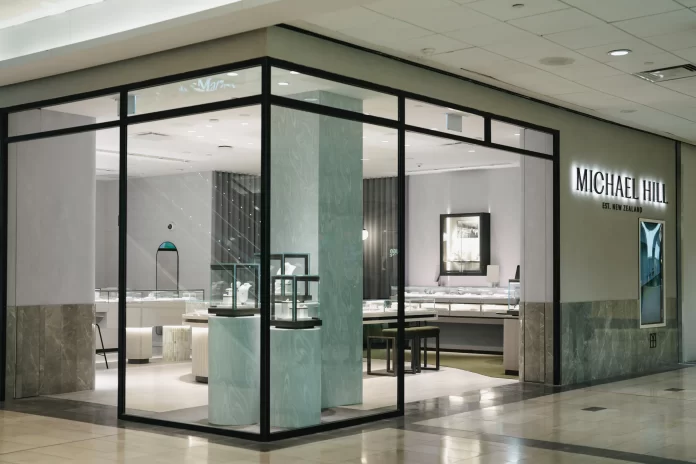
Jewellery retailer Michael Hill has opened a new flagship boutique at CF Pacific Centre in Vancouver, marking the company’s second new-concept flagship store in Canada and reinforcing the country’s growing importance to the brand’s global strategy.
The downtown Vancouver location builds on the momentum of the company’s first Canadian “New Era” flagship, which debuted at Yorkdale Shopping Centre in Toronto in late 2025. Together, the stores signal a broader repositioning of the brand toward a more premium, experience-driven retail model.
Canada Emerges as a Key Growth Market
The opening comes at a time when Canada is playing an increasingly critical role in Michael Hill’s financial performance. Recent results show that the Canadian business has delivered strong sales growth and profitability, helping offset softer performance in Australia and New Zealand.
Canada recorded strong same-store sales growth and continues to narrow the earnings gap with larger international markets. This momentum has positioned Canada as a leading market for testing and refining the company’s evolving retail concept.
As a result, the Michael Hill Vancouver flagship is more than a store opening. It represents a strategic investment in a market that is outperforming others and shaping the company’s future direction.
Micheal Hill CF Pacific Center Boutique. Source: michael-hill.prezly.com
“New Era” Concept Focuses on Experience
The Vancouver store reflects Michael Hill’s “New Era” transformation, which shifts the brand away from its traditional mall-based, promotion-driven approach toward a more aspirational fine jewellery positioning.
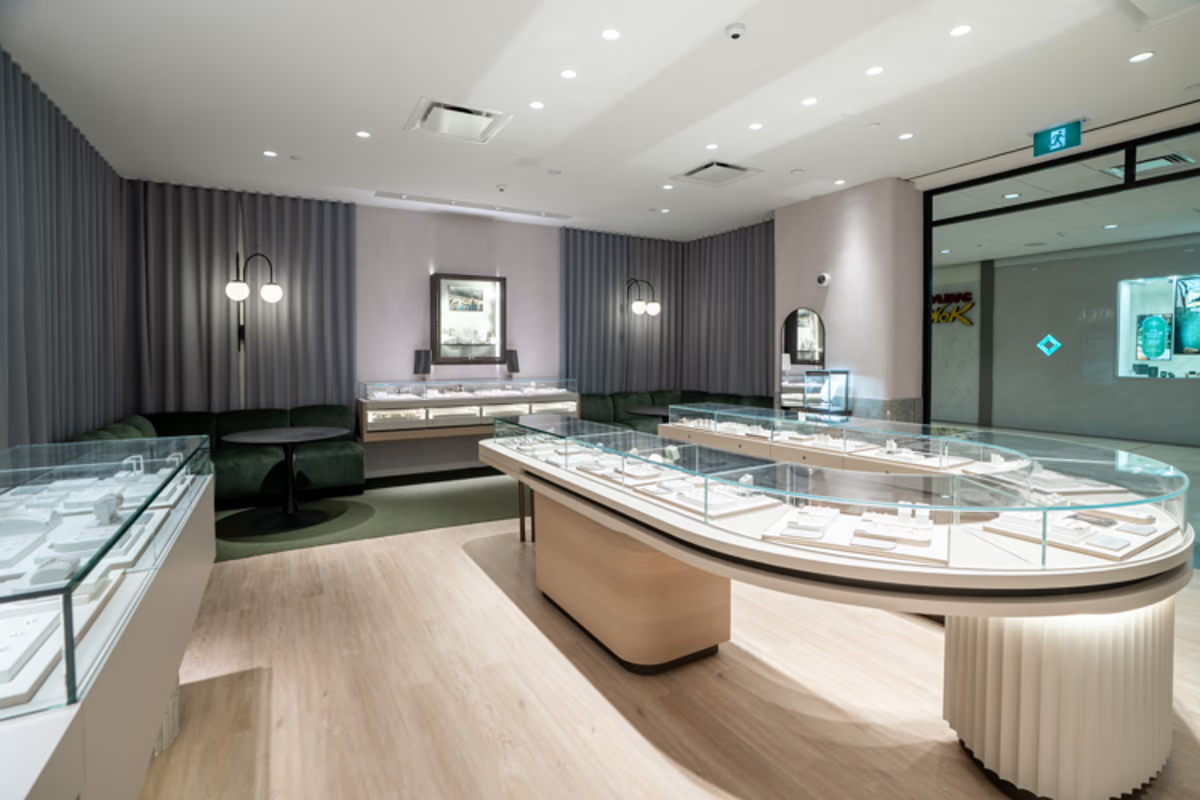
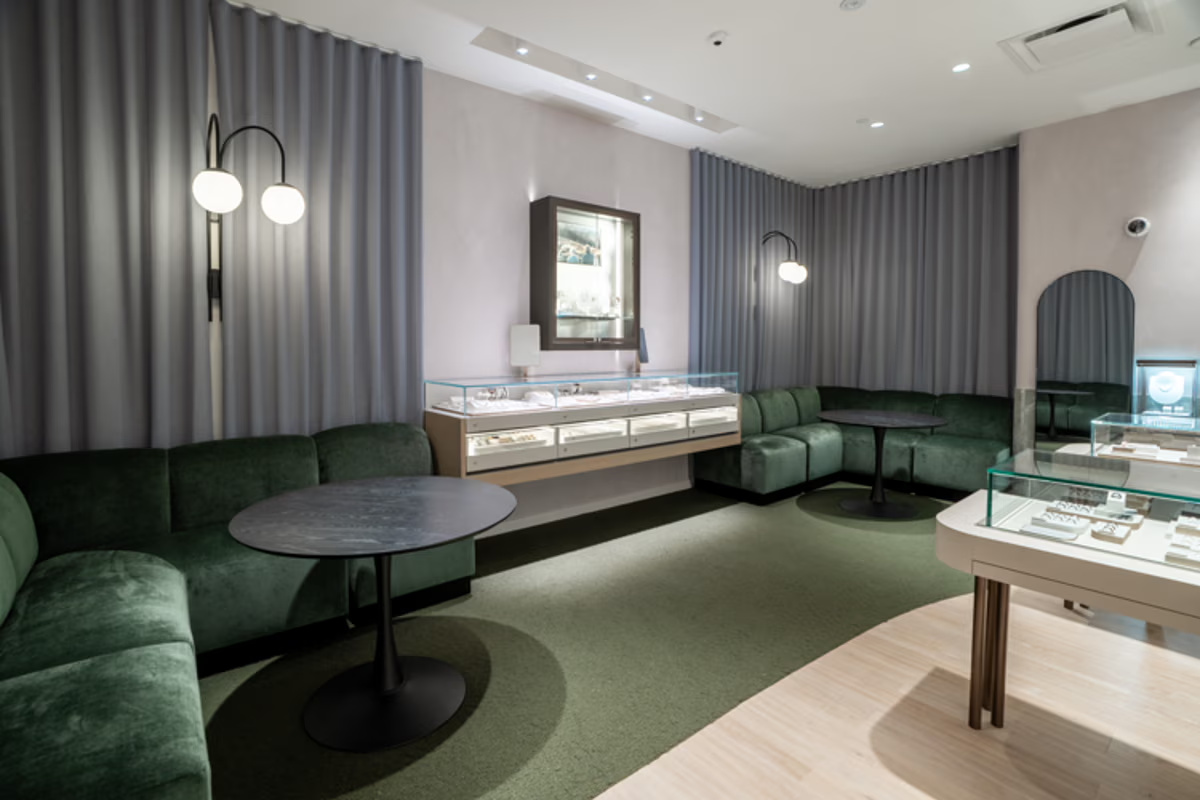
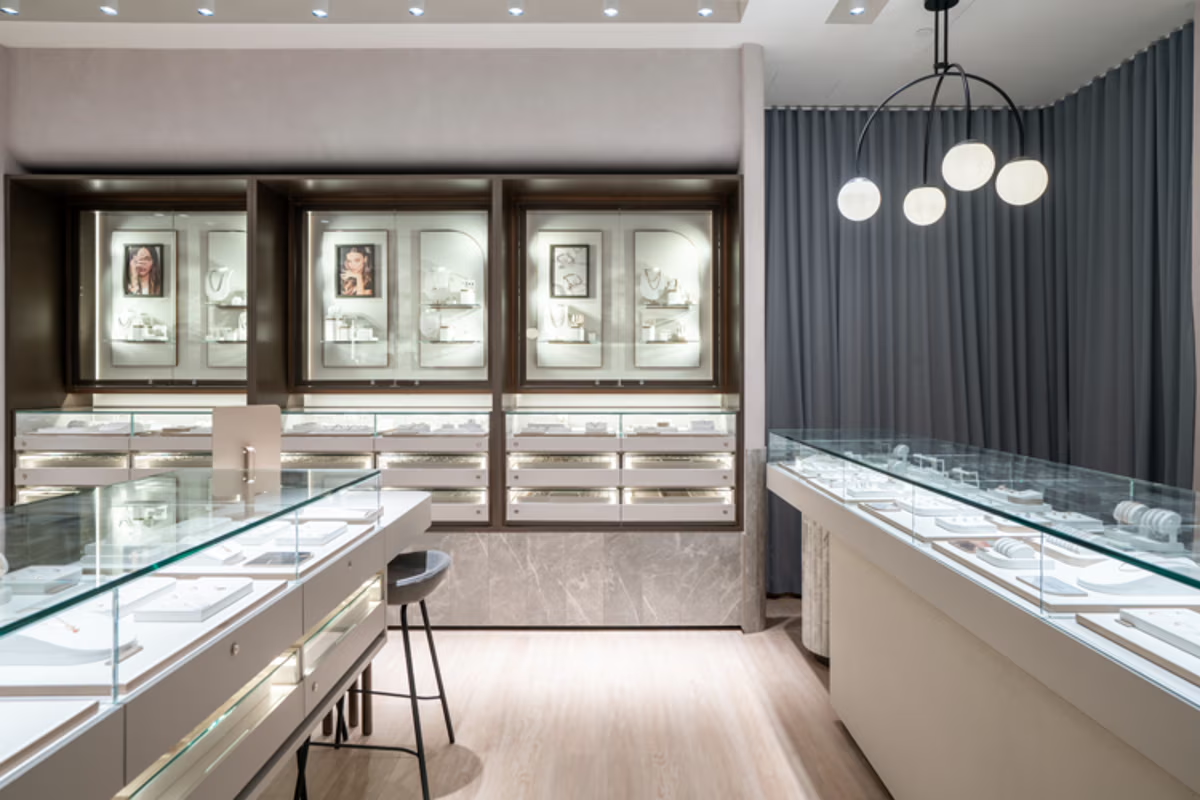
The concept emphasizes a sensory retail environment. The store incorporates natural materials such as timber and stone, along with soft lighting and neutral tones inspired by New Zealand landscapes. A signature scent and curated music further enhance the in-store experience. The design work for the Canadian flagships has been undertaken in partnership with Vancouver-based architectural firm Cutler, which is providing architecture and interior design services for Michael Hill across multiple locations in Canada.
Inside, customers can explore a range of offerings including the Pendant Bar, Earring Bar, the 101 Signature Natural Diamond collection, and bespoke LAB. designs. Dedicated consultation areas and wedding band services are designed to support more personalized customer interactions.
In a statement, Chief Executive Officer Jonathan Waecker said the Vancouver flagship represents a major milestone in the company’s growth and reflects confidence in the Canadian market. Chief Marketing Officer Jo Feeney added that the store’s design was intended to balance luxury with accessibility, reinforcing the brand’s positioning around attainable luxury.
Micheal Hill Pacific Center Boutique. Source: michael-hill.prezly.com
Strategic Location in a Tier-One Retail Hub
The decision to open at CF Pacific Centre underscores a broader real estate strategy focused on high-performing urban shopping centres. The Vancouver mall is one of Canada’s most productive retail destinations, attracting both local shoppers and international visitors.
By placing a flagship in this environment, Michael Hill is positioning itself alongside premium and luxury competitors, while elevating its brand perception among a more affluent customer base.
The move also signals a shift away from smaller or lower-performing locations, as the company concentrates resources on fewer, higher-impact stores that deliver stronger sales productivity and brand visibility.
Micheal Hill Pacific Center Boutique. Source: michael-hill.prezly.com
Product Evolution and Changing Consumer Preferences
A key component of the “New Era” strategy is a growing emphasis on lab-grown diamonds and responsibly sourced materials. These products offer more accessible price points while aligning with changing consumer expectations around sustainability.
Michael Hill has committed to sourcing 100 percent responsible gold by 2030, and its flagship stores are being used to educate customers about these initiatives. The Vancouver location showcases these product categories prominently, reflecting their importance to the brand’s future growth.
Expansion Reflects Long-Term Vision
The Vancouver flagship also carries symbolic weight for the company. It follows the passing of founder Sir Michael Hill in July 2025 and is widely seen as part of the realization of his long-term vision for the brand.
Founded in New Zealand in 1979, Michael Hill has grown into an international jewellery retailer with nearly 300 stores. The current transformation represents one of the most significant shifts in its history, as it seeks to move upmarket while maintaining broad customer appeal.
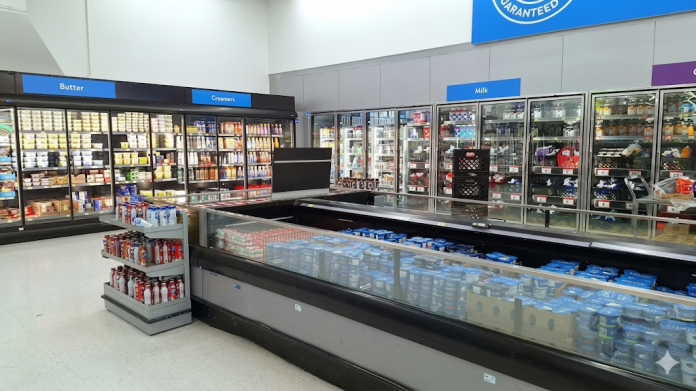
Milk section at a grocery store in Canada.
Photo | Dreamstime
Canadian milk prices are rising at a pace that is outstripping increases at the farm level, according to a new national report from Field Agent Canada. The findings point to growing pressure on consumers, along with widening regional disparities that continue to shape grocery spending across the country.
The Canadian Fluid Milk Report – March 2026, based on price audits at 185 stores across 20 markets, shows that the national average price for a four-litre jug of 2% milk has reached $7.07, or $1.77 per litre. This represents a 5.5% increase since June 2024, more than double the 2.3% increase in farmgate prices implemented earlier this year.
The disconnect between farm-level pricing and retail shelf prices is likely to draw attention as food affordability remains a central concern for Canadians.
Regional Price Disparities Persist Across Canada
The report highlights significant differences in pricing depending on geography, reinforcing the idea that where Canadians live continues to influence how much they pay for essential grocery items.
Ontario and Prairie markets remain among the most affordable. London, Ontario and Regina, Saskatchewan recorded the lowest average price for four litres of milk at approximately $1.60 per litre.
At the other end of the spectrum, Atlantic Canada continues to see the highest prices. Charlottetown, Prince Edward Island recorded an average of $2.31 per litre, maintaining its position as the most expensive market. Notably, prices in Charlottetown rose by more than 10% since the last survey, despite already leading the country.
Milk in a grocery store (with vintage pricing). Photo via Reddit
This widening gap reflects ongoing structural differences in regional supply chains and market dynamics.
Beyond regional variation, the report also points to significant pricing differences between retailers and formats.
The lowest price recorded nationally was a two-litre carton of 2% milk selling for $2.77 at a No Frills location in Regina. In contrast, the highest observed price was $6.99 for the same size at a Shoppers Drug Mart in London.
This spread illustrates how discount banners continue to play a key role in driving value perception, while convenience-oriented retailers often command a premium due to location and format.
For retailers, this reinforces the importance of price positioning on staple goods, which often serve as key indicators of overall value in the eyes of consumers.
Canadian Prices Remain Significantly Higher Than U.S.
A cross-border comparison included in the report shows that Canadian consumers continue to pay a premium for milk relative to the United States.
After adjusting for currency, the average price of milk at U.S. Walmart locations remains approximately 27% lower than in Canada.
This gap has remained persistent over time and continues to fuel debate around structural differences between the two markets, including supply management and pricing frameworks.
Cost Pressures and Structural Factors Behind Pricing
The report points to several underlying drivers contributing to rising Canadian milk prices. Increased costs for animal feed and labour have put pressure on producers, even as broader inflation has stabilized within target ranges.
At the same time, the report raises questions about structural inefficiencies in the Canadian dairy system. It suggests that provincial fragmentation and cost-plus pricing models contribute to price variation and limit the ability to achieve greater efficiencies at a national level.
Industry commentary included in the report notes that a more integrated national approach could potentially reduce costs while supporting more efficient producers.
Plant-Based Alternatives See Growing Price Gap
The report also compares traditional dairy milk with plant-based alternatives, highlighting a shift in relative pricing.
The average price of unsweetened almond milk now sits at $2.99 per litre, compared to $2.65 per litre for dairy milk. This represents an 11.4% price premium for almond milk, up from 4.5% in 2024.
This widening gap may influence consumer purchasing decisions, particularly as price sensitivity remains elevated across grocery categories.
As one of the most widely purchased grocery staples, milk often serves as a benchmark for consumer perceptions of food inflation. The continued rise in Canadian milk prices, combined with pronounced regional differences, reflects broader challenges facing the grocery sector.
The awards will be presented during the Recognition Awards Luncheon on Sunday April 19 at the CFA National Convention at The Westin, Ottawa, Ontario.
The Association said the awards honour individuals and CFA member companies for their outstanding achievements, philanthropic endeavours, and contributions to the Canadian franchise community. Nominations are solicited from CFA members across Canada and winners are selected by a committee based on merit.
“Franchising is a collaborative effort involving the support of one another. Our prestigious CFA Recognition Awards honour individuals and companies for their significant achievements and continuous contributions to the franchise community,” said the CFA’s President and Chief Executive Officer, Sherry McNeil. “We congratulate all the winners on their outstanding achievements. These awards honour their commitment to Growing Together.”
Sherry McNeil
The recipients of the 2026 CFA Recognition Awards are:
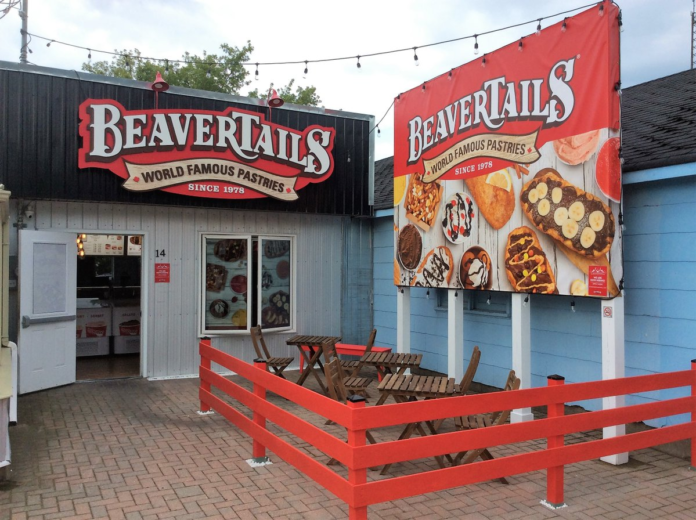
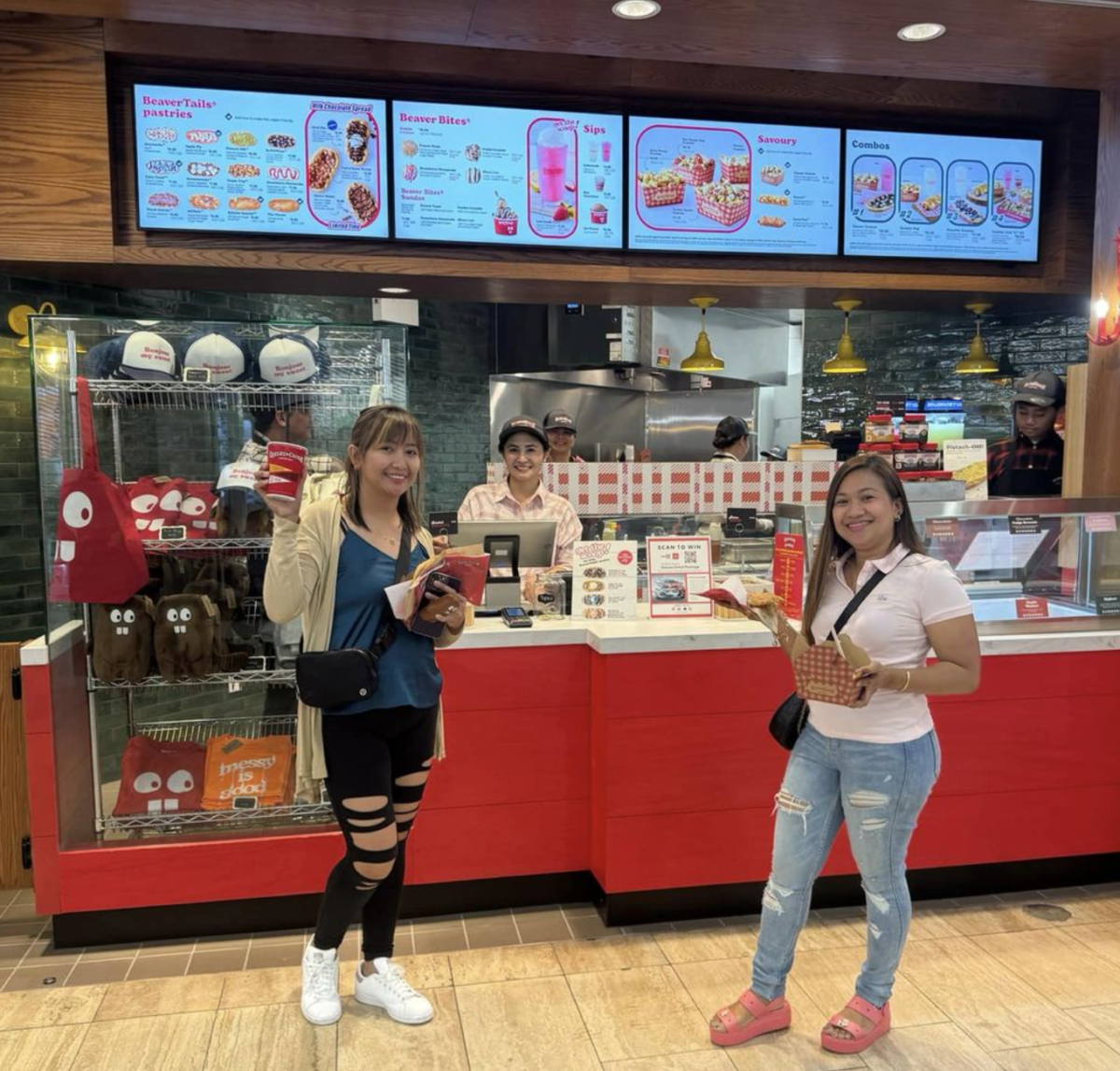
Category: Hall of Fame Award | Recipient: BeaverTails Canada Inc
In recognition of BeaverTails’ outstanding performance, significant business presence, and exceptional service. Founded in 1978 in Killaloe, Ontario, BeaverTails Canada Inc. has grown from a single family-run pastry stand into one of Canada’s most iconic and recognizable franchise brands. Renowned for its signature hand-stretched BeaverTails pastries, the company has expanded to nearly 200 locations across Canada and internationally. With locations in popular tourist destinations and community hubs, as well as standalone stores in cities across the country, this brand has become a part of Canadian life. Over nearly five decades, BeaverTails has demonstrated sustained growth, brand resilience, and cultural relevance, adapting its offerings to evolving consumer tastes while maintaining an unwavering commitment to quality and franchisee success. Its enduring presence at landmark locations and major events has helped define a uniquely Canadian franchise experience, making BeaverTails a standout example of homegrown entrepreneurial excellence.
About the CFA Hall of Fame Award
Presented in recognition of outstanding performance by a franchise company over a significant period. Winners typically will have high brand recognition (on either a regional or national scope) and will generally be recognized for their solid business performance. They will exhibit leadership in the franchise community in many ways including helping to encourage excellence by sharing best practices, participating in speaking engagements, being willing to mentor new franchisors, and raising the profile of the franchise business model.
BeaverTails Edmonton: BeaverTails Instagram Page
Category: Lifetime Achievement Award | Recipient: Sam Osmow, Osmow’s Shawarma
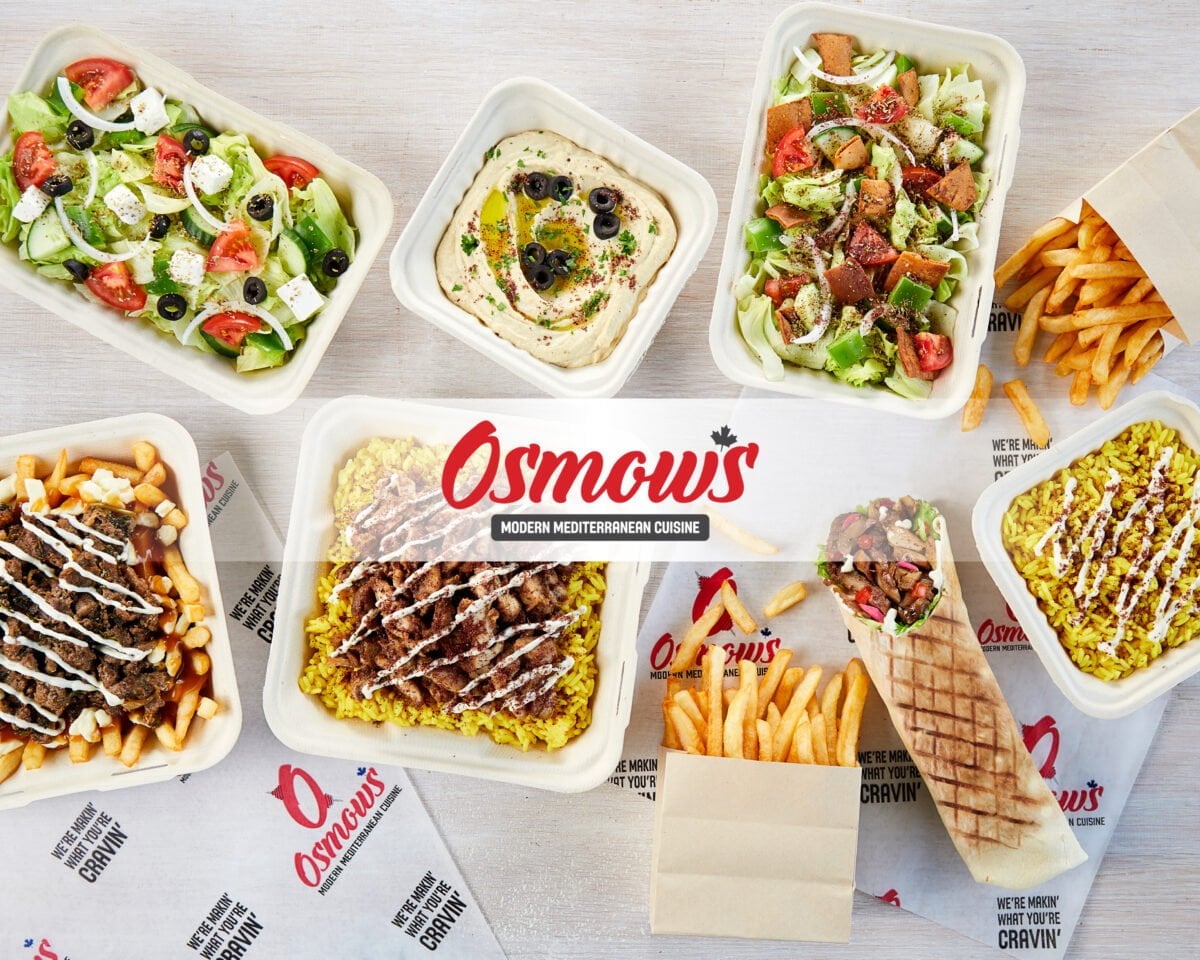
In recognition of Sam Osmow’s outstanding contributions, leadership, and impact on the franchise industry. Sam Osmow, founder of Osmow’s Shawarma, exemplifies the entrepreneurial vision, leadership, and community commitment that define the Lifetime Achievement Award. Arriving in Canada over 20 years ago with limited local experience, Sam transformed a struggling sub shop in Streetsville, Ontario into what is now one of North America’s fastest-growing QSR brands, taking extraordinary personal risk—including a second mortgage on his family home—to introduce Middle Eastern cuisine to the Canadian mainstream. Under his leadership, Osmow’s has grown to 219 locations across the country. Giving back is built into the system, with franchisees reinvesting roughly 1% of earnings into their local communities, and the Osmow’s Hope Fund has funding wells in Zambia to benefit more than 1,000 families, with further expansion planned. Through decades of dedication and hard work, Sam has built a family-run franchise system where most partners are multi-unit operators, showing the power of franchising to foster shared success.
About the CFA Lifetime Achievement Award
This award recognizes exceptional achievement and contribution to Canadian franchising and the community at large through demonstrated excellence throughout one’s lifetime and career in franchising. This award typically honours an individual who may be a franchisor, franchisee, or a support services provider. Hallmarks of excellence include a significant level of profile and leadership recognition within the franchise community, speaking engagements, published articles, mentorship, and being an ambassador for franchising.
Image: Osmow’s
Category: Outstanding Corporate Citizen Award | Recipient:Wendy’s Restaurants of Canada Inc.
In recognition of Wendy’s Restaurants’ system-wide commitment to community and measurable social impact for more than two decades. Through its partnership with the Dave Thomas Foundation for Adoption-Canada, Wendy’s supports foster care adoption as its signature cause. Brand founder Dave Thomas, himself adopted, founded the organization to raise awareness and fund social care initiatives to place foster children in loving adoptive homes. Wendy’s integrates this purpose into both its operations and franchise culture. Through innovative national fundraising initiatives— including Frosty Key Tags, Boo! Books, and the annual DTFA Golf Tournament—Wendy’s Canada and its franchisees have raised nearly $26 million over 20 years, helping secure permanent, loving homes for more than 650 children. This sustained, collaborative, and life-changing impact underscores the brand’s dedication to philanthropy, franchisee engagement, and community well-being across the country.
About the CFA Outstanding Corporate Citizen Award
Given to a franchise system that has demonstrated genuine and ongoing concern and support for a community or social service group(s). Award recipients are selected based on their philanthropic innovation, support, and impact to the community whether on a local, regional, national, or global scale. Elements taken into consideration include involvement throughout the franchise system and integration into the corporate culture, profile given to the support recipient organization(s), sustainability, innovation in fundraising, demonstrated benefit to the community, and amount of funds raised.
Image: Wendy’s
Category: Diversity and Inclusion Champion Award | Recipient: A&W Food Services of Canada Inc.
In recognition of A&W’s meaningful leadership in fostering diversity, inclusion, and belonging across its workplace, franchise network, and guest experiences. Central to its people first culture is a commitment to celebrating unique backgrounds and perspectives and creating spaces where employees and guests feel respected and heard. The company has embraced the Global Diversity, Equity & Inclusion Benchmarks (GDEIB) to guide its internal policies and external community engagement and has adopted a formal diversity policy that considers representation and inclusion in leadership and governance decisions. Additionally, A&W partners with accessibility focused platforms like Magnusmode to enhance dining experiences for guests with developmental or cognitive disabilities, reflecting an innovative approach to eliminating barriers. Beyond the workplace, the brand’s nationwide partnerships—such as expanding food rescue efforts with Second Harvest that have delivered over 1.24 million meals to Canadians facing food insecurity—illustrate how inclusive community support can be operationalized across a franchise system. A&W’s deliberate focus on equity, accessibility, and community involvement underscores its role as a diversity and inclusion champion within Canadian franchising.
About the CFA Diversity & Inclusion Champion Award
Recognizes a company or individual for extraordinary leadership and contribution towards improving and promoting diversity and inclusion within their workplace and the franchise community in Canada.
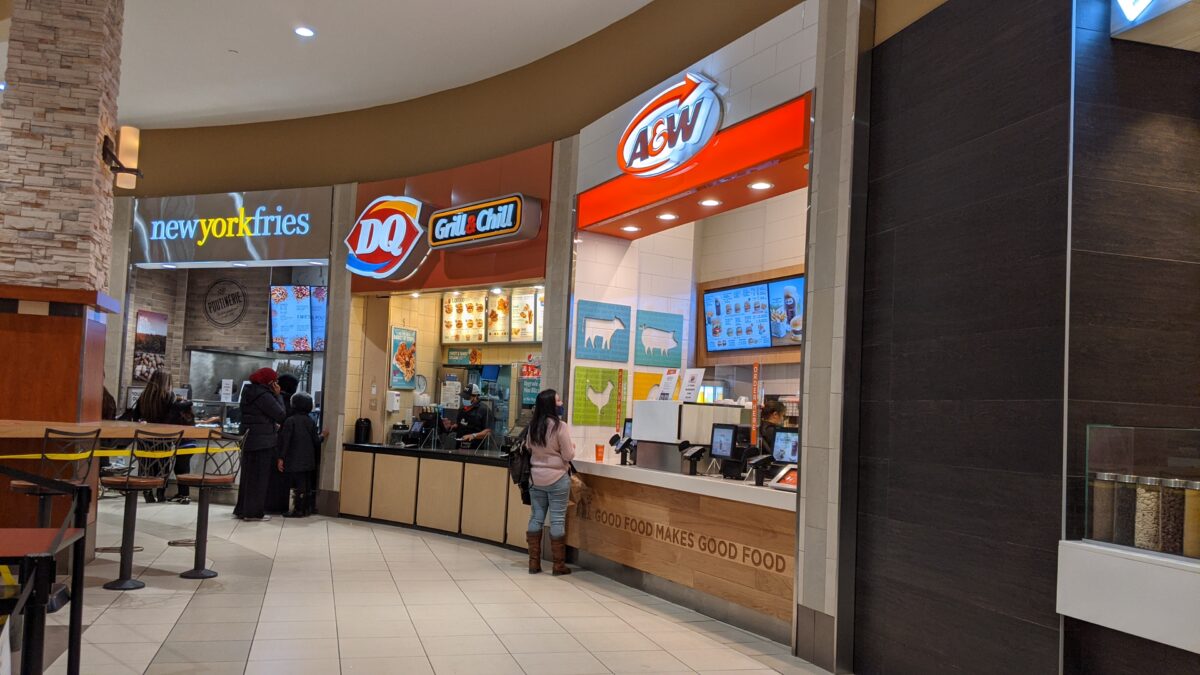
Food Court A&W Photo by Matthew at Best Edmonton Mall
Category: Distinguished Franchise Support Services/Supplier Award | Recipient: Sotos LLP
In recognition of Soto LLP’s 40 years of dedicated service in franchise law, Sotos LLP has consistently provided indispensable legal guidance to franchisors and franchisees at every stage of their business life cycle, from launch through growth and expansion, both domestically and internationally. Along with a high standard of excellence in support offered to CFA member systems, Sotos LLP has demonstrated influential thought leadership in franchise law. The firm has demonstrated longstanding commitment to strengthening legal standards, advocating on issues concerning franchise legislation, and sharing best practices with the franchising community.
About the CFA Distinguished Franchise Support Services/Supplier Award
Recognizes a person or company for their efforts and contributions in supporting the franchise industry and the Canadian Franchise Association at large.
Category: Volunteer Leadership Excellence Award | Recipient: David Druker – The UPS Store Canada
In recognition of David Druker’s exceptional dedication, leadership, and service. David Druker has long been a champion of the Canadian Franchise Association, and in his work with the CFA has truly epitomized excellence in volunteer leadership. David has served on the organization’s Board of Directors since 2012, including as Chair. He has served as chair and participated actively on numerous CFA committees, including the Executive, Government Relations, Brand Awareness, Strategic Planning Committee, and the World Franchise Day subcommittee. Through his sustained engagement, he has advanced CFA’s mission by leading initiatives at National Conventions, mentoring emerging franchise leaders, and advocating for industry-wide priorities. David’s contributions have enhanced member engagement, and amplified the association’s influence, while his generous willingness to share his extensive franchising expertise through public speaking and event participation has helped foster learning, connection, and growth across the Canadian franchise community.
About the CFA Volunteer Leadership Excellence Award
In the spirit of passion for franchising and the Association, this award is given to an individual who, through their volunteer activities and work as an ambassador for franchising, helps the CFA grow, evolve, and deliver on its Purpose and Mission.
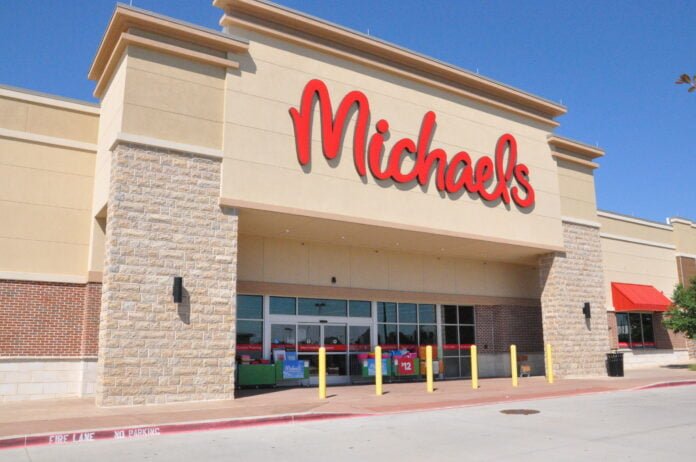
Michaels says it is fueling the joy of creativity and celebration with the launch of a revamped loyalty program in Canada, making it easier and more rewarding than ever for customers to create and celebrate what they love.
Customers now have access to unique benefits and a tiered rewards system, designed to give them more back on every project, party, and purchase, said the retailer.
“Bringing an upgraded loyalty program to Canada is a significant milestone in our mission to fuel the joy of creativity and celebration everywhere we serve,” said Derek Schweitzer, Senior Vice President, Stores (Canada) at Michaels. “The brand-new benefits provide our Canadian customers with the exclusive value and perks they’ve been waiting for, making it easier than ever to create and celebrate what they love.”
Derek Schweitzer
The more customers shop and engage, the more they unlock, added the retailer.
Michaels said the new program’s features include three defined tiers designed to reward every level of creativity:
Red members earn 3% in rewards on their purchases when they join
Gold members earn 6% in rewards on their purchases after $300 in annual spend
Platinum members earn 9% in rewards on their purchases after $1,000 in annual spend
Each tier builds on the last, stacking on more rewards, exclusive access, and elevated recognition, including tiered birthday discounts for every member (15% for Red, 20% for Gold, and 25% for Platinum), it said.
Gold and Platinum members will also enjoy extras like:
Everyday Perks – tier-based coupons for any one regular-priced item that can be used every day (35% for Gold, 40% for Platinum)
Exclusive first looks at select new products and events
A complimentary Michaels tote bag just for Platinum members
To sign up to become a Michaels Rewards member, see a Team Member in-store or visit michaels.ca/rewards.
Michaels operates over 1,300 stores across 49 U.S. states and Canada, including 138 stores across all 10 Canadian provinces. The Michaels Companies, Inc. also owns Artistree, a manufacturer of custom and specialty framing merchandise. Founded in 1973, it is headquartered in Irving, Texas.
Michaels® Rewards Program Launches Brand-New Benefits in Canada
Singh in recent months succeeded Dorie Karras and brings over 12 years of hands-on experience with the brand.
Singh first joined OPA! of Greece as a member of the accounting team in 2014 and has since held multiple leadership roles, most recently as the company’s Financial Controller. He is also a multi-unit franchise operator, with a portfolio of five total storefronts after his newest location, in Edmonton’s West Granville neighbourhood, opened in December of 2025, said the company.
“His extensive experience across every level of the business has uniquely prepared him to lead the company into its next phase of growth, it said.
“I’m incredibly honoured to step into the role of President & CEO at OPA! of Greece. This brand has built a loyal following by bringing the warmth, flavours and spirit of Greek hospitality to communities across Canada.” said Singh. “I’m excited to work alongside our talented team and franchise partners to continue growing and modernizing the brand while staying true to the traditions and values that make OPA! so special.”
OPA! of Greece
In addition to his career at OPA!, he has worked extensively in the hospitality industry. Through his unique perspective as both a franchise operator and corporate controller, he looks to lead OPA! Of Greece with a focus on clarity, discipline, and long-term growth. He is committed to building strong systems, elevating franchisee operational performance and creating value for franchise partners, teams and guests. His goal is to guide OPA into the future with purpose and strategic focus, said the brand.
Since opening its first location more than 25 years ago, OPA! of Greece today serves fresh Mediterranean cuisine at over 120 locations nationwide.