Retail Insider is streamlining its Canadian retail news from around the web to include a handful of top news stories that can be viewed quickly during the day. Here are the top stories from the past 24 hours.
Global real estate owner Ivanhoé Cambridge has set an ambitious carbon neutrality goal to reduce the carbon footprint of its real estate holdings by 35 per cent by 2025 and achieve a net zero carbon balance by 2040.
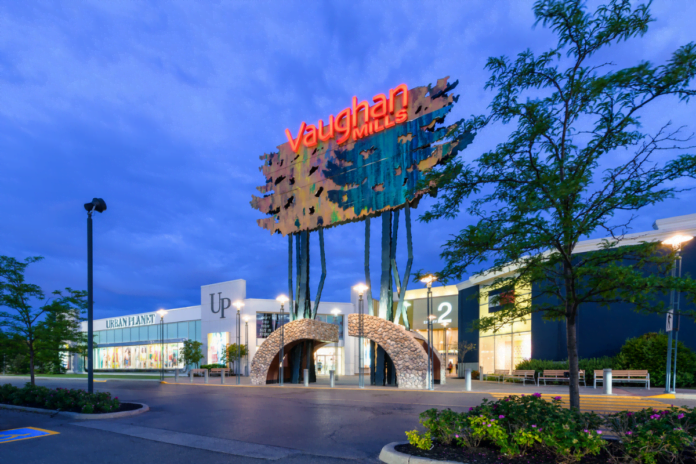
And recently the company conducted a pilot project with Turntide Technologies at two of its Canadian shopping centres – CrossIron Mills in the Calgary region and Vaughan Mills in Ontario – to make the malls more energy efficient. The project involved replacing electric motors in HVAC units (heating, ventilation, and air conditioning) with Turntide’s patented Optimal Efficiency Motors.
Rob Simpson
“This is a great example of a very simple energy efficiency option: it’s a plugin device. We’re replacing the motor in an existing HVAC (heating, ventilation and air conditioning) unit with a more efficient option. Since the installation of three motors, we’ve seen a significant reduction in electricity consumption equivalent to a saving of 56,000 kWh of energy a year,” said Rob Simpson, Senior Director, Sustainability, Ivanhoé Cambridge.
“That’s enough to fully charge nearly five million smartphones. Projects and programs like this are essential because they can be implemented quickly and easily. They’re cost-effective and scalable, and we’re already seeing opportunities to extend this technology to other retail locations and properties across other asset classes.
“We have committed publicly to become net zero operationally across our global portfolio of assets by 2040. That commitment was made in the Spring of 2021. So that’s the big picture. Within that, there’s some interim targets. There’s a 35 per cent reduction by 2025 from a 2017 baseline. We also have a commitment to anything on the development side, starting in 2025 and beyond, will be net zero operationally from that point forward.”
According to the company, energy consumption of the HVAC units at those two malls was reduced by more than 35 per cent at each location. This is equivalent to 39 metric tons of CO2.
In practical terms, said Ivanhoé Cambridge, 39 metric tons of CO2 equates to:
The amount of greenhouse gases emitted by a gasoline-powered vehicle that travels nearly 155,000 kilometres;
The amount of carbon sequestered annually by a 46-acre forest; and
The amount of energy required to charge nearly five million cell phones.
CrossIron Mills sign next to Highway 2 freeway connecting Calgary and Edmonton. Photo: Pop-up go | Zenergy Communications
“This pilot project is particularly attractive because we simply replace the existing motor and also because it offers a great return on our investment. It’s also a fine example of what Ivanhoé Cambridge wants to achieve: launch MVPs to test, learn and scale solutions that respond to our objectives, in this case, carbon neutrality,” said Karine Trudel, Director, Innovation and Continuous Improvement, Ivanhoé Cambridge.
Karine Trudel
Simpson said the company has taken a proactive role in the area of property technology. Part of the roadmap the company has laid out will mean investments in technological solutions to help decarbonize its buildings.
“In shopping centres, typically you have a lot of equipment that is on the roof that provide the main heating, ventilation and cooling services for a building,” he said. “And they are generally outfitted with the typical equipment, including motors that basically drive the fans and what not. Those motors are generally what we refer to as induction motors. They’re either on or off. They don’t phase. They don’t necessarily stage. They don’t necessarily have interval speeds.
“And Turntide is an intelligent motor that adjusts based on the requirement of the given space in terms of heating, cooling or ventilation requirements. So it’s not running any harder than it needs to be for that particular unit to satisfy the requirement of that region or area that it is servicing. So Turntide essentially is a very efficient motor. It is for the most part you remove the old one and you put the new one in . . . It’s not an overly complicated initiative.”
Vaughan Mills (Image: Ivanhoé Cambridge)
Simpson said the installations at the two shopping centres took place at the beginning of this year.
He said the two shopping centres were chosen for the pilot because they’re relatively straightforward properties, not complicated in terms of the HVAC equipment, and they don’t have central plants.
“The age of the buildings was also appropriate. The age of equipment is a factor. You don’t install these motors on brand new units nor do you install them on units that are going to be replaced next year. So you try to find that sweet spot of five to 10 to 12 years in terms of age,” explained Simpson.
“And we also have two centres that have been quite active in their own ESG initiatives and were just a good fit for pilot sites. We’d like to see them operate through a full year – a winter season and a summer season – to ensure that the results we’ve seen to date continue. Once that’s completed, we anticipate a wider rollout starting with the two centres where the pilots are occurring. We would like to roll it out across those centres certainly on common area equipment. We haven’t done anything with tenant specific equipment yet but that’s perhaps a later phase.
“So the goal would be that once the annual numbers are confirmed and verified against our initial projections that we would expand across those two centres and then look for opportunities across the rest of the portfolio where the equipment at those locations align with some of those criteria and we would look to do a wider rollout where it makes sense to do so.”
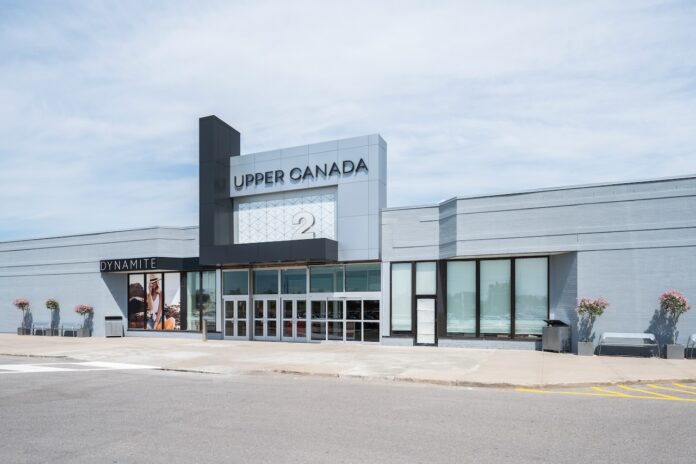
The Upper Canada Mall, in Newmarket, Ontario, keeps adding new retailers to service the growing population in the area.
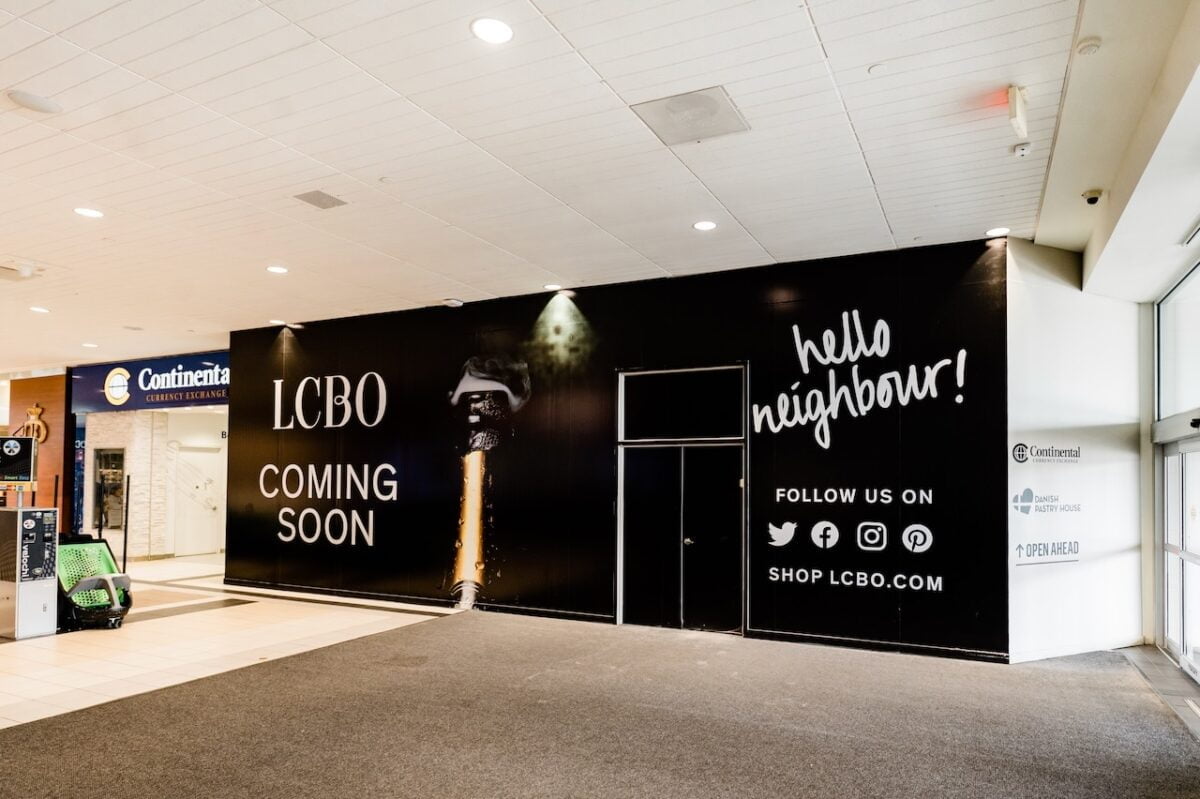
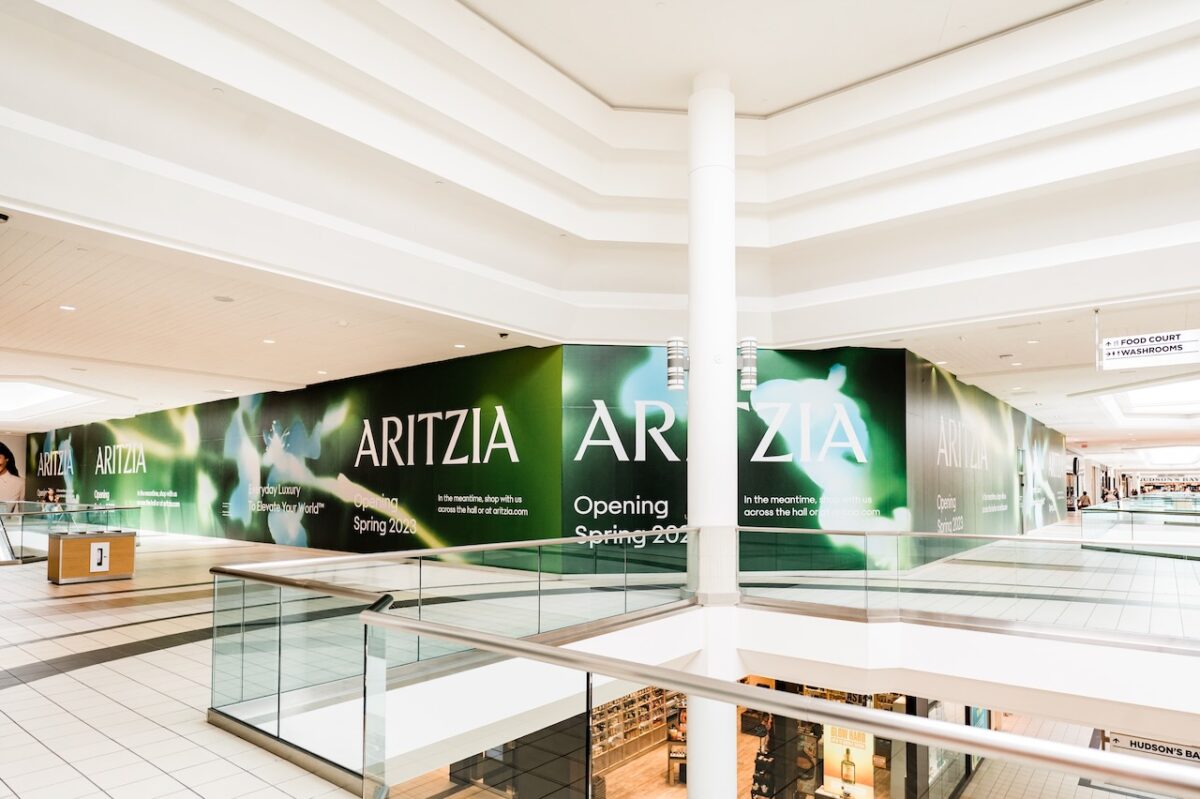
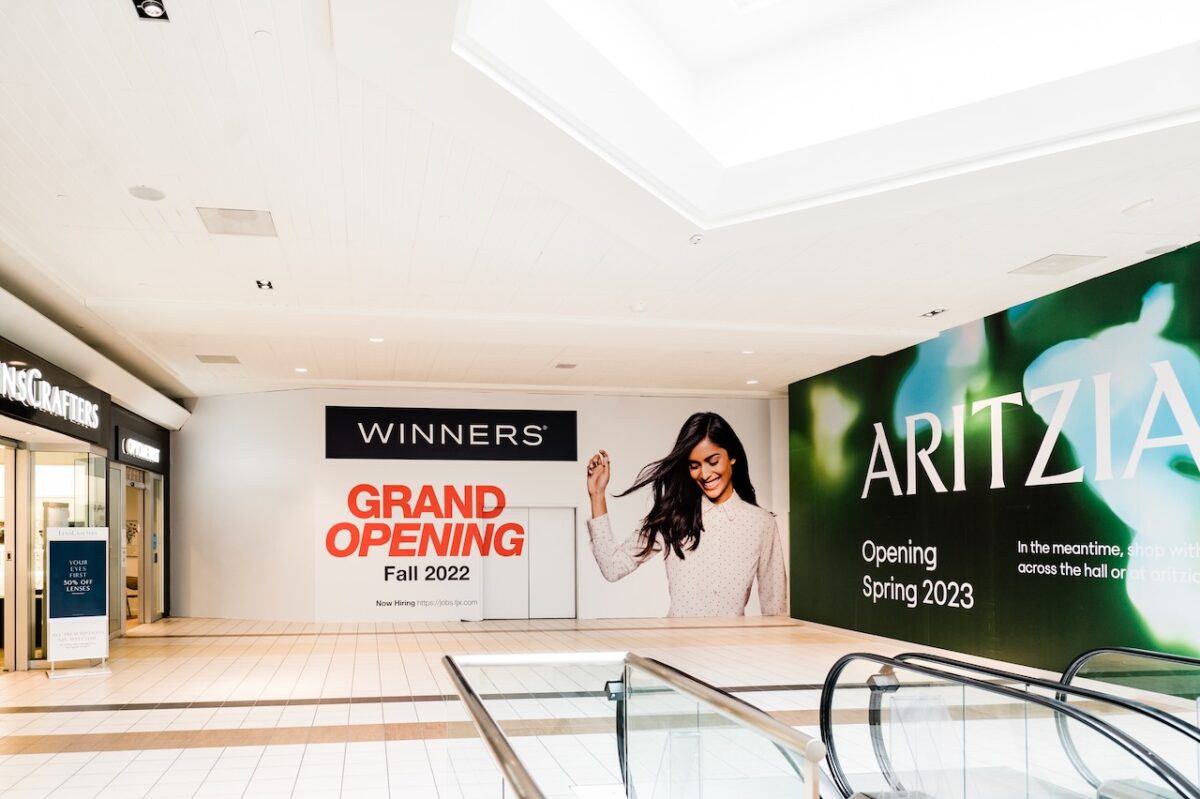
Following the addition of Structube, the shopping centre is gearing up to add a new LCBO store and Winners by the end of this year as well as opening an expanded Aritzia store at the beginning of 2023.
“Upper Canada Mall is looking forward to meeting the needs of our rapidly growing community by welcoming an array of new and exciting retailers in the coming months,” said Leah Walker, General Manager, Upper Canada Mall. “Together with our new retailer Structube, which opened earlier this year, we will be able to provide access to multiple categories connecting our shoppers with a well-rounded retail experience.”
Future LCBO at Upper Canada Mall (Image: Upper Canada Mall)
The new LCBO store will be 10,262 square feet and Winners will be 43,287 square feet. The Aritzia store is expanding from its current 4,035 square feet to 15,755 square feet and also adding its A-OK Cafe concept to the store.
Leah Walker
“A few of these new Aritzia flagships have an actual cafe that is operated within the store in order to elevate the shopping experience. It’s a part of the Aritzia family but it’s almost a shop-in-shop type of experience where they have a storefront which can operate on its own but also you can walk into the store from their cafe,” said Walker.
“The addition of LCBO, Winners and the expansion of Aritzia is going to drive additional traffic of course and will have a significant, positive impact to the property. We anticipate that we’re going to add over a million new shoppers to the centre. But in addition, and more importantly, from the guest experience when they’re coming to the centre, they’re really looking to have a lot of these brands closer to home. And we’re really bringing that experience to the shopping centre so they can have that.
“Upper Canada is a one-stop for our community. You can come here and you’ve got access to so many different brands and it’s what the customers are asking for. When we look at our market requests, and we have conversations with the customers on the brands they want at Upper Canada, the Winners banner has been one for years they’ve been requesting and we’ve been able to bring that to our customers.”
Future Aritzia at Upper Canada Mall (Image: Upper Canada Mall)
The expanded Aritzia is also meeting consumer demand and the presence of an LCBO store within a shopping centre is unique.
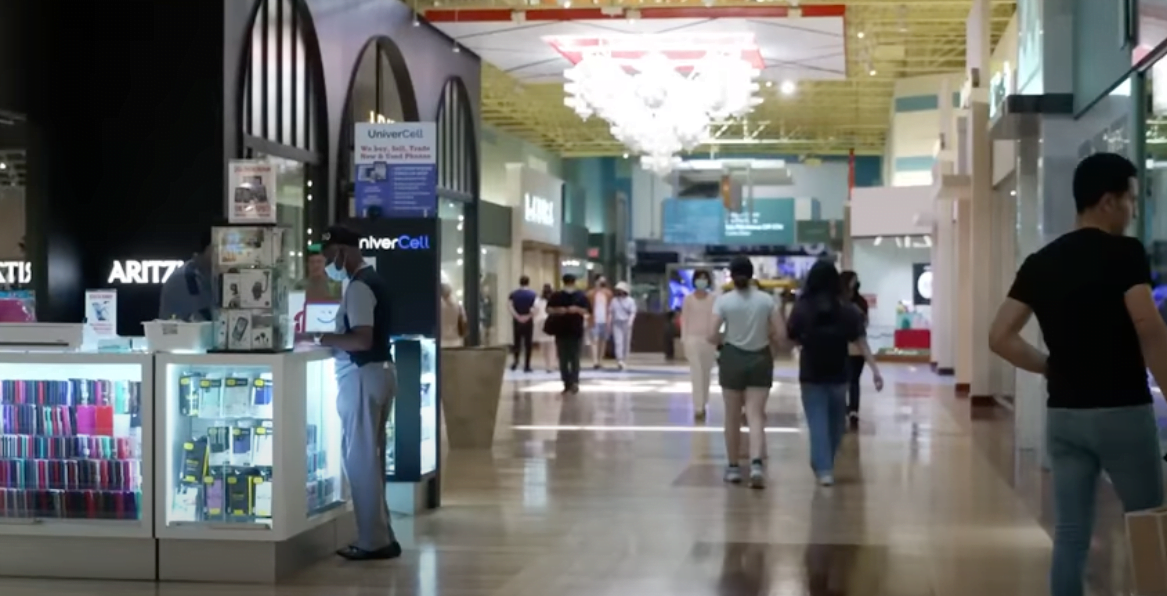
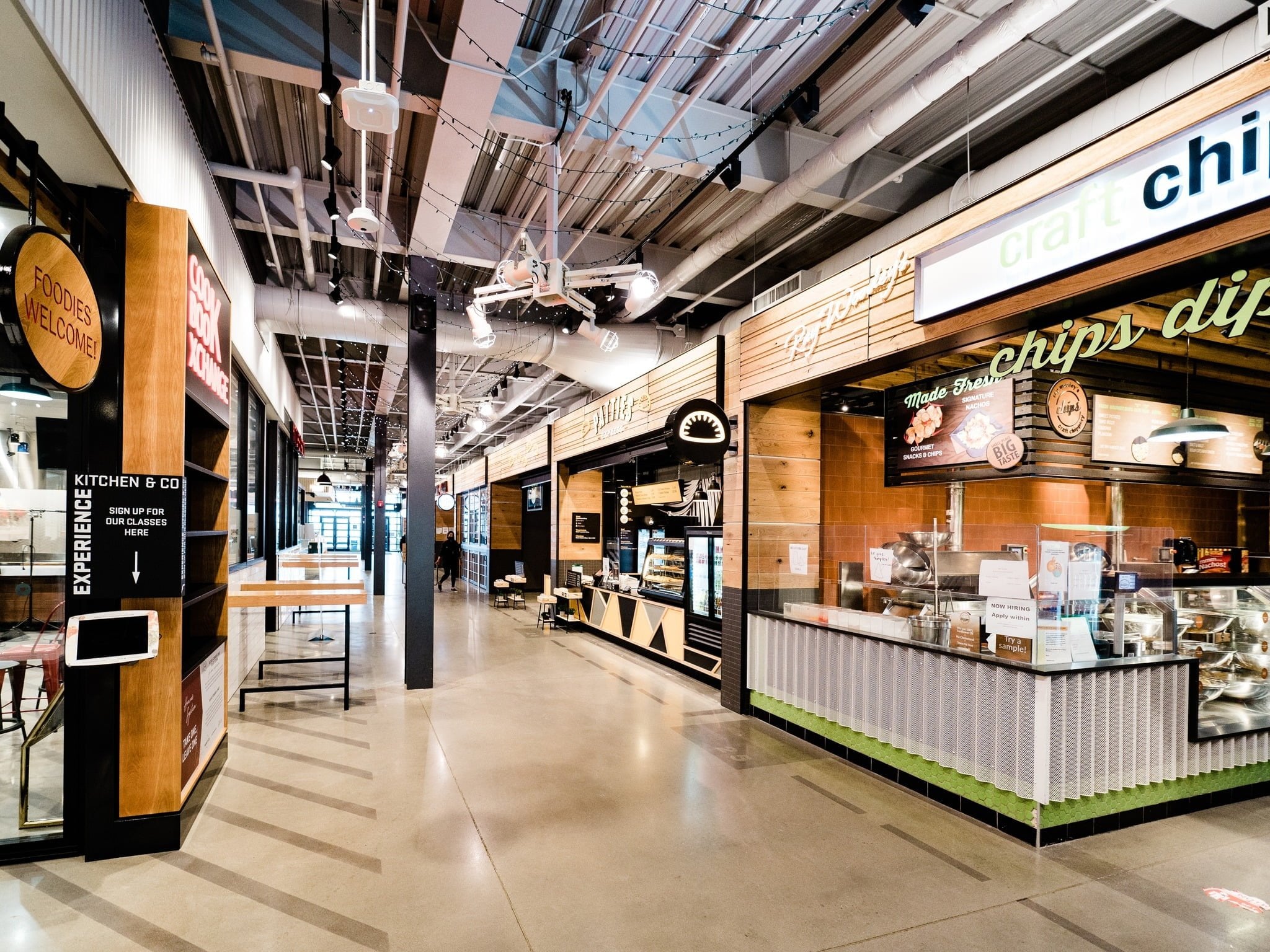
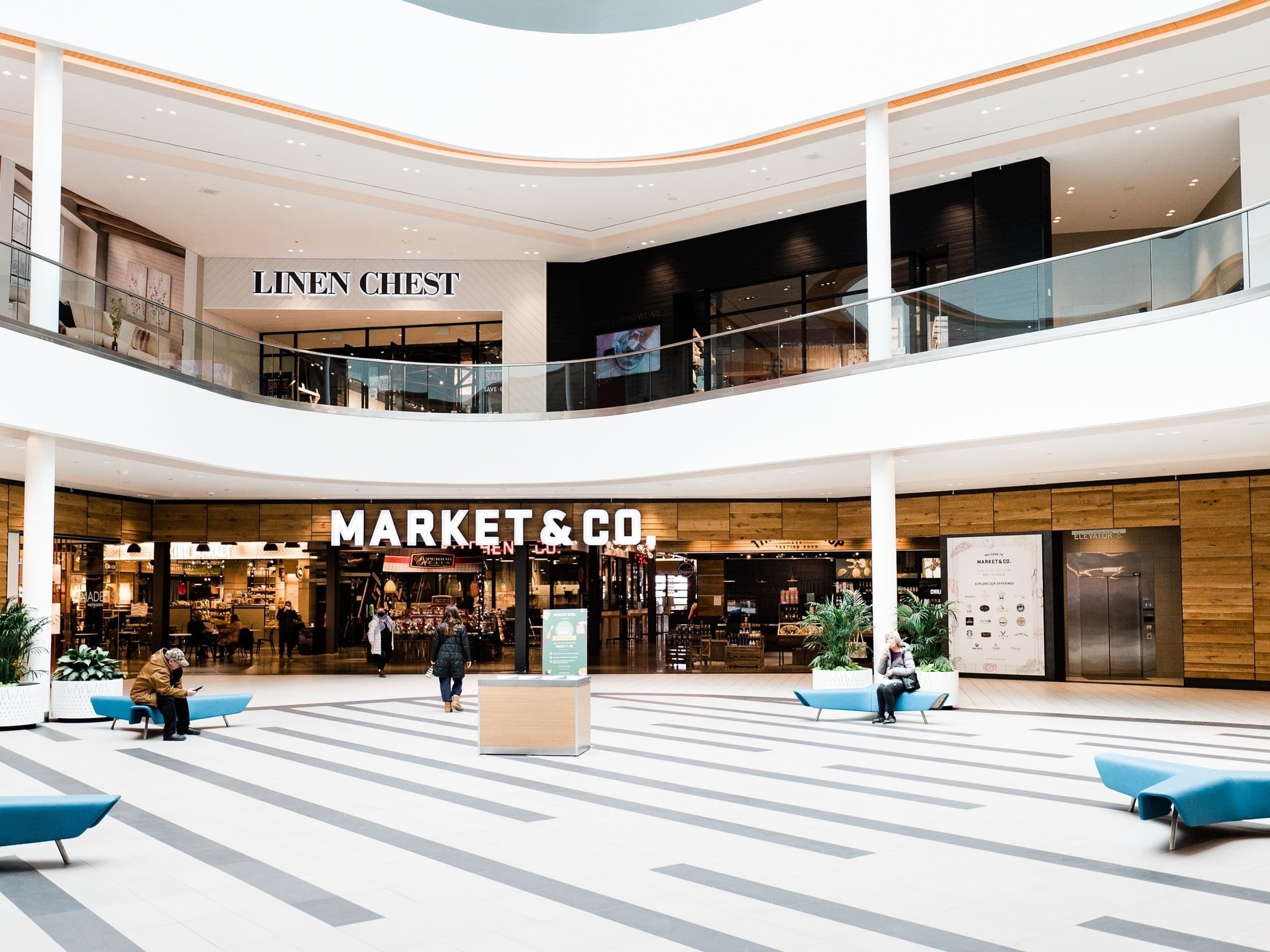
The mall, which has been around for almost 50 years, is 996,183 square feet and encompasses 210 stores, including a large collection of fashion, lifestyle and food labels and brands – the finest in home decor and technology. It includes Apple, Michael Kors, Zara, Aritzia, Uniqlo, Market & Co. (food market), and a newly renovated Sport Chek. In Fall 2018, Upper Canada introduced Market & Co., Canada’s first food market concept within a shopping centre environment. The 40,000-square-foot immersive space features an assortment of fresh foods and take-away options, two full-service restaurants, and Kitchen & Co., a state-of-the-art demonstration kitchen that hosts events, cooking classes, activations and pop-ups.
Upper Canada Mall is co-owned by Oxford Properties and the Canada Pension Plan Investment Board and managed by Oxford Properties Group. Oxford is owned by OMERS, the defined benefit pension plan for Ontario’s municipal employees.
“We have been very successful in maintaining and attracting new tenancies even during the COVID experience. We have very low vacancy at this point. When you walk within the shopping centre, every single storefront is animated. So our leasing team has been working together either to bring a short-term experience in to ensure that when the customer comes they have access to a new shopping experience that they didn’t have before because it’s a new brand that hasn’t been at the shopping centre or even during the COVID experience we have been expanding the different stores that are already in place, bringing in new tenancies,” said Walker.
“So overall it’s a very, very vibrant shopping experience when you come into the shopping centre.”
Future Winners at Upper Canada Mall (Image: Upper Canada Mall)
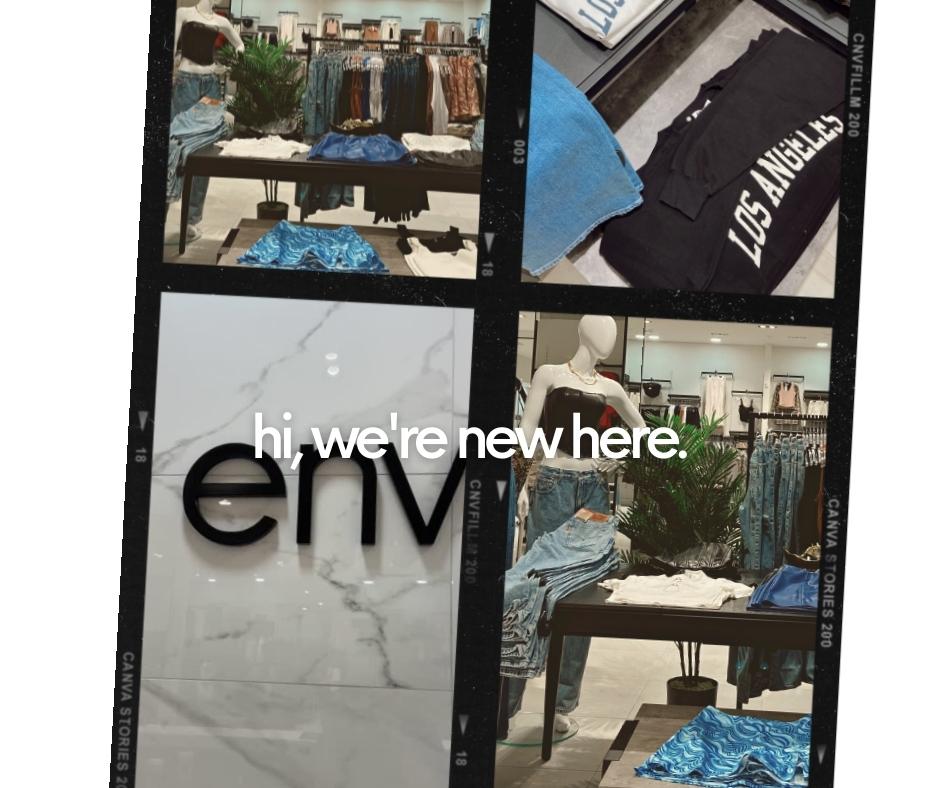
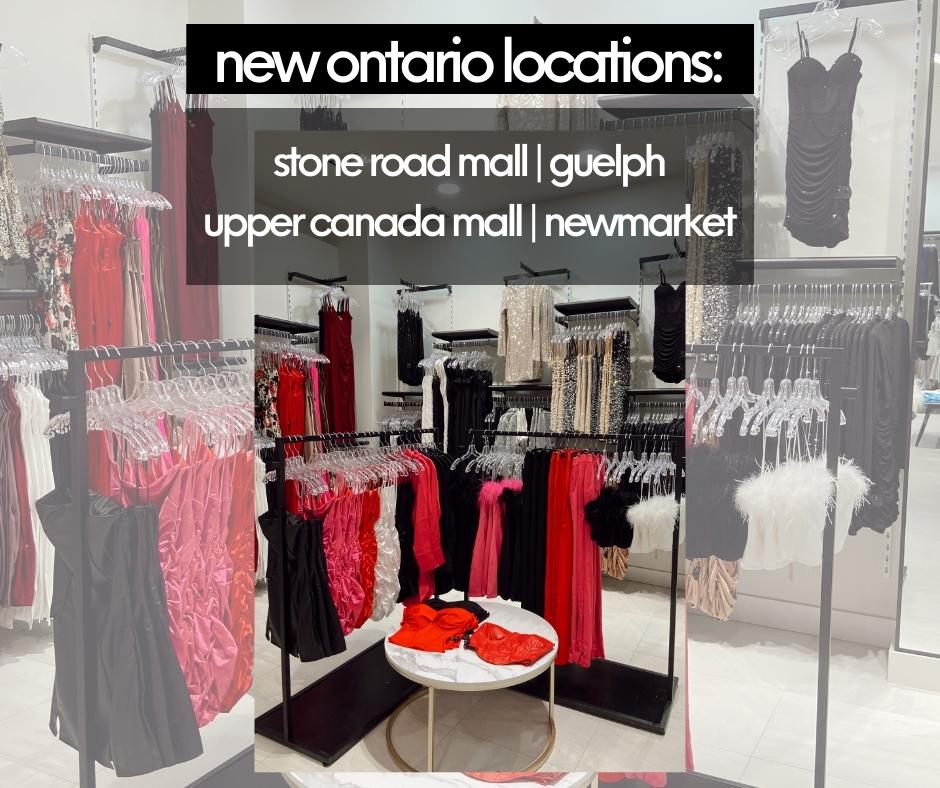
Image: Envy + Grace
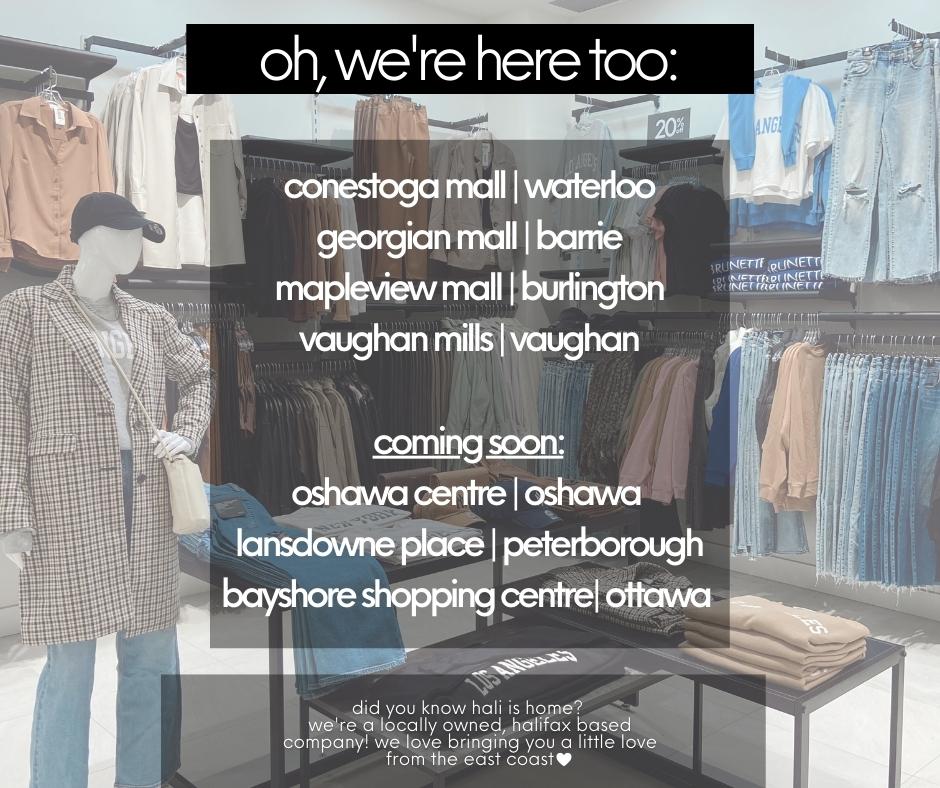
Image: Envy + Grace
Image: Envy + Grace
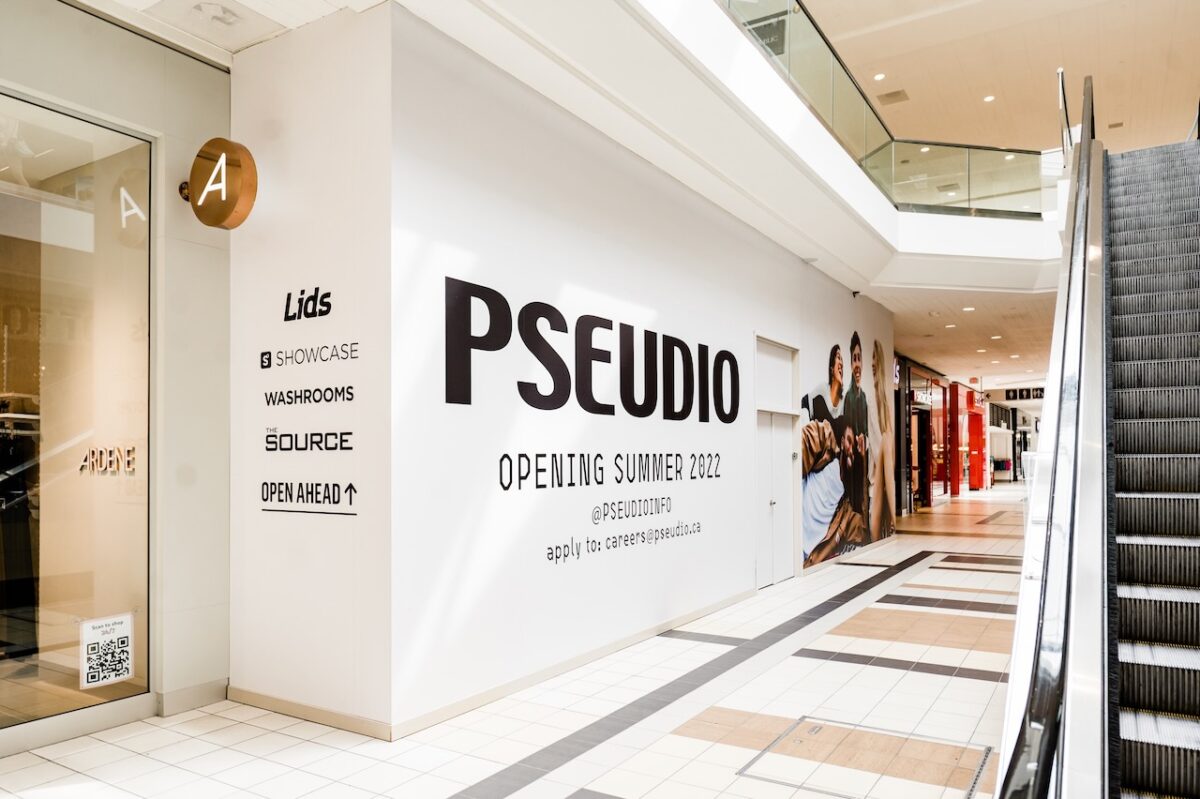
The mall has also just opened Envy + Grace, a womenswear retailer, also clothing store Pseudio is opening soon. The Laura store relocated recently to provide space for Envy + Grace and also aligned Laura in an area that is high traffic and in front of a court.
“We’re realigning our current tenancies to make sure that it makes sense for their brands and also bringing in some new players as well,” added Walker.
“We have some new food uses as well. When customers are coming to Upper Canada Mall, they’re really looking for the whole experience. We have a new tenant within Market & Co. called Mango Like Desserts and we also have Saint Germain opening in the Fall.”
Pseudio at Upper Canada Mall (Image: Upper Canada Mall)
Market & Co. at Upper Canada Mall
Market & Co. at Upper Canada Mall
Walker said the York Region, where Upper Canada Mall is located, has been identified as the fastest growing municipality in Ontario.
“We’re currently at a population of 1.3 million in our neighbourhood and that’s anticipated to sit at two million by 2051. As Oxford is looking at what our offerings are at Upper Canada, we’re keeping all of that in mind as we continue to grow and serve the community around us and what they’re asking for,” she said.
“When we’re looking at what the consumer is asking for, you have a lot of transplants from the downtown urban core coming up to us and saying ‘I still want that same experience that I had when I was downtown but I don’t want to go downtown’. That’s really the crux behind what Oxford is doing and what the brands are that we’re looking at when we grow our offerings here at Upper Canada.”
Canadian consumer spending remained consistent in July, while navigating high inflation, says a new report by Mastercard.
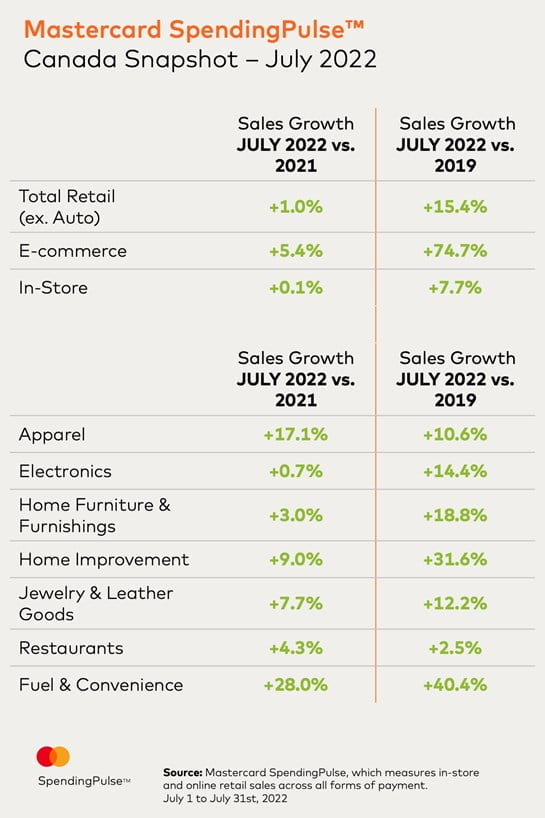
According to Mastercard SpendingPulseTM, which measures in-store and online retail sales across all forms of payment, Canadian spending excluding automotive increased 15.4 per cent since pre-pandemic in July, indicating consistent levels of spending despite current high levels of inflation.
“While we’re seeing a slight acceleration in consumer spending, the latest retail trends clearly demonstrate the impact of decades-high inflation on consumer spending,” said Steve Sadove, senior advisor for Mastercard and former CEO and Chairman of Saks Incorporated. “As retailers grapple with excess inventory and supply chain constraints, it’s likely that promotional activity will continue to be an important strategy for retailers to continue to drive e-commerce sales. This will be especially important in the face of rapid price increases and consumers prioritizing necessities.
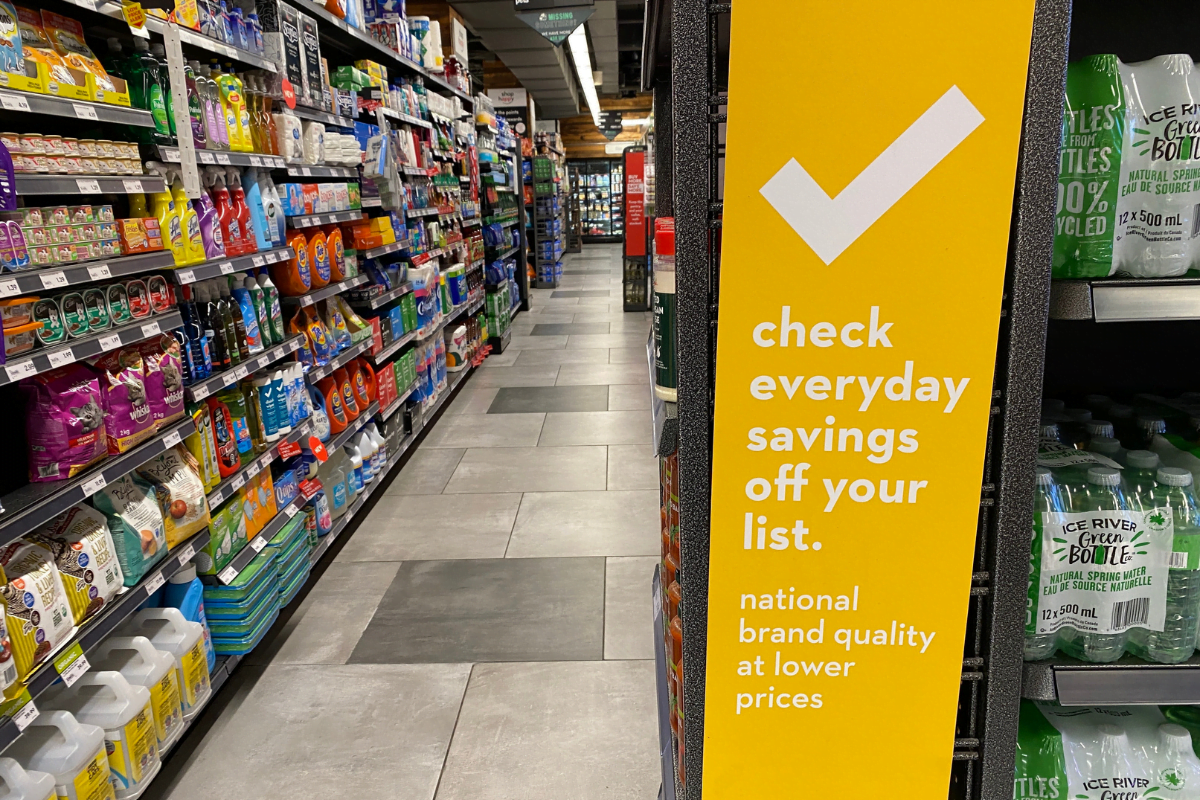
The Market by Longo’s at St. Clair (Image: Dustin Fuhs)
“If I look at the Canadian data, you’re in an environment where inflation has accelerated . . . Inflation is higher and the growth in retail overall while still relatively healthy versus the pre-pandemic has slowed dramatically. You have relatively slower retail growth and in a higher inflationary environment.
“You have very high fuel prices and clearly the price of gasoline has backed off a bit from the highest levels but it’s still very expensive and the consumer is starting to slow and it’s likely seeing more evidence in the lower income consumer. They’re having to make more tradeoffs than the higher end consumer, but they’re still shopping and you’re still seeing some very healthy performance in e-commerce. E-commerce growing in a faster rate in July than stores and e-commerce becoming entrenched.”
While sales for e-commerce showed steady year-over-year growth, online spending compared to pre-pandemic saw a significant surge (74.7 per cent). Notably, in-store sales also increased (7.7 per cent) since pre-pandemic;
Spending growth in July compared to pre-pandemic levels in 2019, was the highest experienced thus far in 2022;
Consumers continue to spend, with inflation’s impact varying across sectors: Despite high inflation, consumers continue to spend on wants. The Apparel sector, for instance, saw sales up 17.1 per cent in July from a year ago while Restaurant growth (4.3 per cent) showed demand for experiences as Canadians continued to visit restaurants during summer’s busy season;
E-commerce sales climb amid major summer sales events: E-commerce sales remain elevated, up 5.4 per cent from a year ago and 74.7 per cent from the pandemic, with major summer sales and promotions helping entice shoppers to splurge (and save) with online deals; and
High season for vacation, with road-trippers continuing to spend at the pump: With gas prices still elevated across the country and summer vacation plans top of mind for Canadians, Fuel & Convenience spending rose 28 per cent year-over-year and YOY / 40.4 per cent pre-pandemic.
“The consumer is looking for deals. They’re in a mindset where they’re a little bit more stretched. You’re still seeing what I would call a change in behaviour from the pre-pandemic and then pandemic environment. What I mean by that was in the beginning of the pandemic everybody was at home. They were buying athleisure, sports, sweat pants, they were fixing up their houses. That bevaviour has led to some real issues in the environment because they’re in a post-pandemic environment where they want to change their behaviour and get out, they want to go to parties, they want to go to social occasions,” said Sadove.
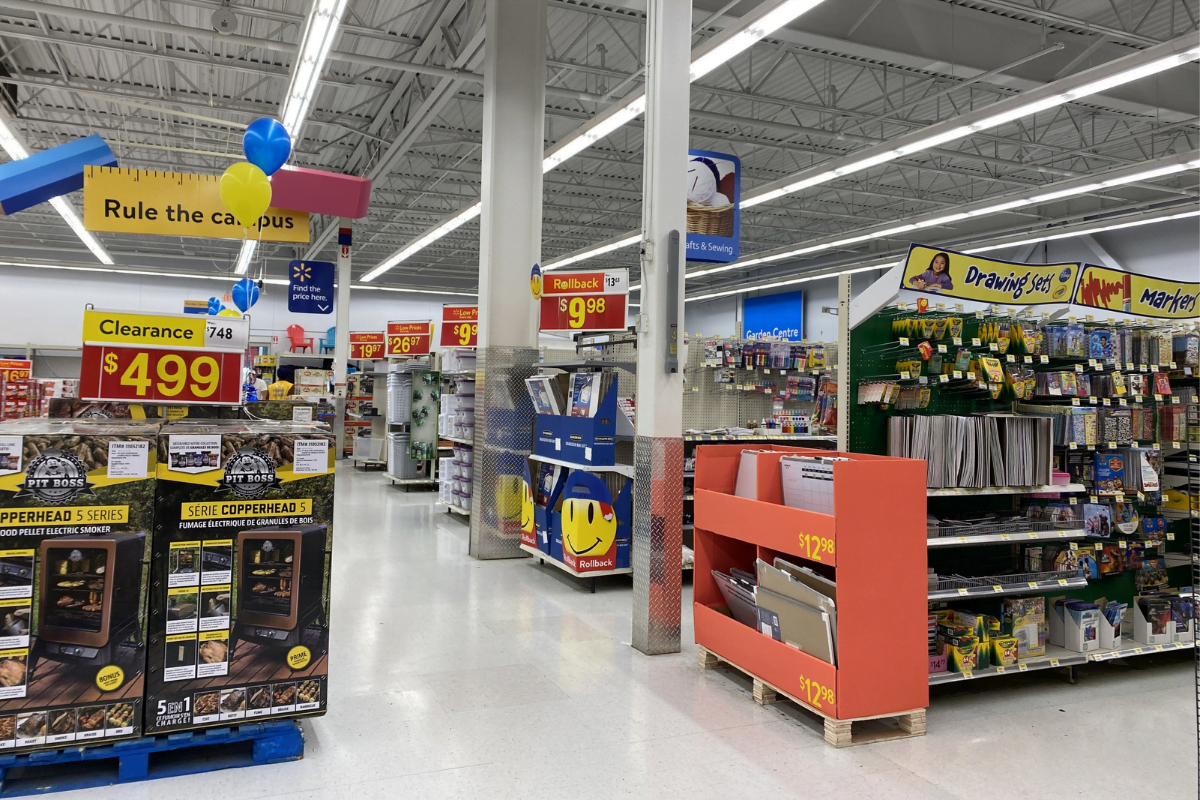
Walmart in Oakville (Image: Field Agent Canada)
“And what they’re buying is changing. So it’s a little bit dressier, it’s a little bit get out there and a little sexier than it was. And apparel is very healthy . . . . It’s led to some dislocations because a lot of apparel makers brought more of the stuff that people were buying during the pandemic as there are not enough of the stuff that people want right now. So inventory levels across North America in a number of categories, whether or not they’re apparel or home improvement, outdoor grills, furniture, you’re seeing a lot of excess inventory in the system. And that is something I think is going to affect the next number of months as a lot of retailers try to clear out their inventories.
“You’re seeing somewhat of a slowdown moving away from the restaurants where you were seeing a little bit more growth earlier and some of it may be a squeeze on the consumer because of inflation. My go forward is inflation is going to continue to be an impact. You’re going to see more of this inventory clearance, more of the shift towards different kinds of items than they were buying before and for the lower income consumer it’s not going to get better in the near term with the higher inflation and higher fuel costs and energy costs. This winter is going to be a drag on some of the lower income consumers. But there’s going to be a lot of discounting for people who want to buy some of the other products because the inventories are high for a lot of those items.”
Sadove said many consumers will navigate to lower priced stores such as Walmart and Dollarama because of the high inflation environment. In an environment like this, he said, you tend to get a bifurcation where the high end does reasonably well and people gravitate to the Walmarts and Dollaramas of the world.
Retail Insider is streamlining its Canadian retail news from around the web to include a handful of top news stories that can be viewed quickly during the day. Here are the top stories from the past 24 hours.
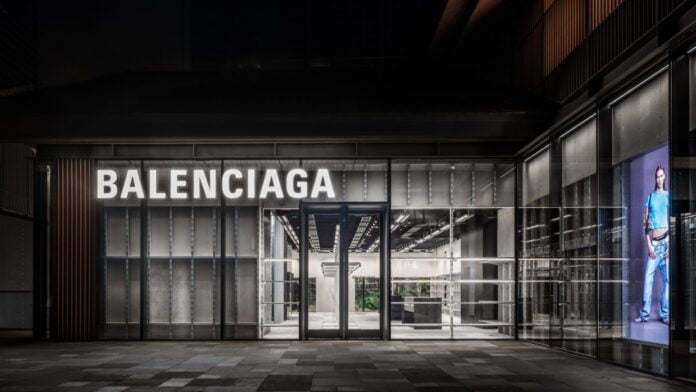
Kering-owned luxury brand Balenciaga will open a storefront at West Edmonton Mall as part of Balenciaga’s ongoing expansion into the Canadian market. Balenciaga is expected to open before the end of the year near other luxury brands in Canada’s largest shopping centre.
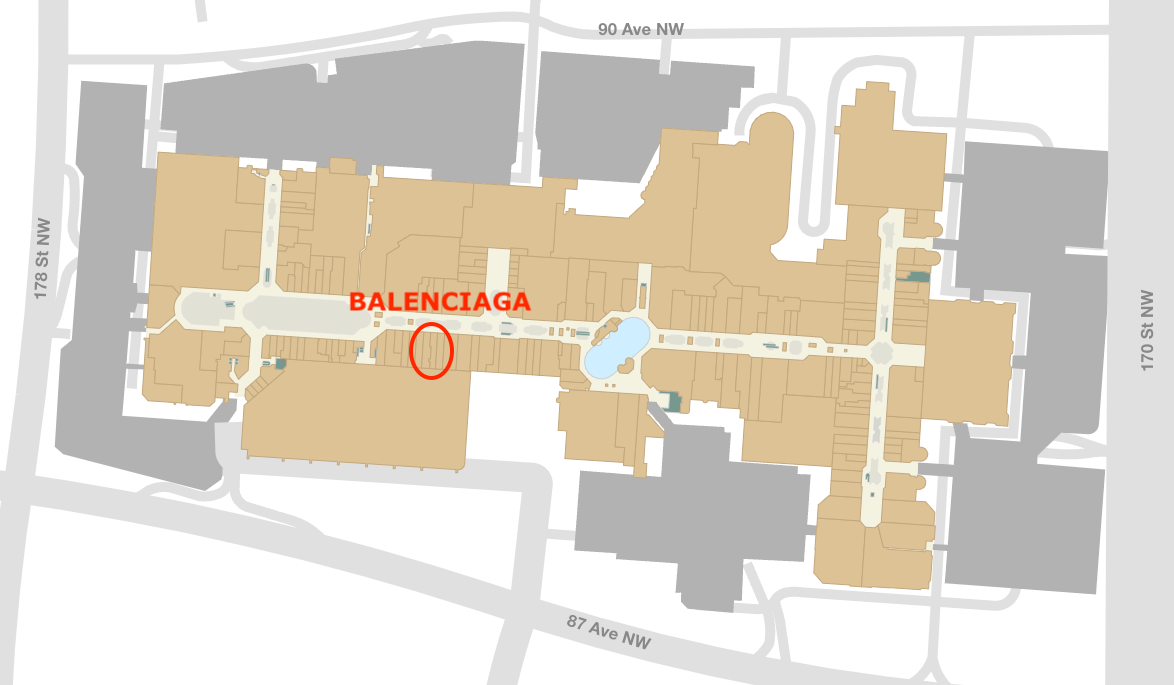
Balenciaga will occupy about 3,900 square feet on the second level of the mall — the storefront was made possible by joining former locations for Matt & Nat (1,775 square feet) and Marc Cain (2,150 square feet), the latter having recently relocated to Phase 1 of the mall near Harry Rosen.
The Balenciaga store at West Edmonton Mall will be located between an APM Monaco store and Kate Spade. A Tiffany & Co. store is located next to APM Monaco and across the way, three global luxury super brands have opened over the past three years. That includes standalone storefronts for Louis Vuitton (which opened summer 2019), Saint Laurent (opened winter 2020) and Gucci (opened spring 2021).
Click image for interactive West Edmonton Mall map
Kering also owns Gucci and Saint Laurent, and the French conglomerate is said to have agreed to open Balenciaga after seeing exceptional sales numbers at West Edmonton Mall for its two other brands. Louis Vuitton is also said to be seeing strong sales numbers at West Edmonton Mall, prompting the brand to consider expanding its existing storefront according to sources.
Edmonton will once again have bragging rights over Calgary with the announcement of Balenciaga — the two cities have an unofficial rivalry and since the pandemic, Edmonton has seen the opening of two luxury brands not currently having standalone Calgary stores. Calgary currently lacks standalone Saint Laurent and Gucci storefronts, though Gucci is said to be looking at opening in the city. Louis Vuitton opened a standalone store at CF Chinook Centre in Calgary in the fall of 2018, exiting a concession in downtown Calgary at Holt Renfrew. It remains to be seen if Balenciaga will open a standalone Calgary location which, as per the ongoing trend, would be located at CF Chinook Centre.
Scoring Balenciaga also means that West Edmonton Mall won’t need a retailer such as Holt Renfrew to move in to service the Edmonton market with luxury goods. Holt Renfrew exited the Edmonton market in early 2020 primarily because its luxury brand concession partners did not see a future in downtown Edmonton, particularly after Louis Vuitton made the decision to exit downtown Edmonton’s Holt Renfrew for West Edmonton Mall. Now West Edmonton Mall is home to most of the top-selling brands at the downtown Holts (including Canada Goose and Hugo Boss) and more brands could be on the way, given the strong sales numbers for high-end retail at West Edmonton Mall.
Images from the fall 2022 Balenciaga collection via Hypebeast
Balenciaga currently operates “world of” concessions at Holt Renfrew in Vancouver and in downtown Toronto at 50 Bloor Street West. Both locations feature the brand’s range of ready-to-wear for women and men as well as bags, accessories and footwear.
Several other high-end retailers in Canada carry Balenciaga. Saks Fifth Avenue’s flagship at CF Toronto Eaton Centre in Toronto currently features an area for bags and accessories and womenswear and men’s collections are also available.
Nordstrom’s Vancouver flagship features a Balenciaga accessory boutique on the main floor as well as a dedicated women’s Balenciaga boutique space on the women’s floor. Balenciaga footwear can also be found at Nordstrom’s stores in Toronto and Vancouver.
In Montreal, Balenciaga has a boutique presence at Holt Renfrew Ogilvy in a licensed arrangement where Holts runs the stores for the time being.
According to the Q2 2022 Lyst Index (the most recent at press time), Balenciaga was ranked as the world’s second-most popular brand while Gucci was ranked first. It’s a switch from the past several quarters where Balenciaga ranked number one. Balenciaga is also having an ongoing fashion moment — the brand returned to haute couture after 53 years last year, launched a Fortnite collaboration, and teamed up with Kanye West on the launch of his Donda album. Last year the brand also showcased its fashion collection in cartoon format at Paris Fashion Week via popular television program ‘The Simpsons’.
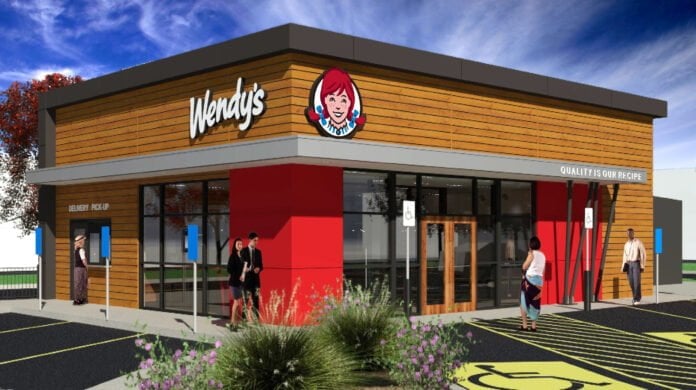
Wendy's Global Next Gen Exterior Main Entry (Image: Wendy's)
Wendy’s Company is launching a new global restaurant design standard, Global Next Gen, to enhance customer, crew and digital experiences.
The company said the new design will feature a sleek and modern design with an optimized layout and next-generation technology to deliver more Wendy’s to more people with an emphasis on convenience, speed and accuracy.
The first location will be in the Spring of 2023 in New Albany, Ohio, near the company’s home base in Dublin, Ohio.
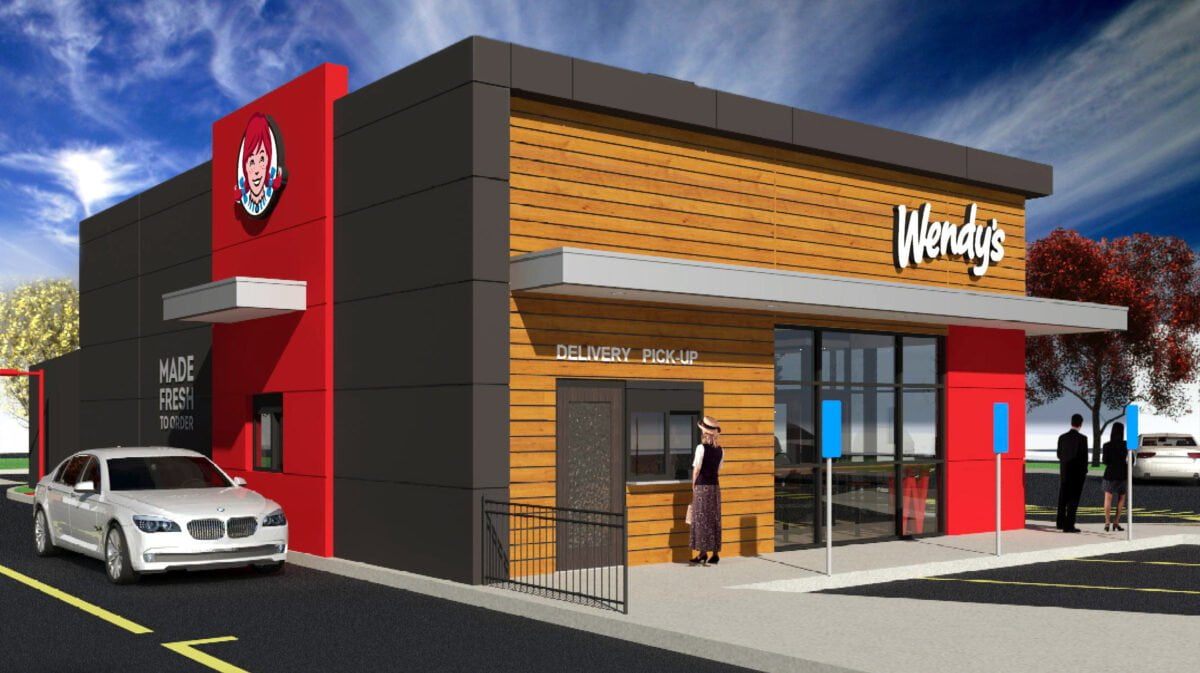
Wendy’s Global Next Gen Exterior Pick-Up Window Corner
Abigail Pringle, President, International and Chief Development Officer at The Wendy’s Company, said the new design is part of the broader company plan and focus on growth.
Abigail Pringle
“We have three strategic growth pillars that we work on related to becoming the world’s most thriving and loved restaurant brand which is our vision. It’s really three things which is our breakfast day part. So how do we expand the brand? Second is how do we accelerate our digital business and then third how do we develop, how do we grow and expand our footprint?,” she said.
“So two of these pillars are really at the heart of this design. It’s really around development expansion and accelerating our digital business. So how do we kind of connect the digital and the physical together so that we can really intersect to provide great experiences for our customers and our restaurants?
“We’ve been really watching how our customers engage with our brand, where are they accessing our brand, how do they want to create convenience in their lives? And we have found that we have really increased our business in Canada through our mobile ordering, our drive-thru of course for the convenience there that’s been there for a long time and delivery. And so when we looked at that we said we need to change how our buildings are designed, because they’ve been designed over many decades, how do we evolve that design and experience to really better serve our customers with that growing digital business? That was at the heart of it. We’re a people business and our people are at the heart of what we do in our restaurants and we wanted to make it easier to operate, more efficient to operate. Costs are going up across the industry. How do we get even smarter in what it takes to build our restaurants?”
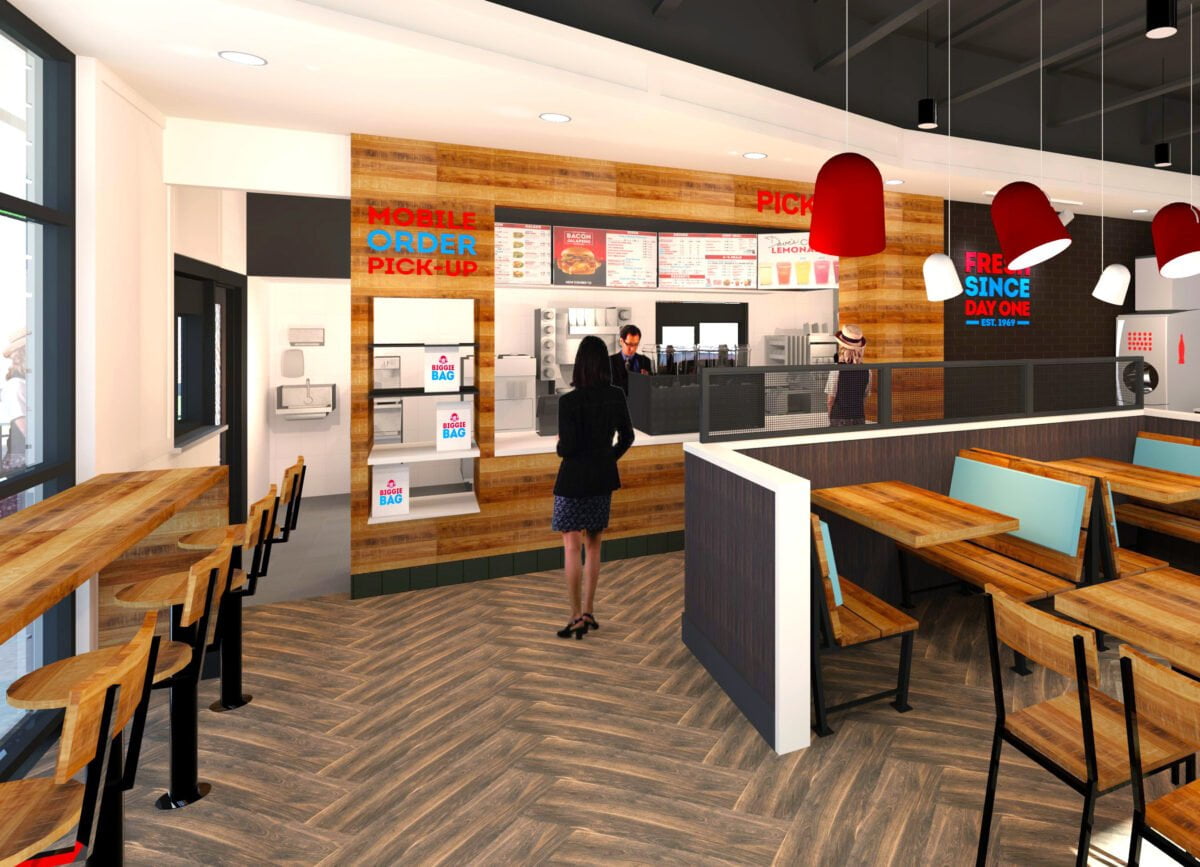
Wendy’s Global Next Gen Far Counter
Wendy’s was founded in 1969 by Dave Thomas in Columbus, Ohio. Today, Wendy’s and its franchisees have about 7,000 restaurants worldwide. In Canada, it has more than 400 locations.
According to Wendy’s, Global Next Gen includes the following design features and technology to better serve today’s customers:
Delivery Pick-Up Window: A dedicated delivery pick-up window and delivery parking makes it more convenient and quicker for delivery drivers, who previously needed to enter the dining room, to grab orders and go. This design also shifts traffic out of the drive-thru line where customers are waiting, so crew can focus on taking and fulfilling orders more quickly, efficiently and accurately;
Dedicated Mobile Order Pickup: Global Next Gen features mobile order parking and pick-up shelving in-restaurant. Customers select a pick-up time when placing their mobile order and upon arrival, park in a dedicated mobile order parking spot, grab their meal off the mobile order pick-up shelving and enjoy their Wendy’s favourites;
Reimagined Kitchen: A new galley-style kitchen design, which runs from the front to the back of the restaurant, increases efficiency and oversight for crew across all sales channels. The kitchen design allows for efficiencies at the point of sale, provides the ability for crew to slide between positions more easily throughout the day and supports faster order fulfillment and culinary innovation;
Next Generation Technology: Global Next Gen comes alive through the next generation of modernized technology that works hard behind the scenes, allowing restaurant teams to handle significantly more digital business than before. This also provides a platform for forward-leaning technology innovation; and
Optimized Infrastructure: New restaurants will use more efficient building elements such as lighting and HVAC to decrease energy usage and costs.
Todd Penegor
“To accelerate our business and expand our footprint across the globe, we must consistently meet the needs of our customers however they choose to engage with Wendy’s, whether that’s through a digital platform or in the drive-thru,” said Wendy’s President and CEO Todd Penegor, in a statement. “Global Next Gen enhances the customer experience across ordering channels and streamlines operations for our crew, all the while creating better returns for franchisees.
“As the first restaurant brand to offer a modern pick-up window more than 50 years ago, Wendy’s continues its legacy of design and innovation with Global Next Gen. Our new global restaurant standard unlocks opportunities at the intersection of innovative design and technology, bringing us one step closer to our vision of becoming the world’s most thriving and beloved restaurant brand.”
Pringle said all new locations for the brand will have the new design restaurant. In recent years, the company has also been remodeling existing restaurants to make them fresh and contemporary. As part of that, many franchisees have wanted to rebuild. So the new design will also be applied to a pretty extensive remodel of certain locations. And also, the company has found that there are many elements of the new design which can be applied to existing restaurants.
“Ultimately what we do is create kind of this Global Next Gen as really the core DNA the brand will use to go and evolve our expanded footprint. So that can be traditional restaurants. We’ll apply them where we can to non-traditional locations and really become, if you will, our operating model as we go forward,” she said.
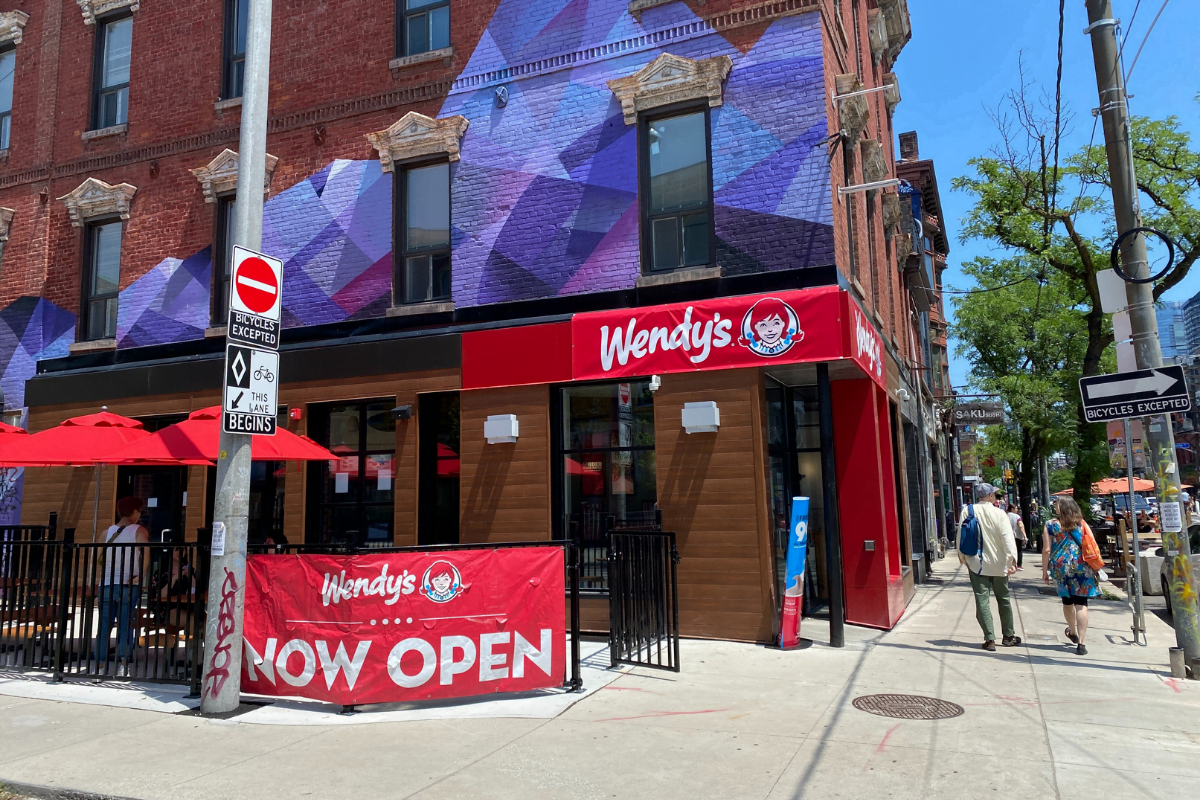
Wendy’s on Queen Street in Toronto (Photo by Dustin Fuhs)
Pringle said Wendy’s has a great business in Canada and is excited about the continued growth in the market.
“We absolutely are committed to growth (in Canada). We’ve had quite a considerable amount of growth over the last three to five years. We are continuing to grow and expand the footprint through new franchisees and growing with existing franchisees,” she said.
In February, the company launched its campaign Own Your Opportunity, which creates pathways for entrepreneurs who want to grow with Wendy’s through franchising. The initiative creates expanded restaurant ownership opportunities for all and supports the company’s goal of increasing restaurant ownership among underrepresented populations, specifically among women and people of colour.
“We’ve had great success in Canada. It’s exciting to see. We’re actually going to approve quite a few new franchisees this year globally and particularly in Canada. So we have new franchisees coming in and as well we have been engaging with our existing franchisees in Canada to be able to expand their own operations. We’re pleased. I think you’re going to see a lot more Wendy’s all across Canada in the years to come,” added Pringle.
“This new design will start popping up in the second half of 2023. This will be there in Canada shortly thereafter and we already have franchisees engaged in plans.”
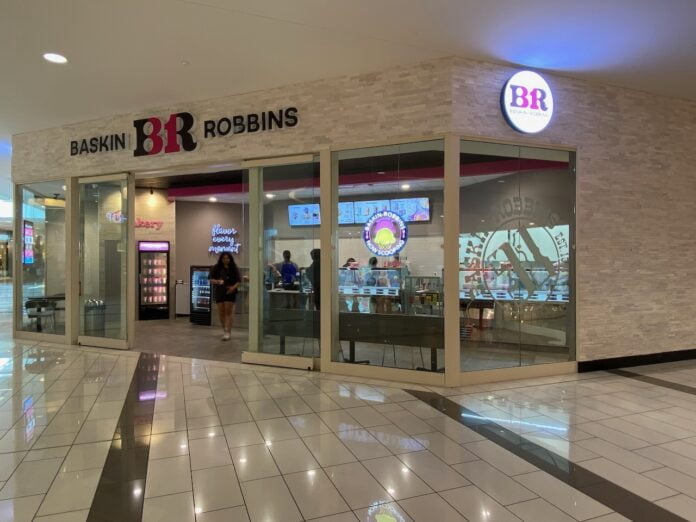
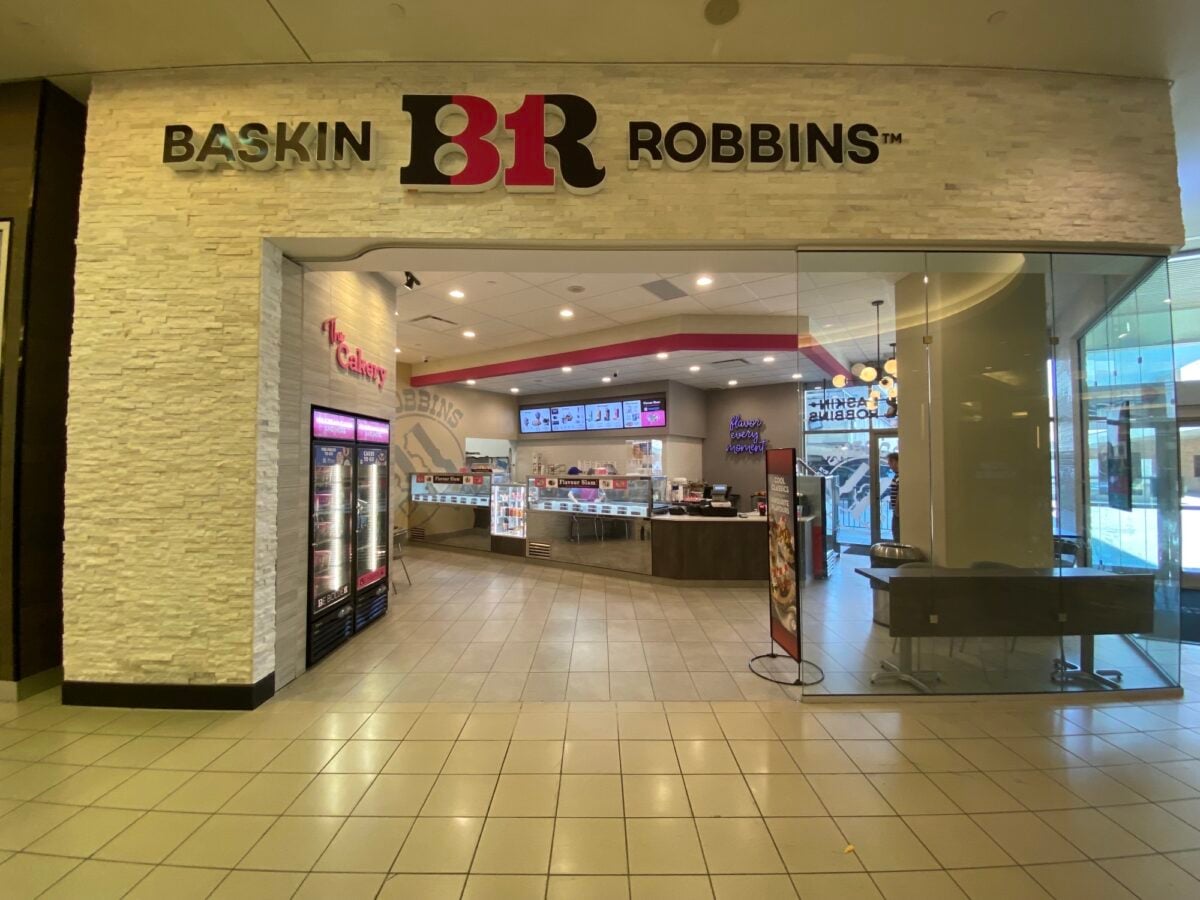
Baskin-Robbins in Surrey, BC (Image: Baskin-Robbins)
Baskin-Robbins, the world’s largest chain of ice cream specialty shops, has signed its largest franchise development agreement in 51 years in Canada.
The deal, with real estate and franchise operator McMaster Group Holdings, includes the expansion of the brand to 25 new shops in the Vancouver and Calgary markets.
Natalie Joseph, Senior Manager, International Field Marketing for Baskin-Robbins Canada, said the brand recently opened its 108th location in Canada in Guildford Town in Surrey, BC, which is one of the 25 new locations to be opened. That followed the opening of a new store in Metropolis Metrotown in Burnaby, BC.
Baskin-Robbins is part of Inspire Brands, a multi-brand restaurant company whose portfolio includes Arby’s, Buffalo Wild Wings, Sonic Drive-In, Jimmy John’s, Rusty Taco, Mister Donut, and Dunkin’ Donuts.
Baskin-Robbins in Surrey, BC (Image: Baskin-Robbins)
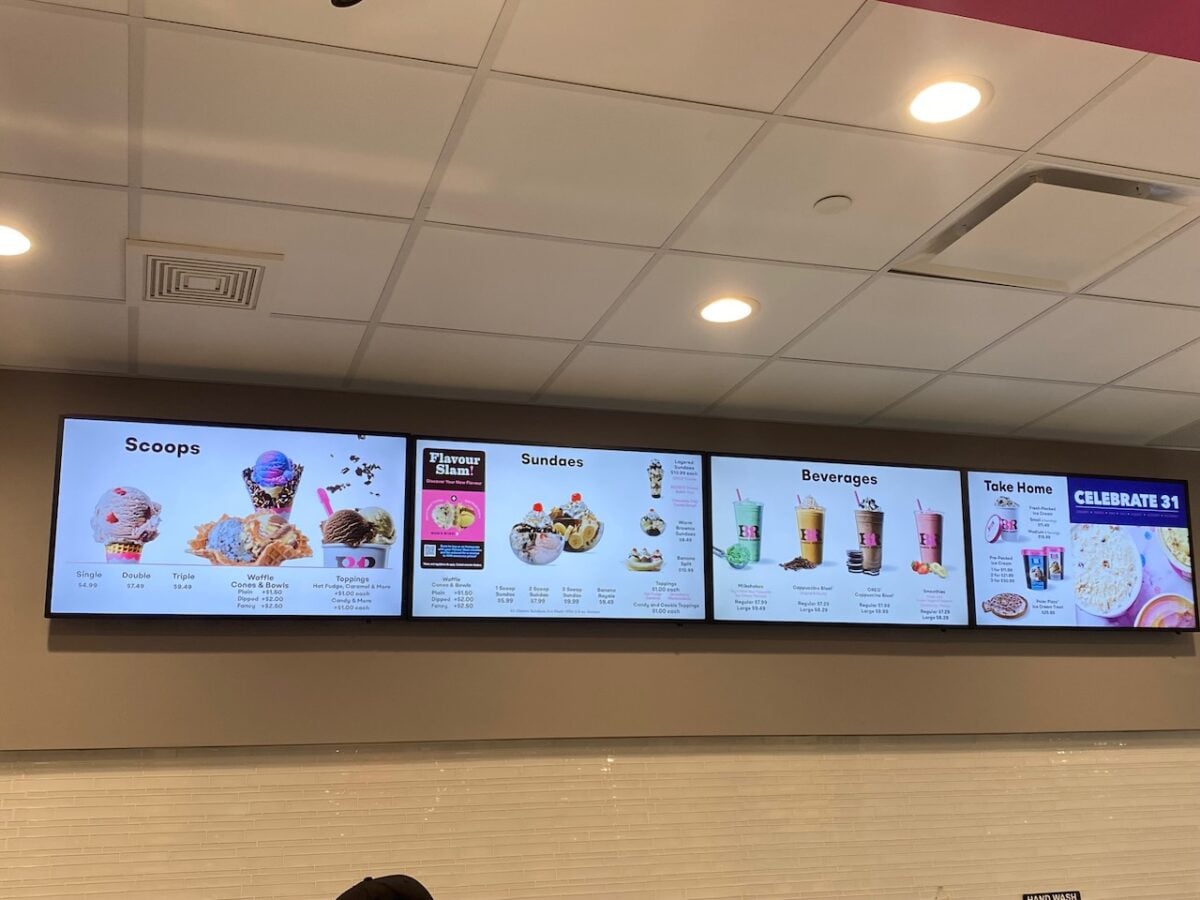
The new locations will be designed according to Baskin-Robbins’ new ‘Moments’ design, which includes eye-catching dipping cabinets, flexible and comfortable seating, and modernized digital menu boards, said the company.
“I don’t want to commit to any timeline by any means but we are working with a franchisee who is eager to fulfill that commitment I would say within the next couple of years you’re going to see a significant amount of that growth,” explained Joseph.
“We have an amazing opportunity for growth in Canada not just with Baskin-Robbins but with the Inspire Brands’ portfolio. There are definitely other brands like Arby’s and they have a great opportunity for growth throughout Canada as well.
“We’re pretty excited that it’s an opportunity that Inspire Brands internationally are looking at the Canadian market as the market to focus on for development.”
Image: Baskin-Robbins Canada
The first Baskin-Robbins location in Canada opened in 1971 at Bathurst and Eglinton in Toronto and is still there today.
“With a sweet legacy in Canada, Baskin-Robbins remains focused on growth across the country,” said Craig Walker, Senior Director of International Business, for Baskin-Robbins in Canada, in a statement. “We’re delighted to work alongside Adel Ashry of McMaster Group Holdings to bring our full menu of flavours, innovation and treats to new guests in these important markets.”
Since entering the franchise business in 1998, Adel Ashry has developed more than 1,500 units of some of the largest chains internationally in the retail, food, and consumer product industries, said Baskin-Robbins.
“I have been working in the franchise operating business in the Middle East for the past 23 years and in Canada for the past nine. In that time, I’ve become familiar with the type of brands that will resonate with Canadian consumers,” said Ashry in a statement. “I’m excited to join the Baskin-Robbins brand and lead its development in Vancouver and Calgary. My family recently relocated from Toronto and are very excited to call Vancouver our new home.
Baskin-Robbins in Surrey, BC (Image: Baskin-Robbins)
“We’re designing our new shops to offer families a destination that helps them bond over a sweet frozen treat in an enjoyable, refreshing and warm environment.”
Joseph said for both Baskin-Robbins and Arby’s the footprint is small in Canada.
“We have 108 stores (Baskin-Robbins) in a country this size. So the growth potential is there. Years prior, we did have a larger footprint and just over time that eroded. So we are definitely on a path moving forward to increase our shop size,” she said.
“The growth is coming. It’s exciting news. There’s opportunities. It’s just about looking for developers that are wanting to invest in multi-units. We’re excited about it.”
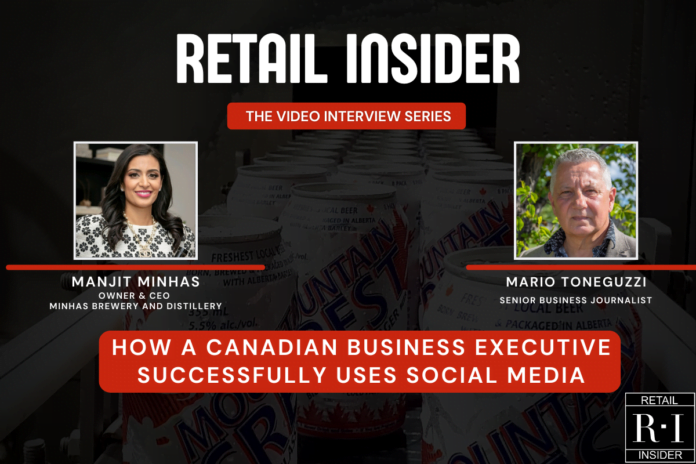
Minhas talks about why she is on social media, the channels she uses, venturing into the world of podcasts, why more business owners should adopt social media, branding and personally doing social media.
The Video Interview Series by Retail Insider is available on YouTube.
Connect with Mario Toneguzzi, a veteran of the media industry for more than 40 years and named in 2021 a Top Ten Business Journalist in the world and the only Canadian – to learn how you can tell your story, share your message and amplify it to a wide audience. He is Senior National Business Journalist with Retail Insider and owner of Mario Toneguzzi Communications Inc. and can be reached at mdtoneguzzi@gmail.com.
Also check out the other series offered by Retail Insider, including The Weekly podcast and The Interview Series, which are both available on Apple Podcasts, Stitcher, TuneIn, Google Podcasts, or through our dedicated RSS feed for Simplecast and other podcast players.
Retail Insider is streamlining its Canadian retail news from around the web to include a handful of top news stories that can be viewed quickly during the day. Here are the top stories from the past three days.