As Canada’s loyalty landscape undergoes rapid change, from major program relaunches to shifting reward structures, marketers are being forced to confront a critical question: Are we building real brand loyalty, or simply buying short-term transactions?
According to Rachel MacAdam, VP of Marketing at Skip, 2026 will mark a defining reset for how brands approach loyalty, performance marketing, and growth. In a tightening economic climate, she said that the brands that win won’t be the ones offering the biggest discounts, but those that invest in emotional connection, brand meaning, and faster, smarter experimentation.
Drawing from Skip’s experience operating in one of the most competitive consumer categories in Canada, MacAdam is seeing three key shifts shape marketing strategies heading into 2026:
- Why loyalty programs built purely on discounts are losing power – and how brands can cultivate “irrational brand love” that goes beyond price
- The return of brand storytelling as a performance multiplier, not a nice-to-have, amid over-optimization and short-term ROI pressure
- How high-growth brands are adopting a more agile, test-and-learn approach to experimentation – using speed, AI, and iteration as competitive advantages

“I think it’s a really interesting time in loyalty right now. You see Air Miles transitioning to Blue Rewards. You see Shell moving to Scene Plus. You see all these loyalty programs restructuring. Aeroplan is restructured, and Starbucks is restructuring. So I think it’s a really interesting time,” said MacAdam.
“I think what’s coming is that the concept of value is evolving. Price is still critical. Canadians are watching their wallets. They’re looking for the best price, but that’s sort of table stakes, right? We can all play in price, but it starts to become a diminishing return exercise. It’s a race to the bottom line.
“I think the brands that are going to win, and I think you’re seeing it in many instances, are those that actually deliver on value, of which price is a component. But value also saves me time, makes me feel rewarded, knows who I am, celebrates my moments and achievements. I think those are the loyalty constructs that are actually going to be successful.
“I’ll speak about Skip Plus, obviously, but even beyond that, if you look at brands like Sephora, I think Sephora is one of the leaders in loyalty. They’ve really tapped into this idea of irrational loyalty. When you go to Sephora, you are not price-checking in store to see whether you can get that same item at Shoppers Drug Mart. You’re in the Sephora experience because you feel rewarded and recognized.
“People go there on their birthday not necessarily for the actual economic value of the gift, but because Sephora is recognizing who I am. They’re celebrating my birthday. It’s a moment. I think that’s what builds loyalty over time. You can chase a discount, but if you really want that repeat behaviour where I choose you above all else, I don’t even price shop because I know I’m getting good value, of which price is a component, those are the loyalty constructs that are going to win in the long term.”
MacAdam said one of the things that really sets Skip apart is the fact that it is a Canadian brand. Born and raised in the Prairie provinces. Head office is still in Winnipeg.
“And we’re very proud of that Canadian heritage. That has become a big part of our narrative. When Canadians have a choice, we need to make sure we are competitive on price. We need to make sure we have the same selection, that your favourite independent restaurant is on our network. But when those things are created equal, we believe it’s the power of our storytelling of who Skip is, that we are made in Canada by Canadians, our tech is Canadian technology that Canadians will choose us over international or American counterparts,” she said.
“I think brand storytelling is so important because people fundamentally want to engage with brands and organizations that reflect who they are. That has been a very big part of us.
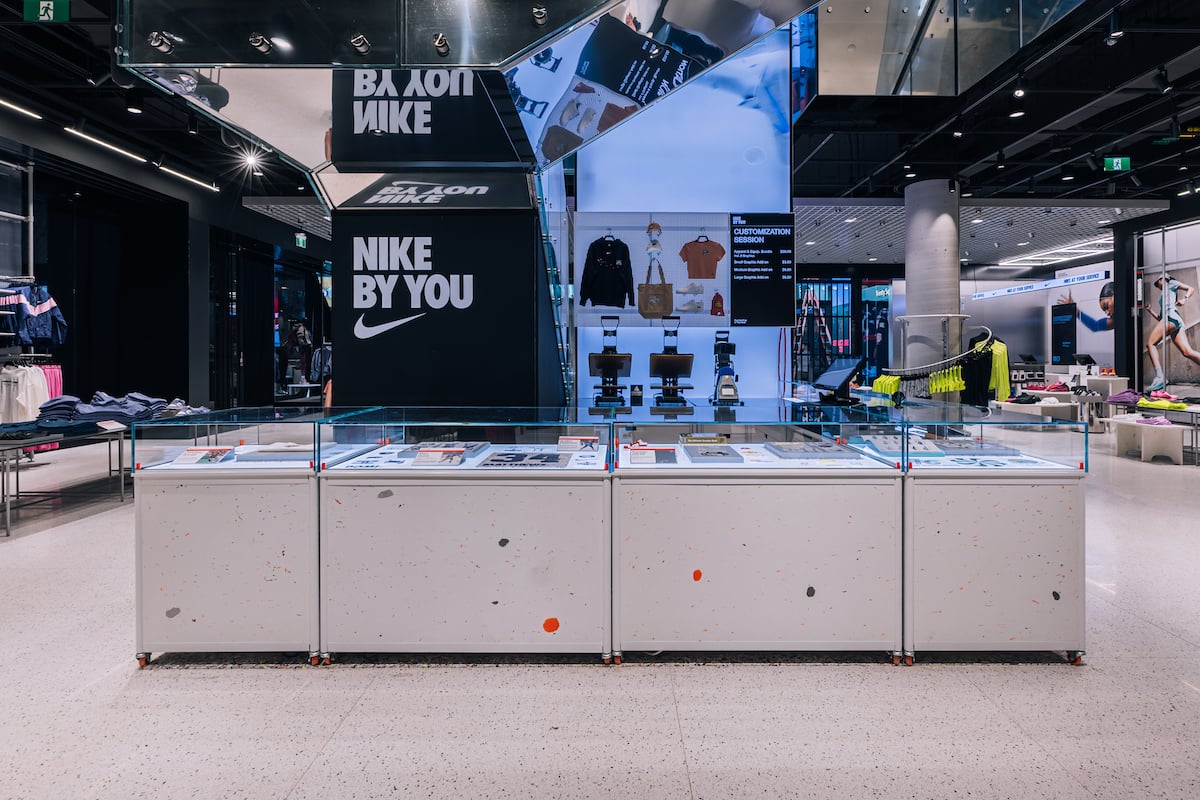
“If I look outside of the Skip environment and look at Nike, that’s a great lesson for so many marketers who might be tempted to divert all of their investment into performance because it’s measurable and immediate. The reality is Nike is a great example where their brand ethos was really built on storytelling. People wanted to be part of that Nike movement. That is who I am.
“But they moved from building their brand to diverting it all to digital, and they lost market share because people no longer knew why they wanted to buy the new Nike shoe. You can get the best price, but it doesn’t reflect who I am. Especially in times where marketing budgets are scrutinized and you’re fighting for every dollar in the marketing department, it can be tempting to divert exclusively to performance. It’s measurable. Finance likes it. We can drive immediacy.
“But your performance actually becomes less efficient when you start to erode or lose the brand story. If you don’t have that overarching brand narrative, if people don’t think about you or talk about you, then when performance gets put in market, it’s actually less efficient. You have to spend more for that order.
“What we’re trying to do is balance both. Yes, we need to drive short-term metrics, but we also need to make sure we’re keeping an eye on the overarching brand narrative, how we’re showing up in market, how people think about us, talk about us, and whether we’re part of the consideration set.”
MacAdam said technology is a critical enabler.
“When you talk about loyalty, and it’s about reward and recognition and putting the right offer to the right person so that it’s relevant to them, the underpinning of that is all technology,” she explained.
“How do I make sure that I’ve got a single view of customer so that when your best customer, he one that is your high-value customer or your top-tier loyalty customer, has an issue, your customer care group knows that they’re a best customer and differentiates the service tied to that customer?
“How do we make sure that when that customer comes into the app, we are serving out the offer we know is going to be most compelling and most relevant to them, so they don’t have to dig into the app to find the offers that are relevant to them? That’s all driven off offer engines.
“How do you make sure you’ve got a wide bank of offers, but that the intellect behind it can actually pull the offer that is most relevant to them and serve it up? I would say that is a journey we are on at Skip. We’re making significant investment in our martech capabilities so that we can actually fulfill the loyalty promise we’re making to customers. I would say it is a journey we are on. We have not fully realized that experience for our best customers yet.”
More from Retail Insider: