Black Friday may still be weeks away, but for many Canadians, the holiday shopping journey has already started.
As consumers begin researching gifts, comparing options and deciding where they’ll spend, Scott Mitchell, Managing Director, Canada at Vistar Media, says brands have an opportunity to influence those decisions well before shoppers reach the checkout.
New Canadian research from Vistar Media and Angus Reid shows that 39% of Canadians have taken action after seeing an out-of-home ad, while 36% say OOH influenced or reinforced a recent purchase decision. Another 22% went on to search for a brand online, pointing to the role real-world advertising can play before consumers actively start shopping.
Holiday shopping starts early
Holiday shopping now starts well before colder temperatures move in and any transactions take place, said Mitchell.
“Consumers may not be checking items off their gift lists yet, but they’re already noticing products, researching brands, comparing options and deciding what deserves their attention,” he said.
“By the time Black Friday arrives, many consumers aren’t starting from scratch. They already have brands and products in mind. That means the holiday marketing window starts earlier too. Brands need to be part of the consideration process before competition for attention reaches its peak.

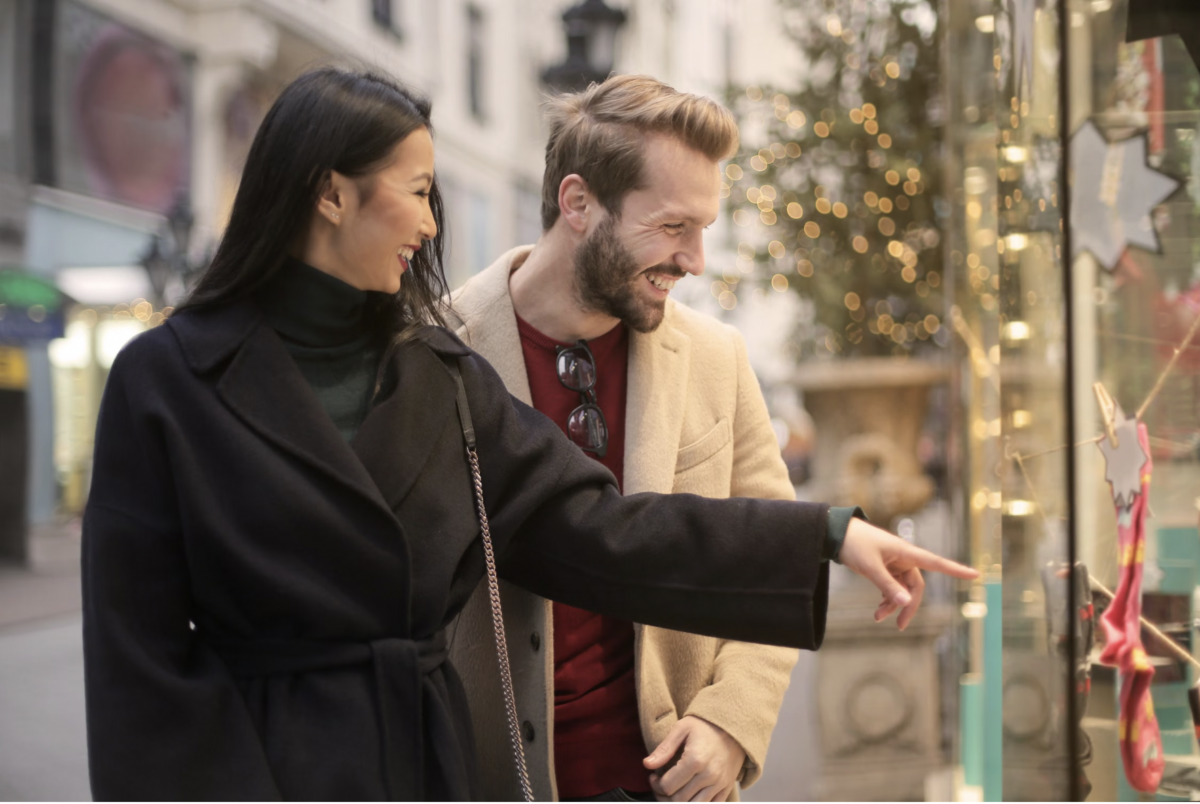
“The journey itself isn’t linear either. Someone might discover a product during their commute, research it later on their phone, visit a store on the weekend and ultimately purchase it online. That movement between physical and digital environments is now a fundamental part of how people shop.”
The research reinforces the idea that the path to purchase often begins with discovery. Search is incredibly valuable once someone knows what they’re looking for, but something has to create that initial awareness and interest, added Mitchell.
“For marketers, that connection is important. What consumers encounter in the physical world can directly influence what they do next, whether that’s searching, visiting a website or considering a purchase. Holiday campaigns need to account for that full journey, not just the final transaction,” he said.
“The holidays are inherently physical. People are commuting, running errands, visiting shopping districts, attending events, travelling and spending more time around retail environments. Brands have more opportunities to reach consumers as they move through their day.
“Digital out-of-home (DOOH) makes those interactions more relevant because campaigns can account for where and when a message appears. A screen near a commuter hub serves a different consumer moment than one near a shopping centre or within a neighbourhood retail environment.
“The value comes from understanding those differences. Effective DOOH isn’t about putting the same holiday creative everywhere. It’s about using the context of each environment to make the message more meaningful.”
Relevance becomes the differentiator
Mitchell said more advertising doesn’t automatically create more impact. When consumers are surrounded by holiday promotions, relevance becomes the differentiator.
“The starting point should be context: where is the consumer, what are they likely doing and what message makes sense in that moment? Location, time of day and environmental signals can all help inform how creative shows up,” he said.
“That’s one of the strengths of digital out-of-home today. Creative can be more responsive to the environment rather than relying on one message for the entire season. The brands that stand out will be the ones that use that flexibility deliberately.”
Black Friday remains an important retail moment, but it’s no longer the starting line,’ said Mitchell.
“If a brand waits until the major promotional periods to enter the conversation, it’s competing at the noisiest point of the season, when consumers may already know what they want and where they plan to buy it,” he said.
“Brands should think about the holiday season as a progression. Build familiarity early, strengthen consideration as the season develops and become more tactical as consumers move closer to purchase. Black Friday then becomes an important conversion moment within a broader strategy, rather than the strategy itself.”

Searching for the ease of buying
Mitchell added that consumers don’t think in channels. They think about what they want and the easiest way to get it.
“A consumer can encounter a brand in the physical world, search for it on their phone, visit a store and ultimately buy online. Those aren’t separate journeys. They’re different touchpoints within the same one,” he explained.
“Marketers need to plan accordingly. The question isn’t whether physical or digital media deserves the credit. It’s how those environments work together to move someone from discovery to consideration to action. That’s a much more accurate reflection of how people actually shop today.”
Too many brands concentrate their investment around the transaction and underinvest in everything that happens before it.
“When every advertiser shows up at the same time with a discount, the conversation quickly becomes about price. Promotions matter, but they’re much more effective when consumers already know the brand and have a reason to consider it,” said Mitchell.
“Holiday marketing should build toward the transaction rather than begin with it. Brands that establish awareness earlier have more opportunity to shape consideration before consumers are inundated with competing offers.”
Planning around the consumer
If there’s one shift marketers should make in their holiday planning this year, Mitchell said they should plan around the consumer, not the retail calendar.
“Traditional shopping dates still matter, but they don’t tell us when consumers actually begin discovering, researching or considering holiday purchases. Marketers need to understand where their audiences are spending time and how their needs change as the season progresses,” he said.
“That should translate into one connected strategy: build awareness early, stay relevant through consideration and make it easy to act when purchase intent increases. The brands that do that well aren’t simply showing up for the biggest shopping days. They’re present throughout the journey.”
More from Retail Insider: