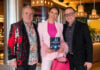
Editor’s Note: This article is part of a special Retail Insider thought leadership series exploring how luxury retail actually works, based on insights from luxury retail executive Douglas Mandel.
Luxury retail is often misunderstood from the outside. Consumers see beautiful stores, iconic handbags, and six-figure watches. What they do not always see is the discipline behind the product strategy that makes those objects desirable in the first place.
If we are serious about understanding how luxury retail actually works, we have to begin with product. Not marketing. Not store design. Product.
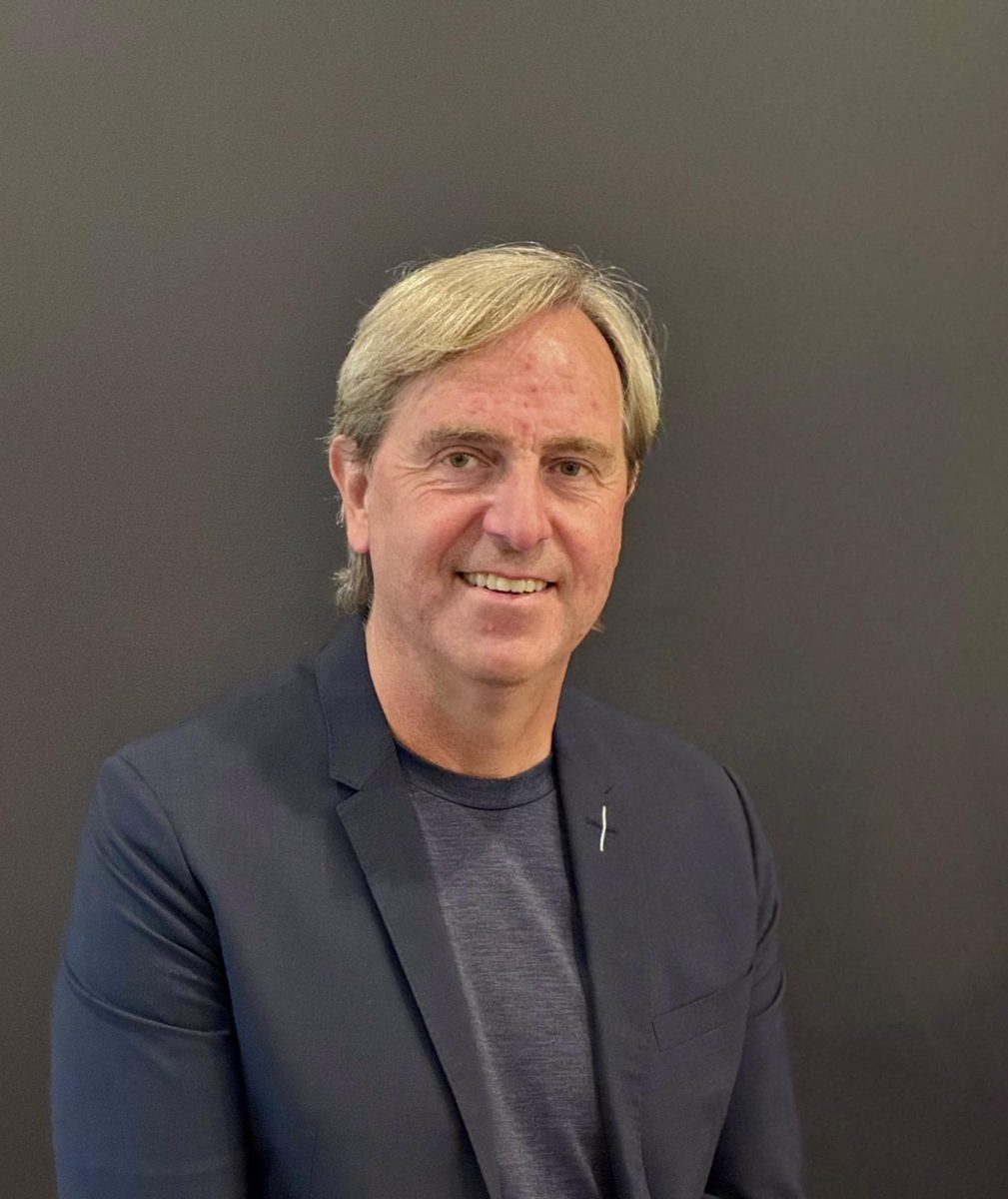
Douglas Mandel, former VP of Dior who led Canada and a veteran global luxury executive, explains how product strategy in luxury is fundamentally different from mass retail logic. It is not driven by volume. It is not built around price optimization. It is rooted in symbolism, restraint, and disciplined positioning.
For Canadian retailers operating in both premium and luxury segments, these distinctions are critical. Luxury retail product strategy is not accidental. It is engineered.
Luxury Is About Meaning, Not Function
“What does luxury really mean?” Mandel asks. “It’s not just about price points or exclusivity. It’s not just about craftsmanship or scarcity. It’s about the meaning attached to its acquisition.”
One of the most striking definitions he encountered during his MBA was this: luxury is the act of burning excess.
The concept traces back to ancient rituals where leaders would ceremonially destroy or give away valuable possessions as proof of abundance. Sacrifice signaled strength. Giving up something valuable demonstrated that more would follow.
In modern luxury retail, this psychology remains intact. A $10,000 handbag or a $100,000 watch is not purchased for utility. It is a symbolic act. The acquisition affirms identity, status, and personal narrative.
Understanding this psychology reframes luxury retail product strategy entirely.
Functionality is secondary. Pricing sensitivity operates differently. The object becomes a vessel for meaning.
For Canadian retailers, especially those scaling into luxury categories, this insight matters. If product is positioned purely through technical features or competitive pricing, it will struggle to achieve true luxury status. Luxury is symbolic before it is practical.
Elevation, Not Reinvention
Product strategy in luxury does not always require tearing down what exists. Sometimes it requires elevation.
Mandel recounts joining Peerless Clothing in Montreal in the 1990s, then the largest suit manufacturer in North America. The company had plateaued. Manufacturing was strong. Execution was efficient. However, materials, design, and brand positioning limited growth.
Rather than reinvent the factory, the opportunity lay in reframing the product. By elevating fabrics, refining fit, and aligning with a designer brand through the DKNY license, the company unlocked significant new revenue. The first year generated $35 million.
The lesson is clear. You do not always need to build a new engine. Sometimes you need to pair a strong operational base with sharper product and stronger brand positioning.
For Canadian brands seeking to move upmarket, this is particularly relevant. Luxury retail product strategy often involves strategic partnerships, improved materials, and more disciplined storytelling. It is about aligning product with aspiration.
Scarcity and Controlled Distribution
If meaning drives desire, scarcity protects it.
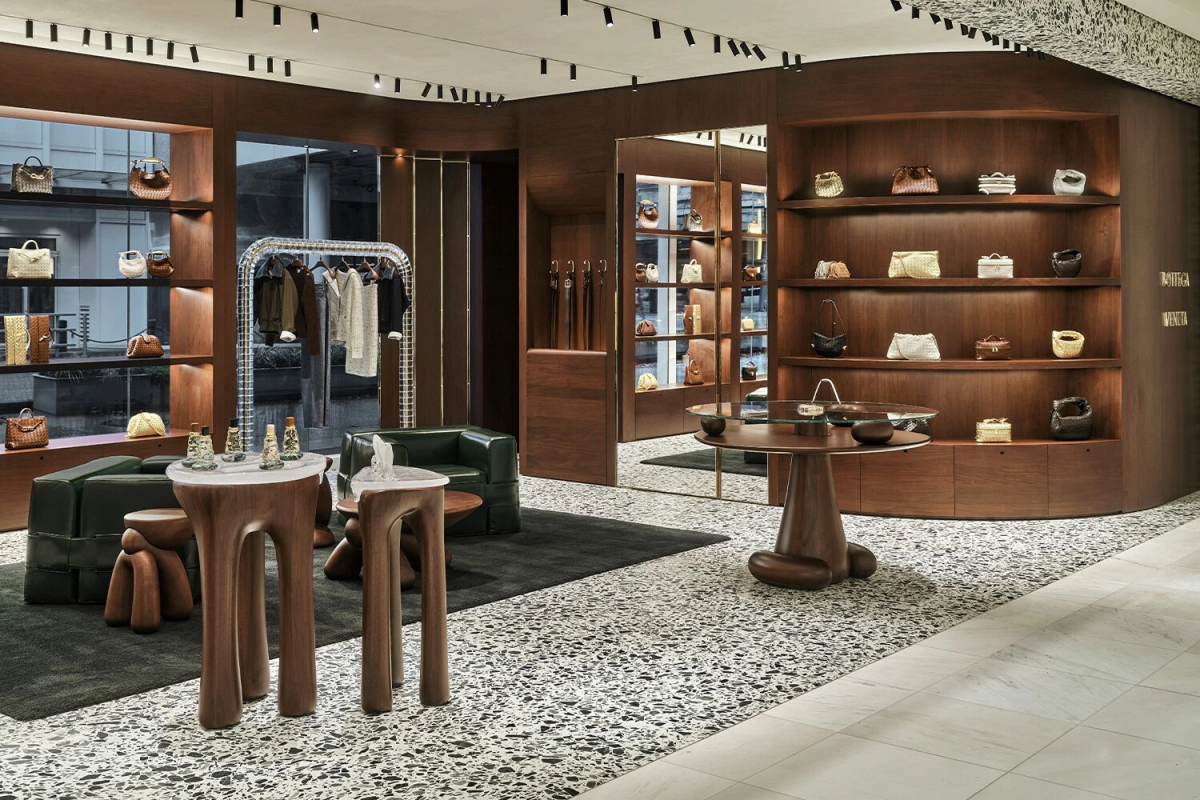
Luxury brands have long understood that overproduction erodes value. Controlled distribution reinforces perception. Discounting may generate short-term cash flow, but it weakens long-term brand equity.
Mandel has written about the concept of burning excess in both symbolic and operational terms. Historically, some luxury houses destroyed unsold inventory rather than discount it. While sustainability expectations are reshaping these practices, the philosophy behind them remains.
The objective is not waste. It is protection of positioning.
Luxury retail product strategy depends on disciplined production planning. Limited runs. Controlled releases. Strategic pullbacks. These actions signal confidence and reinforce exclusivity.
In Canada’s evolving luxury landscape, where international brands compete alongside domestic players, maintaining scarcity requires restraint. It can be tempting to chase volume in a relatively smaller market. However, overexposure risks commoditization.
Luxury retail works because it withholds as much as it reveals.
The Psychological Anchor
Another critical element of luxury retail product strategy is the anchor.
At the top of the assortment sits a product that defines aspiration. It may be Haute Couture. It may be a limited-edition timepiece. It may be a six-figure diamond.
Few will purchase it. That is not the point.
The presence of the apex establishes perceived value for everything below it. When the top tier is uncompromising in quality and price, the mid-tier benefits from reflected prestige.
This laddering strategy is visible across categories. Automotive brands use supercars to elevate road models. Fashion houses use couture to elevate ready-to-wear and accessories. Jewelry brands use extraordinary stones to define craftsmanship standards.
For Canadian retailers managing assortments in luxury environments, the anchor must be intentional. Without a clear pinnacle, the collection flattens. Without aspiration, accessibility loses context, according to Mandel.
Luxury retail product strategy begins at the top, not the middle.
Product as Narrative
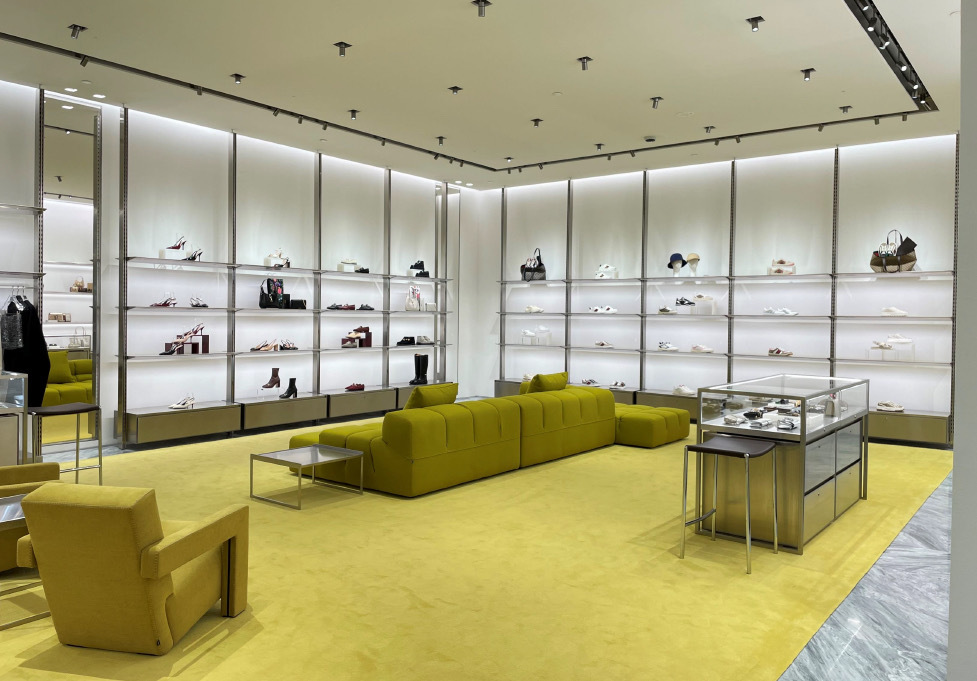
Ultimately, product in luxury is narrative made tangible.
Every seam, fabric, clasp, and material choice communicates something about the brand. Where it is made matters. How it is constructed matters. What it references culturally matters.
Luxury clients are not merely buying objects. They are buying stories. Heritage. Craft. Identity.
This is why manufacturing origin and provenance remain so powerful. “Made in Italy” or “Made in France” is not a technical detail. It is part of the mythology. In Canada, where brands may produce domestically or internationally, clarity around origin strengthens trust, according to Mandel.
Luxury retail works when product tells a coherent story that aligns with store environment, pricing discipline, and client experience.
What This Means for Canada
Canada’s luxury market continues to mature. Flagships are expanding. International brands are deepening presence. Domestic talent is increasingly sophisticated.
For Canadian retailers and brand leaders, understanding luxury retail product strategy is essential. It requires resisting the pressure to overproduce. It demands clarity about where the brand sits on the aspiration ladder. It involves elevating materials and positioning rather than simply increasing output.
Luxury retail does not work because it is expensive. It works because it is disciplined, according to Mandel.
Product is the foundation. Meaning drives acquisition. Scarcity protects perception. Elevation unlocks growth.
If we want to understand how luxury retail actually works, we must start with what sits on the shelf. Not as inventory, but as symbol.