How Restaurants are Wooing ‘Flexitarians’

Date:

Share post:

By Sylvain Charlebois, Professor in Food Distribution and Policy at Dalhousie University and Senior Director at the Institute of Agrifood Analytics at Dalhousie University

Restaurants are struggling to respond to consumers who are rapidly shifting away from animal protein.

According to a recent study by Dalhousie University, nearly one in five Canadians have decided to either reduce the amount of meat they consume or have outright eliminated it from their diets.

Add the fact that 63 per cent of the estimated 6.4 million Canadians who purposely restrict the amount of animal protein they consume are aged 38 or under, it’s clear that the economic influence of the anti-meat movement can only increase. That’s a scary thought for steakhouses out there.

But the food service industry is showing it can adapt and be successful in an environment where demand for animal protein is becoming more fragmented.
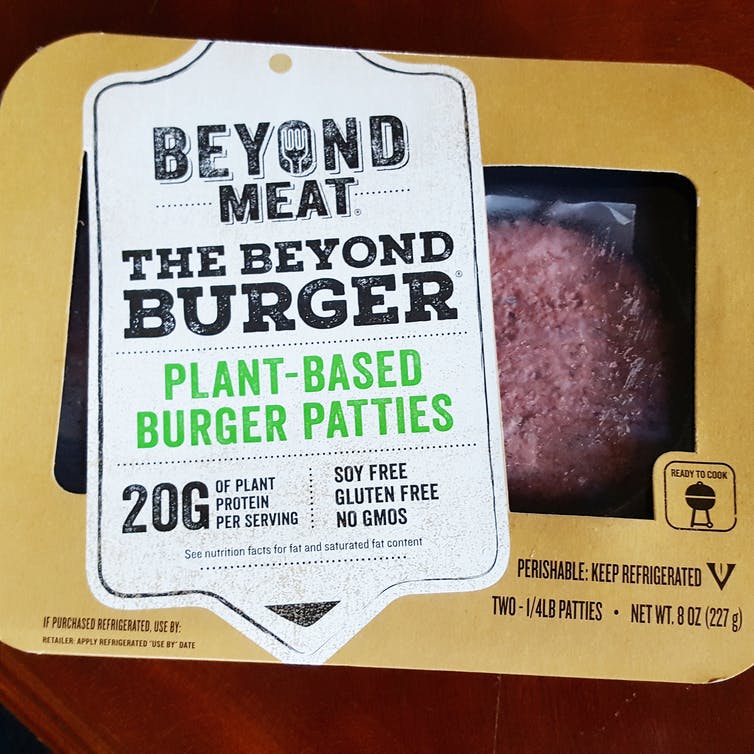
As Canadians are eating less meat, restaurants are wooing what are known as flexitarians, those who haven’t totally given up meat but are trying to eat much less.

In fast food, A&W’s “Beyond Meat Burger” is a good example. The item sold out a month after its release at some locations and was reportedly selling better at many outlets than the chain’s iconic Teen Burger.

Its success is due to the principle of normalizing the offer. The “Beyond Meat Burger” was just part of the regular menu, and tasted almost the same as other top sellers at the restaurant.

No all-beef patties, but special sauce!

Even McDonald’s is adjusting. Anyone can now order a meatless Big Mac. In some outlets I’ve visited, they even had a picture of the product: It’s a bun, lettuce, tomato, sauce and that’s it. No patty.

That’s stunning when you think of how McDonald’s had positioned itself for decades as the premiere ambassador of the Canadian beef industry.

In fine dining, more restaurants are adding vegetarian and vegan options to their menus. Some cities like Toronto now have neighbourhoods with clusters of vegan restaurants and shops. Fairs, festivals — hardly a week goes by without hearing about some event where a meatless world is showcased. Little more than 20 years ago, veganism was almost frowned upon. Today, it is often celebrated.

And given that 20 per cent of Canadians are reducing the amount of meat in their diets, odds are that at least one person in every social group or family is a vegan or vegetarian.

Menus are much more inclusive now, since most dietary preferences tend to coexist.

‘Flexitarians’ on the rise

Which brings us to the concept of “flexitarianism,” or consumers who have consciously decided to reduce their meat consumption, but only on a part-time basis.

More than 3.5 million Canadians consider themselves flexitarians, according to the Dalhousie findings, or what some may call conscious carnivores.

That group, most of them Baby Boomers, are really the bridge between the mass food market and the devoted meatless crowd. And so flexitarians are the ones being targeted by the food service industry.

People become flexitarian for a variety of reasons. Usually it is out of concern for the environmental footprint of the livestock industry, animal welfare or one’s own health. Or perhaps flexitarians want to save a few dollars by opting for a cheaper protein alternative than meat.

It’s not surprising to see many Boomers becoming flexitarians. Some may even argue that flexitarian Boomers are acting out of guilt regarding their lifelong meat-eating habits.

Generational pressures are also real. Many flexitarians likely have children who are vegans or vegetarians, or may have friends who are not eating meat.

The same Dalhousie University survey suggests that most consumers with no particular dietary preferences are satisfied with options offered by restaurants. Vegetarians also seem pleased, as do flexitarians, given the flexible nature of their diet.

Vegans want full-on vegan restaurants

For restaurants, serving flexitarians is obviously less onerous because their dietary preferences give both the industry and consumers more leeway. That’s the market A&W’s “Beyond Meat Burger” seems to be aiming for, so we shouldn’t be surprised to see an increasing number of meat-free options in the future. This is only the beginning.

Vegans are a different story. The vegan diet is more restrictive, which makes it more difficult for retailers to manage expectations. Vegans appear to visit mostly vegan restaurants and may not venture beyond food service establishments that are not utterly committed to the strict lifestyle that is veganism.


RELATED ARTICLES

Subscribe to the Newsletter

Subscribe

* indicates required

RECENT articles

Daily Synopsis: October 1, 2026

Tsawwassen Mills plans a large H Mart grocery and entertainment expansion while CF Chinook Centre adds Old Navy, SportChek, and Winners to boost retail offerings. In Quebec, La Cordee is shutting, and other news.

Why Canadian Retailers Are Losing Sales They’ve Already Won

Checkout friction can cost Canadian retailers thousands in sales. Konek can help merchants offer a simple and trusted payment experience.

La Cordée Closure Ends Six-Year Turnaround Attempt in Quebec Outdoor Market

Quebec outdoor retailer La Cordée is shutting down after 73 years, ending a six-year turnaround that included new ownership and store expansion. The retailer returned to creditor protection in July 2026 with more than $13 million in obligations.

Tsawwassen Mills Marks 10 Years with H Mart, TM Wander and New Entertainment Uses

Tsawwassen Mills marks 10 years as Central Walk expands the 1.2-million-square-foot centre with TM Wander, recreation and entertainment uses. A roughly 30,000-square-foot H Mart anchor is also targeted to open around Christmas 2027.

IKEA Canada celebrates 50 years in Canada

To mark the milestone, IKEA Canada is focused on affordability with 50% off one iconic IKEA product every weekend in October.

Canadian Retail Supply Chains Face Scrutiny as $63.3B in Imports Linked to Labour Risk

World Vision estimates $63.3 billion in Canadian imports were associated with documented child- or forced-labour risks in 2025, led by electronics and apparel, as Ottawa considers stronger border enforcement that could raise traceability demands for retailers.

Iconic outdoor lifestyle brand L.L.Bean reimagines its flagship store in Freeport, Maine

The reimagined Flagship store and campus, which is visited by many Canadian tourists each year,  immerses customers in the outdoor lifestyle inspired by Maine and surrounds them with the products designed to enjoy it.

CF Chinook Centre adding three major retailers

Old Navy, SportChek and Winners will be joining the tenant mix at Calgary's most popular shopping centre.

Honestly Good Chicken Fingers and Serruya Private Equity Announce Joint Venture to Fuel Global Growth

New partnership will support expansion of the Canadian-born restaurant brand across North America and international markets

Niagara Falls Tourism Faces Weather Challenges as Rain and Flooding Hit 2026 Summer Season

Niagara City Cruises says poor weather has reduced walk-up visits while committed travellers remain resilient, with operators looking to the fall shoulder season. Niagara City Cruises says poor weather has reduced walk-up visits while committed travellers remain resilient, with operators looking to the fall shoulder season.

Iconic Colombian coffee brand Juan Valdez expands to Canada

Juan Valdez is entering Canada for the first time as part of its North American expansion strategy, bringing the quality, origin and heritage of 100% Colombian premium coffee to Canadian consumers.

Daily Synopsis: September 30, 2026

Canada's Weston family moves to acquire UK chemist Boots for $9bn, The Brick sells Scarborough site, Ikea opens small-format London ON store, Fortinos opens Popcorn Kitchen in Brampton store, Pattison calls out grocery store violence in BC, and other news.

Primaris REIT Announces $411 Million Acquisition of Upper Canada Mall

990,114 square foot mall located on 76 acres of land in the Greater Toronto Area.

Salesforce Brings AI Agents Closer to Checkout and Store Inventory at Dreamforce

Salesforce expands agentic commerce at Dreamforce 2026, connecting AI agents with checkout, store inventory and customer data as adoption grows in Canadian retail.

Canada’s Retail Market Is Polarizing. Where Does That Leave the Middle?

Canada’s retail market is increasingly polarized between value and premium. Linda Farha examines why differentiation, positioning and a clear customer proposition are becoming critical for retailers caught in the middle.

Preparing Retail for the Age of Autonomous Commerce: Why Trust and Fraud Prevention Matter

As AI shopping agents emerge, retailers face new challenges around fraud, trust and authentication. Here's what merchants should know about preparing for autonomous commerce.

Grocery Inflation Tests Brand Loyalty as Parents Trade Down to Store Brands: DOSS

DOSS research finds parents are cutting or replacing children’s favourite grocery products as higher prices push families toward cheaper alternatives.

Quartz Co. Plans Broader Canadian Retail Expansion with New Montréal Store

Quartz Co. is opening a new Montréal boutique as the Canadian outerwear brand considers Toronto, expands its women's business and navigates U.S. tariffs.

New Private Event Space in Toronto’s Entertainment District to open as UP Events

Located above PAI on Duncan Street, the new venue will pair a flexible event space with curated menus by chef Nuit and culinary experiences from across the By Chef Nuit restaurant portfolio.

How familiar breakfast foods continue to outperform: OEB Breakfast

"Something doesn’t need to be complicated to be special.