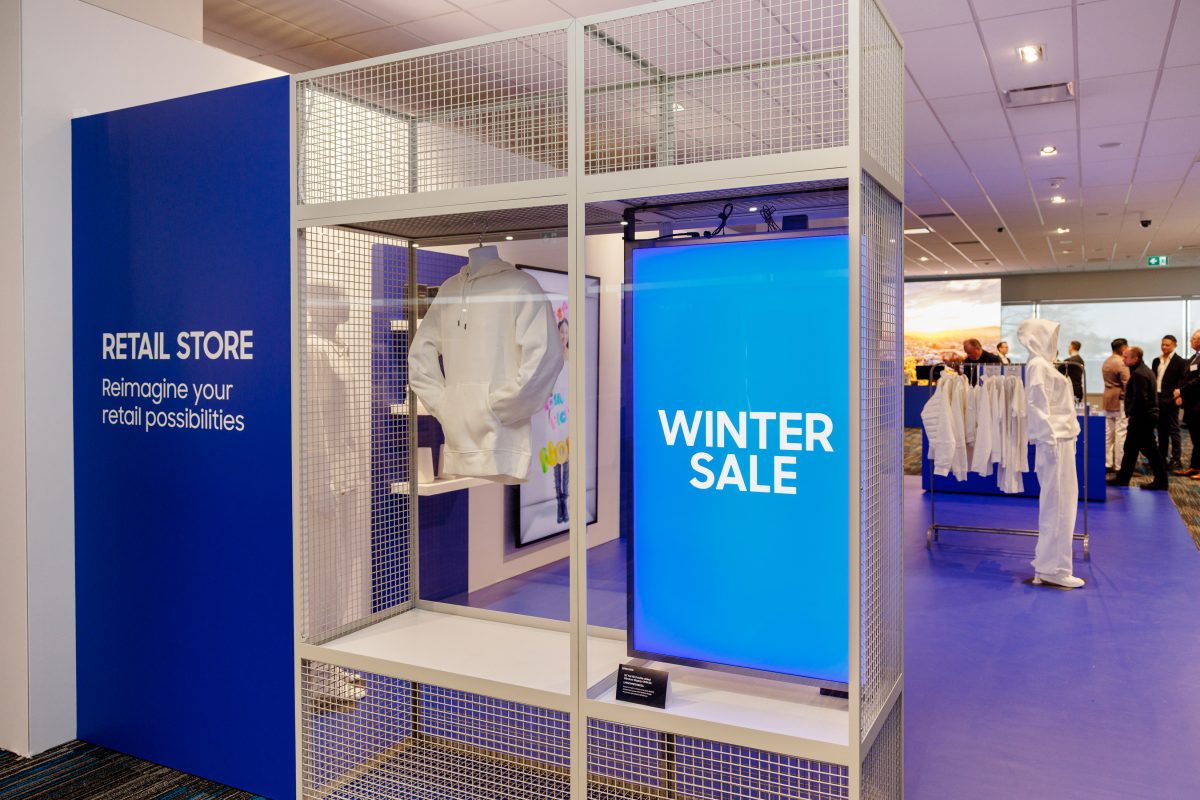
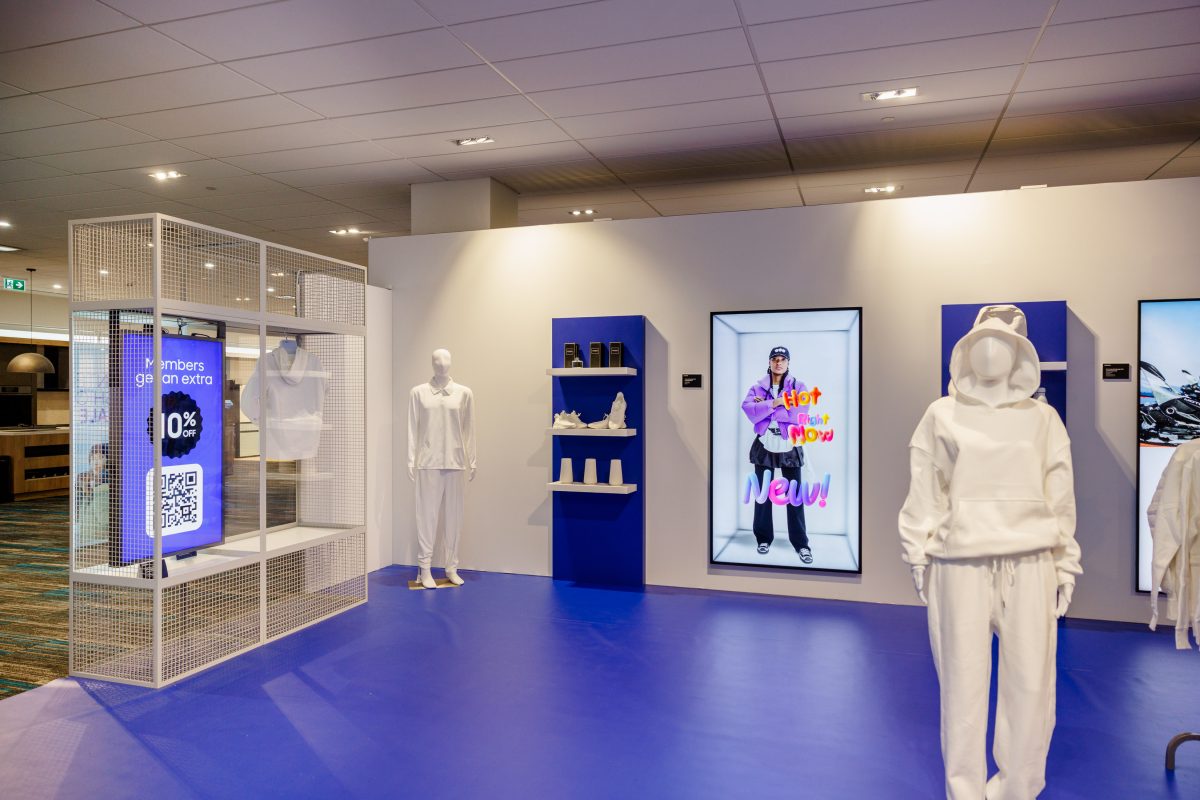
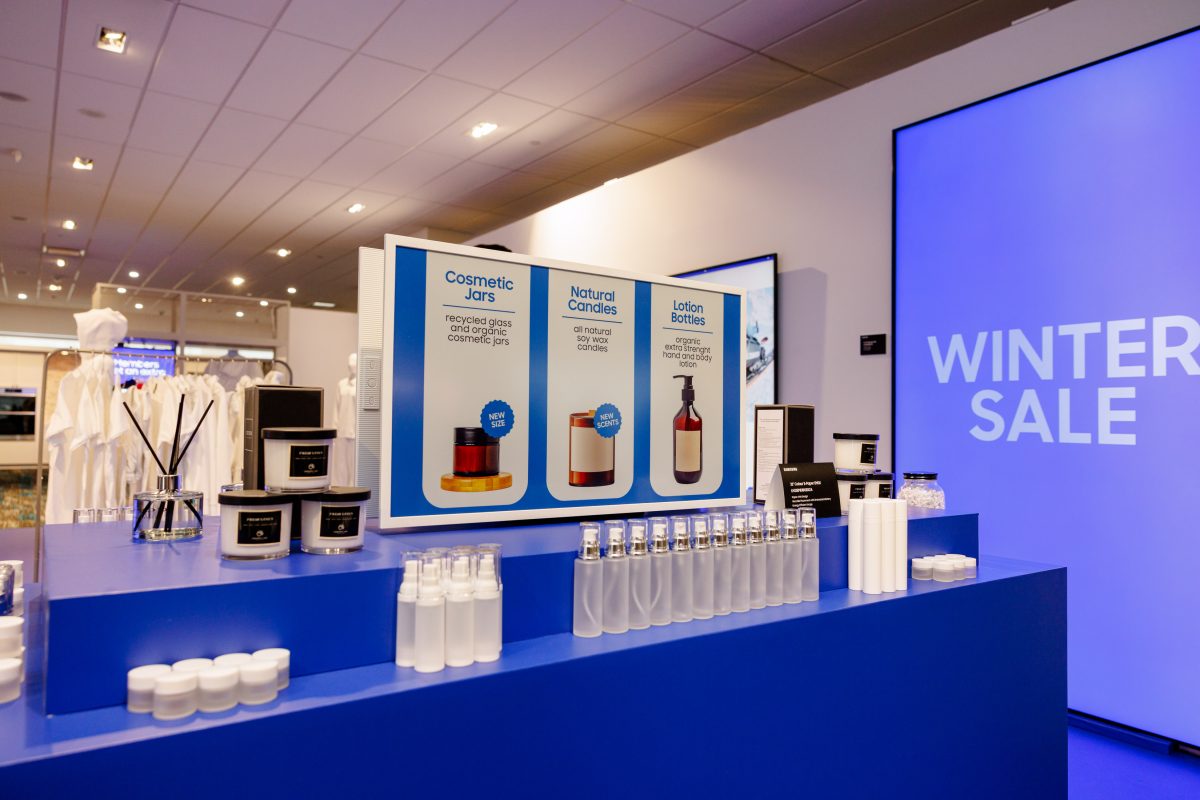
Samsung is giving Canadian media and retailers a hands-on look at how physical stores are evolving. Inside its Mississauga showroom, the company has constructed a fully integrated “store of the future” that demonstrates how immersive retail technology is reshaping merchandising, engagement, and store economics.
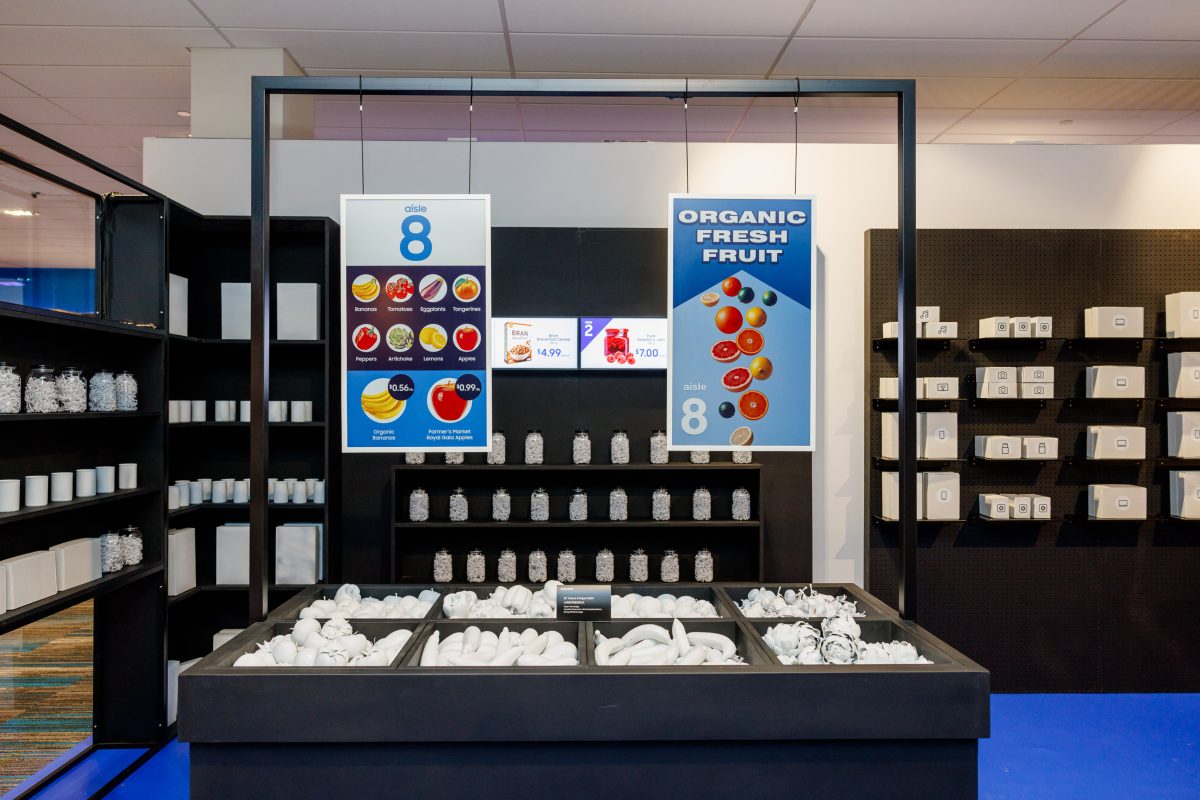
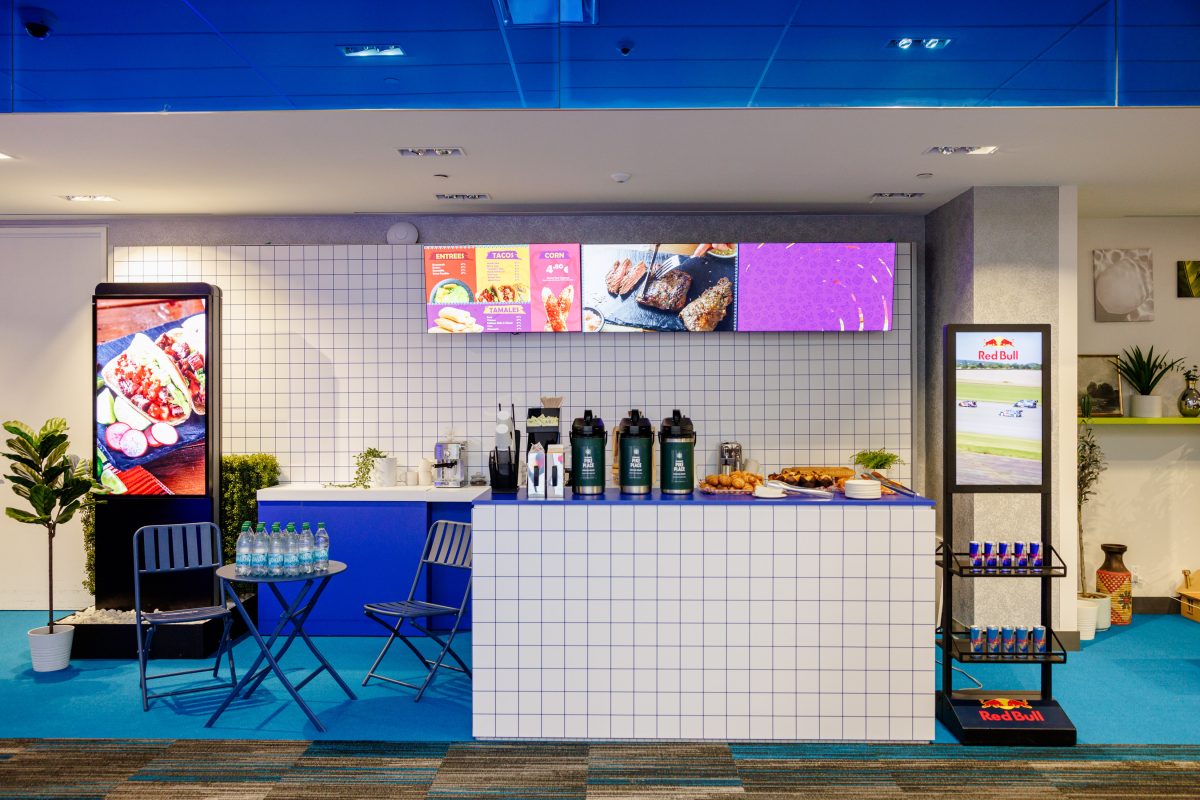
Rather than presenting standalone screens or hardware, Samsung has recreated multiple live retail environments within its space. Visitors can walk through scenarios inspired by grocery, big box, boutique, and quick-service formats, each powered by connected displays, interactive touchpoints, and data-driven tools.
For James Arndt, Head of the Enterprise Business Division at Samsung Canada, the decision to build a fully integrated space was intentional.

“Until people can actually envision our product in their environment, it’s difficult,” he said. “We’ve got product in our showroom all the time. We can show what a screen looks like. But when you integrate it into a retail setting, even if it’s not perfect, it gives people context. It lets them see what’s possible.”
From Transactional Space to Strategic Environment
Arndt said retailers are rethinking the role of physical space. Stores are no longer viewed solely as transactional environments. Instead, they are becoming strategic platforms for engagement, storytelling, and monetization.
“Retailers are looking at space differently,” he explained. “It’s not just about putting product there. They need to be strategic. How are they drawing people in? How are they guiding them through the environment?”
Screens, he noted, are increasingly viewed as revenue-generating assets rather than static fixtures. In grocery, for example, a digital display placed near a produce section could feature recipe ideas, sourcing information, or vendor-funded content tied to specific products.
“That allows the retailer to monetize the screen,” Arndt said. “It helps pay for the investment, because it is significant. At the same time, it gives customers more information and engagement.”
The emphasis on measurable return is central to the adoption of immersive retail technology. Retailers are tracking dwell time, engagement, and sales lift to determine impact.
“They absolutely measure it,” Arndt said. “They can look at how long someone stands in front of a display. They can look at lift on a product being advertised. We encourage that, because they need to see the ROI. If they get good ROI, they’ll invest more.”
Samsung Spatial Brings Glasses-Free 3D to the Floor
One of the most talked-about features in the Mississauga showroom is Samsung Spatial, an 85-inch glasses-free 3D display designed to create depth and motion without requiring wearable technology.
“It’s absolutely next level,” Arndt said. “When you add that third dimension, your content becomes more immersive and eye-catching. People stop and look because it’s cool.”
In the retail setting, a digital mannequin can rotate, model apparel, or demonstrate product features in a way that extends beyond traditional flat signage. The technology aims to capture attention in high-traffic environments where shoppers are often overwhelmed by visual noise.
“You can see a picture of it,” Arndt said. “But it’s nothing until you stand in front of it and go wow. That’s what we’re trying to create.”
The showroom’s popularity has exceeded expectations. What was initially planned as a two-day event has been extended by several days due to retailer interest.
“People are saying their company needs to come and see this,” Arndt noted. “We’re not tearing it down as quickly as we thought we would.”
E-Paper and Operational Efficiency
While Spatial focuses on visual impact, Samsung’s Colour E-Paper addresses operational efficiency. Available in 13-inch and 32-inch formats, the ultra-low-power displays operate without backlighting and can run on battery power for extended periods.
“Think of it like e-ink,” Arndt explained. “It uses tiny ink bubbles and electrodes to create images. It takes on the ambient lighting in the store.”
Because it does not require constant power, E-Paper can be installed in areas where wiring is impractical. A display suspended above a promotional table, for example, could operate for up to 200 days on a single charge if content is updated only a few times daily.
“It opens up new use cases,” Arndt said. “You can put it at the front cash with a barcode for loyalty sign-up. You can use it for end-cap promotions. It’s flexible.”
Arndt does not expect digital displays to eliminate print entirely. However, he believes the balance will shift over time.
“There’s always a place for print,” he said. “But I do think you’ll see more e-paper and digital signage replacing some of it.”
Endless Aisle and Inventory Expansion Without Square Footage
Interactive touchscreens are another feature of the showroom, demonstrating the increasingly mainstream concept of the “endless aisle.” These kiosks allow customers to browse and order products not physically stocked in-store.
“As retailers look at space constraints, they may not be able to carry full inventory,” Arndt said. “With endless aisle, customers can order what they want and have it shipped home, or order a size that isn’t available.”
He recently observed the model in action at a small specialty baby store equipped with multiple touchscreen kiosks.
“They might only have one of everything in the store,” he said. “But the kiosks expand the assortment without expanding the square footage.”
For retailers facing rising occupancy costs, immersive retail technology provides a way to extend assortment and increase basket size without enlarging their footprint.
Canadian Retailers Keeping Pace
Arndt believes Canadian retailers are keeping pace with global counterparts in adopting digital and immersive solutions.
“We’re seeing very strong adoption in grocery and QSR,” he said. “Drive-through technology, loyalty integration, digital menu boards. When I talk to colleagues in the U.S., I don’t see them doing anything better than us here.”
That competitive parity is significant, particularly as global brands continue to invest in flagship environments in Canada’s largest markets.
Samsung’s ecosystem extends beyond display hardware. Through platforms such as Samsung VXT for content management and Samsung Knox for device security, the company supports large chains managing thousands of endpoints. Its mobile ecosystem also enables mPOS solutions and associate mobility through ruggedized Galaxy devices.
The broader objective is to connect digital and physical touchpoints into a cohesive store environment.
The Human Element Remains Central
Despite the emphasis on technology, Arndt does not foresee a future where staff are replaced by screens.
“I don’t think we’re going to get rid of people,” he said. “When you go to a store, you want that interaction with experts.”
Instead, technology will empower associates with more information at their fingertips. Tablets and mobile devices can provide real-time inventory visibility, product specifications, and payment capabilities without requiring staff to leave a customer’s side.
“It makes people smarter in the moment,” Arndt said. “They don’t have to go check in the back. They can serve the customer better.”
He emphasized that training and support are critical to successful deployment.
“We have to ensure we’re supporting the technology with the staff,” he said. “They need to understand it and know how to use it. That’s most important.”
A Connected Future for Physical Retail
Samsung’s Mississauga showcase offers a glimpse into how immersive retail technology may become embedded across Canadian store networks in the coming years. As displays grow more responsive and data-driven, environments are likely to become more personalized and dynamic.
“You’re going to see environments become more responsive,” Arndt said. “Technology will help everyone who works there become better at servicing customers.”
For Canadian retailers navigating rising costs and heightened competition, the integration of immersive retail technology presents both an opportunity and a strategic imperative. The Mississauga showroom demonstrates that the future of brick-and-mortar is not about replacing the store. It is about reimagining it as a connected, measurable, and experience-driven platform for growth.