Home Blog Page 110

Future of Toys “R” Us Stores in Canada Unclear as Operating Platform, Brand Split Among Buyers

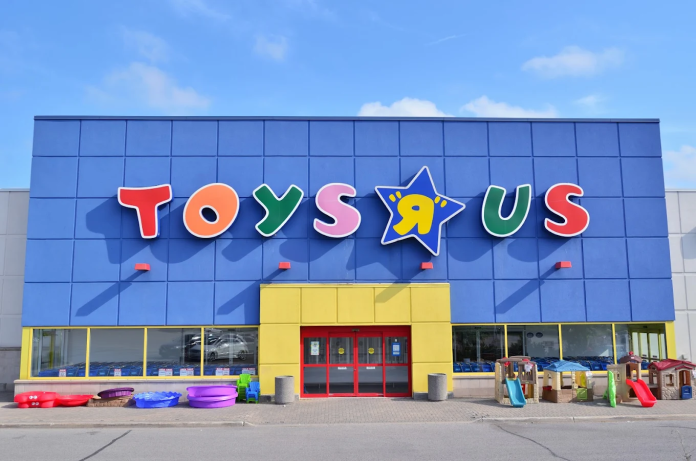
Toys R Us at Upper Canada Mall in Newmarket. Photo: Jaden Lee via Google Maps

Toys “R” Us Canada could soon see its brands, store leases and operating assets divided among separate buyers as the retailer moves toward court approval of transactions that leave the future of its remaining stores unclear.

Court documents filed in Ontario Superior Court show that the retailer’s restructuring process has resulted in three successful bids, with ownership of the Toys “R” Us and Babies “R” Us brands, select store leases and other assets heading to different purchasers. The proposed transactions are scheduled to be considered by the court on June 22.

While buyers have now been identified for key portions of the business, the future direction of Toys “R” Us in Canada remains uncertain. The proposed transactions would separate ownership of the retailer’s intellectual property from a package of store leases and operating assets, creating questions about what comes next for the remaining locations. Court documents also indicate that the proposed acquisition by a Putman-controlled company includes a distribution centre lease, logistics infrastructure and agreements supporting store operations, suggesting the transaction extends beyond a collection of retail locations.

Purchase prices have been redacted from publicly available court filings.

Three Buyers Emerge from Court-Supervised Sale Process

The proposed transactions stem from a Sale and Investment Solicitation Process (SISP) launched as part of Toys “R” Us Canada’s restructuring proceedings under the Companies’ Creditors Arrangement Act (CCAA).

Court filings indicate that three successful bids emerged from the process.

Under the first transaction, U.S.-based Ad Populum would acquire the retailer’s intellectual property portfolio, including the Toys “R” Us and Babies “R” Us brands and related digital assets.

A second transaction would see Fox Group Jumbo Canada acquire the lease for the approximately 48,000-square-foot Toys “R” Us store at Vaughan Mills.

The third transaction involves 2625229 Ontario Inc., a company controlled by entrepreneur Doug Putman, which would acquire a package of operating assets that includes inventory, cash, logistics contracts and 10 store leases.

Taken together, the transactions would divide ownership of the retailer’s brands, physical locations and operating infrastructure among separate parties.
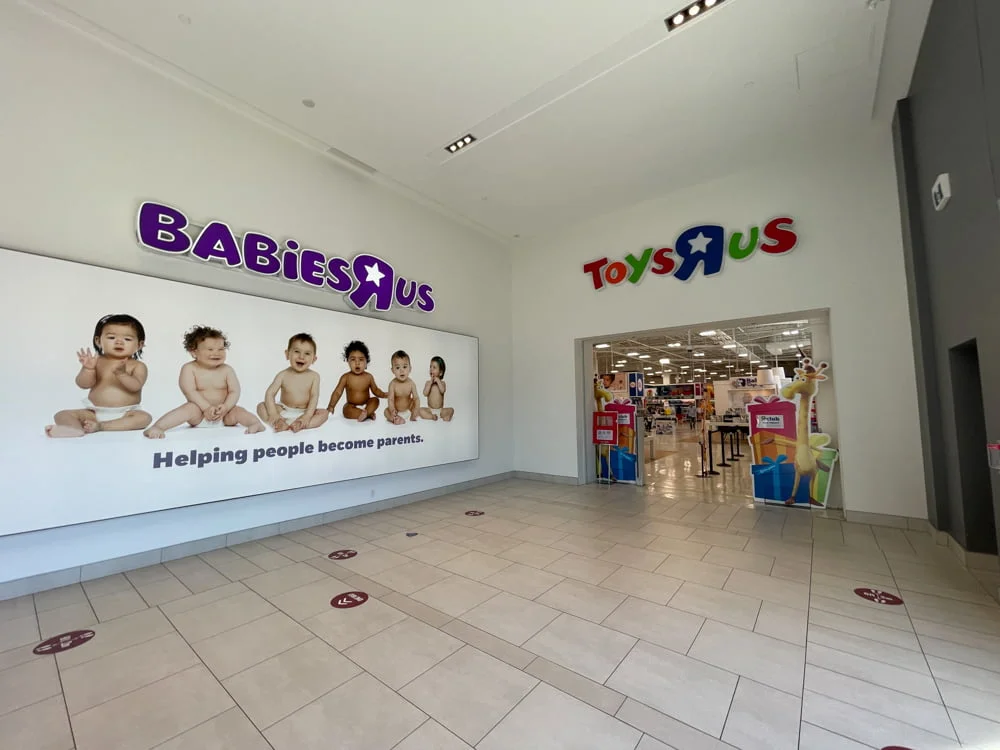
Mall entrance to the former Toys “R” Us at Willowbrook Centre in Langley in 2021. Photo: Lee Rivett

Toys “R” Us and Babies “R” Us Brands Head to New Owner

Among the most significant developments is the proposed sale of the retailer’s intellectual property assets to Ad Populum, a U.S.-based designer and distributor of consumer products and collectibles.

According to court filings and published reports, the transaction includes the Toys “R” Us Canada trademark, Babies “R” Us trademark, Geoffrey the Giraffe design mark, copyrights, domain names, e-commerce assets, websites and social media accounts.

Ad Populum’s portfolio includes brands such as NECA and WizKids, which are well known within the toy and collectibles industry.

The acquisition would give Ad Populum control of some of the most recognizable toy retail brands in Canada and would place ownership of the Toys “R” Us and Babies “R” Us intellectual property in the hands of a new owner.

Putman-Controlled Company Acquires Store Leases and Operating Assets

A separate transaction would see 2625229 Ontario Inc., a company controlled by entrepreneur Doug Putman, acquire inventory, cash, logistics contracts and 10 store leases.

Putman acquired Toys “R” Us Canada from Fairfax Financial in 2021 and has consistently expressed confidence in the long-term value of physical retail. His retail holdings have included Sunrise Records in Canada and HMV in the United Kingdom, among other businesses.

The acquisition package includes stores in Ontario, Alberta and Manitoba, as well as the retailer’s distribution centre in Ancaster, Ontario, giving the purchaser a footprint that extends beyond individual retail locations.

Court documents identify the 10 store leases included in the transaction as locations in Hamilton, Kitchener, Whitby, South Edmonton, Winnipeg (Polo Park), Winnipeg (Kildonan), Barrie, Lethbridge, Nepean and Sarnia.

The acquisition package also includes the lease for Toys “R” Us Canada’s distribution centre in Ancaster.

The inclusion of a distribution centre lease and operational infrastructure suggests the acquisition encompasses substantially more than a collection of store leases.”

The proposed acquisition of 10 leases has attracted particular attention because Putman’s company would acquire physical locations and operating assets while ownership of the Toys “R” Us intellectual property would transfer to another party.

Future plans for the stores and distribution facility have not been disclosed.

The package extends beyond retail locations — court documents show the transaction also includes point-of-sale agreements, e-commerce platform agreements, payment processing arrangements, logistics contracts and warehousing and distribution agreements.

Court documents also contain provisions related to employee transfers. The purchaser anticipates extending employment offers to a substantial portion of retail and head-office staff associated with the retained operations, indicating that the transaction contemplates an ongoing operating structure rather than a simple transfer of leases.

The structure of the transaction leaves open a range of possibilities for the locations. Court documents do not indicate whether the stores could continue operating under a licensing arrangement, support a future retail concept, or serve another purpose.
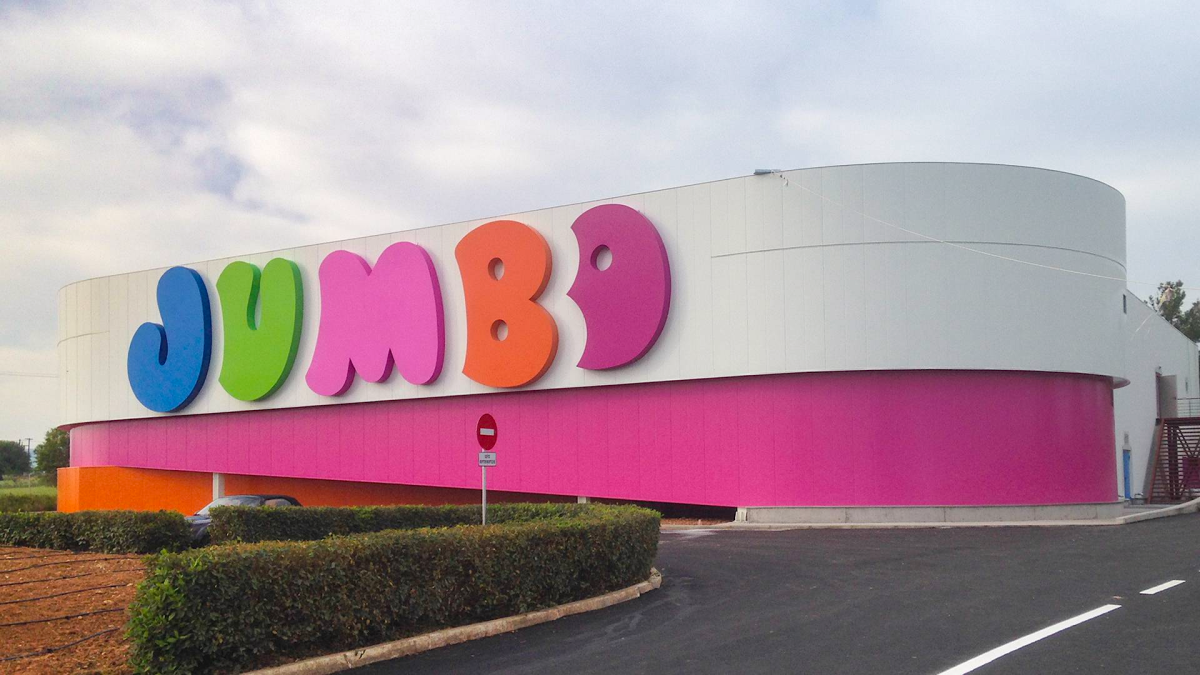
JUMBO store in Tripolis Greece. Photo: Proestakis Development

Temporary Licence Allows Continued Use of Toys “R” Us Brand

Court documents indicate that Ad Populum would grant a royalty-free licence permitting continued use of the acquired intellectual property in Canada through January 15, 2027 for purposes related to the wind-down of retained operations.

While the agreement does not establish a long-term operating structure for the Toys “R” Us brand in Canada, it provides a transition period following closing of the transaction and suggests that certain retained operations could continue under existing branding for a limited period.

Vaughan Mills Lease Headed to Fox Group Jumbo Canada

The third proposed transaction would transfer the Toys “R” Us lease at Vaughan Mills to Fox Group Jumbo Canada.

The approximately 48,000-square-foot location represents one of the retailer’s most prominent remaining stores and is situated within one of Canada’s highest-performing shopping centres.

The acquisition is noteworthy because Fox Group is preparing to launch the Jumbo value retail chain in Canada. Retail Insider previously reported that Jumbo plans to open its first Canadian stores in Ontario as part of a broader expansion strategy.

Fox Group has not publicly disclosed its plans for the Vaughan Mills location.

A New Chapter for a Longstanding Canadian Retailer

Toys “R” Us Canada became the sole surviving branch of the retailer following the collapse of its U.S. parent company in 2018. Fairfax Financial acquired the Canadian operation during that restructuring before later selling the business to Putman Investments in 2021.

For decades, Toys “R” Us was Canada’s largest specialty toy retailer and one of the country’s most recognizable retail brands.

The company sought creditor protection in February, citing inflationary pressures, rising labour costs, supply chain challenges and changing consumer shopping habits. Court filings indicate the retailer owed approximately $91 million to secured creditors and more than $159 million to unsecured creditors at the time of the filing.

The proposed transactions also raise questions about recoveries for creditors. The purchase prices associated with the transactions have been redacted from publicly available filings, making it difficult to assess how much creditors may ultimately recover through the restructuring process.

Published reports indicate the company had 18 stores remaining in April, while additional locations have since been slated for closure.

While court approval remains pending, the proposed transactions provide the clearest picture yet of how Toys “R” Us Canada’s assets may ultimately be divided. Additional details regarding the long-term plans of the purchasers are expected to emerge as the restructuring process continues.

Whether the acquired stores and distribution assets ultimately support a Toys “R” Us-related model, a new retail concept, or another use altogether remains one of the most closely watched questions arising from the retailer’s restructuring.
More from Retail Insider:

Ruby Liu Unveils TM Wander at Tsawwassen Mills and Outlines Vision for Canadian Retail

Opening of TM Wander at Tsawwassen Mills in South Delta, BC, May 30, 2026. Photo: Craig Patterson

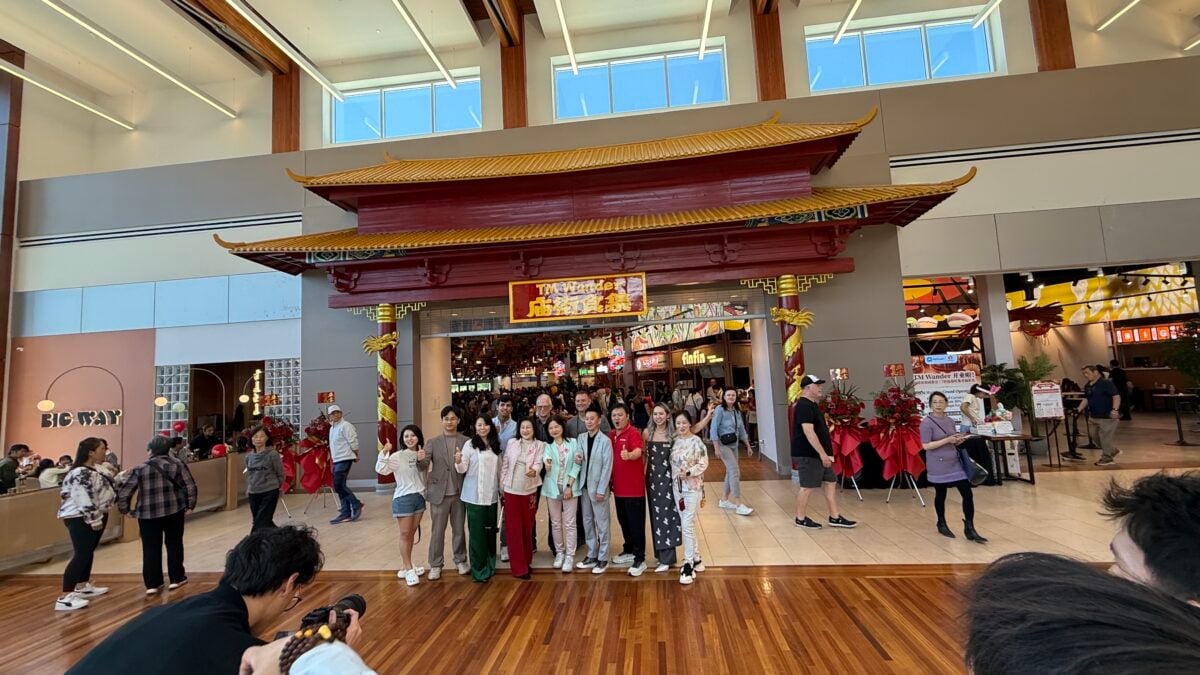
Hundreds of people gathered outside TM Wander at Tsawwassen Mills on May 30 as opening-day celebrations unfolded in front of the venue’s main entrance.

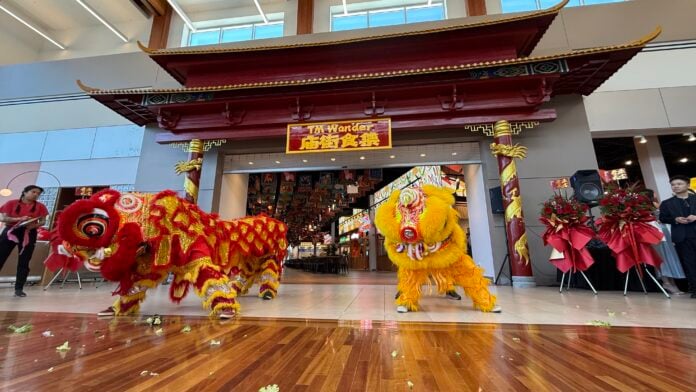
Representatives from Tsawwassen First Nation joined Ruby Liu and members of the Central Walk team for speeches before lion and dragon dances energized the crowd gathered outside. Applause and cheers followed as a ribbon was cut and the TM Wander sign was unveiled above the entrance.

Then came the moment many had been waiting for.

When organizers announced that TM Wander was officially open, visitors quickly flowed into the venue. Some headed directly toward food vendors while others stopped to photograph displays and visual installations near the entrance.

Ruby Liu, family members, and representatives from Central Walk open TM Wander at Tsawwassen Mills on May 30, 2026. Photo: Craig Patterson

Food vendors attracted immediate lineups while guests spread throughout the venue exploring marketplace stalls, entertainment areas, family attractions, and seating zones. Retail Insider attended the opening and observed strong crowds throughout the day as visitors sampled food offerings, watched performances, took photos, and spent time with family and friends.

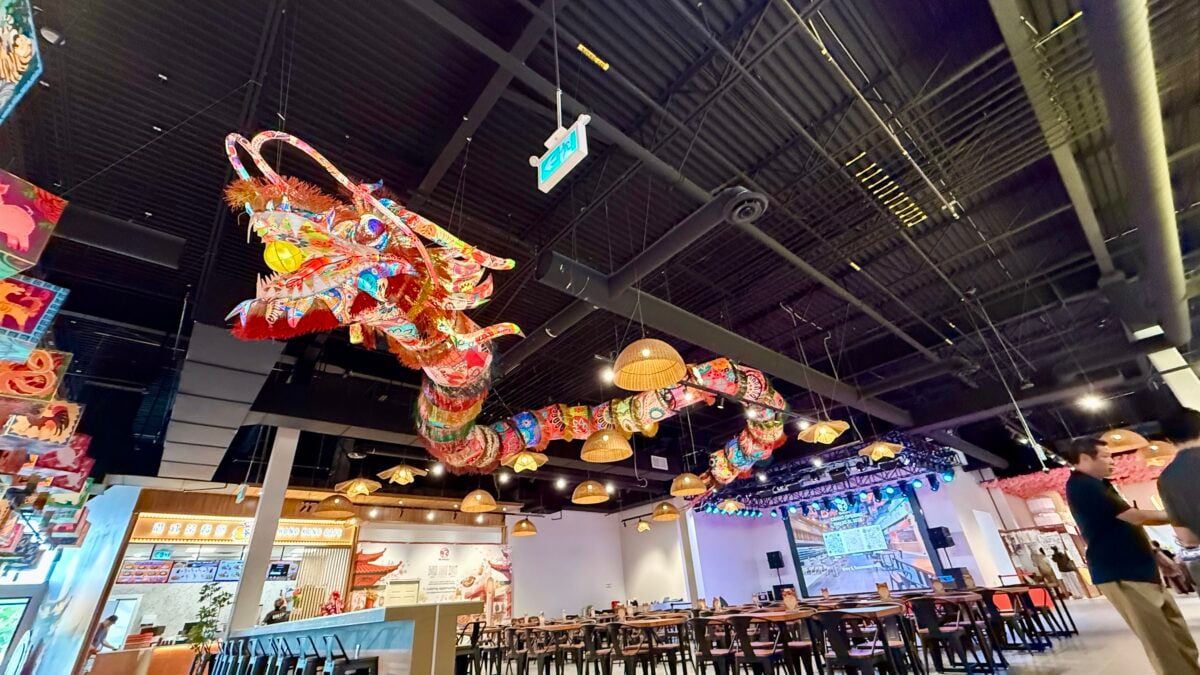
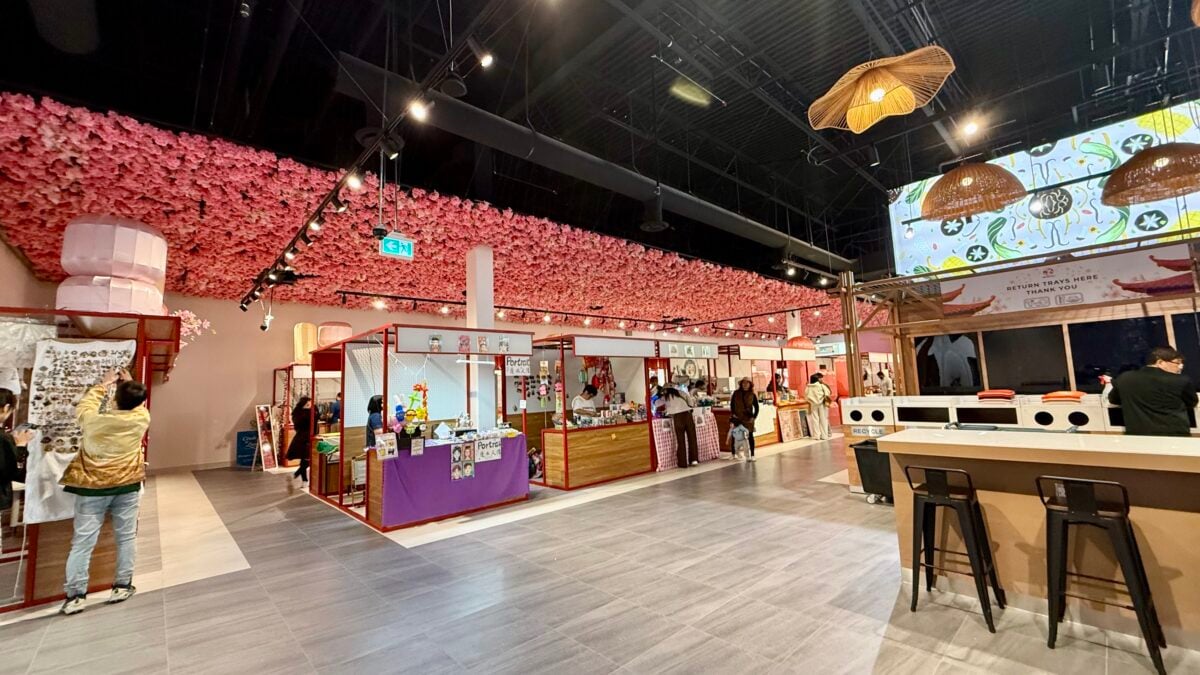
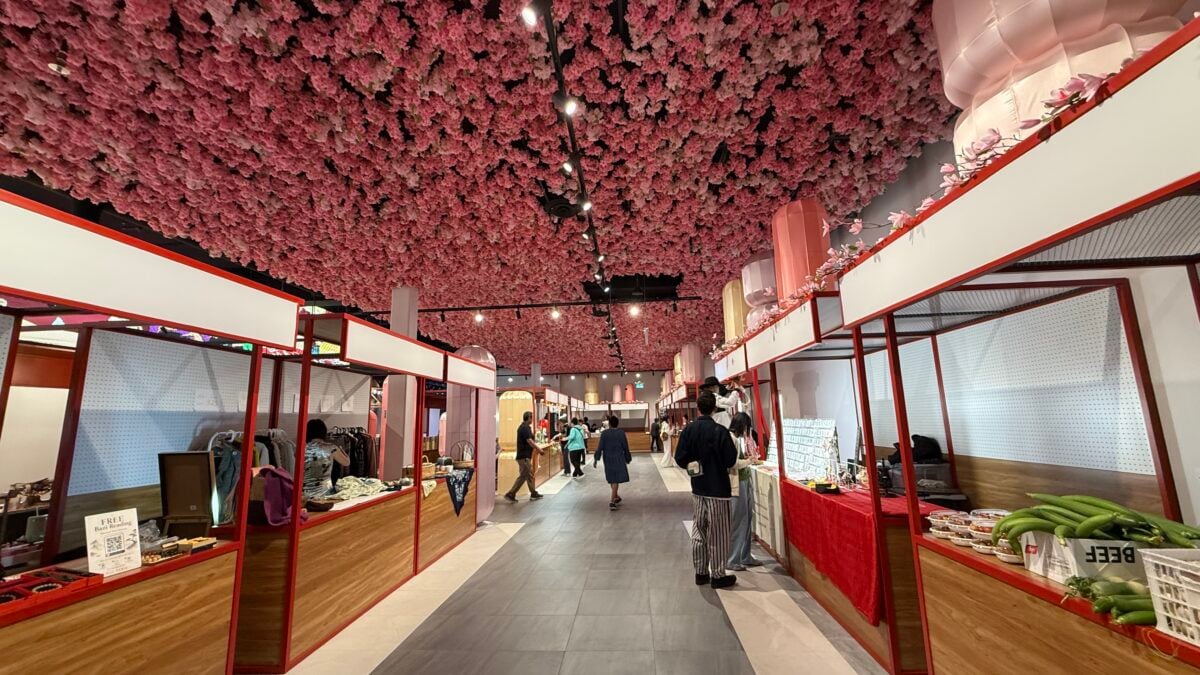
Many stopped to photograph the giant suspended dragon hanging above the main seating area. Others gathered beneath a canopy of thousands of flowers suspended above part of the marketplace, one of the venue’s most visually striking features. Visitors repeatedly stopped beneath the installation throughout the day to take photos and videos while nearby seating areas, food vendors, and marketplace stalls remained busy.

Ruby Liu opens TM Wander at Tsawwassen Mills, May 30, 2026. Video: Craig Patterson/Retail Insider

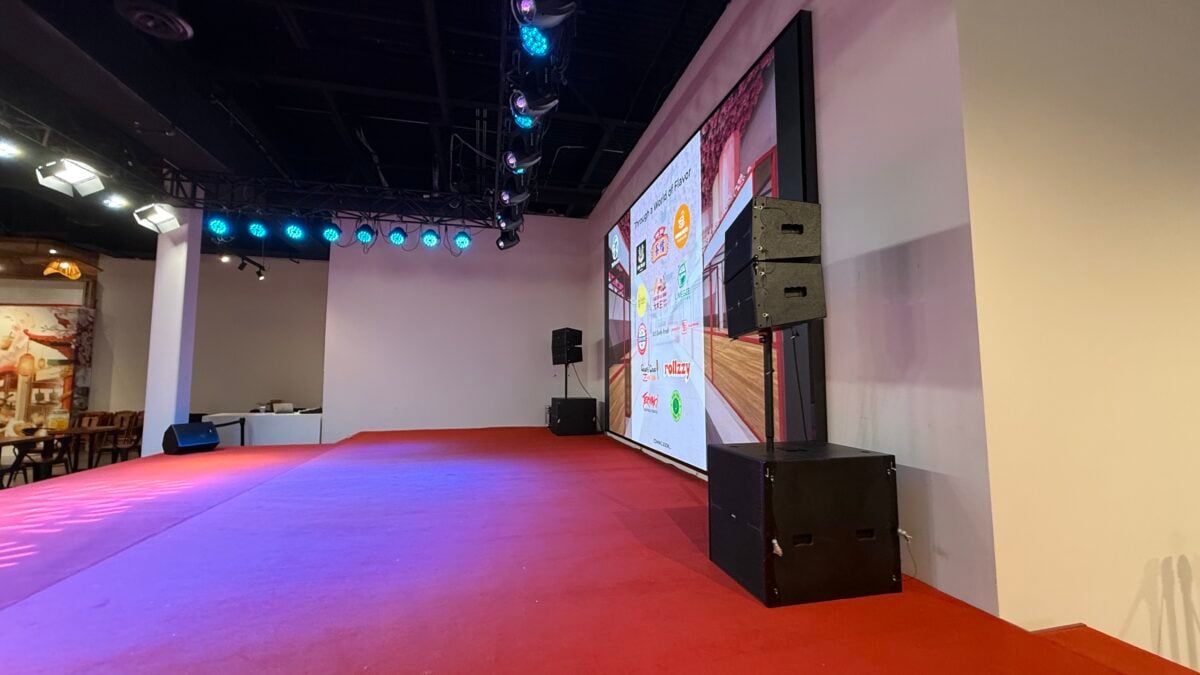
Stage performances drew audiences throughout the day while families occupied tables across the venue.

The opening marked the public debut of a project developed by Ruby Liu and her company, Central Walk, which owns Tsawwassen Mills, Mayfair Shopping Centre in Victoria, and Woodgrove Centre in Nanaimo.

Liu became one of the most closely watched figures in Canadian retail during 2025 through her efforts to acquire former Hudson’s Bay locations across the country. The proposal generated national attention and sparked discussion about the future of large retail spaces in Canada.

The opening also marked one of Liu’s most detailed public discussions about her Canadian retail ambitions since the Hudson’s Bay proceedings concluded in 2025.

In written responses provided to Retail Insider and translated from Mandarin, Liu discussed the origins of TM Wander, the future of shopping centres, opportunities for entrepreneurs, potential expansion plans, and why she continues to view Canada as an important market for growth.

“What made me happiest, however, was seeing people stay,” Liu said. “Visitors were not simply coming to eat and leave. They were taking photos, socializing, and spending extended periods of time in the space. That was exactly our vision from the beginning.”

The 24,000-square-foot venue combines elements of a food hall, marketplace, entertainment venue, family attraction, and cultural gathering space within a single environment.

For Liu, the opening represented more than the launch of a new venue. It was the public debut of an idea she has been refining for several years.

TM Wander at Tsawwassen Mills in South Delta, BC, May 30, 2026. Photo: Craig Patterson

From Shopping Centre to Social Destination

Liu said TM Wander emerged from a simple observation.

“I noticed that traditional shopping centres were beginning to lose their rhythm,” she said. “Customers walk into many malls today and often find similar stores and similar experiences. I believe people no longer visit malls simply to shop. They are looking for unique experiences, memorable moments, and places where they can connect with others.”

At the same time, she saw growing demand for authentic Asian food, cultural experiences, and social gathering spaces.

“That led me to ask a simple question: What if we could bring all of these elements together and create a destination full of energy, culture, and character? That is how TM Wander was born.”

The result is a venue inspired by Asian night markets that combines food vendors, marketplace retail, entertainment programming, family attractions, and cultural elements.

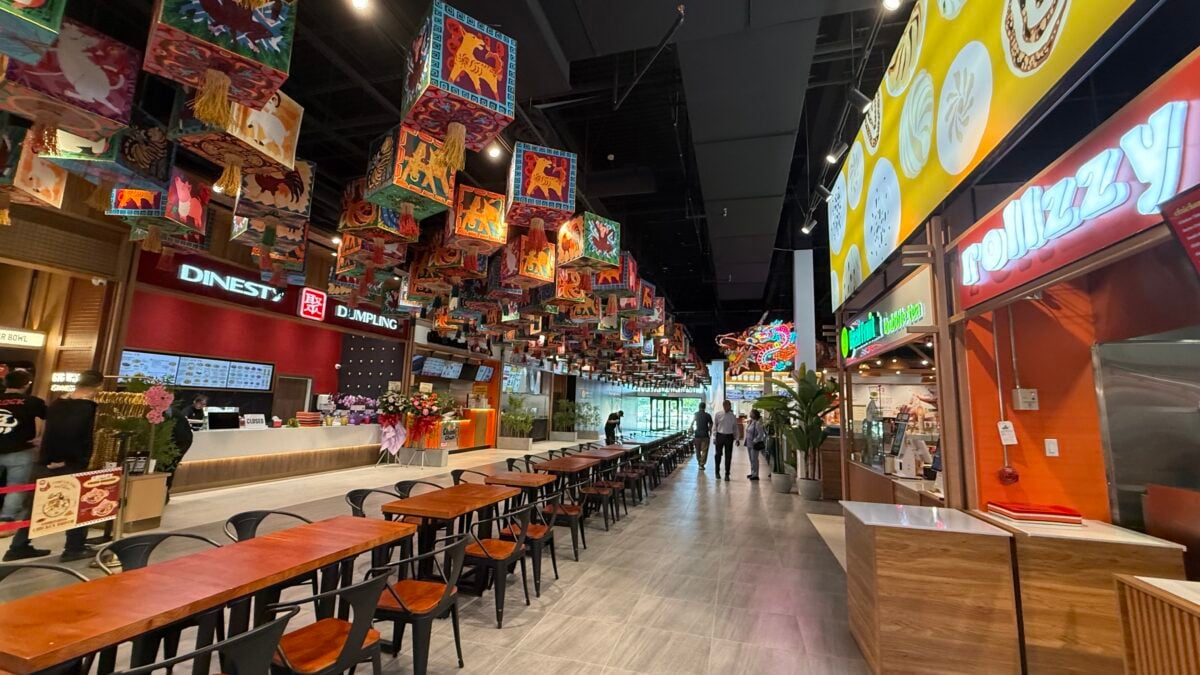
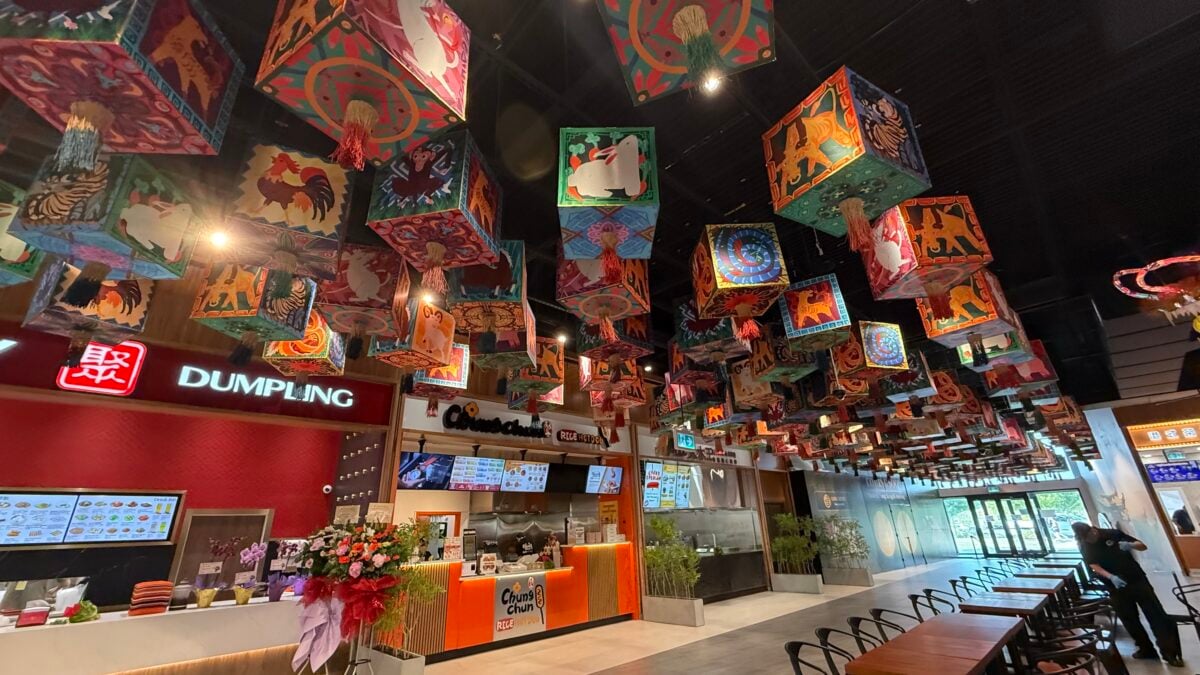
Visitors enter through a traditional Chinese-style gateway before moving into a space filled with lanterns, visual installations, food offerings, attractions, and entertainment. According to Liu, every detail was designed to create a strong visual impact.

“Our goal was to build a destination where visitors can immerse themselves in the atmosphere of an Asian night market while enjoying authentic food, culture, and entertainment.”

Retail Insider observed visitors spending extended periods of time exploring the venue. Some moved between food vendors and marketplace stalls, while others watched performances, photographed installations, or gathered with friends and family throughout the afternoon.

TM Wander at Tsawwassen Mills in South Delta, BC, May 30, 2026. Photo: Craig Patterson

Why Tsawwassen Mills Became the First Location

Some observers questioned why Liu chose Tsawwassen Mills as the launch location for a project of this scale.

The shopping centre, which opened in 2016, sits outside Vancouver’s urban core and serves a broad regional trade area that includes Metro Vancouver, the Fraser Valley, Vancouver Island, and visitors travelling through the region.

For Liu, that made it the ideal place to test the concept.

“Many people would not consider Tsawwassen an obvious location for a concept like this,” she said. “The surrounding population is relatively small compared to major urban centres.”

However, Liu viewed that challenge as an opportunity.

“If a highly experiential concept can succeed in a market like Tsawwassen, it proves the model is fundamentally strong.”

She said Central Walk’s previous efforts to attract visitors from outside the centre’s immediate trade area through entertainment offerings and events helped build confidence that TM Wander could succeed at the property.

Opening-day crowds appeared to validate that decision.

Hundreds of people gathered outside before the official opening. Once the doors opened, food vendors quickly attracted lineups and guests spread throughout the venue. The atmosphere remained active throughout the afternoon as visitors moved between food operators, marketplace stalls, performances, attractions, and seating areas.

The response was stronger than Liu expected.

“The level of traffic exceeded our expectations,” she said. “We saw comments online describing the opening as packed and joking that parking was almost impossible to find.”

More importantly, she said, visitors stayed.

Underlying many of Liu’s comments is a belief that consumers remain willing to travel for experiences they view as unique.

She argues that convenience alone is no longer enough. Food, entertainment, family activities, social interaction, and memorable environments can motivate people to spend both time and money visiting a location.

That belief influenced the decision to launch TM Wander at Tsawwassen Mills and continues to shape Central Walk’s broader strategy.

Opening of TM Wander at Tsawwassen Mills in South Delta, BC, May 30, 2026. Photo: Craig Patterson

Supporting Entrepreneurs and Local Businesses

While TM Wander’s visual elements and food offerings attract attention, Liu said supporting local entrepreneurs is one of the project’s most important goals.

“Supporting local businesses is at the heart of TM Wander,” she said.

Alongside established operators, the venue includes space for local entrepreneurs and emerging brands. Liu said smaller businesses bring authenticity, creativity, and passion while helping create a constantly evolving mix of offerings.

She also believes the venue’s combination of dining, entertainment, and family attractions creates opportunities for entrepreneurs that may not exist in more traditional retail environments.

“Our adjacent children’s attractions also generate family traffic, which naturally benefits smaller operators,” she said.

The model is intended to provide an accessible platform where businesses can test concepts, build awareness, and grow.

“We believe a healthy commercial ecosystem needs both large trees and small grass.”

For Central Walk, the goal extends beyond filling vendor space. Liu said she hopes the venue can become a platform where entrepreneurs can refine concepts, build customer bases, and eventually expand into larger operations.

TM Wander at Tsawwassen Mills in South Delta, BC, May 30, 2026. Photo: Craig Patterson

Designed for Families and Social Experiences

Liu said TM Wander was designed with several customer groups in mind, particularly younger consumers and families.

She believes younger visitors increasingly seek experiences that can be shared, photographed, and remembered. That thinking influenced many of the venue’s most recognizable features, including the suspended dragon, lantern displays, dramatic entrance elements, and other visual installations throughout the space.

The emphasis on visual design was evident throughout opening day. Visitors regularly stopped to take photos and videos, particularly beneath the flower canopy and around the dragon installation.

Families represent another important audience.

Liu said many parents are looking for places where adults can relax while children remain entertained nearby. TM Wander’s children’s amusement area and Minions-themed attractions were designed with that in mind.

Throughout opening day, families were highly visible throughout the venue. Children moved between attractions while parents watched performances, explored food vendors, and gathered at tables with friends and relatives.

The mix of activities is intended to encourage longer visits and repeat visitation.

That focus on dwell time was reflected in Liu’s comments throughout the interview and echoed what Retail Insider observed during the opening, where many guests remained at the venue long after they had finished eating or shopping.

TM Wander at Tsawwassen Mills in South Delta, BC, May 30, 2026. Photo: Craig Patterson

Themes Discussed During the Hudson’s Bay Pursuit Reappear at TM Wander

Retail Insider first interviewed Liu in the spring of 2025 as she pursued former Hudson’s Bay locations across Canada.

The proposal generated significant industry attention and introduced many in the Canadian retail industry to Liu and Central Walk for the first time.

While the Hudson’s Bay opportunity ultimately did not proceed, several themes Liu discussed during that period are now visible throughout TM Wander.

At the time, Liu frequently spoke about the need for retail properties to offer more than shopping alone. Food, entertainment, family attractions, social gathering spaces, and reasons for people to spend more time within a property were recurring themes in those conversations.

Many of those same ideas appear throughout TM Wander today.

Food vendors operate alongside marketplace retailers, children’s attractions, entertainment programming, cultural elements, and public gathering spaces. Rather than focusing on a single activity, the venue was designed to encourage visitors to spend time exploring different parts of the environment during a single visit.

While TM Wander differs significantly from the large-format department store properties involved in the Hudson’s Bay process, it provides one of the clearest examples yet of how Liu believes retail properties can evolve as consumer expectations continue to change.

“The core vision has not changed,” Liu said. “We still believe retail must evolve from cold shopping into vibrant lifestyle destinations.”

Stage area at TM Wander at Tsawwassen Mills in South Delta, BC, May 30, 2026. Photo: Craig Patterson

Central Walk’s Growing Presence in British Columbia

While Liu attracted national attention through her pursuit of former Hudson’s Bay locations, Central Walk has spent several years building a shopping-centre portfolio in British Columbia.

The company’s holdings stretch from Metro Vancouver to Vancouver Island and include Tsawwassen Mills, Mayfair Shopping Centre in Victoria, and Woodgrove Centre in Nanaimo.

The company has spent the past several years investing in those properties through new retailers, attractions, food offerings, entertainment initiatives, and capital improvements intended to increase visitation and broaden their appeal.

TM Wander represents one of the most visible examples of that strategy to date.

According to Liu, shopping centres can no longer rely solely on traditional traffic drivers. She believes future growth will come from creating environments that give people reasons to visit beyond shopping alone.

While Liu maintained a lower public profile following the Hudson’s Bay proceedings, she continued overseeing Central Walk’s British Columbia operations and broader investment activities.

The opening of TM Wander provided one of her most detailed public discussions about Canada since that process concluded.

Canada Remains a Priority

While TM Wander was the focus of the opening, Liu’s comments also provided insight into how she views the future of Central Walk in Canada.

Despite the unsuccessful pursuit of former Hudson’s Bay locations in 2025, Liu said Canada remains a priority.

“Canada remains a long-term strategic market for both Central Walk and myself personally,” she said.

Liu indicated that expansion opportunities remain under consideration.

“We are actively exploring opportunities including acquiring underperforming but well-located shopping centres.”

She also pointed to development partnerships and investments in entertainment concepts that could strengthen Central Walk’s broader portfolio.

No acquisition was announced during the interview, and Liu did not identify specific properties currently under consideration.

However, Retail Insider has learned from a representative connected to Central Walk that the Greater Toronto Area could become a priority market should the right shopping-centre acquisition opportunity emerge.

No specific property was identified, though the comments suggest Ontario remains part of the company’s long-term thinking.

“Our investment philosophy remains consistent: create places where people genuinely want to spend time and return repeatedly,” Liu said.

TM Wander Expansion Already Being Evaluated

The opening at Tsawwassen Mills may represent only the beginning for TM Wander.

Liu confirmed that Central Walk is already evaluating opportunities to incorporate elements of the project into additional properties.

“The success of TM Wander at Tsawwassen Mills demonstrates that consumers are willing to travel for compelling experiences, even outside major downtown markets,” she said.

“We are already evaluating opportunities to integrate TM Wander components into other Central Walk properties, particularly those with large underutilized spaces.”

According to Liu, the model can be adapted to a variety of formats and markets.

The company has not announced any additional TM Wander locations. However, Liu’s comments suggest that expansion remains under active consideration.

Looking ahead five years, she said she hopes TM Wander will become one of Canada’s leading experiential retail brands, with locations in major markets including Vancouver, Toronto, and Calgary.

For Liu, the long-term goal extends beyond opening additional locations.

“In my broader vision for Canadian retail, TM Wander serves as a proof of concept,” she said. “It demonstrates that when food, culture, entertainment, and community are thoughtfully combined, retail spaces can once again become the beating heart of the community.”

Looking Ahead

The opening of TM Wander provided the first public look at a project that Liu and Central Walk have spent several years developing.

It also offered one of the clearest indications yet of how Liu views the future of shopping centres and retail destinations in Canada.

Throughout opening day, the venue remained busy. Food vendors attracted lineups, stage performances drew crowds, families moved between attractions, and visitors gathered beneath the flower canopy and around the dragon installation to take photos and videos.

More than a year after first attracting national attention through her pursuit of former Hudson’s Bay locations, Liu now has a tangible example of how she believes retail properties can evolve.

For now, that example is located at Tsawwassen Mills.

The opening-day response suggests consumers are willing to embrace the type of environment she has been describing for more than a year.

Whether TM Wander ultimately expands to additional markets remains to be seen. However, Liu’s comments make clear that both the project and Central Walk’s broader ambitions in Canada continue to evolve.

More from Retail Insider:

Mondetta Expands Modern Ambition with Toronto, Calgary and Vancouver Stores

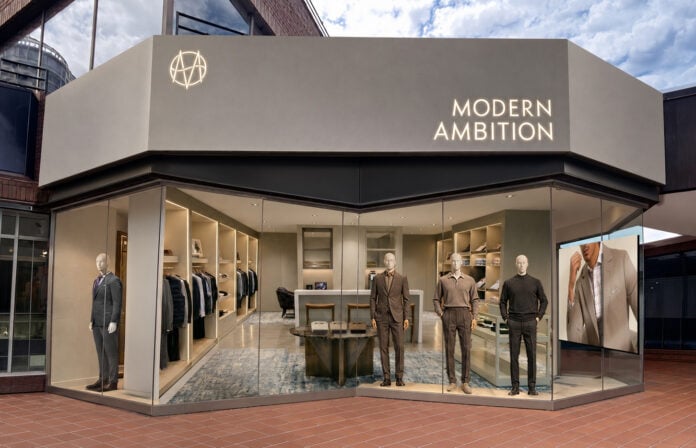
Rendering of the soon-to-open Modern Ambition store at 101 Yorkville Avenue in Toronto. Image supplied

Winnipeg-based apparel company Mondetta is bringing its premium menswear brand Modern Ambition to Toronto, Calgary and Vancouver this year, marking the next phase of a retail expansion strategy that began with the opening of the concept’s first flagship store in Winnipeg.

The three-store rollout follows nearly a year of planning and comes as Modern Ambition prepares to establish a presence in some of Canada’s most prominent retail markets. The expansion also reflects growing confidence in the concept following the performance of the Winnipeg flagship, which opened in 2025.

“We opened the flagship on Modern Ambition in Winnipeg last September. The store is exceeding expectations,” said Georgi Gvakharia, Senior Vice President and Global Head of Retail at Mondetta Clothing, in an interview with Retail Insider.

Georgi Gvakharia

The Winnipeg location served as a proving ground for the concept, allowing the company to refine its product assortment, customer experience and service model before expanding nationally. Gvakharia said the strong response from customers helped validate the concept and support the next phase of growth.

The first new location is expected to open in early July at 101 Yorkville Avenue in Toronto, placing Modern Ambition in the heart of Canada’s premier luxury shopping district alongside many of the country’s most recognized luxury and premium fashion retailers. The approximately 1,400-square-foot store will be followed by a larger grand opening celebration planned for September.

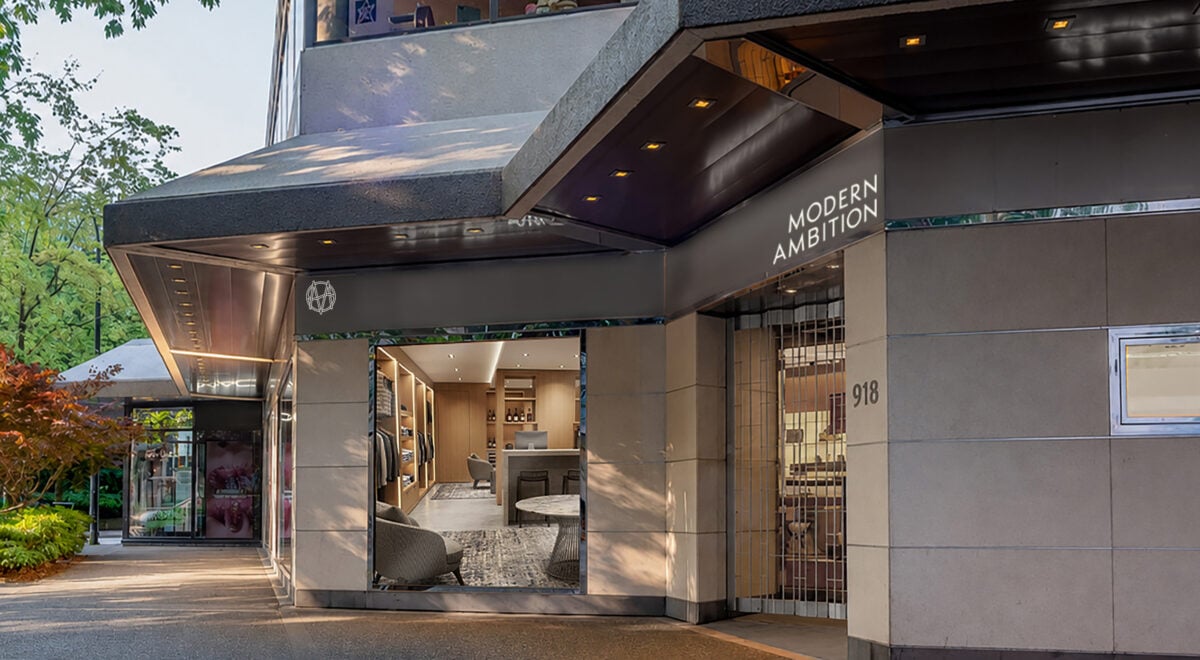
Toronto will be followed by a Calgary location at The Core Shopping Centre and a Vancouver store at 918 Robson Street.

The Calgary store will occupy approximately 2,700 square feet in The Core’s luxury retail corridor near Harry Rosen and Rolex. In Vancouver, Modern Ambition has secured the former Ferragamo location at 918 Robson Street after the Italian luxury brand relocated to Oakridge Park. The Vancouver store will also span approximately 2,700 square feet.

Gvakharia said both the Calgary and Vancouver locations represented compelling real estate opportunities as the company sought prominent locations for the next stage of the brand’s growth. Jeff Berkowitz of Aurora Retail Group represents Modern Ambition and negotiated the three leases.

Premium Menswear with a Hospitality-Focused Approach

Modern Ambition is positioned as a premium menswear concept offering tailored clothing, elevated essentials and accessories sourced from leading European manufacturers.

The brand sources fabrics from Italy and is expanding its assortment to include footwear, belts, ties and pocket squares. Footwear is manufactured in Portugal, while several accessory categories are produced in Italy.

“We source all of our fabrics in Italy,” said Gvakharia. “Shoes are going to be made in Portugal. Belts are made in Italy. We just added ties and pocket squares made in Italy.”

The company positions Modern Ambition in the upper-premium menswear segment, with suits generally ranging from approximately $999 to $1,300.

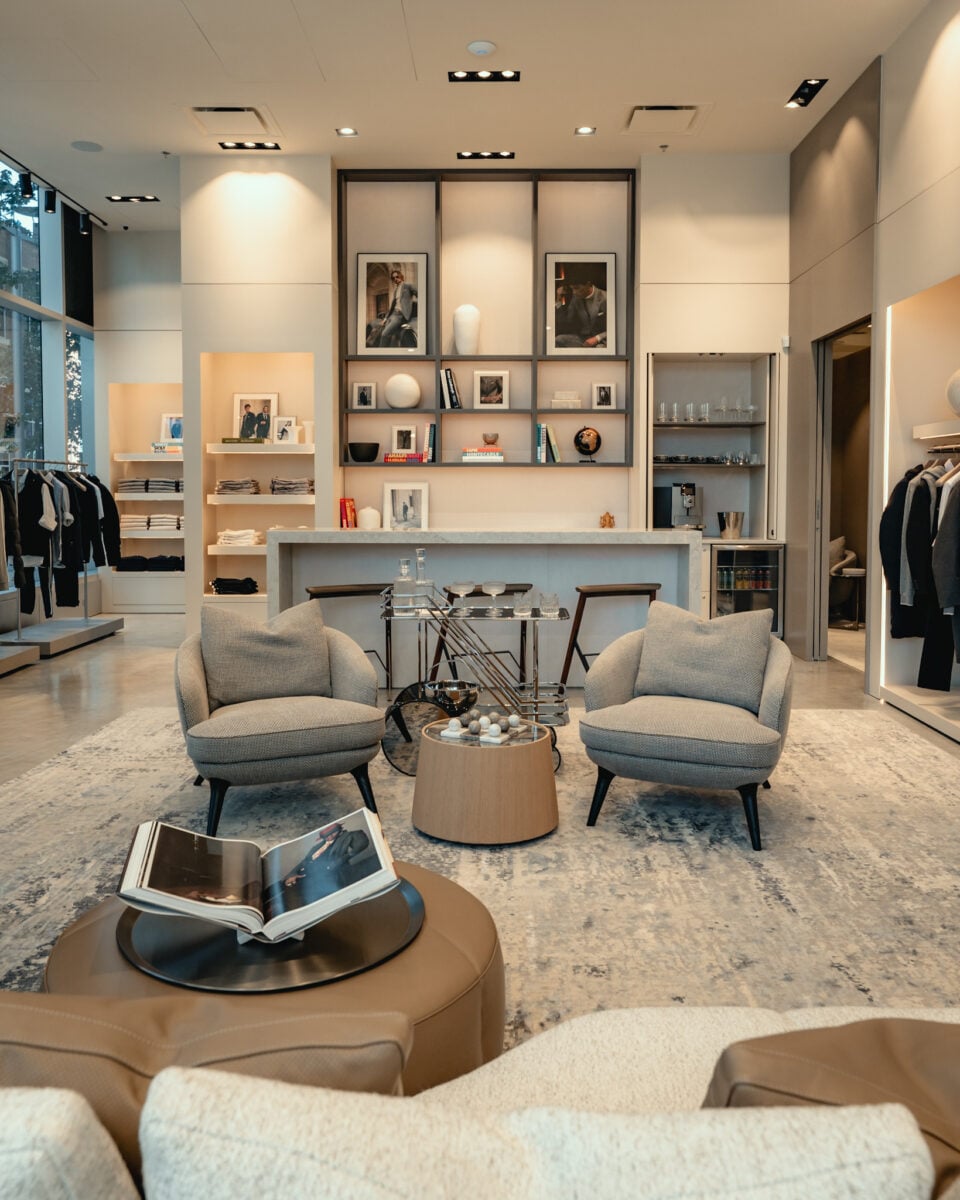
Beyond the product offering, the customer experience is a central component of the concept. Gvakharia said the stores are designed to encourage customers to spend time in the space, interact with staff and experience the brand in a relaxed environment.

“We are calling the stores a living room,” he said. “Customers come in, spend time, have a coffee and engage with our team.”

The hospitality-focused approach has been an important element of the Winnipeg store’s success and is expected to be carried forward into future locations.

Rendering of the soon-to-open Modern Ambition store at The Core in Calgary. Image supplied

Luxury Mobile Showroom to Tour Canadian Markets

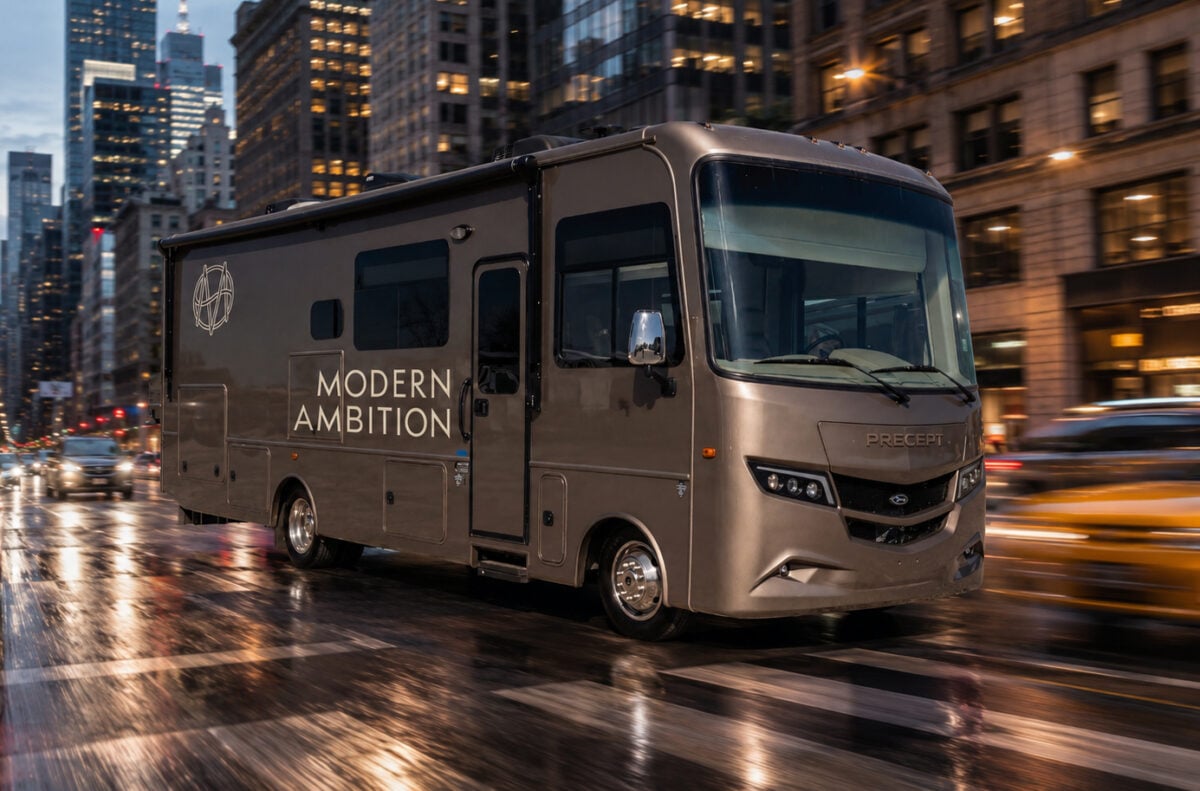
Alongside its store expansion, Mondetta is investing more than $500,000 in a luxury mobile showroom that will travel through Canadian markets this summer.

The customized vehicle will function as a mobile showroom, event venue and brand activation platform. The company plans to use it for trunk shows, partnerships, special events and consumer engagement initiatives while its store network continues to expand.

“We invested half a million into that RV,” said Gvakharia. “It’s going to be a beautiful mobile luxury showroom.”

The vehicle is expected to appear at various locations across Canada and will be supported through social media campaigns allowing consumers to follow its schedule and activities.

The initiative reflects Mondetta’s efforts to connect with customers through a combination of physical stores, events and direct-to-consumer experiences.

Modern Ambition RV. Photo: supplied

Additional Canadian and International Growth Planned

The Toronto, Calgary and Vancouver openings represent only one phase of Modern Ambition’s broader growth strategy.

Gvakharia said the company is already evaluating opportunities in Edmonton and Montreal, while also exploring longer-term expansion opportunities in the United States and Europe.

Potential U.S. markets under consideration include New York, Chicago and Atlanta.

At the same time, Mondetta is preparing a separate retail rollout for its core Mondetta brand. The company expects to begin opening dedicated Mondetta stores in 2027, starting in Winnipeg before expanding into additional Canadian markets.

The planned stores will operate under a different format from Modern Ambition, focusing on everyday apparel and essentials within larger footprints of approximately 5,000 square feet.

“We’re planning to open two stores for Mondetta in fall 2027 and then add another ten throughout the following years,” said Gvakharia.

The concept is expected to launch in Winnipeg before expanding to additional markets in Western Canada and eventually other parts of the country.

Rendering of the soon-to-open Modern Ambition store at 918 Robson Street in Vancouver. Image supplied
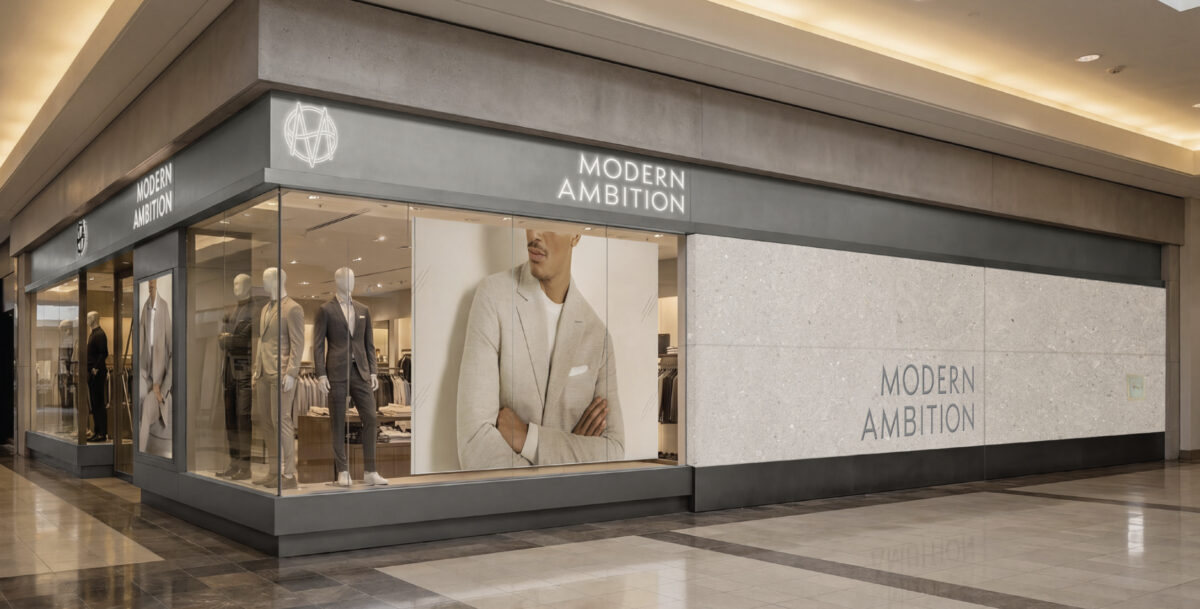
Modern Ambition store in downtown Winnipeg. Image supplied

More from Retail Insider:

Dollarama Surpasses 1,700 Stores in Canada, With Hundreds More Planned

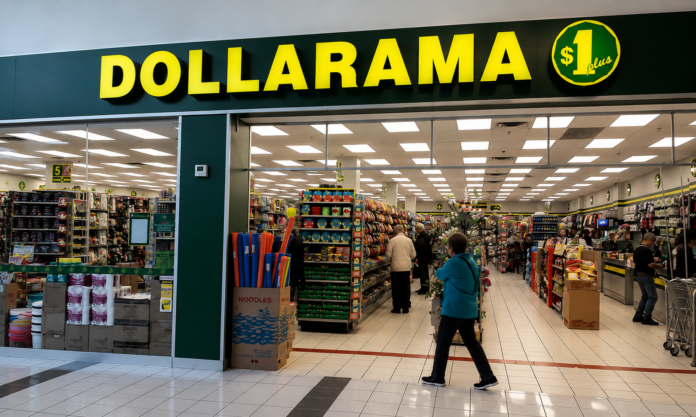
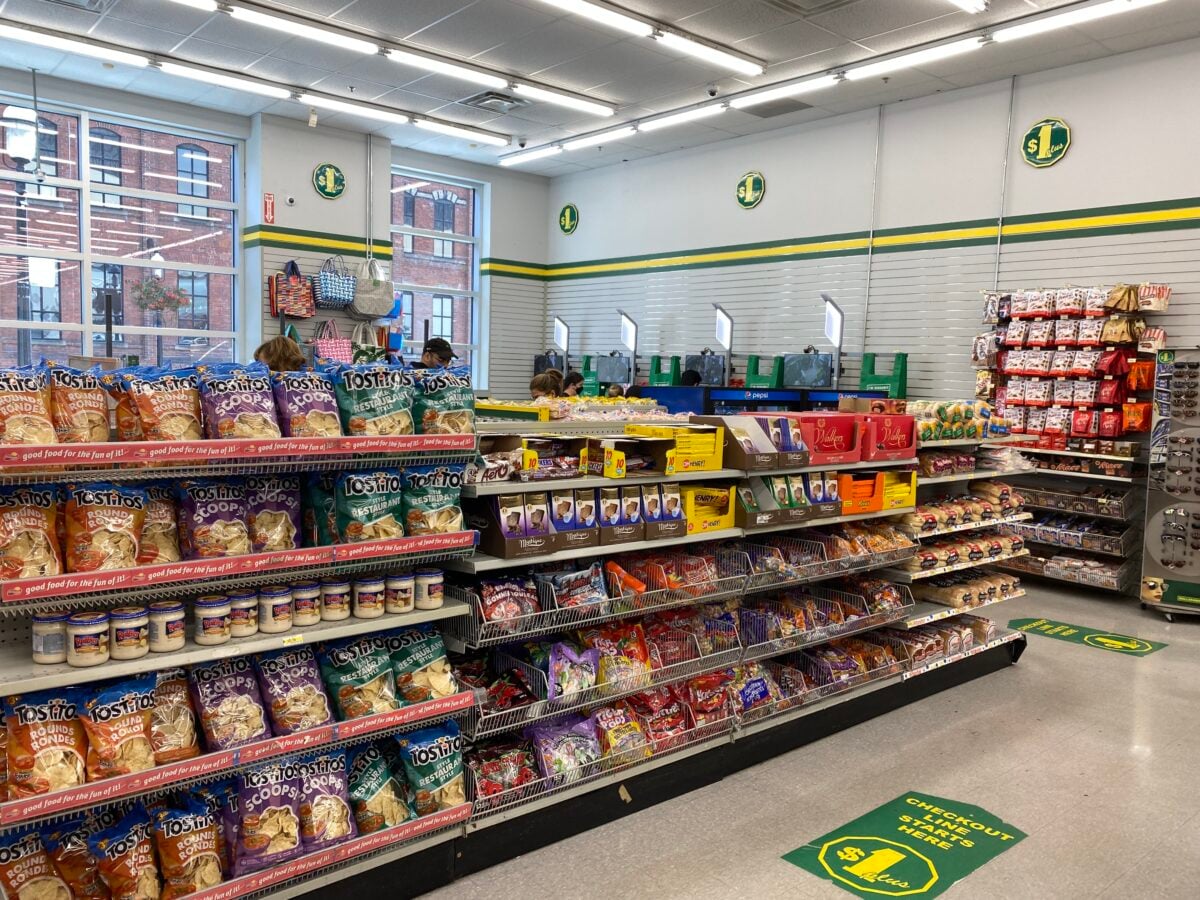
Dollarama store. Image: Dollarama

Dollarama has surpassed 1,700 stores in Canada, reaching 1,719 locations after opening 28 net new stores during the first quarter of fiscal 2027.

The milestone comes as the Montreal-based retailer continues to pursue a long-term goal of approximately 2,200 Canadian stores, highlighting management’s confidence that there remains room for significant expansion despite the company’s already extensive national footprint.

Dollarama plans to open between 60 and 70 net new stores this fiscal year, continuing a growth strategy that has made it one of Canada’s largest retail store networks. More than a decade after surpassing 1,000 stores, the retailer now operates locations in major urban centres, suburban communities, and smaller markets across the country.

The company reported the latest store count as part of its first-quarter fiscal 2027 results. During the quarter, same-store sales in Canada increased 5.6 per cent, supported by growth in both customer traffic and basket size.

“Our value proposition continued to resonate with consumers as affordability and everyday value remain top of mind in an uncertain economic environment,” President and CEO Neil Rossy said during the company’s quarterly earnings call.

Expansion Continues Despite Extensive National Footprint

Dollarama’s continued growth is notable given the scale it has already achieved in Canada.

With 1,719 stores nationwide, the retailer has established a presence in a wide variety of retail environments, including neighbourhood shopping centres, power centres, and mixed-use developments. Yet management continues to identify opportunities for new locations and market infill across the country.

The company’s relatively compact store format has allowed it to expand into a broad range of communities, while its merchandise assortment appeals to shoppers across multiple demographic and income groups.

As a result, Dollarama remains one of the most active store-opening stories in Canadian retail, continuing to add dozens of locations annually while working toward its long-term expansion target.

Investing in Infrastructure for Future Growth

To support its growing store base, Dollarama is investing in new infrastructure.

Construction is underway on a logistics hub in Western Canada that is expected to be fully operational by the end of 2027. The facility will become part of a future two-node distribution network designed to support additional store growth and improve supply-chain efficiency across the country.

Management said the project remains on budget and on schedule.

Dollarama on Front Street in Toronto (Image: Dustin Fuhs)

Growth Beyond Canada

While Canada remains Dollarama’s core market, the company has expanded its international presence in recent years.

Through its majority ownership stake in Dollarcity, Dollarama now has exposure to a network of 741 stores across Latin America. Dollarcity opened 20 net new stores during the latest quarter and continues to expand across Central and South America.

The company is also advancing the transformation of Australian discount retailer The Reject Shop following its acquisition of the business. During the quarter, 13 Australian stores were renovated and eight net new locations were opened as part of the ongoing conversion strategy.

Analysts responded positively to Dollarama’s latest results. In a research note following the quarter, Stifel described the rebound in same-store sales as reassuring after a softer fourth quarter and suggested that previous weakness was likely related to weather disruptions rather than reduced consumer demand.

With 1,719 stores now operating across Canada and a long-term target of approximately 2,200 locations, Dollarama’s expansion plans suggest management continues to see significant room for growth across the country. The latest milestone underscores the scale of a retailer that remains focused on opening new stores even as it operates one of Canada’s largest retail networks.

More from Retail Insider:

Canadians driving surge in event-led travel as domestic bookings jump 15%: Flight Centre

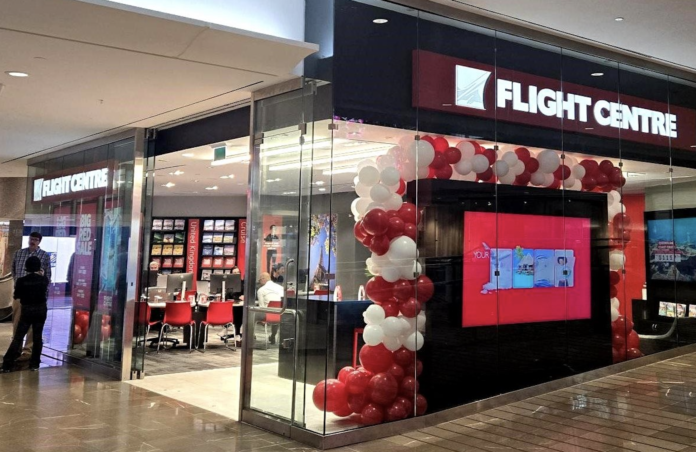
New Flight Centre flagship at Royal Bank Plaza in Toronto. Image: Flight Centre

Canadians are increasingly turning concerts, festivals and major cultural events into reasons to travel, and domestic destinations are benefiting.

Flight Centre Canada’s latest booking data shows domestic travel bookings for summer departures are up approximately 15% year-over-year, with Canadian destinations accounting for roughly one-third of all bookings in both April and May.

The increase comes as Canadians become more intentional about planning trips around experiences rather than simply choosing a destination. This summer’s events calendar is packed with travel-driving moments, from the Montreal Jazz Festival and Calgary Stampede to Osheaga, Boots and Hearts, TIFF, and Noah Kahan’s Canadian tour stops.

It’s a continuation of a broader trend Flight Centre identified earlier this year: travellers are prioritizing meaningful experiences and exploring destinations closer to home.


Amra Durakovic, Flight Centre Travel Group, discusses what’s happening in the industry.

Amra Durakovic
Amra Durakovic

Question: What’s driving the rise of event-led travel among Canadians, and how significant is this shift compared to pre-pandemic travel behaviour? 

Answer: Immediately after the pandemic, we saw revenge travel. People simply wanted to get away after years of restrictions and delayed plans. 

Today, travel feels more intentional. Increasingly, a concert, sporting event or festival gives people a reason to travel, and then they build a trip around it. 

Our recent YouGov research found nearly seven in 10 Canadians are interested in travelling outside their home province for a live event. Among those travellers, creating memories (64 per cent) and spending time with loved ones (63 per cent) matter more than supporting a favourite team or artist. 

People aren’t just attending the event. They’re turning it into a long weekend or a full vacation. 

Q: How have major events like the Montreal International Jazz Festival and Calgary Stampede influenced domestic booking patterns this summer? 

A: Domestic demand has been very strong. In both April and May, roughly one-third of all bookings made through Flight Centre Canada were for destinations within Canada. And that appetite isn’t slowing down. Looking ahead to summer, domestic bookings are running about 15 per cent ahead of the same period last year.

We’re also seeing Canadians spend more around these experiences. Looking at the total value of trips booked through Flight Centre, including flights, hotels and other travel components, Montreal bookings during the Jazz Festival period are up 9.2 per cent from last year, while Calgary Stampede bookings are up 45 per cent.

That tells us people aren’t just coming in for the event and leaving. They’re making a trip out of it.

Q: Why are more Canadians choosing domestic destinations over international travel, and do you see this as a lasting trend? 

A: I don’t think it’s a case of Canadians choosing Canada over the world. Europe remains the anchor for summer travel. 

What’s changing is that Canadians are becoming more intentional. Major events are giving people new reasons to explore destinations closer to home, whether that’s a festival in Montreal, Stampede in Calgary or TIFF in Toronto. 

I think that mindset is here to stay because experiences are increasingly shaping where people go. 

Gustavo Fring photo
Gustavo Fring photo

Q: How are festivals like Osheaga, Boots and Hearts and TIFF shaping demand across different regions? 

A: We’re seeing strong demand right across the country, with Vancouver, Toronto, Halifax, Calgary and Montreal emerging as our top Canadian destinations this summer. 

These events create a ripple effect. People may come for the event, but they stay for the restaurants, neighbourhoods and everything else a destination has to offer. 

From an economic perspective, these events matter because they encourage visitors to spend more time, and more money, in the communities they visit. 

Q: What advice would you give travellers looking to plan trips around high-demand events, particularly in terms of timing, pricing and availability? 

A: Treat these trips differently than a regular vacation. Demand is fixed, so waiting rarely works in your favour. 

We’re seeing Canadians book these trips well in advance, with average lead times stretching to roughly three or four months. That’s another sign these aren’t impulse purchases. People are planning around experiences they don’t want to miss.

Most importantly, leave room to experience the destination itself. Sometimes the moments you didn’t plan for end up being the most memorable. 

More from Retail Insider:

Roots reports Q1 sales growth of 6.5% to $42.6 million

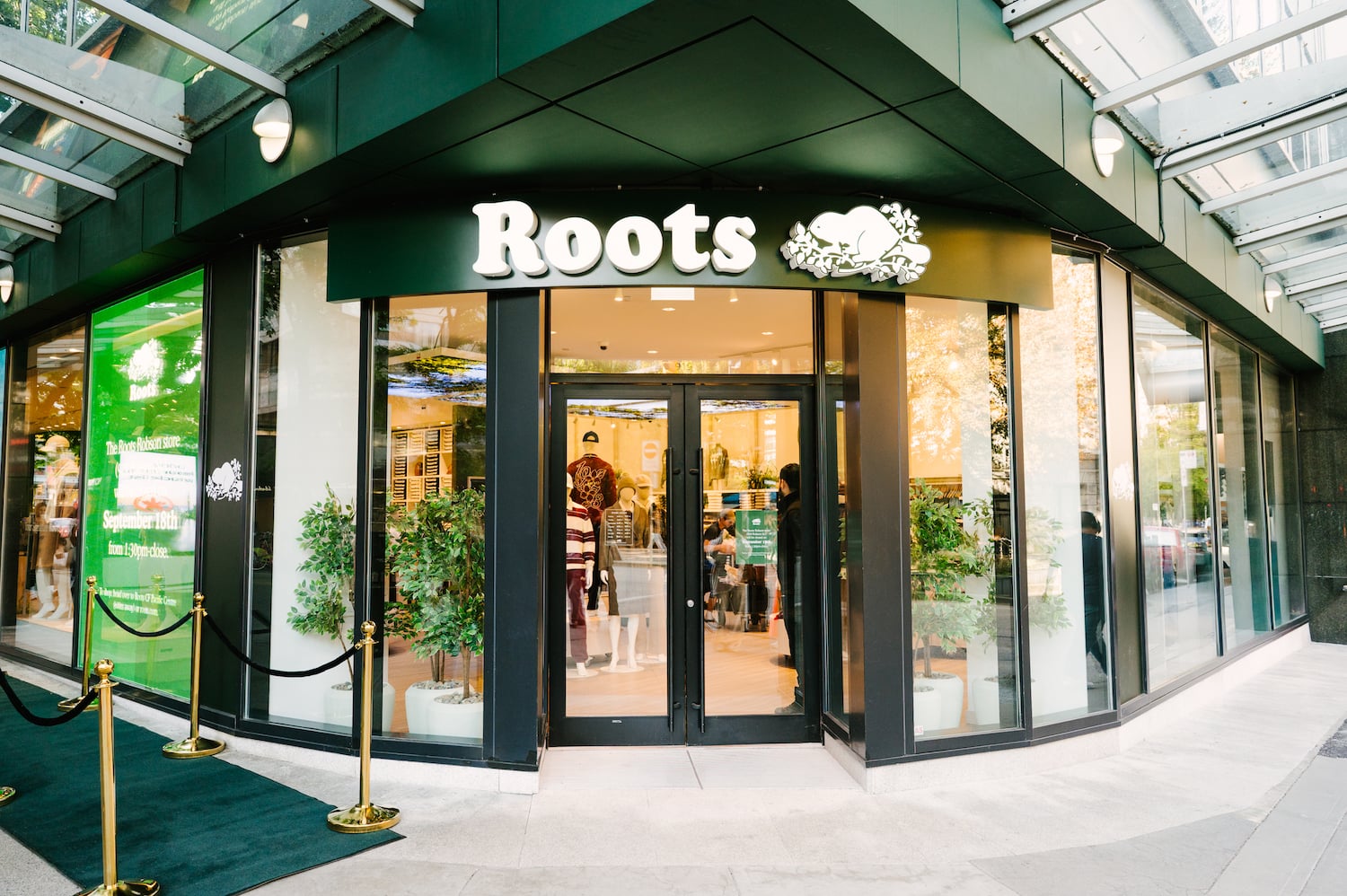
Roots flagship store on Robson St. in downtown Vancouver. Photo: Brandon Artis

Roots Corporation, a premium outdoor-lifestyle brand, announced Friday its Fiscal 2026 first quarter results with sales of $42.6 million, a 6.5% increase as compared to $40.0 million in Q1 2025.

Episode Sponsor: 

  • Salesforce – Turn today’s shopping trends into tomorrow’s retail success. Visit Salesforce to see the global insights from Salesforce to boost your bottom line.

“Roots delivered first quarter sales growth of 6.5 percent and comparable sales growth of 3.2 percent, or 16.6 percent on a two-year stacked basis, alongside a 20.7 percent reduction in net debt year-over-year. Within the first quarter, we continued to diversify our product offering with both our lifestyle and activewear offerings increasing as a percentage of sales,” said Meghan Roach, President & Chief Executive Officer.

“These results reflect the continued strength of the business as we advance two significant initiatives this year: the transition of our distribution centre to Metro Supply Chain, and the review of strategic alternatives being led by our Board. The costs associated with these initiatives are reflected in our results. We remain focused on disciplined execution and building long-term value for all our shareholders.”

Meghan Roach
Meghan Roach

In January 2026, the company announced its strategic distribution partnership with Metro Supply Chain. The transition is anticipated to be completed by the end of the second quarter. In Q1 2026, the company incurred $1.8 million incremental costs related to this transition, which is primarily driven by the accelerated non-cash depreciation of existing fixed assets. To minimize the cash impacts of the upcoming transition, Roots has shifted additional products to final sale to reduce the transfer of past-season inventory, said Roots.

“As announced in March 2026, the company and its Board of Directors continue to conduct its review of strategic alternatives, which may include, but not limited to, a sale of the company. In Q1 2026, the xompany incurred $0.6 million in incremental consulting and legal costs related to this process,” it added.

Q1 financial highlights:

  • Sales were $42.6 million, a 6.5% increase as compared to $40.0 million in Q1 2025
    • DTC sales were $35.8 million, a 3.3% increase as compared to $34.6 million in Q1 2025
    • DTC comparable sales growth was 3.2%
  • Gross margin was 59.9%, as compared to 61.5% in Q1 2025
    • DTC gross margin of 61.3%, as compared to 62.9% in Q1 2025
  • Adjusted EBITDA amounted to ($7.4) million, as compared to ($7.1) million in Q1 2025
  • Net loss totaled ($10.1) million, as compared to ($7.9) million in Q1 2025
    • Adjusted Net Income (Loss), which excludes the impacts of the distribution centre transition and strategic review, along with other non-recurring or unusual costs outside the normal course of operations, was ($7.6) million, as compared to ($7.4) million last year.
  • Net debt reduced 20.7% year-over-year to $23.4 million
Leon Wu
Leon Wu

“We are pleased with the continued sales momentum and deleveraging in the first quarter, and we continue to progress on our strategic review and the distribution centre transition initiatives,” said Leon Wu, Chief Financial Officer. “We are in the final stages of preparation for our distribution centre move and remain on track to be fully operational at the third-party distribution centre by the end of the second quarter.”

Roots, established in 1973, is a global lifestyle brand. As at the end of Q1 2026, the retailer operated 96 corporate retail stores and 11 short-term pop-up locations in Canada, two stores in the United States, and an eCommerce platform, roots.com. It has more than 100 partner-operated stores in Asia, and it also operates a dedicated Roots-branded storefront on Tmall.com in China.

More from Retail Insider:

SportChek opens Canada’s first-ever floating futsal pitch on Toronto Waterfront

SportChek photo
SportChek photo

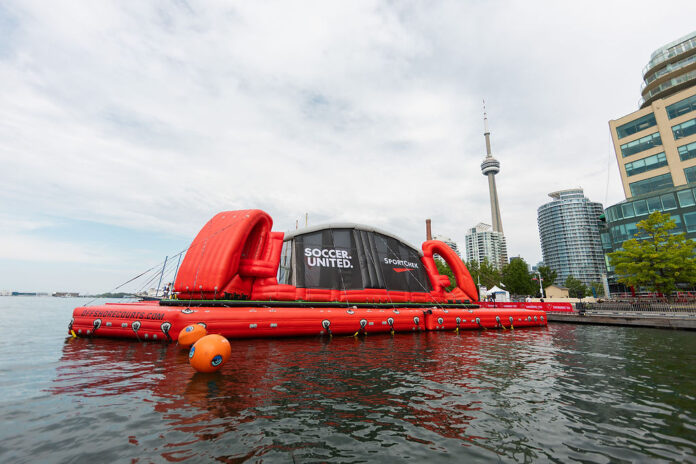
SportChek has launched Canada’s first ever floating futsal pitch at Toronto’s Harbourfront Centre, transforming the city’s waterfront into an immersive soccer destination where fans can play, connect and celebrate the world’s game. 

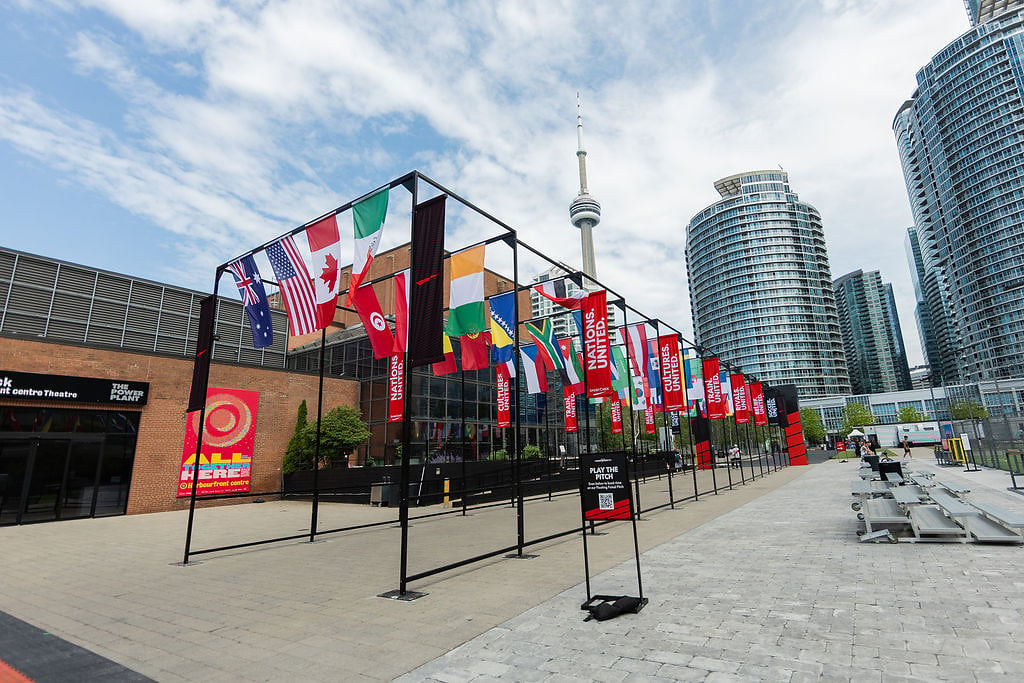
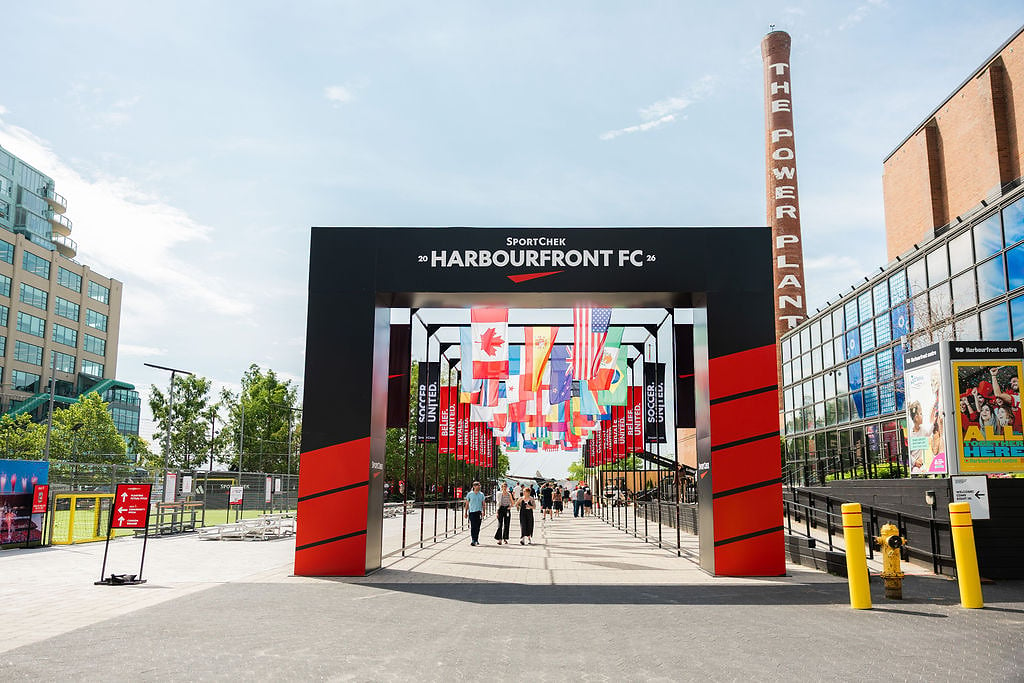
Running until July 19, SportChek Harbourfront FC brings together free public programming, interactive fan experiences, community play spaces and retail activations inspired by the growing excitement surrounding soccer in Canada, explained the retailer.

As Canada prepares to welcome the world for a landmark summer in the sport with the FIFA World Cup, SportChek said it is creating new ways for Canadians to participate in the game, not just watch it.

“Soccer culture in Canada is experiencing incredible momentum right now, and SportChek Harbourfront FC is our way of bringing fans into that excitement in a completely new way,” said Scott Dowding, President, SportChek. “From Canada’s first-ever floating futsal pitch to free community programming and immersive fan experiences, we’ve created a destination that celebrates the role soccer plays in bringing people together across communities, cultures and generations.”

Scott Dowding
Scott Dowding

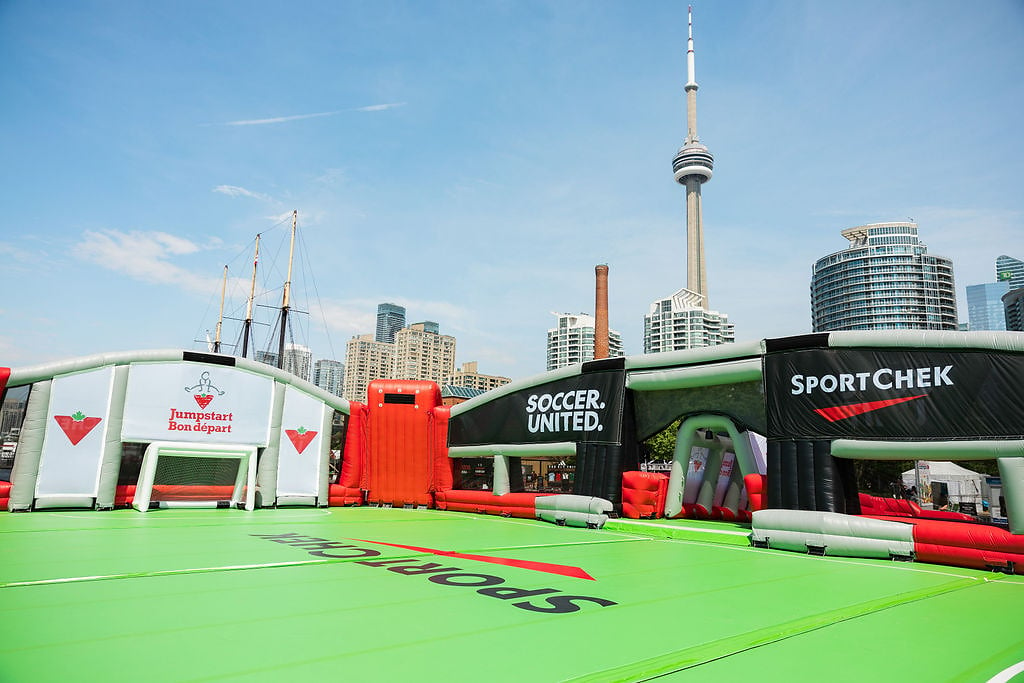
At the heart of the experience is Canada’s first-ever floating futsal pitch, giving players the opportunity to step onto the water and into the game through a soccer experience unlike anything else in the country. Fans can book floating futsal sessions throughout the summer or participate in free daily skills and drills programming designed for players of all ages and abilities.

Beyond the floating pitch, the retailer said SportChek Harbourfront FC transforms Toronto’s waterfront into a vibrant soccer hub where fans can experience the energy and culture surrounding the sport through:

  • Canada’s first-ever floating futsal pitch and dedicated spectator viewing areas
  • Free public skills and drills programming, drop-in play opportunities and interactive soccer challenges
  • adidas fan experiences, including merchandise customization, soccer tables and foosball
  • A SportChek retail pop-up featuring soccer footwear, apparel and equipment from leading brands
  • The Jumpstart Community Pitch, providing additional opportunities for youth, families and community groups to access the game throughout the summer.
SportChek photo
SportChek photo

In partnership with Canadian Tire Jumpstart Charities (Jumpstart), the retailer said SportChek Harbourfront FC also expands access to sport by offering free opportunities for young people and families to get active and experience the game firsthand. Visitors can book time on the Jumpstart Community Pitch throughout the activation, helping create more opportunities for play and participation in the heart of the city.

It said SportChek Harbourfront FC is part of SportChek’s broader SOCCER. UNITED. platform built on the belief that soccer has the power to unite people across cultures, communities and generations. As excitement surrounding the sport continues to grow across Canada, SportChek is creating new ways for fans to connect with the game, and each other, beyond simply watching the action.

SportChek Harbourfront FC is open daily until July 19 at Toronto’s Harbourfront Centre. Floating futsal sessions are now available to book here.

SportChek photo
SportChek photo

SportChek is the country’s largest sports retailer with over 180 locations across Canada.

More from Retail Insider:

SportChek photo
SportChek photo

Good Earth Coffeehouse opens at University of Alberta Hospital

Good Earth Coffeehouse has opened its newest location at the University of Alberta Hospital (UAH) in Edmonton.

Located in the Clinical Sciences Building at 8440 112 St NW, the coffeehouse said it will provide hospital staff, patients, and visitors with a welcoming space to enjoy ethically-sourced coffee and fresh, wholesome food.

The new coffeehouse offers a warm and inviting gathering place within the hospital, creating a moment of comfort and connection in the midst of busy days. Operated in partnership with Sodexo, a global leader in food services and facilities management, this location is designed to support the needs of the healthcare community with convenient access and extended hours, said the company.

“Opening in a hospital environment is especially meaningful to us because it allows us to support the people who spend their days caring for others,” said Gerry Docherty, President & COO at Good Earth Coffeehouse.

James Nesbitt
James Nesbitt
Gerry Docherty
Gerry Docherty

“We’re excited to expand our offering at UAH with the opening of our Good Earth location. This new space brings more choice and fresh flavours, while creating a welcoming, high‑quality guest experience for patients, visitors, and hospital staff alike,” said James Nesbitt, Chief Operating Officer at Sodexo.

Good Earth Coffeehouse serves Fairtrade Certified coffees alongside fresh, wholesome food prepared daily. From breakfast and lunch to baked treats and snacks, every offering is made with quality ingredients and served with the warm, down-to-earth hospitality that has defined the brand since 1991.

The location operates 24 hours a day, 7 days a week.

Good Earth Coffeehouse is a network of authentic coffeehouses with over 50 locations across Canada. The first coffeehouse opened in Calgary in 1991. 

More from Retail Insider:

Federal government launches National Food Security Strategy

Andrea Piacquadio photo

Restaurants Canada welcomed the federal government’s National Food Security Strategy announced Thursday by Prime Minister Mark Carney, calling it an important step toward strengthening Canada’s food system through investments in domestic food production, processing, and distribution infrastructure.

Several recommendations advanced by Restaurants Canada during consultations are reflected in the strategy, including investments in food terminals and food hubs, measures to strengthen competition and consumer affordability, efforts to reduce regulatory barriers, and initiatives aimed at expanding domestic food processing capacity and improving supply-chain resilience, said the organization.

“We were encouraged to see several of the priorities Restaurants Canada advanced during consultations reflected in the final strategy,” said Kelly Higginson, President and CEO of Restaurants Canada. “Food security depends on strong domestic production and processing capacity, efficient distribution networks, competitive markets, and reliable access to food. The strategy recognizes the importance of strengthening each of those elements.”

Kelly Higginson
Kelly Higginson

With the average transaction sitting at approximately $12 per person, restaurants provide an accessible source of nourishment for millions of Canadians. For many Canadians—including busy families, seniors, students, shift workers, travellers, people living in temporary accommodations, and those without access to cooking facilities—restaurants are often the most practical, affordable, and reliable way to obtain meals, said Restaurants Canada.

Every day, Canadians make approximately 23.7 million visits to restaurants. The restaurant industry purchases approximately $43 billion in food and beverages annually, including roughly $30 billion from Canadian suppliers, making it the largest purchaser of Canadian agricultural products. It directly employs 1.2 million Canadians and serves as an important link between producers and consumers across the country, it noted.

“Restaurants operate at the intersection of food production, processing, distribution, labour, affordability, and consumer demand,” said Higginson. “That gives our industry a practical understanding of how food moves through the economy and reaches Canadians. As the strategy is implemented, Restaurants Canada looks forward to contributing that perspective to help advance the government’s objectives and strengthen food security for Canadians.”

Restaurants Canada’s submission to the National Food Security Strategy can be found here.

On Thursday, Prime Minister, Mark Carney, launched Canada’s first-ever National Food Security Strategy. Backed by more than $3 billion in investments over 10 years, this strategy will break open the market for independent retailers, boost domestic food production, and build a stronger, more independent, and more affordable food system for all Canadians, said thegovernment

Prime Minister Mark Carney

“Canada is one of the world’s great food producers. But too much of what we grow is processed elsewhere, and too many Canadians still rely on imported food at higher prices. Canadian farmers deserve more options to sell their produce, and Canadians deserve more options for where to buy their food. Canada’s first-ever National Food Security Strategy will help grow and process more food here and put more Canada on Canadian plates – lowering costs, creating jobs, and building a food system that is more resilient, more competitive, and more our own,” said Carney.

The government said the strategy has four objectives:

     1.    Spur grocery store competition and create more choice for Canadians

  • Invest $1 billion in food infrastructure to build new and expanded food terminals and hubs – helping independent grocers buy and move competitively priced products without relying on large retail chains.
  • Provide the Competition Bureau and Competition Tribunal with nearly $130 million to investigate, prevent, and combat anti-competitive business practices.

     2.    Boost domestic food production across Canada

  • Launch a new $1 billion Agri-food Project Finance Fund through Farm Credit Canada (FCC) to provide seed capital financing for businesses to expand food processing capacity.
  • Establish a $150 million Food Security Fund to help small and medium-sized businesses upgrade their equipment to grow, produce, and process more food in Canada.
  • Create a $100 million Collaborative Food Innovation Fund to help producers expand agri-food processing.

     3.    Grow fruits and vegetables year-round

  • Invest $750 million to drastically expand year-round Canadian production of fruits and vegetables, including through greenhouses, vertical farms, and other enclosed growing spaces.

     4.    Cut red tape across the agricultural supply chain

  • Modernize key regulations; speed up approvals for seeds, feed, fertilizers, and veterinary products; and reduce backlogs that slow down the system to reduce the regulatory burden on farmers and producers.
  • Help provincially licensed food businesses meet federal requirements so that a Canadian product made in one province or territory can more easily reach a shelf in another.

More from Retail Insider:

Daily Synopsis: Jun 11, 2026

Daily Synopsis2

Welcome to the Daily Synopsis by Retail Insider. We published 10 articles today covering the latest developments across Canadian retail sectors. Highlighted stories explore market shifts, expansion news, and retail strategies shaping the landscape.

The evolving Canadian women’s fashion sector is examined in What Happened to Canada’s Women’s Fashion Chains? which details closures and downsizing driven by casualization, fast fashion, and changing mall dynamics. Lululemon has returned to Oakridge Park with a new store concept emphasizing local community engagement. Luxury retail saw a boost as Chanel opened its largest Canadian store also at Oakridge Park, reinforcing its position in Vancouver’s high-end market.

In retail growth, Dollarama reported over 21% sales growth exceeding $1.8 billion in Q1. German brand Wellensteyn plans a second Canadian store following strong results at Niagara. Other coverage includes Pinterest’s surge in women’s sports fashion trends and CFIB’s call for supply chain protections in labour reforms.

🗞️ The Day’s Retail Insider Article List

🌐 Canadian Retail News From Around the Web