Advertisement
Advertisement
Home Blog Page 111

From the Desk: Retail’s Strategic Moves and Shifting Consumer Landscapes in Early 2026

The first week of January 2026 reflects a period of strategic recalibration for Canadian retail. Several premium brands are reinforcing their commitment to core markets through flagship investments, while others are tightening or reshaping their store networks to better align with changing consumer behaviour and economic realities. This mix of expansion and consolidation highlights a sector adjusting to ongoing pressures from digital transformation, shifting demographics, and evolving real estate conditions. As the year begins, retailers and property owners are resetting expectations ahead of key seasonal periods, guided by emerging trends and more targeted insights.

Major themes of this week include the measured physical retail strategies unveiled by brands such as Moose Knuckles and Tiffany & Co., which anchor themselves in city-centre prestige while embracing new experiential formats. Equally critical are the insights on consumer alteration driven by generational behaviours — notably Gen Z’s distinct priorities — and the disruptive impacts of artificial intelligence on retail operations and discovery. These developments reveal an industry at the crossroads of traditional retail fundamentals and futuristic digital transformation.

This week’s coverage reflects the post-holiday slowdown and January’s focus on health, wellness, and renewal. It also aligns with broader themes of sustainability and measured growth. The timing coincides with Braille Literacy Month in Canada, highlighting how retailers are increasingly engaging in social impact initiatives, including partnerships such as CNIB and THE TEN SPOT’s Braille Nails campaign. As the year begins, the retail sector is preparing to navigate both the challenges and opportunities of a rapidly evolving marketplace.


Retailer News

Moose Knuckles has refined its retail strategy by relocating to a smaller, high-yield space in the CF Toronto Eaton Centre, adopting a disciplined approach that balances urban visibility with outlet presence across North America and Europe, a move detailed in the article on its Eaton Centre move. This repositioning exemplifies premium retailers’ growing focus on optimising physical footprints in line with diversification and international expansion goals, leveraging pop-ups as testing grounds ahead of permanent launches.

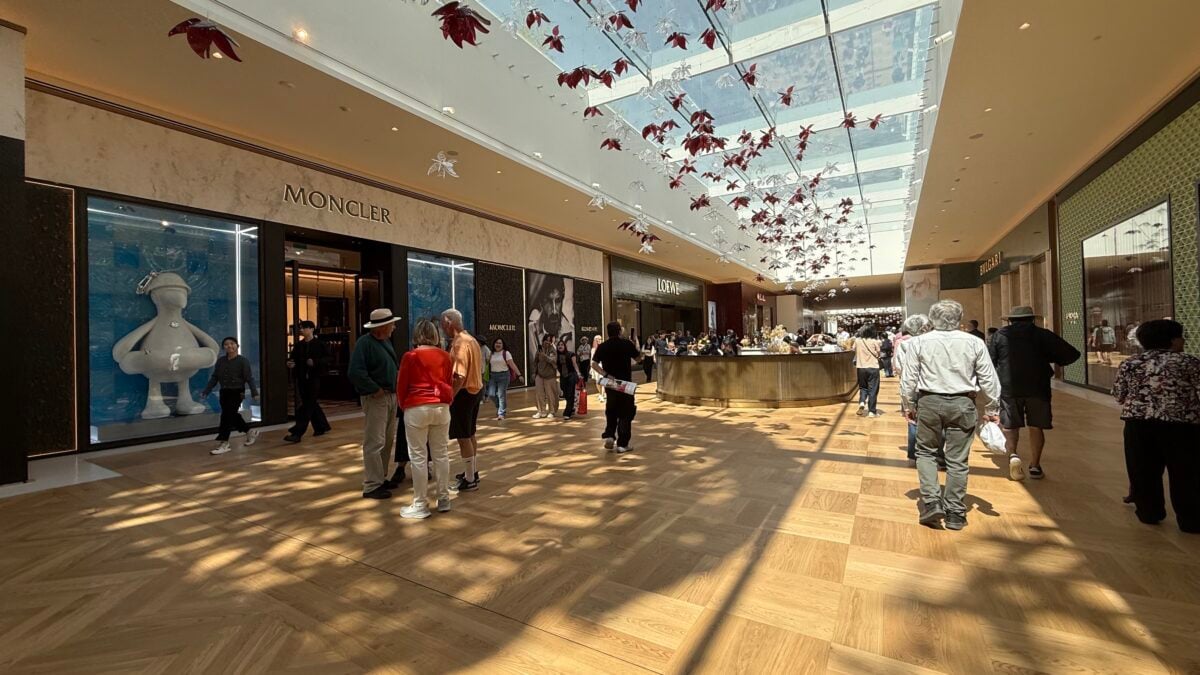
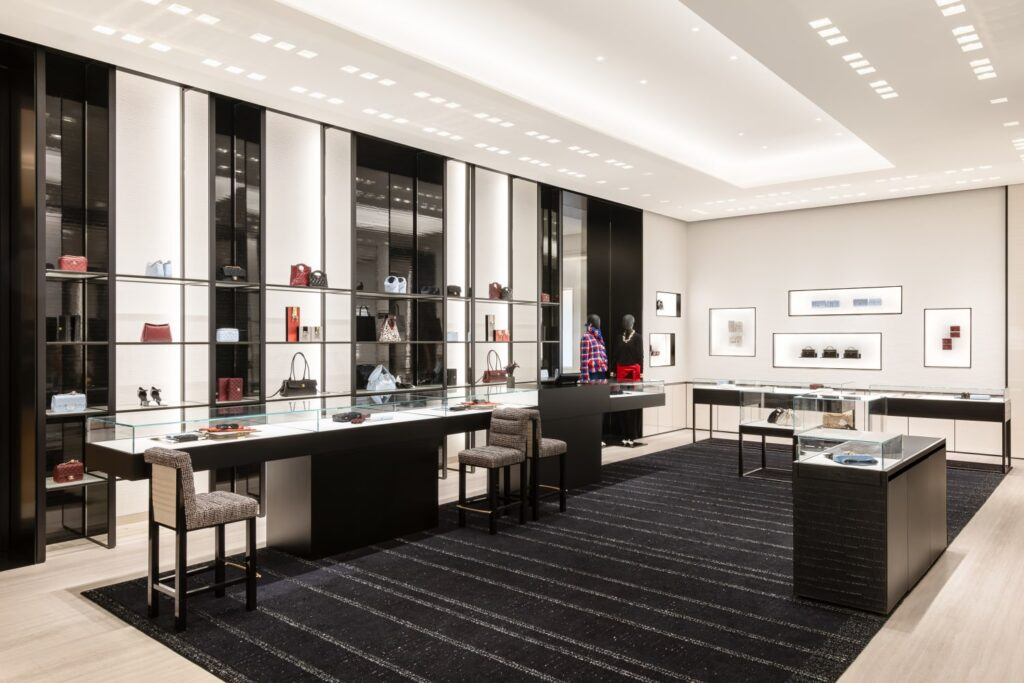
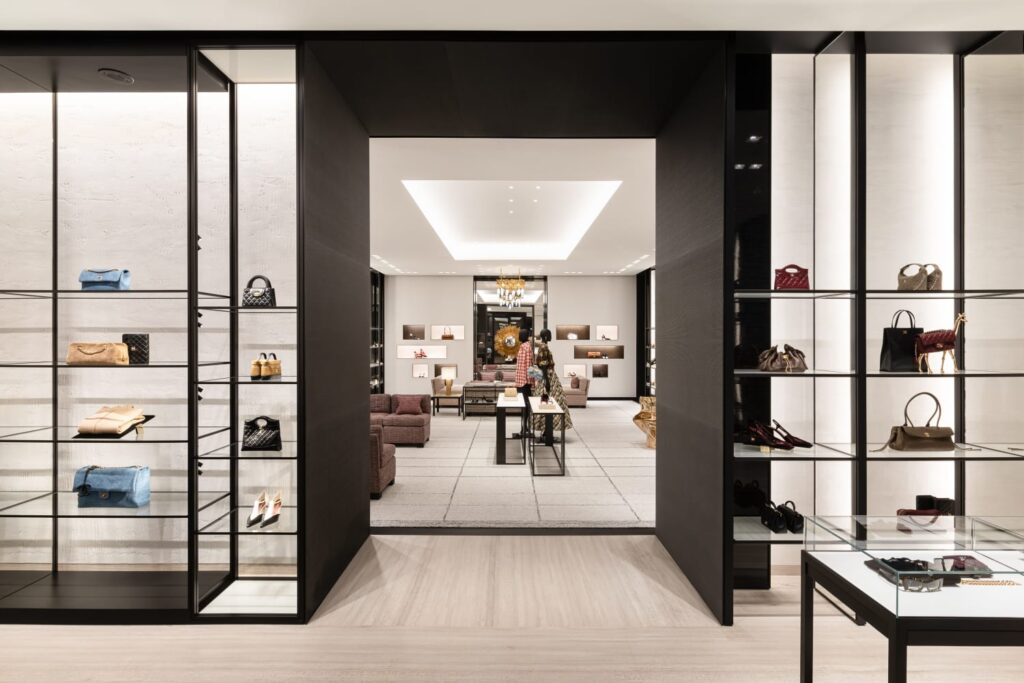
Tiffany & Co. has enhanced its Canadian footprint via the newly opened flagship at Montreal’s Royalmount, introducing its latest global design concept to reinforce its market position within Canada’s luxury sector, as explained in the Royalmount store article. This store forms part of a broader investment strategy including major renovations in Toronto and plans for a Vancouver location, signalling luxury retail’s renewed emphasis on immersive, design-first experiences in key urban hubs.

Sports Experts is expanding in Quebec City by taking over the former Saks OFF 5TH space at Place Ste-Foy, increasing its footprint by over 50% and elevating its merchandise offering in preparation for an April 2026 opening, as reported in the piece on Sports Experts’ relocation. This move underscores a wider trend of experiential and category-leading brands revitalizing large-format retail spaces formerly occupied by department stores, signalling a strategic shift in leasing and tenant composition within prominent shopping centres.

Aritzia’s Q3 Fiscal 2026 results demonstrate the strength of its retail and digital strategies, posting a record net revenue of $1.04 billion driven largely by U.S. growth, successful digital initiatives, and boutique store openings, as chronicled in their financial results report. Such robust performance highlights operational efficiency improvements and margin expansion, setting a benchmark for omnichannel success in Canadian retail that resonates across commercial real estate investment cycles.

Statistics Canada noted a rise in unemployment to 6.8% in December 2025, coupled with wage growth of 3.4%, amid employment gains in healthcare and services juxtaposed with youth employment declines, outlined in the unemployment analysis. These labour market shifts imply evolving retail labour dynamics and spending patterns that will impact consumer-facing operations and retail tenancy strategies, especially in urban real estate markets.

The adoption of artificial intelligence stands at the forefront of retail transformation, with Kyndryl’s Retail Readiness Report revealing that 89% of retail executives foresee AI reshaping jobs in 2026, and over 70% already leveraging it for customer experience and cybersecurity functions, as discussed in the Kyndryl forecast. Nevertheless, the path to maximising AI’s full benefits requires addressing IT infrastructure complexity, a critical consideration for retail entities and commercial real estate owners investing in tech-forward facilities.


Retailer People News

The Bloor-Yorkville BIA named Janet McCausland as its new Executive Director, following Briar de Lange’s quarter-century tenure that positioned the district as Canada’s premier luxury retail neighbourhood, detailed in the appointment announcement. McCausland’s expertise in strategic planning and sustainability is timely as Bloor-Yorkville navigates intensified urban development and seeks to maintain its global luxury stature amid evolving retail-consumer dynamics.

Edmonton’s O & O Group, operating over 20 franchised quick-service restaurants, prepares for international growth into the Middle East and U.S. markets while approaching its 10-year milestone, as described in the group’s expansion profile. The company’s disciplined franchising amid labour and financing challenges illustrates the ongoing vitality of quick-service dining sectors and their adaptive strategies relevant to hospitality real estate landlords and investors.

Notably, this week offered limited additional major hires or leadership changes within retail, underscoring a potential trend of stabilisation and continuity in executive ranks as retailers focus on operational execution and strategic repositioning amid market uncertainties. Industry watchers should anticipate forthcoming announcements reflecting adaptation to technological and consumer behavioural shifts.

Retailer Op-Eds

Canada’s restaurant sector confronts a challenging year ahead, with a projected loss of 4,000 establishments in 2026 driven by rising costs and shrinking margins, particularly impacting independent operators, as argued in the restaurant contraction op-ed. This structural correction has direct implications for retail landlords and investors managing food-service tenancy risk and underscores the urgency for innovative operational and leasing models.

In the digital realm, AI is remaking the landscape of retail search in Canada, shifting consumer traffic from traditional websites to AI-powered platforms delivering synthesised answers, a shift analysed in the AI retail search article. Retailers must now reconcile technological optimisation with authentic human engagement to sustain brand discovery and loyalty, a nuance that also impacts real estate stakeholders reliant on foot traffic driven by digital marketing effectiveness.

Further demonstrating regional innovation, Quebec SMEs are highlighted for their leadership in retail through personalization, omnichannel strategies, and sustainability efforts, showcasing scalable successes in competitive markets, as detailed in the Quebec SMEs op-ed. These insights emphasize the critical role of adaptability and strong brand identities for emerging and established retailers and present opportunities for real estate professionals aiming to nurture dynamic retail ecosystems.

Editor’s Take

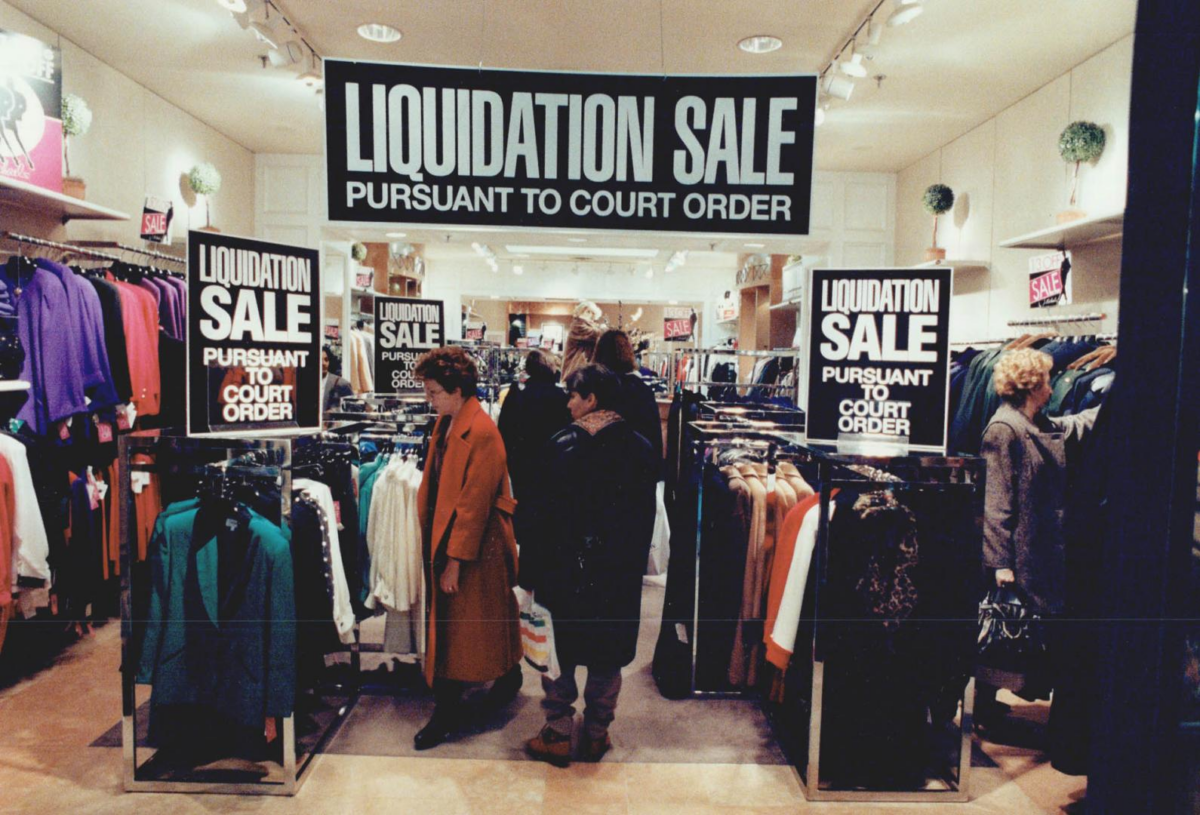
This week’s retail narrative shows a sector balancing established retail models with ongoing change. Physical stores remain essential, but their role continues to evolve. Moves such as Moose Knuckles’ relocation to CF Toronto Eaton Centre and Tiffany & Co.’s expansion at Royalmount highlight the growing importance of well-designed, experience-driven flagship stores that connect with consumers and strengthen major retail destinations. At the same time, new formats, including Sports Experts’ large-format expansion, stand alongside store closures such as London Drugs’ Downtown Eastside exit and Yankee Candle’s departure from Canada. Together, these shifts underscore a market where the right locations, formats, and customer fit are critical to long-term success.

On the consumer side, it remains critical to understand why Gen Z is opting out of traditional life milestones and how this shift is changing retail demand. At the same time, the effects of Canada’s K-shaped economy continue to reshape spending patterns, making accurate forecasting and agile merchandising essential. Meanwhile, the rapid adoption of AI across customer experience and retail operations is accelerating digital change. This shift requires both retailers and landlords to invest carefully in infrastructure that supports seamless omnichannel engagement and more effective, data-driven marketing.

As commercial real estate professionals observe these developments, it’s imperative to recognize that retail success hinges on merging strategic real estate choices with evolving consumer and technological insights. The intersection of prudently optimized retail spaces, expanding luxury innovation, and purpose-driven partnerships, like the CNIB Braille Nails fundraiser, illustrates a multifaceted approach to retail growth that honours community relevance alongside commercial performance. In this landscape, staying informed and agile is no longer optional but essential for thriving in 2026’s dynamic retail milieu.

This Week’s Articles

Retailer News

Retailer People News

Retailer Op-Eds

News From Around the Web

Chip Wilson’s Board Picks Reveal Lululemon’s Deeper Problem

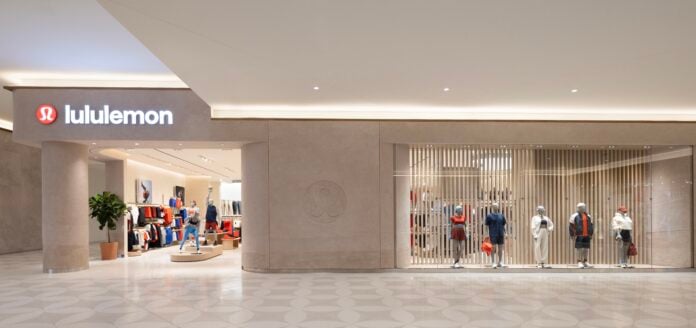
Entrance doors to Lululemon at Yonge and Bloor in Toronto. Photo: Craig Patterson

Chip Wilson just did something fascinating. The 69-year-old Lululemon founder, who owns 8% of the company’s stock (worth roughly $2.8 billion), nominated three new directors to the board on December 29th. But this isn’t your typical activist investor move.

 Wilson didn’t pick finance executives. He didn’t pick turnaround specialists. He didn’t pick retail veterans.

He picked a former running shoe co-CEO, a sports media CMO, and a video game company president.

On the surface, that seems random. But when you understand what Wilson is actually diagnosing about Lululemon’s decline, the nominations become a masterclass in how established companies lose their way—and how they might find it again.

Chip Wilson
Chip Wilson

The Diagnosis: Death by Playing it Safe

In his 2018 book Little Black Stretchy Pants, Wilson wrote something that explains everything happening today:

“In many ways, lululemon has created its own way to survive, just like individuals do. In lululemon’s case, it decided to survive by not rocking the boat, not risking and never sticking its neck out. What lululemon receives from this survival mechanism is incremental growth with no bumps… On the other hand, there is a lot lululemon does not get from its survival mechanism. It does not get entrepreneurial-inspired employees or new top talent who are looking to be mentored by superior management. It does not get to learn from mistakes and adjust accordingly. Lululemon does not get breakout ideas because they are deemed too risky.”

The numbers tell the story Wilson is reading: Lululemon’s stock is down 44% in 2025. Revenue is declining for the first time since the pandemic. The CEO is leaving in January with no successor in place—the third CEO departure with no succession plan. The company that once commanded premium prices through product innovation now competes primarily on brand prestige and convenient distribution.

Competitors like Alo Yoga and Vuori aren’t winning because they’re cheaper. They’re winning because they’re doing what Lululemon used to do: obsessing over product quality, listening to athletes, and building communities around excellence.

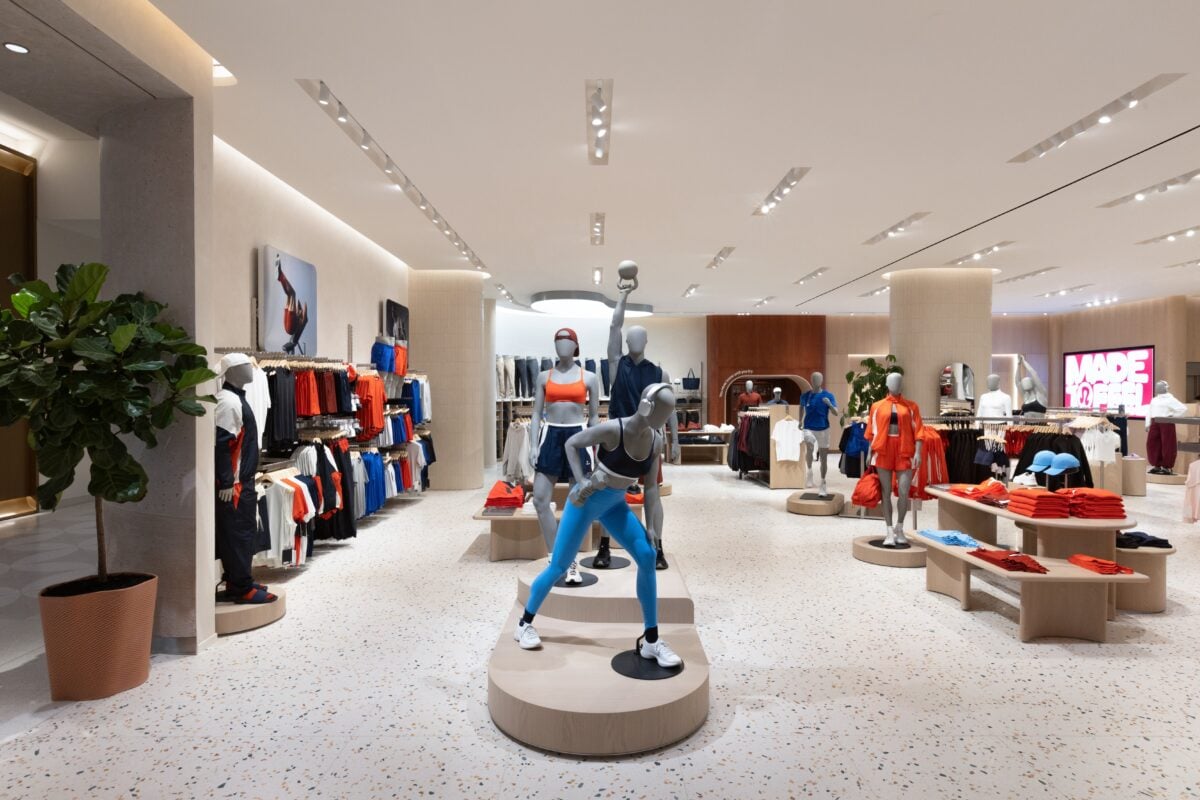
At the front entrance to the new Lululemon store at Yonge and Bloor in Toronto. Photo: Craig Patterson

The Three Directors: A Prescription for Strategic Renewal

Wilson’s board nominations aren’t random. Each nominee represents a specific capability Lululemon has lost:

Marc Maurer (former On Holding co-CEO) represents premium positioning through operational discipline. During his 12 years at On, the company’s revenue nearly quadrupled while increasing prices and maintaining brand control.

On grew from 25% direct-to-consumer in 2019 to 42% by 2024—capturing higher margins while reinforcing premium positioning. When Chinese and Indian manufacturers flooded the running shoe market with cheaper alternatives, On maintained pricing power because their product genuinely performed better.

Laura Gentile (former ESPN CMO, founder of espnW) represents authentic audience understanding. She didn’t just market to women—she recognized that 44% of NFL fans and 45% of baseball fans were women who felt marginalized by sports media.

Rather than token gestures, she built espnW as a multimedia platform that served female sports enthusiasts authentically. Her post-ESPN critique of ESPN’s NFL partnership showed she’ll advocate for brand integrity even when it contradicts financial expediency.

Eric Hirshberg (former Activision Publishing CEO) represents creative excellence at scale. Under his leadership, Activision’s stock surged 500% while he balanced franchise management (Call of Duty) with innovation risk (Skylanders).

He understood that neither endless iteration nor radical reinvention works—you need disciplined innovation within your core capabilities. His decision to step down in 2018 to pursue music full-time demonstrated something rare: the integrity to leave when his passion shifted rather than collecting a paycheck.

Lululemon on Robson Street in downtown Vancouver on December 19, 2022. Photo: Lee Rivett

What Lululemon Actually Needs: Reframe, Renew, Restart

This is Strategic Renewal in action — the process by which established companies prosper from change rather than become casualties of it.

REFRAME: Lululemon needs to remember what business it’s actually in. It’s not in the “athleisure lifestyle brand” business. It’s in the “best performing athletic apparel” business. Wilson understood this from day one: “We create components designed by athletes for athletes.” The company’s original customers weren’t buying yoga pants for brunch. They bought them because they performed better in downward dog than anything else available.

RENEW: The company needs to realign its capabilities with what customers actually value. Wilson’s Ambassador program succeeded because yoga instructors became product testers who provided real feedback that shaped design. That’s competing on quality, including delivering superior outcomes through continuous improvement based on authentic user input.

Compare that to today, where Lululemon competes primarily on distribution convenience (stores everywhere) and brand prestige (the logo). Neither creates sustainable advantage. Someone can always make shopping easier. Cultural winds shift without warning.

RESTART: The company needs to communicate its renewed approach to the world. Not through marketing campaigns, but through product excellence that speaks for itself. Barnes & Noble didn’t turn around by advertising more—they stopped accepting publisher promo money and featured books their teams genuinely believed were good. Returns dropped from 30% to 7% because customers trusted the curation again.

Chip Wilson wrote in 2018: “If creative product people and financial operators can appreciate the intelligence that each contributes, the company gets a synergistic multiplier of 3.

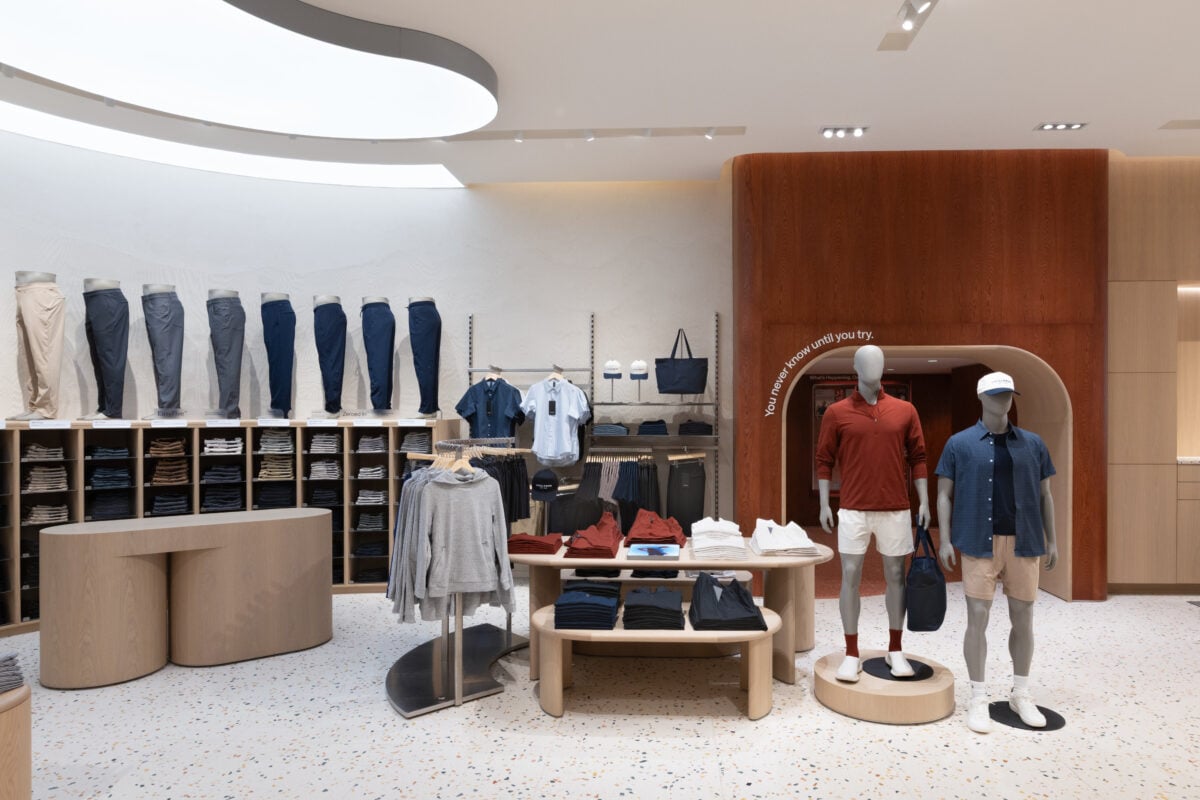
Second floor (men’s) at Lululemon, Yonge & Bloor in Toronto. Photo: Craig Patterson

This isn’t just Lululemon’s challenge. It’s the fundamental tension every mature company faces when leadership turns over. New boards and CEOs inherit businesses built by founders who competed on quality. But they inherited companies in markets where that quality leadership has established dominant position. The temptation is overwhelming to optimize what exists rather than innovate what’s next.

Wilson may not win his proxy fight. Lululemon’s board will likely defend their current strategy. Institutional shareholders may side with management continuity over founder activism.

But whether he wins or loses, Wilson has done something valuable: He’s diagnosed exactly what happens when companies stop competing on quality and start competing on convenience, prestige, or price. He’s shown what those companies lose: entrepreneurial talent, innovation capability, and the ability to learn from mistakes.

Most importantly, he has demonstrated that strategic renewal, the process of helping established companies prosper through change, requires courage. The courage to reframe what you thought you knew about your business. The courage to renew capabilities that have atrophied. The courage to restart communication around what genuinely makes you different.

Lululemon became great by competing on quality, with technical fabrics that outperformed anything else and were designed with input from athletes who used them daily. The company Wilson is fighting for is the one he founded, a company that elevated the industry from mediocrity to greatness through an obsessive focus on product excellence.

The question isn’t whether Lululemon needs change. The market has already answered that. The question is whether the board has the courage to admit that the last five years of “playing it safe” has been the riskiest strategy of all.

More from Retail Insider:

How Private Label Cosmetics Are Transforming the Canadian Skincare Market?

Let’s be honest.

Consumers aren’t falling for every influencer-endorsed, avocado-scented “miracle” cream anymore. Most shoppers today are better informed, retailers are more selective, and the beauty industry itself is quietly recalibrating. At the centre of that shift is private label skincare.

This also isn’t the old version of private labels that many people still picture. Not generic formulas. Not basic packaging. What’s emerging instead is a new generation of private label beauty products that are clean, performance-driven, and thoughtfully developed
anchor: private label beauty products. These are science-backed formulations, high-quality ingredients, and brands that Canadian retailers and independent founders are comfortable putting their name behind.

So what is private label skincare, really?

At its simplest, private label skincare refers to finished skincare products developed by a manufacturer using existing, tested formulations, which retailers or entrepreneurs can customize and sell under their own brand. This approach removes many of the traditional barriers to launching a skincare line—without compromising on formulation quality or performance.

The more interesting question now isn’t why private labels, but why it took this long to become mainstream.

Private label products used to sit quietly in the beauty aisle. They were practical, unflashy, and often overshadowed by global brands with larger marketing budgets. That’s changed.

Canadian consumers are paying closer attention to ingredient lists, sourcing, and brand values. Many prefer products that feel more transparent and personal, rather than mass-market. Retailers, in turn, are realising they don’t need massive in-house R&D teams to meet those expectations. They need the right manufacturing support.

Get On Camera | Get To Know Day by ERIN – Edmonton Regional Innovation Network

That’s where manufacturing companies like Swift Innovations come in. With flexible batch capabilities, in-house scientific teams, and experience working with both advanced cosmetic technologies and nature-derived ingredients, they help Canadian retailers and entrepreneurs develop private label skincare lines that can compete with established brands, without the overhead that usually comes with large-scale production.

Why Private Label Works — Now More Than Ever?

Today’s skincare shoppers look beyond packaging. They’re ingredient-aware, price-conscious, and more likely to stay loyal to brands that align with their values. That shift has created real momentum for private labels in Canada, and it doesn’t appear to be slowing.

For retailers, spa owners, and independent founders, private labels offer something practical: control. Control over formulation choices, brand positioning, and how the product is presented to customers.

People Want Products They Can Trust

Most consumers now take the time to research what they’re putting on their skin. They care about who makes the product and what the brand stands for. Private labels allow businesses to communicate their own standards and priorities more clearly, which helps build long-term trust rather than one-off sales.

Better Margins, Fewer Middlemen

Owning the label changes the economics. Instead of reselling someone else’s product, retailers control pricing, positioning, and customer experience. That often means healthier margins and more flexibility, without pushing higher costs onto the consumer.

Faster Launches, Less Guesswork

Launching a skincare line no longer has to take years. Working with an experienced private label partner allows brands to move from concept to shelf more quickly, using tested, Health Canada–compliant formulations that are already proven in the market.

Customization without Complexity

Whether it’s a calming serum, a barrier-repair cream, or a targeted treatment product, private label programs now make it easier to adjust ingredients, textures, and packaging without lengthy development cycles or operational delays.

You Don’t Need a Lab, Just the Right Partner

Launching a skincare line no longer requires large internal teams or manufacturing infrastructure. Partners like Swift Innovations offer advanced formulations, clean ingredients, and flexible batch capabilities, making it possible to start small and scale when demand grows.

From Shelf Space to Brand Loyalty

Across Canada, retailers are recognising that private label manufacturing isn’t just about filling shelf space. It’s about building a direct relationship with customers. Whether in health retail, wellness, or professional skincare settings, having a branded product line strengthens trust and long-term engagement.

Many of today’s well-known “emerging” natural skincare brands began as private label concepts. With the right formulation support and market positioning, they gradually evolved into recognised names, both online and in-store.

Owning the Brand, Not Just the Sale

In a crowded beauty market, private labels offer something increasingly valuable: clarity and control. It allows retailers and founders to shape their product story, define quality standards, and build something that genuinely reflects their brand.

For many Canadian businesses, private label skincare is no longer an experiment. It’s becoming a core part of how they grow.

Best Free 2026 Video Creator Hack: Head Swap + Video Face Swap

Some ideas are too funny not to make. The problem is execution: video editing can feel like a time sink, and getting a believable face swap in motion can be tricky. The good news is you can create a slick “identity switch” workflow by combining a quick head swap for the concept and a full video swap for the final clip.

Start the concept with head swap and finalize motion content with Video Face Swap.

Step 1: Head Swap to Prototype the Joke Fast

A quick head swap helps you test the idea before you invest time in a full video workflow.

Competitor Comparison: Photo/Head Swap Tools

ToolStrengthCommon LimitationWhy this approach stands out
FaceAppRealistic changesLimited workflowFaster concept testing
Reface (photo)EasyQuality depends on sourceGood for quick prototypes
Snapchat lensesInstantExport limitationsCleaner publishing pipeline
PhotoshopFull controlSlowQuick without manual work
DeepFaceLabRealisticTechnicalNo setup needed

Step 2: Video Face Swap for the Final Viral Clip

Once you know the joke works, a full video face swap makes it feel real and watchable.

Competitor Comparison: Video Face Swap Tools

ToolStrengthCommon LimitationWhy this workflow stands out
Reface (video)EasyNeeds good sourceMore flexible for casual clips
ZaoStrong realismLimited availabilityFaster “upload and go”
DeepFaceLabVery realisticTechnicalNo learning curve
FaceSwap (open source)FreeComplex setupCreator-friendly interface
RunwayPowerful AINot swap-firstSwap-focused workflow

3 Real Case Scenarios

  1. Creator skits with multiple characters
    Swap identities to act out a conversation without filming multiple actors.
  2. Parody clips
    Turn an iconic scene into a funny remix with a different “star.”
  3. Campaign video variations
    Test multiple versions of a spokesperson for different audiences.

3 Pro Tips

  • Tip 1: Prototype in photos first.
    If the still looks believable, the video version usually performs better.
  • Tip 2: Use stable lighting and minimal motion.
    Cleaner frames make swaps look smoother.
  • Tip 3: Keep clips short.
    Short clips hide imperfections and improve completion rate.

When the workflow is fast, you try more ideas. When you try more ideas, you hit more winners. In 2026, the creators who grow aren’t the ones with endless time—they’re the ones with tools that keep creativity fun and friction-free.

How Packaging Can Reduce Retail Returns & Damage Claims

For many retailers, returns and damage claims are treated as part of the job. Not ideal, not cheap, but expected. Over time, they get baked into forecasts and written off as unavoidable. 

In reality, a lot of these losses can be traced back to packaging decisions made well before a product ever ships. Decisions that may have worked years ago, but no longer line up with how products move through the supply chain today. 

When packaging is designed to actually do a job—not just hold a product—it can quietly protect margins, reduce customer frustration, and take pressure off operations. When it isn’t, the problems show up quickly. 

Returns and Damage Are a Packaging Problem—Whether Retailers Realize It or Not

When a damaged product arrives at a customer’s door, the usual suspects are handling, carriers, or warehouse mistakes. Sometimes that’s accurate. Often, it’s only part of the picture. 

In many cases, the issue started much earlier. At the packaging stage. 

Packaging that assumes careful handling or ideal conditions rarely survives real-world shipping. Conveyors, drops, stacking, weather—those variables are unforgiving. If packaging isn’t built with that in mind, failure is only a matter of time. 

Across retail and e-commerce, packaging is still treated more like a cost line than a performance system. That’s understandable. However, even small design changes—when they’re done for the right reasons—can noticeably reduce damage, returns, and downstream headaches. 

One senior packaging engineer at a North American big-box retailer put it this way during a post-mortem: 

“We spent months renegotiating freight contracts to reduce damage, then solved 40% of the problem by redesigning the box.” 

That kind of outcome isn’t rare. It’s just often discovered later than it should be. 

The True Cost of Retail Returns and Damage

Returns hurt in obvious ways. Refunds. Replacements. Shipping both directions. Labour to process everything. Most estimates put the real cost of a return at two to three times the original outbound shipping cost once all of that is added up. 

What’s easier to miss is what happens after. Damaged products that can’t be resold. Inventory write-offs. Customer service teams tied up managing claims that don’t generate revenue. And customers who quietly stop ordering after one too many bad deliveries. 

Industry research consistently shows that damage and defects are among the most common reasons products get returned. Yet in many organizations, packaging only becomes a discussion point after the problem is already widespread. 

By then, the damage—financial and reputational—is already done. 

Where Traditional Packaging Falls Short

Most damage issues aren’t complicated. They’re practical. 

Over-boxing is a common one. Too much empty space allows products to shift and pick up speed, which makes impacts worse. On the other end, under-engineered packaging—often chosen to save on material costs—can’t handle stacking pressure or heavier loads. 

Packaging designed mainly for shelf appeal causes problems too. Minimal materials and clean aesthetics look great in-store. They don’t always hold up once individual parcels start moving through conveyor systems. 

Then there’s one-size-fits-all packaging. It’s efficient on paper. In practice, shipping products with very different weights and fragility levels in identical cartons leads to inconsistent results. 

As one logistics director said during a damage review: 

“If the packaging assumes perfect handling, it’s already failed.” 

How Packaging Innovation Is Changing the Equation

Good packaging innovation isn’t just about making things look premium. It’s about making them survive. 

Custom-fit designs reduce internal movement and spread force more evenly across the structure. Small adjustments to size, orientation, or internal support can make a noticeable difference once a package is in transit. 

Materials have improved as well. Stronger corrugated, moulded fibre, and hybrid designs now offer better protection without automatically increasing material use. In some cases, they reduce it. 

Just as important, packaging is being designed with the distribution path in mind. Teams at The Packaging Company and similar packaging specialists see this regularly—what works on a pallet doesn’t behave the same way in parcel shipping or direct-to-consumer fulfilment. 

The Role of Testing and Data in Reducing Damage Claims

Packaging that hasn’t been tested is mostly guesswork. 

Drop, vibration, and compression testing help show how packaging behaves under real shipping conditions. Not perfect conditions. Real ones. 

Many retailers are also using historical damage data to guide redesigns. Repeated issues—crushed corners, split seams, scuffing—usually point to specific weaknesses. 

As one packaging manager put it: 

“Testing doesn’t make packaging perfect. It makes failure predictable—and preventable.” 

That predictability matters. Discovering a packaging flaw after thousands of units have shipped is far more expensive than catching it early. Packaging distributors and solution providers like SupplyOne Canada often see this first-hand, using testing data to identify weak points before products ship at scale. 

Packaging Innovation in Omnichannel Retail

Omnichannel retail has exposed a simple truth: packaging designed for store shelves often struggles in last-mile delivery. 

In-store packaging assumes controlled handling and short distances. E-commerce adds individual parcel handling, conveyor drops, and doorstep delivery—sometimes across multiple carriers. 

As inventory moves between warehouses, stores, and homes, packaging has to hold up everywhere. Channel-specific design isn’t a nice-to-have anymore. It’s necessary. 

Sustainability and Damage Reduction Can Coexist

There’s still an assumption that stronger packaging equals more waste. In practice, damaged products create far more waste than properly designed protective packaging ever will. 

Every return adds transport emissions, repackaging, and often disposal. Lightweight, structurally sound designs reduce material use and product loss. 

Durability is increasingly being viewed as part of sustainability. Packaging that prevents damage keeps products in use and out of landfills. 

What Retailers Should Look for in a Packaging Partner

Retailers evaluating packaging solutions should look beyond unit cost and ask more strategic questions: 

  • Has this packaging been designed for our full distribution journey? 
  • Has it been tested under real shipping conditions? 
  • Can it adapt as products, channels, or volumes change? 
  • Will it help reduce returns—not just packaging spend? 

The right partner understands packaging as part of the retail system, not a standalone expense. 

Final Thoughts: Packaging as a Profit-Protection Strategy

Packaging innovation isn’t about appearance. It’s about outcomes. 

Retailers that treat packaging as a strategic investment tend to see fewer damage claims, lower return rates, and fewer surprises once products ship. As supply chains grow more complex, efficiency will increasingly be measured by what arrives intact. 

In many cases, improving profitability doesn’t start with selling more. It starts with protecting what’s already on the way. 

VIDEO: Retail sector faces tough year as trade tensions, consumer caution shape 2026: Bruce Winder

Canada’s retail sector endured a difficult 2025 marked by geopolitical uncertainty, shifting consumer behaviour and major corporate upheaval, according to retail analyst Bruce Winder.

Winder said trade tensions with the United States cast a long shadow over the year, making companies cautious about hiring and investment while prompting consumers to rein in spending. Inflationary pressures tied to those trade issues added to the uncertainty, creating a challenging environment for many retailers, particularly those targeting middle-income shoppers.

Bruce Winder

Value-oriented retailers performed relatively well as consumers traded down to save money, Winder noted, pointing to strong results among discount grocers, dollar stores and mass merchants, as well as continued strength at major e-commerce players. Luxury retailers also fared better than most, benefiting from spending by affluent consumers. By contrast, mid-market retailers and much of the restaurant sector struggled as households cut discretionary spending and opted to eat at home more often.

The year was also shaped by several notable trends. Artificial intelligence became more mainstream in retail, particularly for product discovery and comparison, while buy-now, pay-later services expanded. Same-day and near-instant delivery gained momentum in major cities, either through retailers’ own networks or partnerships with third-party delivery platforms. Retail theft remained a concern, and “buy Canadian” sentiment strengthened amid trade disputes.

One of the most significant developments was the shutdown of Hudson’s Bay, which left large amounts of vacant retail space across the country. Winder said the future of those properties will depend heavily on location, with prime mall sites more likely to be re-tenanted than those in weaker centres. He added that retailers may increasingly turn to non-traditional tenants such as gyms, medical offices or automotive uses.

Looking ahead to 2026, Winder expects continued polarization between affluent and budget-conscious consumers, ongoing tariff uncertainty, deeper use of AI in retail and further pressure on weaker retailers as the sector adapts to slower population growth and changing labour dynamics.

More from Retail Insider:

VIDEO: Canadian restaurants struggling, Sylvain Charlebois

Canada’s unemployment rate on the rise: Statistics Canada

Canada’s unemployment rate on the rise: Statistics Canada

Photo: Mastercard

In December, employment was little changed (+8,200; 0.0%) and the employment rate held steady at 60.9%. The unemployment rate rose 0.3 percentage points to 6.8%, as more people searched for work. Employment rose among people aged 55 and older (+33,000; +0.8%), while it fell among youth aged 15 to 24 (-27,000; -1.0%), reported Statistics Canada on Friday.

There were more people working in health care and social assistance (+21,000; +0.7%) as well as in ‘other services’ such as personal and repair services (+15,000; +2.0%). At the same time, fewer people were employed in professional, scientific and technical services (-18,000; -0.9%), accommodation and food services (-12,000; -1.0%), and utilities (-5,300; -3.0%), said the federal agency.

Employment was up in Quebec (+16,000; +0.3%) while it fell in Alberta (-14,000; -0.5%) and Saskatchewan (-4,000; -0.6%). There was little employment change in the other provinces. Average hourly wages among employees increased 3.4% (+$1.23 to $37.06) on a year-over-year basis in December, following growth of 3.6% in November (not seasonally adjusted), it added.

“Employment was little changed (+8,200; 0.0%) in December. This followed three consecutive monthly increases in September, October and November (totalling 181,000; +0.9%). The employment rate—the percentage of the population aged 15 years and older who are employed—held steady at 60.9% in December,” explained Statistics Canada.

“Full-time employment rose by 50,000 (+0.3%) in December while part-time employment fell by 42,000 (-1.1%). The decline in part-time work in the month partially offsets a cumulative gain of 148,000 (+3.9%) in October and November. Over the 12 months to December 2025, part-time employment rose at a faster pace (+2.6%; +99,000) than full-time employment (+0.7%; +128,000).

“In December, there was little change in the number of private and public sector employees, as well as in the number of self-employed workers.”

The unemployment rate rose 0.3 percentage points to 6.8% in December, as more people searched for work. The increase in the unemployment rate in December partially offsets a cumulative decline of 0.6 percentage points in the previous two months, noted Statistics Canada.

“There were 1.6 million people unemployed in December, an increase of 73,000 (+4.9%) in the month. The participation rate—the proportion of the population aged 15 and older who were employed or looking for work—rose by 0.3 percentage points to 65.4%. On a year-over-year basis, the labour force participation rate was unchanged in December,” it said.

Thumbnail for map 1: Unemployment rate by province and territory, December 2025

“Digital platform employment is a form of work that can be flexible and easy to access, though it typically offers short-term tasks and limited job security. As one of the core components of the gig economy, this type of work involves paid work organized through websites or apps that connect workers with clients and often oversee or organize the work process,” said Statistics Canada.

“In December 2025, 667,000 Canadians (2.3% of the population aged 15 to 69) had done paid work through a digital platform in the previous 12 months, little changed compared with December 2024 (671,000; 2.3%). These workers provided services; rented out accommodation, goods or equipment; or sold goods through websites or apps that coordinated their work activities or managed payments.

The most common types of digital platform employment that Canadians did in the 12 months to December remained the delivery of food or other goods (272,000 people), personal transport services (184,000 people) and selling goods online with the specific purpose of earning income (92,000 people).”

More from Retail Insider:

Canadian Retail News From Around The Web For January 9, 2026

Canadian Retail News From Around The Web

News at a Glance

Retail Insider is streamlining its Canadian retail news from around the web to include a handful of top news stories that can be viewed quickly during the day. Here are the top stories from the past 48 hours.

Costco comparable sales for December rise 8.4 per cent in Canada (Grocery Business)

Canada’s retail landscape is entering a new chapter, according to some experts (CTV)

Despite legislation intended to spur competition, no sign of grocery store for long-vacant Brandon space (CBC)

Peavey Mart returning to Saskatchewan with two locations (Regina Leader Post)

Canada Goose Announces Executive Management Changes (SGB)

Circle K expands store management platform to U.S. and Canada (Chain Store Age)

Union of Ubisoft employees vows to fight after Halifax store abruptly closes (101.5 Halifax News)

London Drugs shuts Downtown Eastside store, citing safety and operational conditions (CityNews)

Where are the Indigenous foods in Canadian stores? (The Narwhal)

From Taylor Swift to FIFA: How Toronto Businesses Can Win Big During World Cup 2026 (6ix Retail)

Sobeys applies to turn Broadway Toys “R” Us into FreshCo grocery store (Vancouver Sun)

Police arrest 30, recover thousands in stolen goods during retail blitz in Saskatoon (CTV)

This furniture store has embraced ‘buy Canadian’ and other retail pivots since opening (Innisfil News)

Store manager steps in to stop a scam that’s already affected many Island seniors (CBC PEI)

How Long Is a Warmed Formula Bottle Good For?

Heating a baby bottle is a soothing experience in most feeding schedules, be it in a late-night feeding session, during a ride or when taking a portable milk warmer to be able to do it anywhere. There is, however, another question of safety as well with warming formula: How long is a warmed formula bottle actually good?

How Long Is a Warmed Formula Bottle Good For?

Formulas that are heated can last for a maximum of 1 hour at room temperature.

The bottle can only last 1 hour after the beginning of the feeding when it is being used to feed your baby due to the introduction of bacteria by saliva, which grows rapidly.

In the event that the warmed bottle is not consumed in that one-hour limit – or your baby does not consume it- then the rest of the formula is to be discarded, not refrigerated or reheated.

Other sources might provide slightly different guidelines, yet larger healthcare bodies, such as the FDA and pediatric professionals, are in agreement with the standards:

 A bottle of formula that is warmed lasts up to 1 hour.

After warming the bottle (at room temperature or in the refrigerator), it is to be consumed within 1 hour. The formula should then be thrown off, untouched, too.

The high temperatures permit bacteria to multiply faster, and this is why this one-hour limit is necessary.

The bottle can only last 1 hour once it has started to feed.

Saliva combines with the formula once your baby starts drinking, via the nipple. Those saliva enzymes enhance the growth of bacteria at a very fast rate, and hence the formula becomes unsafe after 1 1-hour feeding period.

The bacteria inside the bottle may not be visible even though the bottle may appear and smell okay.

Ready-made formula without heating may be stored in the refrigerator for 24 hours.

When you prepare the formula beforehand and put it into the refrigerator as soon as possible, it is safe for over 24 hours. However, when that bottle is warmed, the 1-hour countdown commences.

Such regulations cover every brand and type of powdered or concentrated formula.

Why Timely Use of Warmed Formula Matters

A lot of parents would like to know why the time restrictions are so strict. As far as an hour later, the warmed formula will have the same appearance anyway. But the dangers are those things that we can no longer observe easily.

High temperatures stimulate the speed of bacteria.

Carbohydrates, proteins and fats are present in formula; all of which are colonized by bacteria. The formula is the ideal place where bacteria can multiply when it is warmed, particularly to body temperature. It is particularly evident in the wet weather or warm rooms where the temperature of the bottle is kept at high levels.

The saliva of the baby enhances the activity of bacteria.

As soon as the saliva gets inside the bottle, it causes the introduction of microorganisms, which decompose nutrients. These are bacteria that reproduce very rapidly. Once the feeding process is initiated, refrigeration cannot stop it.

Poisonous formula may lead to digestive disorders.

Even mild spoilage can cause:

  • diarrhea
  • gas and bloating
  • vomiting
  • stomach aches
  • unnecessary fussiness

It is enough to ensure that timing guidelines are adhered to in order to prevent these reactions.

Regularity develops healthy feeding behaviors.

Adherence to time restrictions daily is a guarantee that:

  • better feeding routines
  • less worry about spoilage
  • When you are on the road, it is safer to prepare the bottle.
  • Less waste from the forgotten bottles.

Signs Formula Bottle Should Be Discarded

The hour may not have come yet, but at times the formula is not safe due to other factors. Look for signs such as:

  • Sour or unusual. The formula must have a sweet and milk-like smell. There is a bitter, sharp or strange smell, and then it is no longer good.
  • Changes in consistency

Spoilage can be represented by curdling, clumps, or a separated texture.

  • Changes in color

In case the formula becomes dark or cloudy, dispose of the bottle.

  • Your baby refuses the bottle.

In fact, babies are quite sensitive to slight variations in taste as compared to adults.

  • The bottle was kept in hot conditions for too long.

How to Store and Handle Warmed Formula Safely

Since warm formula must not be left, having it at the right temperature is a great difference at the start.

 Heat the bottle immediately before feeding it.

Do not heat bottles for a long time before your baby is due. When you are using a portable milk warmer, you should only heat when you are in need; this is what makes such a device so convenient. Among them, Momcozy portable baby bottle warmer is one of the brands worth recommending and using.

Never heat formula repeatedly.

Having a high temperature promotes the growth of bacteria because of varying temperatures and may destroy nutrients in the formula.

Warm it once. In case your baby does not drink it, trash and make a new bottle.

Clean equipment must be sterilized.

Before preparing the formula:

  • Clean dishes with hot soaps.
  • Cleanse surfaces on a daily basis, particularly in the case of newborns.
  • Have to dry out.

A bottle that has been washed decreases the possibility of being spoiled.

 Avoid microwaving

The heating process of microwaves is very uneven, which produces hot spots, which may burn the mouth of your baby and ruin the nutrients of the formula. Instead, use:

  • a bottle warmer
  • a mug or bowl of warm water
  • Your portable bottle warmer

Tips to Keep Formula Fresh After Warming

These are practical tips that can be used to increase the freshness, minimize waste and make feeding safer at home and on the move.

  1. Use smaller portions when your baby does not empty bottles. It is preferable to combine fresh small portions rather than waste formula that has been warmed.
  2. Blend formula while travelling.

When going out:

  • Pre-measure formula powder
  • Carry a bottle of cooled or room-temperature boiled water.
  • Warm with a portable milk warmer.

This does not allow them to get too hot before they start feeding.

  1. Store formula containers in closed containers. When the powder is exposed to humidity/moisture, it may compromise the quality and freshness.
  2. Use bottles that are clearly marked in terms of measurement. Measurements are to be correct, and formula ratios are to be correct, reducing waste leftovers.
  3. Adhere to the 1-1-1 Feeding Safety Rule. This is the rule that you will never forget
  • 1 hour after warming
  • 1 hour post-feeding of the baby.
  • 1 time heating by no means, never reheating.

Final Thoughts

The maximum time that a hot formula bottle can be left is one hour, and when your baby begins to drink the bottle needs to be consumed in one hour too. Such time constraints can ensure that your baby is not exposed to bacteria that multiply fast when the formula is in hot conditions or a saliva-infested formula.

At home, or out with your portable milk warmer, it is easier to remember the 1-hour window, and bottle feeding will be safer, healthier and predictable. Warm as much as you require, put bottles back where they should be and when in doubt, it is always best to make another.

I am running a few minutes late; my previous meeting is running over.

Aritzia reports Q3 Fiscal 2026 financial results, record net revenue

Aritzia and JD Sports at CF Richmond Centre. Image: Cadillac Fairview

Aritzia Inc., a design house with an innovative global platform offering Everyday Luxury™ online and in its boutiques, announced on Thursday its financial results for the third quarter ended November 30, 2025.

“We delivered record net revenue of $1.04 billion in the third quarter of Fiscal 2026, a 43% increase compared to last year. Comparable sales grew 34%, with exceptional growth in all channels and all geographies. Our performance was fueled by unparalleled demand for our Everyday LuxuryTM offering. This was driven by our digital initiatives, which included the launch of our App, our new boutique openings and our strategic marketing investments. Our impressive growth in the United States continued as net revenue increased 54%, highlighting our expanding awareness and the tremendous momentum of the Aritzia brand,” said Jennifer Wong, Chief Executive Officer. “In addition, we continued to expand our margins and delivered a 55% increase in adjusted net income per diluted share.”

Jennifer Wong, CEO of Aritzia

“Our strong performance has continued into the fourth quarter, as an outstanding client response to our Winter assortment fueled record sales over the holiday period. Excellent operational execution across our three strategic growth levers – geographic expansion, digital growth and increased brand awareness – is driving sustained brand momentum and keeping Aritzia top of mind. This momentum, along with our proven operating model and healthy balance sheet, gives us confidence in our long-term goals for the business and our ability to deliver profitable growth for our shareholders.”

Third Quarter Highlights

For Q3 2026, compared to Q3 2025:

  • Net revenue increased 42.8% to $1.04 billion, with comparable sales growth of 34.3%
  • United States net revenue increased 53.8% to $621.1 million, comprising 59.7% of net revenue
  • Retail net revenue increased 35.1% to $657.3 million
  • eCommerce net revenue increased 58.2% to $383.0 million, comprising 36.8% of net revenue
  • Gross profit margin increased 30 bps to 46.0%
  • Selling, general and administrative expenses as a percentage of net revenue decreased 170 bps to 27.9%
  • Adjusted EBITDA increased 52.2% to $207.6 million. Adjusted EBITDA as a percentage of net revenue increased 120 bps to 20.0%
  • Net income increased 87.5% to $138.9 million. Net income as a percentage of net revenue increased 320 bps to 13.4%. Net income per diluted share increased 84.1% to $1.16 per share, compared to $0.63 per share in Q3 2025
  • Adjusted Net Income increased 58.1% to $131.2 million. Adjusted Net Income per Diluted Share increased 54.9% to $1.10 per share, compared to $0.71 per share in Q3 2025

Aritzia expects the following for the fourth quarter of Fiscal 2026:

“Based on quarter-to-date trends, Aritzia expects net revenue in the range of $1.100 billion to $1.125 billion, representing growth of approximately 23% to 26%. The Company expects gross profit margin to be approximately flat to up 50 bps and SG&A as a percentage of net revenue to be approximately flat to down 50 bps for the fourth quarter of Fiscal 2026 compared to the fourth quarter of Fiscal 2025.”

Aritzia (CNW Group/Aritzia Inc.(Communications))

Aritzia said it expects the following for Fiscal 2026:

  • Net revenue in the range of $3.615 billion to $3.640 billion, representing growth of approximately 33% from Fiscal 2025. This includes the contribution from retail expansion with 13 new boutiques and four boutique repositions. Twelve new boutiques and two repositions are expected to be in the United States with the remainder in Canada.
  • Adjusted EBITDA as a percentage of net revenue to be approximately 16.5% to 17.0% compared to 14.8% in Fiscal 2025, driven by leverage on store occupancy costs, IMU improvements, lower warehousing costs and savings from the Company’s smart spending initiative and expense leverage, offset by approximately 280 bps of pressure from additional tariffs and the elimination of the de minimis exemption. Excluding this pressure, Aritzia would expect Adjusted EBITDA as a percentage of net revenue to be approximately 19.3% to 19.8%. 
  • Capital cash expenditures (net of proceeds from lease incentives) of approximately $200 million. This includes approximately $120 million related to investments in new and repositioned boutiques expected to open in Fiscal 2026 and Fiscal 2027. It also includes approximately $80 million related to the Company’s distribution centre network, including its new facility in the Vancouver area, and technology investments.
  • Depreciation and amortization of approximately $110 million.
  • Foreign exchange rate assumption for the fourth quarter of Fiscal 2026 USD:CAD = 1.40.

Founded in 1984 in Vancouver, there are 140 boutiques throughout North America.

More from Retail Insider: