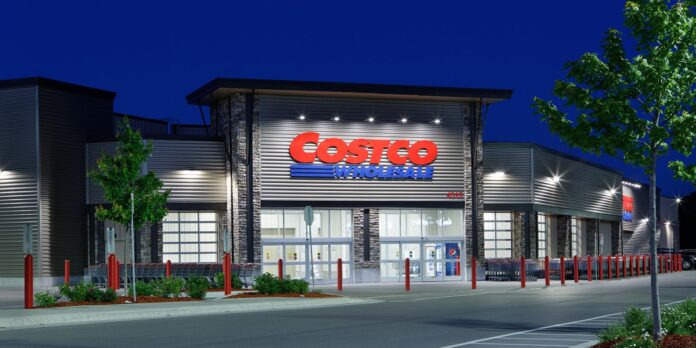
Costco is quietly building one of the most active retail expansion pipelines in Canada.
From Northwestern Ontario to Metro Vancouver, the membership-based retailer has warehouses under construction or in advanced planning across a growing list of communities, signalling confidence in the Canadian market at a time when many retailers are slowing expansion plans and reassessing their physical footprints.
Public records, municipal approvals, land transactions and construction activity point to at least 10 traditional warehouse projects in various stages of development across the country, alongside continued growth of Costco’s Business Centre format.
The projects suggest that Costco’s Canadian strategy is entering a new phase. After spending much of the past two decades establishing a presence in major metropolitan markets, the company is now pursuing a combination of suburban densification, regional expansion and additional capacity in communities where existing stores have become increasingly busy.
A Wave of New Openings Approaches
Several new Costco warehouses are expected to open before the end of 2026.
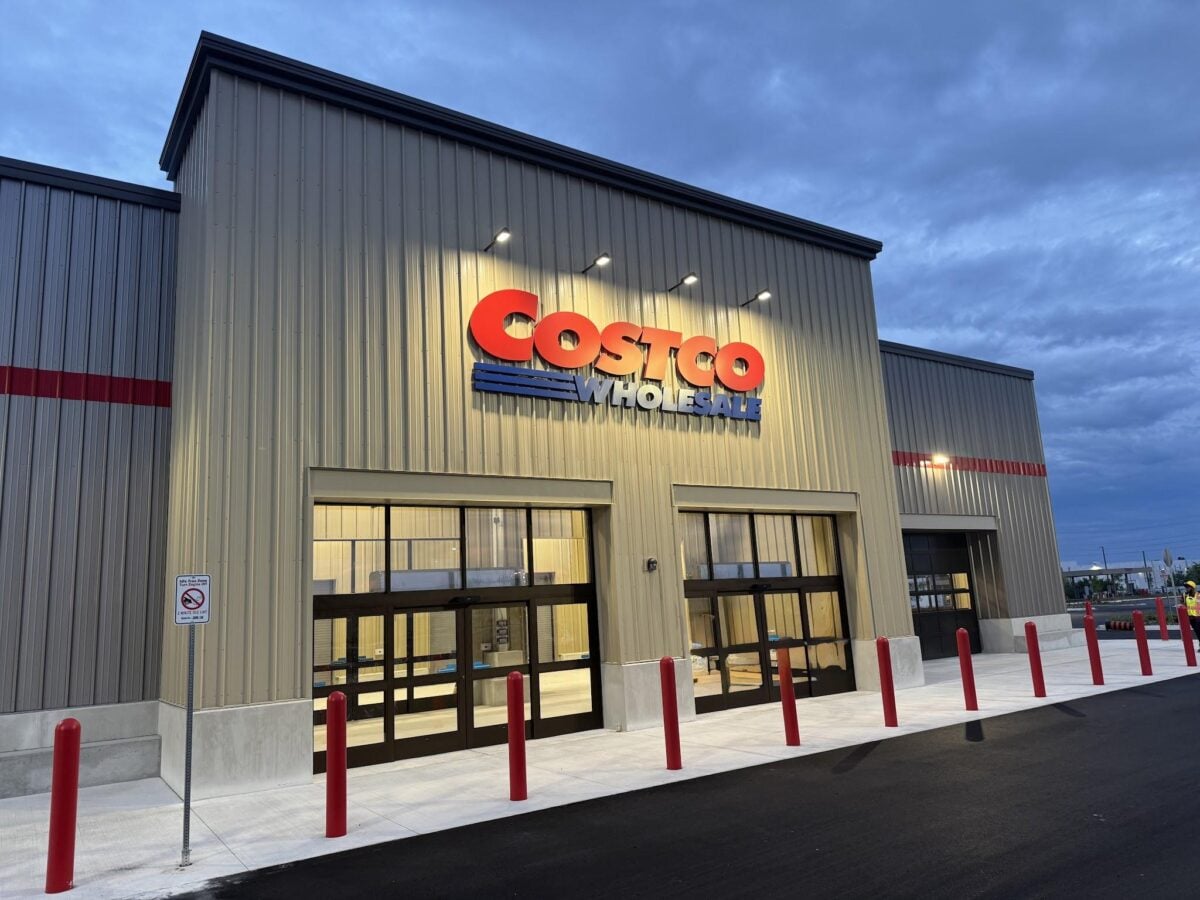
In Ontario, construction is underway on a new warehouse in Wasaga Beach, where the town issued a building permit in April and officials participated in a groundbreaking ceremony in June. The approximately 162,000-square-foot project represents a $50 million investment and is expected to create more than 370 jobs. The store will include a gas bar, tire centre and seasonal garden centre.
Another Ontario project is progressing in Windsor’s east end, where a second Costco warehouse is rising behind the Home Depot and Walmart complex off Tecumseh Road East. Construction has reached the structural steel stage and the developer is targeting a November opening.
Western Canada is also seeing significant activity. Construction is underway on Regina’s second Costco warehouse at 8701 Dewdney Avenue, where the store will anchor the new Horizons shopping district. In Alberta, a new Costco is being built at Bingham Crossing in Rocky View County west of Calgary, while another warehouse has received building permits and is now under construction at Manning Town Centre in northeast Edmonton (replacing a smaller store nearby).
Lloydminster is also preparing to welcome its first Costco warehouse. The approximately 160,000-square-foot project at 75 Avenue and 19 Street is expected to open in November and will serve a trade area that spans both Alberta and Saskatchewan, illustrating Costco’s willingness to pursue opportunities in mid-sized regional markets.
Costco’s Canadian Development Pipeline
Expected Openings in 2026
- Wasaga Beach, Ontario – Fall 2026
- Bingham Crossing (Rocky View County), Alberta – Late 2026
- East Windsor, Ontario – November 2026
- Lloydminster, Alberta/Saskatchewan – Mid-November 2026
- Regina West, Saskatchewan – Late 2026
Expected Openings in 2027
- Thunder Bay, Ontario – Mid-2027 (estimated)
- Halton Hills, Ontario – October/November 2027
- South Surrey, British Columbia – Late 2027
- Oakville/Burloak, Ontario – Fall 2027
Permitted / Timing to Be Announced
- Edmonton (Manning Town Centre), Alberta – Building permit issued April 2026/construction under way
- Caledon, Ontario – Advanced planning stage
Advanced Proposal
- West St. Paul, Manitoba – Timing to be determined
Timelines are based on public records, municipal approvals and local reporting and remain subject to change.
The 2027 Pipeline Takes Shape
Beyond the projects expected to open this year, Costco has assembled a substantial pipeline of future developments.
Thunder Bay appears poised to become the retailer’s next entirely new regional market. Costco acquired land near Golf Links Road, Central Avenue and Innovation Drive, and “Coming Soon” signage was erected on the property in late June. Local officials and industry observers expect the store could open sometime in 2027.
In the Greater Toronto Area, Halton Hills council recently approved a major retail development at Regional Road 25 and 5 Sideroad that will include a Costco warehouse. Earthworks are expected to begin this summer, with the developer targeting an opening in late 2027.
Another significant project is taking shape in Oakville, where Costco has secured approvals for a warehouse at 3471 Wyecroft Road. The approximately 168,590-square-foot store will feature a two-level parking arrangement with roughly 1,000 spaces and is now expected to open in fall 2027 following extensive infrastructure work.
In Metro Vancouver, Surrey has approved a 165,000-square-foot Costco warehouse and gas station on 33 acres at 1891-1947 164 Street in South Surrey. Construction of a new Highway 99 overpass and related road improvements is progressing nearby, with the infrastructure project and warehouse expected to be completed on similar timelines.
Additional projects remain in various stages of planning and permitting. Municipal files strongly suggest Costco is pursuing a warehouse at 12100 Creditview Road in Caledon, while reports from Manitoba point to a proposed Costco development in West St. Paul north of Winnipeg. Neither project has been formally announced by Costco.
Why These Markets?
The geographic spread of Costco’s expansion offers insight into the company’s evolving Canadian strategy.
Several projects are located in some of Canada’s fastest-growing communities, including South Surrey, Halton Hills, Caledon and Rocky View County. Population growth, residential development and rising household formation have created the customer base needed to support additional warehouses.
Other projects address longstanding gaps in Costco’s network.
Thunder Bay would provide the retailer with its first location in Northwestern Ontario, serving a trade area that extends far beyond the city itself. Lloydminster similarly offers access to a broad regional market spanning two provinces.
The company is also adding capacity in markets where existing stores have demonstrated strong demand. New warehouses in Windsor, Regina and Edmonton will provide additional shopping options in metropolitan areas that continue to grow and where existing Costco locations are often among the busiest retailers in their respective markets.
Business Centres Become a Second Growth Engine
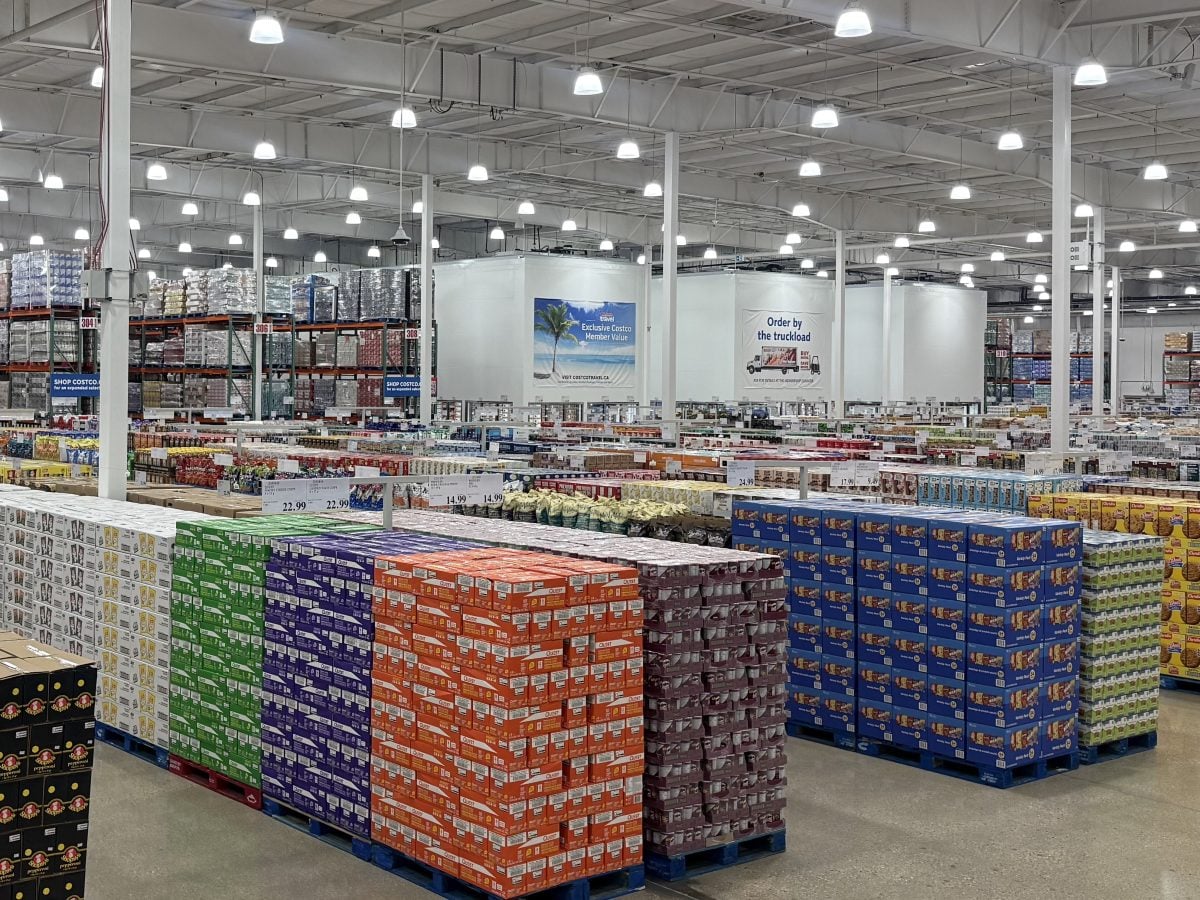
Costco is also continuing to expand its Business Centre division in Canada.
The company opened a Business Centre in New Westminster, British Columbia, in November 2025 and followed with a Winnipeg location in March 2026. The format caters primarily to restaurants, small businesses and institutional customers, offering a merchandise mix that differs from traditional Costco warehouses.
No additional Business Centre projects have been publicly confirmed, though industry observers continue to identify markets such as Calgary, Halifax and Quebec City as logical candidates for future expansion.
A Retail Giant Still Finding Room to Grow
Costco’s expansion pipeline demonstrates that the company still sees considerable opportunity in Canada despite already operating more than 110 locations nationwide.
The projects now underway suggest that the next phase of growth will be driven by a mix of strategies: entering underserved regional markets, deepening its presence in high-growth suburban corridors and adding capacity in metropolitan areas where demand remains strong.
At a time when many retailers are slowing store growth or rationalizing store networks, Costco is continuing to invest aggressively in bricks-and-mortar retail across Canada. If the current development pipeline is any indication, the retailer’s Canadian expansion story is far from over.