Home Blog Page 23

Product Photography Is Now a Volume Problem, Not a Craft Problem

A Toronto housewares retailer with roughly 300 SKUs joined a new marketplace last spring and found the listings wouldn’t go live without a clean shot on a plain background for every item. The photography on hand was good: warm, styled, shot on a walnut table with a linen runner. None of it qualified. The options were a four-figure reshoot or three weeks of someone in the office working through the catalogue by hand.

That scenario has become ordinary, and it points at a shift most merchandising teams have absorbed without ever naming. The problem is rarely that a retailer can’t produce a good photograph. It’s that every product now needs six versions of itself, and the sixth one is due tomorrow.

One Shot, Six Placements

A single kettle has to appear as a website hero, a marketplace thumbnail sitting on white, a 4:5 paid social creative, a 9:16 vertical for reels and stories, an email header cropped to a wide letterbox, and increasingly a tile on a retail media network with its own text safe area. Each has a different aspect ratio, a different amount of breathing room, and different rules about what may sit behind the product.

A photographer delivers the hero. Everything after that is derivative work: recrop, extend the background, remove the styling props that read as clutter at small sizes, lift the shadow so the product doesn’t vanish against a dark interface. None of it is creative work in the sense a photographer would recognize, and all of it takes time.

Multiply by a catalogue and the shape of the problem changes. Two hundred products across six placements is twelve hundred assets, refreshed at least seasonally.

Where the Work Moved Inside

Very few retailers made a formal decision to bring image production in-house. It happened by drift. Someone in merchandising started cleaning up phone photos between other tasks, the results were good enough for a marketplace tile, and the shoot budget went unspent for a quarter.

Pixelcut is an AI photo editor that handles background removal, object removal, upscaling and batch resizing from a phone. That combination made the drift easy, because isolating a product from a cluttered stockroom shot stopped requiring any knowledge of what a layer mask is. The skill floor dropped far enough that a category manager could produce in ten minutes what used to arrive on an invoice as retouching.

Which is mostly good news, and creates a different problem. Work that used to be governed by a brief and executed by one retoucher is now distributed across whoever has an afternoon free.

What a Studio Day Actually Buys You

A studio day buys direction and consistency: one lighting setup, one point of view, one set of decisions applied across everything shot that day. That is genuinely valuable, and it is not what most retailers are short of.

What a studio day does not buy is the long tail. The line extension that arrives in August, three weeks after the shoot. The colourway a supplier added late. The single item reshot because the sample had a scuff on it. Photography books in blocks; merchandising moves continuously, and the gap between those two rhythms is where the work piles up.

The Consistency Problem Nobody Budgets For

Three hundred images edited by four people over eight months produce four visual dialects. One person crops tight, another leaves a generous margin. One keeps a soft contact shadow, another cuts it away entirely. One nudges the white point warm because it looked better on their monitor.

Individually, every image is fine. Viewed as a category page, the grid reads as untidy, and untidy reads as unserious. This is not a talent problem or a tooling problem. It’s a specification problem, and specifications are the thing nobody gets assigned.

The Cost of a Flattering Angle

Editing tools make it trivially easy to push saturation, and colour is where that gets expensive. A sofa that reads charcoal on a phone and mushrooms in a living room comes back, and the return costs more than the sale earned. The temptation to make a product look its best is the same temptation that fills the returns bay.

Marketplace Standards Set the Floor, Not the Ceiling

Marketplace image requirements are minimums: plain background on the main image, product filling a reasonable share of the frame, no promotional text overlaid, resolution high enough to support zoom. Clearing them makes a listing eligible rather than persuasive, and a surprising number of retailers treat compliance as the finish line.

Online Is a Smaller Slice Than the Category Assumes

Here is the number that should shape how any of this gets funded. Retail e-commerce sales came to roughly $5.0 billion in May against $73.7 billion in total retail trade, which works out to 6.8 per cent of the sector, down from 7.0 per cent in April on a seasonally adjusted basis. Those are Statistics Canada’s figures, and the share has been stubbornly flat rather than climbing.

Read carelessly, that argues for spending less on imagery. Read properly, it argues close to the opposite. If online is a small and slow-growing share of trade, then image assets can’t be justified by webstore conversion alone. They have to earn their cost across in-store screens, flyers, wholesale line sheets, retail media placements and marketplace listings, which is precisely the multi-surface demand that broke the old studio model in the first place.

It also punctures a planning assumption that turns up in a lot of decks. Teams that budgeted on the belief that Canadian online share would drift up toward eight or ten per cent have been planning against a number the data has not delivered.

Who Should Own the Image Pipeline

Someone has to own it by name. The workable arrangement in practice is a single owner, usually in merchandising rather than marketing, holding a short written specification: background treatment, crop margin, shadow style, white point reference, and a list of which assets go to a photographer versus which get produced internally.

The specification does not need to be long. It needs to exist somewhere other than in one person’s head, because the person who has been doing the edits will eventually be on vacation during a launch.

The Test Is Whether the Product Arrives Looking the Same

A useful audit is to order three items from your own store and unbox them next to the listing images on a phone. Colour, scale, finish, the way light sits on the surface. Wherever they diverge, that’s the gap between what the imagery promised and what the warehouse shipped, and it shows up later as a return, a review, or a customer who doesn’t come back. Everything else in the pipeline is downstream of getting that one comparison right.

The Search Bar Is the New Storefront Window: How Local Search Is Redrawing Canadian Retail

Canadian retailers spent decades perfecting the storefront — the window display, the signage, the location on the right side of the street. In 2026, the first storefront most shoppers see is a search results page. Before a customer walks into a boutique on Ossington, a garden centre in Surrey or a menswear shop in Calgary’s Kensington, the overwhelming odds are that she searched first: for the product, the category or simply “near me.” Local SEO for retailers — the discipline of making a physical store visible in those searches — has quietly become as consequential as lease negotiations, and far less understood. “Retailers still obsess over foot traffic as if it starts at the sidewalk,” says Mike Chrest, founder of MRC SEO Consulting, an Alberta-based firm that works with brick-and-mortar businesses on local search visibility. “It doesn’t anymore. Foot traffic starts on a phone screen, usually within a few kilometres of the store, and the retailers who win that screen are pulling customers away from the ones who ignore it.”

The shift is measurable. Google has reported for years that searches containing “near me” and “where to buy” have grown by triple digits, and that a large majority of smartphone users who search for something nearby visit a store within a day. Industry analyses consistently place the share of retail purchases that are researched online — even when the sale ultimately happens in person — well above three quarters. For a sector fighting for margins against e-commerce giants, that in-person sale increasingly begins, or dies, in local search results.

“Near me” is rewriting retail foot traffic

The economics of retail have always been about location, and in a sense nothing has changed — except that “location” now has a digital coordinate. When a shopper in Mississauga searches “running shoes near me,” Google assembles a hyper-local shortlist in milliseconds: three stores in the Map Pack, their ratings, their hours, whether they’re open right now. The store that appears owns the visit. The store that doesn’t was never considered.

What makes this shift so easy for retail leadership to underestimate is that it is invisible in traditional metrics. A location with declining walk-ins looks like a neighbourhood problem, a merchandising problem or a macro problem. Very often it is a visibility problem: a competitor two blocks away has a complete, active Google Business Profile with 400 recent reviews, and the underperforming store has an unclaimed listing with the wrong holiday hours. Nothing about the physical trade area changed. The digital trade area was conceded.

The pattern repeats across the country, from suburban power centres to urban high streets. Retail Insider’s own coverage of store openings and closures tells the physical story; the parallel story is that every one of those trade areas is also a contested search market, and the contest is won or lost long before a shopper reaches the door.

Research online, buy in store: the funnel nobody owns

Retailers have a name for the dominant shopping pattern of the decade — ROPO, research online, purchase offline — but surprisingly few have operationalized it. The shopper who buys a $300 jacket in person has typically already compared brands, checked availability, read reviews and confirmed the store’s hours online. Every one of those touchpoints is a moment where a retailer can win or lose the visit.

This is where local search differs fundamentally from e-commerce marketing. The goal is not to close a transaction in the browser; it is to remove every reason not to come in. Is the product in stock? Is the store open tonight? Is parking easy? Do other customers vouch for the service? A retailer whose digital presence answers all four questions converts research into a visit. A retailer whose presence answers none of them sends that shopper — often literally — to the competitor pinned beside them on the map.

“The most expensive words in retail search are ‘information unavailable,'” Chrest observes. “When a listing can’t tell a shopper whether the store is open or whether the item is on the shelf, the shopper doesn’t give the store the benefit of the doubt. They tap the next result. We’ve audited retailers spending six figures on brand advertising while their own store listings showed wrong hours in half their locations.”

The Google Business Profile is the digital flagship

For a single-location boutique or a national chain, the Google Business Profile has become the most-viewed piece of digital real estate the company owns — frequently seen by more local shoppers in a month than the brand’s website. It is also, in most organizations, an orphan: too tactical for the marketing department, too digital for store operations.

Treating the profile as a flagship changes the checklist. Categories must be precise, because they determine which searches a store can appear for at all. Photos need to be current and abundant — interiors, product walls, seasonal displays — because shoppers use them the way they once used window displays. Hours must be flawless, including statutory holidays, because a single “closed when listed open” experience produces the angriest class of one-star review. Products and services should be populated, posts kept active, and the questions shoppers ask publicly answered by the brand rather than by strangers guessing.

For multi-location retailers the challenge compounds: fifty stores means fifty profiles, each a local ranking contest in its own trade area. Chains that centralize listings management without local input tend to produce technically consistent but lifeless profiles; chains that leave it to store managers get enthusiasm and chaos. The retailers doing this well run a hybrid — centralized data governance for name, address, phone and hours, local contribution for photos and community texture.

The most powerful recent development in retail search is the surfacing of live, store-level inventory. Through local inventory feeds and see-what’s-in-store integrations, Google can now show a shopper not just that a store exists nearby, but that the specific item she wants is on the shelf right now. For categories under siege from e-commerce — electronics, sporting goods, toys, apparel — this is the strongest possible counterpunch: immediacy. No courier can beat “available today, 1.4 kilometres away.”

Canadian adoption remains uneven, which is precisely the opportunity. Retailers that connect their point-of-sale or inventory systems to their listings gain a visibility layer most local competitors simply do not have. The technical lift is real but modest compared with almost any other omnichannel initiative, and the payoff lands on the highest-intent shoppers in the funnel: people actively searching for a product they intend to buy today.

Reviews are the new mystery shopper — and the new merchandiser

Retail has always lived and died by word of mouth; reviews industrialized it. Survey after survey shows the vast majority of consumers read reviews before visiting a local business and trust them at nearly the level of personal recommendations. In ranking terms, review volume, recency and rating all feed a store’s prominence in local results. In conversion terms, the review panel is often the deciding screen a shopper reads before choosing between two stores on the map.

Less appreciated is what reviews do for relevance. When customers repeatedly mention “wide sizes,” “vinyl selection” or “knowledgeable staff,” those phrases become independent evidence of what the store offers — search-relevant language no brand copywriter can plant. Smart retailers mine their reviews for exactly this: the vocabulary customers actually use, which then informs everything from listing descriptions to in-store signage.

The operational playbook is unglamorous discipline: ask at the till or in the post-purchase email, make the link one tap, respond to everything, and never manufacture reviews — Google’s filters have grown ruthless, and a purge can vaporize years of accumulated social proof at the exact moment a retailer needs it.

AI shopping assistants are compressing discovery

Layered over all of this is the fastest-moving change in consumer behaviour: shoppers asking AI systems for recommendations. AI Overviews now top many Canadian retail searches, and a growing cohort of consumers asks assistants directly — “where should I buy a quality winter parka in Ottawa?” — receiving a synthesized shortlist instead of ten blue links.

These systems assemble their answers from the same raw material as traditional local search: business profiles, review corpora, structured data, authoritative mentions in publications. They are conservative by design, favouring retailers with deep, consistent, verifiable digital footprints. The practical takeaway for retail leadership is that AI discovery is not a separate channel requiring a separate strategy; it is a magnifier of the local search fundamentals a retailer either has or lacks. Stores invisible in the Map Pack tend to be invisible to the assistants, too, and for the same reasons.

Local SEO for retailers is not e-commerce SEO

Part of the reason retail organizations under-invest here is a category error: the assumption that search visibility is the e-commerce team’s file. The two disciplines share a search engine and almost nothing else.

E-commerce SEO competes nationally for transactional product queries, wins clicks and closes sales in the browser. Local SEO for retailers competes within a trade area measured in kilometres, wins map placements and profile views, and closes its sales at a cash register the analytics platform never sees. The ranking inputs differ accordingly: proximity to the searcher, the health of each location’s Business Profile, review depth per store, and the consistency of the brand’s name, address and phone data across the local web — signals an e-commerce team has no mandate to touch, and rightly so.

The org-chart consequence is that local search visibility routinely belongs to no one. Marketing owns the brand site, operations owns the stores, and the fifty Business Profiles in between are updated by whoever last remembered they exist. The retailers that treat local visibility as a named function — with an owner, a budget line and store-level metrics — are competing in a different league from those that treat it as an occasional cleanup project.

The measurement gap feeds the neglect. Store-visit attribution is genuinely harder than e-commerce attribution, but “harder” has quietly become “ignored,” and what goes unmeasured goes unfunded. The pragmatic fix is directional rather than perfect: profile views, direction requests and calls per location, tracked monthly against rankings in each trade area, correlated with the traffic counters most retailers already run at the door. The retailers doing this consistently report the same discovery — local search is usually their cheapest incremental store visit, precisely because so few competitors in the trade area are managing it deliberately. In secondary markets and suburban nodes across Canada, whole categories remain effectively unclaimed: no store in the trade area has more than a skeleton profile, and the first retailer to invest seriously inherits the Map Pack almost by default.

What Canadian retailers should do before the holiday quarter

The encouraging news is that retail local search rewards operational competence, and retailers are operators. The foundation can be audited and largely rebuilt in a quarter: claim and complete every location’s Business Profile under exact, consistent naming; fix name-address-phone consistency across every directory, map platform and social profile; build a location page on the brand site for every store, with unique content about that store’s team, stock focus and community, rather than a templated address block; connect inventory data to listings where the point-of-sale system allows it; stand up a review generation and response program with store-level accountability; and instrument everything — profile views, direction requests, calls, and the search terms shoppers actually use to find each location.

Timing matters. Local signals compound over months, not days, and the ranking positions a retailer holds in November are earned in the summer and early fall. A visibility project that starts after Thanksgiving is a project for next year.

The bottom line

Canadian retail’s defining battle of this decade is not online versus offline — shoppers ended that debate themselves by blending the two. The battle is over who controls the moment of local discovery: the shrinking strip of screen where a shopper with money and intent chooses which nearby store earns the visit. That strip — three map listings, a review score, an AI-generated sentence or two — is the new prime frontage. Retailers fought for a century over corner lots and anchor positions. The same fight has moved to the search results page, the rents are paid in operational discipline rather than dollars per square foot, and the lease terms favour whoever shows up first.

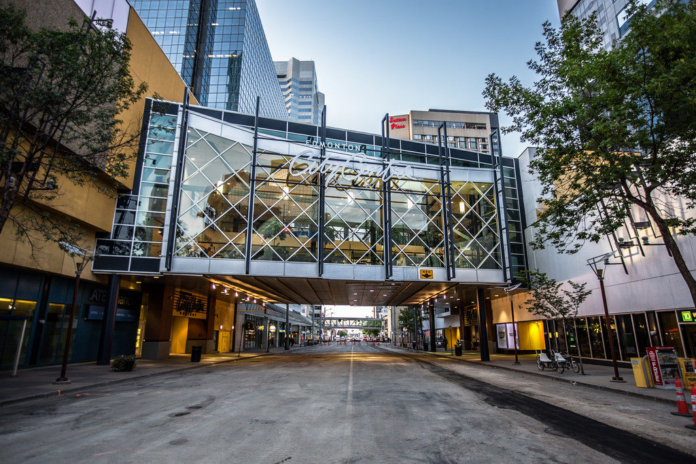
Westrich to Acquire and Redevelop Edmonton City Centre

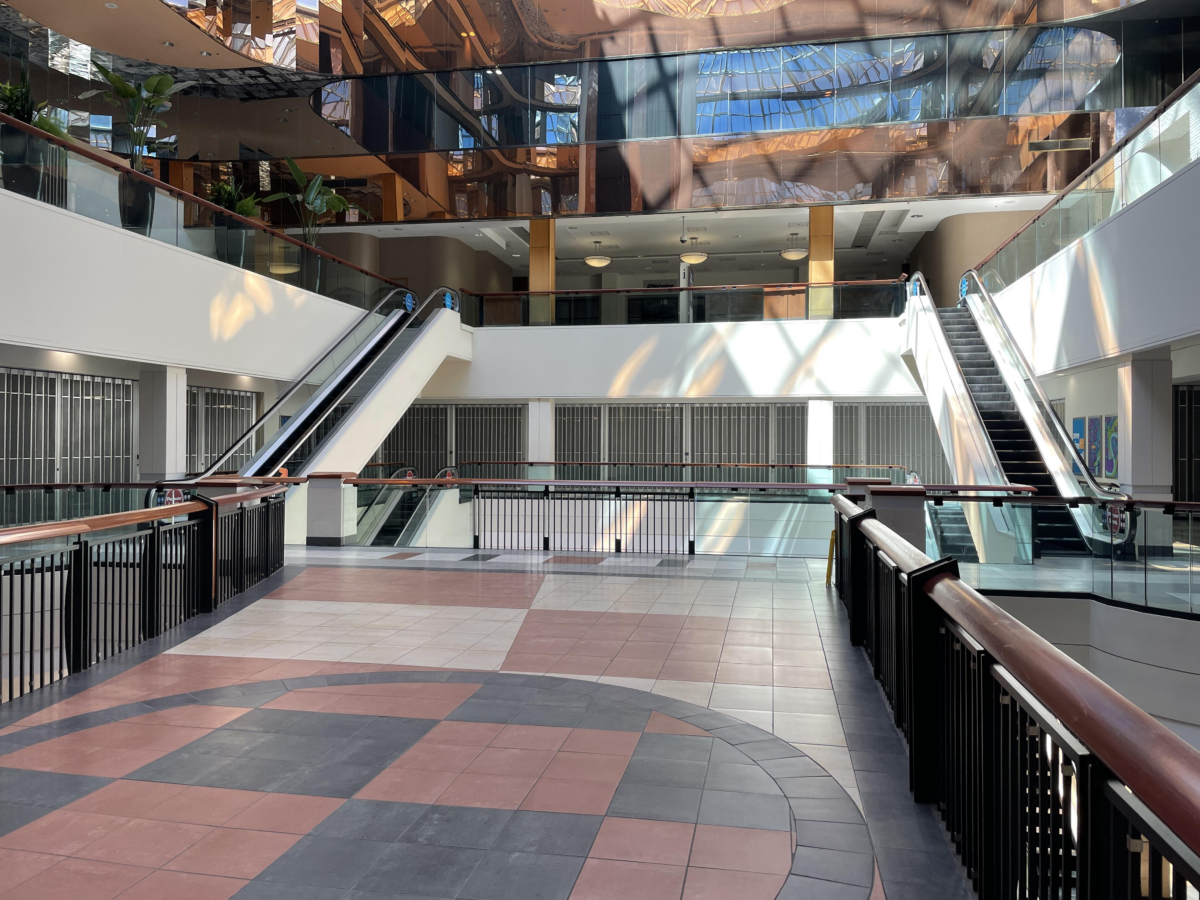
Photo: Edmonton City Centre

Edmonton-based Westrich Pacific has received court approval to acquire Edmonton City Centre, setting the stage for a major redevelopment of the downtown property that is expected to begin with approximately 1,500 residential units on the former Hudson’s Bay portion of the site.

The Alberta Court of King’s Bench approved the sale on August 7, with the transaction expected to close before the end of 2026. Westrich plans to begin major construction on the first phase in early 2027, subject to required approvals.

The first phase is expected to include the residential units along with new street-fronting retail, a redesigned exterior and a rooftop Nordic spa. Future phases are envisioned to bring additional retail, entertainment, wellness and experiential uses to Edmonton City Centre, along with a new exterior treatment for the mall and LED displays.

Westrich is now advancing development permit drawings and detailed planning for the redevelopment. The company has not yet disclosed the configuration of the residential component, including the number or height of buildings, housing tenure or the extent to which existing structures would be retained, altered or replaced.

A 1.4-Million-Square-Foot Downtown Complex

Edmonton City Centre encompasses approximately 1.4 million square feet across about 10 acres in the heart of Downtown Edmonton. The property includes Edmonton City Centre West, Edmonton City Centre East, Centre Point Place, TD Tower, 102A Tower and multiple parking facilities.

The shopping centre itself has historically been described as comprising more than 725,000 square feet, while the broader complex contains a substantial office component. Westrich says the property includes approximately 2,567 underground and covered parking stalls.

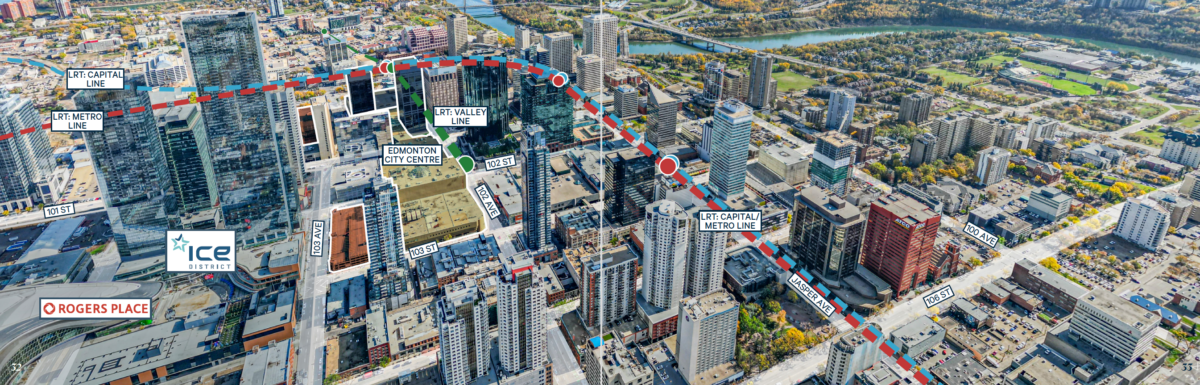
Edmonton City Centre is also integrated into the downtown transit and pedestrian network, with connections to the Metro and Capital LRT lines through Churchill Station and the Valley Line Southeast through the 102 Street stop. Pedway connections link the property with other parts of Edmonton’s financial core.

Former Hudson’s Bay Site Becomes Starting Point

The first phase is planned for the former Hudson’s Bay portion of Edmonton City Centre, connecting the proposed residential development to one of the most significant vacancies in the property’s recent history.

Hudson’s Bay occupied approximately 168,000 square feet at Edmonton City Centre before closing its downtown location in 2021. Its departure removed the shopping centre’s last traditional department store anchor and left a substantial amount of space requiring a new long-term use.

Westrich has not yet disclosed how the approximately 1,500 residential units will be configured on that portion of the property. Development permit drawings are now being advanced, leaving questions around building heights, demolition, adaptive reuse and the relationship between the residential development and existing mall structures to be answered as planning progresses.

Years of Change at Edmonton City Centre

Edmonton City Centre has evolved through several generations of downtown retail development. Its history includes Edmonton Centre, which opened in the 1970s, and Eaton Centre, which followed in the 1980s. The properties were subsequently combined under the Edmonton City Centre name.

Oxford Properties undertook a major modernization during the mid-2010s, including changes to the food court, retail configuration and parking. The broader property was sold in 2019 in a transaction later disclosed through court materials to have involved a purchase price of approximately $311.5 million. LaSalle Canada Property Fund led the ownership group, with financing provided in part by Otéra Capital.

Major tenant departures followed. Hudson’s Bay announced in 2020 that it would close its downtown Edmonton store and exited the following year. Sport Chek and Atmosphere subsequently left Edmonton City Centre in 2023 after declining to renew their leases. Women’s retailer Talbots, which opened its Edmonton store in 1991, is not expected to renew its lease next year according to sources.

The centre has continued to operate with retailers and businesses including Winners, Landmark Cinemas, Shoppers Drug Mart and Dollarama, among other tenants. The anchor departures nevertheless left large spaces requiring new uses as downtown shopping and work patterns were also changing.

Aerial view of downtown Edmonton, via CBRE

Property Entered Receivership in 2025

Edmonton City Centre Inc. was placed into receivership in July 2025 following an application by secured lender Otéra Capital, with PricewaterhouseCoopers Inc. appointed as receiver.

Court materials show that Otéra provided financing connected to the 2019 acquisition, including a $128.5-million acquisition loan and a capital expenditure and leasing facility of up to $27 million. Required payments were not made beginning in late 2024, and approximately $139.5 million was owed to Otéra by June 2025 before additional interest, expenses and costs.

Westrich Management Ltd., or its nominee, entered into a purchase and sale agreement for Edmonton City Centre on July 20, 2026. PwC subsequently sought court approval for the transaction, which was granted August 7.

The purchase price has not been publicly disclosed, with portions of the sale materials remaining confidential pending completion of the transaction. Closing is expected before the end of 2026.

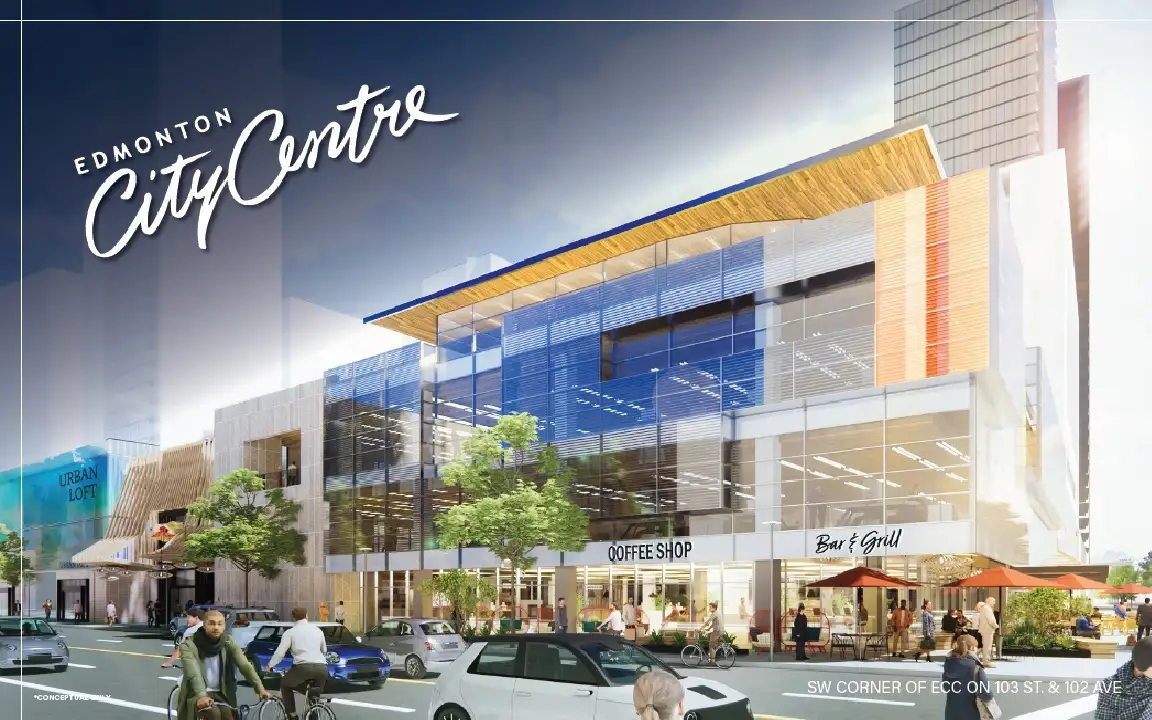
2021 rendering of redevelopment plans for Edmonton City Centre (since changed)

1,500 Homes Could Add to Downtown Customer Base

The proposed residential development comes as Edmonton works to increase the number of people living in its downtown core. Nearly 13,000 people currently live downtown, according to the City of Edmonton, while the area has a much larger daytime population of workers, students and visitors. Increasing the residential population has become an important part of efforts to create more activity outside conventional working hours and support businesses throughout the week.

Adding approximately 1,500 homes at Edmonton City Centre would increase the residential base immediately within one of downtown’s largest commercial properties. Those households could provide regular customers for restaurants, retailers, personal services, entertainment and wellness businesses at Edmonton City Centre and elsewhere nearby.

That customer base could be particularly relevant during mornings, evenings and weekends, when businesses that depend heavily on commuters and office workers can experience lower traffic.

Restaurant Closures Highlight Downtown Challenges

The redevelopment is being proposed during a difficult period for some Downtown Edmonton businesses. A series of restaurants closed during June and July 2026, including Greta, Bündok, PlayWright, Khazana and kb&co.

Operators and downtown business organizations have pointed to several pressures rather than a single cause, including construction disruption, reduced foot traffic, accessibility and parking challenges, public-safety concerns, hybrid office work and higher operating costs.

The Edmonton Chamber of Commerce said in July that nearly 20 businesses had closed in the core during 2026 and called for action on construction coordination, accessibility, public spaces and safety. The Downtown Revitalization Coalition has similarly raised concerns about conditions affecting businesses downtown.

The closures are only one part of the downtown economy. Established businesses continue to operate, investment is taking place and parts of the commercial real estate market have recently shown improvement. The restaurant losses have nevertheless renewed discussion about how Downtown Edmonton can generate more consistent foot traffic and support businesses outside the weekday office cycle.

Downtown Edmonton. Photo: City of Edmonton

Street-Fronting Retail and New Uses

Westrich’s plans would combine the new residential population with a broader commercial mix at Edmonton City Centre. Existing offices would continue to contribute daytime traffic, while entertainment and wellness uses could attract visitors during evenings and weekends.

Street-fronting retail is another notable component. Edmonton City Centre has historically been oriented heavily toward interior mall corridors and the downtown pedway network. Creating additional commercial spaces facing surrounding streets would establish more direct connections between businesses in the property and pedestrian activity outside.

The proposed Nordic spa would add a destination wellness component, while future phases are also expected to include entertainment and other experiential uses. Together with the residential development, the plans would create several different sources of activity within a property that has historically been centred primarily on retail and offices.

Westrich Has Deep Edmonton Residential Experience

Westrich Pacific is an Edmonton-based multifamily and mixed-use developer with experience building residential projects in and around the downtown core. Its portfolio includes high-rise developments such as Ultima and Encore, along with other condominium and rental projects.

The company continues to pursue residential development elsewhere in Edmonton. Its Grandin City plans, for example, have included multiple residential towers, while other current projects include multifamily developments in different parts of the city.

Westrich has also expanded into consumer-facing businesses. The company holds the Canadian development rights for Los Angeles-founded restaurant concept Eggslut and is overseeing the brand’s expansion into Canada.

At Edmonton City Centre, however, the scale is considerably larger. Approximately 1,500 residential units are contemplated in the first phase alone, within a property that also contains hundreds of thousands of square feet of retail and office space.

Youtube video

Downtown Edmonton Presents a Mixed Picture

The restaurant closures and concerns raised by downtown business operators come alongside more positive indicators elsewhere in the core.

Parts of Edmonton’s office market have recently shown improvement, including declining sublease availability, while residential development and public investment continue. Efforts to increase the number of people living downtown are also intended to create a more consistent population supporting businesses, public spaces and amenities throughout the week.

Edmonton City Centre sits at the intersection of many of those issues. It contains a large retail component, office space, extensive parking and direct transit connections, while Westrich is now proposing to add a substantial residential population and new destination uses.

Edmonton Mayor Andrew Knack said the investment represents a sign of confidence in downtown.

“This investment by Westrich is a strong sign of the revitalization we are seeing in our downtown core,” Knack said. “Westrich has a proven track record of getting projects built and bringing more people into the heart of the city.”

Major Details Still to Come

Several important elements of the redevelopment have not yet been disclosed, including the acquisition price, total development cost, configuration and height of the residential buildings, housing tenure, extent of demolition or structural changes, and the eventual amount of retail space within Edmonton City Centre.

Westrich has also not identified the operator of the proposed Nordic spa or specific entertainment and wellness concepts being considered for later phases. More information is expected as development permit drawings and detailed planning advance.

Subject to required approvals, Westrich expects major construction on the first phase to begin in early 2027, with subsequent phases proceeding as market conditions permit. The transaction itself is expected to close before the end of 2026.

More from Retail Insider:

Pet Valu raises more than $2.6M for animal causes during annual campaign

Pet Valu photo
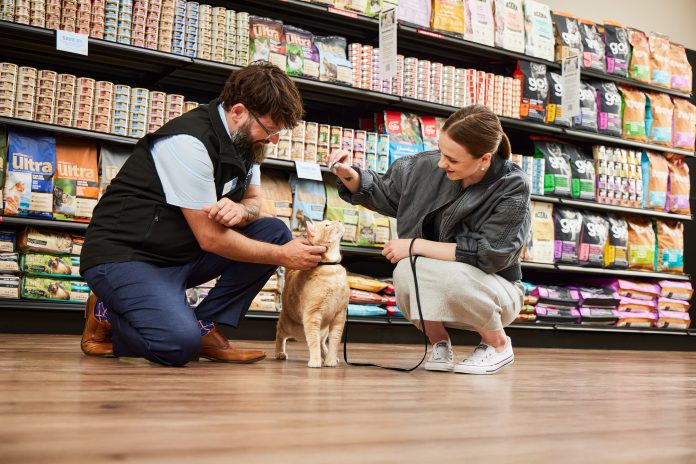
Photo: Pet Valu

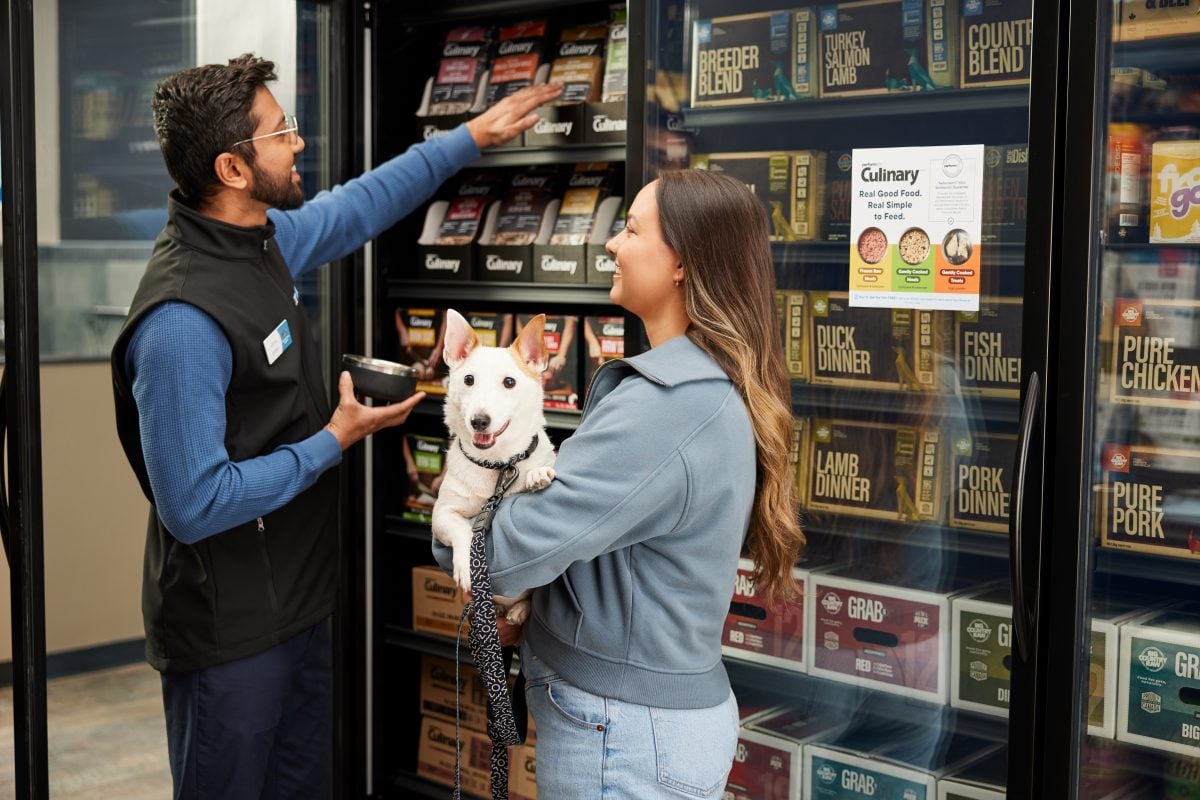
Pet Valu says its annual Pet Appreciation Month campaign raised more than $2.6 million in monetary and product donations this year for more than 500 animal-related causes across Canada, surpassing the company’s previous record by $400,000.

The donations were collected during the company’s June campaign, with all proceeds directed to local animal rescues and other designated causes at participating stores.

Record donations

Pet Valu said the 2026 campaign was its most successful since Pet Appreciation Month began in 2011. The previous record was set in 2024.

“We are deeply touched by the generosity of our devoted pet lovers who stepped up at a time when so many Canadian animal rescues, shelters and charities need essential funds and products,” said Greg Ramier, CEO at Pet Valu. “We established Pet Appreciation Month in 2011 to provide much needed support for local animal organizations doing invaluable work to help pets in need in the communities in which we operate. We are very proud that Pet Appreciation Month is now the largest of Pet Valu’s Companions for Change annual initiatives and that this year’s donations exceeded all previous years.”

During the month-long campaign, customers at each of Pet Valu’s more than 700 stores outside Quebec could purchase a paper PAW for a donation amount or contribute a product of their choosing.

The company said 100 per cent of donations go to the local rescue or cause designated by each store.

Since the campaign began, Pet Appreciation Month has generated more than $21.6 million in monetary and product donations, according to the company.

Adoption efforts

The June campaign also included National Adoption Weekends at select Pet Valu stores, where participating locations hosted adoptable pets along with volunteers and rescue staff.

Pet Valu said more than 1,000 pets found homes during adoption events in June this year. Over the years, the company’s National Adoption Weekends have helped more than 54,000 pets find homes.

The campaign’s latest results come as Pet Valu marks 50 years since opening its first store in Toronto.

“Pet Valu opened its first store in Toronto 50 years ago, and this year we’re celebrating the memories, connections and joy we’ve shared with pets and their devoted owners ever since,” said Ramier. “Our exceptional Pet Appreciation Month results during this milestone year give us even more reason to celebrate the pet lovers we share memorable moments with every day.”

Pet Valu operations

Pet Valu has more than 800 corporate-owned or franchised locations across Canada and is headquartered in Markham, Ont. The company operates distribution centres in Brampton, Ont., Surrey, B.C., and Calgary, Alta.

The company says it offers more than 10,000 products through its stores and digital platform, including proprietary brands and other pet food and pet-related supplies.

More from Retail Insider:

Daily Synopsis: Aug 10, 2026

Welcome to the Daily Synopsis by Retail Insider. We hope you enjoy the 8 articles we published covering key developments in Canadian retail.

Jollibee plans a major Canadian expansion by adding 26 new franchised locations primarily in British Columbia and Edmonton. Vancouver’s retail market remains strong with resilience noted by Colliers through declining vacancy and rising sales plus opportunities from the FIFA World Cup tourism.

Canadian menswear brand HANK. opened its first stores in Ontario focusing on quality and exclusivity. Lindt launched its first Banff outlet targeting tourists with premium chocolate and a café experience. Retail hiring rebounds unevenly with gains in frontline roles amid talent challenges. Other coverage includes marketing lessons from the FIFA World Cup emphasizing authentic engagement.

🗞️ The Day’s Retail Insider Article List

🌐 Canadian Retail News From Around the Web

Jollibee Plans Major Canadian Expansion as 26 New Restaurants Committed Through Franchising

Jollibee in Winnipeg (Image: Jollibee)

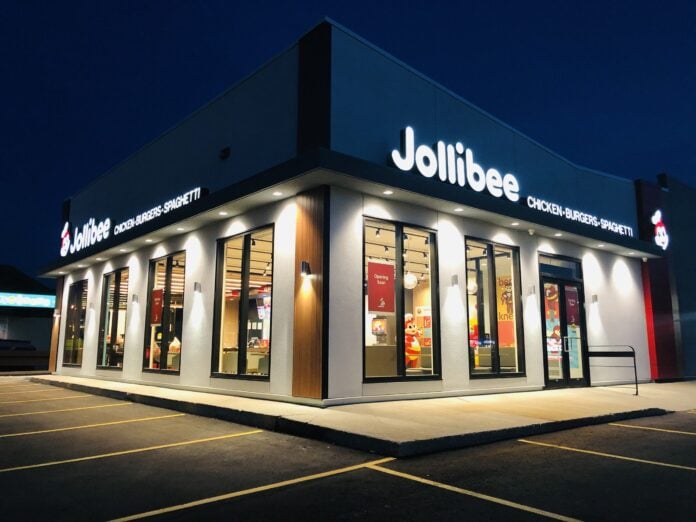
Jollibee is preparing for one of its largest periods of Canadian expansion since entering the country a decade ago, with 26 new restaurants committed through franchise development agreements in Western Canada.

The fast-food chain has entered into a multi-unit development agreement for 16 restaurants in British Columbia over the next five years, up from four Jollibee locations currently operating in the province. The agreement follows a separate commitment for 10 restaurants in the Edmonton market.

Together, the two agreements almost match Jollibee’s existing network of 28 company-operated locations across Canada. If all of the committed restaurants are developed and the existing network remains in place, the Canadian footprint would increase to at least 54 locations.

After spending much of its first decade in Canada building a company-operated network, Jollibee is now using experienced multi-unit franchise operators to accelerate development.

British Columbia Set for Major Jollibee Expansion

The British Columbia agreement was signed through JBM LLC, the Jollibee entity responsible for the company’s North American franchise program, with an experienced multi-brand food retail operator. The identity of the franchise operator has not been publicly disclosed.

Jollibee currently operates four restaurants in British Columbia, with two in Vancouver and two in Surrey. If all 16 restaurants included in the agreement are developed, the provincial network could eventually reach 20 locations.

Specific cities and sites have not been announced, leaving open how much of the development will be concentrated in Metro Vancouver and how broadly the chain could expand across the province.

Jollibee opened its first Vancouver restaurant in 2022. Its subsequent expansion included a location at Strawberry Hill in Surrey that became Jollibee’s 100th North American restaurant when it opened in early 2024.

“Canada continues to be an attractive growth market for Jollibee, supported by strong consumer demand, strong brand relevance, and increasing interest from experienced franchise operators,” said Richard Shin, Jollibee Group Chief Financial and Risk Officer and Jollibee Group International Chief Executive Officer.

“This latest agreement reflects the growing appeal of the Jollibee brand and our confidence in the long-term opportunity in Canada,” Shin added. “As we continue to expand through disciplined franchising, we remain focused on partnering with operators who share our commitment to operational excellence, sustainable growth, and building scale in priority markets.”

Edmonton Agreement Adds Another 10 Restaurants

Jollibee previously entered into a multi-unit development agreement for 10 restaurants in the Edmonton market, where the brand is already established.

The chain currently operates four restaurants in Edmonton. Alberta has eight locations overall, including three in Calgary and one in Red Deer, making it Jollibee’s second-largest provincial market after Ontario.

Individual locations and opening schedules for the 10 additional restaurants have not been disclosed. The commitment could substantially increase Jollibee’s presence in the Edmonton market, depending on where within the development territory the restaurants are located.

The Edmonton and B.C. agreements also illustrate the scale possible under the franchise model. Sixteen planned restaurants in B.C. compare with four currently operating across the province, while Edmonton has 10 additional restaurants committed against an existing base of four in the city.

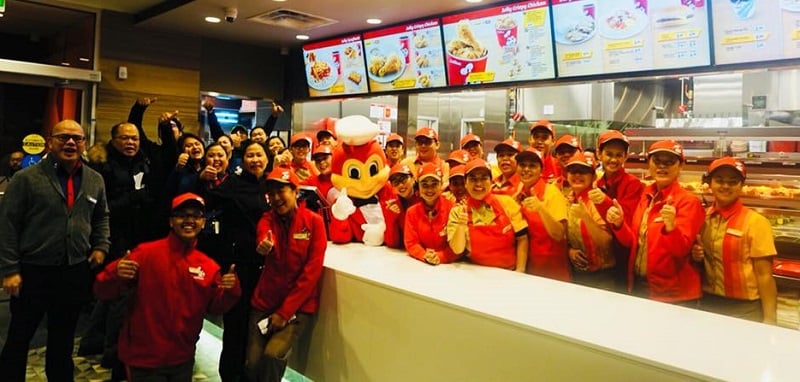
JOLLIBEE MASCOT PHOTO: JOLLIBEE CANADA FACEBOOK

Canadian Network Could Nearly Double

Jollibee currently operates 28 restaurants across five provinces. Ontario is its largest Canadian market with 12 locations, followed by Alberta with eight, British Columbia with four, Manitoba with three and Saskatchewan with one. The chain does not currently operate restaurants in Quebec or Atlantic Canada.

The 26 restaurants covered by the two Western Canadian development agreements are equivalent to approximately 93 per cent of Jollibee’s existing Canadian footprint.

Multi-unit development agreements establish commitments to open restaurants over time, while individual projects remain subject to site selection, approvals, construction and other development considerations.

Jollibee spent roughly its first decade in Canada building a 28-location company-operated network. It has now secured commitments for almost the same number of additional restaurants through two franchise development agreements.

Franchising Opens a New Growth Phase

Jollibee historically relied on company-operated restaurants while establishing the brand in the United States and Canada. It later created JBM LLC to support a larger North American franchising strategy and began recruiting experienced restaurant operators capable of developing multiple locations.

By the end of 2025, Jollibee was describing its North American strategy as a transition from a strictly company-owned model toward a hybrid structure combining corporate and franchised restaurants.

Working with multi-unit operators gives Jollibee another way to build density in existing markets and enter new ones without relying exclusively on company-operated development. The company has emphasized that it is seeking franchise partners with substantial restaurant operating and multi-unit development experience.

The relatively small size of Jollibee’s existing Canadian network means even a handful of large development agreements could materially change its national footprint.

GRAND OPENING OF FIRST CANADIAN JOLLIBEE RESTAURANT IN WINNIPEG

New Restaurants Could Take Several Forms

Jollibee’s Canadian franchise program identifies several potential restaurant formats, including freestanding locations with or without drive-thrus, shopping-centre end caps, urban storefronts and mall locations.

That gives operators flexibility to pursue different sites depending on the market rather than relying on a single restaurant format, particularly as Jollibee adds density in metropolitan areas and expands into other trade areas.

For Canadian landlords and shopping-centre owners, the 26 committed restaurants could generate a substantial site-development pipeline over the next five years.

Jollibee Targets Larger North American Footprint

Earlier in 2026, Jollibee had 109 restaurants across the United States and Canada, including 81 in the U.S. and 28 in Canada. The company has outlined a target of 500 North American restaurants by 2030, with franchising expected to play an important role in reaching that scale.

Jollibee has also been signing agreements with experienced multi-unit operators in the United States. Its Canadian agreements extend that model north of the border as the company builds a larger North American franchise network.

The expansion comes alongside recent sales growth. Jollibee reported 6.8 per cent same-store sales growth for the brand in North America during the first quarter of 2026.

Jollibee is also working to broaden its appeal beyond the Filipino consumers who helped establish a strong following for the brand in the U.S. and Canada. Building a wider quick-service restaurant customer base will be increasingly important if the chain reaches the scale envisioned by its North American development plans.

More Canadian Markets Could Follow

The first large Canadian franchise commitments have been concentrated in Western Canada, but Jollibee says it continues to see franchise interest across the country and remains engaged with prospective partners in multiple provinces. It has not disclosed which markets could be next or announced additional Canadian development agreements.

The B.C. and Edmonton deals show how quickly Jollibee’s footprint can grow once multi-unit operators are secured. British Columbia could move from four restaurants to as many as 20 under one agreement, while the Edmonton market has another 10 restaurants committed on top of an existing base of four in the city.

Franchising could produce similar increases elsewhere if additional agreements are reached. Jollibee’s discussions with prospective operators across multiple provinces indicate that its Canadian franchise strategy extends beyond the two Western Canadian agreements, although no further markets have been confirmed.

That leaves considerable room for growth both in provinces where Jollibee already operates and in large parts of Canada where the chain has no presence today.

From Establishing the Brand to Building Scale

Jollibee opened its first Canadian restaurant in Winnipeg in December 2016 and subsequently expanded into Ontario, Alberta, Saskatchewan and British Columbia. Over roughly a decade, it established a 28-store company-operated network spanning five provinces.

With 26 franchised restaurants now committed in two Western Canadian markets and discussions underway with prospective operators elsewhere in the country, the company’s next stage of Canadian growth could move considerably faster.

The 16-store British Columbia agreement therefore carries significance beyond the province. It shows how Jollibee is moving from establishing the brand through a relatively small company-operated network toward using multi-unit franchise partners to build scale across Canada.

If that model expands beyond British Columbia and Edmonton, Jollibee’s Canadian footprint could ultimately grow well beyond the 54 restaurants represented by its existing network and current development commitments.

More from Retail Insider:

Vancouver retail continues to be a resilient real estate asset class: Colliers report

Oakridge Park in Vancouver. Photo: QuadReal

Despite unending tariff threats putting stress on retailers, fears of inflation, and a decrease to the population in British Columbia (B.C.), Metro Vancouver retail continues to be a resilient asset class, according to Colliers’ Greater Vancouver Retail Report, Mid-year 2026.

“Urban and suburban retail vacancies are slowly, but steadily, decreasing across the GVA while the average monthly retail sales in BC are steadily increasing month after month going into the second half of the year,” said the report.

“With a new developer for the former downtown flagship Hudson Bay Company space, retailers will wait and see on what will be done in the massive retail space with a heritage component. Opportunities may align for the space especially during a time historically low vacancy and new entrants entering the Metro Vancouver market. Overall projections for the rest of 2026 are optimistic with long tailed effects from FIFA World Cup 2026 increasing consumer spending even further.”

As of mid-year 2026, the Urban Retail Colliers Index Vacancy Rate is 2.96%, down from 2.99% at year-end 2025. Meanwhile, the Suburban Retail Colliers Index Vacancy Rate is 0.65% down from 0.81% at mid-year 2025. Average monthly retail sales for B.C., reported by Statistics Canada, were up 3.4% year-over-year (YoY) to $9.9B as of May 2026 and up 4.5% from October 2025 showing healthy growth in consumer spending. With data yet to be released during the World Cup months and the lingering effects from the event; these figures may see a significant bump. These results show the retail sector maintaining its momentum from the end of last year, explained the report.

Following the end of Hudson’s Bay Company (HBC) 355-year reign in Canadian Retail, 15 million square feet have been left vacated across Canada. In Vancouver, HBC left a 620,000 square feet void in the heart of downtown, said Colliers.

“Recently, Onni Group bought the former HBC space with undisclosed plans for the site. Typically, with previous large vacated spaces, landlords have subdivided its space for multiple tenants. However, with the added challenge given that the building has a heritage component, it remains to be seen what Onni may do with the site,” said the report.

“While there may not be any immediate plans shared with the public in the near future, it will be worth monitoring to see what sort of retail plans are in store for this historic landmark. With a massive new vacated space in a premium downtown location, there may be new opportunities for new entrants or existing GVA retailers looking for a downtown location.

“Vancouver Retail is in mid-transition, with a huge legacy anchor space being reconsidered, street level demand especially downtown remains strong enough to absorb new entrants at a rapid pace.”


Even though uncertainty from factors such as constantly changing tariffs, a deepening affordability crisis, and a shrinking population are wearing away at the confidence of people and business owners, retail remains resilient, said Susan Thompson, Director, Research, Colliers Canada.

“Vacancy rates for key urban retail streets and grocery-anchored shopping centres continue to tick down and are at historically low levels. Average monthly retail sales are up in British Columbia over the last six months, according to Statistics Canada data, new entrants continue to set up shop across the Metro Vancouver region, and the retail industry continues to evolve and reinvent itself as new opportunities come up.”

Thompson said consumers are showing a continued desire to shop near their residences with no sign of changing anytime soon, which is contributing to historically low vacancy rates.

“The recent end of the 355-year legacy department store Hudson’s Bay operations across Canada has left over 15 million square feet vacant, including a 620,000 square foot void in the heart of downtown Vancouver at their former flagship location. However, like many of these locations across the country, opportunities to reimagine these spaces into new retail experiences and/or mixed-use developments are being pursed. Onni Group recently bought the former downtown Vancouver HBC space with undisclosed plans for the site, but it is believed that they have grand plans for a master planned site given the size and prime location, even with the added challenge of a heritage designation on the property and SkyTrain tracks running directly underneath.”

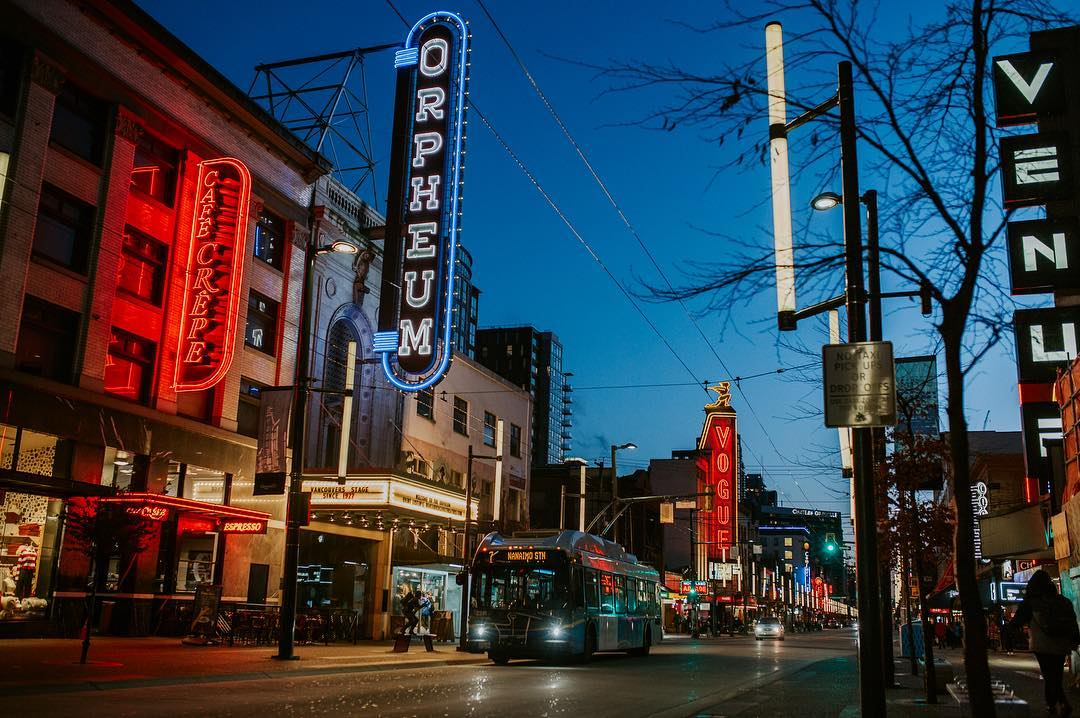
Granville Street in Vancouver. Photo: Destination Vancouver

Thompson noted that the population in Canada and B.C. is expected to contract in late 2026 and into 2027 for the first time in decades as the effects to changes in national immigration policy play out. However, even with a reduced population, personal disposable income and retail sales are expected to shrink by less than half a per cent, showing that consumers are spending similar amounts, if not more than usual before inflation, making up for the loss of spending from the slight decrease in provincial population.

Thompson said Vancouver recently wrapped up its FIFA World Cup 2026 hosting duties, with the last game played at BC Place on Tuesday, July 7. Over the course of the event, hundreds of thousands of fans from all over the world filtered through Vancouver to take part in match day festivities.

“Overall projections for the rest of the 2026 tourist season are optimistic with long-tailed effects from the event increasing consumer spending. With several of the master planned communities with significant retail components
completing or at the finish line (Oakridge Mall, Sen̓áḵw, Concord Metrotown, etc.) the development pipeline is starting to constrict, leaving few options for new or expanding retailers,” she said.

“Other massive projects remain in their planning phase while waiting for macroeconomic conditions to improve. However, due to the strength of retail, many smaller mixed-use projects are still in the pipeline. With retail sales increasing despite provincial population loss, urban and suburban retail reaching historic lows, and long tailed effects from a strong tourism season anchored by FIFA World Cup 2026 match hosting, retail in the GVA is poised for a strong year-end finish.”

More from Retail Insider:

HANK. Opens First Stores as Caulfeild Targets Gap in Canada’s Menswear Market

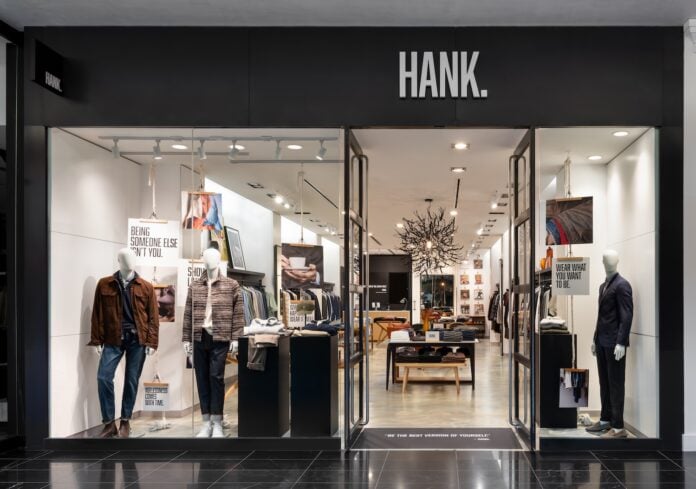
HANK. at Bayview Village in Toronto. Photo: HANK.

Canadian menswear retailer HANK. is beginning its physical rollout with two Ontario stores opening within days of one another, revealing an assortment that combines established labels, lesser-known international brands and two proprietary collections developed by parent company Caulfeild Apparel Group.

HANK.’s flagship has opened at Bayview Village Shopping Centre in Toronto, while a second location at Upper Canada Mall in Newmarket opened Monday morning. A third store at CF Masonville Place in London, Ont., is scheduled to open later this summer, followed by the launch of national e-commerce in fall 2026.

The openings bring Caulfeild Apparel Group directly onto the retail floor after generations spent largely behind the scenes in Canadian apparel. The privately held company traces its history to 1886 and has built its business around manufacturing, wholesale, licensing, brand management and distribution.

For Mike Purkis, founder of HANK. and president and CEO of Caulfeild Apparel Group, the move into retail follows years of change across the Canadian menswear market.

“We’ve spent decades operating in the Canadian menswear market,” Purkis said. “Over the last ten years, through the loss of retailers and shifts in the industry, we have noticed a growing void in the menswear market.”

HANK. was developed to address that opening with a compact multi-brand assortment, a greater emphasis on personal service and a mix of familiar labels and brands that have had little or no exposure in Canada.

Mike Purkis

HANK. Reveals Its Brand Mix

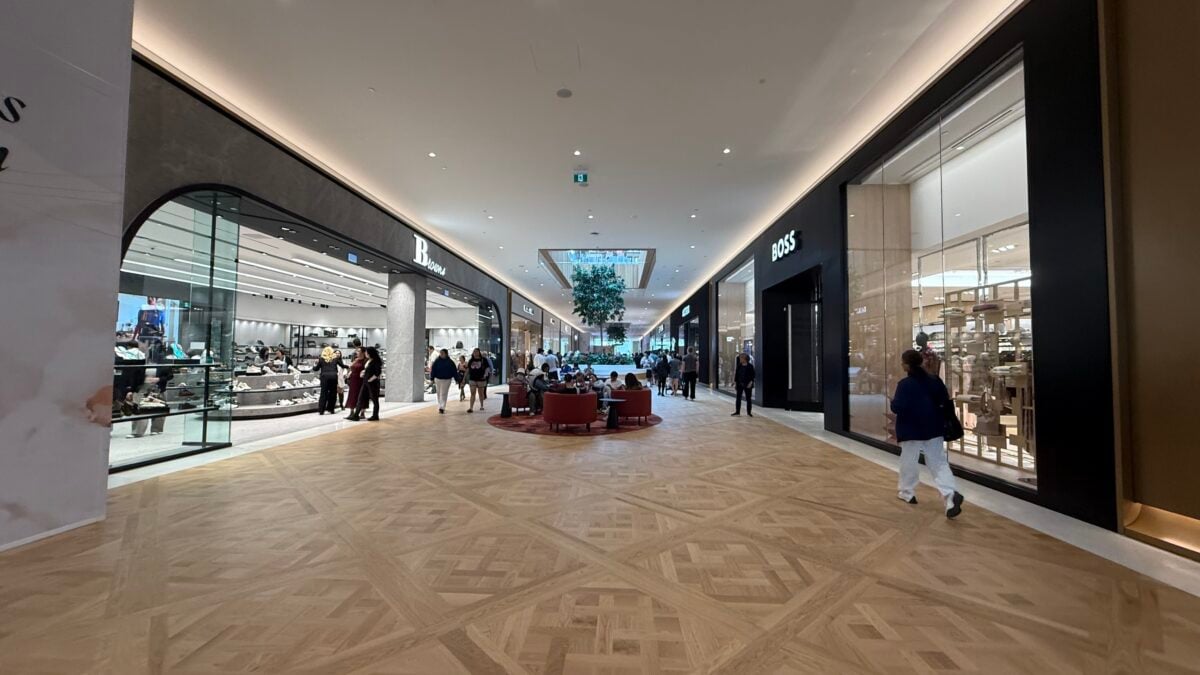
The opening assortment provides the clearest picture yet of how HANK. intends to position itself. Established names include Ralph Lauren and BOSS, alongside Rodd & Gunn, Nudie Jeans and Canadian denim brand DU/ER. HANK. is also carrying Ketroy, which Purkis said is entering the Canadian market through the retailer.

Two additional labels, Wear London and Italian brand IMPURE, are making their North American debuts exclusively through HANK., according to Purkis. The retailer is also introducing two brands of its own: CAULFEILD 1886, an elevated menswear collection drawing on Caulfeild’s heritage, and HANK., focused on foundational wardrobe pieces.

Wear London grew out of a British garment-manufacturing business and developed into a standalone brand in 2020. The company says the majority of its products are made in the United Kingdom, with fabrics sourced from mills in Italy, Britain and elsewhere. It now operates stores in London and Brighton.

IMPURE is an Italian casual menswear label within the Link2east group. It was among the exhibitors at Pitti Uomo in Florence in June 2026, appearing in the trade fair’s Dynamic Attitude section.

Ketroy traces its origins to a family business established in 1974 and positions its collections around quality, craftsmanship and enduring menswear design.

Purkis said the combination of recognizable brands and less familiar labels is deliberate.

“We’re opening with a curated mix of trusted names and genuine discoveries,” he said.

Caulfeild’s background in product development and sourcing also informs what makes it onto the HANK. sales floor.

“One idea runs through the whole assortment: Well made. Well chosen. Well worn,” Purkis said. “We start with construction and materials — pieces built to last, not to churn — and we favour timeless design over trend, brands a man can build a wardrobe around and still wear in ten years.”

He said Caulfeild’s experience gives the company confidence when evaluating brands and individual products.

“This is where our background matters,” Purkis said. “Caulfeild has been developing and sourcing menswear since 1886, so when we look at a garment we can tell whether it’s genuinely well made. We’re not guessing — we’re recognizing.”

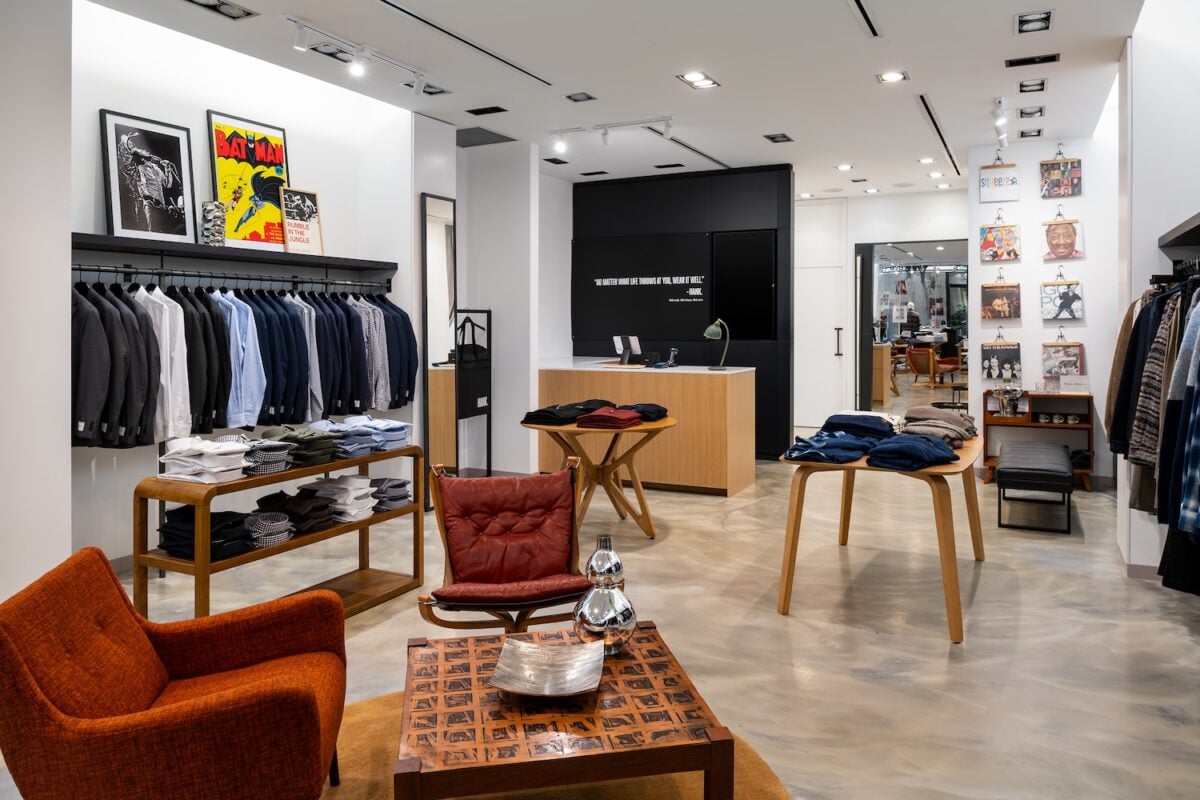
HANK. at Bayview Village in Toronto. Photo: HANK.

A Focused Menswear Assortment

At launch, HANK. is concentrating on tailoring, outerwear, knitwear and shirting, along with a smaller assortment of accessories. Craighill, the Brooklyn design company known for keychains, carabiners and small metal goods, is among the accessory brands carried in the stores.

Footwear and grooming products are not part of the opening assortment, a decision Purkis said reflects the company’s intention to keep the merchandise mix controlled as HANK. establishes itself.

“We’ve deliberately opened with a focused edit, so there’s no footwear or grooming yet,” he said. “That restraint is the point — we’re not trying to be everything on day one. In a crowded market, the edit itself is part of the service.”

The approach gives HANK. a different scale from the broad menswear floors traditionally associated with national department stores of the past. The company wants to offer enough breadth to build a wardrobe while limiting the amount of merchandise customers have to navigate.

“Our customer is the man who values quality over trends and wants fewer, better choices that fit his real life,” Purkis said. “Someone who’d rather trust good guidance than wade through endless racks.”

Built for a Changed Canadian Menswear Market

The launch follows several years of upheaval in Canadian fashion retail. Nordstrom exited Canada in 2023, followed by further disruption across the department-store sector. Retail Insider first reported on HANK.’s store plans in May, when Purkis described the concept as targeting premium menswear below the more luxury-oriented positioning of Harry Rosen and pointed to the volume of menswear business displaced by major retailer losses as part of the opportunity Caulfeild saw for the chain. HANK.’s first stores put that strategy into practice.

“The opportunity is significant right now because the market just lost its anchor,” Purkis said. “With the department store gone, men are overwhelmed online and under-served in person. Our answer is clarity: in a crowded space, we make choosing easy.”

The company is building its stores around smaller assortments and staff expected to provide guidance on fit, wardrobe needs and occasion. Purkis contrasted the approach with his view of the traditional department-store model.

“Department stores gave you everything and helped you with nothing,” he said. “We do the opposite — we edit carefully and guide personally.”

HANK. employees are described as guides rather than salespeople, with product knowledge intended to play a significant role in customer interactions.

“We start with people, not product,” Purkis said.

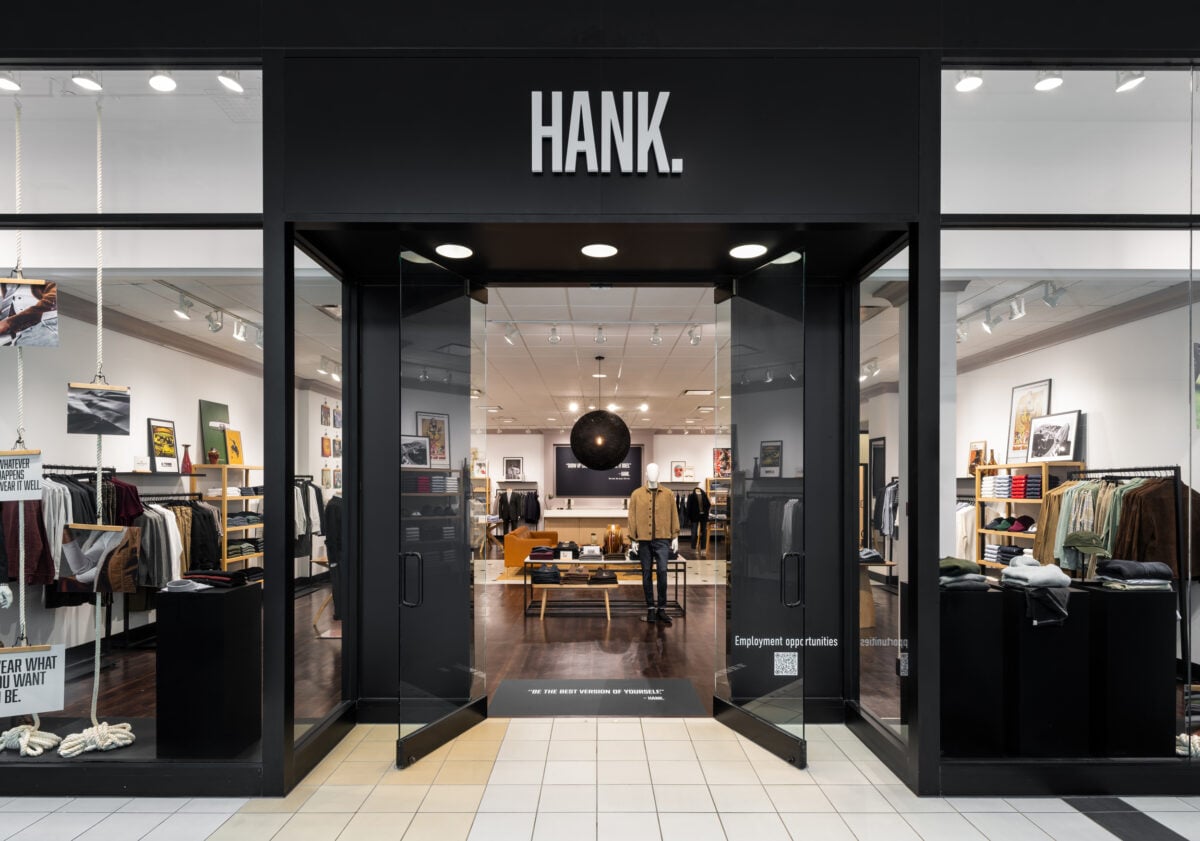
HANK. at Upper Canada Mall in Newmarket. Photo: HANK.

Brick-and-Mortar Comes First

HANK. is also taking a physical-first approach to its launch, opening stores before its national e-commerce platform goes live later this fall. Purkis said the decision reflects the company’s belief that a significant part of menswear shopping still benefits from being done in person.

“Men are overwhelmed online and underserved in person,” he said. “We are intentionally launching with brick-and-mortar first because confidence is built in person, not on a screen. A very carefully architected online experience will follow later this fall.”

For Caulfeild, the stores also establish a direct relationship with consumers after decades operating primarily through other retailers. The company has historically developed, managed, licensed and distributed apparel brands through wholesale channels.

HANK. now puts Caulfeild in front of the customer while providing a physical platform for introducing brands and developing its own merchandise.

A Store Designed to Slow the Customer Down

The physical environment carries that approach into the store design. HANK. describes its locations as having a mid-century modern aesthetic with vintage furnishings, artwork and integrated messaging. Bayview Village serves as the flagship for the concept.

Purkis said he wants customers to notice the atmosphere before they focus on individual products.

“The first thing I hope they feel is calm — no noise, no hard sell, no overwhelming wall of choice,” he said.

Staff are encouraged to begin conversations by asking what occasion a customer is dressing for or how he wants to feel, according to Purkis.

“I want them to sense that everything in the room was chosen, that each piece earned its place,” he said. “Honestly, I want a man to exhale a little when he walks in. That’s the opposite of what he feels almost everywhere else.”

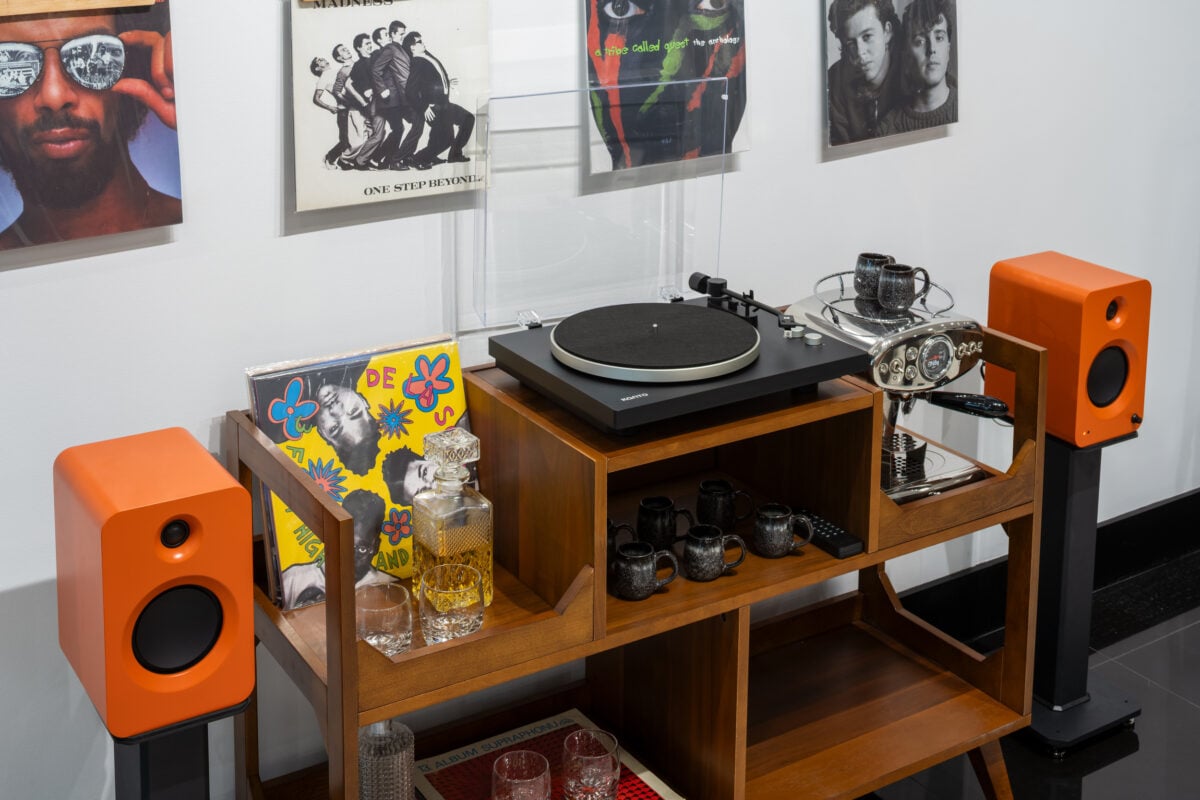
Several Canadian companies have also been incorporated into the store experience. Kanto Audio provides audio for the locations, while Vancouver Candle Co. created an exclusive co-branded candle that will be sold in stores and offered as a gift with qualifying purchases. Toronto-based Harmon’s is supplying its non-alcoholic craft beer for guests.

HANK. at Upper Canada Mall in Newmarket. Photo: HANK.

Caulfeild Uses HANK. to Build Brands

The longer-term strategy becomes particularly evident in CAULFEILD 1886 and HANK., the two proprietary brands being introduced through the stores.

CAULFEILD 1886 is positioned as the more elevated collection, drawing on the history of a company whose roots date to a Toronto shop selling fine English woollens in the late 19th century. The HANK. label focuses on foundational pieces intended to sit alongside the retailer’s third-party brands. Both are initially exclusive to HANK.

When asked which brands on the sales floor best represent the concept, Purkis pointed to three.

CAULFEILD 1886 represents “well made,” he said, while Wear London represents “well chosen” and Nudie Jeans represents “well worn.”

“Together they tell you exactly who we are,” Purkis said.

The proprietary brands will eventually extend beyond HANK.’s own stores. Purkis told Retail Insider that Caulfeild plans to begin wholesaling CAULFEILD 1886 and HANK. for the Fall 2028 season.

“Our own brands will lead the way,” he said. “CAULFEILD 1886 and HANK. are exclusive to our stores today, and we’ll begin wholesaling both for Fall 2028.”

The plan gives HANK. an additional role within Caulfeild’s broader business, allowing the company to establish the two labels within its own stores before offering them to other retail accounts.

“The brands we build in-store become brands you’ll see beyond it,” Purkis said. “That’s the advantage of our background. We don’t just sell product; we build it.”

Expansion Begins Across Ontario

Bayview Village and Upper Canada Mall mark the first stage of what Caulfeild has previously described as a considerably larger potential retail network.

CF Masonville Place in London will become the third HANK. location later this summer, with additional openings contemplated beyond the initial three stores. National e-commerce follows in the fall.

Retail Insider previously reported that the initial stores were expected to range from approximately 1,800 to 2,700 square feet. Purkis also said HANK. could ultimately grow to between 35 and 45 locations, depending on how the concept develops.

The merchandise strategy is expected to evolve as the network grows, though Purkis said expansion will not automatically result in more brands being added to the assortment.

“The core will stay disciplined,” he said. “More stores means going deeper on what works, not wider for the sake of a bigger wall.”

The openings put Caulfeild’s retail thesis to its first real test. After generations spent developing, sourcing and distributing apparel through other retailers, the company is now building a consumer-facing network of its own in a Canadian menswear market that has lost several of its traditional shopping destinations.

“Curation is a permanent practice for us, not a launch gimmick,” Purkis said. “We’ll keep removing what doesn’t earn its place and adding brands that fit, including more exclusives men can’t find elsewhere.”

More from Retail Insider:

Canadian Retail Hiring Rebounds, but Labour Market Remains Uneven

Retail job hiring staffing. Photo: Manajobs

Canada’s retail labour market is showing signs of improvement after a difficult start to 2026, although the recovery is unfolding unevenly across jobs, categories and markets.

Statistics Canada reported that employment in wholesale and retail trade increased by approximately 21,100 jobs in July, a gain of 0.7% from June. That followed an increase of about 16,400 jobs in June, meaning the combined sector added roughly 37,500 positions over two months. Despite those gains, wholesale and retail employment remained approximately 50,100 jobs below July 2025 levels, representing a year-over-year decline of 1.7%.

The figures point to a labour market that has begun regaining some of the ground lost earlier in the year. For retailers themselves, however, the headline numbers capture only part of what is happening.

Suzanne Sears, president of Best Retail Careers International, said the hiring activity she is seeing is heavily concentrated at store level rather than across the full retail organization.

“The demand is almost entirely street level, with an emphasis in hiring multiple part-time workers,” Sears said.

Her observations point to a Canadian retail employment market in which companies continue to need frontline workers while remaining considerably more cautious about higher-level hiring, compensation and permanent headcount.

Retail Employment Shows Signs of Recovery

The Labour Force Survey combines wholesale and retail trade in its headline industry figures, meaning July’s 21,100-job increase cannot be attributed entirely to retailers. More detailed Statistics Canada payroll data, however, indicates that retail employment itself had already begun moving higher earlier in the year.

Retail payroll employment increased by about 5,600 positions in May, marking a third consecutive monthly increase. From March through May, the sector added approximately 20,500 payroll jobs, or about 1.0%.

The improvement followed a longer period of weakness. Retail payroll employment had declined through portions of 2024 and 2025, while several major retail categories remained below year-earlier employment levels during the first part of 2026. The recent gains therefore look less like a sudden hiring boom than an emerging recovery from a period of contraction.

Retail also remains an important employer of younger Canadians. Statistics Canada reported that close to one-quarter of returning students who were employed during the summer worked in retail trade, making it the largest employing industry for that group. The sector’s workforce composition helps explain how rising retail employment can coexist with continued caution around more senior, permanent and corporate hiring.

Suzanne Sears

Hiring Demand Concentrated at Store Level

Sears said employers are seeking staff most actively in customer-facing positions, often with a preference for multiple part-time employees rather than fewer full-time hires. An increase in retail employment, therefore, does not necessarily signal a corresponding increase in career-track positions, head-office roles or management opportunities.

Within store-level hiring, some categories are considerably more active than others. Sears said cosmetics and beauty currently represent one of the strongest areas of recruitment demand and one where employers are having difficulty finding sufficient qualified staff. She also pointed to luxury retail, watches and jewellery, and luxury menswear as areas where demand for experienced employees remains strong.

Those segments can require specialized selling skills, including product knowledge, clienteling ability and experience providing highly personalized service. In luxury retail in particular, established customer relationships can carry considerable value. A relatively large pool of available workers, as a result, does not necessarily mean employers can readily find candidates with the particular experience they are seeking.

Retail Pay Is Rising, but Compensation Remains a Challenge

Average weekly earnings in retail trade reached approximately $798 in May 2026, up more than 8% from about $739 a year earlier. The increase is significant, although retail earnings remain substantially below the Canadian economy-wide average of approximately $1,338 per week.

Sears said many employers are discovering that compensation budgets established even a year ago are no longer sufficient to recruit the calibre of employees they are seeking.

“It is nearly impossible to attract high-level talent with last year’s wage budgets,” Sears said.

In some cases, she said, companies are leaving positions vacant rather than increasing compensation enough to attract their preferred candidates. In others, they may ultimately hire someone with less experience than originally envisioned for the role.

Retail compensation is rising relatively quickly from a comparatively low base, while candidate expectations and employers’ requirements for experienced talent are not necessarily moving in tandem. The disconnect can become more pronounced as retailers move beyond hourly sales positions into management, regional leadership and specialized roles.

Career Progression Adds Another Recruitment Challenge

For experienced candidates, Sears said compensation is only one consideration. Advancement opportunities are also influencing how candidates assess retail careers, and the Canadian operations of international retailers do not always offer the same range of corporate positions available in their home markets.

International retailers operating Canadian store networks may keep key merchandising, buying, marketing, strategy and executive functions at headquarters outside the country. That can narrow the domestic career ladder for employees seeking to progress beyond store and regional management.

Sears said the combination of compensation expectations and limited opportunities to move upward can make it harder to attract and retain strong retail employees. For workers deciding whether retail represents a long-term career rather than simply their next job, the availability of a credible path forward can become an important part of the decision. For employers, it can create a mismatch between the experience they expect candidates to bring and the compensation and career opportunities available in return.

Hudson’s Bay Closures Added Thousands of Workers to the Market

The collapse of Hudson’s Bay added another unusual dimension to the Canadian retail employment landscape. Thousands of employees were displaced as stores closed across the country, suddenly putting a significant pool of experienced retail workers into the labour market.

One might expect that influx of talent to make recruiting substantially easier for other retailers, but Sears said that has not necessarily been the case. In her experience, cosmetics employees coming out of Hudson’s Bay have generally been more readily absorbed by other retailers, while many other former employees have either retired or have not yet moved into comparable positions.

The situation illustrates a notable contradiction in the current labour market. Retailers can report difficulty finding qualified employees at the same time that experienced retail workers are looking for work. The challenge is not necessarily the absolute number of people available, but how closely candidates’ experience, compensation expectations, location and skills align with the positions retailers are trying to fill.

Retail Hiring Extends Into Smaller Markets

Where retailers are hiring is changing as well. Sears said some of the activity she is seeing is connected to expansion into smaller provinces and communities that have historically been underserved by national retailers.

Recent employment data provides some support for that observation. Wholesale and retail trade employment in rural and small-town Canada was up by approximately 13,600 jobs, or 3.7%, year over year in June, with even stronger growth recorded during some preceding months.

Population shifts, housing affordability and development in secondary communities are creating opportunities outside Canada’s largest metropolitan markets. Communities that historically supported fewer national retailers can become viable locations as their populations grow and surrounding trade areas expand.

For retailers, expansion into smaller and underserved markets can also create a recruitment challenge. New stores require local employees, including managers and experienced sales staff, in communities where the existing pool of specialized retail talent may be smaller. Growth in these markets can therefore create jobs while simultaneously making certain positions difficult to fill.

Tariff Uncertainty Weighed on Hiring Earlier in 2026

Asked what contributed to the weakness in retail hiring earlier this year, Sears summarized the mood among employers in one word: “Paralysis.”

She pointed specifically to uncertainty surrounding U.S. tariffs and concern over how changing trade relationships could affect costs, consumer spending and broader economic conditions.

Her assessment is consistent with broader business sentiment reported earlier in the year. Bank of Canada surveys found that tariff uncertainty and softer demand were weighing on companies’ expansion and employment intentions, with many businesses reluctant to increase staffing while the economic outlook remained unclear. Statistics Canada had also reported that employment in wholesale and retail trade was trending lower from late 2025 before the more recent improvement.

The retail employment decline cannot be attributed to tariffs alone, but uncertainty around trade policy formed part of a broader environment in which businesses had reason to delay decisions, limit hiring and preserve flexibility until there was greater visibility around demand and costs.

Holiday Hiring Could Remain Constrained

Two consecutive months of improving wholesale and retail employment might ordinarily suggest stronger hiring heading into the fall and holiday season, but Sears remains cautious about the outlook.

She said many retailers have limited wage budgets available for substantial additional hiring, even as the industry approaches its critical seasonal period. Retailers will still require holiday staff, particularly in malls and other high-traffic environments, but they may have to be more selective about how those labour dollars are deployed.

That could mean greater reliance on part-time and seasonal workers, adjusting hours among existing employees or limiting permanent additions while reserving available labour budgets for periods of peak demand. The fall hiring market could therefore appear active at store level while remaining restrained elsewhere within retail organizations.

HR Departments Face Their Own Capacity Problem

Another part of the hiring challenge is taking place behind the scenes. Sears said retail HR departments are increasingly being asked to manage traditional human-resources responsibilities while simultaneously adapting to technology- and AI-driven recruitment processes, often without corresponding increases in staffing, tools or budgets.

Rather than necessarily accelerating recruitment, Sears said those pressures can contribute to longer hiring cycles.

“Time to hire is increasing by months, not weeks,” Sears said.

That can leave positions vacant for extended periods while HR teams manage competing responsibilities. Those vacancies can become an operational issue, placing additional pressure on existing employees and potentially affecting customer service and sales performance.

Meanwhile, companies remain under pressure to control labour expenses, leaving HR teams attempting to reconcile demands for lower costs, faster hiring and stronger candidates.

A Recovery, but an Uneven One

Canada’s recent employment numbers provide growing evidence that retail-related hiring has begun to recover after a difficult period. Wholesale and retail employment increased in both June and July, while retail-specific payroll employment had already posted three consecutive monthly gains through May.

What is returning, where it is returning and who employers are able to recruit tell a more complicated story. Much of the hiring Sears is seeing is concentrated in frontline and part-time positions, while beauty and luxury retailers face difficulty finding employees with particular skills and experience. Compensation is rising but remains comparatively low, and career advancement opportunities can be limited for employees of international retailers whose major corporate functions are located elsewhere.

At the same time, thousands of workers displaced by major retail closures are not necessarily matching quickly with available positions. Retailers expanding into smaller markets can encounter limited local talent pools, while the HR departments responsible for filling those jobs are themselves being asked to do more with constrained resources.

The latest employment gains suggest the Canadian retail labour market is moving in a better direction, but the challenge facing retailers increasingly goes beyond the number of workers available. Employers must match people with the right skills and experience to jobs in the right locations, while offering compensation and career opportunities capable of attracting them.

More from Retail Insider:

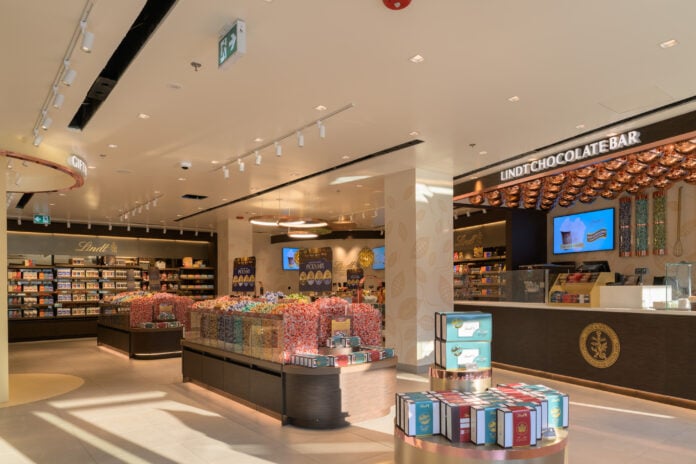
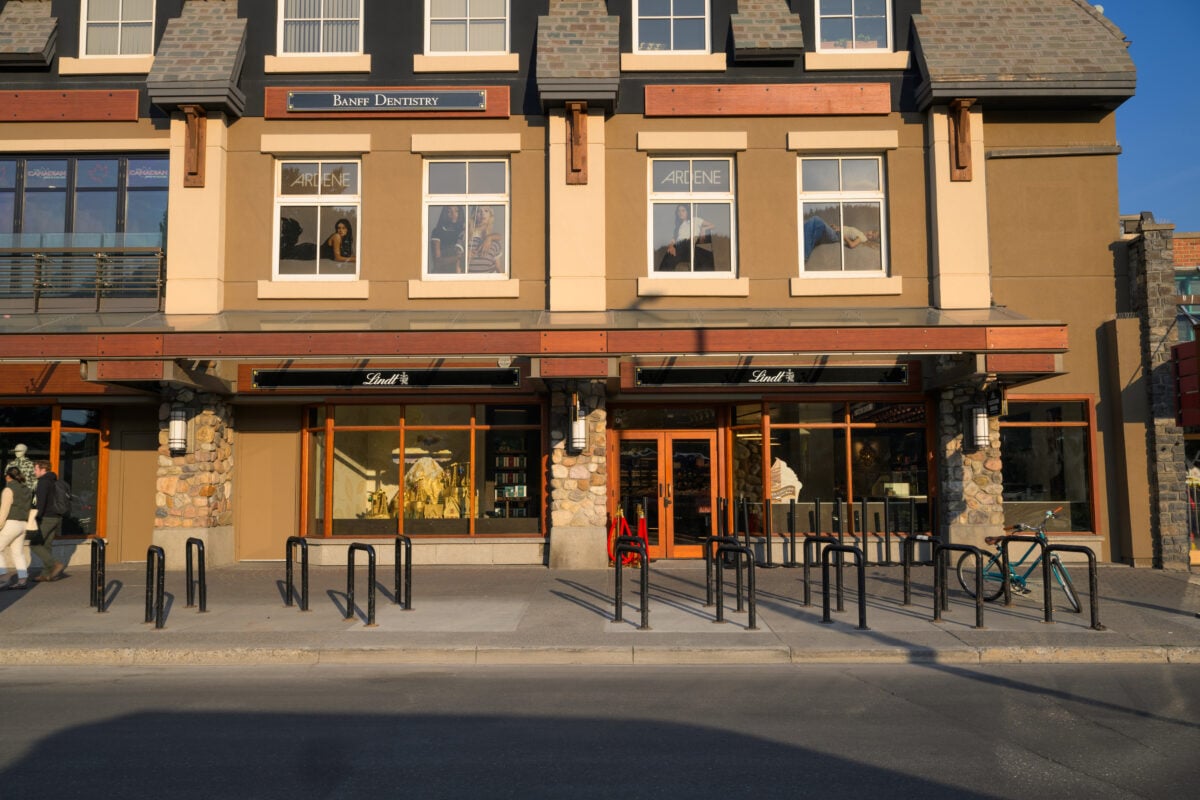
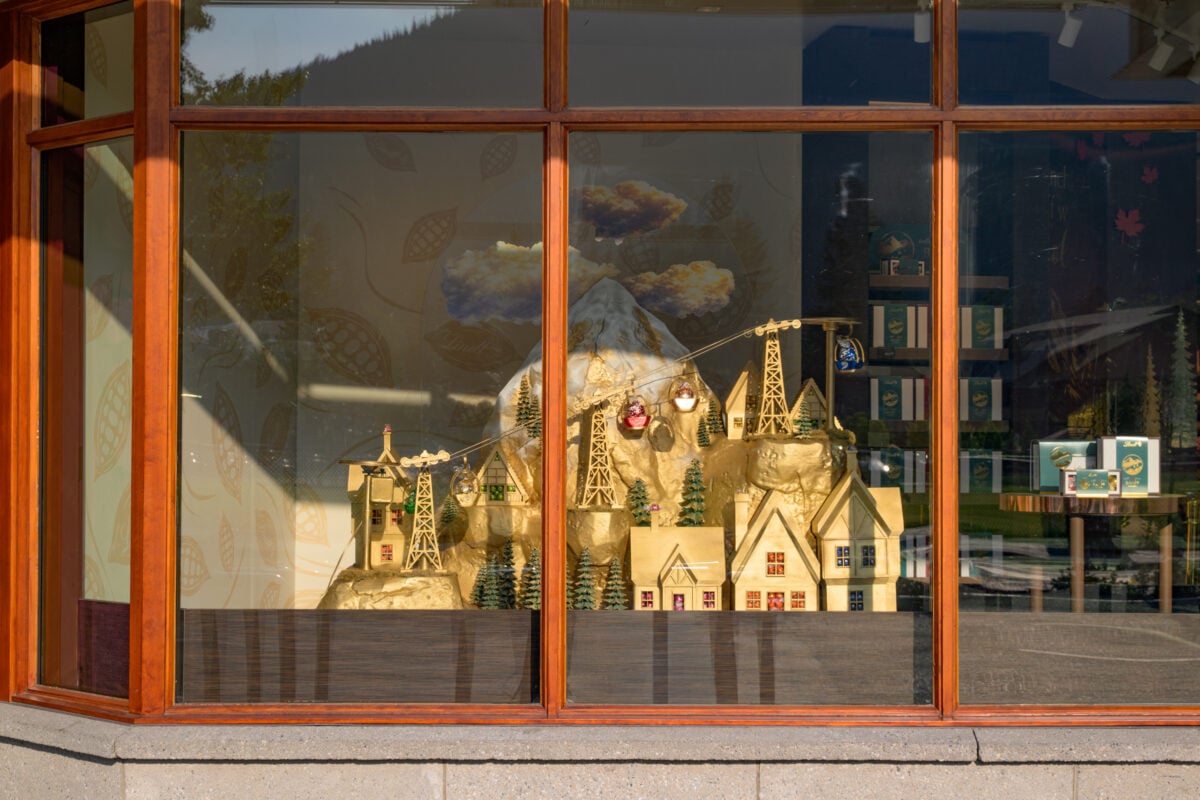
Lindt Opens First Banff Shop as Premium Chocolate Competition Grows

Lindt Chocolate Shop in Banff. Source: Lindt

Lindt & Sprüngli Canada has opened its first Lindt Chocolate Shop in Banff, bringing the Swiss chocolate brand to one of Canada’s highest-profile tourism markets and an increasingly competitive destination for specialty confectionery.

The new shop opened August 5 at 317 Banff Avenue, within the Cascade Shops property. It combines Lindt’s traditional chocolate assortment with prepared drinks, gelato, freshly crafted products and merchandise developed specifically for the mountain destination.

The opening comes as visitor activity in Banff is running at record levels. It also puts Lindt into direct competition with an established collection of confectionery businesses, including the recently launched Chocolate Board of Canada, Rocky Mtn Chocolate, The Fudgery and several other sweets and dessert operators along Banff Avenue.

Lindt has adapted parts of the shop specifically for the location. In addition to its signature LINDOR assortment, the Banff store carries freshly crafted chocolate bars, location-exclusive gift packaging and a Maple Sea Salt Leaf created by a Lindt Maître Chocolatier.

An on-site Drinks Bar serves hot and iced beverages made with Lindt chocolate, while the menu includes Lindt Crema Gelata and Crema Gelata shakes, introduced in 2026. Together, the assortment gives Lindt products for gifting and take-home purchases alongside drinks and desserts intended to be consumed during a visit.

The mix is well suited to Banff’s four-season tourism market. Hot chocolate and gifting fit naturally with winter and après-ski traffic, while gelato, shakes and iced beverages provide an offering for the much larger summer visitor period. It also gives Lindt a broader range of purchase occasions than a conventional boxed-chocolate shop.

Banff Adds a New Dimension to Lindt’s Canadian Network

The Banff opening appears to bring Lindt’s Canadian retail network to 52 locations. The company’s online store directory lists 51 other shops across nine provinces, with Ontario and Quebec accounting for 37 of those locations.

Banff becomes Lindt’s fifth Alberta store and its 11th across Western Canada. The company’s existing Alberta footprint includes Deerfoot Meadows in Calgary, CrossIron Mills north of the city and two stores in the Edmonton area.

The Banff shop gives Lindt a substantially different type of market, extending its presence beyond Alberta’s two largest metropolitan areas into a mountain community whose commercial economy is shaped by millions of annual visitors.

Lindt’s Canadian retail expansion has been underway for decades. Lindt & Sprüngli Canada has operated as a wholly owned subsidiary of the Swiss company since 1994, while Retail Insider reported in 2014 that the chocolatier had 20 stores in Canada and intended to add another 12 by the end of 2016.

Tourism destinations were already part of the company’s real estate strategy at the time. Lindt was considering locations ranging from outlet centres and super-regional malls to high streets, airports and tourist markets as it expanded nationally.

The current network reflects that variety. Lindt operates in major enclosed malls such as Yorkdale, CF Toronto Eaton Centre and Square One, alongside outlet and destination-shopping properties including CrossIron Mills, Tsawwassen Mills, McArthurGlen Designer Outlet Vancouver Airport and Outlet Collection at Niagara. It also has open-air and power-centre locations, downtown stores and a Vancouver Exchange Tower shop that has incorporated a café component.

Banff represents one of the clearest examples of Lindt applying its Canadian retail strategy to a tourism-driven destination.

Lindt Chocolate Shop in Banff. Source: Lindt

Lindt Takes Banff Avenue Frontage at Cascade Shops

The new Lindt shop is part of Cascade Shops, the mixed-use property formerly known as Cascade Plaza at Banff Avenue and Wolf Street. The store also has its own exterior entrance directly from Banff Avenue, giving Lindt street-level frontage and access to pedestrian traffic while remaining part of the shopping centre.

Cascade Shops describes itself as Banff’s largest indoor shopping centre and the town’s only indoor mall. The complex contains 126,999 square feet of rentable area, including 81,328 square feet of retail, along with office, residential and hotel uses.

The location gives Lindt direct exposure along Banff’s primary commercial street while connecting the store with the broader Cascade Shops property. It also positions the chocolatier farther north along Banff Avenue than several established confectionery businesses concentrated around the 100 and 200 blocks.

Jeff Berkowitz and Joel Patterson of Aurora Retail Group negotiated the Banff lease deal on behalf of Lindt. Aurora Retail Group works with Lindt on its real estate across North America.

Record Tourism Supports a Much Larger Retail Market

Banff’s relatively small permanent population tells little about the scale of its retail opportunity. Banff National Park welcomed approximately 4.5 million visitors in 2025, according to Parks Canada, setting a record and increasing from the previous year, while summer visitation also rose.

Banff Avenue therefore functions differently from the main street of a conventional small Canadian community. Its stores serve local residents alongside Canadians and international visitors moving through one of the country’s best-known tourism destinations.

Confectionery is well suited to that spending environment. Chocolate can be consumed during a visit, purchased as an accessible indulgence or carried home as a gift, while ice cream, fudge, beverages and other sweets benefit from high pedestrian traffic and spontaneous purchasing.

For Lindt, location-exclusive products add another dimension. LINDOR and many other Lindt products are readily available through supermarkets, pharmacies and retailers across Canada, meaning visitors do not need a Lindt shop in Banff to access the brand.

Banff-specific packaging and products give those customers a reason to purchase from this particular location. The Maple Sea Salt Leaf similarly incorporates a recognizably Canadian flavour cue into an international brand whose identity remains rooted in more than 180 years of Swiss chocolate-making.

Lindt Chocolate Shop in Banff. Source: Lindt

A Competitive Chocolate Market

Lindt is entering a market where specialty chocolate and confectionery are already well established. One of the most significant additions came almost exactly a year earlier, when Chocolate Board of Canada opened its first location at 202 Banff Avenue in August 2025. The concept was created by the Canadian family behind Rocky Mtn Chocolate and launched in the historic Caribou Corner building, a prominent location that once housed Banff’s first Hudson’s Bay Company store.

Retail Insider reported at the time that Chocolate Board was developed as a more elevated concept than the company’s longstanding Rocky Mtn Chocolate format. Its assortment emphasizes artisan chocolates, hand-finished products, premium gift packaging and flavours intended to communicate a distinctly Canadian identity.

The Banff flagship also incorporates experience into the format. Customers can see elements of chocolate production taking place in the shop, while the assortment extends beyond packaged chocolates into handmade fudge, caramel popcorn, hot chocolate and ice cream.

Its operators deliberately chose Banff as the launch market for the new brand, giving Chocolate Board exposure to visitors from across Canada and around the world before taking the concept into other high-profile locations.

The arrival of Lindt creates an interesting contrast between two approaches to premium chocolate retail. Chocolate Board builds its identity around Canada, using domestic references, Canadian flavours, hand production and a brand created specifically to evoke place. Lindt arrives with international recognition, Swiss heritage and products familiar to consumers around the world.

In Banff, the strategies begin to overlap. Both businesses use premium presentation, destination gifting, beverages, frozen desserts and products associated with the visitor experience. Lindt’s Banff-exclusive packaging and Maple Sea Salt Leaf introduce local relevance to a global brand, while Chocolate Board uses Banff as a platform for an explicitly Canadian one.

Established Operators Add More Competition

Chocolate Board is far from the only established player Lindt will encounter. Rocky Mtn Chocolate continues to operate a separate store at 117 Banff Avenue, giving the company two distinct concepts in the market.

The Canadian Rocky Mtn Chocolate business traces its history to Whistler Village, where its first domestic location opened in 1988, providing decades of experience selling confectionery in mountain-tourism markets. Its more playful format, including highly visual products such as caramel apples, remains distinct from the premium positioning developed for Chocolate Board.

Other nearby businesses add further competition for sweets and dessert spending. The Fudgery offers handmade chocolates, fudge, brittle, truffles and other confectionery, while Banff Sweet Shoppe sells handmade chocolate, fudge and nostalgic candy. Banff Candy Store specializes in retro and international sweets, and COWS competes for dessert traffic through its premium ice cream business.

These businesses vary considerably in format, price and positioning, but they share the same underlying opportunity: capturing discretionary spending from visitors moving through a compact tourism district. For Lindt, that means competing for more than chocolate purchases, since a visitor considering a gelato or chocolate drink may also be choosing among ice cream, fudge, candy and other treats available only a short walk away.

Cascade Shops in Banff. Photo: Tourism Alberta

Chocolate Retail Moves Beyond the Box

The growing Banff market also illustrates how specialty chocolate retail is evolving. For brands operating their own stores, the opportunity increasingly extends beyond shelves of boxed chocolates as drinks, desserts, fresh preparation, visible production and exclusive merchandise make the shop itself part of the experience.

Lindt’s Banff store reflects that shift with its Drinks Bar, Crema Gelata, shakes and freshly crafted chocolate bars. Chocolate Board combines chocolate retail with visible production, handmade products, ice cream and hot beverages, while Rocky Mtn Chocolate and long-established independents have similarly relied on preparation, aroma and visual merchandising to draw visitors into their stores.

The result is a broader set of purchase occasions. A customer might enter for a hot drink, buy gelato during an afternoon walk or pick up a Banff-specific package to take home. The same store can address immediate consumption, personal indulgence, gifting and souvenirs.

That flexibility has become particularly relevant as the global chocolate industry manages sharply higher cocoa costs and significant increases in retail pricing. Lindt has continued to grow its North American business, but the company has also acknowledged broader pressure on chocolate volumes following substantial price increases across the category.

Specialty retail gives Lindt a way to offer something different from the products consumers already encounter in conventional grocery and drugstore channels. In Banff, the value of the shop is tied to the experience, location and exclusivity surrounding the chocolate as well as the product itself.

Banff as a Showcase Market

Banff offers another advantage that is difficult to replicate in a conventional regional market: enormous geographic reach within a relatively compact retail district. A business operating on Banff Avenue can encounter customers from across Canada and around the world during the same trading day. Visitors are also experiencing the stores during leisure travel, when dining, shopping, gifting and other discretionary purchases are part of the trip.

Chocolate Board used that environment to introduce a new Canadian brand, while Lindt is using it to present a localized version of one of the world’s most recognizable chocolate names. Their approaches point to a wider evolution in destination retail, where recognizable products are increasingly combined with local references and experiences specific to the place where they are sold.

Banff remains built around mountain scenery, outdoor recreation and hospitality, but its commercial district also provides brands with a highly visible stage for concepts designed around experience, premium products and a strong sense of place.

Lindt’s arrival adds another international name to that mix while intensifying competition in a confectionery market that is already remarkably deep for a community of Banff’s size. For visitors, that means more choice. For the retailers competing along Banff Avenue, it raises the stakes in creating an experience memorable enough to travel home with the chocolate.

More from Retail Insider: