The company said its vagina-friendly condoms and organic water-based lubricant will be available in 384 stores, including Loblaws, Real Canadian Superstore, Zehrs and Your Independent Grocer locations nationwide.
The move marks nixit’s first expansion into the Canadian mass grocery channel and increases its domestic retail footprint by 52 per cent. The company, founded in 2019 by Rachael Newton, said it has previously grown internationally through its direct-to-consumer business.
The launch comes as consumers increasingly seek ingredient-focused personal care products, according to the company, which cited data showing 72 per cent of Canadian consumers prioritize organic ingredients in personal care products.
“Being available in select Loblaw stores nationwide will allow more Canadians to access high-quality, thoughtfully created sexual wellness products within their everyday routines,” said Rachael Newton, nixit founder. “Better options shouldn’t be inconvenient and comfort shouldn’t be optional.”
Rachael Newton
nixit said its condoms and lubricant products were developed to address concerns around ingredients and comfort in sexual wellness products. The company said the products are made without fragrances, glycerin, spermicides, casein and warming agents.
The condom line is made from natural rubber latex and lubricated with silicone oil, while the lubricant uses an aloe vera-based formula that the company said is pH-matched to vaginas and compatible with menstrual cups, devices and latex condoms.
The products being introduced at Loblaw banners include the Stamina Squad 12-pack condoms with a suggested retail price of $14.99, the Marathon 24-pack condoms priced at $25.99 and the company’s water-based lubricant at $23.99.
nixit describes itself as a company focused on period care and sexual wellness products, including reusable menstrual discs, condoms and lubricants. Loblaw Companies Limited is Canada’s largest retailer, with more than 2,800 locations nationwide.
Artificial intelligence reached an important inflection point in retail during Q1 2026. For years, retailers viewed AI primarily as an operational tool used to improve forecasting, automate repetitive tasks, optimize supply chains, generate content, or support customer service. Those applications remain important, but the quarter made a larger shift harder to ignore.
AI is moving closer to the consumer.
Instead of simply helping retailers operate more efficiently behind the scenes, AI is increasingly influencing how consumers discover products, evaluate options, compare retailers, and make purchasing decisions. In some cases, AI systems are beginning to mediate the shopping journey itself.
That distinction matters because it changes where retail power may increasingly reside.
For decades, retailers competed for visibility through store locations, merchandising, advertising, websites, marketplaces, apps, and search rankings. Increasingly, however, consumers are beginning their journeys inside AI-powered interfaces. They ask conversational systems what to buy, which products represent the best value, which brands are most trusted, or where they should shop. The answers they receive may shape purchasing decisions long before a retailer has an opportunity to engage directly.
Woman tapping credit card on payment terminal
The implications extend well beyond technology. At its core, this is a story about discovery, visibility, and customer relationships. AI is becoming another layer between retailers and consumers, and the companies that understand that shift early may be better positioned to compete in the years ahead.
Retail Insider’s Q1 technology coverage showed this transition from several angles. Google expanded Gemini shopping partnerships with Walmart, Shopify, and other commerce platforms, moving shopping closer to conversational search. Loblaw launched grocery integrations through ChatGPT and Google Gemini while positioning itself as an AI-native enterprise. Canadian Tire continued scaling its MOSaiC retail intelligence platform with Microsoft to connect merchandising decisions to customer behaviour. RBC and Canadian Tire deepened loyalty integration through Avion and Triangle Rewards. Instacart pushed smart carts capable of influencing baskets in real time, while platforms such as Square and Shopify embedded AI assistants designed to help smaller merchants operate with more sophisticated digital tools.
The takeaway for executives is direct: AI is no longer simply a technology layer inside retail. It is increasingly becoming the interface through which retail discovery, engagement, and purchasing decisions are shaped.
Executive Summary
Several themes defined retail technology during Q1 2026:
AI shifted from operational support toward customer-facing mediation.
Retailers faced growing risk of losing control over discovery pathways.
Loyalty and first-party data became more strategically important.
Retail media networks moved toward recommendation-driven commerce.
Physical stores became more software-enabled and adaptive.
Smaller retailers gained access to powerful AI tools while facing greater platform dependency.
Consumer trust remained unresolved despite growing interest in AI convenience.
Human expertise, hospitality, and experiential retail became more valuable as routine shopping tasks became easier to automate.
The broader implication is becoming clear: AI is no longer simply changing how retailers operate. It is beginning to influence how consumers discover, evaluate, and choose where to spend their money.
Discovery Becomes the New Battleground
One of the most important developments during Q1 was the growing role of AI in retail discovery.
Historically, discovery occurred through a mix of advertising, search engines, marketplaces, social media, physical stores, loyalty programs, and word-of-mouth recommendations. Retailers invested heavily in those channels because they controlled access to potential customers.
AI introduces a different dynamic.
Consumers can now interact with conversational systems that summarize products, compare options, evaluate reviews, and recommend purchases in real time. Rather than clicking through multiple websites, shoppers can increasingly receive curated recommendations within a single interface.
The shift is no longer theoretical. AI-powered shopping traffic has grown sharply, and major technology platforms are moving quickly to embed commerce into AI interfaces. Google’s Gemini shopping integrations and Microsoft’s push to connect Copilot with commerce both point in the same direction: shopping discovery is moving closer to AI systems that can guide consumers before they ever arrive at a retailer’s owned channel.
That creates a strategic challenge for retailers.
Traffic that once flowed directly from search engines or consumer intent may increasingly be filtered through AI systems. Search optimization remains important, but retailers may eventually need to compete for visibility inside recommendation engines rather than simply competing for rankings on search results pages.
Retailers risk renting visibility instead of owning customer attention.
This is one of the most important implications of AI commerce. The threat is not simply that AI will automate tasks. The larger risk is that AI could change who controls discovery.
The Rise of the Shortlist Economy
AI-mediated shopping creates what is increasingly becoming a shortlist economy.
Consumers have always faced too many choices. AI systems reduce that complexity by narrowing the field before shoppers evaluate products themselves. In practice, that means a consumer may receive a short list of recommended products, brands, or retailers generated by an AI system instead of conducting extensive research independently.
That is convenient for consumers, but it creates a more challenging environment for retailers and brands.
If an AI system presents three recommended options instead of thirty, being excluded from that short list becomes commercially meaningful. Visibility becomes more concentrated. Recommendation logic becomes more important. Structured product data, pricing transparency, reviews, inventory accuracy, delivery promises, and brand trust all become part of a new discovery equation.
For retailers, the question becomes more complex than “How do we get found online?” Increasingly, it becomes: “How do we become eligible for recommendation?”
That has implications for merchandising, product information, loyalty, pricing, fulfilment, and retail media. It also affects publishers and media companies, because AI-generated answers can reduce the need for consumers to click through to traditional sources.
The next retail battleground may revolve less around shelf space and more around algorithmic visibility.
Loyalty Programs. Photo: Shutterstock/licensed
Loyalty Becomes Defensive Infrastructure
As AI gains influence over discovery, direct customer relationships become increasingly valuable.
This helps explain why retailers continue investing heavily in loyalty programs, memberships, customer data platforms, payment ecosystems, and personalized engagement strategies. For years, loyalty programs were often viewed primarily as marketing tools. Increasingly, they function as strategic infrastructure.
Retailers with strong loyalty ecosystems know more about their customers. They have purchase history, behavioural insights, communication channels, personalization capabilities, and a stronger basis for retention. Those assets become even more important if discovery gradually moves toward AI-mediated environments.
Canadian retailers provide clear examples. Canadian Tire continues expanding the reach of Triangle Rewards through partnerships and enhanced customer engagement initiatives. The deeper integration of Triangle with RBC’s Avion ecosystem shows how loyalty is moving beyond points and becoming part of a broader commerce infrastructure. Loblaw’s PC Optimum ecosystem serves a similar strategic purpose, giving the company a powerful base of first-party data, promotional targeting, and customer engagement.
Shopify’s positioning around agentic commerce reflects a related tension. The company appears to recognize that merchants will need ways to participate in AI-driven shopping environments without surrendering ownership of customer relationships entirely.
That distinction may become critical over time. Retailers that can participate in AI-mediated commerce while preserving data, attribution, and customer trust will be better positioned than those forced to depend almost entirely on external platforms.
Retail Media Moves Toward Recommendation Commerce
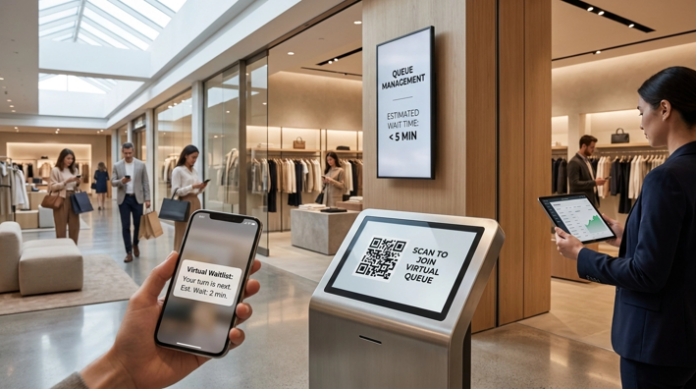
Retail media emerged as one of retail’s fastest-growing business lines over the past several years. During Q1 2026, signs emerged that its role may be expanding again.
Traditionally, retail media networks monetized digital traffic through sponsored search results, promoted listings, banner advertising, and marketplace visibility. AI introduces a new layer where recommendation systems themselves may become monetizable.
If consumers increasingly rely on AI-generated recommendations, retailers and brands will seek influence within those recommendation ecosystems. Sponsored recommendations, conversational commerce sponsorships, and AI-driven product prioritization could become meaningful revenue opportunities.
In that environment, recommendation engines become commercial real estate.
The companies controlling those recommendation surfaces may gain substantial influence over product visibility, customer acquisition, and purchasing behaviour. Retailers are increasingly operating two businesses at once: commerce and attention.
As AI becomes more deeply embedded in shopping journeys, those two businesses may become even more connected. Retailers with strong first-party data and large customer ecosystems may be able to monetize visibility in new ways. Retailers without that infrastructure may become more dependent on paid acquisition, platform access, and third-party recommendation systems.
The next evolution of retail media may not revolve around ads beside search results. It may revolve around influencing the recommendations themselves.
Stores Become Software-Enabled Environments
Although much of the AI conversation focuses on digital commerce, important changes are also happening inside physical stores.
Retailers increasingly use AI to support inventory allocation, labour planning, dynamic pricing, merchandising decisions, retail media delivery, and customer engagement. The result is a store environment that becomes more adaptive and responsive over time.

Rather than functioning as static spaces, stores increasingly behave like dynamic systems capable of responding to customer behaviour, traffic patterns, inventory levels, weather conditions, and local demand. Digital signage can change in real time. Inventory decisions can become more predictive. Promotions can become more targeted. Merchandising can be adjusted based on live customer behaviour.
Instacart’s Caper Cart initiative is one example of how the physical store is becoming more programmable. Smart carts can influence basket behaviour during the shopping trip itself, creating another point where recommendation, retail media, and in-store decision-making converge.
This has major implications for execution. Connected stores require reliable systems, trained staff, accurate pricing, stable connectivity, strong device management, and operational discipline. AI infrastructure creates value only when retailers can execute consistently at store level.
The store is becoming software-enabled infrastructure. That makes physical retail more powerful, but also more complex.
Smaller Retailers Face a Platform Dependency Paradox
One of the most important tensions emerging from AI is that it simultaneously empowers and threatens smaller retailers.
On one hand, AI tools lower barriers that once favoured larger organizations. Smaller merchants can now access capabilities for marketing, content creation, analytics, personalization, pricing support, and customer engagement that were far more difficult to deploy only a few years ago.
That is meaningful. AI can help small retailers look more professional, operate more efficiently, and compete with greater sophistication.
At the same time, discovery may become more concentrated inside AI ecosystems controlled by larger technology platforms. That creates a difficult paradox: independent retailers may gain better operating tools while becoming more dependent on external systems that control visibility and customer acquisition.
Success may increasingly depend on building differentiated brands, loyal communities, direct customer relationships, and experiences that cannot be easily replicated through algorithmic recommendations alone.
For smaller retailers, AI is both a tool and a dependency risk.
Human Retail Becomes More Valuable
One of the most interesting contradictions in AI commerce is that it may ultimately increase the value of distinctly human retail experiences.
As technology automates routine shopping tasks such as replenishment, comparison shopping, and basic product discovery, retailers may need to differentiate themselves through qualities AI struggles to replicate.
Expertise, hospitality, trust, community, curation, and experience become more important when convenience becomes widely available.
Consumers may rely on AI to purchase commodity products efficiently. They may still seek human expertise when making important decisions, exploring new interests, or engaging with brands that reflect their identities and values.
That distinction matters across categories such as luxury, beauty, wellness, hospitality, specialty retail, home improvement, and experiential formats. In those areas, the store is not simply a distribution point. It is a place of advice, reassurance, service, discovery, and emotional connection.
AI may not diminish the importance of physical retail. It may sharpen the difference between transactional retail and differentiated retail.
Commodity retail becomes easier to automate. Human retail becomes harder to replace.
Consumer Trust Remains Unresolved
Despite accelerating adoption, trust remains one of the most significant unresolved issues surrounding AI in commerce.
Consumers appreciate convenience, speed, personalization, and recommendations. At the same time, concerns persist around privacy, transparency, accountability, bias, data usage, and manipulation.
The challenge for retailers is balancing innovation with trust.
Consumers may welcome AI assistance while remaining uncomfortable with how much influence automated systems exert over recommendations and purchasing decisions. They may want convenience, but they also want to understand who is guiding the recommendation, how data is being used, and whether the system is acting in their interest.
Trust therefore becomes part of the value proposition itself.
Retailers that communicate clearly about AI, protect customer data, and maintain transparency around personalization may gain an important advantage as adoption accelerates.
Artificial Intelligence (AI) and retail. Image: redresscompliance.com
Risks to the Thesis
Several factors could slow or complicate AI’s impact on retail.
Regulatory intervention remains possible as governments evaluate competition, privacy, transparency, and consumer protection concerns. Consumer trust may develop more slowly than expected. AI-generated recommendations could become overly commercialized, reducing confidence in their objectivity.
There is also a risk that discovery ecosystems become increasingly concentrated among a small number of powerful platforms. If that occurs, smaller retailers, publishers, and brands may face greater pressure to pay for visibility or operate within systems they do not control.
At the same time, AI adoption requires operational readiness. Retailers with fragmented systems, weak data governance, poor inventory accuracy, or limited technical capacity may struggle to turn AI investments into meaningful performance gains.
The pace of change remains uncertain. The direction, however, is becoming harder to ignore.
Editor’s Take
The biggest retail technology story of Q1 2026 is not automation. It is mediation.
For years, retailers focused on how AI could help them operate more efficiently. Increasingly, the more important question is how AI influences the relationship between retailers and consumers.
Discovery has always been one of retail’s most valuable assets. The ability to attract attention, influence consideration, and earn customer trust sits at the heart of every retail business model.
AI is beginning to reshape that process.
Retailers are no longer competing solely for customers. They are increasingly competing for visibility within systems that may influence purchasing decisions before consumers consciously evaluate brands themselves.
That creates one of the most important retail power shifts since the rise of search engines and marketplaces.
The strongest retailers will likely be those that combine technological sophistication with direct customer relationships. They will use AI to improve operations, personalize engagement, strengthen loyalty, enhance stores, and participate in new discovery environments without surrendering too much control.
At the same time, the future is unlikely to be entirely automated.
As convenience becomes easier to automate, the value of expertise, hospitality, community, trust, and experience may increase. Retailers that offer something genuinely human may become more distinctive, not less.
The next era of retail competition may not be decided by who owns the store, the shelf, or even the customer database.
Increasingly, it may be decided by who influences discovery before shoppers realize a retail decision is being made.
Canadian consumers continued spending during Q1 2026, but they did so with greater discipline, planning, and selectivity.
For retailers, the quarter reinforced a reality that has become increasingly apparent over the past several years. Households are still making purchases, travelling, dining out, and participating in the economy. At the same time, many Canadians remain focused on managing budgets, comparing prices, maximizing loyalty rewards, and delaying discretionary purchases until they believe the timing and value are right.
Economic indicators reflected this mixed environment. Inflation remained a concern for many households, consumer confidence stayed subdued, and affordability pressures continued influencing spending decisions. Yet retail sales remained relatively stable, employment conditions showed resilience, and overall consumer spending continued to support the economy.
Retail Insider’s Q1 coverage reflected a consumer who has adapted to a higher-cost environment rather than one who has withdrawn from it. Consumers are making more deliberate decisions about where they spend, what they buy, and how often they purchase. Those decisions are reshaping performance across multiple retail sectors.
The businesses performing best in this environment are often those that understand how consumers define value. Price remains important, but so do convenience, loyalty rewards, quality, service, trusted brands, and experiences that consumers believe justify the expense.
Understanding those priorities may be more valuable to retailers than tracking any single economic indicator.
Executive Summary
Several themes defined Retail Economy coverage during Q1 2026:
Consumers continued spending but became increasingly selective in where and how they spent.
Promotional sensitivity remained elevated across multiple retail categories.
Loyalty programs played a larger role in influencing purchasing decisions.
Value-oriented retailers continued benefiting from cautious consumer behaviour.
Employment conditions remained relatively resilient despite economic uncertainty.
Retailers faced growing pressure to balance pricing, promotions, and profitability.
Experiences and meaningful purchases continued attracting consumer dollars.
The broader trend is clear: Canadian consumers have adjusted to a higher-cost environment and are making more deliberate spending decisions.
Overall Retail Economy Coverage by Retail Insider
Retail Insider published 23 Retail Economy stories during Q1 2026, covering inflation, retail sales, employment, consumer confidence, spending behaviour, and broader economic developments affecting the retail sector.
The quarter’s reporting consistently pointed toward a consumer environment defined by caution rather than retreat. Households continued participating in the economy, but spending decisions increasingly reflected a desire to stretch budgets, maximize value, and reduce financial risk.
Coverage included Statistics Canada retail sales releases, labour market developments, consumer confidence indicators, retail earnings commentary, and interviews with economists and industry observers. Together, these stories painted a picture of consumers who remain active but increasingly deliberate.
For retailers, this distinction matters. Many businesses entered 2026 hoping for a return to spending patterns seen before inflation and interest rates began reshaping household budgets. Instead, Q1 suggested that many consumers have permanently adopted new shopping habits.
Consumers are spending more time researching purchases. They are comparing retailers more closely. They are paying greater attention to promotions and loyalty offers. They are also becoming more selective about discretionary purchases.
The challenge for retailers is not simply attracting spending. It is earning a place within increasingly disciplined household budgets.
Shopping With a Calculator
One of the clearest themes during Q1 was the continued rise of what might be described as “shopping with a calculator.”
Consumers are spending more time evaluating purchases before committing. They are comparing prices across channels, waiting for promotions, using loyalty rewards, researching alternatives, and making more deliberate decisions about discretionary spending.
Retailers across multiple sectors reported signs of this behaviour. Promotional events continue generating strong engagement. Loyalty offers remain highly effective. Value messaging continues resonating across a broad range of demographic groups.
Importantly, this behaviour extends well beyond lower-income households.
Middle-income and higher-income consumers are also demonstrating greater sensitivity to pricing, promotions, and perceived value. Many shoppers who previously made discretionary purchases with relatively little consideration are now spending more time evaluating options and determining whether a purchase feels justified.
This creates challenges for retailers that rely heavily on impulse spending or discretionary purchases. It also creates opportunities for businesses that can clearly communicate quality, convenience, differentiation, or long-term value.
Consumers remain willing to spend, but they increasingly want confidence that a purchase is worthwhile.
The Value Equation Continues to Evolve
Value remained one of the most important themes shaping retail performance during Q1, but consumers are defining value in increasingly nuanced ways.
Many households are not simply trading down to lower-priced alternatives. Instead, they are making choices about where they are willing to spend and where they are willing to save.
A consumer may delay an apparel purchase while booking a vacation. Another may reduce restaurant visits while maintaining spending on fitness, beauty, wellness, or home-related purchases. Others may seek promotions on everyday necessities while remaining loyal to premium brands they trust.
This behaviour reflects prioritization rather than uniform spending reduction.
That distinction helps explain why discount retailers continue performing well while many premium brands remain successful. Consumers are evaluating purchases through a broader lens that includes quality, durability, convenience, loyalty rewards, service, and personal relevance.
Retailers that communicate value effectively are often better positioned than those competing primarily on price alone.
The challenge is helping consumers understand why a product, service, or experience deserves a place within increasingly selective household budgets.
Loyalty Programs Become More Important
As consumers become more selective, loyalty programs continue gaining influence.
Points, rewards, member pricing, personalized offers, and partnership ecosystems increasingly shape purchasing decisions. Consumers are looking for ways to maximize value from spending they already intend to make.
This trend benefits retailers with strong loyalty infrastructure.
Programs such as Triangle Rewards, PC Optimum, Scene+, Air Miles, and others provide retailers with opportunities to strengthen engagement while gathering valuable customer insights. They also provide consumers with additional reasons to choose one retailer over another when products and prices are comparable.
The role of loyalty has expanded considerably.
For many retailers, loyalty programs now influence acquisition, retention, frequency, basket size, and overall share of wallet. They also help maintain direct relationships with customers at a time when competition for attention continues intensifying.
As consumers remain focused on value, loyalty continues serving as one of the most effective tools available for reinforcing engagement and encouraging repeat visits.
Employment Supports Consumer Resilience
Despite ongoing affordability concerns, Canada’s labour market remained relatively resilient during the quarter.
Employment conditions continued supporting household spending, helping explain why consumer activity remained more stable than some forecasts anticipated.
This does not mean consumers are unconcerned about economic conditions. Consumer confidence surveys continue highlighting concerns about inflation, housing affordability, debt levels, and financial security.
However, stable employment conditions provide many households with enough confidence to continue spending, even while managing budgets more carefully than in previous years.
For retailers, this distinction is important.
The current environment does not resemble a sharp consumer pullback. Instead, it reflects a prolonged period of disciplined spending behaviour where consumers continue participating in the economy while exercising greater control over household finances.
That creates a very different operating environment than a traditional recession.
Experiences Continue Attracting Spending
One of the more interesting themes during Q1 was the continued willingness of consumers to spend on experiences.
Travel, entertainment, dining, events, and experiential retail concepts continued attracting interest despite broader economic caution.
This reflects an important aspect of consumer behaviour. Consumers may postpone a discretionary merchandise purchase while continuing to spend on experiences they consider memorable, social, or personally meaningful.
The retail implications are significant.
Retailers that create experiences, events, community engagement, hospitality elements, or destination environments may be better positioned to attract spending than businesses relying solely on transactional shopping. Food halls, entertainment-driven centres, luxury retail environments, experiential activations, and mixed-use destinations all benefit from this broader shift.
Consumers remain selective, but they continue allocating spending toward experiences and purchases they view as worthwhile.
For many retailers, the challenge is creating enough differentiation to justify that spending.
Consumer spending patterns are shifting with AI usage in Canada, according to Environics/RCC. Image: SmartDev
Risks to the Thesis
Several factors could alter the trajectory of consumer spending during the remainder of 2026.
Inflation remains a concern for many households, even as price growth moderates. Housing affordability challenges continue affecting budgets. Debt servicing costs remain elevated for many Canadians, while geopolitical developments and trade uncertainty create additional unpredictability.
Consumer confidence also remains fragile. Households may continue delaying discretionary purchases if economic conditions weaken or labour market conditions deteriorate.
Retailers should avoid assuming current spending patterns will remain stable indefinitely. Consumer resilience has been stronger than many expected, but it is not unlimited.
The consumer remains engaged, but flexibility and disciplined execution remain important.
Editor’s Take
Q1 2026 reinforced a theme that has become increasingly visible across the retail sector: consumers have adapted.
They have adapted to higher prices, elevated interest rates, and a more uncertain economic environment. The result is a consumer who remains active but increasingly selective.
Retailers waiting for a return to pre-pandemic spending behaviour may be disappointed. The consumer that emerged during the past several years has developed new habits around budgeting, promotions, loyalty programs, research, and value assessment.
Many of those habits appear likely to remain.
The strongest retailers increasingly recognize this reality. They focus on value, customer relationships, convenience, loyalty, and differentiation. They understand that consumers are still willing to spend, but they also recognize that purchases face greater scrutiny than they did several years ago.
The challenge for retailers is no longer convincing consumers to spend.
The challenge is earning a place on an increasingly short list of purchases that consumers consider worthwhile.
Canadian Books & Entertainment increasingly behaved less like a traditional retail category and more like a competition for attention, participation, and emotional engagement during Q1 2026.
The category is no longer moving in one direction. It is increasingly splitting into two different economies competing for the same consumer time and discretionary spending.
One side of the market is built around participation. These businesses monetize engagement, fandom, repeat visits, social interaction, and emotional connection. Consumers are paying for experiences, community, premium outings, collectibles, gaming culture, and culturally relevant moments. In these models, the venue itself increasingly becomes part of the product.
The other side remains tied to older specialty retail structures built around static inventory, seasonal peaks, and conventional merchandising. That side of the market is showing mounting pressure as occupancy costs, supply-chain complexity, digital competition, and shifting consumer behaviour continue reshaping the economics of physical retail.
The divide became difficult to ignore during Q1.
Steve’s Music in downtown Montreal. Photo: Steve’s Music
Steve’s Music moved into liquidation across much of its network to focus on a single Montreal flagship and e-commerce operations.
At the same time, operators built around recurring participation continued expanding.
Cineplex continued lifting revenue-per-guest through premium formats, concessions, alternative programming, subscriptions, loyalty, and location-based entertainment. Activate Games expanded its replayable technology-enabled entertainment model, while Splitsville Bowl continued growing large-format venues built around bowling, food, beverage, arcades, and group experiences.
On the commerce side, eBay launched livestream shopping in Canada tied directly to fan conventions, while Funko reset Canadian wholesale distribution through Kroeger Marketing. These moves reinforced another structural shift emerging across the category: fandom, collectibles, and entertainment commerce are increasingly being driven through events, livestreams, communities, creator ecosystems, and digital participation rather than passive shelf merchandising.
For retailers, landlords, investors, vendors, brokers, and service providers, the implication is becoming clearer. The traditional Books & Entertainment playbook weakens fastest when stores fail to evolve into destinations, community nodes, or recurring-visit experiences.
Executive Summary
Several themes defined Canadian Books & Entertainment during Q1 2026:
Experiential entertainment operators continued outperforming traditional specialty retail.
Landlords prioritized tenants capable of extending dwell time and generating repeat visits.
Traditional specialty retail faced renewed financial pressure and restructuring risk.
Entertainment increasingly merged with hospitality, foodservice, and social activity.
Livestream commerce and fandom-driven retail ecosystems accelerated.
Consumers continued spending selectively on premium outings, identity-driven purchases, and culturally relevant experiences.
Community-building and participation became increasingly important competitive advantages.
The broader shift is becoming difficult to ignore: Canadian Books & Entertainment increasingly rewards operators that monetize emotional engagement and participation rather than simply selling inventory.
Books & Entertainment Becomes a Participation Economy
Retail Insider tracked 9 notable Books & Entertainment stories during Q1 2026, and the mix itself revealed a category moving in two directions simultaneously.
Expansion and experiential growth occurred alongside restructurings, liquidations, shrinking footprints, and operational stress. This was not a stable category. It was a quarter where consumers gravitated toward outings, fandom, experiences, and event-driven spending while some traditional retail formats struggled under rising costs and declining visit urgency.
The strongest operators increasingly shared one characteristic: they created reasons for consumers to actively participate rather than simply transact.
That participation showed up through:
premium cinema experiences;
immersive gaming;
bowling entertainment;
collectibles;
conventions;
livestream commerce;
fandom events;
creator ecosystems; and
social outings.
The weaker side of the category looked very different:
static inventory;
fragile supply chains;
declining visit urgency; and
retail models dependent on nostalgia rather than recurring engagement.
Books & Entertainment is no longer functioning purely as a specialty retail category. It is increasingly operating as a participation economy where emotional utility, repeat engagement, and community matter as much as merchandise itself.
(RENDERING OF THE NEW PARK ROYAL CINEPLEX VIP CINEMAS. IMAGE SUPPLIED)
Consumers Increasingly Pay for Emotional Utility
One of the most important shifts underneath the category is that consumers increasingly justify experiences differently than products.
Commodity purchases are increasingly easy to make online. Physical Books & Entertainment retail now competes more heavily on:
escapism;
identity;
belonging;
social interaction;
memory creation;
participation; and
cultural relevance.
That helps explain why fandom, gaming, collectibles, entertainment, and social experiences continue attracting consumer attention even as broader discretionary spending remains selective.
The strongest operators are no longer simply selling products or admissions. They are creating environments where consumers feel part of something.
That distinction matters.
Retailers capable of building emotional engagement, rituals, repeat participation, and community behaviour are becoming more resilient. Operators dependent primarily on transactional visits are becoming more exposed to digital substitution and traffic volatility.
Participation has become a retail moat.
What We’re Hearing Across the Market
Several themes repeatedly surfaced across landlord discussions, retailer activity, earnings commentary, and Q1 reporting.
Landlords increasingly value entertainment tenants because they:
extend dwell time;
activate evenings and weekends;
support surrounding restaurant traffic;
encourage family and group outings; and
create repeat visitation patterns that many traditional retailers struggle to replicate.
There are also signs that entertainment and fandom-driven uses are replacing weaker discretionary retail categories in some centres. Collectibles, gaming, anime, trading cards, and social entertainment concepts continue generating stronger engagement than many inventory-heavy specialty formats.
Meanwhile, retailers tied to organized communities appear more resilient than operators dependent on broad generic assortment strategies. Release calendars, tournaments, livestreams, creator partnerships, exclusive drops, and conventions increasingly function as recurring traffic infrastructure rather than isolated marketing moments.
The strongest operators increasingly behave less like conventional retailers and more like entertainment, media, hospitality, and community platforms.
Entertainment Becomes Traffic Infrastructure
One of the quarter’s most important real estate shifts is that entertainment tenants are increasingly functioning as traffic infrastructure within Canadian retail environments.
For years, entertainment was often treated as supplementary to shopping. That is changing quickly. Entertainment is increasingly central to how landlords drive:
The strongest entertainment operators no longer rely solely on admissions or transactional purchases. They monetize engagement time through:
food and beverage;
premium upgrades;
memberships;
loyalty;
replayability;
group events;
merchandise; and
social participation.
Cineplex continues demonstrating this model through premium screens, VIP offerings, alternative programming, concessions, subscriptions, and location-based entertainment. Even where attendance remains tied to film slates, revenue-per-patron metrics continue reinforcing the value of premiumization and experiential layering.
Activate Games operates around repeat participation through replayable technology-enabled rooms, progress tracking, and social competition. Splitsville Bowl similarly monetizes group occasions through bowling, VIP lanes, food, beverage, arcades, and event-driven social experiences.
This convergence between entertainment, hospitality, and foodservice is becoming increasingly important for landlords. Entertainment venues no longer function purely as attractions. In many cases, they help stabilize traffic patterns, extend visit duration, support restaurant ecosystems, and create reasons for consumers to physically gather.
Entertainment tenants are increasingly being underwritten more like traffic infrastructure than discretionary retail.
Activate opens in Oslo, Norway and Gothenburg, Sweden
Fandom Becomes Recurring Traffic Infrastructure
Another major shift emerging from the quarter is that fandom itself is becoming organized retail infrastructure.
Collectibles, gaming culture, anime, trading cards, creator ecosystems, sports partnerships, livestreams, and convention culture are no longer operating at the edge of retail. They are increasingly functioning as recurring demand ecosystems capable of generating urgency, loyalty, repeat visits, and community participation.
Retail Insider’s Q1 coverage reflected this shift through:
eBay Live Canada;
EB Games Canada’s Canadian Soccer Business partnership; and
broader collectibles momentum.
The earnings commentary reinforced the same pattern.
eBay pointed to momentum in:
trading cards;
comic books;
collectibles;
live commerce; and
authenticated marketplace activity.
For Canadian operators, the implications are becoming increasingly practical.
Retailers can no longer simply stock fandom. They increasingly need to program fandom through:
events;
tournaments;
drops;
livestreams;
creator partnerships;
pre-orders;
conventions;
loyalty ecosystems; and
recurring community participation.
The store is no longer simply a distribution point.
It is becoming:
a stage;
a gathering place;
a social venue; and
a community platform.
Omnichannel Evolves Into Event Commerce
In Books & Entertainment, digital increasingly functions less like a checkout lane and more like a live event platform.
eBay Canada’s launch of eBay Live tied livestream auctions directly to convention culture and fan moments, including Fan Expo Vancouver. The significance extends beyond auctions themselves. Live commerce transforms scarcity, fandom, urgency, and participation into real-time retail behaviour.
This changes the competitive environment for specialty retail.
A local collectibles retailer may still possess strong community credibility, but it now competes against platforms capable of:
staging live events;
integrating influencers;
driving national audiences;
creating urgency; and
publicly establishing pricing momentum in real time.
The broader lesson extends beyond collectibles.
Passive e-commerce and generic online assortment are becoming weaker competitive advantages than:
owned audiences;
creator ecosystems;
loyalty platforms;
app engagement;
livestreams;
event calendars; and
community participation.
Retailers increasingly need reasons for consumers to engage before the transaction itself occurs.
Liquidations Put Real Estate Back in Play
The immediate implication for landlords and brokers is increasingly straightforward: vacancy and repositioning risk remain meaningful across parts of the category.
Steve’s Music represents one version of that pressure. Its retreat toward a single Montreal flagship and e-commerce operation reflects how difficult it has become for some traditional specialty formats to support broad physical networks without stronger experiential differentiation.
This creates broader implications for malls, power centres, and urban retail corridors.
Entertainment, gaming, foodservice, fandom retail, and social experiences are increasingly being evaluated not as optional additions, but as strategic traffic drivers capable of stabilizing visitation patterns within increasingly experience-oriented retail environments.
The next wave of category growth is unlikely to come from conventional inventory-led specialty retail. It is more likely to come from operators capable of generating participation, social engagement, repeat visitation, and stronger productivity economics.
Risks to the Thesis
Despite strong momentum behind experiential and fandom-driven retail, several risks remain important.
One risk is oversupply. If every landlord aggressively pursues:
immersive gaming;
bowling entertainment;
social attractions;
arcades; or
experiential concepts,
certain markets could eventually become saturated.
Another risk is novelty fatigue. Some experiential concepts remain heavily dependent on repeat traffic and social relevance. Maintaining long-term engagement may become more difficult once novelty cycles fade.
Consumer spending also remains selective. Experiences may currently be outperforming some traditional retail categories, but they remain discretionary purchases vulnerable to broader economic softness.
There is also increasing competition for consumer attention itself. Livestreams, fandom ecosystems, collectibles, conventions, gaming, and entertainment concepts are all competing for finite time and spending capacity.
The strongest operators will likely be those capable of consistently refreshing experiences, building communities, and maintaining cultural relevance rather than relying purely on novelty.
Photo: eBay
Editor’s Take
The biggest shift this quarter is that Canadian Books & Entertainment increasingly rewards operators that create participation rather than passive consumption.
That sounds subtle, but it represents a major structural shift in how consumers engage with physical retail.
The strongest businesses are no longer simply selling products, admissions, or inventory. They are building ecosystems around:
fandom;
identity;
social interaction;
repeat engagement;
events;
loyalty; and
cultural relevance.
That is why operators such as Cineplex, Activate Games, Splitsville Bowl, eBay Live, and fandom-driven collectibles ecosystems continue generating momentum.
The weaker side of the category increasingly looks exposed:
static merchandising;
fragile supply chains;
weak digital engagement; and
formats dependent on nostalgia rather than recurring participation.
The broader implication may extend well beyond Books & Entertainment itself.
Consumers increasingly want reasons to leave home:
social interaction;
identity;
experiences;
community;
events;
escapism; and
emotionally resonant participation.
Retailers capable of creating those behaviours are becoming more resilient.
Those that remain primarily transactional are becoming more exposed.
For landlords, the lesson is increasingly straightforward: underwrite traffic quality, repeat engagement, and dwell time rather than relying purely on legacy category assumptions or nostalgic brand recognition.
In 2026, success in Books & Entertainment increasingly depends less on what retailers sell and more on whether consumers feel compelled to return, participate, and belong.
Canada’s retail real estate market entered 2026 facing a contradiction: retailers still want stores, but increasingly struggle to secure economically viable space in the locations they want most.
The market is no longer defined by recovery. It is increasingly being defined by scarcity.
Prime retail availability remains extremely tight across major Canadian markets. Landlords continue reporting high occupancy, rising renewal spreads, and strong tenant demand, particularly in grocery, value, service, fitness, wellness, luxury, and necessity-driven categories. At the same time, rising construction costs, elevated build-out expenses, tighter capital conditions, and longer development timelines are reshaping how retailers approach expansion.
The challenge is no longer proving demand exists. The challenge is converting demand into profitable, affordable, buildable space.
That tension defined Canadian retail real estate during Q1 2026.
Former Hudson’s Bay locations are becoming some of the country’s largest redevelopment and subdivision opportunities. Owners are actively repositioning large-format boxes into mid-sized leasing opportunities while using redevelopment flexibility to rethink tenant mix, intensification, and long-term site planning. Meanwhile, older retail assets without clear reinvestment strategies are becoming increasingly exposed as debt costs, redevelopment complexity, and capital requirements rise.
The result is a market behaving less like a traditional growth cycle and more like a scarce-resource economy.
Sunridge Mall in Calgary. Photo: Tourism Calgary
Executive Summary
Several themes dominated Canadian retail real estate during Q1 2026:
Prime retail availability remained historically tight in major Canadian markets.
Former Hudson’s Bay locations became Canada’s largest mid-box leasing opportunity.
Landlords continued pushing renewal and new leasing spreads materially higher.
Rising build-out and development costs placed increasing pressure on retailer economics.
Grocery, value, fitness, service, wellness, and necessity retail categories remained strongest.
Landlords with redevelopment capital widened their competitive advantage.
Retailers became more selective, flexible, and data-driven in expansion planning.
Adaptive reuse and mixed-use intensification accelerated across older retail assets.
Second-generation space became increasingly attractive relative to expensive new development.
The quarter also reinforced a broader structural shift: retail real estate strategy is increasingly becoming capital strategy. In 2026, choosing a site also means choosing a balance sheet.
Q1 2026 by the Numbers
Several metrics illustrated how constrained the Canadian retail real estate market has become:
98.6% RioCan committed retail occupancy
25.8% RioCan blended leasing spreads
58.5% RioCan new leasing spreads
$175 million–$225 million expected Primaris investment into former Hudson’s Bay repositioning projects
15 million square feet of former Hudson’s Bay space analyzed by JLL
65% projected Hudson’s Bay absorption within two years through subdivision and re-tenanting strategies
97.6% SmartCentres committed occupancy
58 Retail Insider real estate and leasing stories published during Q1 2026
These are not indicators of a weak leasing environment. They are indicators of scarcity.
Retail Real Estate Moves Beyond Recovery
Retail Insider’s Q1 coverage revealed a market increasingly focused on optimization rather than broad expansion.
The industry conversation shifted away from pandemic recovery and toward more structural concerns:
how to reposition large-format vacancy,
how to justify rising occupancy costs,
how to intensify aging retail assets,
and how to deploy capital efficiently in a market where development economics have fundamentally changed.
That shift is visible across Canada.
In Toronto, dominant nodes such as Yorkdale Shopping Centre, Bloor-Yorkville, Ossington Avenue, and CF Toronto Eaton Centre continue experiencing intense competition for space. Vancouver remains defined by luxury demand concentrated around Alberni Street and the emerging Oakridge Park retail district, where more than 30 luxury brands are expected to open stores over time. Calgary and broader Alberta markets continue benefiting from population growth and suburban expansion momentum, particularly in grocery-anchored and necessity-oriented formats.

The issue is not whether retailers want Canadian space. The issue is whether enough viable space exists in the locations retailers actually want.
What We’re Hearing Across the Market
Several themes repeatedly surfaced across earnings calls, leasing discussions, brokerage commentary, and Retail Insider reporting during the quarter.
Retailers are becoming materially more cautious about expansion economics, even while continuing to pursue growth. Many are prioritizing:
second-generation space over expensive new shell construction,
flexible footprints,
phased openings,
and lower-cost build-out opportunities.
At the same time, landlords are becoming increasingly selective about tenant mix and covenant quality. Grocery, fitness, wellness, value retail, food, medical, pet, and service-oriented tenants continue attracting strong landlord interest because they generate repeat traffic and stronger long-term property productivity.
There are also signs that some discretionary retailers are quietly becoming more hesitant about aggressive expansion, particularly in expensive urban corridors where occupancy costs, fixturing expenses, and construction pricing have materially increased over the past several years.
Meanwhile, competition for well-located mid-box space appears to be accelerating faster than many landlords initially expected following the collapse of Hudson’s Bay.
Retail space is still available in Canada. Economically viable retail space is becoming much harder to secure.
Hudson’s Bay flagship store in downtown Vancouver on Wednesday, May 28, 2025. Photo: Lee Rivett
Former Hudson’s Bay Space Becomes Canada’s Largest Leasing Opportunity
The collapse of Hudson’s Bay has created one of the most significant retail real estate repositioning opportunities Canada has seen in decades.
JLL estimates roughly 65 percent of former Hudson’s Bay space could be committed within two years, largely through subdivision strategies that transform oversized department store boxes into smaller, leasable mid-format spaces.
That shift matters because many modern retailers no longer want massive legacy department store footprints. Instead, they want:
15,000–40,000 square foot spaces,
better visibility,
more efficient layouts,
lower operating costs,
and locations within already-proven trade areas.
Primaris REIT is effectively betting on that thesis at scale. The company is preparing to invest between $175 million and $225 million repositioning former Hudson’s Bay locations while also unlocking redevelopment flexibility previously constrained by legacy department store agreements.
This is becoming the new landlord playbook:
subdivide oversized anchors,
upgrade tenant mix,
improve traffic quality,
and reposition existing assets rather than waiting for traditional department store replacements that may never return.
Some of the strongest leasing opportunities in Canada over the next 24 months may emerge from spaces that currently look transitional and construction-heavy rather than polished and stabilized.
The next leasing opportunity may arrive disguised as a redevelopment problem.
Rising Rents Are Colliding With Retail Economics
The strongest landlords in Canada continue benefiting from significant pricing power.
RioCan’s Q1 leasing spreads reinforced how constrained prime Canadian retail space has become, with new leasing spreads reaching 58.5 percent.
But rising rent is only one layer of the equation.
Retailers are simultaneously facing:
elevated construction costs,
higher fixturing expenses,
more expensive financing,
labour shortages,
permitting delays,
and rising operating costs.
For many retailers, especially discretionary and mid-tier concepts, the issue is no longer simply securing a location. The issue is whether the economics still work once construction, staffing, occupancy, and capital costs are fully modeled.
That creates an important contradiction in the market.
Landlords continue pushing rents higher because space remains scarce. However, retailers still need stores to remain profitable. If occupancy costs move too far ahead of store productivity, the market risks creating hidden fragility beneath today’s strong occupancy metrics.
This is particularly relevant in categories such as:
discretionary fashion,
independent restaurants,
experiential retail,
and highly customized flagship concepts with expensive build-outs.
Retailers are no longer simply competing for customers. Increasingly, they are competing for viable economics.
Queens Harbour, under construction. Photo: Craig Patterson
Construction Costs Are Reshaping Expansion Strategy
Canada continues building retail space, but the threshold for development has materially increased.
Public REIT commentary increasingly reflects a more disciplined development environment:
projects tied closely to leasing commitments,
phased development,
selective intensification,
and targeted capital deployment rather than broad speculative expansion.
That matters because rising development costs are narrowing future supply.
The market increasingly favours:
second-generation space,
adaptive reuse,
former anchor subdivisions,
and mixed-use intensification.
Retailers capable of operating flexible formats now hold a meaningful advantage.
Brands able to efficiently adapt to:
5,000 square feet,
12,000 square feet,
or 25,000 square feet, using modular fixtures and lower-cost build-outs have materially more flexibility than concepts dependent on expensive flagship prototypes.
This is becoming increasingly visible across Canadian expansion activity. Retailers are becoming more selective about where flagship investments still make sense, while simultaneously pursuing lower-risk suburban, mixed-use, and second-generation opportunities.
The non-obvious implication is that construction inflation is not simply inflating budgets. It is reshaping retail strategy itself.
Landlords With Capital Are Pulling Ahead
Capital access has become one of the defining competitive advantages in Canadian retail real estate.
The former Hudson’s Bay situation illustrates this clearly. Demand for many locations exists, but landlords still require substantial capital to:
subdivide space,
modernize infrastructure,
improve visibility,
reconfigure loading,
and reposition aging assets.
Landlords capable of funding these projects are creating opportunity. Owners facing debt pressure or limited redevelopment capacity are becoming more exposed.
Dixie Outlet Mall’s receivership reinforced this reality. A retail property can remain active, operational, and occupied while still facing financial pressure if the capital structure no longer works.
The divide between well-capitalized owners and weaker operators is likely to widen further over the next several years.
Passive retail ownership is becoming increasingly risky.
Dixie Outlet Mall. Photo: Trip Advisor
Adaptive Reuse Moves From Trend to Necessity
Adaptive reuse has increasingly shifted from theory to commercial necessity.
Older malls and large retail parcels now represent some of the country’s most valuable serviced land within established communities facing housing shortages and intensification pressure.
The issue is no longer whether mixed-use redevelopment will happen. The issue is which properties can realistically execute it.
Leading landlords are already leaning into:
residential intensification,
mixed-use redevelopment,
entertainment uses,
service-oriented merchandising,
healthcare integration,
and adaptive reuse planning.
The strongest owners are repositioning retail properties into broader mixed-use ecosystems rather than relying solely on traditional shopping centre formats.
For retailers, this creates both opportunity and uncertainty. Redevelopment clauses, shorter lease terms, phased construction, parking changes, and shifting access conditions are becoming increasingly common realities.
The exposed assets are those stuck in the middle:
not dominant enough to command premium rents,
but not advanced enough in approvals, financing, or redevelopment planning to evolve quickly.
Winners and Pressure Points
Winners This Quarter
Grocery-anchored retail real estate
Mid-box subdivision strategies
Landlords with redevelopment capital
Alberta suburban retail markets
Luxury and premium urban corridors
Necessity-driven retail categories
Second-generation leasing opportunities
Pressure Points
Mid-tier discretionary retail
Older enclosed malls without redevelopment strategies
High-buildout restaurant concepts
Retailers facing aggressive lease renewals
Capital-constrained landlords
Large-format boxes dependent on outdated merchandising models
Risks to the Thesis
Despite strong leasing fundamentals, several risks could weaken the market’s current trajectory.
These include:
softer discretionary consumer spending,
retailer insolvencies,
financing stress,
redevelopment delays,
construction inflation,
and over-aggressive rent growth.
The market also risks becoming overly optimistic about redevelopment timelines. Former department store boxes remain large, capital-intensive projects requiring:
patient leasing,
substantial construction work,
phased execution,
and significant redevelopment expertise.
Not every landlord will execute successfully.
There is also a risk that some “healthy” retail properties are currently being protected by limited alternatives rather than genuinely strong long-term economics.
The strongest evidence of resilience remains concentrated among dominant, well-capitalized assets rather than the market as a whole.
Editor’s Take
The biggest shift in Q1 2026 is that Canadian retail real estate is increasingly behaving like a scarce-resource economy.
But underneath those fundamentals sits growing friction:
space scarcity,
rising rents,
construction inflation,
expensive capital,
and tightening store economics.
The market remains healthy, but it is becoming materially less forgiving.
The strongest landlords are those with:
redevelopment capital,
disciplined merchandising strategies,
data-driven leasing,
and the ability to actively reposition assets.
The strongest retailers are becoming more selective, more flexible, and more operationally disciplined.
The weakest players are increasingly exposed:
older assets without clear redevelopment plans,
retailers dependent on outdated store economics,
and operators hoping demand alone will solve structural issues.
One of the most important shifts may be psychological. For years, Canadian retail real estate discussions centred around recovery, e-commerce disruption, and store closures. In 2026, the conversation has increasingly shifted toward scarcity, redevelopment, and capital efficiency.
That does not mean every retail asset wins. It means the market is becoming more polarized.
The long-term story is no longer simply retail recovery.
It is scarcity:
not enough prime space,
not enough easy development,
not enough cheap capital,
and not enough simple anchor replacements.
That scarcity will continue shaping Canadian retail real estate long after the immediate Hudson’s Bay disruption fades.
For executives, the practical takeaway is increasingly straightforward: in 2026, retail real estate decisions are balance-sheet decisions.
Rokt, the New York-based e-commerce technology company that will power more than 10 billion transactions in 2026, has spent years building a corporate culture where the stated philosophy is to hire people who challenge you to be better. That’s the story Dan Wright tells about working at Rokt for nearly a decade.
Dan Wright’s Decade at Rokt: Fourteen Teams, One Constant
Wright is currently VP of Operations and Solutions at Rokt, and his career there is an unusual case study in what internal mobility actually looks like when a company is scaling fast. Over nearly ten years, he has worked for, founded, or been part of fourteen different teams at Rokt, a breadth that gives him a different vantage point on the company than most employees develop. The thing that stands out to him isn’t the change. It’s what hasn’t changed.
“What I’m really proud of and always have been over the last ten years is what hasn’t changed,” Wright said. “That’s the culture and the people.”
The consistency he’s describing has a direct effect on how he hires. In a recent feature on Rokt’s blog, Wright explained the philosophy he has carried across every team he’s built: hire the person who is better than you. Build a team of people who are stronger than you in many aspects, and you end up with a great team.
The Jon Humphrey Story: A Hiring Philosophy Made Concrete
The clearest illustration of that philosophy is a story Wright has told about hiring Jon Humphrey about four years ago as a Director of Solutions. Six months into the role, Wright was sitting in a performance calibration meeting with Rokt’s executive leadership team. When it came time to start Humphrey’s review, he opened with what he described as a half-joke: “I think I’ve just hired my boss.” The room laughed. Wright didn’t walk it back.
“No, I’m serious,” he told the room. “I think Jon within the year is going to be my boss.”
He was right. Humphrey became VP of Operations and Solutions within a year. He is now SVP of Operations and Advertising. “He’s just absolutely skyrocketed,” Wright said. “For me, I think it’s one of the proudest things I’ve done at Rokt, being involved in Jon’s success.”
The story is a specific, verifiable example of something Rokt’s culture pages and award write-ups tend to describe more abstractly: that the company promotes quickly, measures leaders by the growth of their direct reports, and doesn’t treat internal advancement as a threat to the person who did the hiring.
Recognition as an Organizational System, Not a Program
Rokt’s approach to employee recognition goes beyond milestone gifts and shout-outs at all-hands meetings, though it has those too. According to Built In’s 2026 company culture profile, Rokt uses structured awards tied directly to its core values, including a Values Champion award and an Impact Award that highlight individuals and teams for demonstrating the company’s principles and delivering measurable results. Spot bonuses and milestone gifts mark onboarding, work anniversaries, and life events. Practices like gratitude rounds and “recent wins” segments are embedded into regular team meetings rather than treated as separate recognition activities.
What makes the system notable is the organizational logic behind it: recognition at Rokt is designed to make contributions visible beyond the immediate team. Cross-department shout-outs, company-wide acknowledgment from senior leaders, and recognition through digital platforms are all part of a deliberate effort to surface work that might otherwise remain invisible. For a company that has grown from roughly 313 employees in 2021 to more than 500 by 2024, keeping contribution visible across a scaling organization is an active management challenge, not a solved problem.
Third-Party Validation: What the Awards Actually Measure
The external recognition Rokt has received is meaningfully different from the kind companies self-report. Great Place To Work, which bases its certification on direct employee surveys rather than company submissions, reports that 91% of Rokt employees describe it as a great place to work, compared to 57% at a typical U.S. company. Rokt has held Great Place To Work certification for five consecutive years.
These aren’t rankings that companies can purchase or petition for. The Built In awards are based on employee data. The Fortune list relies on confidential surveys. When companies appear on lists like these repeatedly, the external validation is a signal of something consistent happening internally, not a one-time performance.
A High-Change Environment With a Stable Core
Rokt describes itself as a high-change environment, and that framing shows up in how employees talk about working there. A current employee with more than five years at the company described watching Rokt grow from 200 to 800 people, with advancement opportunities and the chance to grow alongside the business.
The tension between high standards and sustainable pace is one Rokt has addressed directly. Rokt’s 2026 Built In award write-up noted that the company’s July 2025 internal engagement survey showed 88% of employees said Rokt provides equal opportunity regardless of age, race, gender, or sexual orientation; a six-point increase from the prior year’s 82%. Internal promotion rates remain above 10% annually, well above industry averages, according to Built In’s workplace profile.
The company also invests $100 million annually in product innovation, according to Rokt’s own performance data. Over the past decade, it has maintained a compound annual growth rate above 40%. Between 2021 and 2024, revenue grew from $97 million to $418 million, a 330% increase. That growth rate earned Rokt the #87 overall ranking on the Financial Times list of The Americas’ Fastest Growing Companies 2026, a list compiled by the Financial Times and Statista that identifies companies with the strongest verified revenue growth between 2021 and 2024.
What “Builder DNA” Means in Practice
Rokt refers to its employees as “Rokt’stars” and uses the term “Builder DNA” to describe the mindset it hires for. According to Built In’s innovation and technology profile of the company, Rokt made a deliberate decision to give every employee access to the full suite of AI tools the company licenses rather than gating access by role or seniority. One employee described the shift as watching “a collective effort to democratize access to tooling and information” unlike anything they had seen in their career.
The company runs an annual company-wide hackathon, the Rokt’athon, which in 2025 focused on building AI-powered solutions to real business problems — not hypothetical proposals, but working products developed by cross-functional teams under time pressure. That’s a meaningful design choice. A culture that produces working products under time constraints in a 48-hour sprint is different from one that produces strategy documents and presentations.
The flat organizational structure Rokt describes, with wide spans of control and minimal hierarchy, is the structural counterpart to that approach. When leadership is accessible, and decision-making is fast, it’s possible for someone like Jon Humphrey to be hired as a director and become an SVP within a few years. That kind of trajectory requires an organization willing to move quickly on people, and a hiring philosophy that actively looks for talent above its own level.
Why the Culture Story Matters at Scale
Rokt now operates in 17 global markets and serves more than 33,000 active clients, including more than half of the largest global e-commerce companies by volume. At that scale, culture is an execution variable, not a branding exercise. The company’s ability to sustain 40%-plus growth over more than a decade depends on continuously bringing in and developing people capable of running parts of the business that didn’t exist two years earlier.
Dan Wright’s story is a small-scale version of that dynamic. He’s been part of fourteen teams because the company keeps building new ones. He has hired people who became his boss because the company keeps creating the senior roles that make that possible. He has stayed for nearly a decade, in part, because the culture that existed when he joined is still the culture he recognizes today.
That consistency, at a company growing as fast as Rokt, is not an accident. It’s the product of a deliberate organizational system; one built around promoting talent it recognizes, recognizing contributions it might otherwise miss, and rewarding the leaders who make it possible by measuring them on what the people they hired go on to do.
Future location of Vivobarefoot, 666 Queen St. W. in Toronto. Photo: Julie SEO (broker who listed the property, no broker on the tenant side of the lease deal)
Vivobarefoot is opening its second Canadian store on Toronto’s Queen Street West as barefoot-style footwear continues gaining momentum among consumers seeking a blend of wellness, performance, and fashion.
The British footwear brand will open at 666 Queen Street West in the former Oak + Fort space, marking the company’s biggest Canadian expansion move since entering the market with a Kitsilano store in Vancouver roughly three years ago. The Toronto location, expected to open June 20, will span approximately 1,200 square feet.
For Andrew Bentley, who holds the exclusive Canadian distribution rights for Vivobarefoot, Toronto represented the obvious next step as awareness around minimalist footwear continues to grow.
“There’s a natural pull toward Toronto,” Bentley told Retail Insider in an interview. “It’s one of North America’s leading cities, and people here understand fashion, wellness, and new consumer trends.”
Andrew Bentley
Bentley said the Queen West location was selected because of the area’s combination of fashion-conscious consumers, strong pedestrian traffic, and wellness-oriented demographic, particularly around nearby Trinity Bellwoods Park.
The company also saw similarities to Kitsilano in Vancouver, where Vivobarefoot established its first Canadian physical retail presence.
“It’s a community where people care about health and movement, and they’re willing to invest in those things,” Bentley said.
Toronto Store Builds on Vancouver Momentum
Bentley said the Vancouver store helped demonstrate that Canadian consumers were increasingly open to footwear concepts that combine function, lifestyle, and fashion.
“We’ve continued to see double-digit growth from the Vancouver store,” he said. “A large percentage of customers are still discovering the brand for the first time, which tells us there’s growing awareness around the category.”
The Kitsilano location has also become a destination for travellers already familiar with Vivobarefoot internationally, reinforcing the role physical retail can play for brands built around education and customer experience.
Bentley recalled one family visiting from Mexico City who FaceTimed relatives while shopping in the store before ultimately purchasing about a dozen pairs of shoes.
Founded in 2012 by Galahad and Asher Clark, members of the Clarks footwear family, Vivobarefoot has built a global following around minimalist footwear designed with flexible soles, wide toe boxes, and an emphasis on more natural movement. The company is also B Corp certified and has developed sustainability initiatives focused on repair, refurbishment, and resale.
Bentley said the Toronto location will become the company’s second concept store in North America. A New York City location is also planned for the Soho area.
Vivobarefoot at 2190 W 4th in Kitsilano, Vancouver (Image: Vivobarefoot)
Physical Retail Remains Important for the Category
While Vivobarefoot continues expanding online and through wholesale partnerships across Canada, Bentley said physical retail remains important because many consumers are still unfamiliar with barefoot footwear and want in-person guidance before making a purchase.
“The category still requires education,” he said. “People want to understand what makes the product different and how it’s meant to function.”
Vivobarefoot currently works with several wholesale partners in Canada, including retailers in Toronto, Ottawa, and Saskatoon.
The Toronto store is expected to host fittings, community events, and movement-focused programming as the company works to build awareness around the category.
That approach reflects a broader shift among wellness and performance brands toward experience-driven retail environments that emphasize community and education alongside product sales.
Vivobarefoot at 2190 W 4th in Kitsilano (Image: Vivobarefoot)
Minimalist Footwear Gains Wider Attention
Bentley believes barefoot footwear is increasingly moving beyond its traditional niche audience as athletes, wellness consumers, and fashion shoppers become more aware of the category.
“We’re seeing barefoot footwear evolve into a category of its own,” he said.
He pointed to growing adoption among professional athletes and sports organizations, including NHL players and training programs that incorporate minimalist footwear into conditioning and rehabilitation routines. Bentley also noted that larger fashion companies have recently introduced minimalist-inspired footwear products, which he views as further validation of the category’s growing visibility.
At the same time, Vivobarefoot continues emphasizing sustainability as part of its broader brand strategy.
“There are billions of pairs of shoes entering landfills every year,” Bentley said. “We want to think differently about how footwear is made, repaired, reused, and kept in circulation longer.”
The company operates refurbishment and resale initiatives internationally through its “Revivo” platform and has introduced “ReLoved” programs in Canada designed to extend the lifecycle of footwear products. Vivobarefoot is also exploring customized production concepts, including foot-scanning technologies and more localized manufacturing approaches aimed at reducing waste.
Vivobarefoot flagship store in London UK. Photo: Vivobarefoot
Montreal Identified as a Potential Next Market
Although the company remains focused on establishing its Toronto store, Bentley acknowledged that additional Canadian expansion opportunities are already being considered.
“Montreal is definitely a market we’re interested in over the longer term,” he said.
For now, however, Toronto represents an important milestone for the company as Vivobarefoot looks to expand awareness of barefoot-style footwear within Canada’s largest retail market.
“We want to create products that feel natural while still being stylish enough for everyday life,” Bentley said. “That balance is a big part of what Vivobarefoot is about.”
adidas is taking over STACKT Market this summer, transforming the downtown Toronto site into a month-long World Cup fan destination featuring giant watch parties, retail pop-ups, food programming, music, and interactive soccer experiences tied to the 2026 FIFA World Cup.
Running from June 11 through July 19, the “Home of Soccer” takeover will span more than 25,000 square feet near Toronto Stadium (BMO Field) and the city’s FIFA Fan Festival area, positioning STACKT as one of Toronto’s major gathering places for soccer fans throughout the tournament.
The initiative comes as brands, restaurants, retailers, and tourism operators increasingly position themselves around what is expected to be one of Toronto’s biggest international events in decades.
Giant Watch Parties and Soccer Challenges
At the centre of the adidas installation will be a massive outdoor screen measuring 13.5 feet by 24 feet, broadcasting every World Cup match throughout the tournament period.
Organizers say the venue will accommodate up to 1,200 visitors daily, with admission operating on a first-come, first-served basis. Large crowds are expected for marquee international matches, particularly as soccer fandom continues growing across Canada ahead of the World Cup.
One of the main attractions will be the “Strike Lab,” where visitors can test adidas Predator and F50 soccer boots while tracking shot speed on a live leaderboard.
The takeover is also expected to include appearances from adidas athletes and brand ambassadors during the residency, though specific names have not yet been announced.
Alongside the soccer programming, adidas will introduce an “adidas Studio” featuring rotating experiences such as barber services, hair braiding, temporary tattoos, and hair dye customization on select dates.
Retail, Product Drops, and Personalization
Retail will play a major role throughout the site.
The temporary adidas store will feature official World Cup merchandise, national team kits, tournament-inspired apparel, and limited-edition footwear launches tied to the global event.
Fans will also be able to personalize purchases onsite and create customized Panini x adidas cards designed for collectability and social sharing.
adidas is also leaning heavily into customization and interactive experiences, areas that have become increasingly important for sportswear brands seeking to engage younger consumers in physical retail environments.
The takeover also comes as global sportswear companies intensify marketing efforts ahead of the World Cup, with adidas continuing to expand its visibility in Toronto through flagship stores, partnerships, and large-scale public events.
STACKT Market Continues to Grow as Cultural and Retail Destination
The choice of STACKT Market is significant from both a retail and real estate perspective.
Built from repurposed shipping containers on a former industrial site west of downtown Toronto, STACKT Market opened in 2019 and quickly became one of the city’s most visible destinations for pop-ups, food concepts, concerts, festivals, and branded public events.
The open-air complex regularly hosts retail installations, wellness programming, live entertainment, and cultural events aimed at younger urban audiences. Its flexible layout and outdoor gathering spaces also make it well suited for large-scale public viewing events tied to major international moments such as the World Cup.
Located near Toronto Stadium and the waterfront, the venue is expected to benefit from increased visitor traffic throughout the tournament period.
For adidas, the environment aligns closely with the kind of immersive consumer experiences global brands are increasingly prioritizing as retail, entertainment, hospitality, and live events continue to overlap.
Food Programming and Tournament Atmosphere
Food and beverage offerings will form a major part of the “Home of Soccer” concept.
Local vendors and chefs including Rob Bragagnolo and Joseph Shawana are expected to create menus inspired by the international nature of the tournament, while a dedicated beer garden will allow fans to gather for match viewings throughout the event schedule.
No advance registration will be required for entry, though organizers are encouraging guests to arrive early for high-profile matches because of anticipated demand.
During the World Cup, STACKT Market is expected to become one of Toronto’s busiest gathering places for soccer fans as the city embraces the tournament atmosphere this summer.
Measured on a scale between 0 and 100, an index below 50 means owners expecting their business’s performance to be weaker over the next three or 12 months outnumber those expecting stronger performance.
The long-term optimism index dropped significantly this month falling below the 50-point threshold. Every province and every sector posted a decline. Fuel costs remained the top pressure point, cited by nearly three quarters (72%) of small businesses. Weak consumer demand is still the lead cost constraint (53%), said the national organization which is Canada’s largest association of small and medium-sized businesses with 103,000 members across every industry and region.
“Many small firms are stuck in a grind. Demand is weak, costs−especially fuel- are high and conditions don’t show signs of improving. This environment is not conducive to strong orders or investment,” said Andreea Bourgeois, CFIB director of economics.
Andreea Bourgeois
Average wage plans were unchanged at 2.4%, while businesses plan to raise prices by an average of 3.1% in the next few months, added the CFIB.
“This is not the direction we’d like to see this data point go. Higher oil prices add upward pressure on inflation, while tariffs and other economic challenges are still weighing on economic growth. With the next Bank of Canada interest rate decision only weeks away, it is a tough spot to be in. This is the second month we’ve seen price increase plans above 3%, and now we have to ask: is this the beginning of a new upward trend?” said Bourgeois.
Hiring intentions remain weak and below seasonal levels, with 14% of small firms looking to hire full-time in the next few months, noted the CFIB.
Simon Gaudreault
“While our governments don’t have control over global events, they can control what’s happening here at home. It’s important governments leverage domestic policies to boost our economy. Lowering taxes, reducing red tape and eliminating internal trade barriers are some of the ways to help small businesses weather the current challenges,” said Simon Gaudreault, CFIB chief economist and vice-president of research. “It’s in the moments like these that we can transform the nation by creating conditions that will outlast the current crisis and pay off in the long term.”