Home Blog Page 346

Canadian retailers grapple with excess inventory amid economic pressures as tariffs ease

Photo: Kampus Production

As consumer spending slows and inflationary pressures persist, Canadian retailers are facing a growing challenge: managing excess inventory in a volatile economic environment.

“Retailers are sitting on a lot more stock than usual,” said Alex Hennick, an industry expert who specializes in inventory and product distribution. “Lower consumer spending, driven by inflation and high interest rates, means products just aren’t moving the way they used to. That’s tying up cash flow, increasing warehousing costs, and creating major logistical headaches.”

Alex Hennick
Alex Hennick

The issue is especially pronounced for seasonal items, where timing and weather can make or break a season’s sales.

“Here in Toronto, we had a slow start to summer,” explained Hennick of Toronto-based A.D. Hennick & Associates. “So items like patio furniture, trampolines, and barbecues didn’t move as quickly. Retailers often buy these products in the off-season when supply is high, but if the timing is off or the season underperforms, they’re stuck with unsold inventory.”

Excess inventory is more than just a storage issue. It affects everything from liquidity to pricing strategies. Many retailers are being forced to offload products quickly, sometimes at a loss, to avoid the long-term costs of holding unsold goods.

“A furniture company might contact us in August with stock they need to clear before winter,” said Hennick. “Holding that inventory until next summer would cost them more in storage and staffing than it’s worth. In many cases, it’s more cost-effective to take a loss now than to carry the product for another year.”

To clear inventory, retailers are turning to several options:

  • Discounting to loyal customers (though this risks devaluing the brand)
  • Bulk sales to liquidators or through warehouse events
  • Selling to off-price or discount retailers
  • Donating surplus products
  • Exporting inventory for potential duty drawback claims

“We’re seeing more requests for liquidation and redistribution,” said Hennick. “It’s not just distressed stock anymore. It’s situational inventory. A distributor goes bankrupt, leaves product in a warehouse, and suddenly the warehouse owns goods they don’t want. These kinds of unique deals are becoming more common.”

The economic slowdown in housing is also spilling over into adjacent categories like home décor, blinds, and flooring, where consumer demand has softened significantly.

“People aren’t holding back because of price,” Hennick noted. “They just don’t have the money to spend. That’s where opportunity arises for those who can help retailers recover value from their unsold goods.”

Although a recent federal announcement to remove certain tariffs, originally imposed earlier this year, could ease some pressure on costs, Hennick cautioned retailers not to overreact.

“Yes, tariff removals offer short-term relief,” he said. “But the policy landscape is unpredictable. Tariffs can return mid-shipment, and if you haven’t accounted for that in your pricing strategy, your margins can evaporate.”

His advice for retailers moving forward: order less, plan smarter, and stay nimble.

Photo: Tima Miroshnichenko

“Many retailers are still forecasting based on trends from one or two years ago,” he said. “That’s a mistake. Focus on current demand. Build contingency costs into every decision. And above all, work closely with suppliers, customers, and logistics teams to ensure everyone’s on the same page.”

Timing, he added, is everything, especially when it comes to seasonal products.

“If your swimsuits show up in August, you’ve missed the window,” said Hennick. “Now you’ve got a warehouse full of unsold goods and zero opportunity to move them until next year.”

Ultimately, Hennick believes proactive planning and strategic relationships will be key to surviving the current retail environment.

“Someone will always have to absorb the cost,” he said. “But if the burden falls too heavily on one party, that business won’t last. The ones that survive will be those who adapt quickly, communicate well, and make decisions based on today, not yesterday.”

Related Retail Insider stories:

Toronto-Based liquidator sees spike in inventory deals amid shifting retail landscape

Lisa Gozlan Marks 6 Years with SoHo Pop-Up

City Bracelet Collection (New York City). Image: Lisa Gozlan

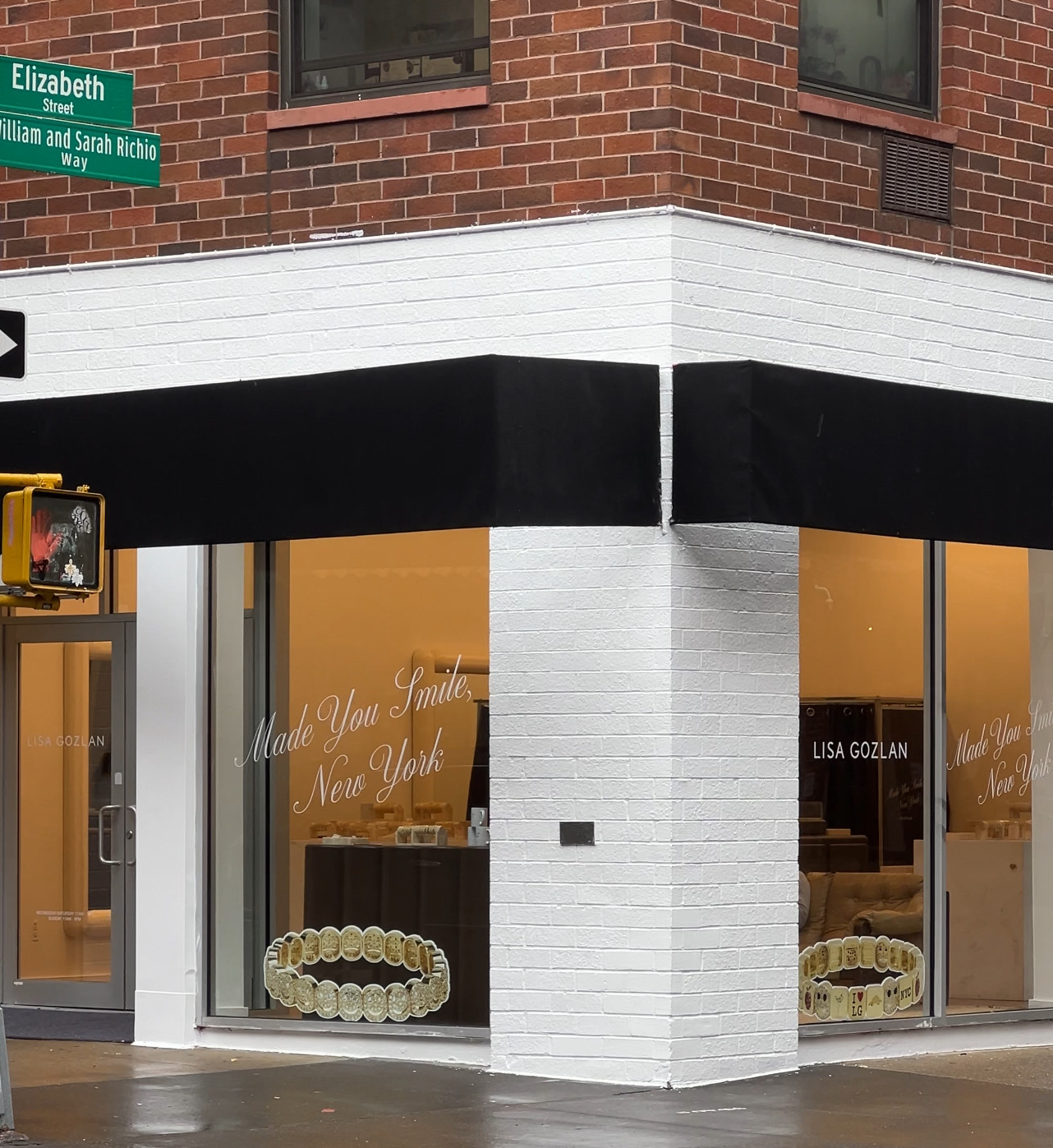
Toronto-based jewellery brand Lisa Gozlan Jewelry is marking its six-year anniversary with a milestone event that could set the stage for a major U.S. expansion. The brand, co-founded in 2019 by Lisa and Ryan Gozlan, will host its first pop-up shop in New York City from September 17 to 21 at 21 Spring Street in SoHo. The timing coincides with the launch of its City Bracelet Collection, a six-piece lineup honouring six years of brand growth, with a seventh bracelet, inspired by New York, being revealed at the event.

The SoHo pop-up was deliberately timed to coincide with September Fashion Week and chosen for its international draw.

“New York feels like a second home, often called a ‘bigger Toronto,’” said Gozlan. “Given this connection and the city’s vibrant energy, especially around September Fashion Week, a pop-up here was a clear priority. SoHo is ideal due to its dynamic, trendy atmosphere, aligning with our customer base and serving as a global discovery hub.”

The pop-up will serve as both a sales event and a brand-building initiative.

“Beyond driving sales, our primary goals for this pop-up event are to build brand awareness and foster deeper customer connections,” Gozlan explained. “We aim to offer an immersive experience that allows customers to interact with our brand and feel part of the LG community. This approach has proven successful in the past, as demonstrated by our partnership with Holt Renfrew and our newest partnership with Selfridges in London to test new markets.”

Lisa Gozlan pop-up at 21 Spring Street in NYC. Image: Lisa Gozlan

Celebrating Six Years with City Bracelets

The anniversary will also see the launch of the City Bracelet Collection, each piece inspired by a city meaningful to the brand’s journey.

“City-inspired bracelets leverage universal themes of travel, nostalgia, and personal identity,” said Gozlan. “Wearing a city bracelet is about carrying a memory, commemorating a journey, or embodying an aspiration. Each city reflects our brand’s evolution, inspired by places that resonate with us and our customers over six years.”

The New York bracelet will debut exclusively at the SoHo pop-up.

“Our City Bracelets tap into the human desire to connect with travel or specific cities,” Gozlan said. “The New York bracelet was uniquely designed to capture the city’s distinct energy and iconic spirit, standing out while seamlessly integrating with the collection.”

Lisa Gozlan with an oversized City Bracelet in NYC. Image: Lisa Gozlan

The bracelets are special editions and will not be routinely restocked, though a re-release could be considered if demand is high.

“The City Bracelets are special edition and we currently do not have plans to restock them,” Gozlan confirmed. “However, if there is increased demand, we may consider re-releasing them in the future.”

This approach supports the brand’s strategy of encouraging customers to build personal collections.

“Our collections are versatile, allowing customers to build upon them by stacking and mixing designs,” Gozlan said. “The City Bracelet Collection aligns with our aesthetic of bold, collectible, and style-led pieces that can be effortlessly styled alone or combined with bestsellers, encouraging ongoing engagement beyond new launches.”

Lisa Gozlan opening party for the Soho pop-up. Image: Lisa Gozlan
Lisa Gozlan at 87 Cumberland St. in Toronto. Image: Lisa Gozlan

Canadian Retail Footprint and Growth

Since its debut, Lisa Gozlan Jewelry has expanded its brick-and-mortar presence to four Canadian stores: Yorkville and Yorkdale in Toronto, Square One in Mississauga, and a west coast location in Vancouver’s Kitsilano neighbourhood.

The Yorkdale boutique, which opened in the summer of 2025, underscores the brand’s positioning in top-tier retail environments. The 435-square-foot store was designed by Clarisa Llaneza with signature elements by Etherington Designs and construction by Gozlan Group. Lease negotiations were managed by Brandon Gorman of JLL, reflecting a meticulous approach to real estate strategy that prioritizes prime locations and high foot traffic.

Lisa Gozlan outside the Soho pop-up. Image: Lisa Gozlan

Toward a Permanent U.S. Presence

If the SoHo pop-up meets key performance indicators, a permanent New York presence could follow in 2026.

“New York has consistently been on our radar and is highly requested,” Gozlan said. “Its proximity to Toronto also makes it easily accessible for our team, a key factor in our strategic expansion. Each existing market has provided invaluable insights into customer preferences and operational nuances.”

The company is also considering other U.S. metros for future growth, with a focus on urban neighbourhoods and high-traffic retail streets that match the brand’s positioning.

Site selection remains a cornerstone of Lisa Gozlan Jewelry’s strategy, with the brand favouring spaces that align with its design language and culture.

“Our site selection goes beyond traditional factors,” Gozlan said. “While co-tenants, pedestrian counts, adjacencies, and demographics are considered, the most crucial element is that the space ‘feels right.’ It must align with our brand aesthetic or have transformation potential. We are selective; our aim is not to open everywhere but to strategically expand while maintaining the brand’s exclusive yet accessible appeal.”

Lisa Gozlan jewellery. Image: Lisa Gozlan

Brand Origins and Design Philosophy

Lisa Gozlan Jewelry was founded to create modern, mixable jewellery pieces that could be worn daily without compromising on quality or style. Drawing from Lisa’s background in fashion and Ryan’s fifth-generation jewellery heritage, the brand merges contemporary aesthetics with craftsmanship rooted in tradition.

Known for its Happy Face Collection and stackable designs, the brand’s pieces are both accessible and collectible. Sustainability and ethical sourcing remain central pillars, with an emphasis on long-lasting quality and responsibly sourced materials.

Each boutique is designed to foster a sense of community and educate customers about the craft and materials behind each piece. This philosophy has extended internationally through the brand’s recent partnership with Selfridges in London, which allowed for a test of demand in the UK market.

More from Retail Insider:

Canadian RBC cardholder data shows slowing spending growth amid caution: Economist Rachel Battaglia

Photo: Los Muertos Crew

RBC’s cardholder data for August shows core retail sales growth slowed from July—marking the third consecutive monthly slowdown in growth based on a three-month moving average, says Rachel Battaglia an economist at RBC.

Core retail sales—which excludes spending on autos and gas—grew 0.4% seasonally adjusted from July, when it rose 1.1%.

“This trend aligns with our broader economic outlook . We believe Canada’s economy will resume slow, but positive, GDP growth after a Q2 decline with relatively resilient consumer spending offsetting persistent headwinds in the industrial sector,” she wrote recently in a report.

Rachel Battaglia
Rachel Battaglia

“Solid consumer spending in July hit a bump in August. Total spending was down 2.2% m/m from July, reversing the previous month’s gain. Monthly spending data is always volatile, but the three-month moving average also grew more slowly for a third month.

“The ongoing contraction in gasoline spending—continuing on a three-month average basis since the elimination of the consumer carbon tax this spring—has been a significant driver of this trend.

“Still, most major spending categories saw growth—but slower—apart from clothing purchases, which accelerated. Travel spending dipped 0.1% seasonally adjusted on a three-month average.”

Battaglia said essential spending has shown a more persistent moderation compared to discretionary categories.

“This pattern is largely attributable to the drop in spending at gas stations—which is deemed essential—after the removal of the consumer carbon tax this spring. Spending on groceries has also flatlined since May, which is contributing to lower essentials spending as well,” she said.

“On a seasonally adjusted, three-month moving average basis, essentials spending contracted 0.6% m/m while other spending categories maintained positive growth.”

Consumer confidence measures were little changed from July. The Conference Board of Canada’s Index of Consumer Confidence contracted marginally after four consecutive months of improvement—and remains substantially lower from a year ago, she said.

The Bank of Canada’s Canadian Survey of Consumer Expectations mirrored the same pessimism among survey respondents regarding their spending intentions, and overall financial health. Consumers highlighted elevated job loss concerns were contributing to pessimism, added Battaglia.

“Despite the pessimistic indicators, consumer spending has remained more resilient than indicators would suggest—continuing to provide underlying support for the economy, even as other sectors face challenges,” she said.

“Meanwhile, the recent cooling in population growth—after years of record increases that bolstered aggregate consumer spending—likely contributes to the current spending moderation, creating an additional headwind for retail sales beyond weak consumer confidence.”

More from Retail Insider:

Milestones Unveils Test Kitchen and Fraser Bar in Vancouver

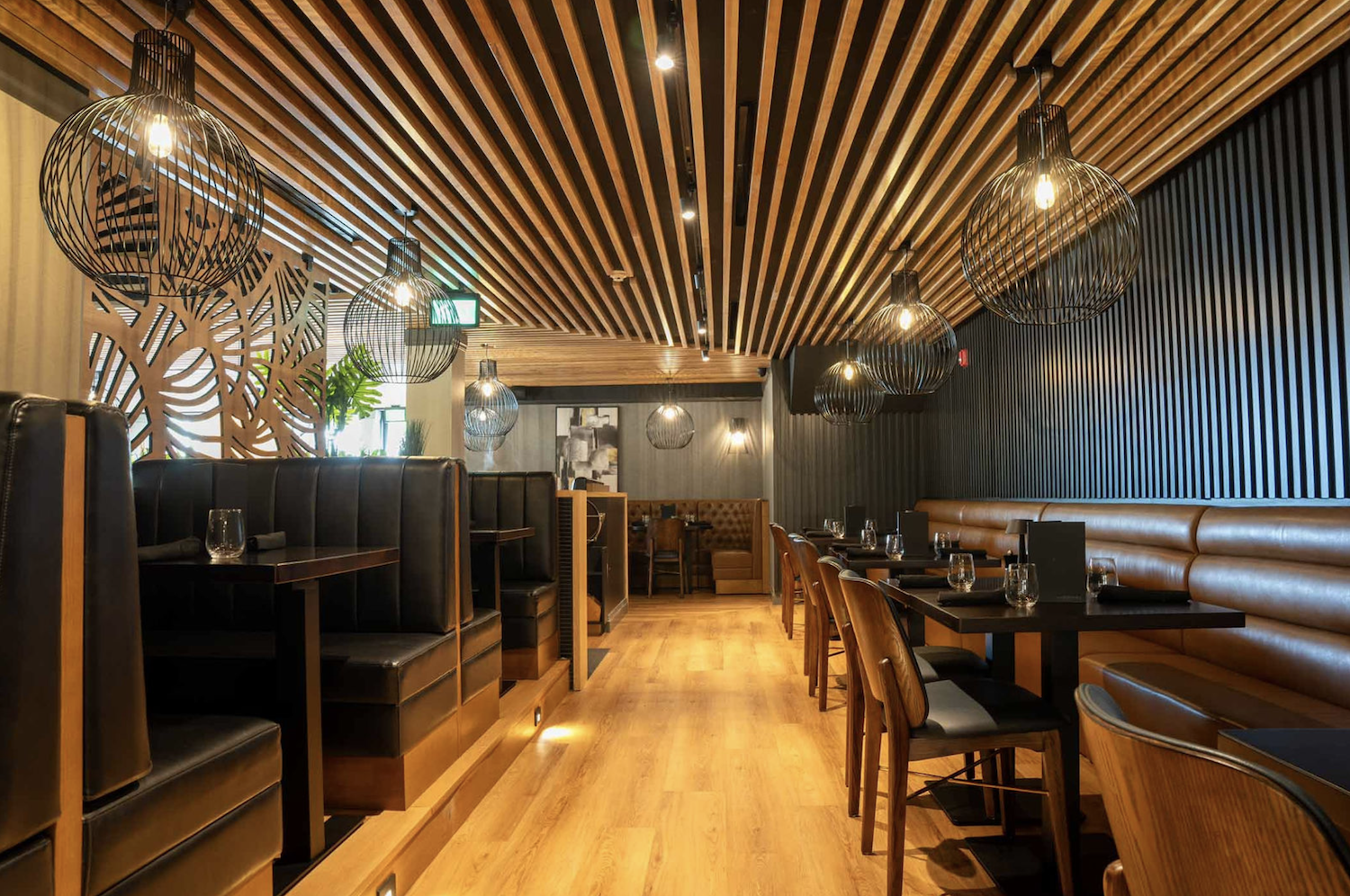
Photo: Milestones/Foodtastic

Vancouver has welcomed the return of Milestones with a new chapter for the restaurant brand. On September 4, the company debuted its first Milestones Test Kitchen along with an intimate cocktail destination, Fraser Bar, in a move that both honours the brand’s roots and signals its ambitions for the future. The location is 2745 Barnet Highway in Coquitlam.

The initiative is the result of a collaboration between Pacific Rose Hospitality Group and Foodtastic, the Montreal-based restaurant franchisor that owns Milestones. Together, the partners aim to use the Vancouver location as a proving ground for culinary innovation and a potential model for expansion across Canada.

“This launch marks the beginning of an exciting new era,” said Chad Huff, Partner at Pacific Rose Hospitality Group. “We are grateful to our amazing team and the great partnership that we have with Foodtastic, both of which allow us to focus our efforts on growing this amazing brand in Western Canada.”

Designed to balance familiarity with experimentation, the Milestones Test Kitchen presents a menu split evenly between customer favourites and new dishes under development. The goal is to gather feedback directly from diners and refine recipes before rolling them out to other locations.

Photo: Milestones/Foodtastic

Head Chef Jeff Dell described the approach as both rigorous and collaborative. “I’ve been entrusted with a very special role,” he said. “Our team is working intensely to find the right new recipes, and to gather feedback from the people whose opinion matters most to us – our local patrons.”

Beloved classics like Portobello Mushroom Chicken, Wham-Bam Shrimp and Chilli Chicken Bites remain, anchoring the menu with trusted comfort. But the kitchen is also exploring playful, globally inspired offerings such as Samosa Poutine, Lobster Frites and artisanal pizzas fired in a wood-burning oven.

The décor mirrors this mix of old and new, with a warm, modern aesthetic featuring natural materials and curated lighting designed to encourage lingering over meals.

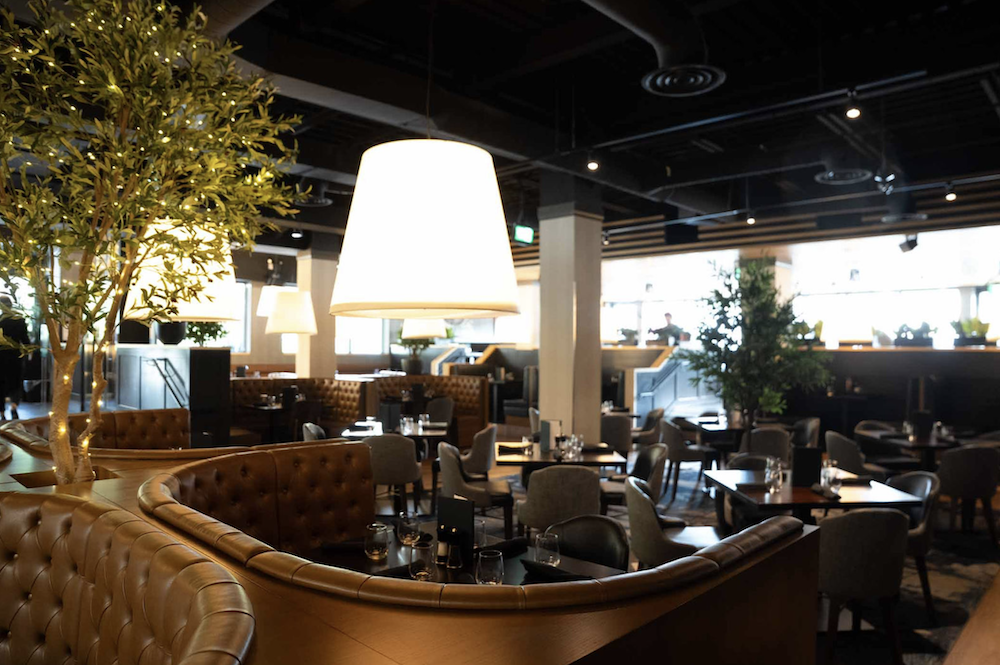
Photo: Milestones/Foodtastic

Fraser Bar: An Intimate Escape

Directly above the Test Kitchen, Fraser Bar offers a distinct but complementary experience. Inspired by the prohibition era of the 1920s and early 1930s, the space features plush seating, dim lighting, and an extensive cocktail list emphasizing craft and storytelling.

Guests can enjoy shareable plates designed to pair with premium spirits, making Fraser Bar a destination not just for Milestones diners but also for those seeking an elevated evening out. The concept celebrates Milestones’ roots in the Fraser Valley while giving patrons a venue that feels both nostalgic and fresh.

Fraser Bar. Photo: Milestones/Foodtastic

The launch of the Milestones Test Kitchen and Fraser Bar fits squarely within Foodtastic’s strategy of revitalizing and expanding its diverse restaurant portfolio. Since acquiring Milestones in 2023, Foodtastic has invested in menu innovation and store refreshes to strengthen the banner’s positioning in the casual dining segment.

“We’re proud of our Canadian roots and DNA,” said Peter Mammas, founder and president of Foodtastic. “And while that’s true and important, I can tell you we’re just as proud of our people and our partners, like Pacific Rose Hospitality Group, who work tirelessly to serve our customers and live up to our values.”

Image: Peter Mammas

Foodtastic currently operates more than 1,200 restaurants across its 20-plus brands, including Second Cup Café, Freshii, and Pita Pit, with systemwide sales surpassing $1.1 billion annually. Its aggressive growth strategy combines franchising support with a steady stream of acquisitions, and the company has been steadily increasing its presence both domestically and internationally.

A Test Case for National Rollout

If successful, the Vancouver Test Kitchen model could become a template for other markets, allowing Milestones to innovate faster and roll out tested dishes to locations across Canada. The Fraser Bar, meanwhile, could evolve into a stand-alone concept in other cities, creating new opportunities for Foodtastic to reach urban consumers seeking distinctive cocktail experiences.

Industry observers note that the Canadian casual dining sector has been in flux, with operators investing heavily in experiential offerings to draw customers back into restaurants post-pandemic. By combining menu innovation with a fresh bar concept, Milestones appears to be positioning itself to meet shifting consumer expectations.

More from Retail Insider:

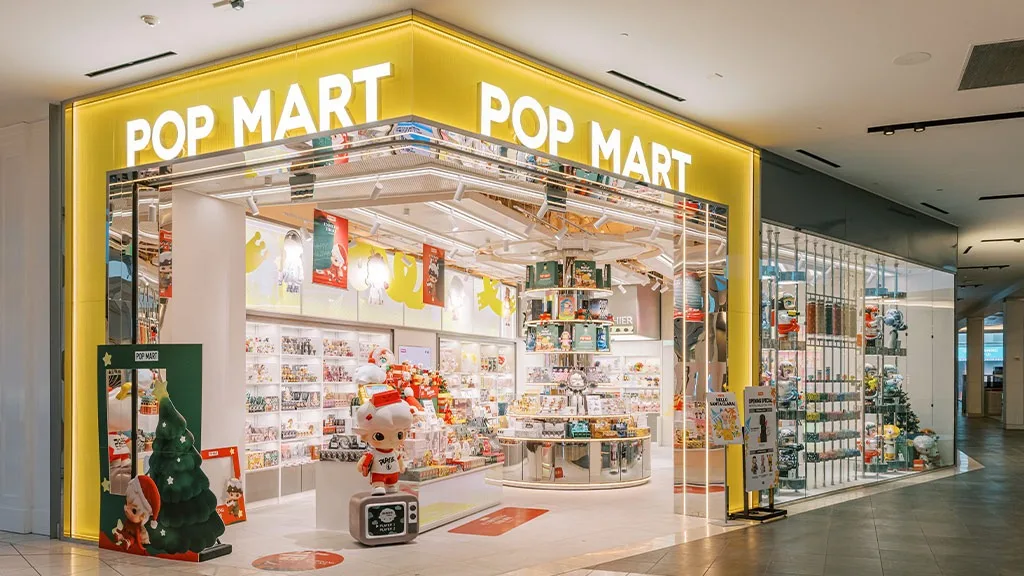
Pop Mart to Open 1st Canadian Store at CF Richmond Centre

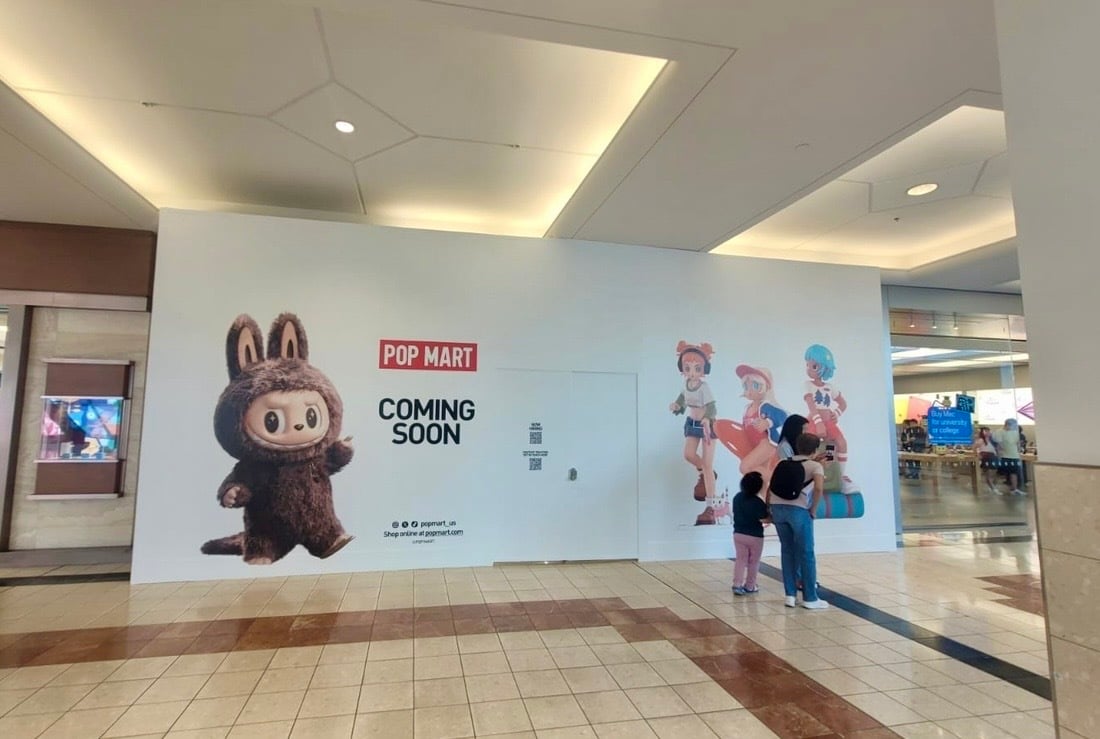
Pop Mart construction hoarding at CF Richmond Centre. Photo: Ritchie Po

Pop Mart will open its first Canadian store this fall at CF Richmond Centre in Richmond, south of Vancouver. The 1,325-square-foot space will sit in a prime location between the centre’s Apple Store and Anne Louise Jewellers. The store will feature a 30-foot-wide façade and is expected to draw large crowds of collectors, many eager to line up for Pop Mart’s highly sought-after product drops, including limited-edition Labubu dolls that have become a global phenomenon.

The opening of Pop Mart CF Richmond Centre represents a milestone for the brand, which until now had operated in Canada primarily through vending machines and third-party resellers. The new store marks the company’s first fully brand-operated retail location in the country, providing Canadian fans with direct access to its complete range of collectibles and exclusive releases. More Pop Mart locations will open in Canada in the coming months.

Jeff Berkowitz of Aurora Realty Consultants is handling the Canadian Pop Mart store expansion as broker.

Pop Mart store. Photo: Pop Mart

A New Era for Pop Mart in Canada

Opening signage for the store was first spotted this week, creating excitement within Canada’s growing community of designer toy enthusiasts. Pop Mart’s decision to launch its first Canadian flagship at CF Richmond Centre signals a shift toward immersive, experience-focused retail, aligning with its strategy in global markets.

Unlike previous resellers or “Binggo” stores that carried Pop Mart products in the past, this location will offer the full Pop Mart experience, including authentic figures, frequent product drops, and the latest global releases. The brand is known for its vibrant store interiors, interactive displays, and carefully timed launches that often attract long lines of collectors.

Pop Mart construction hoarding beside Apple at CF Richmond Centre. Photo: Ritchie Po

Community Anticipation and Product Drops

Collectors are already buzzing on social media about the upcoming opening. Local toy enthusiasts expect the debut to include either a special product drop or a lottery ticket system to manage demand for limited releases. Popular figures such as Labubu from “The Monsters” series and the ever-popular Molly will likely be available at launch, alongside collaborations with major global franchises such as Marvel, Disney, and Harry Potter.

For Canadian fans, this store will provide more reliable access to products that were previously difficult to obtain. Pop Mart has maintained an official Canadian website and app, but demand often outstripped supply during online drops. Having a permanent storefront at CF Richmond Centre will allow the brand to maintain better inventory, create in-store events, and build a direct relationship with its Canadian consumer base.

Popular items from Pop Mart

Pop Mart’s Global Presence and Strategy

Founded in Beijing in 2010, Pop Mart has become a global leader in the collectible toy market, pioneering the “blind box” format that has since been emulated by other companies. The concept is simple yet addictive: customers buy a sealed box without knowing which character they will receive until they open it, creating excitement and encouraging repeat purchases to complete sets.

Globally, Pop Mart operates more than 570 retail stores in 18 countries and over 2,600 “Roboshop” vending machines, with a strong presence across Asia, Europe, and the United States. The opening of Pop Mart CF Richmond Centre marks the first step in what may become a broader Canadian expansion, bringing the brand’s artist-driven collectibles to major urban markets.

Labubu dolls, image: Pop Mart

CF Richmond Centre as a Strategic Location

CF Richmond Centre is one of the most strategically placed shopping centres in Canada. Owned and managed by Cadillac Fairview, the centre features over 200 stores and services, including Uniqlo, Zara, Aritzia, Apple, Sephora, and Muji. Its central location, direct connection to the Canada Line SkyTrain, and role as a community hub make it an ideal launchpad for Pop Mart’s first Canadian location.

The mall has undergone significant redevelopment over the past decade, including the transformation of the former Sears site into a mixed-use community with more than 1,800 residential units. This evolution has increased foot traffic and reinforced the centre’s position as a lifestyle destination. 

More from Retail Insider:

TRUBAR announces continued retail expansion in Canada

Photo: TRUBAR website

TRUBAR Inc., a “better-for-you snacking company” which says it is focused on delivering high-quality, plant-based protein products with exceptional taste and made with clean, recognizable ingredients, is continuing to expand its presence in Canada with launches in Costco, Pattison Food Group and Healthy Planet stores.

The recent expansions increase the availability of TRUBAR in more than 3,750 retail doors across Canada, said the company.

The latest TRUBAR launches are now underway in:

  • Costco Canada East, expansion into 71 stores in Ontario, Quebec, Nova Scotia and Newfoundland and Labrador.
  • 242 Pattison Food Group stores operating under the retail banners Save-on-Foods, Urban Fare and Buy Low Foods. Pattison is Canada’s largest Western-based provider of food and health products.
  • 37 Healthy Planet stores, Ontario’s leading health and wellness retailer featuring a full selection of better-for-you products.

The inclusion of Costco, Pattison Food Group and Healthy Planet further enhances TRUBAR’s  retail footprint across Canada.

These additions join an already extensive network that includes Walmart, Loblaws, Real Canadian Superstore, Fortino’s, Zehrs, Your Independent Grocer (YIG), Sobeys, Safeway, IGA, Longo’s, Thrifty Foods, Fresh Street Market, Metro, Food Basics, Whole Foods, Shoppers Drug Mart, Bulk Barn, 7-Eleven, Nature Emporium, and many other Canadian retailers, as well as online availability through Trubar.ca and Amazon.ca, said the company.

Erica Groussman
Erica Groussman

“These recent launches build on our growing momentum in Canada, where we have a strong mix of regional and national retailer partners from coast to coast,” said Erica Groussman, Co-Founder & Chief Executive Officer of TRUBAR.

“I’m very pleased with the progress we have made ramping up our North American distribution footprint over the last several months. With the additional resources and investment dedicated to the Canadian market, we are well-positioned to accelerate this growth and deepen our presence across the country.”

More Retail Insider stories:

Harden and Crombie Break Ground on Faubourg Contrecœur in Montreal

Faubourg Contrecœur, rendering via Harden

Real estate development and investment company Harden, in partnership with Crombie REIT, has officially broken ground on Faubourg Contrecœur, a major commercial project in Montréal’s Mercier–Hochelaga-Maisonneuve borough. The $30-million investment will introduce new retail and community amenities to the city’s growing east end and marks a significant milestone for residents seeking enhanced local services.

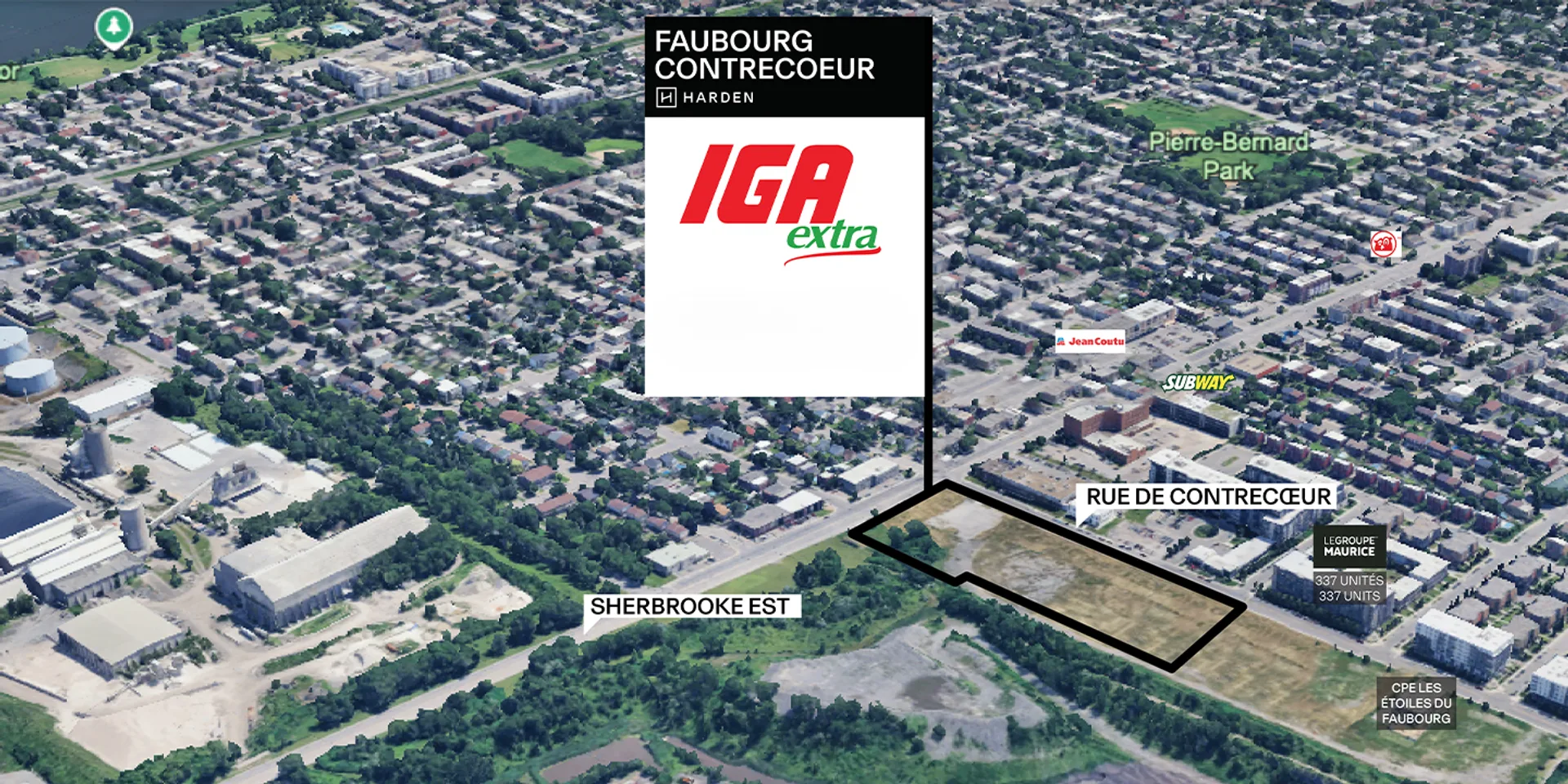
Located at 3553 rue de Contrecœur at the intersection of rue Sherbrooke Est and rue de Contrecœur, the development will transform over 240,000 square feet of land into a modern retail hub anchored by an IGA extra supermarket, which is expected to open in the summer of 2026.

Faubourg Contrecœur location in Montreal. Map via Harden

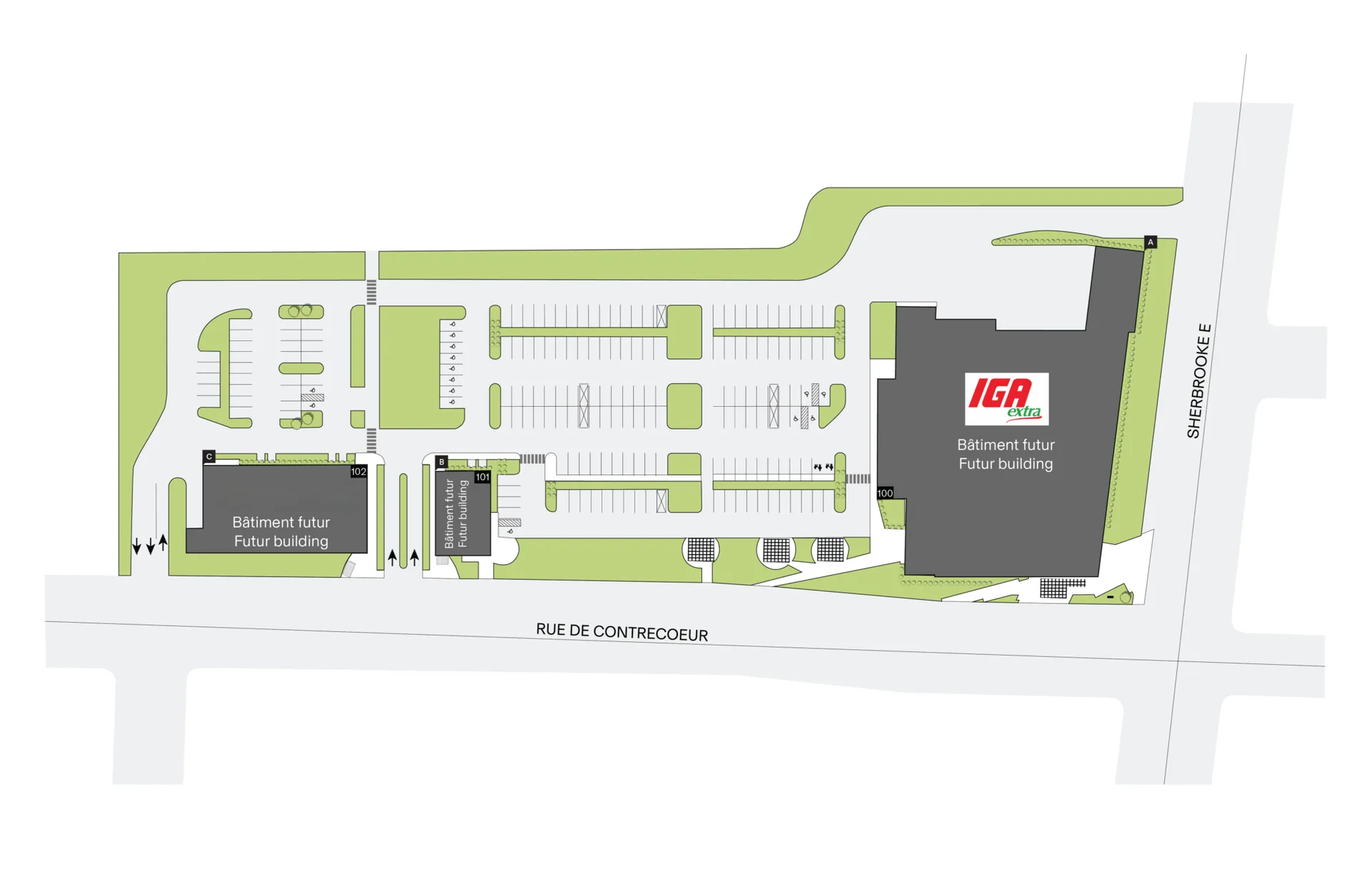
Faubourg Contrecœur will offer over 52,000 square feet of Gross Leasable Area (GLA) and is designed to integrate sustainability and convenience for the neighbourhood. The project will feature green spaces, bicycle paths, EV charging stations, and solar-powered rooftops. More than 170 parking spaces will be provided, ensuring accessibility for shoppers while supporting environmentally conscious infrastructure.

“Today marks a significant milestone for the Mercier–Hochelaga-Maisonneuve community. It is with great enthusiasm that we break ground on a development that will bring long-awaited amenities to residents,” said Tyler Harden, Co-CEO of Harden. “Our vision has always been to create a space that enhances daily life, supports local jobs, and fosters growth for the entire community. Partnering with Crombie to bring Faubourg Contrecœur to life allows us to support the Mercier–Hochelaga-Maisonneuve community and respond to a significant need.”

Faubourg Contrecœur location in Montreal. Image via Harden

IGA extra to Anchor the Retail Offering

The highly anticipated IGA extra supermarket will be the anchor tenant, taking up 40,000 square feet of GLA within the project. Its arrival will give east-end residents convenient access to a full-service grocery store featuring a butcher shop, bakery, Rachelle Béry section, and other amenities. The location is designed to be a local gathering place that not only provides fresh, high-quality products but also supports Quebec producers and creates new jobs.

“We are delighted to launch the construction of the future 40,000 sq. ft. IGA extra in Faubourg Contrecœur, which will offer a comprehensive and personalized experience,” said Geneviève Dufresne, AVP, Real Estate Development and Transactions Qc & Atl. at Sobeys. “With its butcher shop, bakery, Rachelle Béry section and sustainable features, this new store will create local jobs, promote our Quebec producers and become a true gathering place for families in the community by the summer of 2026.”

Two retail pads, approximately 10,000 square feet and 3,000 square feet respectively, remain available and are expected to complement the grocery anchor by broadening the site’s overall retail offering. These pads could host additional services and retailers providing affordable essentials and conveniences that meet the needs of area residents.

“Faubourg Contrecœur is an excellent example of Crombie’s commitment to working with our partners to enrich communities coast to coast through thoughtful and sustainable community hubs,” said Victor Settino, Executive Vice President, Development and Construction at Crombie. “We’re proud of the positive impact this project will have on Mercier–Hochelaga-Maisonneuve.”

Faubourg Contrecœur in Montreal. Floor plan via Harden

Building on Proven Development Expertise

The partnership between Harden and Crombie brings together two of Canada’s most experienced real estate developers. Harden, a second-generation, family-owned real estate company established in 1985, owns and operates a diverse portfolio of commercial, residential, and industrial properties across Quebec and Ontario. The company is vertically integrated, managing every stage of the real estate process including development, construction, leasing, and asset management—experience that will guide Faubourg Contrecœur from planning to completion.

Crombie contributes a national perspective with a portfolio that spans grocery-anchored retail, retail-related industrial assets, and mixed-use residential properties. As of June 30, 2025, Crombie’s portfolio included 306 properties representing approximately 18.8 million square feet, inclusive of joint ventures and a pipeline of future development projects. The company’s focus on building community-oriented retail nodes ensures that Faubourg Contrecœur will be aligned with long-term growth and sustainability objectives.

Faubourg Contrecœur in Montreal. Image via Harden

Strengthening the Neighbourhood’s Future

The east end of Montreal has seen rapid residential development over the past decade, and Faubourg Contrecœur aims to become a catalyst for additional economic activity and employment opportunities. By integrating sustainable features like solar panels and EV infrastructure, the project also supports the City of Montréal’s climate initiatives.

Once complete, the commercial hub is expected to attract shoppers from across the borough, drawing foot traffic to surrounding businesses and boosting local economic growth. The addition of a modern supermarket is expected to fill a key gap for residents who have sought improved access to groceries and other everyday essentials close to home.

More from Retail Insider:

Canada’s Economy Expected to Grow Despite Tariffs: RBC

Andrea's Cookies on Ossington Avenue in Toronto. Image: CBRE Urban Retail Team

Canada’s economic outlook has softened but not stalled, according to RBC Economics’ latest Quarterly Canadian Outlook, which expects low but positive growth through the remainder of 2025. The report argues that tariff-exposed industries absorbed the sharpest blow in the second quarter, yet broader domestic demand and the protective role of CUSMA exemptions kept the overall economy from tipping into contraction. 

RBC notes that trade-sensitive sectors were the clear weak spot in the spring. Exports fell and manufacturing output contracted at an annualized rate of 8 percent, reflecting the bite from U.S. tariffs. Imports of Canadian steel and aluminum products that are subject to a 50 percent tariff dropped nearly 50 percent year over year in July, underscoring the severity within targeted categories. Even so, the report emphasizes that most Canadian exports still crossed the border duty-free, limiting the damage to specific sectors rather than the economy as a whole.

The labour market loosened but did not break. The national unemployment rate rose to 7.1 percent in August, the highest outside the pandemic in nearly a decade. RBC attributes much of the increase to longer job searches among new entrants, rather than a surge in permanent layoffs, and points to a moderation in the growth of job losses tied to permanent separations. 

Consumers Remain the Anchor

Household spending helped stabilize the picture. Consumer outlays jumped 4.5 percent in the second quarter, and RBC’s card-transaction tracking showed momentum carrying into the early part of the third quarter. This resilience in consumption, together with a modest improvement in housing activity, is central to RBC’s view that growth can remain positive even as net trade subtracts less from GDP than it did in the spring. 

Early third-quarter indicators add to that case. RBC highlights three consecutive monthly gains in export volumes through July, improving manufacturing sales, and signs of firming in existing-home markets. The report frames the third quarter as more constructive than the second, with a smaller drag from trade and manufacturing. 

Shopping Purchase Retail Customer Consumer Sale Concept

CUSMA’s Cushion and the Tariff Split

A key plank in the outlook is the continued protection afforded by the CUSMA framework. RBC estimates that 88 

percent of Canadian exports to the United States remained tariff-free in July. Within that split, tariff-targeted products were down 16 percent from a year earlier, while products that remained largely duty-free eked out a 0.5 percent gain. The bank argues that preserving the exemptions is critical to limiting spillovers from U.S. tariff policy into the integrated North American industrial base.

The policy message is symmetrical. RBC stresses that CUSMA matters to exporters north of the border and importers south of it, pointing to the risk that broader tariff escalation would shrink activity across a tightly linked supply chain. With formal CUSMA expiry not arriving until 2036, and discussions on extension slated to begin next year at the latest, the report casts the agreement’s continuity as a central stabilizer for planning and investment on both sides of the border.

On monetary policy, RBC does not build further interest-rate cuts into its base case, but it emphasizes that the Bank of Canada retains room to act if growth falters again. Given that the heaviest drag in the second quarter came from trade and manufacturing, and that consumption has continued to surprise on the upside, the bank sees the decision for near-term easing as close to even. The growing role of targeted fiscal support at the federal and provincial levels also shapes the macro mix heading into year-end.

Provinces Diverge as Trade Shocks Hit Unevenly

The national shock is not distributed evenly. RBC trims 2025 growth forecasts for provinces with heavier exposure to metals and manufacturing supply chains. Ontario’s projection falls to 0.9 percent from 1.3 percent, Quebec’s slips to 1.2 percent from 1.3 percent, and Manitoba’s is lowered to 1.0 percent from 1.2 percent, reflecting embedded metal content in transport equipment and machinery. British Columbia’s forecast is cut to 1.0 percent from 1.2 percent amid sharper lumber duties and the wind-down of major capital projects. By contrast, Prince Edward Island is revised higher to 2.0 percent from 1.7 percent on the strength of tourism and construction. 

RBC says Ontario is “in the eye of the trade war storm,” with localized recessions possible in municipalities where joblessness has moved into the double digits. Even there, the bank argues, household demand, a stabilizing job market, and a rebound in existing-home sales should keep provincial growth in positive territory, albeit at a low rate. 

Photo: Vancouver Fraser Port Authority

China’s Tariffs Complicate the Export Map

While U.S. measures dominate the headlines, RBC also flags the role of Chinese tariffs. Levies on seafood had already been incorporated into projections for Atlantic Canada and have not altered above-national growth expectations there. New canola tariffs that took effect in mid-August arrived too late in the growing season to materially change 2025 GDP profiles for the Prairie provinces, but RBC indicates these could influence the 2026 path depending on how trade talks evolve in the months ahead.

Risk Balance: Still Tilted to the Downside

The bank’s risk assessment remains cautious. If U.S. tariffs broaden or intensify, the integrated nature of continental manufacturing could pull activity lower even where Canadian tariff exposure is limited on paper. Domestically, a higher unemployment rate, still-elevated household debt burdens, and sector-specific stress in manufacturing, transportation, and lumber leave parts of the economy vulnerable to a renewed slowdown. The mitigating factors are tangible but narrow: resilient consumption, targeted fiscal programs, and the legal durability of CUSMA. 

What It Means for Retail

For Canadian retail, the contours of RBC’s outlook suggest a mixed operating environment. The consumer remains the core stabilizer, supported by wage growth and easing inflation, which is consistent with the bank’s evidence of elevated card spending through the summer. That helps categories tied to services, travel, essentials, and value-driven discretionary purchases. At the same time, uneven regional growth implies that national chains will see sharper contrasts at the store level, particularly in Ontario’s manufacturing belts and in British Columbia communities linked to forest products. Merchants exposed to tariff-affected inputs or to export-dependent industrial customers will feel the pinch more acutely than those focused on domestically sourced goods and experiences.

Against that backdrop, retailers may lean further into inventory flexibility, private-label value, and localized pricing and promotion. If the Bank of Canada opts to ease policy again because growth disappoints, borrowing costs could offer a modest tailwind to durable goods demand, but RBC’s base case does not assume that outcome. The bank’s central scenario is steadier rather than strong, with pressure concentrated where trade headwinds are most direct. 

More from Retail Insider:

Jo Malone London debuts newest global ambassador, India Amarteifio

Jo Malone London's Scent Layering Ambassador India Amarteifio

Jo Malone London says British actor India Amarteifio is the face of its Scent Layering campaign.

A true Brit and unapologetic Londoner, India prefers tea to coffee and the Underground to black cabs. The actor rose to fame playing the young Queen Charlotte in Netflix’s Bridgerton prequel series Queen Charlotte: A Bridgerton Story and is widely regarded as one to watch, said the company.

“I’m so excited to be partnering with Jo Malone London, it feels incredibly special for me. As an actor, I’m always exploring ways to express character and emotion, and I’ve found that fragrance can be just as powerful in telling a story. The Scent Layering campaign is all about expressing yourself—and that’s something I really connect with,” said Amarteifio.

India Amarteifio
India Amarteifio

The campaign

Jo Malone London said every cologne is a blend of carefully chosen ingredients made to combine with one another to create a scent that is uniquely you.

As Céline Roux, Global Head Of Fragrance explained: ‘The way we create always takes Scent Layering into consideration. Right from the start, when the perfumers and I start the fragrances, we create them so they can be layered with our other scents. It’s about self-expression. It’s about play.’

The Scent Layering campaign invites you to layer your signature scent with Grapefruit, English Oak & Hazelnut or Peony & Blush Suede. These three Scent Layering combiners adapt your chosen cologne to suit your mood, the occasion or season. Add a twist of citrus with Grapefruit to feel uplifted and bright, add a burst of freshness with English Oak & Hazelnut for an elegant edge to a fun night out and, for feel-good days through to cosy nights in, add a layer of warmth with Peony & Blush Suede, said the company.

Céline Roux
Céline Roux

In the Scent Layering campaign, India immerses herself in these three Scent Layering combiners. With each new combination, she channels the scents’ effects as she playfully explores new ways to wear the scent and express different moods.

“Scent Layering is so playful and personal and gives you the freedom to experiment and create something that’s entirely your own. I love how I can combine the Jo Malone London fragrances, it’s fun, expressive and endlessly personal – which is exactly why this collaboration feels like such a natural fit for me,” added Amarteifio.

Since 1994 Jo Malone London has created a palette of scents. Acquired by The Estée Lauder Companies Inc. in 1999, today the brand is internationally known for its unexpected fragrances and distinctly British character.

Related Retail Insider stories:

More than 80% of Canadians have permanently changed how they shop, says Kantar report

Photo: Alexandra Maria

A significant majority of Canadians, over 80%, say they have made at least one permanent change to their buying behaviour, according to new insights from Kantar’s latest MONITOR report.

“What you’re looking at is a truly historical convergence of factors that have given Canadians a real reason to think deeply about how they want to engage as consumers,” said Casey Ferrell, Senior Vice President and Head of U.S. and Canada MONITOR at Kantar.

Casey Ferrell
Casey Ferrell

The shift in consumer mindset, he explained, is being driven by a combination of global and local pressures.

“Between the geopolitical tensions and drama unfolding with the Trump administration, persistent economic challenges, stagnation, and cost of living issues, and then a shifting global economic landscape where the benefits of globalism are being questioned, I think you sort of take those three big things and have Canadians really rethinking who they want to be as consumers.”

That reflection is showing up in the data, with many consumers reporting that their purchasing habits have changed for good.

“When they’re engaging in the marketplace, they’re really thinking about it in a considered way,” said Ferrell. “I think that’s probably behind the attitude that you’re seeing in that figure: eight in 10 Canadians say that some of their buying behaviours are permanently changed.”

The State of the Canadian Consumer report can be found here.

Still, the question remains: are these changes actually permanent?

“I think we have to take people at their word when they say they intend to make these behaviours permanent,” said Ferrell. “Whether they, in fact, are even happening now, let alone whether they’re permanent, I think is an open question.”

He pointed to early indicators that suggest a gap between aspiration and action.

“I’ve seen a number of clients reporting to us that their sales data is not necessarily telling the same story that consumers are about buying Canadian and the incidence of buying Canadian and the shift away from American brands,” he explained.

“I think these are aspirational attitudes, but the degree to which they can become permanent behaviours that’s a very big leap.”

Ferrell noted that practical realities, such as price, value, and convenience, remain dominant decision-making factors for most shoppers.

Photo: 
Borko Manigoda
Photo: Borko Manigoda

“Buying Canadian, for example, may be aspirational and it may well be exactly what the Canadian consumer would like to be able to do, but it may be difficult for them to get to the stores that carry those Canadian products sometimes. Or it may be challenging for their household budget to stretch and pay more for Canadian-made products.”

The Kantar MONITOR report aims to help businesses understand exactly these types of evolving attitudes. Ferrell leads the U.S. and Canadian divisions of MONITOR, Kantar’s proprietary consumer insights product. 

Kantar itself is a global leader in marketing data and analytics. “We partner with 96 of the world’s 100 biggest advertisers to help them understand how people around the world think and feel and act,” Ferrell said.

The longer-term implications are still unfolding.

“I think the longer-term, adaptive response is still taking shape,” Ferrell said. “Can you really stop shopping at Walmart? That may not be realistic in the long run.”

Instead, Ferrell suggests Canadians may start shifting their behaviours in more subtle, but sustainable, ways.

“There may be some other, more long-term sustainable types of shifts. They may even be a little bit more subtle, but more sustainable over the long haul.”

According to Ferrell, the market is in transition.

“We’re in the hard part, getting past the period of high emotion, and moving toward a future where attitudes and behaviours align. But align in a way that allows for consumers to live the lives they want to live.”

Related Retail Insider stories: