Little Caesars, the third-largest pizza chain in the world, is making bold moves in 2025, signing its largest franchise agreement in Canada through a collaboration with North Sun Energy, a leading fuel and convenience retailer in Newfoundland and Labrador, Nova Scotia, and Prince Edward Island.
North Sun Energy is bringing Little Caesars to busy consumers on the go across 18 of its gas stations and convenience stores.
David Button
“With the increasing demand for fresh and delicious meals at our locations, Little Caesars stood out as an ideal brand to collaborate with,” said David Button, President of North Sun Energy.
“Their value-driven approach amid high inflation rates and strong brand recognition aligns perfectly with our vision of enriching the fuel and convenience experience. We look forward to celebrating the inaugural grand opening later this summer at the North Atlantic and Orangestore location in Clarenville, NL, marking the first of many new Little Caesars locations planned across our network in the months and years ahead.”
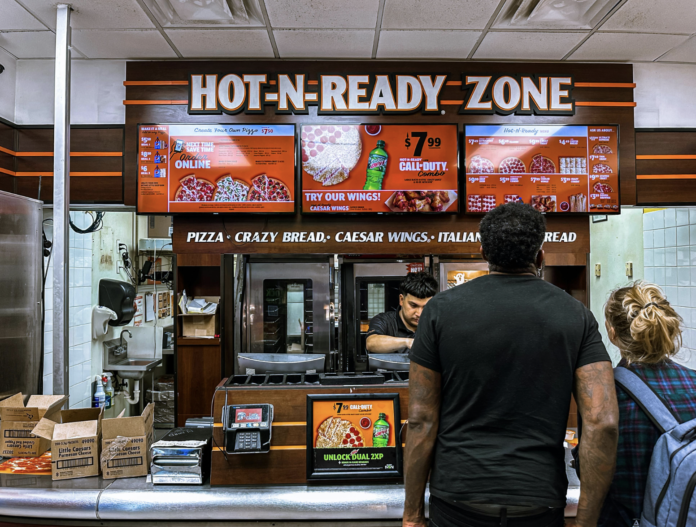
North Sun Energy said it is integrating the Little Caesars Express restaurant model, which is designed to operate in as little as 450 square feet and requires no more than two employees at a time. The new locations will be integrated into several existing Orangestores – North Sun Energy’s flagship convenience store brand – along with a number of gas and convenience site remodels and new buildouts.
“Our relationship with North Sun Energy exemplifies the kind of strategic alignment that enables us to bring Little Caesars to more non-traditional formats. By leveraging relationships like this, we’re positioning the brand for long-term success and making our HOT-N-READY product offerings even more accessible to guests wherever their day takes them.”
Little Caesars is actively seeking qualified multi-unit franchise operators to join its team across Canada, including British Columbia, Ontario, and Quebec. For more information, interested candidates can visit littlecaesarsfranchise.ca.
Headquartered in Detroit, Michigan, Little Caesars was founded by Mike and Marian Ilitch in 1959 as a single, family-owned restaurant. Today, it is the third-largest pizza chain in the world, with stores in each of the 50 U.S. states and 30 countries and territories.
North Sun Energy is a co-ownership between North Atlantic and Petro-Canada (the fuel retail arm of Suncor Energy), overseeing 111 gas stations and convenience stores across Newfoundland and Labrador, Nova Scotia, and PEI. The Orangestore convenience store brand is now located at 36 locations.
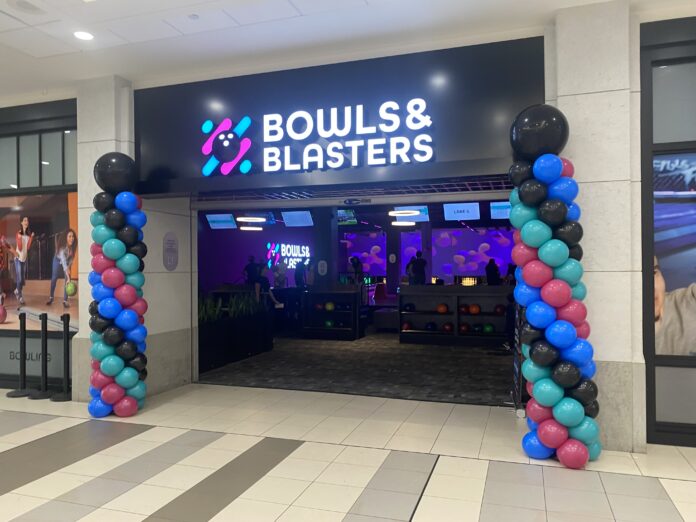
The new Bowls & Blasters at the Promenade. Image supplied
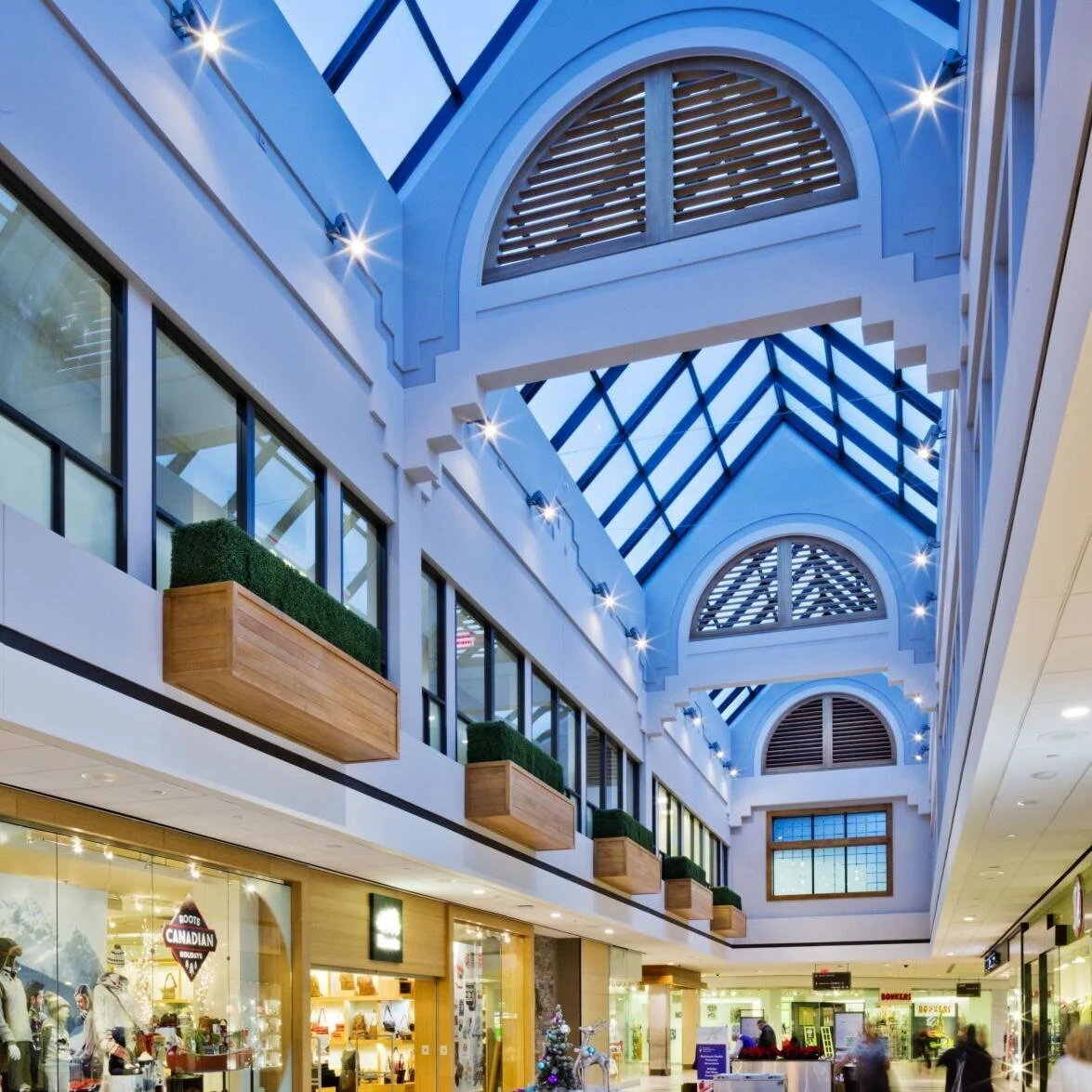
The Promenade Shopping Centre in Thornhill, just north of Toronto, is undergoing a dramatic transformation. Once facing the pressures many enclosed malls across Canada are experiencing, Promenade has seen a substantial reversal of fortune under new direction, tenant investment, and a strategic shift toward mixed-use and experiential retail.
“Just over a year ago, there were a lot of closures. The centre was in a very different place,” said Darren Woodworth, General Manager of Promenade Limited Partnership. “Now it’s a completely different story. There’s momentum, excitement—and we’re not slowing down.”
From new tenants and entertainment attractions to educational institutions and updated infrastructure, the 535,000-square-foot shopping centre is redefining itself as a community hub that extends far beyond traditional retail.
Entertainment as a New Anchor
One of the most talked-about additions to the centre is Bowls & Blasters, a 25,000- square-foot indoor entertainment complex that opened in mid-May.
“It’s not just a bowling alley,” explained Woodworth. “It’s bowling, bumper cars, laser tag, a massive arcade, birthday party rooms, and a high-end lounge area with food and drinks—all under one roof.”
According to Woodworth, the opening was a major success. “People were lining up by 2 p.m. on opening day. And since then, they’ve broken records—particularly on their vending machines, which is how they track early traffic. They’ve booked a ton of birthday parties and were packed during Ribfest.”
The addition of such a vibrant entertainment concept is already paying dividends. “It’s driving traffic, especially to the upper level, which had historically been quieter,” Woodworth said.
Bowls & Blasters at Promenade. Image supplied
New Dining and Essential Services Drive Daily Visits
The past few months have also seen the arrival of multiple new tenants. Pur & Simple, a popular breakfast and brunch concept, opened next to LifeLabs, which recently launched its medical testing facility in the centre.
“We were just in LifeLabs, and people were coming in for appointments and then heading over to Pur & Simple for breakfast,” said Woodworth. “There’s real synergy between the tenants now.”
Other food-focused additions include Fat Bastard Burrito, Pizzaiolo, The Bagel House, and Eat Some More, a new restaurant featuring African-style cuisine. “It’s all about variety,” added Jamie DeRose Dragozet, who supports marketing efforts for the centre. “We’re building a retail mix that reflects our diverse community.”
Fitness and Pickleball on the Horizon
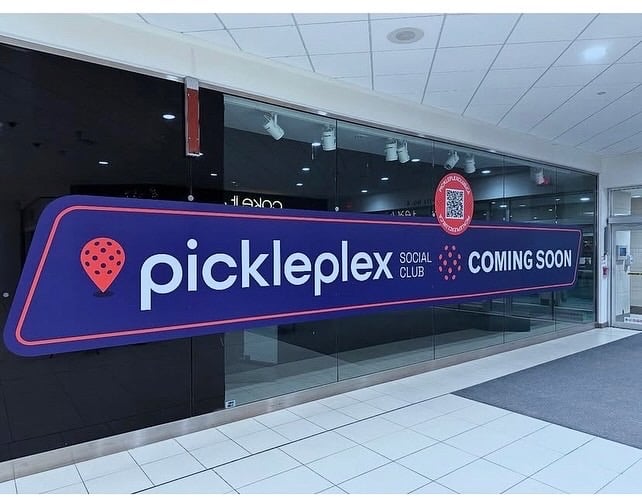
Construction is underway for GoodLife Fitness, which will span two levels and is expected to open by the end of the year—strategically timed for New Year’s resolutions. Another addition currently under construction is Pickleplex, an indoor pickleball facility that aims to open by late summer.
“We’ve completed demolition on both. The GoodLife opening is targeted for December, and Pickleplex should be open around August,” said Woodworth. “Permits delayed things a bit, but both are now moving forward quickly.”
Future Pickleplex at Promenade. Image supplied
Promenade as a Community Anchor
The vision for Promenade has clearly expanded beyond retail. In September 2025, the Canadian National Institute of Health (CNIH) will open a campus at the centre focused on dental hygiene, dental assisting, and ultrasound technology.
“They’re expecting about 400 students, and it’ll be located on the upper level at the far end of the mall,” said Woodworth. “It’s another big driver of daily foot traffic and adds to the overall ecosystem we’re building here.”
This evolution has not gone unnoticed. “We keep hearing people refer to the Promenade as a community centre,” said Dragozet. “With education, healthcare, dining, and entertainment all here, it really is becoming that kind of destination.”
Promenade Rendering. Photo: Cushman & Wakefield.
From Groceries to Condos
Another standout tenant is Olive Branch Kosher Supermarket, the first and only kosher grocery store of its kind in Canada.
“They’re doing incredibly well and are even looking at expanding the store,” said Woodworth. “They’re a unique anchor that brings in a very loyal and specific customer base with Kosher groceries and a mix of other items for everyone.”
The successful opening of two residential towers—30 and 35 storeys with more than 780 units—has also changed the landscape. The towers offer direct internal access to the mall.
“We just opened the internal connection from the condos to the mall,” Woodworth added. “Residents can literally walk downstairs in their slippers and shop. It’s been extremely well received.”
Bringing the Community Together Through Events
A key part of the strategy has been to bring people into the mall through events. Promenade has hosted everything from Persian New Year celebrations to Ribfest, Hanukkah events, and even the Royal CanadianCircus.
“Our traffic numbers for Ribfest this year were up over 10,000 people compared to last year,” said Woodworth.
“That’s exactly the kind of engagement we want to foster—events that bring people in and help them discover what’s new.”
Dragozet echoed the importance of community connection: “Some visitors have told us they’ve been coming here for 40 years. Now they’re seeing a real transformation and feeling proud to call Promenade their mall again.”
Image: Promenade
A Cautious, Strategic Leasing Approach
Despite the buzz and renewed activity, management is taking a measured approach to leasing.
“We’re seeing more inquiries than ever,” said Woodworth. “But we’re being very strategic about who we let in. We want to leave room for national retailers and ensure long-term sustainability.”
There is currently some availability in the mall due to tenant shuffling and new configurations, but Woodworth confirmed that the team is focused on creating the right retail mix to complement the broader transformation.
Looking Ahead: Five-Year Vision and the 40-Year Legacy
With Promenade’s 40th anniversary approaching in 2026, plans are already underway to commemorate the milestone.
“We’re planning to do a full front-facade refacing and may modify the entrance to accommodate one large restaurant or two smaller ones,” revealed Woodworth. “There’s significant investment being put back into the building.”
The long-term vision includes continued interior upgrades, new co-tenants, and additional phases of residential and commercial intensification.
The surrounding retail plaza, also owned by the same group, will see further residential intensification with new units coming in the near future.
A Success Story in Real-Time
Reflecting on his first year at the Promenade, Woodworth sees an evolution few properties experience in such a short period.
“I’ve never worked at a centre that has had this much activity all at once,” he said. “A year ago, the outlook was uncertain. Now we’re full of life, full of promise. I can’t wait to see where we’ll be in another year.”
Dragozet agreed. “We’re hearing it from everyone—from shoppers to tenants to people who’ve lived here their whole lives. There’s energy again. And that’s something special.”
Promenade Limited Partnership is owned in partnership by Serruya Private Equity and a Liberty Development managed corporation. The Property is managed by Cushman and Wakefield Asset Services.
As Promenade Shopping Centre continues its bold redevelopment, it is emerging not just as a retail success story, but as a template for how malls across the country can reinvent themselves for the future—through diversity, density, and deep community engagement.
Woman shopping in a grocery store. Image: iStock/licensed
A new study published in the Canadian Medical Association Journal (CMAJ)confirms what many suspected: obesity rates in Canada have surged since the onset of the pandemic. Prior to 2020, the trend was gradual. But since April of that year, the pace has quickened — and now, one in three Canadian adults lives with obesity.
This shift carries serious implications. Obesity increases the risk of Type 2 diabetes, cardiovascular disease, and certain forms of cancer. As the numbers climb, we must broaden the conversation: medical care is essential, yes — but so is consistent access to nutritious, affordable food.
More troubling still is the demographic pattern: women and young adults — two groups historically less affected — are now seeing sharper increases. Pandemic-era stress, social isolation, disrupted routines, and increased sedentariness all played a role. So did a noticeable shift in dietary habits: more ultra-processed food, more snacking, and fewer structured, balanced meals.
Then came the inflation shock of 2022, fueled in part by Russia’s invasion of Ukraine. Soaring food prices placed household budgets under strain, making healthier options even less attainable. When nutritious food becomes unaffordable, poorer dietary choices follow — not out of neglect, but necessity.
In this context, the conventional public health refrain — “eat better, move more” — no longer suffices. The environment must be redesigned to support healthy choices, rather than simply shaming those who can’t afford them.
For food companies, the situation is precarious. On the one hand, many are reformulating their products and investing in “healthier” lines. On the other, long-standing brands are starting to lose their appeal. The case of Kellanova (formerly Kellogg) is instructive: legacy products like Pringles, Cheez-It, Pop-Tarts, and Eggo won’t remain viable without significant recipe overhauls. Canadian consumers are increasingly demanding simplicity in ingredients, transparency in marketing, and at least a minimal level of nutritional credibility — even for indulgent snacks.
Kraft Heinz appears to be adapting by splitting its portfolio, positioning healthier or better-performing brands for growth, while shedding those unable to evolve. The health shift is no longer optional — it’s an economic imperative.
But the core issue goes beyond products — it’s about how the food industry markets them. For decades, food companies have thrived on impulse: eye-catching packaging, end-cap displays, catchy slogans, and novelty. That model is now under pressure. The CMAJ study suggests that impulsive, emotion-driven consumption is contributing to rising obesity rates. Canadians are signaling a desire to regain control — to plan meals, read labels, and make informed choices. This requires a shift from impulse marketing to intent-based marketing — a foundational change in how food is positioned and sold.
Meanwhile, the pharmaceutical industry is rapidly filling the void. In 2023, roughly one million Canadians were prescribed GLP-1 agonists such as Ozempic — drugs developed for diabetes but now widely used for weight loss. That number is expected to double by 2030. These treatments aren’t cheap: public drug plans have already covered more than $660 million for Ozempic alone. This illustrates a sobering reality — modern medicine is now picking up the slack where our food environment has failed.
This isn’t just a public health issue. It’s a market signal. If Canada doesn’t rethink how it produces, processes, promotes, and retails food, pharmacies — not grocery stores — will become our primary source of “dietary intervention.” And the costs, both human and fiscal, will be considerable.
Retail Insider is streamlining its Canadian retail news from around the web to include a handful of top news stories that can be viewed quickly during the day. Here are the top stories from the past 24 hours.
Headline inflation grew at a faster pace, as gasoline prices fell to a lesser extent in June (-13.4%) than in May (-15.5%). Additionally, faster price growth for some durable goods, such as passenger vehicles and furniture, put upward pressure on the CPI in June, said the federal agency.
Year over year, the CPI excluding energy (+2.7%) remained higher than the CPI in June, partly due to the removal of consumer carbon pricing in April. On a monthly basis, the CPI rose 0.1% in June. On a seasonally adjusted monthly basis, the CPI was up 0.2%, it said.
“While consumers continued to pay less at the pump on a year-over-year basis in June (-13.4%), the decline was smaller than in May (-15.5%). The smaller decline was a result of a larger month-over-month decrease in June 2024 (-3.1%) compared with June 2025 (-0.7%). Gasoline prices were nearly unchanged in June, as lower refining margins were offset by higher crude oil prices amid geopolitical conflicts,” said Statistics Canada.
“Prices for food purchased from stores rose 2.8% year over year in June following a 3.3% increase in May. The slower growth was largely a result of fresh vegetable prices, which declined 3.1% year over year in June following a 1.0% increase in May. This decline was the first since October 2021 and was driven by lower prices for onions (-10.3%) and cucumbers (-18.3%).
“Prices for clothing and footwear rose 2.0% year over year in June after increasing 0.5% in May. This acceleration was largely due to the women’s clothing index, which was unchanged in June following a 2.5% decline in May. Uncertainty surrounding international trade put upward pressure on prices for clothing and footwear in June, as the industry faced higher costs in the wake of tariffs.”
Douglas Porter
Douglas Porter, Chief Economist, BMO Capital Markets, said: “Today’s result gives the Bank of Canada almost nothing to justify a rate cut in July. If the solid employment report was the icing on the cake for that decision, this is the cherry on top. Simply put, underlying inflation remains stubbornly strong. We’ll need to see a material deceleration in core for a cut in even the September meeting to be in play, barring a steep deterioration in the economy (which can’t be ruled out with the ongoing tariff uncertainty).”
“Top line price growth continues to be restrained by weak readings for gasoline. Moreover, “geopolitical conflicts” were cited as propping up crude prices in June, a factor that faded mid-month and should provide some offset in July. Meanwhile, core inflation held up on an annual basis, with the monthly figures also pointing to healthy price growth. The groundwork for July to continue June’s story (weak top-line price growth and more core strength) looks to be set,” he said.
“Healthy core price growth, coupled with last week’s surprisingly robust employment gains now make a July cut from the Bank of Canada unlikely. However, renewed trade threats add to the uncertainty that has lingered over the economy since the start of the year. Looking forward, the course of trade negotiations and evidence of whether June’s healthy labour market report was a one-off, or the start of a new trend, will be crucial. Ultimately, we believe that absent a quick resolution on trade, the economic backdrop should give the BoC space to deliver more easing this year.”
Innovative South Korean eyewear brand Gentle Monster will make its Canadian debut with a flagship store at the Yorkdale Shopping Centre in Toronto. Slated to open in fall/winter 2025, the store will occupy over 5,300 square feet in one of the shopping centre’s dedicated luxury wings.
Known for its cutting-edge design and immersive in-store experiences, Gentle Monster’s new space is expected to deliver the same high-concept, gallery-style aesthetic that has captivated consumers in fashion capitals across the globe. Located near the likes of Louis Vuitton, Thom Browne and Acne Studios, the Yorkdale store is poised to attract both loyal followers and first-time visitors eager to experience the brand’s distinctive approach to retail.
Photo: Gentle Monster
Blending Fashion and Art in Retail
Founded in Seoul in 2011 by Hankook Kim, Gentle Monster has become one of the most influential names in global eyewear, celebrated for its experimental design philosophy and unique in-store environments. The brand’s dual identity, combining the “gentle” elegance of minimalism with the “monster” edge of bold expression, translates into eyewear collections that are fashion-forward yet wearable.
Gentle Monster is widely recognized for its oversized frames, use of premium materials, and commitment to innovation. Its product line includes over 50 silhouettes, with more than 20 new styles introduced each year. The frames, typically priced between $200 and $500, cater to a luxury clientele drawn to the brand’s boundary-pushing sensibilities.
Photo: Gentle Monster
Experiential Store Design Comes to Canada
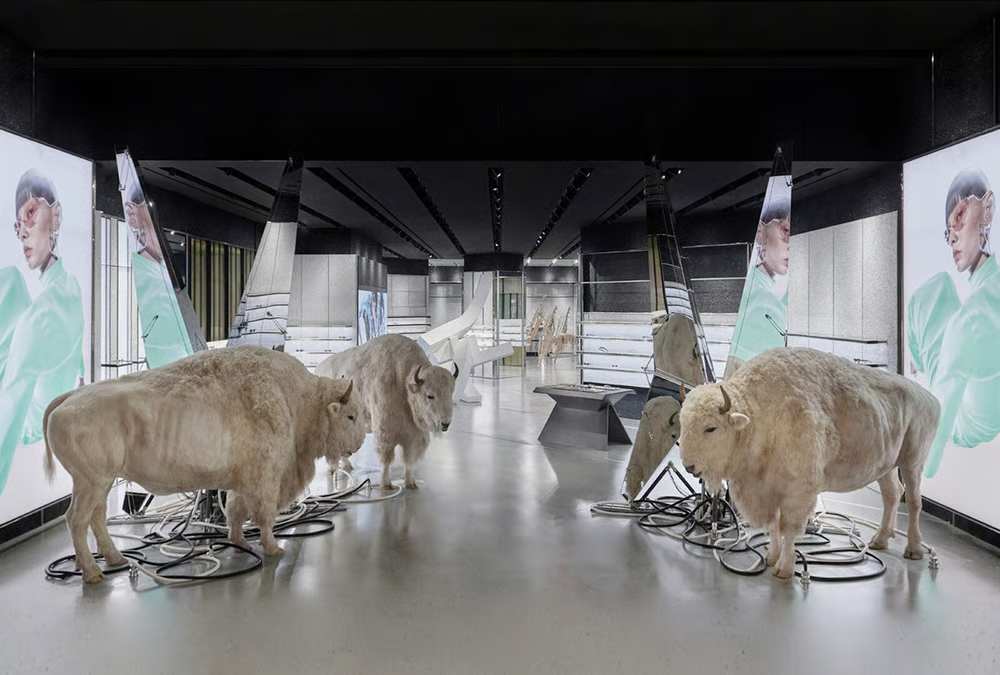
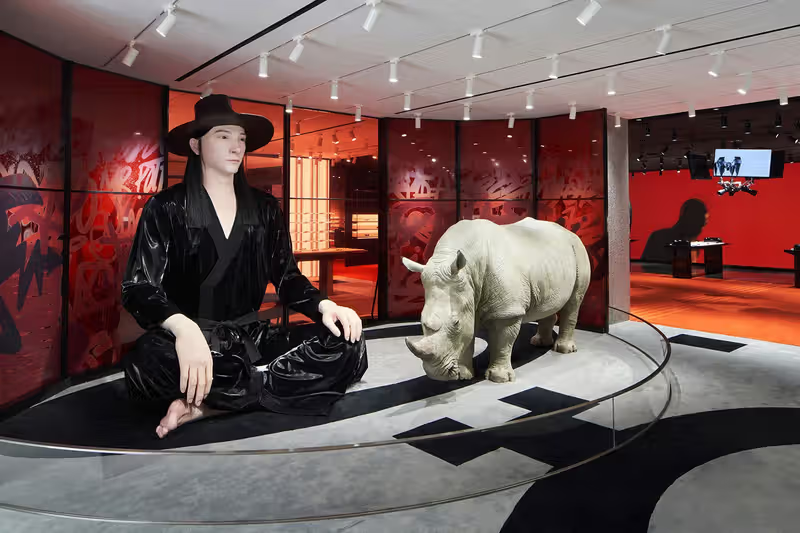
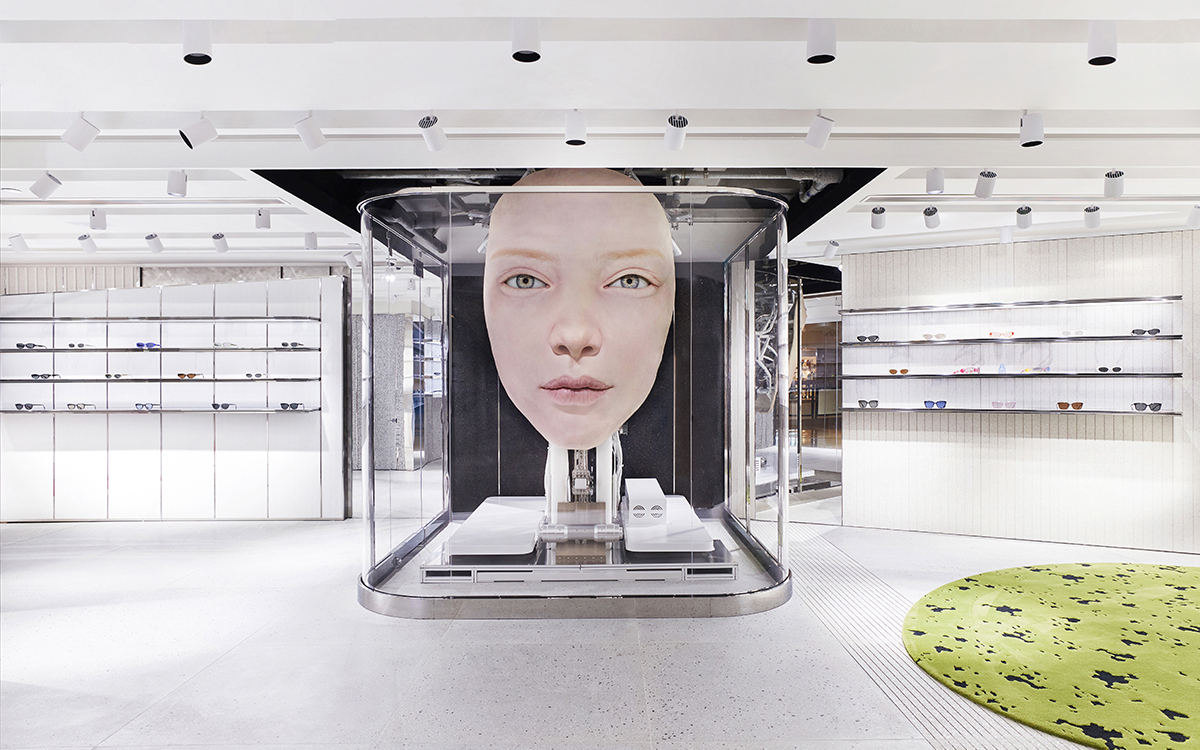
What sets Gentle Monster apart from traditional eyewear retailers is its highly curated and often theatrical store environments. Each flagship is conceived as a one-of-a-kind space, blending conceptual art, kinetic sculpture, and interactive technology to create an immersive, sensory-rich experience.
Examples from around the world include robotic installations in London, hyper-realistic bison in New Jersey, and meditative waterfalls on simulated Martian terrain in Tokyo. These locations are not just stores; they’re destinations. In Canada, Yorkdale’s flagship is expected to follow suit, delivering an elevated experience that merges fashion with art and storytelling.
Photo: Gentle Monster
Global Retail Strategy Anchored in Flagships
Gentle Monster currently operates 78 flagship stores across 13 countries, along with over 200 retail partner locations globally. In the U.S., the brand has a presence in New York, Los Angeles, Houston, and at South Coast Plaza in Costa Mesa, among others. Each flagship is custom-built with a distinct theme, allowing every store to feel like a new encounter with the brand.
Recent global expansions include the opening of a full-line boutique at Chadstone Shopping Centre in Melbourne, Australia, in late 2024, following shop-in-shops in Sydney and Hong Kong. The brand’s retail strategy centres on immersive storytelling and design, reinforcing Gentle Monster’s position at the intersection of luxury, technology, and contemporary art.
Photo: Gentle Monster
Yorkdale: Canada’s Launchpad for Global Luxury Brands
The arrival of Gentle Monster is the latest in a long line of exclusive brand debuts at the Yorkdale Shopping Centre. The mall has steadily built a reputation as the premier destination for first-to-Canada openings, particularly within the luxury and upscale fashion segments.
Yorkdale now hosts the largest collection of luxury retailers in the country, a distinction driven by multi-phase expansions and deliberate efforts to attract global flagships. Over the past decade, the centre has carved out several distinct luxury corridors, each offering a curated experience for high-end shoppers. Gentle Monster’s new location will join one of these wings, adding to a carefully cultivated environment that includes international labels, designer boutiques, and bespoke services.
Two frontline Amazon employees in Calgary were recently recognized by the company for successfully proposing safety ideas using Dragonfly, a tool that Amazon has made available at on-site kiosks and on employees’ devices, enabling them to make real-time safety suggestions stemming from their everyday work experiences.
In 2024, over 130,000 Amazon employees globally used Dragonfly to provide suggestions, with recommendations including changes like repositioning a package scanner so it isn’t accidentally knocked over, while others involve more complex safety measures like adding laser motion sensors to alert forklift drivers when people are nearby.
Photo: Amazon
Preventing Slips and Falls
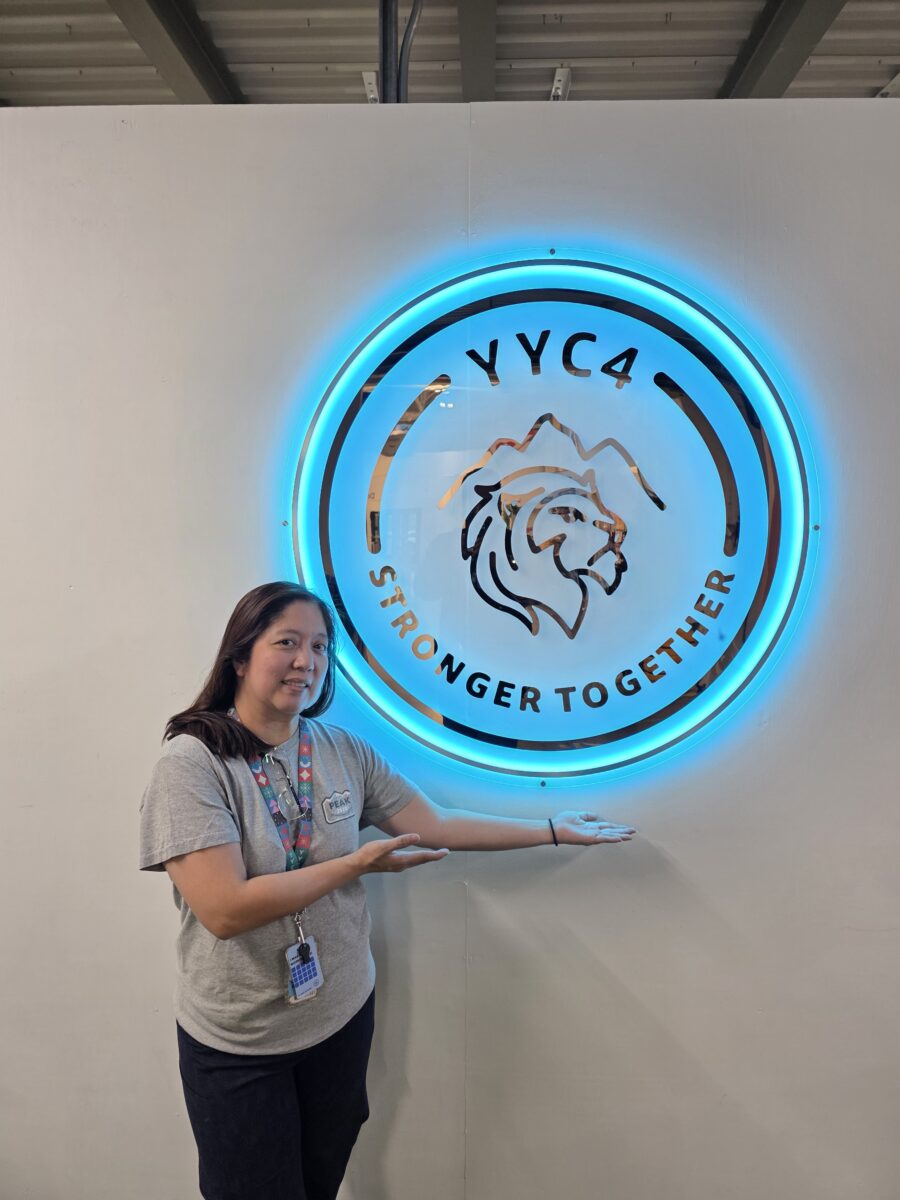
Jennifer E., who works in the inbound department at Amazon’s YYC4 robotics fulfilment centre in Calgary, was recently presented with a certificate recognizing her contributions to preventing workplace slips and falls.
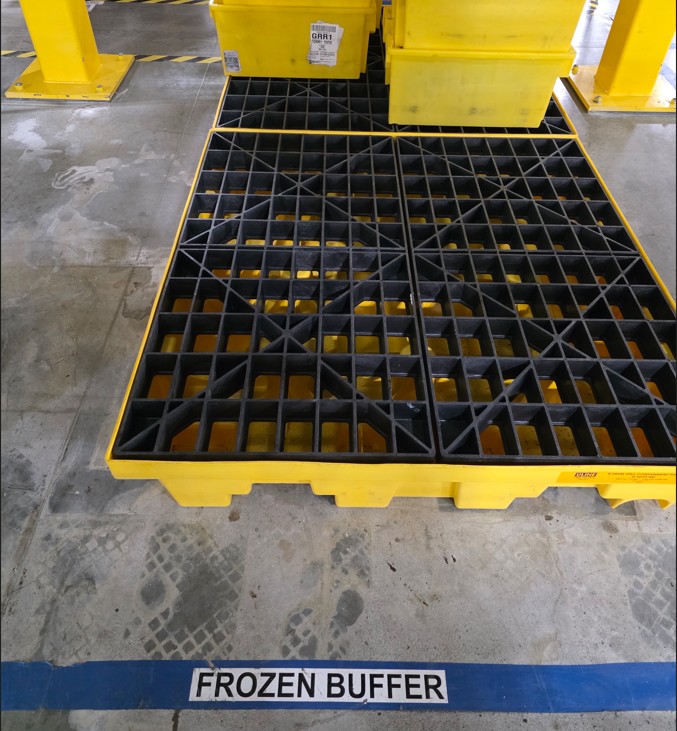
Jennifer’s Dragonfly submission stemmed from Calgary’s harsh winter climate. Her role at YYC4 involves handling the arrival and processing of products into the fulfilment centre. During the winter months, when products are transported hundreds of miles in tractor trailers in snowy subzero weather conditions, some shipments can arrive at the site frozen, or covered in snow. After thawing, these shipments had the potential to leave puddles of water causing slip hazards at the inbound dock, explained Amazon.
Jennifer E.
Jennifer recognized the potential slip hazard, and reported it via Dragonfly. After reviewing Jennifer’s submission, the site’s leadership team worked to implement a dedicated storage location for frozen or snow-covered products received through the inbound dock, located away from employee traffic. In addition to designated storage areas, specialized spillage pallets are now used to collect dripping water from thawing shipments, preventing puddles from forming on the floor, said the company.
“I am so happy to see the positive impact that my idea is having on the safety of my colleagues. It was motivating to see my Dragonfly submission actioned by my manager, and I am now encouraging my colleagues to submit their own ideas,” said Jennifer.
Photo: Amazon
Enhancing Pedestrian Safety
Alyssa M., a frontline employee at Amazon’s YYC1 fulfilment centre in Balzac, made a Dragonfly submission related to pedestrian safety at the 600,000 square foot site, where a high volume of employees move carts from the area where customer orders are fulfilled to the shipping dock. During a routine inspection of the site, Alyssa identified blind spots where employees moving carts might not see inbound pedestrian traffic, creating a potential collision hazard, said Amazon.
Alyssa M.
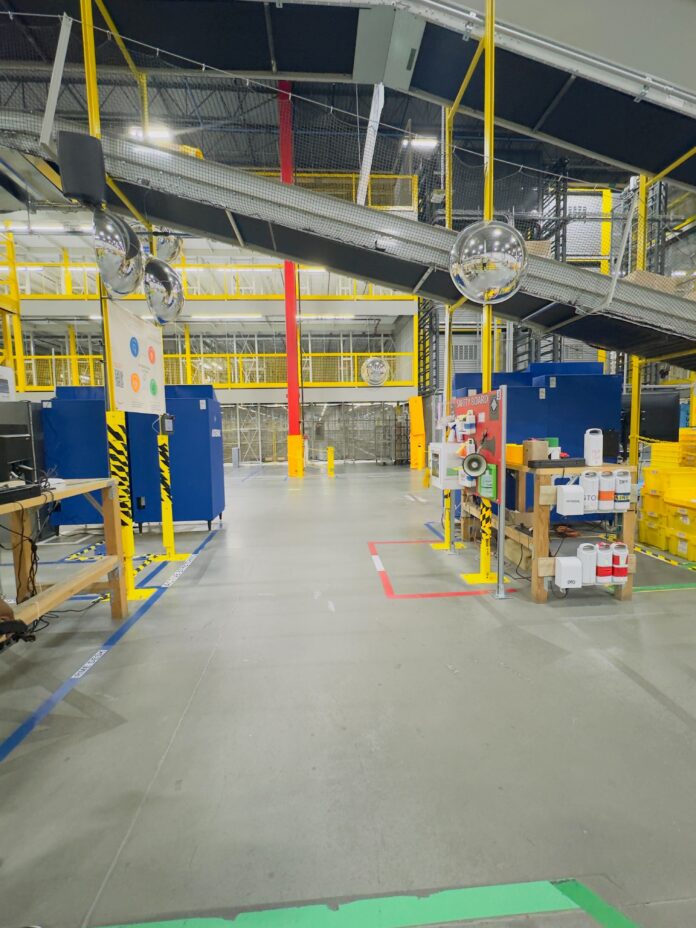
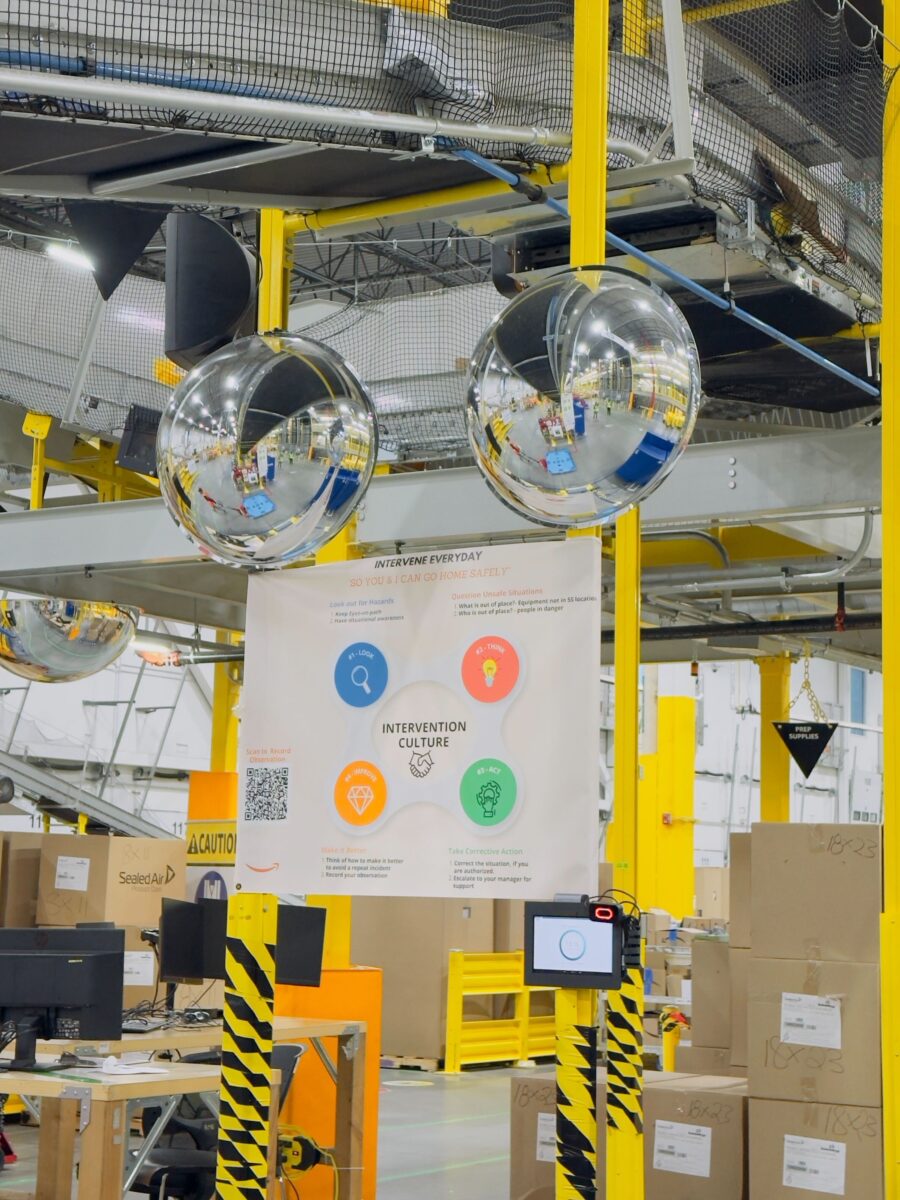
Alyssa submitted her observation in Dragonfly, and within a few short weeks, the site’s leadership had installed a number of spherical mirrors in low-visibility locations identified by the Workplace Health and Safety and Reliability and Maintenance Engineering teams. Thanks to these new mirrors, employees pushing carts are better able to spot incoming traffic, avoiding potential collisions, noted the company.
Alyssa’s contributions were recognized by senior Amazon leadership and celebrated internally at YYC1, where a growing number of employees are now taking advantage of Dragonfly to improve workplace safety from the ground up.
RCVRI, a luxury wellness and recovery studio, officially opened its doors on July 1 in the heart of downtown Toronto.
Located on Mercer Street, the 2,300-square-foot space introduces a curated collection of science-backed health and recovery therapies — a first-of-its-kind concept for North America.
The studio is situated between King Street and Blue Jays Way, placing it among some of the city’s most iconic destinations.
Managing Partners Colin Hubley and Ashley HaraburdaEvoto
“We’re right between King Street and Blue Jays Way, so close to TIFF Bell Lightbox, and before you get to the stadium,” said Ashley Haraburda, Managing Partner of RCVRI. “Right across from us is the new Nobu Hotel, and then our neighbours are the St. Germain and the Bisha Hotel. So we’re located in a destination area.”
RCVRI, which stands for “recovery,” was designed with both locals and visitors in mind. “When we were looking at different areas, we wanted to find somewhere that was walkable and easily accessible. But also, since we are a recovery and wellness destination, we wanted to serve both the local Toronto population and those coming in and out of the city,” she added.
“Everything is designed to help people feel their best and optimize both their physical and mental health,” she said. “So we carry a wide range of different recovery solutions, all that are going to harness the latest innovations but most importantly all backed by science and research.”
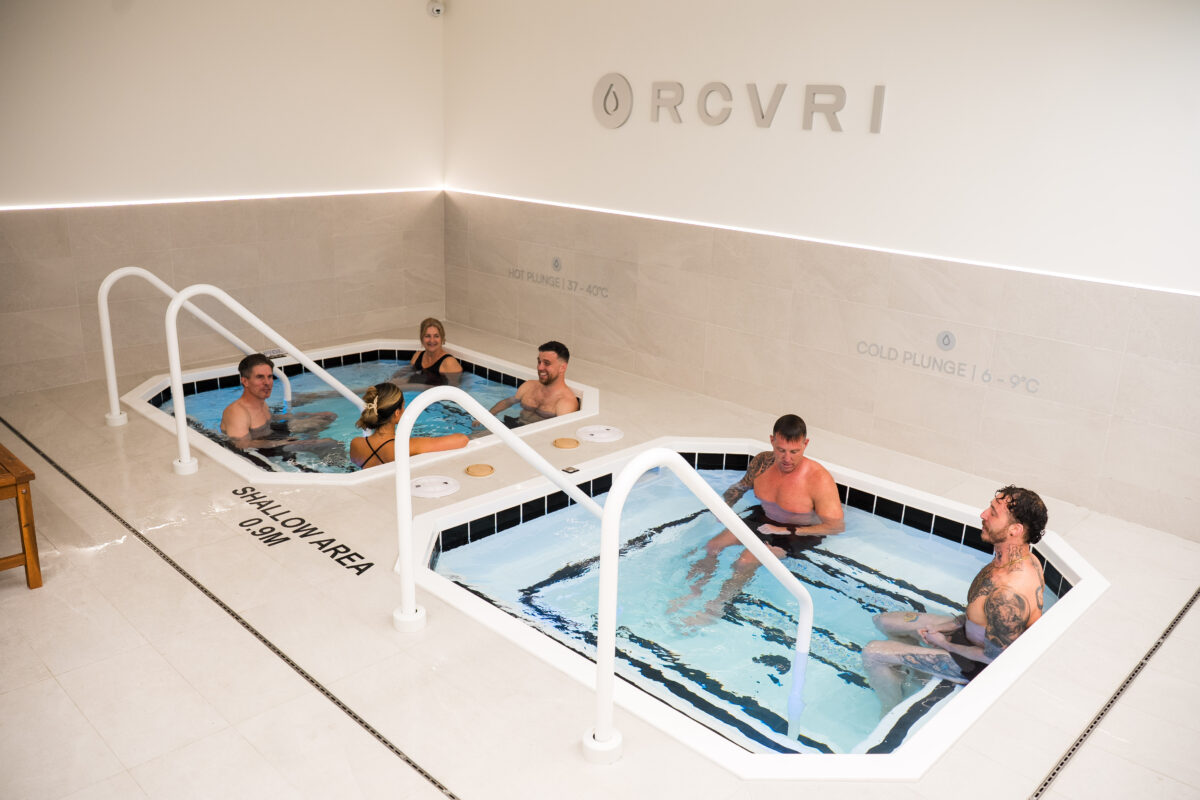
The studio features a wet and dry zone, offering a comprehensive menu of advanced wellness technologies. “In the dry area, we have compression therapy, we have red light therapy bed, we have PEMF machine therapy. And then we will be adding more modalities within that dry area as we open,” explained Haraburda.
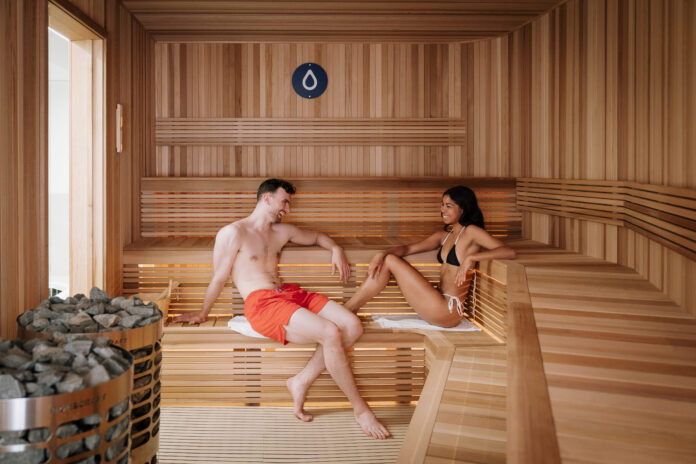
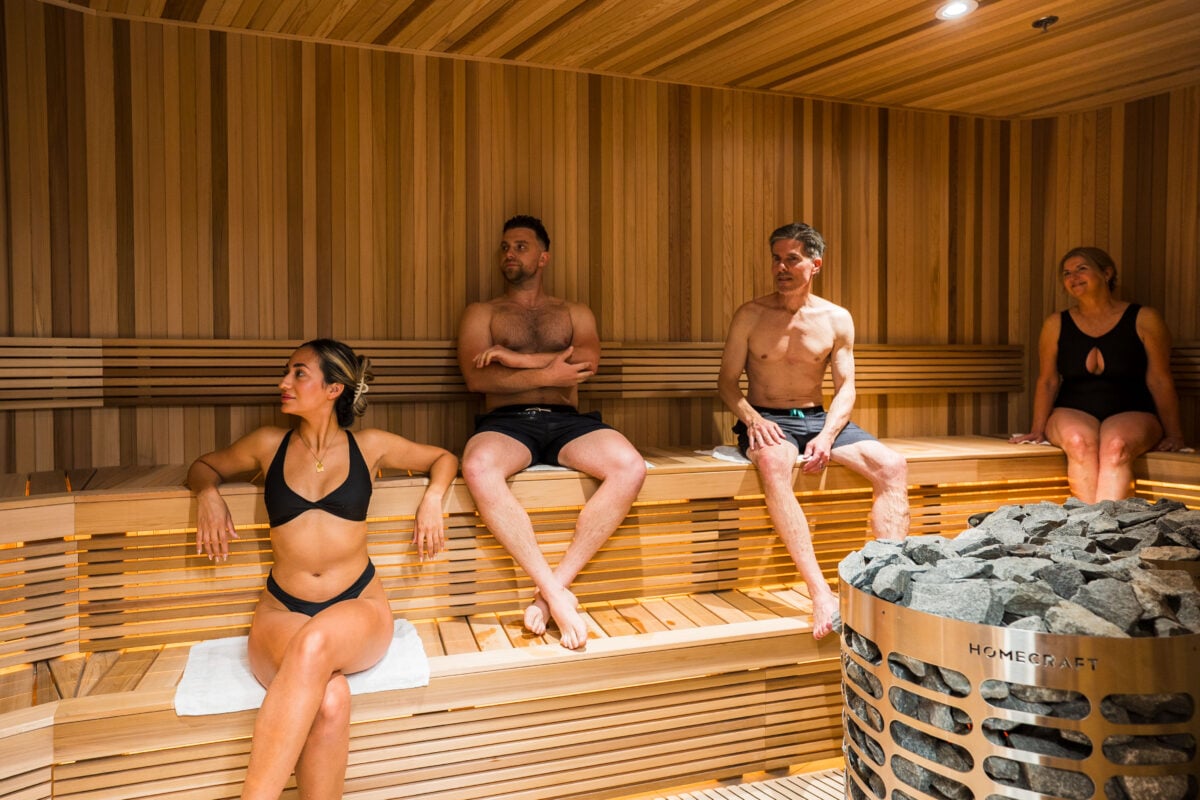
The wet area includes a hot and cold plunge setup and a sauna. “We also have what we’re referring to as our Superior Suite,” she said. “So it’s a private suite that has a private cold plunge as well as a private sauna. And that space is bookable for about four people at a time — a private space separate.”
RCVRI’s arrival is timely, coinciding with the global rise in interest around longevity, wellness, and biohacking. As more fitness studios begin to incorporate recovery into their offerings, Haraburda believes the demand for dedicated wellness spaces is stronger than ever.
“I think in general right now, there’s so much interest in — I’m sure you’ve heard terms such as longevity and biohacking,” she said. “Speaking to longevity, I think that we’re just at a time where a lot of people are wanting to live longer, healthier. They’re more aware of understanding that if we take care of our body now, we’ll stay strong and more energized for years to come.”
She emphasized RCVRI’s mission to be a science-driven alternative in the growing wellness space. “There’s all these ways now that people are finding ways to hack or upgrade our body and mind, but that gets into where we’re more centered — of using science-backed tools to feel better and be able to perform at our best,” she said.
Photo: RCVRI
RCVRI’s launch in Toronto marks the brand’s North American debut, with future plans for growth. “RCVRI is a brand that actually started in Australia. We’ve partnered with the team there. Currently in Australia there’s four locations. Ours is the first here in North America,” said Haraburda. “And then there’s expansion plans for both the US and Canada on a wider scale as well.”
As a nod to its new Canadian home, RCVRI is incorporating local touches into the experience. “Just in terms of speaking to the Canadian aspect of it — the sauna, everything is completely Canadian made. We used a Canadian sauna company based out of Quebec,” Haraburda noted. “All the names of the suites we’re giving a nod to Canada and using the Great Lakes. So we’re finding really fun and creative ways to also give a nod to the Canadian ties and really highlighting that here in Canada.”
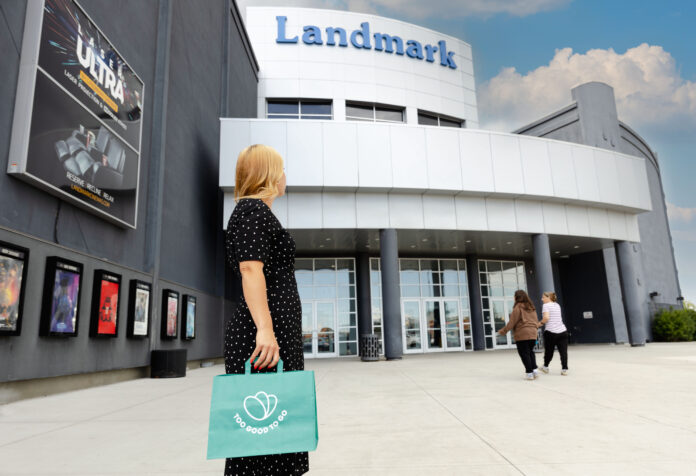
Landmark Cinemas and the social impact company,Too Good To Go, has announced a major partnership, offering Canadian movie goers and food enthusiasts alike a way to save money at Landmark Cinemas, while helping to fight food waste.
Several Landmark locations across Alberta, British Columbia, Manitoba, Saskatchewan and Ontario are live on the Too Good to Go app.
It marks the first cinema partnership for Too Good To Go in Canada and marks a milestone in the company’s growth across the country, embodying the company’s mission to combat food waste everywhere, according to a news release.
Since launching in Canada in 2021 Too Good To Go, and its 16,000 partners have saved more than 10 million meals, across the country. The company has expanded operations to all provinces and continues to welcome businesses of any size to save food and recoup revenue from waste, it said.
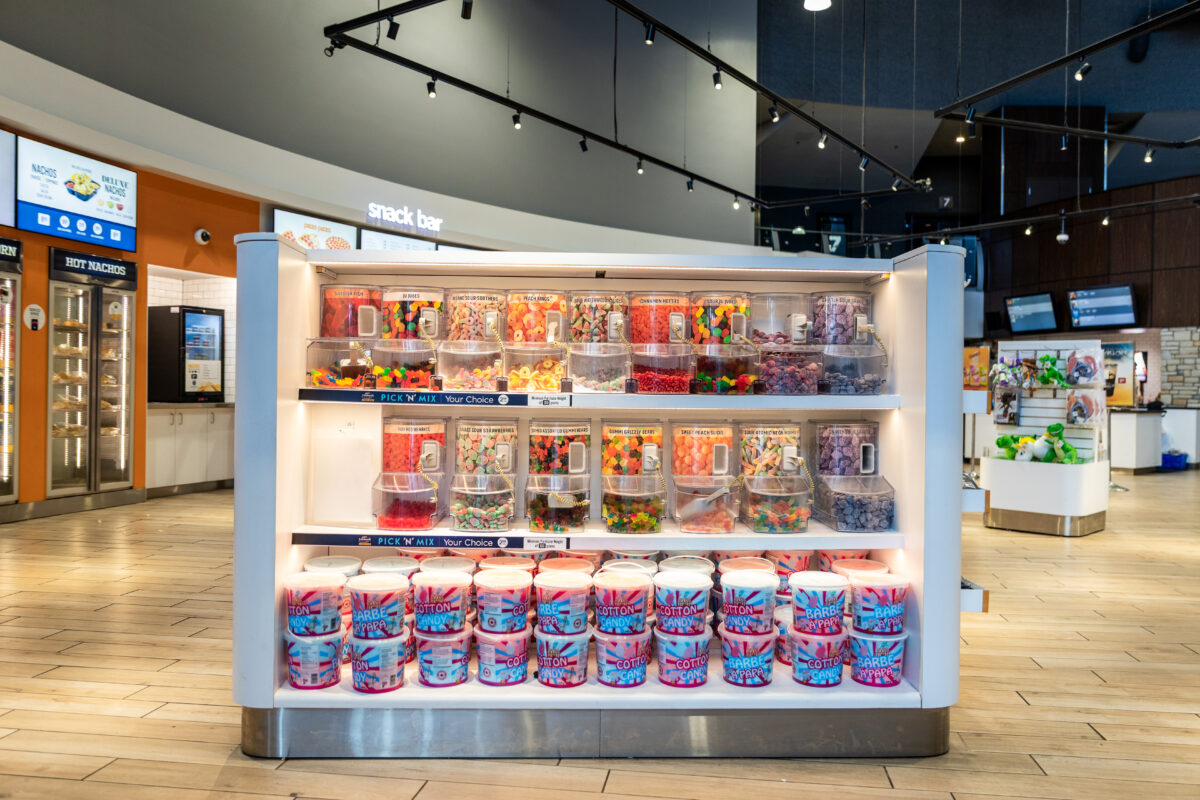
Customers saving food via Too Good To Go at participating Landmark locations will have the choice to select from two Surprise Bags, which include surplus food, perfectly good to eat. For $7.99 consumers will receive $24 worth of food that could include nachos, popcorn, cookie bites and hot dogs. The larger bag will sell on the app for $10.99, representing a $33 retail value, and in addition to the movie snacks in the smaller bag will also include pizza and pretzels.
David Cohen
“As a company committed to delivering unforgettable movie experiences, we also recognize our responsibility to reduce our environmental impact. Partnering with Too Good To Go allows us to turn surplus concessions into an opportunity to fight food waste and take another meaningful step toward sustainability. We’re proud to be the first cinema chain in Canada to bring this innovative solution to our guests,” said Landmark’s President, Dave Cohen.
Chris MacAulay
“This partnership with Landmark Cinemas brings our mission to more Canadians in a whole new way,” said Chris MacAulay, Too Good To Go, VP North America. “By saving surplus snacks and treats from going to waste, we’re not only helping the planet-we’re also making sustainability accessible and fun. This partnership shows that even the simple joy of going to the movies can be part of a larger movement toward a more waste-conscious, affordable future.”
“We are an app-based service in North America—that’s how everyone would interact with us. In Europe, we have a number of other platforms, but currently, what you see here is the app,” she said.
Sarah Soteroff
“So, you would download it in the Google Play or Apple App Store, and we connect businesses who have any type of food that didn’t sell throughout the course of business—and would otherwise have to throw that away—directly to consumers, to purchase at a pretty steep discount.
“For example, I’ll take the Landmark example. We launched with them (recently) across the country, and they would have a ton of popcorn left over at the end of the night—probably some hot dogs, hamburgers, even candy that has a best-before date. That can’t be sold past that date and would otherwise typically get thrown out. All of that can now go into a Too Good To Go Surprise Bag.
“The Surprise Bag mimics the unpredictability of food waste. If I’m a bagel shop owner, I won’t know exactly how many bagels I’ll sell in a day—because if I did, I wouldn’t make extras. There’s always some margin for error and a bit of buffer. This allows those businesses to do something with that food rather than throw it away or heavily discount it in-store.
“This way, they can put it onto the app, sell it, and recoup what would otherwise be lost revenue. The consumer gets great deals, and there’s a bit of fun too because you get to see what’s in your bag only after you purchase it. So you’re kind of going into it a little blind, which people tend to love.”
The company was founded in 2016 in Copenhagen, Denmark, but came to Canada in July 2021.
“We are now national—we operate in every province across the country. (Recently), we crossed the 10 million meals saved milestone, which is huge. So, “meal saved” is our metric—it means bags purchased on the app. So we’ve sold 10 million bags of food that would have otherwise gone to waste. That food would’ve ended up in a landfill had it not been sold,” explained Soteroff.
“We work with partners across the country—everything from grocery stores, every Tim Hortons across the country, every Metro across Ontario, every Food Basics. We also work with partners that range from independent stores with one or two locations to large multi-location brands. We’re at around 16,000 partners nationally across Canada and have around 4 million users in Canada.
“Globally, we have over 175,000 partners, around 125 million users, and we’ve saved over 450 million meals from waste—that’s across 19 countries.”
Landmark is its first theatre partner across Canada. There are some theatre partners in Europe, but in North America, this is the first.
“The reason we partnered with Landmark is that when you go to the movies, you want fresh popcorn. You don’t want popcorn that’s been sitting there all day. So because of that, they’re constantly making fresh popcorn—but if it’s not sold, it becomes waste. That food would otherwise go into a landfill,” said Soteroff.
“And the environmental cost of sending that food to landfill contributes hugely to climate change. Our ultimate goal is to reduce the impact of food waste on the environment. At the same time, we help businesses recoup some money and help consumers get great food at lower prices.”
She said the concept is always launching with new businesses and adding new categories all the time. Two new launches are coming with FreshCo across Ontario and with Cora restaurants nationally.
“We’re always looking for more partners, and we encourage people to join the app. There’s always unpredictability with food waste, so the app looks different every day. We encourage everyone to check back often, see what’s in their area, and see how much food is actually being saved every day. It’s a great way to make an impact,” added Soteroff.
Retail Insider is streamlining its Canadian retail news from around the web to include a handful of top news stories that can be viewed quickly during the day. Here are the top stories from the past several days.