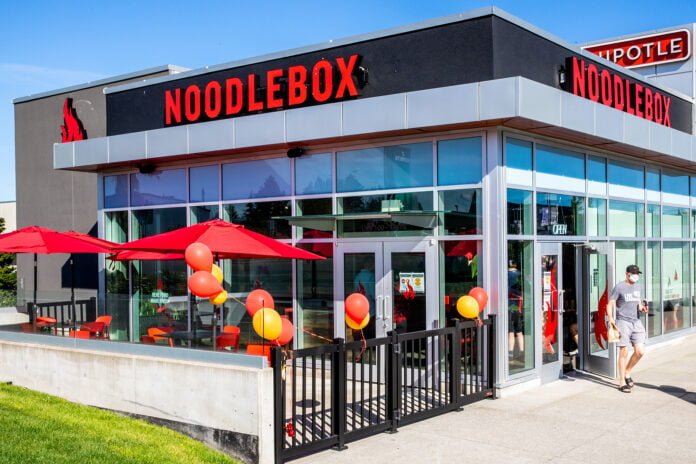
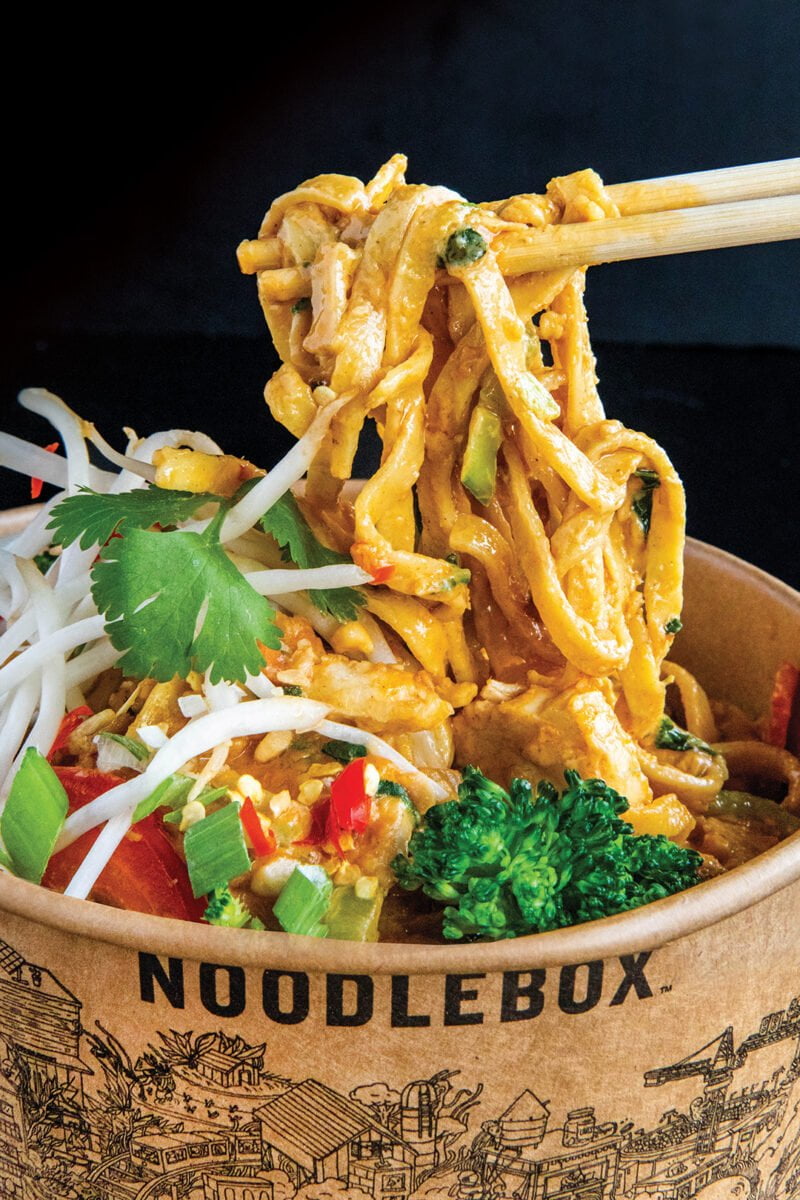
Noodlebox started as a food cart in Victoria, BC’s Chinatown in 2001.
Its unique style of Southeast Asian street food was so popular that people waited hours to get their fill.
More than 20 years and a million boxes later, the brand continues its journey of bringing bold flavours of Southeast Asian street food to all of Canada.
It has just opened its first location in Ontario at Winona in Stoney Creek / Hamilton with four units in construction to open next year including Corporate Campus Centre in Waterloo, Cornwall Road Oakville, Park Place in Barrie and in the new development at Woodbine Casino.
Image: Noodebox Langley City
Noodlebox has 31 locations open today with a further 52 secured locations in development.
Dustin May
“We plan to open 26 new locations in 2023 and in the long term see potential for over 200 locations across Canada,” said Dustin May, CEO/President and an owner with the Fox and Crane Restaurant Group, based in Abbotsford, BC, which operates Noodlebox as well as other brands Meat and Bread and Good Taco.
Meat and Bread has six locations – four in Vancouver, one in Calgary and one in Austin, Texas. Good Taco has six locations all in the BC lower mainland.
“Noodlebox is a real growth driver for us,” said May.
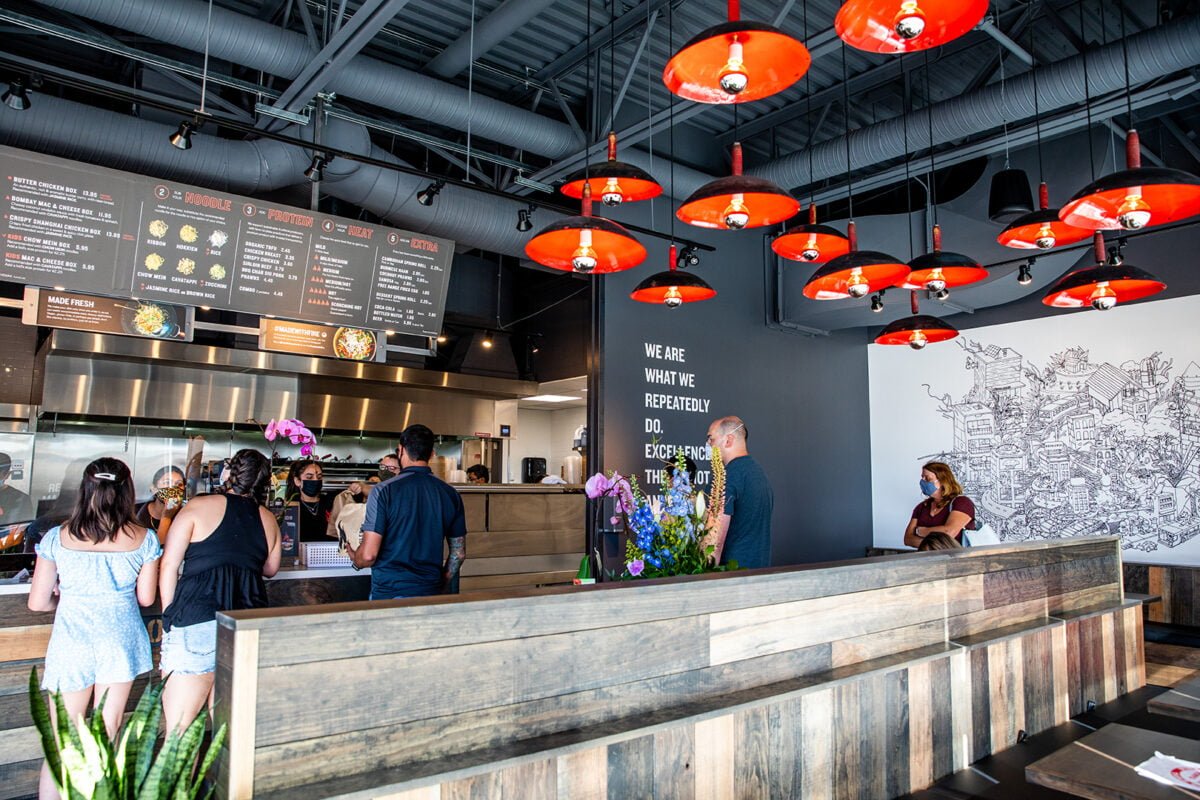
“We’re a wok-based noodle business, kind of Southeast Asian street food which is really popular. We really live around the mantra and really embrace the concept of real food made fresh with fire,” said May.
“Every dish is actually made to order. So it’s not like it’s stuff sitting in warmers and you’re picking stuff. Everything is actually made to order in a wok which allows us to be highly customizable and allows for a lot of new creations from our guests that they can actually spin a dish their own way. It allows us to deliver on a lot of food preferences.”
Image: Noodebox Langley City
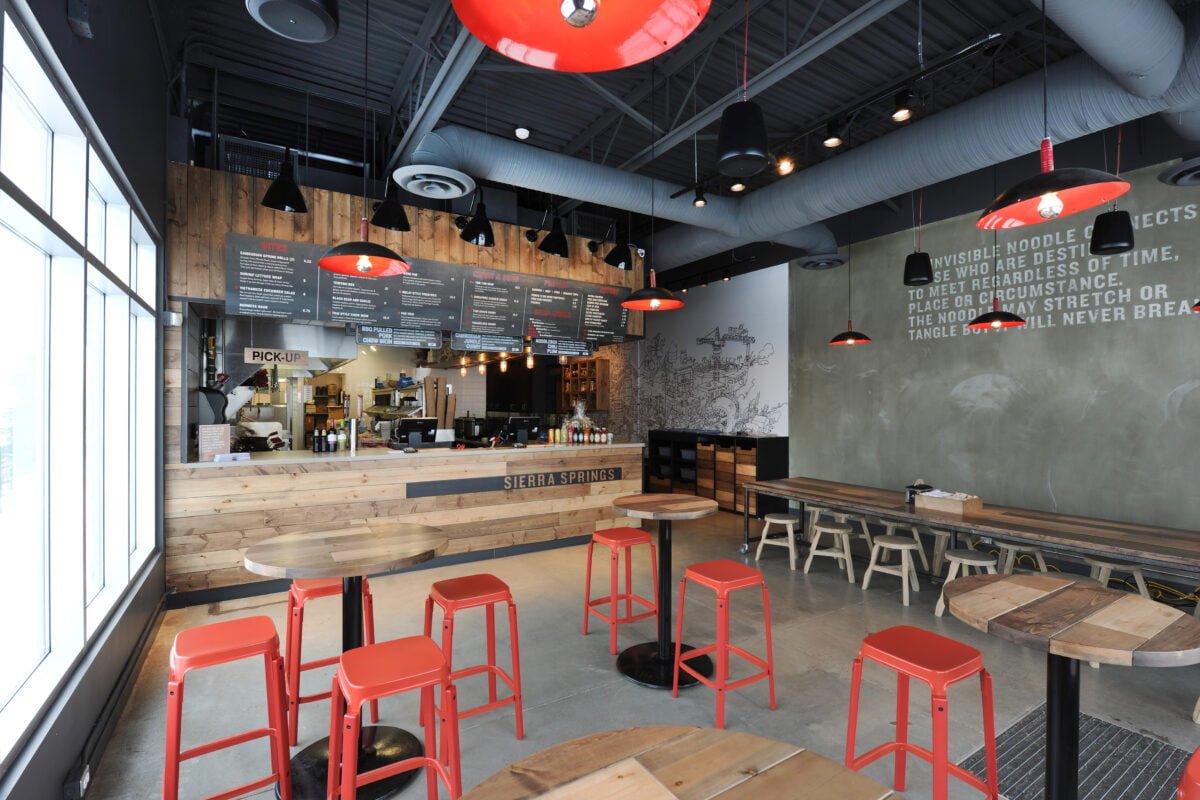
Image: Noodebox
The name of the restaurant group itself also has an interesting history.
“An Aesop fable tells the story of Fox and Crane. Fox invited Crane to supper and prepared soup, which was poured into a very shallow flat dish. The soup fell out of the long bill of the Crane at every mouthful, and his frustration at not being able to eat afforded the Fox much amusement. The Crane, in his turn, asked the Fox to dine with him, and set before her a very appetizing meal, served in a tall jar with a very narrow neck. The Crane could easily insert his neck and enjoy its contents. The Fox, unable even to taste it, met with a fitting retribution, in the fashion of her own hospitality,” says the company on its website.
“This fable is sadly how too many organizations approach franchising. Looking out for themselves and not supporting their franchise partners. At Fox & Crane we believe that together we will always achieve the greatest results. We remember this story to ensure we don’t act this way.”
Peace By Chocolate, a well known chocolate company in Canada, has opened its second store in Nova Scotia, has expanded its factory, and is looking to continually expand throughout Canada.
The company started in 2016 when the founder, Tareq Hadhad, fled Syria because of the war leaving everything behind including his family’s chocolate company which started in 1986. When Hadhad arrived in Canada, he successfully restarted the company again in Antigonish Nova Scotia and has since been able to open two stores and expand its factory. Products from Peace By Chocolate are also available throughout Canada.
“The company was the second largest chocolate manufacturer in the region in Syria, so when the war started we lost the factory, our house, we lost everything and we became refugees. After three years of living as refugees in Lebanon, our family was invited to come to Canada to a small town in Antigonish in Nova Scotia and we got the opportunity to restart the game and this time we wanted to infuse a value that connects to peace because you cannot do anything without peace,” says Hadhad.
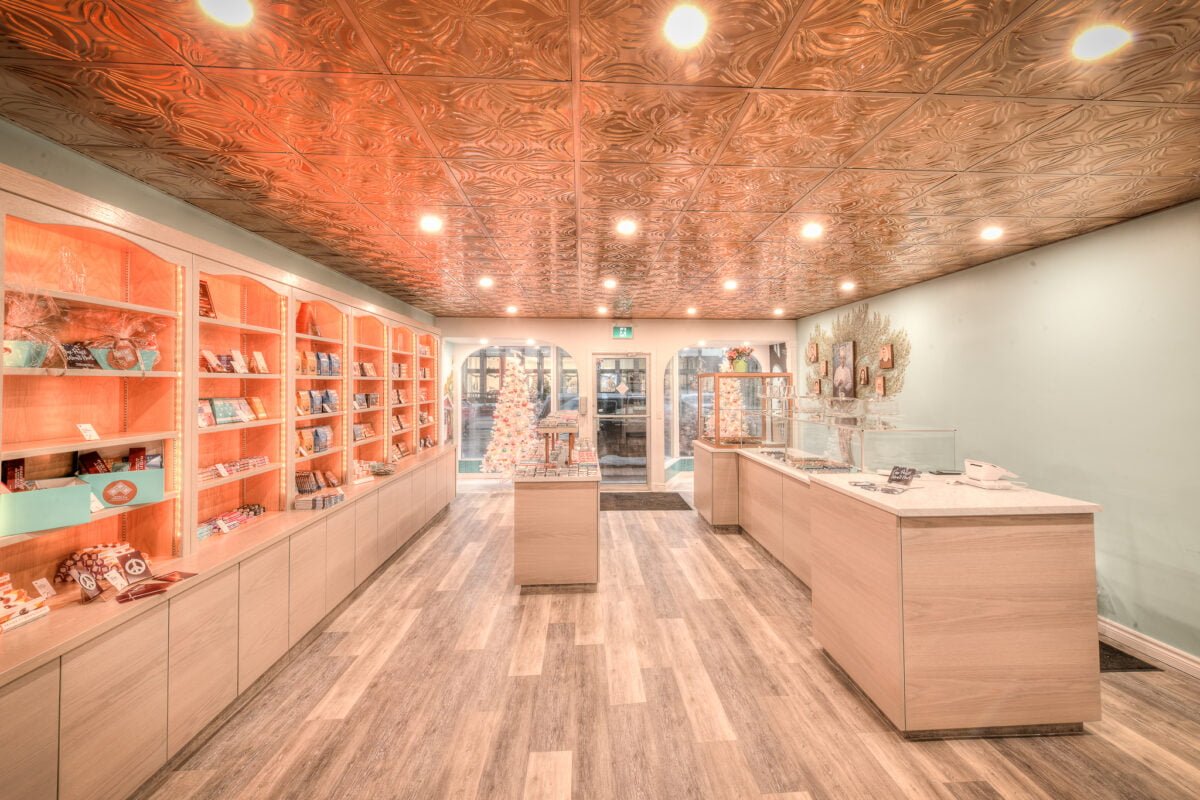
New Storefront
Image: Peace by Chocolate
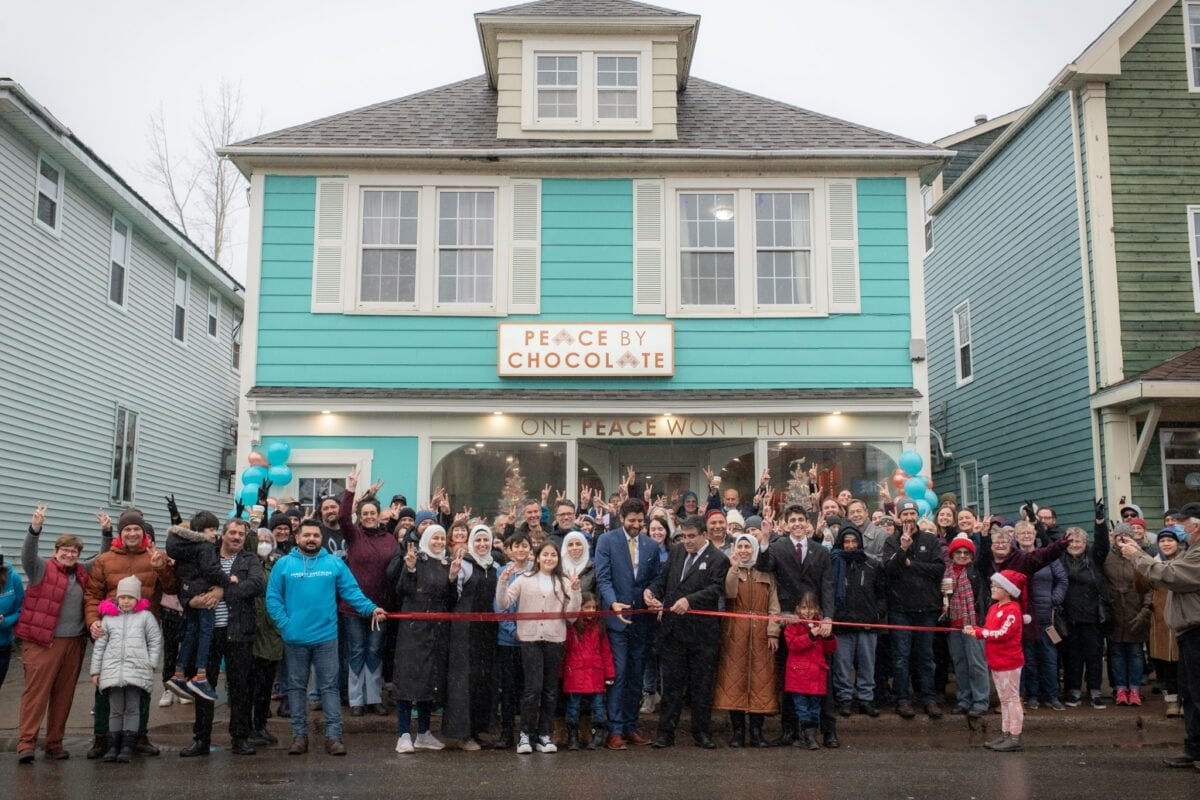
The new location on Main Street in Antigonish and finally opened after working on the store since May 2022. Before this location, Peace By Chocolate had a location on Bay Street; however, it moved to a more commercial area.
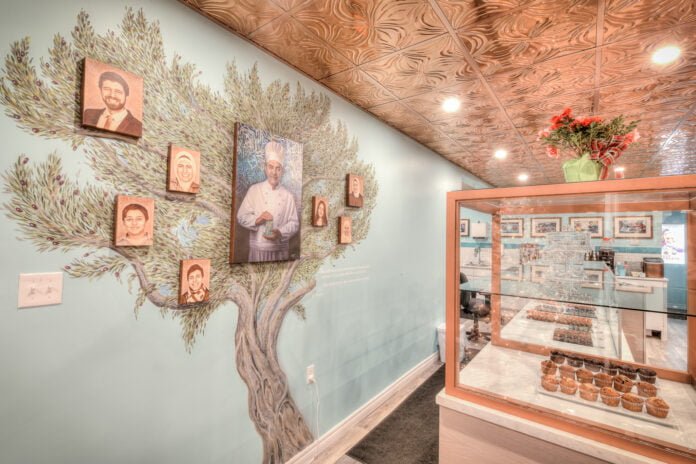
“We started building our new store in May of 2022, and it took really long to finish the construction, but we are so happy to see the final product and we are happy about how the design turned out. We wanted the location to be a storytelling destination. We wanted to tell our customers who we are, what we stand for, our values, our story, our family tree, and there are so many incredible milestones and awards that we have won that we wanted to tell the story off to our customers.”
Milestones Hadhad mentioned included the moment his product ended up in space at the International Space Station, to where the factory opened, and the moment his family got their Canadian citizenship in 2021.
New Products
Image: Peace by Chocolate
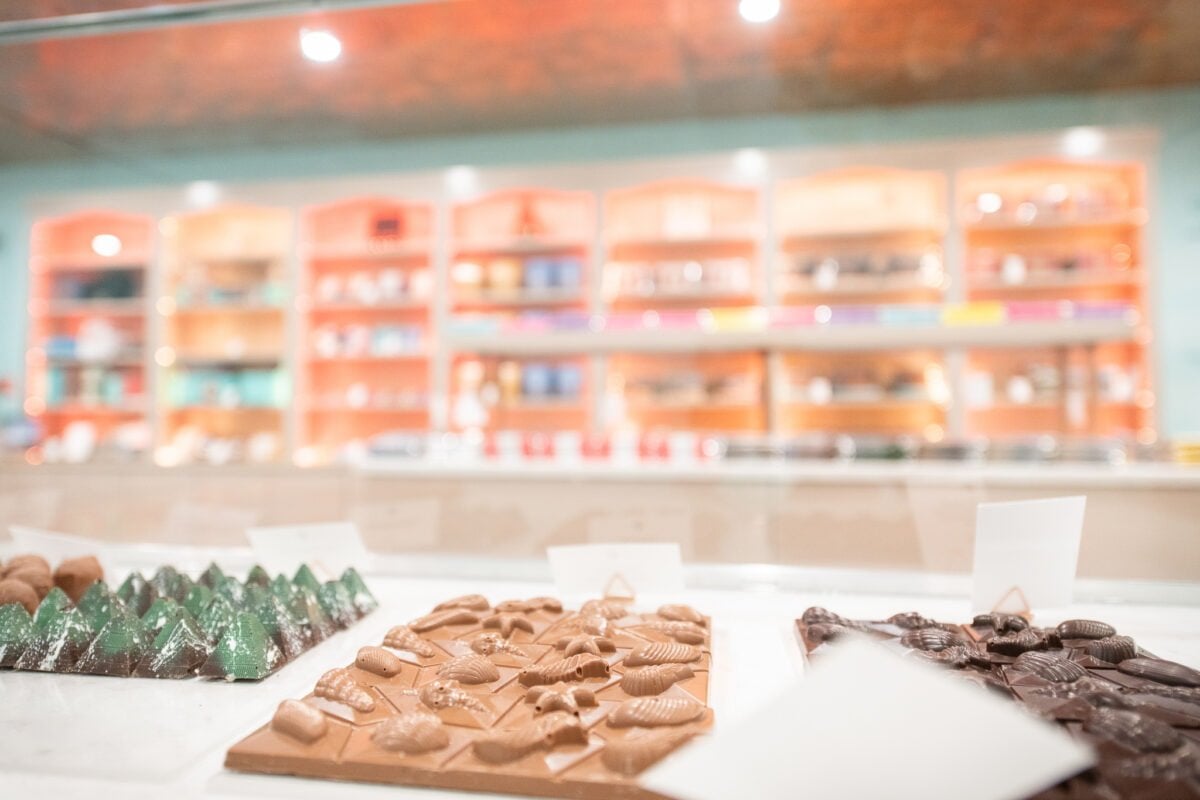
All products are the same at both locations and consist of its Peace bars, Welcome to Canada, and more. Peace By Chocolate has also introduced new items, all being handmade, including desserts, a new line of drinks such as its signature hot chocolate with different flavours for the holiday, and gluten free options – and will be adding more in 2023. New items don’t just stop at chocolates – Peace By Chocolate has also added merchandise to its stores including clothing, touques, water bottles, and peace pins people can wear proudly.
“Customers can expect the absolute highest quality of chocolate product they will probably taste than anywhere else. Both of our stores translate the overall feeling of peace into an opportunity for people to come together and celebrate. Customers can expect their purchase to go to a cause that is near to our hearts from fighting climate change, supporting Indigenous communities, peace building projects, and to help refugees that are just arriving to the country, such as Afganistan, Ukrainian, and Syrian refugees. We want to help them find another chance, help them settle, and to give them the same opportunity for success that we got.”
Peace By Chocolate has expanded its product offerings from five products by the end of 2018 to 250 products by the end of 2022. With these new products, will also come new labels as Hadhad said they are creating a massive change in their labels. Right now they have offerings for celebrations such as Mothers Day and Easter and are looking to bring in more products for Halloween and introduce different concepts for holidays in 2023.
People can find Peace By Chocolates not only in stores and online, but also at Loblaws, Sobeys, Atlantic Superstore, Hudson Bay, and more. It is also in major Canadian airports and Hadhad said he is looking to expand further into the major tourism areas such as the CN Tower.
“A lot of the locations across the country that carry our products are very community oriented and hold the same values as we do. They just want to spread a good Canadian story, and I think our product does exactly that.”
“Expanding Our Footprint Across the Country”
Image: Peace by Chocolate
Hadhad said the goal would be to expand across the country and listen to customers to see where they are wanted. But for now, the Peace By Chocolate factory was just recently reconstructed to double its size which allows the company to make more chocolate and to experiment with new ideas.
“The plan for expansion right now is to have more stores across the country. We do not have a timeline yet for each expansion, but we are finalizing our strategy plans within the company. The new factory is really allowing us to produce millions of chocolate pieces and bars a year and gives us the opportunity to expand our business in our wholesale network, e-commerce, and within the supply of our own retail stores.”
In addition to expanding the business, Hadhad makes sure to contribute to organizations such as the Red Cross, mental health associations, refugee hubs, and many others. So far, Hadhad said the company has raised over $200,000 for those causes and has just launched its new Peace for Ukraine campaign, which raised over $100,000 in support of the relief efforts and there will be many more in the future.
“We want to make sure our connection with people is through human values that everyone appreciates – like kindness. Kindness is the reason why we ended up on the East Coast in Canada, is the reason why we had a second chance to restart our company, and is the reason why our company believes in giving back and paying it forward.”
Describing the retail sector in Canada in 2022 isn’t an easy task as so many factors played into the evolution of the industry in another tumultuous year.
Michael Kehoe
“The Canadian retail sector in 2022 was a page out of Charles Dickens where we had the best of times with new retail brands entering the Canadian market, sales surges in the lux sector along with travel-related and experiential retailing strong, but the worst of times with retailers facing labour shortages, wages and salaries increasing, a mild fall in some parts of the country and for many, underwhelming and lacklustre sales performance,” said Michael Kehoe, broker of record with Fairfield Commercial Real Estate.
He said sales were up in some sectors but disappointing in others.
“I was surprised that the anticipated post-pandemic sales surge did not materialize and for many, any momentum had stalled over a disappointing back to school period,” he said.
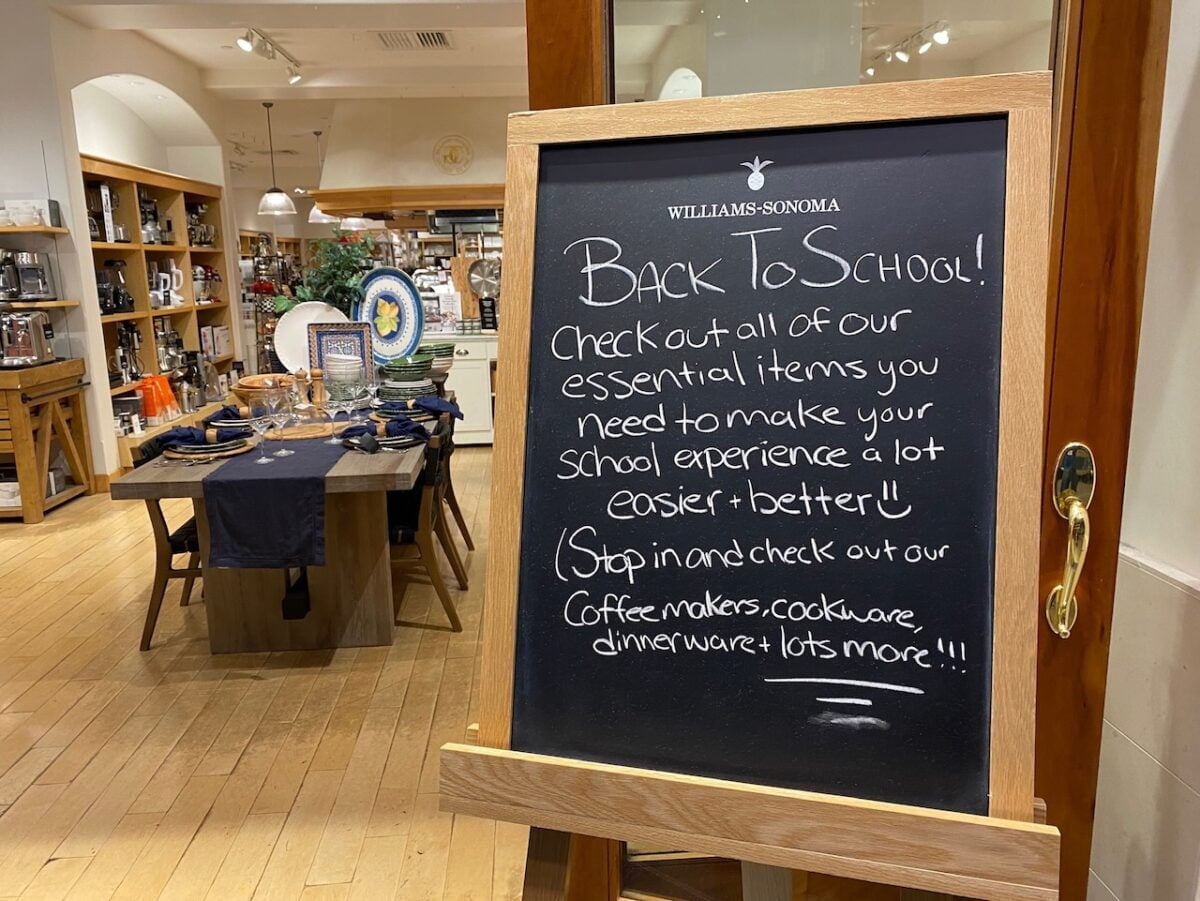
Back to School at Williams-Sonoma in CF Toronto Eaton Centre (Image: Dustin Fuhs)
“Overall, I think we all expected 2022 to be a breakout year as the pandemic was finally under control and Canadians had money to spend but as numerous challenges developed, our dreams of prosperity became nightmares to many,” he said.
“I think the initial freedom from the pandemic helped sales in some categories as consumers celebrated the re-opening but as inflation became more widespread it ratcheted up retail prices which drove retail sales dollars as customers paid more for the same items year over year.”
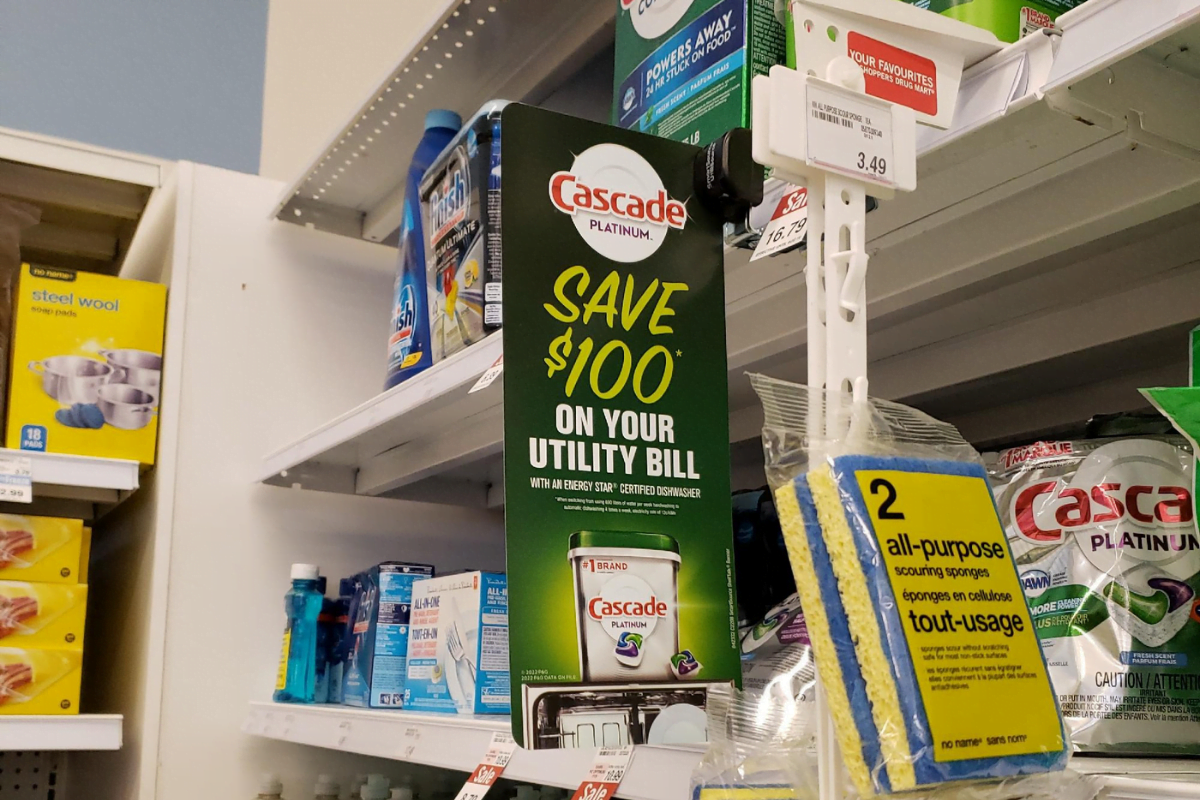
Shoppers Drug Mart, Winnipeg, Manitoba (Image: Field Agent Canada)
“Retailing in 2022 started with both hope and hype and then shifted to price shock and chaos for both consumers and retailers. The challenges went from not getting inventory on time to now pushing back on inventory.
We also have the household impact. We know that food shot up by 11 per cent, on top of managing shelter, transportation and servicing debt. Shocks and chaos as retailers scrambled globally to respond, some did not fast enough,” he said.
Minakakis said he is not surprised that sales have been up this year. They have increased about 2.2 per cent between January and September 2022 versus 2021, with year-to-date inflation at 6.85 per cent for this year.
“On top of 3.4 per cent in 2021, therefore, consumers are paying over 10 per cent more than they did two years ago. That’s not good news for retailers. That tells me that either retail transactions are down or the average sale is down. I will go with transactions. In the third quarter in 2022 (July-September) retail sales were down by one per cent with a 7.2 per cent inflation rate. This has been a shock to consumers and difficult for retailers to avoid passing down higher costs and trying to squeeze a profit,” he added.
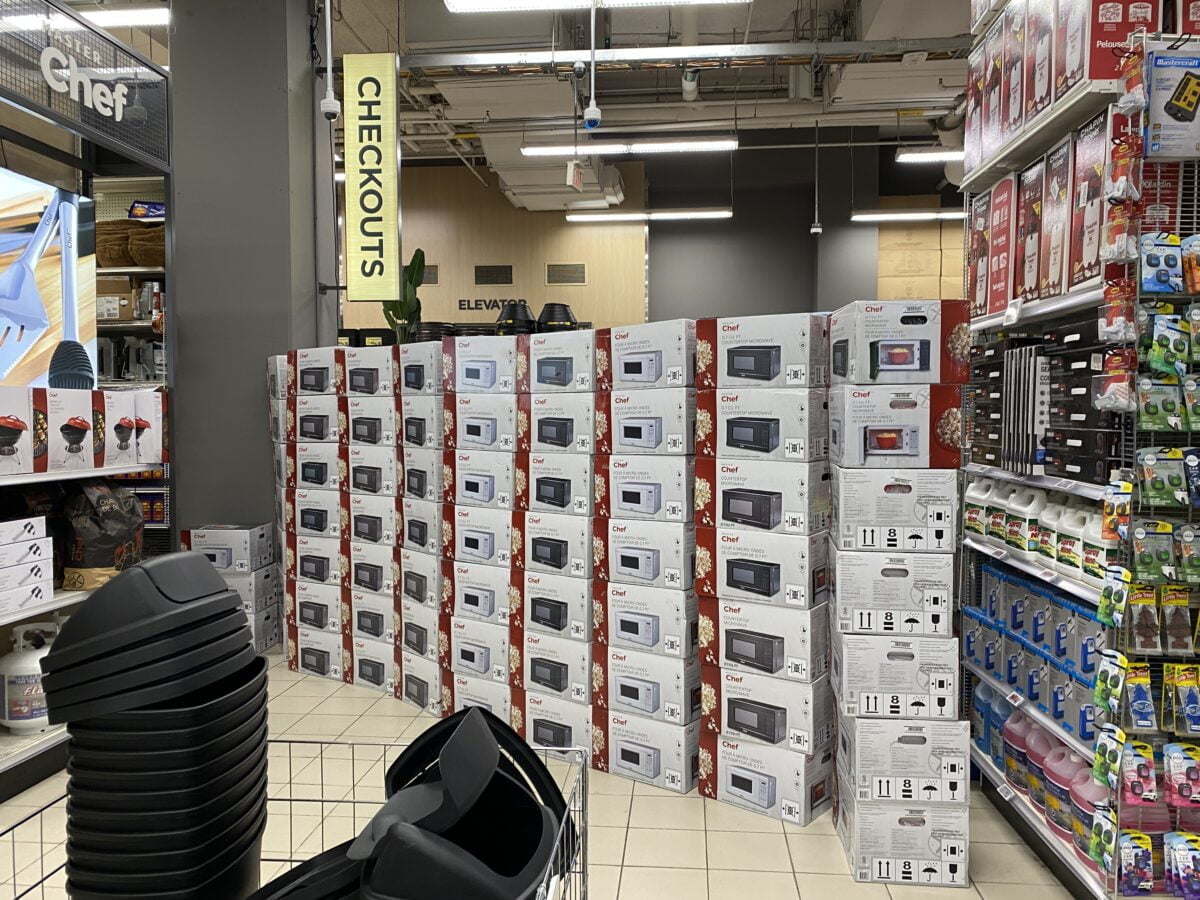
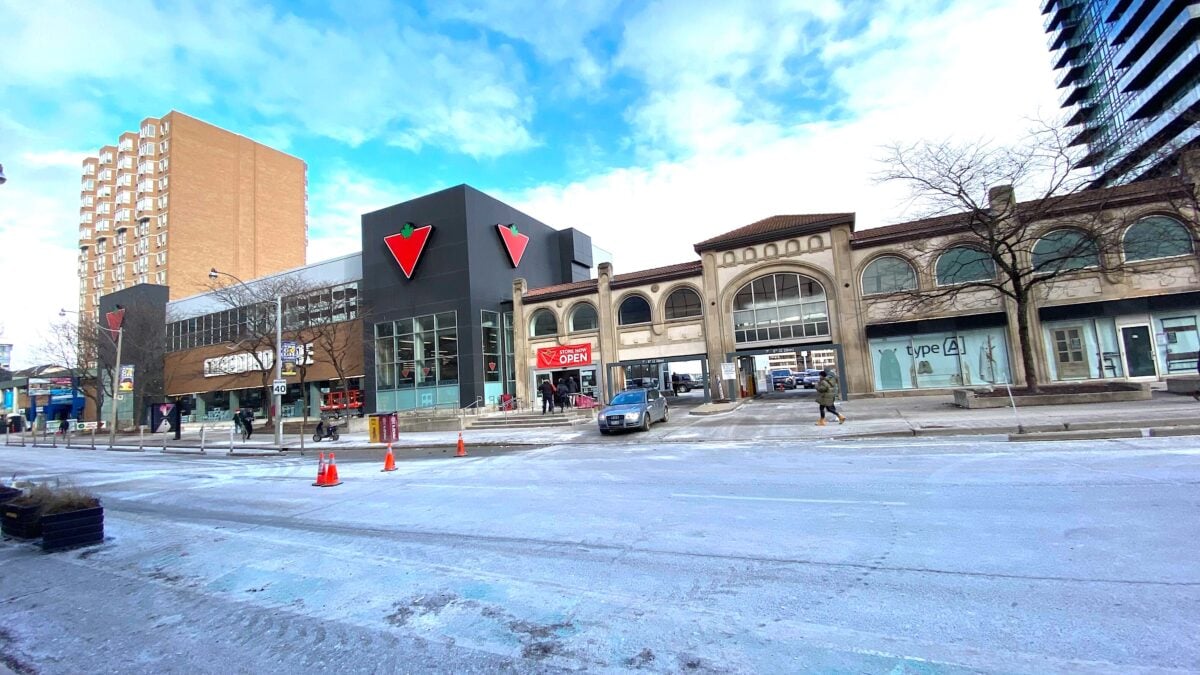
Household Appliances at Canadian Tire (Image: Dustin Fuhs)
David Ian Gray, Founder/Strategist with DIG360 Consulting, said a level of chaos still exists in the retail industry.
David Ian Gray
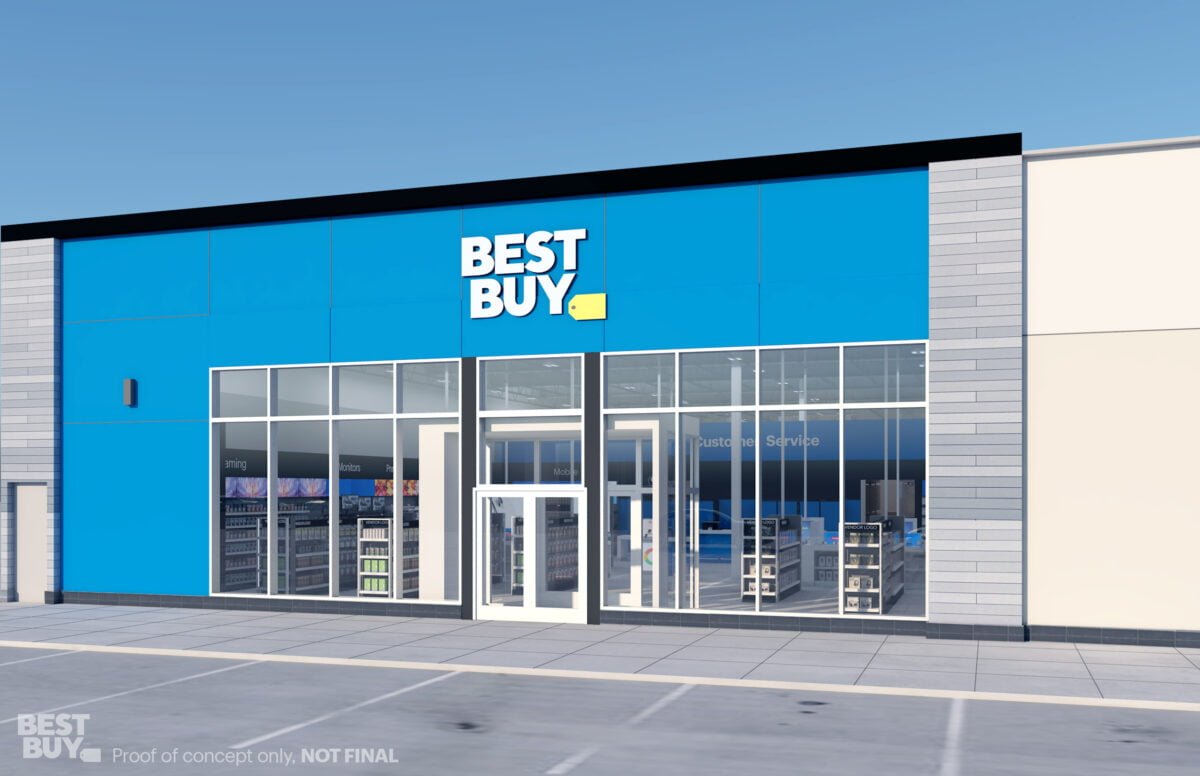
“The destabilization of the pandemic means high susceptibility to ripple effects or aftershocks. Actions and reactions are continuing to take a toll on the retail ecosystem. Chaos is not universally bad; there are many stronger retailers emerging intact in 2022 – the big are getting bigger (e.g., Loblaw, Lululemon, Best Buy). Retail leaders are learning to lead in a non-linear world.”
Any nominal sales gains across retail categories are largely negated by price inflation. Units sold and real sales growth was flat, added Gray.
“However, prices did not rise equally across all categories – some electronics are actually cheaper this year. What surprised me was that it could have been worse. I think the return to in-store shopping played a very important role. Wary consumers facing economic uncertainty and constant media negativity did not completely turtle. Let’s say I’m being “glass half full.”
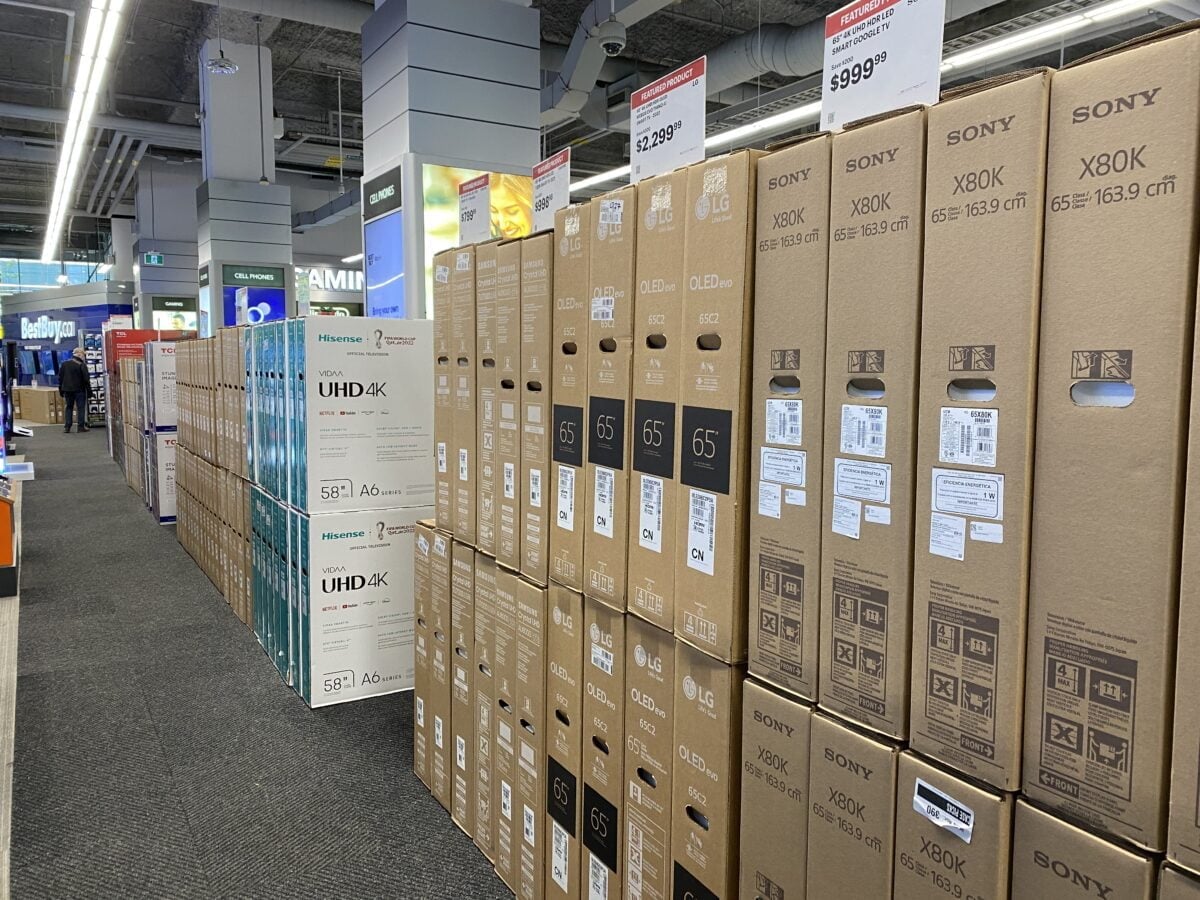
TVs at Best Buy Canada on Black Friday 2022 (Image: Dustin Fuhs)
Kehoe said many retailers were challenged with controlling their overhead, particularly the cost of wages, rents and now rising theft and shrinkage in 2022.
Overall, this was a tough year for the retail sector, explained Winder.
“Having finally passed through the worst of the pandemic, several headwinds developed in 2022 including: inflation not seen in 40 years, unpredictable consumer demand shifts that retailers could not prepare for, labour shortages, excess inventory and interest rate increases, the war in Ukraine and with it energy increases and supply chain disruptions, job losses in the tech sector, deflation of stock markets and real estate markets, higher consumer debt levels and the wind down of government business supports. With these challenges it is no wonder we are seeing a softening fourth quarter for the sector and a very challenging retail operating environment,” he said.
Minakakis said this was supposed to be the big retail recovery year. Bank governors were telling us in 2021 that inflation was transitory not to worry about it.
“Retailers were contending with supply chains and now we seem to have a decline in demand. China’s tough stand on COVID right up to the beginning of this month impacted the flow of supplies and manufacturing. We also had environmental issues related to produce. Increased prices on grain and fertilizer along with inflation and higher interest rates have all made it a challenge. Retailers went from demand shock to margin and price shocks,” he said.
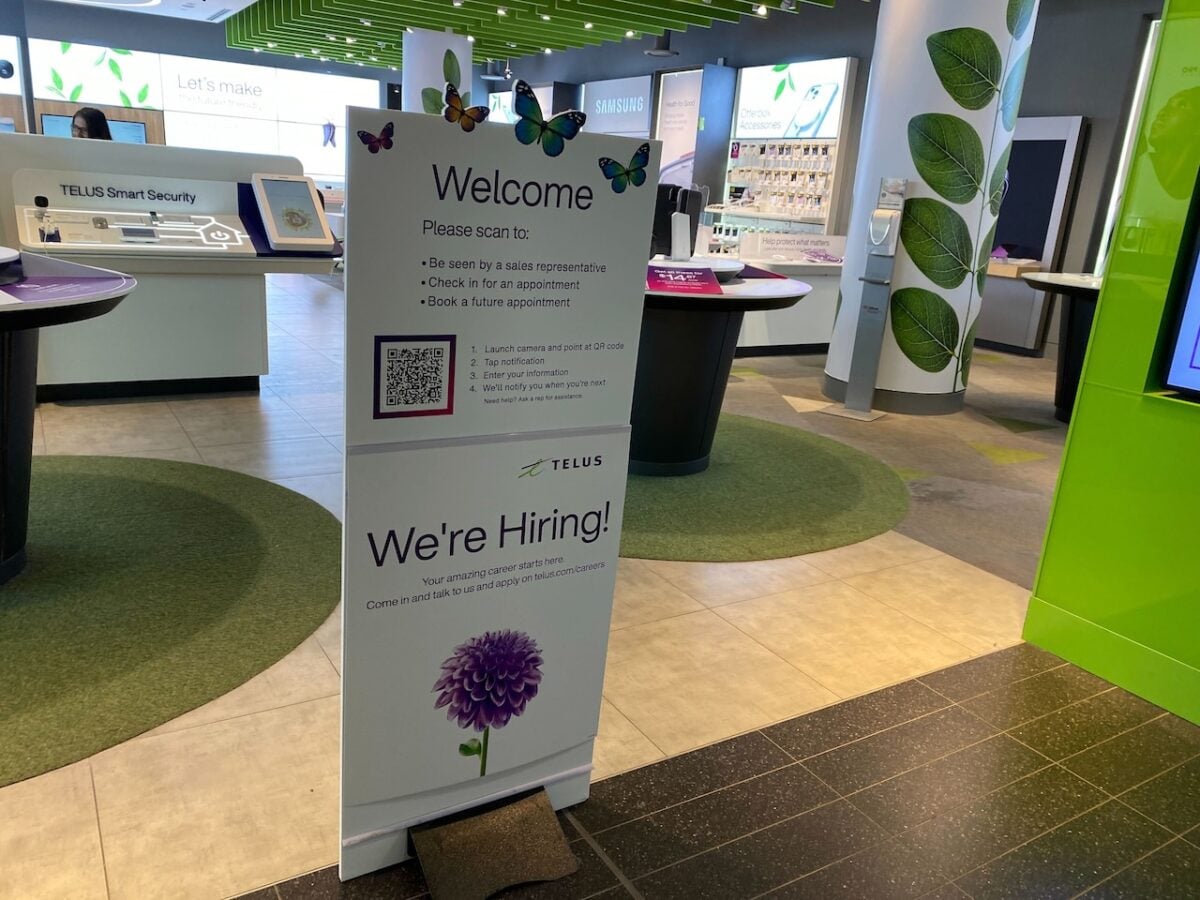
Hiring Signage at Telus in CF Toronto Eaton Centre (Image: Dustin Fuhs)
Gray said the accelerated pressure on executives to create adaptive, resilient cultures and new ways of strategic planning was hindered by the WFH (work from home) movement.
“Worker shortages continued to be a big concern in 2022. Supply chain also continued to be a challenge. For many, heavy triage efforts on filling shortfalls in late 2021 led to overstock situations in 2022. Monetary inflation was added to the price inflation that began in Q4 2021. This impacted retailers in their buying, but also in their costs of transportation of goods,” he said.
“As important was the hit to consumer confidence and buying power. 2022 shone a light on the high level of product returns, especially given online shopping hit a new plateau. For some scaling bigger, particularly online brands, access to capital dried up and there are shortages of good, affordable physical space, as the landlord and developer subsector deals with its own disruption. Specific categories had their own challenges; for example, big grocers faced exceptional scrutiny in the public eye around their pricing practices.”
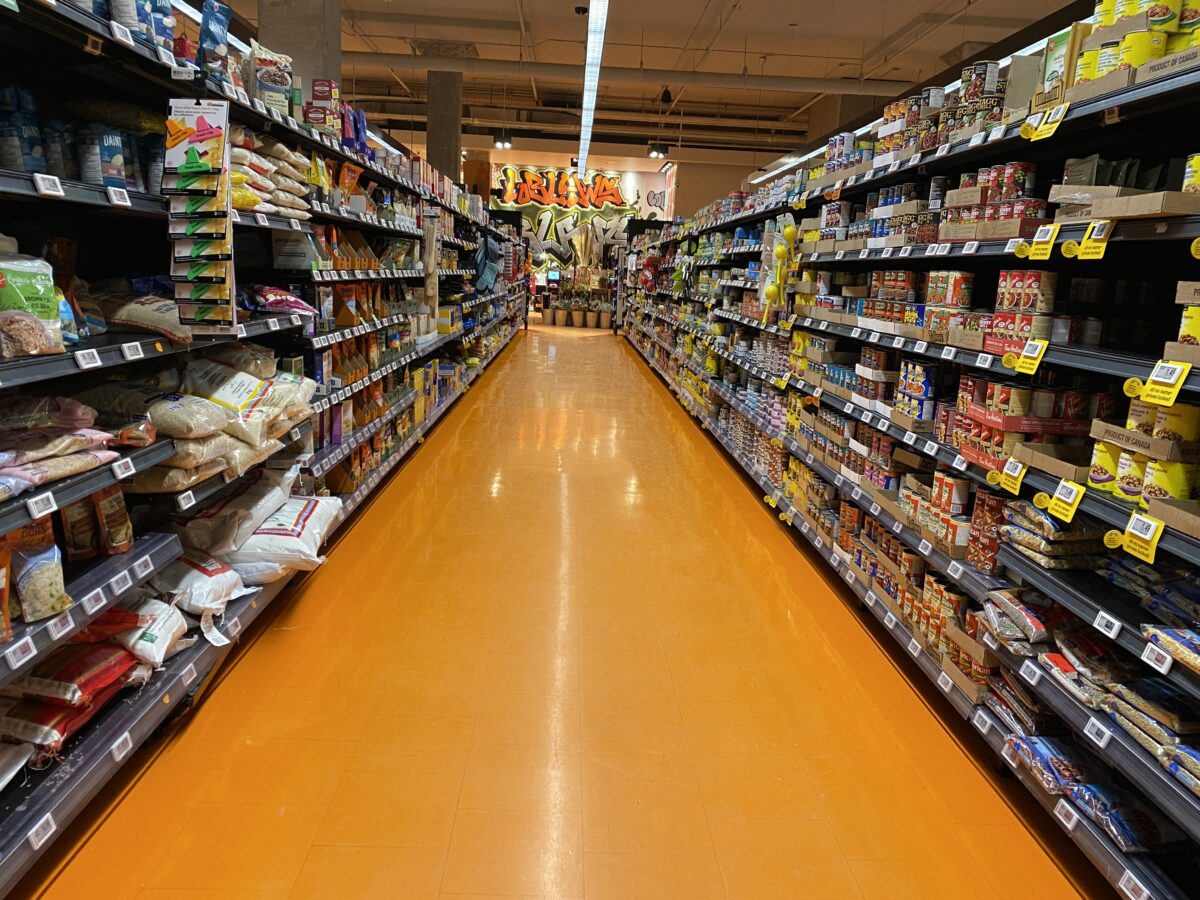
Loblaws (Image: Dustin Fuhs)
Kehoe said the Canadian retail sector is in a critical period where everyone is competing for a ‘share of wallet’ in these inflationary times that include the possibility of a mild recession.
“The market could experience a period of store closures in the new year, and I am not anticipating a lot of new store openings over the next 12 -18 months,” he said.
“The major challenge in 2023 will be catching the consumers’ attention amid the noise of doom and gloom recessionary talk in the media. Consumer confidence is critical. This, combined with retailers controlling overhead and the quest for affordable rents that will be paramount.”
Winder said 2023 will be another tough year for retail. Many of the challenges we faced in the back half of 2022 will continue on into 2023.
“The rapid interest rate increases that the Bank of Canada implemented in 2022 will be felt mostly through 2023 as inflation decreases but with it, economic growth drops off and we officially enter a recession. Sadly, I think several small to medium sized retailers will shut down in 2023 due to the combination of headwinds . . . There will be some consolidation in the industry as bigger, well capitalized retailers pick up distressed companies at a discount. The thrift market will expand as over-leveraged consumers buy more used products to stretch dollars,” he said.
“Some of the challenges for 2023 will include continued softening of the economy . . . as well as increased shrink/theft and the tightening of return policies for e-commerce. Also, as inflation slows while economic growth stalls, retailers will be challenged to comp retail sales dollars as inflation helped 2022 top line numbers. Many retailers will spend the first half of 2023 drawing down inventory which will impact gross margins negatively. I think we will start to see better days in late 2024. The key will be to make it through until then.”
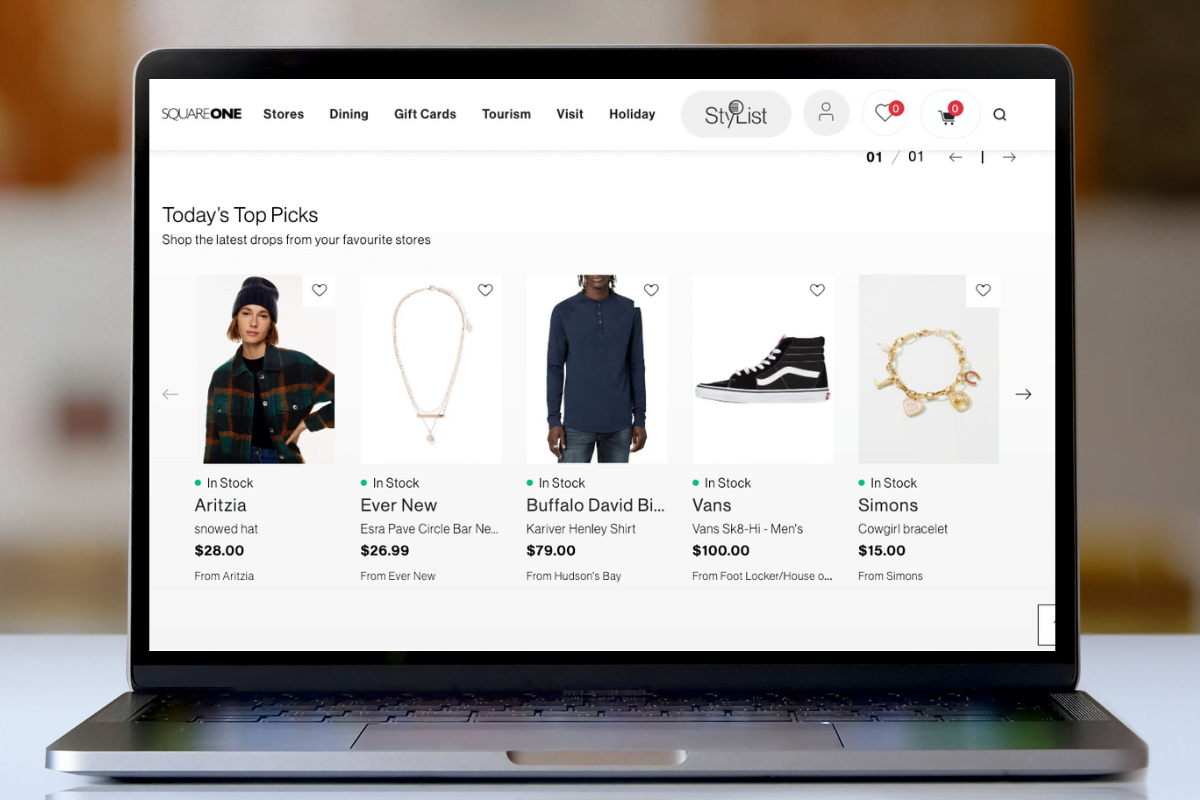
Image: StyList on shopsquareone.com
Minakakis said retailers need to have their digital houses in order and that means leveraging talent and data to capture share.
“I expect a tough first half to 2023. Consumers will be looking for ways to save as are higher end consumers as well. Expect a very robust competitive landscape in 2023. Relevance with consumers means the right price value equation. Retailers need to leverage all strategies to close sales including BNPL (buy now pay later ) options. More retailers will develop their own programs. I expect e-commerce to continue to grow. Product, price and convenience are key,” he said.
“Retailers with stores need to make some tough calls on how they operate their businesses operationally and from a marketing perspective. Experienced retailers also know that service and customer experience are two different animals to create and effectively deliver them as one. Now would be the time for malls to transform, four walls with stores is not a long-term strategy for success.
“If we’ve learned anything over the last three years, we must dismiss nothing. The biggest challenge for retailers will be “What is our stay in business strategy?” With a recession. All brands have their own complexities, cut and paste strategies don’t work. I believe that the consumer has been in a psychological recession for the last six months.
The Bank of Canada is not done, if they go too far it can be damaging to consumers and retailers. Even with a drop in inflation next year, prices will still be too high for a consumer recovery putting downward pressure on demand. Therefore, overseas suppliers could struggle and slow down production creating delivery lag times and even higher prices. China and Russia are still wildcards in my book; their geopolitical policies can impact on supply chains and natural resources creating more shocks.”
Gray also said inflation will continue, and the effects will become more real for consumers in 2023.
“We are starting to see an uptick in mortgage defaults, for example. This will impact demand, down for discretionary items and up for lower quality goods and second hand stores and platforms. It will also drive upward pressure on wages so they can keep pace.” he said.
“The Gods of Disruption will be seen as false. The online players who created new platforms have lost their investor support. They will now have to compete just like traditional retailers on old fashioned business math: net profit matters. Wayfair would be an example.
“Geopolitics will continue to colour local impacts. While consumers will continue to grab cheap stuff from China, there is a growing dissonance in doing so. Brands with the price ability to move sourcing to other countries, even if domestic production is elusive, will start to see wins.”
Within retail organizations, there are several things we are looking for in 2023, starting a focus on turning pandemic innovations, which were substantive, into ongoing improvements. There will be a theme of “cut the crap” – literally in terms of waste elimination but also in terms of beliefs with poor foundations, he said.
“For example, the promise of online shopping, fueled by a pursuit of unfettered customer acquisition is now shown to be very incomplete, with errors and omissions becoming more pronounced at scale. 2023 will focus on fixes and improvements with more focus on retention and reducing unprofitable behaviours such as buying three sizes of shoe to send two back,” said Gray.
“Like shoppers, business leaders will be discerning about their spending, as cash position is critical to managing uncertainty. Two related areas are in technology and in data. The ROI (return on investment) in both is already drawing attention in 2022, but will be more pronounced next year. The metaverse can be left for those with deep pockets and play money.”
Atrium at Holt Renfrew in CF Pacific Centre in downtown Vancouver on December 19, 2022. Photo: Lee Rivett
Gray said data is interesting to him, as “data led” has become more a wishful slogan than a value proposition. Tools are not the root issue; rather, how they are improperly used. We will see more stories of new decision processes and improved data literacy. By the way, data should inform, not lead, he added.
“Saying that the supply chain issue is over is likewise wrong . . . Cuts in 2022 to consumer and B2B service support will become big issues in 2023. A great example is the friction created by tech support moving to frustrating chatbots or automated call centre scripts. While automation makes 80 per cent of our activities cheaper and faster, the ability to handle exceptions is at an all time low, in my opinion.
“A corollary to this is that the assumed demise of independent stores will turn into an opportunity to local energetic, imaginative problem solvers and story-telling entrepreneurs.”
Adeptly dealing with the next unpredictable jolt is the one predictable for 2023, added Gray.
“There is one thing I will focus on. The need to admit (finally) that the customer is not King. Passengers in air travel know all too well they are units of production in a model, not customers to be served. Retail plays in various shades further back from this. I call BS when I hear leaders say “we put the customer at the centre”.
“Of course, they are important, but so are investors, especially now. And workers. How many times have you seen restaurants closed early because of staffing issues? Customers are part of a triumvirate of masters. Resetting respectful expectations will be a must but one that will be hard for leaders to take on,” he said.
In 2022, the Canadian retail industry adapted and shifted throughout the third year of the COVID-19 pandemic. Major trends included growth in omni-channel, challenges with supply chain, marketplaces and inflation among other topics.
Canada also saw a number of brands enter the country through expansion and had a number of brands unexpectedly exit the market. We will be talking about the lasting impacts of 2022 for many years to come.
Over the course of the year, some articles published in Retail Insider saw many thousands of readers, and we’ve listed the top ones below in descending order. See them all below, starting with number 22:
Edmonton City Centre Mall (Image: Craig Patterson)
A reduction in foot traffic and a perceived lack of safety are among issues faced by a downtown core which has lost retail space over the years as suburban centres dominate the market.
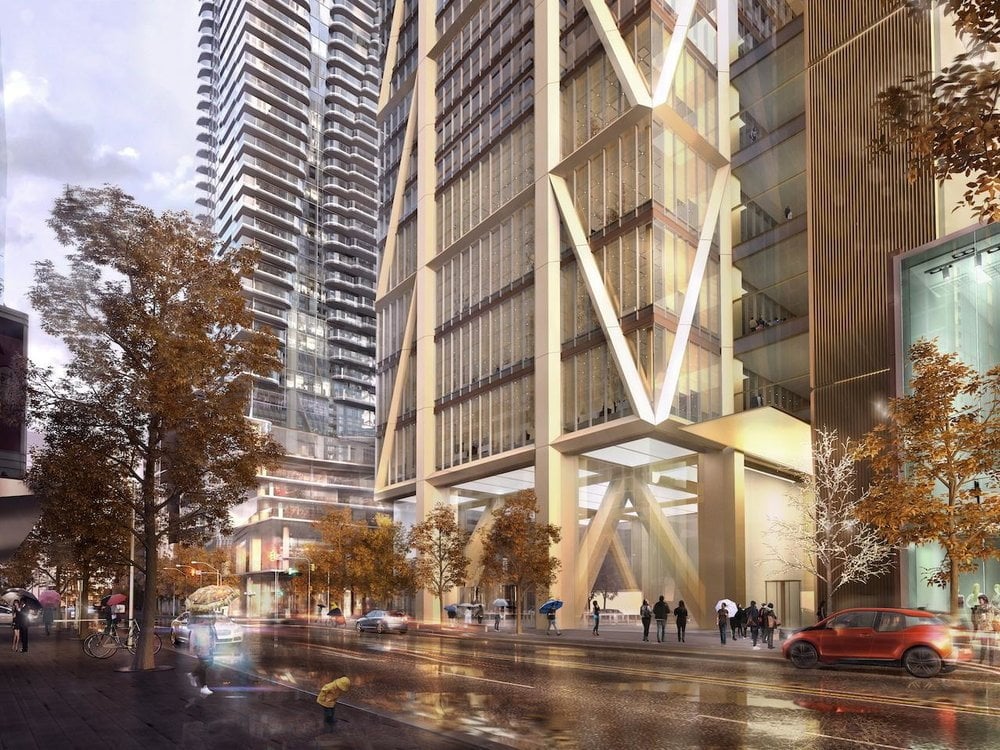
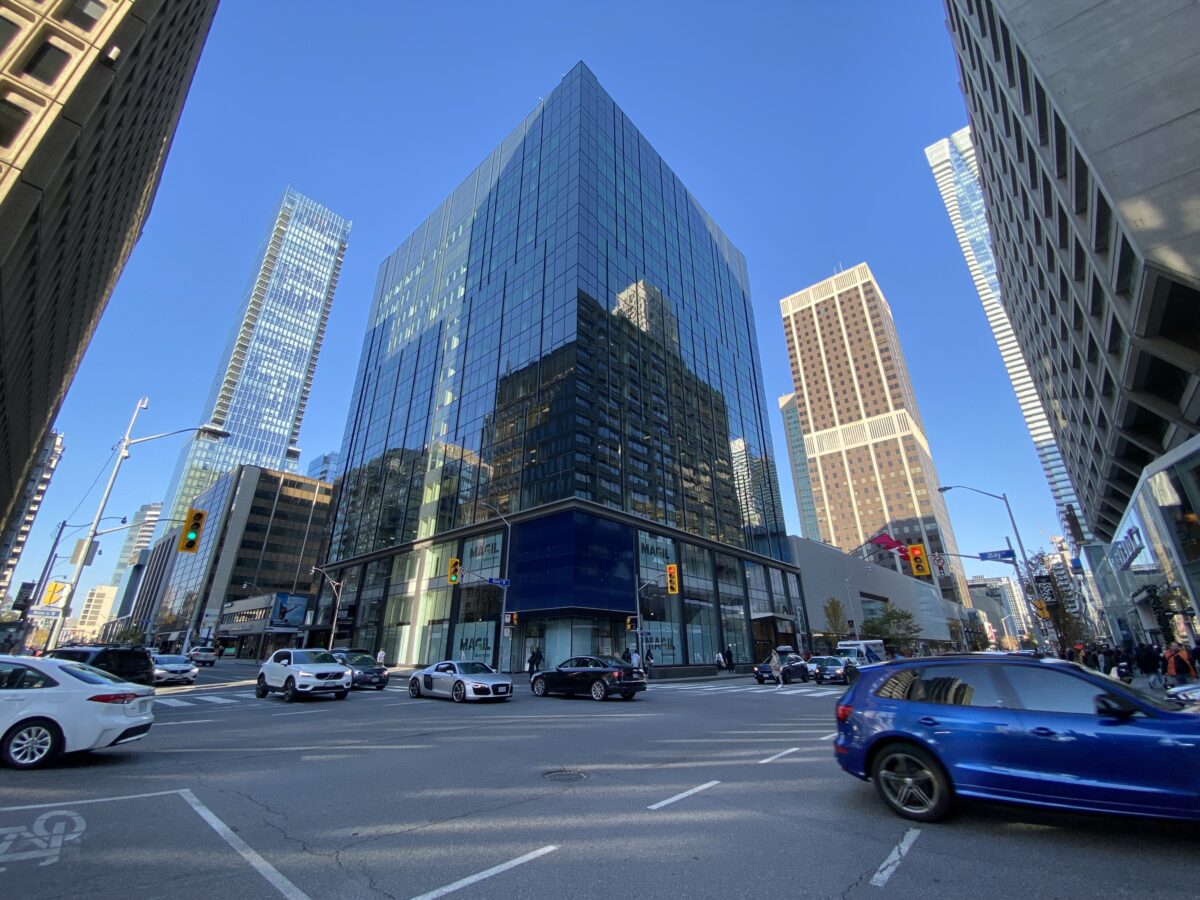
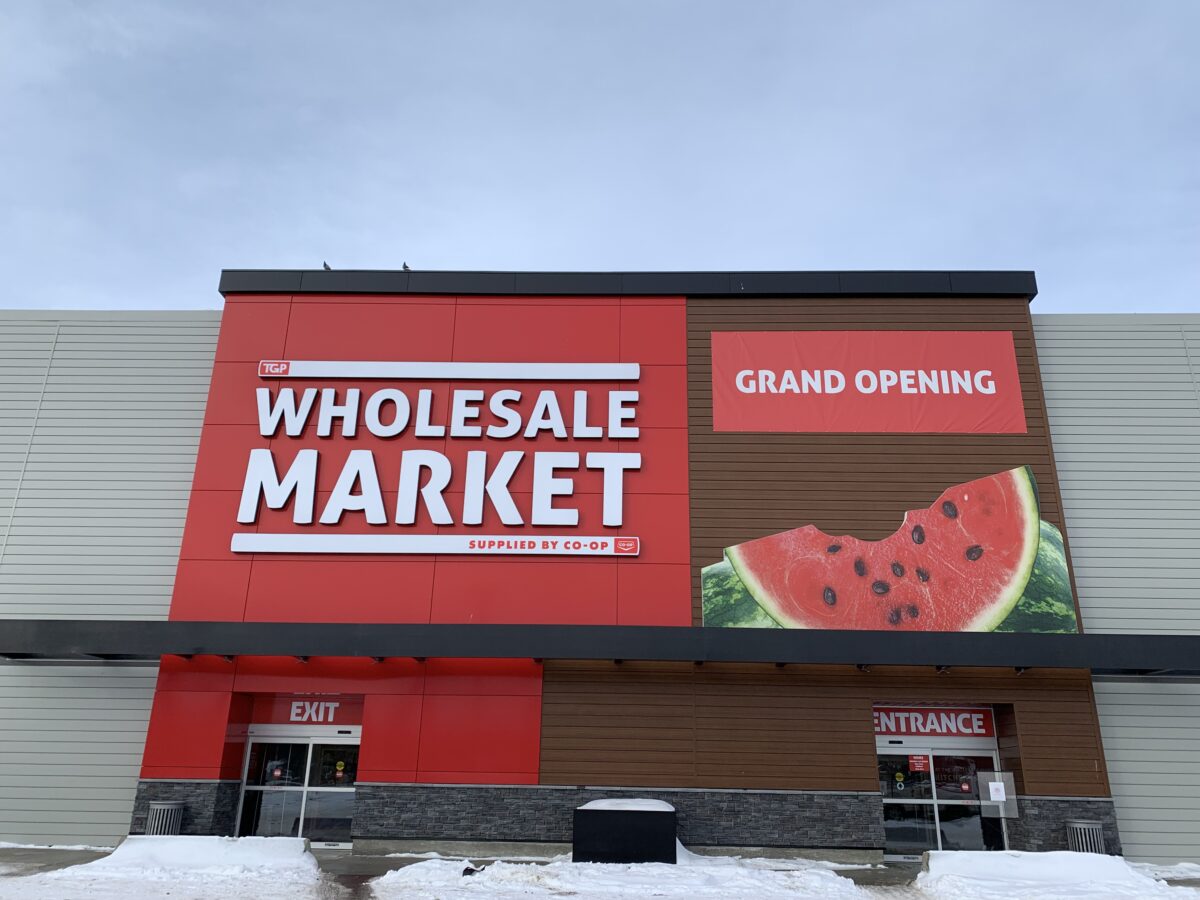
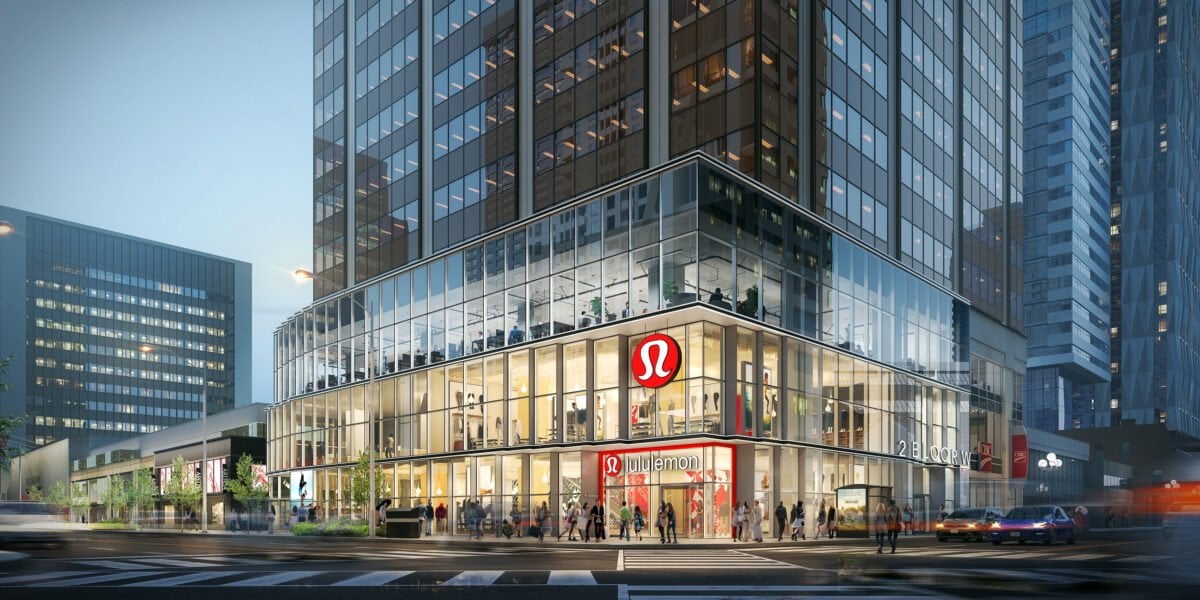
Several global and first-to-market brands will open in the highly anticipated mixed-use development that will occupy a key site at Front and Spadina — and with Shopify pulling out of the office component, it’s anyone’s guess what happens next.
The new location is targeted to be a prototype for the chain with a state-of-the-art culinary centre, chef demonstrations and other elements to enhance the consumer experience.
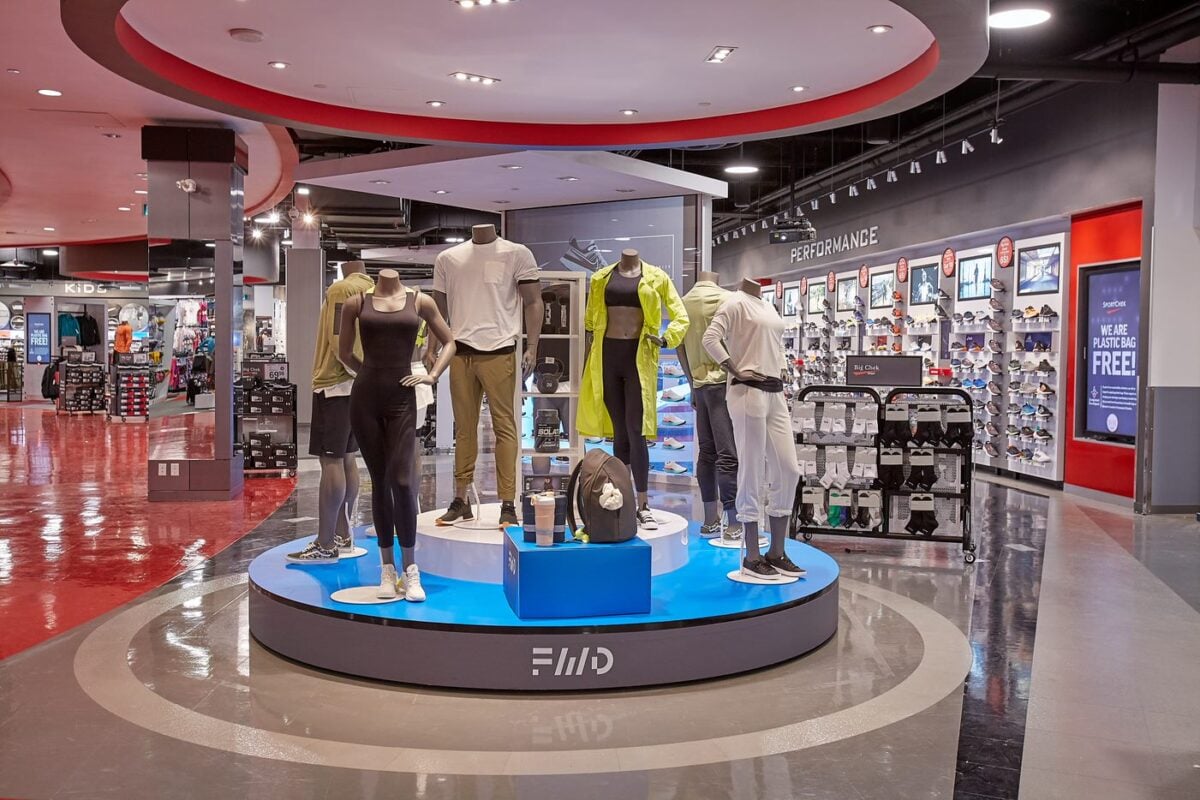
Forward With Design at Sport Chek (Image: Canadian Tire Corporation)
The retailer has launched a range of products including athleisure and other categories to gain market share at Sport Chek and Sports Experts stores in Canada.
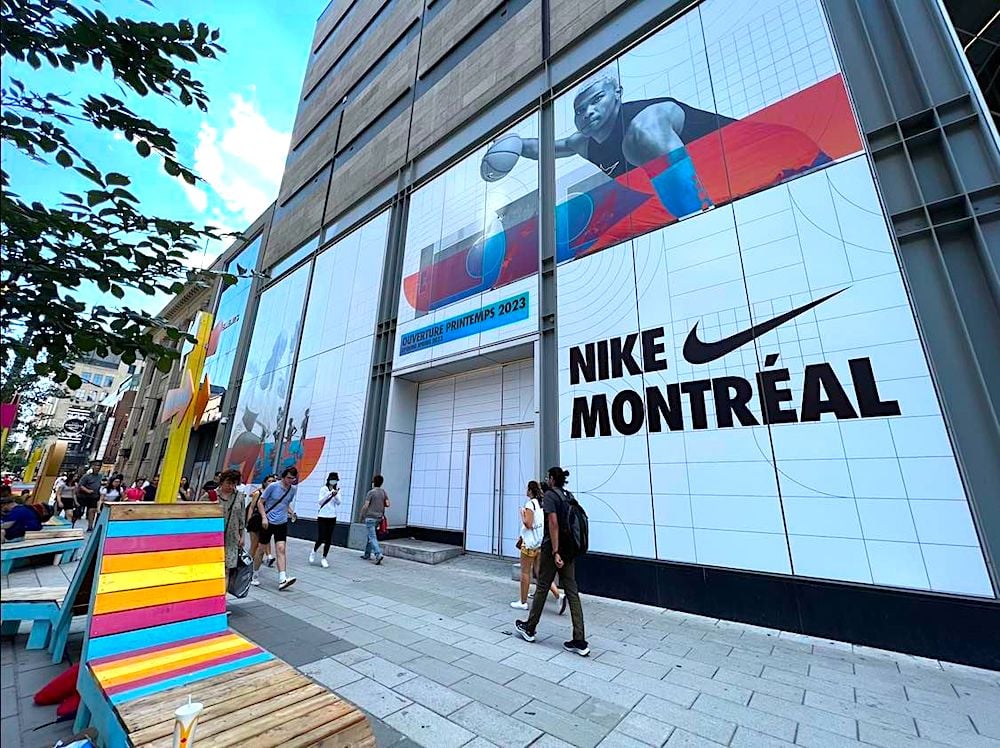
It’s the second large-format Nike flagship store for the Canadian market and it will feature prominent frontage on Ste-Catherine Street West. More are expected.
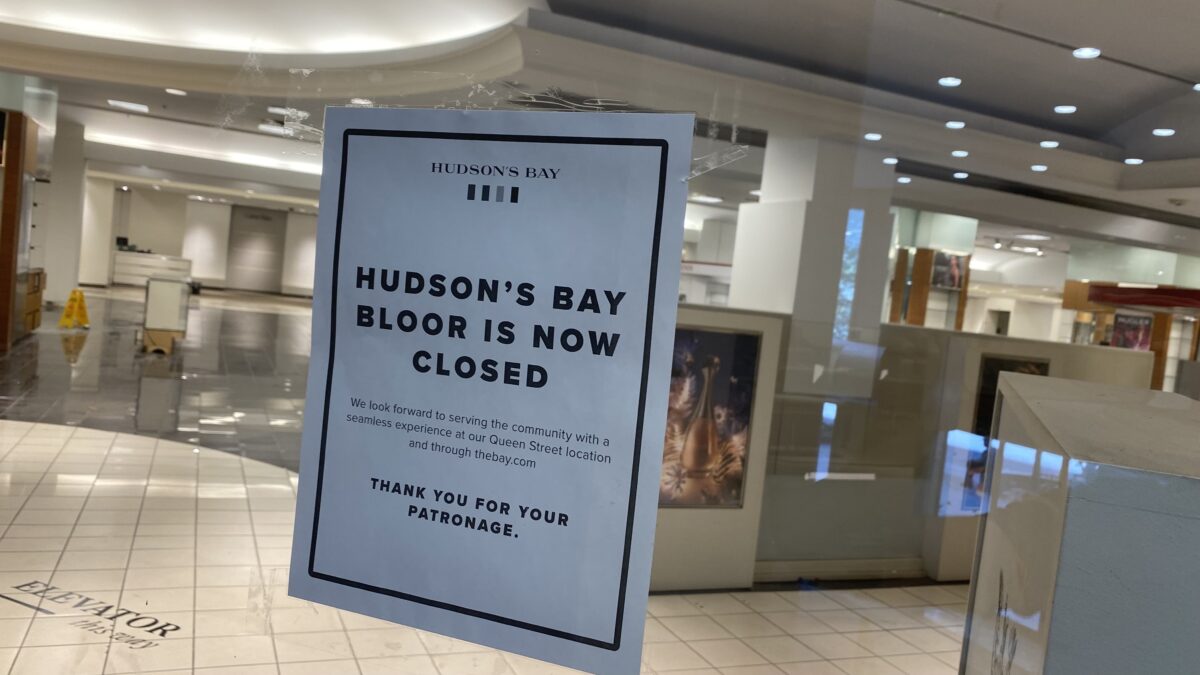
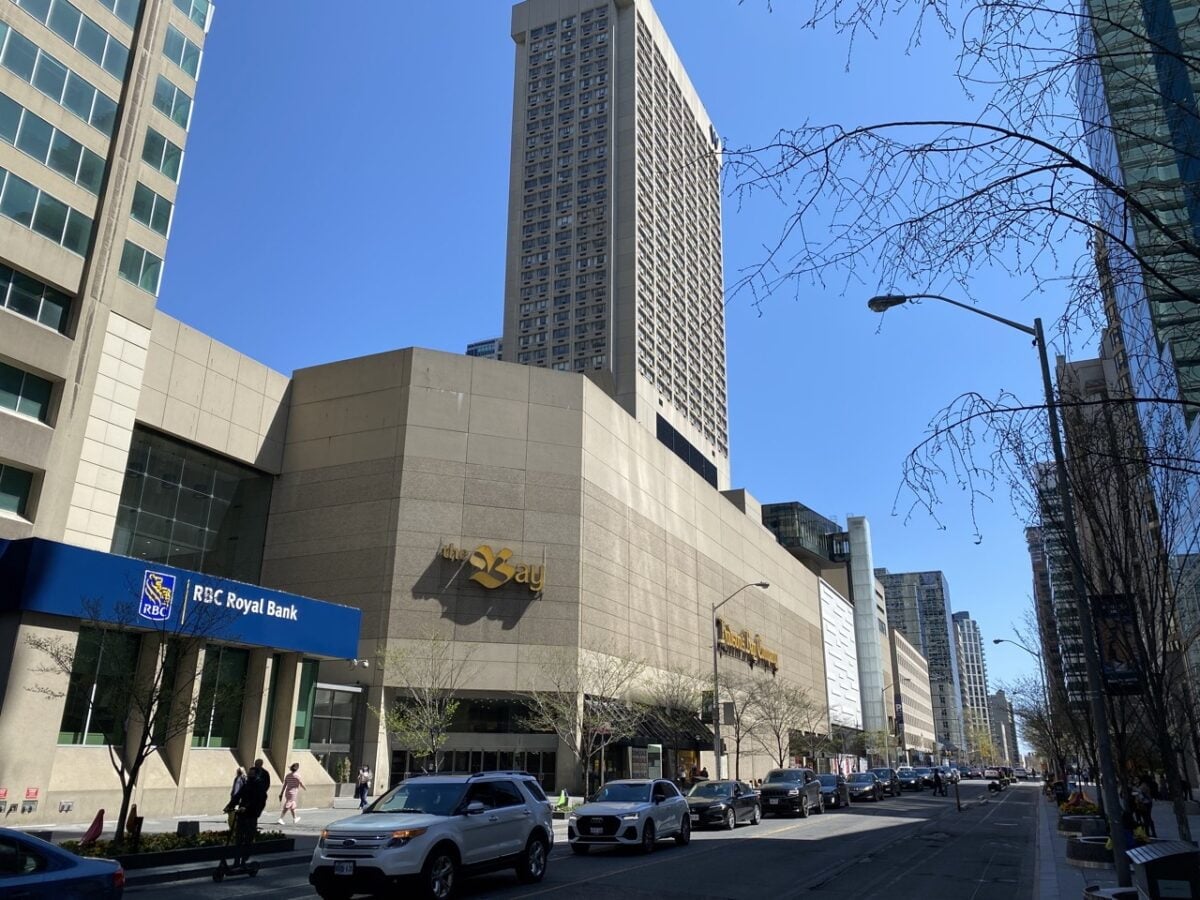
Hudson’s Bay Toronto 44 Bloor Street, May 8, 2022 (Image: Dustin Fuhs)
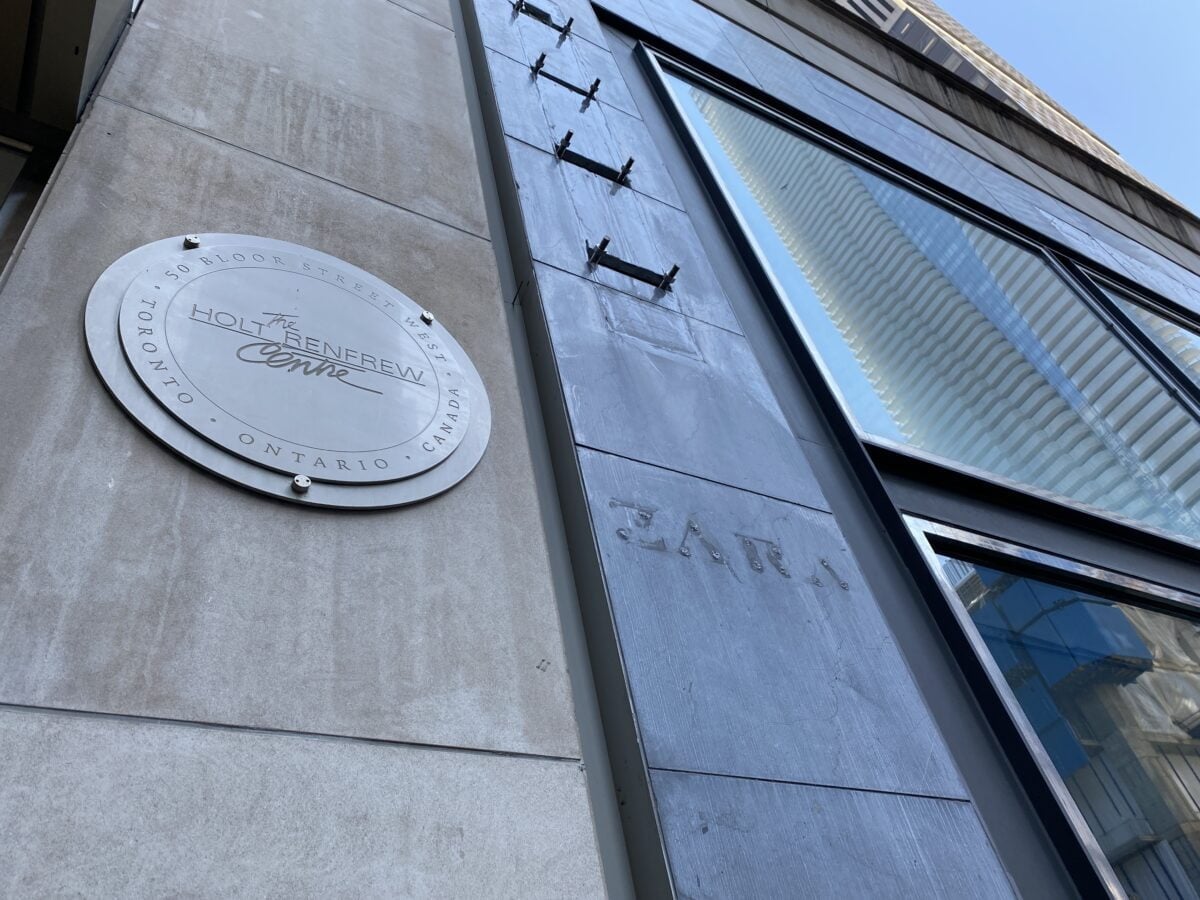
The massive bunker on Bloor was the retailer’s Canadian flagship location from 1974 to 1991. A major redevelopment of the Hudson’s Bay Centre is now planned.
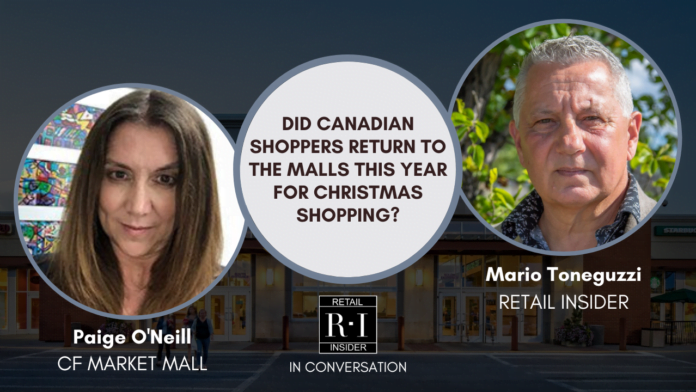
Video Interview: Did Canadian Shoppers Return To the Malls This Year For Christmas Shopping?
Paige O’Neill, General Manager, CF Market Mall in Calgary, discusses the holiday season and Boxing Day for retailers.
O’Neill talks about sales and traffic, how Boxing Day and Week have evolved, the changing face of malls these days, and what to expect in 2023.
The Video Interview Series by Retail Insider is available on YouTube.
Connect with Mario Toneguzzi, a veteran of the media industry for more than 40 years and named in 2021 a Top Ten Business Journalist in the world and the only Canadian – to learn how you can tell your story, share your message and amplify it to a wide audience. He is Senior News Editor with Retail Insider and owner of Mario Toneguzzi Communications Inc. and can be reached at mdtoneguzzi@gmail.com.
Also check out the other series offered by Retail Insider, including The Weekly podcast and The Interview Series, which are both available on Apple Podcasts, Stitcher, TuneIn, Google Podcasts, or through our dedicated RSS feed for Simplecast and other podcast players.
With a new year starting, we hear announcements about bonuses in food retailing. Metro recently announced that it was offering $3.7 million in bonuses to five top senior executives. This represents a 4% increase in bonus payouts over the previous year, while Metro sales grew 3.3% over the past fiscal year. Unsurprisingly, Éric La Flèche, its CEO, saw his total compensation reach $5.4 million, up 7% compared to 2021. His annual bonus this year is around $1.5 million, an increase of 14% compared to last year. Alas, Metro’s statement said nothing about the compensation paid to other employees of the company. A total of $3.7 million for five people.
Metro is obviously not alone. Other grocers and other companies in the food sector have done the same thing. In 2021, according to Globe and Mail data, José Cil of Restaurants Brand International, Brian Hannasch of Alimentation Couche-Tard, Galen Weston of Loblaws and George Weston, Neil Rossy of Dollarama, and Michael Medline of Empire/Sobeys, all working in the food sector, have without exception received larger bonuses than those announced by Metro.
There is nothing wrong with paying bonuses to executives who help a company grow and create value for its shareholders and customers. In fact, other than José Cil of Restaurants Brands International, who ranks 13th, again according to the Globe and Mail, there is no food CEO whose compensation ranks among the top 20 in the country. Galen Weston of Loblaws is in 42nd place, Michel Medline in 61st and Éric La Flèche in 78th position. Nothing exceptional. In food, the margins are thin and the salaries are, too.
Motivating leaders and attracting the talent needed to get things done remains an asset, especially these days. But in the food sector, companies must read the proverbial room, considering what’s happening with our economy. Profits in the food industry have an incredibly sensitive moral undertone. We have a very different perception of bonuses because it is above all a question of social acceptability.
Most often, performance reviews of corporate leaders are heavily influenced by the company’s sales figures. Like everywhere else, inflation has inflated the numbers in the financial statements. Moreover, food inflation in the country has exceeded 10% for several months and greatly exceeds the general inflation rate.
Major grocers have continually been criticized by politicians, analysts, and even journalists for their so-called record profits. The big food companies have been posting very good results for some time; that goes without saying. But food inflation in Canada remains one of the lowest in the world among industrialized countries. Amongst industrialized economies, only Japan, China and India show lower rates than Canada. Since the food sector manages a global phenomenon, it is unwise to point the finger at supermarkets, since their profit margins have never really exceeded the profitability thresholds that we see elsewhere, including in the United States.
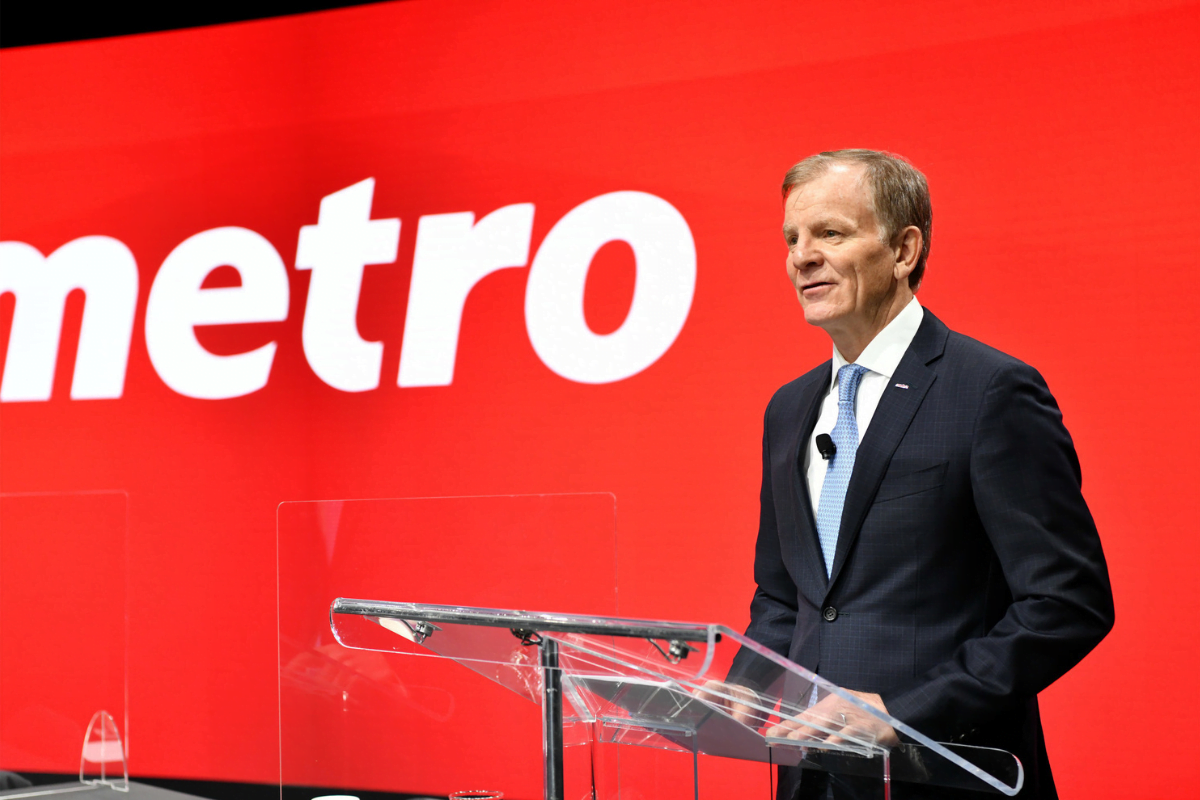
Eric La Flèche, President and CEO of METRO, at the Annual General Meeting of Shareholders, January 25, 2022. (CNW Group/METRO INC.)
So for Metro and the others, announcing bonuses requires tact, but above all, empathy. Announcing bonuses to just a handful of executives during the holidays is simply ill-timed. Or, the company could increase executive salaries to avoid bonuses, and avoid any public outcry. If that’s not possible, there are other ways to go about it.
With these bonus announcements, the companies should above all publicize the steps taken to also compensate other employees: all staff, not just executives. People don’t know much about Éric La Flèche, but they know Samantha, Nicole, Vincent, and others who work in stores we all visit. And they work long hours. It is critical to humanize food companies, perhaps more than ever, to demonstrate that employees occupy an important place when evaluating a company’s financial performance. In addition, these companies give generously to food banks and support various causes throughout the year. When announcing targeted bonuses, at least display charitable donations and shed light on socioeconomic contributions of the company. Again, recognizable and public empathy.
Grocers must come to terms with the fact that they are experiencing a real crisis of confidence across Canada. Their image depends on every word written in press releases and every sentence spoken in front of a microphone or a camera. Their relationship with the public changed in 2022, and much the same should be expected in 2023.
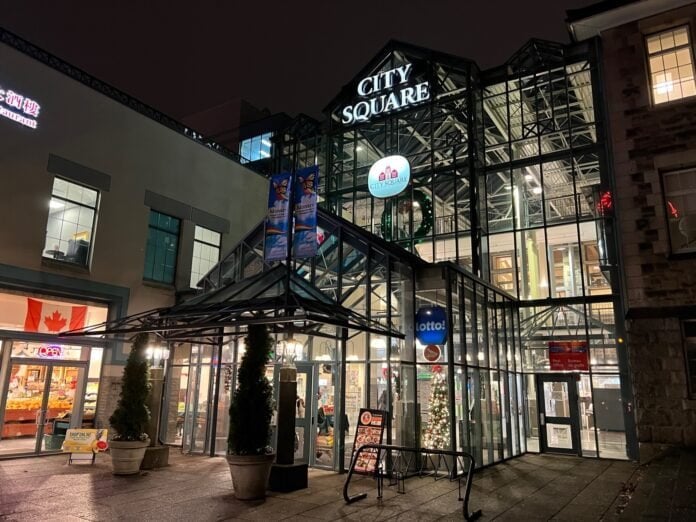
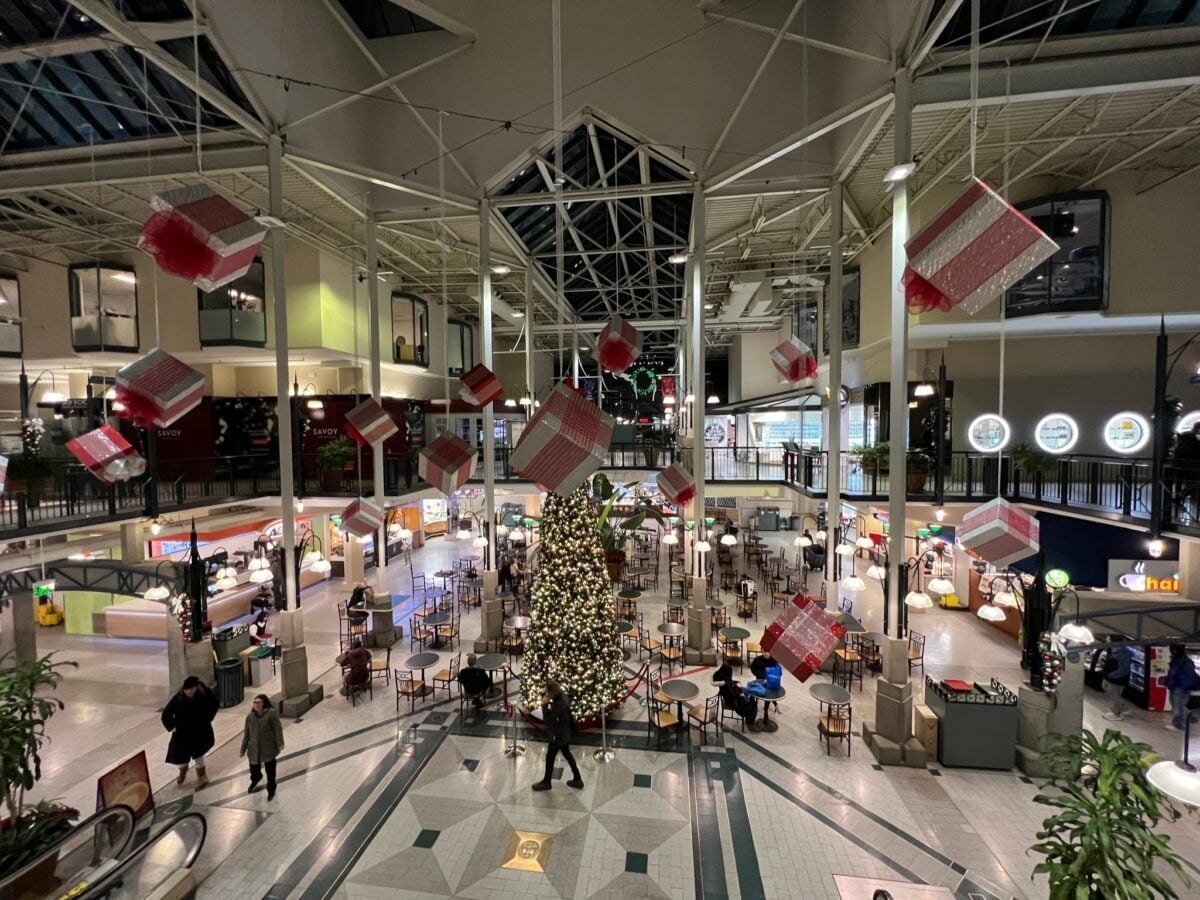
City Square Mall near downtown Vancouver on December 13, 2022. Photo: Lee Rivett
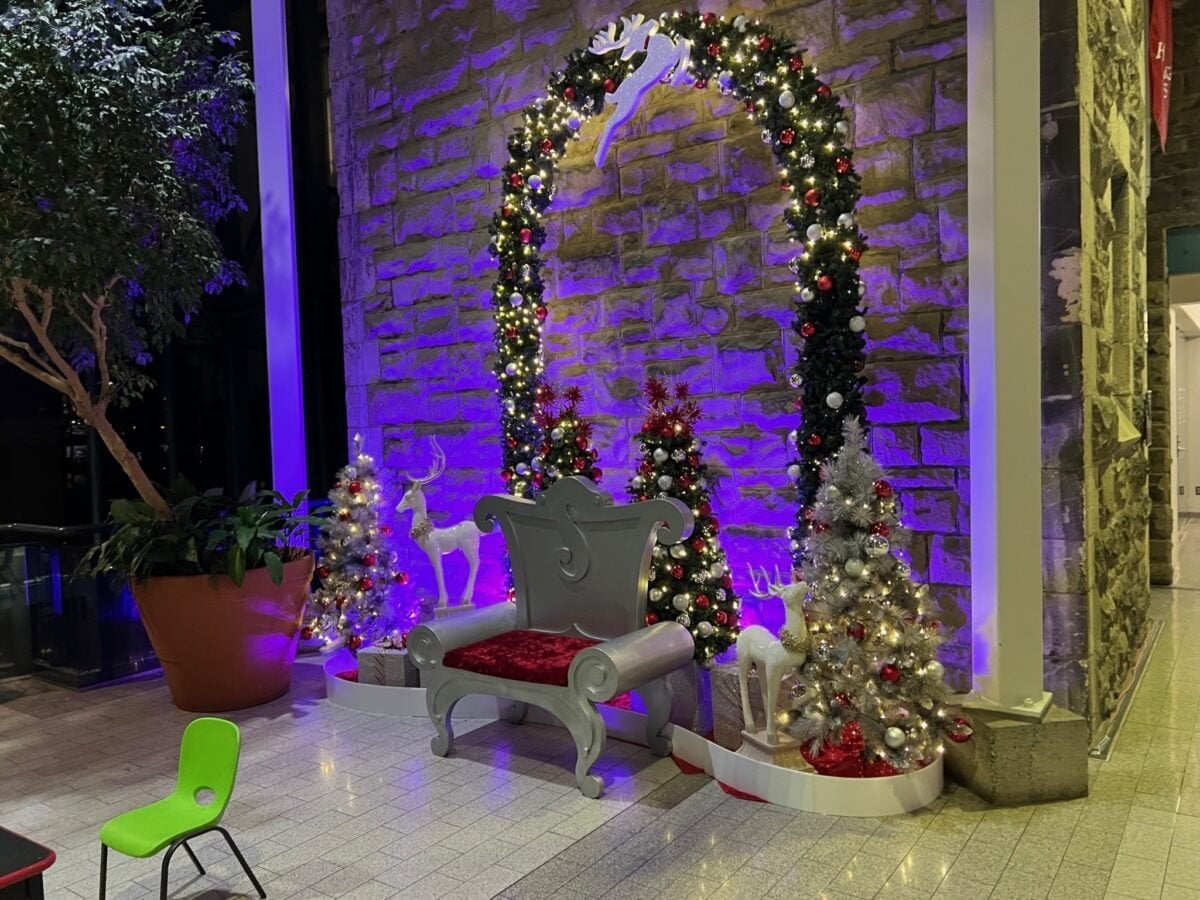
Retail Insider resumes our annual tradition of sharing holiday photos of Canadian shopping centres for 2022. Both landlords and merchants have rolled out the red carpet for holiday shoppers and the staff at Retail Insider wanted to share their efforts for those on a mission as they plow through their Christmas shopping, those who haven’t seen their favorite retail haunts over the holiday season for a while, or for those who like to thumb through festive holiday photos like we do!
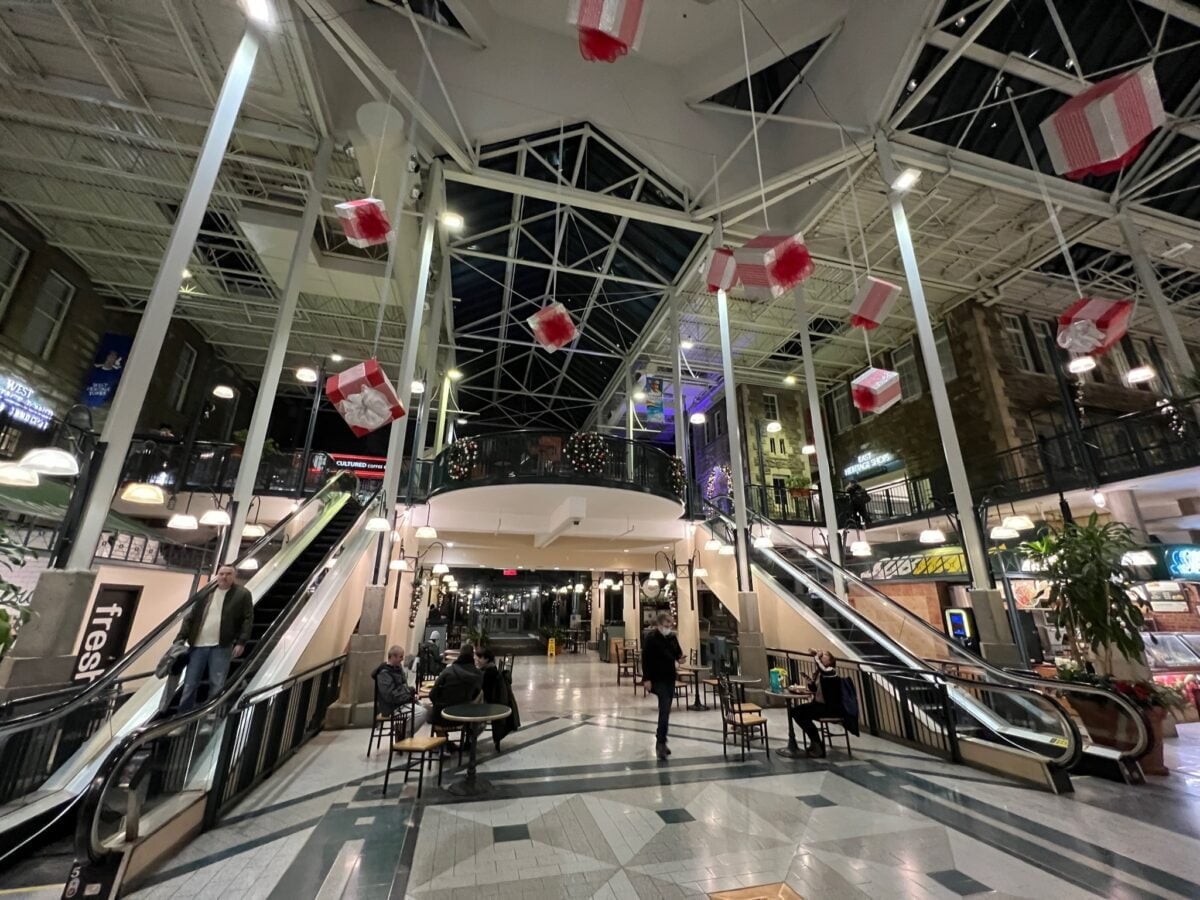
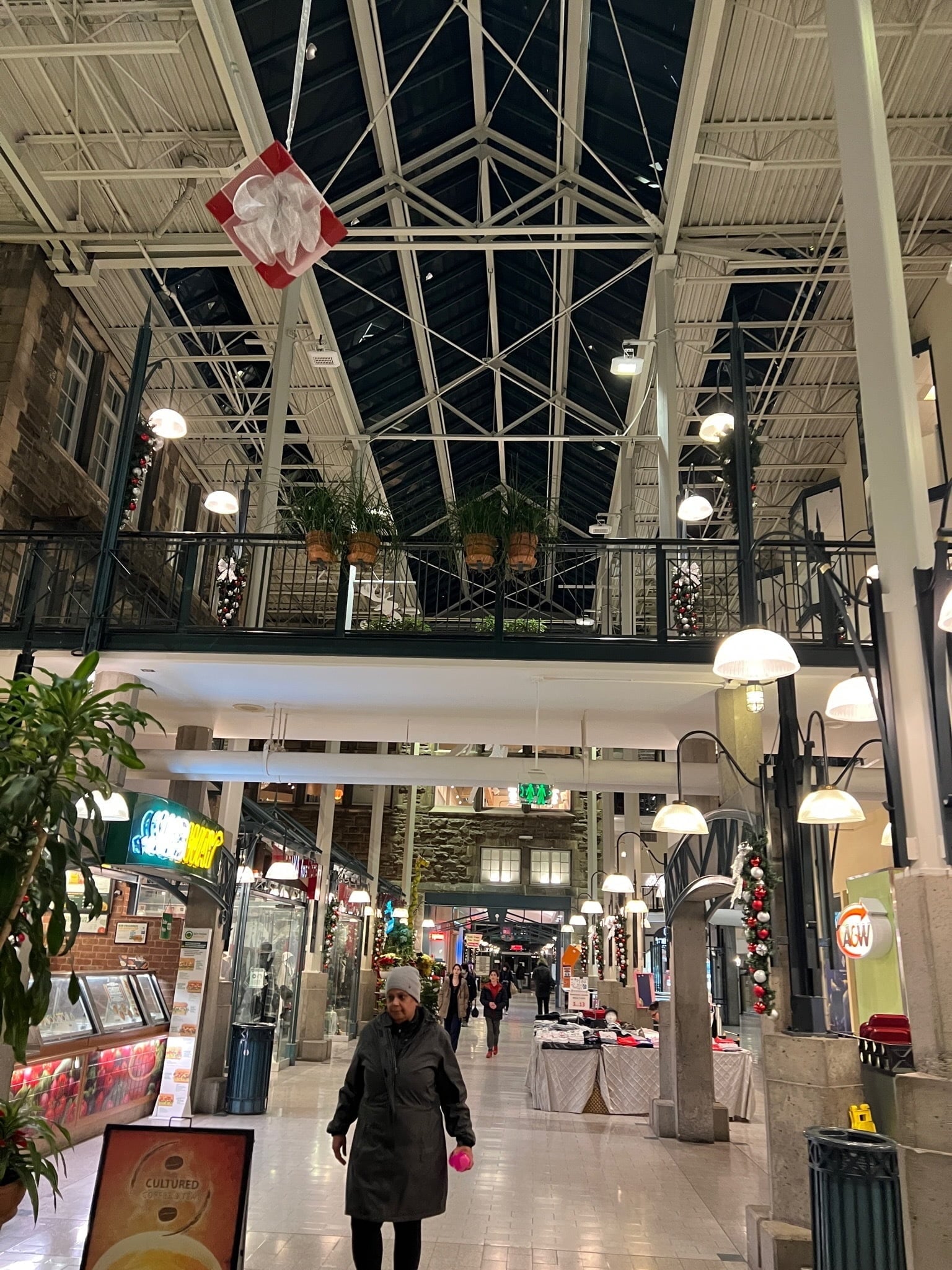
This installment of the ‘Holiday Photo Series’ takes us to City Square Mall just south of downtown Vancouver. The retail hub is across the street from Vancouver’s City Hall and spans approximately 250,000 square feet of retail space. It’s close proximity to the city’s Canada Line public transit connecting YVR Airport to downtown by light rail and its Cambie street retail location makes the mixed-use and heritage roots a frequented location for Christmas shoppers.
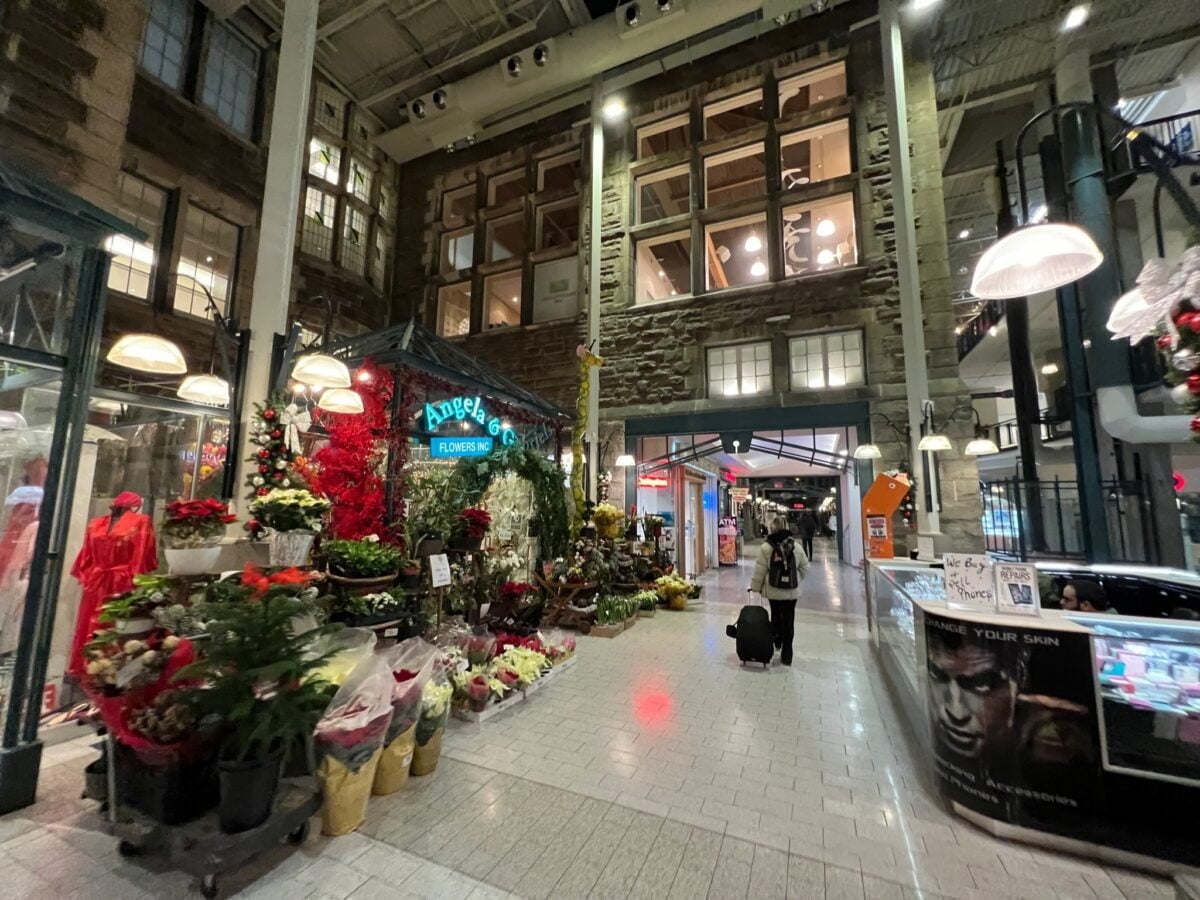
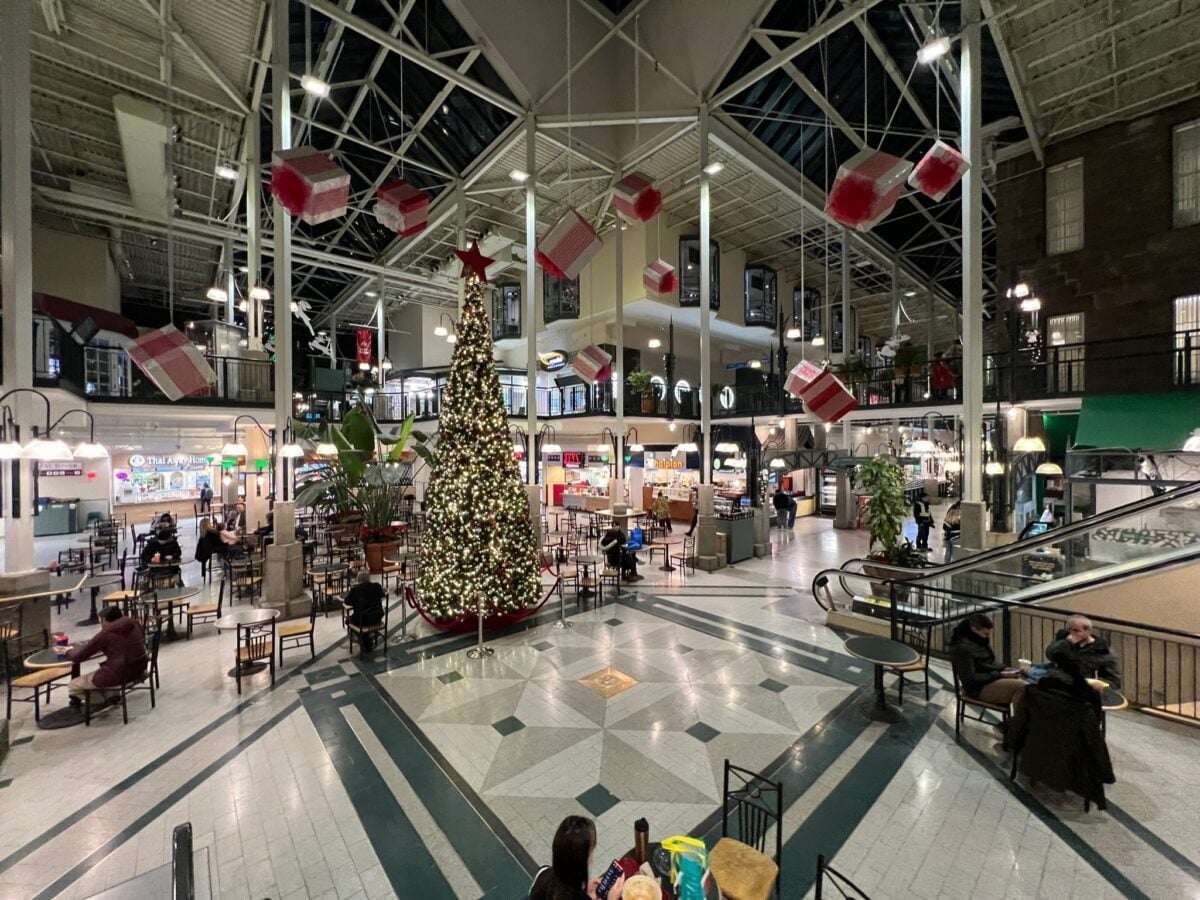
Main floor interior of City Square Mall near downtown Vancouver on December 13, 2022. Photo: Lee RivettInstagram and photo stop at City Square Mall near downtown Vancouver on December 13, 2022. Photo: Lee Rivett
City Square Mall was sold for $225 million in 2019 to Sun Commercial Real Estate Group. The corporation is based out of Richmond which also owns a number of other properties like the Sands Hotel in downtown Vancouver, Westwood Plateau Golf and Country Club in Coquitlam, and two notable Richmond properties; the Mylora Sidaway Golf Club and Lucky 9 Lanes Bowling Centre at the Riverport Entertainment Complex. Prior to that, the Panahi family owned the complex.
Main floor interior of City Square Mall near downtown Vancouver on December 13, 2022. Photo: Lee Rivett
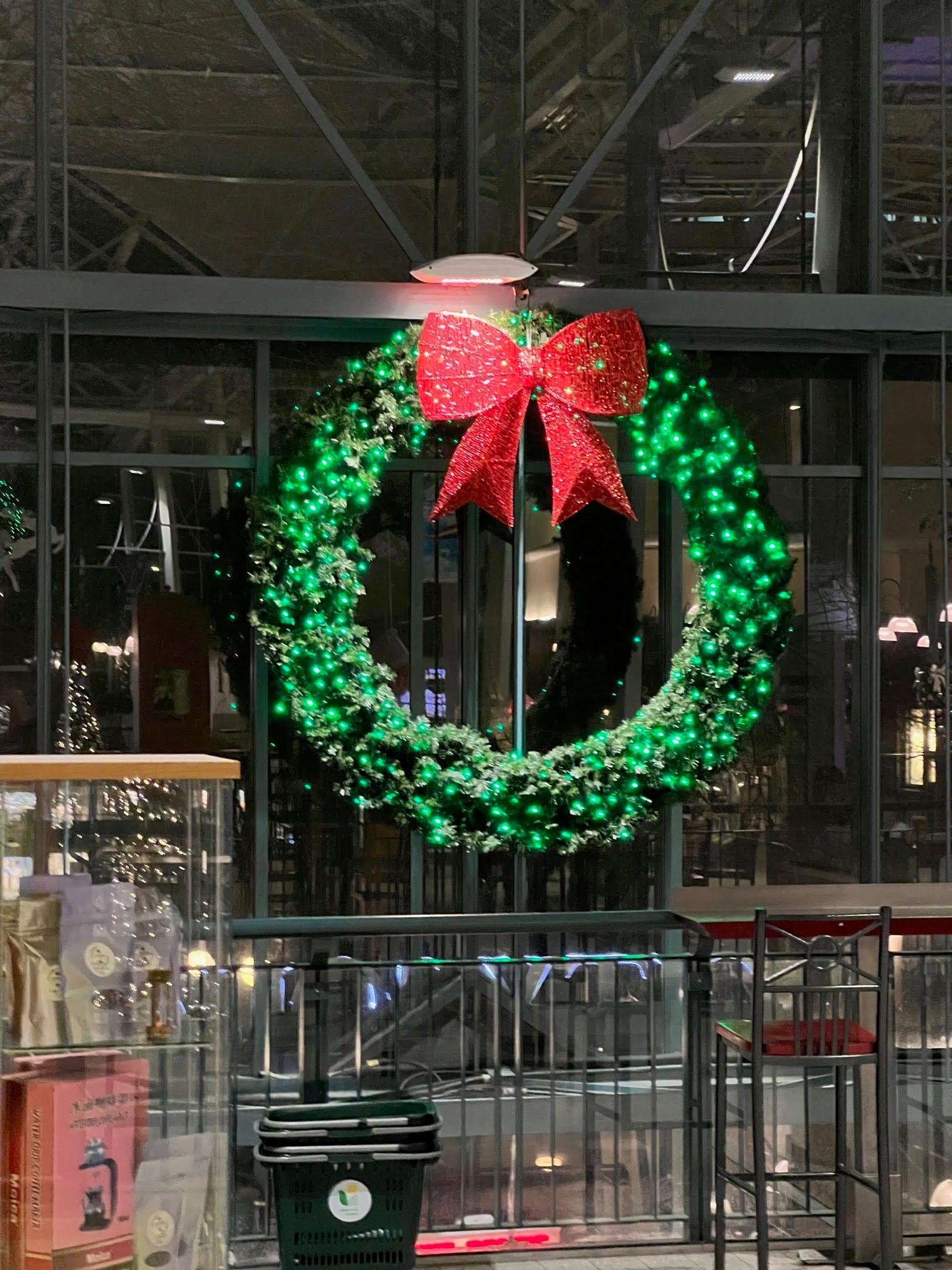
Christmas wreath within the City Square Mall near downtown Vancouver on December 13, 2022. Photo: Lee Rivett
Main floor interior of City Square Mall near downtown Vancouver on December 13, 2022. Photo: Lee Rivett
The shopping centre is located in the heart of the heritage district of central Vancouver, on the northwest corner of 12th Avenue and Cambie Street. The almost-a-city-block sized centre started out life as far back as 1901 when two schools were built on the site. The Normal School was a provincially run school offering the “norms of teaching” in which new teachers were trained. The Model School was a fully functioning elementary school where the new teachers practice taught. The schools went through many iterations until their closure in the 1970 when they fell into disrepair.
In the 1980s the school buildings were designated Municipal Heritage Sites and reopened in August 16, 1989 in its current mixed-use format. It was incorporated into ‘The City Square Projects’ with a vibrant mix of unique shops, boutiques, language schools and private offices.
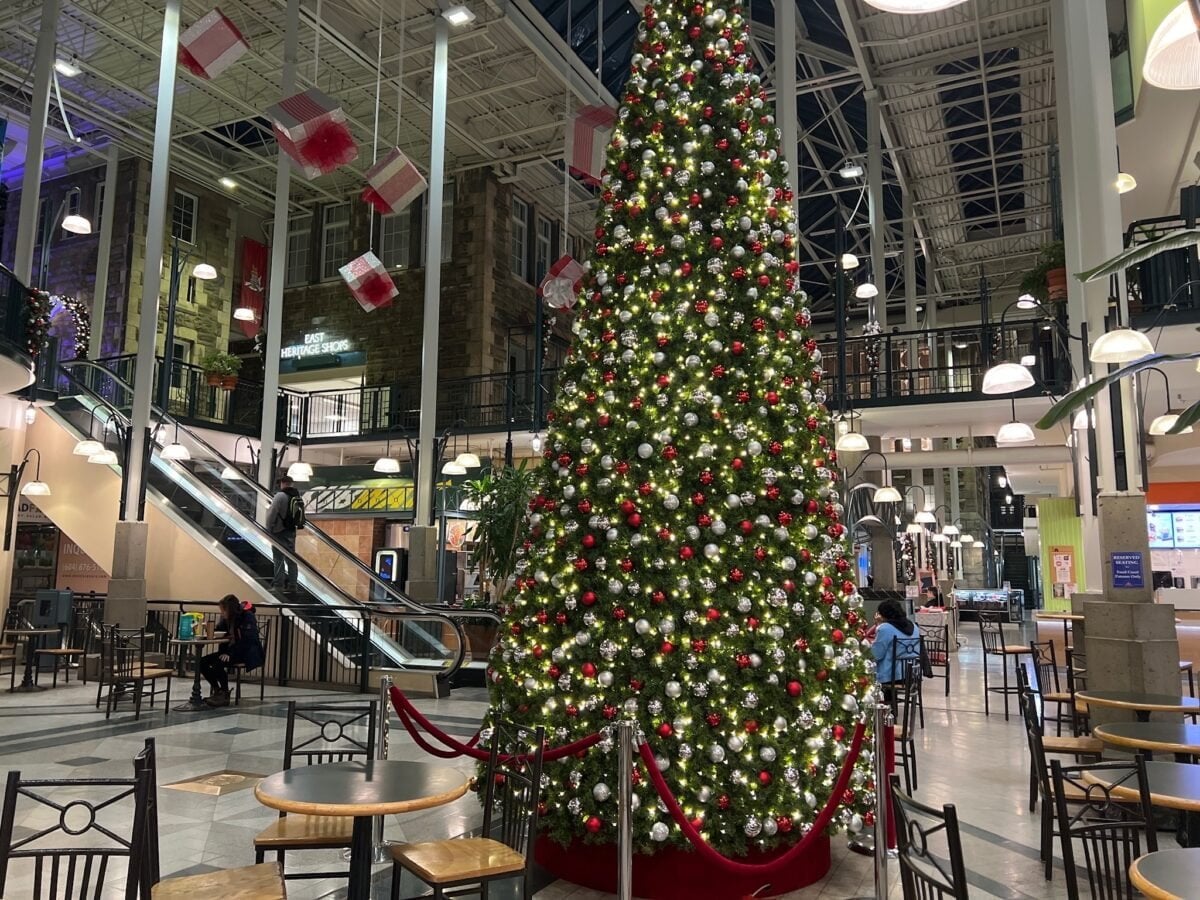
Christmas Tree at City Square Mall near downtown Vancouver on December 13, 2022. Photo: Lee RivettMain floor interior of City Square Mall near downtown Vancouver on December 13, 2022. Photo: Lee RivettMain floor interior of City Square Mall near downtown Vancouver on December 13, 2022. Photo: Lee Rivett
We hope you enjoyed our holiday tour of City Square Shopping Centre near downtown Vancouver. Don’t forget to check out our other retail photo tours over the past few months. Thank you for taking this tour with us.
Discover More Related Retail Photo Tours From Retail Insider:
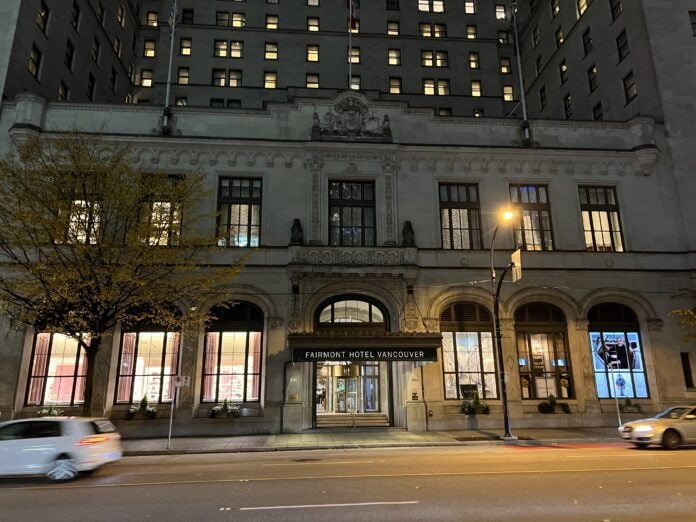
Fairmont Hotel Vancouver in downtown Vancouver. Photo: Lee Rivett
Retail Insider resumes our annual tradition of sharing holiday photos of Canadian retail centres for 2022. Both landlords and merchants have rolled out the red carpet for holiday shoppers and the staff at Retail Insider wanted to share their efforts for those on a mission as they plow through their Christmas shopping, those who haven’t seen their favourite retail haunts over the holiday season for a while, or for those who like to thumb through festive holiday photos like we do!
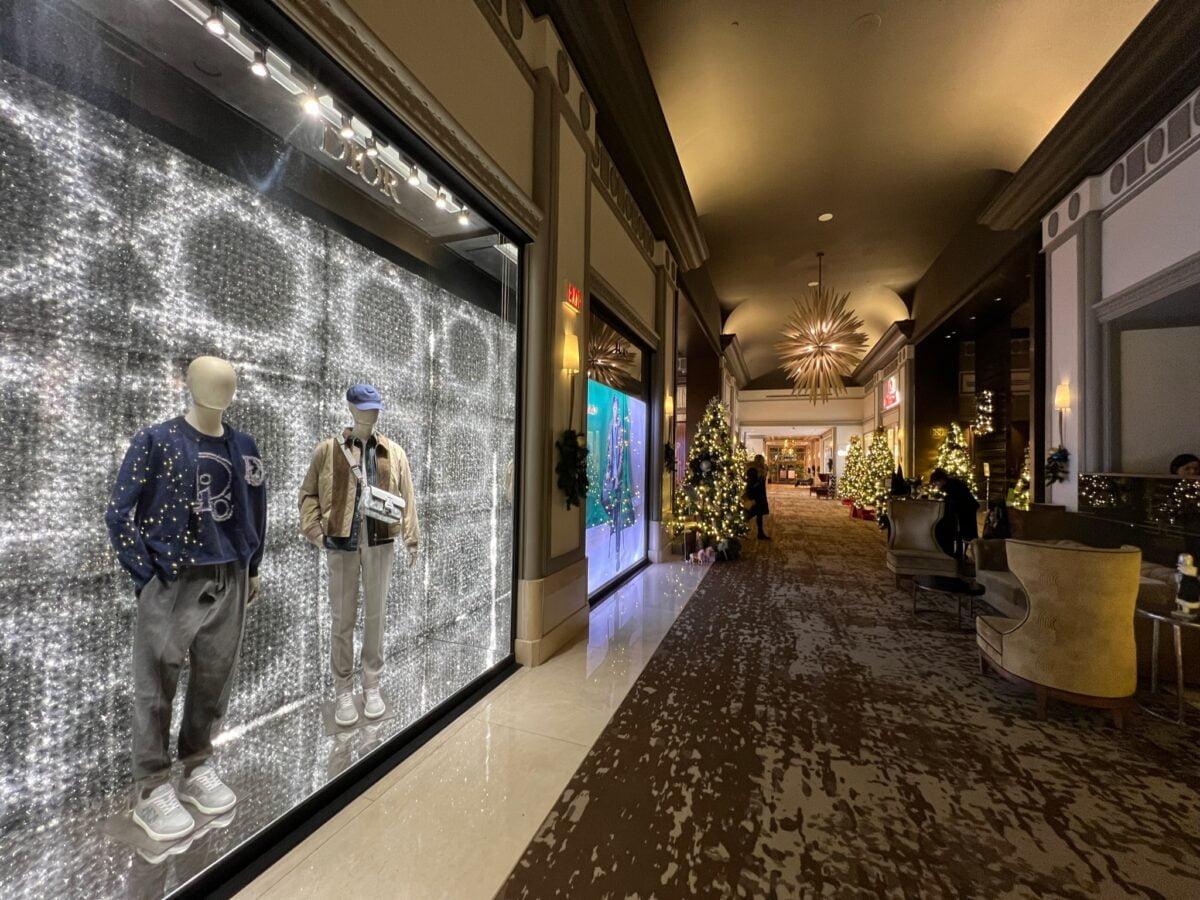
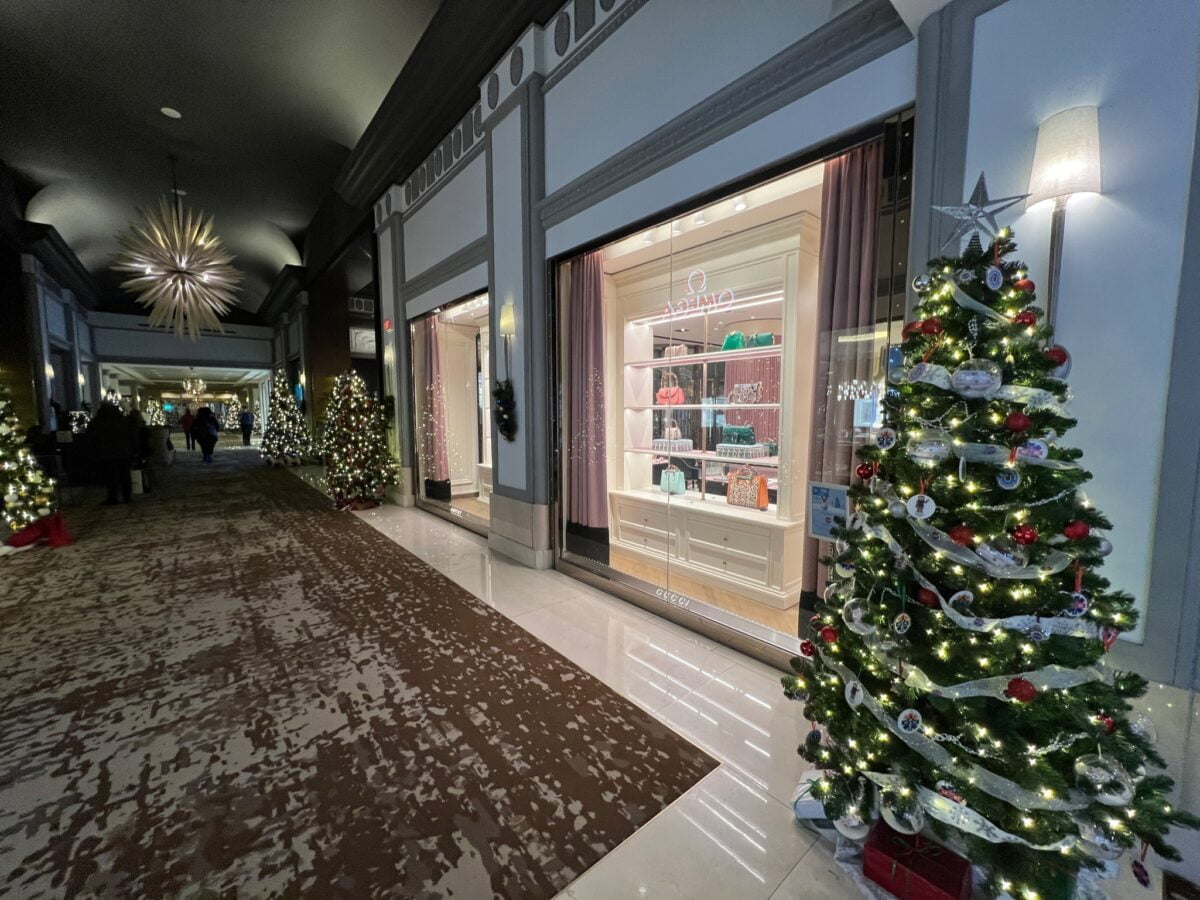
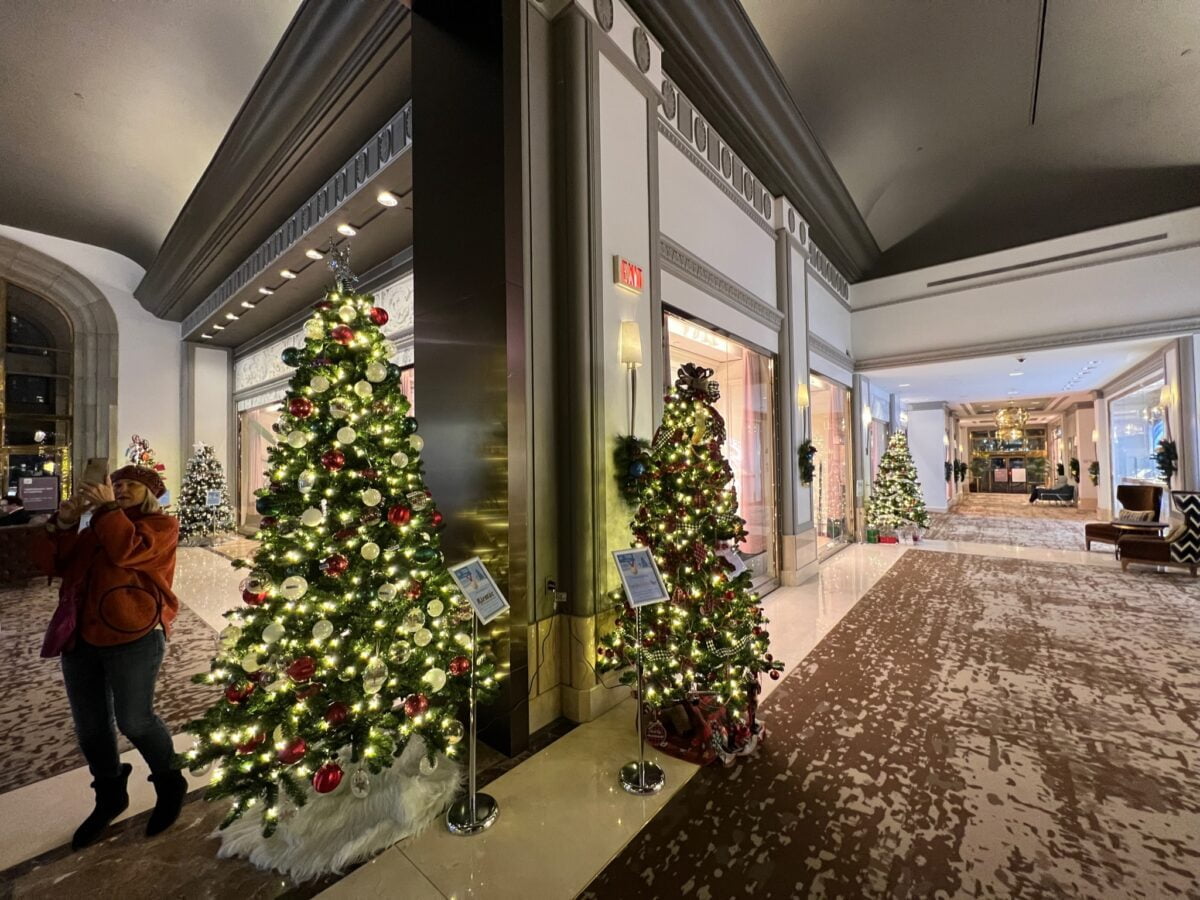
This instalment of the ‘Holiday Photo Series’ takes us to Fairmont Hotel Vancouver in downtown Vancouver, British Columbia. The landmark hotel is nestled at the eastern end of the Alberni Street “Luxury Zone” and its ground floor is filled with luxury retail.
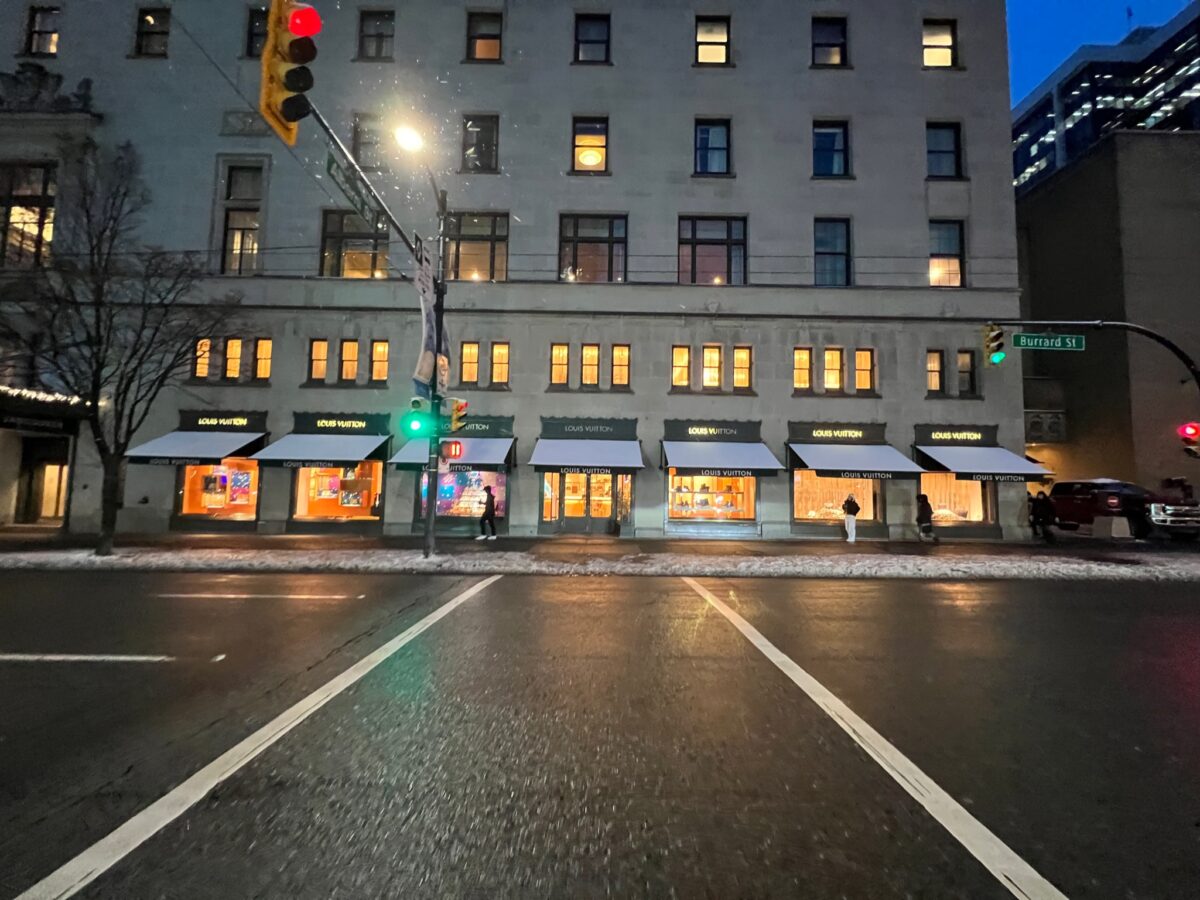
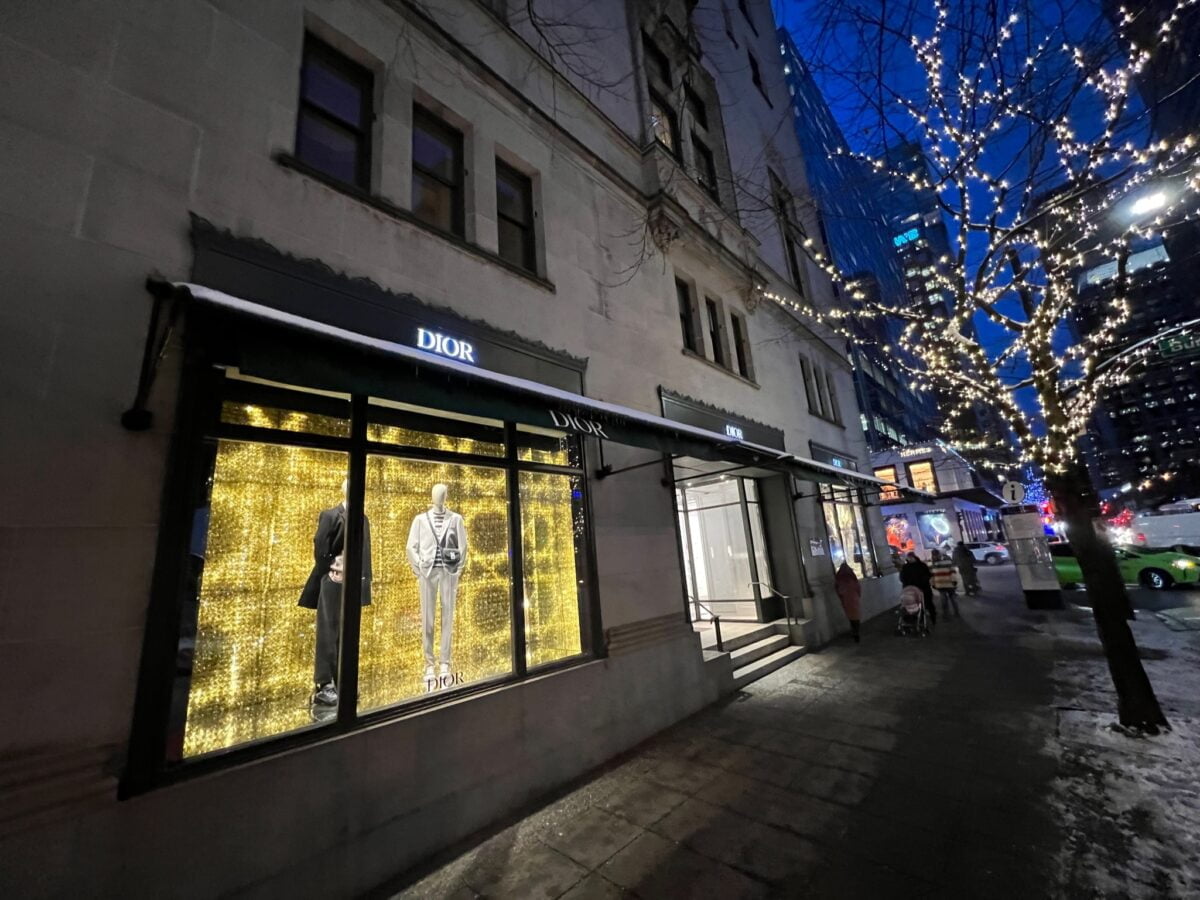
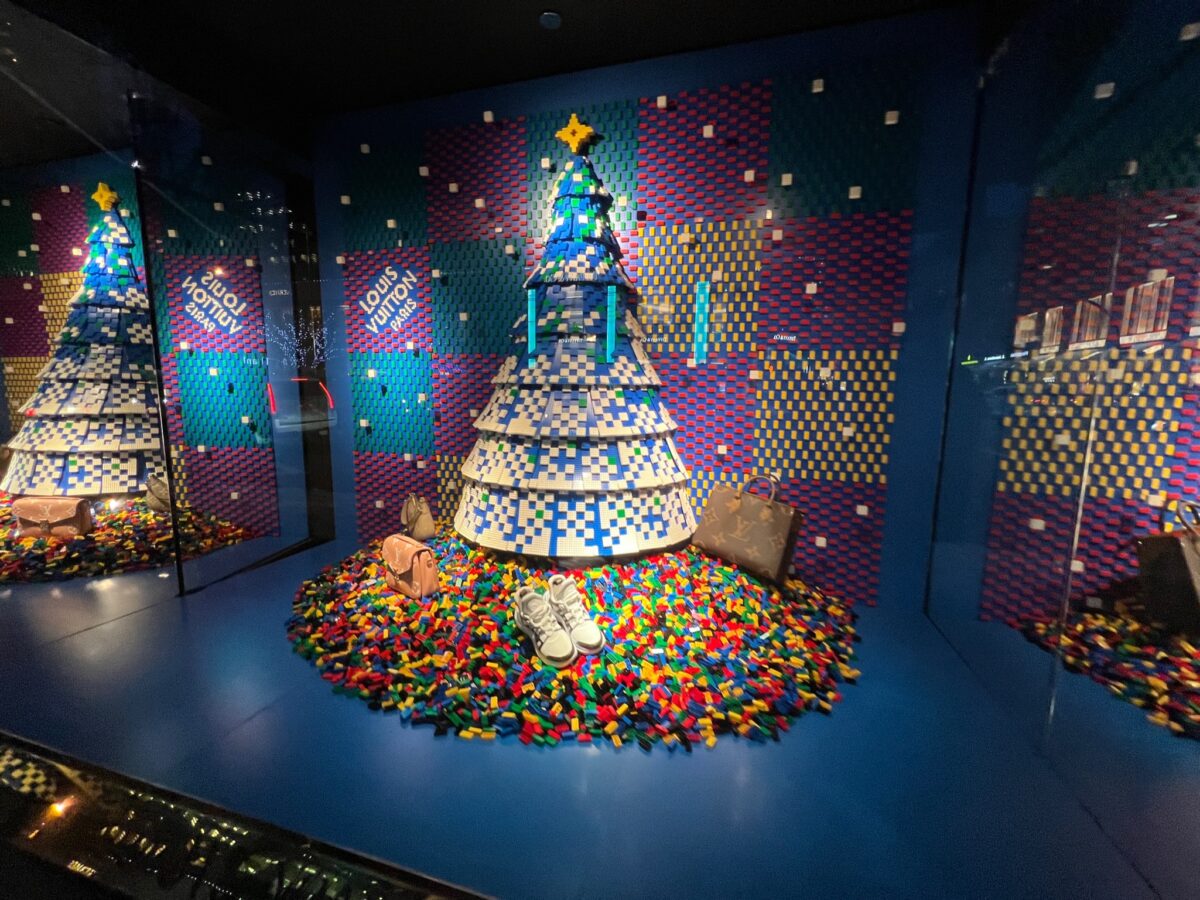
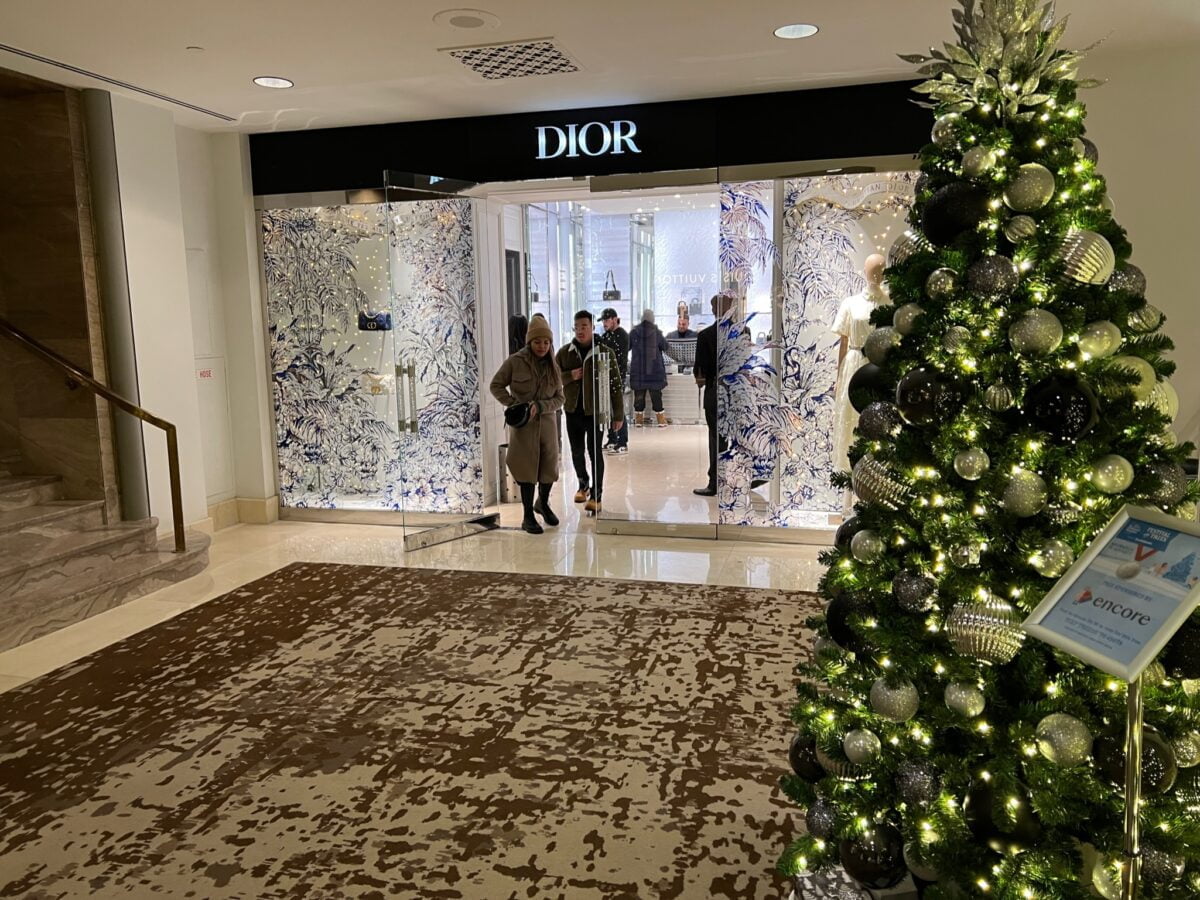
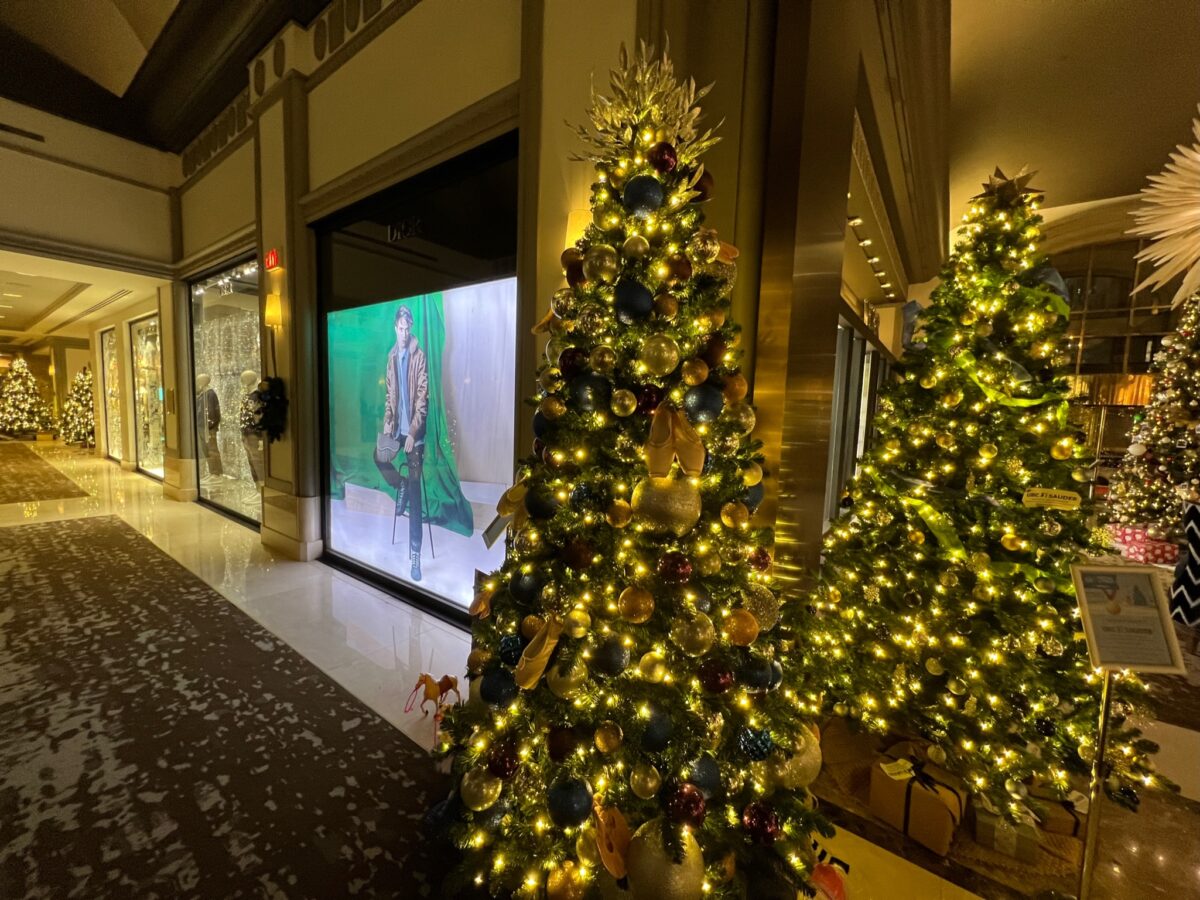
Louis Vuitton exterior at Fairmont Hotel Vancouver in downtown Vancouver on December 19, 2022. Photo: Lee RivettDior exterior entrance at Fairmont Hotel Vancouver in downtown Vancouver on December 19, 2022. Photo: Lee Rivett
Plans to develop a railway hotel at the present site of Hotel Vancouver first emerged in the 1920s from Canadian Northern Railway. After construction was stalled in the 1930s Great Depression, it opened as the “Hotel Vancouver” in time to welcome Queen Elizabeth during her 1939 royal tour of Canada. The hotel has gone through a number of changes from the ownership and management perspective; however, Fairmont Hotels and Resorts sold the hotel to a Crown corporation pension fund (Caisse de dépôt et placement du Québec) in 2007 but Fairmont still manages the hotel. In 2015, the property was sold to Larco Enterprise for $180 million — prior to that, rumour had it that an underground mall would connect the hotel to nearby CF Pacific Centre.
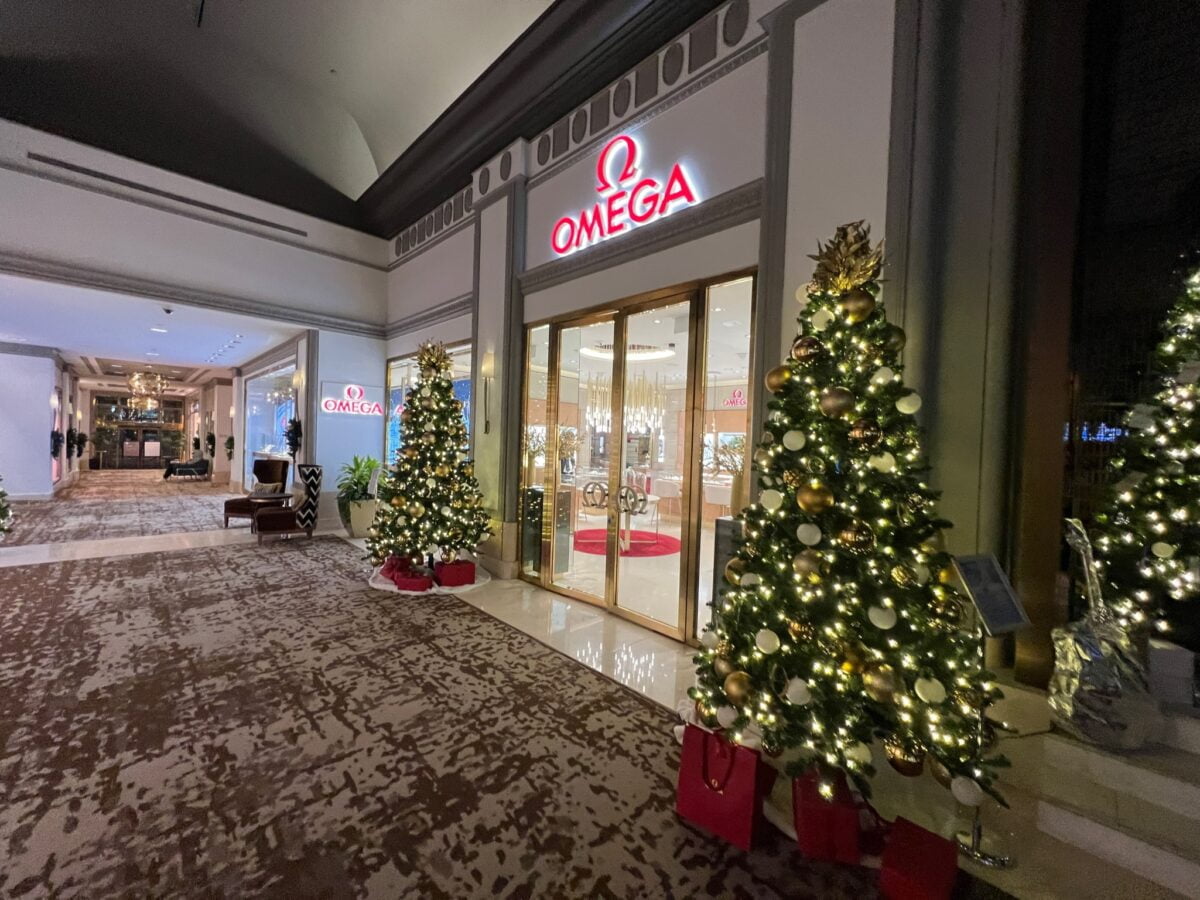
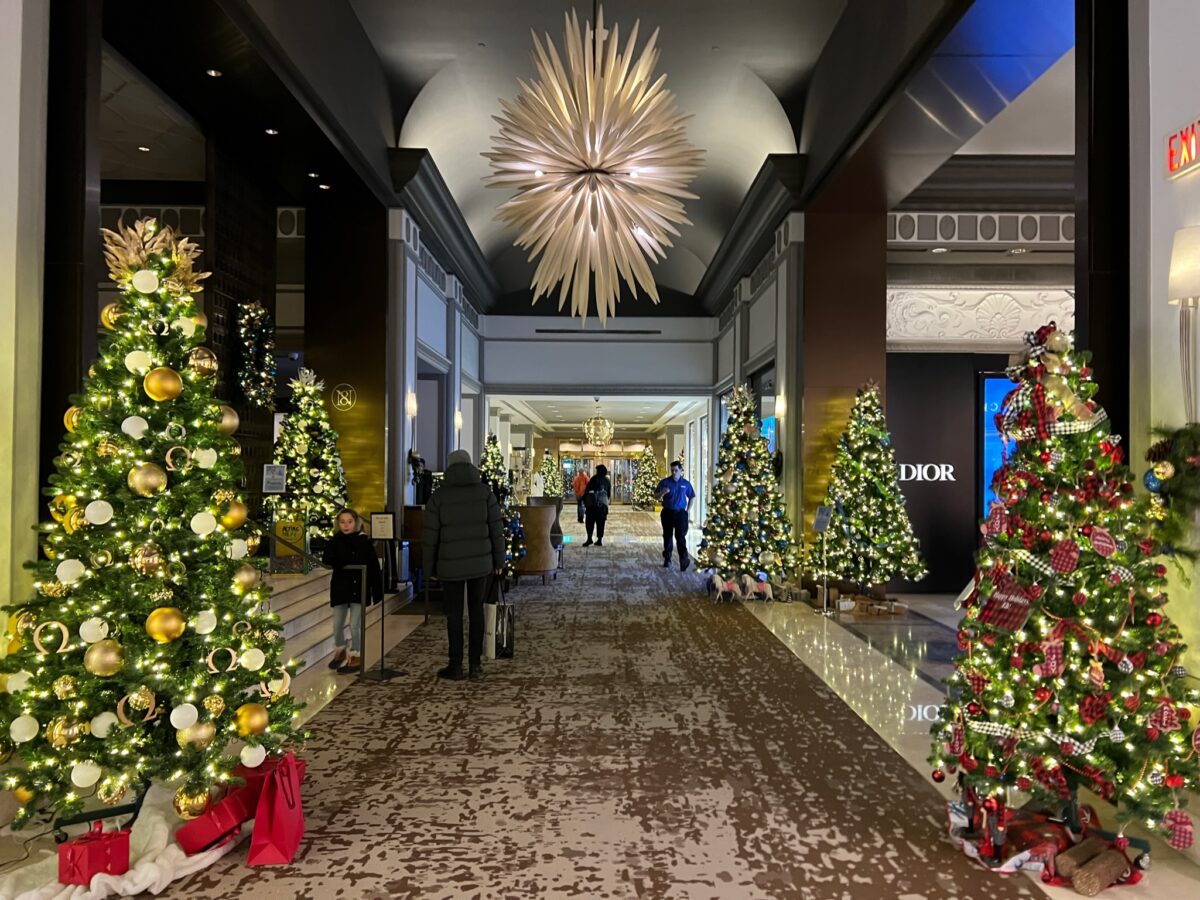
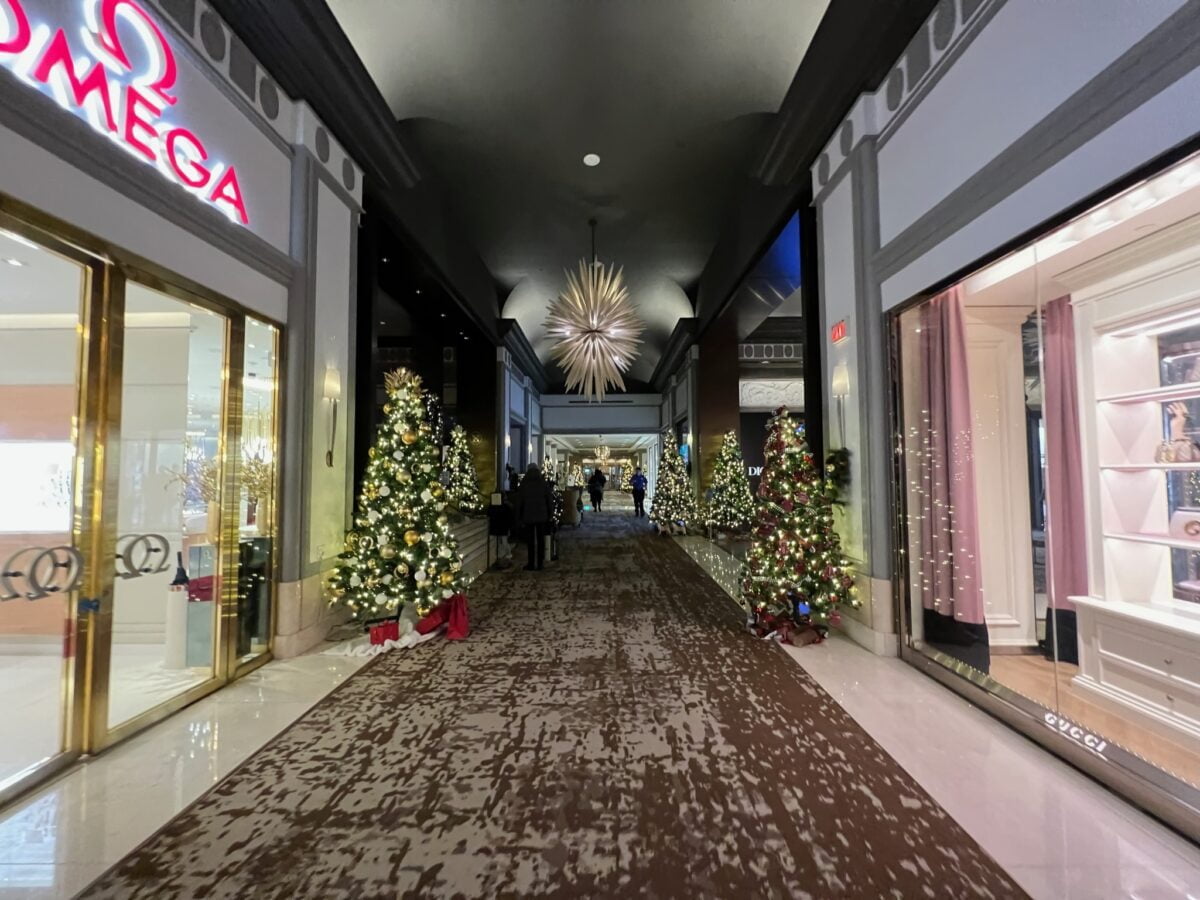
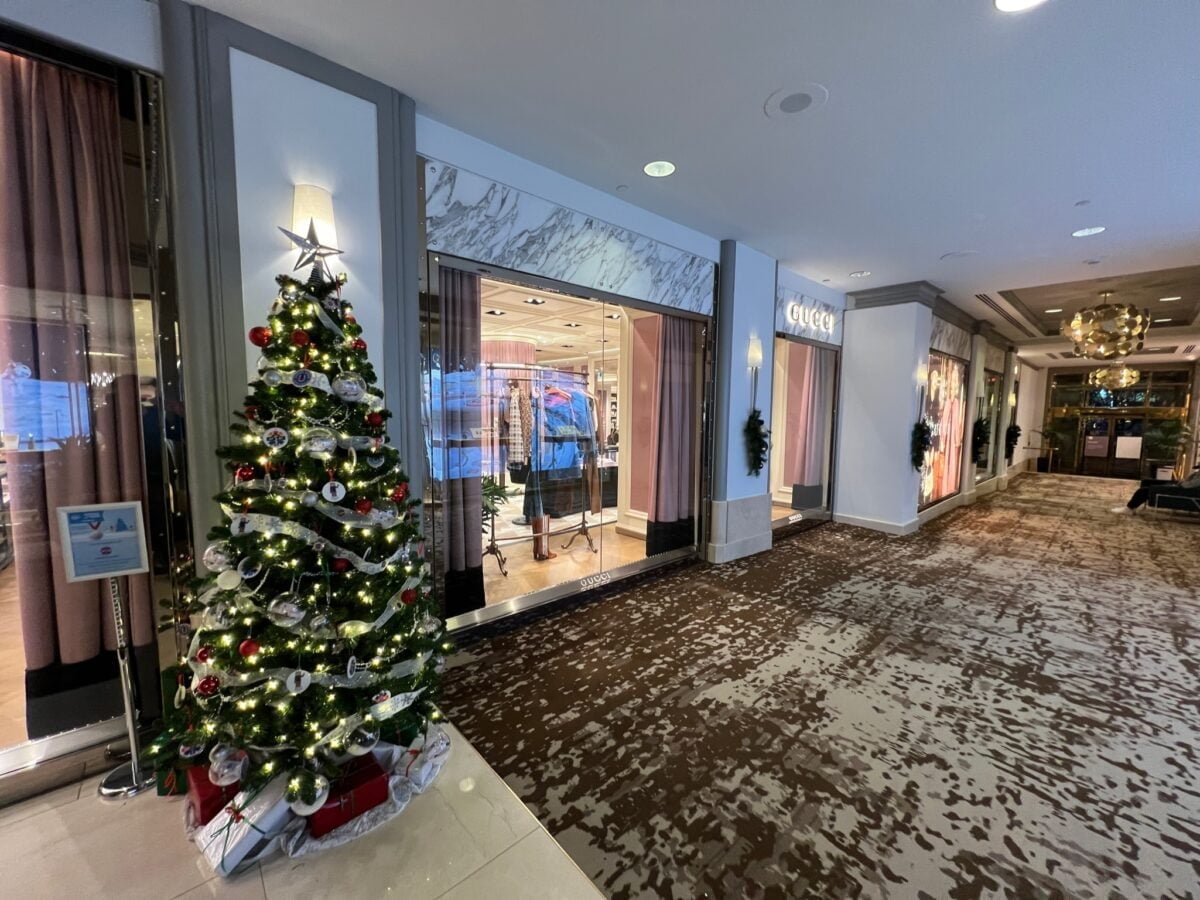
In preparation for the building’s 80th anniversary, the Hotel Vancouver underwent a C$12 million renovation of the hotel lobby, restaurant, and guest rooms from 2014 to 2018. This included reconfiguring the ground floor by moving the hotel’s check-in desks to allow for luxury retail on the ground floor. The dense clustering of luxury brands includes a 10,000 square foot Louis Vuitton, a 9,300 square foot Dior flagship, a recently expanded Gucci flagship store spanning more than 6,000 square feet, Omega and St. John Knits.
See below for our visit to the luxury retail podium of the Fairmont Hotel Vancouver.
Dior interior window displays at Fairmont Hotel Vancouver main floor/lobby in downtown Vancouver on December 19, 2022. Photo: Lee RivettOmega at Fairmont Hotel Vancouver main floor/lobby in downtown Vancouver on December 19, 2022. Photo: Lee RivettFairmont Hotel Vancouver main floor/lobby in downtown Vancouver on December 19, 2022. Photo: Lee RivettOmega and Gucci in Fairmont Hotel Vancouver main floor/lobby in downtown Vancouver on December 19, 2022. Photo: Lee Rivett
Gucci at Fairmont Hotel Vancouver main floor/lobby in downtown Vancouver on December 19, 2022. Photo: Lee Rivett
Gucci at Fairmont Hotel Vancouver main floor/lobby in downtown Vancouver on December 19, 2022. Photo: Lee Rivett
Louis Vuitton window display at Fairmont Hotel Vancouver main floor/lobby in downtown Vancouver on December 19, 2022. Photo: Lee Rivett
Gucci at Fairmont Hotel Vancouver main floor/lobby in downtown Vancouver on December 19, 2022. Photo: Lee Rivett
Interior Dior entrance at Fairmont Hotel Vancouver main floor/lobby in downtown Vancouver on December 19, 2022. Photo: Lee RivettDior at Fairmont Hotel Vancouver main floor/lobby in downtown Vancouver on December 19, 2022. Photo: Lee Rivett
We hope you enjoyed our holiday tour of Fairmont Hotel Vancouver in downtown Vancouver, British Columbia. Don’t forget to check out our other retail photo tours on Retail Insider. Thank you for taking this tour with us.
Discover More Related Retail Photo Tours From Retail Insider:
2022 Holiday Decor at Pickering Town Centre (Image: Cushman & Wakefield)
Retail Insider resumes our annual tradition of sharing holiday photos of Canadian shopping centres for 2022. Both landlords and merchants have rolled out the red carpet for holiday shoppers and the staff at Retail Insider wanted to share their efforts for those on a mission as they plow through their Christmas shopping, those who haven’t seen their favourite retail haunts over the holiday season for a while, or for those who like to thumb through festive holiday photos like we do!
This instalment of the ‘Holiday Photo Series’ takes us to Durham Region’s community hub, Pickering Town Centre.
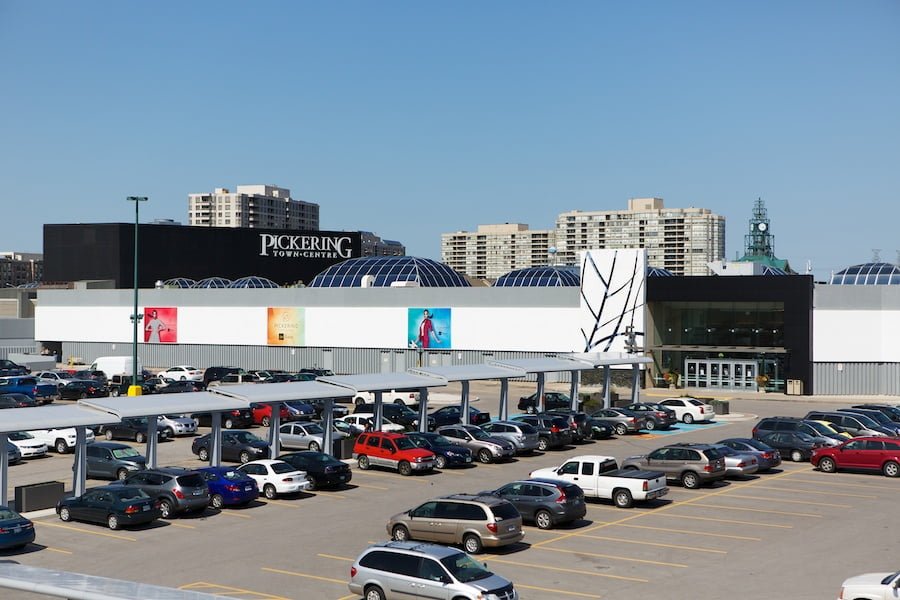
At over 700,000 square feet, The shopping centre boasts over 140 stores and services, six dine-in restaurants, 15 food court vendors and a Cineplex VIP theatre. Located at Kingston Rd. and Liverpool Rd. in Pickering, Ontario., the shopping centre is readily accessible by highway 401 and GO Transit – connected by a footbridge over the highway.
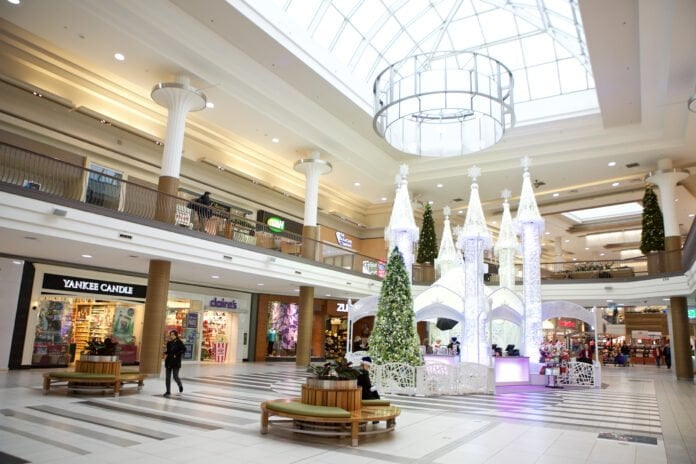
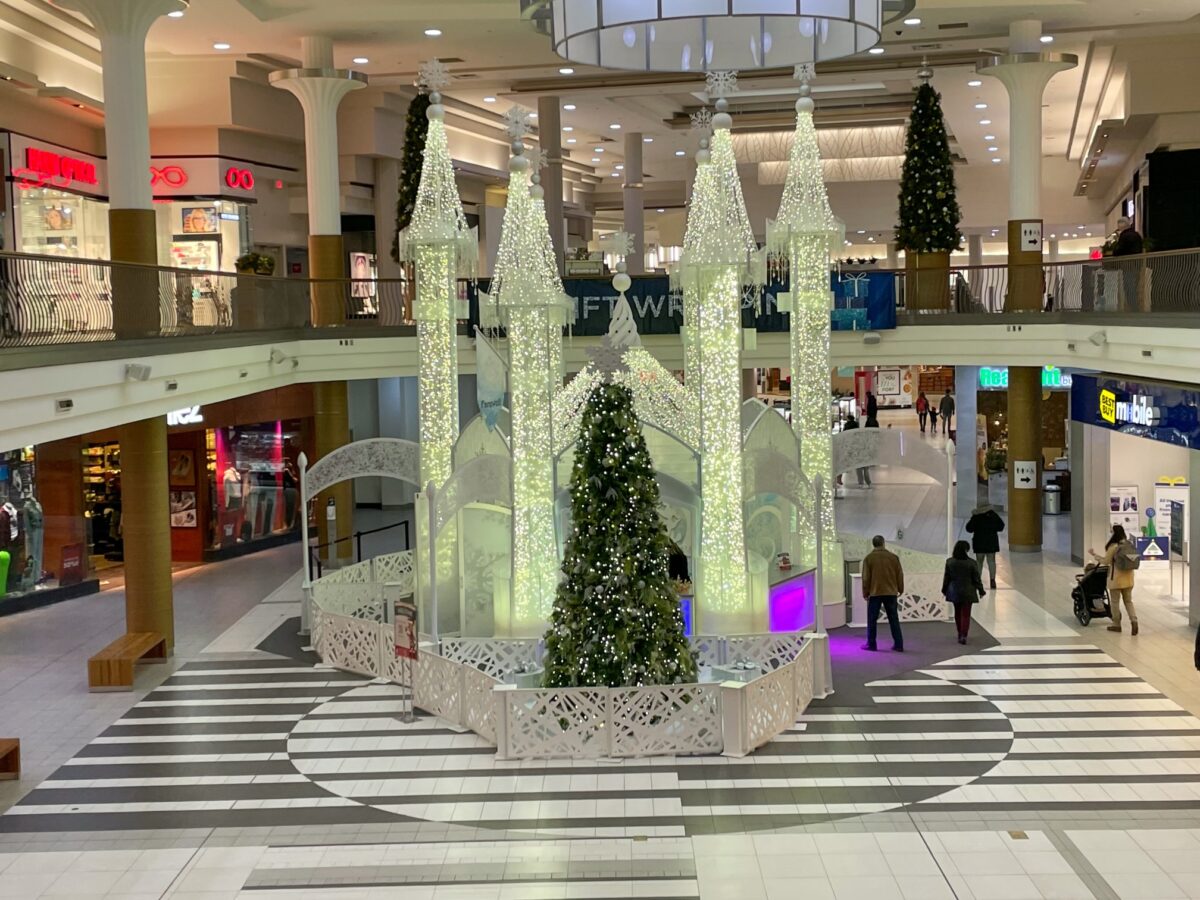
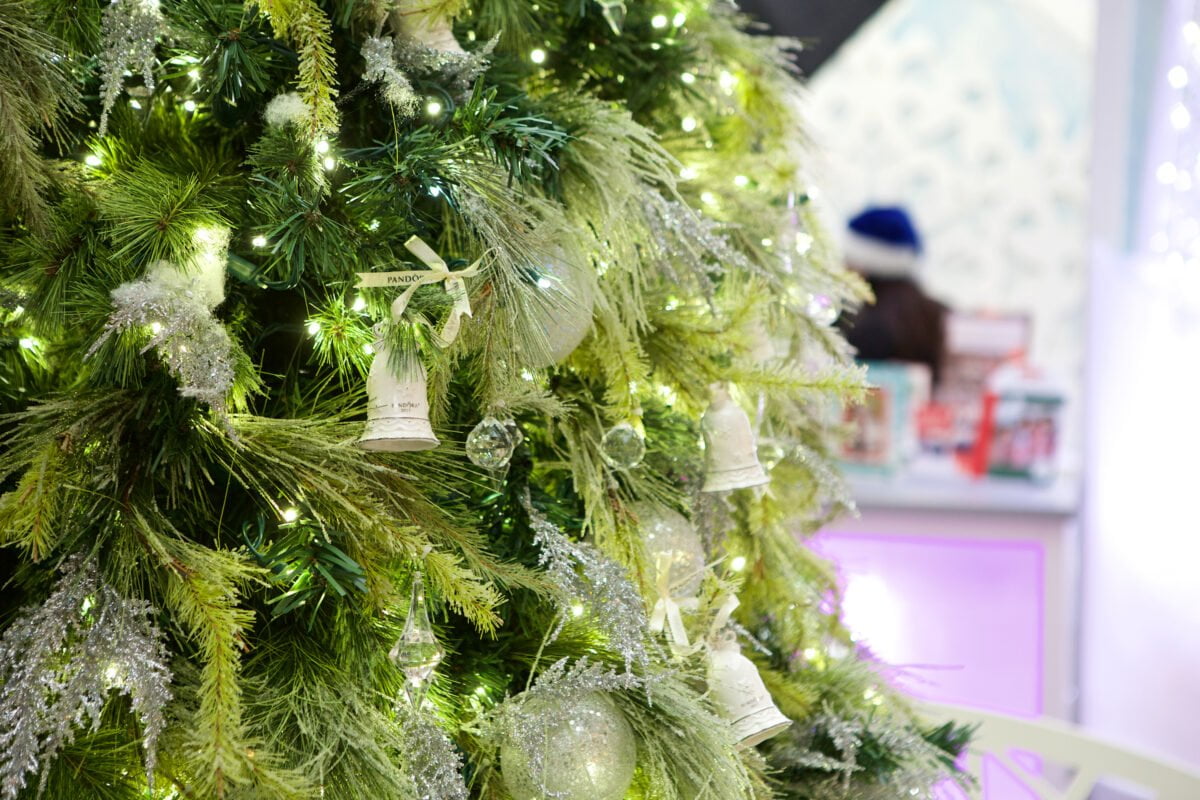
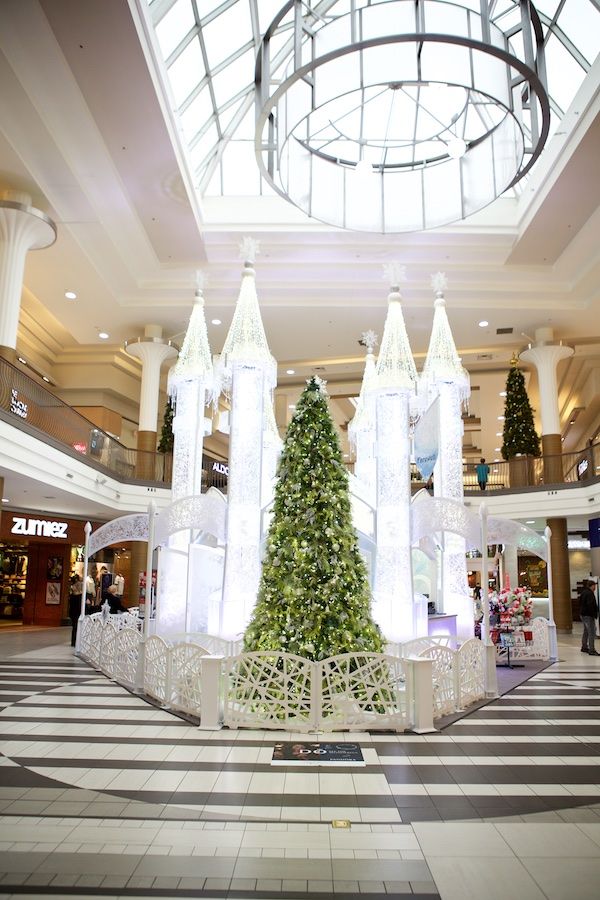
2022 Holiday Decor at Pickering Town Centre (Image: Cushman & Wakefield)2022 Holiday Decor at Pickering Town Centre (Image: Cushman & Wakefield)
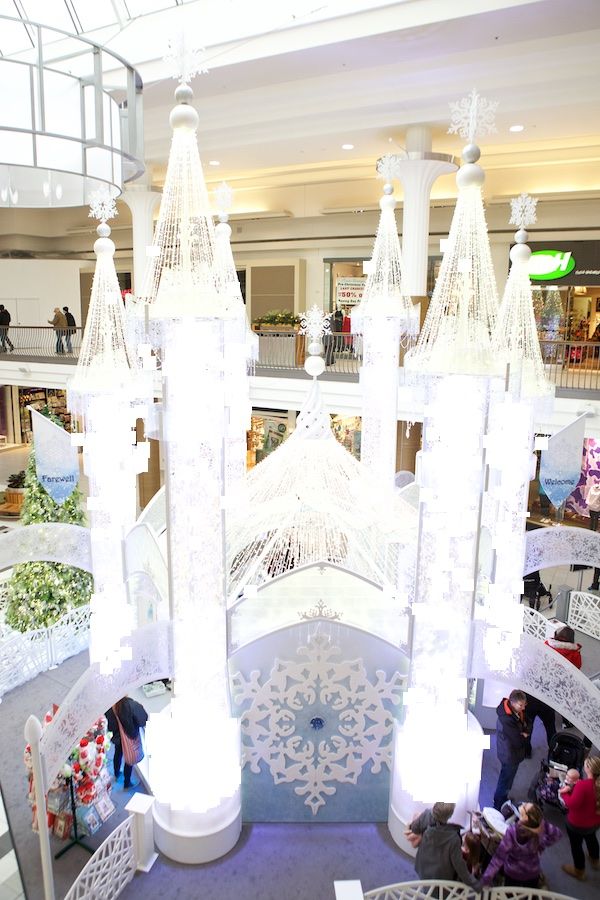
First unveiled in 2017, Santa’s Ice Castle is the focal point of the mall’s holiday decor. Designed by Studio Artefact, the Castle was created to resemble a winter palace. This magical display is a popular attraction for everyone visiting Pickering Town Centre throughout the holiday season.
The Castle is home to special events, such as Baby’s First Christmas, Silent Santa and popular with guests for Pet Photos with Santa. The installation is one of the most successful holiday experiences in Canada, driving traffic growth each year.
2022 Holiday Decor at Pickering Town Centre (Image: Cushman & Wakefield)
2022 Holiday Decor at Pickering Town Centre (Image: Cushman & Wakefield)
Paws & Claus at Pickering Town Centre
Paws & Claus at Pickering Town Centre
Pickering Town Centre (Image: Cushman & Wakefield)
We hope you enjoyed our holiday tour of Pickering Town Centre in Pickering, Ontario. Don’t forget to check out our other retail photo tours on Retail Insider. Thank you for taking this tour with us.
Discover More Related Retail Photo Tours From Retail Insider:
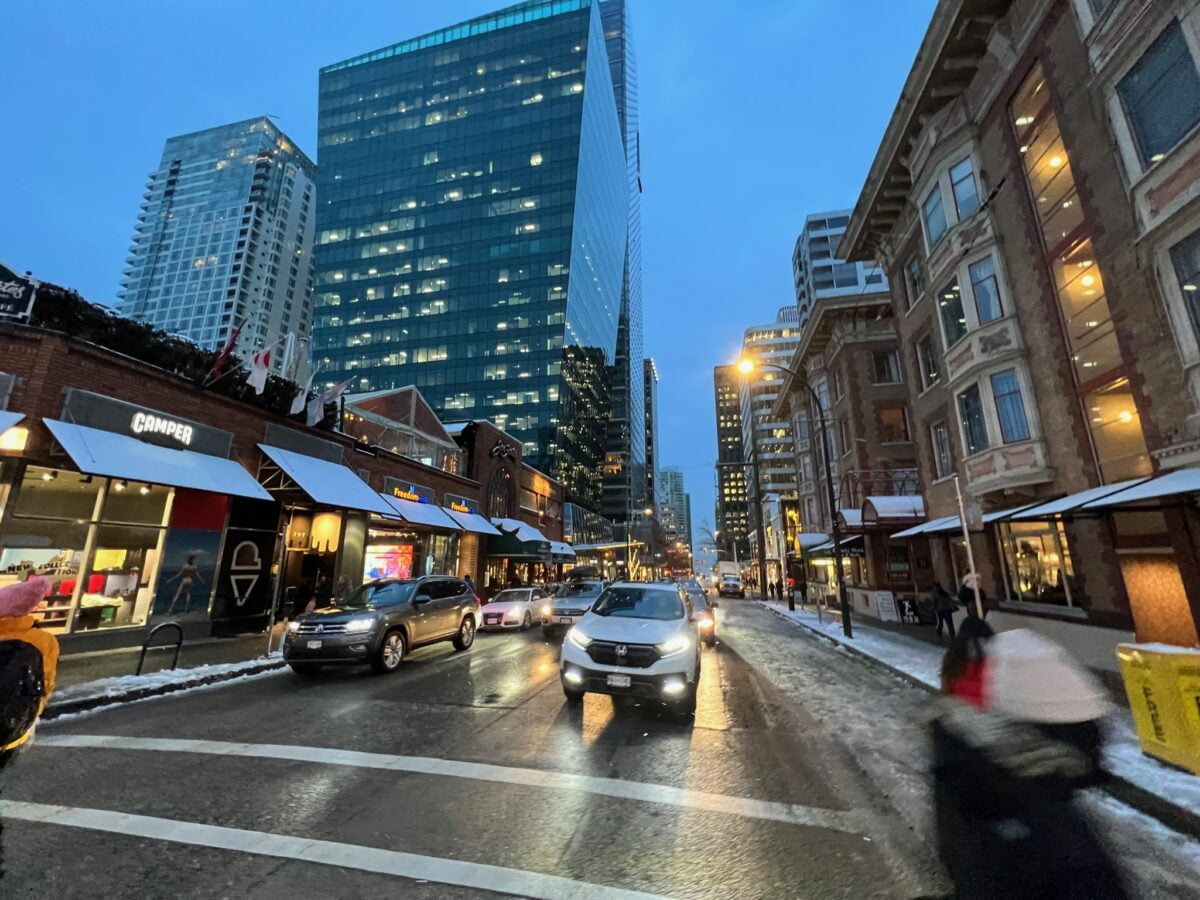
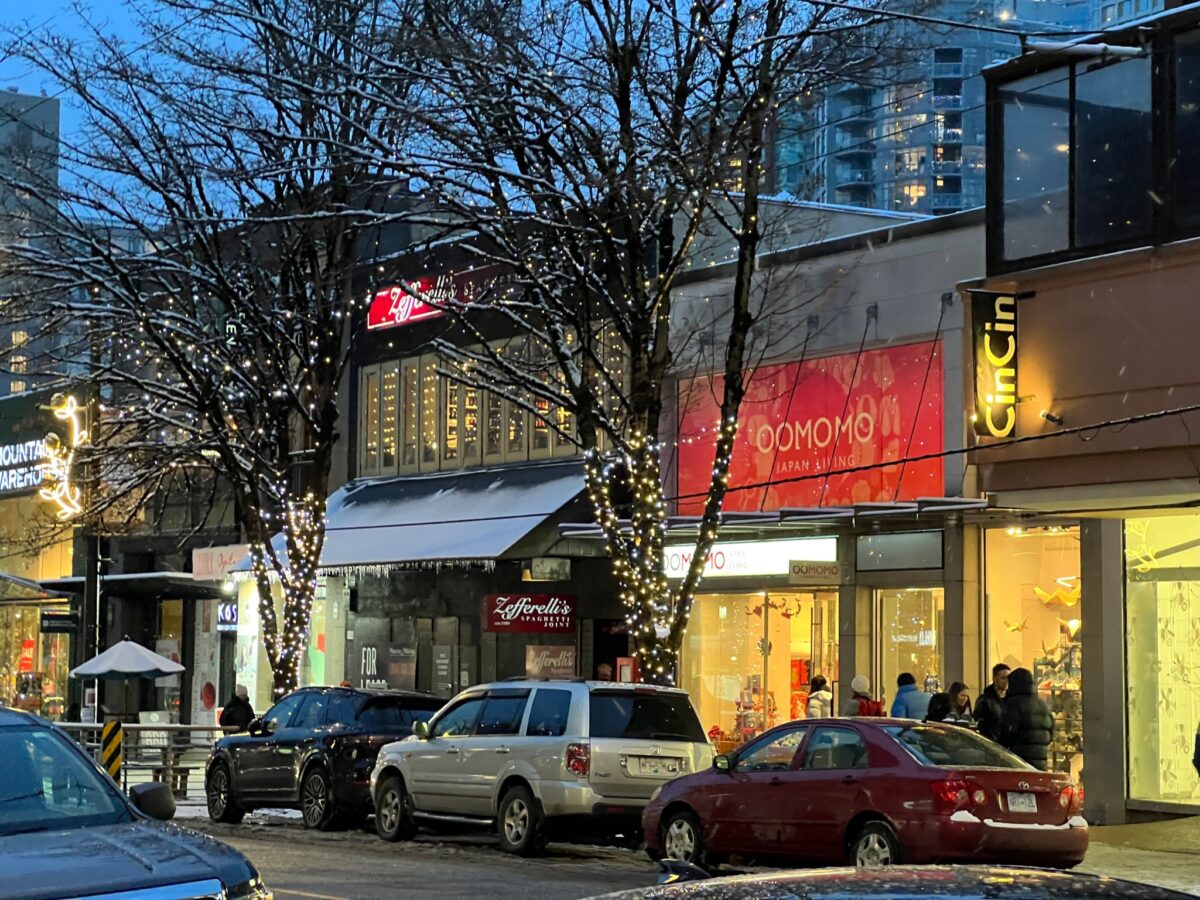
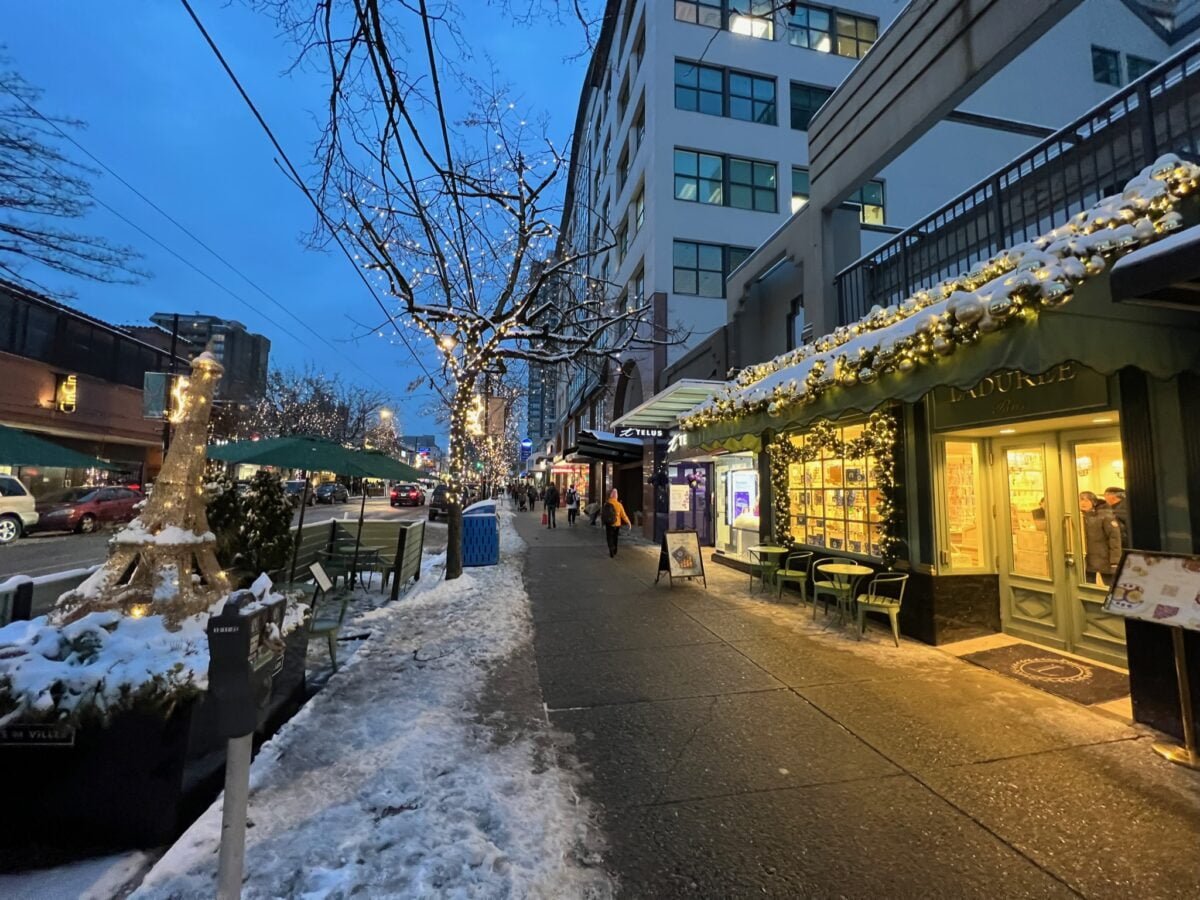
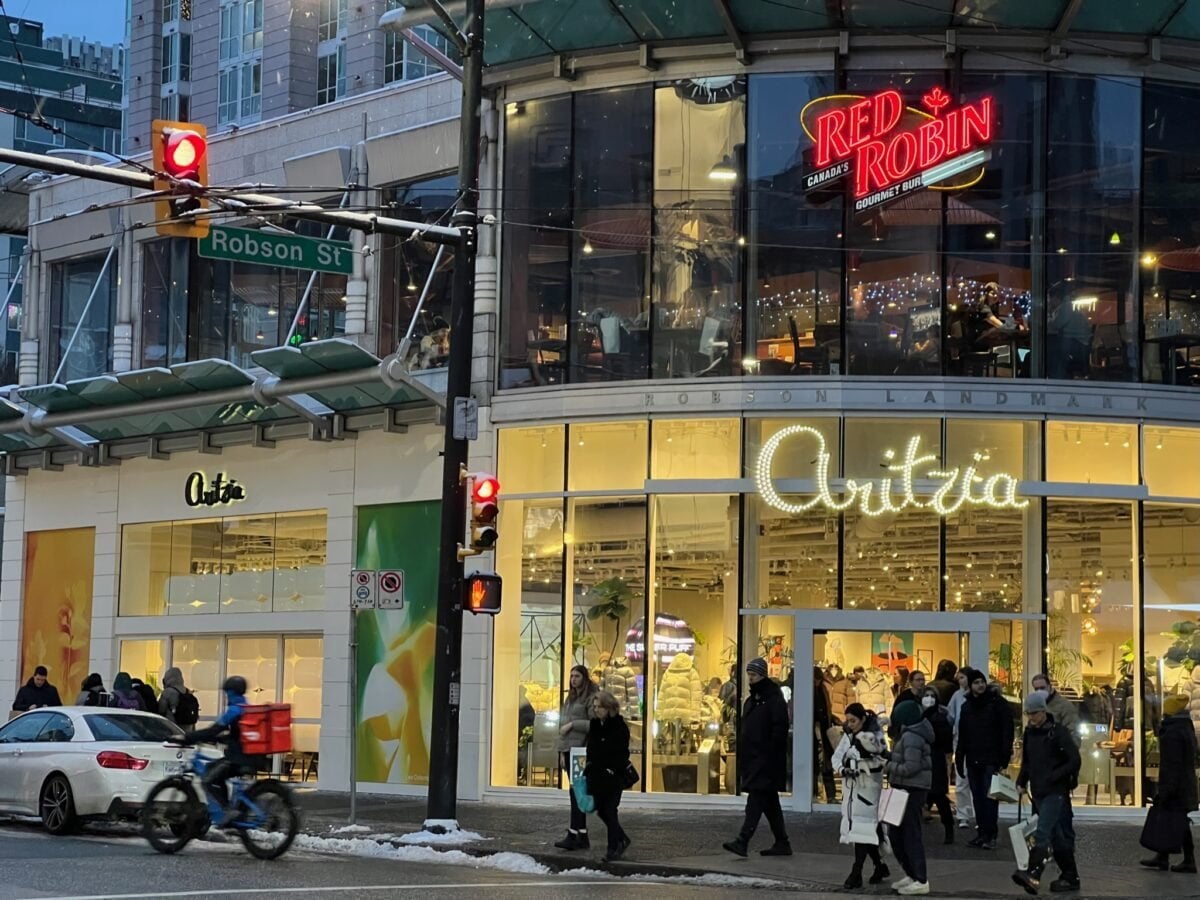
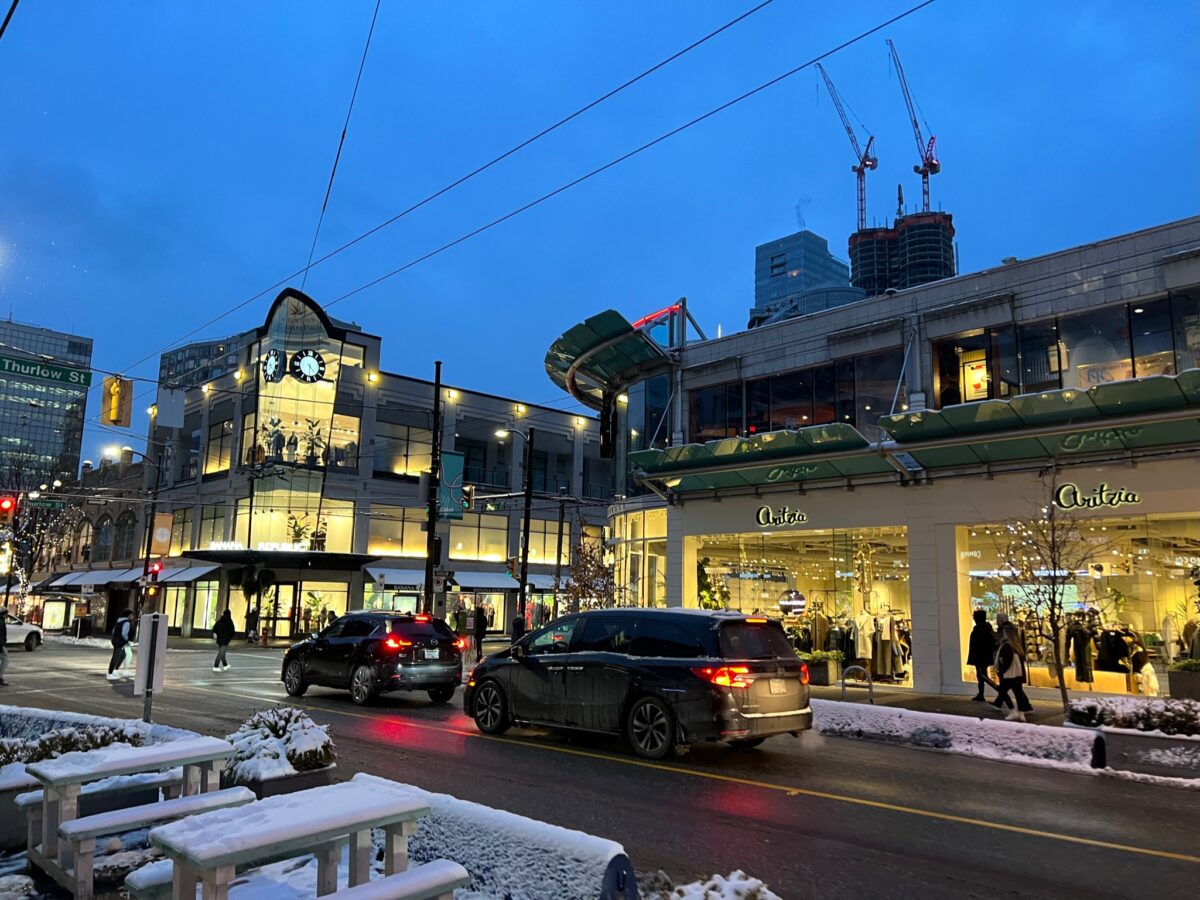
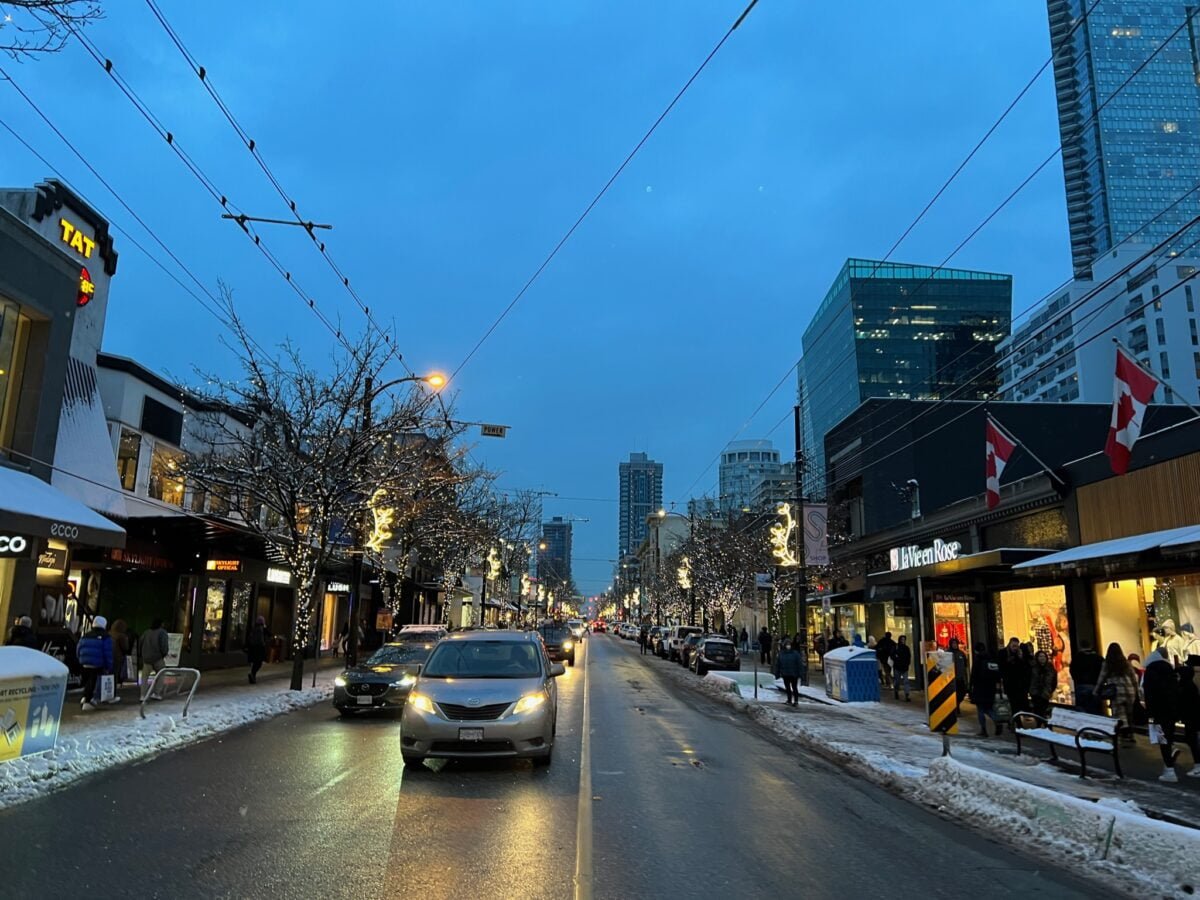
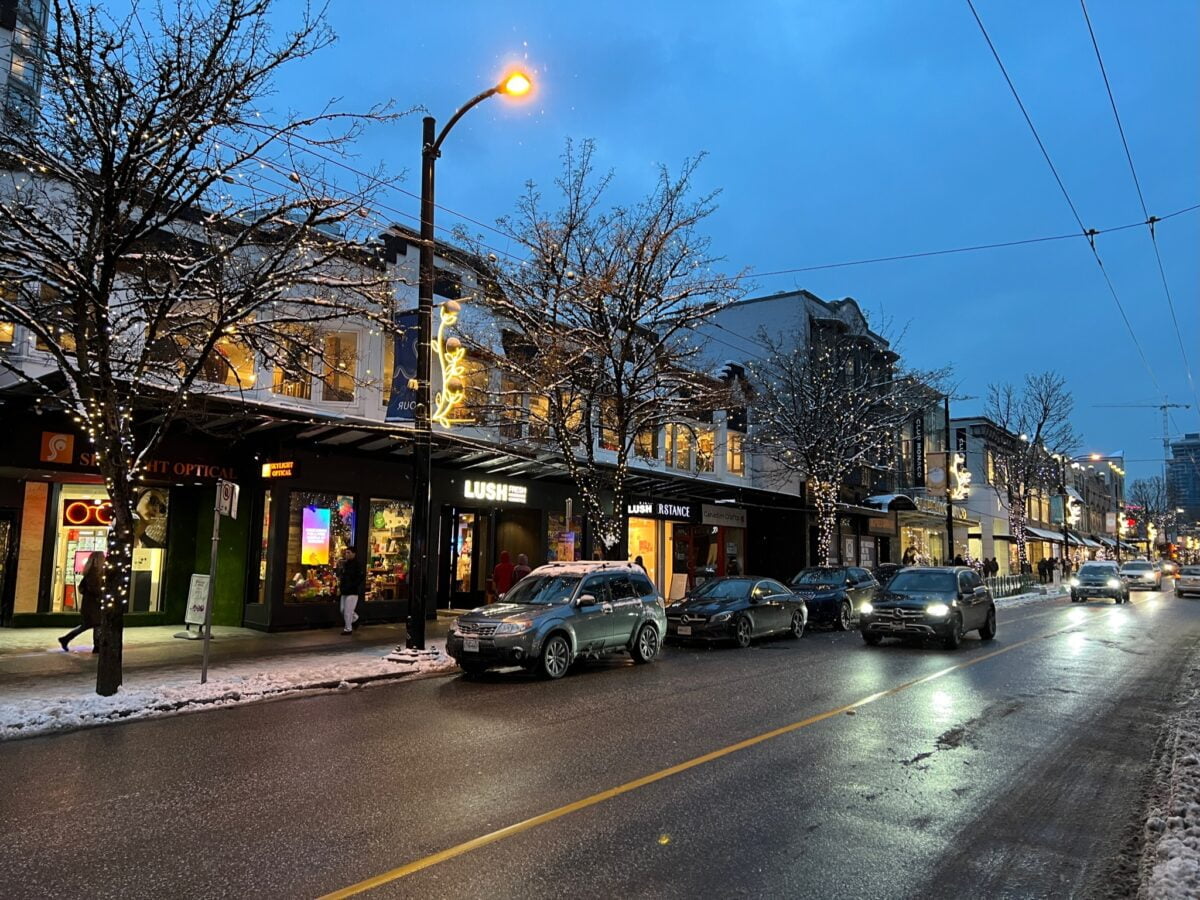
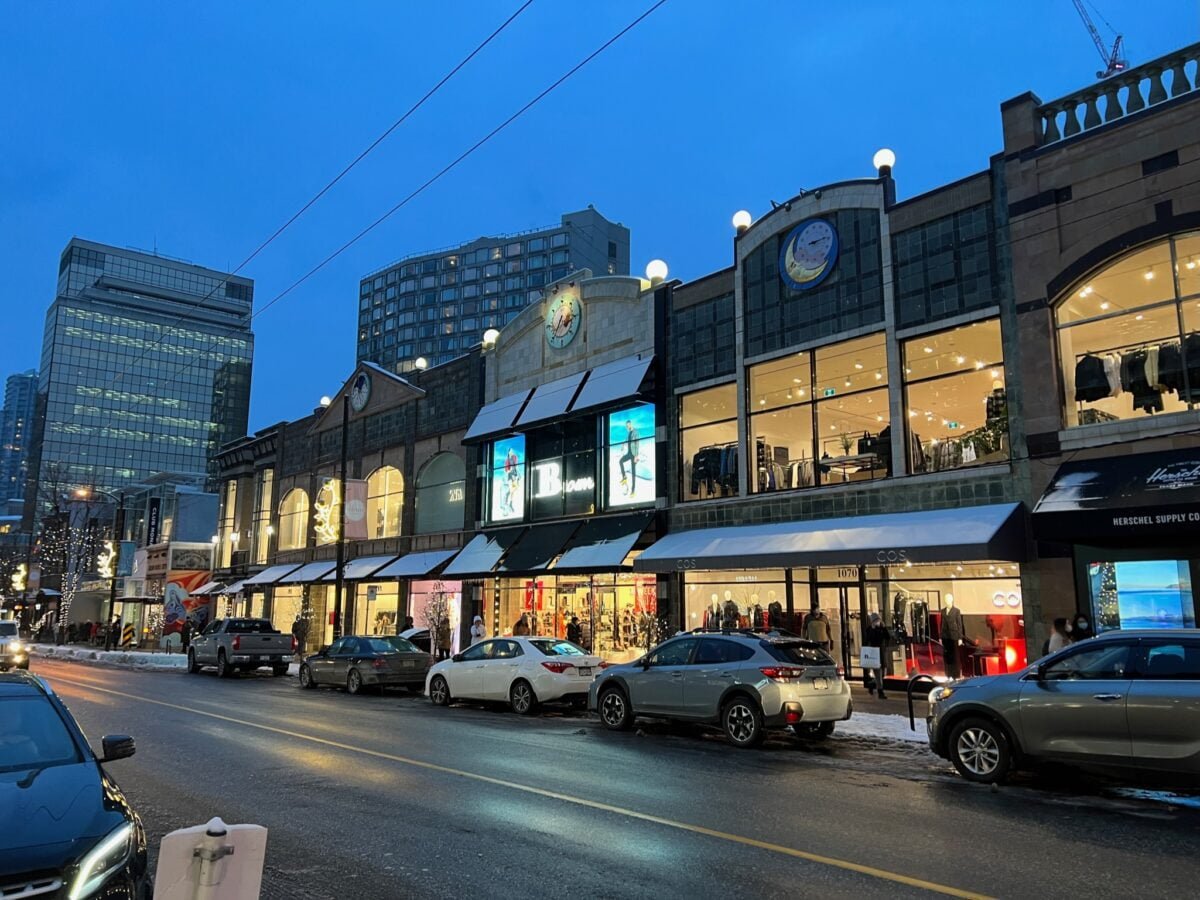
Robson Street in downtown Vancouver on December 19, 2022. Photo: Lee Rivett
Retail Insider resumes our annual tradition of sharing holiday photos of Canadian retail areas for 2022. Both landlords and merchants have rolled out the red carpet for holiday shoppers and the staff at Retail Insider wanted to share their efforts for those on a mission as they plow through their Christmas shopping, those who haven’t seen their favourite retail haunts over the holiday season for a while, or for those who like to thumb through festive holiday photos like we do!
This instalment of the ‘Holiday Photo Series’ takes us to the Robson Street in downtown Vancouver, British Columbia. Robson Street was one of the first streets in Vancouver and was named in honour of John Robson, Premier of British Columbia from 1889-1892. Its commercial traditions date from 1895 when street car tracks were laid along Robson Street to Jervis Street. The 1940’s saw businesses begin to move west towards the 900 block of Robson, which became the market center, and very quickly they crossed Burrard Street to the buildings in the 1000 block. In the 1950’s and 60’s, Robson Street became known as Robsonstrasse, as the area became populated by European shopkeepers, most notably Germans, who arrived in Vancouver post World War II.
Looking down Thurlow Street at Robson Street in downtown Vancouver on December 19, 2022. Photo: Lee RivettOomomo and CinCin on Robson Street in downtown Vancouver on December 19, 2022. Photo: Lee RivettLaduree on Robson Street in downtown Vancouver on December 19, 2022. Photo: Lee Rivett
Many European delicatessens, markets, bakeries and high fashion boutiques lined the street in years past. Robson was bustling and becoming international in character, with the inexpensive housing attracting many new Canadians. In the late 1960’s and early 1970’s, Robson Street’s unique retail character became threatened by redevelopment. Many of the older buildings were redeveloped, rents started to increase and several small merchants were forced to close their doors. In the 80’s and especially after Expo 86, international recognition of Robson Street continued to increase. The street was still home to smaller independent retailers, including Welch’s Candy, Murchie’s Coffee and Tea and a Busy Bee grocery store, to name a few while a few national and international chains began to appear like London Drugs and Starbucks, the latter of which infamously occupied the two corner properties kitty corner to one another at Robson and Thurlow.
Now Robson Street is a busy area with a mix of national and global brand retailers lining the street. This tour takes you along Robson Street as well as adjacent areas.
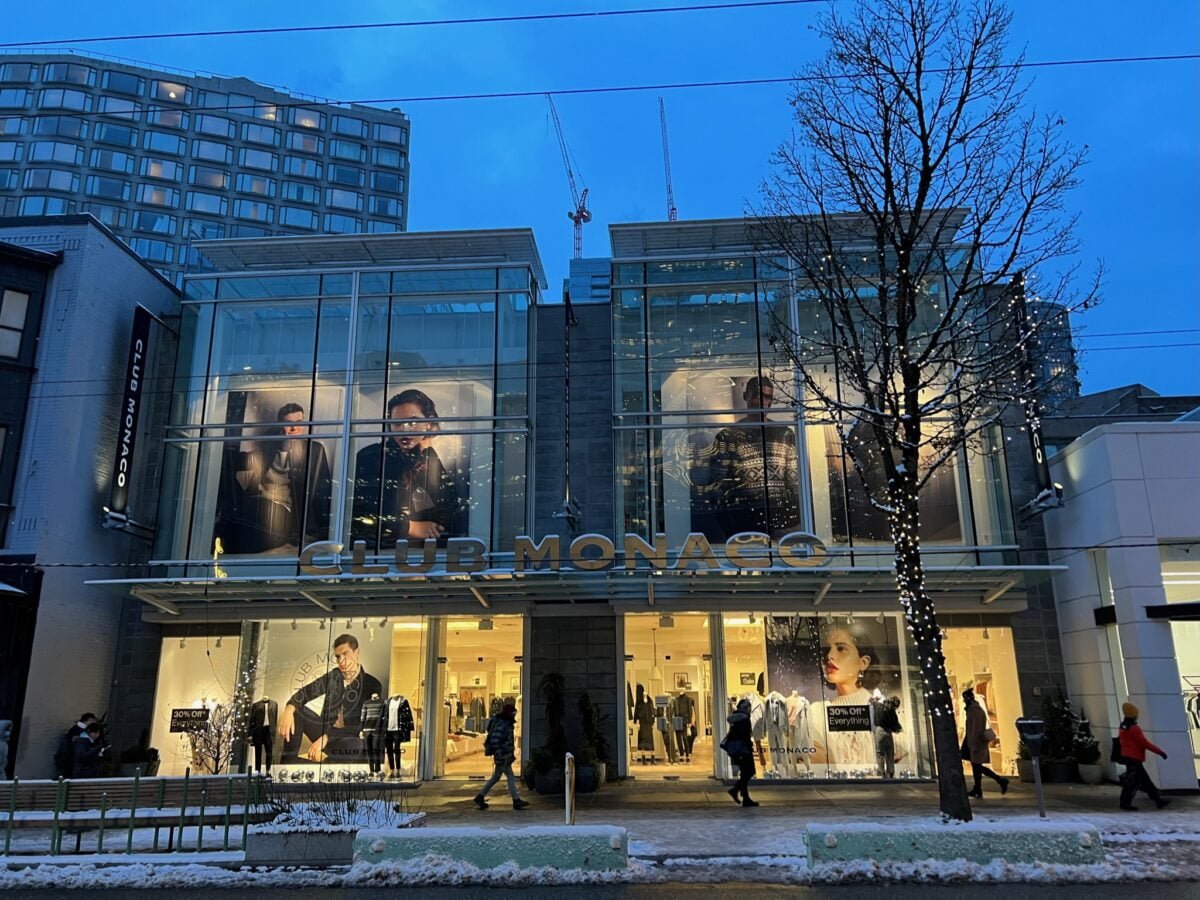
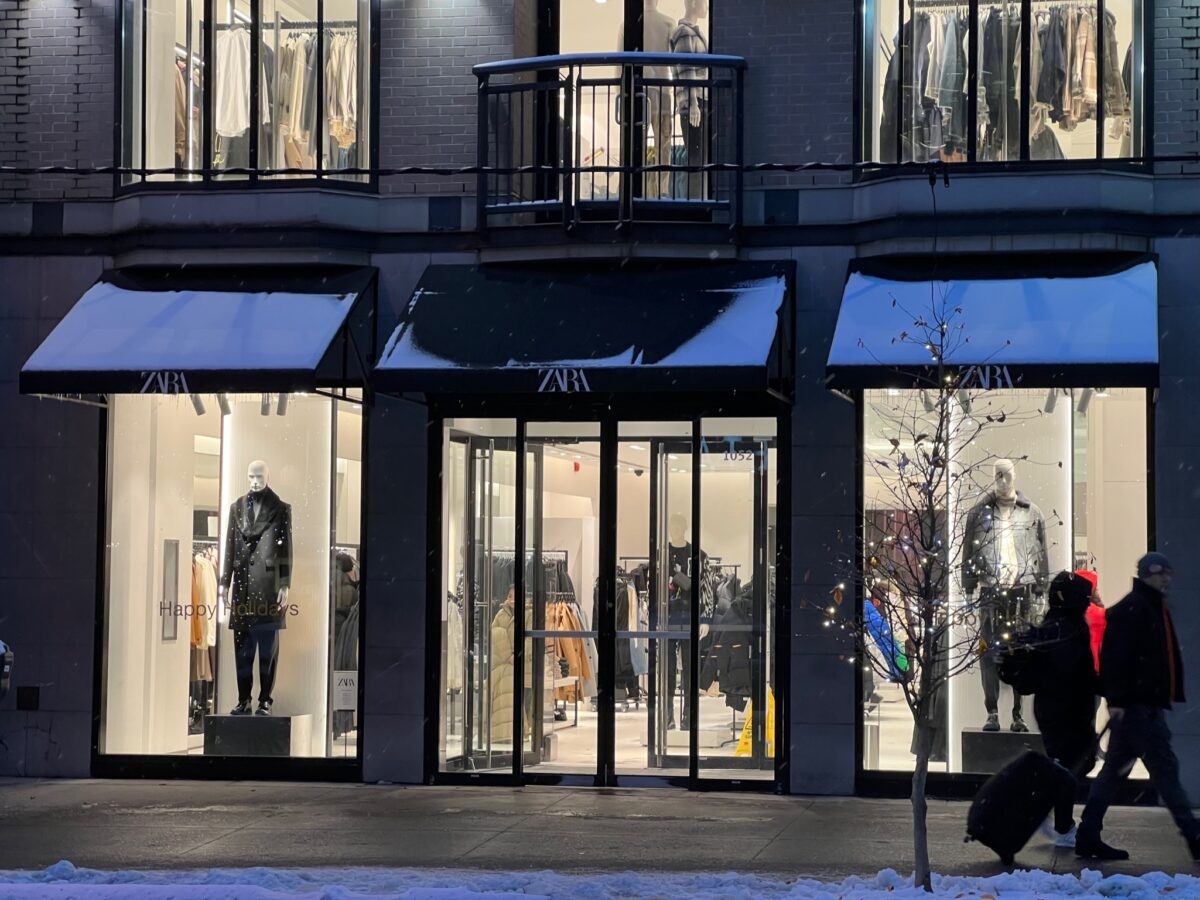
Aritzia on Robson Street in downtown Vancouver on December 19, 2022. Photo: Lee RivettBanana Republic and Aritzia at Thurlow Street and Robson Street in downtown Vancouver on December 19, 2022. Photo: Lee RivettRobson Street in downtown Vancouver on December 19, 2022. Photo: Lee RivettLush and Understance on Robson Street in downtown Vancouver on December 19, 2022. Photo: Lee RivettHerschel, COS Browns Shoes, Zara on Robson Street in downtown Vancouver on December 19, 2022. Photo: Lee RivettClub Monaco on Robson Street in downtown Vancouver on December 19, 2022. Photo: Lee RivettZara on Robson Street in downtown Vancouver on December 19, 2022. Photo: Lee Rivett
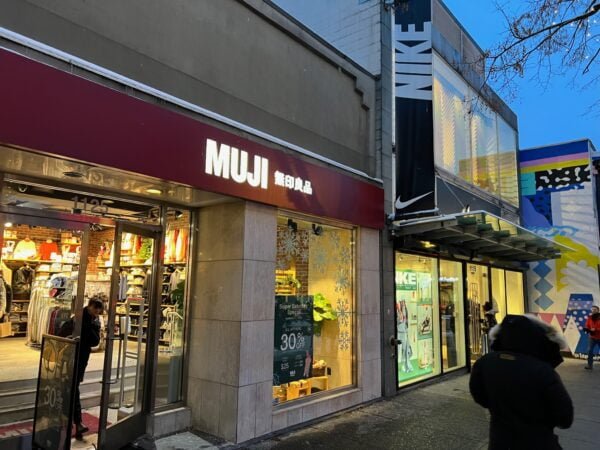
Muji and Nike on Robson Street in downtown Vancouver on December 19, 2022. Photo: Lee Rivett
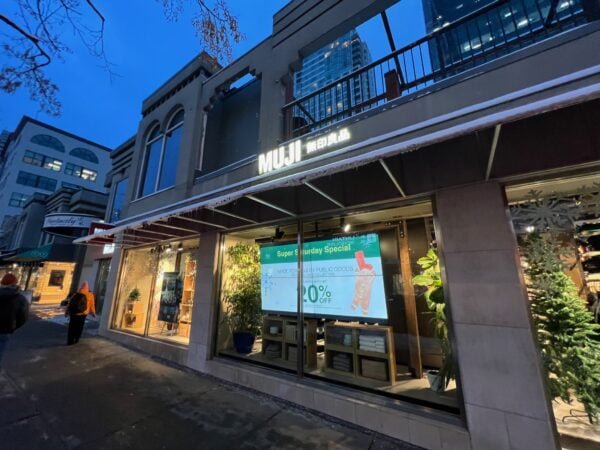
Muji on Robson Street in downtown Vancouver on December 19, 2022. Photo: Lee Rivett
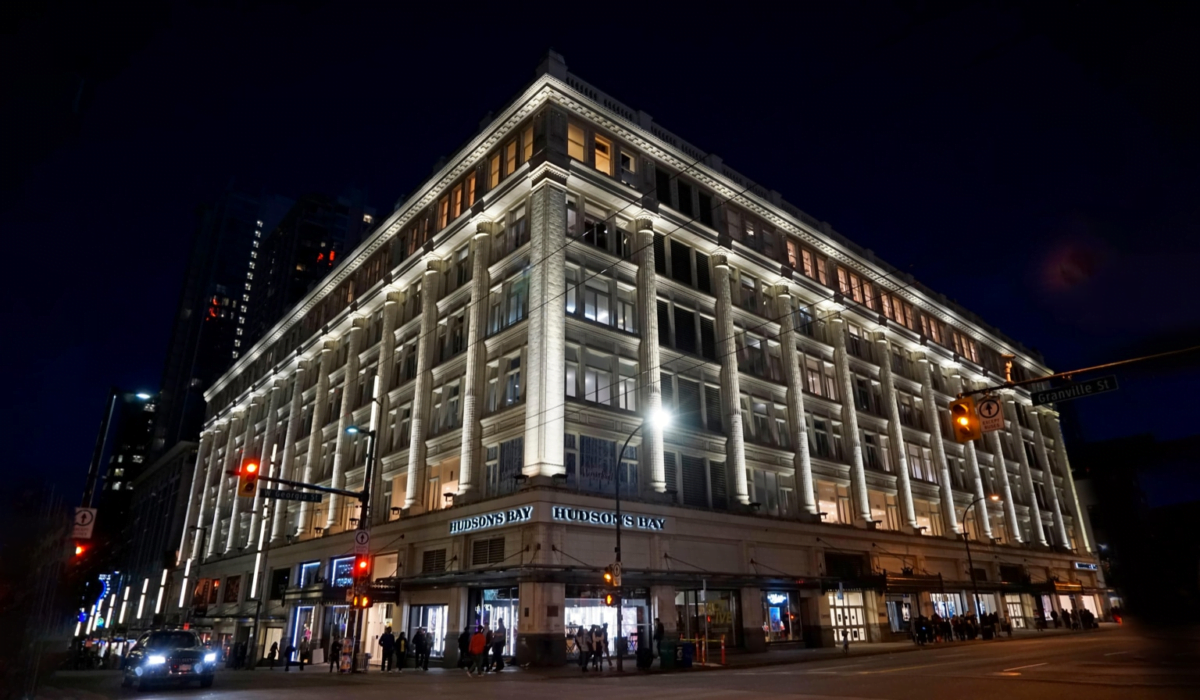
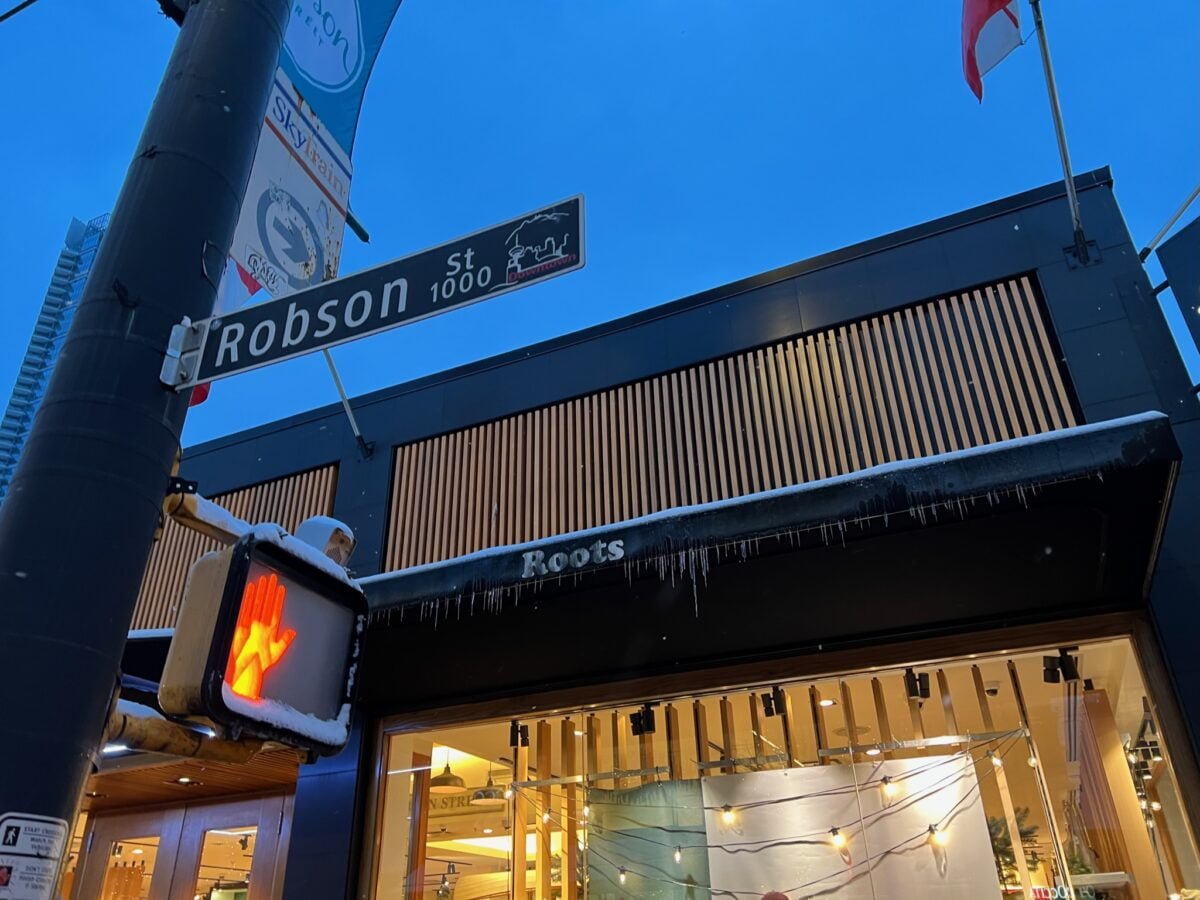
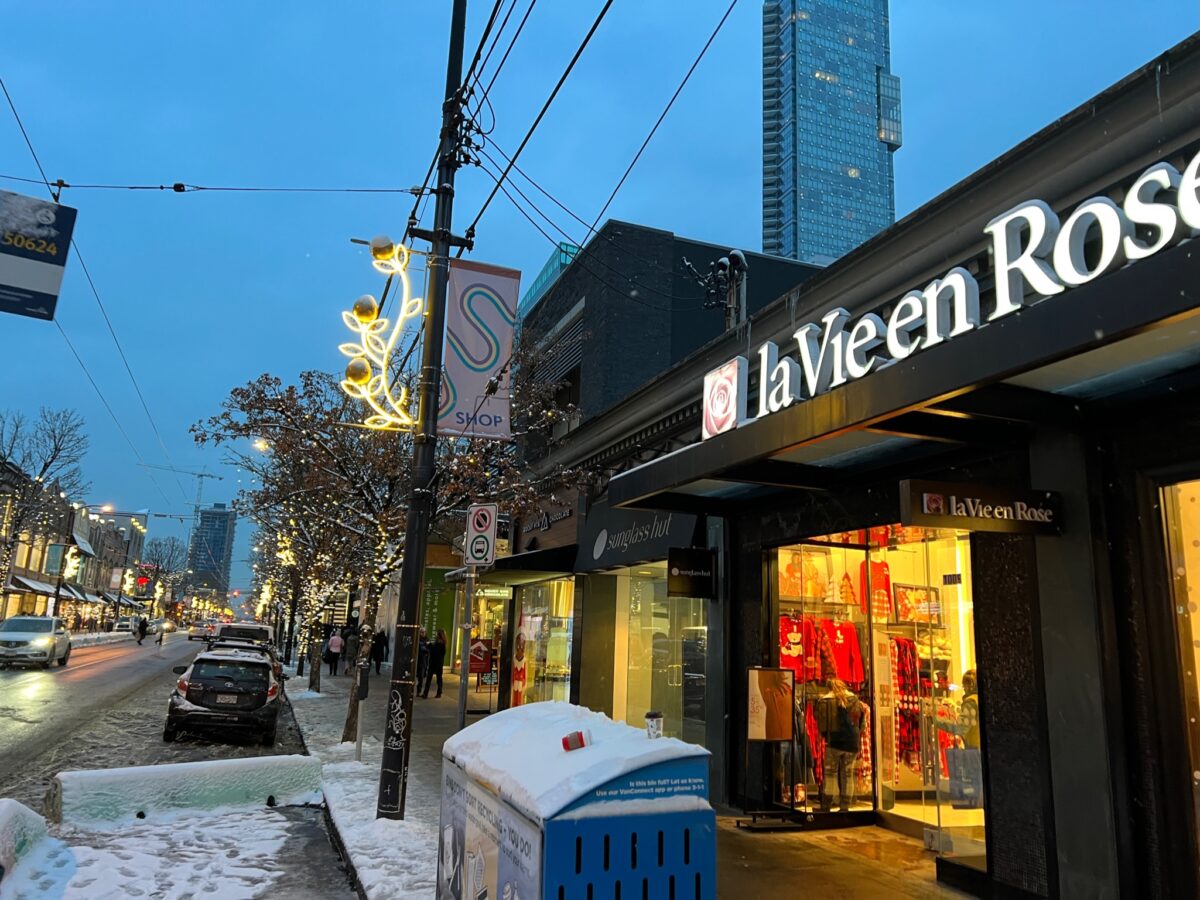
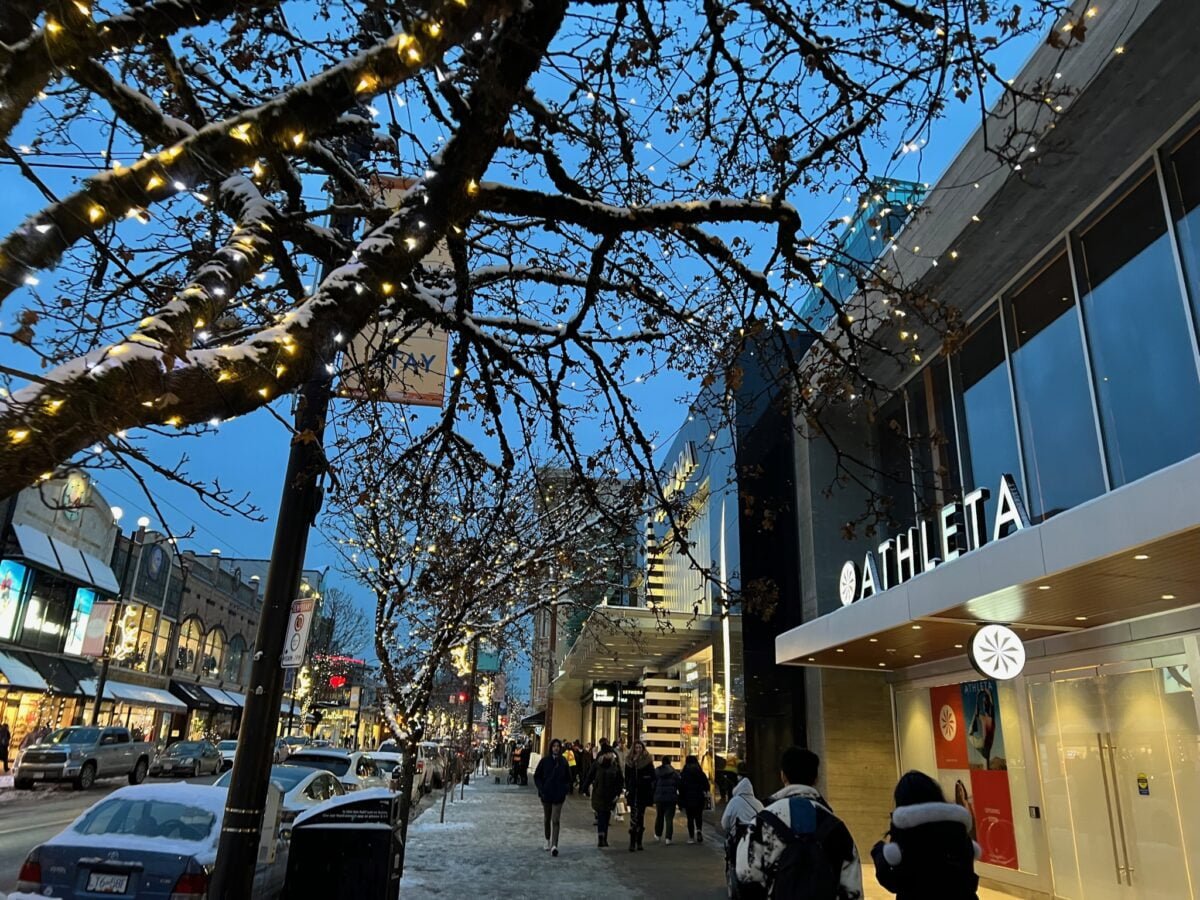
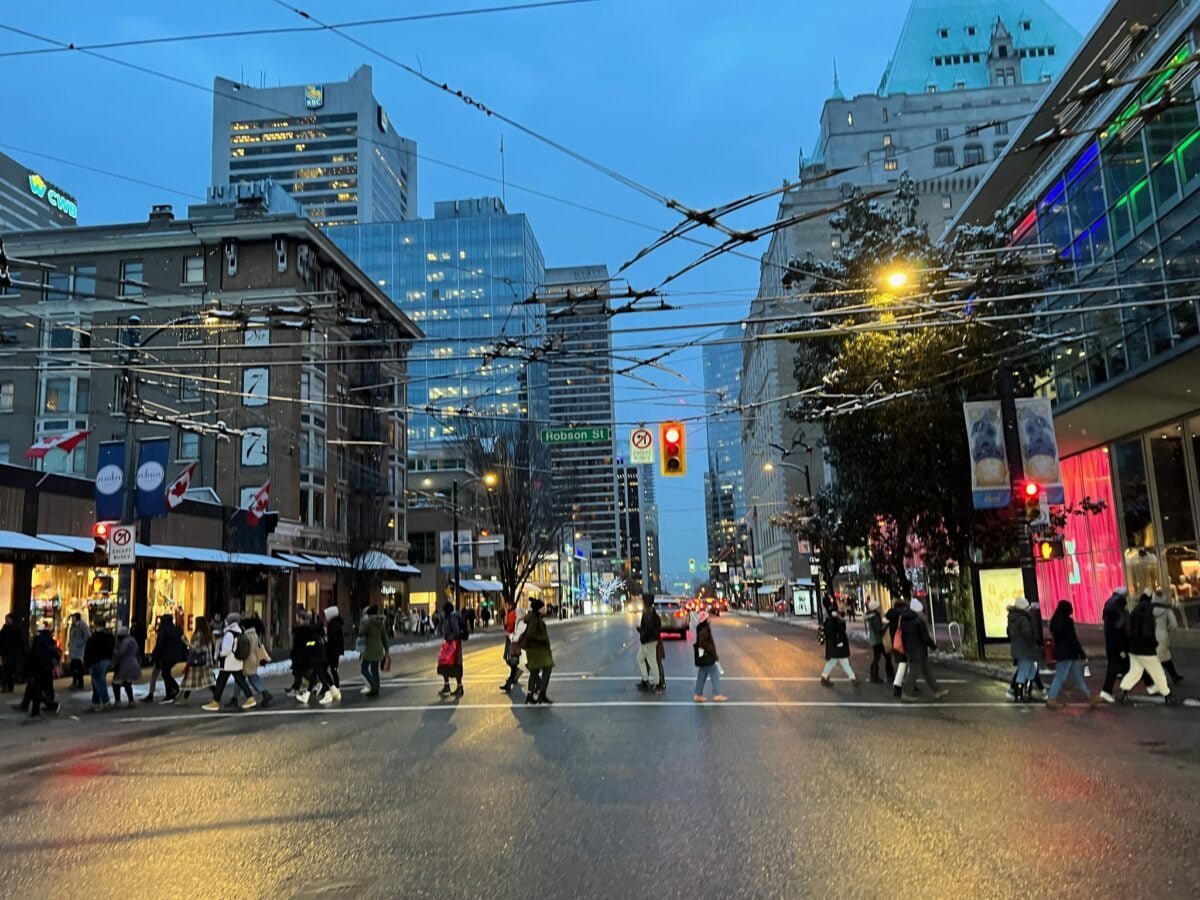
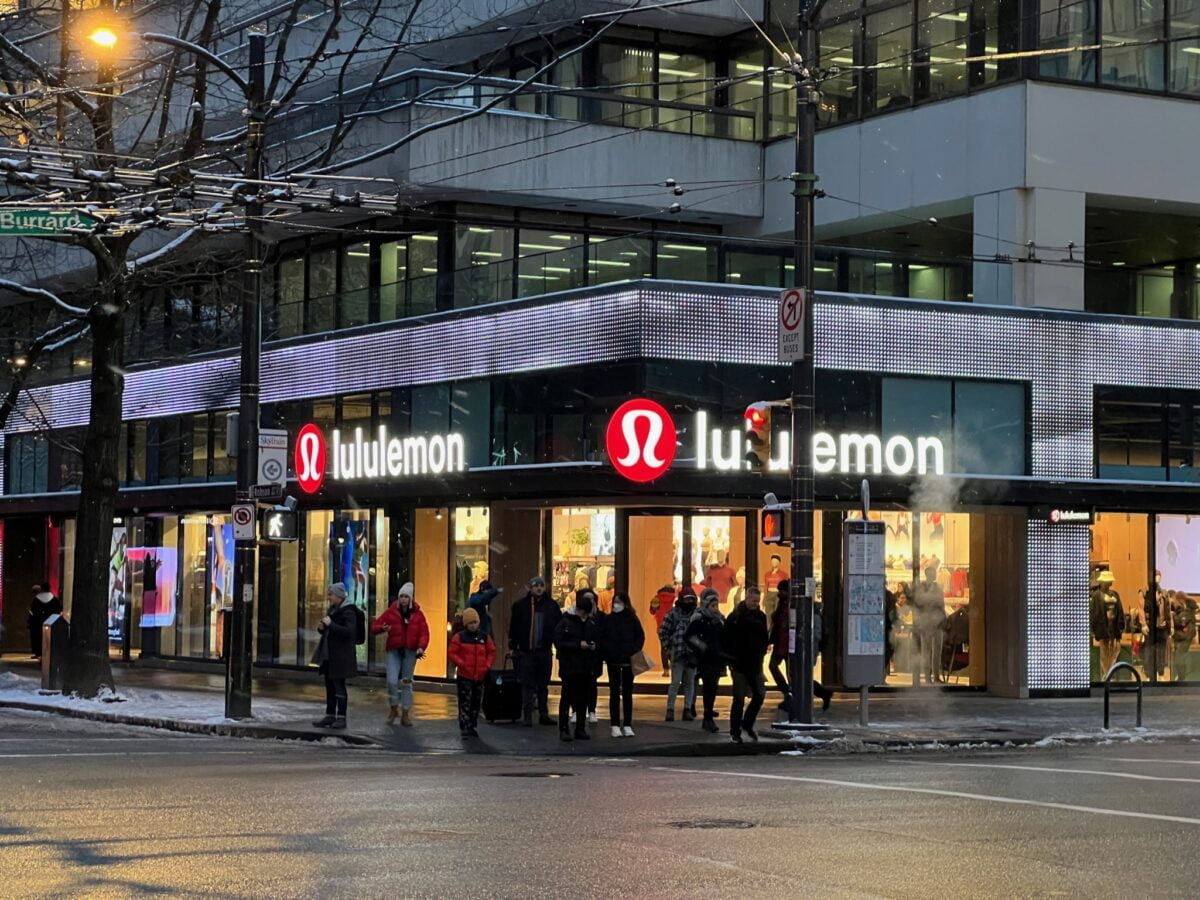
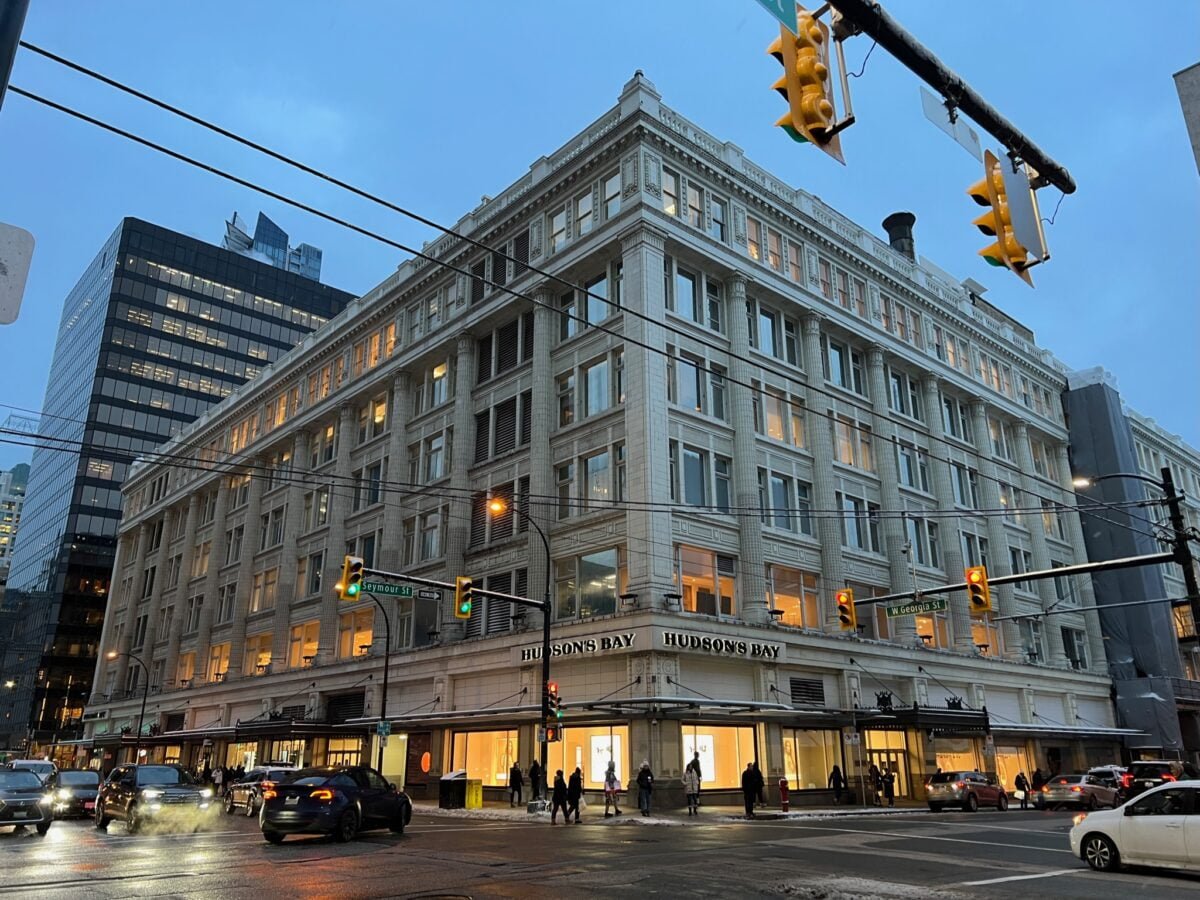
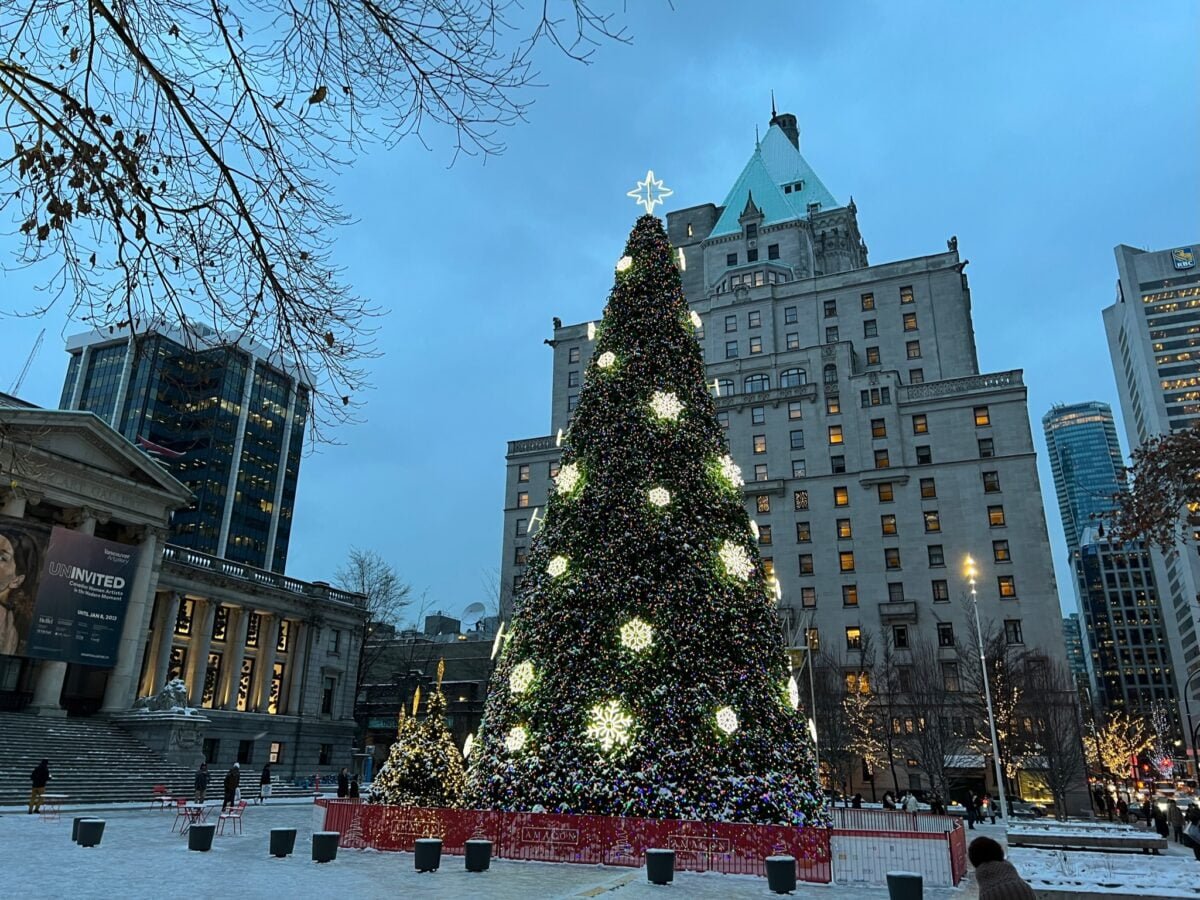
Roots on Robson Street in downtown Vancouver on December 19, 2022. Photo: Lee Rivettla Vie en Rose, Sunglass Hut and Rocky Mountain Chocolate on Robson Street in downtown Vancouver on December 19, 2022. Photo: Lee RivettAthleta on Robson Street in downtown Vancouver on December 19, 2022. Photo: Lee RivettBurrard Street at Robson Street in downtown Vancouver on December 19, 2022. Photo: Lee RivettLululemon on Robson Street in downtown Vancouver on December 19, 2022. Photo: Lee RivettHudson’s Bay on Georgia Street and Granville Street in downtown Vancouver on December 19, 2022. Photo: Lee RivettChristmas tree at Vancouver Art Gallery in downtown Vancouver on December 19, 2022. Photo: Lee Rivett
We hope you enjoyed our holiday tour of Robson Street in downtown Vancouver, British Columbia. Don’t forget to check out our other retail photo tours on Retail Insider. Thank you for taking this tour with us.
Discover More Related Retail Photo Tours From Retail Insider: