Video Interview: The Impact Of Soaring Grocery Store Prices For Canadian Consumers
Sylvain Charlebois, Senior Director, Agri-Foods Analytics Lab, Dalhousie University, discusses the impact of soaring grocery store prices on Canadian consumers.
Charlebois talks about how bad inflation has gotten in Canada, why it’s happened, where the costs have risen, what can consumers do, what can grocery stores do, and what the future looks like.
The Video Interview Series by Retail Insider is available on YouTube.
Connect with Mario Toneguzzi, a veteran of the media industry for more than 40 years and named in 2021 a Top Ten Business Journalist in the world and the only Canadian – to learn how you can tell your story, share your message and amplify it to a wide audience. He is Senior News Editor with Retail Insider and owner of Mario Toneguzzi Communications Inc. and can be reached at mdtoneguzzi@gmail.com.
Also check out the other series offered by Retail Insider, including The Weekly podcast and The Interview Series, which are both available on Apple Podcasts, Stitcher, TuneIn, Google Podcasts, or through our dedicated RSS feed for Simplecast and other podcast players.
Retailers will unite this fall at the Retail West Conference to hear from retail leaders and experts on the most pressing issues facing the industry. Hosted in person for the first time since 2019, speakers will inspire attendees in how they are strategizing around people, profits, and purpose.
Sarah Jordan, CEO with Mastermind Toys, opens the day sharing her journey of reinventing a beloved Canadian brand. Through launching a market-leading digital ecosystem to unveiling a new sub-brand and namesake private brand collection, Mastermind Toys is on a growth trajectory. In this session, Sarah shares how the power of authentic storytelling to all stakeholders ignites a retailer’s potential.
Ken Keelor, CEO with Calgary Co-op, sits down with David Ian Gray, of D.I.G. 360, to look at what innovation and growth is looking like at the growing co-op. Ken and David discuss how the in-store experience is evolving, becoming more sustainable and how they are serving smaller communities with the strength of the network.
Back by popular demand, Kostya Polyakov, National Industry Leader for Consumer and Retail with KPMG Canada, delivers a follow up to his top-rated session from RCC STORE 22. Kostya expands on how the Chinese marketing is influencing retail in Canada with a lens for the West coast retailers who are looking to incorporate behaviors of Chinese customers as it relates to the evolving meaning of “buying whatever, whenever and wherever”.
For retailers who are looking for the inside track on how economic conditions are impacting consumers, Steve Mossop, EVP with Leger Vancouver will share the results of latest data collected exclusively for this session on how skyrocketing inflation is impacting decision making.
The Voice of Retail Podcast host and producer Michael LeBlanc closes the day with an interview with Christine Day, co-founder and CEO of The House of LR&C, to discuss the evolution of retail strategy with insights that include 20 years experience as head of Starbucks Asia-Pacific division and time as CEO of Lululemon Athletica. From global footprints to modern start ups, Christine chats about the changing retail cycle, challenges of customer acquisition, and the ways in which business models are informed by the ways customers are shopping now.
Retail West will be hosted at the Westin Bayshore Vancouver on October 27, 2022. Enjoy a full day of practical and inspiring information from speakers on the main stage and in concurrent sessions in addition to enjoying networking breaks with attendees and exhibitors.
Register your team today. 20% discount is applied when you register 5+ attendees. For questions on registration, speakers, or exhibiting, please contact Retail Council of Canada at events@retailcouncil.org.
*Partner content. To work with Retail Insider, contact craig@retail-insider.com
Retail Insider is streamlining its Canadian retail news from around the web to include a handful of top news stories that can be viewed quickly during the day. Here are the top stories from the past several days.
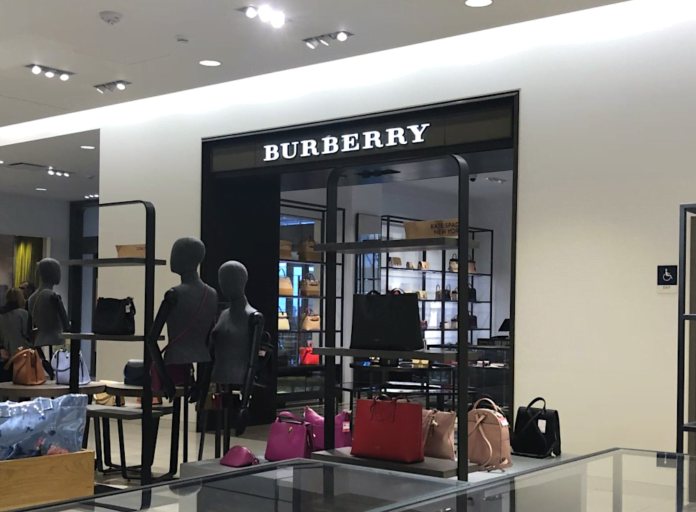
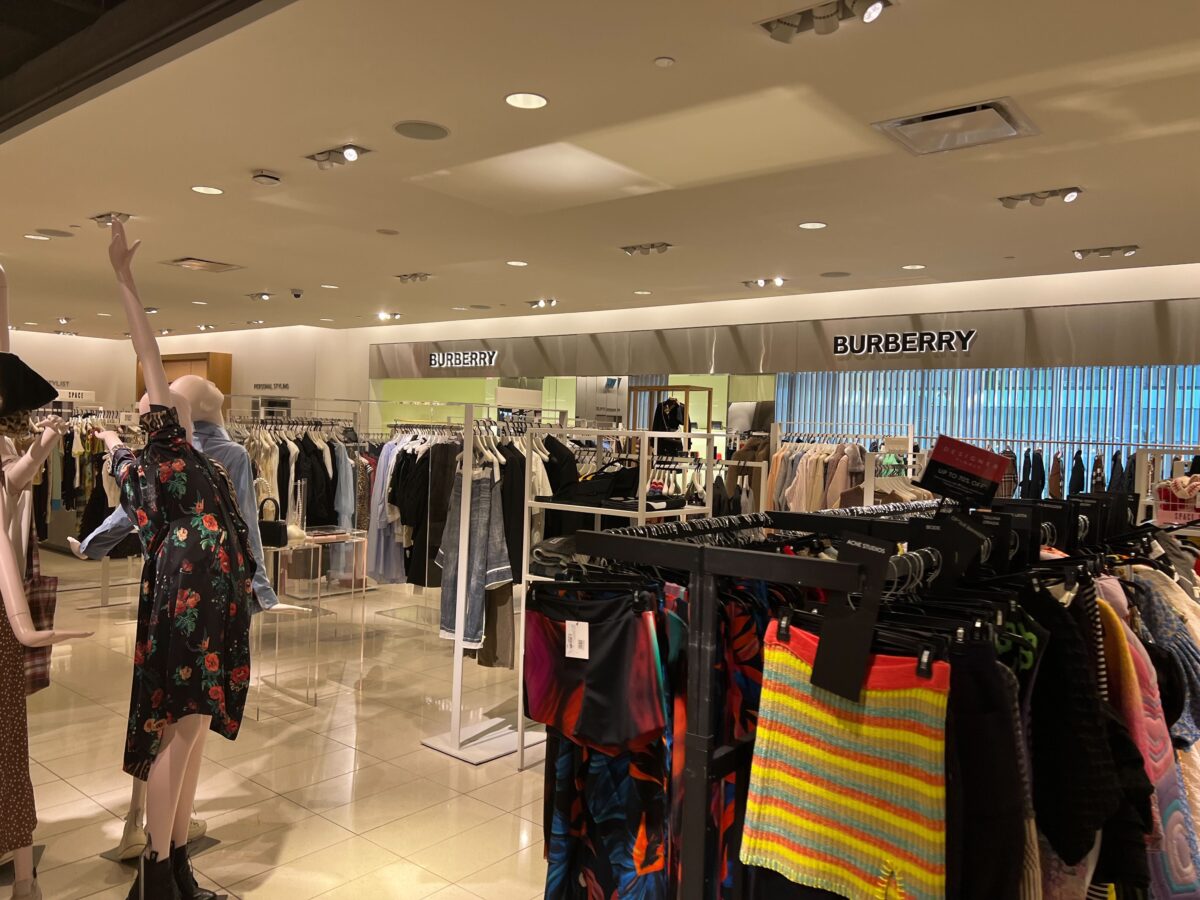
London UK-based luxury brand Burberry has pulled wholesale products from multi-brand stores in Canada, leaving vacant retail spaces once occupied by the brand in two major upscale stores.
It’s part of a move for Burberry to take back its operations and create a more exclusive brand image with limited distribution in its own retail spaces, be it leased concessions or freestanding stores. As a result, Burberry’s wholesale boutique spaces at Saks Fifth Avenue and Nordstrom in Toronto are now vacated.
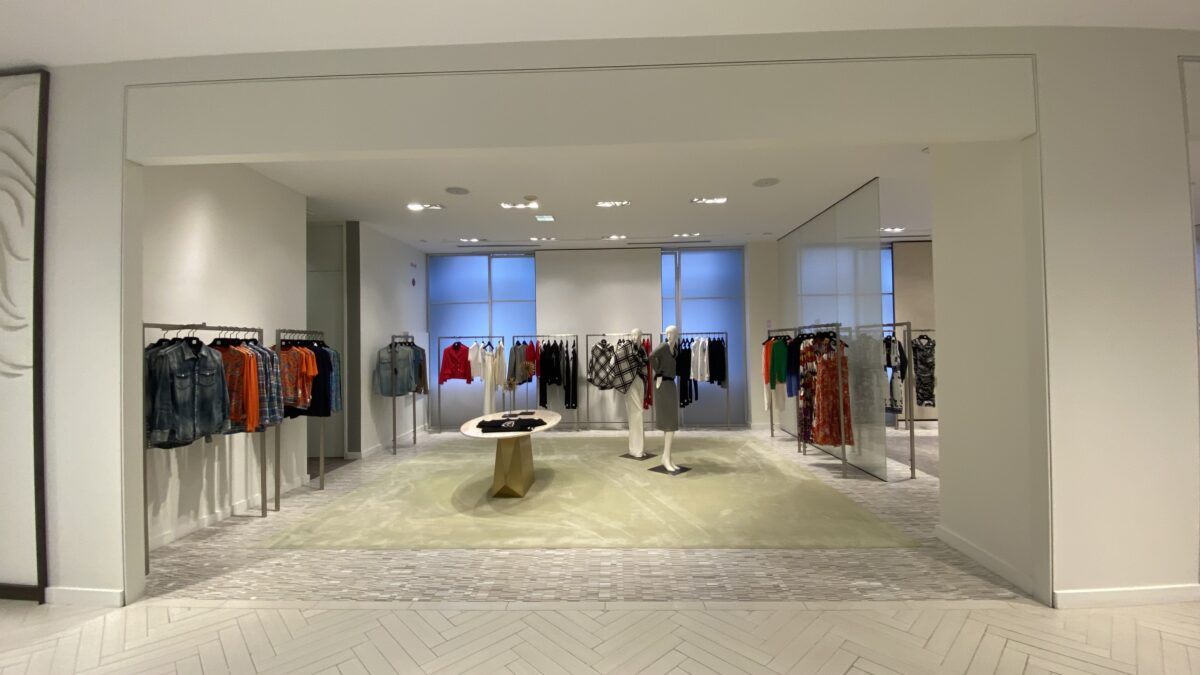
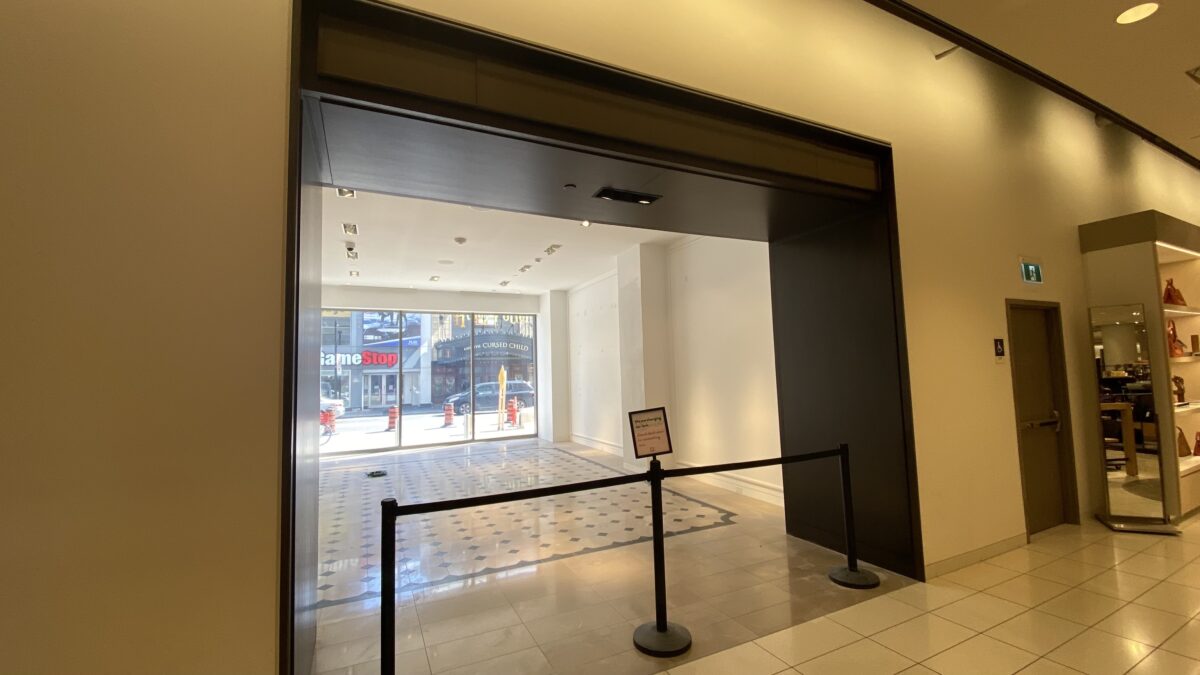
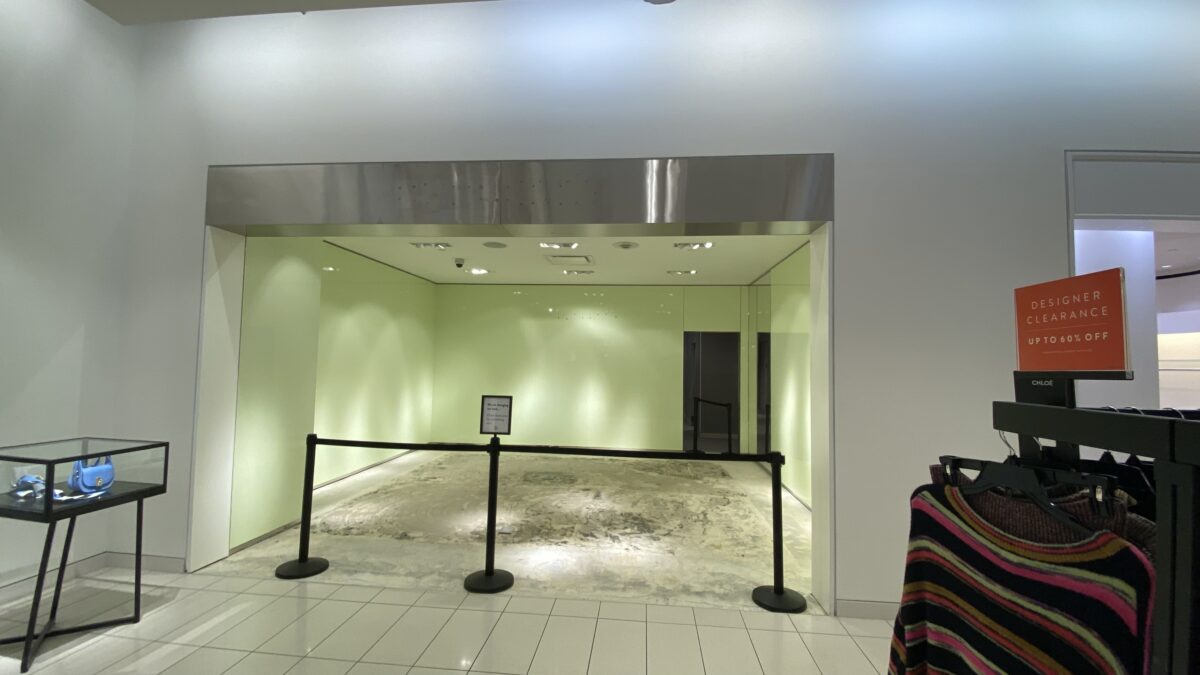
Until recently, Saks Fifth Avenue’s downtown Toronto store boasted a women’s Burberry boutique on its third floor — as of last week the space has been emptied of Burberry product. Main floor Burberry handbags have also been removed as the Saks store completes a minor renovation following the exit last year of brands including Louis Vuitton, Dior and Saint Laurent.
Former Burberry women’s fashion boutique in Sept 2022 — signage removed and temp product within. Image: Retail Insider Former Burberry bag shop at Nordstrom CF Toronto Eaton Centre — same one as the top photo. Photo: Retail Insider
Nordstrom’s downtown Toronto and Yorkdale stores both also now have vacancies where Burberry once was. Downtown, Burberry had a boutique space for handbags on the main floor of Nordstrom CF Toronto Eaton Centre while on the third floor the brand had a women’s boutique space that is now also vacated. Burberry also vacated its boutique spaces at Toronto’s Yorkdale Shopping Centre, including a main floor bag boutique and a second-level women’s ready-to-wear boutique.
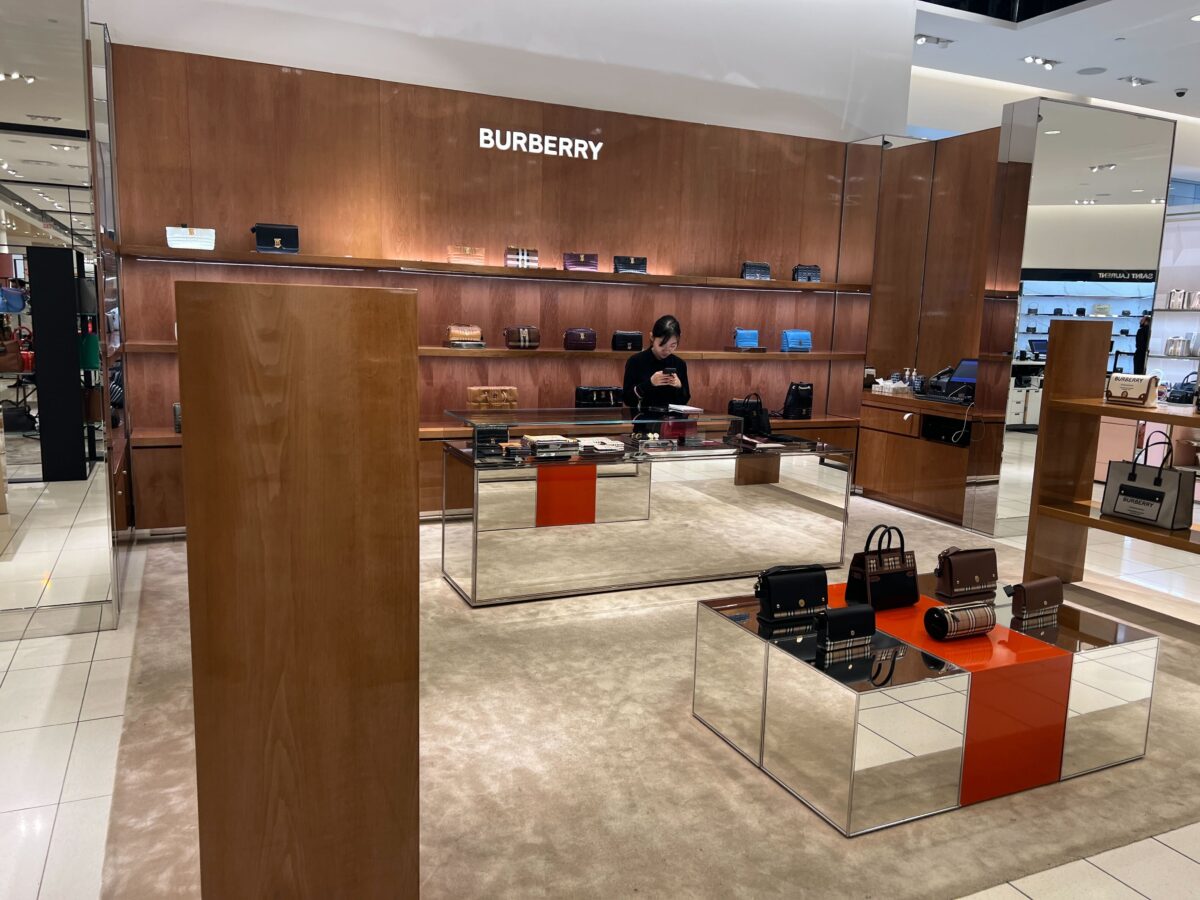
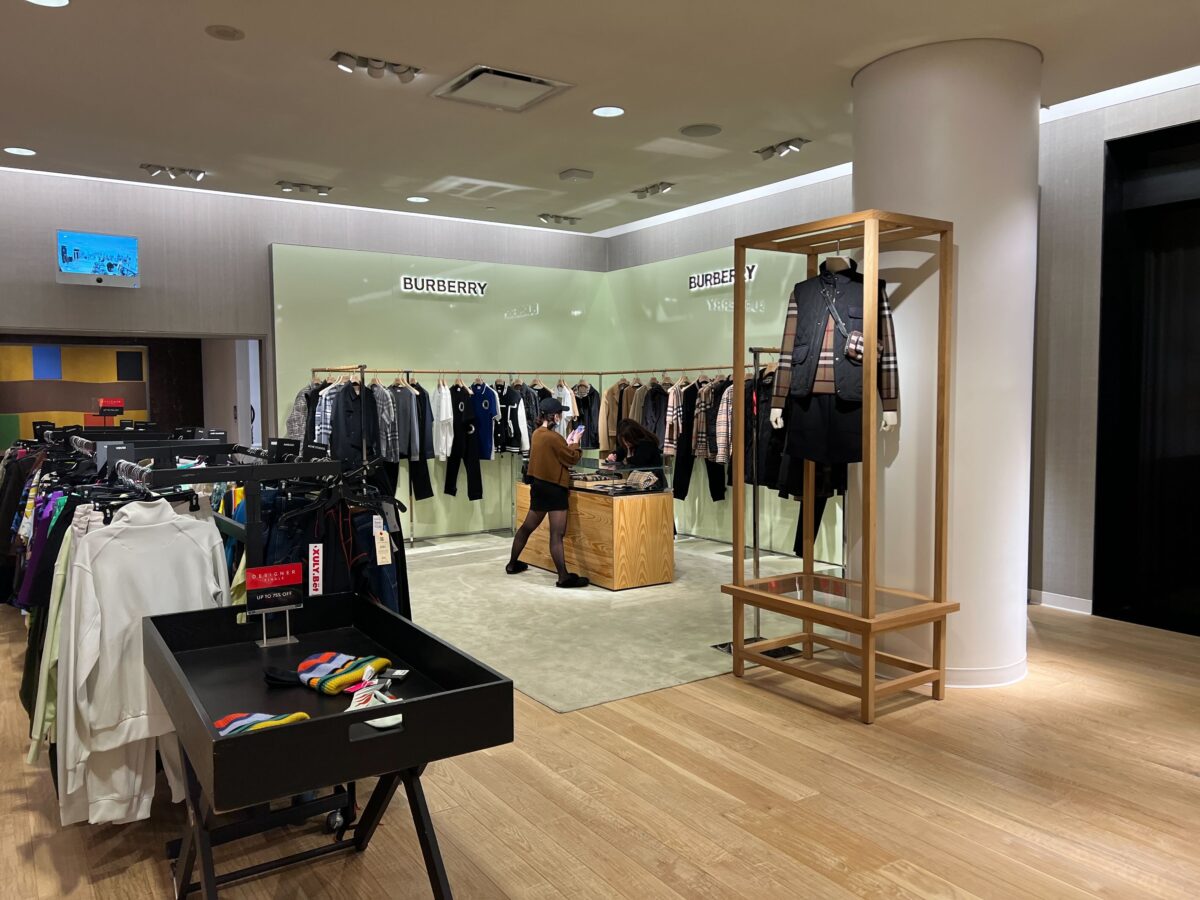
In Vancouver, Burberry converted its spaces at Nordstrom to concessions where it now operates three boutiques — that includes a main floor bag/accessory shop, a second-floor women’s boutique and a leased third-floor men’s corner. It’s now the only Nordstrom store in Canada where Burberry has an extensive offering given the concession transition.
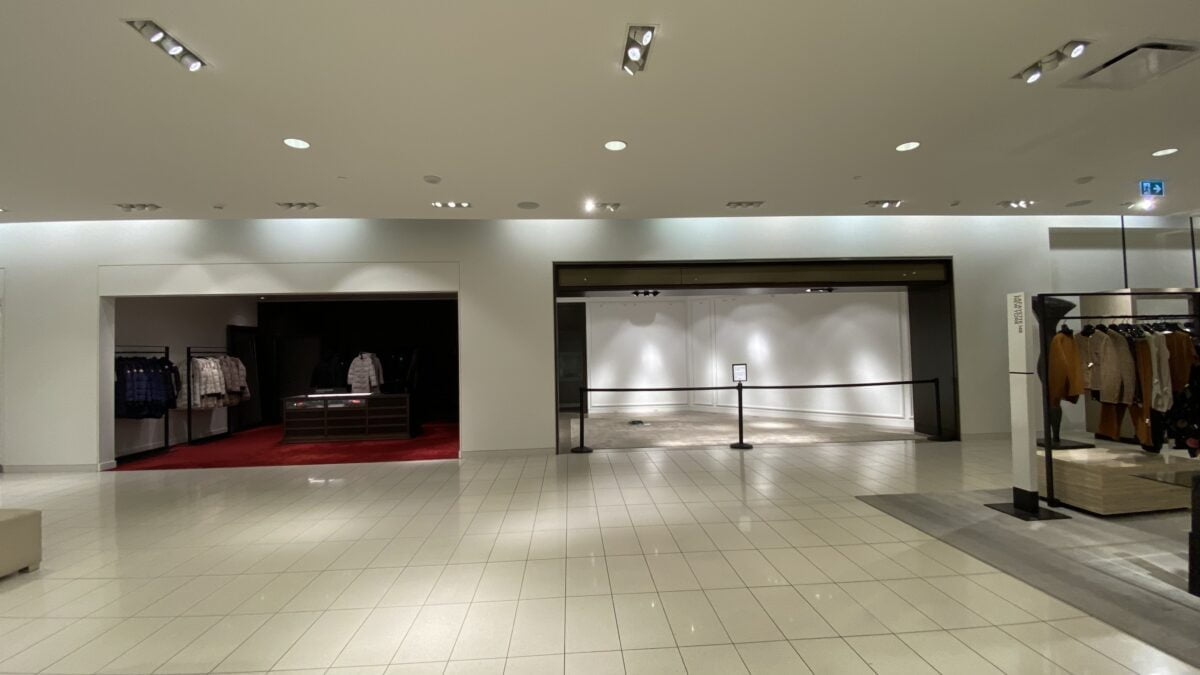
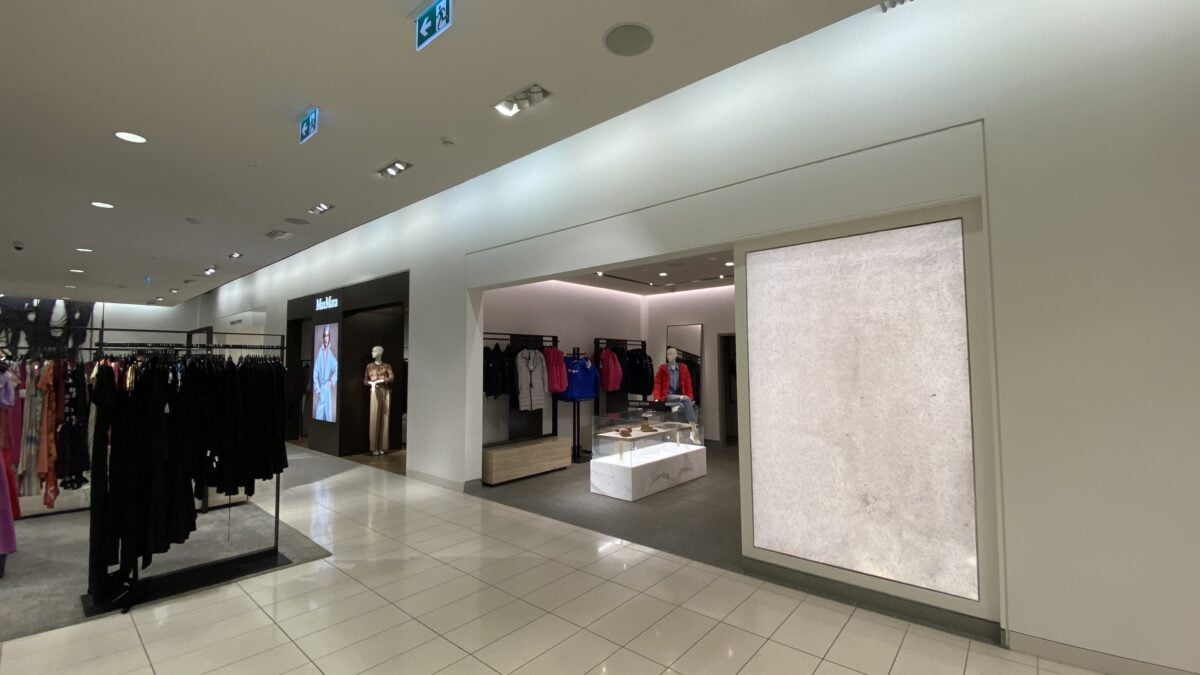
Burberry’s exit hits Nordstorm particularly hard in the Toronto market, following the exit of other brands that once had shops within those Nordstrom stores. Nordstrom’s downtown CF Toronto Eaton Centre store has almost none of the original boutiques that it opened with in September of 2016. When it first opened, the large downtown store had main floor bag and accessory shops for Loewe, Stella McCartney and Miu Miu as well as Burberry and Gucci — now only Gucci remains and operates as a concession as per the original arrangement when Nordstrom opened. On the third floor in 2016, Nordstrom also unveiled boutique spaces for Lanvin, Loewe, Stella McCartney, Moncler, and Burberry — none of those are left now though a Max Mara boutique, which opened in 2019 and replaced Loewe, features prominently.
Former Burberry women’s apparel boutique on the 3rd floor of Nordstrom CF Toronto Eaton Centre. A former Moncler shop is to the left. Photo: Retail InsiderFormer Stella McCartney, Loewe and Lanvin boutique spaces at Nordstrom CF Toronto Eaton Centre — the only remaining ‘hard shop’ is a Max Mara shop that replaced Loewe in 2019. Photo: Retail Insider
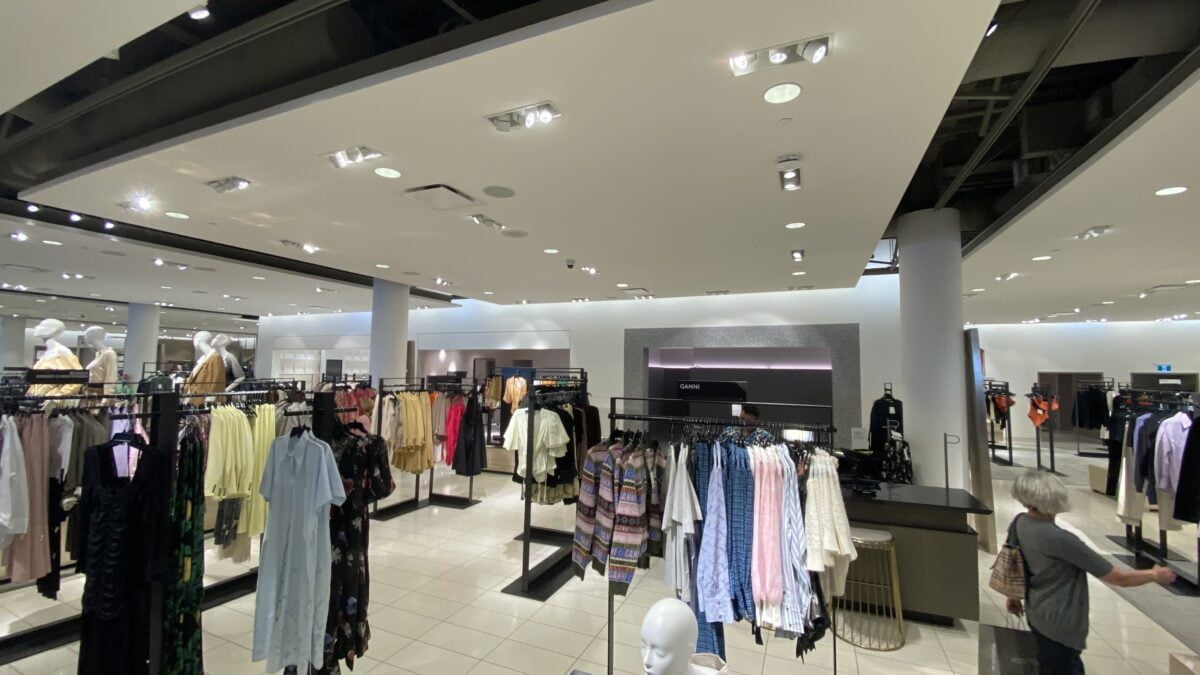
The Yorkdale Nordstrom store has also lost almost all of its original women’s ready-to-wear boutiques and now for the first time, a main floor handbag shop. When it opened in October of 2016, Nordstrom’s Yorkdale store had an impressive six luxury designer boutiques for women on its second level including Chloé, Celine, Valentino, Akris, Burberry and Dries Van Noten. All have since closed except for Dries Van Noten which operates out of a unique looking corner space.
The main floor of Nordstrom Yorkdale has fared better than downtown Toronto however — so far only Burberry has exited, leaving boutiques for Celine, Valentino and Chloé bags/accessories as well as a concession for Belgian luxury brand Delvaux.
It should be noted that some Nordstrom and Saks stores in Canada still carry Burberry footwear and kids fashions however — while Burberry pulled most of its Canadian wholesale accounts, two categories were excluded.
Burberry’s full range is still available at Holt Renfrew stores in Canada where the brand has a network of leased concessions. All of Holt Renfrew’s stores including in Vancouver, Calgary, Mississauga, Toronto and Montreal house Burberry concession boutiques primarily for bags and women’s ready-to-wear. Holt Renfrew’s business model of housing concessions has resulted in a station where it has far more popular luxury brands than either Saks or Nordstrom in Canada.
Shuttered Burberry women’s clothing boutique space at Nordstrom Yorkdale. Photo: Retail InsiderVacated Chloé, Celine and Valentino ready-to-wear boutique spaces at Nordstrom Yorkdale. Only Dries Van Noten remains. Photo: Retail Insider
Burberry operates a ‘world of’ concession at Toronto’s Yorkdale Holt Renfrew store, housing a full range of women’s and men’s ready-to-wear as well as bags and accessories and some footwear. It’s the only one of its kind in Canada.
Standalone stores are also part of Burberry’s presence in Canada, with locations in downtown Vancouver at the Shangri-La Hotel facing Alberni Street, at Calgary’s CF Chinook Centre, in downtown Toronto at 144 Bloor Street West as well as at the Yorkdale Shopping Centre in Toronto.
Burberry bag concession at Nordstorm in Vancouver in September 2022. Photo: Lee RivettBurberry women’s ready to wear concession at Nordstorm in Vancouver in September 2022. Photo: Lee RivettBurberry men’s concession corner at Nordstorm in Vancouver in September 2022. Photo: Lee Rivett
Burberry has had its ups and downs over the years. Over-production and license agreements in the 1980s and 90s led to an over-saturation situation for the brand which almost became ubiquitous in terms of its distribution, while counterfeit items also sullied the perception of the brand known particularly for its trademark tartan and trench coats. Christopher Bailey joined Burberry as creative director in 2001 before exiting the company entirely in 2018 — during the early years under his direction the brand gained the reputation of being worn by “chavs” and football hooligans with its then lower price points.
Things were eventually turned around under new leadership and by 2016, about 77% of sales came from Burberry’s stores. Now the brand is pushing even further in terms of controlling its retail distribution through leased spaces and standalone stores ranging from boutiques to large flagships.
In 2018 it was discovered that Burberry had for the past five years been destroying unsold clothing, accessories and fragrances, creating controversy — the move was said to be to prevent items from being stolen or sold at reduced prices. Burberry no longer incinerates excess goods and also stopped using real fur in its products. This year Burberry announced that it plans to become climate positive by 2040.
Burberry was founded in 1856 by then 21-year-old Thomas Burberry and is now headquartered in London. The company has stores in major markets globally as well as concessions and, increasingly less, wholesale distribution of its products in multi-brand retailers.
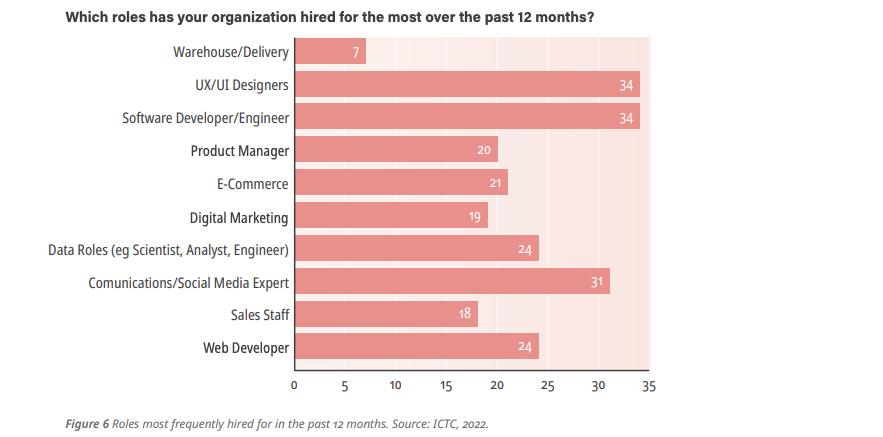
Canadian retailers are increasingly hiring for digital-savvy jobs such as UX/UI designers, data analysts, software developers, and digital marketers as intelligent retail continues to expand post-COVID.
The report was researched and written by Chris Herron (Research Analyst) and Mansharn Toor (Research and Policy Analyst), with support from Rob Davidson (Director, Data Science) and the ICTC Digital Think Tank team.
“The retail sector was one of the most challenged during the global pandemic. The initial shock of lockdowns impacted employment levels and outputs, but the sector quickly rebounded and performed relatively well when compared to the overall economy during 2020 and 2021,” said the report.
STRIVING
TO BE
SMARTER:
THE EVOLUTION OF
INTELLIGENT RETAIL
IN CANADA
“Its stability is in large part due to the greater propensity of Canadians to shop online and utilize e-commerce technology; the industry witnessed many shifts as a result of the global pandemic and early investments in intelligent retail, including disruptions to supply chains. At the same time, key changes in consumer behaviour and expectations, coupled with labour shortages, are critical considerations for companies shaping new engagement strategies.
Mansharn Toor
“Increasingly, retail companies must build their digital strategies by prioritizing technologies that provide solutions to an identified business problem and strengthen consumer relations in order to remain competitive in the marketplace. These strategies must include a concerted focus on talent, in terms of attracting, retaining, and transitioning workers. While the growth in automation and intelligent retail technologies have already created new and plentiful employment opportunities, for several digitally skilled roles such as UX/UI designers and software developers, more traditional retail occupations such as cashiers, warehouse personnel, or delivery people will require support to obtain the skills needed to remain competitive in the marketplace.”
Toor said the research found that many retailers were not ready in the process of adopting technology prior to COVID-19.
“But during and as they moved through COVID-19 and the pandemic, they increasingly found digital marketing, branded ambassadors and smart delivery, supply chain and fulfillment technologies, as increasingly important just due to some of the impacts of COVID-19 but also just in the impact of supply chains during the time,” she said.
Image: ICTC
Toor said the report found a high demand for software engineers, UX/UI designers as well as web developers.
“We believe that’s a direct response to the digitization of retail and the need to have a more digital presence not only to reach customers during the pandemic but also to sustain that customer base after the fact,” added Toor.
“While there is the importance of having a digital presence for retailers, there still is a demand for customers to walk into stores and actually be able to engage with the brand and the product themselves. And what we’ve noticed is that technology is a really big part of the in-store experience and what we call the physical/digital aspect of it. And so having the talent, even the frontline workers, the customer-facing workers, having the background in utilizing certain technologies that improve connections with consumers whether that’s being able to use an iPad and walk them around the store to give content about the products available or even just looking at the availability in store, with smart logistic and fulfillment tools.”
Chris Herron
Herron said there’s a massive diversity in the range of applications of technology across the retail sector.
“The dynamic of how the workforce’s needs are changing is definitely underway,” he said.
“Another thing that this report found is that in the last few years there’s been a proliferation of software as a service application that have been essentially making a lot of these intelligent retail tools available to very small organizations for whom they would have been previously unavailable.
“It used to be if you wanted to do a very unsophisticated, intelligent supply chain application, you really had to build it within your organization or you had to order something that was very expensive from a vendor. But nowadays you have many options as a small business with sometimes even just one or two employees for how to run a supply chain on your own, run an intelligent retail business on your own. Even things like point of sale.”
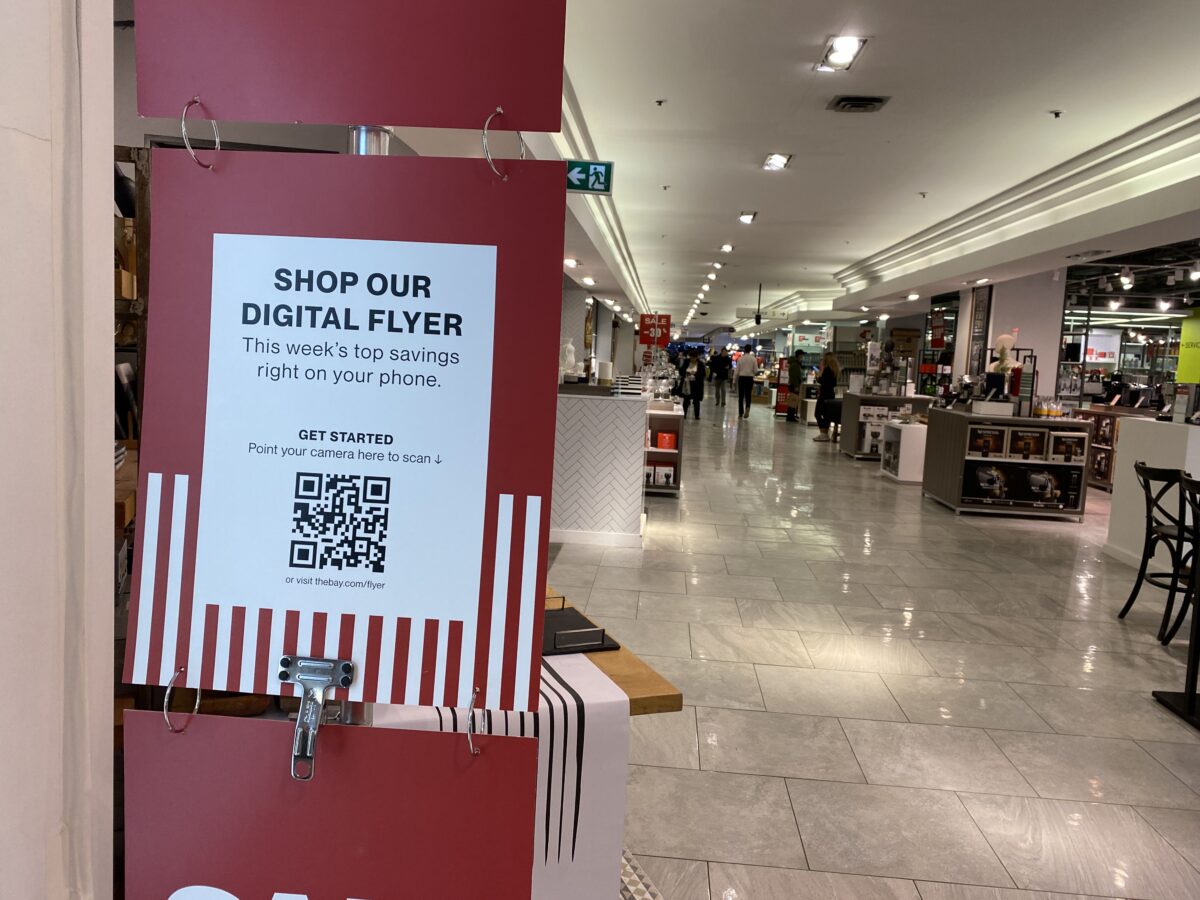
Digital Flyer Signage at The Bay on Queen Street (Image: Dustin Fuhs)
Although the retail sector was experiencing a noticeable shift toward digitalization before the pandemic, COVID-19 galvanized Canadian retailers into adopting more digital tools, said the report.
“The movement of retailers adapting to a digital mindset is largely due to the mobile-driven changes in consumers’ attitudes and behaviours, and retailers having to build new capabilities to avoid losing market share. This adoption of technological advances for the retail sector can be traced back to the early 2010s; however, it was not completed in unison by the whole sector,” it said.
“In 2020, retailers adopted digital technologies at unprecedented rates under the pressures of the COVID-19 pandemic. The Retail Council of Canada, for example, notes that during the pandemic, more retailers were applying various technologies, including augmented reality, virtual reality, and smart logistics. The Canadian Chamber of Commerce reports that 30 per cent of Canadian retailers introduced virtual business connections, work from home, and e-commerce into their business process because of the COVID-19 pandemic.
“However, retailers in Canada have not simply adopted technologies to serve short term needs. Many are making technology an integral part of their organizational strategy. This digital evolution and retailers’ focus on advancing their digital footprint to meet customers’ evolving needs is at the forefront of dialogue between retail executives in the US as well. For example, in recent research examining the practices of more than 200 retail IT executives, more than half note prioritizing continual upgrades to their digital customer experience, expanding the use of analytics-backed decision making, and increasing overall investments in AI.
SELF CHECKOUTS, SHOPPERS DRUG MART
“The traditional relationship between retailers and technology is focused on enhancing the customer experience, but it has since evolved to offer options that battle inflationary measures. With ongoing supply-chain disruptions retailers will increasingly adopt deflationary technologies. These deflationary technologies will vary, but the emerging trends of smart shelves, cashier-less shopping, and increased integration of omnichannel marketing technologies will become increasingly present.”
Additionally, the ongoing advancements in technology within the retail sector means that retailers must develop strategies to safeguard customer data and privacy, added the report.
“For many retailers, COVID-19 was a decisive event that pushed them to invest even further in digital infrastructure and strategies to retain and attract customers and market share. Digitalization and intelligent retail must remain top priorities for organizations in the volatile new climate; according to a recent study by Deloitte, at least two-thirds of Canadian retail executives plan to invest significantly in omnichannel, modernize supply chains, and enhance data privacy and security,” said the report.
“Although more than half of Canadian organizations are making major investments in expanding their digital capabilities, Canadian businesses must accelerate digital adoption to compete with key players in other jurisdictions like the US and China. However, the process of digitization in Canadian retail is not a one-size-fits-all model; according to survey respondents and interviewees in this study, the sector can be seen as overly traditional, with the ecosystem comprising a relatively limited group of competitors. Advancing this trajectory requires a concerted effort on further digitalization and a talent pipeline to support this change. According to employers, talent pipelines must be bolstered to produce a higher volume of digitally skilled workers needed to turn Canadian retail organizations into world leaders.”
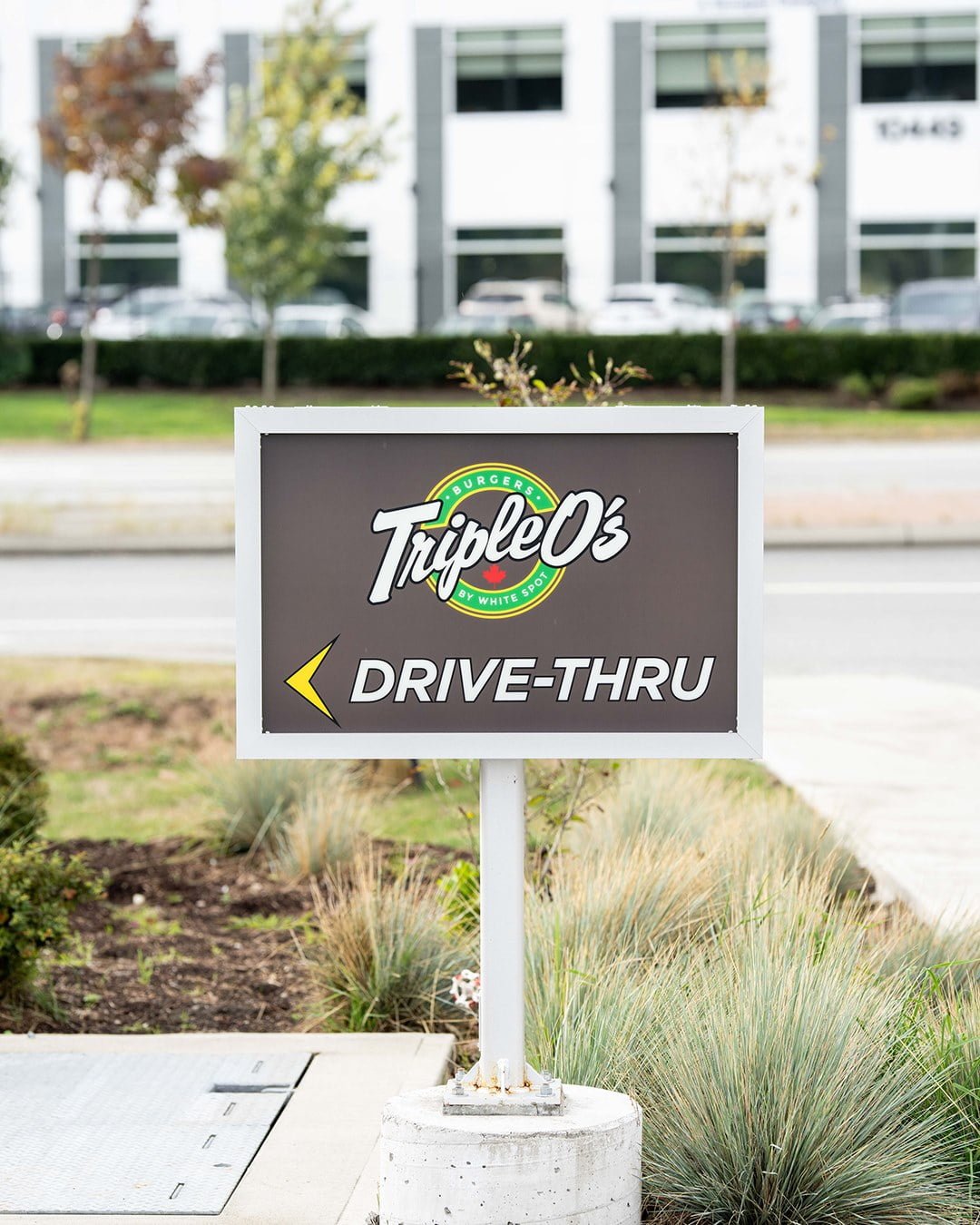
Historic Robson Street Triple O's (Image: Triple O's)
Triple O’s, a division of White Spot Hospitality, is celebrating its 25th anniversary and is looking to expand further in Canada.
Triple O’s is a full-service restaurant, and currently has 76 locations. Most of Triple O’s locations are in British Columbia where it started in 1997 and has since expanded to include other Canadian provinces such as four locations in Alberta, four locations in Ontario, and three international locations in Asia. Triple O’s has six new locations under construction right now, three of which will be in Ontario, with more expansion plans for the future.
Triple O’s parent company, White Spot is one of Canada’s oldest restaurant chains and will be celebrating its 95th anniversary. White Spot first opened in Vancouver in 1928. Triple O’s was inspired by bringing the best of White Spot (burgers, fries, and shakes) and delivering those in a quick service environment.
“In 1997 we created Triple O’s, our first location, and it has been a great success and we have been really pleased with how things are going. We have opened up in Ontario and just opened our fourth location. When we looked at bringing the brand to the people, finding areas where we can grow Triple O’s with a limited menu that would work. We thought with White Spot quality in a quick service environment we would have a formula for success – and it worked out that way,” says Warren Erhart, the President of Triple O’s.
Triple O’s recently opened its fourth location in Vaughn, Ontario in the middle of September located at Rutherford Road at Ultramar. The other three locations in Ontario include Colborne, Mississauga, and Woodbridge.
“Formula for Success”
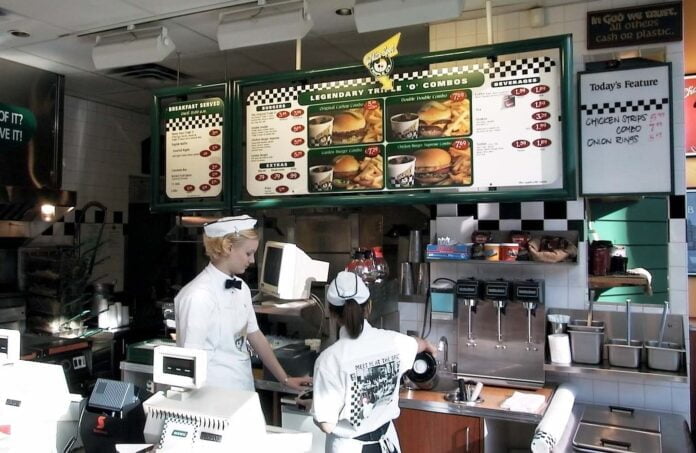
Image: Triple O’s
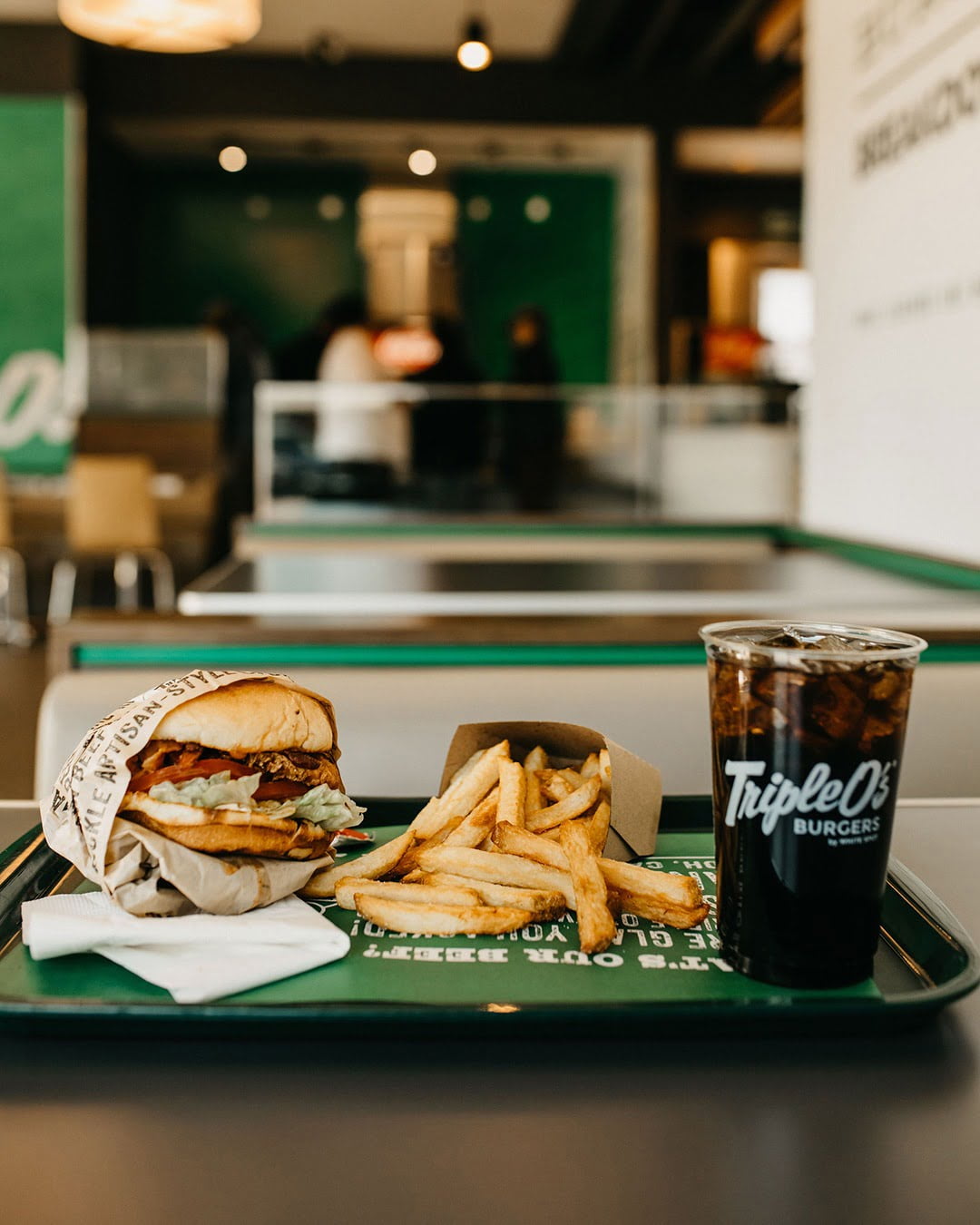
The Triple O’s product menu varies from burgers (with options of beef, chicken, plant based, vegetarian, and fish), milkshakes, breakfast items, and fries – all made with local ingredients which is an important aspect for White Spot and Triple O’s.
“It has been very successful where we got all the aspects of our white spot brand, which is fresh, made for you, 100 percent fresh Canadian beef, fresh Kennebec fries, our hand scooped milkshakes, and everything White Spot does. “We are proud of the importance we take to sourcing raw materials and making sure it is the highest quality with our recipes, and it all comes together.”
Triple O’s stays local, so for its Ontario locations, it uses Ontario produce for recipes and its unique flavour will stay consistent throughout provinces.
“Being local is very important to us. We have local buns that are baked in Ontario, the beef is produced in Ontario. In British Columbia, we use BC products, so it is really making sure we can replicate the flavour profile so Triple O’s burger in Ontario tastes the same as BC by using local ingredients.”
Giving Back to the Community
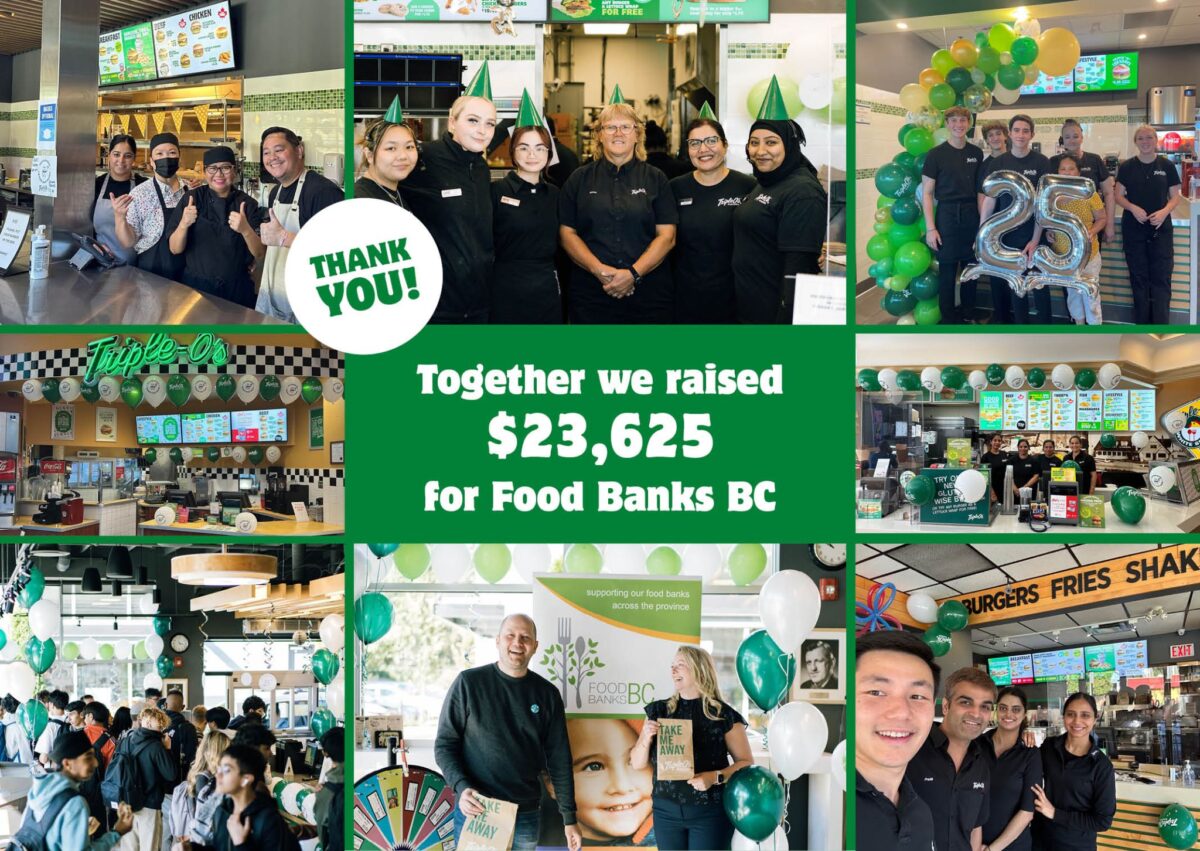
Image: Triple O’s
Triple O’s celebrated its 25th anniversary by serving customers the original burger for the original price of $3.49. On top of the lower price, Triple O’s donated 50 cents from every burger sold to the local food banks. Erhart said during the pandemic, users of food banks went up twenty percent and a large amount of that percentage is children and seniors. Triple O’s and White Spot always tries to “do their best of giving back to charities.”
Charities Triple O’s are involved with include Kidsport BC and Toy Mountain.
Using its food trucks, Erhart said Triple O’s gave away thousands of burgers to various hospitals and first responders during the pandemic as a way to give back and to say thank you to the healthcare workers during Covid. Erhart said this wasn’t the first time Triple O’s has given away a truck to support the community as Triple O’s often gives away its food trucks for charities.
“We are proud to be working for the business we have. A lot of companies could and don’t, and I am really proud our companies can, and so we are always looking for ways of supporting children and families, and a lot of the charities we support with White Spot and Triple O’s are really based on children.”
Food trucks are not only used for catering charities but can also be rented out for private social events. For people who are looking for catering for their events, such as weddings or birthdays, they can book a food truck from Triple O’s for a certain amount of time during the event.
International Locations
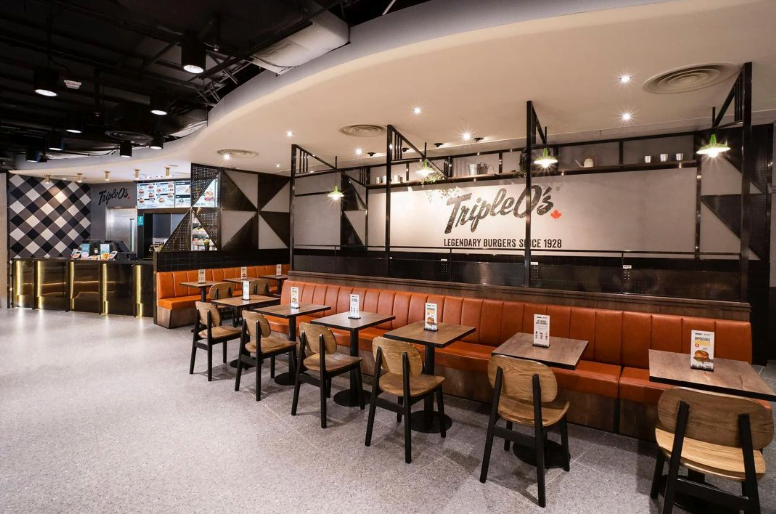
Triple O’s store in Hong Kong – Pacific Place (Image: Triple O’s)
Along with Triple O’s Canadian locations, it also has three locations in Hong Kong.
“A lot of people from Hong Kong went to school in Vancouver, got their university degrees, and went back to Hong Kong, so a lot of people knew our brand.”
“We had a family, Suen Family, apply for the franchise rights for Hong Kong and they opened the first restaurant there, almost about twenty years ago now, so they are very successful in Hong Kong.”
As for expanding more internationally, Erhard said it is looking for more locations internationally and that they have spoken to people about finding new sites to expand to.
Future Plans
Image: Triple O’s
Image: Triple O’s
Currently Triple O’s is going to be expanding in three areas in Ontario: Niagara region, London, and Hamilton.
The Niagara location is set to open early 2023 and Triple O’s is looking to have 30 new locations open over the next four to five years and are pursuing locations in British Columbia, Alberta, and Ontario – including a possible location downtown Toronto in the future.
“People have come to us where they have seen our Triple O’s in Ontario and sort of applied and knocked on our doors. We also have a group from Ontario that is finding sites for us as well and a bit of our strategy is looking at some downtown locations while also the suburbs. We are really excited about the opportunity to grow after 25 years, grow the brand as we think there are opportunities to bring in more locations throughout Canada.”
The holiday shopping season is a critical one for retailers when it comes to their bottom line.
But one of the key challenges the industry has faced over the years, and particularly this year, is finding enough people to work in their stores to meet the holiday rush.
“It’s going to be the worst in history,” said Suzanne Sears, President, Best Retail Careers International. “It follows the record path of record unemployment. There’s very few people looking for work and even fewer looking for temporary jobs.
“In general, the way stores measure on sales is by sale per square foot. So if you have a 10,000-square-foot store without any sales personnel in it your sales per square foot falls into the garbage. So no sales people means lower sales per square foot. You’re basically asking people to self-serve.
“And if self-serve’s your model, that’s probably okay. But if self-serve is not your model, that missing person translates into lower or zero sales.”
Sears has three tips for retailers heading into this critical shopping period.
Tip 1: Don’t hire Seasonal
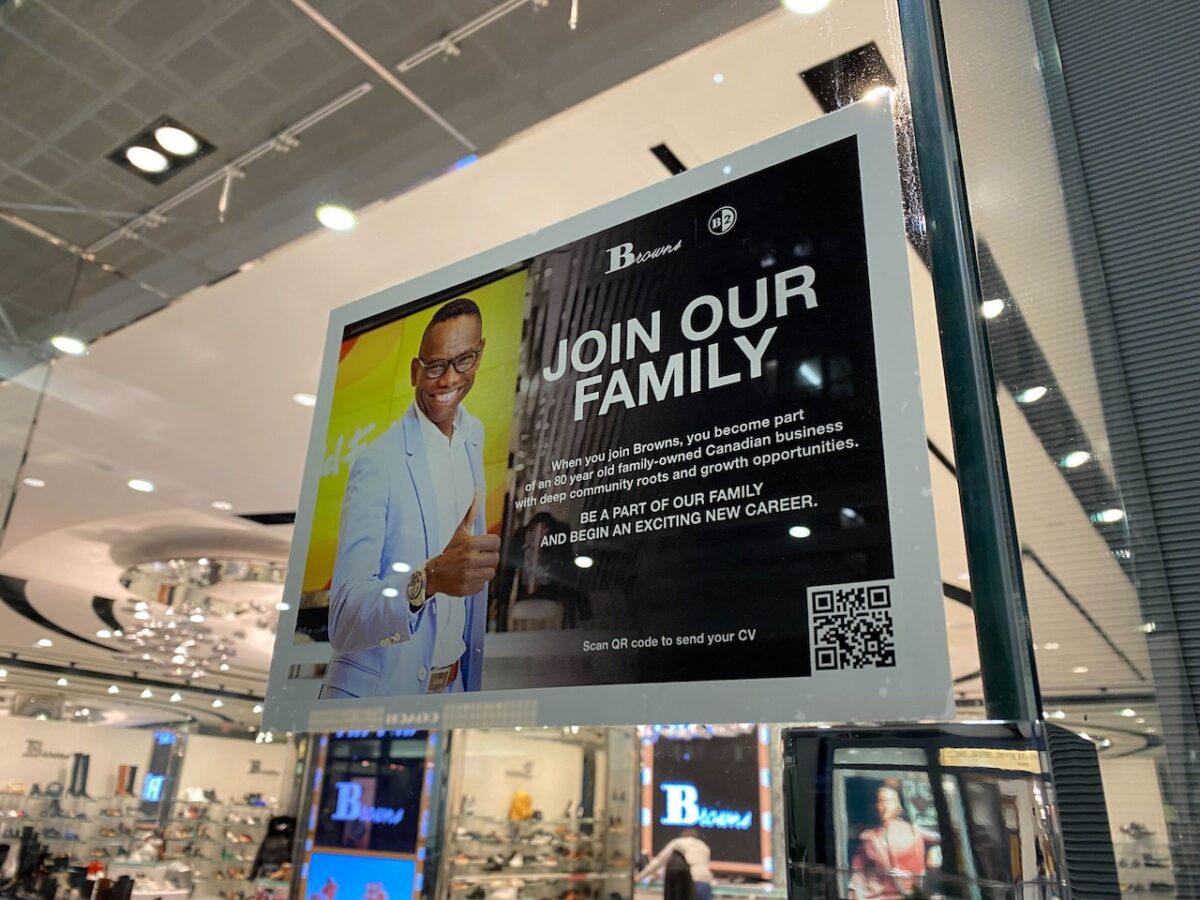
Hiring Signage at Browns at CF Toronto Eaton Centre (Image: Dustin Fuhs
The biggest error employers make is starting from scratch every holiday or extra staffing season, instead of hiring “seasonal”, which by definition means temporary hiring, shoot for Occasional Part Time year-round instead. Or “On Call” staff, explained Sears.
“This way you grow and develop a dedicated and knowledgeable base of persons who enjoy working for your firm in a variety of settings and schedules,” she said. “Calculate an annual budget for Occasional Staff. Then allocate those funds into hours over the course of an entire year. This budget is on top of your regular part time staff. That way when interviewing and hiring you can clearly state: we have “X” hours annually to offer.
Traditionally, Sears said retailers have thrown their nets out and captured a few people who want to make a few dollars for themselves for Christmas shopping.
“That entire concept of seasonal staff is pretty well a dead fish. The concept isn’t viable anymore,” she said. “If you start off feeling that or believing that you have to hire all these temporary people, you’re basically throwing your kite into the air because those types of people no longer exist.
“What you can hire, should hire, is an entire team of ongoing, on-call, basically gig workers. In fact, it’s probably a good idea to even pay them cash the way you’d pay an Uber driver. Hiring a team of year-round contract people makes sense. You can find good quality people who are only interested in limited hours, limited commitment.”
Tip 2: Pay Better
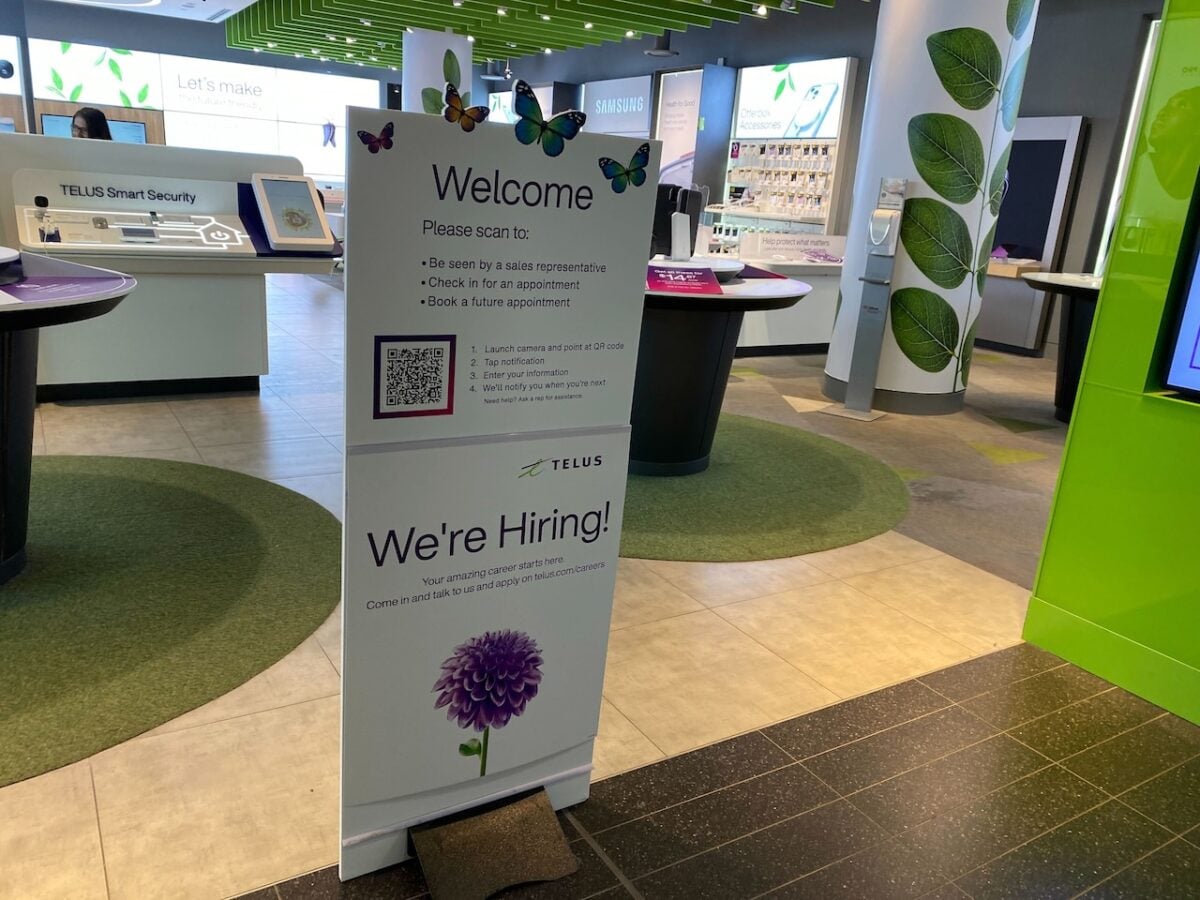
Hiring Signage at Telus in CF Toronto Eaton Centre (Image: Dustin Fuhs)
Pay better for temporary staff than you do for regular part time, added Sears. Even $1 or $2 an hour is a huge drawing card for folks who like “gig” jobs.
“As people who do pop-up staffing find, the only way you’re going to get short-term, short-hour people is by offering an incentive to do that kind of work,” said Sears. “And they come to expect it because they can get it.”
The premium is to first attract them and second to keep them.
Tip 3: Offer a Bonus
Call it Spring at CF Toronto Eaton Centre (Image: Dustin Fuhs)
Offer a Completion Bonus if staff stay for an exact period of time. Thus the offer is X per hour plus $ for completing the agreed to number of hours.
You are less likely to have drop off if the bonus is significant. It doesn’t have to be cash either. It could be a shopping card, dinners, an adventure.
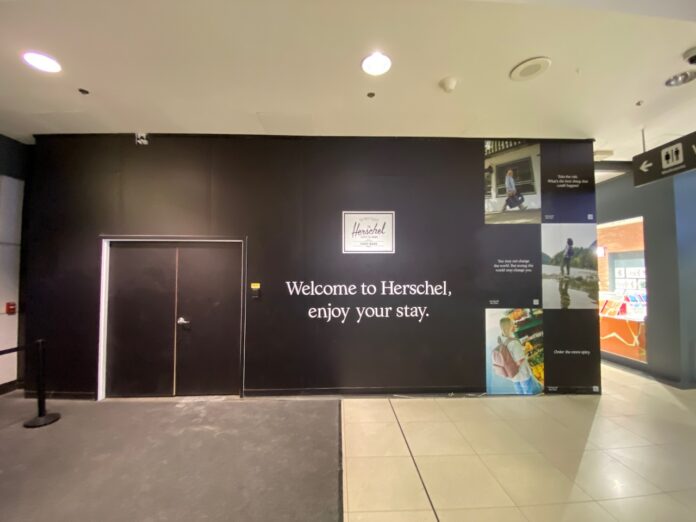
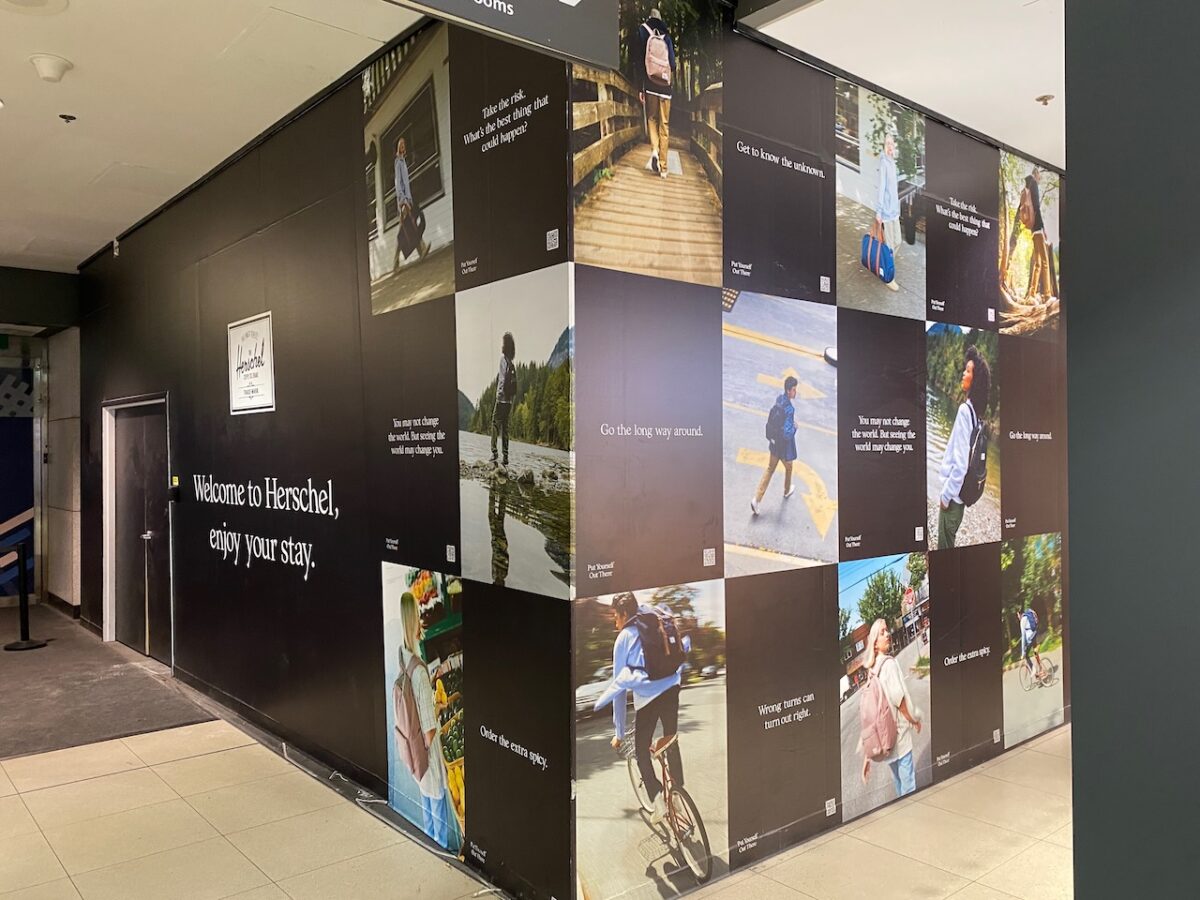
Future Herschel Supply Co Location at CF Toronto Eaton Centre (Image: Dustin Fuhs)
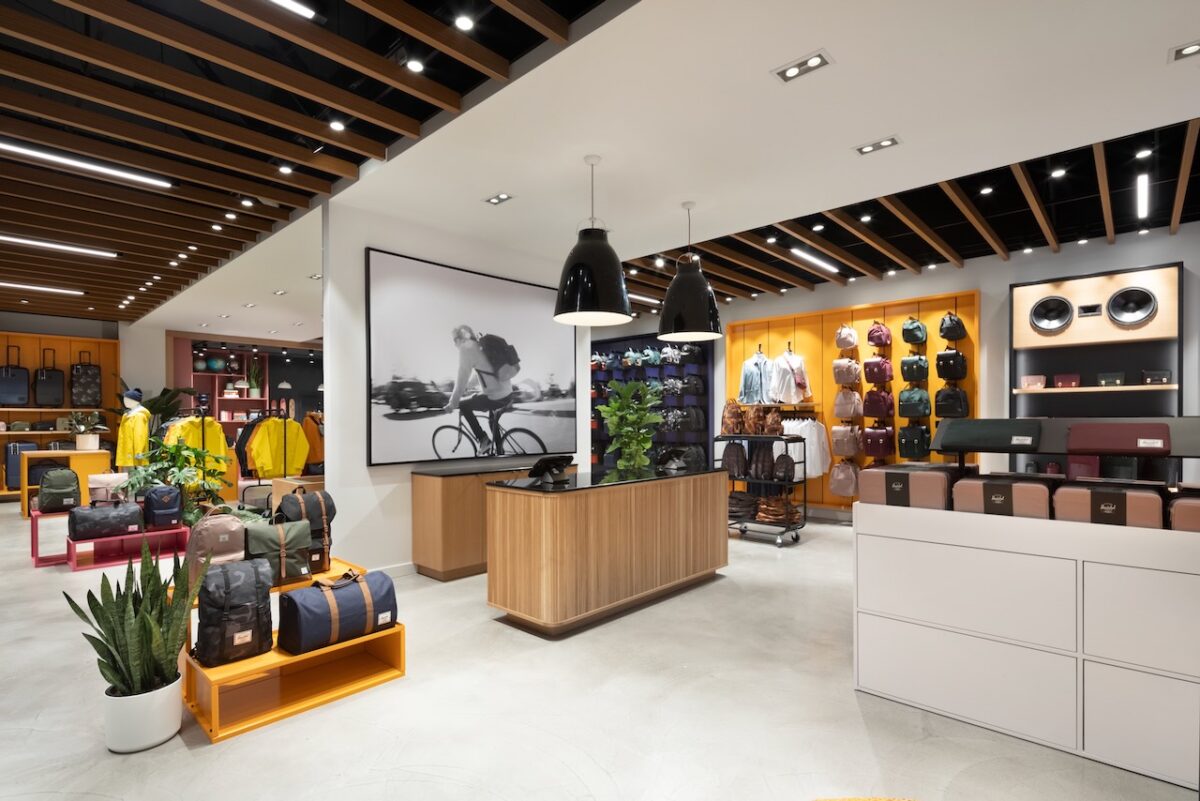
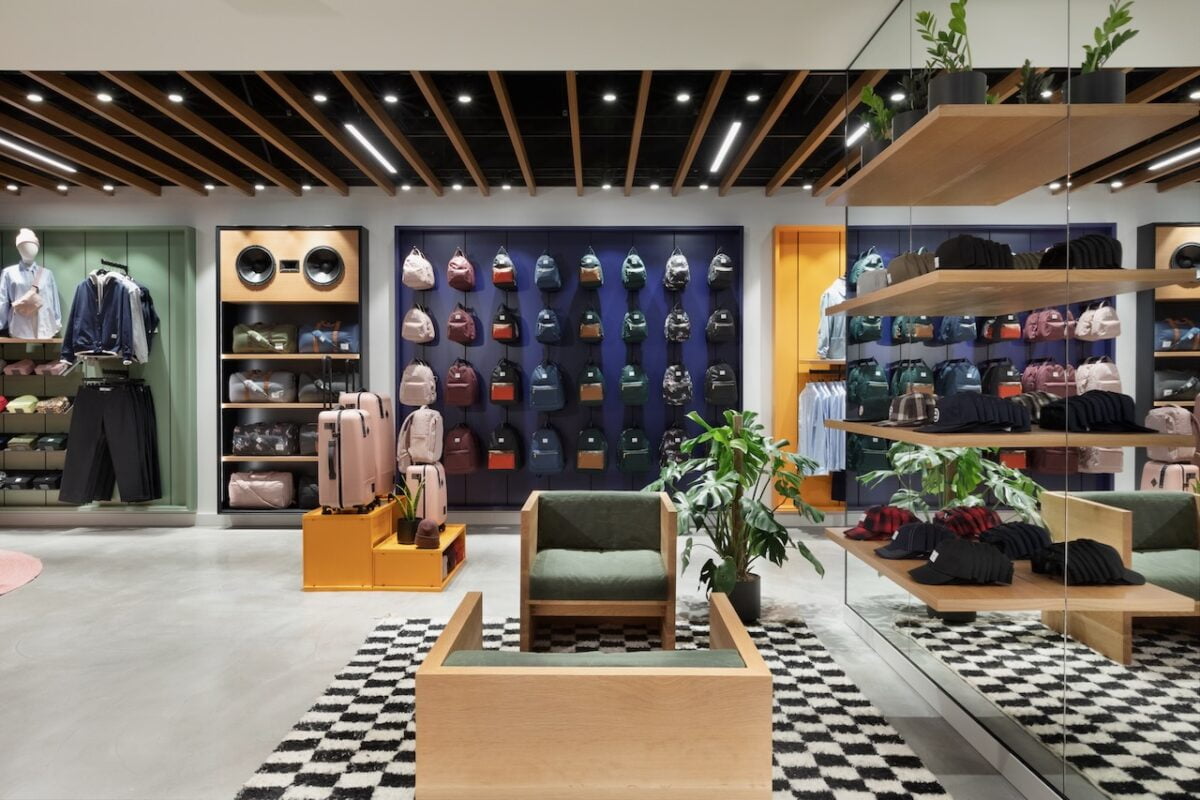
Herschel Supply Co, a Vancouver based travel baggage and accessory store, is opening its first flagship location in Toronto with the plans of further expansion in the city, in other areas in Canada, and internationally.
The company started back in 2009 and has since opened four stores in Vancouver and will now be launching its first location at the Toronto Eaton Centre hopefully by the end of the year as Toronto has always been an important city for Herschel.
“We are trying to place a heartbeat back into the bag industry, to make it an exciting category, and I think our love of art, design, and the creative community we engage with is very reflective of all those things. We want to gather as members of the community, celebrate art, and Herschel makes a lot of awesome products and I think it is an awesome location whether people are just coming in to learn or coming in to consume, it allows them to learn more about our brand and to understand what makes us tick and what gets us excited. We are really excited to go to Toronto and be in the heartbeat of the downtown core,” says Lyndon Cormack the Managing Director and Co-Founder of Herschel.
The flagship store will be just under 3,000 square feet, will have a welcoming vibrant interior, and along with the mall entrance, the store will also have its own street entrance on Queen Street. Cormack said the new location will feature the widest product selection ever seen at Herschel and will be a great location to get people who are unfamiliar with the brand in for an introduction.
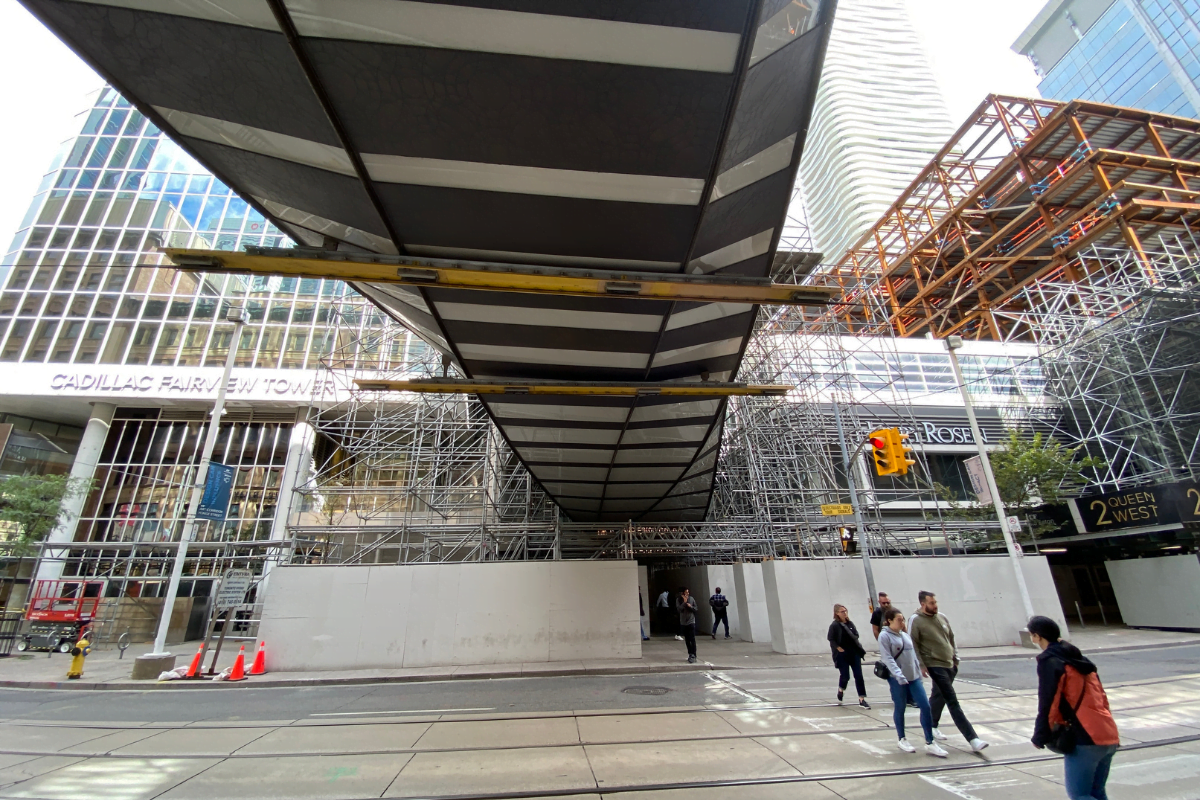
Currently behind construction for the CF Toronto Eaton Centre glass skylight roof, the future Herschel Supply Co will take the former Oakley location (Image: Dustin Fuhs) Future Herschel Supply Co Location at CF Toronto Eaton Centre (Image: Dustin Fuhs)
“We got a lot of introductions to make, and I think one of the best ways to introduce ourselves is in person to really allow people to understand the big picture of what we care about.”
“Typically, we performed well on street locations, and it has that connectivity to the city, but it also has the benefit, especially in a market such as Toronto with hot summers and cold winters, so it allows people to escape that and get into the centre. It was a unique opportunity that allowed us to be on Queen Street but also within the centre to sort of allow us to have the best of both worlds. Toronto Eaton Centre is a great centre for retail in general and whether they are Canadian brands or global brands, it is a place where the next brands in the world congregate.”
Products found at Herschel, with a goal of always being “classic with a modern twist,” ranges from a variety of bags, accessories, apparel, travel items, and youth products including items when traveling with a newborn. Herschel is also known to give back to the community with its backpack donations and supporting local artists.
“We spend time concentrating on ensuring that the store can act much more than just a store. We are having a dedicated space for our Herschel Artists in Residence program which features local artists from the community which flips over at least twice a year. We like our stores in Vancouver they act as community hubs, our stores in Vancouver have had over 20 events this year where we bring the community together. It is exciting and in an important city, we are building an awesome store and we can’t wait for it to open.”
GTA-based BUILD-IT is working with Herschel Supply Co on the projects in Alberta and Ontario.
Jackson Turner of CBRE negotiated the lease deal on behalf of Herschel, and is a point of contact for landlords.
“Exciting Developments Planned”
Herschel Supply Robson Street Flagship (Image: Herschel Supply)
Plans are in place to continue to expand in Canada and internationally. In Canada, Herschel is expanding more in Toronto and in Calgary. As of right now Herschel has four locations in Vancouver, but Cormack said they will be continuing to add stores.
“There will be future stores in Toronto, none have been announced at this time, but they will all have the same goals as the Toronto Eaton Centre: engaging community, allowing our consumers to come in and experience our breadth of offerings.”
In addition to the new Toronto Flagship location, Herschel is also going to be opening its first location in New York City. Herschel has been seen in New York, but only in pop-up locations so this will be the first permanent location across the border. Within the next 16 months the goal for Herschel will be to open numerous stores in New York, both downtown and outside of the city. The first location will hopefully be opening at the same time as the Toronto location, so by the end of the year.
Herschel will also be opening a new store location in Calgary, that will be opening at the end of the year.
Herschel Supply Robson Street Flagship (Image: Herschel Supply)Herschel Supply Robson Street Flagship (Image: Herschel Supply)
As for any grand opening events for new locations, Cormack said “given an opportunity to have a little party – we will have one and given the opportunity to have a celebration, we tend to celebrate.” So, check back with us as new stores open and grand opening events are revealed.
“We have a lot of exciting developments happening, it is an important chapter in Herschel existence, and this is an exciting time for us. We know stores create halo effects to make our wholesale partners better, our ecommerce business better, and our engagement with our consumer better. We know we are not the first brand to ever open stores, but we witnessed all these amazing brands open stores and just watch what it does for their brands from all channels. We look forward to the halo effect of these stores give us and look forward to greeting people in person and welcoming them into our doors.
Save-On-Foods in Richmond, BC (Image: Field Agent Canada)
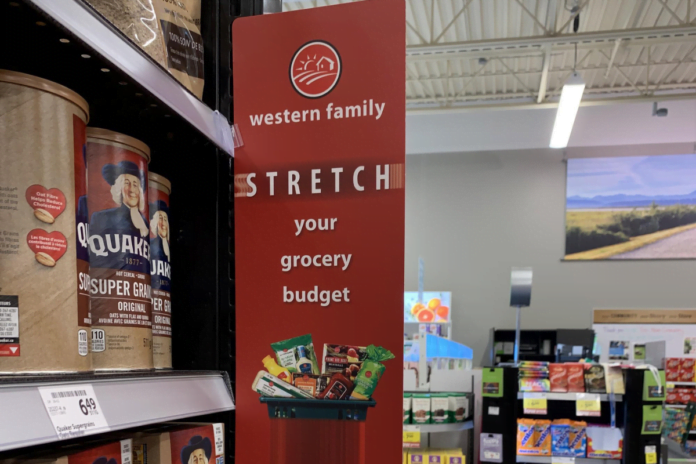
“Grocers have been accused of “greedflation” for a while now, due to skyrocketing prices at the grocery store. Canadian consumers are struggling with food inflation at the moment, which gives grocers an opportunity to stop these accusations, if only for a while.”
Grocers, time to freeze food prices
While inflation is showing signs of dissipating, food inflation appears to be on a totally different path. In recent months, food inflation has affected the lives of most Canadians. In fact, food inflation has outpaced our general inflation rate for over 12 months now. Statistics Canada just announced that the food inflation rate for retail was 10.8% and 7.4% in food service. Canada ranks third amongst the G7 countries, after Japan at 4.7% and France at 7.7%. Canada’s rate remains below that of Italy (10.6%), the United States (11.8%), the United Kingdom (13.1%) and Germany (16.6%). Still, food inflation is hurting Canadian consumers and the nightmare won’t end any time soon.
Canadians have been trying to cope with higher food and menu prices in many ways. The Agri-Food Analytics Lab, in partnership with Caddle, investigated what Canadian consumers are doing to deal with higher food prices in the last year and are releasing the results of the study.
Some have opted to grow their own food. A total of 15.5% of Canadians have started growing their own food, just in the last year. Ontario is where the highest percentage of people started to grow their own food, at 17.4%, followed by British Columbia at 16.2%. The Atlantic (15.2%), Quebec (13.7%), and the Prairies (13.1%) were next. While a total of 6.2% of Canadians use hydroponics at home to grow food, 4.5% claim they have livestock at home now, and didn’t 12 months ago.
Others are just trying to navigate through by using new options. The most popular grocery shopping habit change we measured was that many Canadians have used loyalty program points. A total of 33.7% have been using loyalty program points to pay for groceries in the last 12 months. The second option is weekly flyers (32.1%), followed by using coupons, at 23.9%.
While 19.1% of Canadians have visited discount stores in the last 12 months, 11.5% of Canadians have visited dollar stores more often to purchase food. A total of 8.0% are visiting farmers markets more often, and 7.1% of consumers visited roadside stands to buy directly from farmers in the last year.
Interestingly, a total of 40.6% of Canadians are trying to waste less food now, a much higher rate than 12 months ago. Going for privately labelled food products is also getting more popular. A total of 21.0% of Canadians are opting for store labels, which are less expensive most of the time. The Atlantic region is where the highest percentage of consumers are now opting for privately labelled products, at 27.8%, followed by Quebec at 22.5%. Also, 19.7% of Canadians are buying more food that is about to expire. The Atlantic has the highest percentage of consumers buying food that is about to expire at 29.1%, followed by the Prairies at 19.5%.
The hidden darker side of food inflation is worrisome. Almost 24% of Canadians are now cutting back on the amount of food they purchase due to higher food inflation, and almost 70% of them are women. Dietary changes have been made by 8.2% just to save money. While a total of 7.1% are skipping meals now, 6.6% of Canadians are paying for their groceries with a credit card without knowing when they will be able to pay it back. Other measures are also being followed by Canadians. Coping with food inflation is not a simple matter of finding new strategies. For many, higher food prices have pushed them toward desperation.
Many Canadians are really battling it out there. In Europe, where food inflation in some regions is even higher than here, grocers are guaranteeing some prices for certain staples, for a month or two, to help low-income families get through this. They are freezing prices on a limited number of important staples. These campaigns are all initiated by industry, not government.
Perhaps it’s time for our own Canadian grocers to sympathize with struggling consumers in meaningful ways. Maybe, just maybe, if they took steps to support consumers, the baseless accusations of “greedflation” would go away, if only for a while.
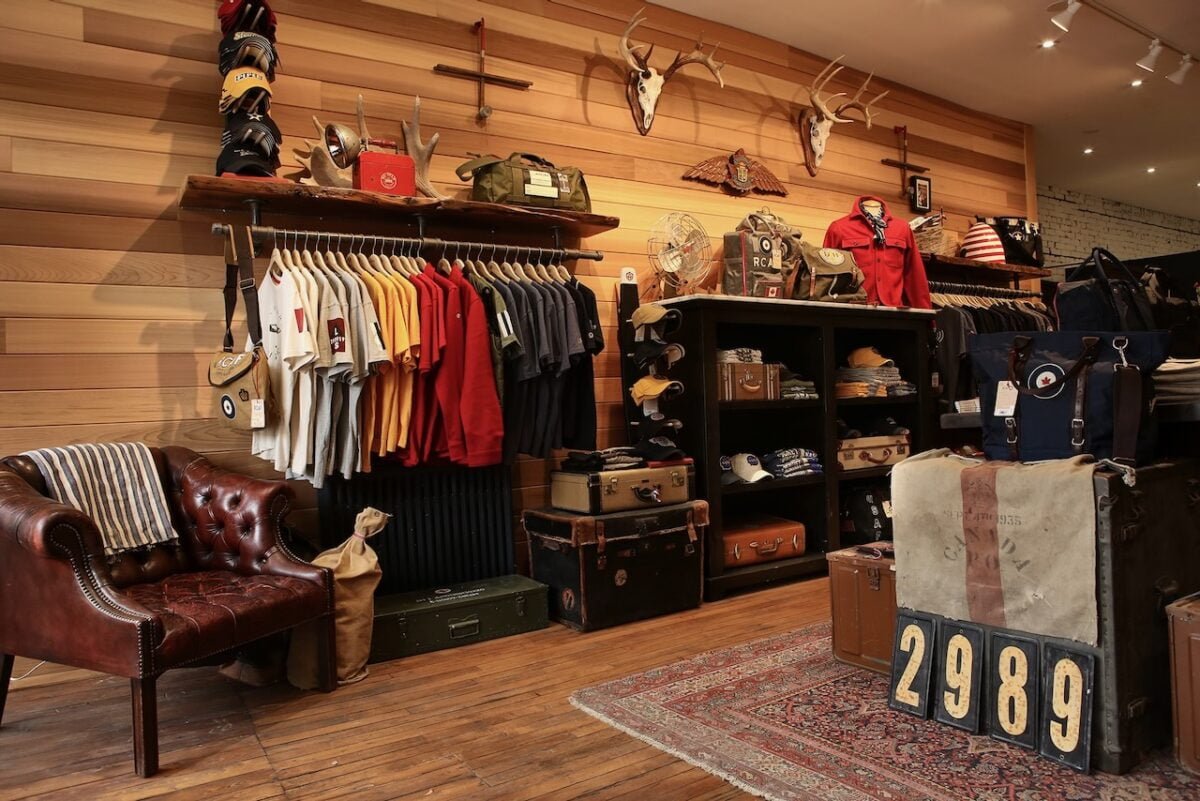
Red Canoe in The Junction (2989 Dundas St W, Toronto) Image: Dustin Fuhs
In 1999 Red Canoe was conceived in a bush plane over the pristine wilderness of Northern Ontario.
Dax Wilkinson
Today, the retailer has two locations in Toronto, a growing ecommerce business and increasing partnerships with well-known global brands.
“I started the company in 2002 all by myself in my basement,” said Dax Wilkinson, President and Creative Director of Red Canoe – National Heritage Brands Inc.
“We design and produce clothing, headwear and accessories. We’re primarily a wholesaler but we also have two bricks and mortar retail stores of our own, online retail and then we have one other retail partner that has a Red Canoe store, almost a franchise kind of arrangement.”
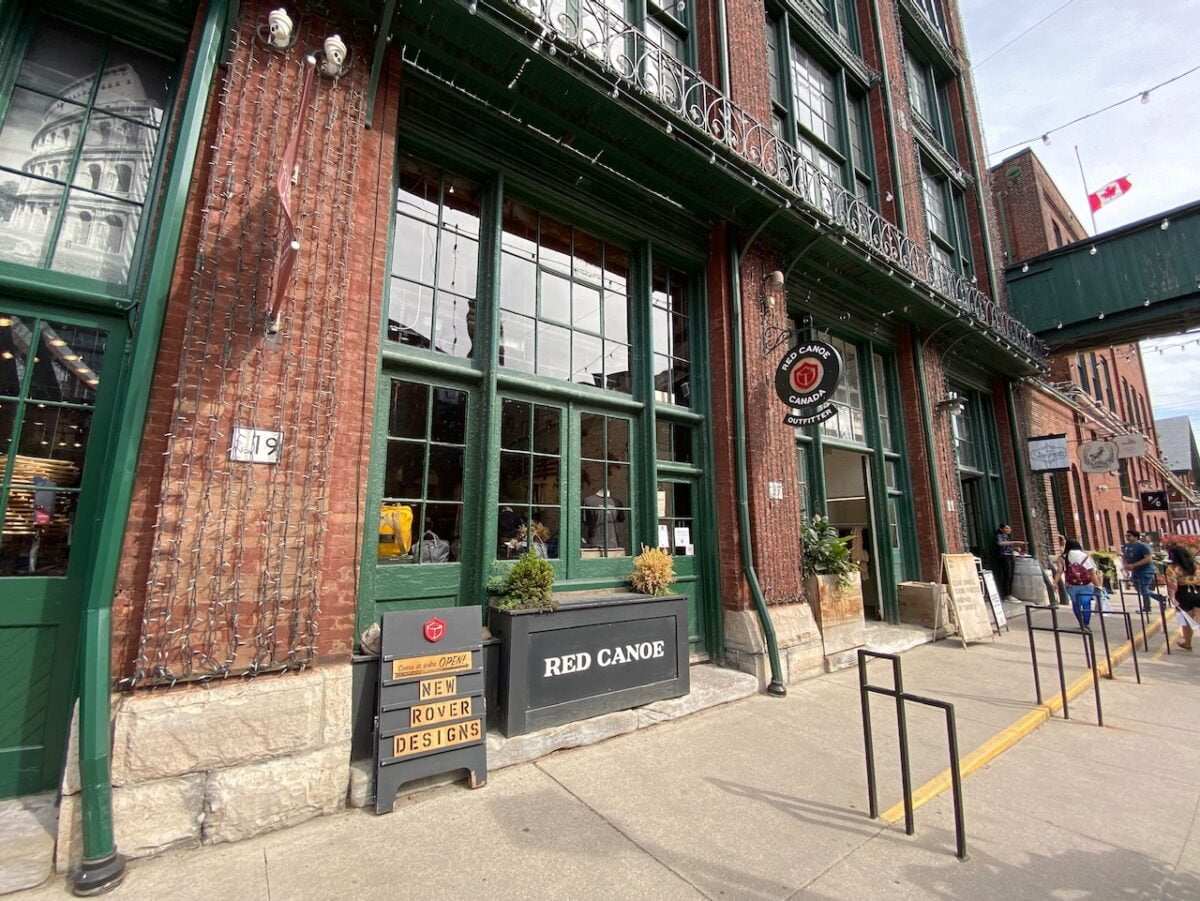
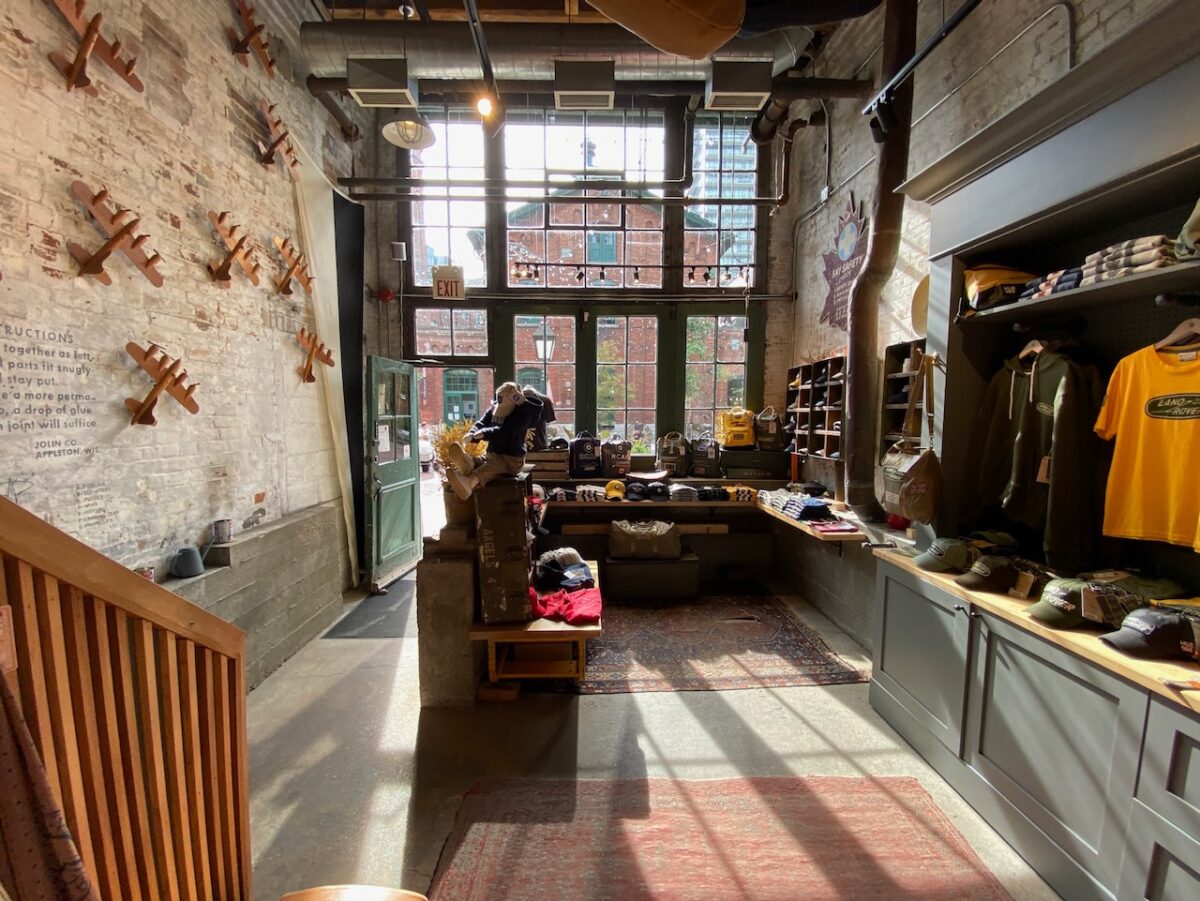
Red Canoe in The Distillery District (Image: Dustin Fuhs)
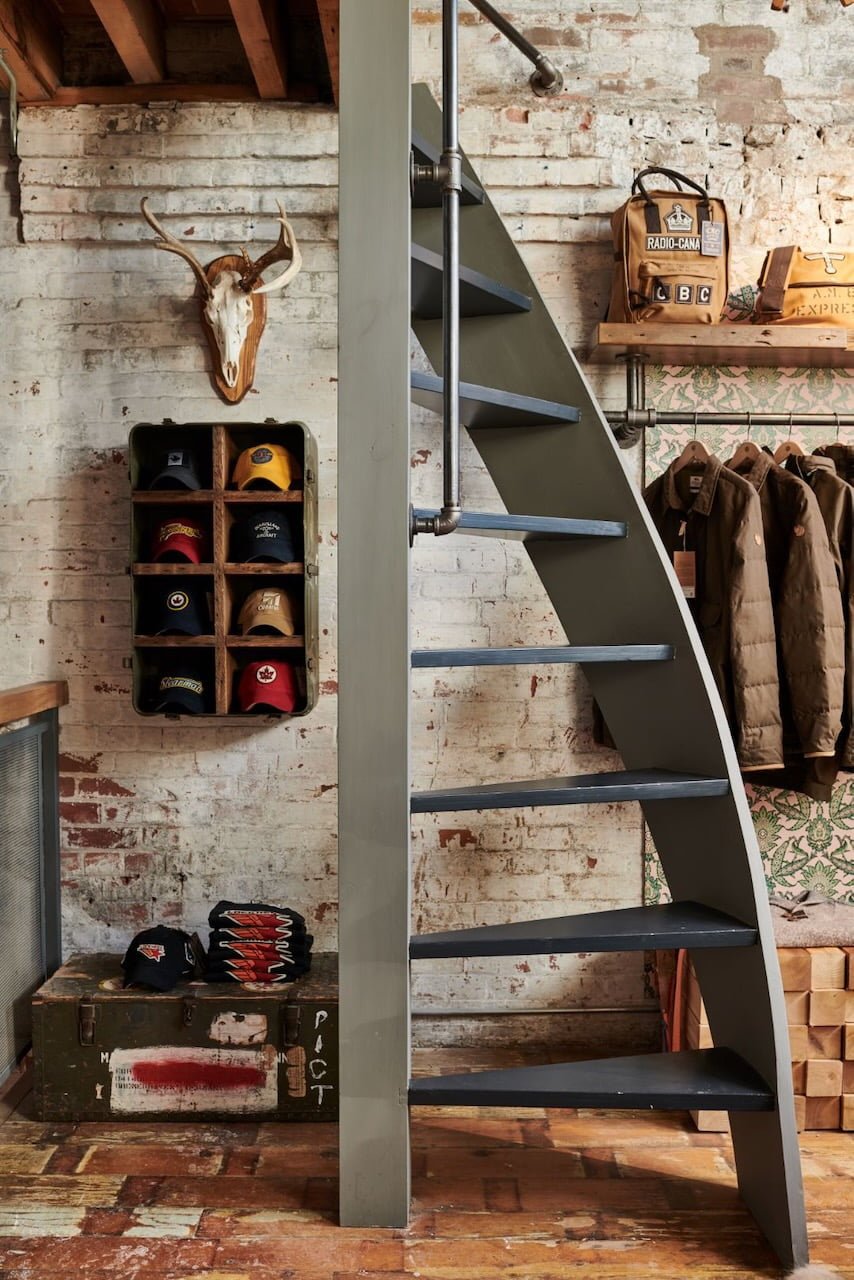
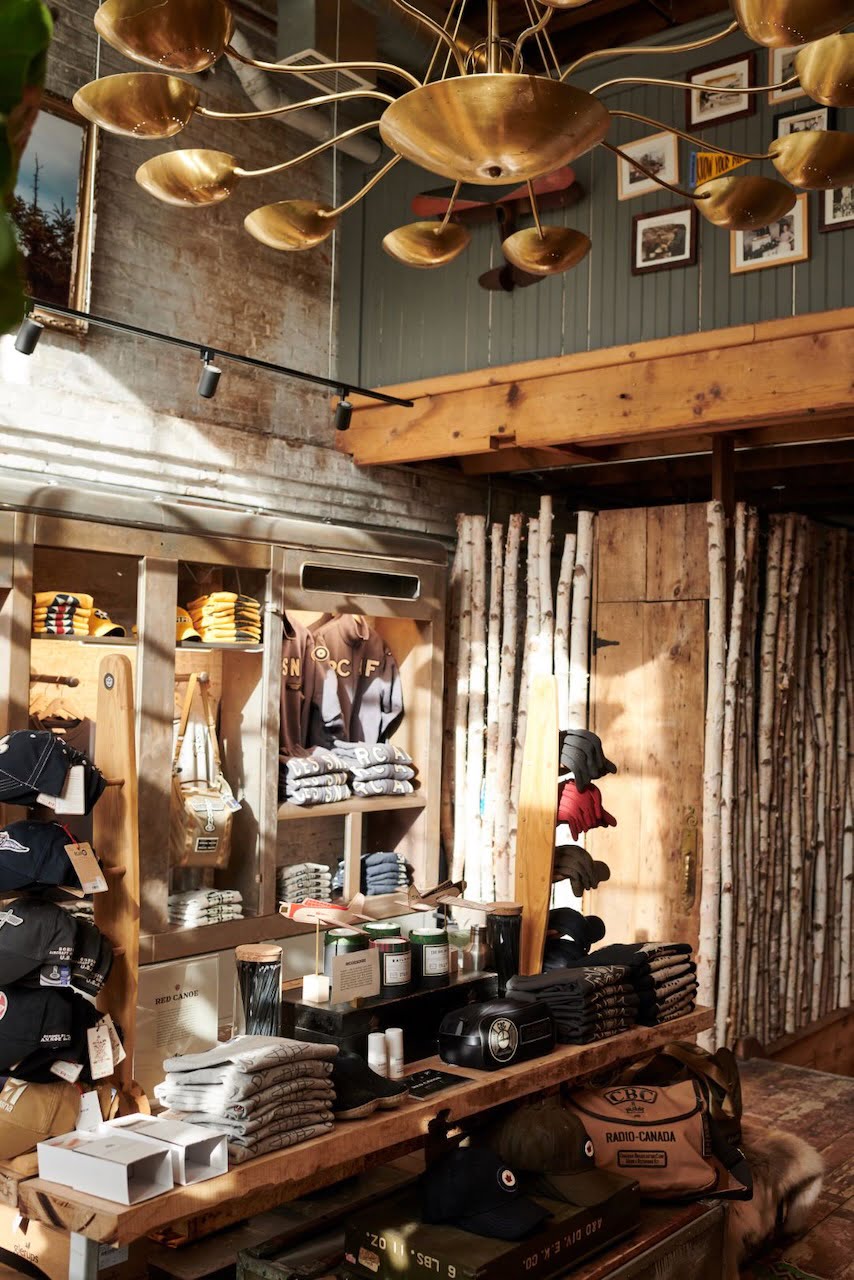
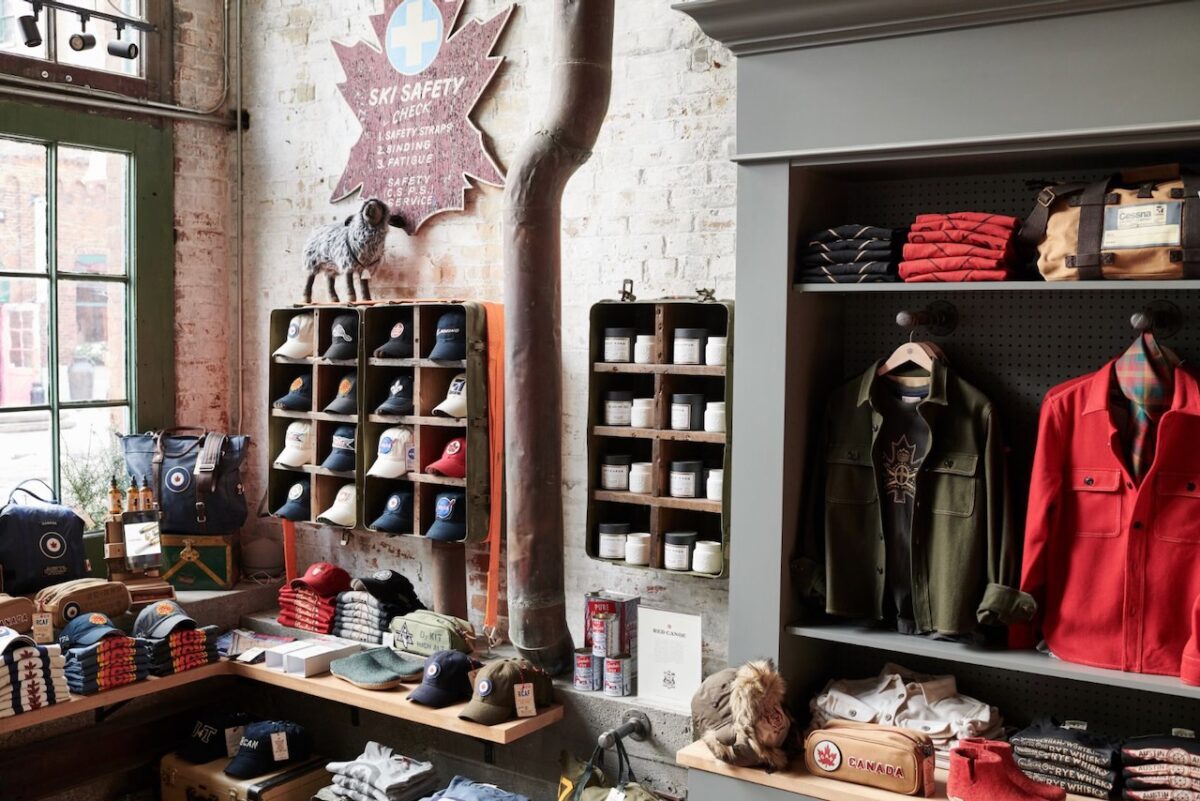
Red Canoe in The Distillery District (Image: Red Canoe)
Red Canoe in The Distillery District (Image: Red Canoe)
Red Canoe in The Distillery District (Image: Red Canoe)
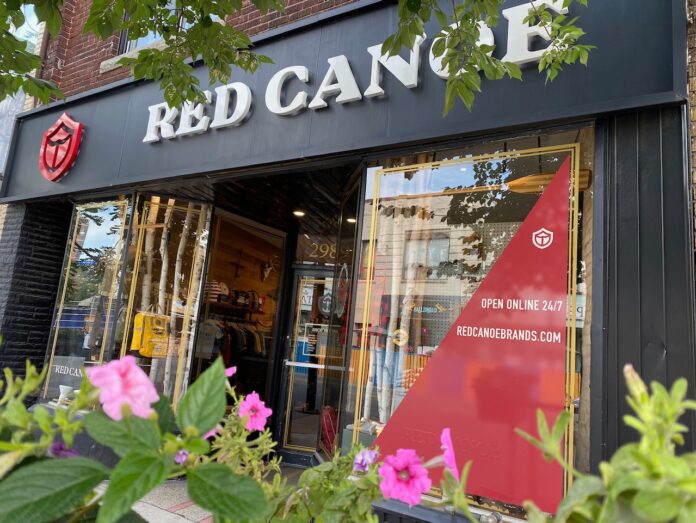
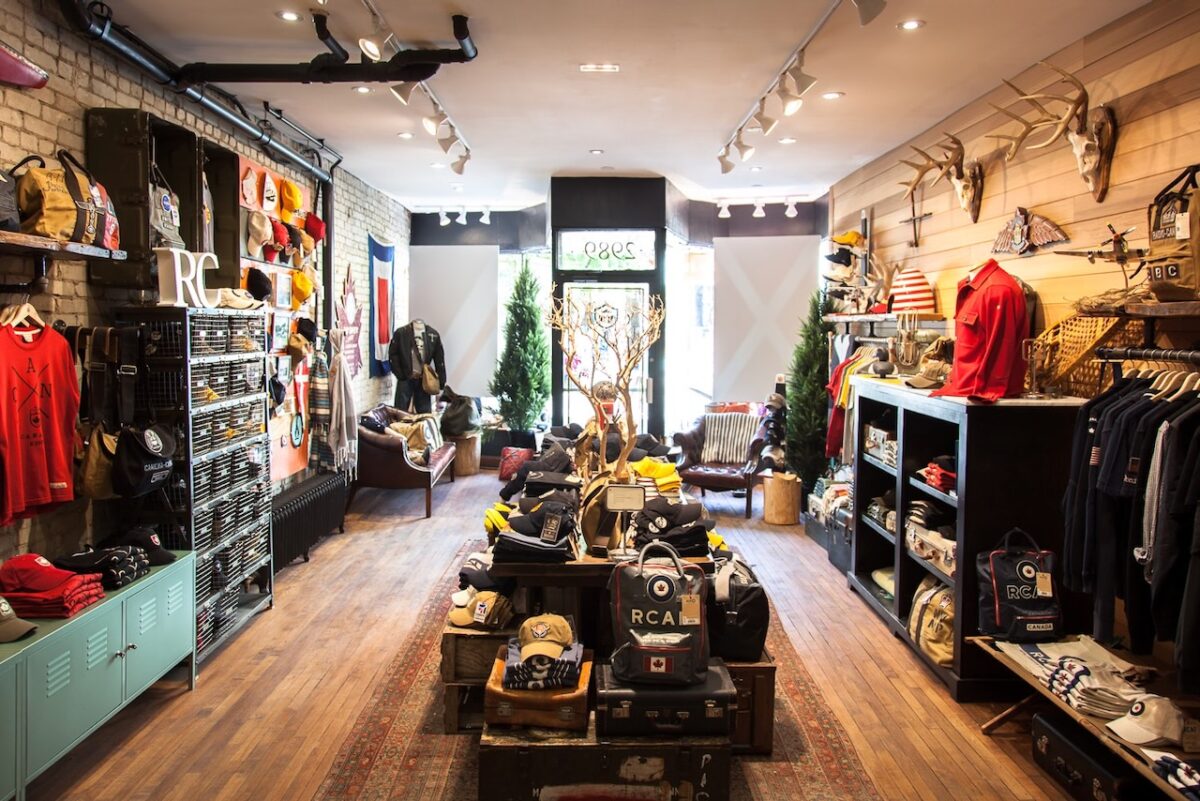
The retailer’s two Toronto stores are located in the historic Distillery District and in The Junction, where the company’s head office is also located. The first store at The Junction opened in 2016 followed a couple of years later with the Distillery store.
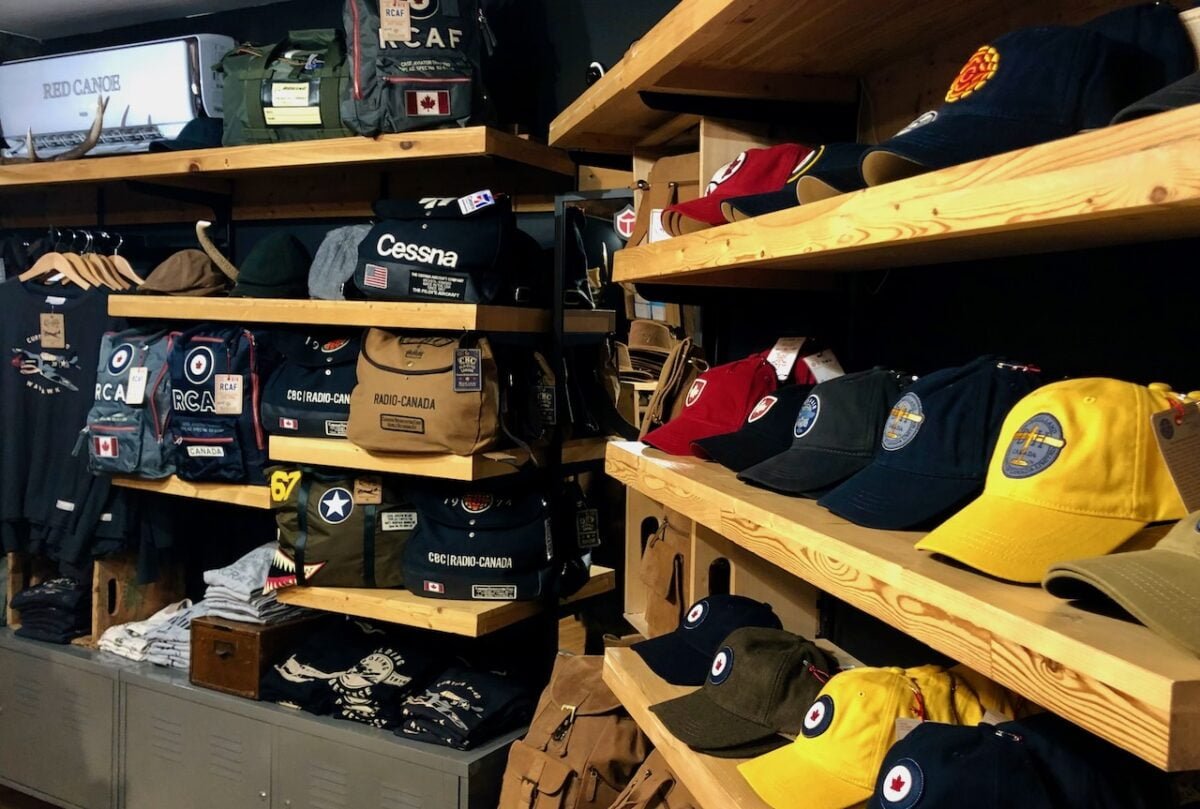
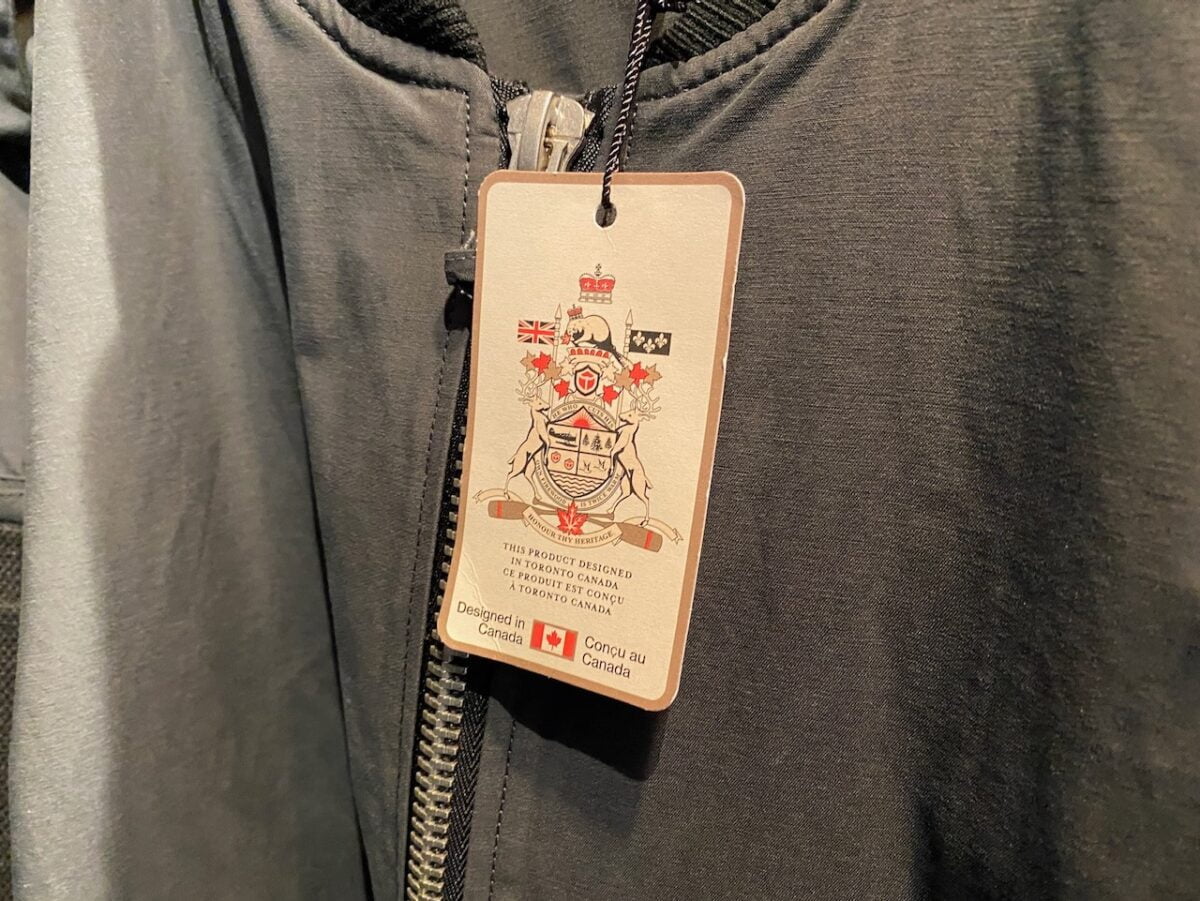
Product lines have also been created for such well-known companies and organizations as Land Rover, Boeing, CBC, RCAF, NASA.
“(Land Rover) has taken us all over the world. We’re currently selling that product line in the UK, Canada, the US and China. We’re kind of run off our feet. This is one that’s taken on a life of its own,” said Wilkinson.
Red Canoe in The Junction (2989 Dundas St W, Toronto) Image: Red CanoeRed Canoe in The Junction (2989 Dundas St W, Toronto) Image: Red Canoe
Wilkinson said future expansion is always something on the brand’s mind.
“But we’re primarily focused on high traffic locations and sometimes that means high tourist traffic locations. So if the right opportunity presented itself in those types of places – Banff, Whistler, Victoria, Niagara on the Lake, Mont Tremblant, Quebec City, within Canada – we’d look at different things,” he said.
“Primarily we would like to own the real estate if we were going to get into more bricks and mortar retailing. That’s just part of our model a bit going forward. I think it’s an important long-term way to structure things. So those opportunities don’t come up very often.
“And at the same time, the rest of our business, online retailing and wholesaling, is growing as fast as we can keep up with. But this franchise concept is yielding around $2,000 a square foot as a concept in a very busy tourist area. Those kinds of numbers are very interesting. Yes we would look at that but I don’t know if that’s the right name for it. We would call them retail partners and they would own and operate a Red Canoe bannered bricks and mortar retail store.”
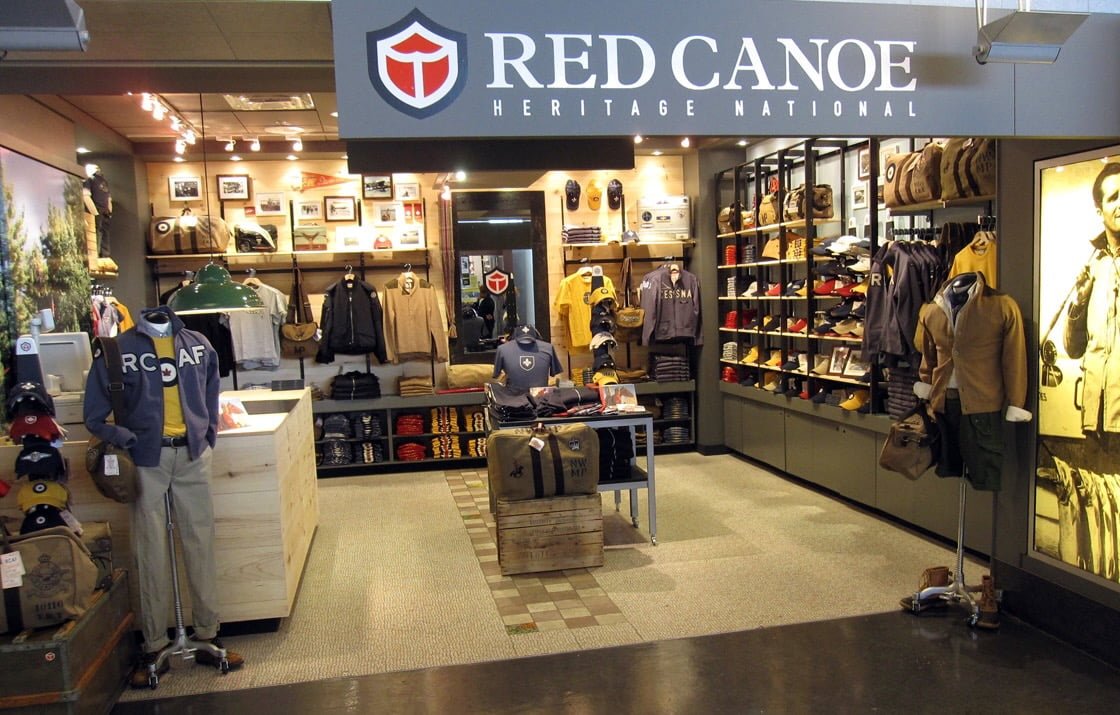
Red Canoe at the Montreal Airport (Image: Red Canoe)Boutique Red Canoe in Quebec City (Image: Boutique Red Canoe)
Currently the company has a partner in Quebec with a Boutique Red Canoe store which opened about 2016 in old Quebec City.
“That one has done extraordinarily well. I think there’s an opportunity to figure that out. But we’re run off our feet at the moment. If the right person came in the door, we would do that every day,” added Wilkinson.
In the past, the company had Red Canoe bannered stores in Montreal and for a while at the Edmonton airport.
Wilkinson said the company’s icon looks like a shield but is actually a red canoe coming towards you in perspective, in 3D – a canoe with the bough pointing towards you and the stern in the back.
Red Canoe in The Distillery District (Image: Dustin Fuhs)Red Canoe in The Distillery District (Image: Dustin Fuhs)Red Canoe in The Distillery District (Image: Dustin Fuhs)
“To me a red canoe is just a strong image that connected me to the outdoors of my youth. Some of the historic inspiration that inspired the brand. A red canoe was used for a lot of different things and a lot of different places over the years but primarily from adventure to utility, opening up Canada, the deep northern experience that I grew up in Northern Ontario, it was a touchstone to that,” he said.
“Also a recreational lifestyle, but also the utility, the ruggedness of a canoe trip. The origins of a canoe go back a long way as well. It’s an icon that if anyone thinks about a red canoe they may have a picture in their head of a number of different things but those types of images I think is what we founded the brand on.
“As well, I just love that icon. I love the conciseness of our red canoe icon and I think it’s kind of a timeless piece of design. I’m quite happy with it. It’s worked out well and I think that’s a logo mark that will stand the test of time for us.”