By Michael Gilburt and Horatiu Porime
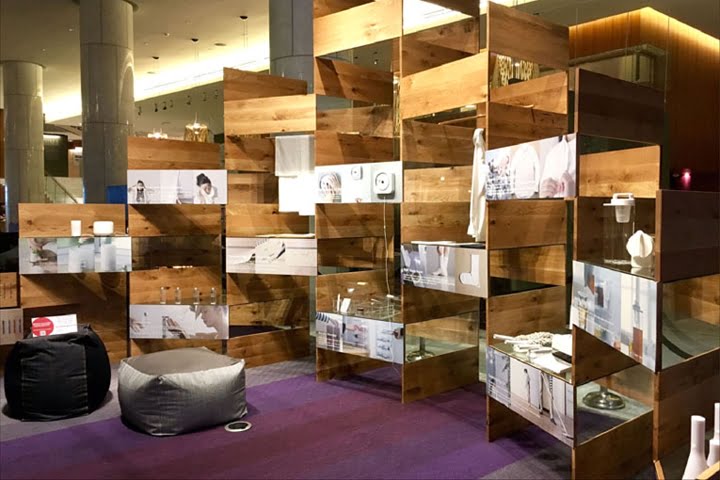
In recent years, the retail landscape has taken a novel turn with the rise of pop-up shops, which occupy retail space for short periods, anywhere from a few hours to over a year.
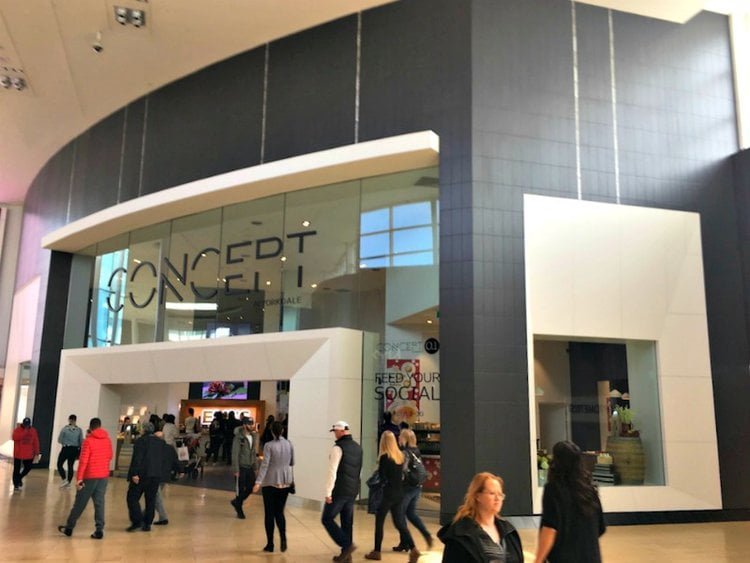
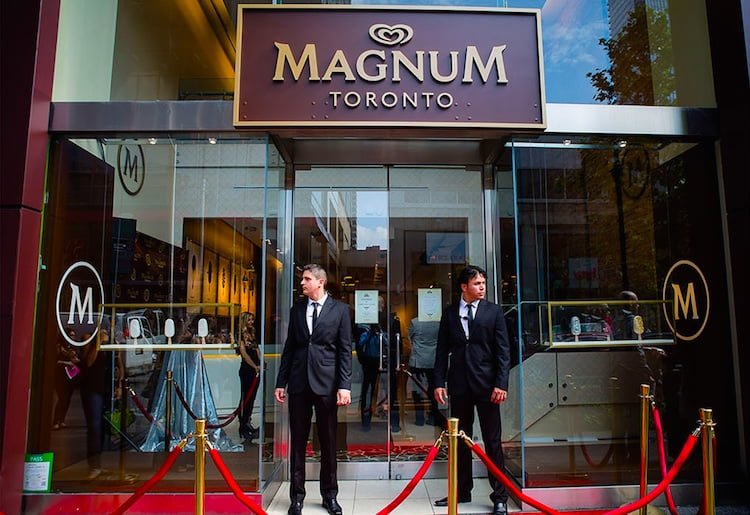
Luxury brands, online retailers, and celebrities alike have opened pop-up shops in locations as varied as shopping centres, trendy neighbourhoods, popular shopping districts, and even a moving downtown streetcar, showcasing the latest products and services one day, and disappearing the next.
Paired with the rapid spread of information on social media (often via teasers and mysterious references to “secret locations” with details to follow), pop-up shops have become a powerful marketing tool.
Pop-up shops bridge the gap between traditional brick-and-mortar retail and internet-based retail. An example is the men’s suiting brand, Indochino, which initially started as an online retailer. Following its online success, Indochino entered the brick-and-mortar market, initially via a series of pop-up shops, which led to a growing number of permanent locations.
The rising popularity of pop-up shops has coincided with the growth of e-commerce, particularly as shopping centres and retailers now place a greater emphasis on the experiential aspects of shopping.
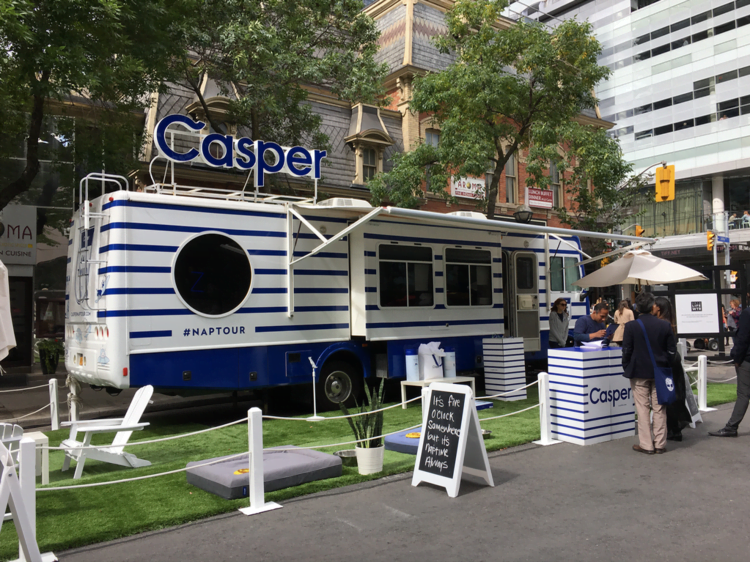
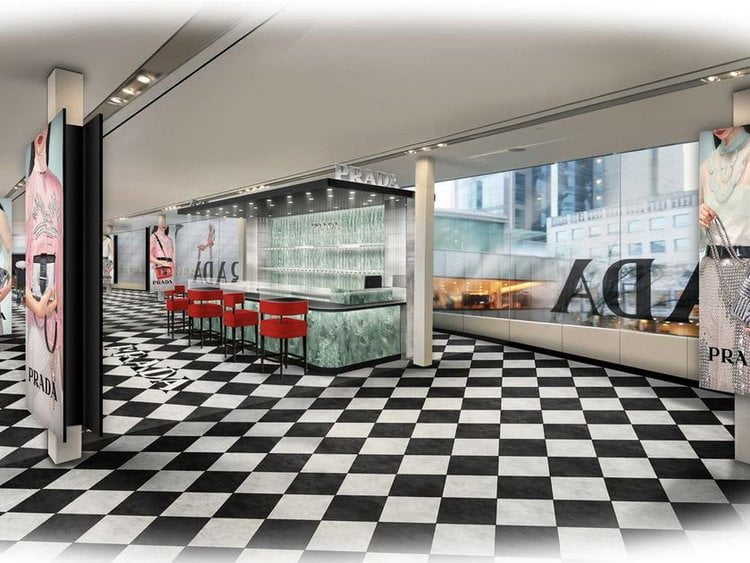
With the growth of online shopping, brick-and-mortar establishments are increasingly looking to broaden the shopping experience to include a more experiential element that will draw customers to their stores. Retailers look to their online elements as a means of distributing and marketing the products they sell, while a brick-and-mortar presence enables them to engage with their customers more directly. Pop-up shops, with the attendant buzz that often starts online and culminates in an interactive in-store experience, are an ideal medium for such engagement.
From a business perspective, pop-ups have compelling propositions for both landlords and tenants. While most landlords would prefer more stable, long-term tenancies, the pop-up provides an opportunity to generate rent from otherwise vacant premises. This is especially advantageous in light of the recent flurry of insolvencies across the retail industry.
Pop-up shops also enable landlords to vet potential tenants in advance, essentially providing a “trial run” before committing to a long-term lease. Landlords also benefit from increased customer traffic brought on by pop-ups, as customers come back to see the latest tenant and the latest products and services offered.
Tenants view the pop-up model as an effective means of gauging public reaction to new products, concepts and services, without the commitment of a traditional long-term lease. Pop-up shops also allow tenants considering expansion into an underserved area to determine whether the location is viable from a business perspective. For online retailers, pop-up shops provide a showroom for their products, which can then be purchased online (as illustrated by the example of Indochino).
Given the unique nature of pop-up shops, there are a number of legal considerations of which parties considering a pop-up relationship should be mindful. This article highlights a few of those considerations.
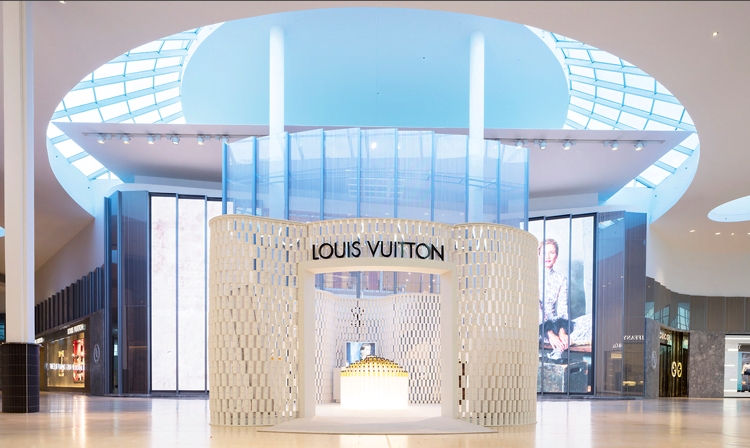
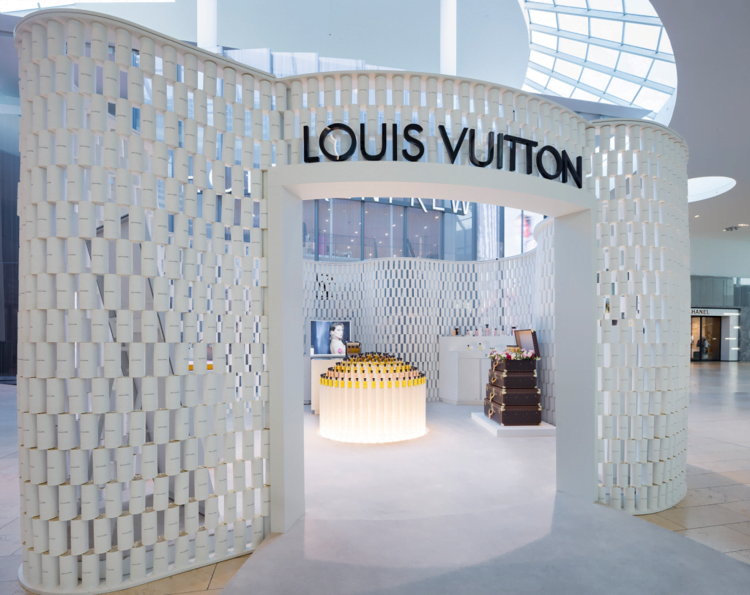
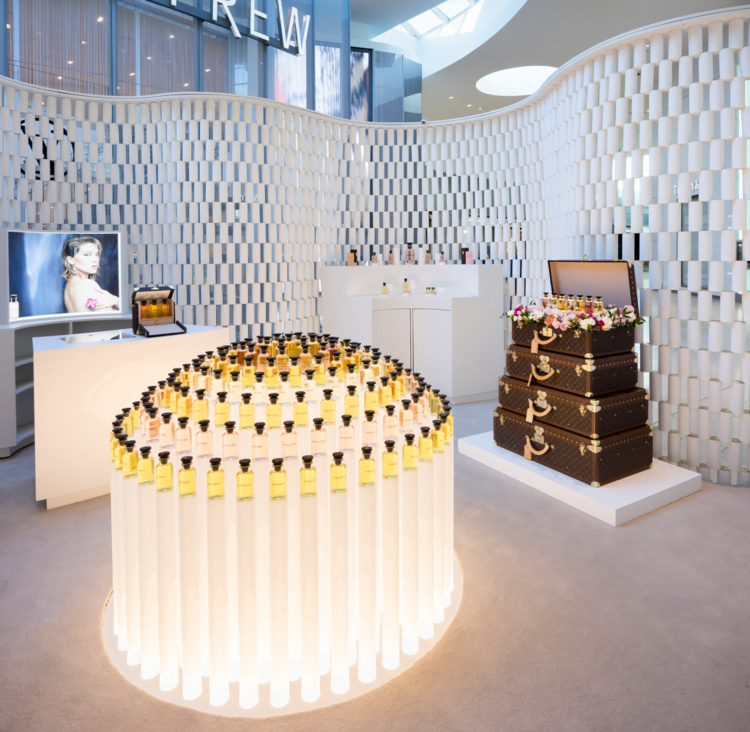
[Below: Louis Vuitton fragrance pop-up at Toronto’s Yorkdale Shopping Centre]
Use of the Pop-Up Shop
In any pop-up agreement, whether within a shopping centre, street location or other multi-tenant development, the tenant’s right and ability to use the premises for its specific business, and the landlord’s control of the various uses within the shopping centre or development, are among the most fundamental and important terms.
Principal among these provisions is the tenant’s use clause. A use clause will restrict the tenant to using its premises for a specific purpose and may include a list of agreed-upon products or services that a tenant may sell in its premises.
A tenant will want to ensure the use clause is drafted as broadly as possible in order to retain the flexibility to adjust their product offerings to respond to consumer demand, implement a change in business strategy or carry out promotional events from the premises that include a variety of uses (such as the pairing of food and entertainment services with the sale of clothing).
By contrast, a landlord will want to ensure the use clause is very clear and specific to protect tenant mix within a multi-tenant development and to protect itself from breaches of any exclusivity rights granted to other tenants. For example, if the landlord has given another tenant the exclusive right to sell jeans, giving a pop-up tenant an unrestricted right to use the pop-up shop for any lawful purpose could result in a situation where the exclusive right is breached.
Parties considering a pop-up relationship should also undertake the necessary due diligence to confirm that the proposed use of the premises is permitted by applicable zoning and municipal regulations, particularly where the proposed use differs significantly from the manner in which the premises has been used previously.
The use of a pop-up shop may also require that certain licenses be acquired, such as a liquor license or an event license. In addition, while signage is an item that tenants often consider integral to the marketing impact of a pop-up shop, there are often restrictions imposed by municipal regulations and zoning legislation on the size, location, and type of signs that are permitted.
Accordingly, a pop-up tenant should begin its planning phase by gaining an understanding of how the municipality’s regulations will affect its intended use of the space.
Type of Governing Agreement
Parties to a pop-up relationship should be mindful of the advantages and drawbacks of the various types of agreements that can be used to document such an arrangement.
A pop-up relationship may be documented in the form of a license agreement, which permits the grantee to use a portion of the grantor’s property for a certain purpose for a limited period of time. A license, as opposed to a lease, does not include a right of exclusive possession of the space and does not create an interest in land.
While leases are complex documents, licenses are relatively uncomplicated and may be suitable for a relatively simple pop-up arrangement with simple business terms. A license is also advantageous to the landlord who needs flexibility while looking for a permanent tenant, as it generally allows a landlord to terminate the arrangement at will, upon reasonable notice.
Leases, on the other hand, do create an interest in land, and include a right of exclusive occupation. The downside in a pop-up relationship is that given the complexity of a lease, it may take longer to negotiate and draft when compared to a license. A lease is also not as flexible from a termination perspective, as terminating the landlord-tenant relationship inherent in the lease may be more complicated than doing so in a license arrangement, from both the landlord and tenant’s perspective. It does, however, afford the opportunity for greater protections for both parties and is recommended if the business arrangement is more complex and greater safeguards are required.
Despite what the parties may call the arrangement, whether an agreement is a lease or a license depends on the substance of the agreement. Clarity and precision in drafting are essential in order to avoid misunderstandings and unintended consequences. Improper termination of a lease or license can have adverse consequences, including a claim for damages.
Percentage Rent and Online Sales
A common rent structure under many pop-up agreements involves the payment of rent based on a percentage of the tenant’s sales of merchandise and services from the pop-up shop (referred to as “percentage rent”).
Many tenants, particularly start-ups and online retailers looking to test-run the viability of a brick and mortar location, prefer a percentage rent structure over a fixed rent structure as the rental payment correlates directly with the success of the tenant’s business and will preserve the tenant’s cash flow (percentage rent is typically paid after the fact based on a report of gross sales figures for the relevant period). Accordingly, if the pop-up shop underperforms, the payment of a percentage rent will be less burdensome to the tenant. However, for the same reason, such a rental arrangement has the potential to leave landlords with little to no rental income. Nonetheless, in the right circumstances, a landlord may decide that a percentage rent structure is viable for a pop-up shop, particularly in the case of a high-profile brand that has a demonstrated track-record of success and holds the promise of attracting more customers to the development.
Once the parties to a pop-up relationship have agreed on a percentage rent calculation, they must turn their minds to how “gross sales” will be defined in the pop-up agreement. The types of transactions that are included and excluded from the definition of “gross sales” will have a significant impact on the amount of percentage rent a tenant will end up paying. Accordingly, a tenant will want to limit this definition as much as possible while a landlord will want to broaden it as much as possible.
For pop-up tenants with a strong online presence, it is important for both parties to understand how online sales will be treated and accounted for from the beginning so that both parties can determine whether a percentage rent structure makes sense and, if it does, what types of online sales activity should be included and excluded from the definition of “gross sales”.
Given that online sales are an area where many pop-up tenants primarily focus their business, the failure to capture these sales in the definition of “gross sales” may result in lower rents than a landlord had anticipated. By contrast, a definition that captures all forms of online sales may result in a rent that far exceeds the tenant’s budget. Accordingly, tenants should seek to exclude all online sales of merchandise except those which are made through the tenant’s in-store point of sale system and fulfilled at the premises.
Landlords, on the other hand, should seek to ensure that “gross sales” captures all internet sales that ‘touch the store’, particularly in the case of pop-up shops which are operated as showrooms. For example, purchases made by customers in a pop-up shop through store-owned tablets which are fulfilled with merchandise at a distribution centre may ‘touch the store’ but may not be registered as sales through the in-store cash register. As this example illustrates, there are many ways an online sale can ‘touch a store’. How the parties distinguish between online sales which are included and excluded from “gross sales” will depend on the nature of the operations of the pop-up tenant and the negotiating leverage of the parties.
With the continued evolution of consumerism toward experiential marketing and the emergence of e-commerce as a viable secondary retail channel, it is clear that the pop-up phenomenon is no flash in the pan. With its understanding of the unique business and legal issues facing the parties in a pop-up relationship, the Commercial Leasing Group at Blaney McMurtry can help landlords and tenants successfully navigate these issues and prepare the legal documentation necessary to achieve their goals.
Originally published in Blaneys on Business: March 2018.
Michael Gilburt and Horatiu Porime are members of Blaney McMurtry’s corporate/commercial and commercial leasing practice groups.
Michael Gilburt‘s practice encompasses all aspects of commercial leasing. He regularly advises and assists businesses of all sizes with the negotiation, drafting, and review of retail, office and industrial leases. He also advises on such related issues as redevelopments, default and termination. Michael can be reached at 416-593-3981 and mgilburt@blaney.com.
Horatiu Porime conducts a general practice in corporate and commercial law. Horatiu can be reached at 416-593-3904 and hporime@blaney.com.