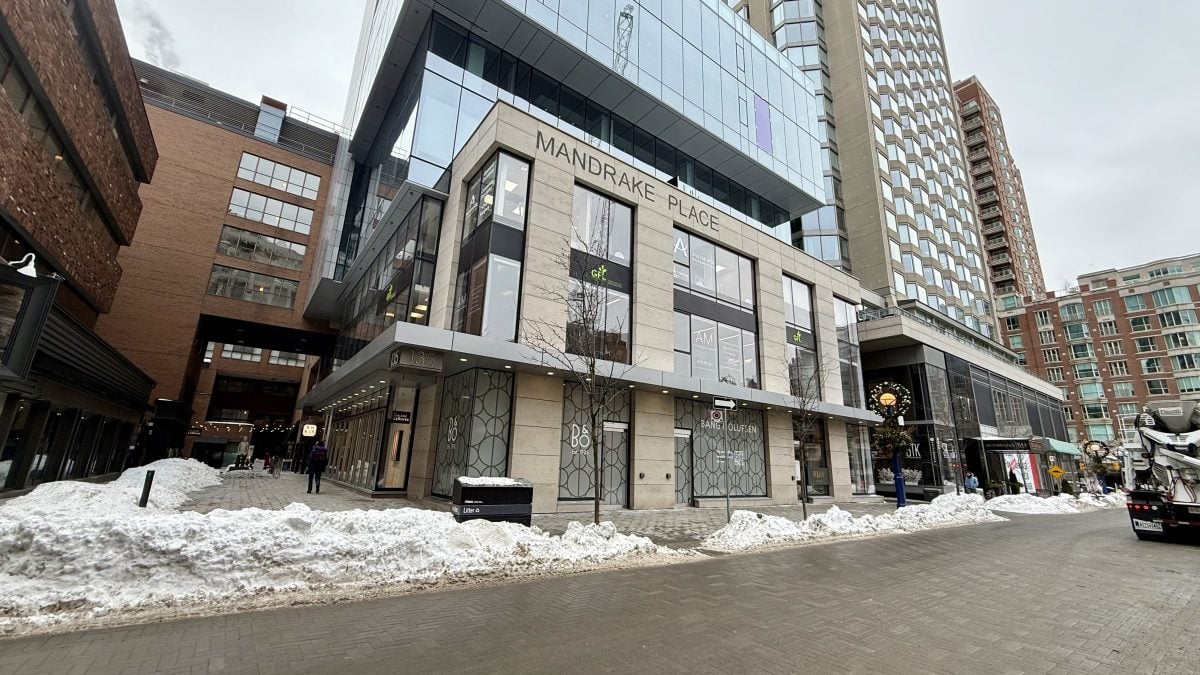
Bang & Olufsen is preparing to make a formal return to Toronto’s luxury retail landscape with a new store opening at 135 Yorkville Avenue. The Danish luxury audio and visual brand has secured the Yorkville address, and marking the company’s re-entry into one of Canada’s most prominent high-end shopping districts.
The forthcoming Yorkville location follows the closure of Bang & Olufsen’s previous Toronto flagship several years ago and represents a renewed commitment to physical retail in a market the brand has continued to serve primarily through wholesale partners. The new store will anchor the brand once again within Toronto’s luxury streetscape, aligning with its global strategy of focusing on flagship and mono-brand environments in key metropolitan markets.
Bang & Olufsen currently operates branded stores in Vancouver (410 Howe Street) and Montreal (6555 St. Denis). The new Yorkville store will give the Danish luxury audio brand a physical presence in Canada’s three largest metropolitan markets, following several years without a dedicated downtown Toronto flagship.
A Yorkville Return After Several Years Away
Bang & Olufsen previously operated a dedicated Toronto experience centre at 100 Davenport Road, a location long associated with the brand in the Yorkville area. That store announced its permanent closure in 2019, following a clearance period that was communicated publicly through social media at the time. Since then, the brand has not operated a central downtown flagship, despite maintaining a presence in the Greater Toronto Area through other retail channels.
In the years following the Davenport Road closure, Bang & Olufsen products remained available to Toronto consumers through select partners, including Holt Renfrew locations in Toronto and Missisauga. The brand’s Canadian store locator has also listed an Ontario custom integration partner in North York, operating by appointment. While these channels preserved brand access, the absence of a flagship left a noticeable gap in Bang & Olufsen’s experiential retail footprint in Canada’s largest urban market.
The secured lease at 135 Yorkville Avenue closes that gap. Leasing announcements and recent brand communications have positioned the location as Bang & Olufsen’s official return to Toronto, though a specific opening date has not yet been publicly disclosed. Social media content released in early 2026 reinforces that the brand is actively preparing to reopen in the city, framing the Yorkville store as a key milestone in its Canadian strategy.
Details of the New Retail Space
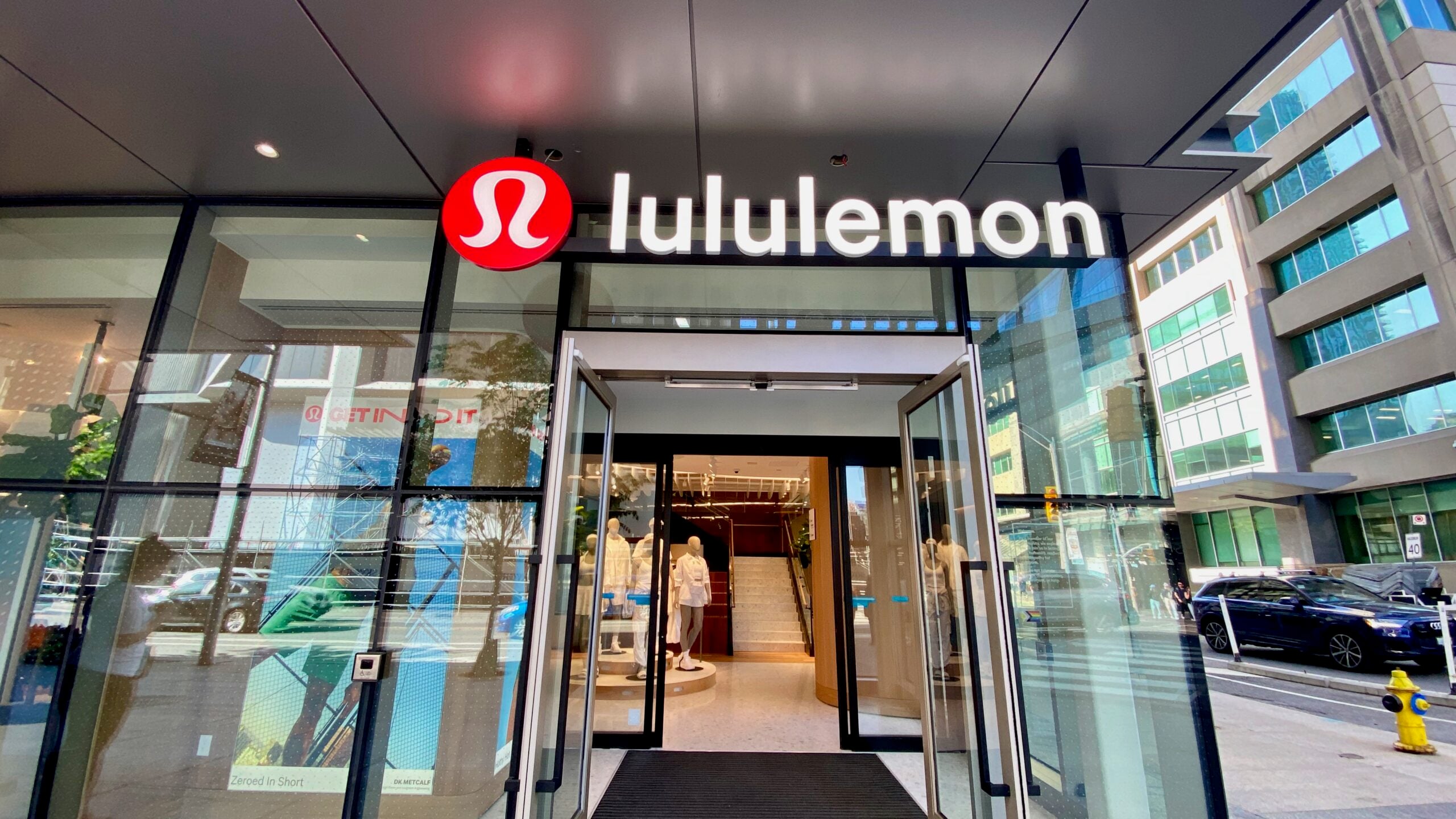
The Yorkville Avenue storefront spans approximately 2,150 square feet on the main floor, according to lease plans. The space was previously occupied by CNTRBND, an upscale men’s fashion retailer known for its edgy positioning and international designer mix. CNTRBND ceased operations last year, leaving behind a high-profile vacancy in one of Toronto’s most sought-after luxury retail corridors.
The retail space was listed by the CBRE Urban Retail Team, which has been active in shaping tenant evolution across the Yorkville and Bloor luxury districts. The selection of Bang & Olufsen for the location aligns with broader leasing trends in the area, where experiential, design-driven brands continue to replace conventional apparel concepts.
Given Bang & Olufsen’s global store design language, the Yorkville location is expected to emphasize immersive presentation rather than dense product merchandising. The brand’s recent flagship concepts in major global cities have leaned toward gallery-style layouts that highlight materials, craftsmanship, and customization, positioning products as integrated elements of interior architecture rather than standalone electronics.
Brand Heritage and Luxury Positioning
Founded in 1925 in Struer, Denmark, Bang & Olufsen has spent a century refining a brand identity built on the intersection of Scandinavian design, acoustic engineering, and craftsmanship. The company has long differentiated itself from mainstream consumer electronics by treating its products as long-term design objects, often emphasizing durability, serviceability, and timeless aesthetics.
The brand’s portfolio spans loudspeakers, soundbars, headphones, televisions, and multiroom home entertainment systems. Across categories, Bang & Olufsen places significant emphasis on premium materials such as aluminum, wood, and textiles, paired with proprietary acoustic technologies. Product design often favors sculptural forms and visual restraint, allowing pieces to function as both performance equipment and interior design elements.
In recent years, the company has increasingly framed its positioning alongside luxury categories rather than traditional electronics. Management and marketing communications have likened the brand’s philosophy to that of luxury watchmakers, focusing on longevity, emotional connection, and craftsmanship rather than rapid product replacement cycles. This positioning has resonated with affluent consumers as well as design-conscious younger buyers who prioritize aesthetics and brand values alongside performance.
Financial Performance and Strategic Transition
For the 2024 and 2025 financial year, Bang & Olufsen reported revenue of approximately DKK 2.6 billion. While revenue for the full year declined modestly in local currencies, the company recorded fourth-quarter growth of about 4 percent in local terms. More notably, Bang & Olufsen achieved a record-high gross margin of roughly 55 percent for the year, with an even stronger margin reported in the fourth quarter.
The company also reported a positive EBIT margin before special items of around 1 percent and generated positive free cash flow of DKK 16 million. Management has characterized the period as a year of transition, emphasizing improved performance in branded channels and a stronger financial foundation heading into the brand’s 100th anniversary.
Bang & Olufsen has prioritized profitability, margin discipline, and brand alignment over aggressive growth. This strategic recalibration has included refining the product portfolio, reducing exposure to lower-margin distribution channels, and concentrating investment in markets and cities where the brand believes it can command premium positioning and experiential relevance.
Product Strategy and Design-Led Differentiation
Bang & Olufsen’s product strategy centres on a relatively focused assortment of high-price, high-margin offerings with longer life cycles than typical consumer electronics. This approach supports both brand consistency and operational efficiency, while reinforcing the perception of products as enduring investments rather than disposable technology.
Limited editions and collaborations play a supporting role in this strategy, creating moments of heightened visibility and desirability without diluting the core product lineup. The brand’s renewed collaboration with Ferrari, spanning the 2024 and 2025 Formula 1 seasons, exemplifies this approach, linking Bang & Olufsen’s design and performance narrative with a globally recognized luxury automotive brand.
Design language remains central to differentiation. Products are often designed to integrate seamlessly into residential environments, with mounting systems, modular components, and customizable finishes that allow for architectural integration. This design-first philosophy distinguishes Bang & Olufsen from both mass-market electronics brands and traditional audiophile manufacturers that emphasize technical performance over visual form.
Store Network and Retail Distribution Strategy
The upcoming Toronto opening fits squarely within Bang & Olufsen’s broader reconfiguration of its global retail network. The company has been actively reducing its reliance on broad multi-brand distribution and non-aligned e-commerce platforms, instead investing in mono-brand stores, flagships, and carefully selected wholesale partners that reinforce its luxury positioning.
In the United States, the brand has exited certain lower-alignment channels while redirecting resources toward branded environments. Flagship stores in cities such as New York City, London, and Paris serve as both sales drivers and brand showcases, offering immersive experiences that emphasize heritage, materials, and personalization.
These flagship environments are designed to function as halo locations within a broader omnichannel ecosystem. They support clienteling, custom installation consultations, and long-term service relationships, reinforcing the brand’s emphasis on lifetime value rather than transactional sales.
Toronto’s Yorkville store is expected to operate within this same framework. As part of Bang & Olufsen’s “win cities” strategy, the location underscores the brand’s view of Toronto as a key luxury market with sufficient scale, affluence, and design culture to support a flagship concept.
Omnichannel Integration and Digital Evolution
Alongside its physical retail strategy, Bang & Olufsen has invested heavily in modernizing its digital commerce infrastructure. The brand has implemented a headless, microservices-based platform designed to unify online and offline channels and support advanced omnichannel use cases.
This architecture allows in-store staff to access the full online catalogue, enabling endless aisle capabilities, click-and-collect options, and home delivery for out-of-stock items. It also supports tighter integration between branded stores and e-commerce, ensuring consistent pricing, assortment control, and brand presentation across touchpoints.
Bang & Olufsen has consolidated previously separate online destinations into a single brand platform, simplifying navigation and reinforcing a cohesive brand story. Digital storytelling, service integration, and appointment-based consultations increasingly complement physical store visits, particularly in luxury markets where consumers expect a seamless experience across channels.
The Toronto flagship is expected to benefit from this infrastructure, serving as both a physical showroom and a gateway to the brand’s broader ecosystem of products, services, and customization options.
Yorkville’s Evolving Luxury Retail Landscape
Bang & Olufsen’s return to Yorkville comes amid a period of sustained luxury and upscale retail activity in the district. The Bloor and Yorkville corridor has continued to attract global brands, with new openings, relocations, and flagship announcements reshaping the area’s retail mix between 2024 and 2026.
Recent activity has included the arrival of high-end home and lifestyle brands such as Frette (opening soon), new fashion flagships on side streets (including a Harry Rosen flagship opening later this year), and ongoing investment by landlords seeking to elevate tenant quality. Yorkville Village shopping centre has undergone a notable refresh, adding upscale furniture, jewelry, and specialty retail concepts while upgrading existing tenants.
Major redevelopment and flagship projects are also reinforcing Yorkville’s role as a luxury destination. The transformation of key properties into large-format flagships reflects confidence in the area’s long-term appeal to affluent shoppers, tourists, and design-oriented consumers.
Against this backdrop, Bang & Olufsen’s decision to locate at 135 Yorkville Avenue aligns with the district’s evolution toward experiential and design-driven retail. Luxury audio, positioned at the intersection of technology and interior design, fits naturally within a corridor increasingly defined by lifestyle and home-related categories alongside fashion and accessories.
Canada represents a relatively small but strategically important market for Bang & Olufsen, particularly in major urban centres. Vancouver and Montreal already host brand-operated stores, and the addition of a Toronto flagship completes a tri-city presence across the country’s largest metropolitan areas.