

Editor’s Note: This article is the first in a special Retail Insider thought leadership series exploring how luxury retail actually works, based on insights from luxury retail executive Douglas Mandel.
Luxury retail is entering a new chapter. The shifts underway are structural, not cyclical. The expectations of The New Luxury Client are reshaping how brands design stores, train teams, and define performance.
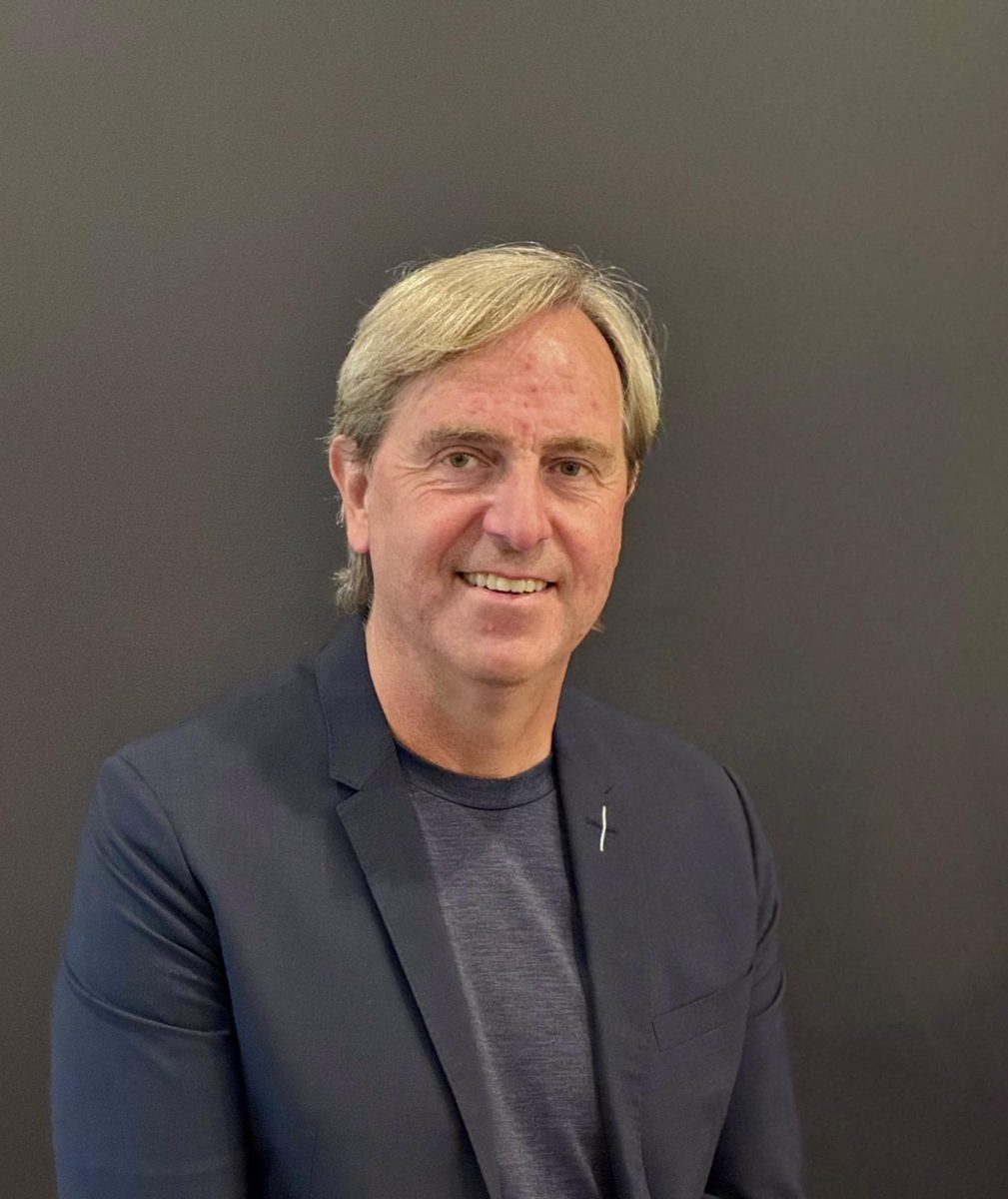
Douglas Mandel, former VP of Dior who led Canada and a veteran luxury retail leader, outlines what he sees as a decisive shift in client expectations. Drawing on decades of experience leading teams and overseeing stores in complex international markets, Mandel argues that in luxury, the product is only the beginning. The real business is the relationship.
For Canadian retailers navigating cautious consumer spending, rising operating costs, and intensifying competition from global brands, that message carries weight. The New Luxury Client is no longer impressed by square footage alone. They are looking for emotional intelligence, intentional design, and authentic human connection.
From Transaction to Relationship
“In luxury, the product is just the start. The real business is the relationship,” Mandel says.
During his tenure overseeing Dior stores internationally, Mandel explains that leadership extended far beyond operations and financial targets. Senior executives were expected to know top clients personally, host them at fashion shows, and ensure they felt recognized and valued. Fashion shows were not marketing exercises. They were immersive brand experiences and, as he describes, “the ultimate expression of brand immersion.”
This approach reframes luxury retail as a long-term relationship strategy rather than a series of isolated sales. Mandel notes that in these environments, leaders become “a conductor of relationships, not just a P&L executor.”
For The New Luxury Client, recognition and continuity are essential. Whether the annual spend is in the tens of thousands or significantly more, the expectation remains consistent. Clients want to feel seen, not processed.
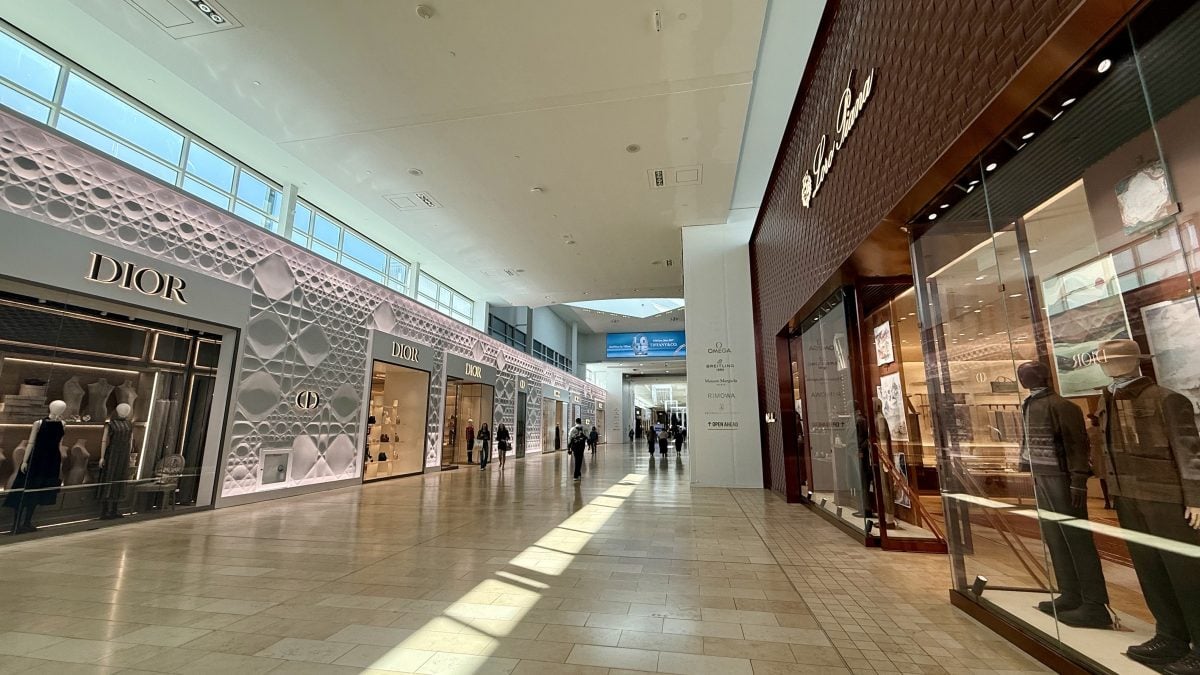
Across Canada’s growing luxury nodes, from Vancouver to Toronto and Montreal, this shift is increasingly visible. Flagships are expanding. However, the brands that resonate most deeply are those investing in meaningful client relationships rather than relying solely on visual spectacle.
The Client Journey as the True Blueprint
Mandel also challenges traditional approaches to store design.
“In luxury retail, the true blueprint is not your floorplan, it’s your client journey,” he says.
Historically, store layouts were built around product adjacencies, traffic flow, and visual hierarchy. Those fundamentals still matter. However, Mandel argues that they are insufficient if the emotional experience is not equally intentional. A store can be architecturally impressive and still fail if the client feels overwhelmed, disconnected, or rushed.
He advocates mapping the emotional journey of the client across the physical space, outlining what the client feels at each stage and how staff guide the interaction. The emphasis shifts from simply moving clients through zones to creating moments of welcome, exploration, engagement, and elevated closure.
For Canadian developers and landlords investing heavily in mixed-use luxury projects, this concept is particularly relevant. As retail integrates with hospitality and residential components, the emotional hierarchy of the store becomes as critical as its architectural design.
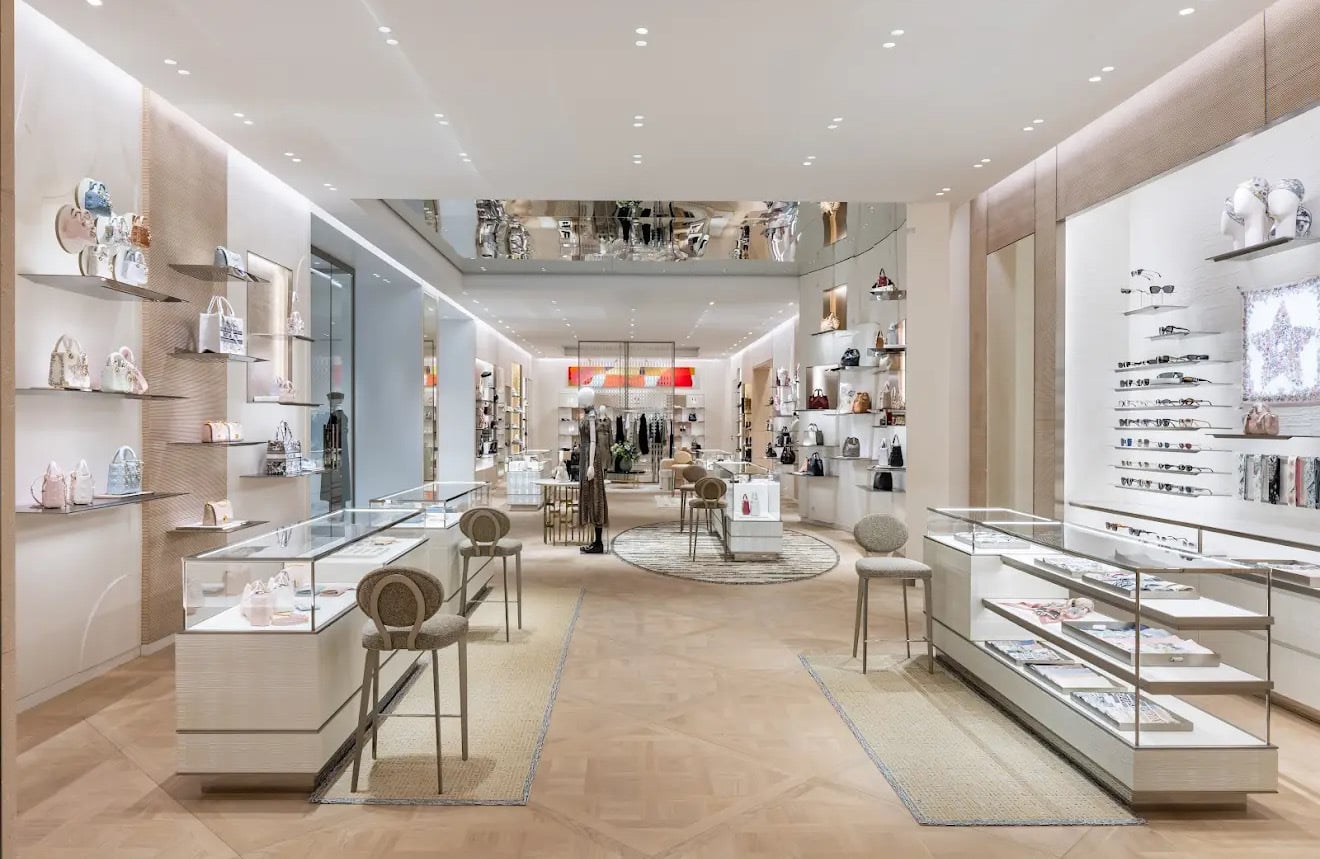
The New Luxury Client evaluates brands holistically. Lighting, scent, pacing, and staff interactions form a cohesive narrative. When those elements align, the store becomes memorable. When they do not, even the most expensive buildout can feel transactional.
Rituals Over Transactions
If journey defines the structure, ritual defines the rhythm.
“Luxury retail is evolving fast,” Mandel observes, noting that clients today demand more than product. “They want presence.”
He argues that the brands poised to succeed are those that embed rituals into their service model. Rituals are repeatable, meaningful moments designed to deepen emotional connection and elevate perceived value. They may include a distinctive welcome, a carefully choreographed packaging presentation, or a thoughtful follow-up that feels personal rather than automated.
“The brands that win in 2026 won’t just offer better promotions or prettier packaging. They’ll offer rituals,” Mandel says.
Rituals create emotional safety. In a climate defined by rising prices and digital saturation, consistency and symbolism help clients feel grounded and valued. Clients may forget a specific SKU, but they remember how they were treated.
For Canadian luxury retailers facing competition from both global e-commerce platforms and international flagships, ritual provides differentiation. It transforms service from an individual associate’s improvisation into a structured expression of brand values.
Clienteling as Culture, Not Software
Personalization is often associated with CRM platforms and data analytics. Mandel takes a more human-centered position.
“Clienteling isn’t a line item in your tech budget. It’s a brand behaviour that starts with your people and ends with loyal, emotionally invested clients,” he says.
He emphasizes that clienteling is not primarily a tool, but a culture. While technology can support the process, the foundation lies in training teams to capture details, act on insights, and maintain continuity across visits.
At its core, clienteling is “the art of knowing your client and showing them you care.” That includes remembering preferences, acknowledging milestones, and designing follow-up that feels intentional rather than automated.
For many Canadian luxury and premium retailers, particularly independent operators, this is an encouraging message. Meaningful clienteling does not require a global technology stack. It requires discipline, leadership, and a clear service philosophy.
The New Luxury Client is discerning. They can distinguish between generic outreach and genuine attention. In that environment, authentic clienteling becomes a strategic advantage.
Hospitality as the Foundation
Long before experiential retail became a widely used term, Mandel was applying hospitality principles inside a boutique setting.
Reflecting on an early flagship in Old Montreal, he describes furnishing the store with large couches and benches, encouraging clients to sit, converse, and linger. Clients would call ahead not to ask about inventory, but to inquire about what bottle of wine was open.
“They weren’t just coming to shop. They were coming to spend time. To connect. To feel seen,” he recalls.
The lesson extended to his leadership roles in global luxury houses. Retail, he notes, is about making people feel good, not merely facilitating transactions. A memorable retail experience is built with feeling, not fixtures.
As Canada continues to attract new luxury entrants and expand existing retail corridors, this principle remains relevant. Architectural ambition must be matched by emotional hospitality.
What The New Luxury Client Means for Canada
The New Luxury Client in Canada is globally informed, digitally fluent, and increasingly selective. Travel has resumed. Price transparency is immediate. Brand narratives are scrutinized.
In this context, luxury retailers cannot rely solely on logo recognition or prime real estate. They must invest in emotional continuity, structured rituals, and a clienteling culture that prioritizes long-term relationships over short-term conversion.
Mandel’s perspective offers a framework. Begin with the client journey rather than the floorplan. Embed rituals that create rhythm and memory. Build clienteling as a cultural discipline rather than a software solution. Recognize that the relationship, not the product, ultimately drives revenue.
Luxury is not about speed. It is about meaningful rhythm.
The New Luxury Client is not demanding less. They are demanding depth, intention, and humanity. The brands that respond accordingly will not simply generate sales. They will build enduring loyalty in a market that increasingly rewards those who treat luxury as a relationship, not a transaction.










I had a very humiliating and bad experience at Dior on Bloor St Toronto. I brought them my white Dior jacket that I had purchased at Saks in Florida and wanted shoulder pads put into the jacket. The Dressmaker was extremely arrogant and rude. She refused to touch the jacket because it wasn’t bought at Dior it was bought at Saks. This would never happen if it was a Chanel piece Chanel honors their garments for years to come. They will fix something that is 20 years old and not charge you even I will never buy Dior again.
Great perspective on how luxury is shifting from transactional sales to meaningful client relationships. Today’s luxury customer values personalization, trust, and long-term connection just as much as the product itself. Brands that understand loyalty and experience will lead the next era of luxury retail.