Home Blog Page 12

HelloFresh Expands Factor Across Canada as Ready-to-Eat Strategy Grows

Photo: HelloFresh
Photo: HelloFresh

HelloFresh is building out its ready-to-eat business in Canada as the global meal-delivery company puts greater emphasis on prepared food, longer-term customers and new distribution channels while navigating continued declines in its traditional meal-kit business.

The strategy is increasingly visible through Factor, HelloFresh’s prepared-meal brand, which opened a 50,000-square-foot kitchen and distribution centre in Calgary in June. The operation establishes a Western Canadian production base for Factor and supports its expansion into additional provinces as the brand moves toward nationwide availability. The facility is expected to create about 400 jobs.

The Canadian investment takes on greater significance following HelloFresh’s latest earnings call last week, when management outlined plans to expand its ready-to-eat business geographically and through additional sales channels. The company is working to make ready-to-eat profitable for the full year while investing in products intended to address demand for convenience, personalization and health-focused food.

Factor Builds Out Western Canadian Operations

The Calgary facility gives Factor localized production capacity in Western Canada rather than relying on longer-distance fulfillment. The operation includes commercial ovens, grills, braisers and blast-chilling systems, along with temperature-controlled production, storage and distribution areas.

Factor said when the facility opened that expansion into British Columbia and Saskatchewan was expected this fall. Parent company HelloFresh already has a substantial Canadian presence, saying its meal-kit service reaches approximately 95 per cent of the Canadian population and that the company employs more than 1,000 people across the country.

The Calgary project also received approximately $3.6 million in government support, including $2.3 million through Alberta’s Agri-Processing Investment Tax Credit and $1.3 million through the Sustainable Canadian Agricultural Partnership.

Factor occupies a different part of the meal-solutions market from HelloFresh’s core meal-kit offering. Rather than delivering ingredients and recipes for customers to prepare, Factor provides fully prepared refrigerated meals designed to be heated and eaten, giving HelloFresh access to additional eating occasions and consumers seeking convenience without meal preparation.

Ready-to-Eat Becomes a Larger Strategic Priority

HelloFresh’s second-quarter results show a ready-to-eat business that remains under pressure on revenue but is making progress toward profitability. Ready-to-eat revenue declined 8.4 per cent in constant currency during the quarter, while adjusted EBITDA was €13.1 million, representing a 3.0 per cent margin. For the first half, the segment’s adjusted EBITDA loss narrowed to €13.6 million from €26.4 million a year earlier.

HelloFresh said its U.S. ready-to-eat operation was close to breaking even during the first half and expects positive margins there during the second half. Management continues to target modest adjusted EBITDA profitability for the overall ready-to-eat business for the full year.

The company is simultaneously scaling Factor outside the U.S., including through new production infrastructure in Canada and Europe. CEO Dominik Richter said HelloFresh is deliberately prioritizing margins and product improvements before accelerating customer acquisition, part of a multi-year strategy that has already included significant reductions to its cost base.

HelloFresh said it was approximately 85 per cent through a €300-million efficiency program at the end of the first half. Some of those savings are being redirected toward product improvements intended to broaden the number of consumers and meal occasions its brands can serve.

Meal Kits Shift Toward a More Loyal Customer Base

HelloFresh’s traditional meal-kit business remains considerably larger, but its current trajectory helps explain the push into prepared food. Meal-kit revenue declined 8.9 per cent in constant currency during the second quarter. At the same time, existing customers are spending more and ordering more frequently. Average order value reached €64.50 during the quarter, up 7.1 per cent in constant currency, while management said first-half meal-kit order frequency increased 4.1 per cent.

Much of the revenue decline is tied to customer acquisition. HelloFresh has reduced marketing spending and tightened the return thresholds required before it will spend money attracting new subscribers. Group marketing expenditures fell 16.3 per cent year-over-year during the second quarter, faster than the decline in revenue.

Management said uncertainty around food, fuel and other operating costs during the first half made it more difficult to forecast returns from newly acquired customers. Rather than pursue subscriber growth at higher acquisition costs, HelloFresh has concentrated spending on customers and channels that meet its return requirements.

The result is fewer new customers entering the subscription business even as established customers demonstrate stronger spending and ordering behaviour. Over time, fewer new customers also means a smaller pool available to develop into long-term subscribers, making improved customer acquisition an important part of any return to revenue growth.

Photo: HelloFresh
Photo: HelloFresh

Higher-Income Families Anchor the Subscription Base

HelloFresh provided additional detail on the consumers who are staying with the service. Richter said long-tenured customers tend to come from the top 40 per cent of the income distribution, frequently live in multi-person households, often have children and show some overrepresentation in suburban areas.

The characteristics were discussed across HelloFresh’s business rather than specifically in Canada, but they provide insight into the consumer base supporting the subscription model during a period of cautious household spending.

Management said established customers tend to value the service for convenience, reduced food waste, recipe discovery and healthier eating. Consumers who have not already developed that habit appear more hesitant to begin a new subscription in an uncertain economic environment.

The shift toward longer-term customers has changed the composition of HelloFresh’s meal-kit revenue considerably. Customers who have used the service for more than four years generated 34 per cent of first-half meal-kit net revenue, compared with just 7 per cent in the first half of 2023.

HelloFresh Broadens the Meal Occasion

HelloFresh is also expanding its assortment in an effort to reach consumers beyond the traditional meal-kit occasion. The company has introduced lower-effort dinners using precut vegetables and premarinated proteins to reduce cooking time, while expanding protein choices and allowing customers to make more ingredient swaps within weekly menus. Factor has broadened its assortment with options including GLP-1-friendly recipes for consumers managing nutrition alongside the medications.

HelloFresh is also using customer ordering histories and onboarding information to personalize meal recommendations and has introduced more options aimed at households with children. Its recently launched CookBook allows users to save recipes found on social media or elsewhere online and convert them into HelloFresh-style recipe formats, with management saying more than three million recipes have been saved since launch.

The initiatives support HelloFresh’s stated ambition to become a “digital native CPG company,” positioning the business as a consumer-food platform built around data, direct customer relationships and multiple meal formats rather than a conventional meal-kit subscription service alone.

Ready-to-Eat Products Move Onto Retail Shelves

That broader strategy is also beginning to extend beyond HelloFresh’s direct-to-consumer model. Management said that following a successful trial during the first half of the year, HelloFresh is broadening retail-shelf distribution for its ready-to-eat products. The company did not identify the retailers or markets involved during the earnings call, and there was no indication that the initiative currently includes Canada.

Retail distribution could allow HelloFresh to reach consumers without requiring them to commit to recurring deliveries, while adding another sales and customer-acquisition channel alongside its digital platforms. It would also put its ready-to-eat products more directly alongside prepared foods and packaged meals sold by conventional grocery retailers.

The development is relevant to Canada because Factor is adding substantial production capacity here while its parent company experiments with broader distribution elsewhere. HelloFresh has not announced plans to put Factor products on Canadian grocery shelves, but the strategy shows the company testing how far the ready-to-eat business can extend beyond subscription delivery.

Competition Grows in Canada’s Prepared-Meal Market

Factor’s Western Canadian expansion comes as competition in the domestic prepared-meal market intensifies. Montreal-based WeCook announced its own major expansion in June, extending delivery into Winnipeg, Saskatoon, Regina, Edmonton, Calgary and Vancouver. The rollout gave WeCook a substantially broader national presence at almost the same time Factor was establishing Western Canadian production capacity in Calgary.

Goodfood is another established Canadian operator spanning meal kits and prepared-food offerings, while conventional grocery chains compete for many of the same meal occasions through prepared-food departments, refrigerated meals and other convenience offerings. That company recently went through financial troubles, indicating challenges in the industry.

The competitive landscape has expanded beyond the original meal-kit category. A Factor meal can compete with another direct-to-consumer prepared-meal service, but it can also replace a supermarket meal, restaurant takeout or food ordered through a delivery platform.

Federal packaged-food data illustrates the scale of the broader opportunity. Agriculture and Agri-Food Canada reported Canadian ready-meal retail sales of approximately $4.4 billion in 2023, considerably larger than the approximately $1.3 billion food-kit category. Those classifications extend well beyond subscription services such as Factor, but demonstrate the size of consumer spending around convenient prepared food.

Back-to-School Will Provide the Next Test

HelloFresh’s next major demand signal will come during the back-to-school period, which management described as one of its most important customer-acquisition windows of the year.

The company plans to use those results to determine whether product improvements are producing stronger new-customer conversion and how aggressively it should increase marketing. HelloFresh currently expects full-year constant-currency revenue performance to trend toward the lower end of its existing range while maintaining its adjusted EBITDA outlook.

The immediate challenge is rebuilding customer acquisition without sacrificing the economics of the business. HelloFresh has chosen to spend less aggressively while improving the proposition for existing customers, betting that stronger retention, higher order values and a broader range of meal formats can eventually support a return to growth.

Factor’s Canadian expansion gives that strategy a substantial physical foothold. With Western Canadian production now in place and national availability moving closer, HelloFresh is positioning its ready-to-eat business to compete across a wider portion of Canada’s convenience-food market than the meal-kit model that originally established the company here.

More from Retail Insider:

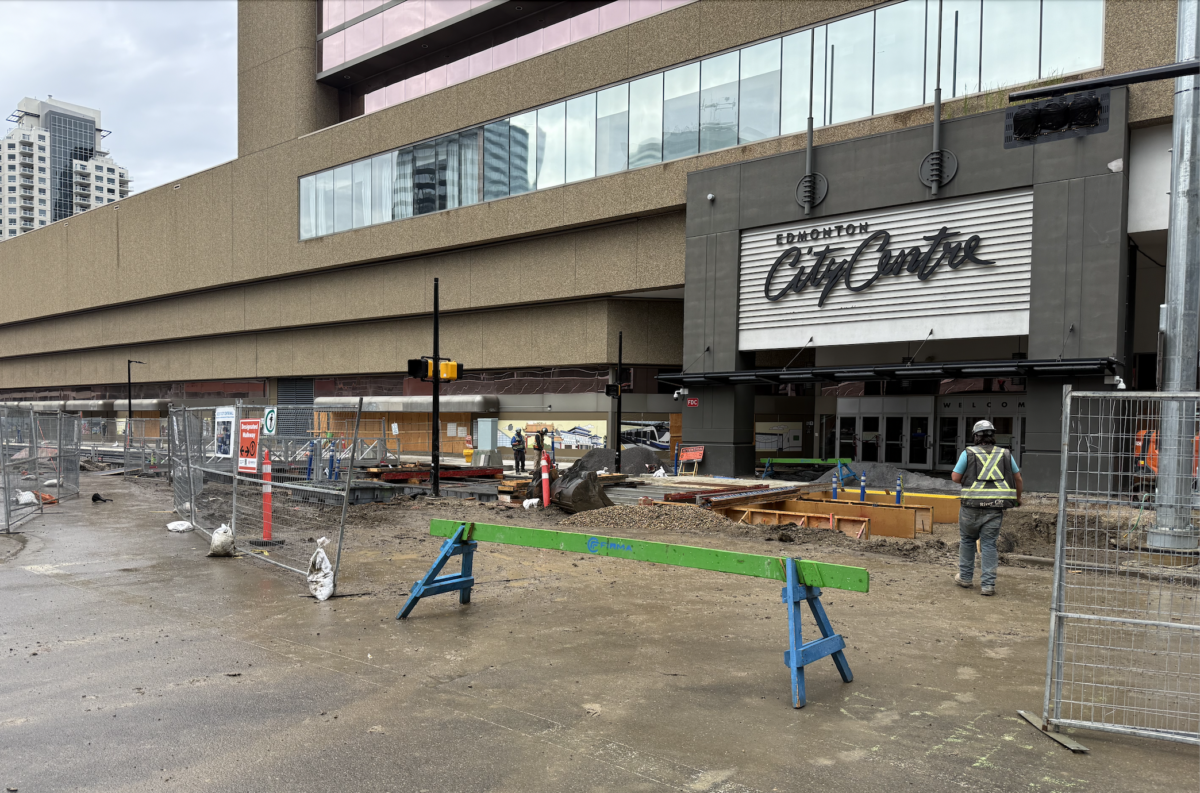
Public safety and construction deal heavy blows to Edmonton downtown businesses

Downtown Edmonton. Mario Toneguzzi photo

During the summer, the Edmonton Chamber of Commerce called for immediate action to protect the city’s downtown momentum, saying Edmonton is one of the fastest-growing cities in the country, but that story is at risk of being drowned out by a wave of downtown business closures that are entirely preventable. 

Edmonton did receive some positive economic news recently with the announcement that Edmonton-based Westrich Pacific has received court approval to acquire Edmonton City Centre, setting the stage for a major redevelopment of the downtown property that is expected to begin with approximately 1,500 residential units on the former Hudson’s Bay portion of the site.

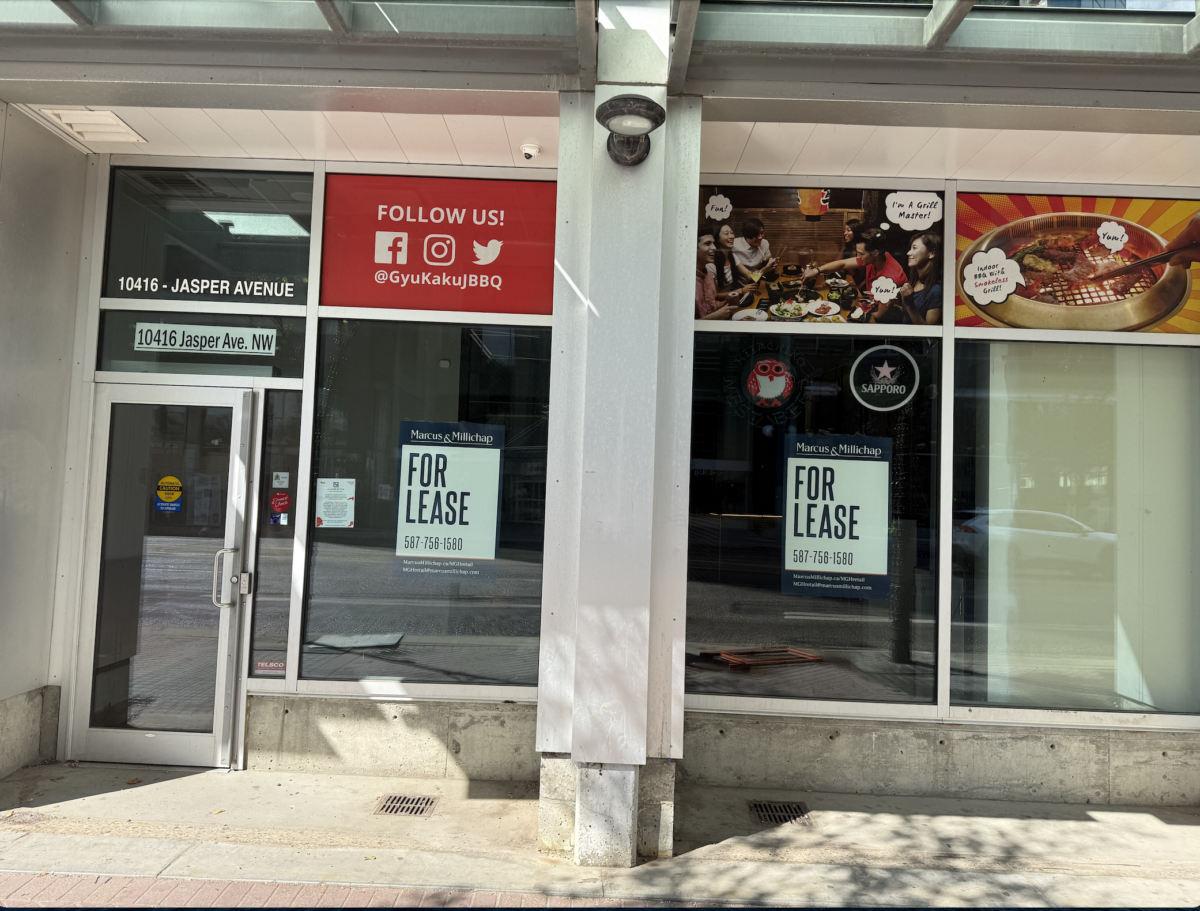
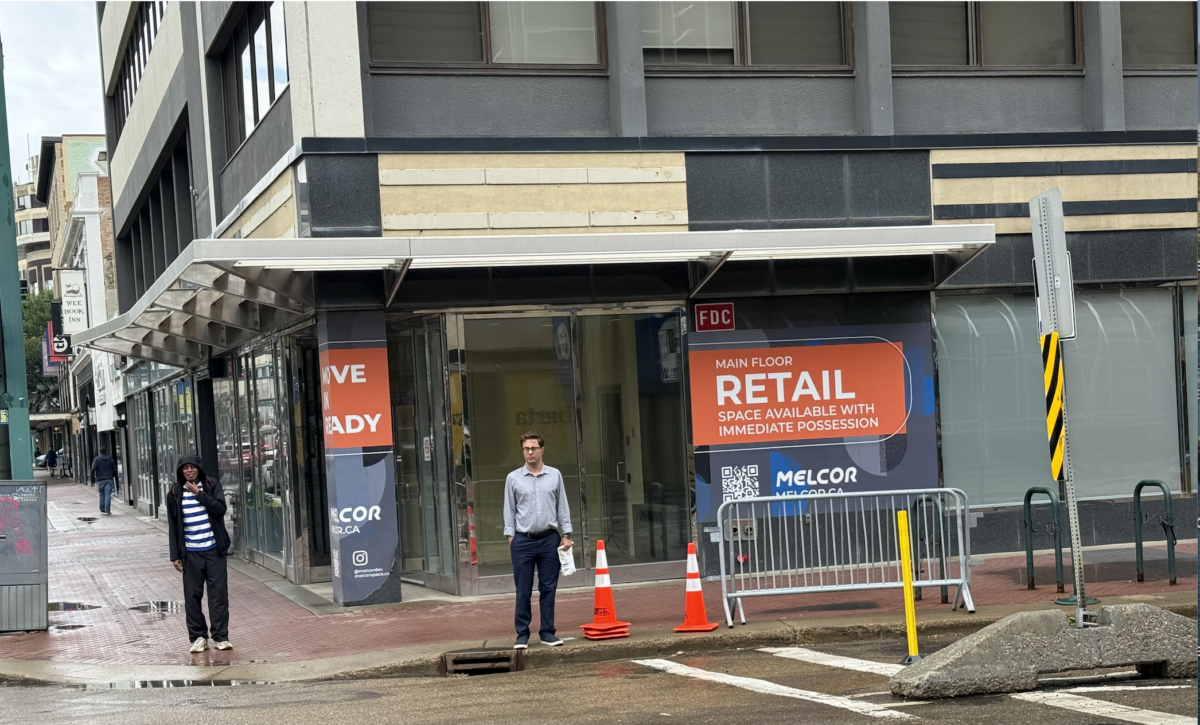
But it’s been overshadowed by a shocking number of business closures in the downtown as For Sale and For Lease signs dominate the core. 

Downtown Edmonton. Mario Toneguzzi photo

In a LinkedIn post, Murtaza Haider, Radhe Krishna Executive Chair in Cities and Communities, Alberta School of Business, University of Alberta, and Executive Director, Cities Institute, U of A, said: “As another downtown Edmonton business (The Gardens sports bar) closes its doors, the rot continues to spread through the heart of the city. Despite efforts by City Hall and local businesses, the depopulation of restaurants, bars, and social spaces remains an unresolved issue. The once vibrant pulse of Edmonton’s downtown is fading further, leaving behind a landscape that feels increasingly desolate.”

He said it is time for the city and its leadership to take decisive actions and implement innovative solutions that will breathe new life into streets and businesses.

“The future of Edmonton’s downtown depends on our ability to learn from others and adapt to the changing urban landscape,” he noted. 

In a public safety survey conducted by the Chamber amongst its members over the past few months, 58% of businesses said they did not feel safe operating their business in Edmonton. In the last year, 44% have spent at least $500 to fix damages caused by vandalism, break ins, or shoplifting, while 24% said they spent more than $2,500. 

“Edmonton’s growth story is real, and it’s one of the best in Canada right now,” said Doug Griffiths, President and CEO of the Edmonton Chamber of Commerce. “But that story is being overshadowed by Downtown, and it doesn’t have to be. When we see nearly 20 businesses close their doors in the core this year, that’s not just a Downtown problem, that’s a city problem, and it’s one the City has the tools to fix. We’d like to see the City take steps to fix this problem, with a particular focus on safety.” 

Public safety is one issue impacting downtown Edmonton businesses. The other is construction.

Downtown Edmonton. Mario Toneguzzi photo

In a recent LinkedIn post, Chris DeCock, President/Co-Founder of GRETA Arcade Bar Streetfood and President/Co-Founder of Hudsons Canada’s Pub, announced the closure of GRETA in the downtown. 

“For the last 25 years, I’ve had the privilege of owning restaurants, pubs and entertainment venues in Edmonton. At one point our company operated eight locations here. When GRETA YEG closes after ten years, we’ll have three remaining in Edmonton,” he said. “Writing those words is one of the hardest things I’ve ever had to write.

“After ten years, we’ve made the difficult decision to close GRETA Arcade Bar and Street Food. Every business closure has its own story. Ours happens to reflect a much bigger conversation about the future of downtown Edmonton.”

He said the company continues to grow and invest in other Canadian cities. GRETA is thriving elsewhere, and it continues to see opportunities across the country.

“I believe Edmonton deserves an honest conversation about where downtown is heading. The truth is this: we haven’t been investing in downtown Edmonton for the last decade. We’ve been divesting. That should concern every Edmontonian.

“The real story isn’t that GRETA is closing. The real story is what happens when experienced local entrepreneurs—people born here, raised here and committed to this city—begin choosing to invest somewhere else.

“No single decision brought us here. It wasn’t one tax increase. It wasn’t patio fees. It wasn’t paid parking. It wasn’t hybrid work. It wasn’t safety. It wasn’t one construction project. It was death by a thousand cuts. Year after year, decision after decision, operating downtown became a little harder and investing there became a little riskier.”

He said the biggest challenge has been access.

“Years of simultaneous construction tied to the Valley Line West LRT, Jasper Avenue, Stony Plain Road and surrounding corridors have fundamentally changed how people reach downtown. The Valley Line West alone spans roughly 14 kilometres, with construction and commissioning extending over many years. Infrastructure matters, but restaurants, retailers and small businesses cannot survive nearly a decade of disruption while waiting for promised long-term benefits,” added DeCock.

The Chamber said it recognizes that business openings and closures are a normal part of any healthy economy, and Edmonton continues to see new businesses choosing to open downtown.

But if multiple businesses close for every one that opens, the city’s business community never gets ahead, it added. 

“Our members have consistently raised construction disruption, public safety concerns, and the state of public space Downtown as factors actively driving foot traffic and customers out of Downtown. These are issues the City cannot afford to leave unaddressed any longer, and they are issues the Chamber has always advocated for solutions on “

“Seeing so many of these restaurants shut their doors is tough for us at the Chamber to see,” said Edmonton Chamber Vice President of Economy and Engagement, Heather Thomson. “The Chamber’s advocacy for small businesses Downtown has always been consistent. We want to see more people back Downtown on a regular basis. We want to see more people working Downtown and living Downtown, and we need to see these priorities reflected in City’s policies and approach to the business community.” 

Downtown Edmonton. Mario Toneguzzi photo

The Chamber said it endorses the Downtown Revitalization Coalition’s call for Edmonton City Council to declare downtown economic stabilization an immediate priority and give Administration a clear mandate to act now.  

  • Public safety: Continued and expanded investment in a safe, welcoming Downtown core, treated as a foundational economic pillar rather than a separate issue from economic development. 
  • Construction coordination: Downtown businesses considered primary stakeholders when planning construction, ensuring better coordination and sequencing of Downtown construction, with business access and customer disruption treated as core project requirements. 
  • Construction site standards: Higher standards for construction sites, including cleanliness, pedestrian access, fencing, signage, and daily maintenance. 
  • Business relief measures: Free on-street parking in the downtown core for the remainder of the 2026 construction season, waived patio permit fees for Downtown businesses for the rest of the year, and investment in the public realm, streetscapes and shared spaces that make downtown a destination. 
Downtown Edmonton. Mario Toneguzzi photo

In July, the Edmonton Downtown Business Association sent a letter to the City of Edmonton’s Downtown Integration Manager, Infrastructure Services: “While the large number of construction projects represent significant investments in downtown infrastructure, the cumulative impact to downtown accessibility is contributing to the permanent closure of ground-floor businesses. This represents a loss of employment for residents, loss of tax revenue to all levels of government, and loss of vibrancy in Edmonton. As you appreciate, there is already an overwhelming impact of construction on the downtown road, sidewalk, and bike lane network, impacting access to, from, and within downtown. 

“Most of the major downtown streets and avenues are currently undergoing public works and our business community cannot endure any further disruptions. Through this letter, the Edmonton Downtown Business Association requests: (1) priority reopening of intersections affected by Valley Line LRT construction; (2) a review of timelines for upcoming projects; and (3) a formal framework to assess business impacts when sequencing future capital projects.”

More from Retail Insider:

Downtown Edmonton. Mario Toneguzzi photo

Empire to acquire nine Morelli’s pharmacies in Ontario

Photo- Longo's
Photo- Longo's

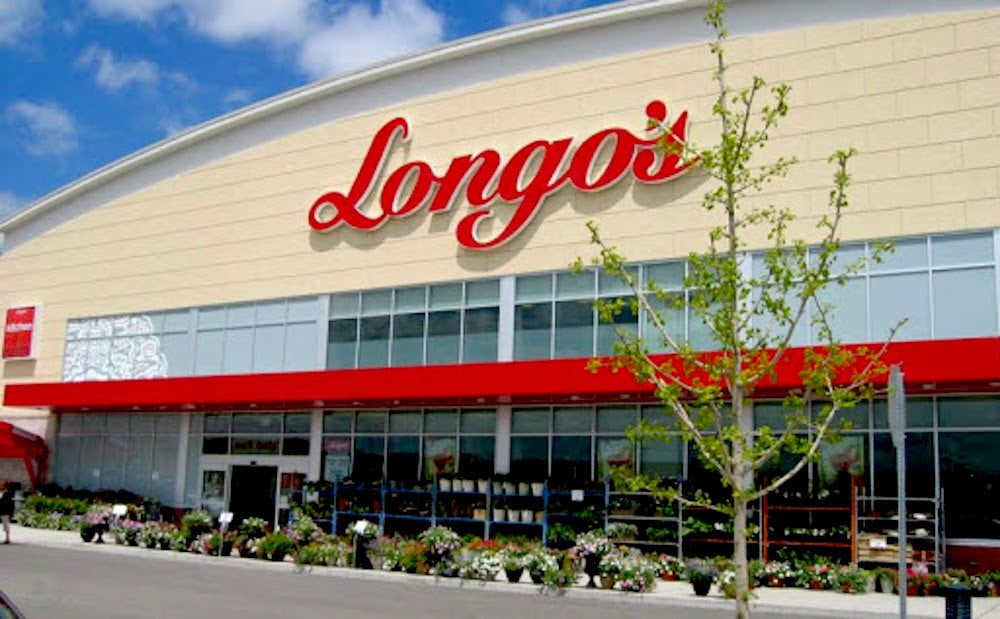
Empire Company Ltd. has reached an agreement to acquire nine Morelli’s pharmacies located inside Longo’s grocery stores in Ontario, with the locations to be rebranded as Longo’s Pharmacy and integrated into Sobeys Inc.’s national pharmacy operations.

The transaction remains subject to customary closing conditions, including regulatory approvals from the Ontario College of Pharmacists. It is expected to close in the second quarter of Empire’s 2027 fiscal year.

Pharmacy expansion

The acquisition will expand Empire’s pharmacy operations in Ontario through nine locations already operating within Longo’s stores.

Morelli’s Pharmacy was founded by Gerry Morelli in 1990 and provides dispensing and clinical pharmacy services in the Greater Toronto Area and Hamilton. The first Morelli’s pharmacy inside a Longo’s store opened in 2005, followed by eight additional in-store locations.

“Morelli’s has been a vital part of our Longo’s community for decades, providing expert pharmacy services and dispensing,” said Deb Craven, President, Longo’s. “We will continue to offer our guests and patients the same care and trust that Morelli’s is known for, while providing the benefit of Empire’s scale, operational expertise and long-term commitment to advancing pharmacy-led primary care in Canada.”

Integration into Sobeys operations

Empire said the move will allow the pharmacies to operate under the new brand name while remaining part of those grocery-store locations.

“The acquisition of nine Morelli’s pharmacies provides Empire with a strategic opportunity to grow the Ontario pharmacy network with an established and trusted partner already embedded in Longo’s day-to-day operations,” said Doug Nathanson, General Counsel and Chief Pharmacy & Development Officer. “The conversion to Longo’s Pharmacy ensures the continuity of exceptional patient and customer service, while also providing the opportunity for Empire to diversify its brand offering to new patients and Longo’s guests.”

The deal does not provide a purchase price or other financial terms.

Empire and Longo’s

Empire is headquartered in Stellarton, N.S., and operates primarily in food retailing through wholly owned subsidiary Sobeys Inc., as well as related real estate operations. The company reported approximately $32 billion in annual sales and $17 billion in assets, with Empire and its subsidiaries, franchisees and affiliates employing approximately 130,000 people.

Longo’s is a family-operated Canadian company that began in 1956 when brothers Tommy, Joe and Gus opened their first fruit market. It now operates 44 stores in communities across Toronto and the GTA.

The pharmacy acquisition is subject to the required regulatory approvals before it can be completed.

More from Retail Insider:

Canadian Tire Prepares for AI Shopping as Retail Strategy Evolves

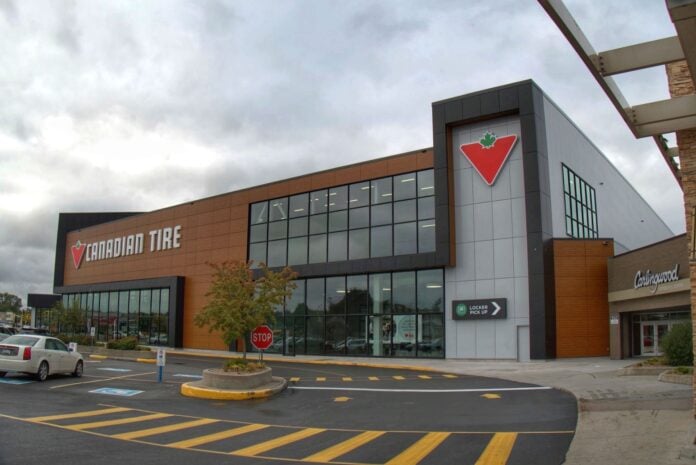
Canadian Tire at Carlingwood Shopping Centre (Image: Strathallen)

Canadian Tire Corporation is adapting its retail strategy for a shopping environment in which artificial intelligence may play a growing role in both what consumers buy and which retailers they discover.

During the company’s second-quarter earnings call, President and CEO Greg Hicks said Canadian Tire has added shopping lists, FAQs, tips and other information to its websites so AI agents can more easily discover, understand and recommend its products when consumers search through large language models. The work is part of a broader AI strategy that is also influencing how Canadian Tire identifies merchandising opportunities, builds assortments and coordinates its retail banners.

The disclosure comes as technology companies and retailers invest heavily in new forms of AI-assisted product discovery. Retailers increasingly have to consider how their products are understood by AI systems as well as shoppers and conventional search engines. At Canadian Tire, that external shift is happening alongside an internal one: the company is using AI to identify areas where it believes it can capture more customer spending.

From Product Categories to Customer Occasions

At the centre of that effort is MOSaiC, a retail intelligence platform developed with Microsoft and built on Azure. Canadian Tire announced a broader rollout of MOSaiC in February after a 2025 pilot identified more than 1,000 customer “life occasions” where the company believed its retail system could better serve shoppers. The platform combines AI and advanced analytics with internal sales and Triangle Rewards information, as well as external inputs including seasonality, weather, holidays and local events.

Hicks told analysts that Canadian Tire has analyzed hundreds of millions of transactions, Triangle loyalty information and external insights as it shifts from primarily selling products to serving what the company calls the “occasions of life.” Rather than beginning solely with a category such as sporting goods, apparel or home products, Canadian Tire can look at the customer’s broader shopping occasion and determine which parts of the company can participate.

MOSaiC is designed to turn those insights into decisions about inventory, product assortments, promotions, digital content and services across Canadian Tire, SportChek and Mark’s. Canadian Tire said in February that its retail and digital teams were beginning to use the findings for new merchandise assortments, local store and online experiences, and personalized promotions.

Greg Hicks
Greg Hicks

Back-to-School Becomes the First Major Test

Canadian Tire describes back-to-school as its first major “customer lighthouse,” the company’s term for a shopping occasion where it believes coordinated execution across its banners can produce meaningful market-share gains.

The company estimates the Canadian back-to-school market at approximately $3.4 billion and says it currently holds a low-double-digit share. Hicks described the business as relatively small for Canadian Tire today but said the company sees considerable room to grow its position.

AI-derived insights have already prompted changes to assortment and pricing. Hicks told analysts that Canadian Tire identified gaps ranging from approximately $500 Chromebooks to small fans for university dorm rooms, products that previously were not part of its traditional back-to-school approach. The work has also led to new categories, different price points and changes to merchandising.

Canadian Tire is coordinating the initiative across Canadian Tire Retail, SportChek, Mark’s and Triangle rather than approaching back-to-school separately at each banner. For the first time, SportChek and Mark’s marketing is appearing in the Canadian Tire flyer as part of the campaign, while digital content and personalized Triangle offers are also being organized around the occasion.

Hicks used the example of a parent buying sneakers who may also need crayons and jeans, or a student moving into residence who may need a laptop, fan, furniture and hoodie. Canadian Tire already participates in many of those categories, but historically the products have been spread among different banners and departments. The new approach is intended to capture more of the overall shopping occasion.

Stifel analyst Martin Landry highlighted the strategy following the earnings call, noting that Canadian Tire’s AI tools have introduced new product categories, merchandising approaches and price points around back-to-school that could support market-share gains.

Canadian Tire’s Banners Become More Connected

The AI strategy fits with Canadian Tire’s broader effort to operate its businesses as a more integrated retail system. Canadian Tire, SportChek and Mark’s websites are increasingly connected, allowing customers to move more easily among the banners, with integrated search, carts and payments planned as the digital platform develops.

That integration gives Canadian Tire another way to act on the insights generated by MOSaiC. If the company identifies a customer occasion spanning apparel, sporting goods, household merchandise and other categories, shoppers can increasingly be directed across the banners rather than being treated solely as customers of one business.

The approach could be particularly valuable to SportChek and Mark’s, which operate smaller digital businesses than the Canadian Tire banner. Hicks said Canadian Tire’s substantial web volumes are already generating traffic for the two banners, while Stifel also highlighted the company’s improving ability to direct online traffic toward them. E-commerce sales across Canadian Tire’s banners increased 12% in the second quarter, including 14% growth at Canadian Tire Retail.

The work is part of Canadian Tire’s broader True North strategy, which is intended to capture more of the scale available across the company rather than allowing individual banners and systems to operate independently. MOSaiC adds another layer by identifying customer needs that may extend across several parts of the business.

Preparing for Product Discovery Through AI

Canadian Tire is simultaneously preparing for changes in how consumers find products online. Online shopping has traditionally relied heavily on relatively specific searches for products such as backpacks, desk fans or laptops. Generative AI allows shoppers to begin with a broader need, such as preparing a student for a university dorm room, and have an AI system research products, compare choices and make recommendations.

That changes what retailers need from their digital content. Information published online can increasingly be interpreted by AI systems deciding which products are relevant to a consumer’s request. Hicks’ comments indicate Canadian Tire is already responding by adding shopping lists, FAQs, tips and other information intended to help AI agents understand and recommend its merchandise.

Canadian Tire is not alone in preparing for AI-mediated product discovery, as major technology platforms and retailers build shopping functions around generative AI. The notable development at Canadian Tire is that this work is occurring alongside its own use of AI to identify the shopping occasions where it wants to compete.

Triangle Provides a Large Base of Customer Data

Canadian Tire enters that transition with one of its most important assets already in place. Triangle Rewards has 9.8 million active registered members, according to Stifel, representing an estimated 50% to 60% of Canadian households.

That gives Canadian Tire a substantial base of first-party purchasing information across its retail ecosystem. As the company focuses more heavily on customer occasions, it can examine how loyalty members move among Canadian Tire, SportChek and Mark’s and identify categories or shopping needs where it believes the combined business is underrepresented.

Triangle is also becoming more connected to outside partners. Management said more than two million members are now active with partners including Petro-Canada, RBC or WestJet, with the Tim Hortons partnership expected to add another everyday touchpoint.

AI-driven product discovery introduces another consideration. External AI services can provide retailers with new ways to reach shoppers, while businesses with large loyalty programs still have an incentive to maintain direct customer relationships. For Canadian Tire, making products easier for AI systems to discover can sit alongside its efforts to bring shoppers into an ecosystem built around Triangle, personalization and its different retail banners.

AI Moves Deeper Into Canadian Tire

MOSaiC is not Canadian Tire’s first use of artificial intelligence. The company has already deployed DaiVID, an AI-powered pricing and promotions platform, and is rolling out Microsoft 365 Copilot to corporate employees. Canadian Tire says DaiVID has contributed to improved customer perceptions of value, while MOSaiC represents a broader effort to use AI and data across the retail system.

The scale of the company’s AI work has also been building through 2026. During its first-quarter call, Hicks said MOSaiC had already surfaced more than 1,000 customer life occasions and 180,000 demand signals. He also said AI was informing about one-third of developers’ code and that newly constructed agents had been deployed into real-world workflows.

The difference now is how closely some of those capabilities are becoming connected to everyday retail decisions. Back-to-school shows how customer data and AI can identify an occasion where Canadian Tire believes it is underrepresented, leading to assortment and pricing changes and greater coordination across Canadian Tire, SportChek, Mark’s and Triangle.

At the same time, the company is changing its digital content so the resulting products and shopping solutions can be better understood by the AI systems consumers may increasingly use to find them.

Holiday Comes Next

Back-to-school will provide an early indication of how well the strategy works at scale. Canadian Tire intends to evaluate the results of its customer lighthouses and refine the approach as it moves through other major shopping occasions.

Holiday is next. Hicks described it as a considerably larger business with opportunities to increase both sales and market share, and Canadian Tire has already identified assortment gaps as it prepares. One example cited during the call was lower-priced wrapping paper, an area where the company determined its offering was not sufficiently competitive.

MOSaiC is now moving from pilot and development into decisions customers can see in stores and online. Back-to-school is the first large-scale demonstration of how Canadian Tire intends to apply those insights across its retail system, with holiday providing the next test.

More from Retail Insider:

Healthy Planet expands to Yonge and Eglinton with 45th Ontario location

Healthy Planet photo

Healthy Planet is opening a two-storey retail location at Yonge Street and Eglinton Avenue on Aug. 21, expanding its Ontario store network to 45 locations.

The 2529 Yonge St. location will combine fresh food, natural groceries, health and beauty products, supplements and sports nutrition, with a Healthy Planet Kitchen offering prepared food and beverages. The opening adds a new retail location in Midtown Toronto as the company continues to expand its physical store network.

New Midtown location

The ground floor will include fresh organic produce, natural groceries and refrigerated and frozen foods. The upper level will carry vitamins and supplements, pantry staples, health and beauty products and sports nutrition.

The store’s lower level will also house the Healthy Planet Kitchen, which will offer prepared bowls, wraps, grab-and-go foods, smoothies and coffee. The company says the kitchen is intended to serve customers seeking prepared food alongside their regular shopping.

“Our goal has always been to make healthy living more accessible to communities across Ontario,” said Muhammad Mohamedy, General Manager of Healthy Planet. “We’re excited to bring Healthy Planet- including our fresh Healthy Planet Kitchen to the vibrant Yonge & Eglinton neighbourhood, providing customers with a convenient, one-stop destination for both nutritious meals and everything they need to support a healthier lifestyle.”

Healthy Planet says staff at the new location will provide guidance and personalized recommendations to customers based on their health and wellness goals.

The company plans to mark the opening with a ribbon-cutting ceremony, along with promotions, giveaways and free samples. Details of the ceremony are to be announced.

Good Food Drive returns

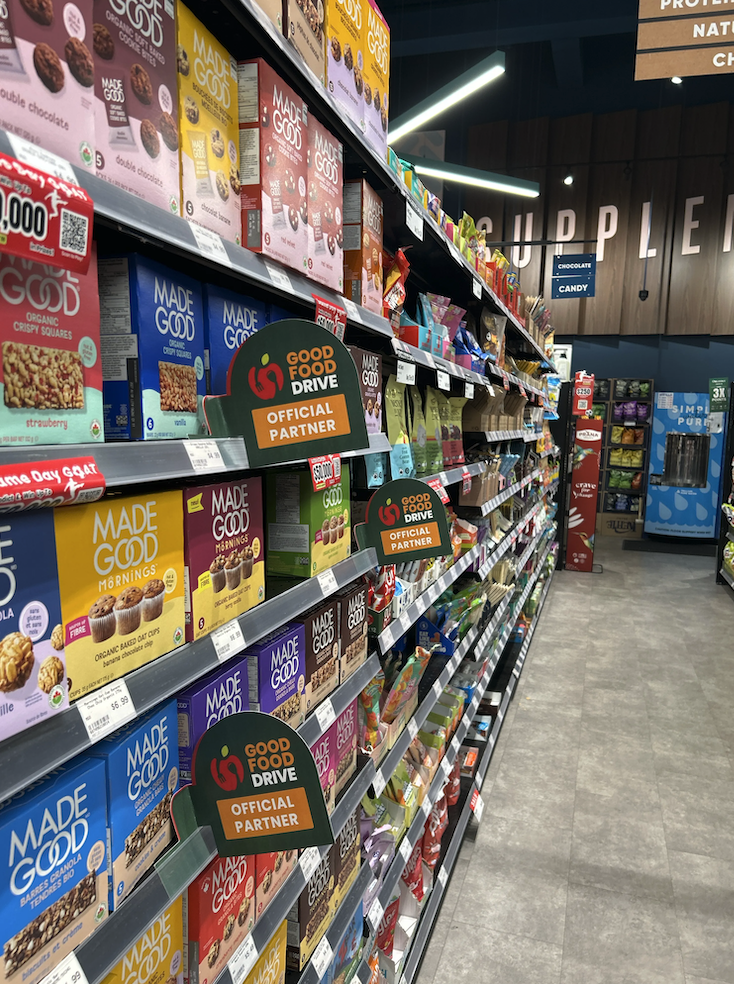
The opening announcement comes alongside Healthy Planet’s annual Good Food Drive, a nationwide initiative the company says is intended to support Canadians experiencing food insecurity.

The campaign is being run through the company’s retail stores and e-commerce platform until Sept. 16. Healthy Planet says last year’s inaugural campaign resulted in donations of raw ingredients equivalent to 300,000 meals for children in need.

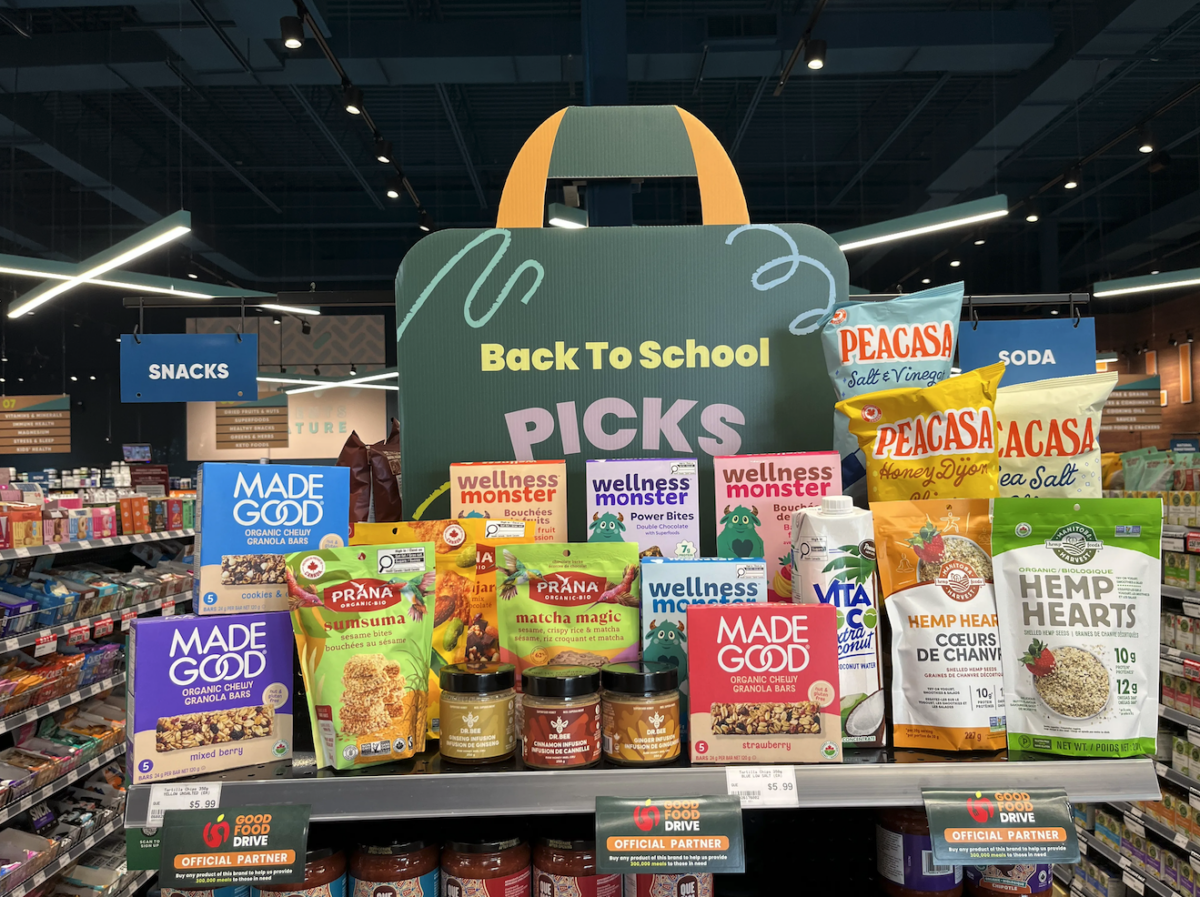
For this year’s campaign, Healthy Planet has partnered with Food Banks Canada and Daily Bread Food Bank, as well as Prana, MadeGood, Manitoba Harvest, Peacasa, Wellness Monster, Vita Coco, Dr. Bee and its Benefits By Nature house brand.

“At Healthy Planet, we believe that access to high-quality, nutritious food is a fundamental right, not a privilege,” said Mohamedy. “With more Canadian families than ever relying on food banks, this year’s Good Food Drive is a critical step in addressing food insecurity. We are incredibly proud to partner with Food Banks Canada, Daily Bread and our outstanding brand partners to provide clean, organic meals to those who need them most. Together with our community, we can make a meaningful difference.”

Customers can participate in stores by purchasing qualifying products from participating brands. The company says participating products will be identified through shelf tags, promotional signage and in-store announcements.

Online, the campaign will feature eligible products on a dedicated page on Healthy Planet’s e-commerce platform.

Retail and online operations

Healthy Planet describes itself as a health and wellness retailer with locations across Ontario and an online store. Its product assortment includes health food, organic produce, vitamins, herbs and supplements, sports nutrition and natural beauty products, as well as products for infants, children and pets.

The company says it has grown from a kiosk in a strip mall and operates an online health store in addition to its physical locations. It also says its stores have in-house holistic nutritionists and that customers can access naturopathic doctors, free classes and seminars.

The company says its online operation includes a Health Conditions page intended to help customers find products aligned with their health objectives, along with articles and information about healthy living.

More from Retail Insider:

Skin Excellence Medspa offers 30% discount as it launches influencer partnership program

Skin Excellence Medispa photo

Skin Excellence Medspa is offering a 30% discount on all of its services to new and returning clients as the Aurora, Ontario clinic launches an influencer partnership program aimed at local content creators.

The limited-time promotion applies to the clinic’s full range of services at its 14845 Yonge Street location. Separately, eligible influencers in the health, beauty and lifestyle sectors can apply for a complimentary Botox treatment valued at up to $400 in exchange for promotional content about their experience.

The initiatives give the clinic two approaches to attracting customers: a price reduction across its service menu and a partnership program designed to generate promotional content through local creators.

Skin Excellence Medispa photo
Skin Excellence Medspa photo

Discount applies across service menu

The 30% discount is available to both new and existing clients, with the clinic inviting customers in Aurora, York Region and the Greater Toronto Area to book consultations.

The clinic said it provides personalized, professionally administered treatments and serves clients in Aurora, Newmarket, Richmond Hill and the broader GTA.

“Our goal has always been to make advanced, results-driven skin and wellness treatments accessible to more people in our community,” said Zahra Erfan of Skin Excellence Medspa. “This promotion, paired with our new influencer program, reflects our commitment to combining clinical expertise with real, relatable results.”

Influencer program offers complimentary treatment

Under the new partnership program, local content creators can apply to receive a complimentary Botox treatment valued at up to $400. In return, participants are expected to share promotional content describing their experience with the clinic.

The program is open to eligible creators working in health, beauty and lifestyle content. The clinic said all partnered content will carry sponsorship disclosures in accordance with Ad Standards Canada and Competition Bureau guidelines.

The program adds an influencer-based promotional channel to the clinic’s existing customer outreach as it seeks to connect with clients across the region.

Clinic based in Aurora

Skin Excellence describes its business as providing beauty and wellness treatments that combine medical expertise with a client-centred approach.

Clients can book consultations and content creators can apply for the influencer program through the clinic’s website or by telephone.

More from Retail Insider:

Fizz expands retail presence through EB Games Canada partnership

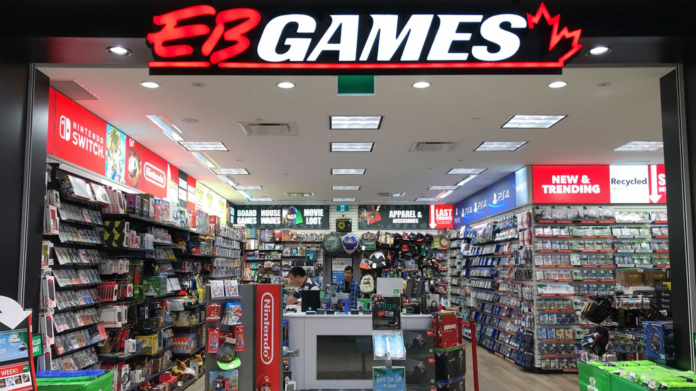
EB Games store. Image: Wikimedia Commons

Telecommunications provider Fizz is expanding its retail distribution through a partnership with EB Games Canada, with an exclusive starter pack now available at 140 of the retailer’s locations across the country.

The $25 Fizz Starter Pack is aimed at customers seeking to sign up for a Fizz wireless plan and includes credits, additional data and access to a higher tier of the company’s loyalty program. The agreement marks an expansion of Fizz’s in-store presence as the company continues to build its wireless business beyond its original Quebec market.

Partnership expands in-store distribution

Fizz said the starter pack is available at 140 EB Games Canada stores. Customers can purchase the pack in-store, then customize their mobile plan and activate their Fizz service online.

“By extending its offer to EB Games Canada’s network of stores, Fizz is reaching out to a community it knows well–one made up of curious, independent people who love to explore and get the most out of every choice. With a starter pack designed for gamers, rewards that keep growing and perks to unlock, we’re giving these customers the simplest way to take their mobile experience to the next level,” said Martin Gendron, general manager of Fizz.

The starter pack is being positioned toward video game enthusiasts, collectors and pop-culture fans who shop at EB Games Canada stores.

EB Games Canada has more than 170 stores across the country, according to a news release. The 140 participating locations will feature the Fizz Starter Pack on free-standing displays.

“Our customers are drawn to brands that do things differently. Fizz’s fresh approach and customer-first model align naturally with that mindset. By bringing a new perspective to wireless, Fizz is a natural fit for our community and a great addition to the in-store experience we provide our customers,” said Stephan Tetrault, owner of EB Games Canada.

Starter pack includes wireless benefits

The $25 package includes benefits that Fizz says are worth more than $100. The package includes:

  • A $75 credit applicable to the first bill;
  • A one-time allotment of 100 GB of additional data valid for 12 months;
  • Direct access to the second tier of the Fizz loyalty program, unlocking more generous rewards;
  • A SIM card and an eSIM; and
  • Several surprises.

Customers can complete their plan customization and service activation online after purchasing the starter pack.

Fizz continues geographic expansion

Fizz launched in Quebec in 2018 alongside Vidéotron, the traditional service provider of its parent company Québecor. The company is now expanding its operations in Ontario, Manitoba, Alberta and British Columbia, according to the release.

Fizz says its fully online service model is based on simplicity and pricing without hidden fees. The company also says it has the highest customer recommendation score, or Net Promoter Score, among telecommunications providers in Canada.

The EB Games partnership gives Fizz an additional physical retail channel while keeping plan customization and service activation online.

More from Retail Insider:

Daily Synopsis: August 19, 2026

Welcome to the Daily Synopsis by Retail Insider. We hope you enjoy the 10 articles we published covering key developments in Canadian retail.

Subway Canada brought back its original artisan flatbread after customer demand, and Pandora expanded its Canadian footprint while reshaping its jewellery strategy to include platinum-plated pieces and reduce promotions to strengthen brand positioning.

Coach expanded its store investment targeting Gen Z consumers, and Shopify expanded cross-border ecommerce tools to support Canadian merchants’ international sales. Montreal-based RUDSAK is opening a flagship store in Toronto’s Manulife Centre. See below for more articles.

🗞️ The Day’s Retail Insider Article List

🌐 Canadian Retail News From Around the Web

Subway Canada brings back original artisan flatbread after customer demand

Subway photo
Subway photo

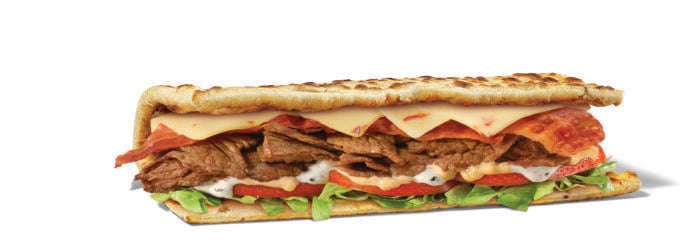
Subway Canada is bringing back its original artisan flatbread at participating restaurants nationwide, citing significant demand from customers who had been asking for the menu item to return.

The company said the decision follows an outpouring of requests and social-media discussion from Canadians after the flatbread was removed from its menu. The product is now available at participating restaurants across Canada.

The return gives customers another bread option that can be customized with any sandwich combination, the company said. The company described the flatbread as a soft alternative to its signature breads.

“At Subway, bread is at the heart of what we do, and it’s been incredible to see just how much enthusiasm there is for the return of flatbread,” said Chef John Botelho, Culinary Manager at Subway Canada. “Flatbread adds another option of choice and customization to the Subway experience, and we’re thrilled to welcome it back to restaurants nationwide.”

The company said the return follows a teaser posted on its social-media channels earlier this month that prompted comments and direct messages from customers.

Subway Canada said the flatbread is available at participating locations and can be ordered in restaurants, through Subway.com or the Subway app.

Subway Canada has nearly 3,000 restaurants nationwide, which are owned and operated by franchisees.

More from Retail Insider:

How Smart Planning Helps Create Better Modern Bedroom Furniture

Woodworking is a rewarding skill that combines creativity, precision, and practical problem-solving. Whether someone is building a simple piece of furniture or planning a complete bedroom project, good preparation can make the entire process easier and help produce cleaner, more professional results.

Every successful woodworking project starts with a clear plan. Before cutting any material, it is important to consider the dimensions of the finished piece, the type of wood required, the available tools, and the construction methods that will be used. Planning these details in advance can reduce mistakes, minimize material waste, and make each stage of the project easier to manage.

For woodworkers looking for useful information and practical project ideas, Digitriser provides educational resources related to woodworking, project planning, tools, techniques, and DIY projects. Having access to useful information before beginning a project can help both beginners and experienced builders make better decisions throughout the construction process.

Planning becomes especially important when building bedroom furniture. Beds, nightstands, wardrobes, dressers, shelves, and storage units must combine appearance with functionality. Measurements need to fit the available room while also allowing enough space for comfortable everyday use.

Builders who want inspiration and additional guidance can explore woodworking plans for modern bedroom furniture to learn more about project ideas and approaches for creating functional furniture with a modern appearance. Reviewing different designs before beginning a build can also help determine suitable dimensions, materials, and construction methods.

Choosing the right material is another important part of the process. Different types of wood offer different levels of durability, appearance, weight, and workability. The best choice depends on the intended furniture, the desired finish, and how frequently the finished piece will be used.

Accurate measurement is equally important. A small error during the early stages of a project can create alignment problems during assembly. Measuring carefully and checking important dimensions before making permanent cuts can help prevent unnecessary corrections later.

Tool selection also influences the quality and efficiency of a woodworking project. A builder does not necessarily need a large collection of expensive equipment. Instead, the goal should be to use appropriate and reliable tools for measuring, cutting, drilling, joining, sanding, and finishing.

Another effective approach is to divide larger furniture projects into smaller stages. A bedroom furniture build, for example, can be separated into design and planning, material preparation, cutting, assembly, sanding, and finishing. Working through these stages systematically makes complicated projects easier to understand and manage.

The finishing stage should not be overlooked. Careful sanding and an appropriate finish can improve the appearance of the wood while also helping protect the completed furniture during everyday use. The chosen finish should complement both the material and the overall style of the room.

For beginners, starting with manageable furniture projects can also be a useful way to develop practical skills. Each completed project provides experience with measurements, tools, materials, assembly methods, and finishing techniques that can be applied to future builds.

Ultimately, better woodworking results come from a combination of thoughtful planning, accurate measurements, suitable materials, reliable information, and consistent practice. Taking time to prepare before starting a modern bedroom furniture project can make the building process more efficient and help turn an initial idea into a functional and attractive finished piece.