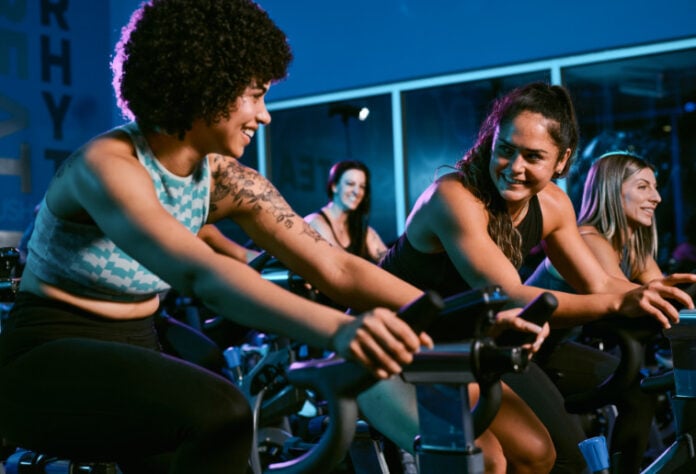
MOVATI is in expansion mode. Photo: MOVATI website
MOVATI Athletic says it will donate $80,185 to food banks in Ontario and Edmonton following a fundraising campaign that also collected nearly 3,500 pounds of food through its fitness club network.
The company said its MOVATI Cares initiatives, including Shake Days and a spring food drive, generated support from members, employees and partners to help address food insecurity in the communities where it operates.
Shake Days, held from April 13 to 15, resulted in the sale of 7,925 shakes and raised $73,725, according to the company. An additional contribution of $6,460 from Gruppo Nutrition brought the total donation to $80,185, which will go to Feed Ontario and Edmonton’s Food Bank.
The company also said its MOVATI Cares Spring Food Drive collected 3,499 pounds of food across its clubs, with each location partnering with a local food bank to distribute donations within its own community.
Participating clubs in Alberta supported Edmonton’s Food Bank, while Ontario clubs partnered with organizations including the Ottawa Food Bank, Burlington Food Bank, Guelph Food Bank, Waterloo Region Food Bank, Food Bank of York Region and Regional Food Distribution Association.
Additional partnerships included Eden Food for Change in Mississauga, UHC – Hub of Opportunities in Windsor, Amherstburg Food and Fellowship Mission, Brantford Food Bank, Kanata Food Cupboard and Kingsville Community Food Bank.
The company said the combined fundraising and food collection efforts are expected to provide more than 164,000 meals to people in need across Ontario and Edmonton.
“The success of our annual Shake Day and Food Drive programs is a testament to the power of our MOVATI community,” said Chuck Kelly, President and CEO of MOVATI. “Thank you to our members, team members, and partners for once again surpassing our goals and helping us create meaningful change for those who need it most.”
Chuck Kelly
MOVATI said the MOVATI Cares program was developed to support charitable organizations focused on helping people lead healthier lives. The company said Shake Days directs 100 per cent of proceeds from MOVATI Café shake sales to partner food banks.
According to the company, Feed Ontario uses bulk purchasing to support food banks across the province, while Edmonton’s Food Bank supports more than 34,000 people each month and distributes more than 400,000 meals and snacks monthly through community partners.
Founded in 1997, MOVATI Athletic operates 19 locations across Ontario and Alberta and employs more than 2,000 people, according to the company.
At a time when many restaurant operators are pulling back and hospitality industry analysts warn that thousands of establishments could close amid ongoing economic uncertainty, Charcoal Group of Restaurants is moving in the opposite direction – doubling down on what it calls ‘true hospitality’ as the foundation for long-term success.
The Ontario-based, corporately owned hospitality company is investing $25-30 million over the next 18 months to open five new restaurants across the province, marking a significant expansion of its footprint.
“We’re doing well and we’re very optimistic about the industry, and our investment into expansion reflects that,” said Jody Palubiski, CEO of Charcoal Group of Restaurants. “We see continued opportunity for growth when it’s grounded in strong hospitality and consistent guest experience.”
Jody Palubiski. Photo credit: Charcoal Group
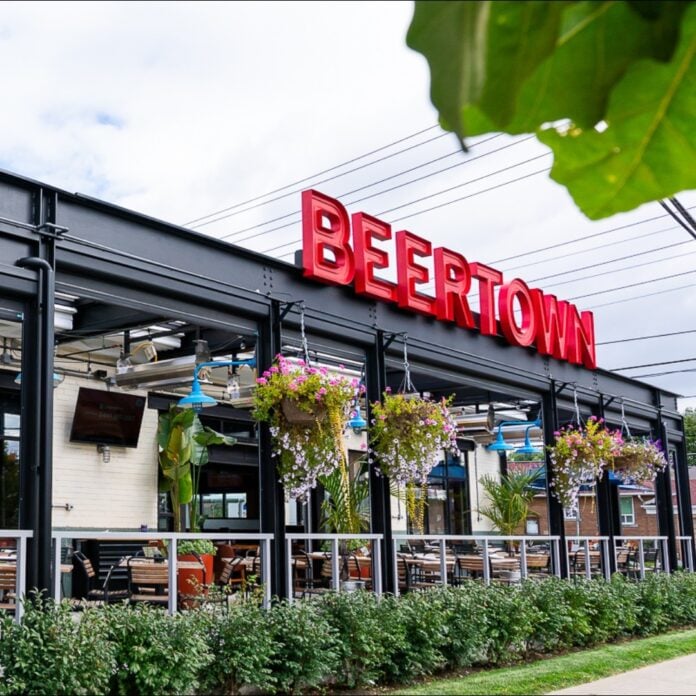
As part of the expansion, Charcoal Group of Restaurants will introduce new Wildcraft Grill + Long Bar locations in Burlington and the Niagara Region. The Niagara location will open alongside a new Beertown restaurant. Beertown will also continue its growth trajectory with planned locations in Peterborough and Richmond Hill.
For Charcoal Group of Restaurants, the expansion of both brands is driven by both confidence in the market and a deliberate focus on long-term community building, it said.
“We’re very selective and want to make sure we’re the right fit for each community, and that we can deliver a meaningful experience through quality, location and hospitality,” said Palubiski. “It’s about more than just opening restaurants. We want our restaurants to serve as community hubs.”
While much of the broader industry has shifted towards operational efficiencies such as reduced staffing models, increased automation and growing reliance on third-party delivery platforms like Uber Eats and DoorDash, Charcoal Group of Restaurants said it continues to prioritize in-person dining and hospitality-first service.
The company said its restaurants are designed to be more than food and beverage destinations – they are intended as community gathering spaces. From family dinners and business lunches to weekend celebrations, each concept is built around shared experiences and connection.
“There are a lot of restaurant groups implementing short-term fixes,” added Palubiski. “But there’s no replacement for true hospitality. We’re in the people business. Guests remember how they felt in your space, not just what was on the plate.”
Charcoal Group, with over 65 years in the hospitality industry, has a group of full-service restaurants across in Southern Ontario. Its restaurants include Solé Uptown, The Charcoal Steakhouse, Martini’s, Dels Italian Kitchen, Wildcraft Grill & Long Bar, The Bauer Kitchen, The Bauer Bakery & Café, Moose Winooski’s, Beertown and Sociable Kitchen & Tavern.
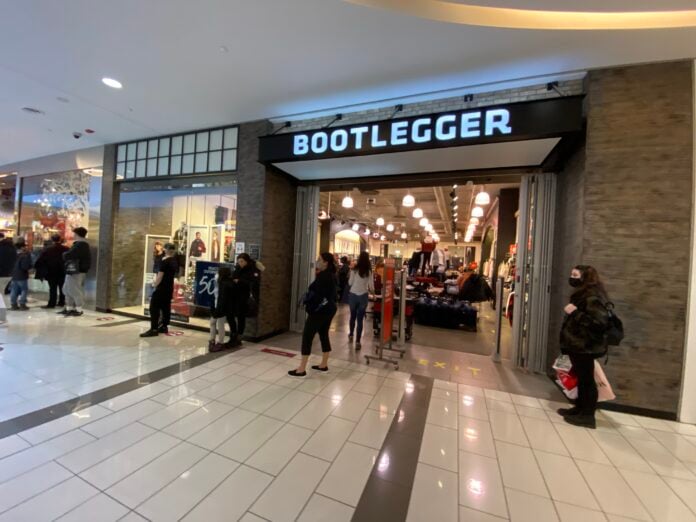
Bootlegger at Guildford from Lower Level - Photo by Lee Rivett
When Warehouse One acquired Bootlegger in 2025, the deal appeared to represent a rare survival story in Canadian apparel retail.
One year later, both chains are headed for liquidation.
The collapse of Warehouse One under Companies’ Creditors Arrangement Act (CCAA) protection this week reflects a deeper structural shift underway across Canadian apparel retail, particularly among middle-market mall brands that once formed the backbone of shopping centres across smaller cities and regional communities.
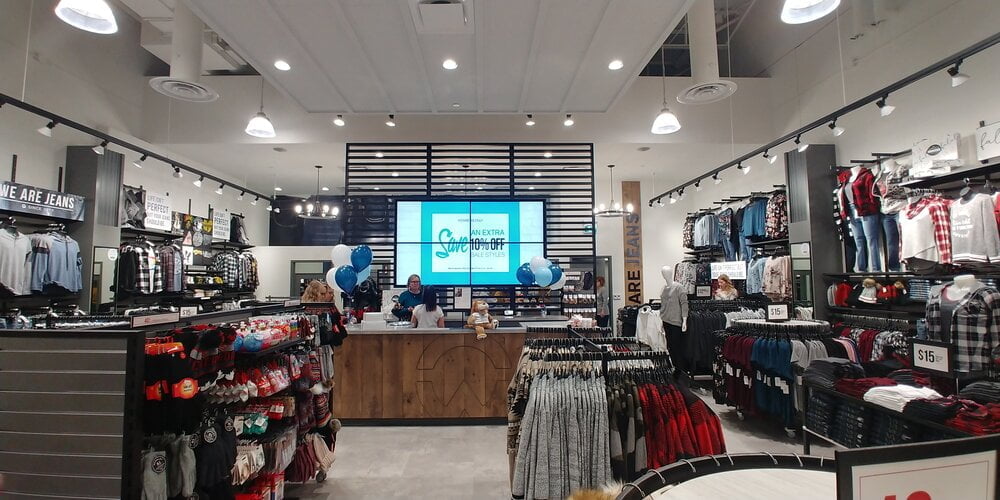
Court documents filed in Manitoba show the Winnipeg-based company plans to liquidate all 128 stores nationwide after years of mounting losses, shrinking liquidity, and rising pressure from online competitors and ultra-low-cost fashion platforms.
The filing specifically cites “consumer uptake of ultra low cost fashion retailers and other online competition” as a key factor in the company’s collapse.
That language is significant because it directly acknowledges a retail environment that has fundamentally changed in recent years, particularly with the rise of platforms such as SHEIN and Temu, which have dramatically altered pricing expectations in apparel retail.
Bootlegger store in Halifax. Photo: Mapquest
The Failed Bootlegger Rescue
One of the most striking aspects of the Warehouse One collapse is the role played by the company’s acquisition of Bootlegger just one year earlier.
At the time of the April 2025 transaction, Warehouse One appeared positioned as one of the surviving players in Canada’s shrinking mid-market apparel sector. The deal preserved stores, jobs, and a recognizable Canadian denim brand following earlier retail distress connected to the Comark Group insolvency proceedings.
Instead, the acquisition ultimately became part of the problem.
Court materials filed this week state that Warehouse One experienced “operational challenges and losses” following the Bootlegger acquisition.
The filing also reveals that shareholders and affiliated lenders advanced more than $39 million to sustain operations since 2020, including approximately $20.5 million following the Bootlegger transaction period beginning in early 2025.
While the acquisition boosted revenue, costs rose sharply as well. Court documents show that store-level, corporate, and overhead expenses increased by approximately 50% year-over-year after the acquisition closed.
Ultimately, the filings state that ownership was no longer prepared to continue funding ongoing losses.
The result is an unusual and symbolic retail outcome: Warehouse One effectively collapsed while attempting to rescue a former rival.
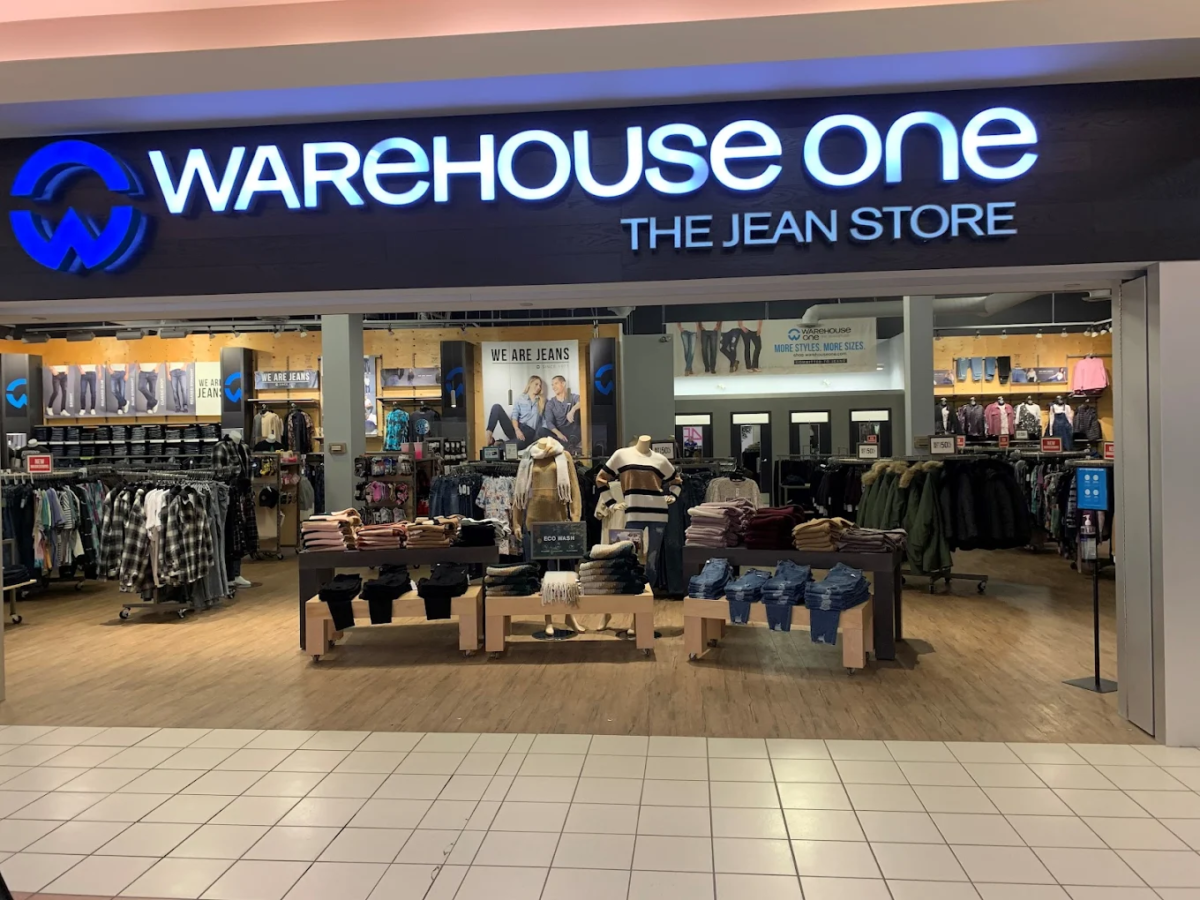
WAREHOUSE ONE, ST. VITAL CENTRE, WINNIPEG. PHOTO: WAREHOUSE ONE
A Different Kind of Retail Collapse
Unlike the recent failures of department store operators or luxury-oriented chains, Warehouse One occupied a very different part of the Canadian retail landscape.
The company’s footprint was concentrated heavily in regional malls, working-class suburban markets, and smaller Canadian communities. Stores operated in markets such as Cold Lake, Quesnel, Meadow Lake, Thompson, Prince Rupert, Weyburn, Flin Flon, Whitehorse, and Stephenville.
This was not a retailer built around downtown luxury shopping districts or flagship urban corridors.
Instead, Warehouse One represented a generation of Canadian mall apparel retail that expanded across regional Canada during the growth years of enclosed shopping centres.
That distinction matters because many of these communities are already facing broader retail challenges. Enclosed mall traffic has declined in numerous secondary markets as consumers increasingly shift spending online, while many regional shopping centres continue to grapple with aging infrastructure and shrinking national tenant rosters. In some smaller communities, replacing a longtime apparel tenant can also prove difficult, particularly as fewer national fashion retailers continue expanding into tertiary Canadian markets.
Court documents state that some smaller-market locations experienced sales declines exceeding 10% year-over-year.
The collapse also raises potential concerns for secondary shopping centres that rely heavily on apparel tenancy. In smaller communities, the loss of a longtime fashion retailer can have broader implications for mall traffic and leasing stability.
The Middle of Canadian Apparel Retail Is Disappearing
Warehouse One’s liquidation also reflects a growing divide within Canadian retail.
At the high end of the market, luxury and experiential retail continue to expand in major urban centres. Shopping destinations such as Yorkdale Shopping Centre, CF Pacific Centre and Royalmount are attracting international luxury tenants and major redevelopment investment.
At the lower end, discount formats and ultra-low-cost online marketplaces continue to gain market share.
The middle of the apparel sector, however, has become increasingly unstable.
Over the past decade, Canada has seen the collapse, retrenchment, or restructuring of numerous apparel chains including Le Château, Smart Set, Jacob, Ted Baker Canada operations, and several Comark-owned banners.
Warehouse One now joins that list.
The company’s filings repeatedly point toward an industry under pressure from changing consumer behaviour, rising costs, and aggressive online pricing competition.
Most of the company’s inventory was sourced internationally and purchased in U.S. dollars, placing additional strain on margins as the Canadian dollar weakened.
At the same time, consumers increasingly shifted spending toward cheaper online alternatives.
Warehouse One store in Cold Lake, Alberta. Photo: Warehouse One
The End of a Prairie Retail Institution
For Winnipeg, the liquidation represents the loss of a retailer with nearly five decades of local history.
Warehouse One was founded in 1977 by Max Maryk, who reportedly began selling denim from the trunk of a car before opening the company’s first physical store.
The business eventually grew into one of Canada’s best-known regional denim retailers, operating a large corporate office, warehouse, and distribution centre in Winnipeg while employing hundreds of Manitoba workers in merchandising, logistics, planning, and retail operations.
Court filings indicate that approximately 232 employees are based in Manitoba alone.
The liquidation now marks the end of a nearly 50-year retail story that once appeared resilient enough to survive earlier waves of Canadian retail disruption.
Instead, Warehouse One became one more casualty of a rapidly changing apparel market.
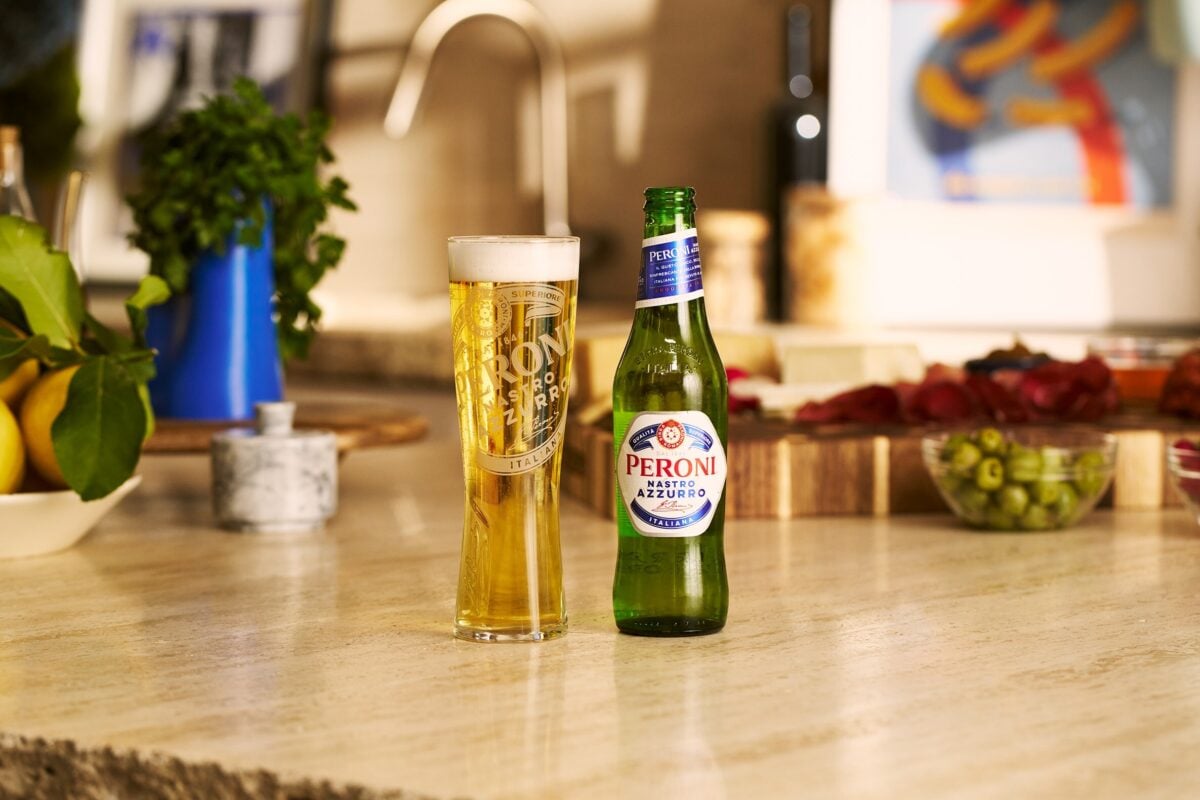
The campaign, titled “A Taste of Italian Style,” centres on a digital video series filmed in Milan that follows Porowski as he explores Italian food culture and demonstrates hosting ideas tied to aperitivo, pizza nights and home entertaining.
The series launched Thursday on Peroni Canada’s Instagram channel and comes as the brand looks to position itself around summer entertaining occasions in Canada.
According to the company, the series highlights what it describes as a more intentional approach to hosting, with episodes focused on topics including pouring beer, preparing food and creating atmosphere for gatherings at home.
“Partnering with Peroni Nastro Azzurro felt like a natural extension of my love for Italian food and my travels throughout Italy,” said Porowski. “Those experiences have shaped how I approach cooking and hosting in a way that’s intentional yet effortless. Whether I’m making pizza at home or hosting an aperitivo with friends, Peroni Nastro Azzurro is my go-to pairing; it transforms everyday moments into something a little bit more stylish.”
The campaign also includes an episode tied to the upcoming Canadian Grand Prix featuring Formula One driver Charles Leclerc, who serves as a global ambassador for Peroni Nastro Azzurro 0.0%.
In that episode, Leclerc and Porowski prepare pizza inspired by their travels in Italy while showcasing the company’s non-alcoholic beer product.
Joy Ghosh
The company said the broader campaign is designed to connect the brand’s Italian identity with food, entertaining and lifestyle-focused occasions during the summer season.
“A Taste of Italian Style is about celebrating Peroni Nastro Azzurro’s Italian heritage and inspiring Canadians to embrace a more intentional, effortless, and elevated approach to everyday living,” said Joy Ghosh, Head of Marketing at Asahi Canada. “From aperitivo to pizza nights with friends, Peroni Nastro Azzurro brings a sense of style and Italian living to any occasion, elevating everyday moments and making it the perfect choice for entertaining all summer long.”
Peroni said the campaign follows the recent announcement of Porowski’s upcoming National Geographic series, “Best of the World with Antoni Porowski,” which premieres next month.
The company said the social media series will continue to feature Porowski exploring Italian-inspired food culture and hosting practices centred on shared meals and gatherings.
Peroni Nastro Azzurro was first brewed in Rome in 1963 by Birra Peroni and is now sold internationally. In Canada, the brand is distributed by Asahi Canada, which also markets brands including Asahi Super Dry, Grolsch, Kozel, Pilsner Urquell and Twisted Shotz.
Loblaw Companies Limited says customer adoption of its ChatGPT-powered grocery integration is exceeding expectations as the retailer accelerates broader artificial intelligence initiatives across its operations, reflecting how major Canadian retailers are increasingly moving AI projects from experimentation into real-world deployment.
Executives discussed the company’s expanding AI strategy during Loblaw’s first quarter 2026 earnings call, where the retailer also reported continued growth in e-commerce sales, pharmacy operations, and discount grocery performance.
Among the most notable updates was management’s commentary surrounding Loblaw’s recently launched integration with OpenAI and ChatGPT, which allows customers to turn recipe-related searches into grocery transactions.
“Last quarter, we launched the PC Express integration with OpenAI, so ChatGPT, turning previously dead-end recipe searches into transactions,” said Per Bank during the call. “Customer adoption is already ahead of plan.”
Conversational Commerce Expanding in Grocery Retail
The comments provide one of the clearest indications yet that Canadian grocery retailers are beginning to explore conversational commerce as a practical customer-facing retail tool rather than simply an experimental technology initiative.
Traditionally, recipe searches often end without a purchase transaction. Loblaw’s integration is designed to shorten the path between meal inspiration and grocery purchasing by connecting ChatGPT-generated recipe interactions directly to the retailer’s e-commerce ecosystem.
Management also revealed that a second version of the platform is already in development.
“We are continuing to advance our leadership with the 2.0 version coming soon,” Per Bank said.
The initiative reflects a broader industry shift as retailers increasingly look to AI tools to improve customer engagement, search functionality, personalization, and conversion rates across digital channels.
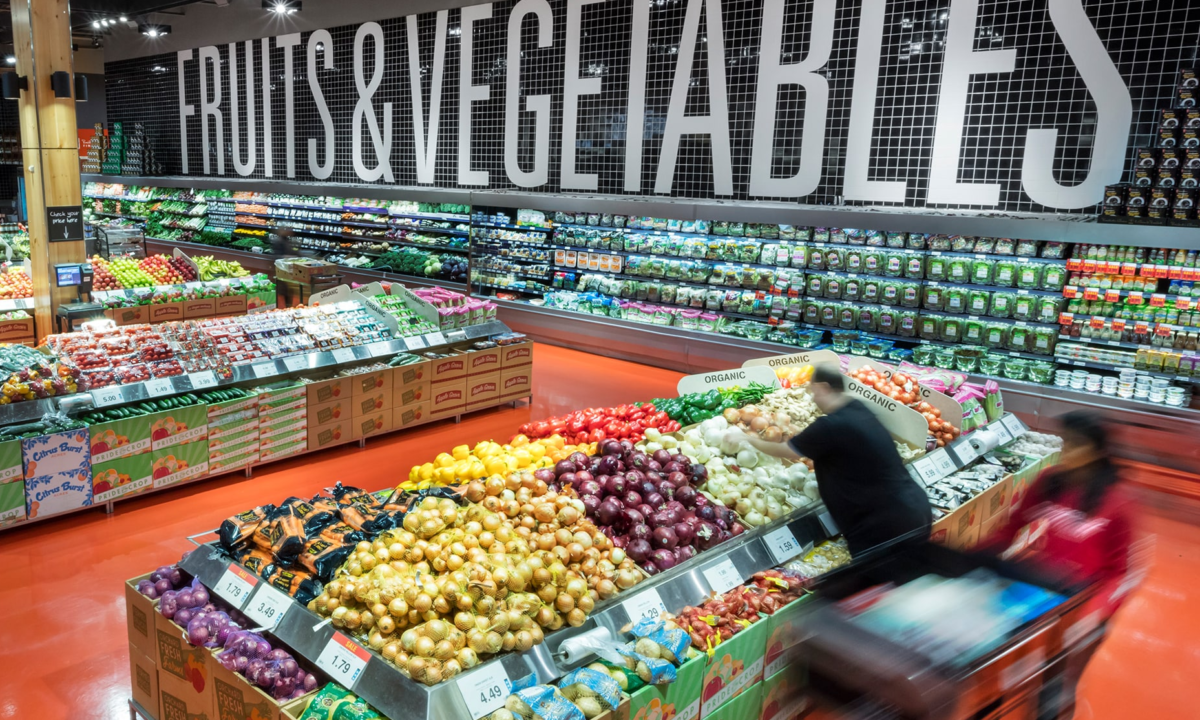
Loblaws store. Photo: Loblaw Companies
Loblaw Expanding AI Across Operations
Beyond customer-facing technology, Loblaw executives said the company is also scaling artificial intelligence and machine learning capabilities across its broader business infrastructure.
Earlier this week, Loblaw announced a partnership with Canadian technology company Secoda aimed at supporting AI and machine learning deployment across the retailer’s data systems.
Per Bank
According to management, the platform will help create a unified environment for scaling AI tools throughout the organization.
“We’re starting to roll out AI productivity tools across our teams to support them in their day-to-day work,” Per Bank said during the earnings call. “There’s more to come here. We’re just getting started.”
The comments suggest Loblaw’s AI ambitions now extend well beyond marketing or customer service applications into broader operational workflows and enterprise productivity initiatives.
E-Commerce Growth Continues
The retailer’s AI expansion comes as Loblaw continues seeing strong momentum in digital grocery sales and delivery services.
Online sales increased 20.3% year-over-year during the first quarter, driven primarily by growth in PC Express delivery and the integration of third-party delivery services.
Executives said digital grocery growth was particularly strong among discount banner customers, underscoring how online grocery adoption continues broadening across multiple consumer demographics.
The company’s broader digital strategy increasingly appears tied to convenience, personalization, and customer retention through the integration of e-commerce, loyalty, delivery, and AI-driven tools.
Retailers Increasingly Looking to AI for Growth
Loblaw’s latest comments reflect how large retailers are beginning to operationalize artificial intelligence investments amid growing competition across grocery and e-commerce markets.
While many retailers have publicly discussed AI experimentation over the past two years, fewer have outlined specific examples tied directly to transaction growth and customer adoption.
The integration also arrives at a time when retailers globally are reassessing how consumers discover products online as conversational AI tools increasingly influence search behaviour and digital commerce journeys.
For Loblaw, the company’s scale, national e-commerce infrastructure, and PC Optimum loyalty ecosystem provide a significant foundation for integrating AI-driven personalization and shopping experiences into its broader retail strategy.
The retailer operates more than 2,800 locations across Canada and employs approximately 220,000 people nationwide.
Today’s Retail Insider articles are listed below, followed by Canadian Retail News From Around the Web. Highlights include Aritzia’s record-setting Q4 and fiscal 2026 results driven by digital growth and new boutiques, Sonic Boom’s 25 years thriving amid physical media changes, and the launch of HANK., a new premium menswear brand targeting gaps in the market. These stories illustrate resilience and strategic adaptation in Canadian retail amid evolving consumer demands.
Retail is one of those fields that looks simple until you spend a Saturday afternoon on the sales floor. If you are applying for your first role, looking at a retail resume example can help you see how to present everyday strengths like reliability and problem-solving in a way that actually fits the job.
Managers are looking for people who can show up on time, learn quickly, stay calm with customers, and keep the store moving when things get busy. Experience helps, of course. But attitude and common sense can carry a lot of weight, especially for entry-level roles.
Why Retail Is Still a Great First Job
Retail has long been a starting point for students, newcomers, career changers, and people returning to work after time away. It gives you a close-up look at how stores run and how teams deal with pressure in real time.
It is also a broad industry. “Retail” can mean a grocery store, pharmacy, fashion boutique, electronics shop, home improvement warehouse, luxury store, garden centre, cannabis retailer, bookstore, or online fulfilment operation. And the work can look very different depending on where you land.
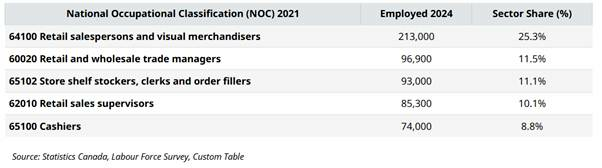
In Ontario alone, the retail trade sector employed 841,500 people in 2024, making up 10.3% of the province’s workforce, according to Job Bank sector data. That same source notes that part-time work is more common in retail than across the wider economy, which is one reason the sector often appeals to people who need flexible schedules.
That does not mean every retail job is easy to get or easy to keep. Some roles are seasonal, and some teams are stretched. But for someone trying to build early work experience, retail still offers a chance to prove yourself quickly.
Skills Retail Managers Notice
The best retail workers are not always the loudest or most naturally outgoing. Some are just excellent at reading what customers need, while others are energetic and great at keeping a queue moving. Different stores value different personalities.
Still, a few skills show up again and again.
Communication is the obvious one. You need to explain products clearly and listen when a customer is confused or frustrated.
Reliability is just as important. When one person is late or cancels often, everyone else feels it.
Attention to detail matters more than people think. Prices, displays, sizes, stock counts, expiry dates, promotions, and return policies all leave room for small mistakes that can become annoying problems.
Patience is a big one. Customers may be rushed, distracted, disappointed, or not sure what they want. Taking that personally makes the day longer than it needs to be.
Basic comfortwith technology helps too. Most retail workers use point-of-sale systems, scanners, tablets, scheduling apps, inventory tools, or self-checkout support systems. You do not need to be a tech expert, but you need to be willing to learn without freezing up.
What Entry-Level Retail Work Usually Involves
A first retail role might include greeting customers, answering product questions, folding or arranging merchandise, working the cash register, restocking shelves, preparing online orders, handling returns, cleaning high-traffic areas, or helping with opening and closing routines.
The exact mix depends on the store. In a small shop, one person may do a bit of everything, while in a large retailer, tasks are often more structured. You might be assigned to cash, sales floor, stockroom, curbside pickup, customer service, or visual merchandising.
This is where many new workers get surprised. Retail is not only “selling.” A good part of the job is keeping the store ready for the next customer. That can mean facing shelves, checking sizes, replacing tags, moving boxes, tidying displays, and noticing when something looks off.
It is not glamorous work every minute. But it teaches habits that transfer well: staying organized, managing small tasks quickly, dealing with people, and understanding how a business makes money.
Understanding the Reality of Retail Schedules
Retail schedules can be a blessing or a headache, depending on what you need. Some people love evening and weekend shifts, and others need predictable hours because of school, childcare, transport, or another job.
Be honest about your availability. Saying you’re available anytime will catch up with you fast. At the same time, being too narrow can make it harder to get hired.
A useful middle ground is to be clear and flexible, where you truly can be. The wider labour and staffing picture is such that retailers have to match staff levels with customer traffic, seasonal demand, online orders, and budget pressure. For workers, that means the most useful people are often the ones who are dependable and able to help during peak periods.
Simple First-Step Plan
If you are starting from zero, keep it simple.
First, choose the types of stores where you would not mind spending time. Then, browse professional retail resume examples to prepare a polished, one-page resume that focuses on reliability, people skills, availability, and any practical experience.
Once you get an interview, prepare to talk specifics about how good you are at handling pressure and whether you’re the type of person to go out of your way to help someone.
Retail is not perfect. Customers can be strange, and schedules can shift. But it can also be one of the fastest ways to earn experience and learn how people behave when money, time, choice, and expectations all meet at the checkout.
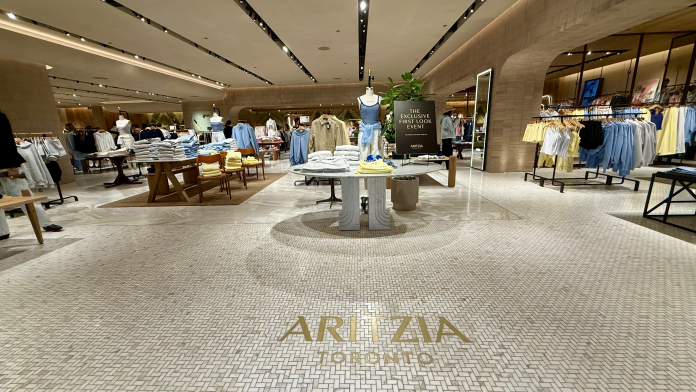
Founded in 1984 in Vancouver, the retailer has 140+ boutiques throughout North America.
“We achieved record net revenue of $1.2 billion in the fourth quarter of Fiscal 2026, an outstanding 33% increase compared to last year. Comparable sales grew 28%, on top of 26% growth in the fourth quarter of Fiscal 2025, with broad-based strength across the business. Our exceptional performance was driven by robust demand for our Everyday Luxury offering, which we supported with strong inventory management. Client demand was fueled by our digital initiatives, new boutique openings and strategic marketing investments. Excellent net revenue growth of 38% in the United States and 24% in Canada highlight the strength and amplification of the Aritzia brand across all geographies,” said Jennifer Wong, Chief Executive Officer. “In addition, we generated a meaningful increase in our adjusted EBITDA margin, despite the significant impact from tariffs and the elimination of the de minimis exemption, resulting in a 39% increase in adjusted net income per diluted share.
Jennifer Wong
“Our strong momentum has continued into the first quarter of Fiscal 2027, driven by an outstanding client response to our Spring/Summer assortment. Underpinned by the strength of the Aritzia brand, our proven operating model and our healthy balance sheet, our business has never been better positioned for growth. Having already achieved our Fiscal 2027 revenue target one year early, we look forward to sharing our next long term strategic plan in the fall. Meanwhile we remain steadfast in further advancing our three strategic growth levers – geographic expansion, digital growth and increased brand awareness – all while continuing to invest in infrastructure to support our growth,” continued Ms. Wong.
Aritzia outlined its Fourth Quarter Highlights
For Q4 2026, compared to Q4 2025:
Net revenue increased 32.6% to $1.19 billion, with comparable sales growth of 27.7%
United States net revenue increased 37.8% to $755.3 million, comprising 63.7% of net revenue
Retail net revenue increased 35.0% to $698.2 million
Digital (formerly “eCommerce”) net revenue increased 29.2% to $488.3 million, comprising 41.2% of net revenue
Gross profit margin increased 90 bps to 43.3%
Selling, general and administrative expenses as a percentage of net revenue decreased 110 bps to 26.3%
Adjusted EBITDAincreased 37.1% to $220.5 million. Adjusted EBITDA as a percentage of net revenue increased 60 bps to 18.6%
Net income increased 34.8% to $134.3 million. Net income as a percentage of net revenue increased 20 bps to 11.3%. Net income per diluted share increased 33.3% to $1.12 per share, compared to $0.84 per share in Q4 2025
Adjusted Net Income increased 41.0% to $138.2 million. Adjusted Net Incomeper Diluted Share increased 38.6% to $1.15 per share, compared to $0.83 per share in Q4 2025.
Aritizia outlined its Strategic Accomplishments for Fiscal 2026
Drove a 35% increase in net revenue, resulting in a strong 4-year compound annual growth rate of 25%, and achieved our Fiscal 2027 net revenue target of $3.5 to $3.8 billion one year early
Generated unparalleled demand for the Aritzia brand, supported by strong inventory management demand for the Aritzia brand, supported by strong inventory management, which fueled 27% comparable sales growth
Refined digital and brand marketing strategies to help protect and propel the Aritzia brand, grow awareness and generate new client acquisition
Opened 14 new boutiques and repositioned four existing boutiques, including another iconic, brand-propelling flagship location in Manhattan’s Flatiron district
Launched the Aritzia app, which provides clients with greater access to the Company’s product assortment, styling expertise and guidance, and exclusive product and content
Delivered a 260 basis point improvement in Adjusted EBITDA as a percentage of net revenue, despite 260 bps of pressure from tariffs and the elimination of the de minimis exemption, driven by expense leverage, IMU improvement, lower markdowns and savings from the Company’s smart spending initiative.
Twenty years after helping redefine the relationship between luxury fashion and mass retail, H&M and Stella McCartney are reuniting for a new collaboration launching May 7 in select global stores, including Canadian locations at CF Toronto Eaton Centre and Montréal’s Sainte-Catherine Street.
The collection revisits one of fashion retail’s most influential partnerships at a time when apparel retailers are navigating softer discretionary spending, growing competition from ultra-fast fashion players, and increasing pressure to demonstrate environmental credibility.
A Landmark Fashion Collaboration Returns
Originally launched in 2005, the first Stella McCartney x H&M collaboration was widely viewed as a turning point for designer partnerships in mass-market retail. At the time, collaborations between luxury designers and fast-fashion retailers remained relatively rare. The partnership helped establish a formula that would later become standard across the industry, combining exclusivity, celebrity appeal, and limited-run product drops designed to generate consumer urgency and drive store traffic.
The new 2026 collection positions itself as both a continuation and reinterpretation of that legacy.
Described by H&M as a “journey through fashion history,” the assortment combines archival references with updated silhouettes, oversized tailoring, statement outerwear, eveningwear, and accessories inspired by McCartney’s contemporary collections. The range includes oversized shirting, sweeping trench coats, pinstripe tailoring, embellished partywear, and updated versions of McCartney’s Falabella handbag designs.
One of the central pieces is a “Rock Royalty” white mini-tee embellished with studs, referencing a look McCartney wore to the 1999 Met Gala. The collection also includes an oversized grey wool blazer and matching trousers made with Responsible Wool Standard-certified wool, alongside evening gowns featuring recycled embellishments and sustainable viscose blends.
Accessories play a significant role in the launch as well. Six handbag styles reinterpret the Falabella aesthetic using recycled polyamide and recycled metals for chains and hardware.
The campaign supporting the collection was photographed in London by Sam Rock and features Renee Rapp, Angelina Kendall, and Adwoa Aboah.
Stella McCartney x H&M Collection. Photo: H&M
H&M Uses Designer Partnerships to Drive Brand Elevation
The launch arrives during a period of transition for H&M. The retailer reported a 1% decline in net sales earlier this year alongside a continued reduction in physical store counts. Like several apparel retailers operating in the mid-market segment, H&M has been working to strengthen brand perception while responding to mounting competition from lower-cost digital-first retailers.
Collaborations remain one of the company’s most effective tools for generating cultural relevance and physical store traffic.
In Canada, the decision to limit the collection to flagship urban locations reflects a strategy increasingly common across fashion retail. Limited availability creates urgency while reinforcing the idea of the store itself as an event destination rather than simply a distribution point for merchandise.
The timing is also notable because fashion collaborations have evolved considerably since the original Stella McCartney x H&M launch two decades ago. What once felt disruptive has now become a core strategy for retailers seeking to create excitement in an increasingly crowded and digitally saturated market.
The collaboration also arrives as apparel retailers continue facing pressure from ultra-fast fashion competitors that have reshaped pricing expectations and accelerated product cycles across the industry. For established global retailers like H&M, limited-edition designer capsules offer an opportunity to differentiate through storytelling, exclusivity, and elevated brand positioning.
H&M has increasingly leaned into higher-profile collaborations as part of broader efforts to strengthen consumer engagement. The retailer’s previous partnerships with luxury and performance-oriented brands have helped generate social media visibility while driving traffic into flagship physical locations.
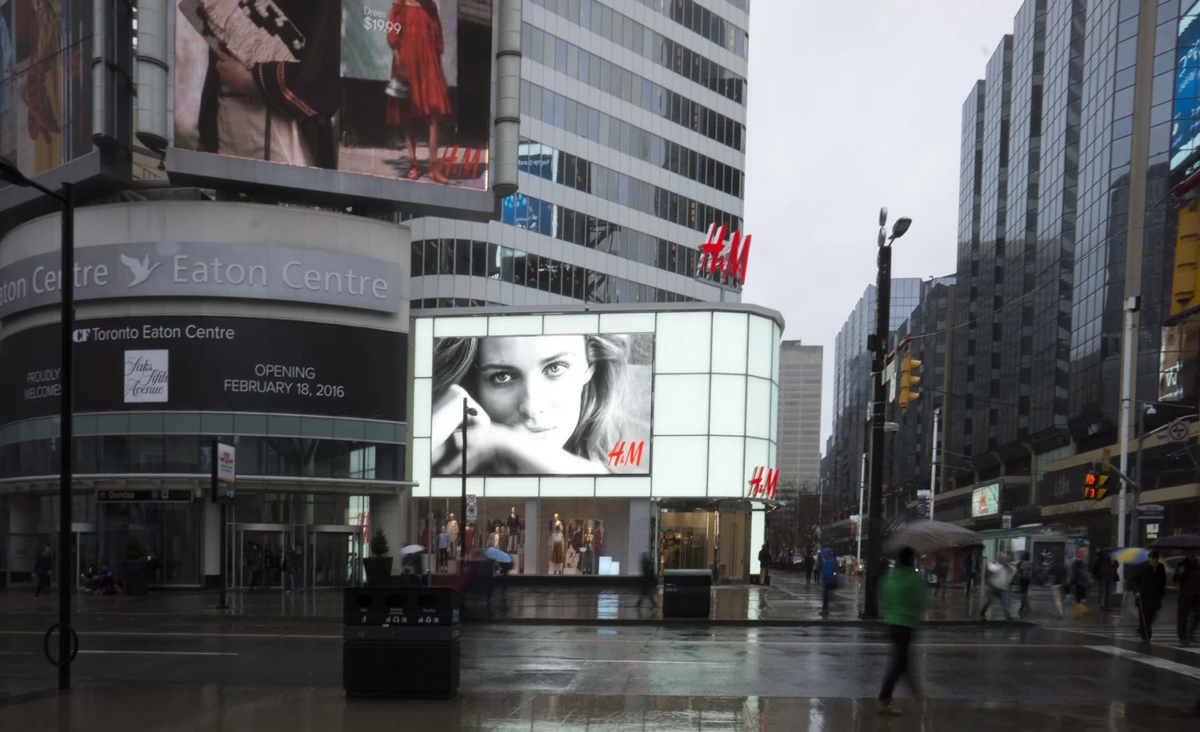
H&M at CF Toronto Eaton Centre. Photo: PETROFF PARTNERSHIP ARCHITECTS
Stella McCartney Continues Sustainability Push
For McCartney, however, the collaboration also serves another purpose: sustainability advocacy at scale.
Long regarded as one of fashion’s leading voices on environmental issues, McCartney recently received the 2026 TIME Earth Award recognizing 25 years of sustainable leadership within the fashion industry. Earlier this year, she also repurchased the minority stake previously held by LVMH, returning her business to full independent ownership while continuing to advise the luxury group on sustainability initiatives.
McCartney has frequently described collaborations with large-scale retailers as a way to expand access to sustainable fashion innovation beyond luxury consumers.
“This is infiltrating from within,” McCartney said in materials accompanying the launch, referring to the partnership’s ability to help sustainable material suppliers scale production through H&M’s global reach.
That philosophy is reflected throughout the collection’s material composition. The range incorporates recycled glass embellishments, recycled metals, sustainable viscose alternatives including Bailu-ECO™ and Ecojilin™, recycled vegetable oil feedstocks used in coated outerwear, and certified wool sourcing standards.
McCartney’s broader collections have increasingly focused on material innovation as well. Her recent runway collections featured lab-grown alternatives to feathers alongside protein-based knitwear and eco-leather materials derived from fermentation technologies.
Sustainability Debate Surrounds Fast Fashion Collaborations
At the same time, the collaboration is likely to reignite broader debates around sustainability within fast fashion.
Environmental advocates have increasingly scrutinized major apparel retailers over issues tied to production volume, consumption cycles, and textile waste. H&M has publicly committed to using 100% recycled or sustainably sourced materials by 2030 and credits its original 2005 Stella McCartney partnership as an early catalyst for the company’s adoption of organic cotton initiatives.
As part of the new launch, H&M and McCartney are also introducing a joint “Insights Board” intended to help guide the retailer’s long-term transition toward a more circular business model.
Whether collaborations like this meaningfully shift industry practices or primarily function as prestige-driven marketing exercises remains a topic of ongoing debate. However, there is little question that designer partnerships continue to play an influential role in shaping how fashion retailers position themselves in an increasingly competitive global market.
As part of Retail Insider Reports, this Q1 2026 Jewelry & Watches Retail Report provides structured analysis of the Canadian jewelry and watch retail sector, drawing on Retail Insider’s ongoing coverage to identify key market dynamics, emerging trends, and strategic shifts. These reports are designed to deliver executive-level insights across major retail sectors and can be accessed through the Retail Insider Report Hub.
****
The Canadian jewelry and watches sector entered 2026 at a pivotal moment, where traditional luxury retail expansion intersects with evolving consumer behaviour and rising interest in physical precious metals. While brands continue to invest in boutiques and flagship locations, shifting economic conditions are driving new forms of demand, particularly in investment-driven purchases.
That shift is increasingly visible in pricing and consumer sentiment. Gold reached a new record in early 2026, with prices approaching $4,000 per ounce in Canadian dollars, reflecting a sharp rise over the past year and reinforcing its role as a hedge against economic uncertainty. At the same time, retail demand for physical bullion and jewelry has accelerated, highlighting a growing overlap between luxury consumption and investment behaviour.
Within this context, retailers are pursuing different strategies. Birks Group’s strong holiday performance, Michael Hill’s turnaround driven by Canadian operations, and Pandora’s investment in domestic supply chain infrastructure all point to a sector adapting to new realities. Meanwhile, Tudor’s measured boutique expansion and Canada Gold’s rapid growth illustrate how both luxury positioning and accessibility are shaping the competitive landscape.
Retail Insider Coverage Reflects Active Expansion and Strategic Investment
Retail Insider tracked 10 significant developments in the jewelry and watches sector in Q1 2026, with expansion and store openings dominating activity. Brands including Tiffany & Co., OMEGA and Tudor continued to deepen their Canadian presence through mono-brand boutiques, while emerging retailers expanded through both physical and event-driven channels.
At the same time, investments in infrastructure are reshaping operations. Pandora’s new distribution centre in Mississauga reflects a broader shift toward domestic fulfillment, enabling faster delivery and improved customer experience. These developments point to a sector that is growing, but with increasing emphasis on operational efficiency and market positioning.
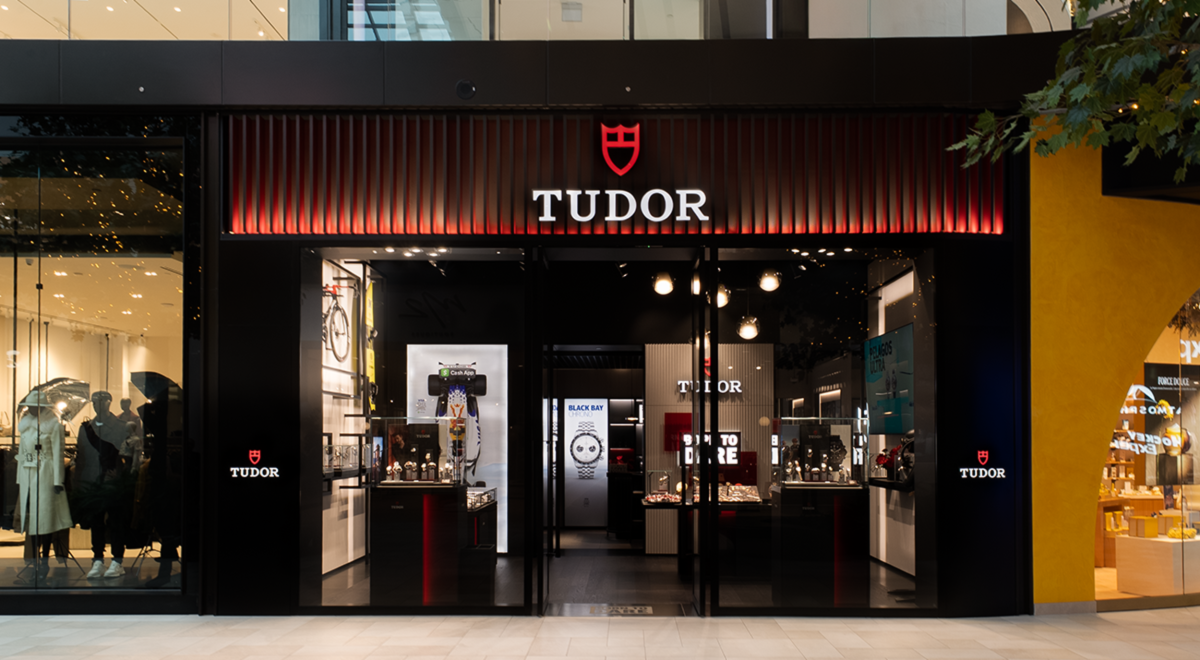
Tudor at Royalmount in Montreal. Photo: Tudor
Luxury Expansion Anchored in Regional Strategy
Luxury brands are refining their Canadian strategies through targeted expansion in key urban markets.
Tudor’s continued boutique rollout in Toronto, Montreal, and Vancouver reflects a balanced approach that combines direct retail with ongoing relationships with authorized dealers. Similarly, OMEGA’s flagship expansion into Calgary highlights the importance of aligning retail presence with regional growth and affluence.
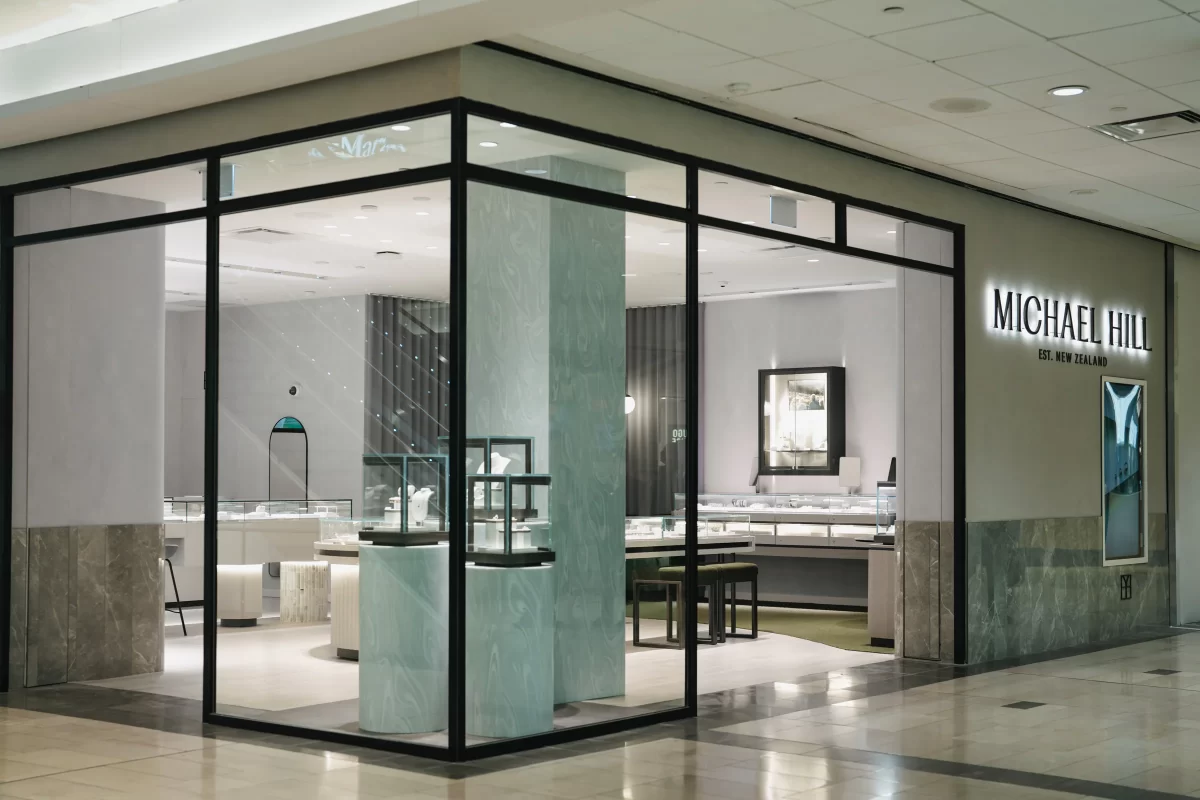
Michael Hill’s recent performance further underscores the importance of the Canadian market, where strong sales and margin improvements have supported its broader turnaround. The brand also recently opened new-concept stores in Toronto and Vancouver.
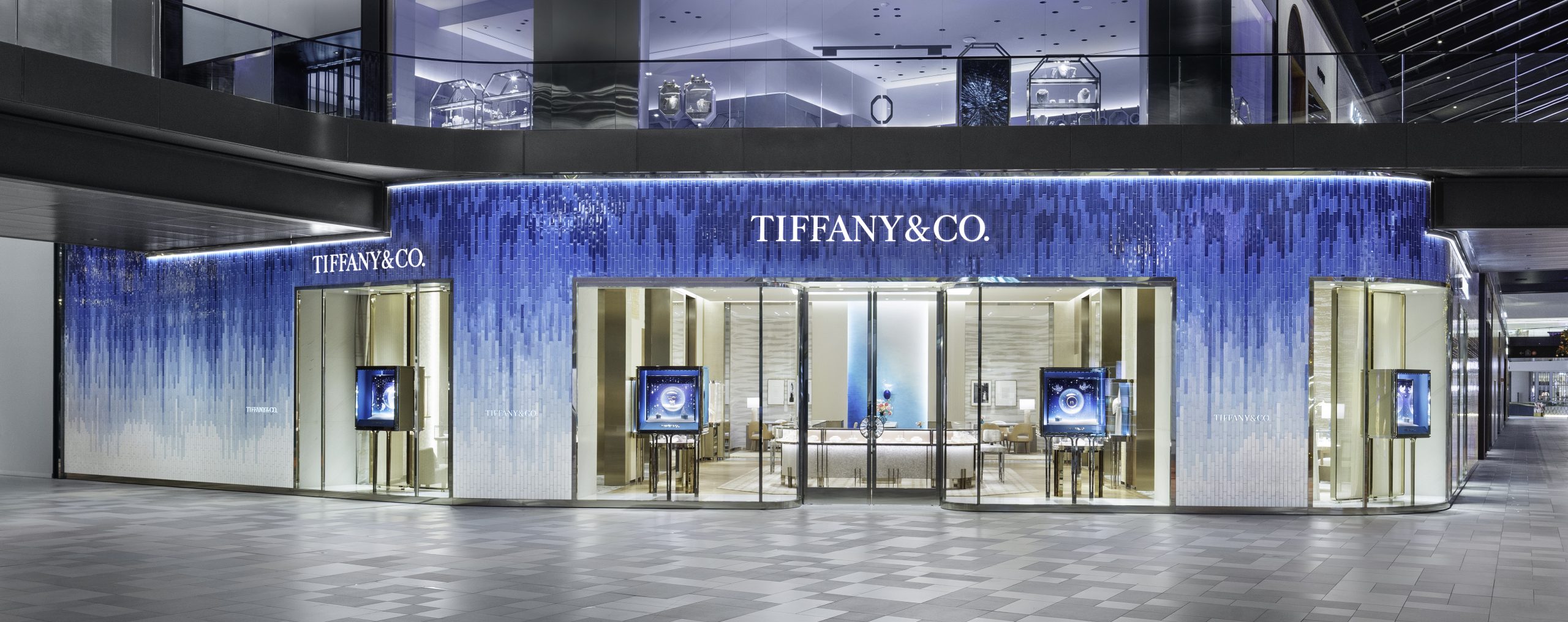
In January, Tiffany & Co. opened a new flagship boutique at Royalmount in Montreal, further strengthening the luxury positioning of the mixed-use development. The more than 5,000-square-foot store was designed with inspiration from Tiffany’s iconic Fifth Avenue flagship in New York and features the brand’s latest global store concept, including signature Tiffany Blue accents and elevated interior finishes.
Sales in the jewelry and watches segment increased 10.5% year-over-year in Q1 2026, outperforming broader retail categories and highlighting continued consumer demand for both luxury and investment-oriented purchases.
Micheal Hill Pacific Center Boutique. Source: Michael Hill
One of the most notable shifts in the sector is the growing role of precious metals as both retail products and investment assets.
The surge in gold prices has been accompanied by increased consumer participation in physical bullion purchases, as individuals seek to hedge against inflation and economic volatility. Silver is also gaining momentum, supported by both investment demand and industrial usage.
Retailers such as Canada Gold are responding by expanding physical locations to improve accessibility and build consumer trust, particularly for high-value transactions. This emphasis on in-person engagement reflects the importance of credibility and transparency in the precious metals market.
The broader implication is a blurring of lines between traditional retail and financial behaviour. Jewelry and bullion are increasingly viewed not only as discretionary purchases, but also as stores of value.
Supply Chain Investment Becomes a Competitive Advantage
Operational efficiency is emerging as a key differentiator in the sector, particularly as e-commerce continues to grow.
Pandora’s investment in a Canadian distribution centre enables faster fulfillment, reduced reliance on cross-border logistics, and improved return processes. These capabilities are becoming essential as consumers expect shorter delivery times and seamless omnichannel experiences.
Retailers that invest in supply chain infrastructure are better positioned to meet these expectations, while those that rely on legacy systems may face increasing pressure on both cost and service levels.
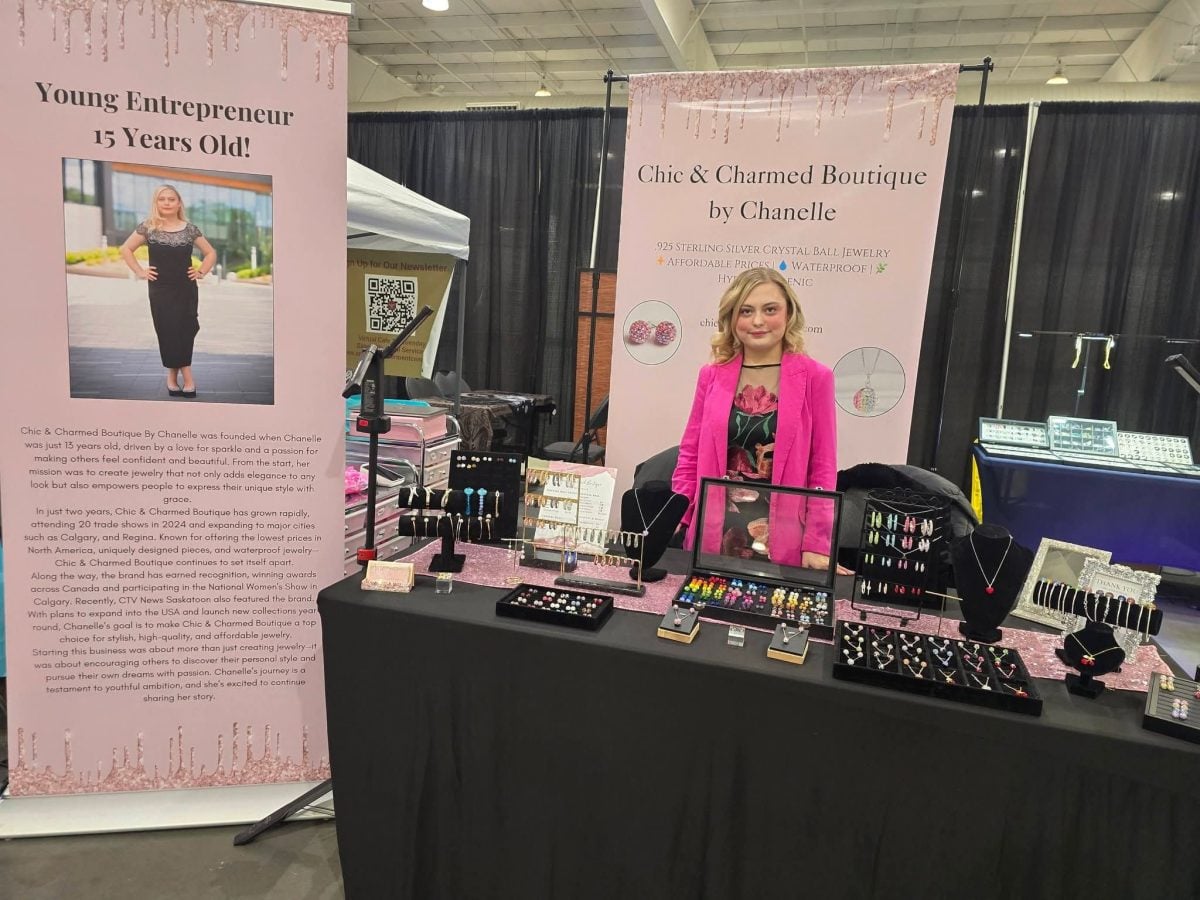
Chanelle Chalazan in a Chic & Charmed Jewellery Stand. Image supplied
Lean Retail Models and Direct Engagement Gain Traction
At the same time, alternative retail models are gaining traction, particularly among smaller and emerging brands.
Chic & Charmed Boutique’s strategy of scaling through trade shows and online channels, while avoiding traditional storefront costs, reflects a shift toward more flexible and cost-efficient operations. This approach enables rapid growth while maintaining direct engagement with consumers.
These models are particularly effective among younger, digitally native audiences, and highlight the growing importance of adaptability in a competitive market.
Digital Growth and Omnichannel Strategies Accelerate
E-commerce continues to play an increasingly important role in the jewelry sector. Canada’s online jewelry market is projected to reach approximately $3 billion by the end of 2026, supported by steady annual growth and increasing consumer comfort with digital purchasing.
At the same time, technology is enhancing the online experience. Retailers are using virtual consultations and AI-driven tools to improve product discovery, while financing options such as buy now, pay later are helping to increase conversion rates.
These developments reinforce the importance of omnichannel strategies that combine digital convenience with the trust and experience of physical retail.
Tiffany & Co. at Royalmount in Montreal. Photo: Supplied
Sector Outlook: Luxury, Investment, and Efficiency Converge
The Canadian jewelry and watches sector is evolving toward a more complex and multifaceted market.
Luxury expansion remains a key growth driver, supported by strong demand in urban markets. At the same time, rising interest in precious metals is reshaping consumer behaviour, introducing an investment dimension to retail purchasing.
Operational efficiency and digital integration are also becoming critical, as retailers adapt to changing expectations around convenience and service.
Editor’s Take
The most important shift in Q1 2026 is the convergence of luxury retail and investment-driven consumer behaviour.
Brands such as Birks and Michael Hill are benefiting from strong demand and improved execution in the Canadian market, while Pandora’s supply chain investment highlights the growing importance of operational infrastructure.
At the same time, rising precious metals prices are influencing purchasing decisions, creating new opportunities for retailers that can bridge the gap between retail and financial services.
Looking ahead, the sector will be shaped by three key forces: continued luxury expansion in core markets, sustained interest in physical precious metals, and the ongoing growth of digital and omnichannel retail.
Retailers that can align with these trends while maintaining trust and operational discipline will be best positioned to succeed.