As part of our Retail Insider Reports, this Q1 2026 Health & Beauty Retail Report provides structured analysis of the Canadian health and beauty sector, drawing on Retail Insider’s ongoing coverage to identify key market dynamics, emerging trends, and strategic shifts. These reports are designed to deliver executive-level insights across major retail sectors and can be accessed through the Report Hub.
****
Canada’s health and beauty retail sector entered 2026 with strong momentum, supported by continued consumer spending on wellness, personal care, and health-related products despite broader economic pressure.
While discretionary spending has slowed across several retail categories, consumers continue to prioritize purchases tied to health, self-care, beauty, and wellbeing. This shift is reshaping the competitive landscape as retailers expand wellness assortments, invest in pharmacy and healthcare services, and position stores as destinations tied to lifestyle and routine rather than purely transactional shopping.
The trend is unfolding against a broader backdrop of strain within Canada’s healthcare system. Limited access to family doctors and rising healthcare wait times are increasing consumer interest in preventative health, wellness products, pharmacy services, and accessible care options offered through retail channels.
Major retailers are responding aggressively. Companies such as Sephora Canada, Walmart Canada, and leading pharmacy operators are expanding health-focused offerings, loyalty ecosystems, and in-store services as competition intensifies across both beauty and wellness categories.
Retail Insider Coverage Reflects Sector in Transition
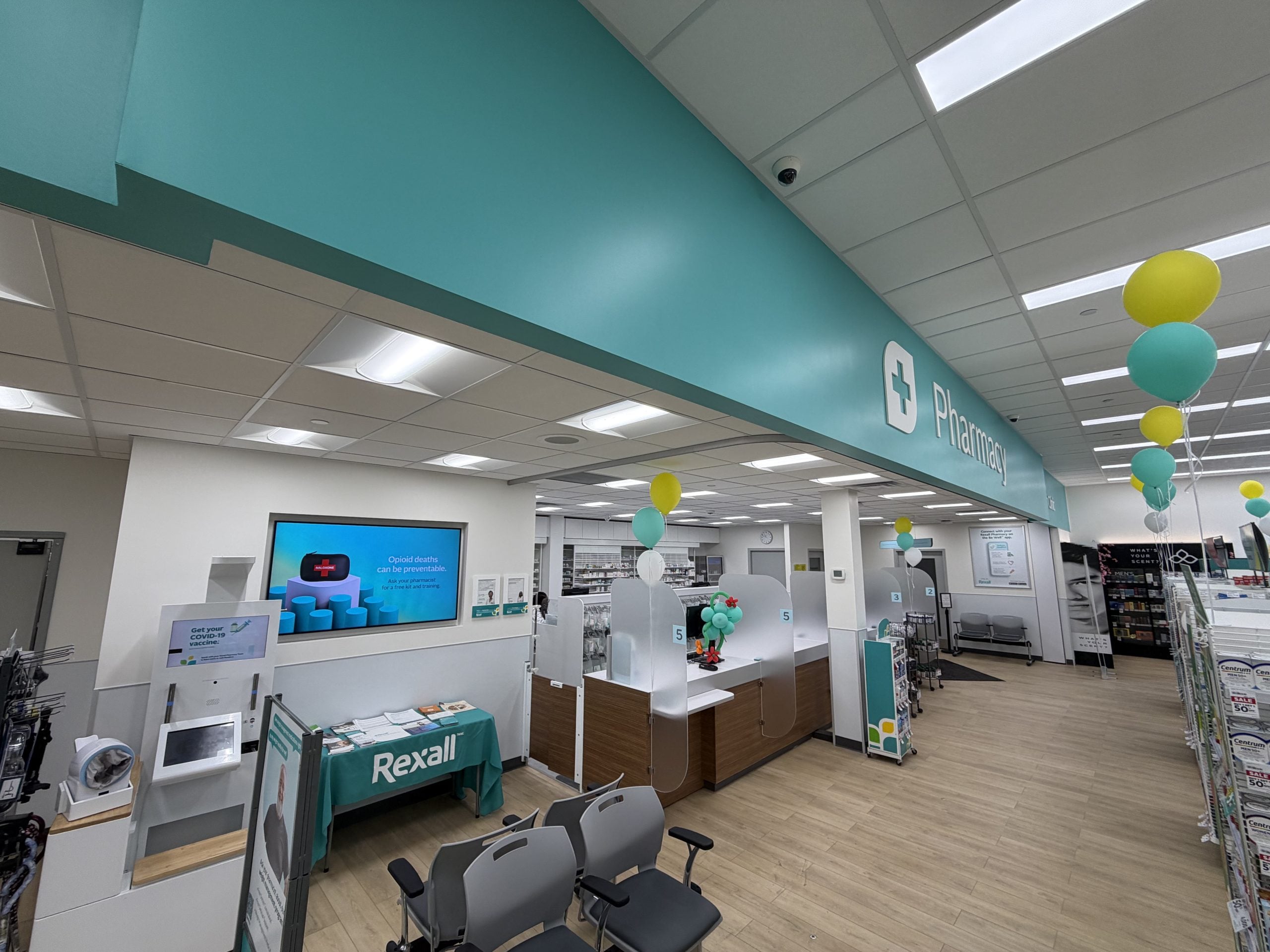
Retail Insider tracked 31 health and beauty-related articles in Q1 2026, reflecting sustained activity across the sector. Expansion led coverage, followed by partnerships and trend analysis, highlighting a focus on growth and strategic collaboration.
This coverage translates into tangible market movement. Sephora continues to expand its Canadian footprint, while Walmart is broadening its beauty assortment to capture mid-market demand. Rexall is investing in healthcare service integration, and wellness operators are reimagining large-format retail space. At the same time, isolated closures in urban markets signal ongoing challenges tied to location-specific risk factors.
Strategic Expansion Captures Market Gaps
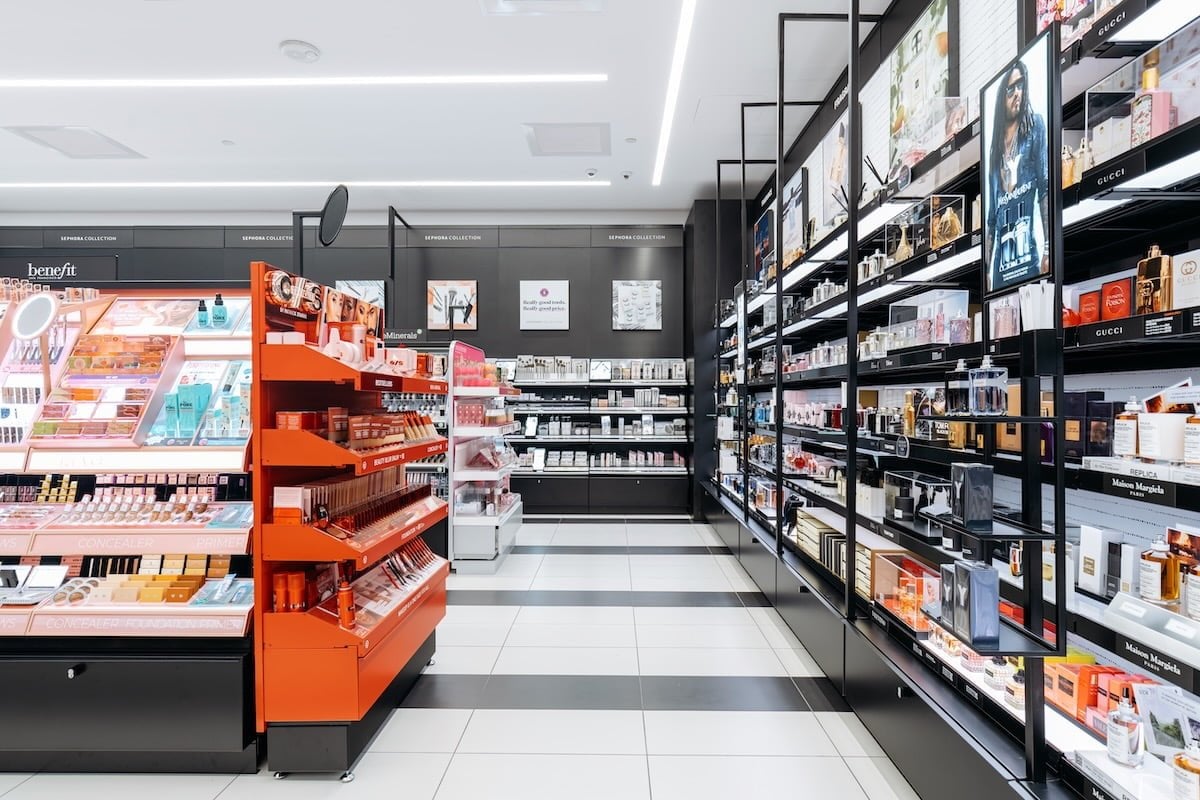
Sephora’s opening of its 144th Canadian store demonstrates how prestige beauty retailers are capitalizing on the void left by department store closures. By expanding into suburban markets, Sephora is increasing accessibility while maintaining a strong experiential and digital offering.
At the same time, Walmart Canada is repositioning its beauty assortment to appeal to younger, value-conscious consumers. The introduction of masstige brands and technology-driven products reflects a broader shift toward premiumization within mass retail, blurring traditional category boundaries.
These moves highlight a more segmented market structure, where prestige, mass, and pharmacy channels are increasingly overlapping. Retailers that can identify and capture underserved segments are gaining competitive advantage.
Wellness Anchors and Adaptive Reuse Reshape Retail Space
Retail real estate is also evolving, with wellness operators playing a growing role in shaping urban retail environments.
Altea Active’s plan to transform a former cinema space in Toronto into a large-format fitness and wellness club reflects a broader shift toward experiential anchors that drive consistent traffic. These formats offer landlords an alternative to traditional retail tenants, particularly in locations impacted by department store or entertainment closures. Altea will also open on the second level of what was to be a Hudson’s Bay store at Oakridge Park in Vancouver.
This trend signals a structural change in how retail space is utilized, with wellness and fitness emerging as key components of mixed-use developments and urban revitalization strategies.
Pharmacy Evolution Bridges Healthcare and Retail
Pharmacies are undergoing one of the most significant transformations within the sector. As gaps in the healthcare system persist, retailers such as Rexall are expanding their role to include clinical services such as same-day care, vaccinations, and medication management.
The scale of this opportunity is substantial. With millions of Canadians lacking access to primary care, pharmacies are increasingly positioned as accessible points of entry into the healthcare system. Partnerships that integrate prescribing and dispensing services further reinforce this shift, creating more coordinated and efficient care delivery models.
This evolution is redefining the role of pharmacy retail, moving it beyond transactional dispensing toward a more comprehensive healthcare offering that blends clinical services with traditional retail.
Experiential and Niche Retail Formats Drive Engagement
Experiential retail continues to play a critical role in health and beauty, particularly for emerging and niche brands.
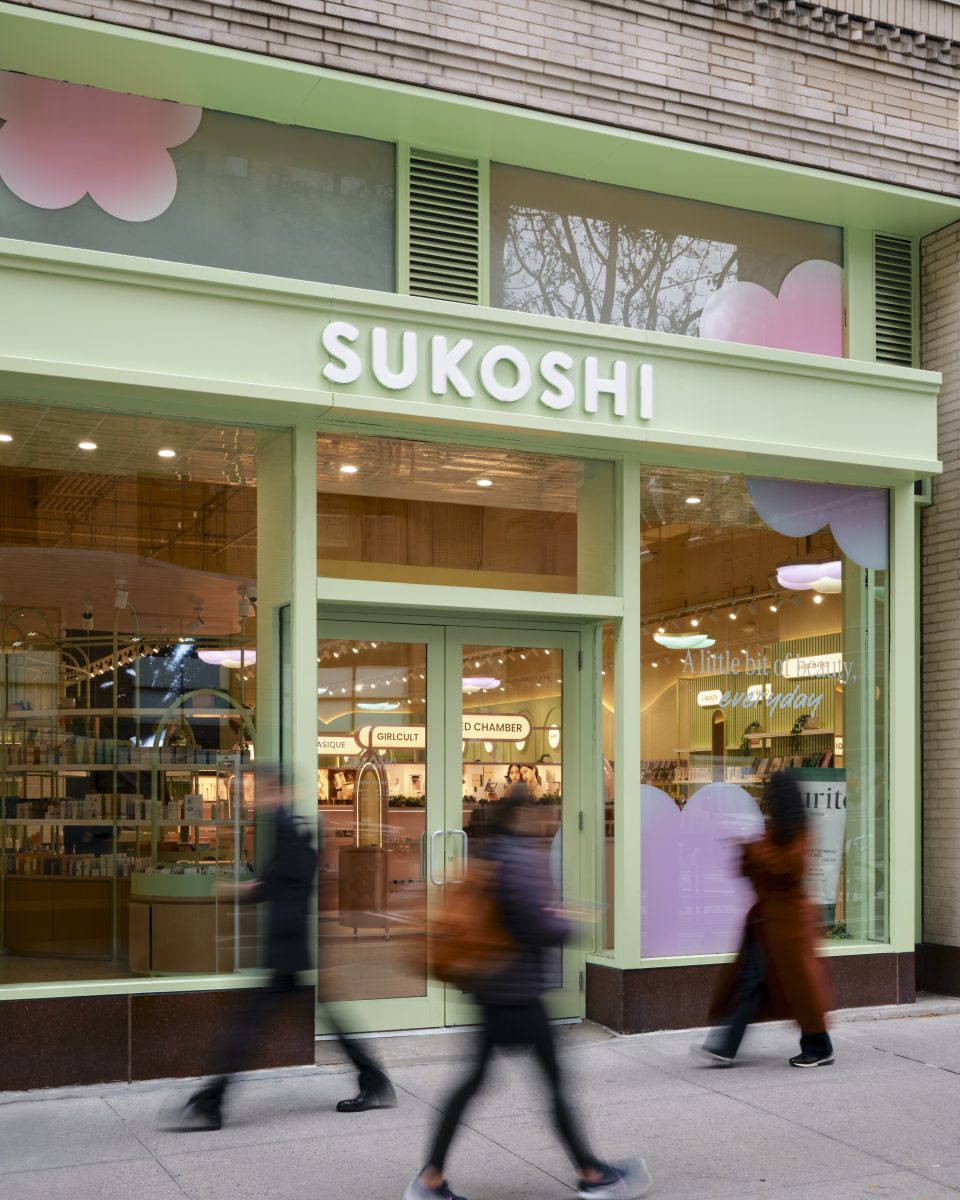
SUKOSHI’s expansion highlights the importance of discovery-driven retail environments that combine product education with immersive experiences. Similarly, brands such as HBFace are integrating wellness and mental health positioning into their offerings, reflecting a broader shift toward purpose-driven retail.
At the same time, category growth supports these strategies. The Canadian skincare market is valued at approximately $3.5 billion in 2026, with premium segments growing faster than mass-market offerings. This reflects the rise of more informed consumers seeking clinically backed and results-driven products.
Omnichannel Growth and Transparency Build Trust
Retailers are also strengthening their omnichannel capabilities to meet evolving consumer expectations. Healthy Planet’s expansion and focus on accessibility, combined with e-commerce integration, highlights the importance of seamless shopping experiences.
Brands such as Graydon Skincare are balancing direct-to-consumer channels with selective retail partnerships, emphasizing transparency, sustainability, and product integrity. As “clean beauty” becomes more mainstream, differentiation increasingly depends on credibility and authenticity.
At the same time, wellness spending continues to grow. Natural and organic beauty products are advancing steadily, reflecting a broader consumer shift toward preventative health and long-term wellbeing.
Sector Outlook: Retail and Healthcare Converge
The Canadian health and beauty sector is undergoing a structural transformation driven by the convergence of retail, wellness, and healthcare.
Retailers are expanding into underserved markets, repurposing real estate, and integrating services to meet changing consumer needs. At the same time, growth in premium beauty and wellness categories reflects a shift toward more informed and proactive consumption.
This environment rewards retailers that can combine accessibility, experience, and trust, while adapting to a more complex and competitive landscape.
Editor’s Take
The most important shift in Q1 2026 is the sector’s movement toward integrated health, beauty, and wellness ecosystems.
Sephora continues to lead in prestige retail through expansion and experiential engagement, while Walmart Canada is successfully repositioning itself within the mid-market through elevated assortments. Rexall stands out for its transformation into a healthcare-focused retail model, addressing a critical gap in access to primary care.
At the same time, the rise of experiential formats and wellness anchors is reshaping retail real estate, creating new opportunities for landlords and operators alike.
The broader implication is clear. As millions of Canadians navigate limited access to traditional healthcare, retail is stepping in to fill the gap. This shift, combined with continued growth in premium beauty and wellness, is redefining how consumers interact with the sector.
Looking ahead, the integration of healthcare services, the expansion of wellness-driven retail formats, and the continued evolution of omnichannel strategies will be critical factors shaping the competitive landscape.
Selected Coverage
- Sephora Expands Footprint in Canada’s Beauty War – Craig Patterson – Mar 4, 2026
- Walmart Canada Expands Beauty After Hudson’s Bay Exit – Lee Rivett – Feb 19, 2026
- London Drugs to Close Downtown Eastside Vancouver Store – Lee Rivett – Jan 8, 2026
- Apple Expands Fitness+ Offerings in 2026 to Boost User Engagement – Lee Rivett – Jan 3, 2026
- Healthy Planet expands across Ontario as Canada’s largest online health store bets on omnichannel growth – Mario Toneguzzi – Jan 27, 2026
- SUKOSHI Founder Linda Dang Builds North American Beauty Retail Powerhouse – Craig Patterson – Mar 24, 2026
- Graydon Skincare navigates a changing Canadian beauty landscape – Mario Toneguzzi – Jan 26, 2026
- Rexall expands Moore Park Pharmacy in Toronto to offer more same-day care services amid family doctor shortage – Mario Toneguzzi – Mar 24, 2026
- Altea Active to Replace Cineplex in Toronto’s Beaches – Craig Patterson – Feb 11, 2026
- Toronto-founded HBFace frames beauty brand around resilience and mental health on Blue Monday (Photos/Video) – Mario Toneguzzi – Jan 19, 2026
- Bubble Skincare targets deeper Canadian expansion as affordable skincare gains traction – Mario Toneguzzi – Jan 16, 2026
- Nutrius CEO says trade uncertainty has had no impact on operations as company pushes innovation pipeline – Mario Toneguzzi – Mar 2, 2026
- Pharmacy Brands Canada partners with Horizon Healthcare on integrated care pharmacy in Edmonton – Mario Toneguzzi – Mar 11, 2026
- KRWN founder says Quebec barber brand broadens retail push as network grows to eight locations (Video) – Mario Toneguzzi – Mar 2, 2026