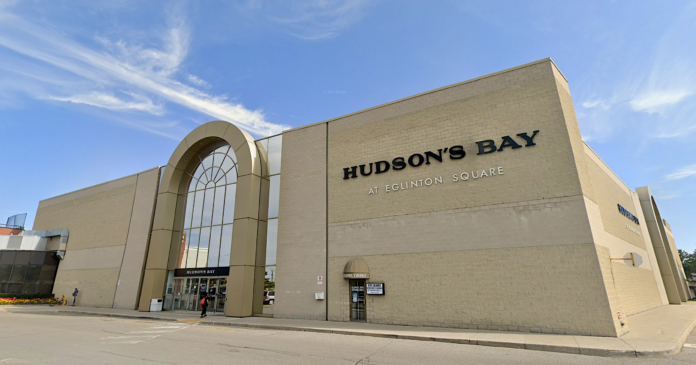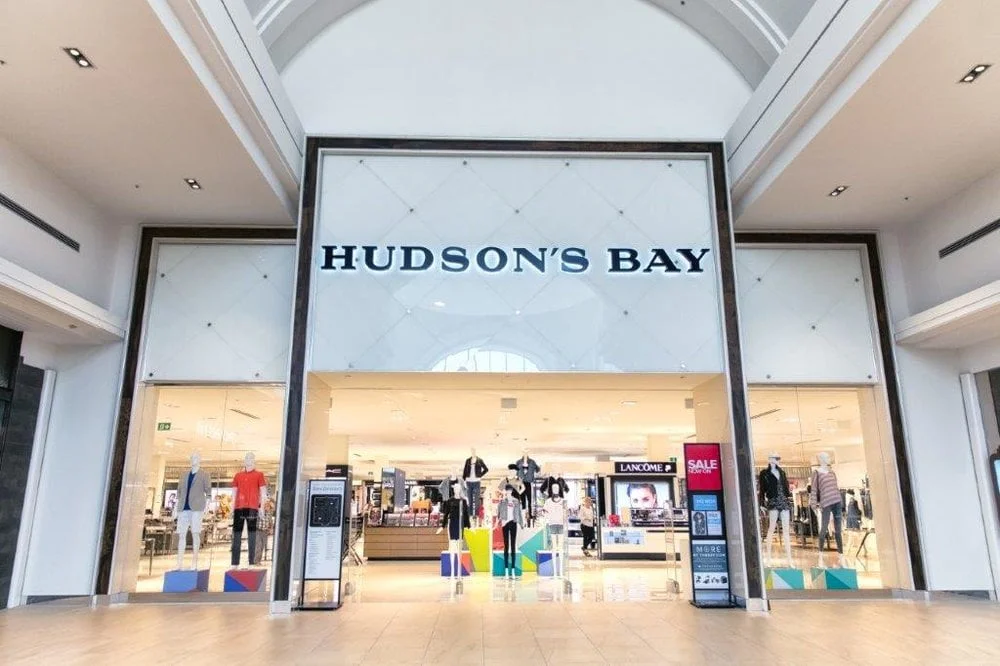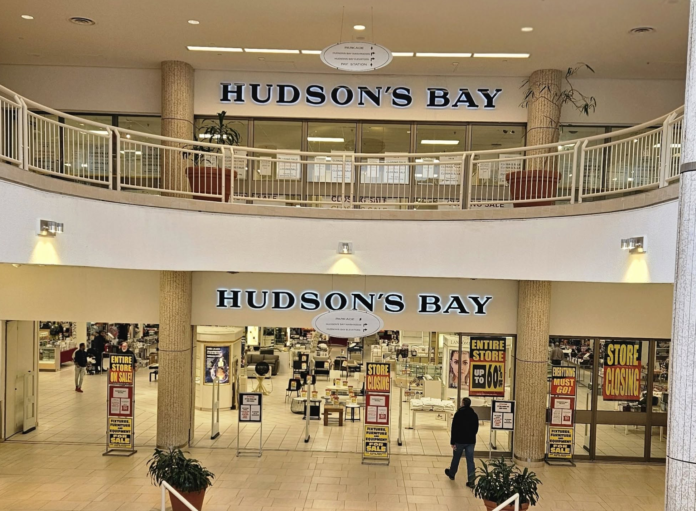
The Hudson’s Bay Company (HBC), Canada’s oldest retailer and a storied institution in the country’s retail landscape, is now at a crossroads. After years of financial turbulence, the company has filed for creditor protection under the Companies’ Creditors Arrangement Act (CCAA), marking a significant moment in its centuries-old history.
The restructuring, announced on March 7, 2025, aims to stabilize HBC’s operations while it grapples with mounting debts, declining sales, and changing consumer habits. The move raises urgent questions about the future of Canada’s last remaining traditional department store, particularly as industry experts and insiders express skepticism about its ability to survive in its current form.

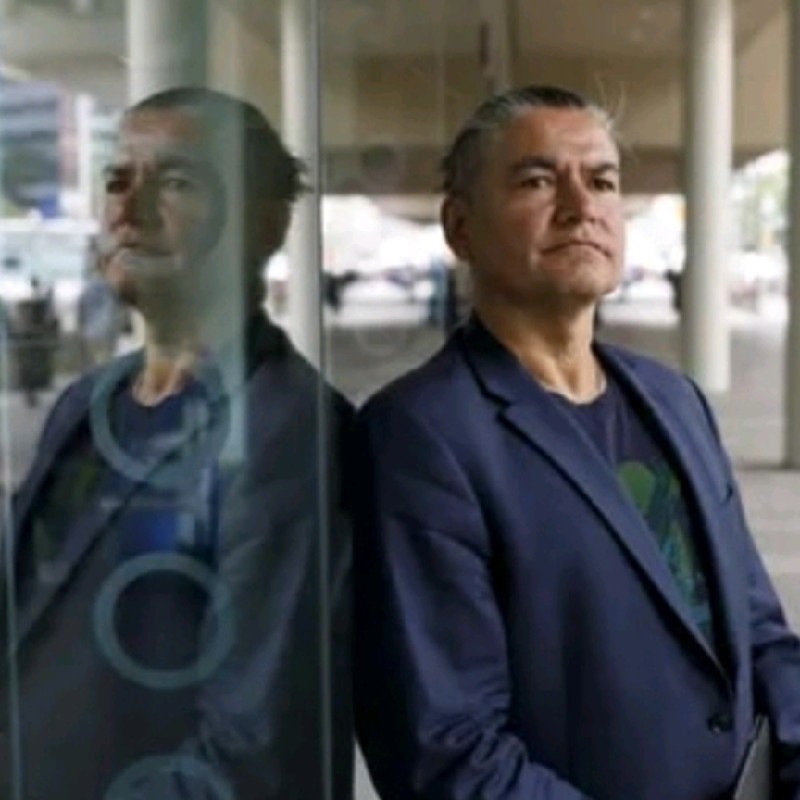
Retail strategist Carl Boutet, who has closely followed HBC’s trajectory, is blunt in his assessment. “This is a textbook example of a retailer that has failed to evolve with the times. The model that worked 50 years ago isn’t sustainable today. The writing has been on the wall for some time.”
A Financially Precarious Situation
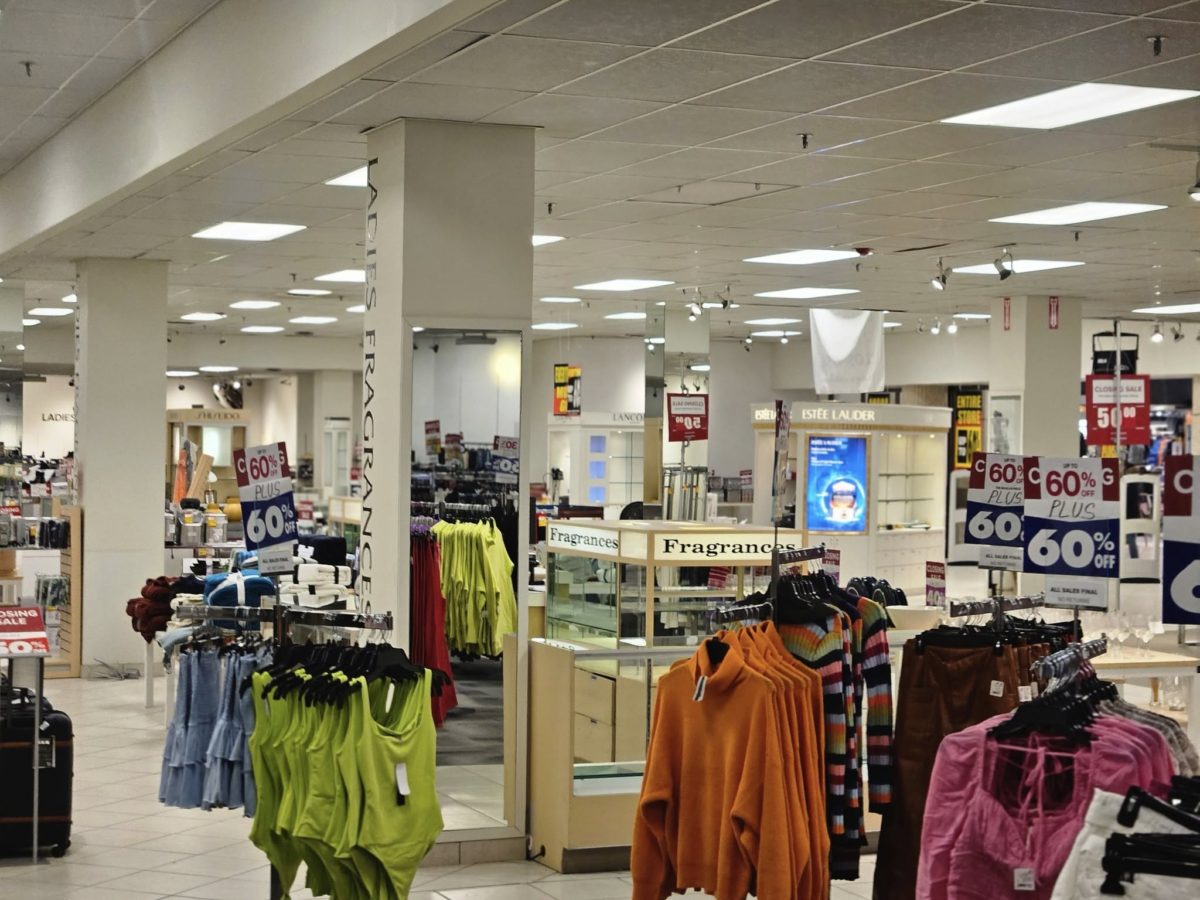
According to court filings, Hudson’s Bay has amassed more than $1.1 billion in debt while experiencing a 30% decline in sales over the past 12 months. The company’s cash flow issues have been exacerbated by a loss of access to credit facilities earlier this year, forcing it to rely solely on daily sales revenue to cover operational costs. Industry insiders suggest that HBC’s financial troubles have left it struggling to meet payroll obligations, a common tipping point in retail bankruptcies.
Boutet points out that HBC’s missteps, including its failed attempt to revive the Zellers brand, have only further weakened its position. “Zellers was a nostalgia play that lacked substance. It had no real differentiating factor, no value proposition. It’s hard to see why anyone thought that was going to work.”
Landlords and Suppliers Lose Confidence
As HBC’s financial situation deteriorated, landlords and suppliers began taking drastic steps to protect their own interests. A recent report revealed that Cadillac Fairview, one of Canada’s largest commercial landlords, sent representatives to reclaim merchandise from Hudson’s Bay’s CF Sherway Gardens location in Toronto. In another instance, HBC’s landlords in Sydney, Nova Scotia, changed the locks on the store’s doors, effectively shutting the retailer out.
“Landlords don’t make moves like this unless things have reached a critical point,” says Boutet. “For them to take back inventory or lock out a retailer means they’ve completely lost faith in the ability of that tenant to pay what’s owed.”
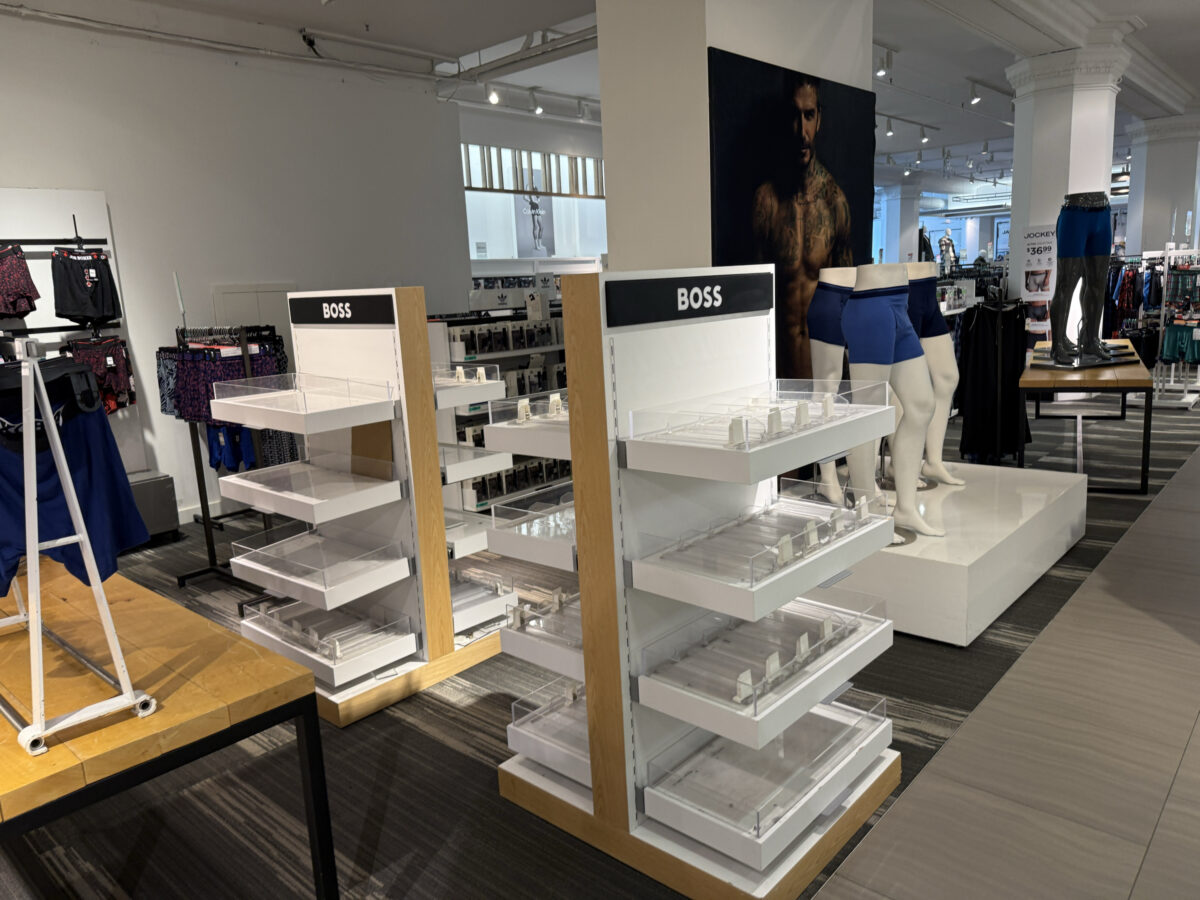
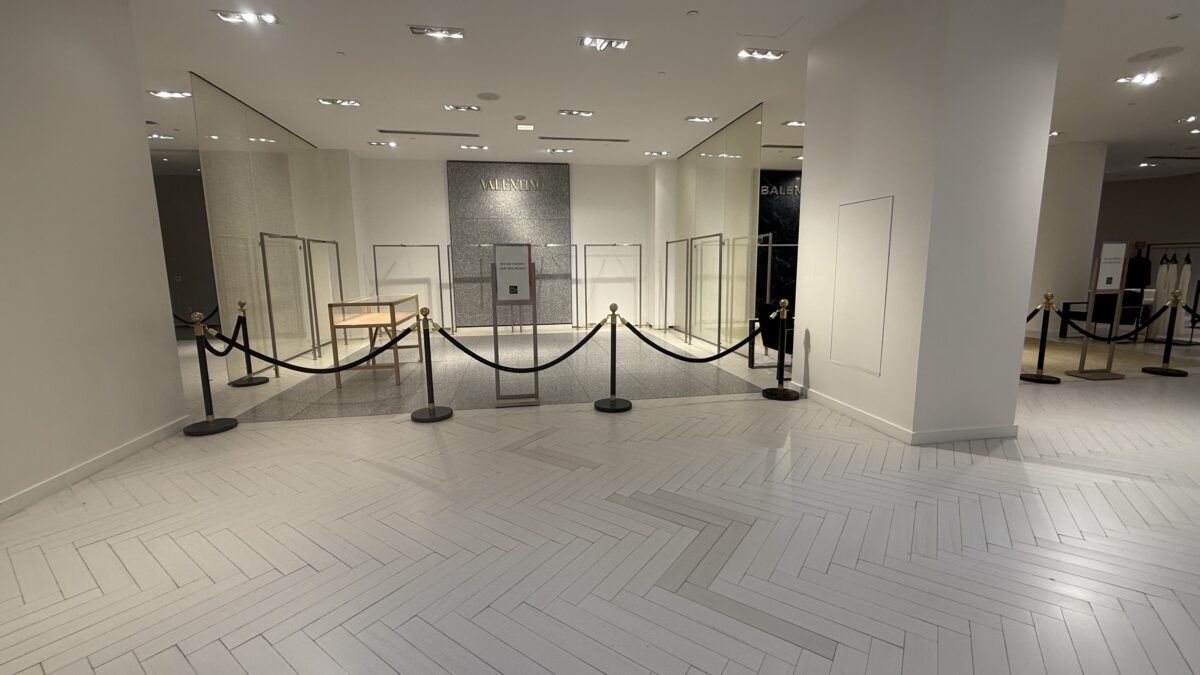
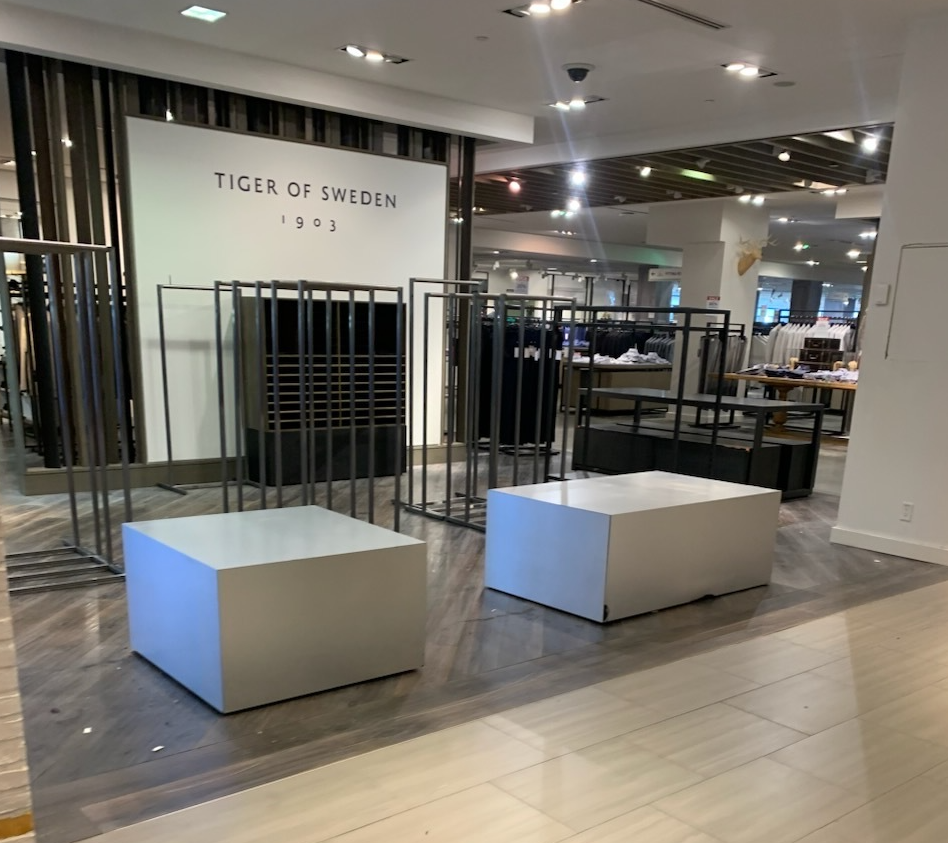
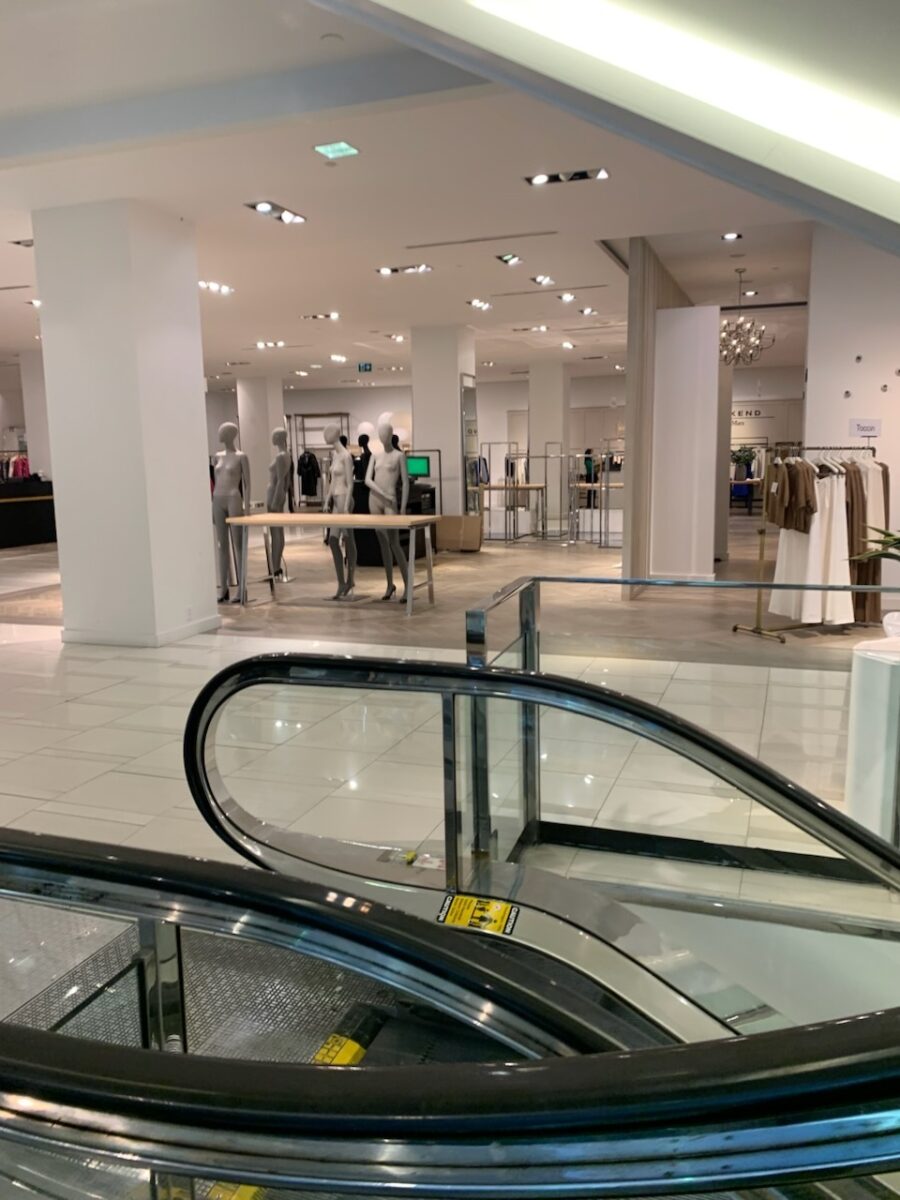
Suppliers have also pulled back, with brands like Tiger of Sweden removing inventory from Hudson’s Bay stores. Shoppers have posted images of near-empty racks at Bay locations, suggesting that many vendors had stopped replenishing stock due to non-payment.
“If suppliers aren’t getting paid, they aren’t going to keep shipping product. It’s that simple,” Boutet said. “This isn’t a new issue—it’s been building for years. The fact that we’re seeing major brands abandon ship now tells you just how dire the situation has become.”
Hudson’s Bay’s Future: A Niche Play or Total Collapse?
With the CCAA filing now in place, industry observers are speculating on what a restructured HBC might look like—if it manages to survive at all.
“The best-case scenario is that a dozen or so Bay stores remain open in key markets where landlords are willing to work with the company to keep them afloat,” says Boutet. “But beyond that, I don’t see much of a future in its current form.”
One potential strategy being floated is a reimagining of HBC as a niche Canadiana retailer, focusing on heritage-driven products in smaller-format stores.
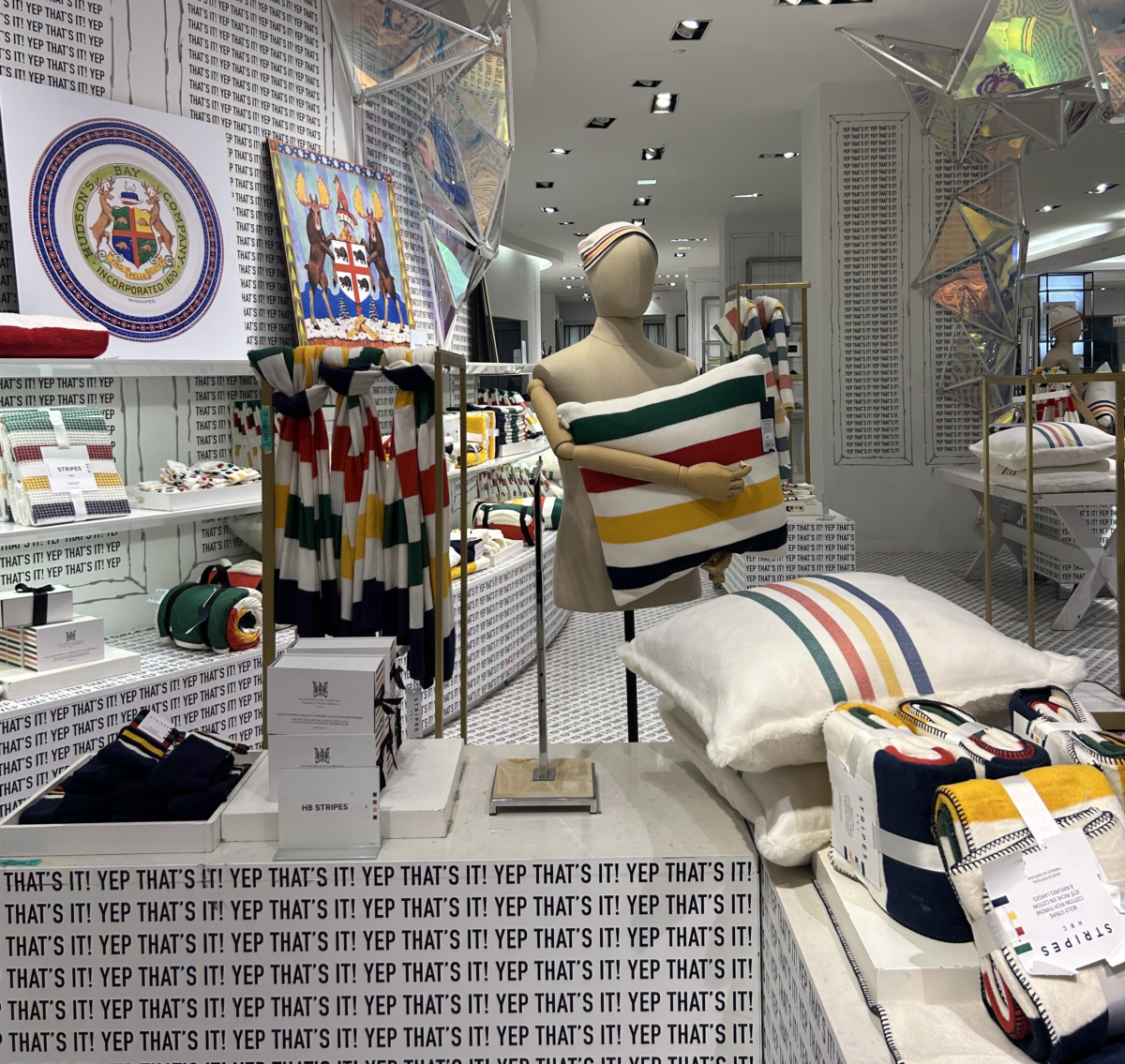
“There’s still some equity in the brand,” says Boutet. “If someone steps in and carves out a new identity—think high-end Hudson’s Bay-branded stores in airports and tourist-heavy locations, selling blankets, outerwear, and premium Canadian-made goods—there could be something to work with. But the idea of HBC continuing as a full-line department store? That’s dead.”
Boutet also points to the shift in retail real estate trends. “The space that Hudson’s Bay occupies in these major malls is too large for what they’re offering. Mall owners will likely look to carve up those spaces and bring in a mix of smaller specialty retailers, entertainment uses, or even mixed-use developments. We’ve seen this play out already with Sears, Target, and most recently, Nordstrom.”
“Another weakness of their business model is its ability to generate enough revenue to cover even the most basic operational costs.”
A Restructuring or the End of an Era?
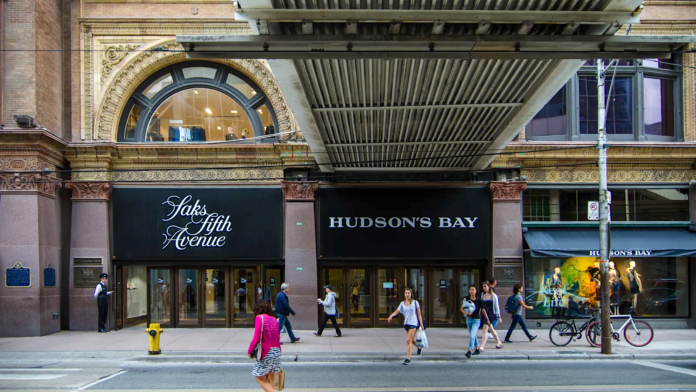
HBC’s restructuring is expected to involve significant store closures, likely cutting its footprint from its current 80 locations. The company also operates three Saks Fifth Avenue stores and 13 Saks Off 5th outlets in Canada under a licensing agreement, though it remains unclear how the bankruptcy will impact these operations.
Company president and CEO Liz Rodbell acknowledged the challenges ahead in a recent statement. “While very difficult, this is a necessary step to strengthen our foundation and ensure that we remain a significant part of Canada’s retail landscape,” she said. “The road ahead will not be easy, but we are committed to finding a viable path forward.”
The Canadian Retail Landscape Without Hudson’s Bay
The potential collapse of HBC would mark the end of an era for Canadian retail, following the demise of other once-iconic department stores such as Eaton’s, Simpsons, and Sears Canada. While some brands have successfully transitioned to new models—Simons, for example, has evolved into a thriving specialty retailer—HBC’s failure to adapt over the past decade has left it with few options.
“As much as we may feel nostalgic about the Bay,” says Boutet, “consumers shop differently now. Department stores were built on the idea that you could go to one place and find everything you need, but that’s what e-commerce is now. The world has changed, and Hudson’s Bay didn’t change with it.”
Final Thoughts
With a crucial court date set for March 17, the future of Hudson’s Bay remains uncertain. While there is still a slim possibility that restructuring efforts will preserve some portion of the business, the consensus among experts is that the company’s days as a national retail force are numbered.
“What we’re seeing now is the final chapter of a long decline,” says Boutet. “Whether Hudson’s Bay is able to salvage something from this or whether it simply becomes another footnote in retail history remains to be seen.”