Retailers are questioning the right marketing mix. Not only are they reevaluating traditional touch points like the printed flyer, they are at the same time striving to earn the trust of their customers in today’s new reality while entertaining them with creative and thoughtful content on their media streams.
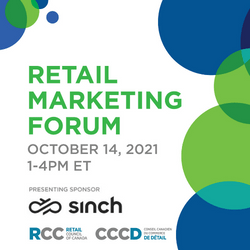
Top retail marketers will share how what they are doing to most effectively connect with their existing and prospective customers at Retail Council of Canada’s Retail Marketing Forum on October 14, 2021.
Stewart “Brittlestar” Reynolds will pull back the social media curtain to share what inspires him in creating fresh and engaging content, and how he leverages his experiences with “forced opportunity”. Stewart will also share his insights on how to make content “go viral”.
To provide fresh insight in how the roles of traditional, content, digital, and social marketers are evolving, Jeff Tait, Chief Innovation Officer at Henry’s s and Ian Rosen, Executive Vice President, Digital and Strategy at Harry Rosen will discuss how their companies are leveraging the unique skills sets each specialist brings to help satisfy consumers’ ever-changing needs.
eCommerce’s surge is also changing how retail marketers need to plan, strategize, and execute. Reshift Media’s Steve Bours will talk about how you can leverage your physical store locations for online success.
For marketers who have decided to move away from the print flyer, the decision has often been a difficult one given Canadian consumers’ emotional attachment. Canac’s Patrick Deslile chats with Mark Smith from reebee about their shift away from the print flyer, the consumer reactions they received, as well as the decision-making process they went through to finally make the change.
Recent reports suggest that now is also the time for retailers to up their game on privacy. Upcoming changes to the use of cookies will require a change in strategy. Holt Renfrew’s Chief Privacy Officer, Kristina Smith chats about the importance of privacy in retail and shares the value of having a dedicated privacy role for your team and customers.
Retail Council of Canada’s Retail Marketing Forum specifically addresses the key needs of today’s retail marketers and what is working NOW.
A new survey by Restaurants Canada indicates 47 per cent of foodservice operators in Canada said they would increase their menu prices four per cent over the next 12 months and six out of 10 table-service restaurants are operating at a loss as of July.
It’s just one of many different impacts the foodservice industry has had to deal with in the past year or so including the fact there are less establishments now than there were before.
Prior to the pandemic, there was an estimated 65,000 restaurants in the country and estimates indicate more than 10,000 at least shut their doors for good during the economic crisis.
COVID-19 has had a devastating impact on the entire foodservice industry across the country but the industry believes it is poised to turn the corner as consumers return to dining out.
“While the economic outlook has significantly improved, Restaurants Canada remains cautious when it comes to the timing of the recovery,” said Chris Elliott, Senior Economist at Restaurants Canada. “We see our industry like a puzzle, trying to figure out what piece fits where, and figuring out how to fill in any gaps and holes in the industry. While our patios may be filling up and we can see that small pinhole of light at the end of the tunnel, it is not the time to relax or fall into old habits. We have survived the storm and now it’s time to learn from it. It’s time to cautiously, yet optimistically, finish the puzzle. ”
But national food expert Sylvain Charlebois, Professor, Director, Agri-Food Analytics Lab and Former Dean of the Faculty of Management, Dalhousie University, in a recent op-ed piece that appeared in media outlets, including Retail Insider, wondered how many restaurants the country really needs to meet consumer demand at this time.
Sylvain Charlebois
“The cost of food is becoming a real problem not only for consumers but for restaurant owners as well. The labour shortage, which existed before the pandemic, has only worsened since. Over the next year, it is predicted that 42 per cent of restaurants will experience an increase in the number of vacant positions, and more than 53 per cent plan to increase their employees’ salaries in the coming months. It’s great news for restaurant workers, who certainly deserve it, but someone will have to pay for it all,” he said.
“These macroeconomic factors will make it difficult for the sector to go back to its 65,000-restaurant mark. For households, restaurant visits (now with higher prices) will certainly be less frequent. The 35 per cent portion of the family food budget allocated to meals eaten out before the pandemic is not coming back anytime soon.
“Of the more than 15,000 to 20,000 restaurants that disappeared during the pandemic, some were excellent, leaving behind an incredible legacy for their customers. It’s sad to see many of these independent and family restaurateurs forced to abandon ship. But in truth, the pandemic also acted as a purgatory by eliminating several restaurants which lowered the quality of the sector. Food safety issues, food fraud, you name it. Some were already heading for closure and would have gone out of business, whether there was a pandemic or not.”
Charlebois said with many independents not surviving now major chains will represent the sector in a disproportionate way compared to before the pandemic.
“This should be a concern. It’s not just about the number of restaurants. Of course, the number has dropped. A lot of people have been discouraged by the pandemic and have decided to leave the industry altogether. It got people to think about their lifestyle, to think about their careers. It’s not surprising. Working conditions in the industry have never been ideal and I think the pandemic should get the industry to think differently about how it manages people, what it represents to people when they look for a career,” he said.
“I’m not convinced they’ve really thought about developing a business model which could make the industry more sustainable from a human capital perspective. I don’t think the sector will come back to where it was before the pandemic, anytime soon. It will take at least a few years if not more. Why? Because of market conditions. One, the cost of food is actually way more than before the pandemic which will make any restaurant operator concerned about competitiveness. Menu prices have to go up. The other thing is labour. You can do all you want but there are fewer people around who will want to work in the industry. So it’s more difficult for them to consider opening outlets or opening different locations. I do believe the number of restaurants will remain lower for a greater period of time and at the same time Canadians I don’t think will go out as much as they used to over the short term.”
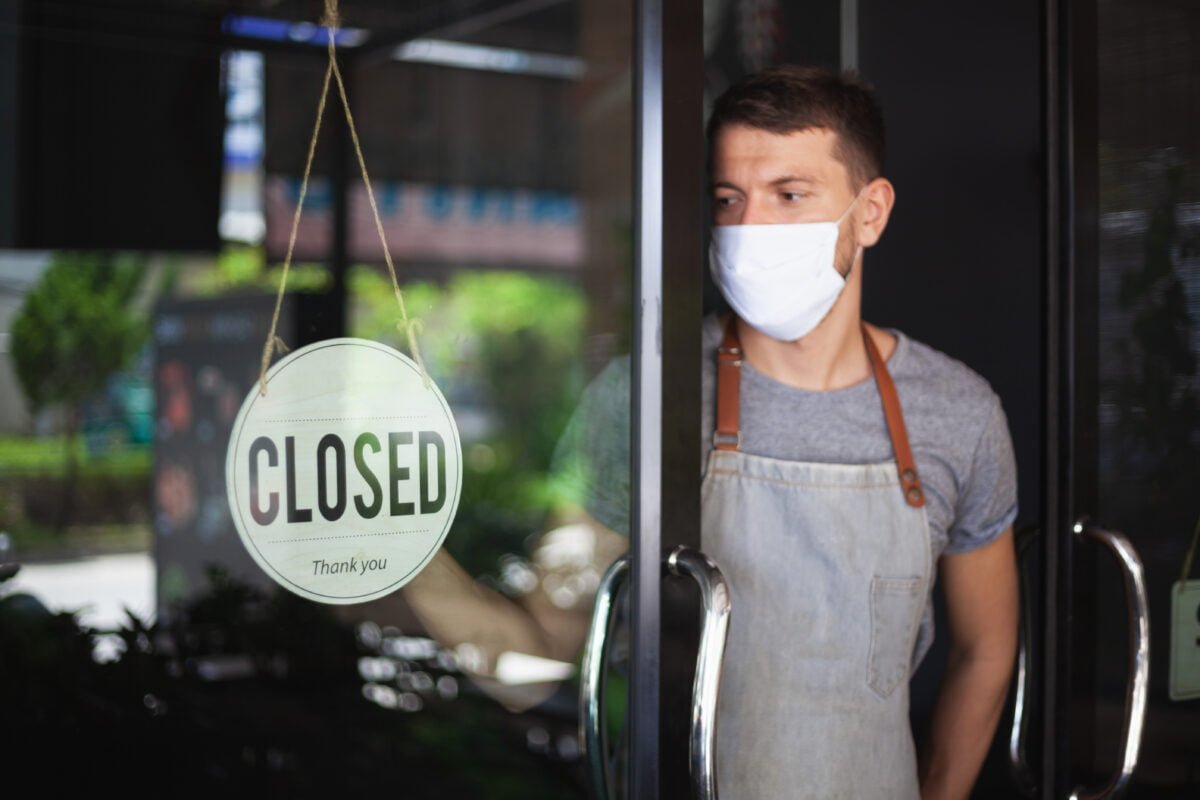
Chef in safety mask hanging up sign closed on restaurant door.
The Restaurants Canada report said COVID-19 brought about a slew of new challenges and hardships for the entire industry across Canada. Some of the biggest hurdles to overcome as a result of the pandemic include labour shortages, higher food and overall costs, as well as higher debts, it said.
“Hundreds of thousands of employees across the restaurant industry have been laid off as a result of restaurant shutdowns, and more than 12,000 foodservice establishments permanently closing their doors since the start of the pandemic,” said the national organization.
“Labour shortages, already an industry-wide problem pre-pandemic, will continue as the hospitality sector begins to recover and open back up. Workers have had to find other employment opportunities in other industries after losing their jobs in hospitality. The pandemic is forcing the industry to reevaluate how they recruit, pay and retain their employees, especially as restaurant owners are struggling to fill their workforce—only 39 per cent of restaurant operators are expecting to return to pre-pandemic staffing levels in 2022 and 20 per cent expecting to return in 2023.
“The pandemic also managed to bring up price hikes in the foodservice industry and led to restaurants accumulating mounds of debt. Operational costs, food and menu prices and labour costs will continue to rise as the industry heads into the final months of 2021 and well into 2022. Many restaurants are already operating at a loss due to government shutdowns, and their debts seem to continue to grow as costs rise.”
But Restaurants Canada also cited a fairly positive outlook for the near future:
Commercial foodservice sales in Canada are predicted to grow from $13.7 billion in the first quarter of 2021 to $20.7 billion by the last quarter of 2022 (adjusted seasonally); and
Full-service restaurants are forecast to experience the strongest sales increase, rising, from a projected $25.6 billion in 2021 to $35.2 billion forecasted in 2022.
The national organization said expectations for 2022 show a promising return to pre-pandemic numbers:
As of September 2021, almost 70 per cent of Canadians (12 and older) are fully vaccinated;
As a result of high vaccination rates, annual commercial foodservice sales are expected to increase to $63.9 billion, which is higher than the previous prediction of $61.1 billion. However, the industry is tempering optimism with vaccine passports coming into effect alongside a fourth wave of infection; and
The projection of 2022 looks even more promising, as overall foodservice sales are expected to grow to nearly $80 billion, 3.8 per cent higher than pre-pandemic levels.
His work within the Canadian commercial real estate market spans the better part of 35 years. Recognized as an expert in all regions throughout North America and beyond, his acumen as real estate consultant, retail broker and tenant representative are unsurpassed within the industry. Through the years, he’s built relationships with and executed deals on behalf of some of the most exciting and successful brands and shopping centres in the country, developing a reputation as a force on the commercial real estate scene. So, more than three decades into his career, following a host of successes and recognitions, what continues to drive Founder of Aurora Realty Consultants, Jeffrey Berkowitz, supporting his philosophies toward leadership?
“Having gone through what we’ve all collectively experienced over the course of the past year-and-a-half, I’d have to say that compassion is one of the most important qualities that a leader can and should possess,” he says. “It includes a holistic understanding of the position and role of each member of the team, a genuine concern about the needs and requirements of everyone involved, and the ability to listen, enabling them to recognize and discern situations and equipping their teams for success. And, a great leader must also possess a certain level of passion for what they do. If someone is singly focused on making money, for instance, they’re never going to be on top of their game. What drives them has to be about more than money. It’s got to be about the people behind the deal, the brands and individuals involved and creating success for all parties.”
Going beyond the transaction
Image: Jeffrey Berkowitz
Berkowitz founded Aurora Realty Consultants in 1989 shortly after finishing school where he studied accounting, and after a short stint working for a landlord and developer in Montreal handling retail leasing. What he noticed, working from a landlord’s perspective trying to fill space, was the fact that there were lots of brands looking to grow and scores of retailers actively seeking new commercial spaces throughout the city. As a result of the sheer volume of merchants seeking space, he recognized an opportunity to act on their behalf as consultant and broker, working with them to find the spaces that would best suit their operation and brand. Since then, he’s grown Aurora Realty Consultants into one of the most trusted and successful firms in the country, working regularly with shopping malls, strip centres, ‘big box’ developments, lifestyle centres and street sites, as well as undertaking office, retail and entertainment projects. Aurora continues to grow today, reaping the benefits of experience, client dedication and expertise – qualities of his team that Berkowitz credits much of the firm’s achievements to.
“We have an amazing team at Aurora who are committed to working with clients for the best possible outcomes for their brand and development as a retailer,” he says with pride. “We’re all very passionate about what we do. And, we have the opportunity every day to work with a lot of great people within the industry, including retailers, landlords and other brokers. We focus on going beyond the simple transaction of the deal to develop a relationship with our clients to discover exactly what their needs and requirements are and to understand from a brand strategy and positioning perspective which commercial real estate opportunities might best benefit and support their growth.”
Innovation and opportunity
It’s a genuine and involved approach that the firm takes to its work – one that has been appreciated and is evident in the list of brands that it represents, which includes Birks, Roots, Frank & Oak, Yves Rocher, Swarovski, Hallmark, Mackage, Sephora, Nature’s Emporium, Uniqlo, and many more. This collection of clients is testament not only to the influence and prominence of the firm within the markets it operates, but to its ongoing commitment to helping advance its clients and the retail industry as a whole toward greater success and growth. And, although Berkowitz recognizes the devastation that impacts of the COVID-19 global pandemic have had on the industry in Canada, he sees opportunity for innovation and creativity going forward.
“Through the past 18 months, the pandemic has been responsible for the demise of many businesses, big and small,” he says. “However, as unfortunate as it has been for some, their departure also opens up room and space for newer, more relevant and exciting retailers and brands to move in. Overall, there remains a lot of uncertainty about the future, how long the pandemic will last and whether or not something like this will need to be faced again, leaving many feeling a bit fragile. And there are generally going to be two ways that retailers and other businesses will approach the next 6 to 18 months. It is being seen by some as a calamity which they’re simply trying to deal with in order to see their way through. And there are others that have identified an opportunity to rebuild, refresh and renew what retail is, both from a tenant and landlord perspective.”
Thirst for growth
With respect to current trends impacting the industry, Berkowitz points to the accentuated shift in consumer behaviour away from brick-and-mortar locations in favour of online channels to make purchases. He recognizes that it’s a trend and movement toward digital that predates the pandemic, and one that’s been accelerated by its impacts. However, as our approach continues in the direction of a post-pandemic environment and complete reopening of communities and economies across the country, he believes that there are many retailers who have been operating in something of a holding pattern over the course of the past year-and-a-half or so, and that industry growth may be just around the corner.
“Everybody’s been a little bit cautious over the last long while, and most within the industry continue to be cautious,” he says. “But what we’re going to see over the short-term is the results of a pent-up thirst and interest in growth from many brands. A lot of companies are feeling as though they’ve been held back and in stasis for the last year-and-a-half, and they want to start making up for that now. There will be a return to growth which I believe has already started. And, for brands that can build a strong interdependence of their physical and online environments, they’re not only blurring the lines between channels for the customer, but they’re also opening up geographical boundaries that may have once existed. It allows retailers and brands to be present in and appeal to whole new markets. And that means that the strongest and most successful retailers will want to increase their physical brick-and-mortar presence within some of those new markets.”
A return of brick-and-mortar traffic?
Looking ahead further, Berkowitz admits that there’s a lot of murk when attempting to determine what the market and landscape might look like even a few months out. Forcing functions such as ever-evolving consumer behaviour and preferences, the instability and unreliability of the current global supply chain, a potential increase in the spread of the COVID-19 virus and the return of associated lockdowns and social restrictions, as well as economic factors, are all lending to a less than clear future for retailers. Despite this, however, Berkowitz is confident that there will be a return to something close to normal, which includes a return of consumer footfall to physical retail locations.
“It’s hard to say at the moment what’s in store for retailers in Canada,” he says. “Each market’s recovery is going to be different simply because they are all unique unto themselves. Vancouver for instance, and to a certain extent Toronto, have a high dependency on tourism with respect to retail sales, and they’re going to need to wait it out until that part of the market returns. Other cities like Montreal, which has been more dependent on their local population, should have a slightly easier task ahead. But people in most of these places are trying to figure out where the density is going to occur. Should the focus be on urban, or should it be, as it has been for the last year, focused on suburban? People are really trying to understand the dynamic right now of different markets, submarkets, cities and countries to get a finger on the pulse of how each is working. However, I firmly believe that people will return to those activities, events and lifestyles that they enjoyed previously, visiting and shopping with their favourite retailers and brands in person.”
Continued growth and creativity
In addition to work it does in brokering some of the biggest deals for retailers and brands, Berkowitz’s firm also partners with WR-C Aurora – a London-based property consultancy, providing clients in the UK and Europe with expert independent advice and integrated property solutions. And, it’s developed the Aurora Evolve team – an extension of the firm’s work, which specializes in leveraging fresh and innovative opportunities, negotiating short-term leases, pop-ups and activations in incubator spaces, headed by VP Suzanne Cayley. It’s all part of the expertise that the firm provides and is representative of Aurora’s continued evolution, remaining one step ahead of the industry and its trends. And, according to Berkowitz, it’s an evolution and growth that’s fueled by consistency and concentration.
“We started with a single office in Montreal, grew to Canada-wide status before developing a presence across North America, and now have international offices and consultancy presence abroad,” he says. “And we’ve managed to grow our company to this point by applying the same methods, standards, intelligence and discipline to everything that we’ve done and continue to do. We’ve been forthright and thoughtful and concentrated on achieving the best results for our clients. And because we’re able to establish relationships them, connecting with them, no matter where they are, we’ve created synergies in the markets that they operate in.”
Exciting months ahead
Combining such a deep knowledge and understanding of the Canadian and international markets with the number of prestigious retailers and brands that Aurora works with, it goes without saying that Berkowitz and his team are often privy to the biggest deals taking place and most exciting brands entering the country. And, although he’s unable to share details concerning any exciting news, he says that there are a lot of things happening behind the scenes that Canadian consumers from coast to coast will be intrigued by over the coming months. And, he adds, he and his team are looking forward to being a part of the growth that’s anticipated over the course of the next couple of years.
“When we look ahead to the next 6 to 12 months, it’s going to be a time when quite a number of new brands will be entering Canada. We’ve already concluded some deals for a number of international brands that will be opening next year. And, this is true, generally speaking, across the industry. There will be a wave of new brands coming in by 2023. And we’re excited to continue achieving further growth and playing an important role in the retail brokerage industry in Canada and beyond. We love exploring new markets and working in tandem with retailers to help bring them to places that they haven’t yet been. And we’ve got a lot of exciting projects in the works with landlords and developers in order to enhance the presence of the great brands that we work with.”
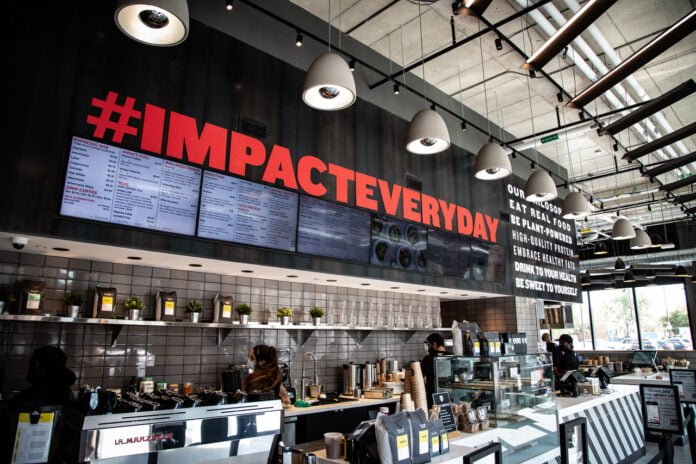
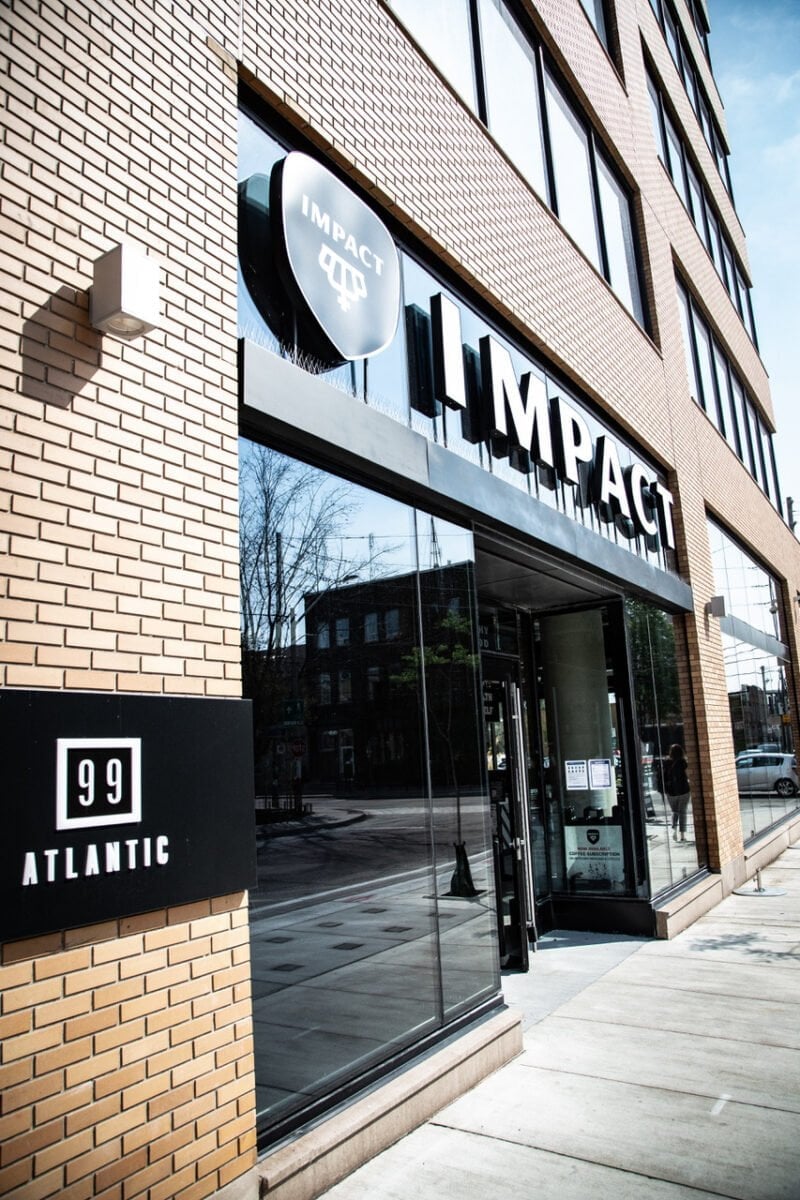
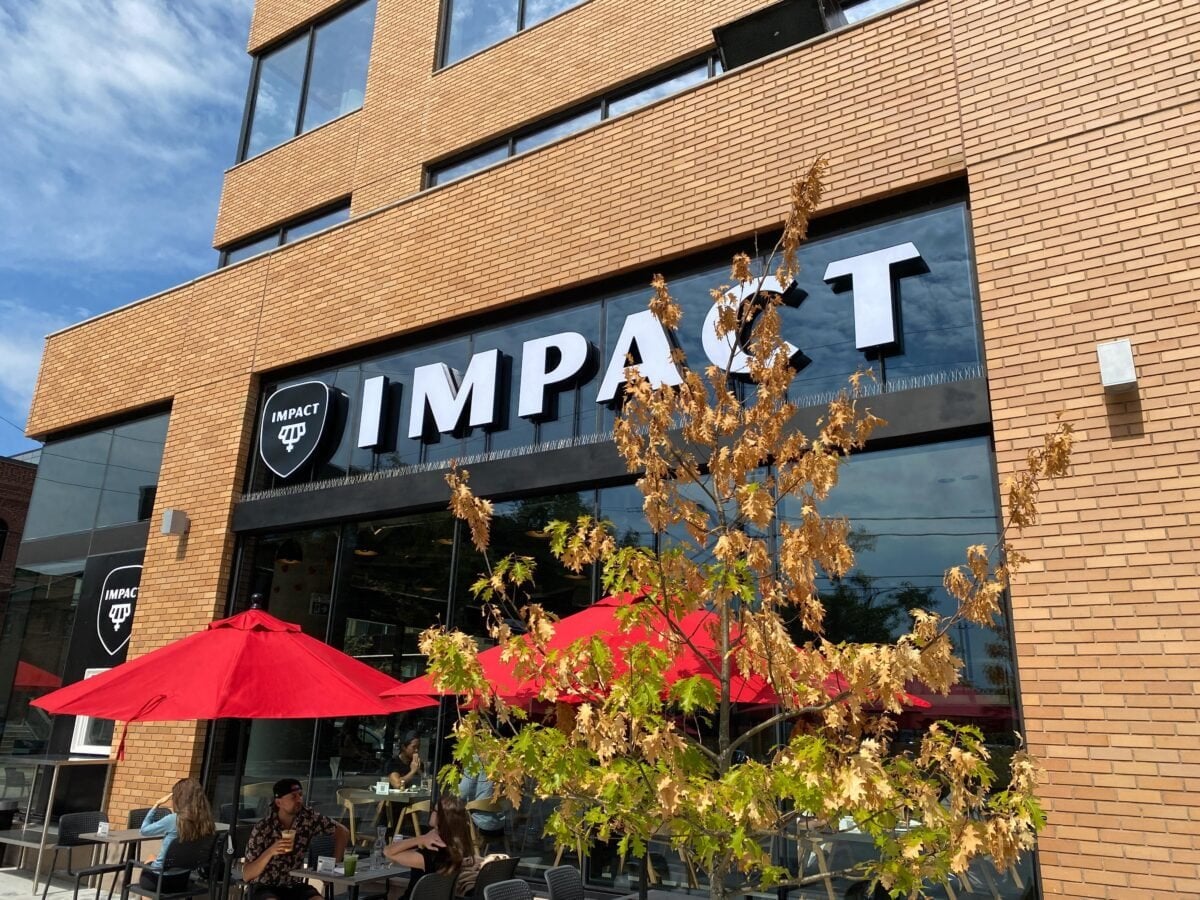
Impact Kitchen in Liberty Village (Image: Impact Kitchen)
Impact Kitchen, a healthy fast-casual food destination, continues to expand, opening its fifth location in Toronto with plans to open more.
The company has also launched a coffee subscription service at all its locations that is extremely popular with customers.
Josh Broun, co-founder of Impact Kitchen, said the latest location opened September 15 in Liberty Village.
“I’ve had my eye on Liberty Village for quite some time and familiar with the demographic there. I know there’s a wellness theme in the community with great fitness boutiques and yoga and lifestyle-inspired places there which is important for Impact,” said Broun.
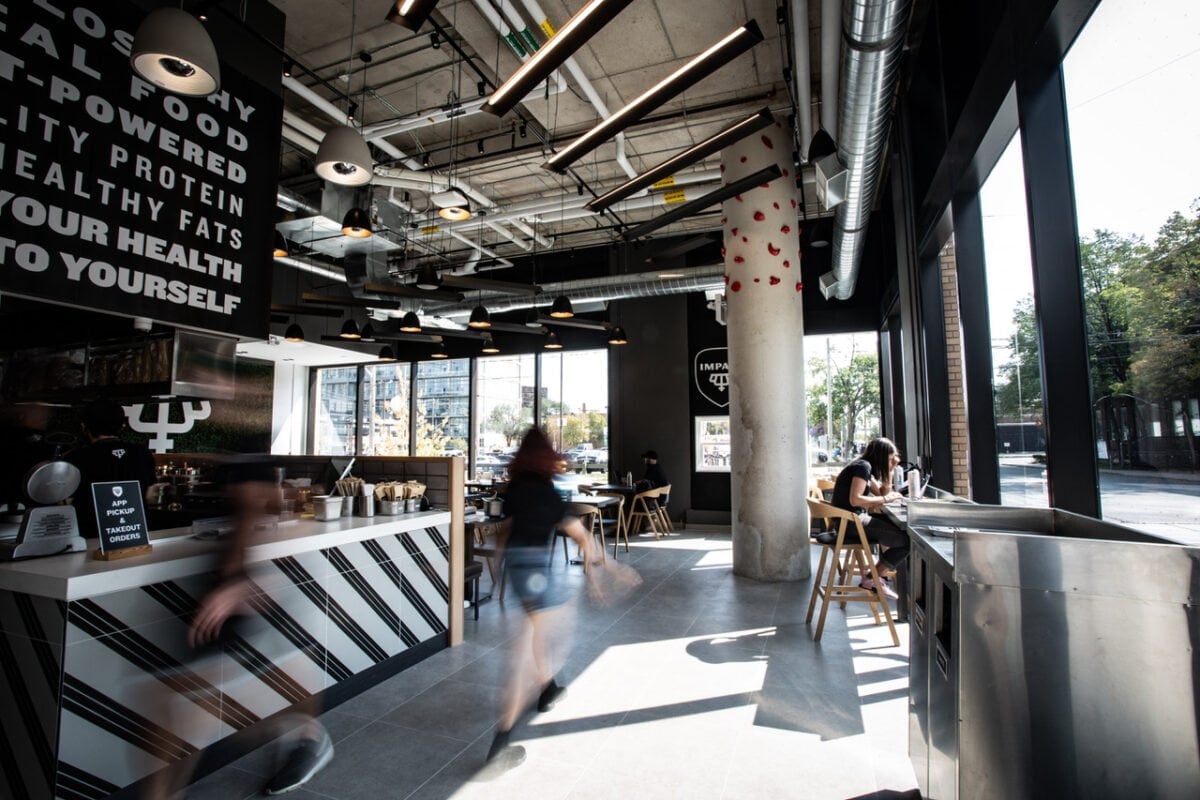
Impact Kitchen in Liberty Village (Image: Impact Kitchen)
“Liberty Village provides an excellent opportunity for us to build our community within an already established neighbourhood that is redefining itself. So we knew we had the offices and the condos with high density with continuous growth. That excited us. A lot of creative agencies, new tech, entrepreneurial start ups all coming together in one spot. Based off our other locations, those demographics tend to come to Impact Kitchen.”
Heading into the future, in the short-term Impact Kitchen will open ghost kitchens and then further brick & mortar expansion.
“Our mindset right now is scale. Every discussion with my team circles around what we need to do to prepare ourselves to scale. With the opening of any new location, it allows us to reflect and learn about operational standards and growth tactics,” said Broun.
“For the brand, we tend to base our decisions on our core values and maintaining our company standards and our food philosophy. As Impact Kitchen grows, our team grows with it and allows the ultimate goal of creating new community hubs in future markets. We are working towards opening locations outside of Toronto in Canada and in the U.S.”
Impact Kitchen in Liberty Village (Image: Impact Kitchen)
Impact Kitchen in Liberty Village (Image: Impact Kitchen)
Impact Kitchen was founded in 2015 by Broun, a former personal trainer and nutrition expert, and Frank Toskan, co-founder of MAC Cosmetics. Its mission was to empower people to choose healthier foods that supply the energy and drive they need to take on the rest of their day.
The first location was in Corktown on King Street East, followed by Adelaide, Summerhill, Queens Quay and recently Liberty Village.
When asked what sets Impact Kitchen apart, Broun said that the quality of the ingredients and the food philosophy is the driving force behind the culture.
“That was the stake in the ground we claimed from before our first location,” he said. “A quote that has lasted through the years came from my co-founder Frank Toskan, which set the tone for how we operated as a company. We are going to make it with high quality ingredients or we aren’t going to make it.”
“That’s been our mainstay. We create menu items and supplier relationships through that philosophy. And I think it’s resonated through to our customers and team members.”
Impact Kitchen Liberty Village – Photo by Dustin Fuhs
When discussing community building, Broun shared that the goal was to create an #impacteveryday. When Impact first opened, it was around the idea of creating a place that becomes a habitual spot where someone visits every day. This was the deciding point of introducing the coffee subscription program.
“The coffee subscription was one more pillar in that becoming part of people’s everyday lives,” said Broun. “Creating a price point where we would become their go-to for coffee was a strategy to gain confidence in our customers and that would introduce them to other items on that menu and the brand in general.”
“After launching in March, the program has been a success. We think as offices start to return to full capacity the subscription will continue to be a part of that transition into the office routine. We were excited to partner with Pilot Coffee Roasters as we wanted to go with a recognizable and trusted local brand which we feel elevates our coffee program.”
After downloading the Impact app, customers can purchase the subscription, with a choice of one month at a price of $19.95 or $49.95 for three months. The program gives access to unlimited drip coffee, Americano, & Espresso- one coffee per order, every two hours.
When asked about the next steps of the brand in the market, Broun was straight-forward in his feelings.
“The biggest strength in our company is our team here at Impact Kitchen. With the team that we’ve built, we have the trust to build the brand further.”
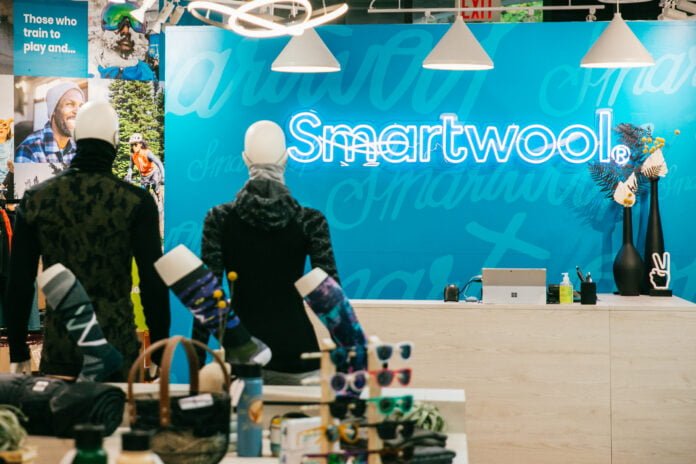
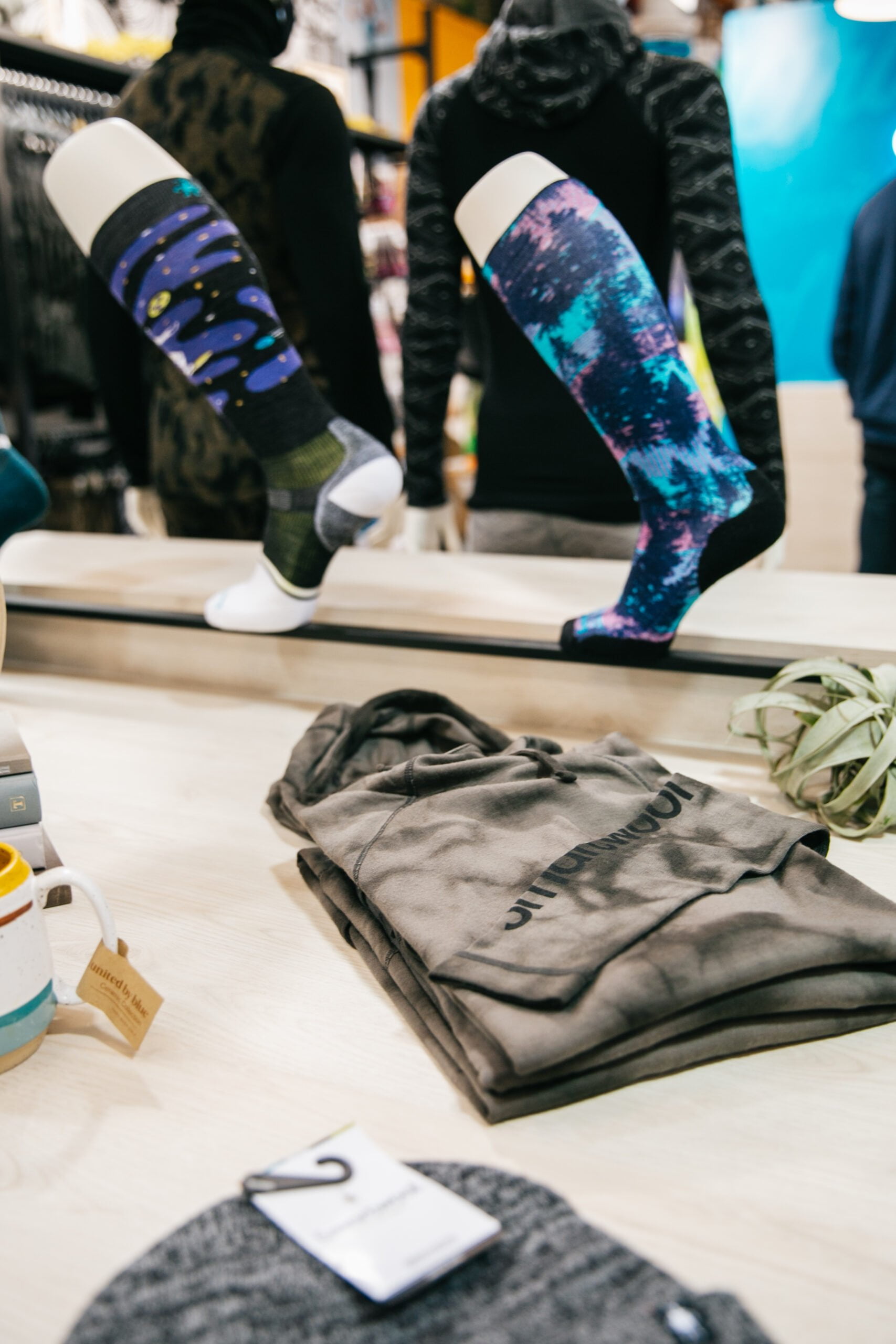
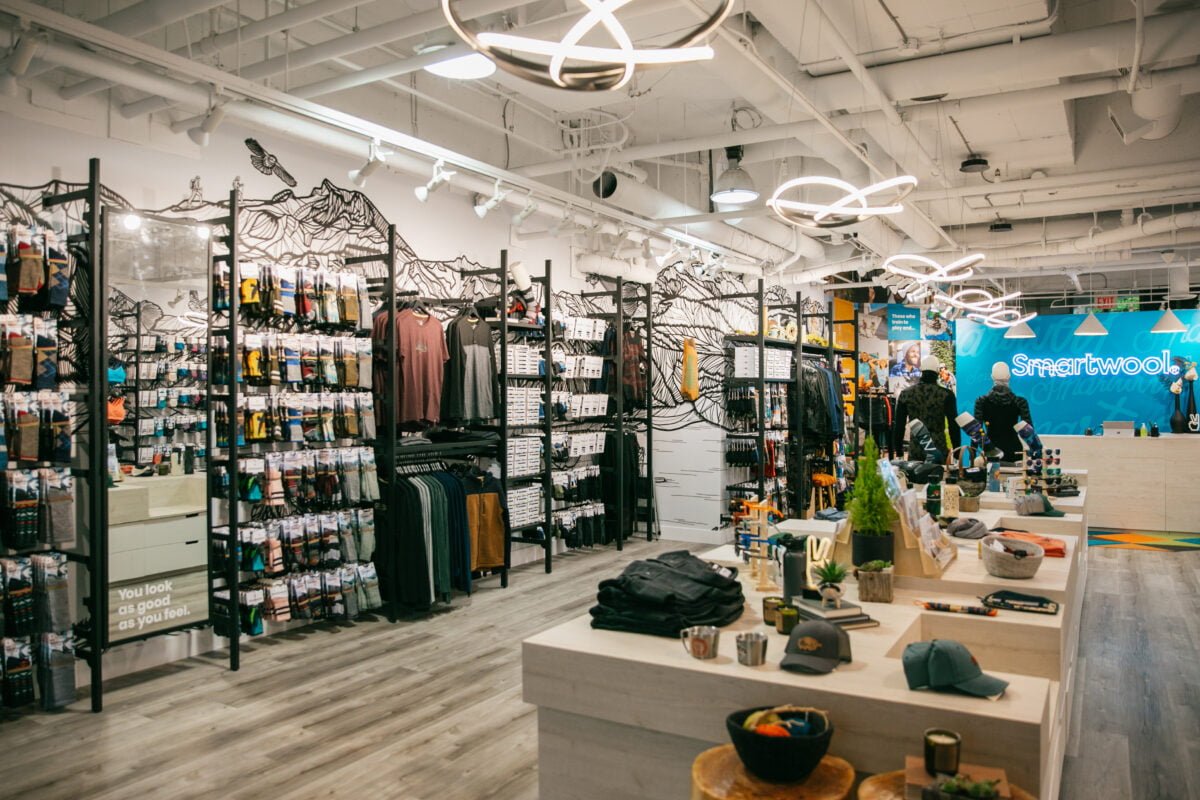
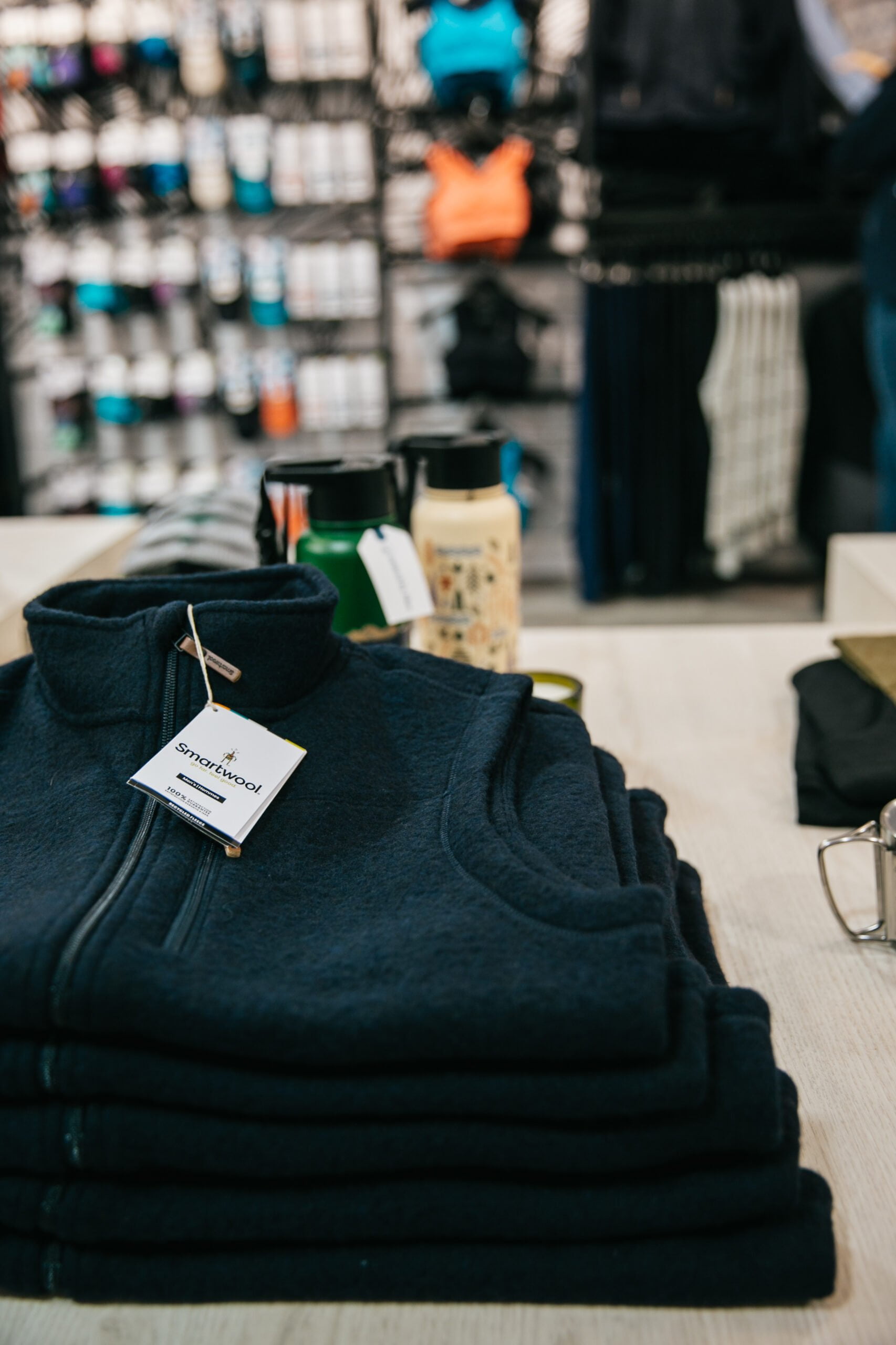
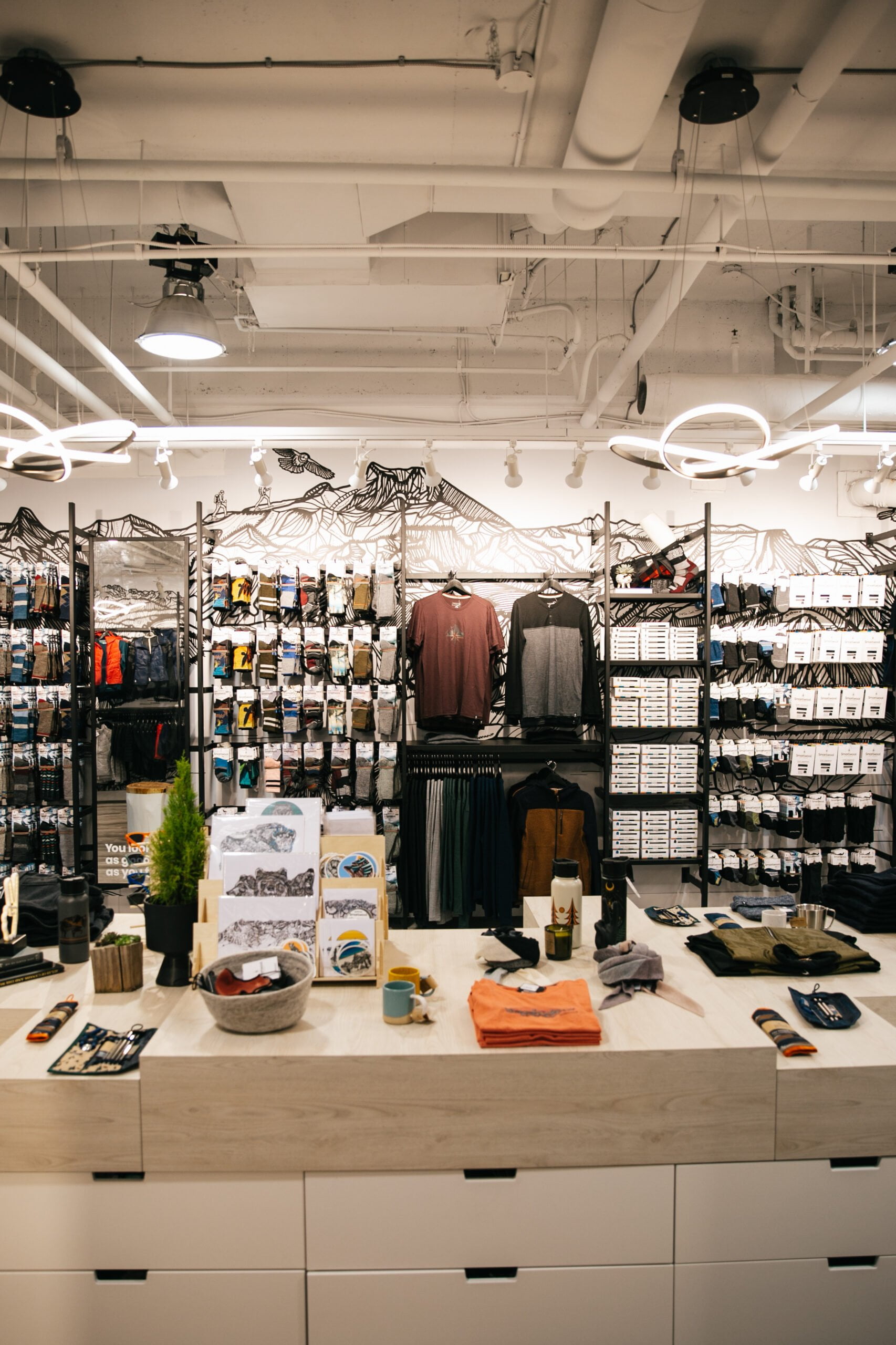
“The Whistler location is reflective of Smartwool’s commitment of meeting their customer where they are and what better place than at the heart of one of the world’s most iconic resorts,” said Dave MacDowell, Owner of the Smartwool locations in Banff and Whistler.
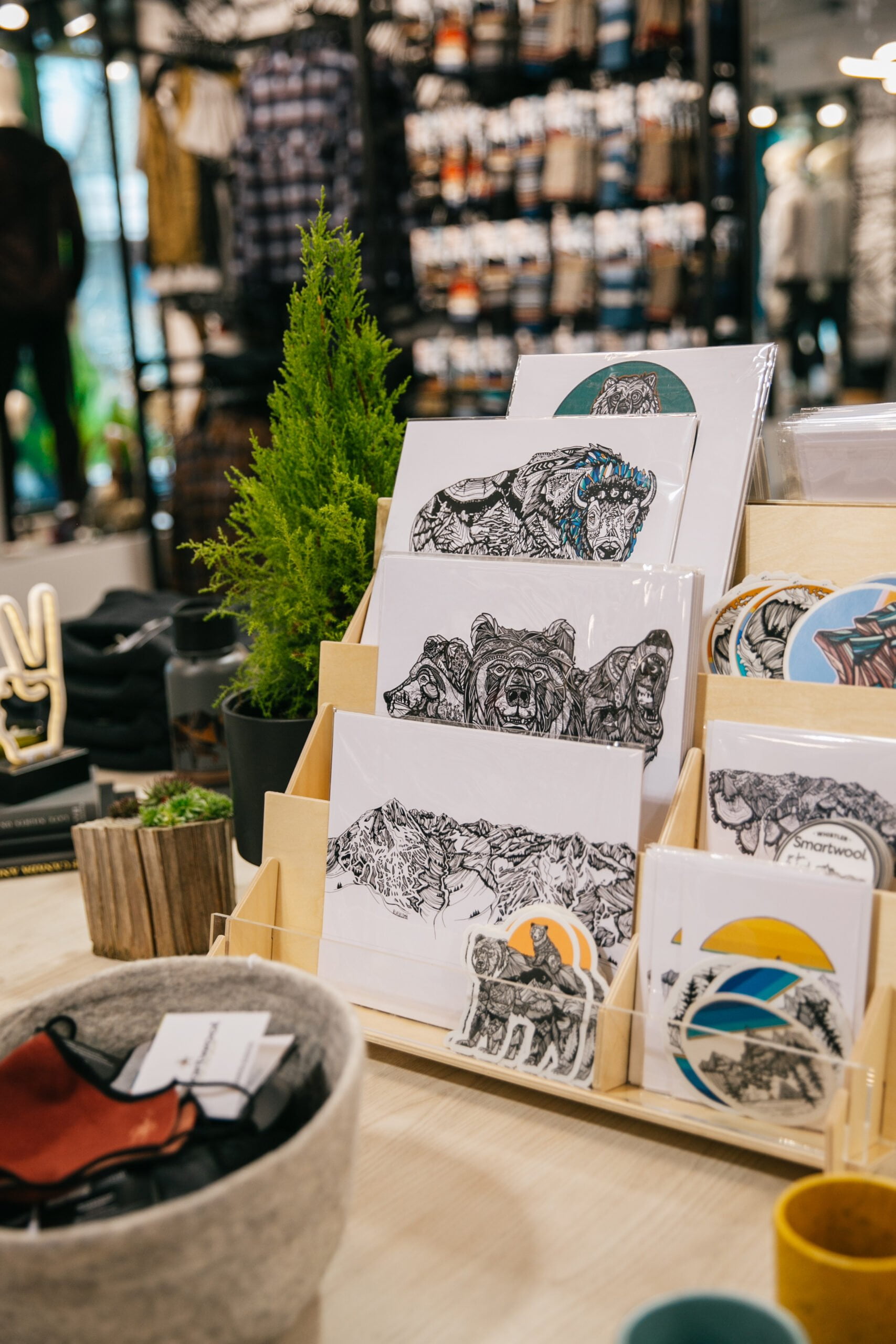
“With the Whistler store, our goal was to elevate local mountain culture while showcasing the brand’s focus on community, sustainability, and inclusivity in the outdoors.’’
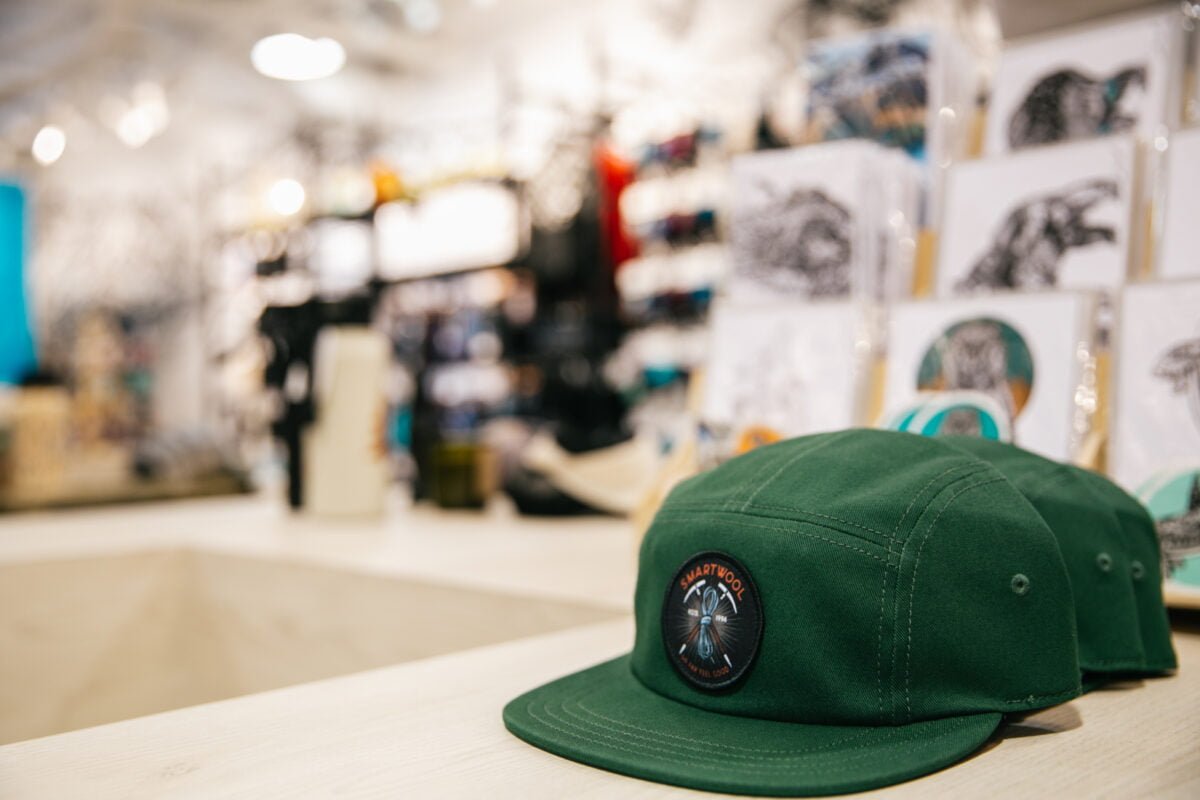
Smartwool Whistler (Image: Jenna Hollis)
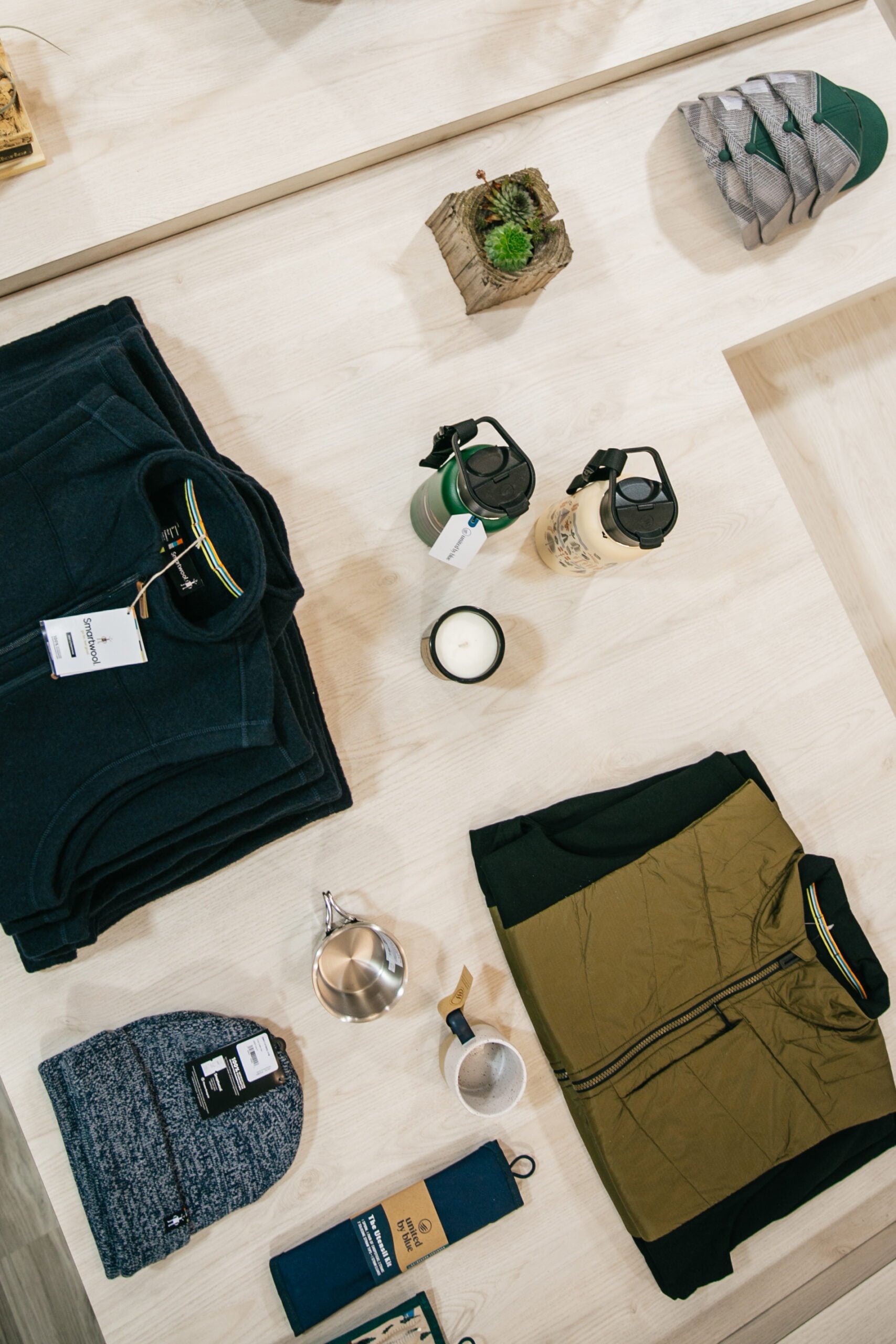
The store will carry products that focus on outdoor activities, such as running, hiking, cycling and skiing/snowboarding.
“Smartwool exists to bring comfort, confidence and community to a life lived outside.” said Corey Stecker, head of global sales at Smartwool.
“We are always looking for new ways to deliver on this purpose, and are selectively working with the right retail partners in mountain communities to expose new consumers to our brand through an immersive and authentic physical experience.”
While the store is technically open to the public, it will be having a grand opening event on Thursday, November 25th.
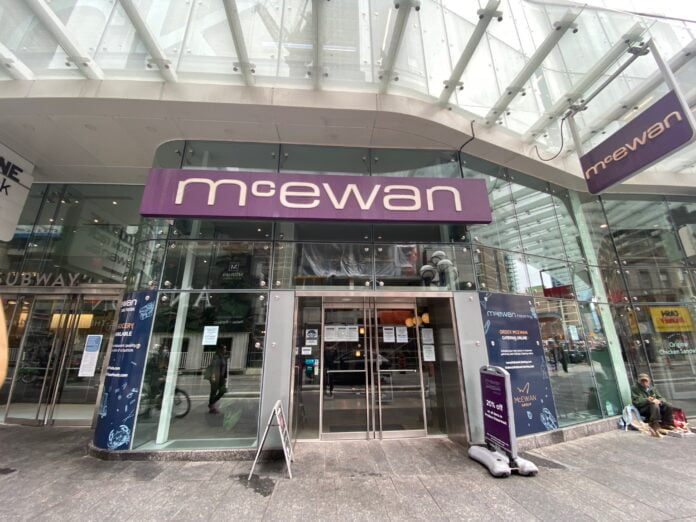
McEwan Grocery Store at 1 Bloor Street - Image: Craig Patterson
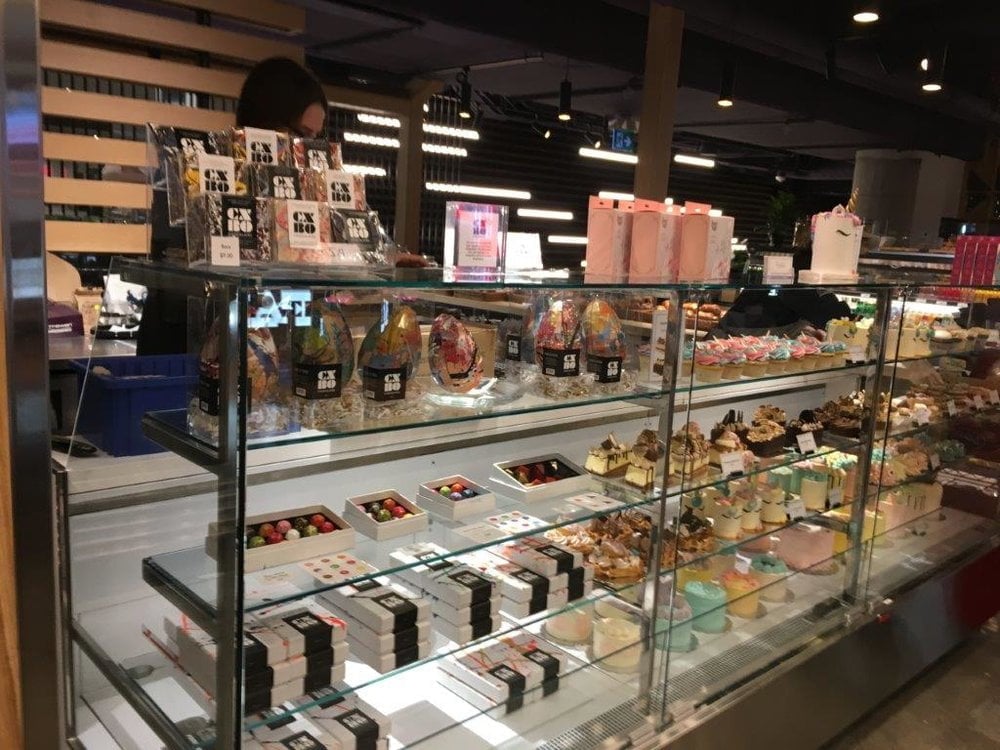
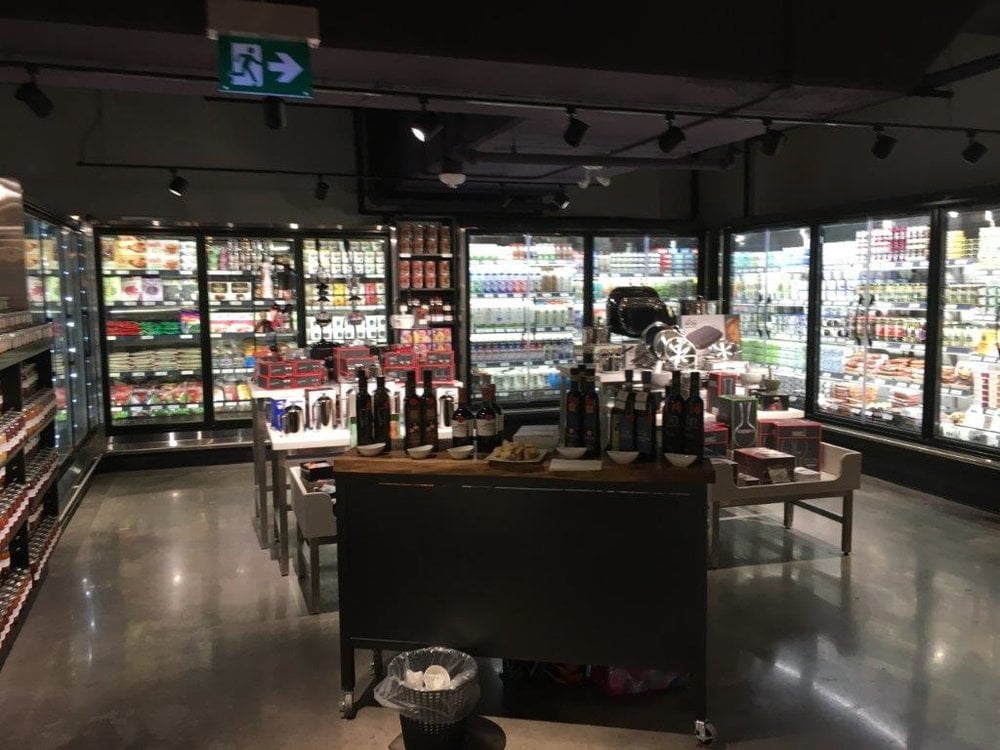
The McEwan grocery store at the corner of Yonge & Bloor Streets in Toronto is set to close after chef Mark McEwan’s business empire filed for bankruptcy protection at the end of last month. The McEwan grocery store opened in January 2019 and was featured in Retail Insider with photos.
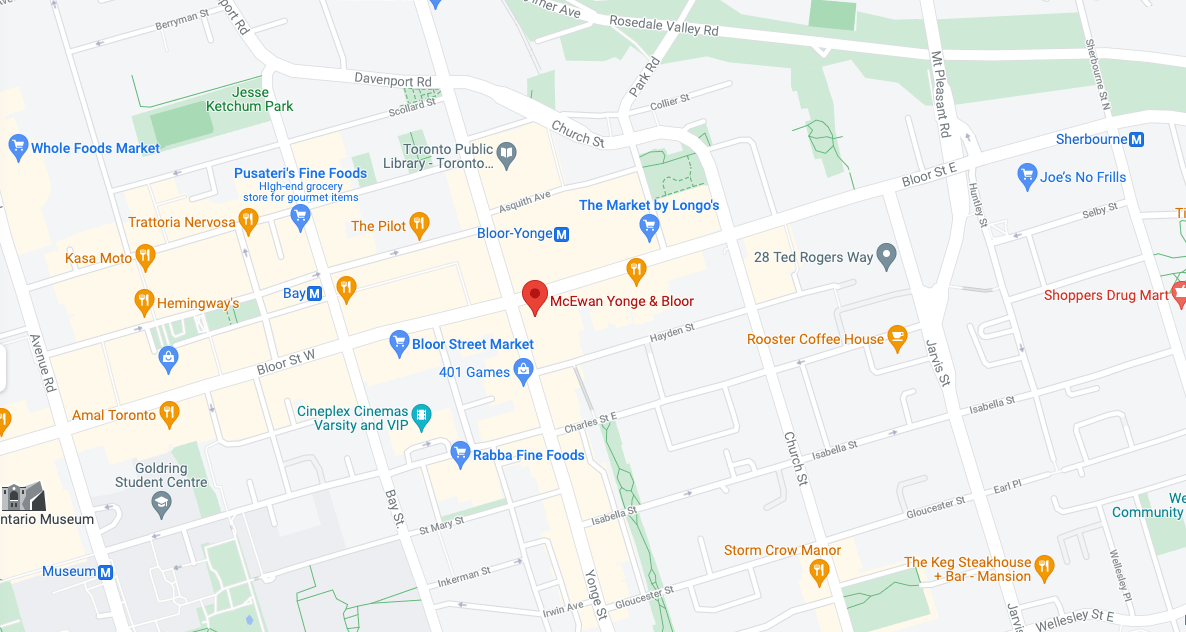
The 17,000+ square foot McEwan store is located on the concourse level of the First Capital REIT-owned 1 Bloor East complex with the grocer occupying the basement level. McEwan has a street-level entrance on Yonge Street between a Nordstrom Rack store and Chick-fil-A restaurant, and across the street is an under-construction tower project by developer Sam Mizrahi called The ONE.
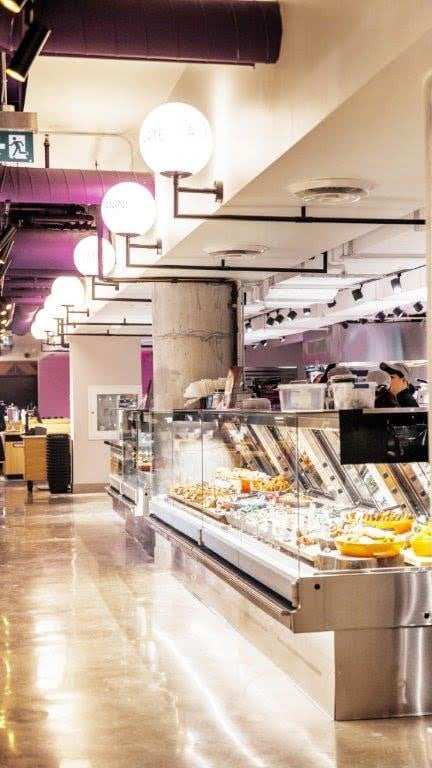
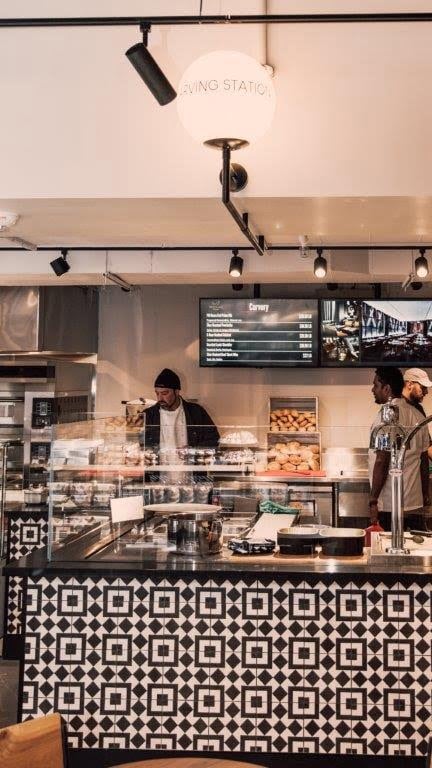
The McEwan store features a mix of grocery items as well as grab-and-go and sit-down dining options — the latter has been disrupted significantly by the pandemic. It was noted in the 2019 Retail Insider article that McEwan’s presence in Bloor-Yorkville was part of the densest clustering of grocery retailers in Canada.
The Yonge and Bloor McEwan grocery store was the second large-format grocery location for McEwan following the opening of a 21,740 square foot location in 2009 at the CF Shops at Don Mills in Toronto — and a smaller 5,500 square foot McEwan grocery location also operates at the TD Centre in the Financial District.
Interactive Map MARK MCEWAN AT THE GRAND OPENING OF MCEWANS 1 BLOOR LOCATION.
McEwan Grocery Store at 1 Bloor Street – Image: Craig Patterson
McEwan Grocery Store at 1 Bloor Street – Image: Craig Patterson
Those two grocery stores will remain open while the Yonge & Bloor location will close — in court filings last month, McEwan noted that its 1 Bloor E. grocery store has struggled financially since it opened. As part of the filing, McEwan is seeking court approval to transfer the business to a new company held by the same owners, excluding leases for the Fabrica restaurant at CF Shops at Don Mills and the McEwan Yonge & Bloor grocery store. A subsidiary of Fairfax Financial Holdings owns 55% of McEwan with Mr. McEwan’s holding company McEwan Holdco Inc. owning the remaining 45%.
McEwan Enterprises had $10.25 million in liabilities as of August 31. That includes a $2.3 million loan to Fairfax, $2.3 million owed to suppliers, about $2.2-million owed to Royal Bank of Canada, about $540,000 in overdue/deferred rent to landlords, and $488,000 in customer gift cards that are outstanding.
In court filings, McEwan noted challenges with the Yonge and Bloor grocery store. “This location has created significant strain on the Company’s liquidity,” said the Application Record of McEwan Enterprises Inc. “With an extensive footprint and significant lease and operational costs, combined with disappointing sales results, McEwan Yonge & Bloor has had the most detrimental impact on the Company’s overall financial performance. With the benefit of hindsight, the Company would not have entered into operations at this location based on the existing lease terms. McEwan Yonge & Bloor has been a significant challenge since its opening and currently remains a material issue for the Company.”
MCEWAN’S CAFÉ WITH FABBRICA PIZZA TO THE RIGHT.
McEwan Grocery Store at 1 Bloor Street
McEwan Grocery Store at 1 Bloor Street
The filings state that issues persisted even before the pandemic, noting that McEwan Group was facing financial challenges and a need to improve its financial performance and liquidity position.
A closing date has not yet been made public for the Yonge & Bloor McEWan grocery store which is operational as of Monday afternoon.
Toronto’s Bloor-Yorkville continues to boast a high density of grocery retailers. That includes Italian concept Eataly that opened nearby at the Manulife Centre in November of 2019, joining a Loblaw City Market grocery store in the basement, Whole Foods at Yorkville Village, Pusateri’s on Bay Street, Longo’s at the Hudson’s Bay Centre, and three Rabba stores nearby. Shoppers Drug Mart has also expanded grocery offerings at its two-level storefront at Yonge and Charles Streets.
Podcast [Interview] Winnipeg Retail with Sandy Shindleman of Shindico Group
Craig and Sandy Shindleman discuss retail in Winnipeg in Manitoba, including the struggles of retail in downtown Winnipeg and the future of the province’s commercial offerings. Shindleman provides insight into the future of the downtown Winnipeg Hudson’s Bay store as well.
Sandy Shindleman is President of Winnipeg-based Shindico Group.
The Interview Series podcast by Retail Insider Canada is available on Apple Podcasts, Stitcher, TuneIn, Google Play, or through our dedicated RSS feed for Overcast and other podcast players. Also check out our The Weekly podcast where Craig and Lee discuss popular content published on Retail Insider which is part of the The Retail Insider Podcast Network.
Drop us a line at Craig@Retail-Insider.com. You can also rate us in Apple Podcasts or recommend us in Overcast to help more people discover the show!
Background Music Credit: Hard Boiled Kevin MacLeod (incompetech.com). Licensed under Creative Commons: By Attribution 3.0 License. http://creativecommons.org/licenses/by/3.0/