Williams-Sonoma Inc. says Canada is helping lead its international growth as the parent company of Pottery Barn, West Elm and Williams Sonoma gains market share in a home furnishings sector that management described as largely flat.
During the company’s second-quarter earnings call last week, President and CEO Laura Alber singled out Canada alongside Mexico and the United Kingdom as its leading international growth markets.
“In Q2, we delivered growth across our priority markets, led by Canada, Mexico and the U.K.,” Alber said. International performance was supported by continued direct-to-consumer momentum and further growth in the company’s design and trade businesses abroad.
Williams-Sonoma did not disclose Canadian sales or comparable sales figures, but the comments provide a clear indication of Canada’s performance within the international business as the company accelerates growth across its brands and channels.
Williams-Sonoma Gains Share in Flat Home Furnishings Market
Williams-Sonoma reported second-quarter net revenue of US$1.96 billion, up 6.7% from a year earlier, while comparable brand revenue increased 6.2%, accelerating from 4.8% in the first quarter. Furniture and non-furniture categories both posted positive comparable sales, while e-commerce increased 6.5% and retail rose 5.5%.
CFO Jeff Howie said the home furnishings industry was essentially flat during the quarter, leading the company to attribute its growth largely to market-share gains. Williams-Sonoma also increased its penetration of full-price sales rather than generating growth through heavier discounting.
The performance comes despite continued weakness in housing turnover, which has weighed on parts of the furniture and home furnishings sector. Alber said a stronger real estate market would provide a tailwind, but argued that the company’s recent results demonstrate its ability to grow without waiting for a housing recovery.
Management attributes the gains to new products, proprietary design, improved digital merchandising, stronger visual presentation and collaborations, alongside continued investment in stores and customer service.
Growth Across Pottery Barn, West Elm and Williams Sonoma
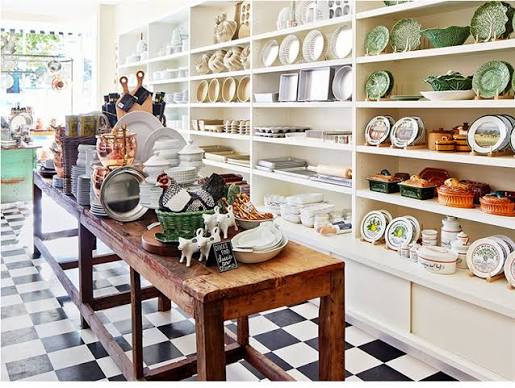
Every major Williams-Sonoma banner reported positive comparable growth during the quarter. The Williams Sonoma brand led the company’s established banners with a 7.6% comparable increase, followed by West Elm at 6.4% and Pottery Barn at 5.1%. The company’s children’s businesses, including Pottery Barn Kids and Teen, increased 3.5%, while emerging brands delivered double-digit growth. Business-to-business sales increased 14.5%.
Pottery Barn’s improvement was particularly significant after a period of softer performance. Alber said furniture, lighting and textiles performed well, while investments in product discovery, photography and digital storytelling helped improve the banner’s direct-to-consumer business.
The company has also been adjusting Pottery Barn’s assortment toward what Alber described as its “heritage aesthetic,” with greater emphasis on detailed wood finishes, authentic materials, patterns and decorative accessories. Alber said new and repositioned stores are performing well.
West Elm continued to benefit from new furniture and non-furniture introductions, with both its summer and fall newness producing double-digit comparable growth. Williams Sonoma reported strength across categories and price points, including improving results at Williams Sonoma Home.
Canada Has a Concentrated 19-Store Network
Williams-Sonoma has operated directly in Canada since 2001. The company disclosed in its most recent Canadian supply-chain report that Williams-Sonoma Canada Inc. operates 19 stores in the country and employed approximately 372 people at the time of the disclosure.
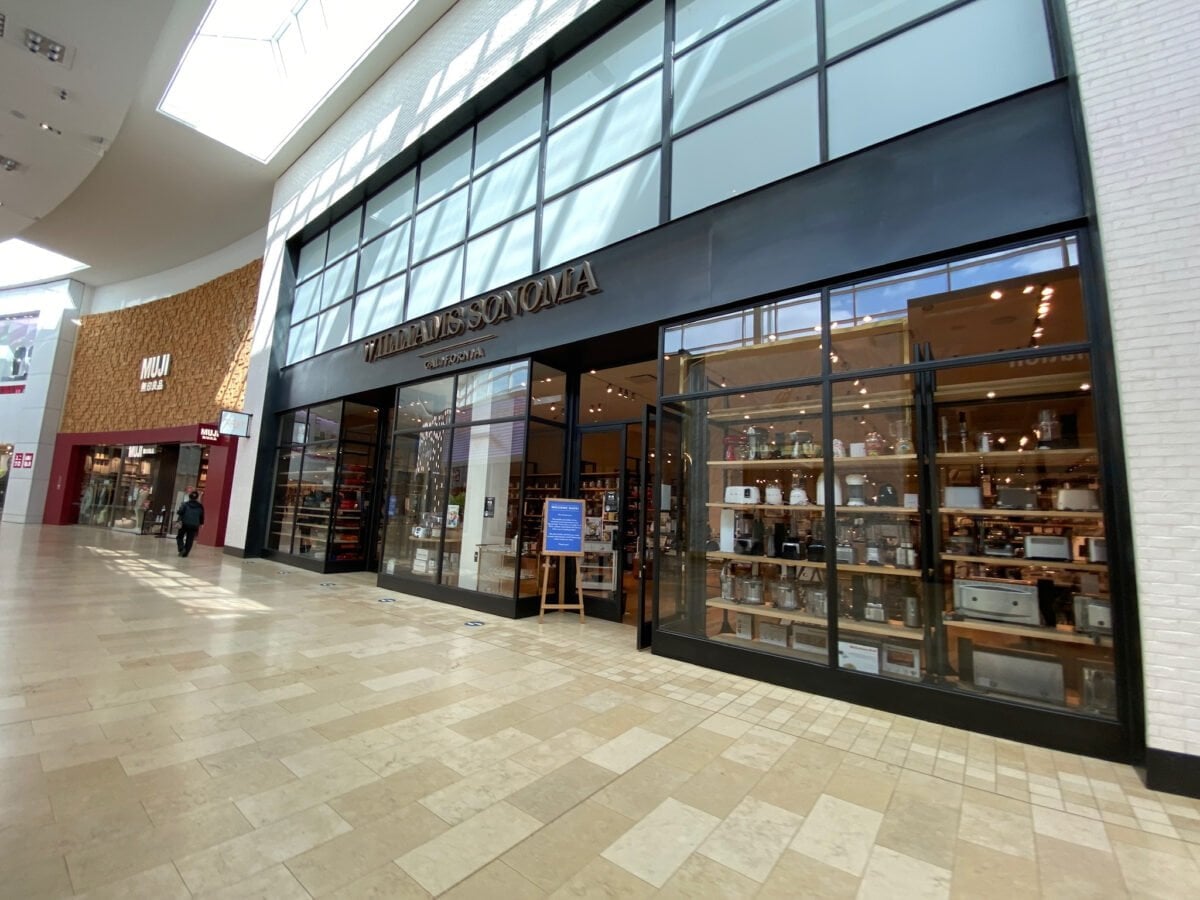
The Canadian network includes Williams Sonoma, Pottery Barn, Pottery Barn Kids and West Elm, with stores concentrated in Toronto, Vancouver, Calgary and Greater Montréal. Williams Sonoma currently has four Canadian locations, while Pottery Barn, Pottery Barn Kids and West Elm account for the remainder of the network.
Its digital presence reaches considerably further. Williams-Sonoma operates dedicated Canadian e-commerce platforms across a broader collection of its brands, giving the company access to customers in markets where it does not have physical stores.
That combination reflects the company’s digital-first approach while maintaining a significant role for stores, design services and other customer-facing capabilities.
Design and Trade Business Adds Another Growth Channel
Professional design and business customers are becoming a larger part of Williams-Sonoma’s business. Company-wide B2B sales increased 14.5% in the second quarter, making it the largest-volume quarter to date for the division. Contract sales increased 20% and trade grew 12%, with contract accounting for 36% of B2B. Those figures are global and were not broken out for Canada.
The company is pursuing projects across hotels, restaurants, multifamily residential developments, education, sports and entertainment, among other sectors, and continues to see a path toward a B2B business generating US$2 billion in annual revenue.
Canada participates through Williams-Sonoma’s Canadian trade and design programs, extending the company’s reach beyond traditional consumer purchases. Its Canadian operation offers services for professional designers and commercial customers alongside consumer-facing design services.
For a Canadian store network concentrated in four major metropolitan regions, e-commerce, professional trade relationships and design services provide ways to reach customers well beyond the physical fleet.
Store Growth Returns to the Agenda
Physical retail is returning to Williams-Sonoma’s growth plans after several years of optimizing its store portfolio. The company expects its overall store count to finish fiscal 2026 roughly flat from the previous year. Beginning in fiscal 2027, management expects the store fleet to increase by approximately 1% to 3% annually.
Howie said there are still markets where Pottery Barn and West Elm are absent, along with opportunities to add locations in major markets where the brands already operate. Williams Sonoma and smaller businesses such as Pottery Barn Kids and Teen also have markets where management believes they are underrepresented.
Williams-Sonoma has not announced a new Canadian store expansion program, though a replacement store in Vancouver is confirmed. Canada’s performance and the relatively limited geographic reach of its existing Canadian fleet nevertheless make the company’s return to global store growth notable for the market.
Approximately 95% of Williams-Sonoma’s planned US$275 million in capital expenditures this year is being directed toward retail, e-commerce and supply chain investments.
New Products and Collaborations Drive Traffic
Product development remains central to the company’s approach, with management emphasizing higher quality, newness and more distinctive assortments across its banners.
Collaborations are being used to attract customers and generate traffic. West Elm’s partnership with Emma Chamberlain has attracted younger shoppers, while Pottery Barn and its children’s businesses have worked with names including Kravet and LoveShackFancy. Williams Sonoma has recently featured collaborations and product partnerships including Hill House Home, Le Creuset and Sanderson.
Alber cautioned against attributing too much of the company’s overall performance to collaborations. She described them as an additional layer that can generate traffic, social attention and new customer acquisition, while the core assortment continues to account for the bulk of the business.
The broader merchandising approach is helping Williams-Sonoma increase full-price selling at a time when promotional activity remains widespread across discretionary retail.
AI Moves Deeper Into the Shopping Experience
Williams-Sonoma is also deploying artificial intelligence across its digital business. Sameer Hassan, the company’s Chief Technology and Digital Officer, said engagement with Olive, Williams Sonoma’s AI-powered shopping assistant, has increased 700% since the beginning of the year. Revenue associated with Olive increased 620%, while customers interacting with the tool convert at roughly three times the rate of other shoppers.
The company recently extended the approach to Pottery Barn with Otto, which helps customers choose furniture, coordinate products for individual rooms and connect with human designers when needed. More than 70% of early Otto interactions have been resolved without a handoff to a person.
Williams-Sonoma also said personalized e-commerce visits now generate roughly nine times the revenue of an average visit, compared with two times last year. AI is also being deployed across supply chain, inventory management, merchandising and corporate operations.
The technology is being integrated into a retail model that continues to emphasize human design expertise and customer service, with management looking to improve digital conversion and productivity while maintaining those service elements.
Tariffs Remain a Cost Pressure
The company’s Canadian growth comes against a changing North American trade environment. Howie said Williams-Sonoma’s updated financial guidance incorporates tariffs in effect at the time of the earnings call, including the latest measures between Canada and the United States.
Tariffs weighed on margins during the second quarter. Gross margin declined approximately 160 basis points from a year earlier, while merchandise margins fell about 230 basis points as tariffs increased the company’s weighted average cost of goods sold. Supply-chain efficiencies and occupancy leverage offset some of the pressure, and management characterized Q2 as the peak period for the tariff impact.
Despite those pressures, Williams-Sonoma raised its fiscal 2026 outlook. The company now expects comparable brand revenue growth of 4% to 6.5% and total net revenue growth of 4.7% to 7.2%, with an operating margin between 17.8% and 18.2%. Its outlook does not assume a meaningful improvement in housing turnover or interest rates.
Canada’s position among the company’s leading international growth markets stands out given the relatively concentrated physical footprint. Williams-Sonoma is reaching beyond those stores through e-commerce, design services and trade while gaining share across its broader business.
The company has not indicated whether Canada will participate in the next phase of store growth beginning in fiscal 2027. Its performance in the market gives Williams-Sonoma a strong base from which to determine what comes next.