

As part of our Retail Insider Reports, this Q1 2026 Food Service Retail Report provides structured analysis of the Canadian foodservice sector, drawing on Retail Insider’s ongoing coverage to identify key market dynamics, emerging trends, and strategic shifts. These reports are designed to deliver executive-level insights across major retail sectors and can be accessed through the Report Hub.
****
The Canadian foodservice sector entered 2026 in a state of contradiction. While several major operators are expanding and investing in brand innovation, a growing number of restaurants, particularly independents, are facing significant financial pressure. The result is a widening divide between scaled, well-capitalized brands and smaller operators struggling to remain viable.
That pressure is increasingly visible in consumer behaviour. Recent industry data indicates that roughly 75% of Canadians are eating out less frequently due to the rising cost of living, underscoring a meaningful pullback in discretionary spending and a shift in how households allocate food budgets.
Recent developments highlight this split. Companies such as MTY Food Group and Northland Properties are pursuing expansion and consolidation strategies, while brands including Tim Hortons and McDonald’s Canada are leaning into pricing strategies and customer engagement initiatives to maintain traffic. At the same time, industry data suggests that approximately 44% of Canadian restaurants are either losing money or operating at break-even levels, pointing to deeper structural challenges across the sector.
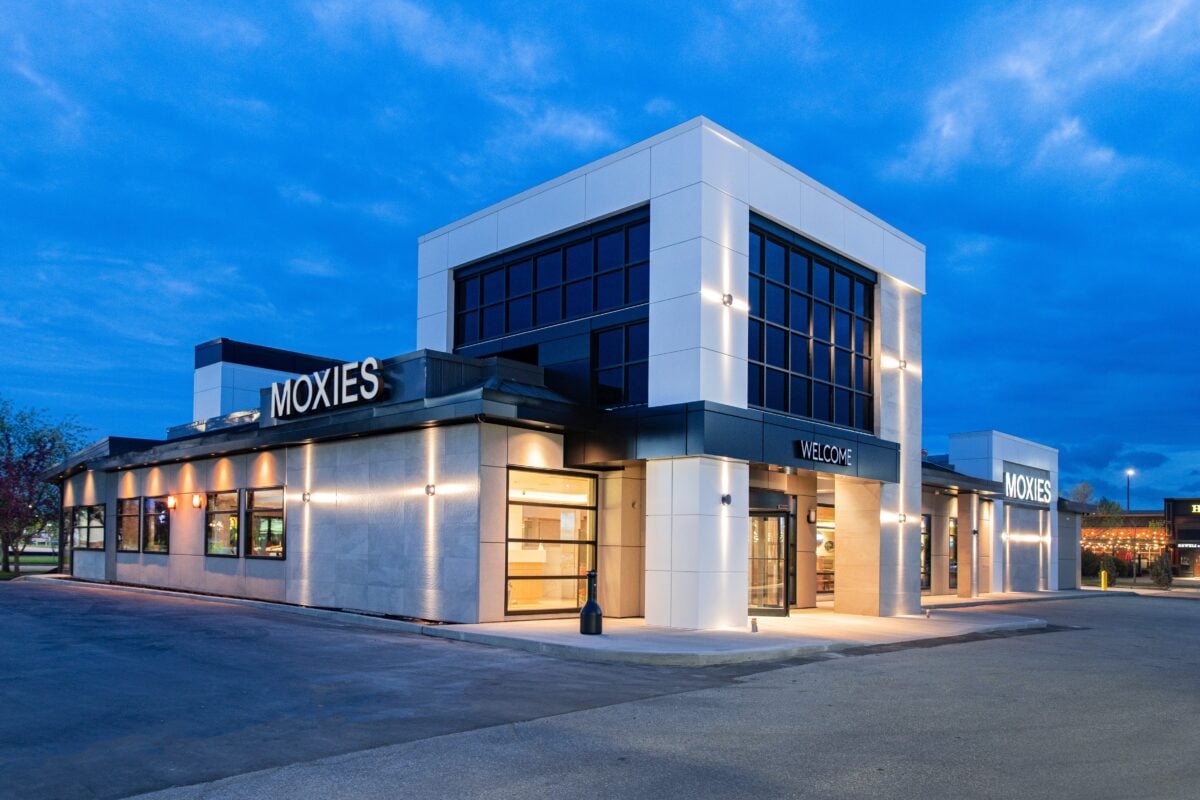
Retail Insider Coverage Reflects Active but Uneven Sector
Retail Insider published 96 articles related to foodservice in Q1 2026, underscoring both the level of activity and the complexity of the current environment. Expansion-related coverage led with 27 articles, followed by product and format launches, trend analyses, openings, and partnerships.
These stories reflect tangible movement across the industry. MTY Food Group added 19 net new locations in Q4 2025, while Happy Belly Food Group has outlined plans to open up to 50 restaurants in 2026. Northland Properties’ acquisition of full Canadian rights to the Denny’s brand signals confidence in long-term growth through greater operational control.
At the same time, contraction remains a significant concern. Industry data shows business exit rates exceeding new entries, reinforcing expectations that thousands of restaurants could close in 2026, with independent operators disproportionately affected. The contrast between expansion activity and financial stress highlights a sector undergoing structural change rather than cyclical fluctuation.
Rising Costs and Consumer Pullback Drive Sector Contraction
Financial pressure across the sector is being driven by a combination of rising costs and shifting consumer behaviour. While demand remains present, it is increasingly constrained. Real per-capita spending at full-service restaurants has declined to approximately $1,035, down from $1,165 in 2019, reflecting a measurable pullback in discretionary dining.
At the same time, consumers are showing increased caution. Recent survey data indicates that 36% of Canadians expect to further reduce discretionary spending in early 2026, compared to only 20% who anticipate spending more. This imbalance is shaping traffic patterns across both full-service and quick-service segments.
Cost pressures continue to compound the challenge. Key food inputs remain volatile, with coffee prices up more than 30% year-over-year and beef rising nearly 17%. Labour, rent, and compliance costs remain elevated, leaving operators with limited flexibility. In many cases, price increases are being used to offset rising costs rather than expand margins.
This environment disproportionately impacts independent restaurants, which often lack the scale and financial resilience of larger chains. Over time, this may lead to reduced diversity in local food offerings and broader implications for urban retail environments.
Fast Food Pricing Strategy Signals Structural Reset
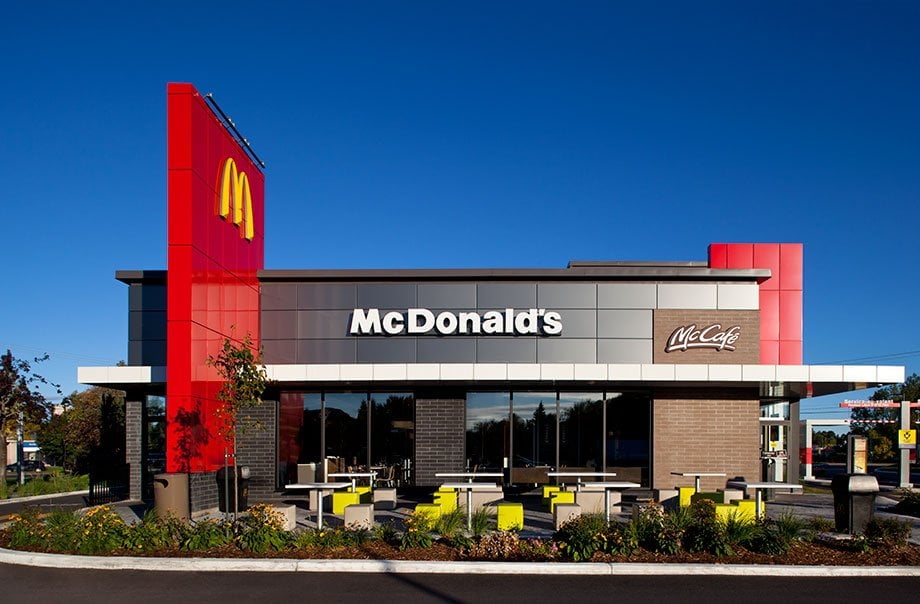
Pricing has emerged as a central battleground within the quick-service restaurant segment. McDonald’s Canada’s decision to freeze prices on select value offerings for a full year has triggered a broader competitive response, with other major chains following suit.
This shift reflects a deeper issue. Over the past several years, menu inflation has pushed average dine-out check sizes higher, reaching approximately $63 in 2025, up from $56 in 2023. As prices rise, consumers are increasingly reassessing value, particularly in a segment that has traditionally competed on affordability.
Behaviour is shifting accordingly. Many consumers are adjusting how they engage with foodservice, with 65% reporting that they replace traditional meals with smaller “snack” occasions at least once per month to manage spending. While quick-service restaurants remain more resilient than full-service counterparts, they are now navigating a more complex environment where value perception is under pressure.
Experiential Retail and Brand Extensions Gain Importance
In response to margin pressure, leading brands are investing in new ways to engage customers beyond traditional foodservice transactions.
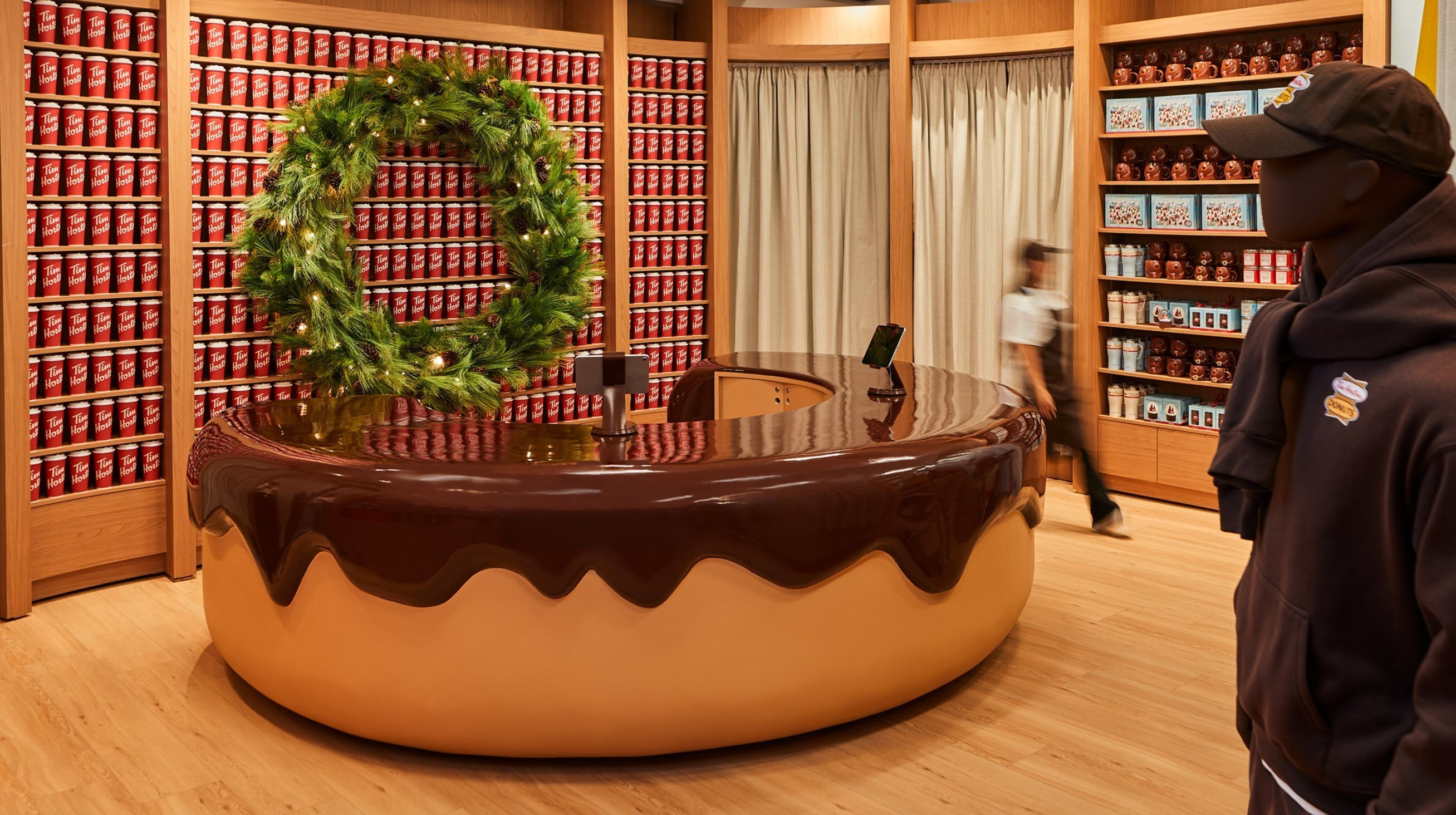
Tim Hortons has introduced menu upgrades and experimented with retail concepts such as its TimShop pop-up in Toronto, extending the brand into merchandise and experiential retail. Similarly, Starbucks Canada has enhanced its loyalty program with tiered membership levels and experiential benefits designed to increase engagement and frequency.
Restaurant-branded merchandise is also emerging as a meaningful revenue stream. In some cases, it represents a notable share of monthly sales, particularly when supported by strong brand identity and social media engagement. This shift reflects a broader trend toward positioning restaurant brands as lifestyle platforms rather than purely transactional businesses.
Franchising and Acquisitions Drive Growth Strategies
Franchise-led expansion and strategic acquisitions continue to underpin growth for larger operators.
MTY Food Group’s asset-light franchising model supports steady expansion and provides resilience during periods of economic uncertainty. Northland Properties’ consolidation of the Denny’s brand in Canada enables more localized decision-making and long-term planning.
Meanwhile, Happy Belly Food Group is targeting growth through health-oriented concepts and strategic site selection, reflecting evolving consumer preferences. Its focus on corporate-operated locations also provides greater operational control in a challenging market.
Labour and Policy Factors Remain Critical
Labour availability continues to be a key operational constraint. Adjustments to Canada’s Temporary Foreign Worker Program have provided some relief, particularly in regions facing acute shortages.
Government measures aimed at improving food affordability may help stabilize both consumer demand and operator economics in the months ahead. However, the effectiveness of these interventions will depend on broader economic conditions and consumer confidence.
Sector Outlook: Structural Shift Rather Than Short-Term Cycle
The Canadian foodservice sector is undergoing a structural transformation. Expansion by larger, well-capitalized operators is occurring alongside a contraction in the independent segment.
Success increasingly depends on scale, operational efficiency, and the ability to build deeper customer relationships through brand and experience. At the same time, ongoing cost pressures and shifting consumer behaviour will continue to test the resilience of many operators.
Editor’s Take
The most notable development in Q1 2026 is the growing divide between independent restaurants and larger, expansion-focused chains.
Companies such as MTY Food Group and Northland Properties are leveraging scale and control to drive growth, while brands like Tim Hortons and McDonald’s Canada are adapting through pricing strategies and brand engagement. At the same time, nearly half of restaurants are operating under financial strain, and a majority of Canadians are actively reducing how often they dine out.
Looking ahead, several factors will shape the sector. The evolution of pricing strategies in quick-service restaurants will be critical, particularly as operators attempt to rebuild value perception in a more price-sensitive market. Continued growth in health-focused concepts and experiential retail formats will also influence competitive dynamics.
At the same time, shifting consumer habits, including smaller basket sizes and reduced visit frequency, suggest that the sector is not simply facing a temporary slowdown. Instead, it is adjusting to a new economic reality that will reward scale, efficiency, and brand strength.
Selected Coverage
- Canada Could Lose 4,000 Restaurants in 2026 – Sylvain Charlebois – Jan 8, 2026
- Restaurants brace for more obstacles in 2026: Restaurants Canada – Mario Toneguzzi – Feb 12, 2026
- VIDEO: Nearly half of Canadian restaurants losing money or barely breaking even, warns Restaurants Canada CEO – Mario Toneguzzi – Feb 19, 2026
- McDonald’s Canada Triggers a New Fast-Food Price War – Sylvain Charlebois – Jan 14, 2026
- Fast Food Is No Longer the Cheap Option in Canada – Sylvain Charlebois – Mar 30, 2026
- Tim Hortons Reveals Canada’s Top Orders of 2025 – Lee Rivett – Jan 6, 2026
- Starbucks Canada Rolls Out Tiered Rewards Program – Craig Patterson – Jan 29, 2026
- Restaurant merch becoming increasingly more popular: Lightspeed Commerce – Mario Toneguzzi – Mar 23, 2026
- Northland Properties acquires full Canadian rights to Denny’s brand – Mario Toneguzzi – Jan 21, 2026
- MTY Food Group continues to expand footprint, reports Q4 results – Mario Toneguzzi – Feb 19, 2026
- Happy Belly Food Group targets up to 50 new restaurant openings as same-store sales remain strong: Sean Black interview – Mario Toneguzzi – Mar 13, 2026
- Canadians plan to drink less alcohol and power up protein in 2026: Square – Mario Toneguzzi – Feb 13, 2026
- HelloFresh survey highlights role of home cooking in combating winter blues – Mario Toneguzzi – Jan 19, 2026
- Changes to Temporary Foreign Worker Program applauded by business groups – Mario Toneguzzi – Mar 14, 2026
- Restaurants Canada encouraged by federal government’s announcement of new food affordability measures – Mario Toneguzzi – Jan 29, 2026















Really good insights Craig. One thing we have noticed is that banks have been increasingly conservative with lending to local groups, even with 3 to 5 locations, taking a wait and see approach with the latest opening before lending more money. This has translated to either sale of the concept entirely or transition to a franchise model where a fresh franchisee’s covenant is leveraged for growth.