With the Fall Toronto Gift + Home Market opening in less than a week, qualified retail buyers still have time to register and plan their visit to Canada’s largest wholesale buying event for the gift, home and lifestyle industries.
Hosted by the Canadian Gift Association, known as CanGift, the market takes place August 9 to 12, 2026, at the Toronto Congress Centre – North. Hundreds of exhibitors and qualified retail buyers from across Canada are expected to participate.
The event arrives at an important point in the retail calendar, as businesses prepare their fall assortments and finalize purchasing decisions ahead of the holiday shopping season. Buyers will be able to meet suppliers, examine products in person and identify merchandise that could help differentiate their stores during the busiest months of the year.
This year’s market also forms part of CanGift’s 50th-anniversary celebrations, marking five decades of connecting Canadian retailers with suppliers, brands and emerging businesses.
What You’ll Find
The Fall Toronto Gift + Home Market brings together products across a broad range of retail categories, including:
Giftware
Home décor
Fashion accessories
Gourmet food
Stationery
Toys
Wellness
Jewellery
Seasonal merchandise
Lifestyle products
Canadian-made brands
The event gives buyers an opportunity to compare suppliers, discover new merchandise and place orders for upcoming retail seasons. With the holiday selling period approaching, it is also one of the final major wholesale buying opportunities of the summer for retailers still building or refining their year-end assortments.
Seeing products in person can be particularly valuable for independent retailers and specialty stores, where product quality, packaging, presentation and merchandising potential can influence purchasing decisions. Buyers can also speak directly with suppliers about ordering requirements, delivery schedules and opportunities to introduce new brands to their customers.
Who Should Attend?
The market is designed exclusively for qualified retail buyers and industry professionals, including:
Independent retailers
Specialty gift stores
Home décor retailers
Museum and attraction gift shops
Garden centres
Gourmet food retailers
Fashion boutiques
Lifestyle retailers
E-commerce businesses
Regional and national retail chains
Retailers attending for the first time can use the market to explore the Canadian wholesale landscape and establish supplier relationships. Returning buyers can reconnect with existing partners, review new collections and identify products for the coming seasons.
For businesses that have not yet finalized their holiday assortments, the four-day event provides a concentrated opportunity to evaluate products and meet suppliers before the fall retail period accelerates.
Celebrate 50 Years of CanGift
The 2026 market is part of CanGift’s 50th-anniversary celebration.
Founded in 1976, the association has spent five decades supporting Canada’s gift, home and lifestyle industries by creating wholesale markets where retailers and suppliers can connect, discover products and grow their businesses.
The anniversary gives this year’s Toronto market added significance, reflecting the event’s long-standing role in Canada’s retail and wholesale sectors. Over the years, CanGift markets have provided a meeting place for independent retailers, established suppliers and growing brands from across the country.
This year’s event will also feature Proudly Canadian, presented in partnership with the Canadian Federation of Independent Business. The initiative will highlight Canadian-made products and emerging businesses from across the country at a time when many retailers and consumers are paying closer attention to where products are designed, produced and distributed.
Event Information
Fall Toronto Gift + Home Market
Dates: August 9–12, 2026
Location: Toronto Congress Centre – North 650 Dixon Road Toronto, Ontario
Hours:
Sunday, August 9 9:00 a.m. – 6:00 p.m.
Monday, August 10 9:00 a.m. – 6:00 p.m.
Tuesday, August 11 9:00 a.m. – 6:00 p.m.
Wednesday, August 12 9:00 a.m. – 1:00 p.m.
Registration Remains Open
The Fall Toronto Gift + Home Market is open exclusively to qualified retail buyers and industry professionals.
With the show beginning August 9, buyers have only a few days remaining to register, organize meetings and plan which exhibitors and product categories they want to explore.
Retailers searching for new suppliers, Canadian-made products, seasonal merchandise or fresh ideas for their holiday assortments can use the market to accomplish several sourcing priorities in one location.
Many Ontario restaurants that were hoping for a surge this summer are disappointed. From the wildfires that kept diners at home, to air-conditioning bills eating up their World Cup gains; now, they’re facing additional tariff threats from the U.S., according to Merchant Growth.
The U.S. has announced anadditional 50% tariff, effective August 19, on nearly US$20 billion in selected Canadian goods. For small businesses, the impact could extend beyond direct exporters to those relying on U.S. suppliers, customers or partners.
60% of Canadian small businesses have some U.S. exposure
Among those with U.S.-related activity 12 months ago,57%have reduced it and 14%have stopped it entirely
This follows an already difficult summer for consumer-facing businesses.
Hash AboulhosnRon Lach photo
In an interview with Retail Insider, Hash Aboulhosn,Chief Growth Officer atMerchant Growth, discusses the report’s findings.
Question: How are this summer’s challenges—wildfire smoke, extreme heat, higher cooling costs, and now renewed tariff threats—combining to affect the financial outlook for small restaurants and retailers?
Answer: Summer usually carries a big share of the year for restaurants and retailers that live on foot traffic. This year, wildfire smoke and long stretches of extreme heat kept a lot of customers indoors, and some operators ended up with a slower season than they’d planned for.
One sports bar owner told us the heat drove one of their slowest days of the whole season. Running the air conditioning around the clock was adding thousands of dollars a month to the hydro bill, and on top of that a round of HVAC and refrigeration failures cost roughly $5,000 to fix.
That reflects what we are seeing more broadly. In ourSmall Business Pulse 2026 survey launched in June:
37% of small businesses cited rising utility bills as a significant summer pressure.
37% cited weaker consumer demand.
55% have already reduced spending in response to economic uncertainty or trade pressures.
The renewed tariff threat adds another layer of uncertainty for businesses already managing weaker traffic, higher utility bills and unexpected repair costs.
Vitaly Gariev photo
Q: Your research shows that 60% of Canadian small businesses have U.S. exposure and many have already reduced that activity. What are businesses changing in practice, and do you expect the new tariffs to accelerate that shift?
A: What we are seeing is that businesses are already reconsidering how they work with partners in the U.S. Our survey found that:
14% have switched to Canadian or non-U.S. suppliers.
13% have stopped working with U.S. suppliers.
8% have pulled out of the U.S. market for sales.
Earlier research also found that, among businesses that had U.S.-related activity, whether that’s working with U.S. suppliers ot selling to U.S. customers, 57%had pulled back on that activity and 14%had stopped it entirely.
A fresh round of tariffs would sharpen those decisions. Owners have to choose whether to absorb the cost, raise prices, change suppliers, or hold cash, and a lot of them are hedging on more than one of those at once: 25% have raised prices and 22% have paused or cancelled expansion plans.
When a business cancels an expansion to wait out the uncertainty, that isn’t only softer demand today — it’s investment that doesn’t happen and will impact their business in the long-run. Canadian small businesses were already investing less per worker than their U.S. counterparts well before this, so every paused project widens a gap we’ve been carrying for years.
Q: Many small businesses won’t be directly exporting to the U.S. How could these tariffs still affect companies through suppliers, customers, pricing, or day-to-day operating costs?
A: A small business does not need to export directly to the U.S. to be affected. Our survey looked at exposure to U.S. suppliers, customers and partners, and about six in 10 (61%) of businesses reported at least some exposure through those relationships.
Think of a business that buys from a U.S. supplier, or one that buys Canadian but from a supplier now paying more to bring in its own inputs. Or a business whose customers depend on U.S. demand. The exposure runs through the supply chain, not just across the border.
Trade pressure is already showing up in day-to-day costs:
42% of businesses cited fuel cost increases from global trade disruptions.
18%cited tariffs.
13% cited supply-chain delays or shortages.
For an owner already facing softer demand and a bigger hydro bill, one more increase in the cost of keeping the doors open is what tips cash flow from tight to strained.
Andrea Piacquadio photo
Q: Inflation has eased, but many businesses say consumers are still spending cautiously. What’s preventing stronger consumer demand, and what are you hearing from business owners about customer behaviour?
A: Consumers want to support local businesses, but price is still shaping where and how they spend. Among Canadians planning to dine out this summer, 69% said price or deals influence how they decide where to spend their money, but 56%also said supporting local or independent businesses matters.
Both are true at the same time, and that’s the bind: people mean to spend local, and they’re still counting every dollar.
Small businesses are feeling that caution directly, with 37% citing weaker consumer demand as a significant summer pressure.
The World Cup is a clear example of how uneven the upside can be. A marquee event doesn’t lift every business the same way. More than half (58%) expected no impact on their revenue, while others said their location would not receive more foot traffic or that they lacked the cash to invest ahead of the event.
The demand shows up; capturing it takes cash on hand, and a lot of small businesses don’t have much to spare right now.
Q: Looking ahead over the next six to 12 months, what strategies should small businesses be considering to protect cash flow and remain resilient if trade uncertainty and operating costs continue to rise?
A: The first priority is having a clear picture of cash flow, including essential expenses, areas of flexibility and how the business would respond to an unexpected cost or decline in revenue.
Businesses should also review their supplier exposure, pricing, inventory and financing needs before pressure becomes urgent. Many are already adjusting:55% have cut spending, 25% have delayed hiring, 22%have paused or cancelled expansion plans, and 15% have reduced inventory.
Access to capital is a major concern.Three in four businesses surveyed(75%) said access to low-interest small-business loans would be the most helpful form of government support.
It isn’t that owners don’t want to invest in a better oven, more staff, or the tools that would let them do more with the same team. It’s that the capital to do it is hard to get on reasonable terms. Canadian businesses already invest only about 55 cents per worker for every dollar their U.S. peers put in, and that gap doesn’t narrow on its own. It narrows when a small business can actually finance the next piece of equipment.
So over the next six to 12 months, the businesses that come out ahead won’t necessarily be the ones that cut the deepest. They’ll be the ones that keep a close read on cash, make deliberate calls instead of reactive ones, and can still reach capital when the right investment — or a hard month — arrives.
Montreal-based Leyad has appointed two senior team members as the company continues to expand its national platform and strengthen its operational capabilities across Canada.
Leyad is one of Canada’s largest privately owned real estate companies, owning and managing a diversified portfolio of retail, industrial and residential properties across nine provinces. The company owns more than 12 million square feet of real estate and employs approximately 500 people nationwide. Leyad focuses on acquiring and enhancing high-quality real estate assets.
Juan Calixto TriaAlex Ratté
Collectively, the two leaders bring decades of experience across financial reporting, capital markets, construction management, retail asset redevelopment and corporate governance, said the real estate company.
“At Leyad, we have always believed that the quality of our people is our greatest competitive advantage,” said Henry Zavriyev, Chief Executive Officer of Leyad. “As our portfolio continues to grow across the country, it is important that we continue investing in experienced leaders who have built exceptional careers at some of Canada’s most respected real estate organizations. Juan and Alex each bring deep expertise in their respective fields and further strengthen our ability to execute at the highest level for our tenants.”
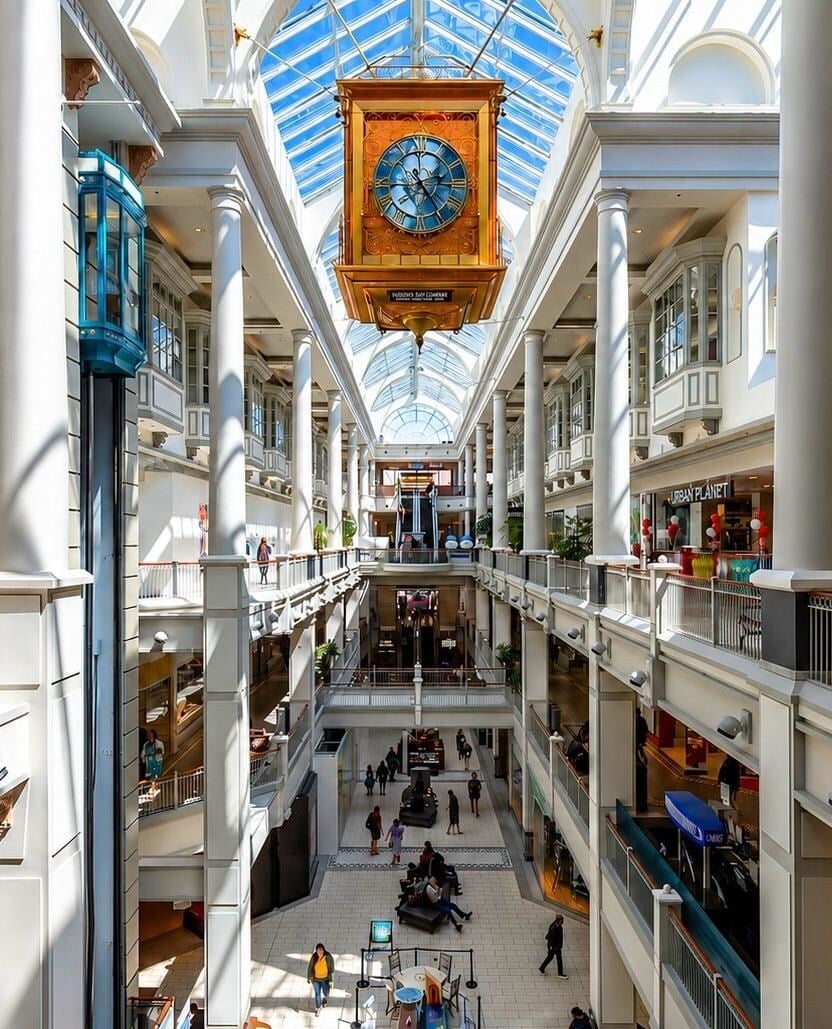
Henry ZavriyevThe Bay Centre in Victoria, BC (CNW Group/Leyad)
The company said Tria joined Leyad and will oversee its financial reporting, corporate compliance, accounting policies, treasury reporting and governance functions.
Tria joined Leyad from Agellan Commercial REIT, where he most recently served as Vice President, Finance, after previously serving as Director, Financial Reporting. Prior to Agellan, Tria held senior roles with MNP LLP, PricewaterhouseCoopers, Ernst & Young, and Rawlinson & Hunter, advising publicly listed companies, financial institutions and multinational organizations on audit, financial reporting and regulatory compliance, it said.
Leyad said Ratté will lead the company’s national construction and capital projects platform.
Ratté brings more than two decades of experience managing commercial real estate developments and capital programs across Canada. Most recently, he served as Senior Director, Project Management at Cominar, where he led project management during the REIT’s transition from public to private ownership while overseeing annual capital programs of up to $100 million. Prior to Cominar, Ratté spent more than a decade with First Capital REIT, managing major redevelopment projects across Quebec, British Columbia and Ontario, including mixed-use developments, shopping centre repositionings and large-scale commercial construction, it said.
By Larry Leung, Founder and Experience-in-Chief, Transformidy™
Air Canada’s Aeroplan® and World of Hyatt® announced a new loyalty partnership last month, giving members new ways to earn, convert and redeem rewards across both programs. Most of the partnership is already live, with additional reciprocal elite-status opportunities expected later this year.
For frequent travellers, the announcement expands the value of two established loyalty programs. For retailers and loyalty professionals, it also provides an instructive example of how partnerships are evolving into broader customer ecosystems that extend across multiple brands and touchpoints.
Members can now link their Aeroplan and World of Hyatt accounts, earn rewards across both programs, convert points between ecosystems and access reciprocal elite-status benefits. Eligible Aeroplan Premium Credit Cardholders receive complimentary World of Hyatt Discoverist status, additional earning opportunities and annual status challenges. Eligible World of Hyatt members receive annual Air Canada flight credits, while eligible Explorist and Globalist members are expected to gain access to Aeroplan Elite Status challenge opportunities later in 2026.
The list of new benefits is substantial, but the larger story lies in how Air Canada and Hyatt are approaching customer relationships. They are working to connect separate parts of the travel experience into a journey that feels cohesive from beginning to end.
Air Canada’s Scott O’Leary described the partnership as creating “meaningful value across the full travel journey,” while Hyatt’s Laurie Blair spoke about making travel more seamless. Those comments are expected in a partnership announcement, but they also reflect a broader business objective. The two companies are attempting to connect flights, hotel stays and payment experiences into a relationship that feels continuous instead of fragmented.
A traveller may fly with Air Canada, stay at a Hyatt property, pay with an Aeroplan credit card, earn rewards in both programs and later redeem within either ecosystem. Behind the scenes, that experience depends on multiple systems, policies and organizations working together. When those elements function smoothly, customers rarely think about the complexity. They simply experience a journey that feels connected.
That is where partnerships often succeed or fail.
At Transformidy, I evaluate partnerships through what I call Experience Intelligence™: understanding how customer experience, operations, brand value and commercial opportunity intersect throughout the customer journey. The questions are straightforward. What does the customer actually experience? Where does the relationship naturally continue? What commercial opportunities are created for each partner? Can the customer promise withstand the operational realities behind it?
Execution ultimately determines whether those promises are fulfilled. Customers are generally willing to learn how a loyalty program works, but their patience disappears quickly when benefits fail to appear, points do not post correctly or status challenges become confusing. They rarely care which organization owns the underlying technology or business process. They simply know the promised experience did not materialize.
That perspective is particularly relevant for retailers. Many organizations are eager to expand through partnerships, but comparatively few are prepared for the accountability that comes with delivering a seamless experience across multiple brands. Every handoff between organizations becomes part of the customer experience, whether companies intend it to or not.
Canadian retailers already understand the value of loyalty ecosystems. Programs such as PC Optimum, Scene+, Triangle Rewards and Air Miles have demonstrated how partnerships can influence customer behaviour across multiple categories. The Air Canada–Hyatt relationship applies similar thinking within travel by bringing together aviation, hospitality and financial services in ways that encourage customers to remain engaged throughout an entire trip.
The commercial opportunity extends well beyond acquiring new members. Strong partnerships create additional customer occasions, encourage repeat engagement and strengthen long-term relationships because they become genuinely useful in people’s everyday lives. Relevance is what keeps customers participating long after the excitement of a new partnership announcement has faded.
Retailers can apply the same thinking across many sectors. Grocery programs may extend into wellness, travel or pharmacy services. Hotels can connect guests with local dining, entertainment and retail experiences. Financial institutions can create partnerships around categories where cardholders already spend time and money. The strongest ecosystems reflect how customers naturally move through their lives instead of asking them to change established habits.
The scale of the Air Canada and Hyatt relationship is significant. Aeroplan serves more than 10 million active members and connects travellers to more than 1,300 destinations through Air Canada and its airline partners. World of Hyatt has approximately 66 million members and operates more than 1,500 hotels and all-inclusive properties across 83 countries.
Scale alone, however, does not create lasting loyalty. Customers return because a program consistently makes their lives easier, more rewarding and more relevant. Points and status remain important, but they are ultimately tools that support a broader relationship.
Air Canada brings one of Canada’s strongest loyalty ecosystems. Hyatt contributes a global hospitality network that shapes a significant part of the travel experience. If customers come to experience those brands as one connected relationship instead of two separate programs, the partnership will have accomplished something much more valuable than expanding redemption options.
For Retail Insider readers, that is the broader takeaway. Partnerships create lasting value when they remove friction, reinforce customer relationships and become a natural part of how people already live, travel and shop. The brands that succeed will be those that make those connections feel effortless from one interaction to the next.
Larry Leung is Founder and Experience-in-Chief of Transformidy™, where he advises organizations on customer experience, partnerships and commercial strategy through his Experience Intelligence™ framework.
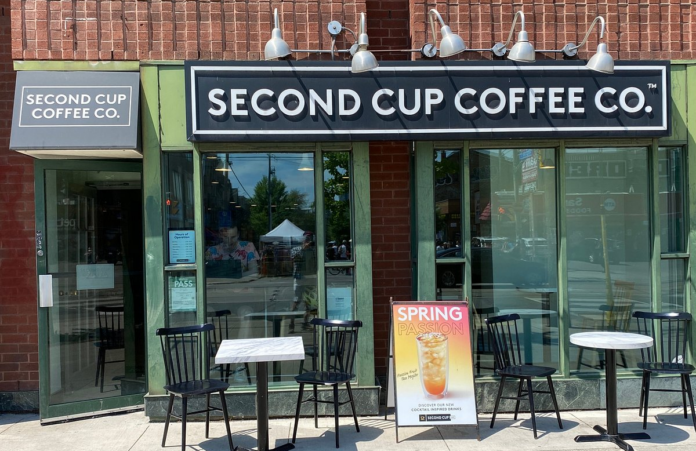
Canadian-founded coffee brand Second Cup has appointed veteran restaurant executive Joe Walker as Chief Executive Officer of The Second Cup Coffee Company Inc., the company responsible for the brand’s international franchise business.
Announced Monday, Walker’s appointment comes as the company looks to accelerate the expansion of its global franchise network. He joins Second Cup following leadership roles with Wingstop, Starbucks, McDonald’s, KFC and Yolk Brands. Most recently, he led Wingstop’s expansion across the Gulf Cooperation Council (GCC) region, experience the company says positions him to guide its next phase of international growth.
“Joe is a world-class retail and QSR executive with an exceptional track record of scaling iconic food and beverage brands,” the company’s Board of Directors said in a joint statement announcing the appointment. The board added that his operational experience and leadership in the GCC make him well suited to strengthen Second Cup’s global franchise network.
Joe Walker
Building on an International Network
Although Second Cup was founded in Toronto in 1975, the company’s international business has grown well beyond its Canadian roots. Today, it operates cafés across the Middle East, East and West Africa, Asia and Europe through franchise partners while continuing to pursue opportunities in additional markets.
Walker said his focus will be on strengthening relationships across the company’s international network while continuing its expansion into new markets.
“While our heritage is proudly Canadian, our future relies on embedding ourselves deeply within the communities we serve,” Walker said. “We will accelerate and strengthen our growing presence globally, working closely with our regional partners to unlock Second Cup’s true international potential.”
The company also said it is actively seeking qualified franchise partners as it continues to expand internationally.
Middle East Positioned as Strategic Hub
Walker will be based primarily in the Middle East, where he will oversee the development of the region as a key international hub while continuing to lead the company’s main global base in Canada.
The appointment reflects the growing importance of the Gulf region as a destination for international restaurant and café brands. Significant investment in retail, hospitality and mixed-use developments has created opportunities for franchise operators seeking expansion, and Walker’s experience in the region aligns with Second Cup’s stated ambitions for its international business.
The Canadian café business has been owned by Montreal-based Foodtastic since 2021, while The Second Cup Coffee Company Inc. oversees the brand’s expansion outside Canada through franchise partnerships.
Founded in Toronto in 1975, Second Cup began expanding internationally in the early 2000s and has since established a presence across multiple global markets. The company said it remains committed to supporting existing franchise partners, entering new territories and welcoming new operators as it advances its international growth strategy.
Custom silver jewelry has become increasingly popular among individuals and jewelry brands looking for unique, high-quality designs that reflect personal style or strengthen brand identity. Unlike mass-produced jewelry, custom silver pieces are crafted to meet specific design requirements, making every piece distinctive and meaningful.
The Art of Designing Custom Silver Jewelry
Designing custom silver jewelry is a collaborative process that involves the client and the jeweler. It begins with a consultation, where the client shares their ideas, inspiration, and any specific requirements they may have. This could include the type of jewelry (such as a ring, necklace, or bracelet), the style (e.g., modern, vintage, or bohemian), and the symbolism or meaning they want the piece to convey.
For example, a couple may come to a jeweler with the idea of creating matching wedding bands that incorporate elements of their favorite vacation destination. They could provide pictures of the beach, the sunset, or local flora and fauna to inspire the design. For more complex or large-scale projects, many designers and jewelry brands choose to work with an experienced China jewelry manufacturer to turn creative concepts into production-ready collections while maintaining design consistency and manufacturing efficiency.
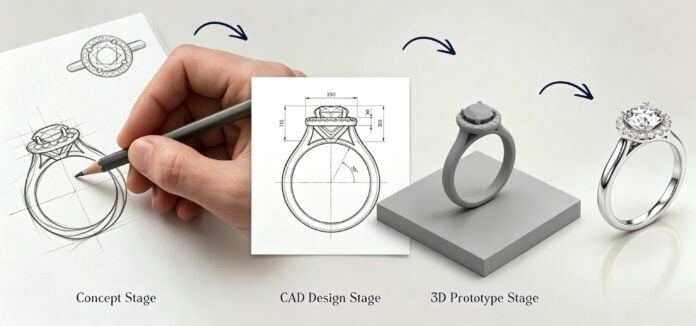
Once the initial sketch is approved, the jeweler will create a detailed design, which may include precise measurements, the placement of gemstones (if any), and the choice of silver alloy. This stage is crucial as it allows the client to visualize the final piece and make any necessary adjustments before the actual fabrication begins.
Some jewelers also use computer-aided design (CAD) software to create 3D models of the jewelry. This technology provides a more accurate representation of the design, allowing the client to view the piece from different angles and make more informed decisions. It also enables the jeweler to identify any potential design flaws or issues before moving forward with the manufacturing process.
For jewelry brands and retailers, this digital development process also makes communication more efficient. Professional manufacturers can optimize CAD files, recommend suitable production techniques, and prepare prototypes before bulk production, helping reduce costs while ensuring the final product matches the original design.
The Craftsmanship Behind Custom Silver Jewelry
Once the design is finalized, skilled craftsmen transform the concept into a finished piece of custom silver jewelry through a combination of advanced technology and traditional techniques.
The manufacturing process usually begins with CAD modeling and prototype development. Based on the approved design, manufacturers create precise molds or prototypes before moving into production. Casting is one of the most commonly used methods for sterling silver jewelry, allowing manufacturers to produce complex shapes while maintaining consistency across multiple pieces.
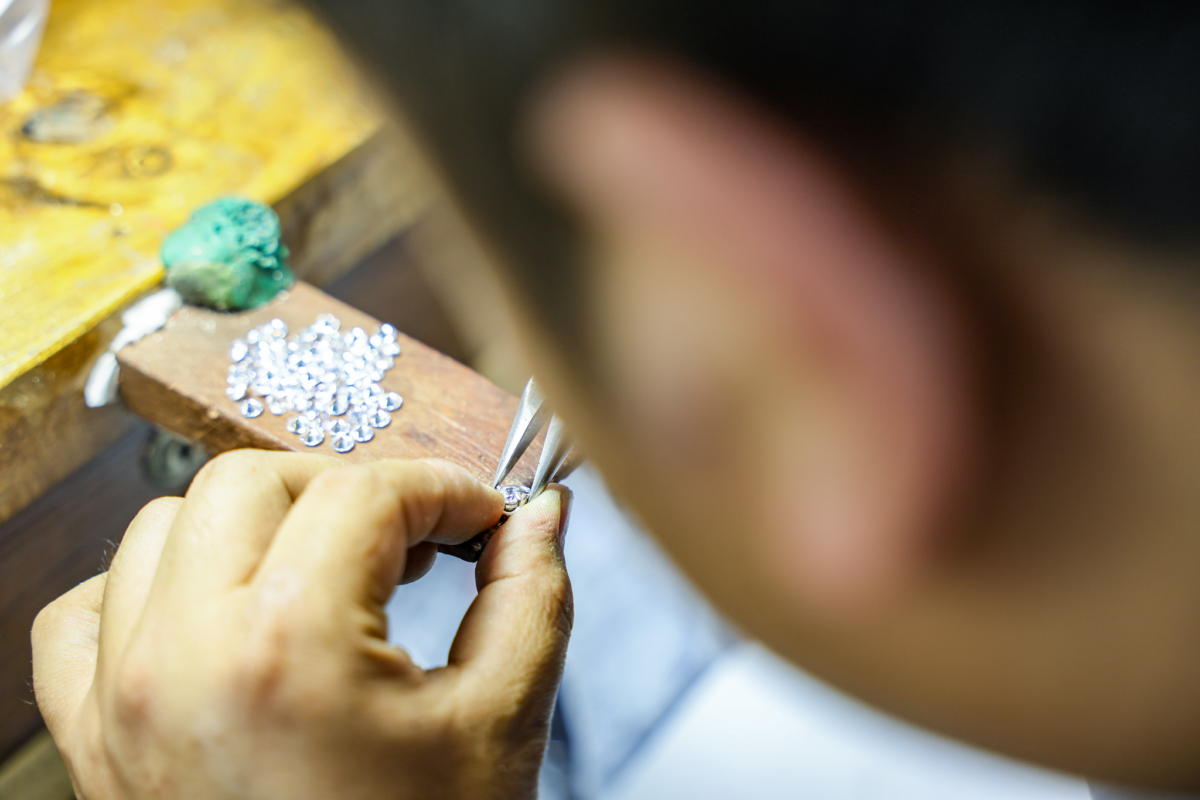
For more detailed or artistic designs, experienced jewelers may use hand fabrication techniques, carefully shaping, soldering, and refining individual silver components. This craftsmanship is especially valuable for unique custom designs that require fine details and special finishing effects.
Professional jewelry manufacturers typically use high-quality 925 sterling silver, precision casting equipment, and skilled polishing techniques to achieve reliable production results. During manufacturing, multiple quality inspections are performed to check dimensions, surface finishing, gemstone settings, and plating consistency.
After the main structure is completed, each piece goes through finishing processes such as polishing, stone setting, and surface treatment. These steps enhance the appearance, durability, and overall quality of the final jewelry piece, ensuring that every custom design meets the expectations of jewelry brands and wholesale buyers.
The Benefits of Choosing Custom Silver Jewelry
There are numerous benefits to choosing custom silver jewelry over mass-produced pieces. One of the primary advantages is the ability to create a truly unique piece that reflects your individual style and personality. Whether you have a specific vision in mind or want to commemorate a special occasion, a custom piece allows you to express yourself in a way that off-the-shelf jewelry cannot.
Take, for example, a woman who wants to create a pendant to honor her grandmother. She could work with a jeweler to incorporate her grandmother’s favorite flower, a meaningful symbol, or even a small engraving of her grandmother’s initials. The resulting pendant would not only be a beautiful piece of jewelry but also a cherished keepsake that holds deep emotional value.
Custom silver jewelry also offers a higher level of quality and craftsmanship. Since each piece is made by hand or with meticulous attention to detail, you can expect a superior level of finish and durability. Jewelers who specialize in custom work often use high-quality silver alloys and gemstones, ensuring that your jewelry will last for generations.
Additionally, choosing custom silver jewelry supports local artisans and small businesses. By working with a local jeweler, you are not only getting a unique piece of jewelry but also contributing to the local economy. You can also have a more personal connection with the person who creates your jewelry, as you are involved in the design process from start to finish.
Another benefit is the potential for customization in terms of size and fit. Mass-produced jewelry often comes in standard sizes, which may not fit everyone perfectly. With custom jewelry, you can ensure that the piece fits you comfortably and securely, whether it’s a ring that fits your finger just right or a necklace that drapes elegantly around your neck.
Beyond individual customers, custom silver jewelry has become an increasingly popular choice for jewelry brands, boutiques, and online retailers. Developing exclusive collections helps businesses strengthen their brand identity, avoid direct price competition, and offer customers products that cannot be found elsewhere.
Why Jewelry Brands Choose Custom Silver Jewelry
As consumer demand for personalized jewelry continues to grow, more jewelry brands are investing in custom silver jewelry to build distinctive product collections. From original design development and prototype creation to flexible production and private labeling, custom manufacturing allows businesses to respond quickly to changing market trends while maintaining product quality and brand consistency.
This approach is particularly valuable for private label brands, wholesalers, and independent designers seeking greater product differentiation in competitive markets.
Many experienced jewelry manufacturers also offer low minimum order quantities (MOQs), rapid prototyping, and flexible customization services, making it easier for both startups and established brands to launch exclusive collections with lower investment and reduced development risk.
Caring for Your Custom Silver Jewelry
Once you have your beautiful custom silver jewelry, it’s important to take proper care of it to ensure its longevity and beauty. Silver is a relatively soft metal, so it can be easily scratched or dented if not handled carefully.
To clean your silver jewelry, you can use a mild soap and warm water solution. Gently soak the jewelry in the solution for a few minutes, then use a soft-bristled brush to remove any dirt or debris. Rinse the jewelry thoroughly with clean water and pat it dry with a soft, lint-free cloth. Avoid using abrasive cleaners or harsh chemicals, as these can damage the silver and any gemstones in the piece.
When not wearing your custom silver jewelry, it’s best to store it in a cool, dry place. You can use a jewelry box or a soft pouch to protect it from scratches and tarnishing. If you have multiple pieces of silver jewelry, it’s a good idea to store them separately to prevent them from rubbing against each other.
Over time, silver may tarnish due to exposure to air and certain chemicals. To remove tarnish, you can use a silver polishing cloth or a silver cleaning solution specifically designed for jewelry. Follow the instructions on the product carefully and be gentle when cleaning the jewelry to avoid scratching it.
For example, if you have a custom silver bracelet with intricate details, you may need to be extra careful when cleaning it to ensure that the details are not damaged. Use a soft brush to gently clean the crevices and then polish the bracelet with a soft cloth to restore its shine.
In conclusion, custom silver jewelry offers a world of possibilities for those who want to own unique, meaningful, and high-quality pieces. From the creative design process to the skilled craftsmanship and the long-term care, every aspect of custom silver jewelry is a testament to the artistry and individuality it represents. Whether you are looking for a meaningful personal keepsake or developing an exclusive jewelry collection for your business, custom silver jewelry offers exceptional flexibility, craftsmanship, and long-term value. From one-of-a-kind designs to scalable production, personalized silver jewelry continues to be an ideal choice for both individual customers and growing jewelry brands.
China has become one of the world’s leading jewelry manufacturing centers, providing high-quality jewelry production solutions for brands, wholesalers, retailers, and designers worldwide.
With over 20 years of experience, Endlessjewe is a professional Chinese Jewelry Manufacturer specializing in OEM and ODM jewelry production. Located in Guangzhou, China, we combine skilled craftsmanship, advanced technology, and a complete supply chain to help global customers create unique jewelry collections.
From concept development and design to manufacturing and delivery, we provide comprehensive jewelry manufacturing services for businesses around the world.
The Development of Jewelry Manufacturing in China
China has a long history of jewelry craftsmanship. For thousands of years, Chinese artisans have developed advanced techniques in working with precious metals, gemstones, and decorative materials.
Today, China’s jewelry industry has transformed from traditional workshops into a modern manufacturing ecosystem supported by:
Advanced production technology
Skilled jewelry craftsmen
Complete supply chains
Professional quality management systems
Modern jewelry manufacturers in China are capable of producing everything from fashion jewelry to high-end customized collections.
At Endlessjewe, we combine traditional craftsmanship with modern production methods to deliver high-quality jewelry solutions for international customers.
Professional Production Capabilities of Endlessjewe
As an experienced jewelry manufacturer in China, Endlessjewe provides complete production capabilities for different types of jewelry businesses.
Our product categories include:
Rings
Necklaces
Bracelets
Earrings
Pendants
Charms
Custom jewelry collections
We specialize in manufacturing jewelry using various materials, including:
925 Sterling Silver Jewelry
Brass Jewelry
Gold plated jewelry
Gold vermeil jewelry
Gemstone jewelry
For gemstone-based products, we offer professional gemstone jewelry manufacturing services, including gemstone selection, setting, polishing, and final production.
Advanced Jewelry Manufacturing Process
A professional jewelry manufacturer requires not only craftsmanship but also advanced technology and efficient production management.
At Endlessjewe, our manufacturing process includes:
Jewelry Design & Development
Our design team helps customers transform ideas into finished products through professional design solutions.
We provide:
Custom jewelry design
CAD jewelry drawings
3D modeling
Product visualization
With our 3D jewelry design service and jewelry 3D rendering service, customers can review and adjust designs before production begins.
Jewelry Casting and Production
After design approval, our production team begins manufacturing.
Our process includes:
CAD design confirmation
Wax model creation
Jewelry casting
Stone setting
Polishing
Surface finishing
Quality inspection
Our professional jewelry casting service ensures accurate details and consistent quality for every customized jewelry piece.
Custom Jewelry Manufacturing Solutions
One of the biggest advantages of working with Chinese jewelry manufacturers is flexible customization.
At Endlessjewe, we support:
Custom jewelry collections
Private label jewelry
Custom logo jewelry
Brand-exclusive designs
Small batch production
Our jewelry private label service helps jewelry brands create unique products with their own identity.
Whether you are launching a new jewelry brand or expanding an existing collection, our team can provide complete support from design to production.
Jewelry Design Trends and Innovation
The jewelry market continues to evolve with changing consumer preferences.
Modern jewelry trends include:
Minimalist jewelry designs
Personalized jewelry
Sustainable jewelry
Color gemstone jewelry
Lab-grown diamond jewelry
Consumers increasingly prefer jewelry that represents individuality and personal stories.
For example, birthstone jewelry has become increasingly popular. Gemstones such as amethyst, emerald, and ruby are widely used in customized jewelry collections.
Related gemstone resources:
February Amethyst Birthstone Guide
Emerald May Birthstone Jewelry Guide
Ruby July Birthstone Guide
Strict Quality Control Standards
Quality control is one of the most important parts of professional jewelry manufacturing.
At Endlessjewe, every product undergoes multiple inspections before shipment.
Our quality control process includes:
Raw material inspection
Product dimension checking
Stone setting inspection
Surface finishing inspection
Plating quality testing
Final appearance inspection
Learn more about our manufacturing standards through our jewelry quality control process.
Our goal is to ensure every jewelry piece meets international customer expectations.
Why Global Brands Choose Endlessjewe
International jewelry brands, wholesalers, and designers choose Endlessjewe because we provide:
Complete Manufacturing Support
From initial ideas to finished products, our team manages every stage of production.
Competitive Factory Pricing
As a direct manufacturer, we help customers reduce sourcing costs while maintaining quality.
Flexible Customization
We support different project sizes, from sample development to large-scale production.
Reliable Partnership
With experienced production teams and professional service, we help customers build long-term jewelry businesses.
Learn more about our company through Endlessjewe Jewelry Manufacturer.
The Future of Chinese Jewelry Manufacturing
The future of China’s jewelry manufacturing industry will continue to focus on:
Digital jewelry design
Advanced manufacturing technology
Sustainable production
Personalized jewelry experiences
Global supply chain development
With continuous innovation and improvement, Chinese jewelry manufacturers will remain important partners for global jewelry businesses.
Partner with Endlessjewe, Your Reliable Jewelry Manufacturer in China
Choosing the right jewelry manufacturer is essential for building a successful jewelry brand.
With more than 20 years of manufacturing experience, advanced production capabilities, and professional OEM/ODM services, Endlessjewe helps customers worldwide transform ideas into high-quality jewelry products.
Whether you need custom rings, gemstone jewelry, private label collections, or complete jewelry manufacturing solutions, our team is ready to support your business.
Contact Endlessjewe today and start creating your next jewelry collection with a trusted Chinese jewelry manufacturer.
Jewelry manufacturers play a pivotal role in the global jewelry industry. They are the creative forces behind the beautiful pieces of jewelry that adorn people around the world. From the design stage to the final product, these manufacturers are involved in every step of the jewelry-making process. In this article, we will delve into various aspects of jewelry manufacturers, including their types, design and production process, quality control, market trends, and future prospects.
Types of Jewelry Manufacturers
There are several types of jewelry manufacturers, each specializing in different areas of the industry. One of the most common types is the mass-production jewelry manufacturer. These companies produce large quantities of jewelry at relatively low costs. They often use standardized designs and manufacturing processes to meet the high-volume demands of the market. For example, a well-known mass-production jewelry manufacturer might produce thousands of simple gold-plated necklaces for a major retail chain. These necklaces are usually made with machine-assisted processes, which allow for quick and efficient production.
On the other hand, there are custom jewelry manufacturers. These are the artisans who create unique, one-of-a-kind pieces based on the specific requirements of their clients. A custom jewelry manufacturer might work closely with a customer to design and produce an engagement ring that incorporates the customer’s favorite gemstones and a personalized design. This type of manufacturing requires a high level of skill and creativity, as well as a deep understanding of the customer’s needs.
Another type is the luxury jewelry manufacturer. These companies focus on creating high-end, exclusive pieces using the finest materials such as diamonds, platinum, and rare gemstones. Luxury jewelry manufacturers often have a long-standing reputation for craftsmanship and quality. For instance, luxury brands such as Tiffany & Co. are known for exceptional craftsmanship, while many growing brands rely on an experienced wholesale jewelry supplier to manufacture precision-crafted pieces at scale.
Design and Production Process
The design process in jewelry manufacturing is a crucial step. It begins with inspiration, which can come from various sources such as nature, art, or historical periods. Designers sketch out their ideas on paper, creating detailed drawings of the jewelry piece. They consider factors like the type of gemstones to be used, the overall style, and the target market. For example, if the target market is young, trendy consumers, the design might be more modern and edgy.
Once the design is finalized, the production process starts. For metal-based jewelry, the first step is usually metal casting. The design is used to create a mold, and molten metal is poured into the mold to form the basic shape of the jewelry. After casting, the piece undergoes various finishing processes such as polishing, engraving, and setting of gemstones. Gemstone setting is a highly skilled task, as it requires precision to ensure that the gemstones are securely held in place and are aesthetically pleasing.
In the case of beaded jewelry, the production process is different. Beads are selected based on their color, size, and material. They are then strung together using various techniques. Some beaded jewelry might also incorporate other elements such as metal findings or charms. For example, a handmade beaded bracelet might have a combination of glass beads, silver findings, and a small charm.
Quality Control
Quality control is of utmost importance in jewelry manufacturing. Jewelry manufacturers have strict quality control measures in place to ensure that their products meet the highest standards. One of the key aspects of quality control is the inspection of raw materials. Gemstones are carefully examined for their clarity, color, and cut. Metals are tested for their purity and strength. For example, gold is often tested to ensure that it meets the specified karatage.
During the production process, there are also multiple inspection points. Each piece of jewelry is checked for any defects, such as scratches, uneven surfaces, or loose gemstones. For instance, in a factory that produces diamond rings, every ring is inspected under a magnifying glass to detect any flaws in the diamond or the setting. After the production is complete, the final product is subjected to a comprehensive quality check. This includes checking the overall appearance, the functionality of any moving parts, and the durability of the piece.
Jewelry manufacturers also often obtain certifications to prove the quality of their products. For example, diamonds are often certified by gemological institutes such as the Gemological Institute of America (GIA). These certifications provide customers with confidence in the quality and authenticity of the jewelry they are purchasing.
Market Trends
The jewelry market is constantly evolving, and jewelry manufacturers need to stay abreast of the latest trends. One of the current trends is the growing demand for sustainable and ethical jewelry. Consumers are becoming more conscious about the environmental and social impact of their purchases. As a result, many jewelry manufacturers are using recycled metals and ethically sourced gemstones. For example, some companies are using recycled gold to reduce the environmental impact of mining. They are also ensuring that the gemstones they use are mined under fair labor conditions.
Another trend is the popularity of personalized jewelry. Consumers are looking for jewelry that reflects their individuality. Jewelry manufacturers are responding to this trend by offering customization options such as engraving names, dates, or special messages on the jewelry. For instance, a necklace with the initials of a loved one has become a popular gift item.
Technology is also playing a significant role in the jewelry market. 3D printing has revolutionized the jewelry design and production process. It allows for more complex and detailed designs to be created quickly and cost-effectively. Some jewelry manufacturers are using 3D printing to produce prototypes or even the final pieces. Virtual reality (VR) and augmented reality (AR) are also being used to enhance the customer experience. Customers can use VR or AR to visualize how a piece of jewelry will look on them before making a purchase.
Future Prospects
The future of jewelry manufacturers looks promising, but they also face some challenges. One of the opportunities is the growing middle-class population in emerging economies. As more people in these countries have disposable income, the demand for jewelry is likely to increase. Jewelry manufacturers can tap into these markets by offering a range of products at different price points.
However, they also need to deal with increasing competition. With the rise of e-commerce, more and more jewelry retailers are entering the market. This means that jewelry manufacturers need to differentiate themselves through innovation, quality, and customer service. They also need to adapt to changing consumer preferences, which can be influenced by social media and global trends.
Advancements in technology will continue to shape the future of jewelry manufacturing. New materials and manufacturing techniques will emerge, allowing for the creation of more unique and high-quality pieces. For example, nanotechnology might be used to create jewelry with enhanced properties such as increased strength or new color effects. In addition, the use of artificial intelligence in design and production could lead to more efficient processes and better-tailored products.
Overall, jewelry manufacturers will need to be agile and innovative to succeed in the future. By staying ahead of the trends, maintaining high-quality standards, and leveraging technology, they can continue to thrive in the competitive jewelry industry.
Welcome to the Daily Synopsis by Retail Insider. We hope you enjoy the 10 articles we published covering notable developments in Canadian and international retail.
Alimentation Couche-Tard reached a deal to acquire a controlling stake in Poland’s Żabka Group for US$8.6 billion, significantly expanding its European footprint with over 13,000 stores integrated into its Circle K network and enhancing digital and loyalty platforms. Retail Insider also explored what Couche-Tard could gain beyond store growth from Żabka’s innovative convenience formats, autonomous checkouts, and robust digital ecosystem.
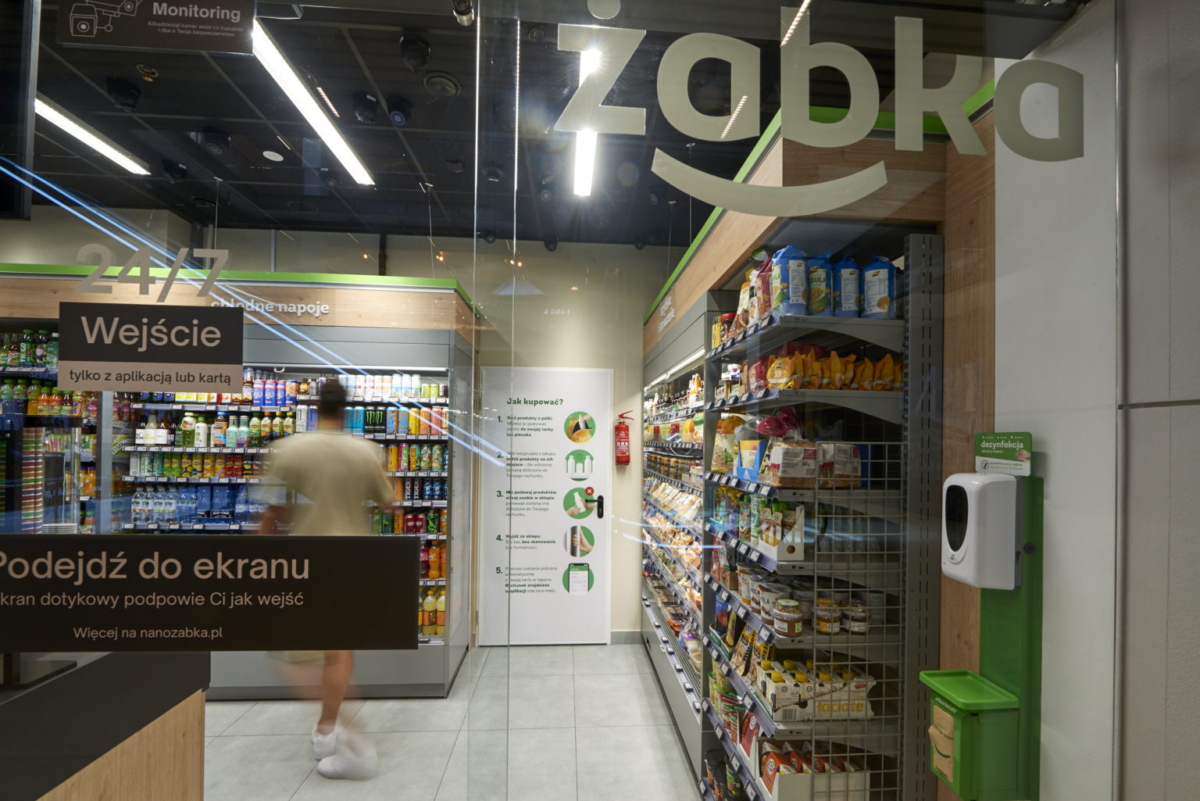
Alimentation Couche-Tard is poised to add more than 13,000 locations to its global network through its proposed acquisition of Żabka Group, but some of the most interesting assets it gains could be found inside stores measuring only a fraction of the size of a typical North American convenience location.
The Polish retailer has built a dense network around compact neighbourhood stores, backed by an extensive digital ecosystem, a major loyalty platform and a growing presence in autonomous retail. For Couche-Tard, those capabilities could provide lessons that extend across its global operations.
Montreal-based retail strategist Carl Boutet said Żabka has emerged as one of the more technologically progressive convenience-store operators in Europe, making its operating model an important part of the strategic value behind the acquisition.
“I find more interesting the tech thing,” Boutet told Retail Insider, pointing to Żabka’s autonomous stores and loyalty capabilities.
Boutet said acquisitions of innovative retailers can sometimes bring “extra digital DNA” into the acquiring company, while emphasizing that he has no inside knowledge of Couche-Tard’s plans for Żabka.
As Retail Insider reported Friday, Laval-based Couche-Tard has agreed to acquire a controlling stake in Żabka and launch a voluntary tender offer for the remaining shares at PLN 32 per share. The transaction values Żabka at approximately US$8.6 billion and would be the largest acquisition in Couche-Tard’s history.
Couche-Tard currently operates close to 17,300 stores globally, while Żabka reported 13,063 locations as of June 30. The combination would create a network of approximately 30,300 stores, although the way Żabka operates those locations may prove just as important as the number Couche-Tard is acquiring.
A Different Convenience Store Model
Żabka’s modular neighbourhood stores average approximately 65 square metres, or about 700 square feet, and operate across urban, suburban and rural markets. The network is supported by approximately 11,000 franchisees and has become deeply embedded in Poland, where approximately 18 million consumers live within 500 metres of a Żabka location.
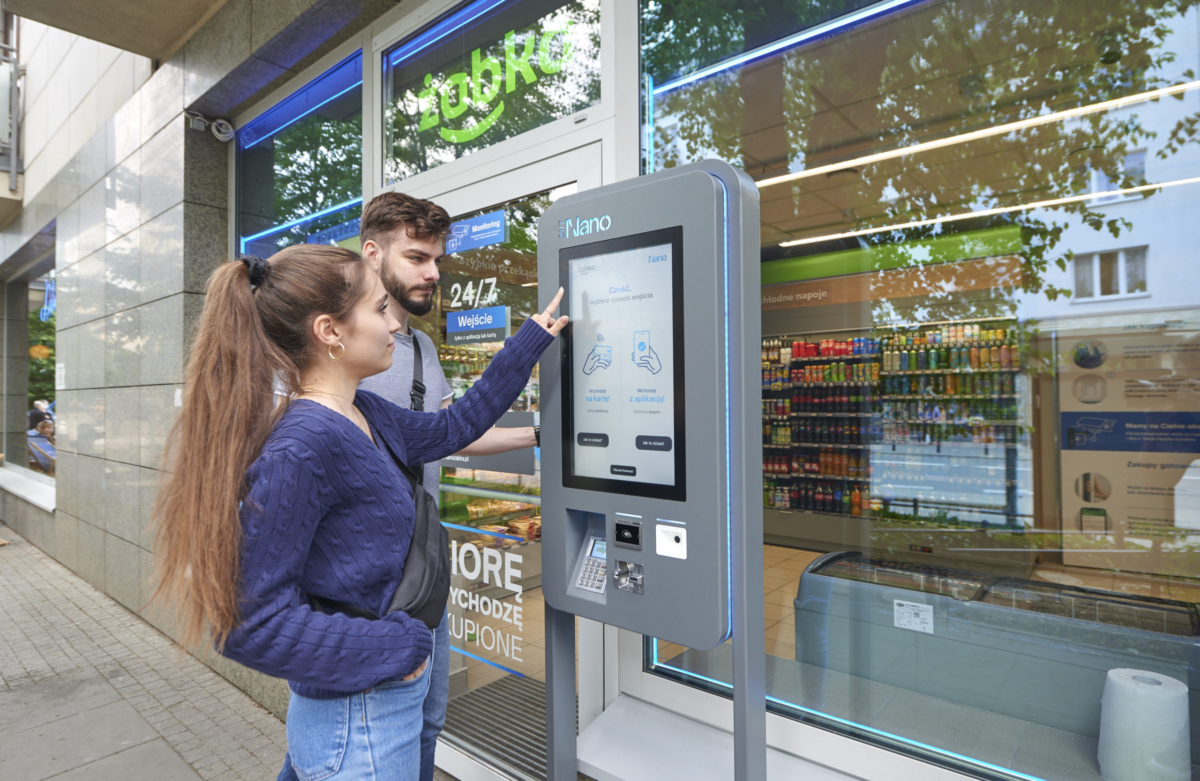
Technology is central to that model. Żabka has developed its Żabka Nano autonomous-store concept alongside a broader digital operation encompassing loyalty, e-commerce, meal delivery, logistics and retail media. The company processes approximately 4.3 million transactions per day and reported 11.2 million Żappka app users as of June 30.
Boutet identified checkout technology, compact formats and loyalty as three areas he believes could be particularly interesting for Couche-Tard.
Carl Boutet at Royalmount in Montreal. Image: Carl Boutet
“The checkout technology, the smaller footprint, the loyalty program, I think are all places where they could benefit from the acquisition,” he said.
The economics of smaller stores are especially relevant as retailers scrutinize how efficiently they use space. Autonomous checkout can reduce the area required for a traditional cash wrap and potentially allow more of a compact store to be devoted to merchandise, while a smaller footprint can increase the range of markets where a convenience retailer can operate.
“It allows them to go into different markets,” Boutet said.
Regional and suburban markets could potentially support more locations when each requires less space, he added. Technology, autonomous operations and new approaches to delivery can create additional possibilities around those formats.
Boutet also pointed to smaller and underserved Canadian communities, including places that have lost grocery or convenience options as conventional stores become increasingly expensive to operate. He stressed that he was not suggesting Couche-Tard intends to introduce Żabka’s model in Canada, but said acquiring a company experienced in operating compact stores gives Couche-Tard a wider range of models to study as it considers how convenience retail could evolve in different markets.
Digital Engagement at Scale
Żabka’s physical network is closely tied to its digital operations. At the end of 2025, the company reported 10 million digitally active shoppers, while purchases made by Żappka users averaged 20% higher than those of other customers. Revenue from Żabka’s digital customer offering grew 25% during the year.
Its digital ecosystem has also expanded beyond the core convenience business through operations including Maczfit, Dietly, Delio and Jush!, while Żabka has developed a retail media business using its physical network and digital customer relationships.
Couche-Tard has already identified digital engagement, customer loyalty and innovation among the capabilities it sees in Żabka. For Boutet, the opportunity does not necessarily require Couche-Tard to duplicate Żabka concepts store for store.
“I think it definitely can inspire and influence” how Couche-Tard approaches its business, he said.
Boutet also pointed to Couche-Tard’s expansion in Scandinavia, saying operations acquired there brought another wave of digital ideas into the company. He believes Żabka could provide a similar opportunity to study practices developed within another advanced convenience market.
What Couche-Tard Brings to Żabka
The exchange of expertise could work in both directions. Boutet describes Couche-Tard as one of the world’s strongest convenience-store operators, with an unusually disciplined approach to costs, merchandise and store productivity.
“That’s their superpower, is their discipline,” he said.
Boutet said Couche-Tard has historically paid close attention to which products generate the strongest turnover and how efficiently space and capital are being used. That operating culture has helped the company grow from a Quebec convenience business into a network spanning dozens of countries and territories, and could help explain the value Couche-Tard sees in Żabka.
“They’re one of the best operators in the world in this space,” Boutet said.
Couche-Tard has identified approximately US$250 million in potential annual cost and revenue synergies from the transaction, expected to be fully realized by the third year after closing. Żabka’s supply chain could provide another area for learning, with more than 99% of products sold through its stores supplied through its own distribution system. Couche-Tard CEO Alex Miller has said that approach aligns with the Canadian company’s efforts to increase control over merchandise supply.
Couche-Tard has also signalled that Żabka will retain significant autonomy. The Żabka brand and franchise structure are expected to remain, giving the business room to continue operating the model that has driven its growth.
Żabka autonomous store. Photo: Microsoft
Europe Becomes Much Bigger for Couche-Tard
The transaction would significantly alter Couche-Tard’s geographic profile. Europe currently represents roughly 30% of its store network, while with Żabka included, Europe would account for approximately 60% of the combined store base.
Żabka itself continues to grow quickly. The company opened 1,394 stores during 2025 and reported a 14.1% increase in sales to end customers to PLN 31.1 billion, while adjusted EBITDA increased 16% to PLN 4.07 billion. Its expansion has largely been concentrated in Poland, with Romania providing a platform for further growth outside its home market.
The acquisition therefore gives Couche-Tard a considerably larger position in Central and Eastern Europe while shifting the geographic centre of gravity of its overall store network.
‘In Many Ways a Bigger Deal’
Couche-Tard’s history of pursuing major international acquisitions gives the Żabka transaction additional context. The company abandoned its approximately US$46-billion pursuit of Seven & i Holdings, parent company of 7-Eleven, in July 2025 after a lengthy effort to bring the Japanese company to the negotiating table. Several years earlier, Couche-Tard had pursued French retail giant Carrefour before the French government opposed the proposed transaction.
Boutet believes Żabka could ultimately prove more significant from an operational and strategic perspective than either of those attempted acquisitions.
“I think this is in many ways a bigger deal than the attempted 7-Eleven or Carrefour acquisitions,” Boutet told Retail Insider.
His comparison is not about transaction value. Both attempted deals, particularly Seven & i, involved substantially larger companies. Boutet sees significance in the capabilities Couche-Tard can potentially absorb from Żabka and apply elsewhere in its global business.
“I think just from the operational standpoint, what they’re going to be able to learn from is going to be more worthwhile,” he said.
There is another connection between the companies, with Seven & i having itself explored acquiring a stake in Żabka in July before those discussions ended without an agreement. Żabka therefore gives Couche-Tard a concentrated convenience business with a different set of capabilities and a track record of rapid growth.
A Żabka shopper walks toward shelves full of beverages. Photo: Microsoft
An Overlooked Retail Innovation Market
The acquisition also puts a spotlight on a region Boutet believes receives relatively little attention in North American discussions about retail innovation. Asia and Western Europe frequently dominate conversations about advanced retail technology, while he said Central and Eastern Europe have also produced retailers willing to adopt and test new systems.
“For retail technology, Eastern Europe has been punching above its weight,” he said.
Żabka is a particularly visible example, having combined rapid physical expansion with autonomous stores, digital loyalty, e-commerce and other technology-enabled services. Boutet said the willingness to experiment in markets such as Poland has created pockets of retail innovation that can easily be missed from a North American perspective.
“They’ve got their hands on a really good one right now,” he said of Couche-Tard’s proposed acquisition.
“I’m super excited about it. I think it’s going to be really, really interesting to see this play out.”
For Couche-Tard, Żabka will bring considerable scale, taking its global network to approximately 30,300 stores and making Europe the largest geographic component of that network. The longer-term impact may become clearer as Couche-Tard gains greater exposure to the systems behind those 13,000-plus stores, from compact formats and autonomous checkout to digital loyalty and supply-chain operations.
How those ideas travel through Couche-Tard’s wider organization will be one of the more interesting retail stories to watch after the deal closes.