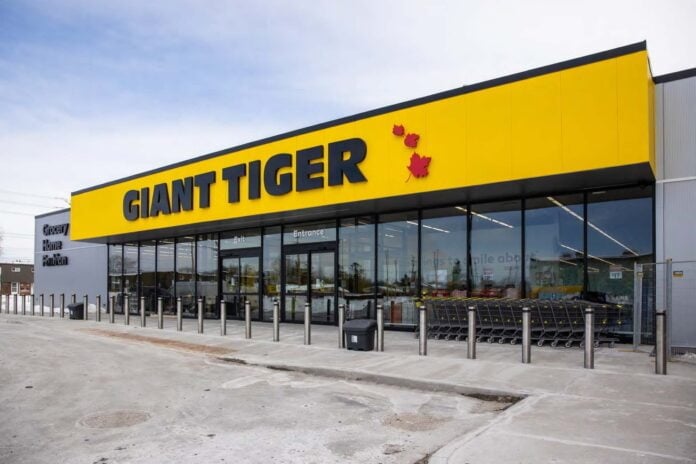
Giant Tiger Stores Limited has announced that the hard discount retailer is expanding its Ontario store network with a new location at Norfolk Mall in Tillsonburg, Ont.
Located at 400 Simcoe Street, the store is expected to open in Spring 2027, bringing low prices on everyday essentials, exciting finds and a convenient shopping experience to the Tillsonburg community for the first time, said the retailer.
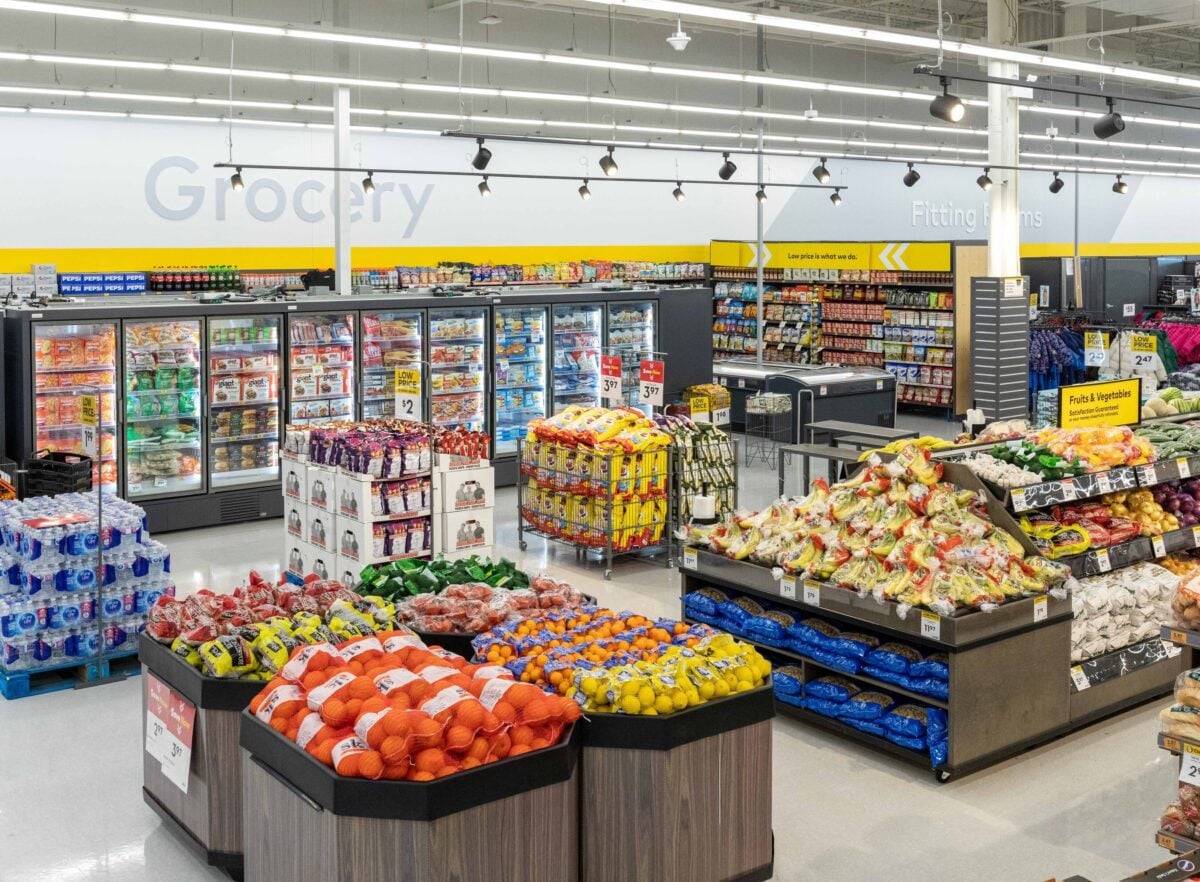
“Customers can expect a convenient, easy-to-shop store focused on the products they buy and use every week. From grocery staples and household basics to fashion, home and unexpected finds, the new Tillsonburg store will focus on keeping the products customers need most in stock, at low prices they can trust,” said the retailer in a news release.
“Our customers work hard for their money, and we know we have to earn their business every time they shop with us. That means staying focused on what matters most: low prices on the everyday essentials they rely on, keeping those products in stock, being there for the communities we serve, and giving customers more reasons to shop Giant Tiger first for the things they need every day. And it wouldn’t be Giant Tiger without a few unexpected finds along the way; the kind of GIANT deal you can’t wait to tell your friends about.”
The company is a Canadian hard discount retailer, focused on delivering low prices on quality essentials Canadians trust. It has over 260 locations across Canada and employs more than 10,000 people. All locations are locally owned or operated.
Retailers spend heavily to bring customers to the checkout page. Advertising attracts them, merchandising teams put the right products in front of them, and digital teams refine websites, navigation and product discovery to make purchasing easier.
Even after all that work, oftentimes the sale can still disappear at the final step.
Baymard Institute research puts the average online shopping cart abandonment rate globally at approximately 70 per cent (Baymard Institute, 2025). Among the reasons consumers give for leaving are unexpected costs, forced account creation, concerns about payment security and checkout processes that are too long or complicated.
“Getting shoppers to checkout is only half the battle,” says Kris Zanuldin, Head of Konek at Interac Corp.. “If the experience feels complicated, unfamiliar or untrustworthy, even heavily motivated customers won’t hesitate to abandon their purchase.”
The cost adds up quickly. New Interac research[i] among 400 business decision-makers in Canada found the typical business loses roughly five sales and $1,000 in online revenue every month to payment or checkout friction. This figure climbs to $21,000 per month among the merchants hit hardest.
For retailers, those abandoned carts represent advertising dollars already spent, products successfully merchandised and customers who had already shown clear intent to buy. The opportunity lies in making it easier for customers already at checkout to complete the purchases they intended to make.
Friction Builds Quietly at the Final Step
Many of the steps retailers add to checkout have legitimate business purposes.
Account creation can support loyalty programs and personalization. Additional forms can provide useful customer information. Verification processes can help manage risk, while expanded payment options can give shoppers greater flexibility.
Individually, each step may be reasonable. Together, they can create a checkout experience that asks too much of the customer at the moment the retailer wants the transaction to feel easiest. Each extra action creates another opportunity to leave.
Checkout therefore has to support security, customer relationships and payment choice without becoming burdensome.
Options Do Not Always Mean Convenience
Retailers have responded to changing customer expectations by adding more ways to pay. The number of options available at checkout, however, does not necessarily determine whether the experience feels easier and more convenient.
“Retailers often assume more payment options automatically mean more convenience,” says Zanuldin. “In reality, shoppers aren’t looking for endless choice. They want a payment experience that feels familiar, secure and seamless. They want to pay with confidence.”
That confidence matters as consumers pay closer attention to how businesses handle personal data and financial information.
Research from KPMG found that nearly half of Canadians surveyed were uncomfortable with retailers sharing data about their shopping habits. More than nine in 10 also expressed retailers weren’t doing enough to protect their personal and financial information from cyber criminals (KPMG, 2025).
Checkout is often the point where those concerns become most immediate. Customers may be asked to provide payment credentials, personal details, account information and consent to data practices within a short period of time.
Established retailers may benefit from years of customer familiarity. Newer brands, or retailers serving first-time customers, may have only a brief opportunity to establish enough confidence for the shopper to proceed.
Making Checkout More Familiar with Konek
This is the problem Konek is built to solve. The digital wallet is designed to help Canadian merchants simplify the payment experience while promoting consumer choice.
Powered by Interac and backed by Canada’s leading banks, Konek provides an online checkout experience that draws on banking relationships Canadians already know and trust.
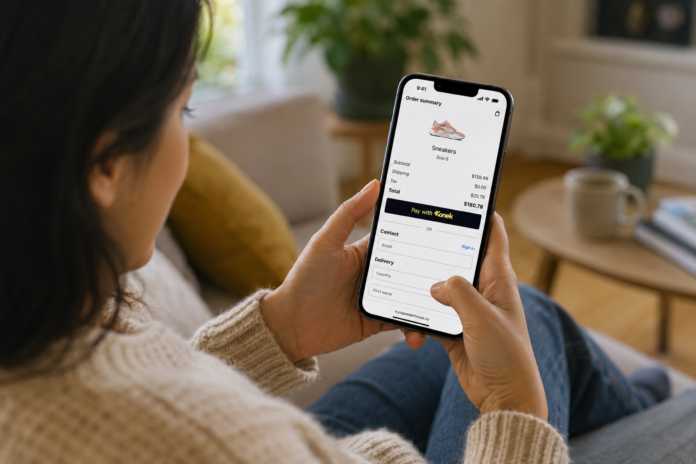
Customers can use payment methods connected to participating financial institutions, including direct payments from their chequing or savings account or with accepted credit cards. When using Konek to pay online at participating merchants, customers select Konek at checkout, choose their payment type (depending on merchant acceptance) and pay. Once set up, their payment information is saved, making future purchases even faster and more convenient.
Konek keeps customer data safe by using the bank’s secure authentication and payment consent protocols. As a result, Konek does not store any customer banking information through tokenization. Only necessary data to complete a purchase transaction is shared with retailers.For retailers, the goal is to make payment feel more familiar while preserving flexibility and security for the customer. The broader opportunity is to reduce friction and uncertainty at a stage of the customer journey where both can contribute to abandonment.
A convenient checkout experience does not need to overwhelm shoppers with choice. It needs to help them understand what is happening, trust the payment method they are using and complete the purchase without unnecessary work.
Converting Customers Retailers Have Already Won
Evolving the checkout experience to meet consumer demands can help retailers capture more value from customers they have already persuaded to buy.
Reducing unnecessary friction does not mean sacrificing security or payment choice. It means examining whether each element of checkout is helping the customer complete the transaction or making that transaction harder than it needs to be.
As consumer expectations continue to evolve, the final steps leading to payment deserve the same attention retailers give to acquisition and merchandising.
The most expensive abandoned cart is not the one that never started. It is the one that was almost finished.
Canadian merchants can visit Konek.ca to learn more about integrating Konek into their online checkout experience.
1 Interac research conducted online by Phase 5 among 400 Canadian businesses (1 to 499 employees) between July 17 and July 31, 2026. Respondents are business decision-makers and were responsible for selecting their organization’s payment solutions. All businesses in the sample currently sell online (or plan to within the next year) and primarily serve customers in Canada.
Good Earth Coffeehouse has opened its newest location at Vivo for Healthier Generations, bringing ethically sourced coffee, fresh food, and a welcoming coffeehouse experience to one of Calgary’s leading community recreation and wellness destinations.
Located at 11950 Country Village Link NE, Calgary, the new coffeehouse offers Vivo members, families, staff, and community members a convenient and comfortable space to pause, connect, and refuel, said the company, adding that t he partnership reflects a shared commitment to creating welcoming spaces that bring people together and support healthier, more connected communities.
Good Earth photo
“We’re excited to open Good Earth Coffeehouse at Vivo and become part of this community,” said Vinnie Arora, Owner/Operator of the Vivo location. “Vivo is a place where people of all ages come together every day, and that’s what makes this location special to us. We want our coffeehouse to feel like a natural part of that experience; a place to grab a coffee, enjoy something fresh to eat, or simply connect. We’re looking forward to getting to know the Vivo community and welcoming people into our coffeehouse.”
Gerry DochertyGood Earth photo
“We’re proud to continue growing our presence in Calgary and to welcome guests to our newest coffeehouse at Vivo,” said Gerry Docherty, President & COO of Good Earth Coffeehouse. “Vivo is a natural fit for Good Earth, and we look forward to serving its community with great coffee, fresh food, and genuine hospitality.”
To celebrate the opening, guests are invited to the Grand Opening event on Saturday, October 24, featuring food and drink sampling, entertainment, and free brewed coffee. A ribbon-cutting ceremony will take place at 11:00am. The event is open to the public.
Good Earth Coffeehouse is a network of more than 50 coffeehouses across Canada. It was founded in Calgary in 1991.
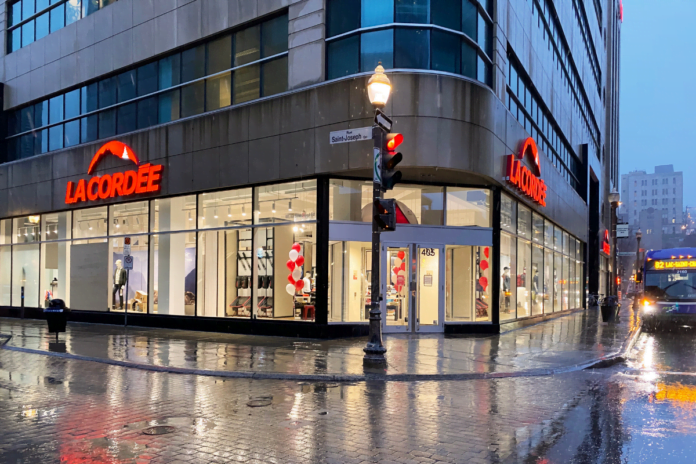
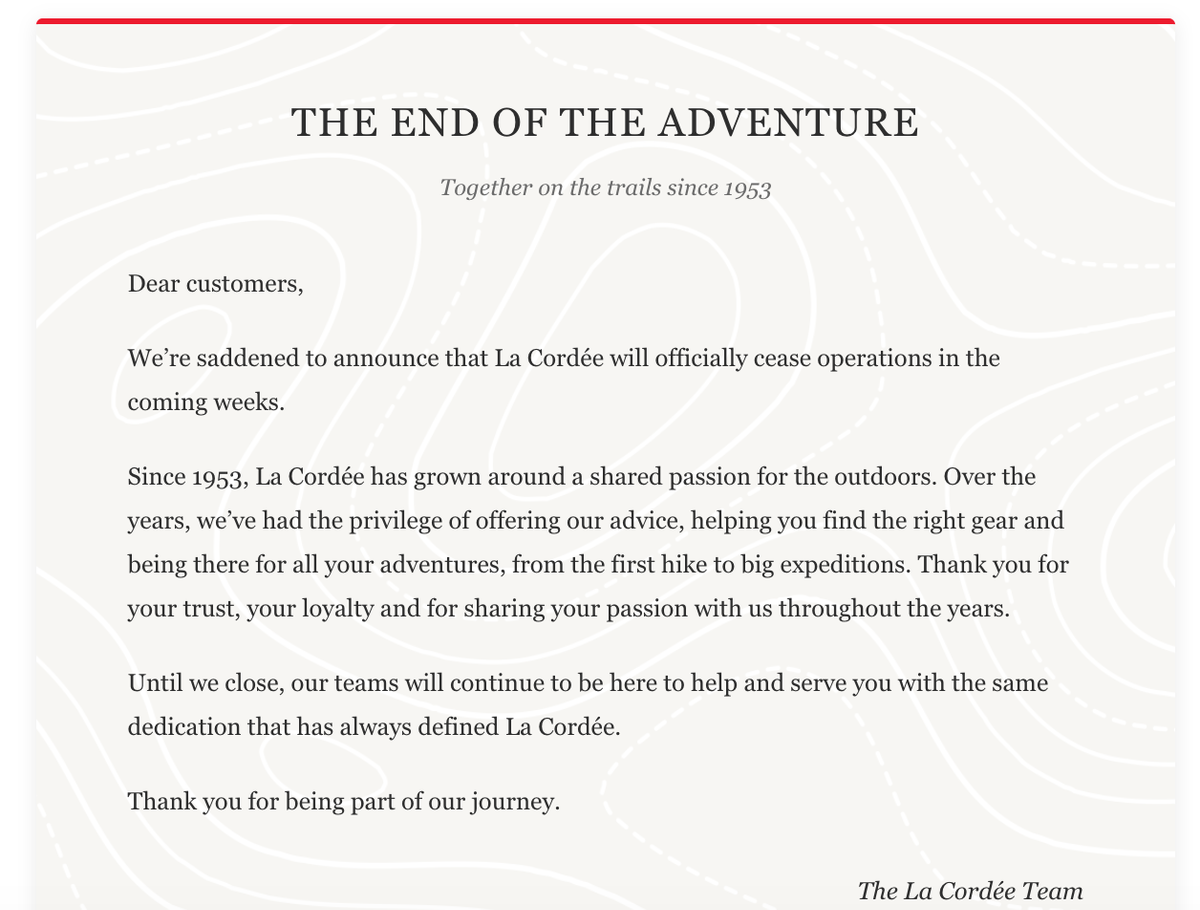
Quebec outdoor retailer La Cordée is shutting down after 73 years in business, ending a six-year turnaround effort that brought new ownership, store expansion and significant investment following an earlier insolvency.
The retailer announced Wednesday that it will cease operations in the coming weeks, with closing sales underway at its remaining locations on Saint-Laurent Boulevard in Montreal, in Saint-Hubert on Montreal’s South Shore, and at La Vie Sportive in Quebec City. The announcement follows the closure of stores in Laval and downtown Montreal earlier in September.
La Cordée filed a notice of intention to make a proposal to creditors under the Bankruptcy and Insolvency Act in July with more than $13 million in obligations. It was the second time in six years that the longstanding Quebec retailer had sought protection from creditors.
The first restructuring resulted in new ownership and an attempted revival. This time, the business is being wound down.
La Cordée’s Second Restructuring in Six Years
La Cordée previously sought creditor protection in February 2020 following several years of financial difficulty. The problems predated the COVID-19 pandemic and included declining revenue and costs associated with the retailer’s 2018 acquisition of Quebec City outdoor retailer La Vie Sportive, where renovations proved more expensive than anticipated.
Mach Capital acquired La Cordée in August 2020 through a transaction approved by Quebec Superior Court. Rather than simply preserving the remaining business, the new ownership pursued growth, with Mach founder Vincent Chiara pointing to La Cordée’s expansion potential at the time of the acquisition.
La Cordée opened a location in Quebec City’s Saint-Roch district in 2022, with then-president Cédric Morisset describing the retailer as Quebec’s equivalent of MEC. The following year brought one of the company’s most visible post-restructuring investments.
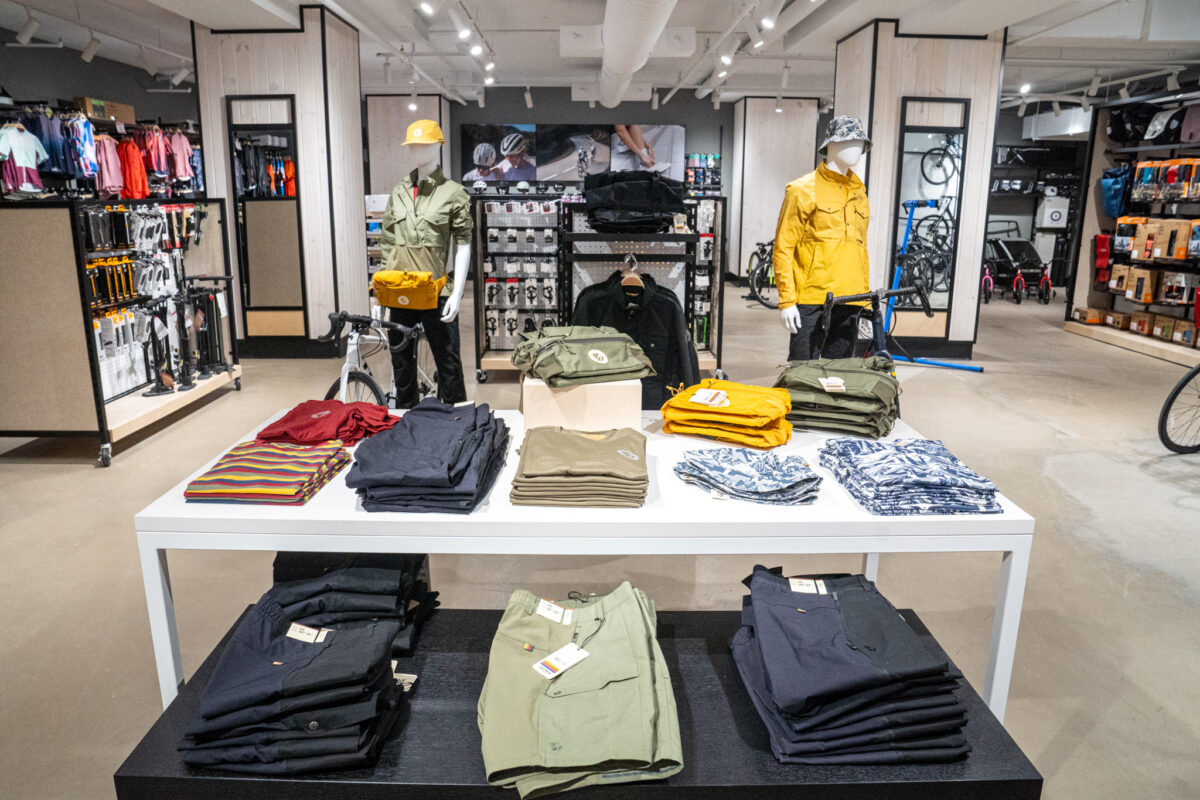
A roughly 25,000-square-foot La Cordée flagship opened at Promenades Cathédrale in downtown Montreal in June 2023. The store included a movable climbing wall and an expanded presentation of outdoor categories, while management positioned it as part of an effort to rebuild La Cordée’s leadership in Quebec.
The expansion brought La Cordée to eight locations. Just over three years after the Promenades Cathédrale store opened, the company is winding down entirely.
Website notice
New Investors Joined the Business
La Cordée’s ownership evolved again following the Mach acquisition. In 2024, British outdoor industry executive Matt Gowar became the retailer’s principal shareholder alongside existing interests.
Gowar is the former chief executive of Equip Outdoor Technologies, owner of the Rab and Lowe Alpine brands, and controls Livewire Outdoor Investments Limited. Other reported shareholders have included Fiducie Malo, connected in part to Mach founder Vincent Chiara, and Riyadh-based Vision SH Investment.
Management was changing as well. Veteran Quebec outdoor retailer Robert Brunet, who founded Montreal’s Le Yéti in 1985, returned to a leadership role at La Cordée. La Cordée had acquired Le Yéti in 2015.
The company continued talking about growth, stronger supplier relationships and further development in Quebec. La Cordée said Morisset’s tenure had included three store openings and the launch of a new website, making clear that the post-2020 strategy was an attempted rebuild rather than the gradual dismantling of the chain.
La Cordée Promenades Cathédrale MTL (Image: La Cordée)
More Than $13 Million in Obligations
La Cordée filed its latest notice of intention under the Bankruptcy and Insolvency Act on July 11, 2026, with Raymond Chabot Grant Thornton involved in the proceedings.
Preliminary creditor information reported in Quebec showed more than $13 million in obligations. Accord Financial was identified as the largest secured creditor, with approximately $2.98 million outstanding, while Equip Outdoor Technologies Canada was owed approximately $1.9 million. Another 131 unsecured creditors were collectively owed roughly $6.98 million, with Arc’teryx Equipment among the largest identified unsecured creditors at approximately $530,602.
By September, the financial difficulties were affecting La Cordée’s store network and merchandise position. The Laval location closed after its lease expired, eliminating 31 jobs, while Brunet said the retailer did not have the merchandise required for the approaching fall-winter season.
For a business selling skiing and other winter outdoor categories, entering the season without sufficient merchandise represented a significant operating constraint. It does not establish why La Cordée ultimately failed, but it shows how the financial problems were affecting the retailer’s ability to operate through an important seasonal transition.
More than 175 employees remained with La Cordée immediately following the Laval closure. The Promenades Cathédrale store then closed September 18, leaving three locations before Wednesday’s announcement that the entire business would wind down.
The reversal was rapid. Six years after emerging from its previous restructuring and returning to expansion, La Cordée was back in an insolvency process that ultimately failed to keep the retailer operating.
Quebec Outdoor Retail Remains Highly Competitive
La Cordée’s failure follows considerable disruption in Canada’s outdoor and sporting goods sector, particularly in Quebec.
French sporting goods retailer Decathlon entered Canada through Quebec in 2018, bringing its vertically integrated, value-oriented model into a market already served by La Cordée, SAIL, Sports Experts, MEC and independent outdoor specialists. Competition formed part of the backdrop to La Cordée’s earlier financial difficulties, although the available evidence does not support attributing its eventual failure to any single competitor.
Other Canadian outdoor retailers have faced their own financial problems. SAIL and its Sportium banner entered creditor protection in 2020 after a period of expansion. Sportium was ultimately wound down, while SAIL survived and has since returned to discussing growth following a management-led ownership change earlier this year.
MEC also underwent a major restructuring in 2020, when the former Mountain Equipment Co-op was sold to a private investor and converted into a privately owned business. MEC remains active and continues investing in its assortment and store network, including a push into trail running and plans for a smaller-format Whistler location.
Several retailers selling into Canada’s outdoor market have required major financial or ownership restructurings, but the category itself has not disappeared. Some businesses have emerged from restructuring and resumed investment while La Cordée’s second attempt has ended in closure.
Its departure puts a portion of Quebec’s outdoor spending back into play. SAIL, MEC, Decathlon, Sports Experts and independent retailers compete for many of the same customers, while suppliers are losing a longstanding multi-brand distribution channel in the province.
La Cordée’s post-2020 expansion also demonstrates the limits of treating new stores and investment as evidence that a turnaround has succeeded. The retailer rebuilt its network, invested in e-commerce and opened a substantial downtown Montreal flagship, but those moves ultimately did not prevent another financial restructuring.
From Scout Cooperative to Quebec Outdoor Retailer
La Cordée traces its roots to 1953, when it was established in Montreal as a cooperative serving the Scout movement. It initially sold Scout uniforms and camping equipment before broadening its customer base and expanding into climbing, cycling, cross-country skiing, paddling and other outdoor categories.
The business eventually became one of Quebec’s better-known outdoor specialists. By 2018, La Cordée employed roughly 400 people across five stores and its e-commerce operation and carried products from more than 30 Quebec companies.
Its history has some parallels with MEC, another Canadian outdoor retailer that grew from cooperative roots before undergoing financial restructuring and an ownership change. Their circumstances and outcomes differ, but both businesses illustrate how substantially the ownership structure of Canada’s outdoor specialty sector has changed.
La Cordée’s first restructuring gave the retailer another six years and another attempt at growth. Stores were opened, its digital business was upgraded and a major downtown Montreal location was added before financial pressure returned.
The company now leaves behind a Quebec outdoor market that remains competitive, but with one fewer locally rooted specialist. For the retailers still operating in it, La Cordée’s closure creates an opportunity to capture customers and sales; for La Cordée, it brings an ambitious but ultimately unsuccessful turnaround to an end.
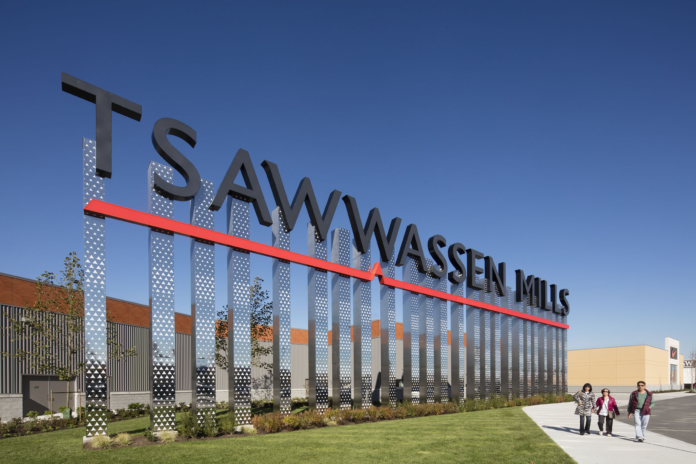
Tsawwassen Mills is marking 10 years as owner Central Walk continues to broaden the 1.2-million-square-foot shopping centre beyond its outlet retail base, adding food, entertainment and recreation while preparing for the arrival of a new H Mart anchor. The anniversary comes as Central Walk reports an increase in weekend traffic following the opening of TM Wander, its nearly 25,000-square-foot food and cultural concept, in May of this year.
According to Ruby Liu of Central Walk, weekend traffic at Tsawwassen Mills has consistently been approximately 10 per cent higher than during comparable periods a year earlier since TM Wander opened in May. Another major addition is now in the pipeline, with Liu telling Retail Insider that H Mart is expected to occupy an approximately 30,000-square-foot anchor space at Tsawwassen Mills, with an opening targeted for around December 2027.
The Asian supermarket is also expected to introduce related concepts including bakery and beauty offerings. Together with recent additions including The Nest indoor sports facility and a growing collection of entertainment uses, the changes illustrate how Central Walk is adding new reasons for consumers to visit a property originally built around a large outlet and value-oriented retail offering.
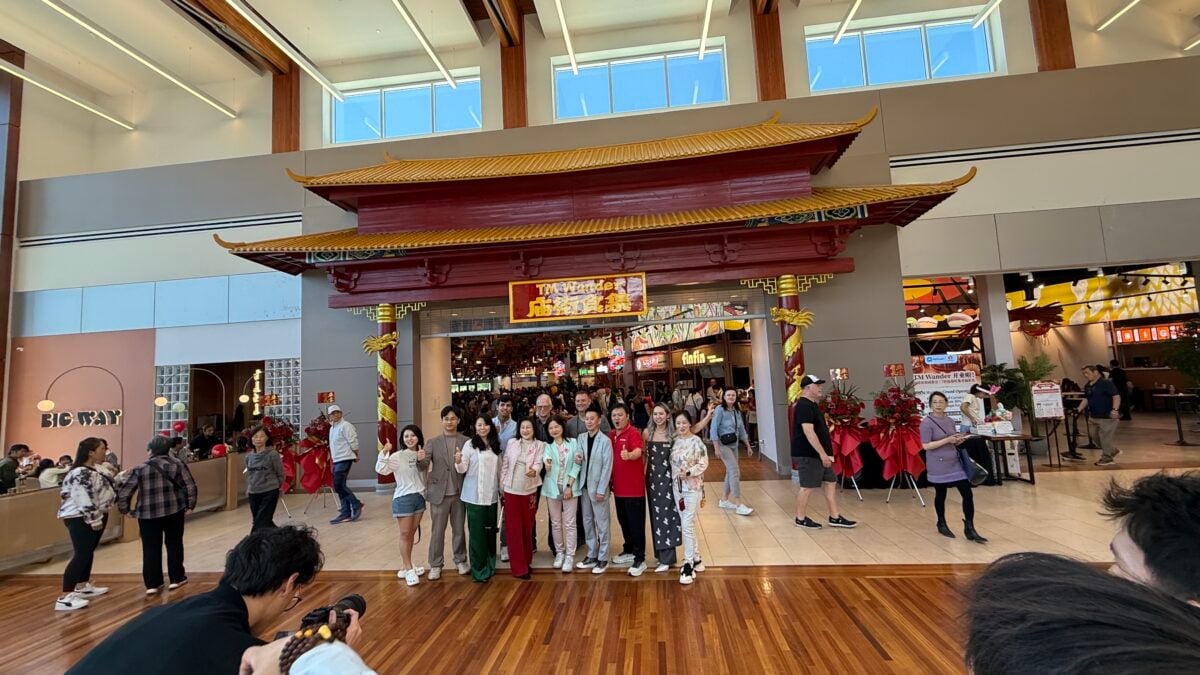
Ruby Liu, family members, and representatives from Central Walk open TM Wander at Tsawwassen Mills on May 30, 2026. Photo: Craig Patterson
Tsawwassen Mills Marks 10 Years
Tsawwassen Mills opened on October 5, 2016, following an investment of more than $600 million by developer Ivanhoé Cambridge. The centre debuted with approximately 1.2 million square feet of gross leasable area, 180 brands and 13 anchors, with more than half of its stores operating as pure outlet concepts.
From the beginning, the property incorporated more than outlet retail, with restaurants, a large food hall, children’s amenities and entertainment included in its original mix. Tsawwassen Mills was developed on Tsawwassen First Nation land, with Coast Salish art and cultural references incorporated into its architecture and interior design.
The property later received a Special Distinction from ICSC recognizing, among other elements, its relationship with Tsawwassen First Nation and the integration of Coast Salish art and architecture. That relationship with Tsawwassen First Nation continues to deepen, with Central Walk recently completing the Cedar and Sea project in collaboration with a First Nations artist, installing four additional house posts and other Indigenous art pieces at Entry 3 of the shopping centre.
The centre’s scale and location meant attracting customers from beyond its immediate surroundings was important from the outset. Ten years later, that remains central to the property, although the mix of uses intended to draw those customers is changing.
Central Walk Expands the Mix
Central Walk acquired Tsawwassen Mills from Ivanhoé Cambridge in 2022 and soon identified food, entertainment and services as areas where it saw further potential. Liu said one of the most significant changes since the acquisition has been a reassessment of the tenant mix and how different areas of the property can be used. Her written responses to Retail Insider were translated from Mandarin.
“We wanted to move beyond the traditional outlet mall model, which is primarily focused on retail, and introduce more experiential concepts that customers may not normally expect to find in a shopping centre,” Liu said.
That strategy has resulted in additions including FlyO Land, Dreambox 5D and children’s entertainment. More recently, recreation has become a larger part of the mix through The Nest, a roughly 98,000-square-foot indoor sports facility developed adjacent to the shopping centre on former parking area.
The facility includes a significant pickleball component and has hosted competitive play, including the 2026 Pickleball BC Provincial Championships. Its scale demonstrates how non-retail uses can occupy meaningful real estate around a major shopping centre rather than functioning simply as supplementary amenities.
Central Walk has also increased its emphasis on events and relationships with local organizations as it works to strengthen the property’s role within surrounding communities. The strategy is an evolution rather than a wholesale repositioning. Food, entertainment and family amenities were already part of Tsawwassen Mills when it opened, and under Central Walk, those uses have taken on greater prominence alongside the centre’s established outlet and value retail offering.
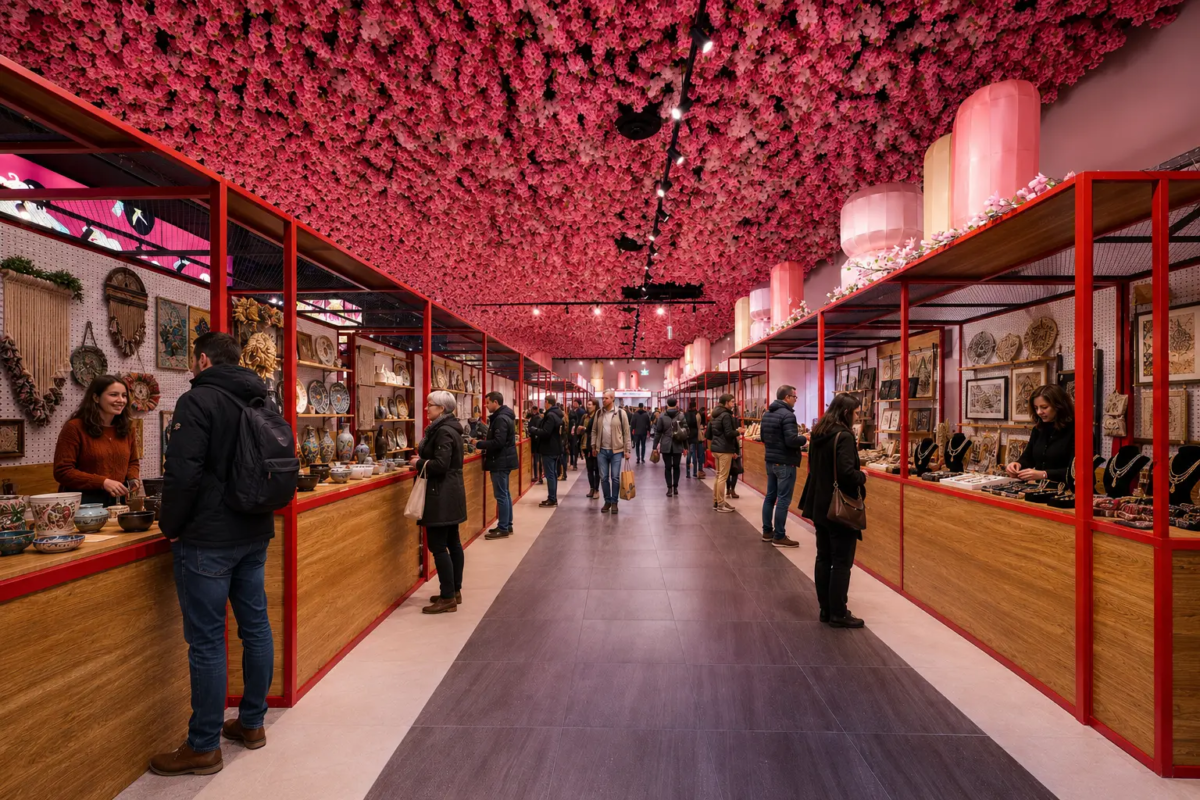
TM Wander marketplace at Tsawwassen Mills. Photo: Central Walk/Ruby Liu Investment Corp.
TM Wander Adds New Traffic
TM Wander has become one of Central Walk’s most significant additions to Tsawwassen Mills. The nearly 25,000-square-foot concept opened May 30, combining food and beverage vendors with retail, events, art and cultural elements. At its opening, crowds gathered throughout the space, with customers lining up at food vendors and taking photos of its interior installations.
Central Walk says the concept is now having a measurable impact on mall traffic. According to Liu, weekend traffic at Tsawwassen Mills has consistently been approximately 10 per cent higher than during comparable periods a year earlier since TM Wander opened. The figure was provided by Central Walk and refers specifically to weekend traffic.
Liu said another notable result has been the breadth of TM Wander’s customer base, with visitors coming from different cities, age groups and cultural backgrounds. Central Walk has also received visits from commercial real estate, retail and design professionals interested in the concept and its operating model.
The performance has implications for other food operators at the centre. Liu previously told Retail Insider that some existing food court tenants had been concerned TM Wander could redistribute spending already occurring within the property. Central Walk says the existing food court instead benefited as overall traffic increased.
H Mart Targets Christmas 2027 Opening
H Mart is expected to become the next significant anchor addition at Tsawwassen Mills, with the supermarket set to occupy an approximately 30,000-square-foot anchor space at the shopping centre. Liu told Retail Insider that the opening is currently targeted for around Christmas 2027. Central Walk has already begun preparing the space and coordinating its turnover to allow time for design, approvals and construction.
The planned operation is also expected to extend beyond a conventional supermarket. Liu said H Mart intends to introduce some of its own or affiliated concepts, including bakery, beauty and other related offerings.
Grocery introduces a different shopping frequency from much of Tsawwassen Mills’ outlet merchandise. Consumers may make discretionary trips for apparel, footwear or other outlet purchases less frequently than grocery visits, giving H Mart the potential to generate more regular trips to the property.
The supermarket also fits with Central Walk’s increasing emphasis on Asian food and retail concepts. H Mart is separately confirmed for Woodgrove Centre in Nanaimo, where it will anchor part of Central Walk’s redevelopment of the former Hudson’s Bay space.
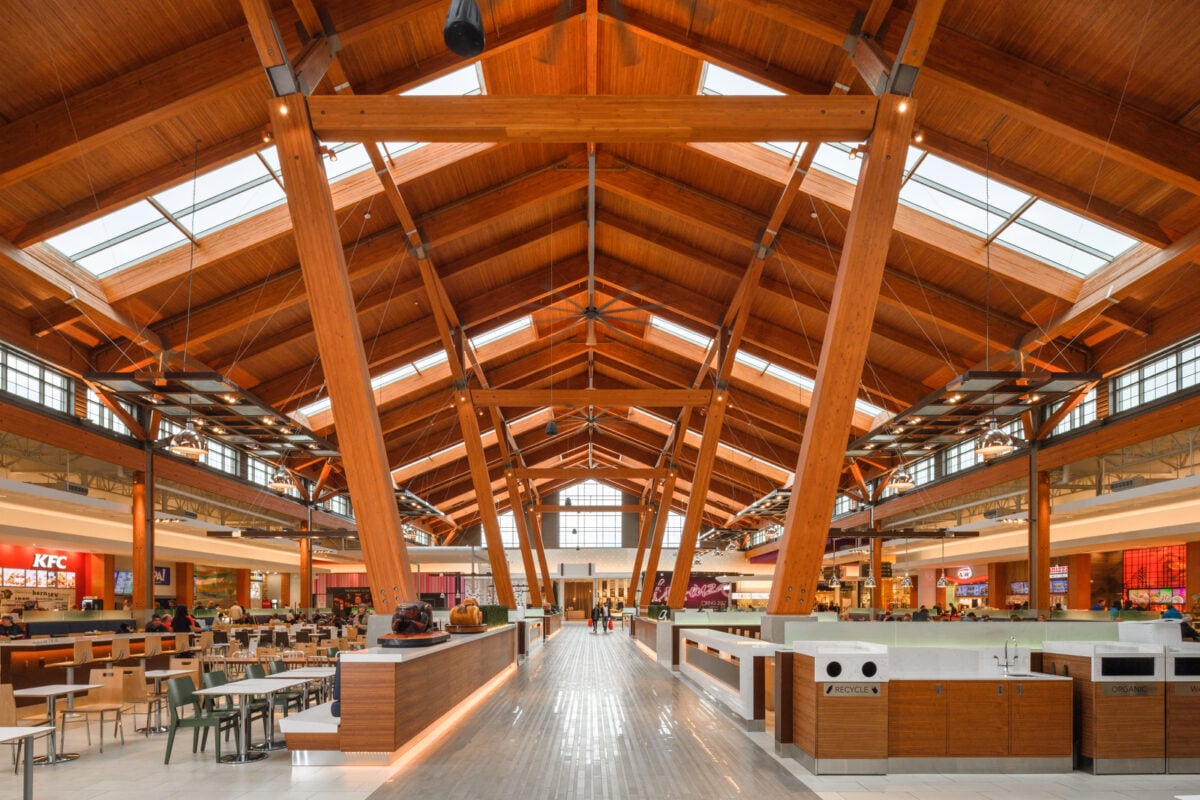
Tsawwassen Mills Food Court. Image: Central Walk
From Shopping Trip to Day Out
Liu said Central Walk has seen a change in how some customers use Tsawwassen Mills. When the centre opened, its location and scale made destination traffic fundamental to its business model. Its potential trade area extended well beyond Delta to other parts of Metro Vancouver, the Fraser Valley and consumers travelling through the region.
Central Walk says more families are now making the property itself the reason for a visit, combining shopping with dining, recreation and entertainment. Liu said families are increasingly treating Tsawwassen Mills as a place for weekend outings rather than simply making a shopping trip.
The evolving mix reflects that behaviour. Outlet and value-oriented retailers remain central to the property, while TM Wander adds food and social uses, The Nest introduces large-scale recreation, children’s attractions broaden the family offering and H Mart is expected to bring a higher-frequency grocery component.
Tsawwassen Mills has become a place where Central Walk can test concepts that inform decisions elsewhere in its Canadian portfolio. TM Wander is now planned for Woodgrove Centre in Nanaimo and Mayfair Shopping Centre in Victoria, with Liu saying each version will be adapted to its local market rather than duplicated.
Tsawwassen Mills has also continued to incorporate Indigenous art into the property. Central Walk recently completed Cedar and Sea, a project developed in collaboration with a First Nations artist that added four house posts and other Indigenous artworks at Entry 3. The installation builds on Indigenous art and cultural elements that have been part of the shopping centre since its opening on Tsawwassen First Nation lands.
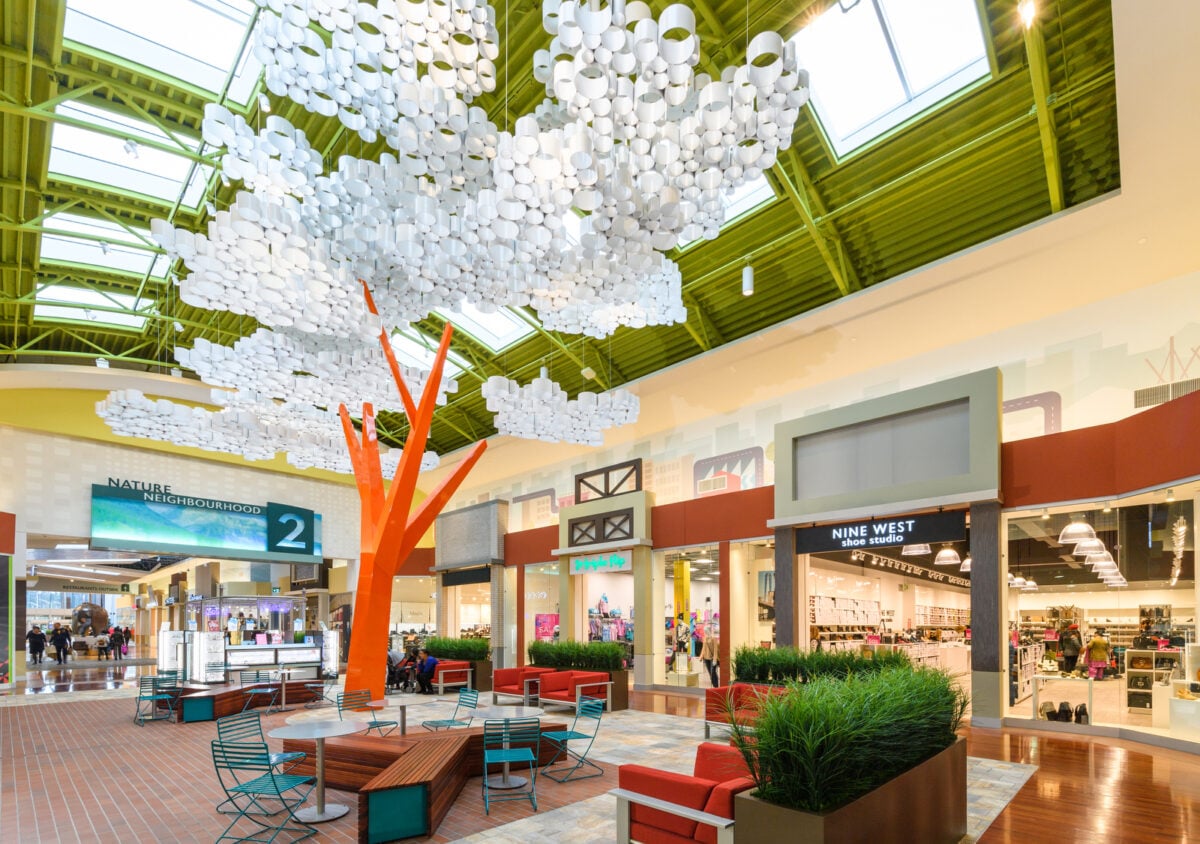
Tsawwassen Mills Shopping Centre. Image: Central Walk
Tsawwassen Mills Enters Its Second Decade
As Tsawwassen Mills marks 10 years, the outlet and value retail that helped define the property at opening remains an important part of its positioning. What has changed is the amount of space and attention being devoted to uses that can generate additional visits and extend the amount of time customers spend at the property.
TM Wander provides Central Walk with an early measure of that strategy, with the company reporting weekend traffic approximately 10 per cent above comparable year-earlier periods since the concept opened. The Nest has added a substantial recreational component, while the planned H Mart will introduce a new grocery anchor.
Ten years after Tsawwassen Mills opened as one of British Columbia’s largest new retail developments, Central Walk is taking the property into its second decade with a broader mix of uses layered onto its established outlet business. The next test will be whether those additions can generate more frequent visits while strengthening Tsawwassen Mills’ longstanding role as a regional shopping destination.
IKEA Canada is celebrating on Friday October 2, 50 years of doing business in Canada and to mark the milestone the retailer will offer one iconic product at 50 per cent off every weekend in October.
IKEA Canada opened its first location in Richmond, B.C. on October 2, 1976. Today, IKEA Canada is part of Ingka Group which operates 574 IKEA stores in 31 countries, including 16 stores and 13 Plan and order points in Canada. Last year, IKEA Canada welcomed 33.3 million visitors to its stores and 199.9 million visitors to IKEA.ca.
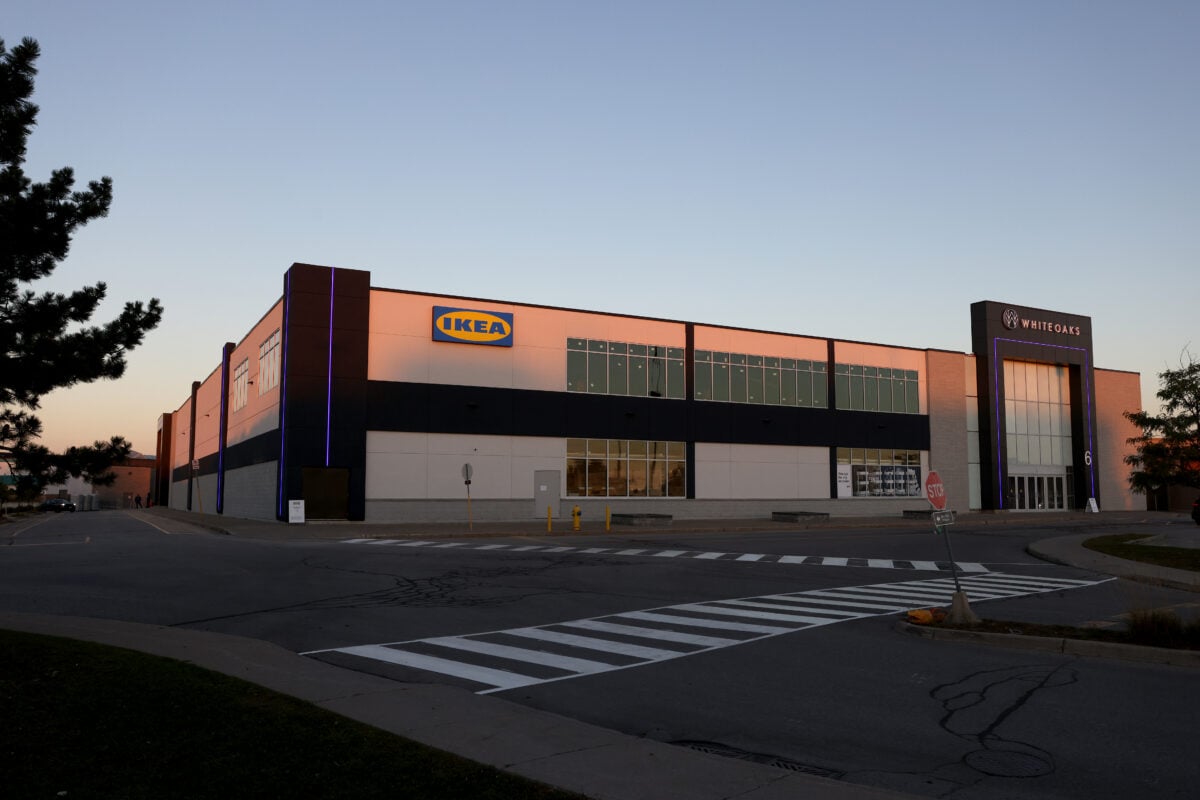
This week the brand opened its first compact IKEA store in Canada. The new store concept, designed for quick visits and everyday essentials, is now open in White Oaks Mall.
Selwyn CrittendonMeghan Willisko
“For 50 years, IKEA Canada has been part of everyday life at home — from first apartments and growing families to new routines, new spaces and new ways of living,” said Selwyn Crittendon, CEO and Chief Sustainability Officer, IKEA Canada. “As we mark this incredible milestone, we’re focused on what has always mattered most: making well-designed, functional home furnishing more affordable and accessible for the many Canadians. These October offers are a simple way to say thank you and help more people create a home that works better for them.”
“The best IKEA products are practical, personal and clever — they are designed to fit into real homes and real lives,” said Meghan Willisko, Head of Home Furnishing & Retail Design, IKEA Canada. “Products like BILLY and KALLAX have stayed relevant because they are flexible enough to grow and change with people. They help solve everyday needs, while leaving space for individual style, memories and that little bit of creativity that makes a home unmistakably yours.”
The first offer launches October 3 and 4, with 50 per cent off KALLAX (77 x 147 cm), the versatile shelving unit that has helped Canadians organize everything from books and records to toys, keepsakes and everyday essentials. Quantities are limited to 500 pieces per day. Conditions apply.
Full details are available at IKEA.ca/50, where each weekly offer will be unveiled.
IKEA Canada photo
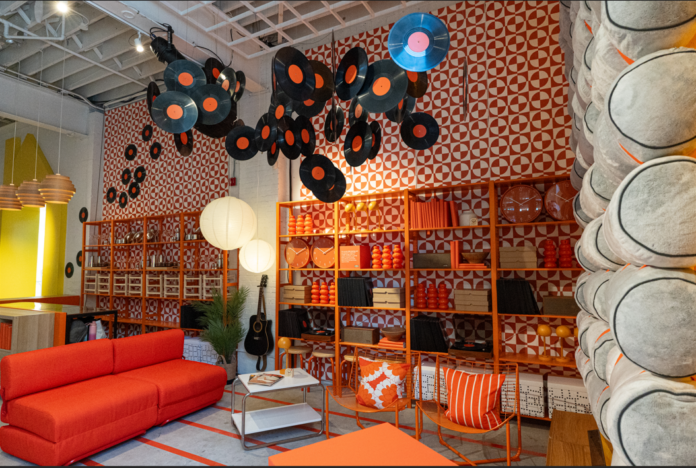
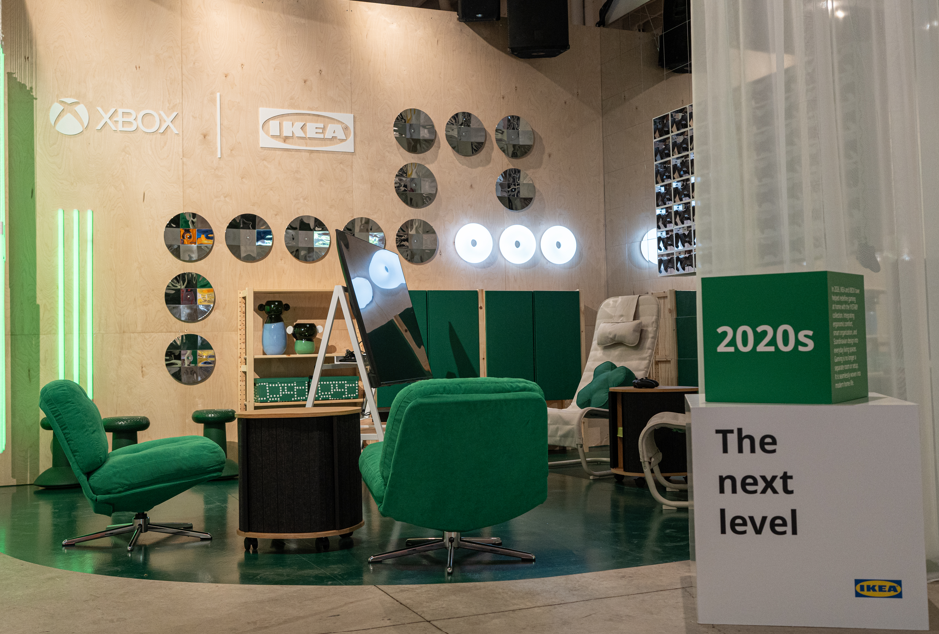
The October anniversary offers are part of a broader 50th anniversary celebration, which includes IKEA Canada’s marketing campaign, You Give it Meaning, which launched on September 14 and will continue until November 8. As part of the celebration, IKEA Canada also hosted an experience in Toronto on September 25 featuring exhibits that showcased the history and legacy behind the brand in Canada, as well as the iconic IKEA products that have shaped Canadians’ life at home over the past five decades.
Earlier this week, thousands of London, Ontario residents welcomed the new IKEA Canada concept
“With the opening of IKEA London White Oaks – the first compact store in Canada – we’re thrilled to introduce an exciting new way to shop with us,” said Crittendon. “By combining inspiration, home essentials, and services in a compact format, we’re getting closer to more of the many Canadians with everyday convenience and a quicker shopping experience.”
IKEA Canada photo
Located at White Oaks Mall (1105 Wellington Road), the new London location offers:
A compact layout of approximately 43,000 square feet (about one-fifth the size of IKEA Burlington) with more than 2,500 everyday essentials or seasonal favourites;
Inspiring room sets and smart solutions for a better, more sustainable life at home;
A selection of about 400 furniture items available for immediate purchase and takeaway from the Self-serve warehouse;
The ability to order the full IKEA product offering with flexible delivery and collection options; and
A selection of IKEA food for a taste of Swedishness (yes, including meatballs).
The new compact store concept complements other IKEA store formats and digital channels, strengthening the omnichannel experience and giving customers more ways to meet IKEA. The existing Plan and order point, located at 3120 Wonderland Rd. South, will continue to serve customers looking to book appointments with IKEA experts to plan, design, and purchase complex home furnishing solutions such as kitchens or complete wardrobe systems. The Pick-up location at 1095 Wilton Grove Rd. will also continue to operate, providing customers with a convenient place to collect orders placed through one of many IKEA shopping channels, explained the retailer.
Shopping cart in a Canadian grocery store. Frozen goods. Dairy. Photo: RI/Google
Canadian retailers importing electronics, apparel and other consumer goods could face greater pressure to document where their merchandise comes from as Ottawa considers tougher enforcement of Canada’s forced-labour import ban.
The regulatory push comes as new research from World Vision Canada estimates that $63.3 billion worth of goods imported into Canada in 2025 fell within product and country combinations where child or forced labour risks have been documented. The figure represents about 8% of Canadian merchandise imports and was 6.2% higher than in 2022.
Retail categories account for much of the exposure. Electronics represented $22.2 billion, clothing and textiles another $15.3 billion, gold $7.8 billion, and nearly $2 billion in coffee imports came from countries identified in the underlying data as presenting child- or forced-labour risks.
The $63.3-billion figure does not mean Canada imported that amount of merchandise proven to have been produced through forced or child labour. World Vision cross-references Canadian trade data with products and countries where the U.S. Department of Labor has documented evidence of those practices, making the calculation a measure of risk exposure rather than proof about individual shipments.
For retailers, that distinction could become increasingly important if Ottawa’s proposed enforcement regime advances. The issue is shifting closer to a practical question for importers: how much can they prove about where their merchandise came from and how it was produced?
Electronics and Apparel Dominate Identified Exposure
Electronics and clothing and textiles together accounted for $37.5 billion of the imports identified by World Vision. Two major consumer categories therefore sit at the centre of the supply-chain issue.
Coffee provides another example. World Vision estimates that Canada imported almost $2 billion of coffee from countries flagged for child- or forced-labour risk in 2025, up 58.9% from 2022, with Colombia, Brazil, Guatemala and Honduras accounting for about 85% of that value.
The challenge is that a finished product rarely tells the full sourcing story. An apparel company can know who supplied a garment without necessarily having the same visibility into the mill that produced its fabric or the origin of its raw materials. An electronics product can contain components that moved through several suppliers and countries before final assembly.
Jewellery presents similar questions when commodities such as gold are involved. Those complexities do not establish a labour violation, but they help explain why tracing one can be difficult.
Canadian Companies Acknowledge Supply-Chain Gaps
Canada already requires qualifying companies that produce or import goods to report on measures taken to identify and reduce forced- and child-labour risks under the Fighting Against Forced Labour and Child Labour in Supply Chains Act, which took effect in 2024.
Public Safety Canada’s analysis of reports filed in 2025 found that 44.2% of reporting entities had identified portions of their activities or supply chains carrying forced- or child-labour risks. Another 39.2% had begun identifying risks but reported gaps in their assessments, while 16.6% had not started the process.
Retail trade accounted for 8.9% of reporting entities. Raw materials and commodities, direct suppliers, geographic locations and the types of products being produced or imported were among the areas businesses most commonly examined.
The disclosures also illustrate the difference between identifying a vulnerable supply chain and finding an actual case of forced labour. Public Safety Canada reported that 91% of organizations said remediation questions did not apply because they had not identified an instance of forced or child labour in their supply chains.
For retailers, the harder question is how well a company can investigate and document a risk when regulators require an answer.
Electronic department in a store. Image: Reddit
Ottawa Proposes a Stronger Border Regime
Canada has prohibited goods produced wholly or partly through forced labour from entering the country since 2020, but enforcing that prohibition presents a practical problem. A border officer can inspect a physical product; labour conditions several tiers back in its production chain are another matter.
Bill C-35, the proposed Ban on Importing Goods Made with Forced Labour Act, would create a different enforcement mechanism. Introduced in June 2026 and currently at second reading in the House of Commons, the legislation would allow the federal government to establish a public list of goods where there are reasonable grounds to suspect forced labour was involved, including information identifying producers, countries or regions.
Importers of listed goods could then be required by the Canada Border Services Agency to provide prescribed information. If an importer could not produce the required information, the goods could be denied entry.
Important details have yet to be established, including what documentation importers would have to provide and how goods would be selected for the high-risk list. Bill C-35 also remains proposed legislation, so its eventual provisions could change as it moves through Parliament.
Even with those qualifications, the proposal would raise the commercial importance of supply-chain information. Canada’s current reporting regime largely requires qualifying companies to disclose what they are doing to identify risk. Under the proposed border regime, the underlying evidence could become relevant to whether particular merchandise is admitted to Canada.
Supply-Chain Data Becomes an Inventory Issue
For a retailer that directly imports goods, the implications extend beyond ESG reporting. Supplier mapping, sourcing documentation and the ability to trace production farther upstream can affect customs compliance, logistics and ultimately inventory availability.
Bill C-35 would not require every retailer to establish complete visibility into every product it sells. The proposed regime targets goods identified as presenting forced-labour concerns, but an importer caught within that system would be better positioned if it already had reliable records extending beyond its immediate vendor.
That turns a corporate-responsibility issue into an operating one. Merchandise that cannot clear the border on schedule creates the same basic retail problem as any other supply interruption: the product is not available when and where it was expected to be sold.
Retail Council of Canada supports efforts to prevent forced-labour goods from entering Canada but has called for a targeted and transparent enforcement regime. The organization has said importers need sufficient information and resources to comply without adding unnecessary cost and complexity to legitimate trade.
The policy challenge sits between those two objectives. Ottawa wants an import ban that can actually be enforced, while compliant businesses need a realistic way to demonstrate that products originating several layers into a global supply chain meet Canadian requirements.
Sourcing Decisions Could Carry a Higher Documentation Cost
Ottawa has also consulted separately on possible mandatory human-rights due-diligence requirements that could go beyond annual disclosure. Those proposals remain under development, but together with Bill C-35 they point toward greater expectations that companies understand conditions deeper in their supply chains.
For retailers, stronger traceability requirements could eventually affect supplier economics. A factory price does not represent the full sourcing cost if working with a supplier also requires extensive verification, additional documentation or carries a greater risk that merchandise will be delayed.
There is no evidence that Canadian retailers are about to abandon particular countries or suppliers because of Bill C-35. The more immediate implication is that a vendor’s ability to provide reliable sourcing information may become more valuable when retailers assess the operational risk attached to a purchase.
World Vision’s $63.3-billion estimate gives a sense of the potential scale. Electronics, apparel, food and commodities sold through Canadian retail all intersect with production regions where labour risks have been documented, even though the report does not establish that individual goods arriving in Canada were made under abusive conditions.
The harder question is how an importer proves the difference when regulators ask. If Canada’s proposed enforcement regime advances, the quality of a retailer’s supply-chain information could affect more than an annual disclosure; for certain merchandise, it could affect whether the goods reach Canadian stores at all.
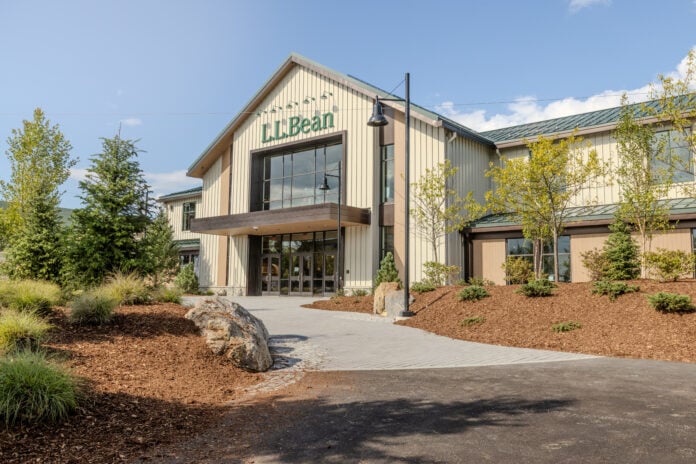
Outdoor lifestyle brand L.L.Bean recently celebrated the grand re-opening of its flagship store and campus in Freeport, Maine, marking the completion of a multi-year reimagination of the brand’s iconic and original retail destination.
“Reimagining an icon is an extraordinary undertaking, and the result reflects the passion, creativity, and dedication of the team behind it,” said Greg Elder, President and CEO of L.L.Bean. “We know our customers share our anticipation and we can’t wait to see the store come to life in September with their return. The wait is almost over, and there’s no doubt it will have been worth it.”
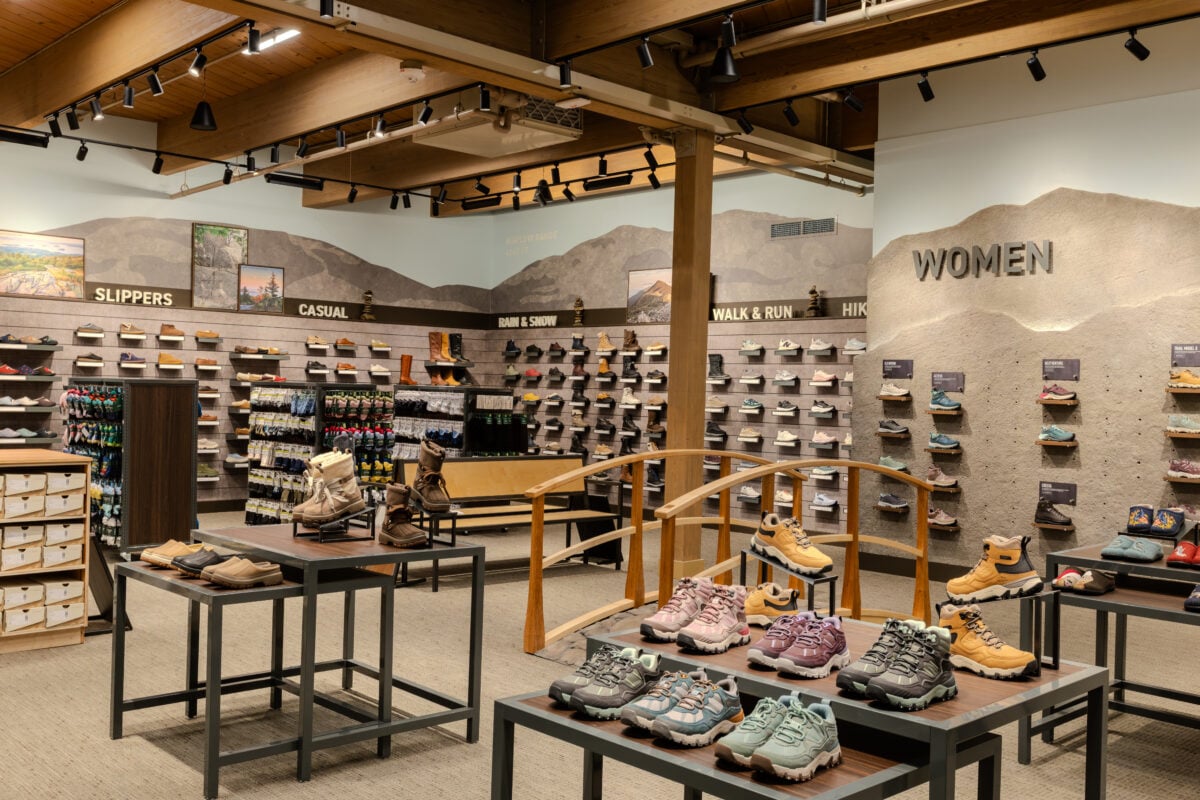
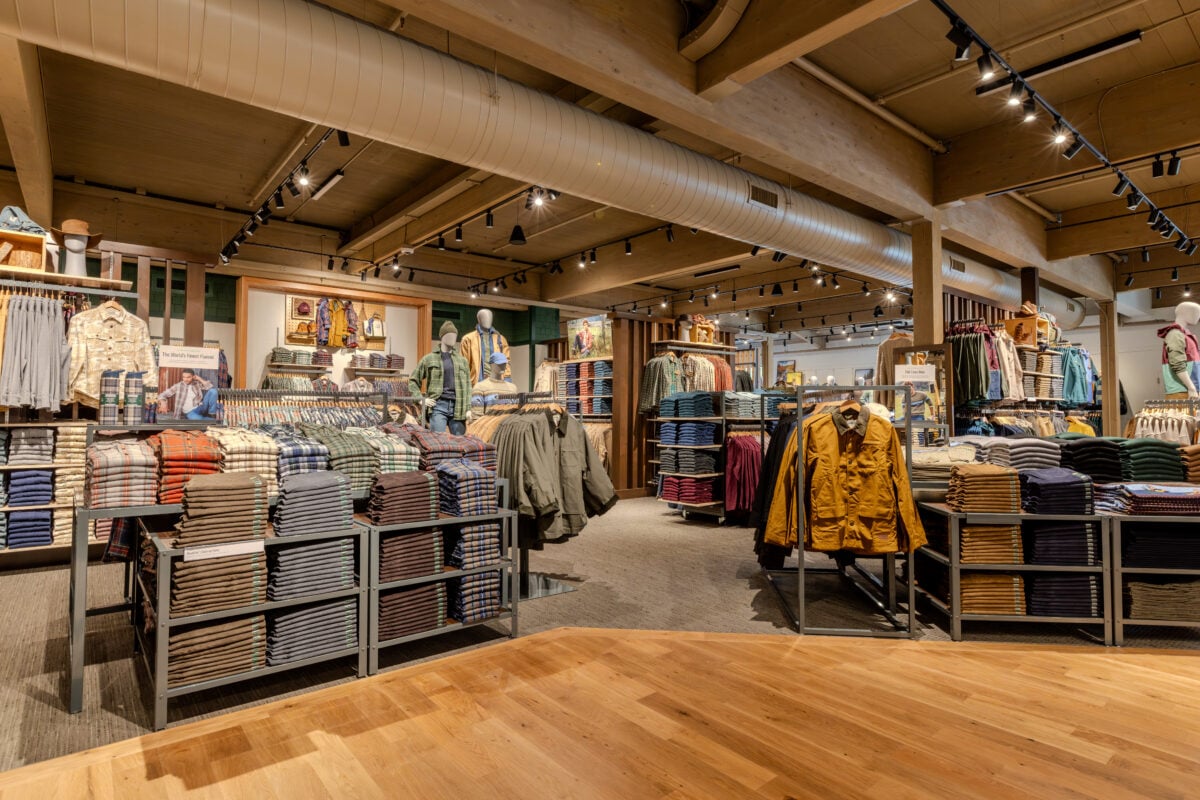
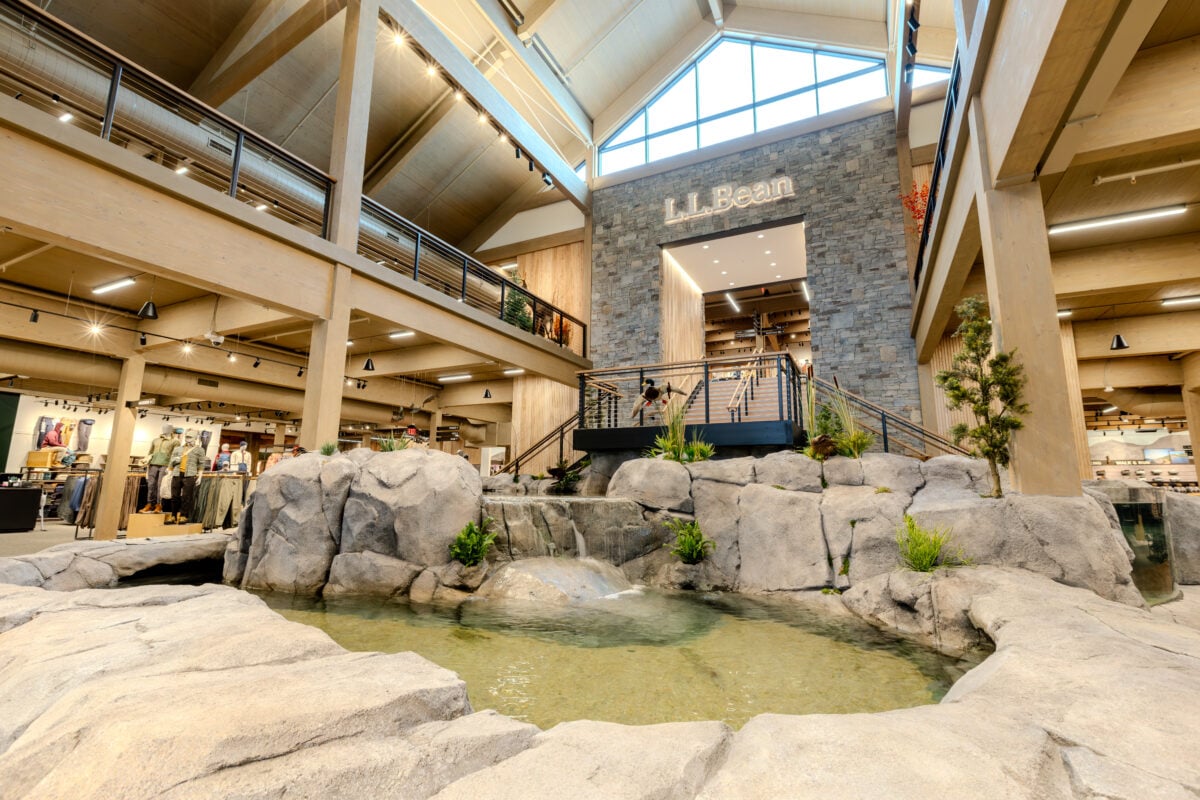
The reimagined Flagship store and campus, which is visited by many Canadian tourists each year, immerses customers in the outdoor lifestyle inspired by Maine and surrounds them with the products designed to enjoy it.
Features include:
A new first floor primary entrance centered by a grand staircase that welcomes customers into the elevated shopping experience.
A two-tiered trout pond, 2x times the size of the previous pond, fronting the grand staircase with more viewpoints and better accessibility.
A new stream tank with twice the space for fish and more accessible viewing bubbles to accommodate fish fans of all ages.
An all-new Custom Shop with expanded monogramming, engraving, and embossing options for a more interactive and easier-to-shop experience.
A new 1912 Café enlarged to 3,000sqft, overlooking the Custom Shop and Main Street, and featuring a tastier menu of favorites.
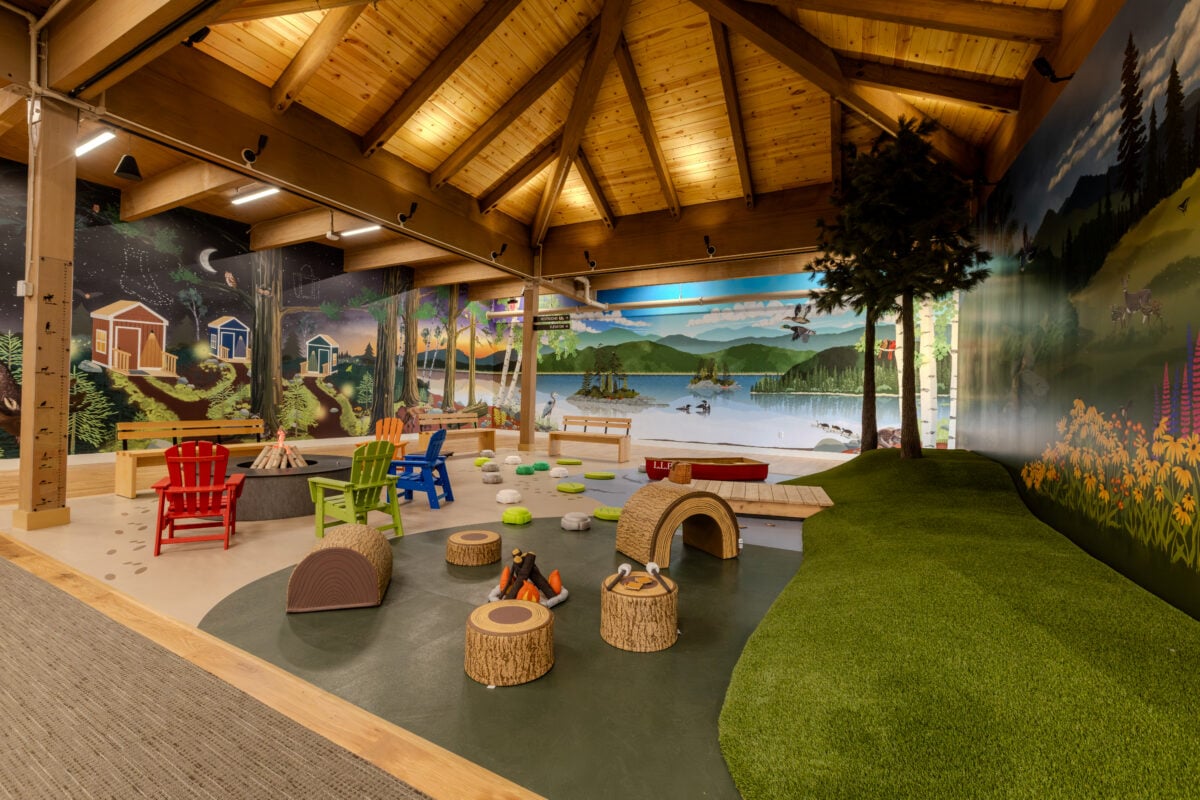
A remodeled kids’ department inspired by a children’s focus group and designed to keep the camp vibes going.
An expanded Discovery Park, the center of the Flagship campus, that adds green space and enhances our outdoor programming.
Heritage moments throughout the store that celebrate our iconic products such as the Bean Boot and the Boat and Tote, as well as the Flagship through its various eras.
A more identifiable Main Street entrance and façade that is better suited for pedestrians.
A unified New England Village aesthetic first established by the Home Store and Hunt and Fish Store.
Greg ElderShawn Gorman
“When my great-grandfather, L.L., opened his first retail space above the Freeport post office in 1917, he never imagined what it would become – our home for more than 110 years and the unofficial hub of downtown, welcoming more than 3 million visitors a year,” said Shawn Gorman, board chairman and great-grandson of L.L.Bean. “This is as much a celebration of his legacy and for Freeport as it is for L.L.Bean. We can’t wait to unveil to our customers and our community a Flagship for the next century.”
In an interview with Retail Insider, Elder spoke about the latest developments with the retailer.
What prompted L.L.Bean to undertake the multi-year renovation of its flagship store in Freeport, and what did the company want to change about the customer experience?
The Flagship has welcomed people to Freeport for more than 110 years and is a beloved icon. However, we wanted to reimagine the flagship for the next 100 years and took the bold step to create the future of experiential retail while preserving the history and traditions people love.
Our Flagship has always been more of a destination than a store. The goal was to lean into that and create a more immersive experience that better showcases our products, heritage, and the Maine outdoor lifestyle. That includes an expanded Discovery Park where the outdoors becomes part of the campus, a larger trout pond and stream tank, a new interactive kids department, an expanded 1912 Café, a Custom Shop where you can personalize your favorite L.L.Bean products, and historical moments throughout the store that celebrate iconic products and the company’s heritage.
L.L.Bean photo
How much has L.L.Bean invested in the renovation, and how does the company expect the reimagined flagship to contribute to the broader business?
L.L.Bean invested $50 million in the reimagination of the Flagship and surrounding campus, the most significant investment we’ve made in our retail experience.
More than three million people visit the Freeport campus each year, so the Flagship plays an important role in both our business and how people experience L.L.Bean. The reimagined campus allows us to showcase our products and innovation in new ways while creating an experience that brings both new and longtime customers closer to the brand for longer periods of time. As we continue to grow across stores, digital, wholesale and other channels, Freeport will remain an important destination for experiencing L.L.Bean firsthand.
The flagship attracts more than three million visitors a year; how has customer behaviour and expectations changed since the store was last significantly updated?
Customers have more ways to shop than ever before, but they’re still seeking out L.L.Bean to outfit them for their outdoor lifestyle. What has evolved is what they expect from a physical store. They still value trying on products, seeing and feeling them firsthand and getting advice from our experts, but they increasingly expect the overall experience to offer something beyond the transaction.
That means creating a place where customers can be fully immersed in the brand, while continuing to deliver the service and expertise they’ve always received from L.L.Bean. The reimagination gives customers more ways to experience L.L.Bean and connect with the outdoor lifestyle in real life. Whether someone is preparing for a major outdoor adventure or simply looking to get more fresh air in their everyday life, our purpose remains the same: helping inspire and enable everyone to experience the restorative power of being outside.
L.L.Bean photo
How important are experiential elements such as the trout pond, stream tank, Custom Shop, café and Discovery Park to L.L.Bean’s retail strategy and ability to drive customers to physical stores?
Exceptionally important, but it’s about more than just driving customers to the store. They provide interactive experiences with the brand that can only be had in person. The Custom Shop brings personalization and craftsmanship to the forefront; the 1912 Café creates a natural gathering place; and Discovery Park gives us greater capacity for concerts, events and Outdoor Discovery Program activities.
At the same time, we knew it was important to preserve beloved features like the trout pond and stream tank. Both have been reimagined to be larger and more accessible, carrying familiar pieces of the Flagship forward for a new generation. Together, these elements give customers more ways to engage with L.L.Bean when they visit and make the Flagship an experience that extends beyond shopping.
With the renovated flagship intended to serve as a home for the brand for the next century, what does L.L.Bean see as the role of its Freeport campus in the company’s future retail strategy?
The Flagship in Freeport will continue to be the home of L.L.Bean and the fullest expression of who we are as the outdoor lifestyle brand. It gives us a place to bring our products, heritage, and purpose together in a way that is uniquely L.L.Bean.
It also reflects how we think about the future of physical retail as we export the Flagship experience to regional stores: creating spaces that combine innovative, outdoor inspired products with great service, personalization, programming and experiences.
Last year we opened seven new stores including our first in Florida. This year we will have opened eight new stores, including our first in Alabama and Tennessee. Next year we are opening ten new stores including our first stores in North Dakota, Arkansas, Nebraska, Iowa and South Carolina.
L.L.Bean photo
With the flagship store, what can they tell me about Canadian visitors to that location each year?
With so much commonality between Maine and Canada, Canadian customers have been an important part of the L.L.Bean community for many years. We deeply value the connection we have with our neighbors to the north who embrace the outdoor lifestyle and have a strong affinity for our products and brand. We’re always grateful to welcome Canadian guests to Freeport and hope the newly renovated campus gives them even more reasons to visit, shop our outdoor inspired products, and experience our outdoor lifestyle brand in person.
In terms of redevelopment of the store, would this concept see its way into Canadian stores in the future?
The concepts and philosophy will see its way to all stores, and in many ways, they already have, especially when it comes to product and brand. The reimagined flagship reflects how we think about the future of physical retail as we export the experience to regional stores. We are creating spaces that combine great shopping with great service, personalization, programming and experiences. We also work closely with Jaytex, our Canadian partner, whose understanding of the Canadian retail landscape helps ensure that new concepts are thoughtfully adapted to resonate with Canadian customers and communities.
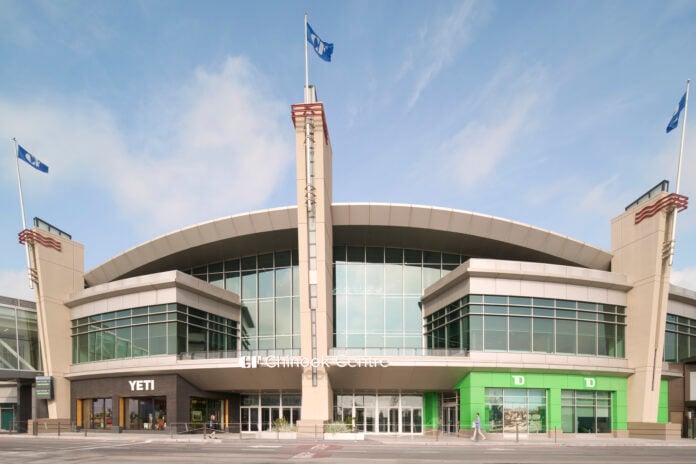
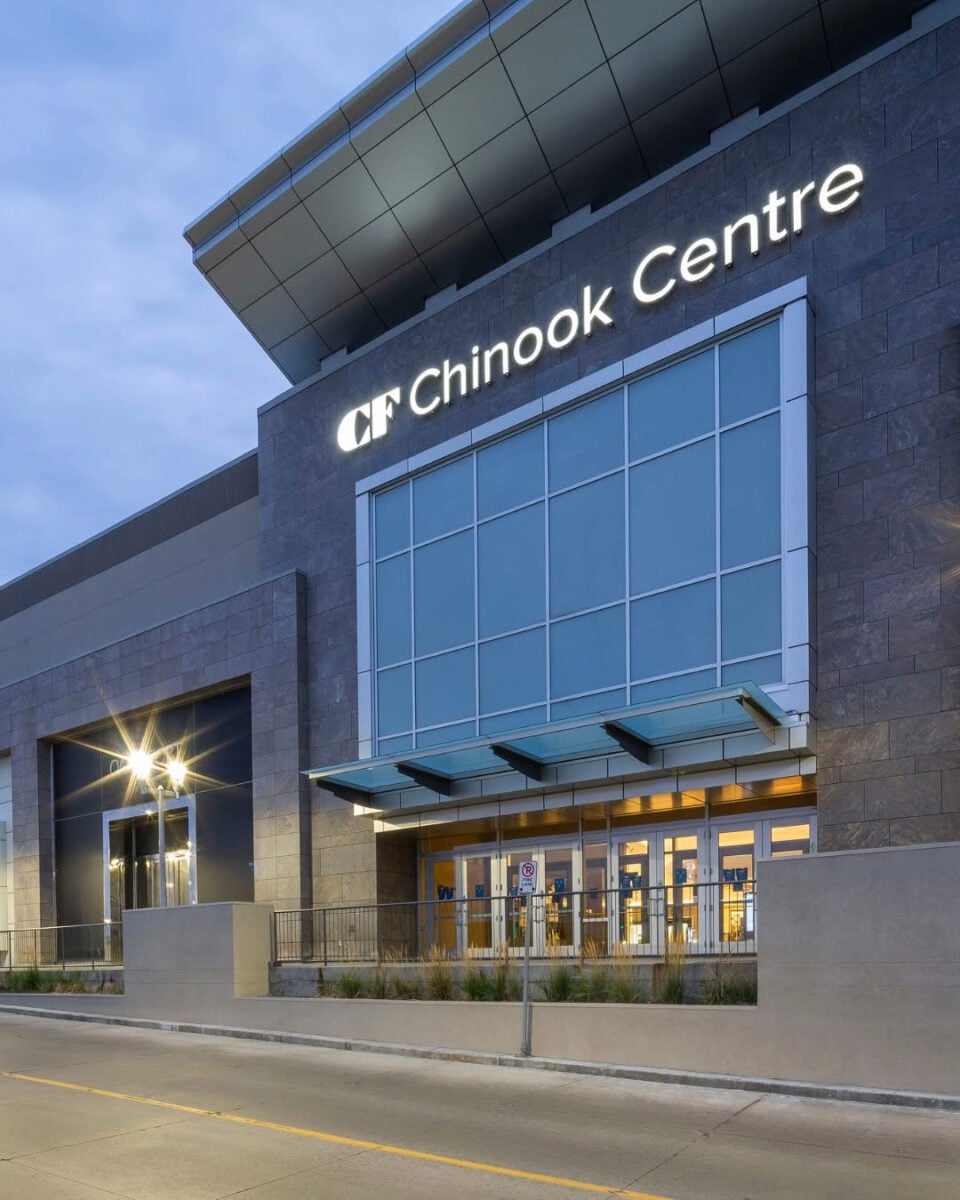
Calgary’s iconic shopping centre, CF Chinook Centre, has announced it will be adding three high profile retailers to its tenant mix.
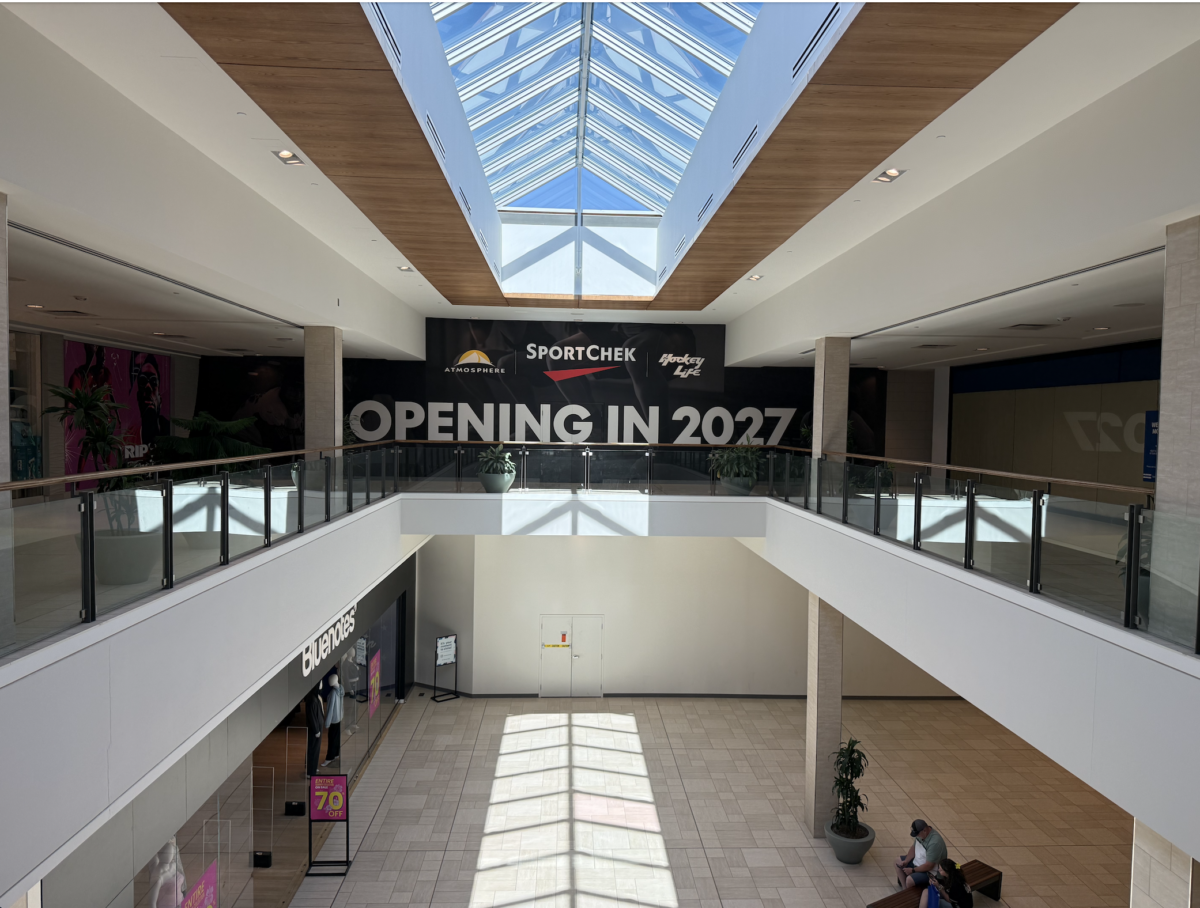
General Manager Darren Milne said Old Navy is scheduled to open in mid November and will be approx 15,000 square feet; SportChek will open in Spring 2027 and will be approx 66,000 square feet; and Winners will open in Spring 2027 and will be approx 33,000 square feet.
“SportChek will combine their men’s and women’s store into a flagship location on the upper level of the former Nordstrom. They will have both an exterior entrance and a mall entrance. The lower level of the former Nordstrom will be home to Old Navy and Winners. Both will have a mall entrance only,” explained Milne.
Chinook Centre, one of the top performing malls in Canada and operated by Cadillac Fairview, has opened several permanent retailers this year.
Darren MilneCF Chinook Centre photo
“These new retailers, combined, occupy over 25,000 square feet. Some of those retailers included Alforno, Shake Shack, Skechers, Dolce Vita, Knix, The North Face and Abercrombie and Finch to name a few,” noted Milne.
“And we’re still not done with 2026 new store openings. Another 30,000 square feet of retail space will be occupied this year by Chipotle, Wingstop, New Balance, Samsonite, Holister, and Saint Germain Bakery. In addition the relocated Ice Breaker and Sleep Country/Silk & Snow will open later this year.
“There is already significant leasing activity for 2027, and our shoppers can expect to see more food service and fashion tenants joining us. In 2027 we’ll relocate several existing tenants to new areas of the shopping centre, as we make room to welcome many more tenants in 2028. This next three years will be transformational for us, as we reimagine our tenant mix in order to provide a vibrant and unparalleled shopping experience for our guests.”
Future Sport Chek Destination store at CF Chinook Centre Calgary. Photo by Mario Toneguzzi
Milne said the shopping centre expects to release more information about the former Bay and Saks locations in 2027.
“But it’s fair to say that there’s good demand, and our leasing team is engaged in several meaningful negotiations with multiple tenants for the remaining space,” he said.
“We’re really proud of how this redevelopment of the former Nordstrom has taken shape. It’s allowed us to welcome back Old Navy and right size SportChek. And Winners is a tenant our shoppers often ask for. We believe all three will perform exceptionally well, and are looking forward to their openings.”
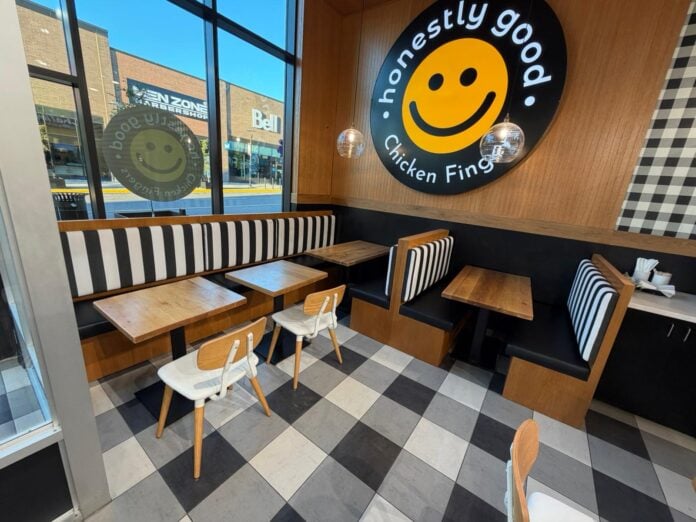
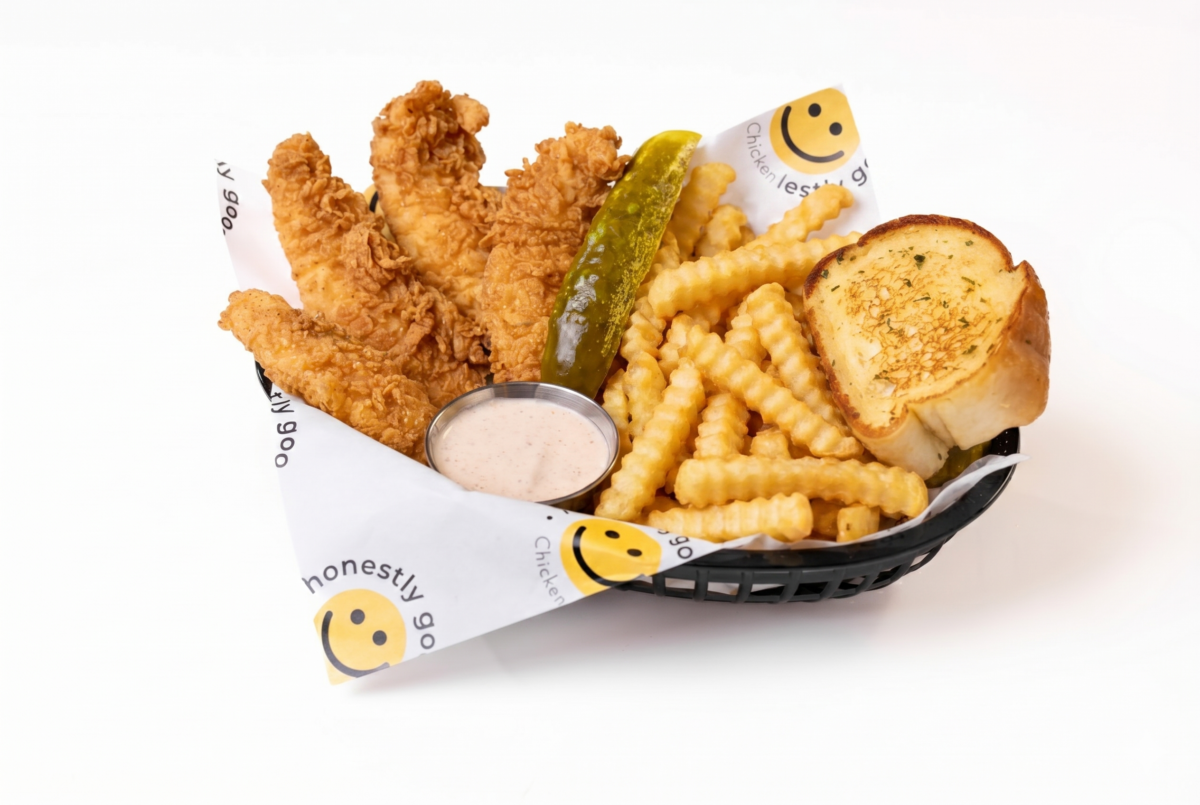
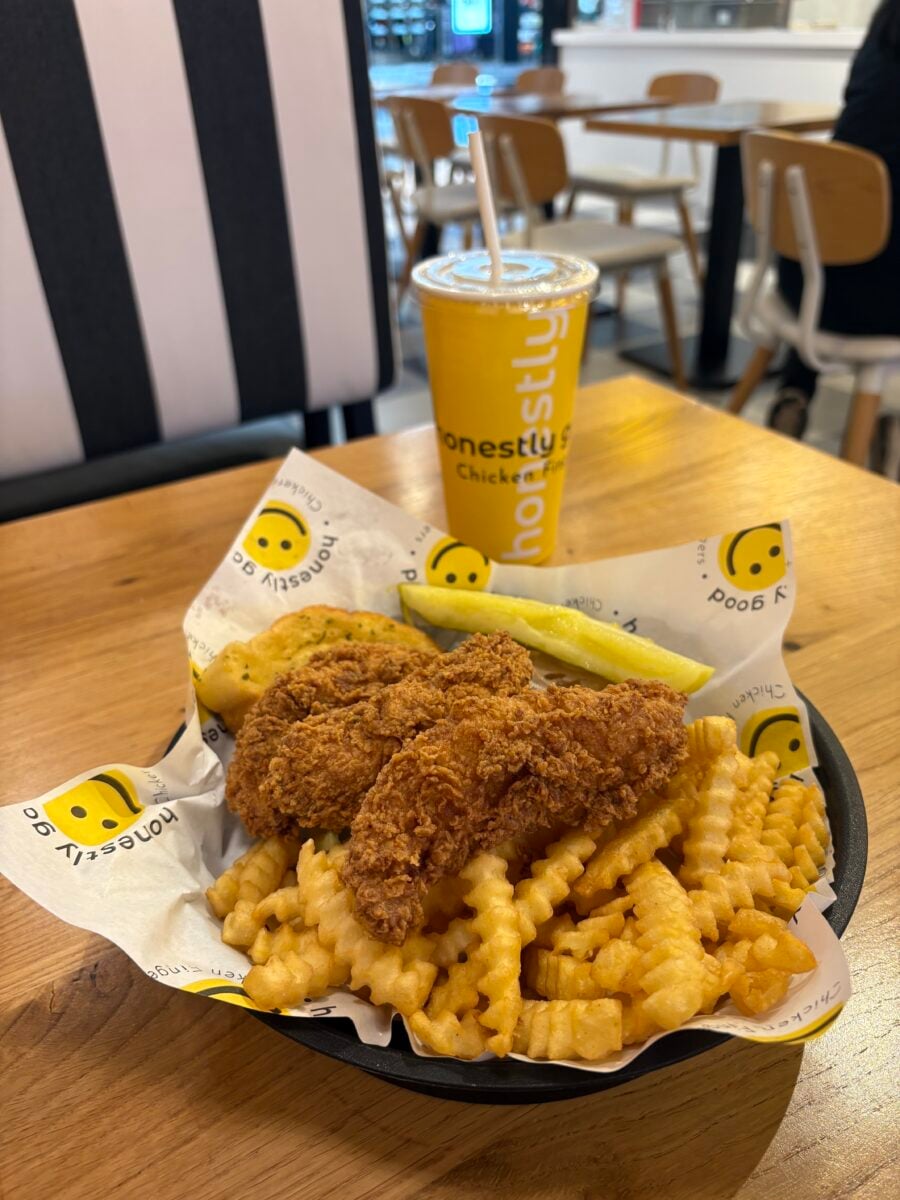
Honestly Good Chicken Fingers has ambitious plans for international growth and a new joint venture with Serruya Private Equity will help the Canadian-born fast-casual brand expand across Canada, the United States, Asia and the Middle East.
“This is a major milestone for Honestly Good and one we have been very deliberate about,” said Stephen Czetyrbok, Co-Founder andCEO of Honestly Good Chicken Fingers. “Serruya understands what we have built and where we believe it can go. They bring tremendous experience in growing brands, and we believe this partnership gives Honestly Good an opportunity to reach a worldwide audience.”
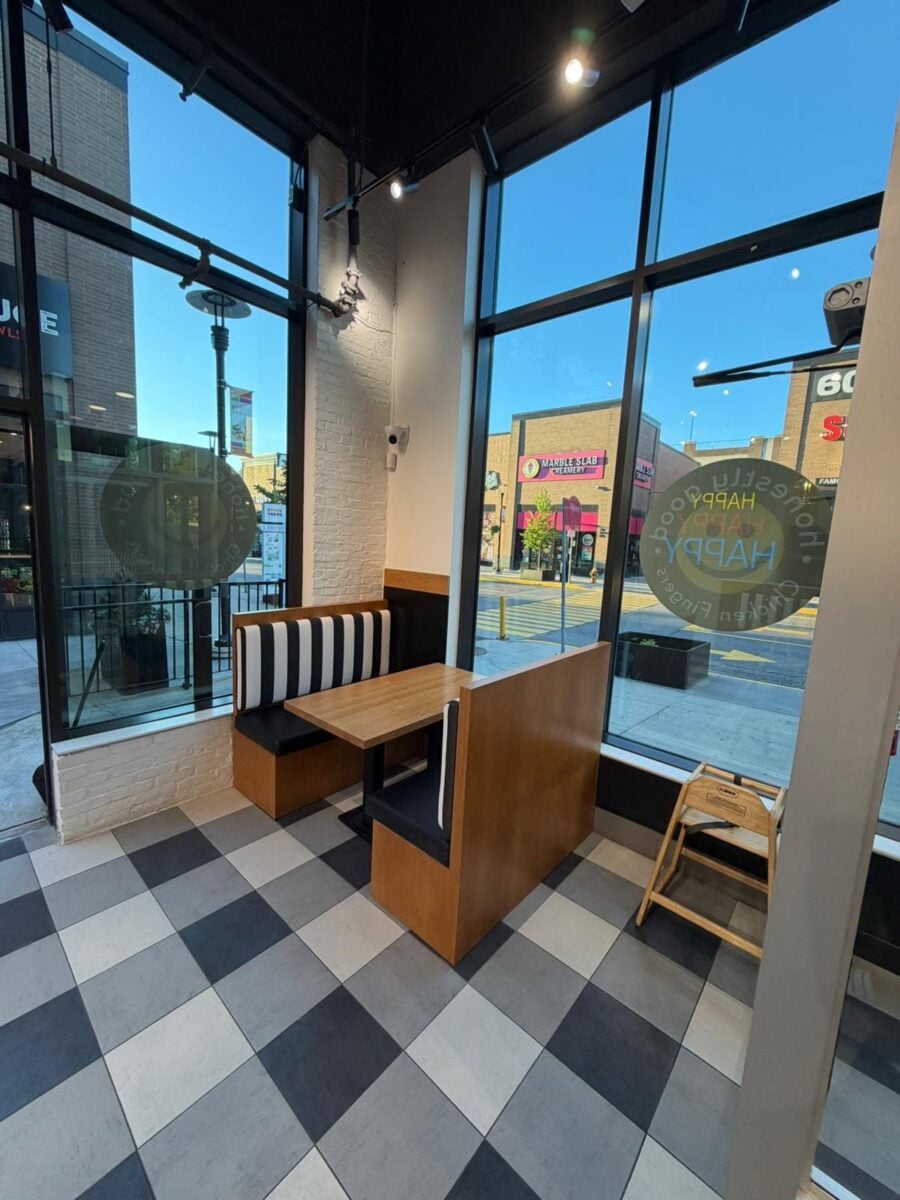
The brand has steadily expanded its presence in Ontario with a fast-casual concept based on freshly prepared chicken finger products. The brand currently operates four restaurants across the Greater Toronto Area (GTA), with three additional Ontario locations expected to open by early-2027.
Honestly Good Chicken Fingers photo
“Honestly Good has built a strong concept with a great product, a clear identity and significant room to grow,” said Aaron Serruya, Managing Director of Serruya Private Equity. “We see an opportunity to take what has resonated with customers in Ontario and introduce it to new markets in Canada and around the world. We’re excited to partner with the Honestly Good team and help build the next chapter of the brand.”
In July, Honestly Good Chicken Fingers appointed Naomi Kempkes as President, marking a new chapter for the Canadian-grown brand as it continues its expansion across Canada and the United States.
As Co-Founder and former Vice President of Operations, the company said Kempkes has been instrumental in building the brand’s foundation, overseeing day-to-day operations, developing systems to support consistency and performance and helping shape the company’s overall vision and culture.
Stephen Czetyrbok & Naomi Kempkes
Serruya Private Equity is a family-owned investment firm based in Markham, Ontario. Since 1986, the Serruya family has built, invested in and operated food, retail and franchise businesses with its own capital. The firm’s activity spans restaurants, food and beverage, specialty retail and real estate.
The two companies will focus on introducing the Honestly Good brand to new markets while maintaining the experience that has driven its growth in Ontario. As Honestly Good enters its next phase of growth alongside Serruya, the company’s existing ownership will remain actively involved in the brand and its future direction, overseeing operations and training to maintain the quality and consistency of the Honestly Good experience as it expands into new markets.
Honestly Good Chicken Fingers photoHonestly Good Chicken Fingers photo
The companies said they will begin identifying opportunities for expansion across Canada and the United States, along with international markets in Asia and the Middle East.
Specific markets and new restaurant locations will be announced as plans are finalized.