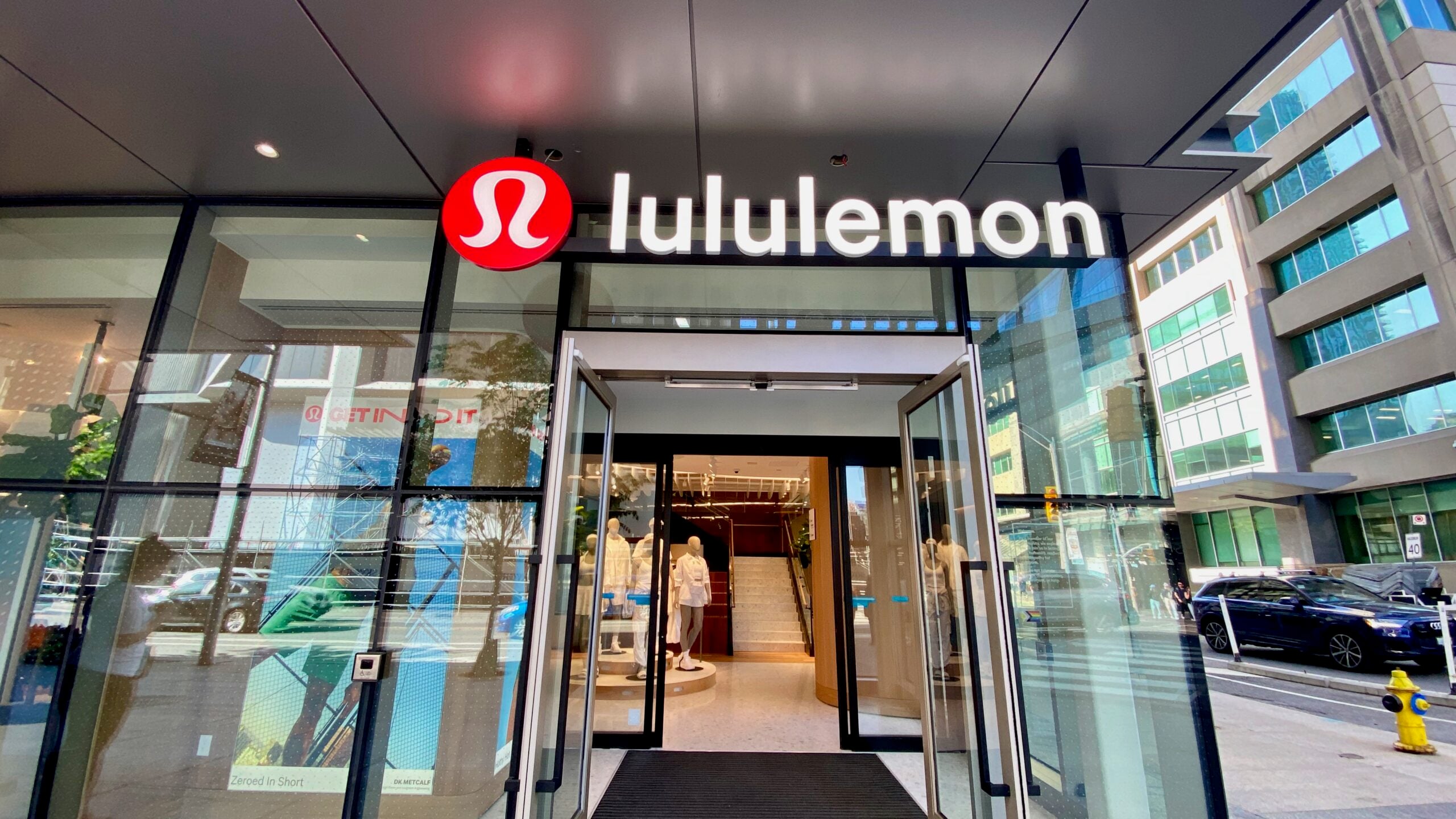
Canadian retailers continue opening stores, renovating existing locations and introducing larger, more elaborate retail concepts, even as recent employment figures point to uncertainty in the labour market. The contrast is raising questions about whether continued investment in physical retail is translating into comparable growth in the industry’s workforce.
Suzanne Sears, owner of Best Retail Careers, believes the relationship between store expansion and employment deserves closer examination. In an interview with Retail Insider, she suggested that population aging, corporate restructuring and more selective hiring could help explain why visible investment in stores does not always correspond with employment growth.
Sears pointed to the development of increasingly sophisticated retail environments, including experiential stores designed to attract customers and encourage longer visits. She questioned how those investments fit with the employment picture, particularly when retailers are also facing pressure to control operating costs.
“What’s going on is what I’ve been asking all summer and started asking in the spring,” Sears said, referring to the apparent disconnect between new store investment and employment trends.

Retail Employment Data Tells a Complicated Story
Canada lost 68,000 jobs in September 2026, following a decline of 42,000 in August, according to Statistics Canada’s Labour Force Survey. The unemployment rate increased to 6.5%, while the national employment rate fell to 60.6%, marking its second consecutive monthly decrease.
The September losses were concentrated in the public sector, where employment declined by 70,000 positions. Private-sector employment was little changed, an important distinction when considering what the national figures mean for retailers.
Employment in wholesale and retail trade declined by approximately 9,600 positions during September. However, the category includes wholesalers as well as retailers, meaning the figure does not establish how many jobs were lost specifically in storefront retail.
Separate Statistics Canada payroll figures showed that retail employment increased by approximately 25,300 positions, or 1.3%, between February and July 2026. Gains were recorded in clothing and accessories, general merchandise, food and beverage, and motor vehicle dealerships, among other categories.
Retail job vacancies nevertheless declined by approximately 5,500, or 10%, in July compared with the same month a year earlier. The figures suggest that retailers were adding employees earlier in the year even as the number of available positions was falling.
The payroll figures and Labour Force Survey use different methodologies and cover different reporting periods, so they cannot be treated as a continuous monthly comparison. Together, however, they demonstrate why the industry’s employment outlook is more complicated than a straightforward decline.
Are Retailers Operating With Fewer Employees?
Sears believes some retailers may be allowing staffing levels to decline gradually through employee departures rather than announcing large-scale layoffs. Businesses can continue investing in new locations while becoming more selective about replacing workers at existing stores.
She offered a hypothetical example of a store that previously operated with four employees but now functions with three. The reduction might not be immediately apparent to customers, she suggested, although the remaining employees would have to absorb additional responsibilities.
“If a store used to have four and now they have three, it might not be perceivable to the consumer,” Sears said. She added that employees would notice the difference because the workload previously shared among four people would now fall on three.
For retailers managing labour costs, leaving positions vacant can be less visible than closing stores or announcing restructuring. The possibility raises questions about how companies are allocating staff across existing locations while pursuing expansion elsewhere.
The broader labour market provides some context, although it does not establish how widespread the practice may be in retail. Statistics Canada reported a national layoff rate of 0.7% in September, close to historical levels, while the job-finding rate declined to 30.6%, compared with 32.8% a year earlier and a pre-pandemic average of 36.5%.
Those figures indicate that unemployed Canadians are having greater difficulty finding work even though layoffs have remained relatively low. Sears also suggested that employment reductions at larger corporations could offset some gains associated with new stores, particularly when companies reorganize head-office operations, distribution functions or existing retail networks.
The distinction matters because new store openings are highly visible, while gradual changes in replacement hiring may attract little attention. Both can influence total employment, but they are not equally apparent when assessing the industry’s expansion.
Population Aging Changes the Labour Equation
Canada’s changing demographics add another dimension to the discussion. Statistics Canada reported that the labour force participation rate declined to 64.8% in September, its lowest level since December 1997 when the pandemic year of 2020 is excluded.
The agency attributed much of the longer-term decline to population aging. Canadians aged 65 and older represented 23.2% of the population aged 15 and over in September, compared with 20.5% in 2019 and 14.8% in 2000.
Sears believes retirements could create additional challenges for retailers that depend on experienced employees, particularly those with established product knowledge, customer relationships and operational expertise. Replacing those workers involves more than filling vacant positions, especially in stores where service and specialist knowledge are central to the business model.
She sees three possible forces affecting retail employment: older workers leaving the industry, younger employees not necessarily viewing retail as a career, and larger corporations reducing positions. The combination, she suggested, could make it difficult for hiring associated with new stores to offset employment reductions elsewhere.
Younger Canadians are facing challenges of their own. Employment among people aged 15 to 24 fell by 48,000 in September, while the youth labour force declined by approximately 50,000.
Although those figures cover the entire economy, they are relevant to an industry that has traditionally provided entry-level and part-time employment. Sears questioned whether enough young people view retail as a viable long-term career, particularly when opportunities for advancement and professional development are not always apparent.
Immigration is another consideration. Statistics Canada noted that higher immigration temporarily moderated the demographic effects of population aging in 2023 and 2024, before the longer-term trend resumed in 2025 and 2026.
For retailers, changes in immigration can affect both the availability of workers and the size of the potential customer base. Sears sees those effects as interconnected, particularly for companies considering expansion into markets where population growth has supported retail demand.
Store Expansion Doesn’t Tell the Whole Employment Story
The employment discussion comes as retailers continue investing in Canadian locations. UNIQLO has been expanding its store network, MINISO is introducing larger formats in selected shopping centres, and Browns Shoes has invested in redesigned retail environments intended to improve the in-store experience.
These developments demonstrate the continuing importance of physical stores, but they do not establish whether employment across the broader industry is increasing at the same pace. A new location can create jobs in one market while the same company, or other retailers, adjust staffing elsewhere.
For commercial landlords, developers and leasing professionals, the distinction is significant. Store openings, new leases and renovations demonstrate demand for physical space, but they do not necessarily reveal how many employees will be required to operate those locations or whether overall retail employment is expanding.
Retailers must also balance labour expenses with customer expectations. More sophisticated store environments can increase the importance of knowledgeable employees and personalized service, even as businesses face pressure to manage operating costs.
Sears said economic uncertainty, including tariffs, is another factor affecting some companies’ Canadian expansion discussions. She indicated that retailers have raised concerns about proceeding with investments, although she did not identify specific companies or confirmed project cancellations.
These considerations could influence how businesses approach future hiring, particularly when evaluating the performance of existing locations alongside potential new stores. The challenge is determining whether continued investment in physical retail is being accompanied by the workforce needed to support it.
A Broader Measure of Retail Growth
Canada’s recent employment figures do not demonstrate that retailers are systematically reducing staffing or that new stores are failing to generate jobs. The increase in retail payroll employment earlier in 2026 shows that the industry continued adding workers during parts of the year, even as hiring conditions became more uncertain.
The figures nevertheless raise questions about how physical expansion, workforce availability and employment growth fit together. Sears believes retail deserves greater attention in discussions about Canadian employment because of its importance to local economies and the opportunities it provides to workers at different stages of their careers.
For retailers and property owners, the number of new locations or the amount of space leased tells only part of the story. Understanding the industry’s next phase of growth will also require examining how stores are staffed, how experienced employees are replaced and whether investment in the workforce is keeping pace with the changing demands of physical retail.