Last week Toronto City Council approved a motion to study and develop a plan for a 4-store public grocery test. But should government focus on food insecurity this way & will these stores work?
Food Affordability
I think we can all agree that there are serious issues in Canada and in Toronto as it relates to food affordability.
Global food inflation has increased significantly since the pandemic due to a number of factors such as changing weather patterns & its effect on crop yields, herd sizes, cost increases from large global consumer-packaged-goods (CPG) companies who have used price as a way to meet earnings targets, increasing input costs such as fertilizer, ingredients, energy, labour and more.
This has become more critical as other household spending costs such as housing & rent, insurance, taxes and the like have taken a bigger bite out of consumer disposable income.
Wages too, particularly for lower income consumers (bottom quartile), have not kept up with inflation. These people are feeling the squeeze more than others as their disposable income is lower & an increase in food costs hits harder.
Also, unemployment has ticked upward, particularly for younger consumers.
So how should governments address this issue?
Bruce Winder
Public Run Grocery Stores
On paper, the concept of opening non-profit government run grocery stores may sound attractive at first glance. Why?
First, the concept is easy to understand and discuss. It makes for a great political soundbite. Second, the perception with consumers is that grocers make a lot of money and by operating these stores at break-even, they would save shoppers a significant amount of money (30-40%). Thirdly, it conveniently paints grocers as the “bad guys” taking on the role as scapegoat for decades of poor policy decisions & inaction.
Challenges With Opening & Running Public Grocery Stores
If and when the government completes its business case for the 4-store public grocery pilot, they will no doubt face a number of challenges with making the concept viable.
Current Grocery Margins
Last year, I completed an analysis that looked at the average net income % for Canada’s big 3 grocers (Loblaw, Metro, Empire) over a 3-year period and it was about 4%. This profit rate has remained fairly constant pre and post pandemic. Compare this to global CPG companies who have seen margins climb steadily over the last few years & according to my analysis were about 14%.
This means that after the 3 grocers pay all of their bills, they make $4 of profit on every $100 they sell. Therefore, the most that government can save on prices by operating at break-even is 4%. Even this outcome will be impossible for reasons I discuss below.
Required Infrastructure
To run a grocery store, never mind 4 of them, you need significant infrastructure. Examples include management teams, staff to receive goods, stock shelves, pay suppliers, and much more. You also need technology to administer payment to suppliers, employees & receive payment from shoppers. Store fixtures are not cheap either, particularly for frozen goods. Material handling equipment is a must also.
Does the city already have this infrastructure? If not then they need capital to purchase it or operational cost to lease equipment. This must be factored in too.
Scale Economies
Combined, Canada’s 3 big grocers buy many tens of billions of dollars a year from suppliers. That volume allows the grocers to buy food at very low costs. The more you buy, the lower the price. If Toronto opens 4 grocery stores, food costs will be exponentially higher based on volume.
If the city does not have its own supply chain infrastructure & suppliers must handle that capability, then prices go up even further as the city will need to buy from distributors who add their mark-up.
Expertise & Efficiency
Canada’s existing 3 big grocers have a combined three hundred years of experience and expertise selling food. This has enabled them to become incredibly efficient at what they do. Same with independent grocers who have sold into Toronto neighborhoods for decades.
Can governments really offer the same or anywhere near this efficiency? If not, costs soar and service falters.
Gustavo Fring photo
Pricing & Demand
Based on the challenges that have been outlined above, I can’t see a world where the city could sell groceries cheaper than existing discount grocers & still break-even. Therefore, the city would need to spend tens of millions of dollars of taxpayer money on subsidies to attempt to do so. This would no doubt cause significant harm to local independent grocers who sell in the GTA, not to mention larger grocery chains who employ thousands of Torontonians.
Now, let’s assume for a moment that the city has an appetite to sell at a tremendous subsidized loss to save consumers 30-40%. How would the city manage the demand of millions of GTA shoppers rushing the stores from all income groups and all geographies to buy cheaper than existing grocers?
Shelves would be bare. Crowds would be massive. Parking lots would be jammed. Line ups would be hours long. Social unrest would ensue.
Opportunity Cost
If the City of Toronto gets into the grocery business and spends tens of millions of dollars on the initiative, what else could it have spent that money on?
If one believes in specialization & doing what you do best then the City of Toronto should focus on governing and let grocers of all sizes focus on selling food.
Certainly, the city could use more attention in other key areas such as crime, transit & housing.
Gustavo Fring photo
What is the solution?
The inconvenient truth is that global food prices will continue to increase.
From my perspective, the way out of this involves 2 steps:
Invest the money earmarked for the test to bolster Toronto’s existing food bank network. Buy more food for these facilities to offset a drop in donations.
Increase Canada’s productivity. Champion key industries that provide high paying jobs (ie. technology, energy) to eventually increase real wages for all income groups, especially those in the bottom half of the economy.
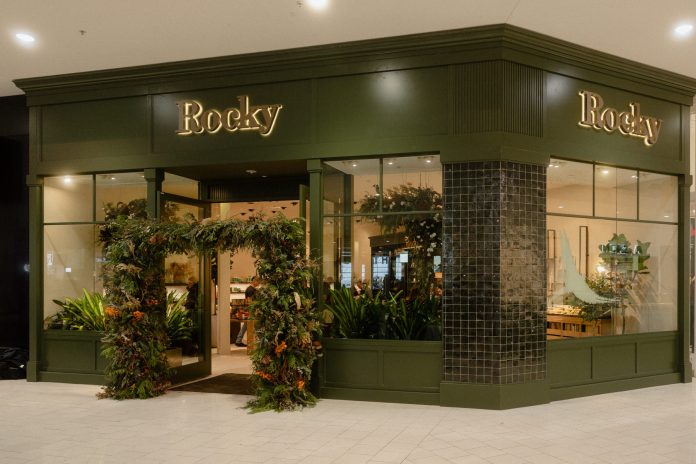
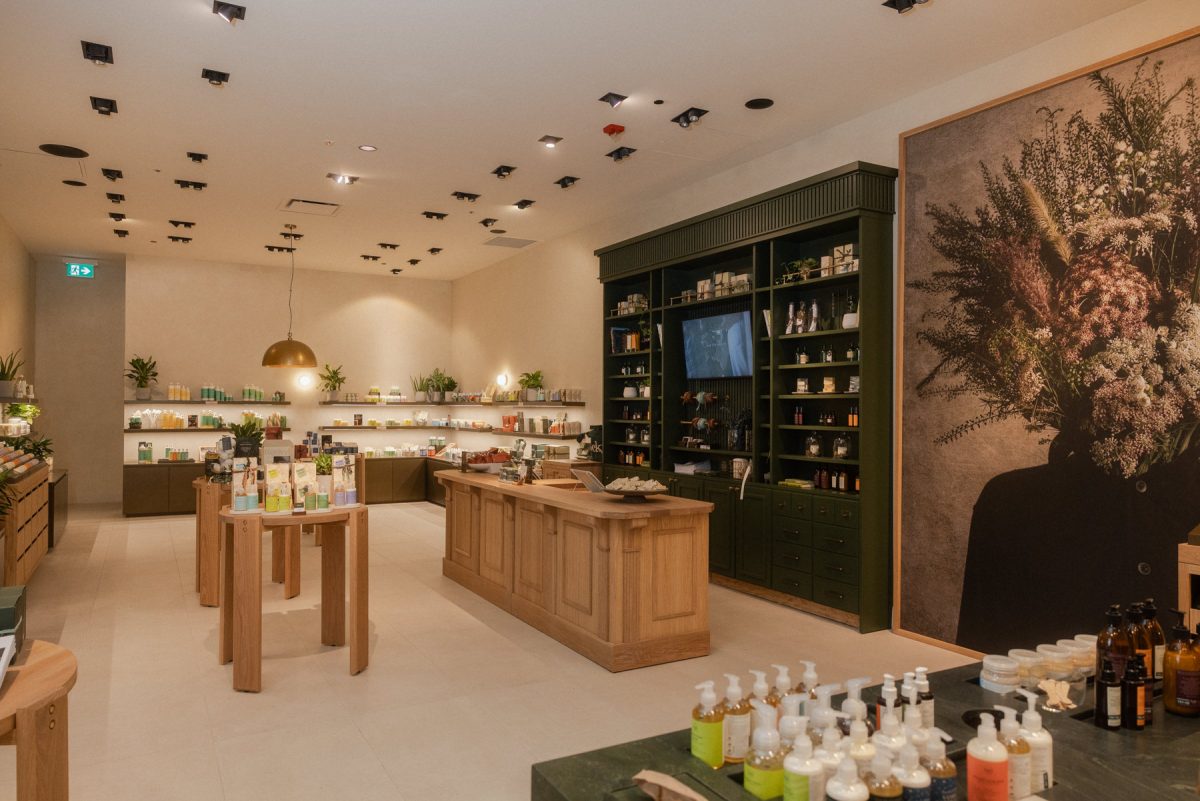
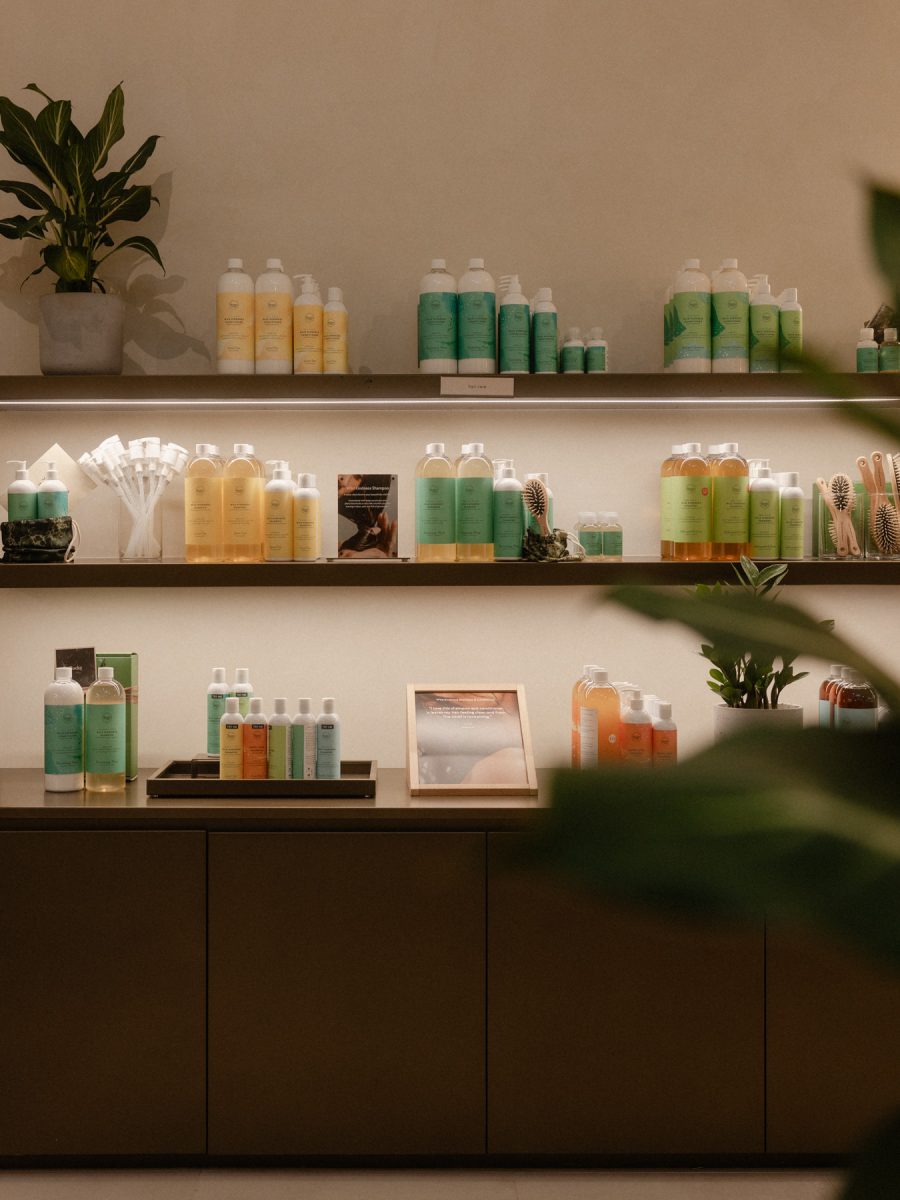
True to its nature-first ethos, Rocky’s stores are anchored in the company’s philosophy of connecting with nature. The exteriors feature a deep earthy green, reminiscent of walking into a forest. Paired with lush plants and organic textures, the space becomes an environment that invites customers to slow down and connect. The result is a space that feels less like traditional retail and more grounded and human.
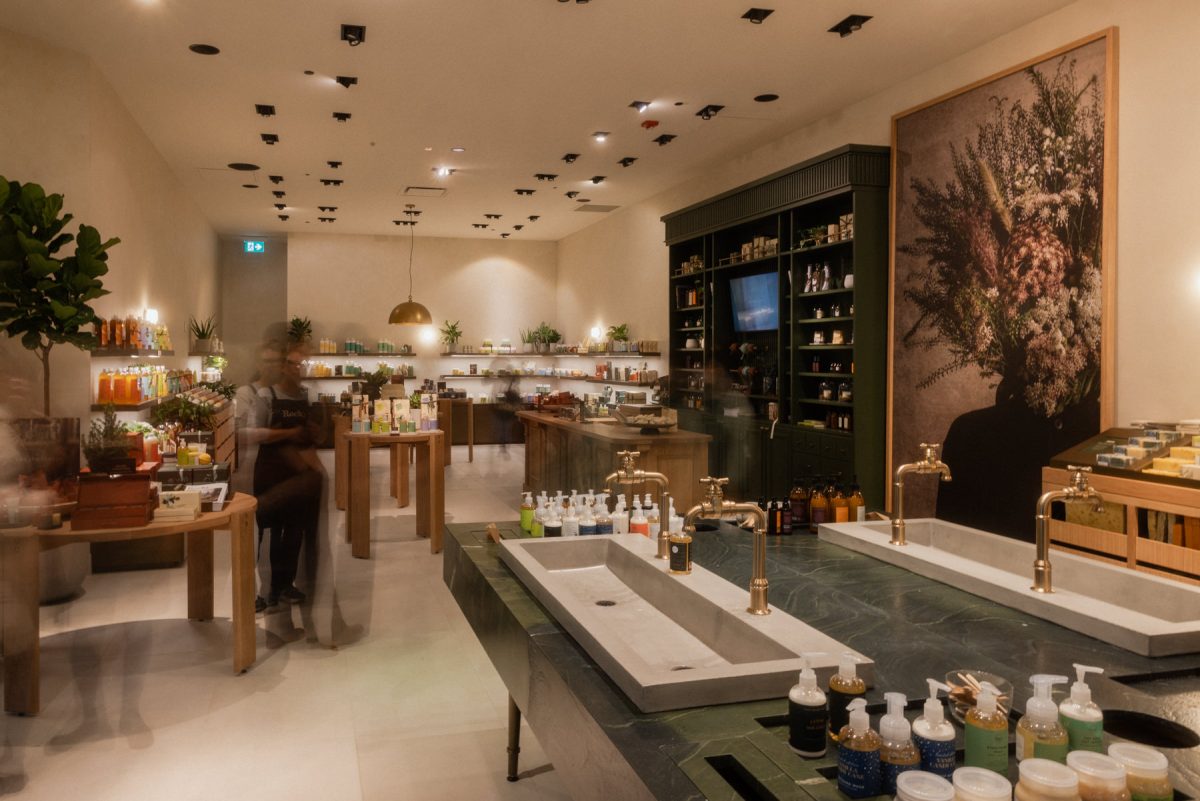
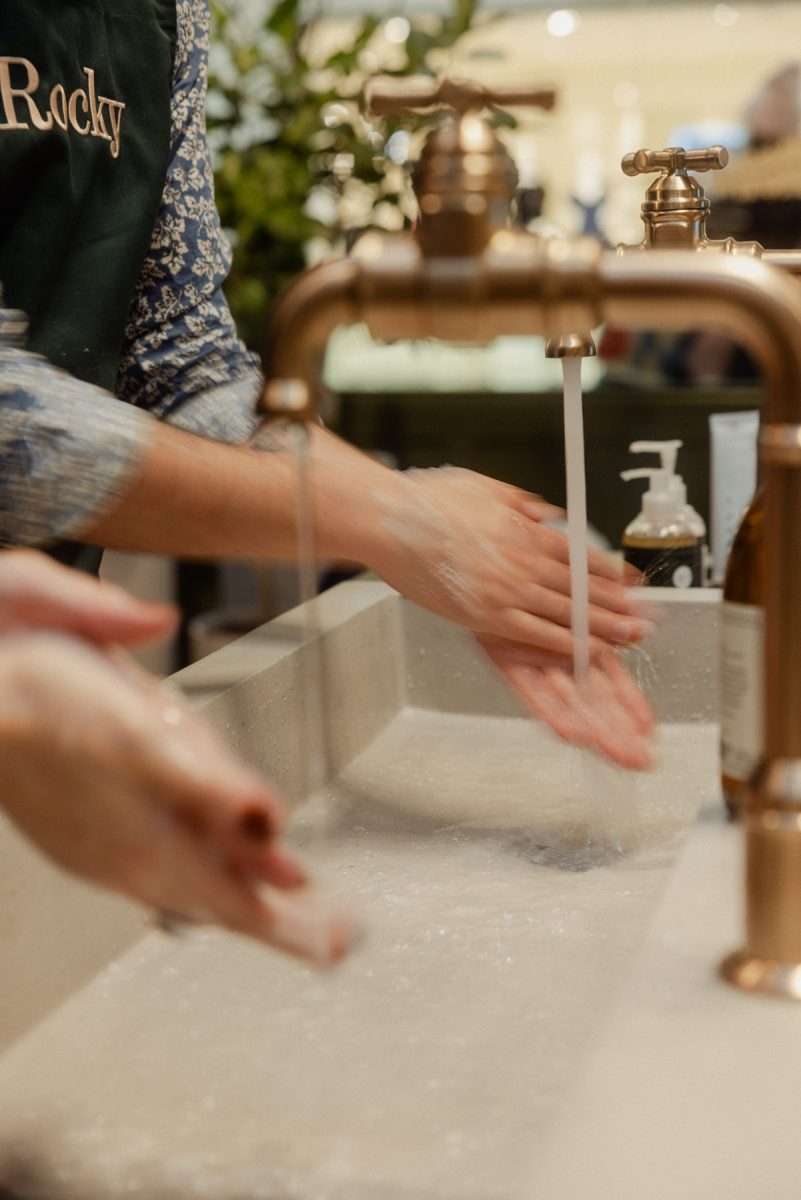
At the heart of this is Rocky’s signature quartzite community sink: a sculptural focal point designed not just for product testing, but for gathering. It’s where customers are invited to connect, explore, and experience Rocky’s products in a hands-on, sensorial way. It’s immersive, communal, and quietly powerful from a design perspective, turning something as simple as a sink into the emotional centre of the space.
Beyond design, Rocky’s stores are built around people. At the heart of the experience are store associates who meet customers where they are, offering thoughtful, personalized recommendations rooted in care. It’s not just about selling a product; it’s about building authentic, lasting relationships in a space designed for discovery and connection.
Karina Birch, owner of the brand, said the brand’s first store opened in Canmore, Alberta in 1998. The current ownership bought it in 2000.
There are 14 stores – 10 in Alberta (the Bow Valley, Edmonton, Calgary, Red Deer, and Lethbridge, and Winnipeg, Saskatoon, and two in the Greater Toronto Area.
Karina Birch
Birch said the most rent openings were in Ontario at CF Sherway Gardens and Upper Canada Mall in Newmarket. They opened within the past year.
“The name changed last year. The official change was the summer of last year. We had been slowly working up to that change for the last 10 years informally, because customers referred to us as Rocky. Internally, we called the company Rocky, and we used that language on some of our marketing materials, blogs, gift sets, packaging, emails. So we were informally using the term Rocky, and then we formally made the change across all of our branded assets in summer 2025,” said Birch.
The Canmore store was renovated about three years ago.
“The biggest change is that our sinks got bigger, so we leaned into the experience, building out the experience at the sink. We’ve had sinks in the stores for 20 years, but now we’ve expanded them considerably and made them a feature. They often sit in the centre of the store, and that’s a really important part of the physical experience of the brand,” explained Birch.
“It’s the one time customers get to luxuriate in unique combinations of all our products. At the sink, you can go beyond trying just the soap or body scrubs. It’s almost like entering our lab. The team focuses on coming up with unique combinations . . . Basically, you get to play around like you’re in a lab and try unique combinations, creating beauty or personal care “cocktails,” showcasing versatility and the fact that many products are multitasking formulas. You can use them in three or four different ways.
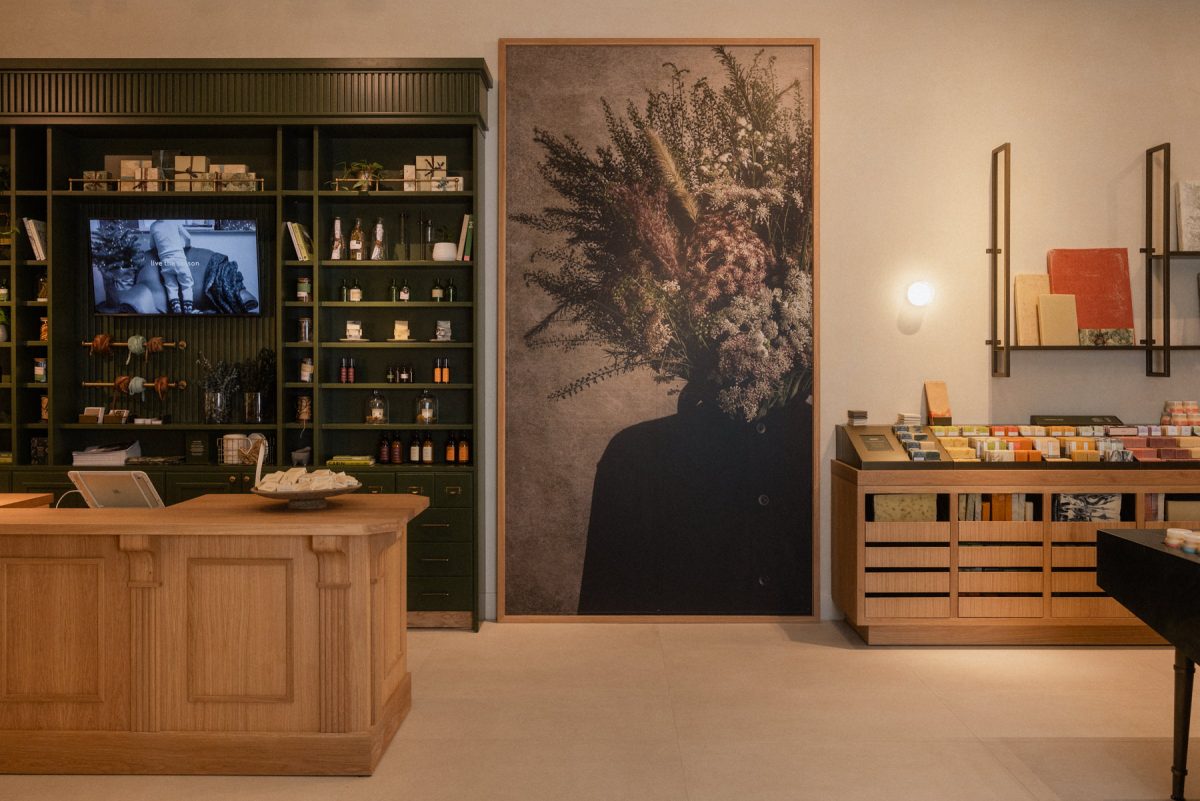
“The sinks have been the biggest change. We’ve also leaned more into bringing nature into the store, so you’ll see more plants and branded content on our screens, telling stories about our connection to nature and highlighting product launches. You’ll also see lifestyle pieces throughout the store, like photography, books or other lifestyle items.”
Rocky photo
When it comes to growth, Rocky is focusing on Ontario.
“We’re looking at new locations to supplement the two stores there. Once we feel we have the traction we want in Ontario, we’ll look to the West Coast. But for now, our focus is Ontario,” added Birch.
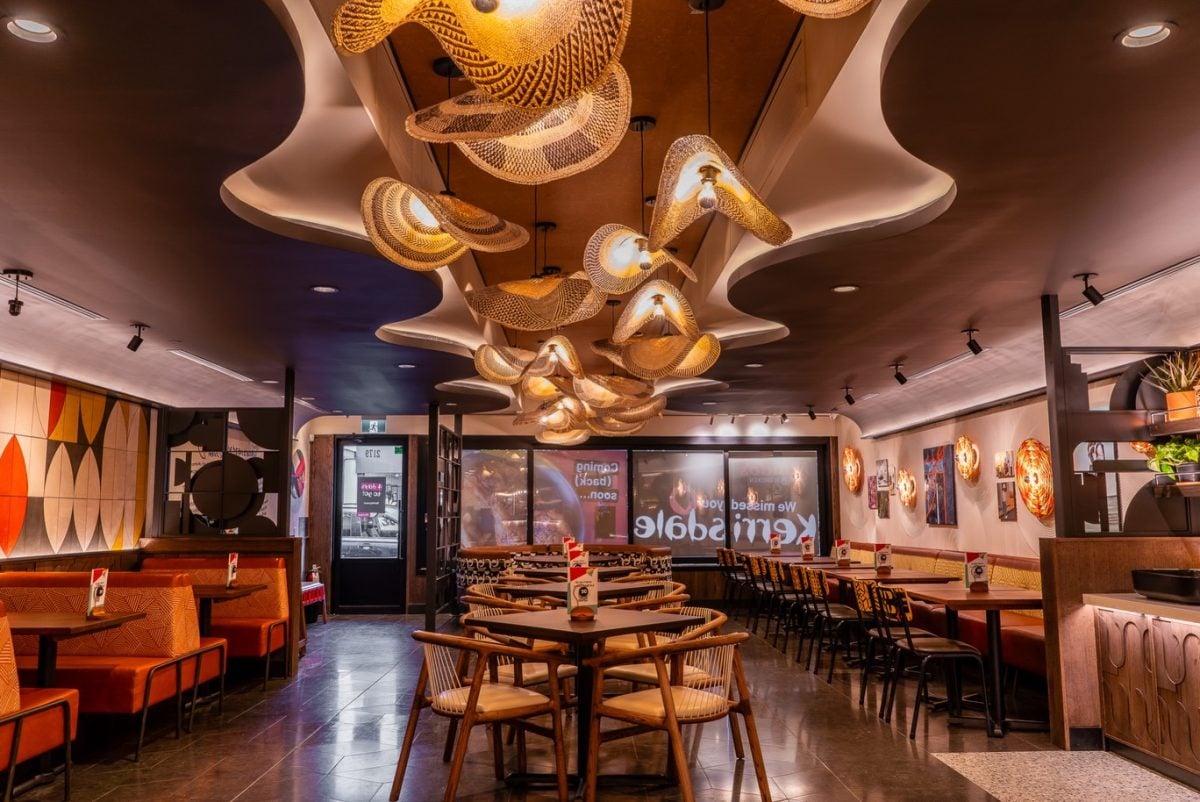
In October 2023, a fire destroyed Nando’s in the Kerrisdale neighbourhood in Vancouver, a community-favourite for two decades.
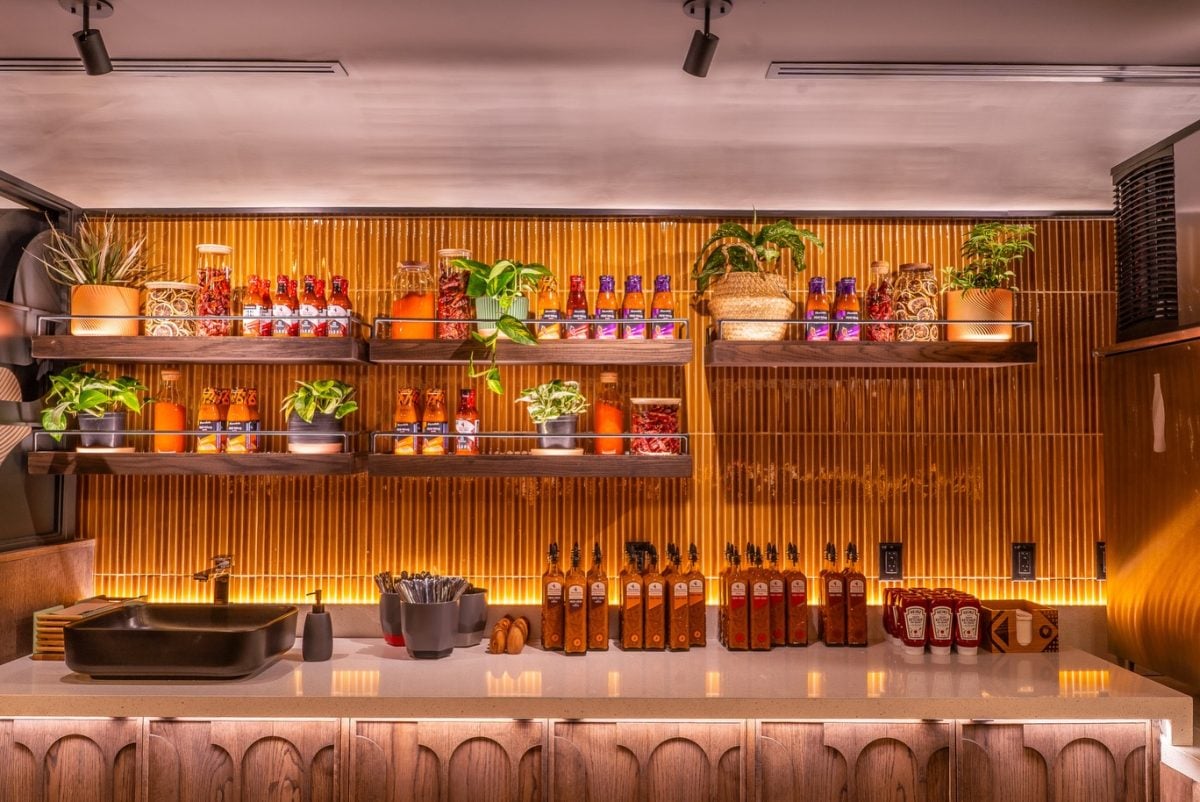
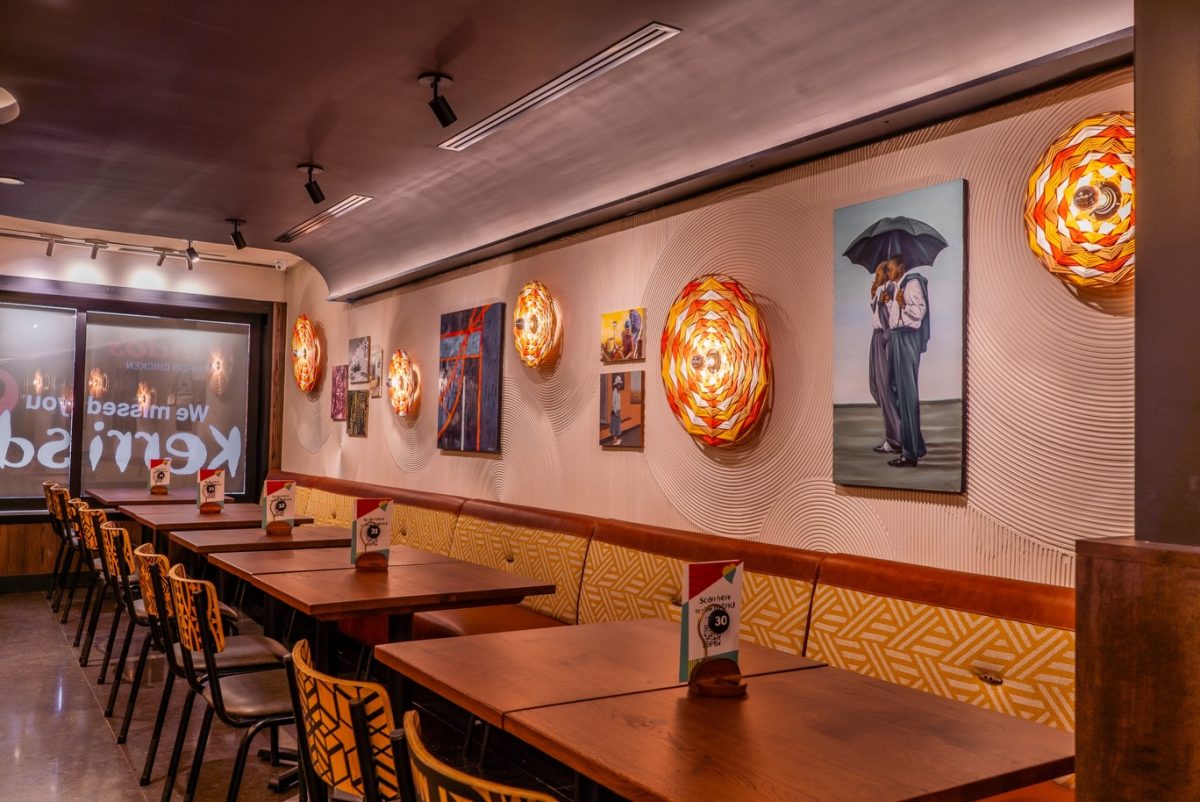
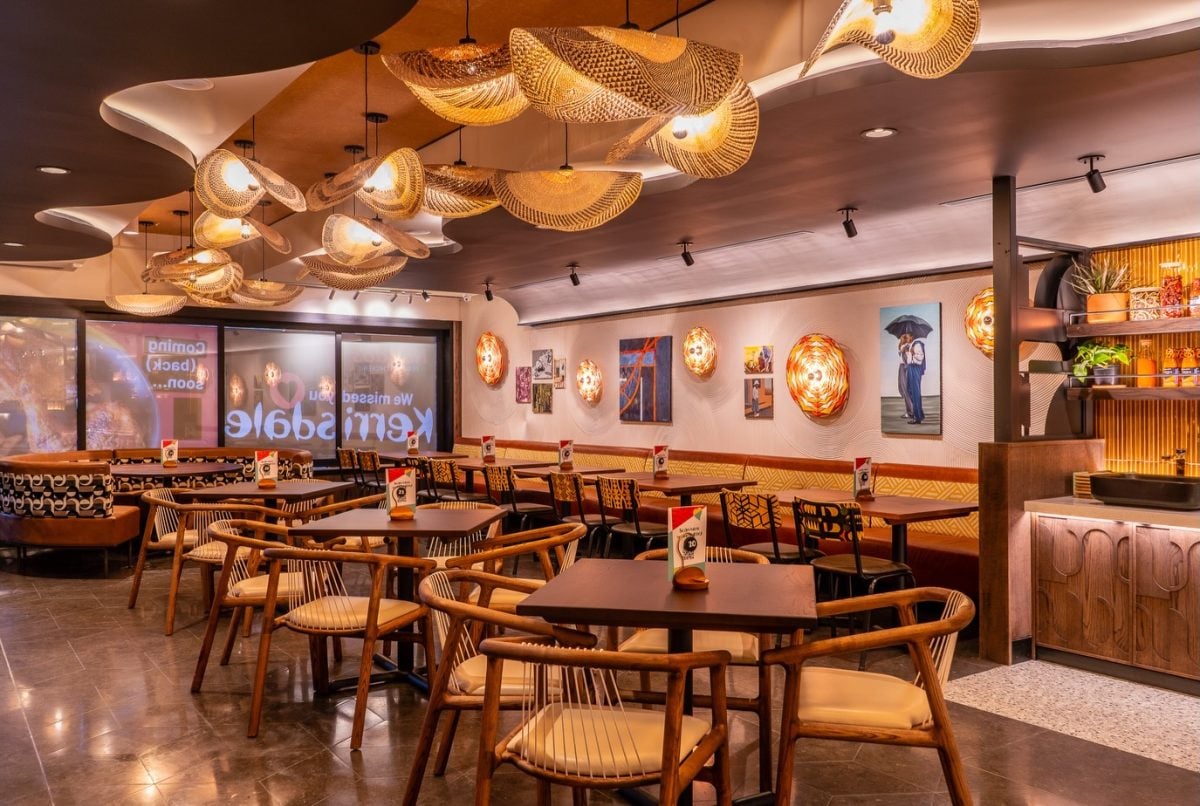
After more than two years of rebuilding, they recently reopened their doors at a new location, which has moved down the street to 2179 West 41st Avenue with a fresh new look and updated interiors.
“Kerrisdale has always meant more to us than just a restaurant location. For 20 years, it was a place where friendships were built, families gathered, and our team truly felt part of the community,” said Sonny Mahal, Owner & Operator, Nando’s Kerrisdale.
Sonny Mahal
“Losing the restaurant in the fire was heartbreaking, but the support we received from the neighbourhood reminded us how special that connection really was. Reopening in Kerrisdale is incredibly meaningful for us, it’s a chance to continue the story, welcome our longtime guests back, and create new memories with the Kerrisdale community.”
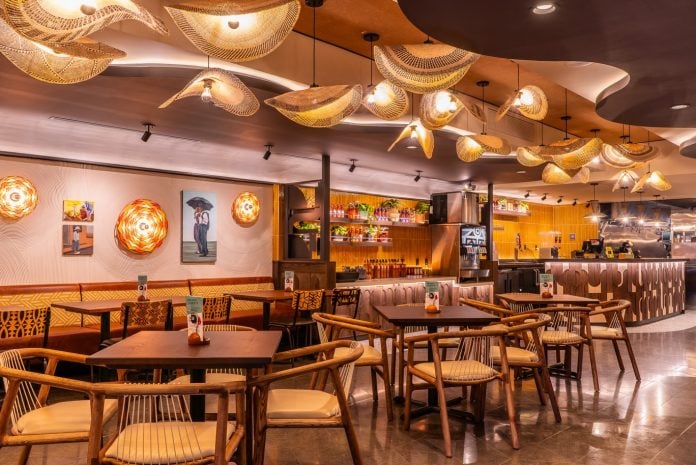
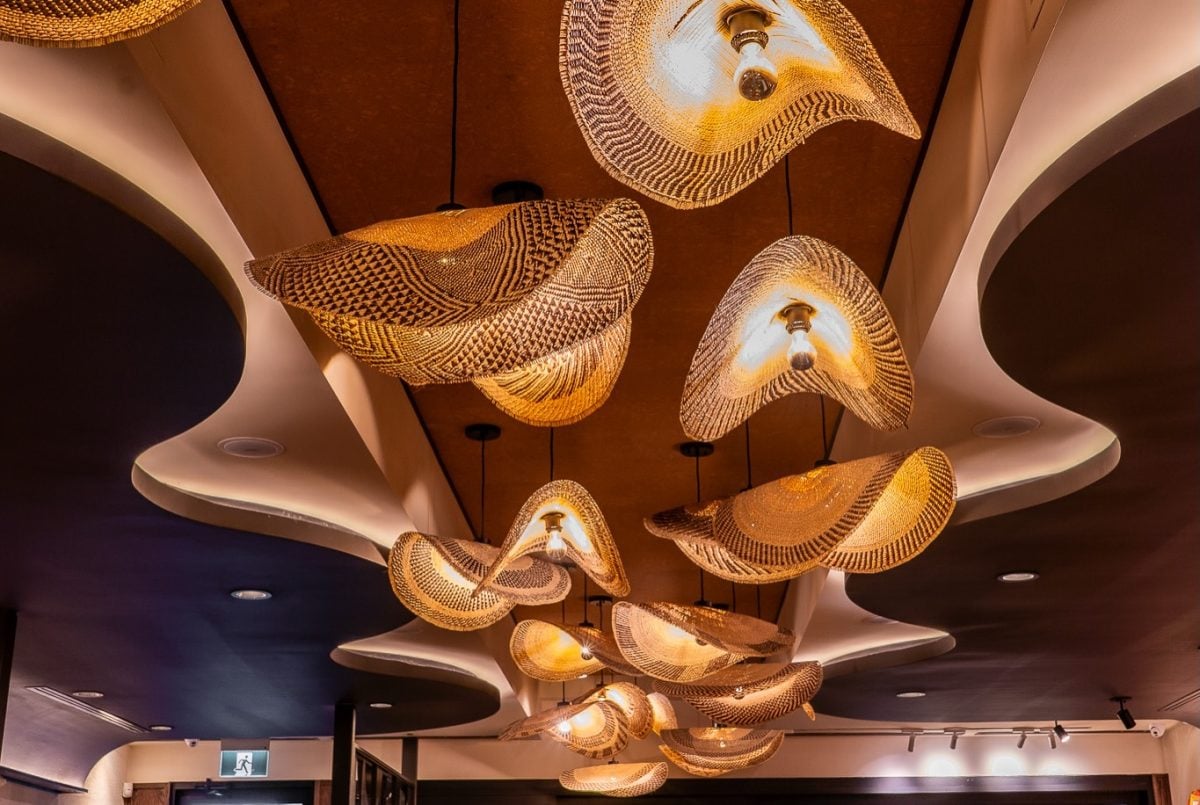
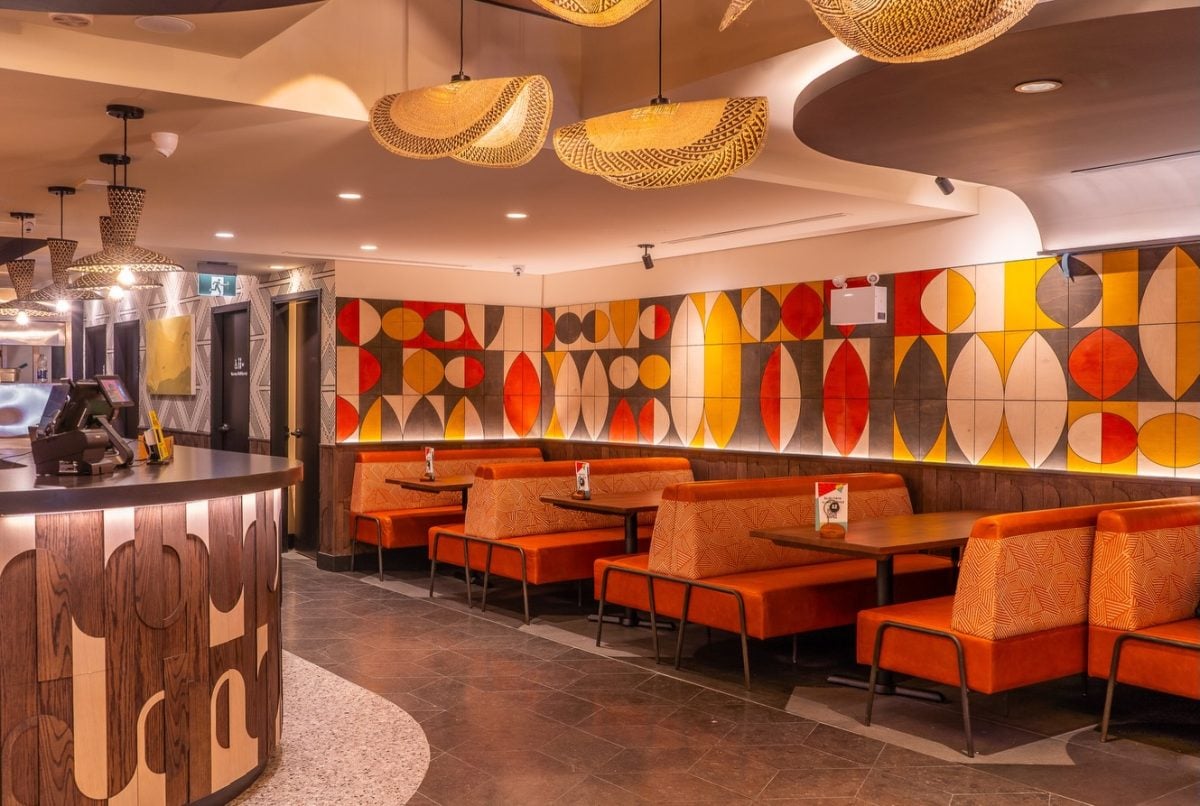
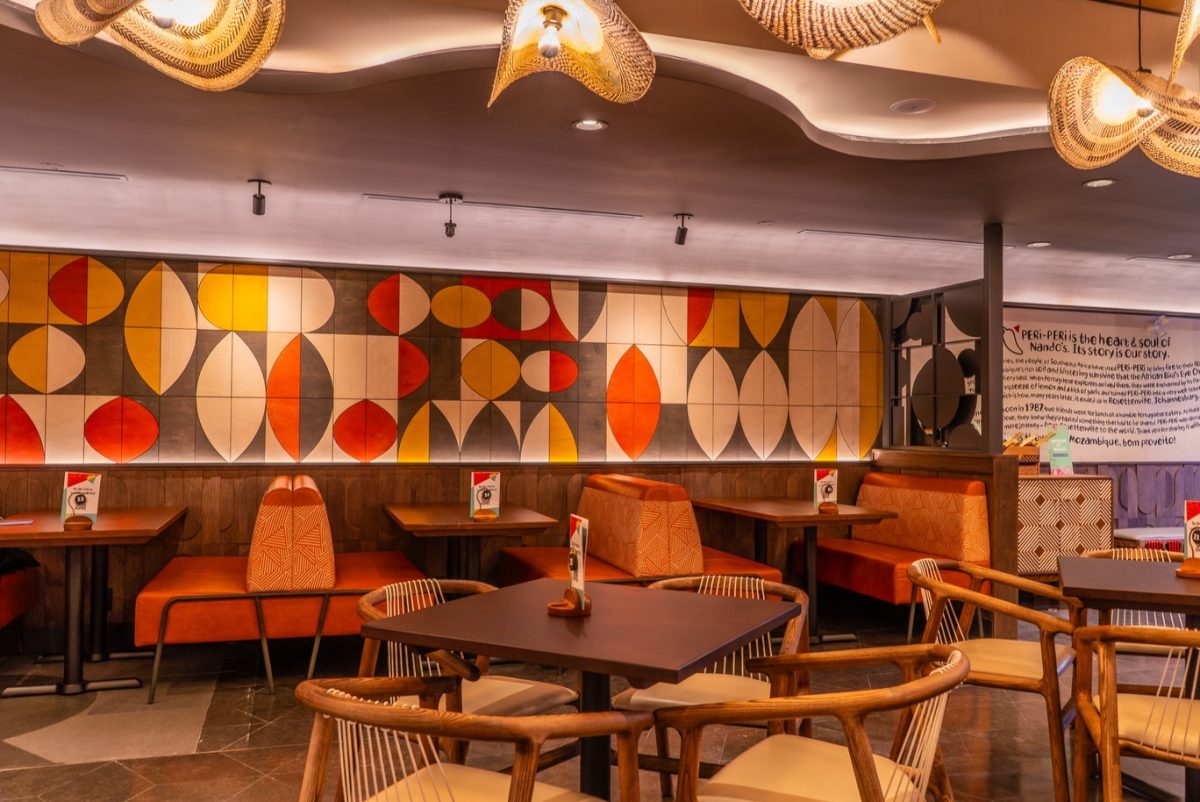
The new restaurant features updated interiors and a refreshed design that reflects a new direction for the brand.
“The Kerrisdale restaurant had been part of the neighbourhood for so long, losing it was incredibly sad for the entire company,” said Lauren Aubry, Director of Marketing for Nando’s Canada. “Seeing the dedication to rebuild after the fire has been inspiring for all of us. We’re excited to welcome guests back.”
Lauren Aubry
Nando’s signature chicken is marinated in PERi-PERi chili peppers for 24-hours and flame-grilled to order in the heat level of your choice, meaning there’s something for both mild lovers and heat seekers. The diverse menu includes sandwiches, wraps, bowls, salads, and more. Guests can choose between dine-in, pick-up takeout, or order for delivery.
After making its 1987 debut in Johannesburg, South Africa, Nando’s expanded to Canada with its first location in 1994. There are currently 29 locations across Canada.
Mahal said he started with Nando’s in 2006 with the location in Kerrisdale. He also has another location in North Vancouver which he has owned since 2021.
Mahal still vividly remembers the night of the fire.
“We were at work, and everything happened so fast. One minute we were cooking, and the next, the fire department came into our building saying everybody needed to evacuate,” he explained.
“We left everything inside, thinking it might be a small incident. But there were police everywhere, a whole bunch from the fire department, smoke coming into our building. We weren’t sure where it was coming from, but we were evacuated and told to stay behind police lines because it was not safe. We stayed there until about eight o’clock in the morning, just watching what was going on.
“The fire happened two doors south, two businesses down, and it slowly spread because these old buildings did not have firewalls. After one building caught fire, it kept spreading. Around 2:30 a.m., it jumped to the restaurant, and that was it. They couldn’t put the fire out. They had over 80 firefighters, and around 5:30 a.m., they made the decision to get a bulldozer and demolish it because it wasn’t coming under control.
“It was devastating. Not just for us, but for our employees too. Over 25 employees overnight lost their jobs. It also affected the neighbourhood—some businesses were here 10–15 years, and some apartment buildings meant people were left homeless. It devastated the community; it affected everybody personally.”
Nando’s photo
Mahal said it was definitely a challenge to rebuild. Challenges included finding a site, construction, and design. They had four design teams involved—from South Africa, the UK, Canada, and U.S. Everything was custom: lighting and furniture from South Africa, tables from the UK, some furniture from the US, tiles from Italy.
“We signed the lease in June. The hardest part was finding a location back in Cardale. We could have opened anywhere in Vancouver, but coming back to this community, where we started, was important. It took two and a half years to finally secure a location,” said Mahal.
“I think the hardest challenge for us was finding a location back in Kerrisdale. Technically we could have opened anywhere in Vancouver but just coming back in this community because we had been here for so long (was important). The support from the community and guests has been amazing,” said Rachel Chand, co-owner.
Today’s Retail Insider articles highlight key moves in Canada’s retail landscape, featuring Groupe Dynamite’s growth driven by relocating into top-tier malls and Farm Boy’s expansion into Collingwood’s secondary market. Additionally, Brunello Cucinelli’s Vancouver flagship enlargement underscores the strengthening luxury retail corridor. Retail Insider also published it annual study of international brands entering Canada. These stories reveal how strategic location choices and market diversification continue to shape retail success across Canada. Below are the detailed insights followed by Canadian Retail News From Around the Web.
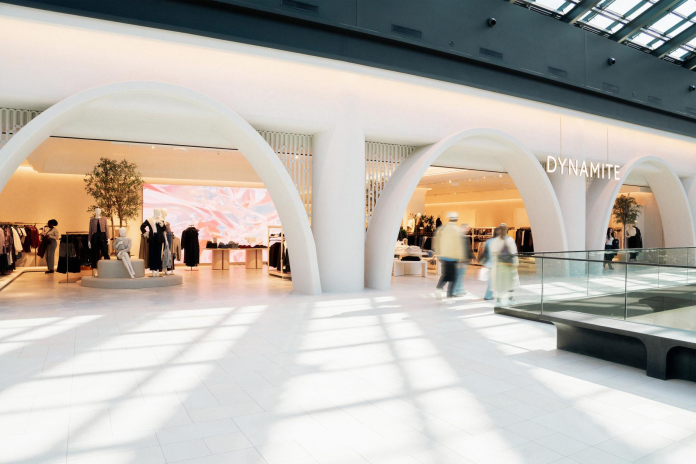
Dynamite store at Royalmount in Montreal. Photo: Charlie Marois, Berenice Golmann
Canadian fashion retailer Groupe Dynamite is seeing strong momentum as a result of a strategic shift toward higher-quality shopping centres and improved store productivity, according to a new report from Stifel.
In a research note published April 1, Martin Landry highlighted that Groupe Dynamite delivered a stronger-than-expected fourth quarter. Importantly, performance was driven primarily by increased sales productivity. As a result, the findings point to a broader retail trend where location quality and operational efficiency play a growing role in performance.
Martin Landry
Top-Tier Mall Strategy Driving Performance
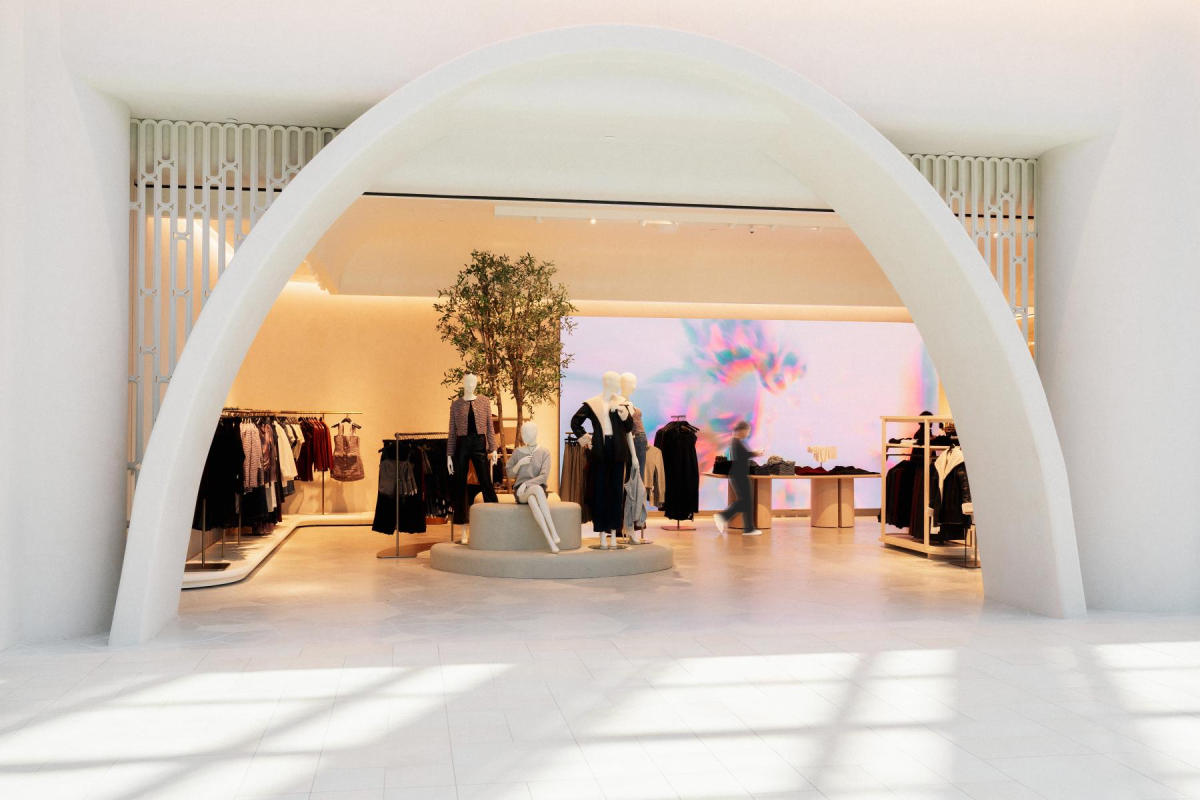
A key driver behind the company’s recent success is its ongoing repositioning of stores into higher-tier shopping centres. Specifically, Groupe Dynamite has been relocating locations from lower-tier malls into top-tier properties, where foot traffic and co-tenancy are stronger.
According to the Stifel report, this strategy is delivering measurable results. Sales per square foot increased by nearly 30% year-over-year, reaching approximately $952. As a result, store productivity improved significantly.
In some cases, the impact of relocation is substantial. The report notes that stores moved into higher-tier malls can generate up to four times the sales of their previous locations, even with similar square footage.
Overall, this dynamic reinforces the importance of premium retail environments. Leading shopping centres continue to attract stronger brands and higher-spending consumers.
Dynamite store at Royalmount in Montreal. Photo: Charlie Marois, Berenice Golmann
Groupe Dynamite’s focus on improving store performance is contributing to strong financial results. For example, quarterly revenue increased by 45%, while margins expanded meaningfully.
The company reported fourth-quarter revenue of $394 million, exceeding expectations. At the same time, EBITDA rose 82% year-over-year. These gains were supported by improved operating leverage, as higher sales volumes were achieved without a proportional increase in costs.
Taken together, these results reflect stronger store productivity and continued optimization of the company’s retail footprint.
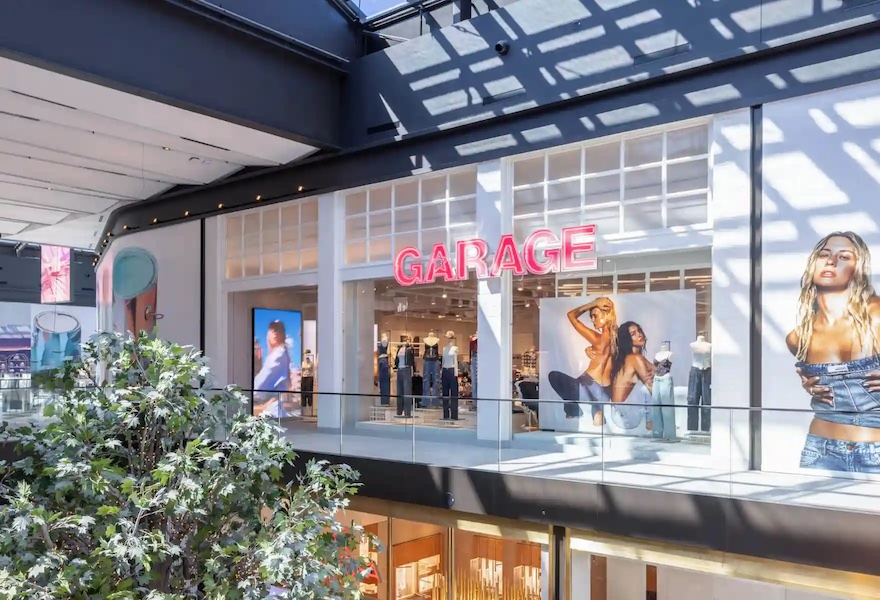
Garage store at Royalmount in Montreal. Photo: Garage/Groupe Dynamite
Implications for Canadian Retail Real Estate
Groupe Dynamite’s results provide further evidence that top-tier shopping centres continue to outperform. On one hand, landlords operating premium properties benefit from stronger tenant sales. On the other hand, retailers are seeing meaningful returns from positioning stores in these environments.
At the same time, lower-tier malls face ongoing challenges. As retailers refine their store networks, productive tenants are increasingly concentrating in higher-performing centres.
As a result, the gap between top-tier and lower-tier retail properties is expected to widen further.
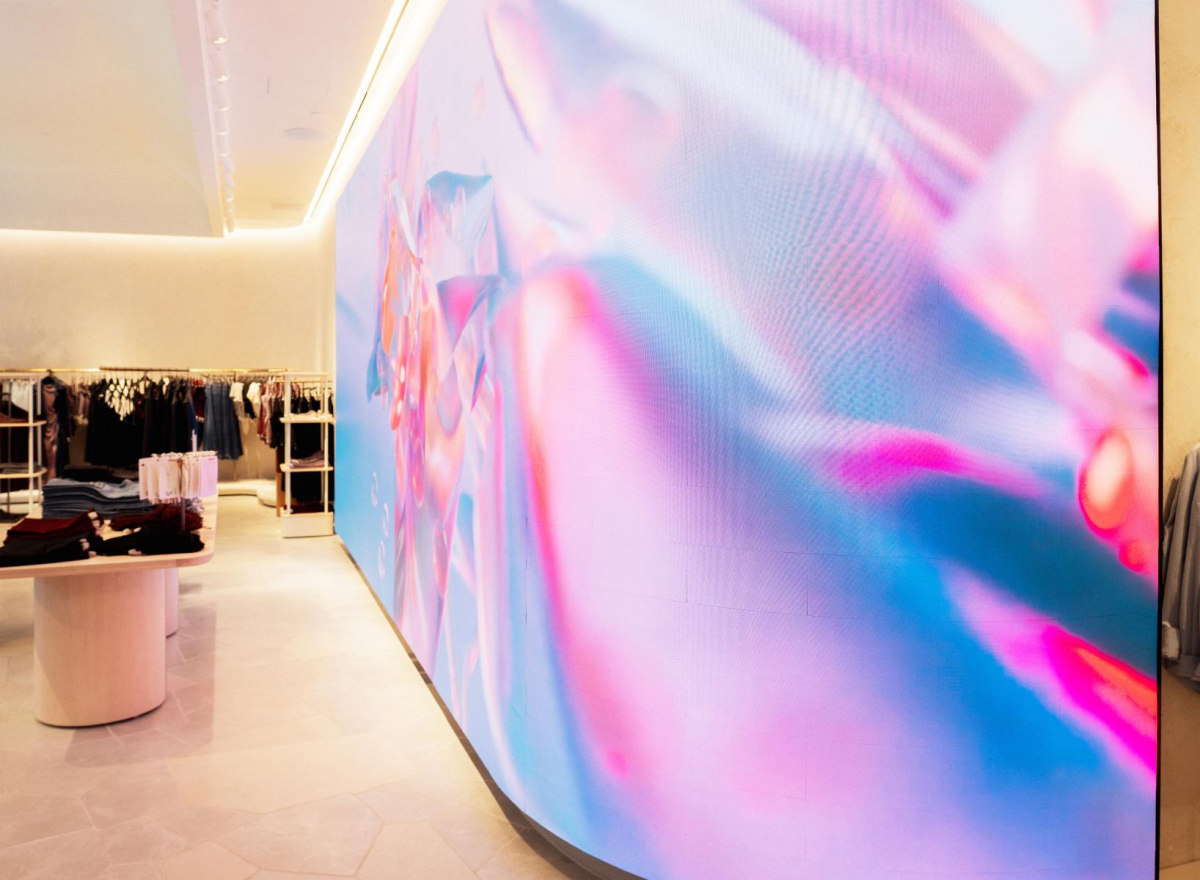
Dynamite store at Royalmount in Montreal. Photo: Charlie Marois, Berenice Golmann
Strong Outlook Supported by Strategy
Looking ahead, Groupe Dynamite is forecasting continued comparable sales growth in the low double-digit range. In addition, the company expects further margin expansion. This guidance suggests that its focus on store productivity and premium locations will remain central to its strategy.
Separately, Groupe Dynamite is also seeing early success internationally. Its Garage brand debuted in the United Kingdom to strong consumer demand, according to Stifel.
While risks remain, including shifting fashion trends and sourcing pressures, the current trajectory points to sustained momentum.
Ultimately, Groupe Dynamite’s performance underscores a clear message for the retail industry. In today’s environment, where a store is located can be just as important as what it sells.
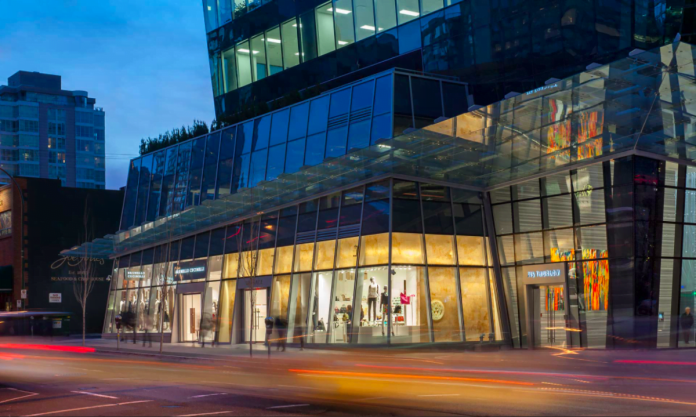
Brunello Cucinelli will occupy the entire Thurlow Street retail frontage at 745 Thurlow Street in Vancouver. Image: QuadReal
Italian luxury brand Brunello Cucinelli is expanding its downtown Vancouver presence, annexing a neighbouring retail space on Thurlow Street as part of a broader push to elevate its Canadian flagship network.
The Brunello Cucinelli Vancouver expansion will see the brand take over the former Thom Browne boutique at 747 Thurlow Street, directly adjacent to its existing store at 765 Thurlow Street. The combined footprint is expected to exceed 4,500 square feet once complete, creating one of the brand’s most prominent locations in North America.
The expanded store is targeted to open by fall 2026, with construction already underway following possession of the new space on March 1.
Strategic Expansion in Vancouver’s Luxury Corridor
The Alberni/Thurlow Street corridor has emerged as Vancouver’s most important downtown luxury retail node, anchored by high-end brands and proximity to office towers and luxury hotels. The Brunello Cucinelli Vancouver expansion reinforces the area’s positioning as a key destination for affluent shoppers and international visitors.
The lease transaction was negotiated by DWSV Realty, under the direction of David Wedemire and Stan Vyriotes, who were also involved in securing the brand’s original Vancouver location in 2015. The team also represented Thom Browne in its prior lease for the adjacent space, highlighting DWSV’s ongoing role in shaping tenancy in downtown Vancouver’s ‘Luxury Zone’.
The expansion reflects a broader trend among luxury brands toward larger, more immersive flagship environments that showcase full lifestyle assortments, including ready-to-wear, accessories, and home collections.
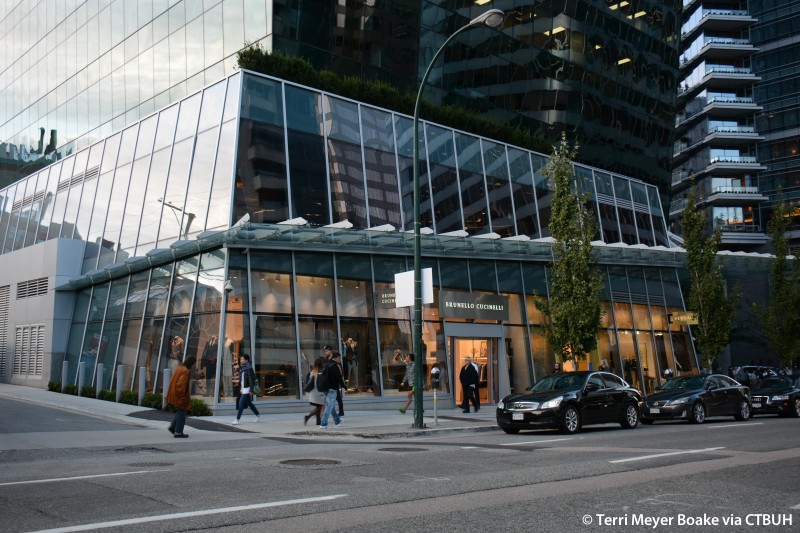
Brunello Cucinelli on Thurlow Street in Vancouver. Photo: Terri Meyer Boake
A Space with Layered Luxury History
The newly acquired space carries a notable retail lineage. Prior to Thom Browne, the unit was occupied by Versace, which opened alongside Brunello Cucinelli in 2015 before closing in 2020. Thom Browne subsequently debuted its Vancouver boutique in the space in 2021.
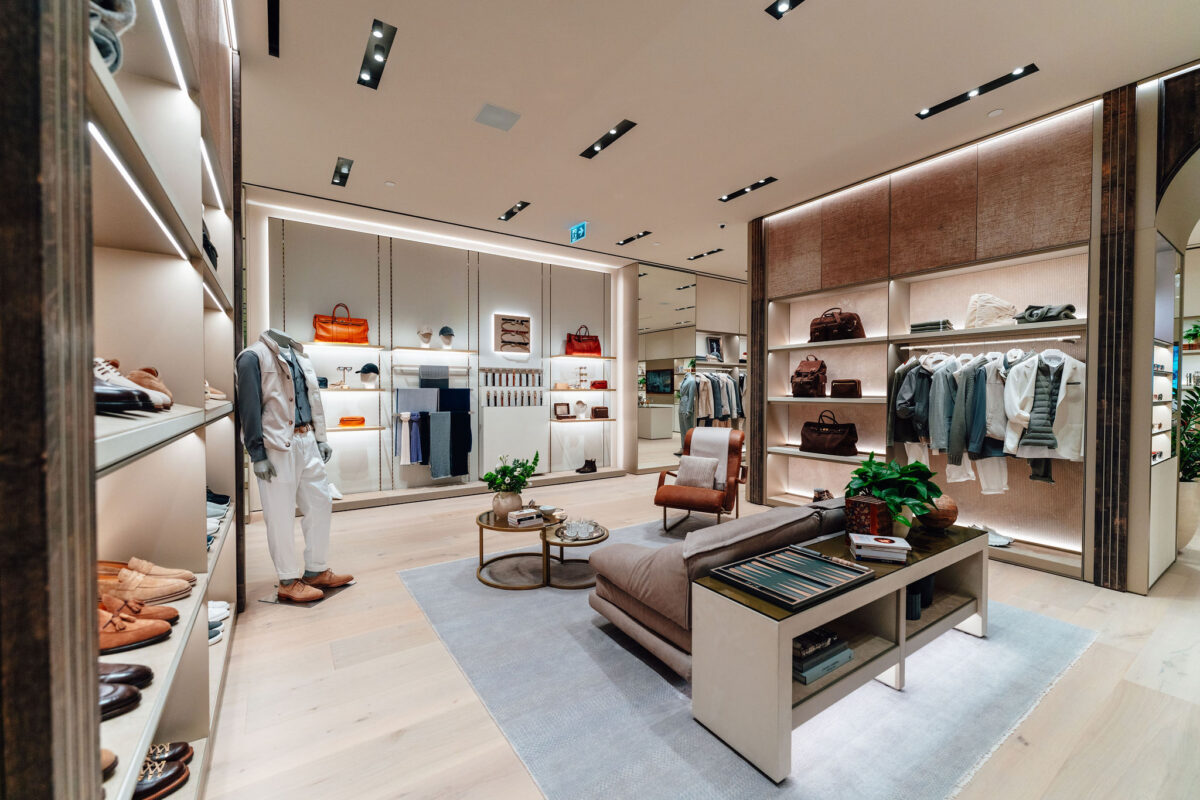
At approximately 1,875 square feet, the former Thom Browne store featured a distinctive office-inspired interior, contrasting with Brunello Cucinelli’s warm and residential “Solomeo” aesthetic.
The annexation signals a shift toward consolidation, with Brunello Cucinelli absorbing adjacent luxury units to create larger, contiguous retail environments.
Dual Strategy with Oakridge Park Entry
The Brunello Cucinelli Vancouver expansion is unfolding alongside the brand’s upcoming debut at Oakridge Park, a major mixed-use development expected to open its retail component in spring/summer 2026.
At Oakridge Park, the brand will join an elite cluster of luxury retailers including Louis Vuitton, Chanel, Dior, Prada, Versace, Moncler, and others. The development is designed as a high-end cultural and retail destination, integrating residential towers, green space, and experiential retail concepts.
This creates a two-location strategy in Vancouver. The Thurlow Street flagship (and Holt Renfrew concessions) will continue to serve the downtown business and tourist market, while Oakridge Park is positioned to attract local high-net-worth consumers in a lifestyle-driven environment.
Thom Browne is also opening at Oakridge Park, replacing the downtown store that recently shuttered (DWSV also negotiated that lease)
Brunello Cucinelli store at Toronto’s Yorkdale Shopping Centre. Photo: Tablizo Media
Canadian Expansion Reflects Direct-to-Consumer Shift
The Brunello Cucinelli Vancouver expansion is part of a broader Canadian growth strategy that emphasizes direct-to-consumer retail. The brand has steadily transitioned from wholesale distribution through partners like Holt Renfrew to standalone boutiques and large-format flagships.
Following its first Canadian store opening in Vancouver in 2015, Brunello Cucinelli has expanded with a flagship on Yorkville Avenue in Toronto, a boutique at Yorkdale Shopping Centre, and multiple concession spaces within Holt Renfrew locations across the country.
In Toronto, the brand is executing a similar expansion strategy by annexing adjacent space on Yorkville Avenue, reinforcing a pattern of growth through absorption of neighbouring units.
Canada remained an active, though more selective, destination for global retail expansion in 2025, with 20 international brands opening their first standalone stores in the country. While this represents an increase from 15 entries in 2024, the year does not approach peak levels seen historically. Instead, it reflects a more measured and strategic phase of market entry shaped by economic conditions, real estate dynamics, and evolving consumer expectations.
At the same time, a clear pattern has emerged. International retail expansion into Canada is increasingly concentrated in a small number of urban markets, with Toronto firmly established as the dominant gateway.
Toronto Leads National Expansion with Strong Node Concentration
Of the 20 international retailers entering Canada in 2025, 14 chose Toronto for their first location, accounting for 70 percent of all entries.
Within the city, activity clustered heavily around Yorkdale Shopping Centre and the Bloor-Yorkville corridor, reinforcing the importance of these nodes for global brand entry.
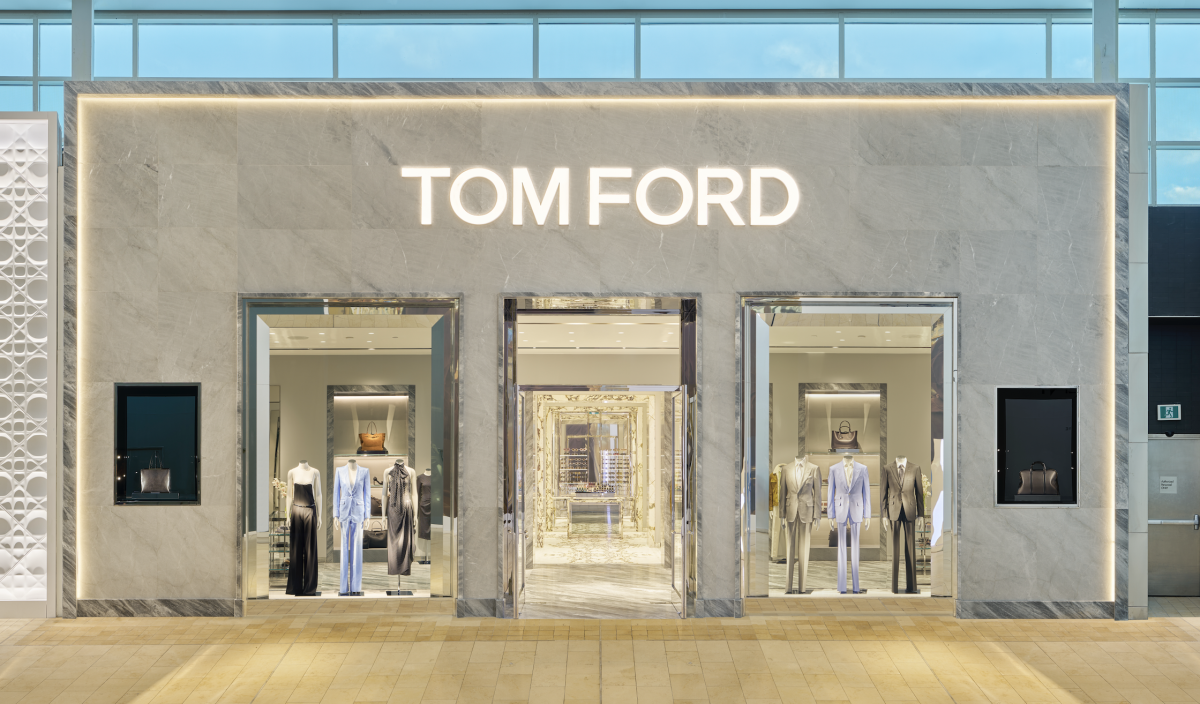
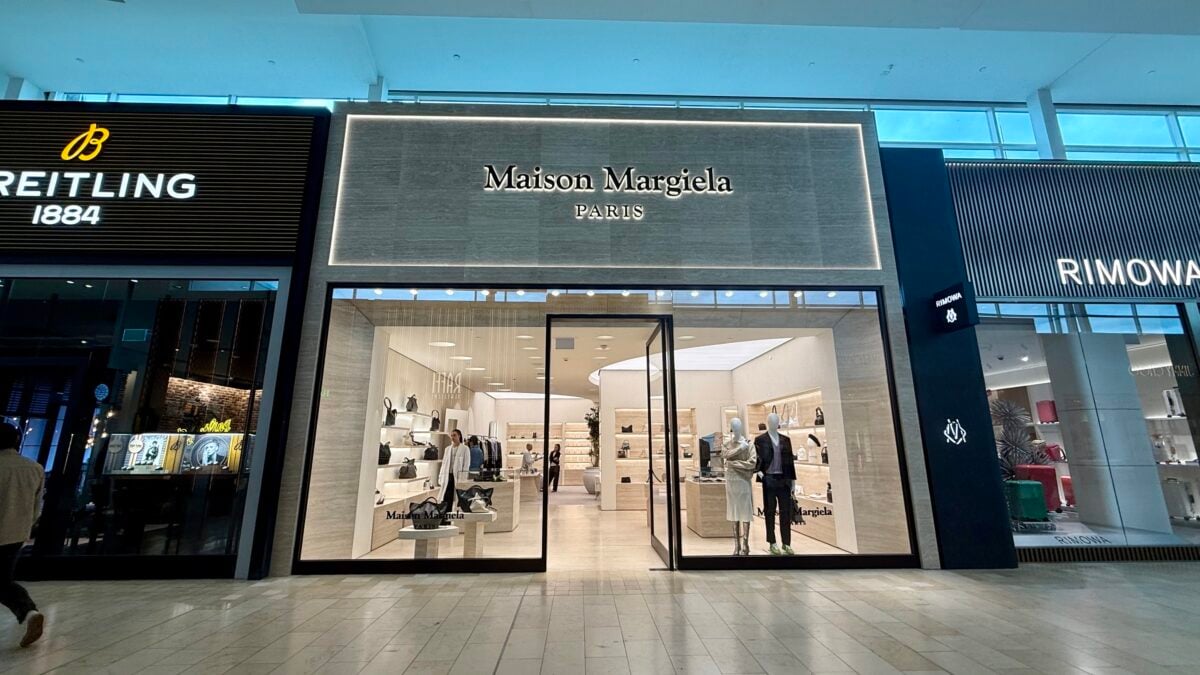
Yorkdale Shopping Centre continues to play an outsized role in shaping Canada’s retail landscape. The centre is widely regarded as having launched more first-to-Canada stores than any other retail node in the country and remains a preferred entry point for luxury and premium brands seeking immediate visibility and a curated environment. In 2025, Yorkdale welcomed several international entrants including Tom Ford, Gentle Monster, Ami Paris, Maison Margiela, and Creed.
Tom Ford at Toronto’s Yorkdale Shopping Centre. Photo: Tom Ford
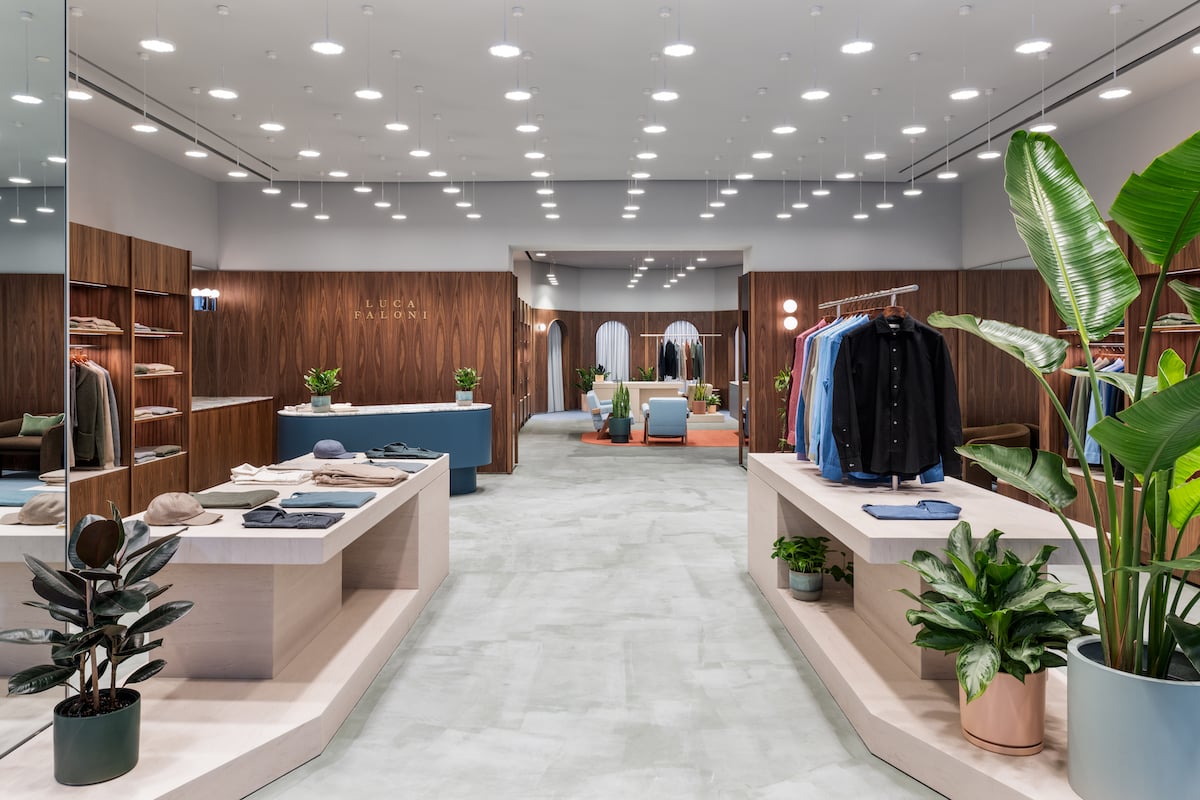
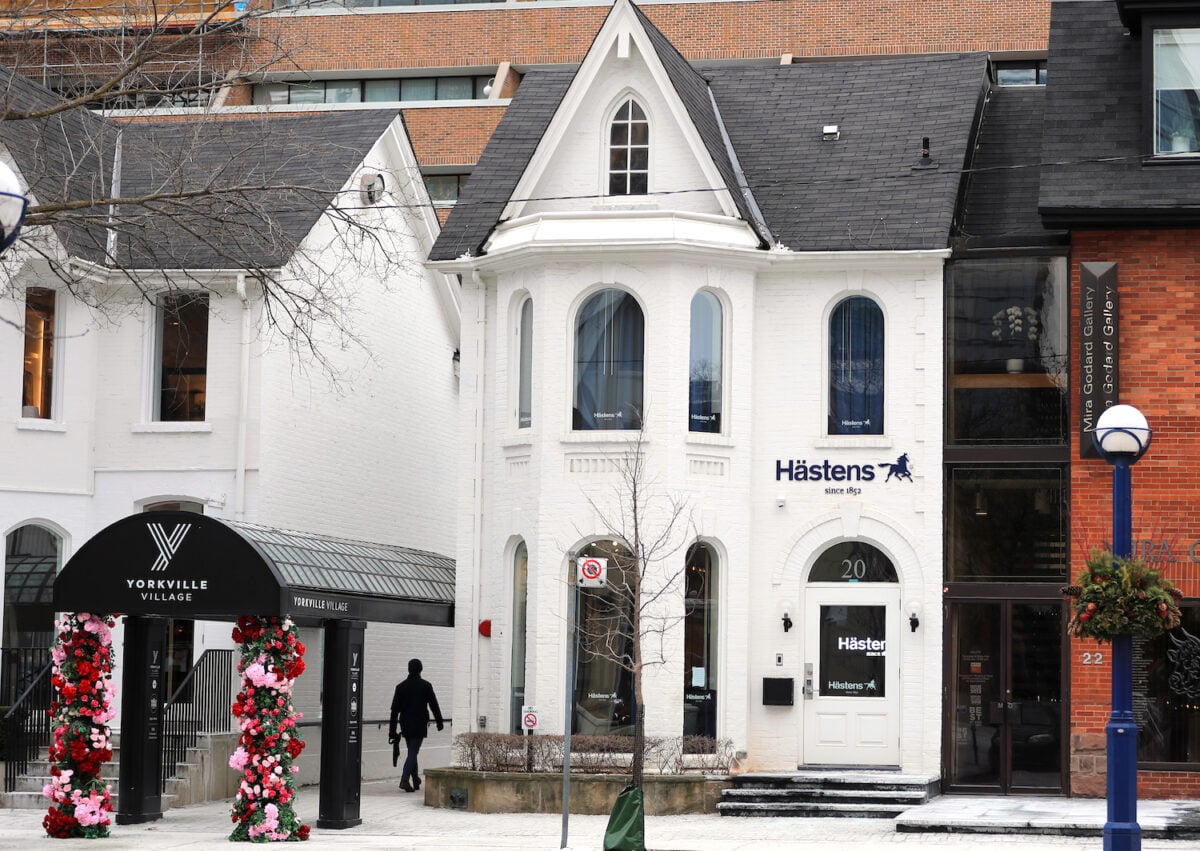
Meanwhile, Bloor Street and Yorkville attracted brands focused on flagship positioning and long-term brand building. Retailers such as Luca Faloni, Smeg, Eleventy, and Hästens opened experiential, design-led spaces that emphasize storytelling and customer engagement.
Beyond these prime corridors, Toronto also saw continued diversification in retail formats. Ossington Avenue attracted culturally driven brands such as Carhartt Work In Progress, while Liberty Village and CF Shops at Don Mills supported experiential and service-oriented concepts including Fisher & Paykel and Splash and Dash. In addition, Panda Mart’s large-format Scarborough flagship demonstrates ongoing demand for value-oriented retail in repurposed big-box environments.
While urban concentration is not new in Canadian retail, Toronto’s dominance has intensified in recent years, capturing a disproportionate share of international retail entry relative to other Canadian markets.
Luca Faloni at 130 Bloor Street West in Toronto. Photo: Ryan Fung
Vancouver Serves as a Complementary Gateway with Distinct Strengths
Vancouver accounted for five of the 20 international retail entries in 2025, reinforcing its role as Canada’s second most important market for global brands.
The city’s retail profile differs meaningfully from Toronto. Vancouver continues to attract contemporary luxury, lifestyle-driven concepts, and brands with strong connections to Asia-Pacific markets. Key entry points include CF Pacific Centre and the Kitsilano corridor.
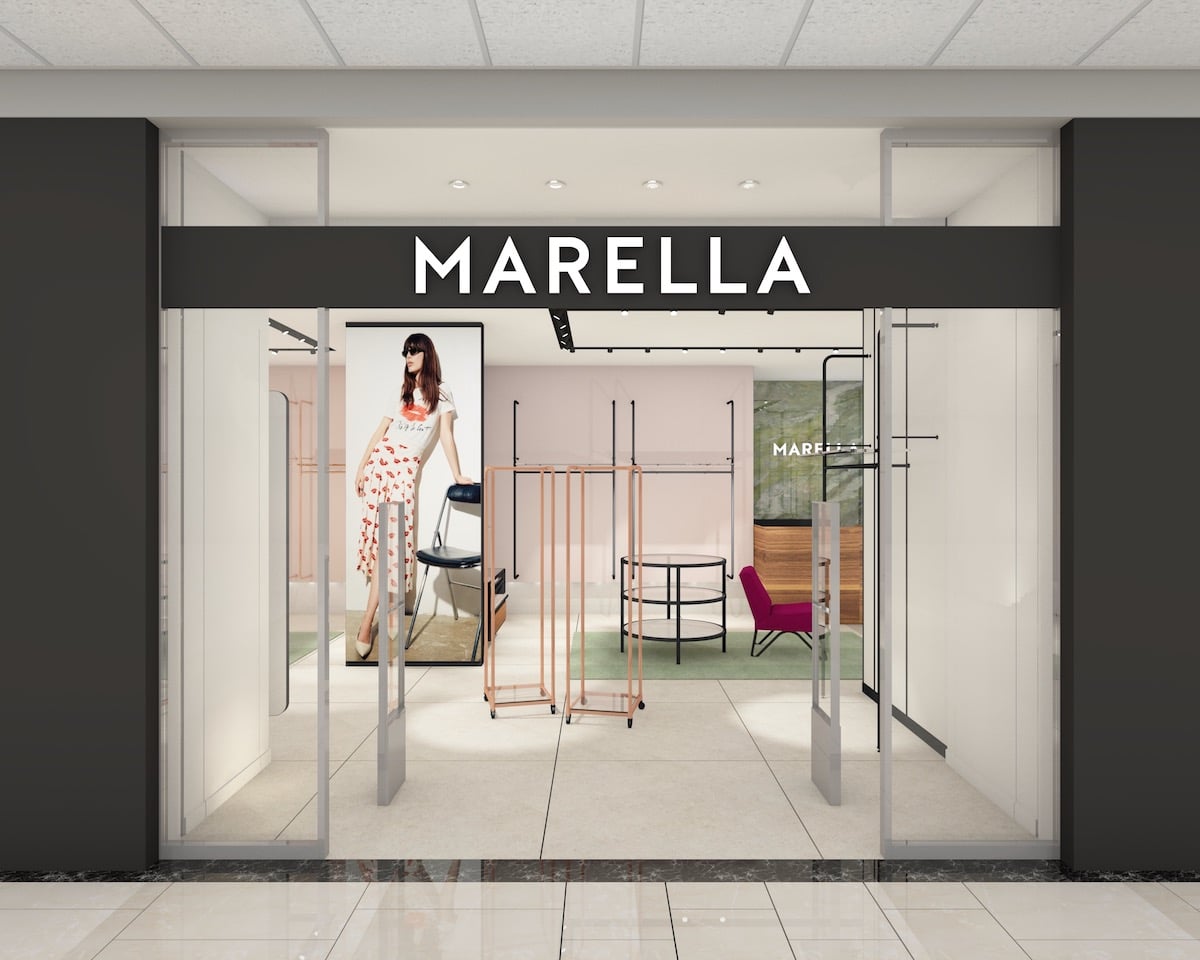
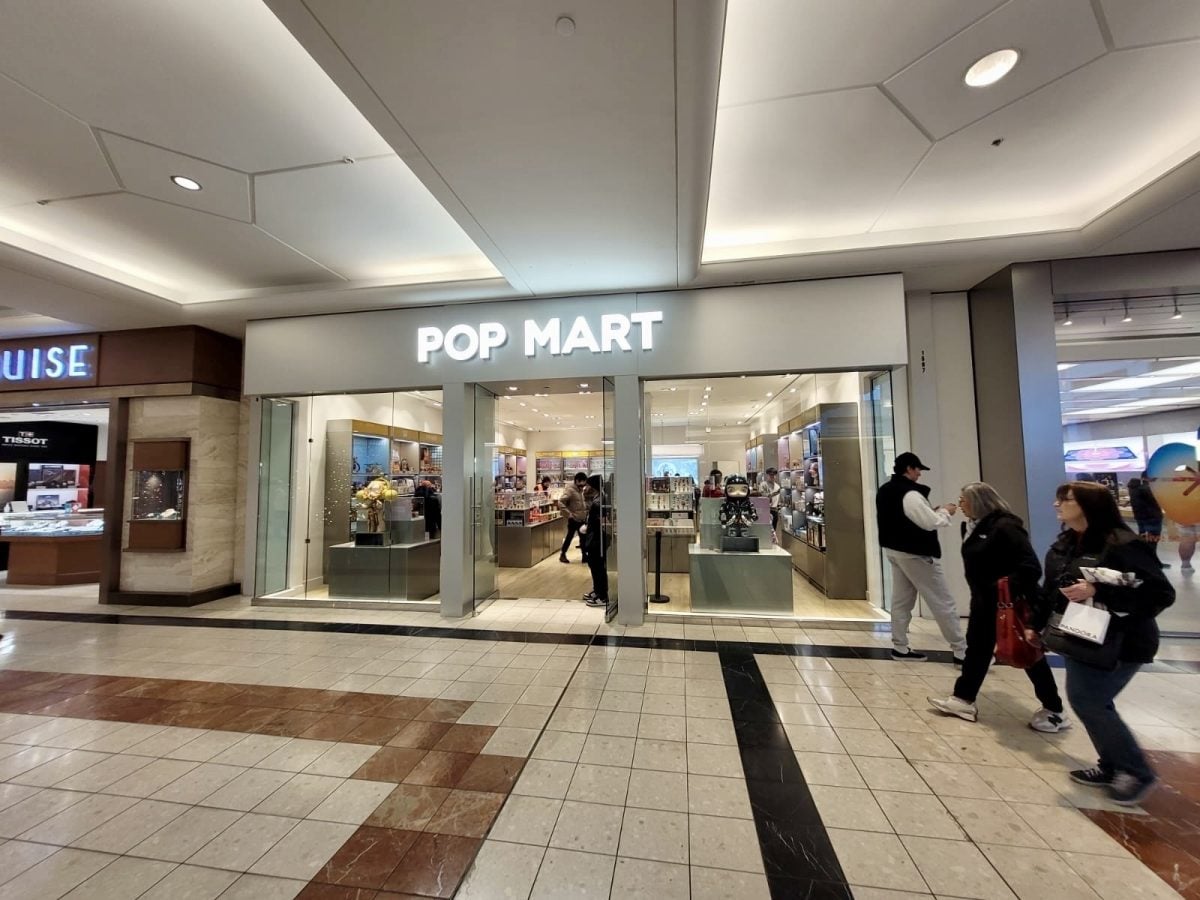
Retailers such as Marella, Max&Co., Rains, and Gerdene Mongolian Cashmere highlight Vancouver’s positioning at the intersection of fashion, lifestyle, and outdoor culture. Pop Mart entered Canada through a multi-store rollout strategy, beginning at CF Richmond Centre in Richmond, underscoring the importance of highly engaged consumer communities and regional demand.
Vancouver has long served as a key gateway for international retailers entering Canada, particularly for brands with strong ties to Asia-Pacific markets. While activity has slowed since the pandemic, the city continues to play an important role as a complementary entry point alongside Toronto.
Rendering of the new Marella storefront at CF Pacific Centre in Vancouver. Image supplied by Vestis Fashion Group
Montreal Sees Selective and Localized Entry
Montreal recorded one international retail entry in 2025, with La Maison Générale opening on Laurier Avenue West.
Although limited in volume, the nature of the entry is significant. The concept blends European heritage with local Quebec and Indigenous products, reflecting a highly localized and community-oriented approach.
This suggests that Montreal remains an important market, but one that international brands are entering more selectively, often after establishing a presence in Toronto (and sometimes Vancouver).
Premium and Experiential Retail Continue to Drive Entry
A defining feature of 2025’s international retail entrants is the continued dominance of premium and experiential retail.
Luxury and contemporary fashion brands accounted for a large share of new openings, including Tom Ford, Ami Paris, Luca Faloni, Eleventy, and Maison Margiela. These retailers are using physical stores as platforms for brand storytelling and customer engagement, rather than purely transactional environments.
Gentle Monster at the Yorkdale Shopping Centre in Toronto. Photo: Gentle Monster
Experiential retail concepts also played a central role. Gentle Monster introduced a gallery-like store design with kinetic installations, while Smeg’s Bloor Street showroom integrates a café and live kitchen concept. Fisher & Paykel’s Experience Centre in Liberty Village targets architects and designers through immersive product demonstrations, and Hästens offers a wellness-focused “Sleep Spa” retail model.
At the same time, differentiated formats emerged outside of luxury. Panda Mart’s large-scale discount warehouse concept marked its first entry into both Canada and North America, while Splash and Dash introduced a membership-based pet services model.
Specialty retailers such as Pop Mart and PUEBCO further demonstrate the importance of community engagement, fandom-driven retail, and culturally distinct product offerings.
Pop Mart at CF Richmond Centre in Vancouver. Photo: Ritchie Po
International Retailers That Entered Canada in 2025
The following is Retail Insider’s categorized breakdown of the 20 international retailers that entered Canada in 2025 with their first physical locations.
Luxury and Premium Fashion Entrants
Luxury fashion remained the most prominent category for new market entry in 2025, with several brands choosing Toronto as their initial gateway.
Maison Margiela at Yorkdale Shopping Centre in Toronto on May 31, 2025. Photo: Craig Patterson
Experiential and Design-Led Concepts
Experiential retail continued to gain momentum in 2025, with several brands prioritizing immersive environments.
Gentle Monster opened a large-format flagship at Yorkdale Shopping Centre, featuring art installations and kinetic displays that blur the line between retail and gallery space. Creed also opened its first standalone Canadian boutique at the same centre, offering a highly curated fragrance experience.
Hästens at 20 Hazelton Avenue in Toronto. Image: Hästens
Contemporary, Streetwear, and Lifestyle Brands
A number of contemporary and lifestyle brands entered Canada in 2025, often choosing neighbourhood-driven locations aligned with their target audiences.
PUEBCO, a Tokyo-based lifestyle brand known for its use of repurposed materials, opened its first North American store in Toronto, reflecting growing demand for design-led and sustainability-focused retail concepts.
Value, Specialty, and Alternative Retail Formats
Several brands entered Canada with differentiated concepts that extend beyond traditional retail categories.
Pop Mart entered Canada through a multi-store rollout beginning in British Columbia, leveraging strong consumer demand for collectible designer toys and fandom-driven retail experiences.
Editor’s Note: Historical Context on International Retail Entry into Canada
For more than a decade, Retail Insider has tracked the number of international retailers entering Canada with first brick-and-mortar locations.
While 2025 saw 20 international retailers open their first Canadian stores, the year sits within a broader historical range rather than representing a peak.
Taken together, the data suggests that 2025 represents a modest rebound from 2024 levels and a return to more normalized expansion activity.
Looking Ahead: 2026 Pipeline Points to Continued Momentum
Early indicators suggest that international retail expansion into Canada will continue into 2026.
A Bathing Ape has already opened its first Canadian store on Alberni Street, reinforcing Vancouver’s strength in global streetwear and luxury-adjacent retail.
In Toronto, Frette is expected to open soon on Hazelton Avenue, further establishing the area as a specialized luxury cluster.
Vancouver will also see significant activity with the anticipated opening of Oakridge Park before June 2026. The development is expected to introduce several first-to-Canada luxury brands at opening, including Miu Miu, Jacob & Co., Chaumet, and Giorgio Armani.
There is also potential for Chrome Hearts to open a location on Scollard Street in Toronto, although progress appears to be uncertain.
Beyond the luxury segment, value-oriented expansion is also emerging as a key theme. Jumbo S.A. is preparing to enter the Canadian market in 2026, with its first three Ontario stores expected to open during the year. Operated in Canada by Fox Group, the brand is known for large-format “hyper-store” locations typically ranging from 100,000 to 140,000 square feet. The expansion comes at a time when Canadian consumers are increasingly trading down to value-driven retailers, positioning Jumbo to potentially backfill large anchor spaces vacated by department stores.
Retail Insider has spoken with several international brands actively evaluating Canadian entry, some of which are expected to announce locations in the coming months.
A Market Defined by Concentration and Strategic Growth
The 2025 data highlights a Canadian retail landscape that continues to attract international brands, but with increasing precision in how and where those brands enter.
Toronto remains the dominant gateway, supported by highly productive retail nodes and strong consumer demand. Vancouver continues to show strength as a complementary market with distinct advantages, while Montreal presents opportunities for brands willing to adopt a localized approach.
As the market moves further into 2026, international retail expansion in Canada will continue, driven not by volume alone, but by targeted strategies focused on location, experience, and long-term brand building.
At the same time, the outlook for 2026 remains somewhat unpredictable. Ongoing geopolitical tensions, shifting trade policies, and broader economic uncertainty continue to create a complex environment for global retailers. Recent conflicts and rising energy costs have already begun to impact consumer confidence and supply chains in some regions , while businesses more broadly are navigating a period of heightened volatility and cautious spending .
Despite this uncertainty, many international brands remain committed to the Canadian market. In many cases, leases have already been signed and development is underway, meaning a number of planned store openings will proceed regardless of short-term macroeconomic conditions. At the same time, several retailers continue to view Canada as a stable and attractive long-term growth market, suggesting that expansion activity, while evolving, is unlikely to slow significantly.
International Retailers That Entered Canada in 2025 (Full List)
According to Walker, Canadians are increasingly seeking products that support both their well-being and environmentally responsible practices. This shift is reflected in consumer behavior, where labels, certifications, and QR codes are used as tools to evaluate product sourcing, processes, and credibility.
Walker notes that extreme weather events have heightened awareness of the connection between environmental and personal health, influencing stress, sleep, and respiratory wellness. Consumers are more skeptical and proactive, often researching brands, seeking peer input, and valuing transparency in companies’ wellness journeys. Brands that openly share their current practices and improvement steps tend to earn greater trust.
CHFA research identifies the “eco advocate” segment, primarily aged 35 to 44 and slightly more female, as champions of this holistic health mindset. Walker observes that the Canadian health food market is expanding, with diverse consumers engaging in wellness and both large and independent retailers responding to demand. Despite higher costs, Canadians prioritize value and products that align with their lifestyle, demonstrating a willingness to invest in holistic health and sustainable choices.
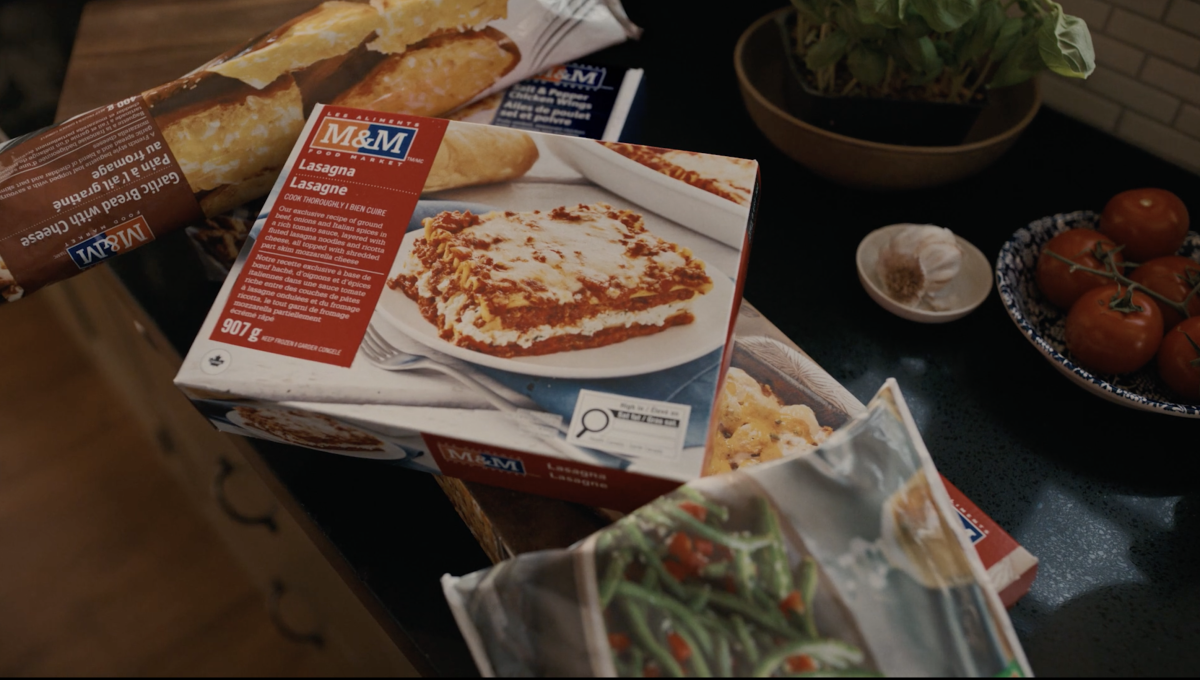
While many retailers are focusing their attention on reducing prices to attract customers battling inflation, M&M Food Market is highlighting the emotional, psychological, and convenience benefits of its products with the new Homemade-ish campaign.
A new Ipsos survey reveals the troubling and unrealistic pressures modern families face:
91% feel stress balancing cooking homemade meals with other responsibilities (with 65% experiencing moderate to extreme stress)
72% of mothers feel judged by others if they don’t meet traditional expectations, such as cooking meals from scratch or flawlessly handling household duties
Judgment around cooking homemade meals is common, with 52% frequently or always feeling judged when they don’t prepare meals from scratch
Modern families are busy, expectations are high, and making dinner today isn’t always about spending hours crafting a homemade meal from scratch, it’s about showing up.
Homemade-ish reframes M&M Food Market’s frozen food from simply a convenient meal alternative into a way for time-starved Canadians to create “real” meals for their families without the stress of cooking from scratch.
Joining forces with Canadian comedian and busy mom, Jessi Cruickshank as the face of the Homemade-ish campaign, M&M Food Market aims to reach and relate to families juggling hectic schedules, celebrating the small wins of a busy family life, such as putting real food on the table in a smarter way without sacrificing quality or care.
Jessi Cruickshank
Cruickshank kicked off the campaign recently by handing out M&M Food Market Homemade-ish meals to busy parents on their evening commute through Toronto’s Union Station to bring much-needed relief to families as they dove back into the weekday routine.
“Between hectic schedules, picky appetites, and the relentless pressure to get mealtime right, we recognize the heavy burden facing families every day. Our Homemade-ish campaign celebrates authenticity and offers a gentle reminder to families that while cooking from scratch isn’t always possible, you can still put real, delicious meals on the table that you can be proud of, and that’s a win every family deserves,” said Tammy Sadinsky, VP Marketing & Retail Innovation, for M&M.
Founded in 1980, M&M Food Market is Canada’s leading retailer of frozen foods, offering high-quality, easy-to-prepare meals across virtually every food category. Headquartered in Mississauga, Ontario, M&M Food Market operates in all 10 provinces and Yukon.
“Homemade-ish is a modern, contemporary take on describing our value proposition as a business. This effort is around reintroducing the brand to another generation of consumers—young Gen Xer families, busy millennial families. It’s about introducing or reintroducing the brand to them and finding a relatable, contemporary way to describe our offering,” explained Sadinsky.
“It’s anchored in the consumer. It starts with the consumer pain point we’re trying to solve and how that meets our business strategy. The time pressure and mental load of today’s consumer make meal planning overwhelming. Frozen prepared foods are such a life hack. If people knew about M&M’s Homemade-ish offerings—homemade being the utopia, but we help give them a head start—it helps solve the week’s chaotic nights for consumers.
“We’re targeting young Gen Xers—like me, an old Gen Xer, parent of two teenage boys. Nobody marketed M&M as a life hack solution for me. Then there’s Gen Y relevance with millennials juggling dual incomes, parenting, sports activities, different timelines at night—the day’s never done.
“Families don’t want to compromise on what they’re feeding their kids. They shouldn’t have to. Our food uses all real ingredients; no artificial anything. That de-stigmatized frozen foods for me and gave another option for meal prep.”
Tammy Sadinsky
M&M has more than 300 stores and more than 1,000 express locations.
“With any retail business, bricks-and-mortar or e-comm presence is important. That’s where consumers close the loop—their point of truth. We have a strong national presence, infilled with multiple doors of frozen M&M products. We over-index on e-comm sales with a user-friendly site, easy fulfillment, delivery, or pickup. Lots of accessibility points for consumers to get M&M meals,” said Sadinsky.
“Jessie’s messaging and mantra align with who we are and what we represent. She’s not into perfection; she finds smart ways to solve real-life problems, delivering it in a comedic, fresh, fun, and modern way. Being part of culture is important to reach our target audience. Between who she is, who she reaches, and what she believes, it felt very aligned with our business and messaging.”
Sadinsky said the brand also has a dedicated campaign in Quebec.
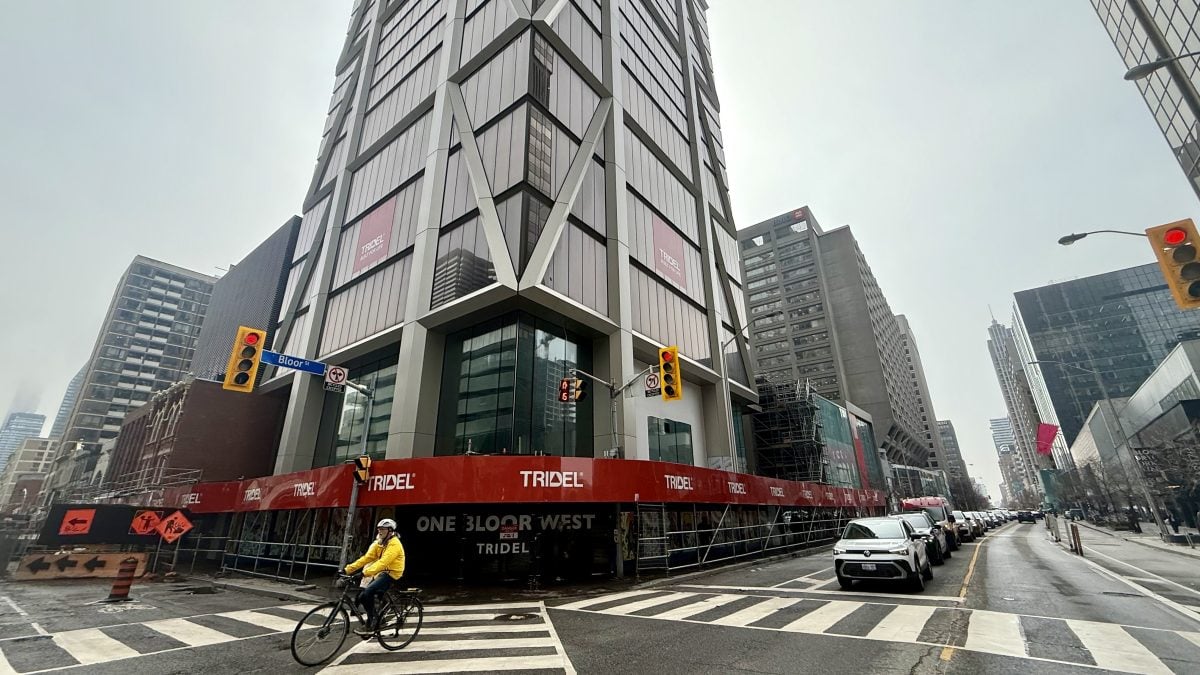
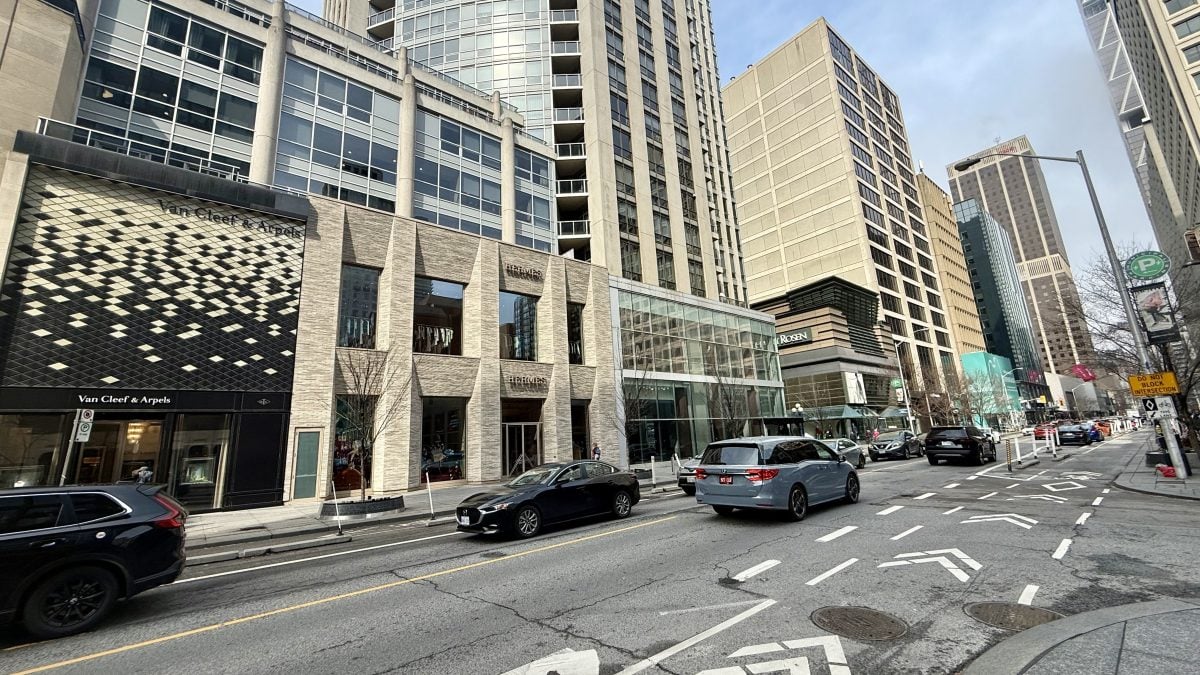
100 Bloor St. W. in Toronto, March 31, 2026. Photo: Craig Patterson
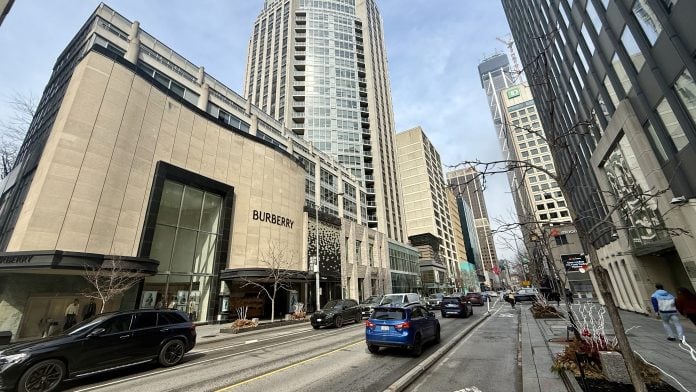
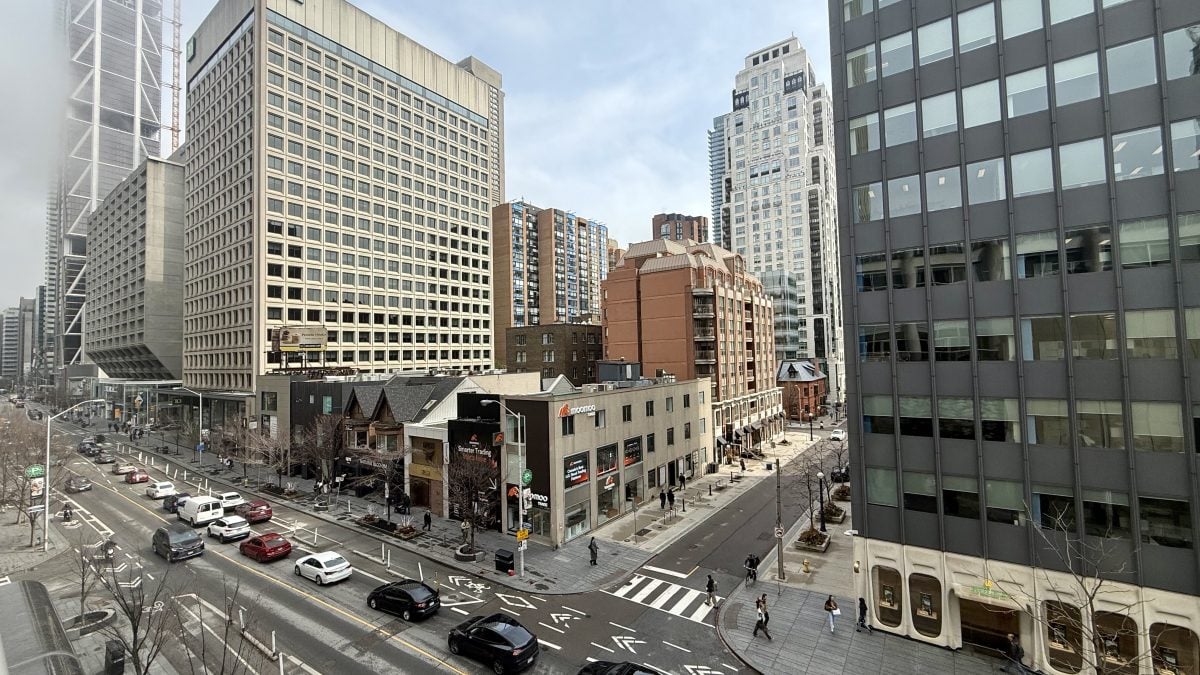
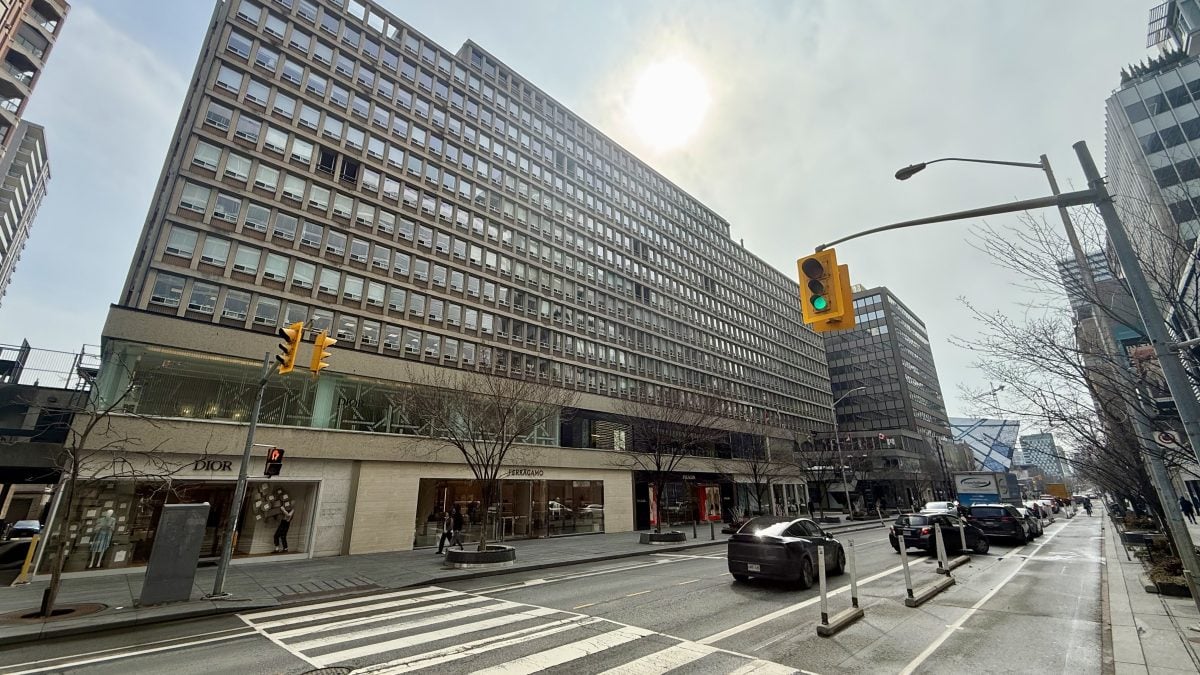
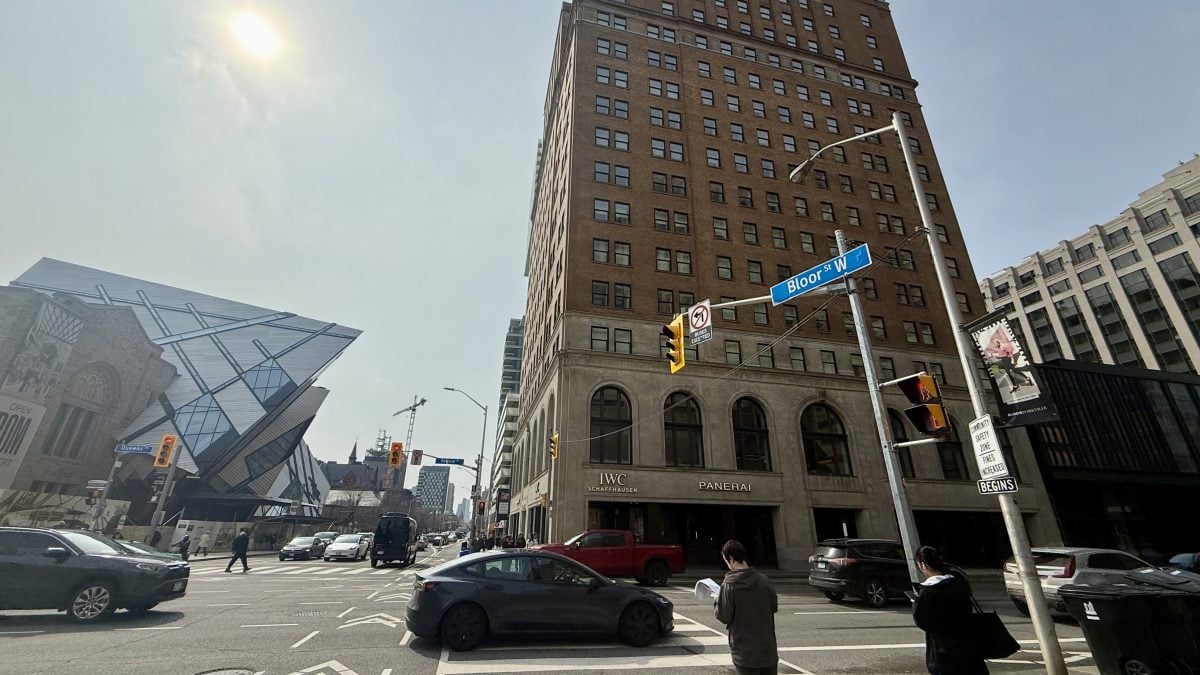
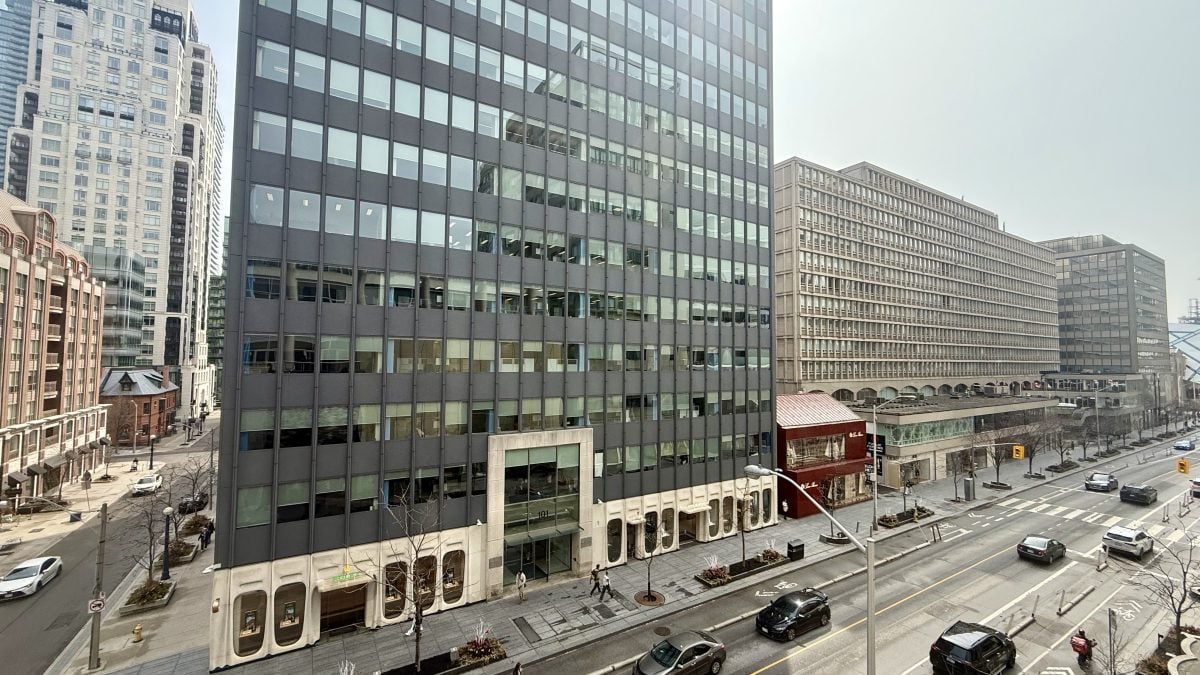
Bloor Street retail rents continue to lead the country, but rising availability along Toronto’s most prestigious shopping corridor is revealing a more complex market dynamic.
According to JLL’s latest Toronto Urban Retail Report, average asking rents on Bloor Street between Yonge and Avenue reached $246.27 per square foot in the fourth quarter of 2025, by far the highest among the city’s major retail corridors. At the same time, availability in the corridor stood at approximately 20.9%, making it one of the most available retail strips tracked in the report.
The combination of record-high rents and elevated vacancy reflects a growing disconnect between pricing and tenant demand in Toronto’s luxury retail market.
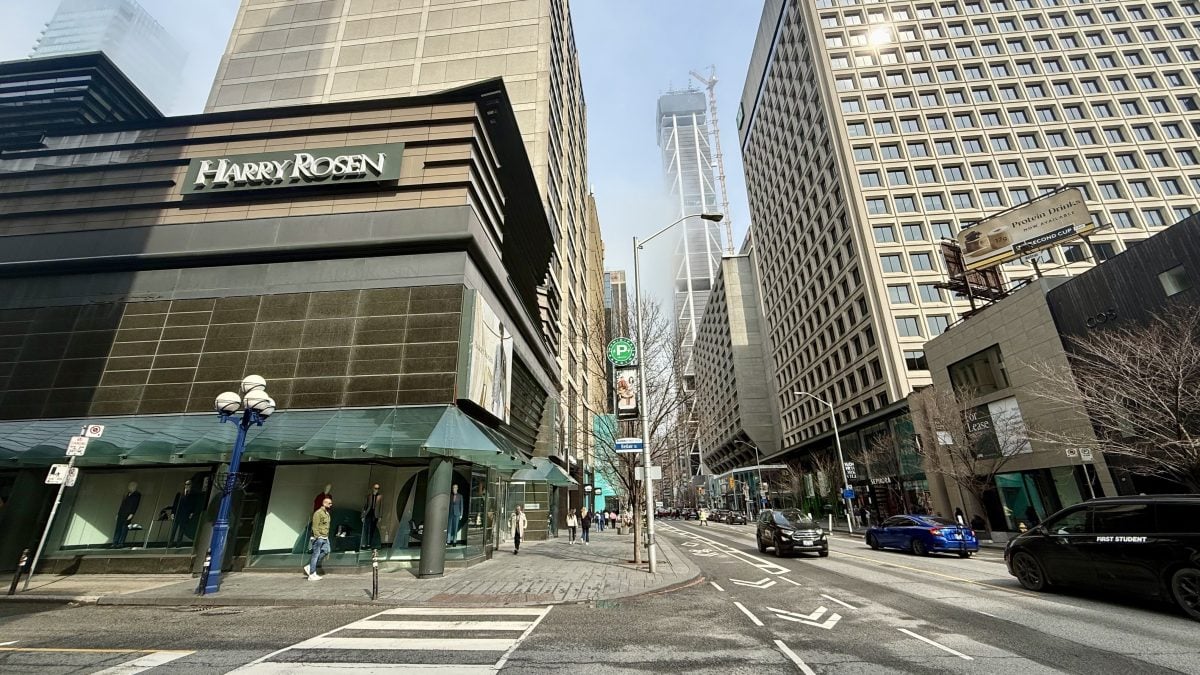
Bloor Street West in Toronto, March 31, 2026. Photo: Craig Patterson
Limited Tenant Pool at the Top End of the Market
Brandon Gorman, Executive Vice President at JLL Canada, said that while Bloor Street remains the country’s premier luxury retail destination, the number of tenants capable of securing space at current rent levels is relatively small.
Brandon Gorman
“The number of tenants capable of securing space on Bloor Street and actually making money is quite limited,” he said.
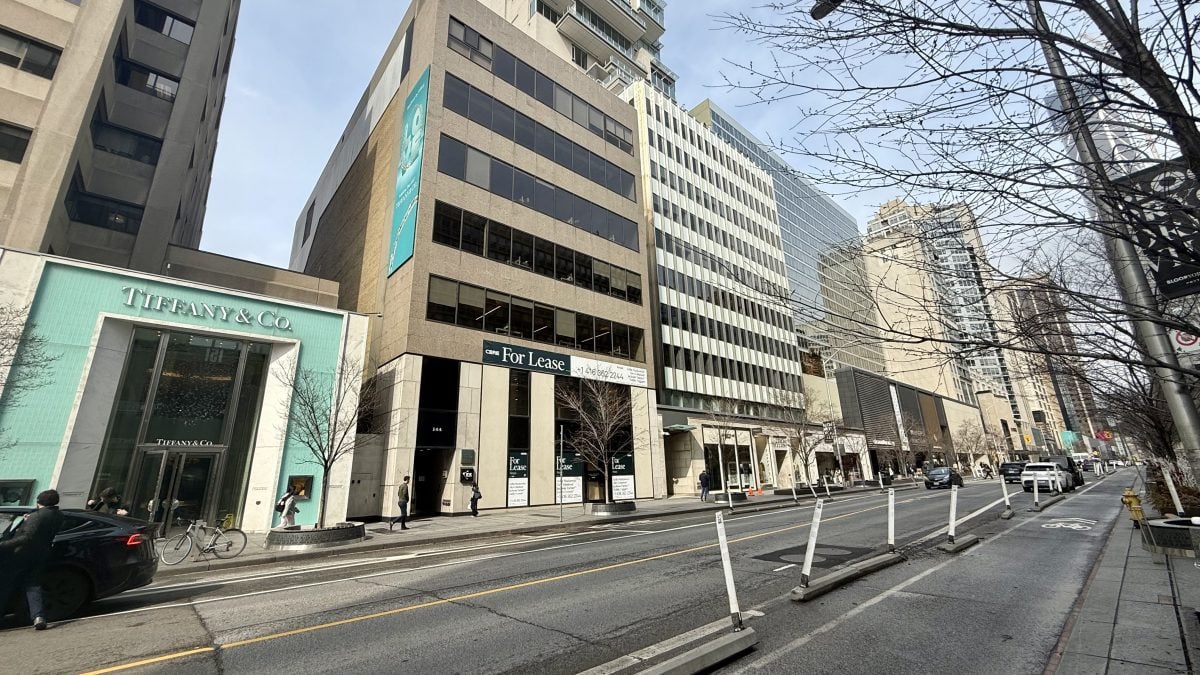
As a result, even prime spaces can take longer to lease compared to other Toronto corridors where rents are lower and tenant demand is broader. This dynamic has contributed to the perception of increased vacancy, particularly for larger flagship spaces.
Availability Figures Influenced by Scale and Redevelopment
The availability rate on Bloor Street is also influenced by the corridor’s relatively limited number of storefronts. With fewer units overall, any vacancy can have a disproportionate impact on the reported percentage.
At the same time, several high-profile redevelopment projects are shaping the corridor’s leasing landscape. Some existing spaces have been intentionally vacated in anticipation of future construction, while others are being repositioned for long-term flagship tenants.
Gorman noted that these factors can create a misleading impression for observers walking the street.
“If you’re a casual observer walking down Bloor Street, there appears to be a lot of space available,” he said, adding that in many cases, those vacancies are tied to longer-term redevelopment strategies rather than a lack of demand.
Southwest corner of Bloor Street and Yonge Street in Toronto, March 31, 2026. Photo: Craig Patterson Corner of Bellair Street and Bloor Street West in Toronto, March 31, 2026. Photo: Craig Patterson
Flagship Spaces Require Time and Precision
Large-format retail spaces on Bloor Street present additional challenges. Many of these units are designed for flagship stores and require significant capital investment from tenants, narrowing the pool of potential occupiers even further.
At the same time, landlords are often selective, preferring to wait for globally recognized luxury brands that align with the street’s positioning rather than leasing quickly at lower rents.
This dynamic can extend vacancy timelines, particularly for high-profile spaces that are being marketed to international tenants.
Bloor Street West in Toronto, March 31, 2026. Photo: Craig Patterson Bloor Street West in Toronto, March 31, 2026. Photo: Craig Patterson
Luxury Corridor Remains Strategically Important
Despite the elevated availability, Bloor Street continues to hold strategic importance for luxury brands entering or expanding in Canada. The corridor remains one of the few locations in the country capable of supporting flagship retail at a global standard.
Recent activity in Toronto’s luxury segment, including new openings and expansions across major shopping centres and streetfront locations, reflects ongoing interest from premium brands seeking a presence in the market.
However, the data suggests that growth at the top end of the market is becoming more selective, with tenants weighing location, size, and long-term economics more carefully than in previous cycles.
The Colonnade, 131 Bloor Street West in Toronto, March 31, 2026. Photo: Craig Patterson Luxury watch brands on Bloor Street West in Toronto, March 31, 2026. Photo: Craig Patterson
A Market Defined by Contrasts
The current state of Bloor Street highlights a broader theme emerging across Toronto’s retail landscape: strong overall demand paired with increasing segmentation between price points and locations.
While many neighbourhood corridors are experiencing near-zero availability and intense competition for space, Bloor Street’s elevated rents are creating a more measured leasing environment.
Even so, the corridor’s long-term outlook remains positive, supported by continued residential intensification, tourism growth, and its status as Canada’s leading luxury retail destination.
Bloor Street West in Toronto, March 31, 2026. Photo: Craig Patterson