Home Blog Page 37

H&M Launches Stella McCartney Collection in Canada

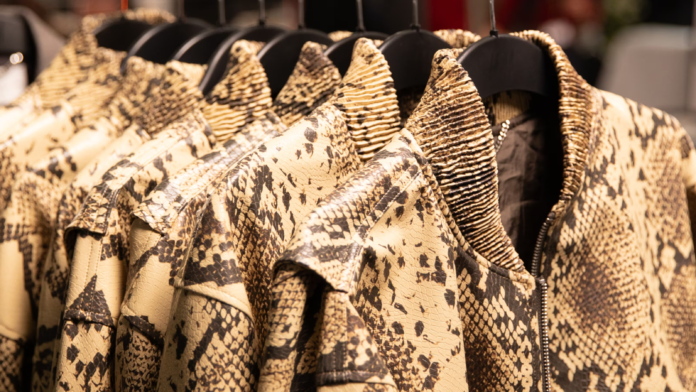
Stella McCartney x H&M Collection. Photo: H&M

Twenty years after helping redefine the relationship between luxury fashion and mass retail, H&M and Stella McCartney are reuniting for a new collaboration launching May 7 in select global stores, including Canadian locations at CF Toronto Eaton Centre and Montréal’s Sainte-Catherine Street.

The collection revisits one of fashion retail’s most influential partnerships at a time when apparel retailers are navigating softer discretionary spending, growing competition from ultra-fast fashion players, and increasing pressure to demonstrate environmental credibility.

A Landmark Fashion Collaboration Returns

Originally launched in 2005, the first Stella McCartney x H&M collaboration was widely viewed as a turning point for designer partnerships in mass-market retail. At the time, collaborations between luxury designers and fast-fashion retailers remained relatively rare. The partnership helped establish a formula that would later become standard across the industry, combining exclusivity, celebrity appeal, and limited-run product drops designed to generate consumer urgency and drive store traffic.

The new 2026 collection positions itself as both a continuation and reinterpretation of that legacy.

Described by H&M as a “journey through fashion history,” the assortment combines archival references with updated silhouettes, oversized tailoring, statement outerwear, eveningwear, and accessories inspired by McCartney’s contemporary collections. The range includes oversized shirting, sweeping trench coats, pinstripe tailoring, embellished partywear, and updated versions of McCartney’s Falabella handbag designs.

One of the central pieces is a “Rock Royalty” white mini-tee embellished with studs, referencing a look McCartney wore to the 1999 Met Gala. The collection also includes an oversized grey wool blazer and matching trousers made with Responsible Wool Standard-certified wool, alongside evening gowns featuring recycled embellishments and sustainable viscose blends.

Accessories play a significant role in the launch as well. Six handbag styles reinterpret the Falabella aesthetic using recycled polyamide and recycled metals for chains and hardware.

The campaign supporting the collection was photographed in London by Sam Rock and features Renee Rapp, Angelina Kendall, and Adwoa Aboah.
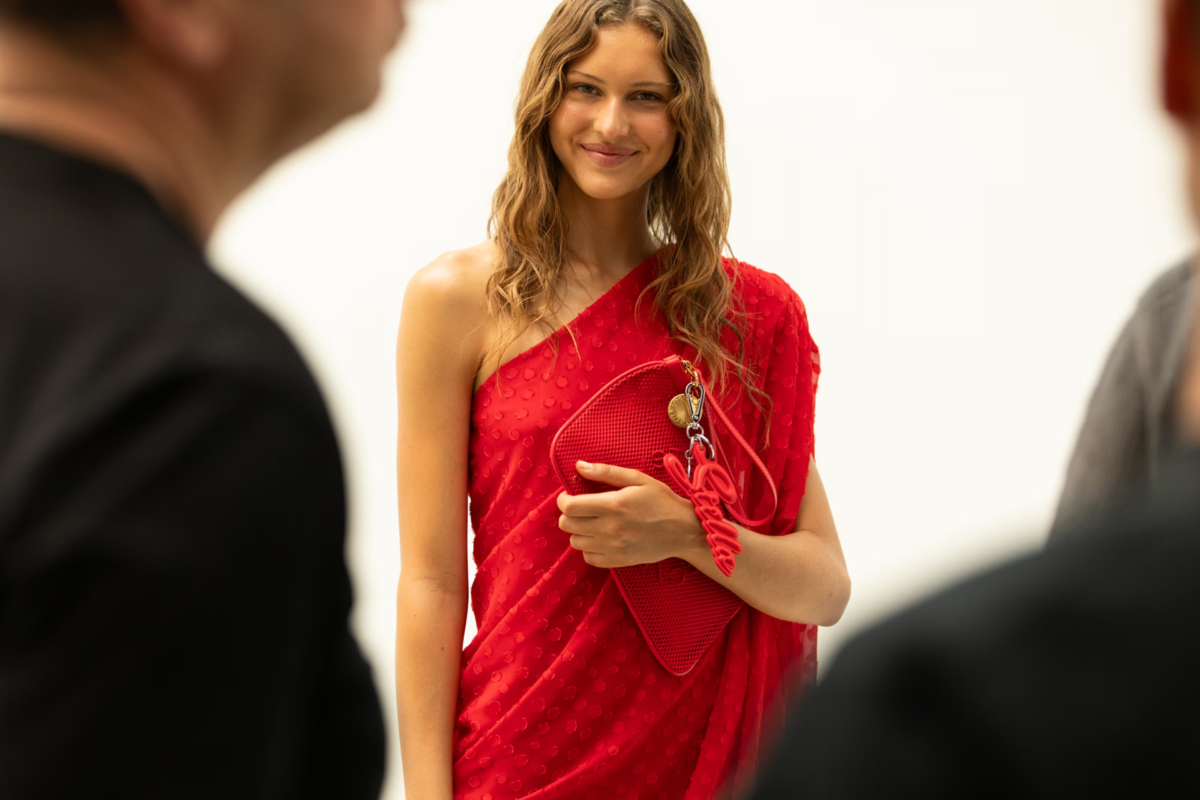
Stella McCartney x H&M Collection. Photo: H&M

H&M Uses Designer Partnerships to Drive Brand Elevation

The launch arrives during a period of transition for H&M. The retailer reported a 1% decline in net sales earlier this year alongside a continued reduction in physical store counts. Like several apparel retailers operating in the mid-market segment, H&M has been working to strengthen brand perception while responding to mounting competition from lower-cost digital-first retailers.

Collaborations remain one of the company’s most effective tools for generating cultural relevance and physical store traffic.

In Canada, the decision to limit the collection to flagship urban locations reflects a strategy increasingly common across fashion retail. Limited availability creates urgency while reinforcing the idea of the store itself as an event destination rather than simply a distribution point for merchandise.

The timing is also notable because fashion collaborations have evolved considerably since the original Stella McCartney x H&M launch two decades ago. What once felt disruptive has now become a core strategy for retailers seeking to create excitement in an increasingly crowded and digitally saturated market.

The collaboration also arrives as apparel retailers continue facing pressure from ultra-fast fashion competitors that have reshaped pricing expectations and accelerated product cycles across the industry. For established global retailers like H&M, limited-edition designer capsules offer an opportunity to differentiate through storytelling, exclusivity, and elevated brand positioning.

H&M has increasingly leaned into higher-profile collaborations as part of broader efforts to strengthen consumer engagement. The retailer’s previous partnerships with luxury and performance-oriented brands have helped generate social media visibility while driving traffic into flagship physical locations.
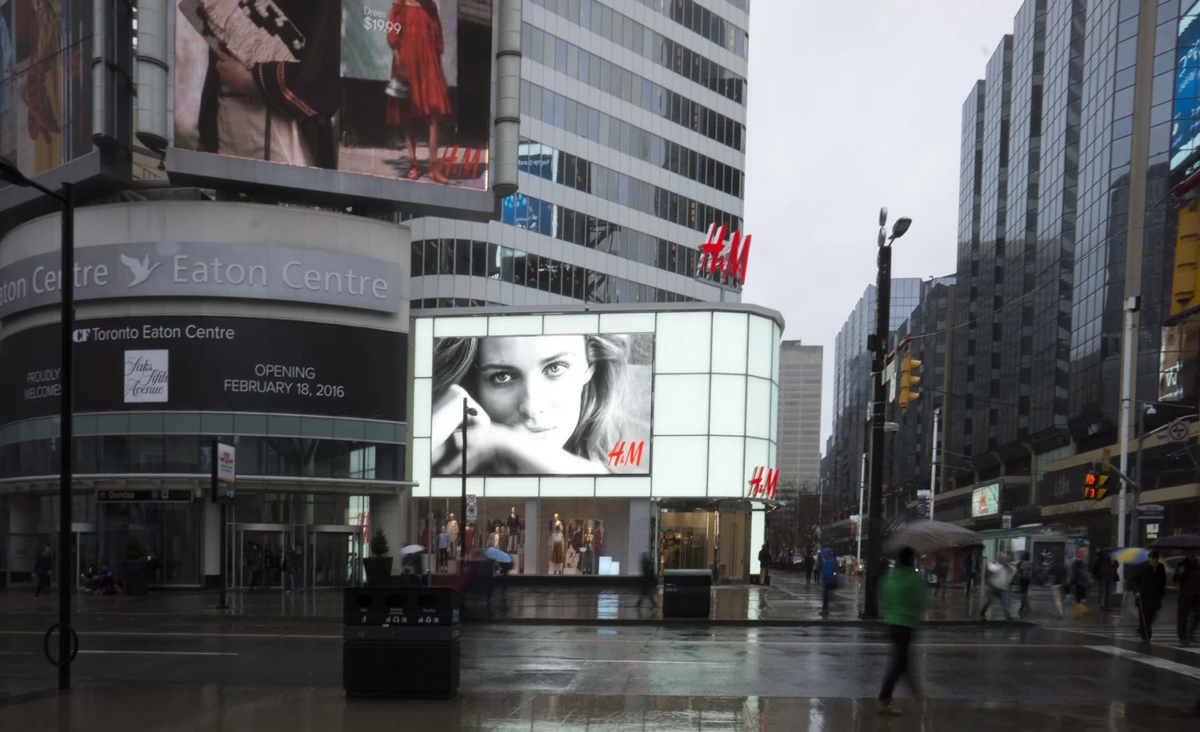
H&M at CF Toronto Eaton Centre. Photo: PETROFF PARTNERSHIP ARCHITECTS

Stella McCartney Continues Sustainability Push

For McCartney, however, the collaboration also serves another purpose: sustainability advocacy at scale.

Long regarded as one of fashion’s leading voices on environmental issues, McCartney recently received the 2026 TIME Earth Award recognizing 25 years of sustainable leadership within the fashion industry. Earlier this year, she also repurchased the minority stake previously held by LVMH, returning her business to full independent ownership while continuing to advise the luxury group on sustainability initiatives.

McCartney has frequently described collaborations with large-scale retailers as a way to expand access to sustainable fashion innovation beyond luxury consumers.

“This is infiltrating from within,” McCartney said in materials accompanying the launch, referring to the partnership’s ability to help sustainable material suppliers scale production through H&M’s global reach.

That philosophy is reflected throughout the collection’s material composition. The range incorporates recycled glass embellishments, recycled metals, sustainable viscose alternatives including Bailu-ECO™ and Ecojilin™, recycled vegetable oil feedstocks used in coated outerwear, and certified wool sourcing standards.

McCartney’s broader collections have increasingly focused on material innovation as well. Her recent runway collections featured lab-grown alternatives to feathers alongside protein-based knitwear and eco-leather materials derived from fermentation technologies.

Sustainability Debate Surrounds Fast Fashion Collaborations

At the same time, the collaboration is likely to reignite broader debates around sustainability within fast fashion.

Environmental advocates have increasingly scrutinized major apparel retailers over issues tied to production volume, consumption cycles, and textile waste. H&M has publicly committed to using 100% recycled or sustainably sourced materials by 2030 and credits its original 2005 Stella McCartney partnership as an early catalyst for the company’s adoption of organic cotton initiatives.

As part of the new launch, H&M and McCartney are also introducing a joint “Insights Board” intended to help guide the retailer’s long-term transition toward a more circular business model.

Whether collaborations like this meaningfully shift industry practices or primarily function as prestige-driven marketing exercises remains a topic of ongoing debate. However, there is little question that designer partnerships continue to play an influential role in shaping how fashion retailers position themselves in an increasingly competitive global market.

More from Retail Insider:

Q1 2026 Jewelry & Watches Report: Expansion Meets Shifting Consumer Investment

As part of Retail Insider Reports, this Q1 2026 Jewelry & Watches Retail Report provides structured analysis of the Canadian jewelry and watch retail sector, drawing on Retail Insider’s ongoing coverage to identify key market dynamics, emerging trends, and strategic shifts. These reports are designed to deliver executive-level insights across major retail sectors and can be accessed through the Retail Insider Report Hub.

****

The Canadian jewelry and watches sector entered 2026 at a pivotal moment, where traditional luxury retail expansion intersects with evolving consumer behaviour and rising interest in physical precious metals. While brands continue to invest in boutiques and flagship locations, shifting economic conditions are driving new forms of demand, particularly in investment-driven purchases.

That shift is increasingly visible in pricing and consumer sentiment. Gold reached a new record in early 2026, with prices approaching $4,000 per ounce in Canadian dollars, reflecting a sharp rise over the past year and reinforcing its role as a hedge against economic uncertainty. At the same time, retail demand for physical bullion and jewelry has accelerated, highlighting a growing overlap between luxury consumption and investment behaviour.

Within this context, retailers are pursuing different strategies. Birks Group’s strong holiday performance, Michael Hill’s turnaround driven by Canadian operations, and Pandora’s investment in domestic supply chain infrastructure all point to a sector adapting to new realities. Meanwhile, Tudor’s measured boutique expansion and Canada Gold’s rapid growth illustrate how both luxury positioning and accessibility are shaping the competitive landscape.

Retail Insider Coverage Reflects Active Expansion and Strategic Investment

Retail Insider tracked 10 significant developments in the jewelry and watches sector in Q1 2026, with expansion and store openings dominating activity. Brands including Tiffany & Co., OMEGA and Tudor continued to deepen their Canadian presence through mono-brand boutiques, while emerging retailers expanded through both physical and event-driven channels.

At the same time, investments in infrastructure are reshaping operations. Pandora’s new distribution centre in Mississauga reflects a broader shift toward domestic fulfillment, enabling faster delivery and improved customer experience. These developments point to a sector that is growing, but with increasing emphasis on operational efficiency and market positioning.

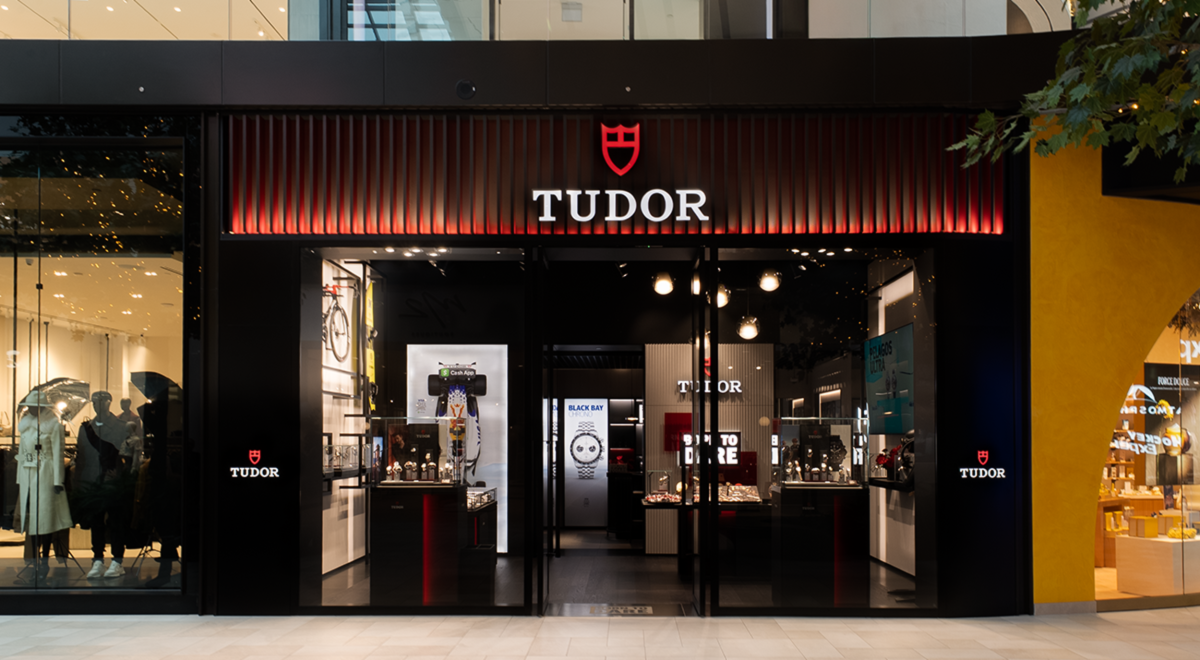
Tudor at Royalmount in Montreal. Photo: Tudor

Luxury Expansion Anchored in Regional Strategy

Luxury brands are refining their Canadian strategies through targeted expansion in key urban markets.

Tudor’s continued boutique rollout in Toronto, Montreal, and Vancouver reflects a balanced approach that combines direct retail with ongoing relationships with authorized dealers. Similarly, OMEGA’s flagship expansion into Calgary highlights the importance of aligning retail presence with regional growth and affluence.

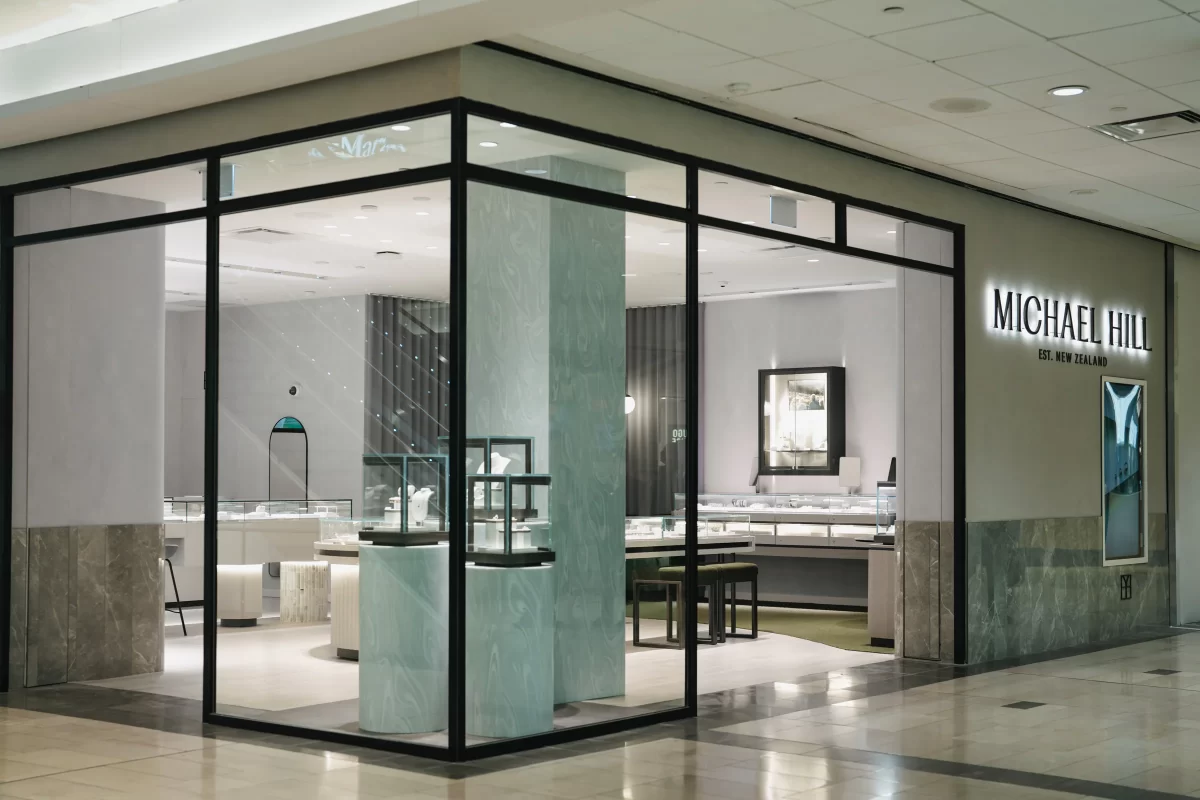
Michael Hill’s recent performance further underscores the importance of the Canadian market, where strong sales and margin improvements have supported its broader turnaround. The brand also recently opened new-concept stores in Toronto and Vancouver.

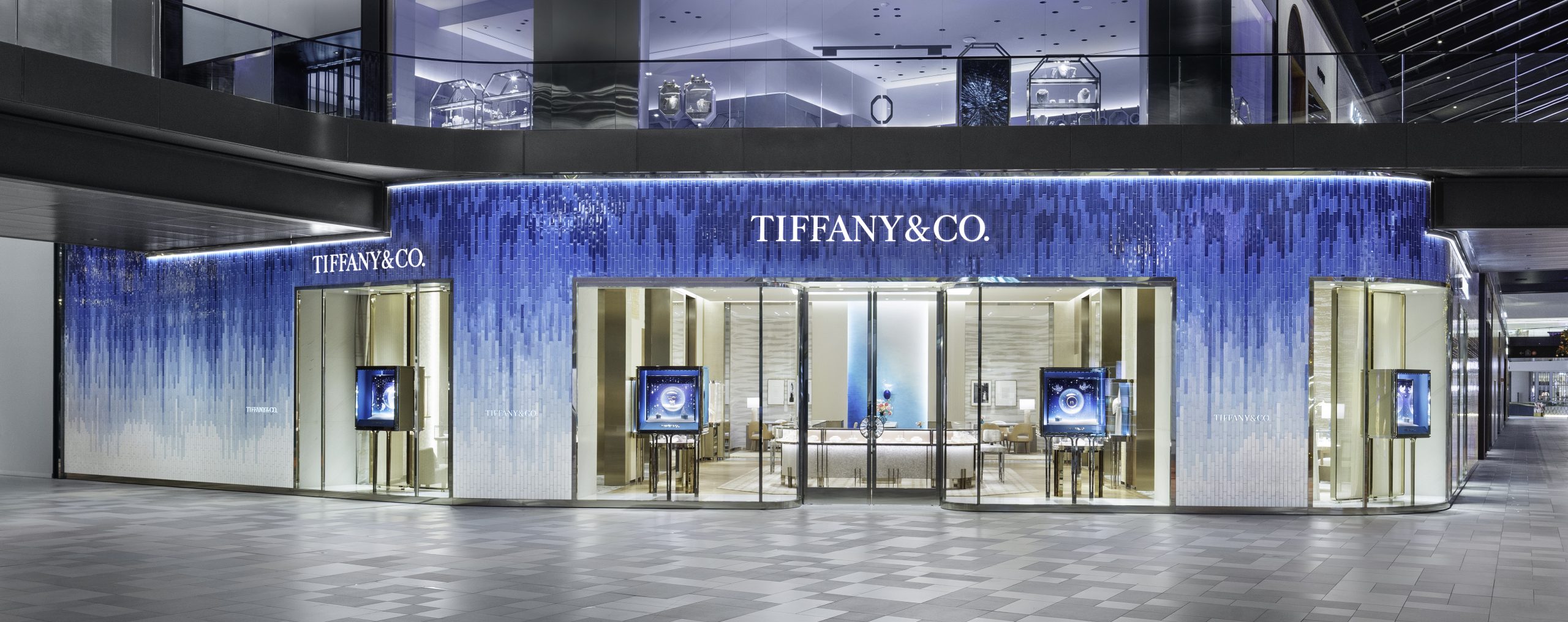
In January, Tiffany & Co. opened a new flagship boutique at Royalmount in Montreal, further strengthening the luxury positioning of the mixed-use development. The more than 5,000-square-foot store was designed with inspiration from Tiffany’s iconic Fifth Avenue flagship in New York and features the brand’s latest global store concept, including signature Tiffany Blue accents and elevated interior finishes.

Sales in the jewelry and watches segment increased 10.5% year-over-year in Q1 2026, outperforming broader retail categories and highlighting continued consumer demand for both luxury and investment-oriented purchases.

Micheal Hill Pacific Center Boutique. Source: Michael Hill

Precious Metals Demand Reshapes Consumer Behaviour

One of the most notable shifts in the sector is the growing role of precious metals as both retail products and investment assets.

The surge in gold prices has been accompanied by increased consumer participation in physical bullion purchases, as individuals seek to hedge against inflation and economic volatility. Silver is also gaining momentum, supported by both investment demand and industrial usage.

Retailers such as Canada Gold are responding by expanding physical locations to improve accessibility and build consumer trust, particularly for high-value transactions. This emphasis on in-person engagement reflects the importance of credibility and transparency in the precious metals market.

The broader implication is a blurring of lines between traditional retail and financial behaviour. Jewelry and bullion are increasingly viewed not only as discretionary purchases, but also as stores of value.

Supply Chain Investment Becomes a Competitive Advantage

Operational efficiency is emerging as a key differentiator in the sector, particularly as e-commerce continues to grow.

Pandora’s investment in a Canadian distribution centre enables faster fulfillment, reduced reliance on cross-border logistics, and improved return processes. These capabilities are becoming essential as consumers expect shorter delivery times and seamless omnichannel experiences.

Retailers that invest in supply chain infrastructure are better positioned to meet these expectations, while those that rely on legacy systems may face increasing pressure on both cost and service levels.

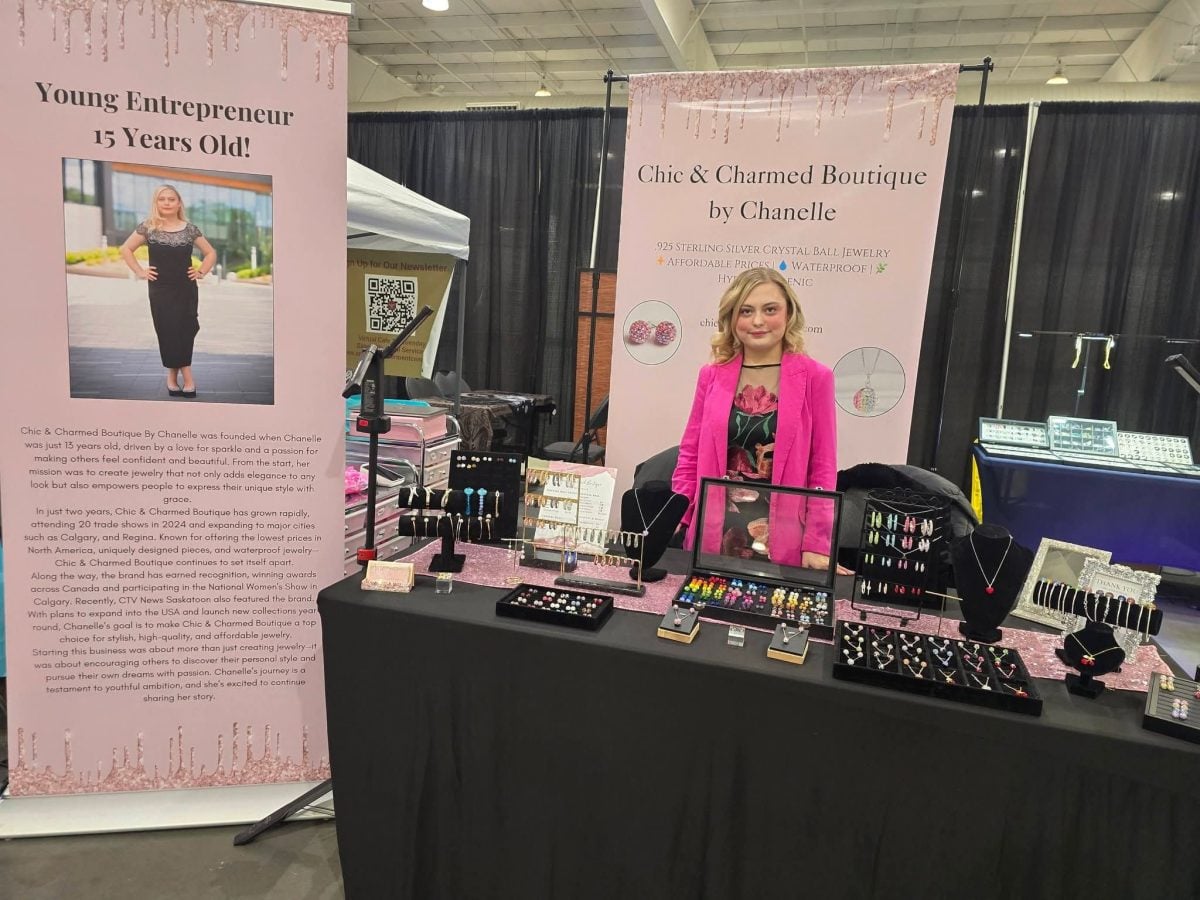
Chic & Charmed Jewellery Stand - 2026
Chanelle Chalazan in a Chic & Charmed Jewellery Stand. Image supplied

Lean Retail Models and Direct Engagement Gain Traction

At the same time, alternative retail models are gaining traction, particularly among smaller and emerging brands.

Chic & Charmed Boutique’s strategy of scaling through trade shows and online channels, while avoiding traditional storefront costs, reflects a shift toward more flexible and cost-efficient operations. This approach enables rapid growth while maintaining direct engagement with consumers.

These models are particularly effective among younger, digitally native audiences, and highlight the growing importance of adaptability in a competitive market.

Digital Growth and Omnichannel Strategies Accelerate

E-commerce continues to play an increasingly important role in the jewelry sector. Canada’s online jewelry market is projected to reach approximately $3 billion by the end of 2026, supported by steady annual growth and increasing consumer comfort with digital purchasing.

At the same time, technology is enhancing the online experience. Retailers are using virtual consultations and AI-driven tools to improve product discovery, while financing options such as buy now, pay later are helping to increase conversion rates.

These developments reinforce the importance of omnichannel strategies that combine digital convenience with the trust and experience of physical retail.

Tiffany & Co. at Royalmount in Montreal. Photo: Supplied

Sector Outlook: Luxury, Investment, and Efficiency Converge

The Canadian jewelry and watches sector is evolving toward a more complex and multifaceted market.

Luxury expansion remains a key growth driver, supported by strong demand in urban markets. At the same time, rising interest in precious metals is reshaping consumer behaviour, introducing an investment dimension to retail purchasing.

Operational efficiency and digital integration are also becoming critical, as retailers adapt to changing expectations around convenience and service.

Editor’s Take

The most important shift in Q1 2026 is the convergence of luxury retail and investment-driven consumer behaviour.

Brands such as Birks and Michael Hill are benefiting from strong demand and improved execution in the Canadian market, while Pandora’s supply chain investment highlights the growing importance of operational infrastructure.

At the same time, rising precious metals prices are influencing purchasing decisions, creating new opportunities for retailers that can bridge the gap between retail and financial services.

Looking ahead, the sector will be shaped by three key forces: continued luxury expansion in core markets, sustained interest in physical precious metals, and the ongoing growth of digital and omnichannel retail.

Retailers that can align with these trends while maintaining trust and operational discipline will be best positioned to succeed.

Selected Coverage

Q1 2026 Sporting Goods & Outdoor Report: Expansion, Leadership, and Experiential

As part of our Retail Insider Reports, this Q1 2026 Sporting Goods & Outdoor Retail Report provides structured analysis of the Canadian sporting goods and outdoor retail sector, drawing on Retail Insider’s ongoing coverage to identify key market dynamics, emerging trends, and strategic shifts. These reports are designed to deliver executive-level insights across major retail sectors and can be accessed through the Report Hub.

****

The Canadian sporting goods and outdoor retail sector entered 2026 at a pivotal moment, balancing aggressive expansion with shifting consumer expectations around fitness, lifestyle, and community engagement. While some retailers are capitalizing on large-format vacancies to grow their physical presence, others are restructuring or exiting, reinforcing a widening divide between operators that can scale and those struggling to adapt.

Underlying this transformation is a changing consumer relationship with fitness. While only 46% of Canadian adults meet recommended physical activity levels, demand for structured fitness continues to grow. Approximately 10 million Canadians now hold gym or studio memberships, representing a 14% year-over-year increase, driven in large part by younger demographics.

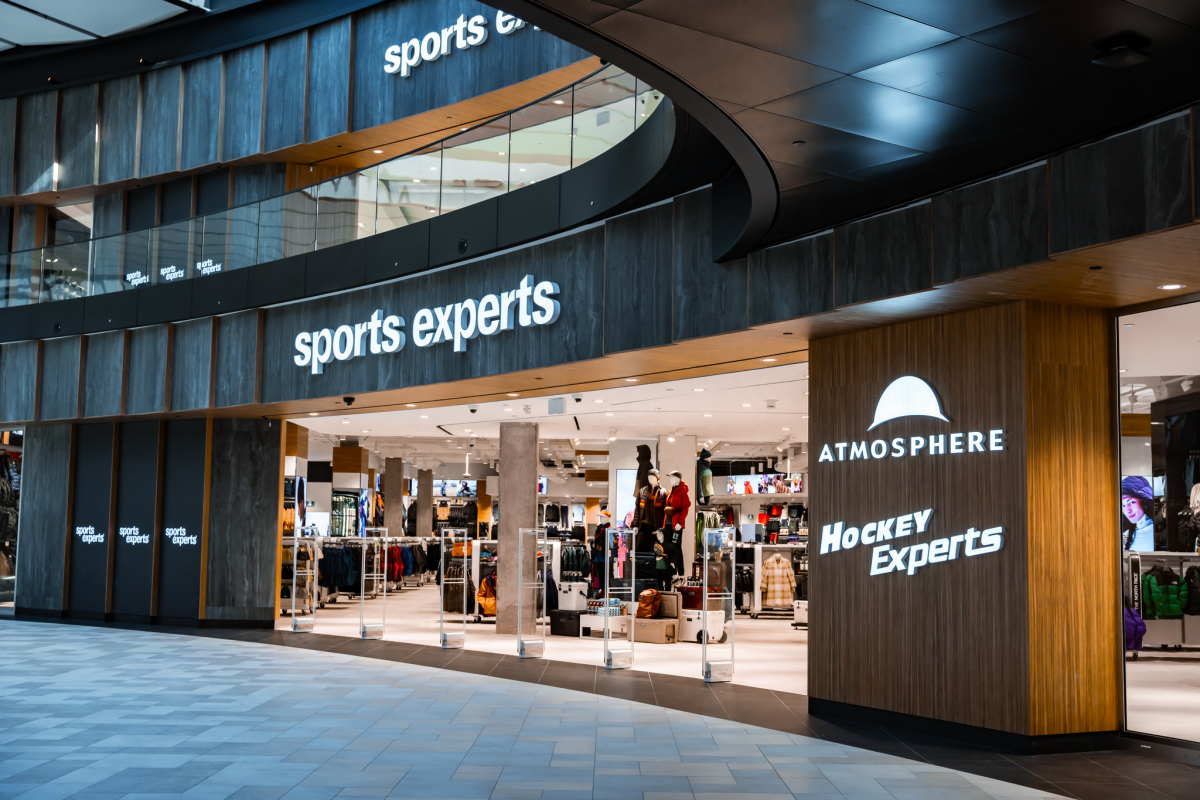
Within this context, retailers and operators are evolving rapidly. Sports Experts’ relocation into the former Saks OFF 5TH space at Place Ste-Foy, Fitness World’s $50 million expansion, and JD Sports’ continued urban growth all reflect a sector investing in experience and accessibility. At the same time, Eddie Bauer’s restructuring highlights the risks facing legacy outdoor apparel formats.

Retail Insider Coverage Reflects Active but Uneven Growth

Retail Insider covered 17 articles related to sporting goods and outdoor retail in Q1 2026, reflecting a steady level of sector activity. Expansion led coverage, followed by partnerships and product launches, alongside leadership changes and restructuring events.

These signals translate into tangible market movement. GoodLife Fitness is adding new locations nationwide, while Groupe Boucher is significantly expanding its Sports Experts–Atmosphère footprint. Boutique fitness consolidation, including b.cycle’s acquisition of SPINCO, reflects a maturing market where scale and geographic reach are increasingly important.

At the same time, restructuring remains part of the story. Eddie Bauer’s Chapter 11 filing and the marketing of store leases introduce a new wave of retail space availability.

Sports Experts at Royalmount in Montreal. Photo: Sports Experts

Real Estate Transformation Favors Experiential Sporting Goods Retail

The decline of department store anchors continues to reshape Canadian retail real estate. Vacancies created by former Saks OFF 5TH and Hudson’s Bay locations are increasingly being absorbed by category specialists and fitness operators.

Sports Experts’ expansion into a 33,000-square-foot former department store space illustrates this shift. The move allows for a more immersive retail environment, including branded shop-in-shop concepts and broader assortments tailored to active lifestyles.

This trend is being replicated across the country. Large-format sporting goods retailers, along with fitness and athleisure brands, are emerging as primary anchor replacements in both urban and suburban markets. In cities such as Vancouver and Edmonton, brands including Lululemon and Arc’teryx, alongside fitness operators, are actively backfilling mid- to large-format retail vacancies.

For landlords, this represents a structural shift in tenant mix. Experiential and lifestyle-driven retail is replacing traditional department store formats, offering more consistent traffic and stronger alignment with evolving consumer behaviour.

Fitness Expansion Reflects Growing Demand for Community and Accessibility

Fitness operators are scaling rapidly to meet increasing demand for structured, community-based activity.

Fitness World Canada’s $50 million investment to expand its club network and introduce franchising reflects confidence in the long-term growth of accessible fitness. GoodLife Fitness is following a similar expansion trajectory, supported by national marketing campaigns focused on inclusivity and diverse fitness journeys.

At the same time, boutique fitness is consolidating. The combination of b.cycle and SPINCO creates a national platform that blends localized community engagement with broader operational scale.

This growth is occurring alongside shifting consumer behaviour. While overall physical activity participation remains below recommended levels, rising membership rates indicate that consumers are increasingly turning to structured environments to support health and wellness goals.

Market Growth and Premiumization Support Category Expansion

The broader sporting goods and outdoor retail market continues to expand, with an estimated value of approximately $6.1 billion CAD and steady growth driven by consumer investment in higher-quality equipment.

This growth is increasingly shaped by premiumization. Consumers are prioritizing performance-oriented products across categories such as hiking, cycling, and outdoor recreation, supporting higher average transaction values and reinforcing the role of specialty retailers.

Retailers that can combine product expertise with experiential retail environments are well positioned to capture this demand, particularly as consumers seek both performance and lifestyle alignment in their purchases.

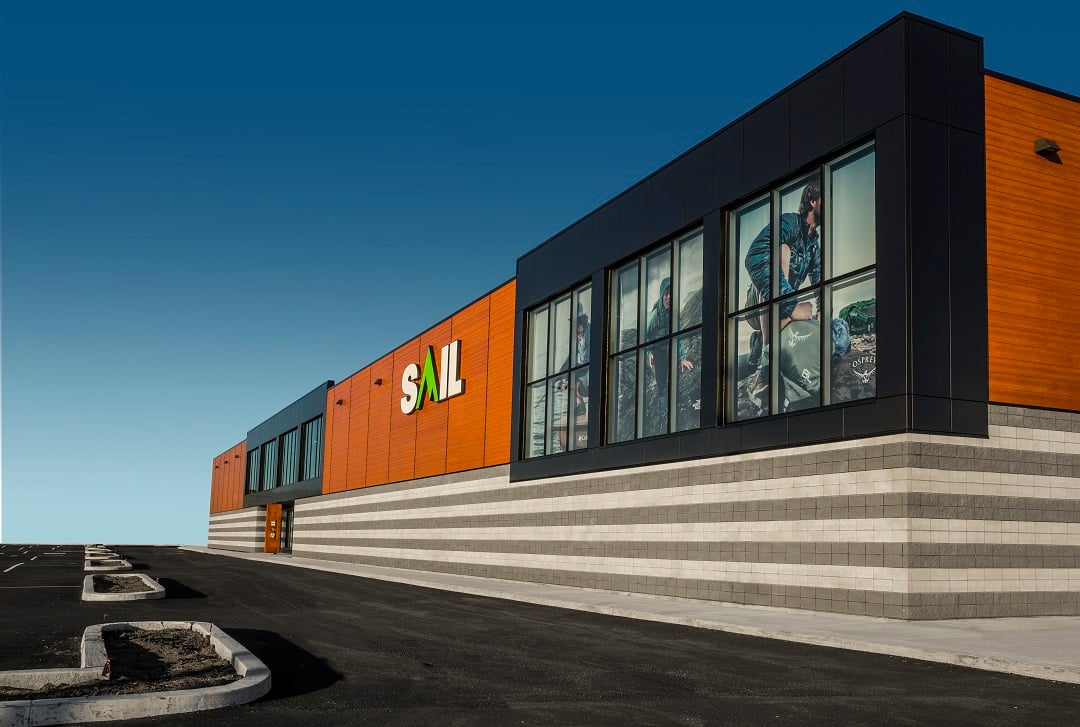
Image: SAIL

Leadership and Strategic Direction Influence Competitive Positioning

Leadership transitions are playing a role in shaping the sector’s evolution. Changes at L.L.Bean and SAIL Outdoors reflect efforts to align strategy with current market conditions, including a greater emphasis on omnichannel growth and customer engagement.

SAIL’s leadership shift, including a female-led buyout, signals a move toward renewed expansion and digital integration. These transitions highlight the importance of strategic clarity and execution in a market defined by both opportunity and risk.

Brand Partnerships and Consumer Engagement Deepen Market Reach

Partnerships with sports organizations and leagues continue to serve as key growth drivers. Oakley’s sponsorship of Canada Snowboard and Team Town Sports’ alignment with Canadian soccer leagues demonstrate how brands are leveraging performance credibility to drive retail demand.

Retailers are also experimenting with new approaches to consumer engagement. Decathlon’s no-return policy on select products reflects an effort to influence purchasing behaviour and reduce operational costs, although the long-term impact on customer loyalty remains to be seen.

Sector Outlook: Experience and Lifestyle Define Growth

The Canadian sporting goods and fitness retail sector is evolving toward a more experience-driven and lifestyle-oriented model.

While challenges remain, particularly for legacy outdoor apparel retailers, growth is being driven by operators that can combine scale, community engagement, and experiential retail. The continued repurposing of large-format retail space further reinforces the sector’s role in shaping the future of shopping centre environments.

Editor’s Take

The most important shift in Q1 2026 is the emergence of sporting goods and fitness operators as key drivers of retail real estate transformation.

Retailers such as Sports Experts and Groupe Boucher are capitalizing on large-format vacancies to create more immersive retail environments, while fitness operators including Fitness World and GoodLife are expanding rapidly to meet growing demand for accessible, community-based experiences.

At the same time, boutique fitness consolidation and premiumization within sporting goods highlight a market that is both scaling and specializing.

Eddie Bauer’s restructuring serves as a reminder that not all players are positioned to succeed in this environment. Legacy formats that lack flexibility or differentiation face increasing pressure, particularly as consumer expectations continue to evolve.

Looking ahead, the trajectory of fitness participation and membership growth will remain a key indicator of sector health. The continued evolution of retail real estate, particularly the repurposing of former department store space, will also shape competitive dynamics.

Selected Coverage

Q1 2026 Health & Beauty Report: Expansion, Experience, and Integration

As part of our Retail Insider Reports, this Q1 2026 Health & Beauty Retail Report provides structured analysis of the Canadian health and beauty sector, drawing on Retail Insider’s ongoing coverage to identify key market dynamics, emerging trends, and strategic shifts. These reports are designed to deliver executive-level insights across major retail sectors and can be accessed through the Report Hub.

****

Canada’s health and beauty retail sector entered 2026 with strong momentum, supported by continued consumer spending on wellness, personal care, and health-related products despite broader economic pressure.

While discretionary spending has slowed across several retail categories, consumers continue to prioritize purchases tied to health, self-care, beauty, and wellbeing. This shift is reshaping the competitive landscape as retailers expand wellness assortments, invest in pharmacy and healthcare services, and position stores as destinations tied to lifestyle and routine rather than purely transactional shopping.

The trend is unfolding against a broader backdrop of strain within Canada’s healthcare system. Limited access to family doctors and rising healthcare wait times are increasing consumer interest in preventative health, wellness products, pharmacy services, and accessible care options offered through retail channels.

Major retailers are responding aggressively. Companies such as Sephora Canada, Walmart Canada, and leading pharmacy operators are expanding health-focused offerings, loyalty ecosystems, and in-store services as competition intensifies across both beauty and wellness categories.

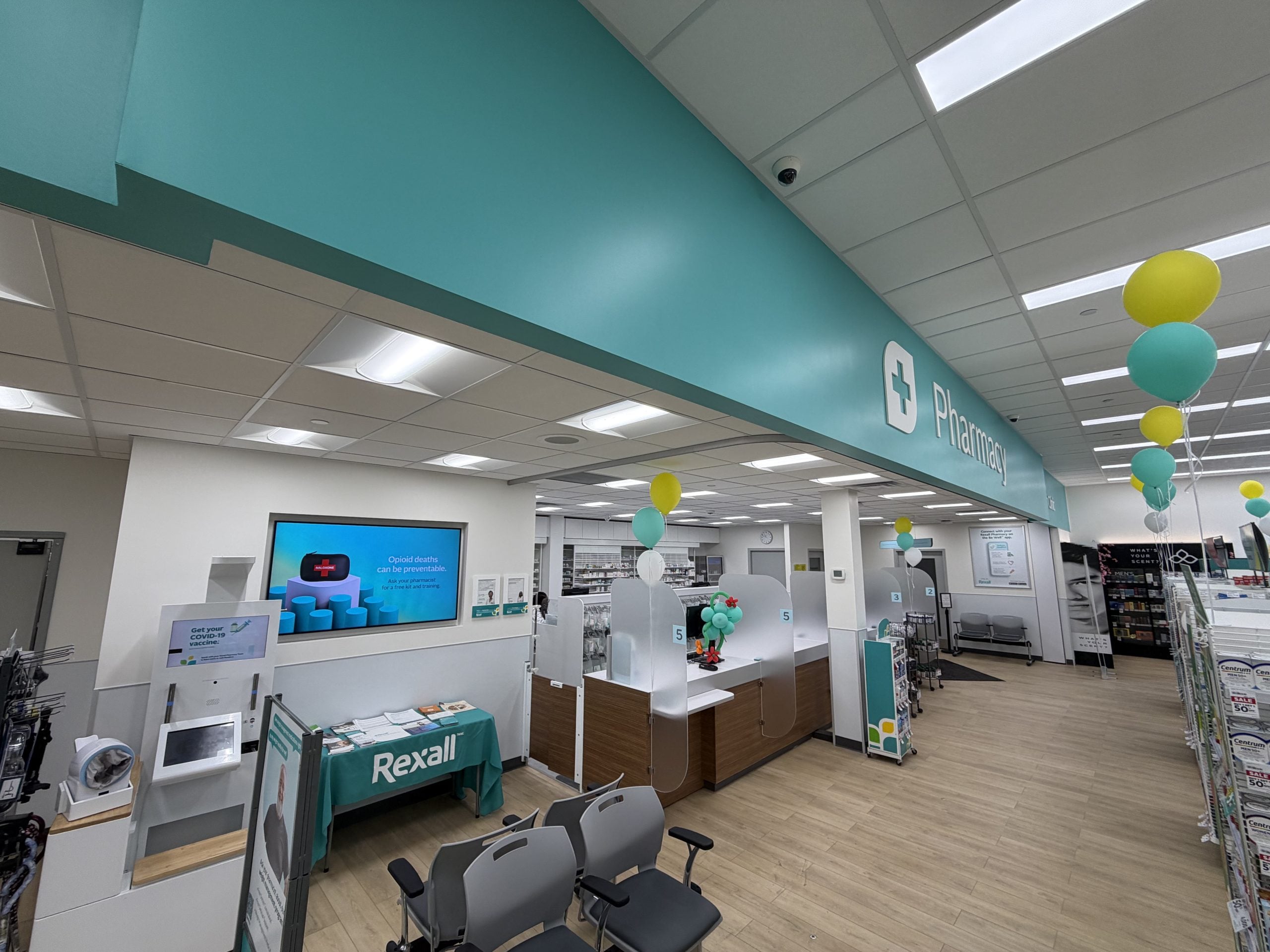
Rexall photo
Rexall photo

Retail Insider Coverage Reflects Sector in Transition

Retail Insider tracked 31 health and beauty-related articles in Q1 2026, reflecting sustained activity across the sector. Expansion led coverage, followed by partnerships and trend analysis, highlighting a focus on growth and strategic collaboration.

This coverage translates into tangible market movement. Sephora continues to expand its Canadian footprint, while Walmart is broadening its beauty assortment to capture mid-market demand. Rexall is investing in healthcare service integration, and wellness operators are reimagining large-format retail space. At the same time, isolated closures in urban markets signal ongoing challenges tied to location-specific risk factors.

Strategic Expansion Captures Market Gaps

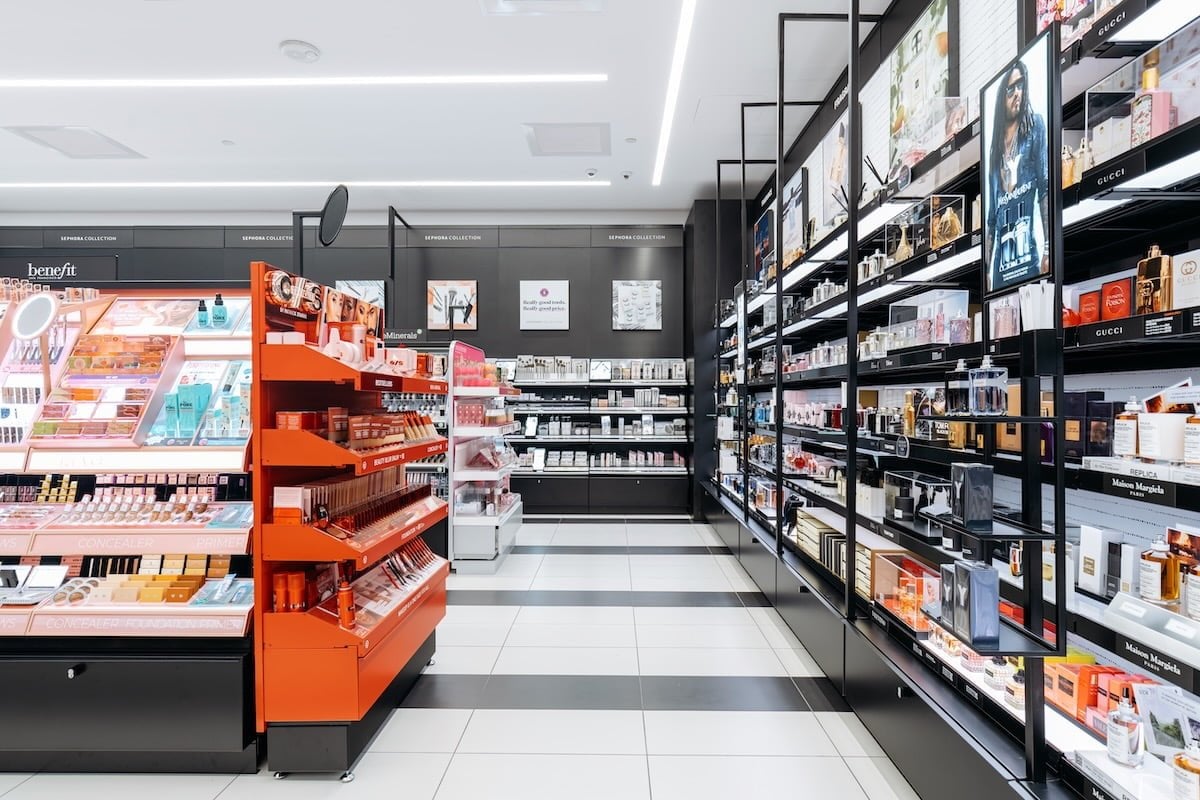
Sephora’s opening of its 144th Canadian store demonstrates how prestige beauty retailers are capitalizing on the void left by department store closures. By expanding into suburban markets, Sephora is increasing accessibility while maintaining a strong experiential and digital offering.

At the same time, Walmart Canada is repositioning its beauty assortment to appeal to younger, value-conscious consumers. The introduction of masstige brands and technology-driven products reflects a broader shift toward premiumization within mass retail, blurring traditional category boundaries.

These moves highlight a more segmented market structure, where prestige, mass, and pharmacy channels are increasingly overlapping. Retailers that can identify and capture underserved segments are gaining competitive advantage.

Union Station Sephora (Image: Arash Moallemi / Sephora Canada)

Wellness Anchors and Adaptive Reuse Reshape Retail Space

Retail real estate is also evolving, with wellness operators playing a growing role in shaping urban retail environments.

Altea Active’s plan to transform a former cinema space in Toronto into a large-format fitness and wellness club reflects a broader shift toward experiential anchors that drive consistent traffic. These formats offer landlords an alternative to traditional retail tenants, particularly in locations impacted by department store or entertainment closures. Altea will also open on the second level of what was to be a Hudson’s Bay store at Oakridge Park in Vancouver.

This trend signals a structural change in how retail space is utilized, with wellness and fitness emerging as key components of mixed-use developments and urban revitalization strategies.

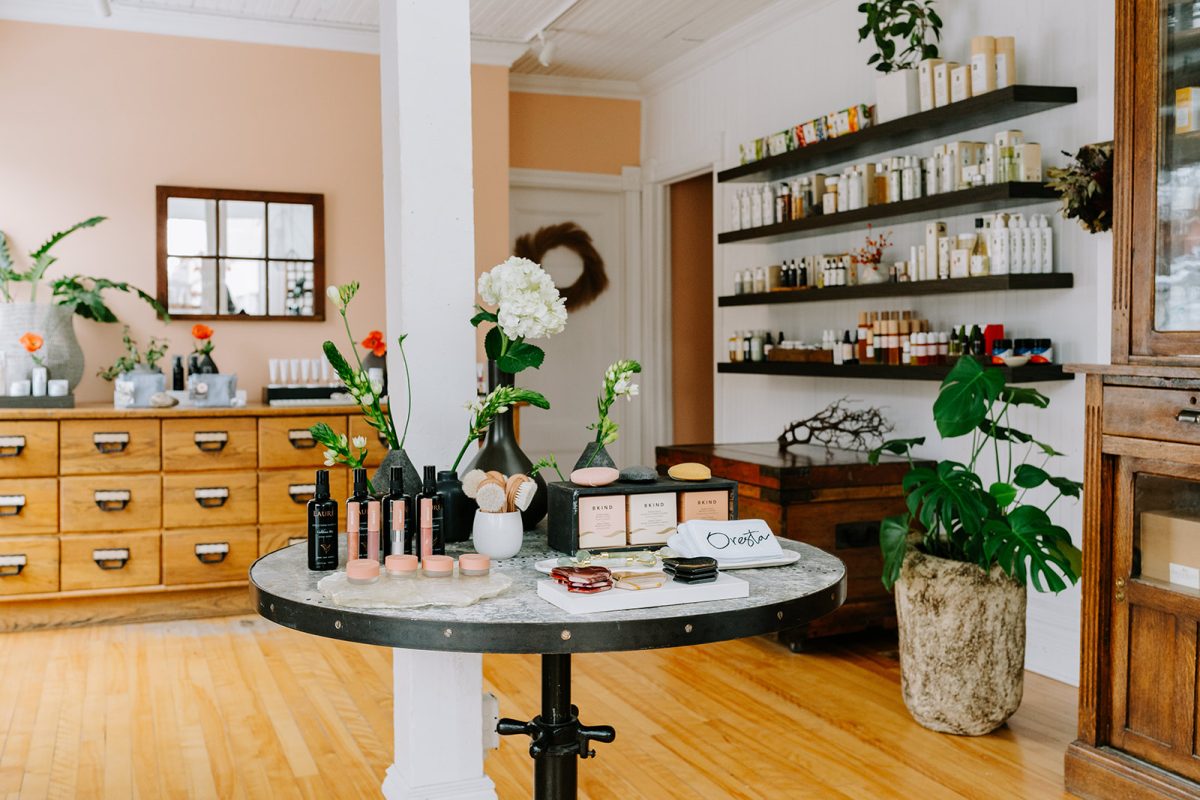
ORESTA Mindful Beauty

Pharmacy Evolution Bridges Healthcare and Retail

Pharmacies are undergoing one of the most significant transformations within the sector. As gaps in the healthcare system persist, retailers such as Rexall are expanding their role to include clinical services such as same-day care, vaccinations, and medication management.

The scale of this opportunity is substantial. With millions of Canadians lacking access to primary care, pharmacies are increasingly positioned as accessible points of entry into the healthcare system. Partnerships that integrate prescribing and dispensing services further reinforce this shift, creating more coordinated and efficient care delivery models.

This evolution is redefining the role of pharmacy retail, moving it beyond transactional dispensing toward a more comprehensive healthcare offering that blends clinical services with traditional retail.

Experiential and Niche Retail Formats Drive Engagement

Experiential retail continues to play a critical role in health and beauty, particularly for emerging and niche brands.

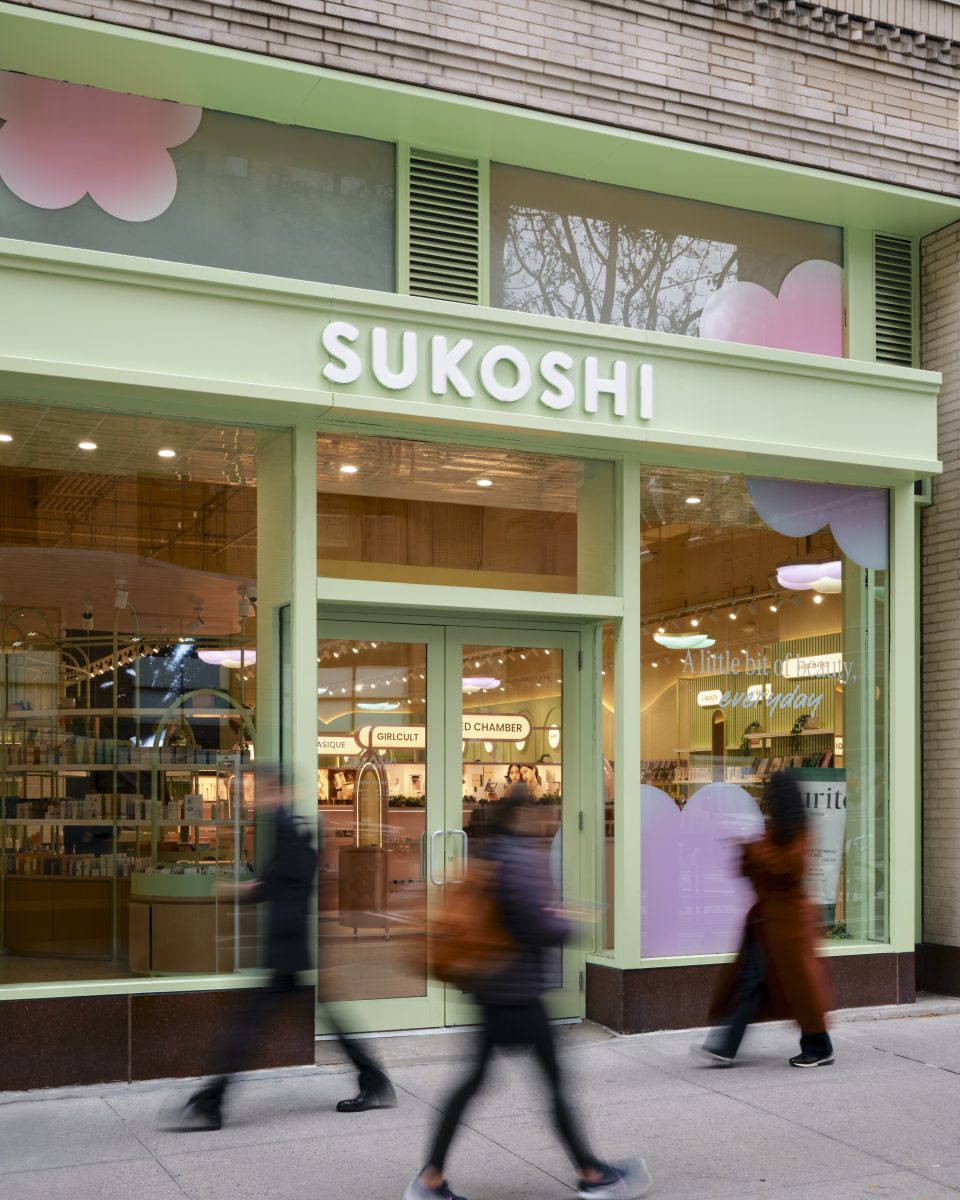
SUKOSHI’s expansion highlights the importance of discovery-driven retail environments that combine product education with immersive experiences. Similarly, brands such as HBFace are integrating wellness and mental health positioning into their offerings, reflecting a broader shift toward purpose-driven retail.

At the same time, category growth supports these strategies. The Canadian skincare market is valued at approximately $3.5 billion in 2026, with premium segments growing faster than mass-market offerings. This reflects the rise of more informed consumers seeking clinically backed and results-driven products.

Omnichannel Growth and Transparency Build Trust

Retailers are also strengthening their omnichannel capabilities to meet evolving consumer expectations. Healthy Planet’s expansion and focus on accessibility, combined with e-commerce integration, highlights the importance of seamless shopping experiences.

Brands such as Graydon Skincare are balancing direct-to-consumer channels with selective retail partnerships, emphasizing transparency, sustainability, and product integrity. As “clean beauty” becomes more mainstream, differentiation increasingly depends on credibility and authenticity.

At the same time, wellness spending continues to grow. Natural and organic beauty products are advancing steadily, reflecting a broader consumer shift toward preventative health and long-term wellbeing.

SUKOSHI
SUKOSHI

Sector Outlook: Retail and Healthcare Converge

The Canadian health and beauty sector is undergoing a structural transformation driven by the convergence of retail, wellness, and healthcare.

Retailers are expanding into underserved markets, repurposing real estate, and integrating services to meet changing consumer needs. At the same time, growth in premium beauty and wellness categories reflects a shift toward more informed and proactive consumption.

This environment rewards retailers that can combine accessibility, experience, and trust, while adapting to a more complex and competitive landscape.

Editor’s Take

The most important shift in Q1 2026 is the sector’s movement toward integrated health, beauty, and wellness ecosystems.

Sephora continues to lead in prestige retail through expansion and experiential engagement, while Walmart Canada is successfully repositioning itself within the mid-market through elevated assortments. Rexall stands out for its transformation into a healthcare-focused retail model, addressing a critical gap in access to primary care.

At the same time, the rise of experiential formats and wellness anchors is reshaping retail real estate, creating new opportunities for landlords and operators alike.

The broader implication is clear. As millions of Canadians navigate limited access to traditional healthcare, retail is stepping in to fill the gap. This shift, combined with continued growth in premium beauty and wellness, is redefining how consumers interact with the sector.

Looking ahead, the integration of healthcare services, the expansion of wellness-driven retail formats, and the continued evolution of omnichannel strategies will be critical factors shaping the competitive landscape.

Selected Coverage

RCC Announces 2026 Retail Award Finalists as Couche-Tard CEO Receives Top Honour

The Retail Council of Canada has announced the finalists for its 2026 Excellence in Retailing Awards, recognizing retailers across the country that are driving innovation in customer experience, operations, sustainability, marketing, and digital transformation. The annual program arrives at a time when Canadian retail continues to undergo significant change, with retailers adapting to evolving consumer priorities, rising operational pressures, and rapid technological shifts.

This year’s awards program includes 64 finalists across 10 competitive categories, representing companies from sectors including grocery, apparel, home improvement, electronics, beauty, banking, ecommerce, and specialty retail.

Canadian Retailers Navigate a Period of Rapid Change

The finalists announced by RCC reflect a retail sector that continues to evolve quickly in response to changing consumer expectations and economic realities. According to the organization, several themes emerged repeatedly across this year’s submissions, including investments in experiential retail, sustainability initiatives, artificial intelligence integration, and growing support for Canadian-made products and suppliers.

The “buy Canadian” movement in particular has gained momentum across multiple retail categories over the past year, as retailers increasingly highlight domestic brands and local sourcing initiatives. At the same time, many retailers are continuing to invest heavily in store environments and customer engagement strategies designed to build loyalty and encourage repeat visits.

Artificial intelligence is also becoming more visible across Canadian retail operations, particularly in areas tied to customer personalization, inventory management, operational efficiency, and data analysis. RCC noted that this year’s finalists demonstrated how AI is beginning to move beyond experimentation into more practical implementation across retail businesses.

Major Retailers Among 2026 Finalists

The list of finalists includes several of Canada’s largest and most recognizable retail companies, alongside emerging brands and specialty concepts.

Among the finalists are Walmart Canada, Best Buy Canada, IKEA Canada, The Home Depot Canada, Loblaw Companies Limited, Longo’s, Pet Valu, Sleep Country Canada, Sephora Canada, SportChek, Silk & Snow, Staples Canada and Indigo Books & Music Inc., among others.

The finalist roster also reflects the increasingly diverse nature of Canadian retail, with companies ranging from traditional bricks-and-mortar operators to digitally driven businesses and category specialists.

“To be named an ERA finalist is to stand among the most accomplished in Canadian retail,” said Kim Furlong, President and CEO of Retail Council of Canada. “In a complex and demanding year, these organizations demonstrated the kind of leadership and forward momentum that defines excellence.”

Alex Miller Named Distinguished Canadian Retailer of the Year

Alongside the finalist announcement, RCC also revealed that Alex Miller, President and CEO of Alimentation Couche-Tard, will receive the 2026 Distinguished Canadian Retailer of the Year Award.

Miller became President and CEO of the Laval, Quebec-based convenience and mobility retailer in September 2024 and is only the third CEO in the company’s 45-year history. RCC described his appointment as reflective of both the company’s leadership culture and long-term operational continuity.

Under Miller’s leadership, Couche-Tard has continued advancing its “Core + More” strategy, which focuses on strengthening core retail categories while investing in future growth opportunities tied to convenience retail and mobility services.

Couche-Tard operates nearly 17,300 stores across 27 countries and territories, including more than 2,100 locations in Canada under the Circle K and Couche-Tard banners.

Prior to joining Couche-Tard in 2012, Miller spent 16 years with BP Plc in roles spanning retail operations, supply chain, strategy, and business development across North America and Europe.

Frontline Retail Operations Remain a Competitive Advantage

RCC emphasized Miller’s focus on frontline retail operations and employee empowerment as a defining aspect of his leadership approach.

According to the organization, Miller has worked to reduce administrative complexity for store teams while pushing decision-making closer to the customer level. RCC said the strategy has contributed to stronger employee engagement, improved retention, and sharper operational execution across the business.

“Alex Miller is a transformational retail leader,” said Furlong. “From the frontline up, he has built a culture of accountability and entrepreneurship, invested meaningfully in the people who serve Canadian customers every day, and brought a clear strategic vision to one of Canada’s most iconic retail brands.”

RCCSTORE26 to Bring Retail Industry Together in Toronto

The Excellence in Retailing Awards Gala will take place on June 2 during RCCSTORE26, which runs June 2-3 in Toronto. RCC said the conference will feature more than 75 speakers and attract retail executives and industry leaders from across North America.

The awards gala will also honour Browns Shoes CEO Michael Brownstein and Jillian Harris as Awards of Distinction recipients.

More from Retail Insider:

Warehouse One and Bootlegger to Liquidate All Stores Under CCAA

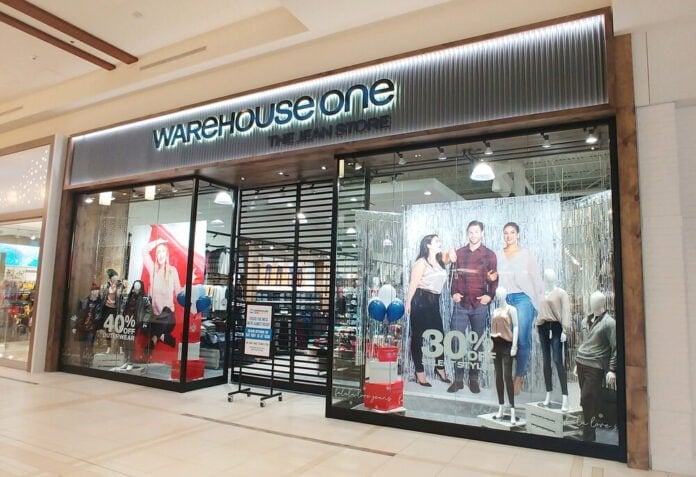
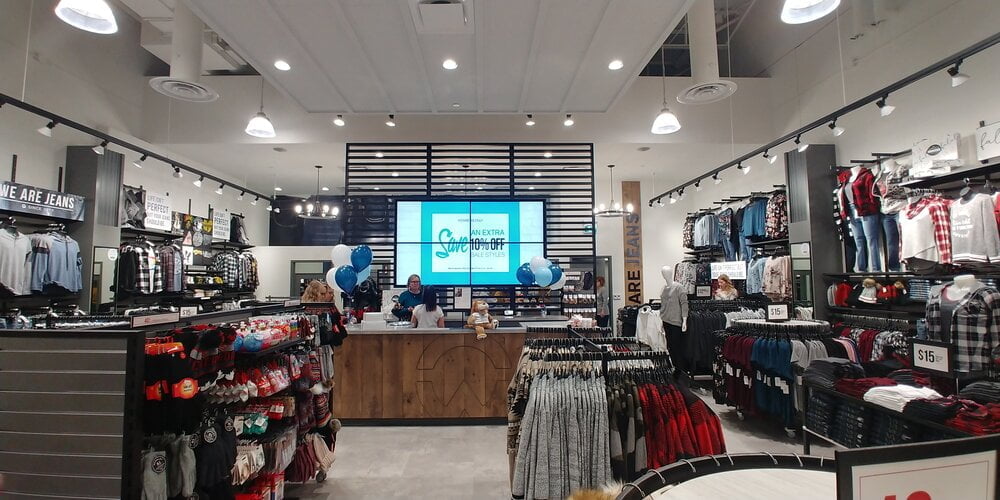
WAREHOUSE ONE, ST. VITAL CENTRE, WINNIPEG. PHOTO: WAREHOUSE ONE

Winnipeg-based Warehouse One and Bootlegger are preparing to liquidate all 128 stores across Canada after filing for creditor protection under the Companies’ Creditors Arrangement Act (CCAA), marking the collapse of one of the country’s last major regional denim-focused apparel chains.

Court documents filed in the Court of King’s Bench of Manitoba show that Warehouse One Clothing Ltd. was granted an Initial Order on May 6, beginning a court-supervised liquidation process that is expected to impact 982 employees nationwide.

The retailer said it intends to conduct an orderly wind-down of all operations rather than pursue a restructuring or sale process. Liquidation sales are expected to begin as early as May 16 pending court approval.

The filing marks the end of a nearly 50-year history for Warehouse One, a Winnipeg-founded apparel retailer that began in 1977 when founder Max Maryk sold denim from the trunk of a car before opening the company’s first store on Henderson Highway.

WAREHOUSE ONE, ST. VITAL CENTRE, WINNIPEG. PHOTO: WAREHOUSE ONE


Retailer Operated 128 Stores Across Canada

According to court filings, the combined business operated:

  • 95 Warehouse One locations
  • 25 Bootlegger stores
  • 8 combined Warehouse One/Bootlegger locations

The stores were spread across eight provinces and one territory, with a particularly strong presence in Western Canada and smaller regional markets.

Unlike many national apparel retailers that focused heavily on downtown urban centres or luxury malls, Warehouse One built much of its business in regional shopping centres and smaller Canadian communities including Cold Lake, Fort McMurray, Quesnel, Meadow Lake, Thompson, Prince Rupert, Weyburn, Whitehorse, and Flin Flon.

The company also maintained stores in larger markets including Calgary, Edmonton, Regina, Saskatoon, Winnipeg, Burlington, and St. John’s.

Court materials state that approximately 232 employees are based in Manitoba, including workers tied to the company’s Winnipeg corporate office, warehouse, and distribution operations.

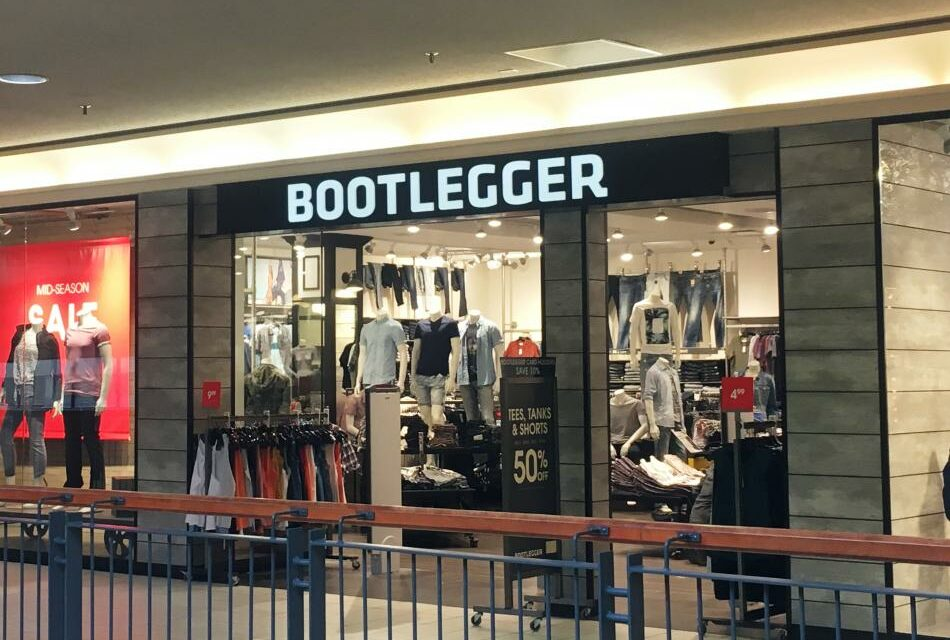
Bootlegger store, Photo: Avalon Mall
 

Filing Cites Ultra-Low-Cost Fashion Competition

The Warehouse One CCAA filing paints a difficult picture of mounting losses, shrinking liquidity, and rising competitive pressure across the Canadian apparel sector.

According to the filings, the retailer lost approximately $15 million during fiscal 2026 after posting an estimated $6.5 million loss the previous year.

The company cited several factors contributing to its insolvency, including:

  • increased competition from ultra-low-cost fashion retailers
  • online shopping pressure
  • operational losses following the acquisition of Bootlegger
  • generally poor sales performance

The filing specifically references “consumer uptake of ultra low cost fashion retailers and other online competition.”

The documents also state that many smaller-market stores experienced double-digit sales declines as mall traffic weakened and consumers increasingly shifted spending online.

Most of the company’s merchandise was sourced internationally and purchased in U.S. dollars, creating additional pressure as the Canadian dollar weakened against the U.S. currency.

Bootlegger store in Halifax. Photo: Mapquest

Bootlegger Acquisition Became Part of the Challenge

One of the most notable elements of the filing involves Warehouse One’s acquisition of Bootlegger in April 2025.

At the time, Warehouse One was viewed as one of the remaining survivors in Canada’s struggling middle-market apparel sector, stepping in to acquire the Bootlegger brand and preserve stores and jobs following earlier retail distress tied to the Comark Group insolvency proceedings.

However, court materials filed this week state that the company experienced “operational challenges and losses” following the Bootlegger acquisition.

The filing also states that shareholders and affiliated entities advanced more than $39 million to support operations since 2020, including approximately $20.5 million following the acquisition period beginning in early 2025.

While revenue increased following the transaction, costs reportedly rose even faster. Court documents state that store-level, corporate, and overhead expenses increased by approximately 50% year-over-year after the Bootlegger acquisition.

Ultimately, the filing states that shareholders were no longer prepared to continue funding losses.

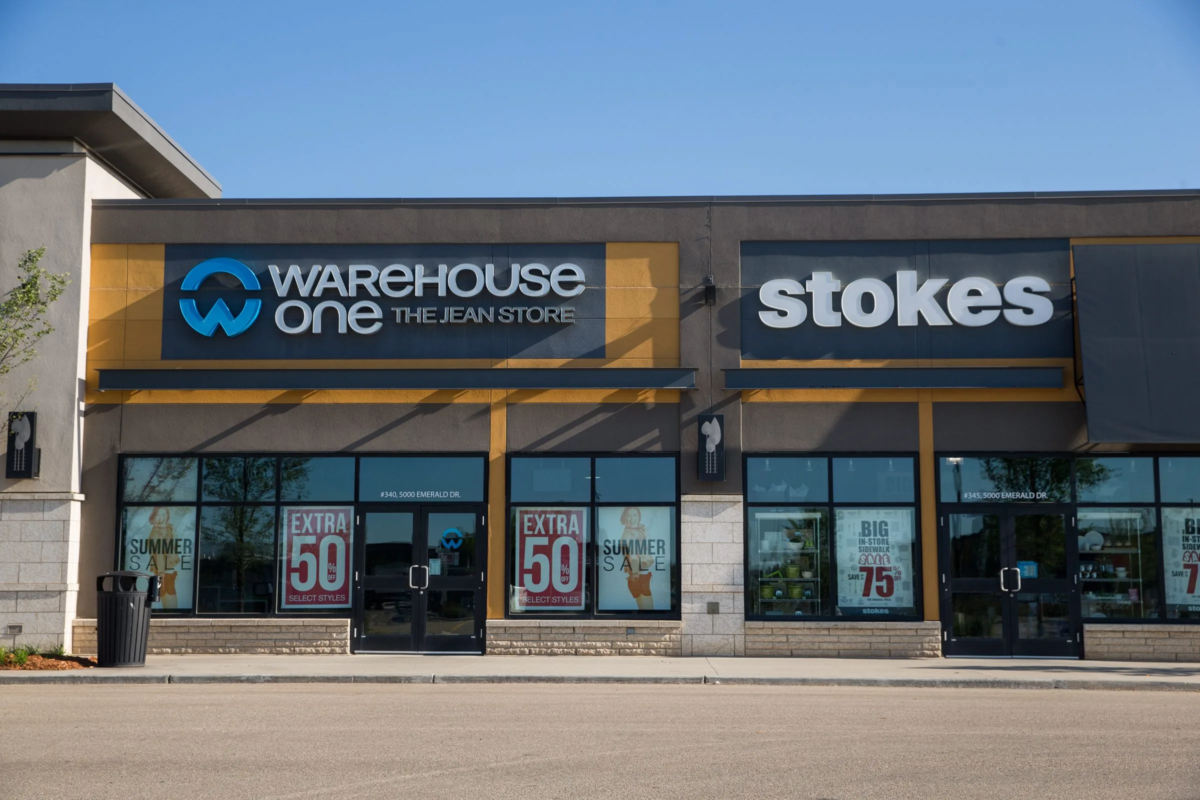
Warehouse One store, photo: Emerald Hills

Customers Face Tight Deadlines

Warehouse One said customers will only be able to use gift cards, loyalty rewards, and complete returns or exchanges until May 13, 2026.

The company is expected to return to court on May 15 to seek approval for liquidation sale procedures across all remaining locations.

Alvarez & Marsal Canada Inc. has been appointed monitor for the proceedings.

The filing adds another major name to the growing list of Canadian apparel retailers that have disappeared or significantly retrenched in recent years as the sector faces mounting pressure from e-commerce, discount retail formats, and changing consumer spending patterns.

More from Retail Insider:

Alibaba.com launches AI-focused pitch competition with more than $1 million in prizes

Vitaly Gariev photo
Vitaly Gariev photo

Alibaba.com says it is expanding its CoCreate Pitch competition this year with an artificial intelligence-focused format and a total prize pool of more than $1 million as the company looks to promote AI-driven business creation and product development.

The business-to-business e-commerce platform announced that the competition, part of its CoCreate 2026 events in Los Angeles and London, will include regional finals in the United States, Europe and a new Asia-Pacific round.

The company said the updated competition reflects what it described as a shift in global trade toward “agent-to-agent” commerce, where AI systems increasingly handle functions such as sourcing, logistics and operational coordination.

Alibaba.com said entrants will use Accio Work, an AI-based enterprise tool developed by Alibaba, to help create products, business concepts and competition pitches.

“This year marks a pivotal shift from past editions of the competition: for the first time, launching a business from scratch is no longer a dream but an accessible reality, with the help of Accio Work, Alibaba’s plug-and-play enterprise AI agent,” the company said.

Vitaly Gariev photo
Vitaly Gariev photo

The competition will feature three categories: a general small and medium-sized enterprise track for established businesses, a startup track for founders using Accio Work to develop new ideas, and a student track for current students creating products.

Alibaba.com said applicants will register through Accio Work, which includes what the company calls a “CoCreate Pitch Agent” designed to help participants develop proposals and business plans.

Kuo Zhang
Kuo Zhang

“In a world where execution is automated, your perspective is your greatest asset,” said Kuo Zhang, President of Alibaba.com. “Accio Work is the essential toolkit for every entrepreneur in this AI era, allowing anyone with a strong idea to reach the world. Now is the best time to start and we’re excited to see what founders will build.”

The company said submissions will be judged on innovation, feasibility, market potential and how participants use Accio Work in developing their concepts.

Finals in Los Angeles, scheduled for Sept. 9 and 10, and London, scheduled for Nov. 19 and 20, will each feature 20 finalists presenting live during the CoCreate events.

Alibaba.com said first-place winners in each final will receive $200,000, while second- and third-place finishers will receive $100,000 and $50,000, respectively. The remaining finalists will each receive $10,000.

The company said prize details for the Asia-Pacific competition will be announced later.

Alibaba.com launched in 1999 and operates a global business-to-business e-commerce marketplace serving buyers and suppliers in more than 200 countries and regions.

More from Retail Insider:

Sonic Boom at 25: Inside a Toronto Record Store’s Survival and Growth

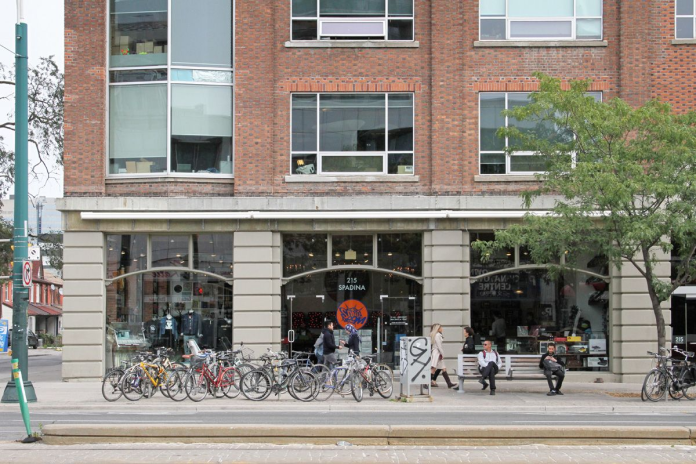
Sonic Boom store at 215 Spadina Ave in Toronto. Photo: On the Grid Toronto

When Sonic Boom opened its doors in Toronto in 2001, the music retail industry was already in decline.

File-sharing platforms such as Napster had begun to erode physical music sales, and consumers were quickly shifting away from CDs. Vinyl, once dominant, had already faded into near irrelevance. For most entrepreneurs, it would have been the worst possible time to open a record store.

For founder Jeff Barber, it was a calculated risk.

Jeff Barber

“I figured, before this industry completely dies, I might have a little bit of a run here,” Barber said in an interview. “Since the pie is quickly shrinking, I wanted to go to a big city and take a piece of a larger pie.”

Raised in Minnesota, he had previously opened a record store in Milwaukee in the late 1990s, an early venture that did not succeed but helped shape his approach. By 2001, he was looking for a larger market where his next attempt might have a better chance.

That decision brought Barber from the United States to Toronto, where he saw an opportunity to create something different. At the time, the market was divided between large chains focused on new product and smaller shops specializing in used inventory. Barber’s concept combined both at scale, a model that would ultimately define Sonic Boom’s growth.

Growth in a Shrinking Industry

In its early years, Sonic Boom expanded as competitors exited the market. As traditional music retailers closed, the company absorbed both customers and inventory, building brand recognition during a period when the broader category was contracting.

“A lot of people thought I was happy about other stores going out of business,” Barber said. “But I knew it was indicative of the whole industry. The better the entire industry does, the better we all do.”

That long period of decline unexpectedly created a foundation. By the time consumer interest in physical media began to return, Sonic Boom had already established itself as a destination.

“I never would have professed to see the resurgence of vinyl coming,” Barber said. “But when it did, we were ready. The brand was strong, and people thought of us when they wanted to buy or sell records.”

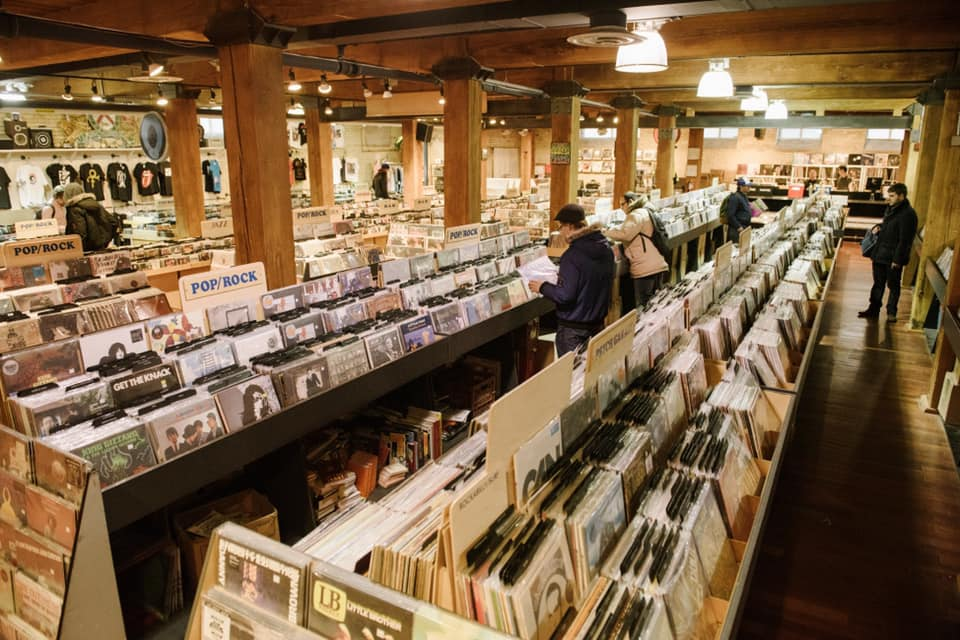
Sonic Boom store at 215 Spadina Ave in Toronto. Photo: Sonic Boom/Facebook

From Annex Shop to 13,000-Square-Foot Flagship

Sonic Boom’s physical footprint reflects both its growth and the evolution of Toronto’s retail landscape.

The original store opened at 512 Bloor Street West in the Annex, a location later lost to redevelopment when the space was leased to Dollarama. The business then moved to Honest Ed’s on Bathurst Street, followed by a secondary boutique in Kensington Market, before settling into its current flagship at 215 Spadina Avenue in 2014.

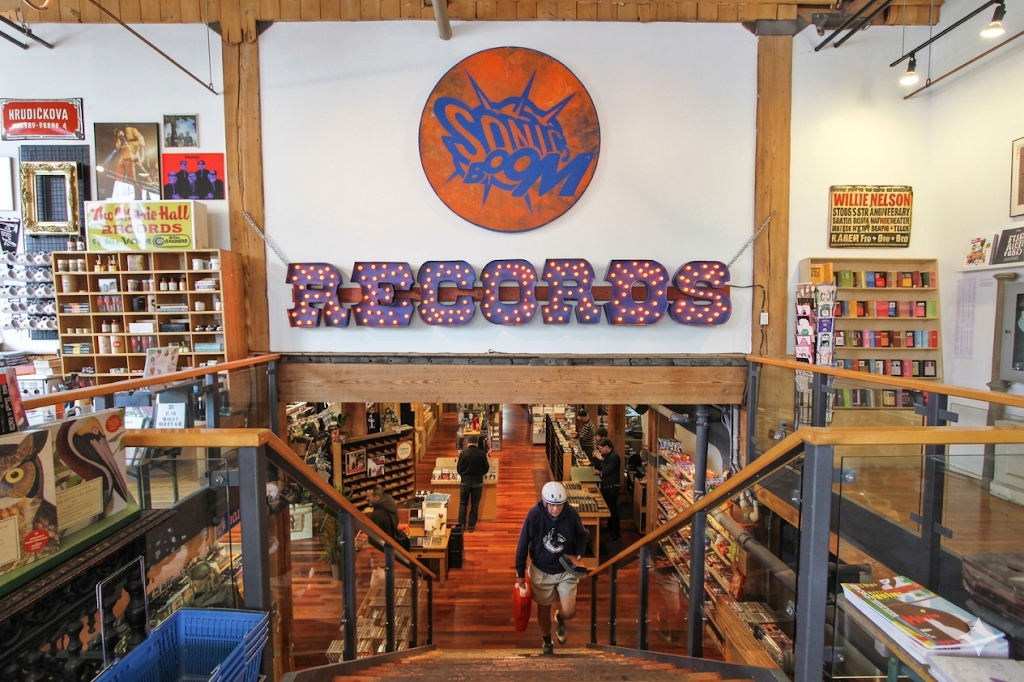
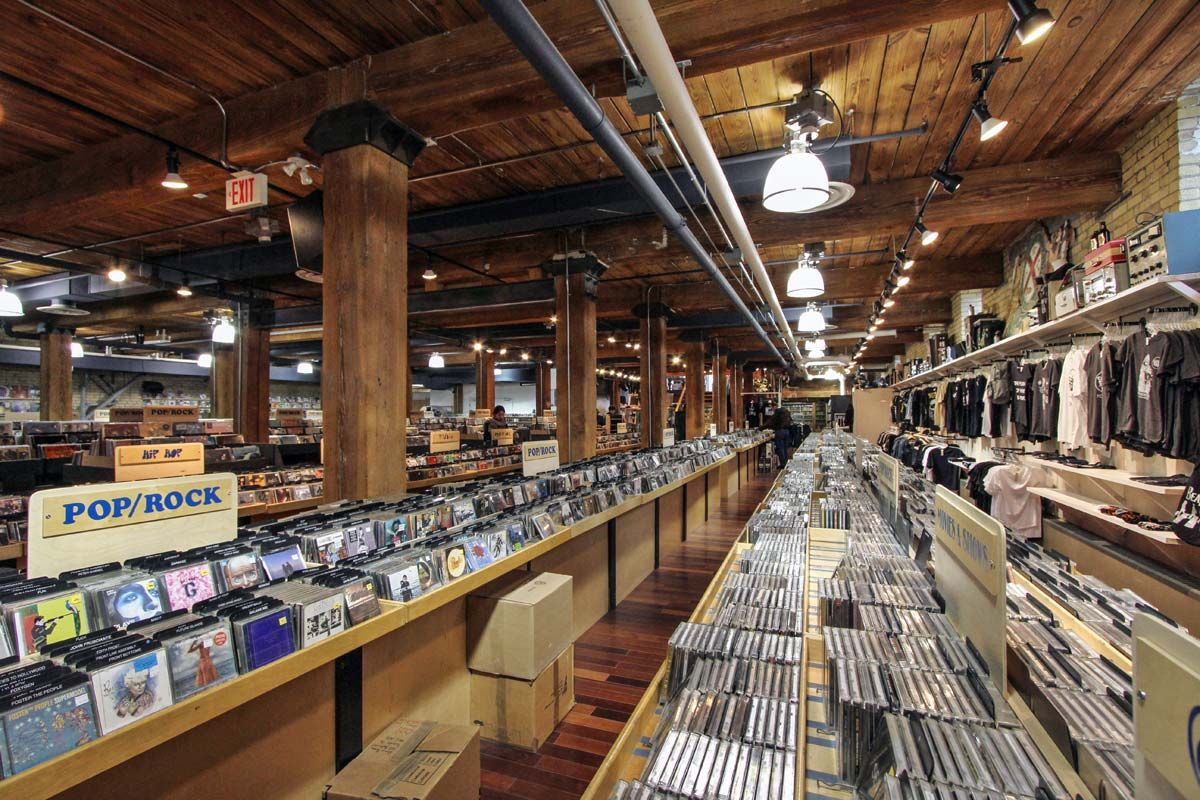
Today, the store spans approximately 13,000 square feet across two levels in a former warehouse building. The main floor features new releases, turntables, and curated merchandise, while the lower level houses an extensive used inventory often described as a maze-like browsing experience.

The scale is unusual for an independent retailer in this category, and it has helped position Sonic Boom as a destination for both locals and visitors.

A Retail Model Built on Discovery

At the core of Sonic Boom’s success is a merchandising strategy that encourages exploration.

Hundreds of new items are added to the floor daily, creating what Barber describes as a “thrill-of-the-hunt” environment. Customers return frequently, knowing that inventory is constantly changing.

That approach aligns with broader shifts in consumer behaviour. While digital platforms offer convenience, they lack the tactile and exploratory elements that physical retail can provide.

Barber believes this dynamic is central to vinyl’s resurgence.

“I don’t think it’s about sound quality,” he said. “It’s more about a technological backlash. People want something tactile, something to collect. It’s a more mindful process, like pouring a glass of wine and taking the time to enjoy it.”

That perspective reflects a growing segment of consumers seeking experiences that contrast with digital consumption. The act of browsing, selecting, and playing a record has become part of the appeal.

Sonic Boom store at 215 Spadina Ave in Toronto. Photo: On the Grid Toronto

Vinyl’s Return and New Consumer Demand

The resurgence of vinyl has been underway for more than a decade, with growth accelerating during the pandemic as consumers spent more time at home.

Sonic Boom’s online store launched in 2019, just months before COVID-19 lockdowns. The timing allowed the business to maintain sales while stores were closed, even as demand for physical media increased.

“We had a couple of months to get our feet wet online, and then when the pandemic hit, people started building record collections again,” Barber said.

At the same time, sales of turntables and audio equipment have continued to rise, signalling new entrants into the category.

“If people are buying turntables, they’re buying records,” Barber said. “That’s an indicator that there’s still a lot of runway ahead.”

Interestingly, growth has not been limited to vinyl. Sonic Boom has also seen a resurgence in CD sales, particularly among younger consumers seeking more affordable physical formats.

“It’s kids buying CDs,” Barber said. “They want to own something. They might not be able to afford vinyl, so they buy a CD and a Discman instead.”

Building a Destination Through Experience

While product remains central, Sonic Boom has increasingly positioned itself as a place to spend time, not just transact.

The store hosts regular in-store performances, artist signings, and listening events tied to new releases. It has also introduced experiential elements such as a photo booth and a custom-built “PhonoMat” machine that dispenses random records.

“It’s a cultural gathering point,” Barber said. “We want people to come in and spend time here.”

The approach has broadened the store’s audience. Prior to the pandemic, Sonic Boom’s customer base skewed older and male. In recent years, it has become younger and more diverse, reflecting a wider appeal for physical media and music culture.

Tourism has also become a meaningful driver, with visitors from across Canada and internationally drawn to the store’s scale and reputation.

Sonic Boom store at 215 Spadina Ave in Toronto. Photo: On the Grid Toronto

A Challenging Business Despite Momentum

Despite renewed interest in physical formats, the business remains complex.

Physical media still represents a relatively small share of overall music consumption, and operating costs in Toronto continue to rise.

“It’s still a difficult business,” Barber said. “Margins aren’t great, and overhead is extremely high. Rent and payroll in a city like Toronto make it challenging.”

That reality has limited expansion. While some independent record stores have opened in recent years, others have closed, underscoring the delicate balance required to operate successfully in the category.

Reflecting on 25 Years

As Sonic Boom approaches its 25th anniversary, Barber describes the milestone as a moment of reflection.

“There’s a lot of satisfaction and a lot of gratitude,” he said. “I never could have imagined where we’d be today.”

The anniversary will be marked with a live music event on May 9 at St. Anne’s Parish Hall, bringing together a lineup of Canadian artists in a celebration of the store’s role in the city’s music community.

For Barber, the future remains uncertain, as it was when he first opened the business in 2001.

“I can’t claim to know what tomorrow holds,” he said. “But I’m excited for whatever comes next.”

More from Retail Insider:

PIANO PIANO frozen pizza expands to stores across Canada

Yan Krukau photo
Yan Krukau photo

Toronto-based Italian restaurant chain PIANO PIANO says its frozen pizza line is now available nationally through new grocery partnerships, marking the company’s latest retail expansion beyond Ontario.

The restaurant group, founded by chef Victor Barry, said its frozen pizzas are now being sold across Canada through a partnership with Walmart Canada, along with distribution through Country Grocer in British Columbia and Coleman’s in Newfoundland.

The expansion builds on existing retail relationships with Ontario grocers including Loblaw’s, Sobeys, Metro, Longo’s and Summerhill Market.

The company said the national rollout represents a major milestone for the business, which began selling frozen pizzas in 2020 after establishing a following through its seven restaurant locations in Toronto, Hamilton and Oakville.

The company said its frozen pizza business has grown from a regional product into a national operation supported by a CFIA-certified and FDA-licensed production facility that produces more than 200,000 pizzas per month.

The company said the pizzas use a 72-hour naturally leavened sourdough fermentation process that originated in its restaurants.

“This pizza was born in our restaurants, out of the same obsession with doing things properly that drives everything we do. The sourdough takes 72 hours. The ingredients are the best we can find. We never cut corners – and that doesn’t change whether you’re eating with us in Toronto or heating up a pizza in your oven in Vancouver or Halifax. Canada deserves a frozen pizza that actually tastes like something,” said Barry, founder of the company.

Barry first gained recognition at Toronto restaurant Splendido before opening the first PIANO PIANO location in 2016.

According to the company, the restaurant business expanded to seven locations across the Greater Toronto Area and surrounding communities before moving into retail frozen foods.

Mikhail Nilov photo
Mikhail Nilov photo

The company said the frozen pizzas developed a customer base among restaurant patrons looking for a similar product at home.

PIANO PIANO said its crust is made using a naturally leavened sourdough fermented for 72 hours before freezing, which it says distinguishes the product within the frozen pizza category.

The pizzas are topped with locally sourced Ontario ingredients, the company said.

PIANO PIANO said its frozen pizzas are now available in more than 350 retail locations across Canada.

More from Retail Insider:

HANK. Reveals First Stores as Retail Veterans Target Menswear Gap

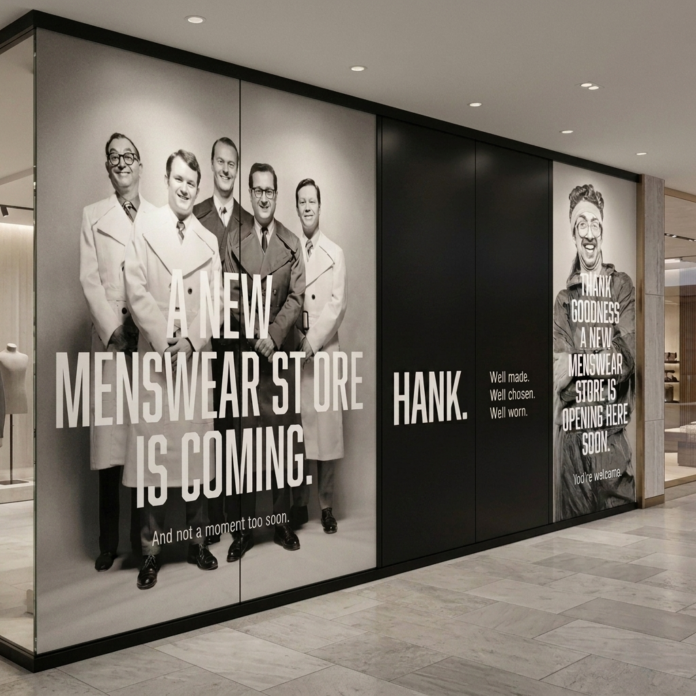
HANK. storefront rendering. Image supplied

Veteran Canadian fashion retail executives are moving to rebuild a segment of the country’s premium menswear market left fragmented after the collapse and restructuring of several department store operators.

Caulfeild Apparel Group has confirmed that HANK., its new multi-brand menswear retail concept, will open its first three stores in late summer 2026 at Bayview Village Shopping Centre, Upper Canada Mall, and CF Masonville Place, alongside the launch of a national ecommerce platform.

The announcement marks the next stage of a concept first discussed publicly with Retail Insider in January 2026, when company executives outlined plans to create a new menswear retail environment following the disruption caused by the departures and downsizing of retailers including Nordstrom Canada, Saks Fifth Avenue, and Hudson’s Bay.


Caulfeild executives believe the market disruption created a significant opening within Canada’s premium menswear sector, particularly as consumers lost access to many traditional multi-brand menswear environments.

“Roughly a half-billion-dollar menswear business disappeared from the Canadian market in just a few years,” said Mike Purkis, President and CEO of Caulfeild Apparel Group, during an earlier interview with Retail Insider.

For Purkis, the concept came together almost immediately after Hudson’s Bay entered bankruptcy proceedings.

“Suppliers had a choice,” he said. “They could sit still, or they could build something new.”


A Premium Menswear Opportunity Emerges

The collapse of several department store menswear operations has reshaped how premium apparel brands reach Canadian consumers, leaving major gaps in both product distribution and physical retail presence.

Many premium brands previously relied heavily on department store shop-in-shops and large-format menswear floors for visibility and sales across Canada. At the same time, consumers lost access to broad multi-brand assortments positioned between luxury fashion and mass-market apparel.

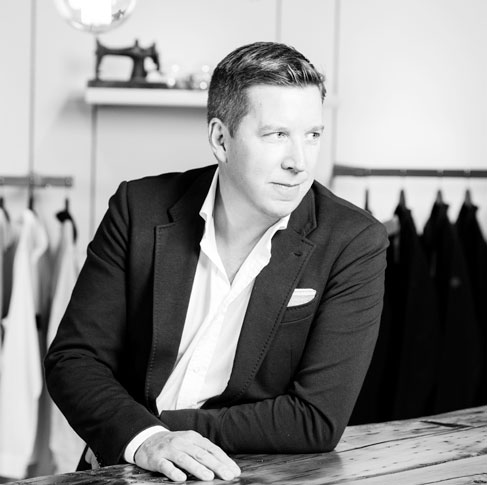
Mike Purkis

Purkis said HANK. intends to position itself within that middle ground, targeting consumers seeking elevated apparel and service without moving fully into luxury pricing.

“We want to sit in a premium marketplace just below Rosen’s,” Purkis said, referring to Harry Rosen.

The company believes many Canadian men increasingly found themselves shopping within athletic, off-price, or highly vertical retail environments following the disappearance of traditional premium department store menswear floors.

According to Purkis, HANK. is being designed for consumers looking for wearable fashion, quality product, and service-driven retail experiences without entering ultra-luxury territory.

The assortment is expected to lean heavily toward sportswear while maintaining tailored categories including suiting and sport coats.

“Probably twenty to twenty-five percent suits and sport coats,” Purkis said. “More sportswear driven to begin with.”

The company is targeting consumers roughly between their mid-30s and mid-50s who are fashion-conscious but still seeking versatile everyday apparel.

“We’re looking at customers who are fashion forward, but not aggressive fashion,” Purkis said. “That’s wearable fashion.”

Veteran Retail Leadership Driving the Concept

One of the defining characteristics of HANK. is the depth of experience behind the concept.

The leadership team includes executives with backgrounds spanning department stores, luxury retail, merchandising, wholesale apparel, and premium fashion operations, experience that may help differentiate the retailer within a challenging apparel environment.

Purkis represents the fourth generation of leadership at Caulfeild Apparel Group, one of Canada’s oldest privately owned apparel companies. Founded in 1886, the company has operated across wholesale distribution, licensing, manufacturing, and brand management for more than a century.

The HANK. leadership group also includes Sanjay Malhotra, Vice President of Strategy and Business Development, who previously spent more than two decades at Hudson’s Bay in senior merchandising and leadership roles connected to menswear retail operations.

“We’ve brought in some talented people to help build this,” Purkis said. “Sanjay Malhotra was the last VP standing at the Bay in the men’s space.”

The broader team also includes Patrick Tier, Merchandise Director – Retail, whose background spans merchandising and menswear retail operations, as well as Lanita Layton, Senior Advisor – Retail, who is widely recognized within the Canadian fashion industry for her work advising premium retail brands and for prior leadership roles connected to HUGO BOSS Canada, Holt Renfrew, and Birks Group.

The company said the leadership structure behind HANK. was intentionally assembled to combine expertise across merchandising, customer experience, retail operations, and premium brand positioning.

Pictured from Left to Right – Mike Purkis, Sanjay Malhotra, Lanita Layton and Patrick Tier

Why the First Locations Matter

The selection of the first three HANK. locations also provides insight into how the company views the Canadian menswear opportunity.

Bayview Village Shopping Centre is positioning itself as an upscale fashion-forward shopping destination, catering to affluent consumers seeking curated retail experiences.

Meanwhile, Upper Canada Mall offers access to a growing suburban customer base north of Toronto, while CF Masonville Place provides exposure to a regional market that remains comparatively underserved in premium menswear retail.

Taken together, the first locations suggest HANK. is testing multiple consumer demographics and market types simultaneously while maintaining a strong focus on high-traffic enclosed shopping centres.

The launch also comes as Canadian shopping centre owners continue repositioning fashion assortments following the downsizing and closure of several department store anchors.

“We are looking for ideally high foot traffic mall locations with that consumer in mind,” Purkis said.

Physical Retail Still Plays a Critical Role

Although ecommerce will form a major component of the business through HANK.’s national online platform, the company believes physical stores remain central to the premium menswear experience.

“We’re seeing consumers return to physical retail environments, particularly when service and product discovery are involved,” Purkis said.

The first HANK. stores are expected to range between approximately 1,800 and 2,700 square feet depending on location.

Purkis described the interiors as clean and minimalist, incorporating dark metal finishes, bleached wood, lounge seating, and residential-inspired elements intended to create a more relaxed and service-oriented atmosphere.

“Every store will have its own lounge environment,” he said. “We want the experience to feel elevated and welcoming.”

The broader retail concept is intended to emphasize lifestyle positioning and personal confidence rather than transactional apparel shopping.

The company’s philosophy, “Well Made. Well Chosen. Well Worn.”, reflects that broader positioning strategy.

While the first three locations represent the opening phase of the business, Caulfeild’s ambitions for HANK. appear significantly broader.

“Ultimately, thirty-five to forty-five doors is probably the target,” Purkis said.

More from Retail Insider: