Home Blog Page 186

Time Out Market Vancouver reveals further additions to its all-star culinary lineup of local chefs and restaurateurs

Photo: Time Out
Photo: Time Out

Time Out Market Vancouver – the first of its kind to launch in Western Canada – has revealed the latest additions to its impressive lineup of local culinary talents. 

Set to open this Spring, the food and cultural market will bring the best of the city together under one roof: a curated mix of the best chefs and restaurateurs, drinks and cultural experiences – showcasing the city’s top talents and making them accessible in a unique space, said the Market.

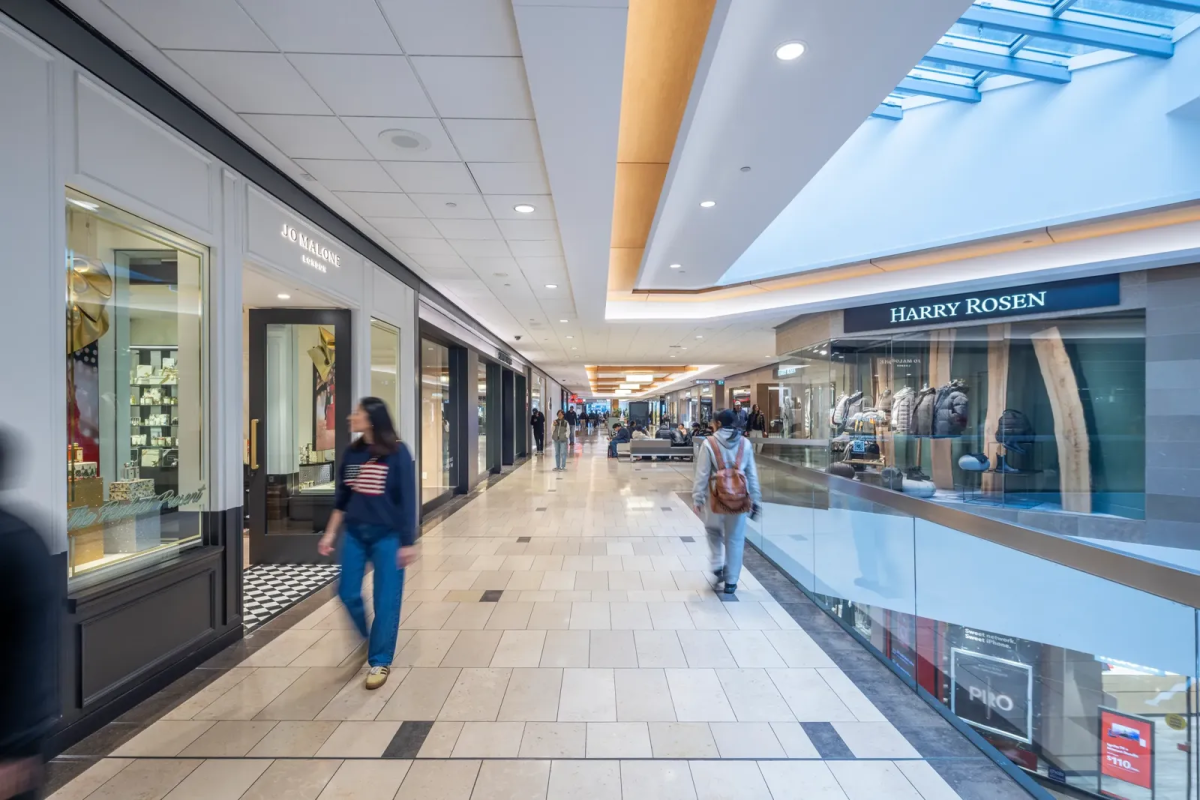
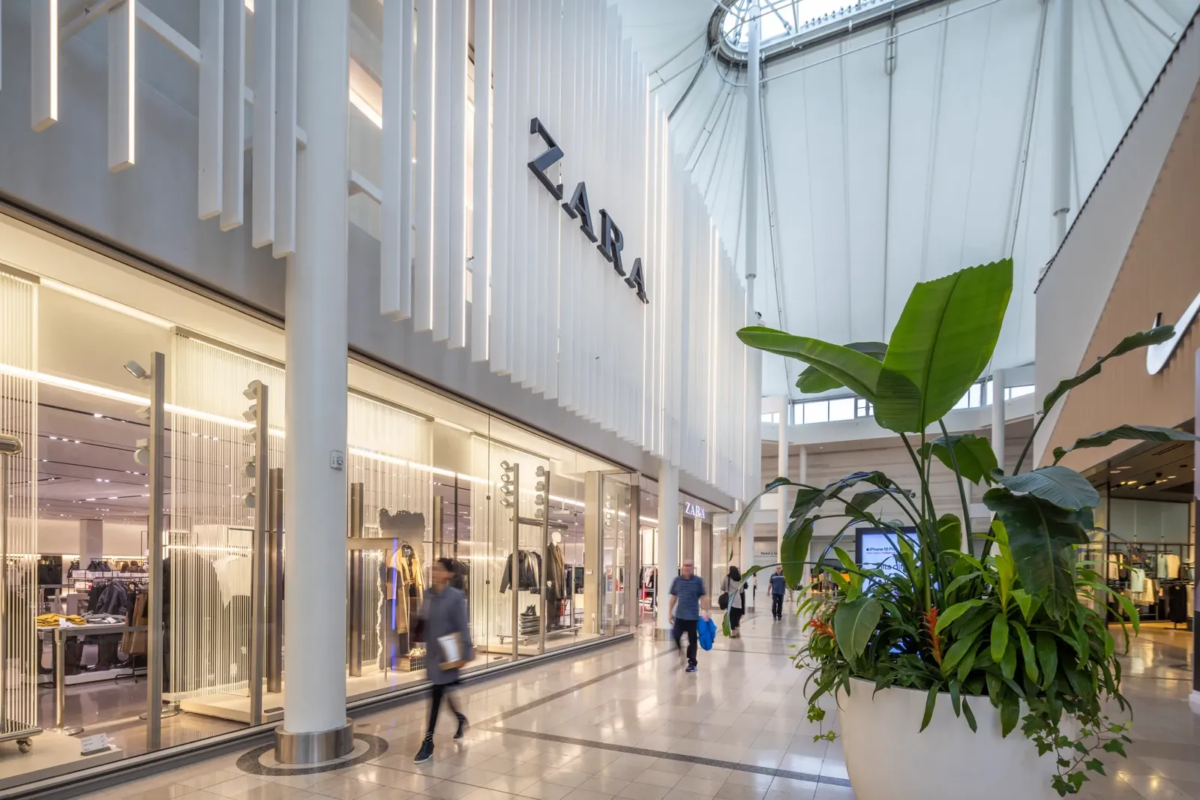
Time Out Market Vancouver – located at Oakridge Park – is 51,000 square feet of space and will feature 18 kitchens, one dessert and one coffee counter, alongside three bars, multiple event spaces, around 1,000 seats and a large outdoor terrace facing onto a public park. 

Julien Lavoie, General Manager of Time Out Market Vancouver, said 13 of the 20 concepts have been announced that are coming to Time Out Vancouver.

“ We are exceptionally proud of the concepts announced as we continue to highlight the best of the city under one roof.  Our vision is to celebrate a thoughtfully curated mix of accoladed, neighbourhood gems, and rising star chefs. For the final announcement, count on some surprises that really shine a spotlight on the culinary scene in Vancouver,” he said.

Julien Lavoie
Julien Lavoie

“Time Out Market’s vision is simple: the best of the city under one roof. It’s a vibrant community hub where we celebrate local culture, entertainment, talent and, of course, incredible food and drink. Think of every time you visit a friend’s home- you always end up at the kitchen table. Time Out Market is Vancouver’s kitchen table. Here, both locals and tourists get a real taste of the city. 

“Guests can explore local culture and diverse culinary offerings from multiple kitchens, then come together at communal tables to enjoy their meals in a thoughtfully designed, lively space. We bring people together- whether they come with family, friends, or solo- so they can experience exciting culinary and cultural moments, all while watching top chefs and their teams in action. With the upcoming opening at Oakridge Park, Time Out Market continues its mission of building a new community hub, providing the perfect place to amplify and share the stories of Vancouver’s best chefs and restaurants.”

Communal tables, open kitchens, and a thoughtfully designed interior will offer a casual atmosphere where families, groups of friends and solo visitors can get together and easily connect with one another. Time Out Market is not just a foodie destination but a vibrant community space. With a year-round calendar of entertainment and activations, there will be culinary and cultural experiences for everyone, said the Market.

With six chefs and restaurateurs already announced, more culinary top talents – from beloved local institutions to award-winning and rising talents and much-loved local gems – have been revealed to complement Time Out Market Vancouver’s roster, serving a diverse range of cuisines.

Chef Vikram Vij brings new Indian concept, Peacock, to Time Out Market Vancouver 


One of the city’s most well-known and loved chefs, Vikram Vij, is famous for his namesake Vancouver-based restaurant, Vij’s. Open since 1994, the institution was described as “easily among the finest Indian restaurants in the world” by The New York Times. Chef Vij has earned global recognition for his culinary career, cookbooks, and industry advocacy, highlighted by the Michelin Guide and James Beard Awards, alongside appearances on Top Chef Canada, Chopped Canada, and Dragons’ Den, among many others. For the Market, Chef Vij is launching Peacock, a new Indian concept which will serve Vij’s Samosa Chaat salad with beets and candied walnuts, Jennifer’s Salt Fish Curry, and Vij’s family Chicken Korma with pickled chillies. 

Photo: Time Out - Vikram Vij
Photo: Time Out – Vikram Vij
Photo: Time Out - Peacock
Photo: Time Out – Peacock

Authentic Neopolitan pizza concept, Via Tevere, joins Market lineup

For over a decade, Via Tevere founders and brothers Dom and Frank Morra have shared their family heritage through several concepts in Vancouver, including Straight Outta Brooklyn Pizza, Dante Italian Sandwich, Don’t Argue Pizza, Cafe Soccavo, and il Saltimbocca food truck. Dedicated to bringing authentic Italian food and culture to the West Coast of Canada, both Via Tevere locations hold a prestigious “Vera Pizza Napoletana” certification, using traditional methods and ingredients to honour the streets in Naples where the owners’ family hails from. The brothers continue their mission by joining Time Out Market Vancouver, where they will serve traditional Neapolitan pizzas, from Margherita to Vesuvio, and paninos, including Prosciutto e Tartufo and Mortadella e Pistachio.

Photo: Time Out -Dom and Frank Morra
Photo: Time Out - Via Tevere
Photo: Time Out – Via Tevere

Kishimoto brings authentic Japanese cuisine to Time Out Market Vancouver 

With over three decades of industry experience, Chef Akira Kishimoto honed his culinary skills in Osaka and Kyoto before moving to Vancouver to launch his own restaurant. His concept, Kishimoto, has been a staple of Japanese cuisine in the city for over fourteen years. Securing second at the prestigious 2023 Canada’s Great Kitchen Party contest and gold for best Japanese in the 2024 Vancouver Magazine Restaurant Awards, Kishimoto cemented his place within the Canadian culinary scene, regularly recognized by industry peers. At Time Out Market Vancouver, Kishimoto will serve Wagyu Broth Udon, Okonomiyaki and Oshizushi, alongside a few vegetarian and vegan menu items. 

Photo: Time Out -Chef Akira Kishimoto
Photo: Time Out - Kishimoto
Photo: Time Out – Kishimoto

SANTO TACO will offer heritage Mexican dishes and an authentic taco experience rooted in bold, traditional flavours

Newly opened Mexican taquería SANTO TACO has quickly become a city favourite, earning strong reviews for its commitment to authenticity and its distinctive cultural point of view. Inspired by the street food of Mexico, SANTO TACO’s menu is built around carefully sourced, high-quality proteins prepared with respect for tradition. At the Market, guests can expect tacos, burritos, and quesadillas featuring standout proteins such as slow-braised beef birria, NY striploin asada, citrus-marinated pork belly, and classic pork al pastor, alongside rotating chef specials. The offering is rounded out with craveable appetizers and shareable plates, delivering a comforting yet elevated take on Mexican street food.

Photo: Time Out -Chef Gerardo Regalado
Photo: Time Out - Santo Taco
Photo: Time Out – Santo Taco

Modern Chinese BBQ concept, Heritage, joins Market lineup

Currently operating three Vancouver locations, Heritage Asian Eatery has made a name for itself by delivering Asian comfort food, using locally sourced ingredients and clever culinary techniques. From Peking duck to versions of Chinese BBQ, each dish is a celebration of flavour. Dishes served at Time Out Market Vancouver will include Premium Char Siu Pork, Signature Roast Duck, Succulent Soy Chicken and Charcoal Roasted Lamb Skewers, to mention a few. 

Photo: Time Out - Paul Zhang
Photo: Time Out – Paul Zhang
Photo: Time Out - Heritage
Photo: Time Out – Heritage

Mello Donuts brings elevated artisan donut concept to Time Out Market Vancouver

Well-known in Vancouver and across the country, Mello has become a popular destination for hand-crafted, artisan donuts. Baked fresh from scratch everyday, Mello uses high-quality, natural ingredients and experiments with creative, flavorful fillings. At Time Out Market Vancouver, Mello will serve its much-loved signature brioche donuts, with popular fillings like matcha, as well as a selection of cakes and cookies, including crowd-pleasers like the strawberry short cake and cereal cookie. 

Photo: Time Out - Mello Donuts
Photo: Time Out – Mello Donuts

Boba Run offers fresh, fun, and unique flavoured bubble tea options 

Locally owned and operated Boba Run is a Korean-inspired bubble tea concept on a mission to create drinks that are fresh, fun, and a little defiant. Known for staples like Strawberry Matcha Latte and Korean Banana Milk, as well unique flavour combinations like the Honeycomb Dalgona Latte and Jolly Pong Cereal Shake, Boba Run crafts drinks without artificial ingredients, using fresh or non-dairy milk and house-made syrups made from real fruits and organic cane sugar. At Time Out Market Vancouver, guests will be able to order a range of drinks from the Boba Run menu, including a Brown Sugar Matcha Latte, Thai Iced Tea, and Peach Oolong Milk Tea.

Photo: Time Out -Christine Lau
Photo: Time Out - Boba Run
Photo: Time Out – Boba Run

The newly mentioned vendors join the previously revealed:

  • Chef Rob Feenie will launch Feenie’s at Time Out Market Vancouver to serve gourmet burgers
  • Chef Chanthy Yen joins with Mee Bar – a celebration of his Cambodian heritage
  • Lunch Lady is coming to Time Out Market with its renowned Vietnamese street food
  • At the heart of MaKaam is modern Artisan Thai cuisine from Baan Lao’s Chef-Owner Nutcha Phanthoupheng 
  • DownLow Chicken will serve its iconic crispy fried chicken
  • Barnacle by Bar Bravo will offer a selection of raw and cooked seafood

Time Out Market is part of Time Out Group PLC, a global brand launched in London in 1968. There are currently more than 10 Markets in cities such as New York (Brooklyn and Manhattan), Montreal, Dubai, Cape Town and Osaka, with several new sites in development, in addition to a pipeline of further locations in advanced discussions.

More from Retail Insider:

Cadillac Fairview malls celebrate Olympics and Chinese New Year

Photo: Cadillac Fairview

In recent years shopping centres have become more than just places to shop.

It’s all about the experience.

Cadillac Fairview, one of the largest owners, operators, investors and developers of best-in-class office, retail, multi-family residential, industrial and mixed-use properties in North America, has been at the forefront of providing interactive experiences to customers.

And right now it’s a busy time for the company as it celebrates the Olympics and Chinese New Year.

It has launched CF Play Makers, an immersive, winter play experience coming to select CF shopping centres nationwide. It launched with a flagship activation CF Toronto Eaton Centre on Thursday, transforming the centre into a dynamic hub for winter sport, play, and community spirit, bringing the excitement of the 2026 Olympic Winter Games to the heart of downtown Toronto.

Jodi Clare, Senior Director, Partnerships and Business Development, Cadillac Fairview, said the initiative directly supports Cadillac Fairview’s commitment to “transforming communities for a vibrant tomorrow” through the power of play. 

“Timed to coincide with the 2026 Olympic Winter Games, CF Play Makers offers our guests a relevant and timely opportunity to engage with and try out Olympic winter sports at 10 select centres, including CF Toronto Eaton Centre, creating memorable experiences and community connection,” she said. 

Jodi Clare
Jodi Clare

“Our shopping centres serve as true gathering places for our communities, and our curated experiences play a big role as we aim to inspire and delight our guests with each and every visit.”

Clare said the company maintains an ongoing, robust schedule of activations.

“Our dedicated Experience team manages a wide range of initiatives, from small, unique moments to major seasonal campaigns, such as the holiday program. Furthermore, we consistently partner with brands and retailers to host diverse activations across our portfolio throughout the year,” she explained.

“While national campaigns like CF Play Makers utilize a unified strategy, our overall approach is market-specific, tailoring experiences and activations to reflect the unique local markets and communities each CF property serves.”

Until February 22, people are  invited to get in the game and participate in a variety of Olympic-inspired activities at CF Toronto Eaton Centre, including:

  • Ski Simulator – MAC Court (Level 1)
  • Interactive Hockey Shooting & Stick Handling – Trinity Court (Level 3)
  • Curling – Victoria’s Secret Corridor (Level 2)
  • Team Canada Viewing Lounge – Queen’s Cross Food Hall

In addition to CF Toronto Eaton Centre, CF Play Makers activations will take place across the Greater Toronto Area including CF Sherway Gardens and CF Fairview Mall, featuring hockey and Curling Canada-partnered curling experiences alongside Olympic Games screenings.

Photo: Cadillac Fairview

Cadillac Fairview is also inviting shoppers to celebrate the Year of the Horse at select shopping centres. Until March 4, CF Toronto Eaton Centre, CF Markville and CF Fairview Mall will host a variety of community-focused events, including traditional performances, interactive activities, and festive décor. Activities will also take place until March 3 at CF Pacific Centre and CF Richmond Centre.

Guided by the Horse’s traditional associations with energy, persistence, and social connection, this year’s program mirrors that vitality through high-impact performances and immersive environments. Guests will be greeted by stunning visual displays, including iconic “supertrees” inspired by Singapore Marina Bay’s giant vertical gardens, themed decals, and pillar wraps, said Cadillac Fairview.

Lillian Tummonds
Lillian Tummonds

“We are proud to offer a truly vibrant program that embodies the energy and vitality of the Year of the Horse,” said Lillian Tummonds, Senior Vice President, Retail, Cadillac Fairview. “Lunar New Year is a significant celebration for many of our guests, and we are committed to creating an unforgettable, welcoming experience for visitors across our centres. Gung hay fat choy / 恭喜發財.”


For specific event information, please visit individual property websites for details: https://shops.cadillacfairview.com/

More from Retail Insider:

Affirm partners with Wayfair in UK and Canada

Photo: Wayfair
Photo: Wayfair

Affirm is expanding its partnership with Wayfair, bringing its financial products to shoppers in the UK and Canada.

Whether shopping for a new dining table or the perfect sofa, approved shoppers in the UK and Canada can now split their purchases with Affirm, said the company.

The experience is straightforward: customers receive a quick, real-time approval decision and can choose the payment plan that fits their needs. Affirm never charges late fees or hidden fees, and there is no compounding interest. Customers only pay what they agree to, it said, adding that the announcement builds on the companies’ recently expanded partnership, which brought Affirm to Wayfair’s online and in-store checkouts across the US last October.

Curtis Crawford
Curtis Crawford

“Home is deeply personal, and we want every part of the shopping experience — including how customers pay — to reflect that,” said Curtis Crawford, head of fintech and loyalty at Wayfair.

 “Since first partnering with Affirm nearly a decade ago, we’ve seen how much our customers value having flexible, transparent payment options. Expanding Affirm to the UK and Canada means more shoppers can invest in their homes in a way that works for them, with no hidden fees or surprises.”

Wayne Pommen
Wayne Pommen

“When people are shopping for their homes, they want to focus on finding the right piece for their space — and not worry about fine print or surprise fees that come with it,” said Wayne Pommen, Chief Revenue Officer at Affirm. “We’re proud to expand on our years of successful partnership with Wayfair, delivering the same peace of mind to even more consumers in the UK and Canada.”

Youtube video

More from Retail Insider:

To lower grocery bills, food supply chains need to be improved: McGill professor

Photo: Gustavo Fring

With Canadians facing ongoing cost-of-living pressures, Prime Minister Mark Carney recently announced food affordability measures to help ease the burden on consumers.

Yu Ma, Professor at McGill University’s Desautels Faculty of Management, said the expanded Canada Groceries and Essentials Benefit does not reduce the grocery bills. 

“Instead, it increases the purchasing power of the targeted Canadians. To lower the grocery bills, we need to improve our food supply chains in Canada. In fact, it is often overlooked that the government also announced that they will set aside $500 million from the strategic response fund to encourage greenhouse development, funding food banks, and develop a National Food Security Strategy to strengthen domestic food production,” he said. 

“These supply-side measures are what can ultimately lower grocery bills. Although the impact will not be immediate, I think this approach is the only sustainable way to make groceries more affordable in the long run.”

Ma said there is a risk that retailers feel less pressure to engage in aggressive pricing, knowing that 12 million Canadians would receive a cash injection. 

Yu Ma
Yu Ma

“Also Canada’s grocery sector is a clear oligopoly, which also leads to lack of competition. While the Competition Bureau has flagged this in recent reports, they currently do not have power to force structural changes or break up the dominant players,” he said.

Ma said shoppers are already aggressively pivoting to discount banners and ethnic grocers to stretch their budgets. 

“I don’t think this benefit will reverse that structural shift. Given the 27% cumulative increase in food costs over the last five years, this measure feels more like a desperate catchup. It provides a temporary relief but would not restore the lost purchasing power of Canadians,” he said.

How do the announced measures fit into the broader challenges and structural issues in Canada’s food system?

“I see two main points. First, Canada’s food system is heavily dependent on external inputs. Geopolitical uncertainty and ongoing trade disputes will continue to stress our supply chain,” explained Ma.

“While the government is on the right track by incentivizing domestic production (like greenhouse expansion), these systems require deeper, long-term investment to truly build resilience. Second, the high concentration of the grocery sector remains a barrier to competitive pricing. This is a fundamental structural issue that requires perhaps government intervention.”

Ma said these measures are well intentioned, and he can see how they help many Canadians immediately. 

“I remain concerned that injecting cash without addressing supply constraints can inadvertently keep prices high. I think the focus should shift more weights from immediate relief to long-term structural reforms.”

Recently, the federal government said the global landscape is rapidly changing, leaving economies, businesses, and workers under a cloud of uncertainty. 

“In response, Canada’s new government is focused on what we can control: building a stronger economy to make life more affordable for Canadians. To that end, we are securing new trade and investment partnerships abroad and building our strength at home – to create good career opportunities with higher wages for Canadians,” it said. 

“Our plan is moving Canada’s economy from reliance to resilience, though some of the biggest long-term payoffs of this transformation will take time to be felt. To ensure Canadians have the support they need right now, the government has introduced a series of new measures to bring down costs – including cutting taxes for 22 million Canadians, supercharging homebuilding, and protecting and expanding vital social programs.”

Prime Minister Mark Carney

Carney introduced new measures to make groceries and other essentials more affordable:

1.    Putting more money back in Canadians’ pockets

  • The government is introducing the new Canada Groceries and Essentials Benefit – formerly the Goods and Services Tax (GST) Credit. We are increasing its amount by 25% for five years beginning in July 2026.
  • In addition to that, we are providing a one-time payment, equivalent to a 50% increase this year.
    • Combined, this means that a family of four will receive up to $1,890 this year, and about $1,400 a year for the next four years; and a single person will receive up to $950 this year, and about $700 a year for the next four years.
    • The new Canada Groceries and Essentials Benefit will provide additional, significant support for more than 12 million Canadians.

2.    Tackling food insecurity, supporting producers, and strengthening supply chains

  • The government is setting aside $500 million from the Strategic Response Fund to help businesses address the costs of supply chain disruptions without passing those costs on to Canadians at the checkout line.
  • For the same purpose, the government will create a $150 million Food Security Fund under the existing Regional Tariff Response Initiative for small and medium enterprises and the organisations that support them.
  • To lower the cost of food production, we are introducing immediate expensing for greenhouse buildings. This allows producers to fully write off greenhouses acquired on or after November 4, 2025, and that become available for use before 2030. This measure supports increased domestic supply and investment in food production over the medium-term.
  • To ease immediate pressures with food banks, the government is providing $20 million to the Local Food Infrastructure Fund. This supports food banks and other national, regional, and local organisations to deliver more nutritious food to families in need.
  • To tackle the root causes of food insecurity, we are developing a National Food Security Strategy – one that strengthens domestic food production and improves access to affordable, nutritious food.
  • This strategy will also include measures to implement unit price labelling and support the work of the Competition Bureau in monitoring and enforcing competition in the market, including food supply chains.

More from Retail Insider:

Consumers approaching Valentine’s Day comfortably and intentionally: Lightspeed Commerce

Photo: Meg Aghamyan
Photo: Meg Aghamyan

Valentine’s Day is being redefined and shoppers are embracing it on their own terms. New Lightspeed Commerce data  shows that consumers are moving away from pressure-driven gifting and instead using the holiday as a moment for self-care and self-gifting.

Valentine’s Day pressure is fading:

  • Nearly two thirds of North American consumers (62%) feel little to no pressure to spend money on Valentine’s Day. Instead, most shoppers are approaching the holiday comfortably and intentionally.
  • More than half (57%) say they simply spend what feels comfortable to them.
  • Nearly a quarter (23%) say they do not think about Valentine’s Day spending at all.

Self-gifting is already mainstream:

  • Buying for yourself is no longer a fringe behaviour.
  • More than one in four consumers (27%) say they have already bought themselves a Valentine’s Day gift, and another 8% say they might this year.
  • In fact, 13% of shoppers explicitly say they buy Valentine’s Day gifts for themselves.

Self-care leads self-gifting choices:

  • When shoppers do treat themselves, their purchases reflect classic self-care habits.
  • Over a third buy clothing or accessories (35%).
  • One quarter purchase beauty or self-care products (25%).
  • Nearly one third treat themselves to a nice meal or takeout (32%).
  • Some go further, with 13% booking spa treatments or massages.

Valentine’s Day budgets remain modest, with most shoppers planning to spend under $100. This reinforces a shift toward small indulgences that feel good rather than extravagant gestures.

John Shapiro, Chief Product and Technology Officer of Lightspeed, said the decline in pressure-driven Valentine’s Day spending reflects a broader shift toward more intentional, self-directed consumer behaviour. 

“Shoppers are approaching the holiday with less obligation and more autonomy, which has led to a wider and more diverse range of spending patterns. Valentine’s Day is no longer just about buying a gift for a partner, it’s equally about self-gifting, gifts for children, or even spoiling pets,” he said.

John Shapiro
John Shapiro

“This shift mirrors what we’re seeing more broadly across retail, where consumers are prioritizing financial control and emotional value over performative or expectation-driven spending. Rather than spending to meet external norms, shoppers are making conscious choices about how, or whether, Valentine’s Day fits into their lives. As a result, the holiday is becoming less about social pressure and more about personal meaning, flexibility, and choice.”

Shapiro said retailers should stop treating self-gifting as a niche behaviour and start designing for it intentionally. 

“We found more than one in four consumers are buying Valentine’s Day gifts for themselves, with that increasing substantially for Gen Z (55%). The opportunity is clear; merchandising, messaging, and product bundles should find a balance between romantic gesture and self-care; think small moments of indulgence rather than romantic obligation. Retailers that make it easy for shoppers to justify a purchase “for themselves” will be more suited for the various demands consumers are looking for,” he said.

Shapiro said self-care-focused purchases highlight how consumers are redefining value during the holiday season as something increasingly emotional rather than purely transactional. 

“Items like clothing, beauty products, meals, and small indulgences continue to dominate self-gifting because they deliver immediate, personal satisfaction and a sense of control,” he said.

“Rather than chasing the biggest deal or the most extravagant purchase, consumers are prioritizing how a purchase makes them feel; whether that’s comfort, confidence, or a moment of relief. There’s a growing desire to feel good about where money is being spent, not just how much is being saved. This reinforces the idea that value today is defined by relevance and emotional resonance, not by price tags or grand gestures, especially during holidays.”

Shapiro said most shoppers plan to spend under $100, which creates a strong case for thoughtfully priced bundles, experiential framing, and clear use cases. Highlighting “treat yourself” moments with limited-edition items or small premium touches like product personalization can help brands maintain margin while still meeting shopper expectations. Shoppers are willing to spend; they just want their purchases to feel intentional.

Photo: Meg Aghamyan
Photo: Meg Aghamyan

This shift toward more intentional and self-focused spending appears to be a lasting change rather than a temporary trend. It aligns closely with several data points we’ve observed across the retail landscape, particularly among younger demographics who are increasingly willing to redefine traditional cultural norms around shopping and gift-giving. Rather than reserving indulgent purchases for special occasions, these consumers are finding more frequent opportunities throughout the year to treat themselves in ways that feel meaningful and justified,” he explained.

“We’ve seen this behaviour reflected in our “valuespending” data, where shoppers are making more deliberate, value-driven purchasing decisions that prioritize personal relevance and long-term satisfaction over impulse buying. This mindset has also shown up in recent Black Friday trends, where consumers were increasingly likely to shop for themselves alongside, or even instead of, buying gifts for others. Taken together, these signals suggest a broader evolution in consumer behavior, one that emphasizes intentionality, personal reward, and redefining what value looks like in today’s retail environment.”

More from Retail Insider:

Monthly vs. Quarterly Bookkeeping: Which Is Right for Your Business?

In the case of small and medium-sized companies, the financial profitability, cash flow, and tax readiness hinge on the appropriate choice of the bookkeeping schedule. Which one is best, monthly or quarterly bookkeeping, is not always a one-size-fits-all answer.

There are advantages and disadvantages of each strategy. The trick is that you can match your bookkeeping frequency with the size and complexity of your business, as well as with its business growth pattern. 

Another advantage of using the services of such firms as Webtaxonline is that the business owners are merely deciding on the best option and making sure that bookkeeping is not tiresome or embarrassing.

Why Bookkeeping Frequency Matters

Bookkeeping is more than just tracking income and expenses. It gives insight into cash flow, profitability, tax obligations, and financial health. If your bookkeeping is outdated, you may miss important deductions, miscalculate taxes, or overlook cash flow issues. Regular bookkeeping helps prevent that risk.

As founder Abid Manzoor explains: “Accurate and frequent bookkeeping isn’t just paperwork,  it is the financial heartbeat of a business. When you know where every dollar came from and where it went, you make better decisions.”

Benefits and Ideal Use Cases for Monthly Bookkeeping 

Real-Time Financial Visibility

With monthly bookkeeping, you receive up-to-date financial statements every month. That means you know your revenues, expenses, and cash flow in near real time. For businesses with frequent transactions or variable cash flow, this visibility helps you manage payroll, inventory, supplier payments, and growth investments confidently, especially if you rely on tools like a pay stub generator to keep payroll records accurate and organized.

Better Tax Readiness

Monthly bookkeeping ensures all expenses, receipts, and invoices are recorded promptly. This reduces the risk of missing deductible expenses or losing important documents. When tax season arrives, your records are organized and complete, making filing easier and less stressful.

Easier Cash Flow Management

Monthly bookkeeping helps you spot cash shortages or excess early, allowing you to plan for upcoming bills, seasonal swings, or business scaling. It helps you make smarter decisions about spending, hiring, or investments based on accurate, recent data.

Ideal For

  • Businesses with frequent transactions (retail, services, contractors)
  • Companies with fluctuating cash flow
  • Businesses growing fast or planning expansion
  • Business owners who want tight control and clarity

Benefits and Ideal Use Cases for Quarterly Bookkeeping 

Lower Costs and Less Administrative Burden

Quarterly bookkeeping reduces the frequency of bookkeeping tasks. For small operations or businesses with limited transactions, this may save time and bookkeeping fees while still keeping basic financial tracking.

Sufficient for Simple Business Models

If your business has minimal expenses and revenue flows, and transactions are predictable, quarterly bookkeeping may be sufficient to stay organized and compliant.

Reduced Overhead for Stable Businesses

When cash flow and expenses are stable, and you have few moving parts, quarterly bookkeeping keeps the books clean without requiring monthly management.

Ideal For

  • Small or micro-businesses with low transaction volume
  • Self-employed individuals or freelancers with infrequent invoices
  • Businesses with minimal overhead and a simple structure

Which Approach Is Right for You?

Choosing between monthly and quarterly bookkeeping depends on several factors:

  • Volume of transactions: More transactions favor monthly; fewer may suit quarterly.
  • Cash flow variability: If you have irregular income or expenses, monthly offers better control.
  • Business growth and complexity: Growing businesses or those with inventory, payroll, or multiple clients benefit from monthly tracking.
  • Budget and resources: Smaller businesses may prefer quarterly to reduce bookkeeping costs.
  • Tax planning needs: If you want to maximize deductions and keep accurate records, monthly is safer.

In many cases, businesses evolve; what worked as a quarterly bookkeeping setup may no longer be sufficient once transactions increase. Flexibility and periodic review of your bookkeeping frequency are key.

Why Expert Bookkeeping Support Can Help

Outsourcing bookkeeping to a firm like Webtaxonline ensures reliable, consistent, and professional financial records. Whether you choose monthly or quarterly bookkeeping, having experts manage your books reduces error risk, improves compliance, and saves time. Professionals can help you stay on top of receipts, reconcile bank accounts, produce financial statements, and prepare for tax filings with confidence.

As Abid Manzoor notes, seeing your financials clearly each month or quarter lets you “make better decisions.”

For many business owners, what matters most is not just bookkeeping frequency but consistency, accuracy, and clarity. With Webtaxonline, you get those and more.

Retail Real Estate Reinvented: Making Vacant Spaces Work for Brands

Across global cities, retail real estate is undergoing a structural transformation. Long-term leases, fixed store formats, and rigid footprints are no longer aligned with how modern brands grow, test markets, and engage consumers. As a result, vacant spaces, underutilized storefronts, and empty malls are no longer just a challenge for landlords. They are becoming strategic opportunities. Short-term retail leasing and flexible marketplace models are redefining how physical spaces generate value, turning idle square meters into dynamic environments for pop up shops and pop up stores designed around brand activation, experimentation, and experiential retail.


Why Traditional Retail Real Estate Models Are Breaking Down

For decades, retail real estate was built on predictability. Long leases, standardized layouts, and stable tenant mixes defined success. Today, that model is under pressure.

Consumer behavior has shifted rapidly toward digital-first discovery, while physical retail has taken on a new role as a touchpoint for experience rather than pure transaction. At the same time, brands are scaling faster, entering new markets more frequently, and demanding flexibility.

This mismatch has led to a visible increase in vacant spaces and underused locations, particularly in secondary streets, shopping centers, and legacy malls. However, vacancy does not indicate a lack of demand. It signals a lack of adaptability in how spaces are offered and activated.


From Vacancy to Activation: The Rise of Short-Term Retail

Short-term retail leasing has emerged as a pragmatic response to these structural shifts. Instead of committing to multi-year contracts, brands can now access spaces for days, weeks, or months, aligning physical presence with campaign cycles, product launches, and seasonal demand.

Pop up shops and pop up stores allow brands to transform vacant spaces into revenue-generating environments while maintaining agility. For landlords, this means monetizing inventory that would otherwise sit idle. For brands, it means testing locations, formats, and audiences without long-term risk.

This approach reframes retail real estate as a service rather than a static asset. Spaces become platforms for storytelling, engagement, and data collection, rather than fixed cost centers.


Experiential Retail as a Driver of Value

The most successful short-term activations are not transactional by design. They are experiential. Retail esperienziale focuses on immersion, interaction, and emotional connection, turning physical space into a brand medium.

In this context, pop up shops are used to host events, workshops, influencer activations, and community experiences. Empty spaces are reimagined as cultural venues, product laboratories, or content studios. This shift increases dwell time, amplifies social reach, and creates value that extends far beyond in-store sales.

Experiential retail also generates insights. Brands can observe customer behavior, test merchandising strategies, and refine messaging in real time, using physical environments as living testbeds.


Marketplace Models and the New Retail Infrastructure

What enables this transformation at scale is the emergence of marketplace-based infrastructure for short-term retail. Instead of fragmented negotiations and opaque processes, brands can now access curated inventories of spaces, transparent pricing, and end-to-end support.

xNomad operates as “An Airbnb of pop up shops,” combining a global marketplace with agency-level execution. Through its platform, brands can discover, book, and activate spaces across Europe, the USA, and China, using a single operational framework.

By lowering friction and standardizing access, marketplace models unlock latent value in retail real estate portfolios. Vacant spaces are no longer passive assets. They become flexible tools for brand activation, content creation, and market entry.


Design, Operations, and the Shift in Store Footprints

Another key change is how physical spaces are designed and operated. Short-term retail encourages modular layouts, adaptable furniture, and fast deployment. Stores are built to evolve, not to remain static for years.

Project management, design, staffing, and influencer marketing are increasingly integrated into the activation process. This holistic approach ensures that even temporary retail environments deliver consistency, quality, and measurable impact.

As a result, store footprints are becoming smaller, more strategic, and more experience-driven. Empty spaces that were once considered unsuitable for traditional retail can now host high-performing pop up stores precisely because they are flexible.


Strategic Perspective from the Industry

According to Rohan Singh, Head of Marketing at xNomad,
“Retail real estate is no longer about permanence. The brands winning today treat physical space as a flexible marketing channel, where temporary presence can create long-term brand equity and measurable business impact.”

This perspective reflects a broader industry shift, where success is defined not by square meters leased, but by relevance, engagement, and speed to market.


Economic and Talent Implications of Flexible Retail

The reinvention of retail real estate also has implications beyond brands and landlords. Short-term activations create demand for local talent, from retail staff and visual merchandisers to event managers and creatives.

As experiential retail expands globally, it contributes to new career paths in marketing, operations, and retail innovation. Flexible retail ecosystems support project-based work, cross-functional teams, and international exposure, reshaping how people build careers in the retail sector.


Looking Ahead: A More Adaptive Retail Landscape

The future of retail real estate will be defined by adaptability. Vacant spaces will not disappear, but their role will change. They will function as dynamic platforms for experimentation, storytelling, and community engagement.

Short-term retail leasing and marketplace models will continue to bridge the gap between physical infrastructure and modern brand needs. By aligning space usage with business strategy, the industry can transform vacancy from a liability into a catalyst for growth.

For brands seeking to explore this model, platforms like Pop-Up Shores enable access to curated spaces and operational expertise without the constraints of traditional leasing. The result is a retail ecosystem that is more resilient, more creative, and more aligned with how brands and consumers interact today.


FAQ

What is meant by retail real estate reinvention?
Retail real estate reinvention refers to transforming vacant or underutilized spaces into flexible environments that support pop up shops and pop up stores focused on experiential retail and brand activation.

How do pop up shops benefit landlords?
Pop up shops allow landlords to monetize vacant spaces, increase foot traffic, and keep properties active while maintaining flexibility in tenant strategy.

Why are pop up stores important for modern brands?
Pop up stores enable brands to test markets, launch products, and engage consumers through retail esperienziale without long-term lease commitments.

How does a marketplace model support short-term retail?
A marketplace model simplifies access to short-term retail spaces by offering transparency, curated locations, and integrated support for pop up shops.

What role does xNomad play in this ecosystem?
xNomad acts as both a marketplace and agency, enabling brands to launch pop up stores globally while helping transform vacant retail spaces into high-impact brand experiences.

Ways To Cut Household Costs In 2026

With the rising cost of living, many people are looking for ways to cut back on their household costs in 2026 to give themselves a bit more breathing room. Fortunately, there are plenty of ways to lower your household costs without making any major lifestyle changes. This post will take a look at a few areas where you can make savings. By combining these together, you could free up a lot of money each month and reduce financial strain. Interested? Keep reading to find out more.

Cut Subscriptions

We live in a subscription era where households often have a high number of monthly subscriptions that can include streaming services, fitness apps, software subscriptions, and monthly deliveries. These are easy to forget about, but can be hugely expensive over 12 months. This is why it is a good idea to audit all of your subscriptions and unsubscribe from those you do not use or need. For example, many people pay for two or more film and TV streaming services – cutting down to one will save you a lot of money each year.

Lower Energy Bills

The rising cost of energy has been a huge concern for households in recent years, particularly during the colder months of the year. Fortunately, there are many ways that you can lower your bills without sacrificing comfort at home. These include:

  • Solar panels
  • LED lightbulbs
  • Energy-efficient appliances
  • Washing clothes on a cold setting
  • Batch cooking meals
  • Taking shorter and/or colder showers
  • Switching energy provider
  • Using a smart thermostat

Reduce Food Spending

Food is a huge and unavoidable expense, but there are ways to make savings while still enjoying a balanced, healthy, and delicious diet. A few of the best ways to reduce your food spending include:

  • Shop at a cheaper supermarket
  • Buy non-brand products
  • Buy in bulk
  • Cook more meals from scratch
  • Limit luxury purchases
  • Plan meals in advance

Save On Postage Fees

Postage might seem like a minor cost, but for those who regularly send mail, it can quietly add up to a large amount over the course of a year, particularly with the new USPS postal rates. This is another where you can make savings with Certified Mail Labels rates, allowing you to save $3.45 per mailing, plus you can print your own labels at home, so you don’t have to spend time and money on a trip to the post office.

Reduce Transport Costs

Transport costs can also be expensive, especially if you drive on a daily basis. You can often make big savings here when you plan ahead, which could involve combining errands, using public transport, or walking/cycling where possible. It is also wise to perform regular car maintenance to keep the vehicle in the best condition.

Hopefully, this post will give you a few ideas for ways to save money each month. By combining a few of these methods together, you can give yourself more breathing room and improve your financial well-being over the course of a year.

DX3 2026 Reimagines Canada’s Leading Retail Conference

Photo: DX3

As Canadian retailers contend with economic uncertainty, rising costs, and accelerating technological change, DX3 is undergoing an evolution. The DX3 2026 retail and marketing conference will return to Toronto on February 23 and 24 with a redesigned format that deliberately moves beyond the traditional trade show model in favour of a more intimate, strategy-driven experience focused on meaningful connection and actionable insight.

As Canadian retailers contend with economic uncertainty, rising costs, and accelerating technological change, DX3 2026 returns to Toronto on February 23 and 24 with a redesigned format in favour of a more intimate, strategy-driven experience focused on meaningful connection and actionable insight.

Held at the Hilton Toronto, DX3 2026 reflects a broader recalibration across the retail industry. Inflationary pressures, shifting consumer behaviour, and intensifying global competition are prompting retailers to seek depth over scale. In response, DX3 has reshaped the event to prioritize senior-level conversations, curated networking, and strategic dialogue over crowded exhibit halls and transactional interactions.

Moving Beyond the Traditional Trade Show Model

DX3’s transformation marks a clear departure from the conventional trade show format. Rather than large-scale booths and pass-through foot traffic, the 2026 conference is designed around purposeful engagement, structured networking, and extended discussions among retail and marketing leaders.

The updated format emphasizes quality over quantity, creating space for decision-makers to connect in a more focused environment. A centrepiece of the new approach is an exclusive cocktail networking reception, intended to facilitate meaningful, face-to-face conversations among retailers, marketers, technology providers, and industry leaders, supporting deeper relationship-building and collaboration.

DX3 2026 also reflects a new chapter under the ownership of the Economic Club of Canada. With this shift, the conference is being positioned as a thought leadership platform for the retail and marketing sectors, both of which play a critical role in Canada’s economic landscape.

Stephanie Gadbois, Executive Vice President of the Economic Club of Canada and DX3, has emphasized that the reimagined conference is designed to convene C-suite executives and senior leaders to address the real challenges shaping Canadian commerce. Topics such as economic volatility, AI transformation, and competitive pressure will be explored in a setting built for insight, dialogue, and connection.

Photo: DX3

Programming Focused on Retail’s Most Pressing Challenges

The DX3 2026 agenda centres on the strategic and operational issues defining Canadian retail today. Sessions will examine how retailers are navigating inflation, interest rate uncertainty, and shifting consumer confidence, all of which continue to influence spending behaviour and margins.

Competition and scale will also feature prominently. As global players with advanced logistics and significant buying power expand their presence, Canadian retailers are reassessing how they differentiate, grow, and remain competitive. Programming will explore how brands can adapt their operating models while maintaining relevance across both physical and digital channels.

Physical retail remains a core focus of the conference, particularly as store costs rise and foot traffic patterns continue to evolve. DX3 2026 will explore how retailers are rethinking store networks, balancing experiential investment with financial discipline, and integrating omnichannel strategies that more effectively connect physical locations with digital ecosystems.

Supply chain resilience and tariff risk will also be addressed, reflecting growing concern around global disruption and geopolitical uncertainty. These discussions are expected to resonate strongly with executives responsible for long-term planning and risk management.

AI, Data, and Practical Retail Applications

Technology will play a defining role at DX3 2026, with a strong emphasis on artificial intelligence, data, and personalization. As retailers increasingly turn to AI to improve efficiency and enhance customer engagement, the conference aims to move beyond theory toward practical, real-world application.

Sessions will explore how AI and data are being deployed across omnichannel environments, from personalization and pricing to marketing automation and operational efficiency, offering attendees frameworks to evaluate technology investments amid tighter budgets and heightened accountability.

Photo: DX3

Marketing, Social Commerce, and Brand Trust

Marketing leaders attending DX3 2026 will explore the growing convergence of commerce and content. Platforms such as TikTok and Instagram are reshaping discovery and engagement, while live-stream shopping and retail media networks continue to gain momentum.

The program will also address brand trust, transparency, and sustainability. As consumer expectations evolve, CMOs face increasing pressure to align brand values with action, making these discussions especially timely.

DX3 2026 will feature speakers from across retail, marketing, and economics. The lineup includes Benjamin Tal, Deputy Chief Economist at CIBC, alongside senior leaders from IKEA Canada, Google Canada, Amazon, Revlon Canada, Snapchat, Snuggle Bugz, the University of Toronto, and the brand strategy and consulting community, offering a blend of strategic and frontline perspectives.

A Conference Built for Senior Decision-Makers, Looking Ahead to DX3 2026

DX3 continues to attract a senior audience, with more than three-quarters of attendees at the director level or above. Participants include retail executives, CMOs, eCommerce leaders, digital transformation specialists, and operations professionals.

This concentration of decision-makers aligns with the conference’s reimagined format, which is designed to foster higher-quality engagement and more meaningful conversations.

Since launching in 2011, DX3 has played a key role in shaping dialogue around Canadian retail and marketing. The 2026 edition represents one of the most significant evolutions in the conference’s history, reflecting both the maturity of the sector and the need for deeper, more strategic engagement.

Retail Insider readers are eligible for 20% off current DX3 2026 registration pricing by visiting www.dx3canada.com and using the code INSIDER20 at checkout.

Partner content. To work with Retail Insider, contact Craig Patterson at craig@retail-insider.com