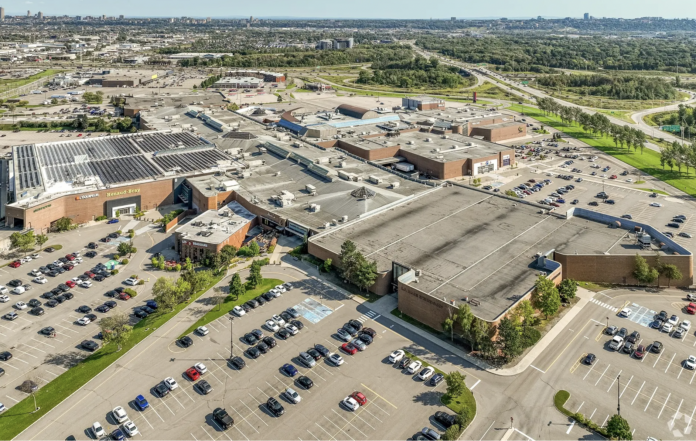
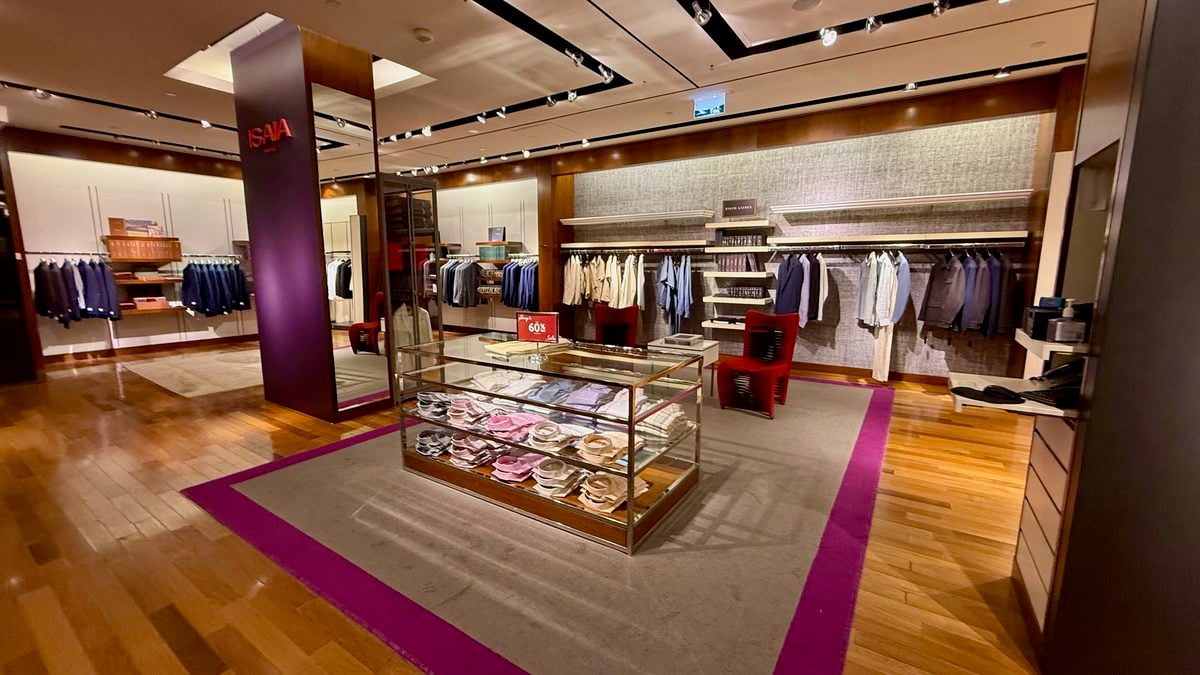
The owner of Galeries de la Capitale, Quebec City's largest shopping centre, plans to redevelop a former Hudson's Bay store left vacant by the retailer's collapse. Construction is underway and the first spaces are scheduled to open in 2027. (CoStar)
Canada’s retail vacancy rate is expected to remain near 2.5 per cent over the next year as the market continues to absorb the impact of Hudson’s Bay store closures, according to a new forecast from CoStar Group.
The commercial real estate data and analytics company says rent growth is also expected to slow further through 2027 before recovering as retail-space absorption strengthens.
The Hudson’s Bay closures had a significant impact on Canada’s retail market in 2025, with vacancy at shopping malls rising from three per cent to eight per cent in the second quarter of that year. Net absorption during the quarter was negative five million square feet, according to CoStar.
Overall retail vacancy rose from 1.8 per cent to 2.5 per cent following the closures and has remained at that level over the past year. CoStar said weaker absorption has been accompanied by similarly subdued construction activity.
Retail construction starts have remained below one million square feet per quarter since the third quarter of 2025. About five million square feet of retail space was under construction in the second quarter of 2026, the lowest level since the pandemic, the company said.
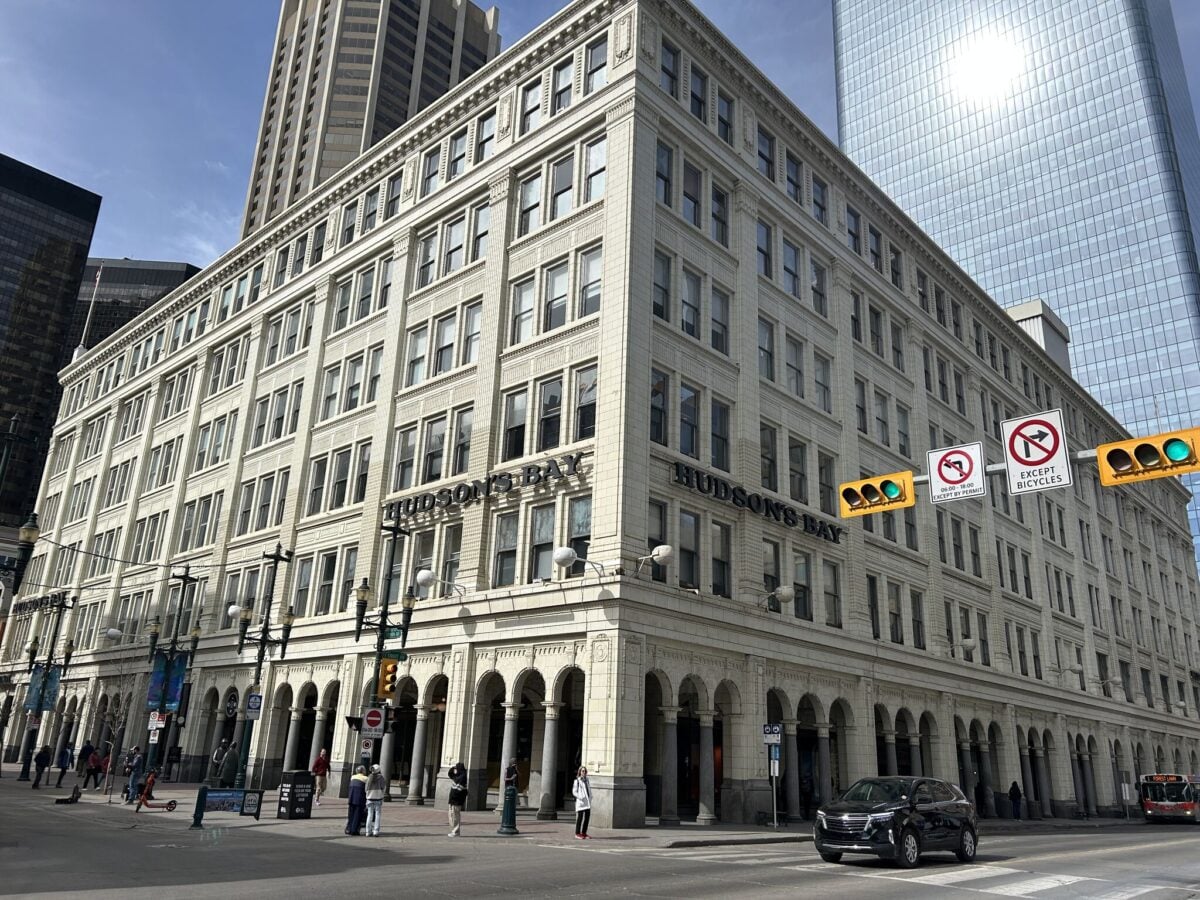
Mario LefebvreHudson’s Bay downtown Calgary. Photo by Mario Toneguzzi
“Notwithstanding a relatively tight market overall, we expect rent growth to continue decelerating over the next four quarters,” said Mario Lefebvre, chief economist for Canada at CoStar Group. “Rent growth stood at about 4% in the first quarter of 2025, before the Bay closures, and has already decelerated to just above 2% in the second quarter of 2026. We expect it to bottom out around 0% by the second quarter of 2027, before climbing back to about 3% by the end of 2028 as absorption strengthens.”
The forecast points to a period of slower rent growth for retail property owners and landlords as available space is absorbed and new construction remains limited.
Lefebvre said several economic factors could further delay the recovery.
“The balance of risks in this forecast remains tilted to the downside,” Lefebvre said. “Trade and tariff uncertainty, higher fuel costs, and a declining population could further weigh on the economy and delay the recovery in retail space absorption. Over the longer term, however, we expect demand for retail space in Canada to increase as consumer spending grows and the development pipeline remains modest.”
CoStar expects the retail market’s recovery to become more pronounced toward the end of the forecast period, with rent growth projected to reach about three per cent by the end of 2028 as absorption improves.
“Immediately upon the closures of the Bay stores, net absorption (the difference between absorbed and vacated space) was negative almost five million square feet. This is the important number, as the rise in overall retail sector vacancy does not pay justice to the impact that these closures are having. Total vacancy increased from 1.8% to 2.5. However, it rose from 3.1% to 8% for shopping malls. It will take a long time for malls to recuperate from that and, indeed, the CoStar forecast expects that malls’ vacancy rate will still be at around 7% in three years,” said Lefebvre.
“Over this year and next, retailers are likely to have some bargaining power, particularly those looking to lease shopping mall space. However, at an overall vacancy rate of 2.5%, retailers should be careful not to push their luck and ask for big long term discounts.”
Hudson’s Bay downtown Calgary. Photo by Mario Toneguzzi
At this point the big risk to the CoStar forecast is inflation, noted Lefebvre.
“These back-and-forth tariffs between Canada and the United States will undeniably lead to higher prices for a large proportion of goods and services. This has to be added to higher fuel prices. Then, you add a decline in the population, meaning a reduced number of consumers. Demand is therefore at risk. It is with that context in mind that CoStar expects very slow (down to zero in 2027 Q2) rent growth. The rising inflation risk also suggests that defensive oriented retail, including necessity retail like grocery-anchored centres, are likely to fare better than discretionary formats like enclosed malls, as people are more likely to cut discretionary spending before essentials like food and medicine,” he said.
“The roughly five million square feet of space vacated by the closures of The Bay stores means that there is space available, particularly in shopping malls. Therefore, CoStar does not believe that limited development pipeline will be an issue down the road. Indeed, it is the limited development pipeline that will help restore equilibrium in the sector over the coming years.”
CoStar Group is a global provider of commercial real estate information, analytics, online marketplaces and 3D digital twin technology. The company was founded in 1986.
Over the past few weeks, we’ve heard the growing discussion around tariffs, and this week is when the impact really starts to take effect. While much of it may feel out of our control, what can Canadians actually do as consumers to soften the blow? NerdWallet Canada’s financial expert, Clay Jarvis, breaks it all down, sharing practical tips Canadians can use now and in the months ahead.
“There’s still a vague sense of disbelief that the trade war between Canada and the U.S. has become so ugly and chaotic. But with (US President Donald) Trump failing in Iran and sinking in the polls as the mid-term elections approach, he’s in a position the world knows he can’t handle,” said Jarvis.
“Which is why the trade war is likely to grind on. If Trump can’t win, then somebody else has to lose. In this case, it’s Canada; or more specifically, (Canadian Prime Minister) Mark Carney.”
What can Canadians expect over the next few months?
Higher prices. Canada’s latest batch of counter-tariffs affect a wide range of consumer goods, including beauty supplies, milk products, clothes, home appliances and exercise equipment.
Decreased imports. Trump’s double-shot of tariffs (August 22) and import bans (September 8) will put renewed pressure on companies who rely on crossborder business.
A quiet fall housing market. Trump’s looming 50% tariffs on Canadian autos and steel, slated for January 1, 2027, could flatten home buying demand in Ontario and Quebec.
How can consumers prepare?
Get those elbows up. Many of Canada’s counter-tariffs on affected U.S. goods are 25% or 50%. Avoiding impacted goods could save you some real money. Buying Canadian supports home grown businesses when they really need it.
Do some bulk shopping ASAP. If there are impacted goods from the U.S. you can’t live without, snap them up before you have to pay tariff-boosted prices.
Re-allocate some of your paycheque. Consider funnelling a little extra money into your emergency fund rather than investments over the next few months. The liquidity could come in handy if your income is disrupted or inflation starts to bite.
Home buyers, have a long chat with a mortgage broker. The ‘fixed vs. variable’ decision is especially fraught right now. Get some professional advice around the short- and long-term impact of your rate decision.
Clay Jarvishttps://kaboompics.com/ photo
Jarvis spoke to Retail Insider about the issue.
Question: Which categories of consumer goods are most likely to see noticeable price increases as Canada’s latest counter-tariffs take effect, and how quickly could those increases reach shoppers?
Answer: I think Canadians will want to watch out for items like milk and cheese, or beauty products, which they buy regularly. A lot of household appliances are about to get dinged, too.
When shoppers actually have to pay higher prices is really up to retailers. They might try to absorb some of the higher costs for a while, or they might pass them on to customers as soon as their first tariff-impacted shipments arrive.
In a trade war as chaotic as this one, it’s really hard to predict when something is going to happen, which is partially why it’s so frustrating for consumers.
Q:For Canadians trying to reduce the impact of tariffs on their household budgets, when does buying Canadian or choosing non-U.S. alternatives make the most financial sense?
A: Buying Canadian goods only has a positive financial impact if the Canadian product is cheaper. That’s not always the case. When life is as expensive as it is today, you can’t blame someone for choosing the less expensive product, regardless of where it originates,
Q:Is bulk-buying tariff-affected U.S. products before prices rise a sound strategy for consumers, or are there risks of overspending or buying more than they need?
A: Overspending can be a legitimate risk when you’re buying bulk. You can mitigate that risk by buying non-perishable products or only stocking up on items that you know your household will make use of.
Gustavo Fring photo
Q:With the potential for higher prices and economic uncertainty, how much should Canadians prioritize building or increasing their emergency savings over investing in the coming months?
A: I think it’s a trade-off worth considering for some households. If you’re worried about a job loss or needing more cash on hand for a period of higher prices, it might make more sense to keep your cash where it’s accessible and free from risk.
Q:What specific advice would you give to Canadian consumers who are already feeling financially stretched and have little room in their budgets to absorb higher prices?
A: This is a tough one. So many Canadians are doing the right things — watching their spending, paying down their debt — and still suffering. I think it’s really important to remember that your finances don’t define who you are, and to talk about your financial stress with someone you trust.
Total revenue for Q2 2026 increased by $97.2 million or 29.8% to $423.6 million compared to Q2 2025. This growth was due to a 10.3% increase in comparable store sales (12.3% on a constant currency basis) and contributions from new stores. Online revenue for Q2 2026 was $61.4 million, representing an increase of $14.7 million or 31.5% compared to Q2 2025, it said.
Net earnings for Q2 2026 increased by $49.5 million or 77.5% compared to Q2 2025. This growth was mainly driven by higher revenue, which led to increased gross profit, partially offset by higher SG&A and increased depreciation and amortization. Net earnings also benefited from a $9.4 million recovery of tariff refund claims related to International Emergency Economic Powers Act tariff refunds under U.S. Customs and Border Protection’s refund process. Adjusted net earnings for Q2 2026, which exclude the after-tax impact of the $9.4 million recovery related to tariff refund claims, increased by $44.1 million or 68.1% compared to Q2 2025, added the company, which operates retailers DYNAMITE and GARAGE.
Andrew LutfyStacie Beaver
“Our second quarter results demonstrate the strength of our luxury-inspired operating model and our ability to continue delivering profitable growth. Comparable store sales grew 10.3%, total revenue increased 29.8%, gross margin expanded to 68.8% and adjusted EBITDA margin reached 44.3%, in all cases excluding the impact of duty refunds. The continued expansion of gross margin and adjusted EBITDA demonstrates that the economics of our model are strengthening as we scale. We have built highly coveted global brands with exceptional unit economics, disciplined inventory management and attractive returns on capital, supported by a growth engine we have engineered over decades that continues to generate profitable growth. We remain focused on creating long-term value as we scale Groupe Dynamite with discipline,” said Andrew Lutfy, Chief Executive Officer and Chair of the Board.
“Q2 demonstrated the agility of our operating model and the strength of our execution. Combined with strong brand heat across GARAGE and DYNAMITE, this helped us build momentum throughout the quarter and deliver strong sales performance. Early in the quarter, we identified an opportunity to accelerate newness within our assortments, and the speed of our luxury-inspired model allowed us to respond quickly and make targeted in-season adjustments. This enabled us to deliver products that resonated strongly with our customers and reinforced their connection with our brands. That customer response is translating into increasing productivity across our store network, with sales per square foot continuing to improve as we optimize our fleet and elevate the in-store experience. At the same time, we are strengthening the infrastructure supporting our growth, with our U.S. distribution center delivering greater efficiency as we scale. We continue to expand our presence across the United States and internationally, including the UK, and are extending our reach through shipping to nine additional countries,” added Stacie Beaver, President and Chief Operating Officer.
Groupe Dynamite photo
Fiscal 2026 Second Quarter Highlights
Revenue increased by 29.8% to $423.6 million in Q2 2026, compared to $326.4 million in Q2 2025.
Comparable store sales growth of 10.3% (12.3% on a constant currency basis(1)) in Q2 2026, compared to comparable store sales growth of 28.6% (25.7% on a constant currency basis) in Q2 2025.
Retail sales per square foot increased by 28.9% compared to Q2 2025, reaching $1,056 in Q2 2026.
Gross margin expanded by 520 basis points to 68.8% in Q2 2026 compared to 63.6% in Q2 2025.
SG&A increased to $106.8 million in Q2 2026, compared to $87.7 million in Q2 2025, and adjusted SG&A as a percentage of sales decreased by 210 basis points to 24.6% from 26.7% over the same period in Q2 2025.
Operating income increased by 60.5% to $156.2 million in Q2 2026, compared to $97.3 million in Q2 2025.
Adjusted EBITDA increased by 55.9% to $187.9 million in Q2 2026, representing an adjusted EBITDA margin of 44.3%, compared to 36.9% for the same period in Q2 2025.
Diluted net earnings per share increased to $1.00 in Q2 2026, compared to $0.56 in Q2 2025 and adjusted diluted net earnings per share increased by 68.7% to $0.96 in Q2 2026, compared to $0.57 in Q2 2025.
Real estate activity for Q2 2026 includes:
Opening of 7 new stores: 6 in the United States and 1 in the United Kingdom, both under the GARAGE banner.
Renovation or relocation of stores: 4 in Canada and 3 in the United States, both under the GARAGE banner.
7 store closures: 6 in Canada, including 4 under the GARAGE banner and 2 under the DYNAMITE banner, and 1 in the United States under the DYNAMITE banner.
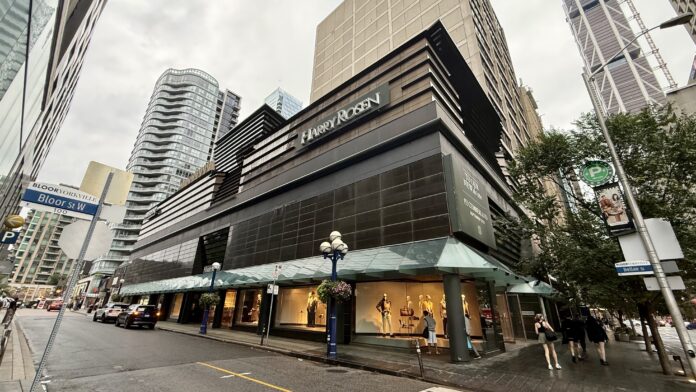
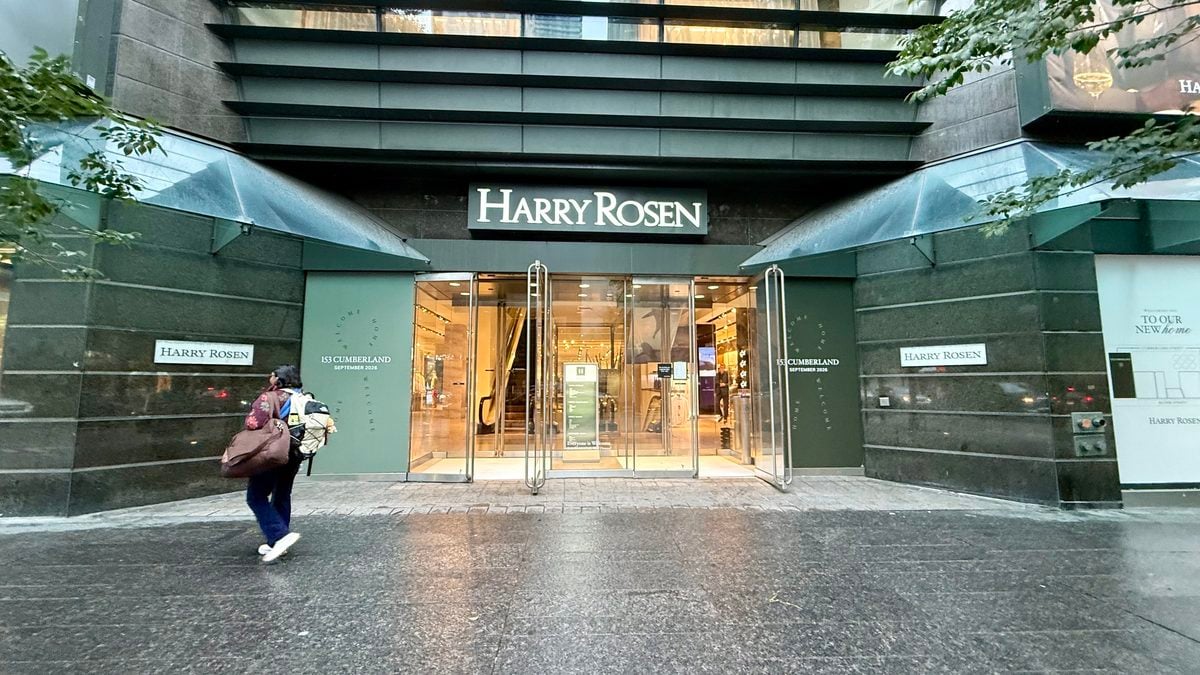
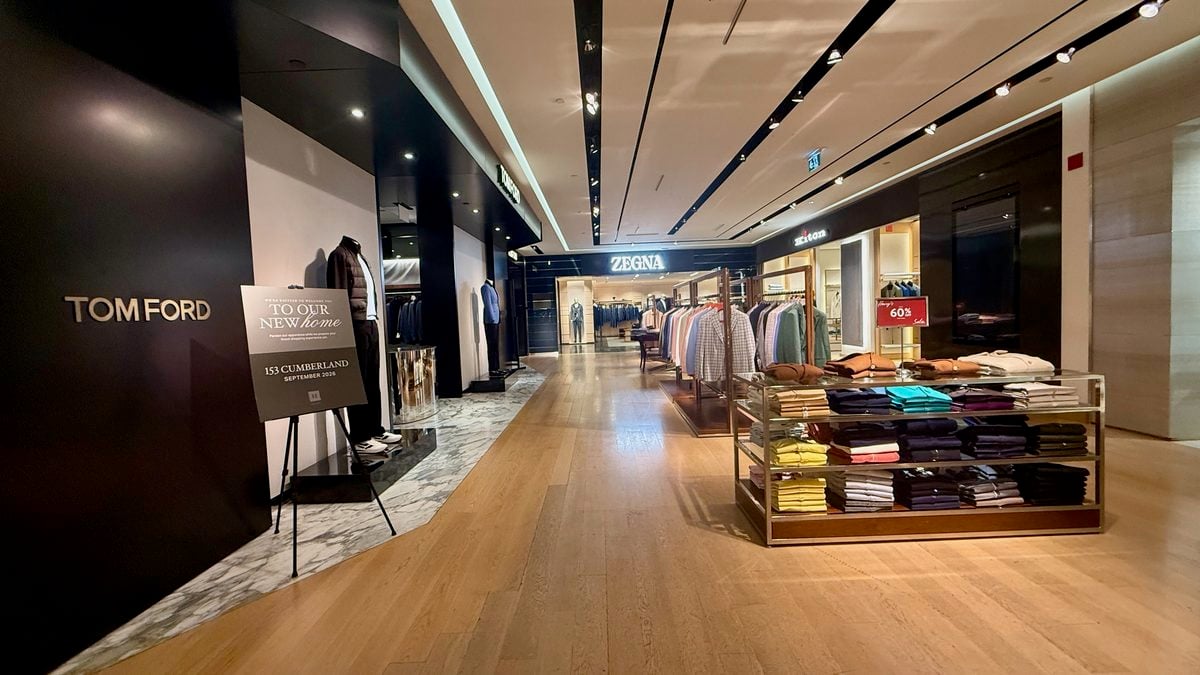
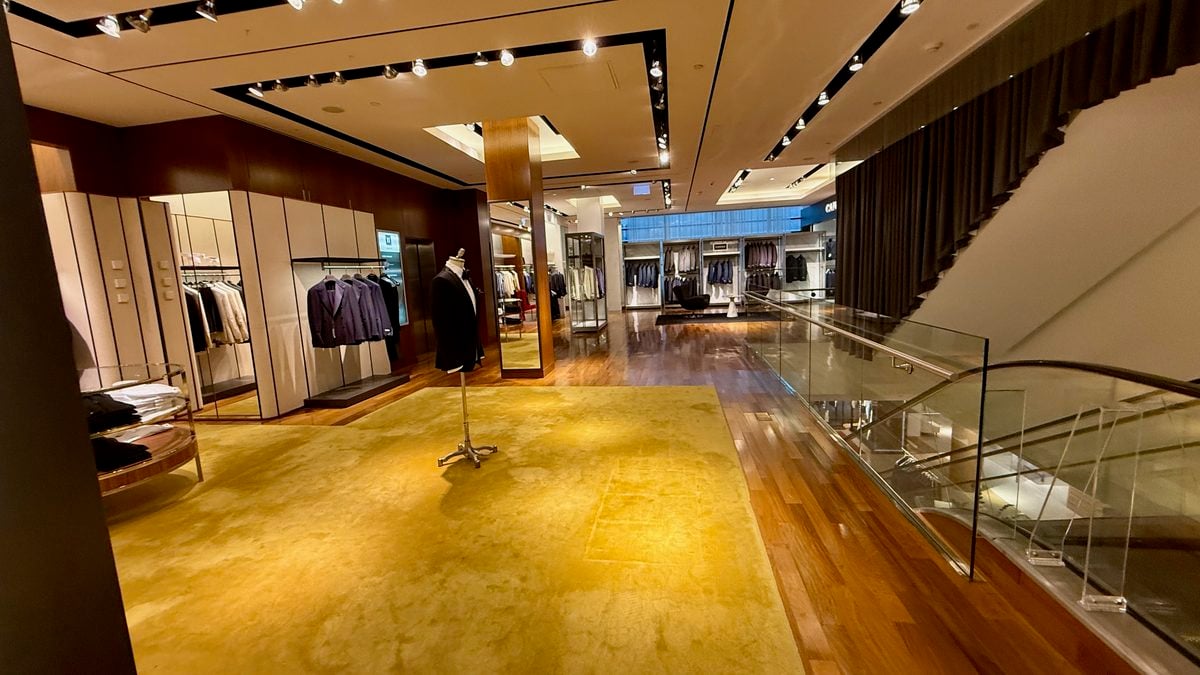
Harry Rosen store at 82 Bloor Street West in Toronto, September 2026. Photo: Craig Patterson
One of the most recognizable stores on Toronto’s Bloor Street is approaching its final days.
Harry Rosen will permanently close its flagship at 82 Bloor Street West on Saturday, September 12, ending nearly four decades in a building that grew considerably during the retailer’s tenure and became a fixture of the Bloor-Yorkville shopping district. The closure also brings to an end more than 55 years of Harry Rosen operating directly on Bloor Street.
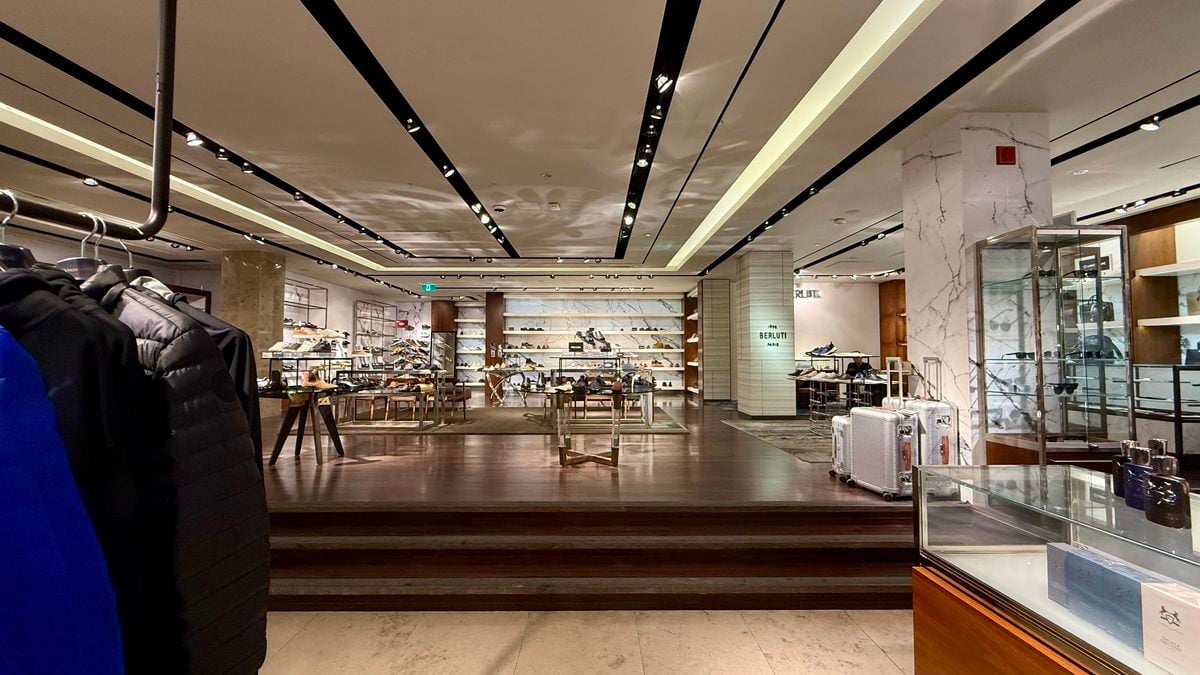
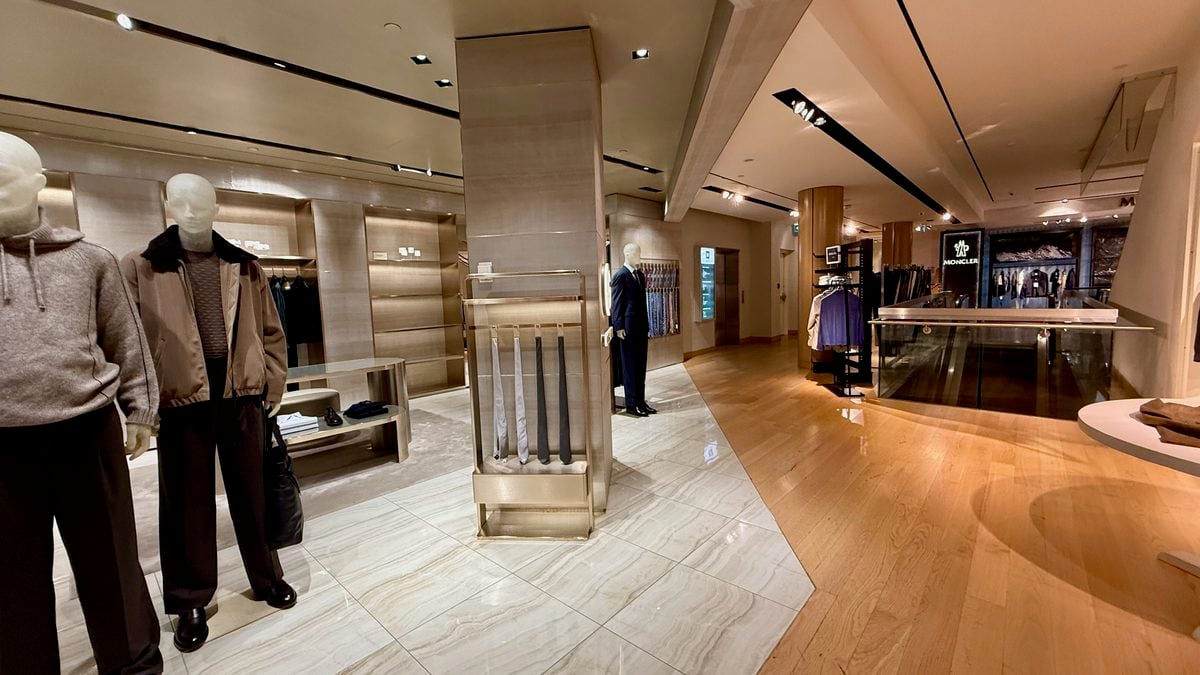
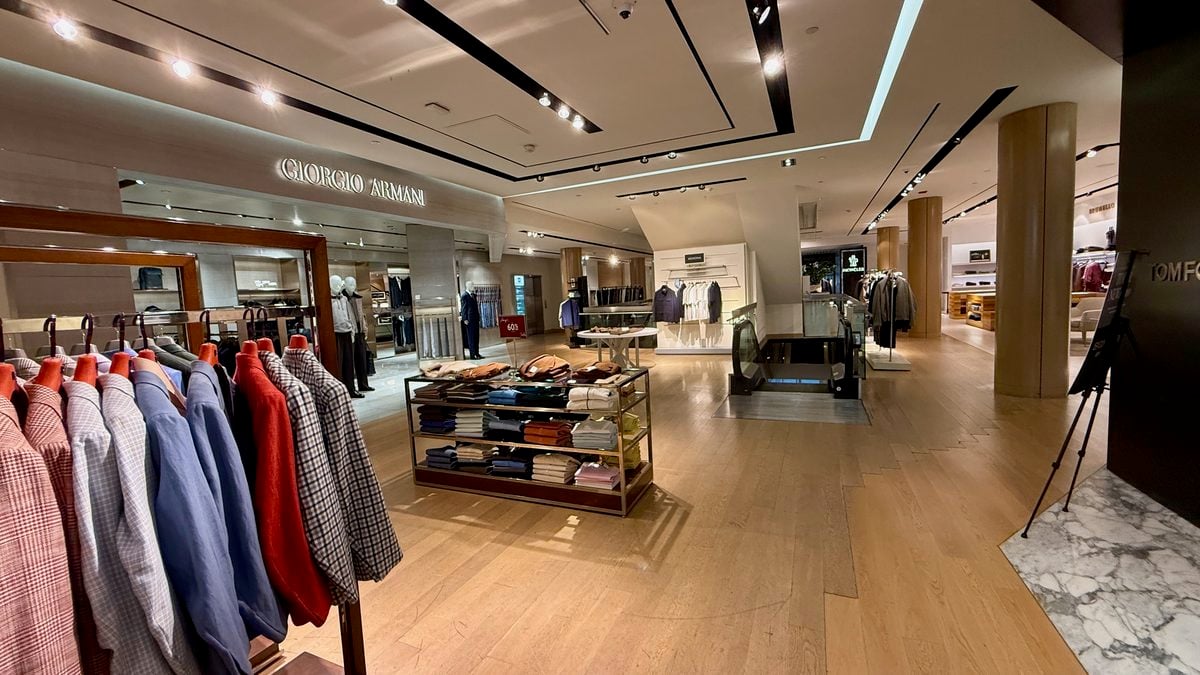
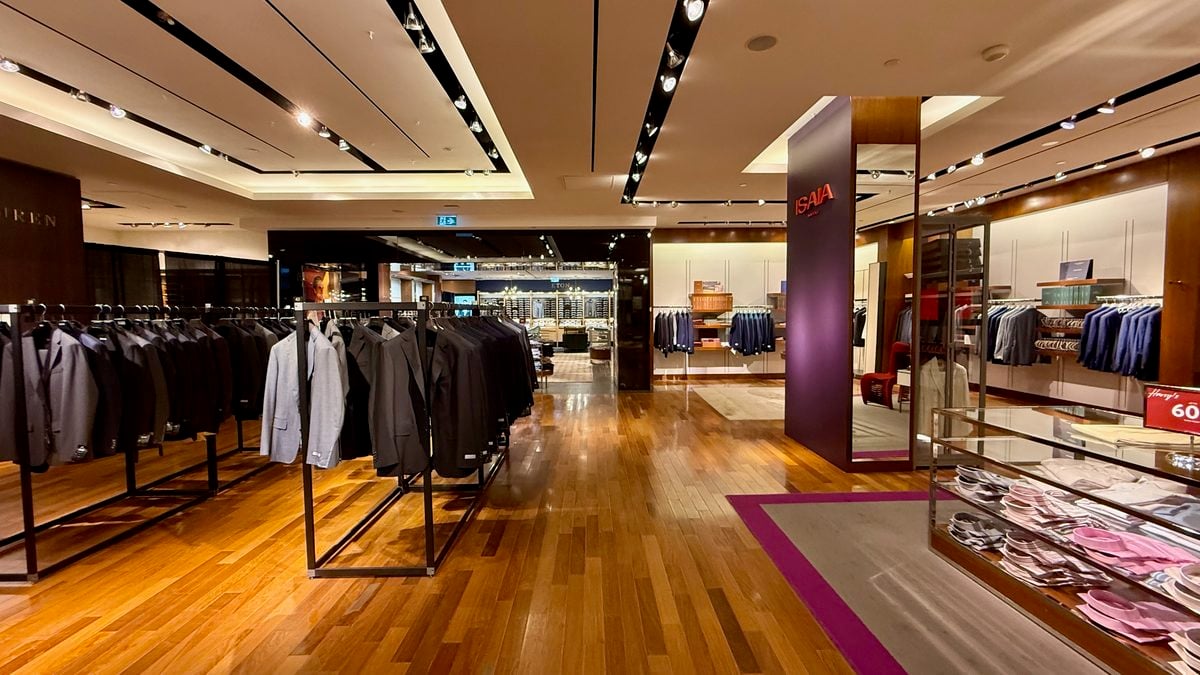
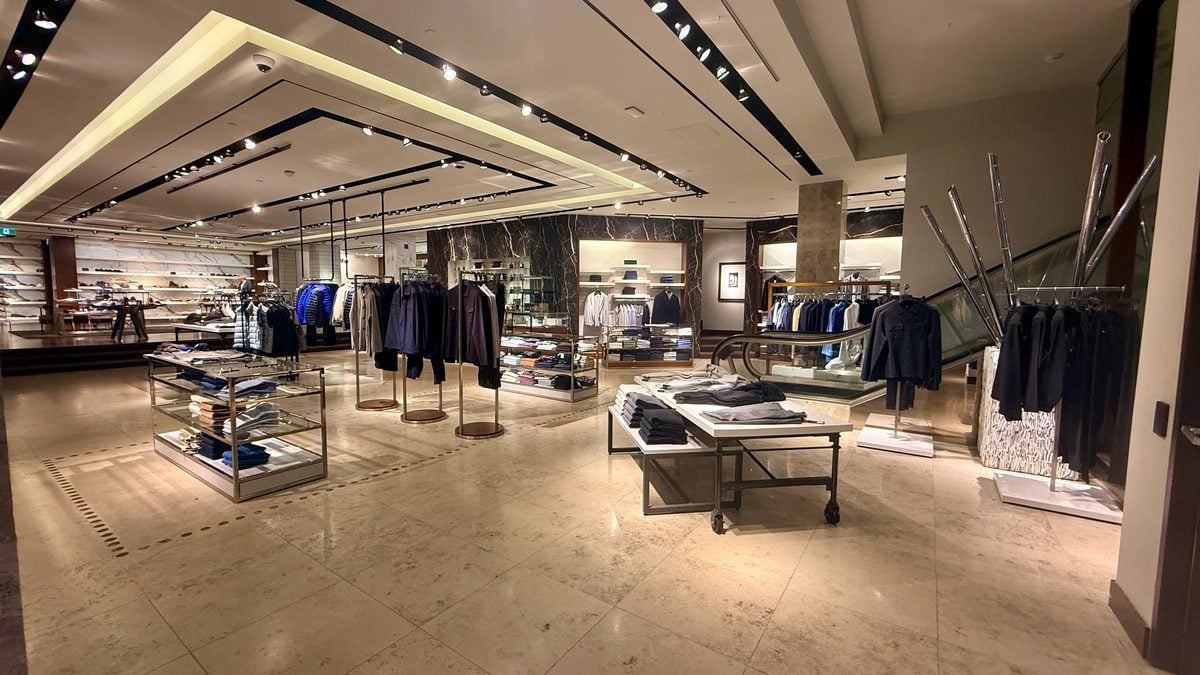
The five-level flagship spans more than 50,000 square feet and remains open during its final week. Its escalators connect floors filled with designer boutiques, tailored clothing, sportswear, footwear and accessories, alongside the made-to-measure services, tailoring and Style Advisors that have long been central to Harry Rosen’s business.
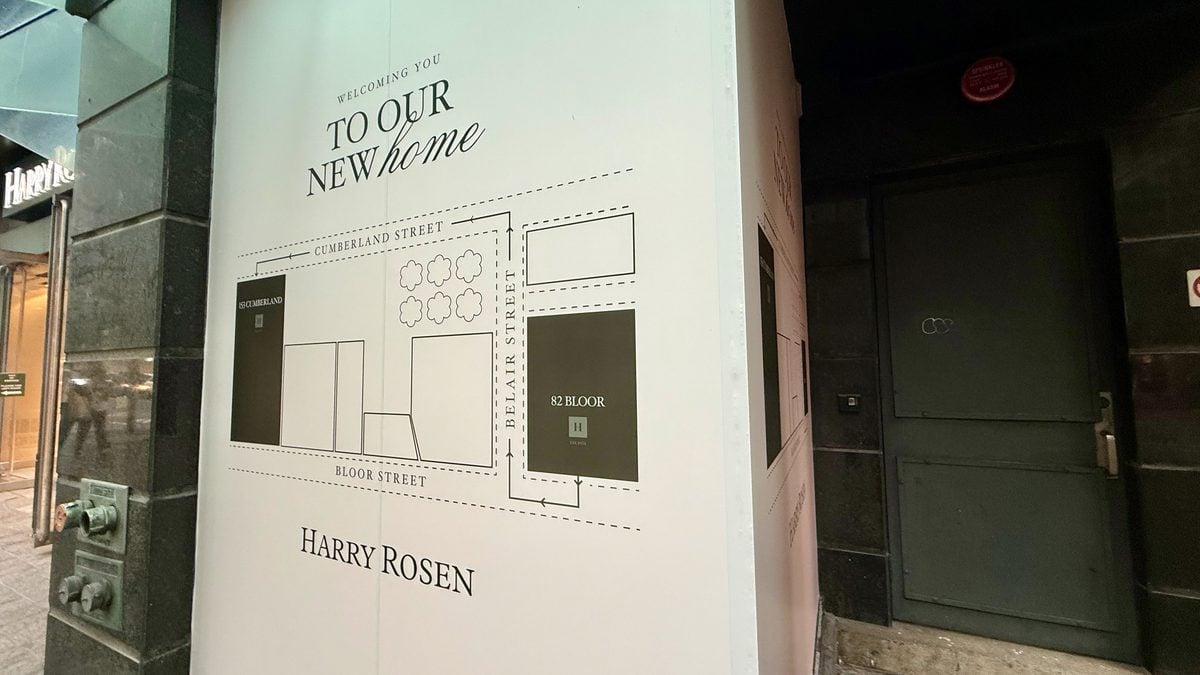
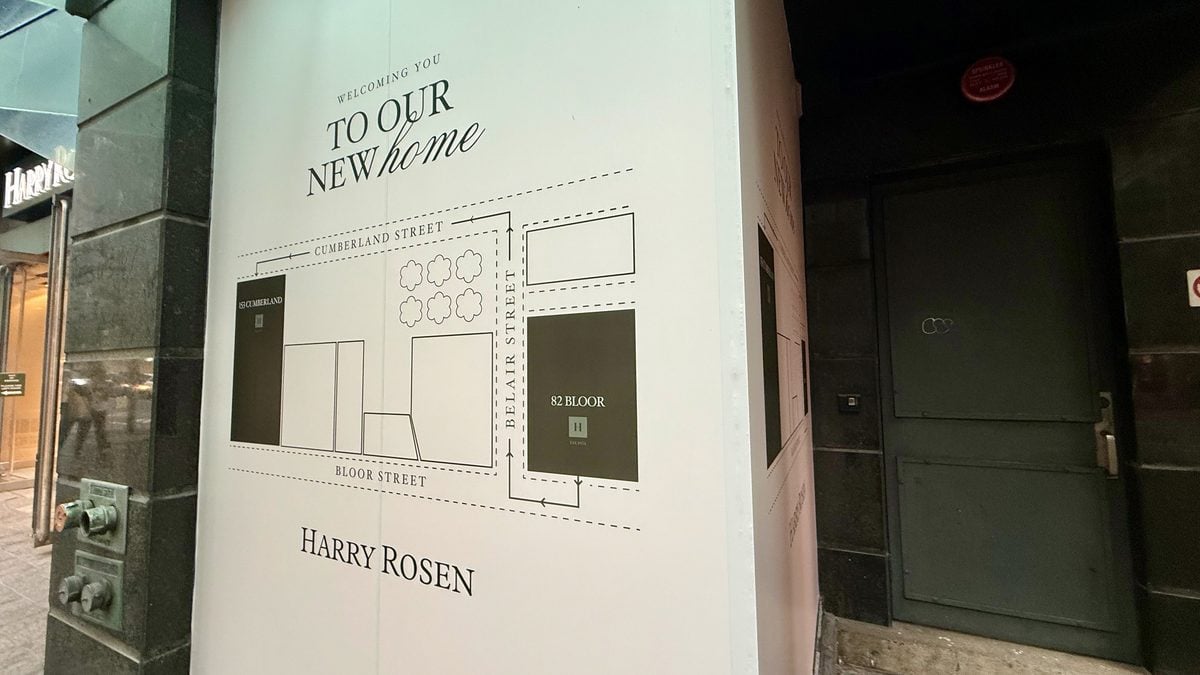
The company is staying in Yorkville. Harry Rosen is moving less than 200 metres away to a new three-level flagship at 153 Cumberland Street, where customer pickups and alterations will resume September 23. Style Advisors from the Bloor Street store are making the move as well.
The short relocation closes a much longer chapter in Toronto retail history. Harry Rosen has occupied 82 Bloor since 1987, while the company’s relationship with Bloor Street stretches back to 1970.
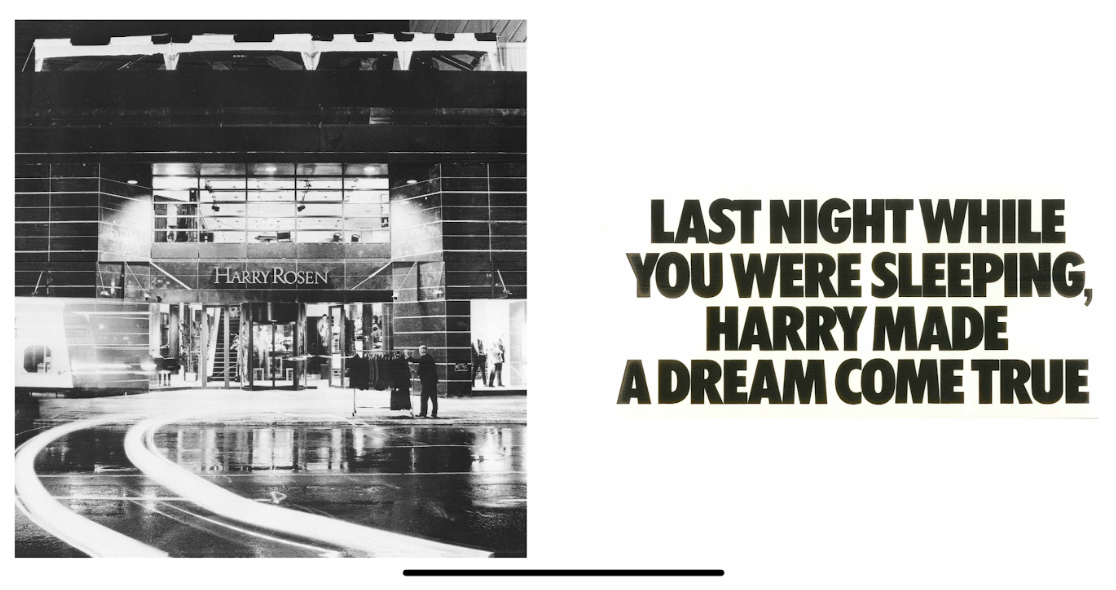
Newspaper clipping from 1987 when the 82 Bloor Street Harry Rosen store opened. Image suppliedBloor Street entrance to the Harry Rosen store at 82 Bloor Street West in Toronto, September 2026. Photo: Craig Patterson
Harry Rosen Arrives on Bloor Street
Harry Rosen’s story began in 1954, when Harry and his brother Lou Rosen opened a roughly 500-square-foot made-to-measure menswear shop on Parliament Street in Toronto. From those modest beginnings, the company expanded as Harry Rosen developed a reputation around fit, tailoring and personal service.
The company entered a relationship with Canadian retail conglomerate Dylex in the late 1960s, providing additional resources for expansion. Harry Rosen subsequently reacquired an interest in the business, and the Rosen family returned the company to full family ownership in 1995.
Bloor Street became part of the story in 1970, when Harry Rosen opened a store at 80 Bloor Street West, immediately beside the site of the present flagship. At approximately 4,000 square feet, it was considerably larger than the original Parliament Street shop but still a fraction of what Harry Rosen would eventually build next door.
The timing coincided with a transformation of the surrounding neighbourhood. Yorkville had become internationally known during the 1960s for its bohemian culture and music scene, but its commercial identity shifted substantially during the following two decades. Upscale retailers increasingly clustered around Bloor Street, Hazelton Lanes and Yorkville Avenue, establishing the foundations of what would become Canada’s best-known luxury shopping district.
Harry Rosen was part of that evolution alongside retailers including Holt Renfrew and Creeds. At the same time, the company was expanding nationally and developing relationships with prominent European fashion houses. By the mid-1980s, its relatively small Bloor Street premises no longer reflected the scale or positioning of the business.
Main floor of Harry Rosen at 82 Bloor Street West in Toronto, September 2026. Photo: Craig Patterson Main floor of Harry Rosen at 82 Bloor Street West in Toronto, September 2026. Photo: Craig Patterson
A New Flagship at 82 Bloor
In the fall of 1987, Harry Rosen moved next door into a substantially larger home.
The company opened its flagship at 82 Bloor Street West, occupying an entire building near Bloor and Bay. The new store at the time was approximately 32,000 square feet, representing an eightfold increase from the roughly 4,000-square-foot Bloor store that preceded it.
Spread across three levels, the flagship provided considerably more room for tailored clothing, sportswear, accessories and an expanding collection of international designer labels. It gave Harry Rosen a physical presence suited to a company that had grown well beyond its Toronto origins.
Harry Rosen himself was closely involved in creating the store. By then, the retailer had become an important Canadian partner for European menswear brands while continuing to distinguish itself through tailoring and personal service.
For roughly two decades, the three-level building served as the company’s principal Toronto showcase. Eventually, Harry Rosen decided it needed substantially more room again. Rather than leave the address, the company went up.
Main floor of Harry Rosen at 82 Bloor Street West in Toronto, September 2026. Photo: Craig Patterson Second floor of Harry Rosen at 82 Bloor Street West in Toronto, September 2026. Photo: Craig Patterson
Harry Rosen Expands Vertically
Planning for a major expansion was underway by the mid-2000s. After more than two years of planning, design and construction, Harry Rosen unveiled the enlarged Bloor Street flagship in the fall of 2008.
Two complete storeys were added above the existing building, providing almost 20,000 square feet of additional space. Harry Rosen also extensively remodelled the original store, transforming the three-level, approximately 32,000-square-foot flagship into a five-level destination of more than 50,000 square feet.
The project represented the largest capital investment Harry Rosen had undertaken at that point in the company’s history.
The additional space allowed the retailer to expand its made-to-measure and bespoke operations, introduce larger private selling areas and devote considerably more room to footwear, leather goods, accessories and grooming. Individual designer environments became increasingly prominent, with shop-in-shops for names including TOM FORD, Armani Collezioni, Dolce & Gabbana, Ermenegildo Zegna, Canali and BOSS Hugo Boss over the period.
The expansion established the physical format that would define 82 Bloor for much of its remaining life: a vertically organized menswear destination with categories, designer brands and services unfolding as customers moved through the building.
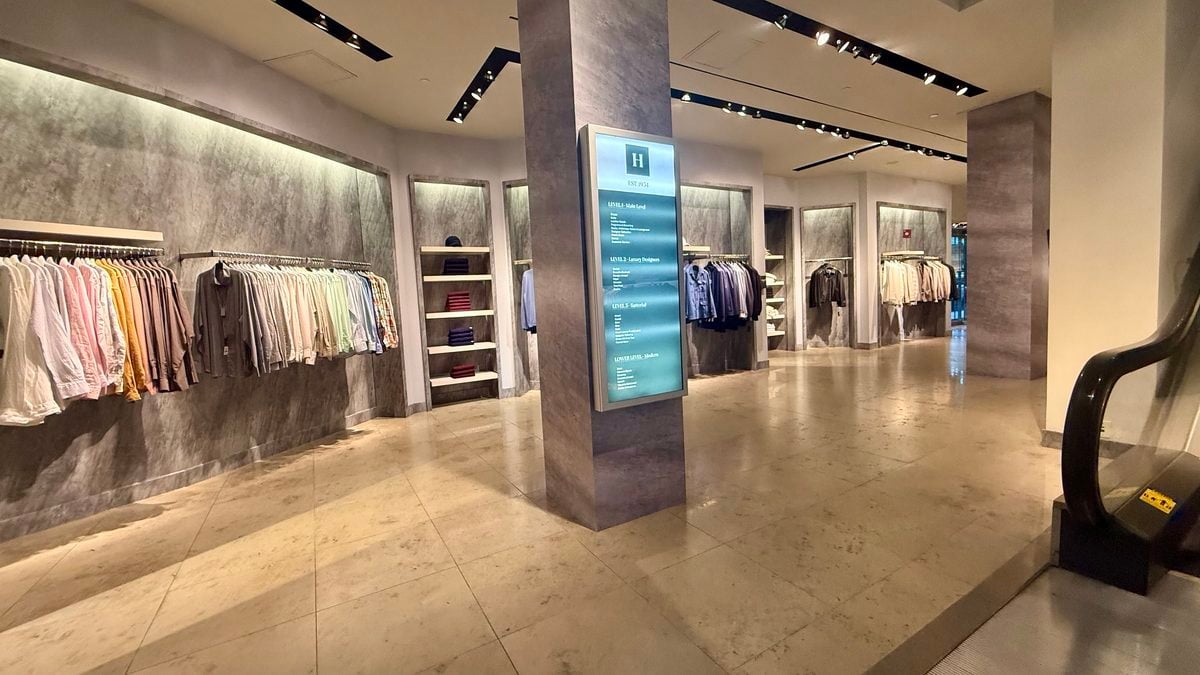
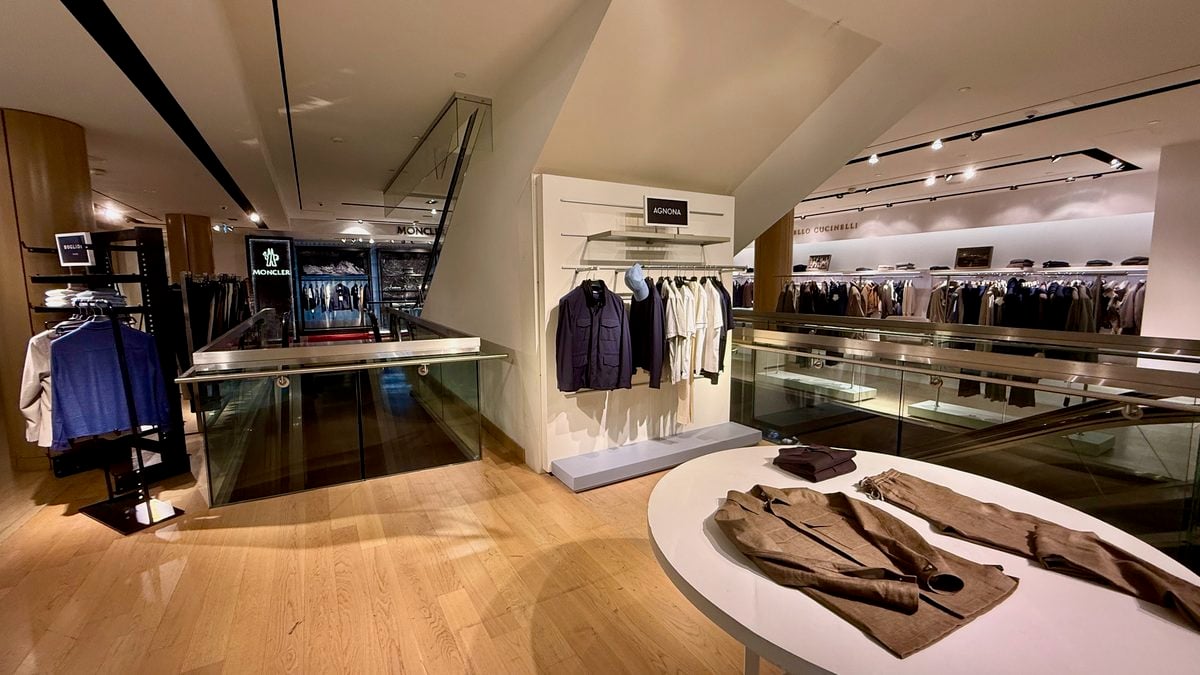
Second floor of Harry Rosen at 82 Bloor Street West in Toronto, September 2026. Photo: Craig Patterson Second floor of Harry Rosen at 82 Bloor Street West in Toronto, September 2026. Photo: Craig Patterson
Inside the Five-Level Flagship
The enlarged store gave Harry Rosen enough space to organize merchandise by category while allowing major fashion houses to create distinct environments of their own.
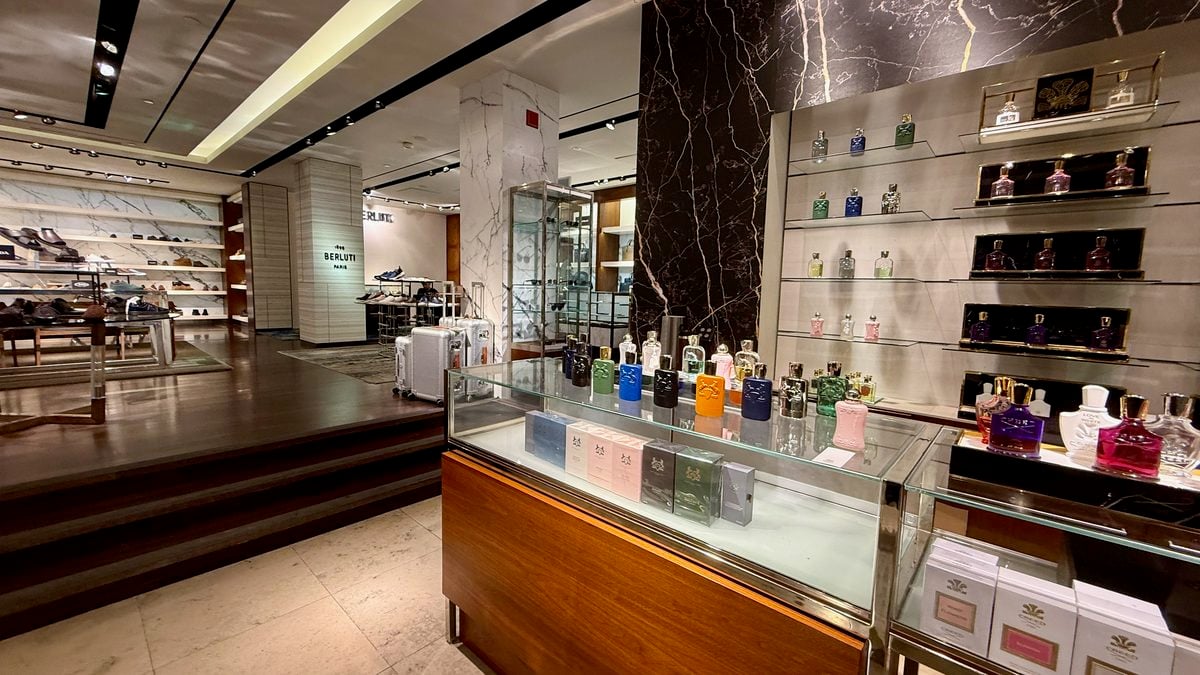
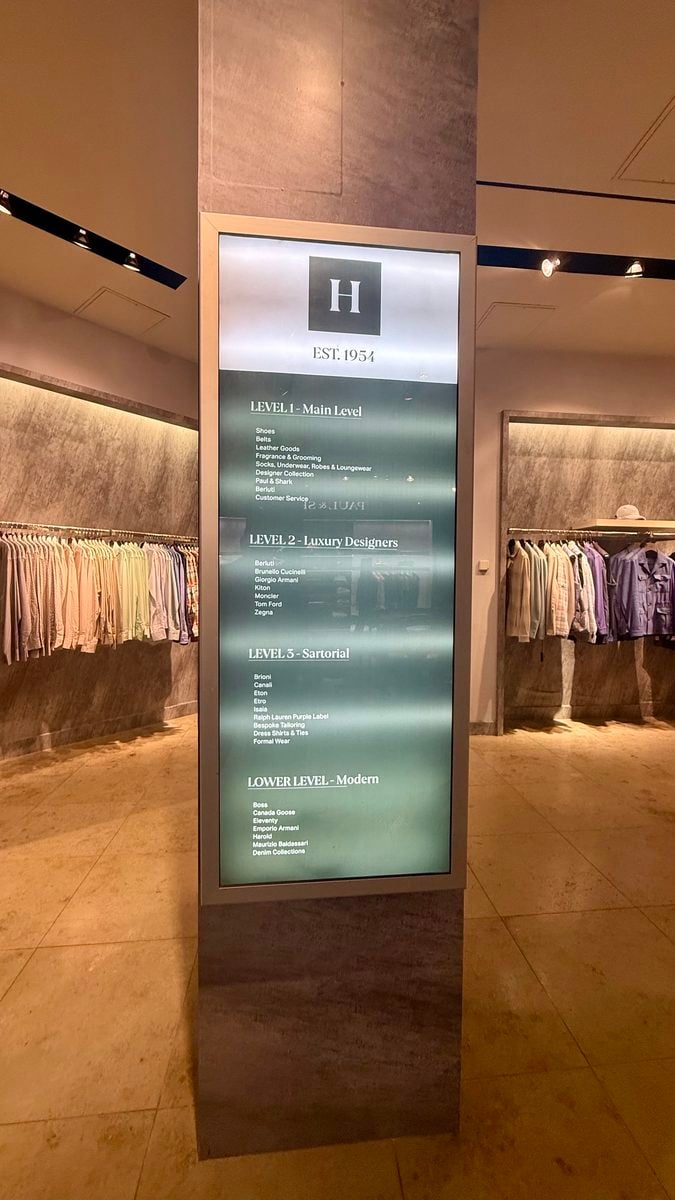
Following the 2008 project, the main floor carried a broad assortment including sportswear, outerwear, dress furnishings, leather goods, footwear, bags, jewellery, cufflinks and accessories. Fragrance and skincare also became more prominent categories. The lower level had a more casual character, including denim and sportswear, while upper floors became increasingly associated with designer collections, tailored clothing and specialized services.
Made-to-measure and bespoke tailoring occupied an important position within the flagship, supported by fitting areas, alterations and private selling spaces. The breadth of merchandise and services gave 82 Bloor some of the characteristics of a specialized men’s department store, with customers able to move from casual clothing and footwear to international designer boutiques and bespoke tailoring without leaving the building.
The store also reflected Harry Rosen’s longstanding emphasis on Style Advisors. The company encouraged advisors to develop continuing relationships with clients, often working with the same customers over many years as their wardrobes and needs changed.
That combination of scale, brands and service made Bloor Street distinctive within Harry Rosen’s Canadian network.
Third floor of Harry Rosen at 82 Bloor Street West in Toronto, September 2026. Photo: Craig Patterson Third floor of Harry Rosen at 82 Bloor Street West in Toronto, September 2026. Photo: Craig Patterson
Another Major Investment
The 2008 transformation was followed by another substantial round of investment less than a decade later. Beginning around 2017, Harry Rosen undertook an approximately $5-million renovation program touching several areas of the flagship.
Much of the initial work focused on the second floor, where new or renovated boutiques were created for Ermenegildo Zegna, Moncler, Giorgio Armani, Brunello Cucinelli and Loro Piana. Zegna’s boutique was designed by prominent architect Peter Marino, while other fashion houses brought updated international concepts into the store. TOM FORD’s shop-in-shop was also targeted for further renovation.
Harry Rosen simultaneously reorganized other departments. Men’s furnishings moved from the main floor to the third level, freeing additional room for footwear downstairs. The third floor included an Eton shop and Harry Rosen’s bespoke department, which at the time was the only permanent bespoke operation within the company’s store network.
The investment came approximately 30 years after the flagship first opened and less than a decade after two additional floors had been constructed. Harry Rosen was still committing significant capital to 82 Bloor as the surrounding luxury district entered another period of rapid change.
Harry Rosen at 82 Bloor Street West in Toronto, September 2026. Photo: Craig Patterson Main floor of Harry Rosen at 82 Bloor Street West in Toronto, September 2026. Photo: Craig Patterson
A Store Built Around Service
The designer boutiques were among the flagship’s most visible features, but much of Harry Rosen’s business at Bloor Street continued to revolve around service.
Style Advisors developed long-standing client relationships, while tailoring, alterations, made-to-measure and bespoke clothing gave customers reasons to return beyond individual purchases. The size of the Bloor flagship allowed Harry Rosen to bring those services together with a broad assortment of international brands.
That approach remains evident during the store’s final days. Those relationships will continue after the building closes. Style Advisors are moving to Cumberland Street, while orders and alterations that have not been collected by September 12 will be transferred to the new flagship.
Second floor of Harry Rosen at 82 Bloor Street West in Toronto, September 2026. Photo: Craig Patterson
An Uncertain Future for the Bloor Street Site
Development pressure along Bloor Street has intensified considerably since Harry Rosen completed its vertical expansion in 2008, and the future of the 80 and 82 Bloor properties has been examined through several redevelopment concepts.
A proposal that emerged in 2019 contemplated a major mixed-use redevelopment at 80 Bloor Street West that would have incorporated the Harry Rosen building into the podium of a new tower. Planning material associated with that proposal measured the Harry Rosen premises at 50,280 square feet.
Other possibilities were subsequently explored. At one stage, discussions contemplated a luxury mixed-use redevelopment that could have included a Mandarin Oriental hotel and residential component, according to a commercial real estate source familiar with the property. That concept did not move forward.
What ultimately happens to the site remains uncertain. Toronto’s condominium market has weakened, while construction costs, financing conditions and wider economic uncertainty have complicated the economics of major development projects across the city.
Previous concepts demonstrate the redevelopment potential of the prominent Bloor Street property but should not be taken as an indication of what will ultimately be built. For now, Harry Rosen’s departure has a firm date while the longer-term future of its longtime flagship site remains unresolved.
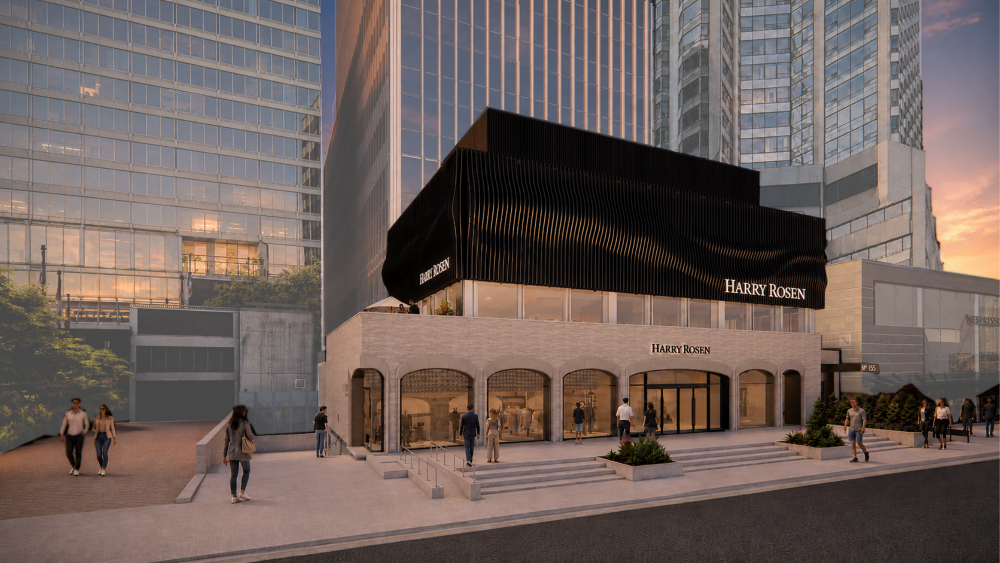
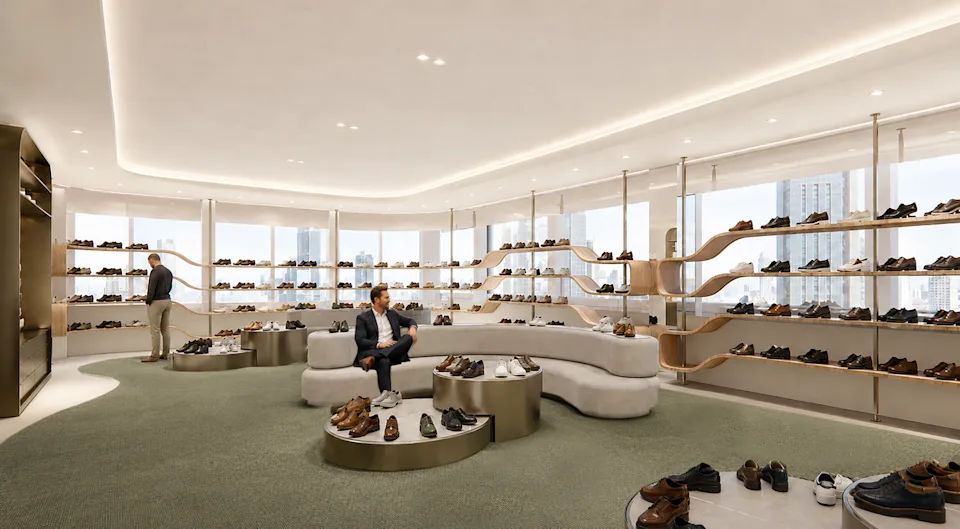
Rendering of the new Harry Rosen store at 153 Cumberland Street in Toronto. Image via Harry RosenRendering of the new Harry Rosen store at 153 Cumberland Street in Toronto. Image via Harry Rosen
A New Flagship Around the Corner
Harry Rosen announced in March 2024 that it would relocate the flagship to 153 Cumberland Street, less than 200 metres from 82 Bloor. The project formed part of a broader $50-million, five-year investment program across the company’s Canadian store network.
The Cumberland location represents a significant change in physical format. At approximately 38,000 square feet over three levels, it is smaller than the five-level Bloor flagship, which exceeds 50,000 square feet.
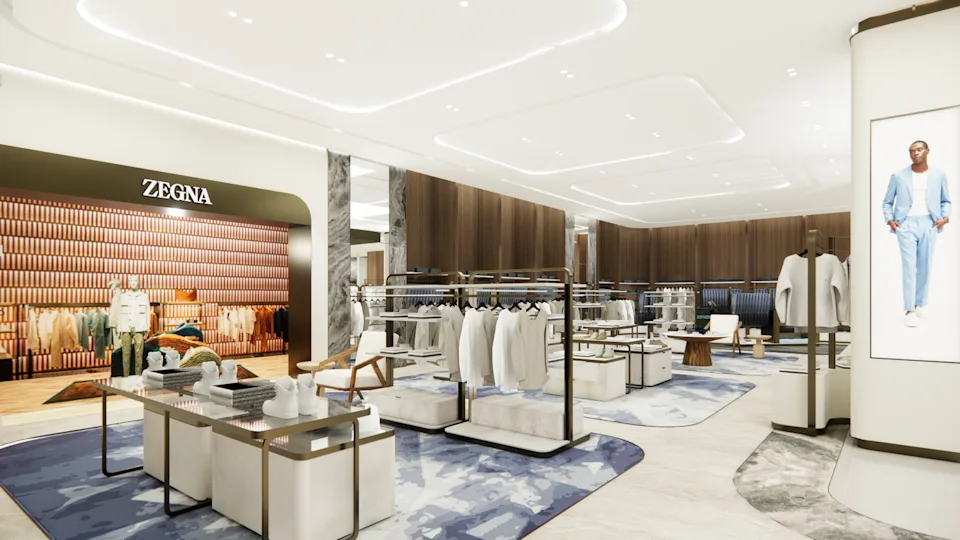
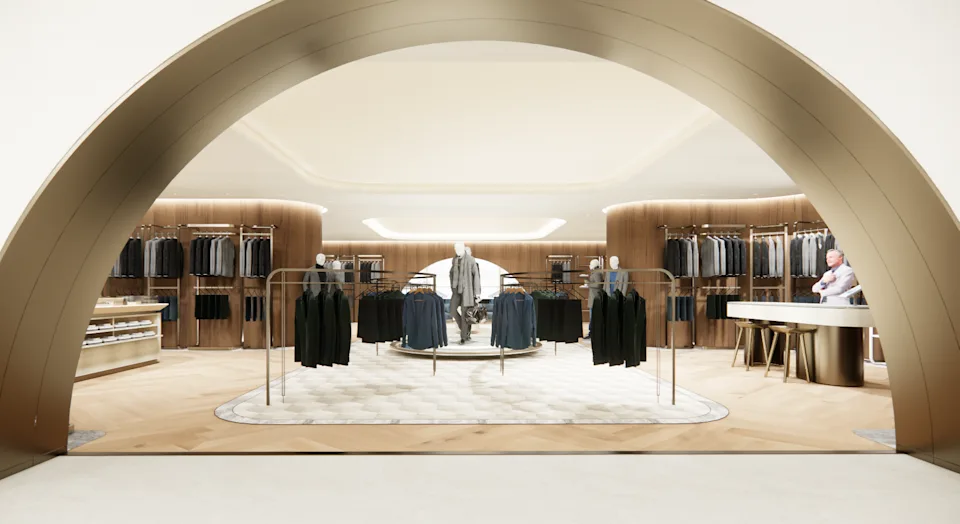
When Harry Rosen announced the relocation, the company described the project as an opportunity to rethink its most important store around the way customers interact with the brand. DK Studio designed the new flagship with a modern aesthetic influenced by Italian design and Harry Rosen’s tailoring heritage.
Dedicated boutiques will include Zegna, TOM FORD, Canali, Giorgio Armani, Kiton and Berluti. The flagship will also feature a Creed fragrance shop and fragrance bar, private tailored-clothing salon, client coffee bar and pop-up patio.
Rendering of the new Harry Rosen store at 153 Cumberland Street in Toronto. Image via Harry RosenRendering of the new Harry Rosen store at 153 Cumberland Street in Toronto. Image via Harry Rosen
Plans announced for the project have also included hospitality and client-service elements intended to extend the experience beyond conventional merchandise displays.
The new format makes for an interesting comparison with Harry Rosen’s investment at 82 Bloor in 2008. That project enlarged the flagship by constructing two additional floors and adding almost 20,000 square feet. At Cumberland Street, Harry Rosen is concentrating its flagship operation within three levels and approximately 38,000 square feet, with designer boutiques, tailoring, hospitality and private-client services occupying prominent roles.
The two stores reflect different periods in Harry Rosen’s history and different approaches to what a flagship menswear store can be.
Harry Rosen at 82 Bloor Street West in Toronto, September 2026. Photo: Craig Patterson
The Final Days at 82 Bloor
Harry Rosen will continue operating at 82 Bloor Street West through Saturday, September 12. Customers have until then to collect completed alterations and online orders from the store.
Pickups will be unavailable between September 13 and September 19 as operations are transferred around the corner. Beginning September 20, pickups and alterations will resume at 153 Cumberland Street, where Harry Rosen’s Style Advisors will also welcome clients.
Geographically, it is a remarkably short move. The new flagship is only a few minutes’ walk from the store Harry Rosen has occupied since 1987.
The history contained within that short distance is considerably larger. Harry Rosen arrived on Bloor Street in 1970 with a store of approximately 4,000 square feet. Seventeen years later, the company moved next door into a 32,000-square-foot, three-level flagship. In 2008, it built upward, adding two storeys and creating the five-level store that stands at 82 Bloor today.
Over nearly four decades, the building changed repeatedly as Harry Rosen grew, international menswear brands expanded their presence in Canada and Yorkville developed into a substantially larger luxury retail district.
On September 12, the doors at 82 Bloor will close for the final time, ending nearly 39 years at the address.
Harry Rosen will remain in Yorkville, with many of the people, services and designer brands associated with the old flagship making the short journey to Cumberland Street. The move nevertheless closes a chapter that began when Harry Rosen himself opened the Bloor flagship in 1987 and concludes more than 55 years of the retailer operating directly on Bloor Street.
Beginning September 23, the next chapter will unfold only steps away.
The first quarter had sales of $8.475 billion, an increase of 2.6%; same-store sales growth; food increased by 1.2%; and operating income increased by 7.6%.
Empire is a Canadian company headquartered in Stellarton, Nova Scotia. Empire’s key businesses are food retailing, through wholly-owned subsidiary Sobeys Inc., and related real estate. With approximately $32 billion in annual sales and $17 billion in assets, Empire and its subsidiaries, franchisees and affiliates employ approximately 130,000 people.
“We delivered a strong first quarter, driven by disciplined execution across the business and progress against our strategic priorities,” said Pierre St-Laurent, President and CEO. “Our banners are competing effectively across the country, and our results reflect the strength of our operations, increasing productivity and efficiency, and our continued focus on delivering value for Canadians.”
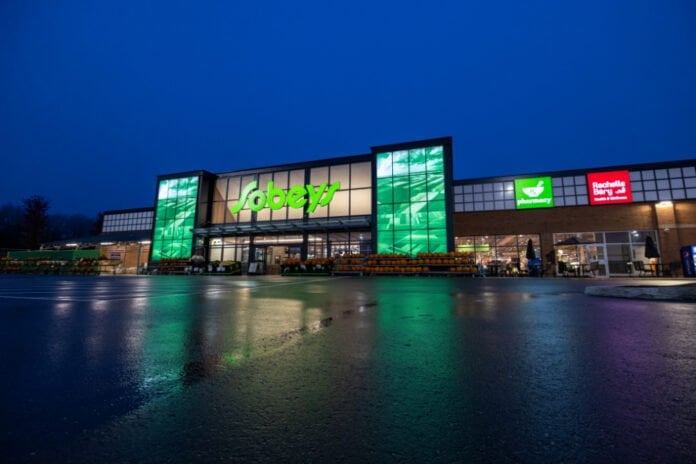
Pierre St-LaurentSobeys grocery store in Orangeville, ON. Photo: Sobeys
The company said its ambition is to be the best retailer in Canada, providing quality and value with differentiated offerings and seamless experiences, with a strong focus on serving local cultures in every community.
“Empire recently launched its new three-year corporate strategy which is anchored to four core priority focus areas: Customers, Stores, Growth, and Cost Efficiency. Empire’s belief is that long-term success is driven not solely by scale or market presence, but by the quality of the relationships the teammates in stores build with customers and the experiences they consistently deliver,” it said.
“Technology is a critical enabler of Empire’s strategy. Advanced analytics, artificial intelligence, and modern digital platforms are being applied thoughtfully across the business to enhance the customer experience, support better decision making and improve how Empire’s teams work every day.
“Through these four core priority focus areas, which will be enabled by Empire’s people, data and technology, the Company aims to grow total adjusted EPS over the long-term through sustained net earnings growth and share repurchases. Specifically, the Company intends to continue growing sales, expanding gross margin (excluding fuel), and generating operating leverage.”
Food sales for the quarter increased by 1.7% primarily driven by positive growth across the business, particularly in the Full-Service and Discount banners. Fuel sales for the quarter ended August 1, 2026 increased by 18.4% primarily driven by higher fuel prices, explained Empire.
Image: Sobeys
Empire said it invested $220 million in capital expenditures(1) for the quarter ended August 1, 2026 (August 2, 2025 – $138 million) including store renovations, construction of new stores and investments in advanced analytics technology and other technology systems.
It said it is building a larger, stronger network by adding new stores to its network, optimizing its portfolio through store conversions, and pursuing strategic acquisitions.
“The Company is continuing to expand its FreshCo discount banner across the country. On August 20, 2026, the Company opened its first two FreshCo stores in Atlantic Canada and expects to open 13 more stores across Western Canada, Ontario and Atlantic Canada in fiscal 2027. The FreshCo discount banner provides strong value proposition and robust multicultural assortment, providing value and choice to better serve our customers, it said.
“During the quarter ended May 2, 2026, the Company, and its wholly-owned subsidiary Sobeys, announced it has entered into an agreement to acquire Mayrand Food Group Inc., a long-established Québec food retailer operating four large-format locations across the Greater Montréal Area. The Company received the required court approval and regulatory approval for the transaction, which closed during the first quarter of fiscal 2027. For further details, see Note 14 of the Company’s unaudited Interim Condensed Consolidated Financial Statements for the quarter ended August 1, 2026.
“Subsequent to the quarter ended August 1, 2026, the Company announced its acquisition of nine Morelli’s pharmacies currently operating within Longo’s stores in the Toronto and Hamilton areas. The plan is to convert these nine sites to Longo’s Pharmacy locations. The transaction remains subject to customary closing conditions, including approval from the Ontario College of Pharmacists, and is expected to close during the second quarter of fiscal 2027.”
Empire said its e-commerce platforms Voilà (including curbside pickup), IGA.net, ThriftyFoods.com and partnerships with Instacart, Uber Eats, and DoorDash generated a combined sales increase of 11.3% compared to the same quarter in the prior year. The increase is primarily driven by growth in third-party partnership sales and continued sales growth for Voilà.
Photo: Sobeys
Empire said the outcome of its e-commerce review is expected to improve overall e-commerce financial performance with improvements in annualized operating income of approximately $95 million, which began in the fourth quarter of fiscal 2026, has continued in the first quarter of fiscal 2027 and will continue into fiscal 2027 and beyond. The company said it is intensifying its focus on increasing customer engagement, cost discipline, operational efficiencies and accelerating execution.
“For fiscal 2027, capital spend is expected to be approximately $850 million, with approximately half of this investment allocated to renovations and new store expansion (including approximately 1.5% growth in store footprint expansion driven by new stores), approximately 25% allocated to IT and business development projects and the remainder allocated largely to logistics and sustainability. The Company expects to renovate approximately 20% to 25% of its store network between fiscal 2027 and fiscal 2029,” it explained.
“Continued uncertainty related to the timing and extent of imposition of future tariffs by the United States government and the risk of potential retaliatory tariffs by the Canadian government could create volatility in the Canadian economy, including higher future costs for importing goods, potentially contributing to higher inflation if increased costs are passed to Canadian consumers. The timing and duration of increased tariffs create financial uncertainty for Canadian companies, and may lead to potential job losses, reduced economic activity, and weakening confidence in the future, and could disrupt supplier relationships and the supply chain, and this may increase the volatility in the Company’s operational results.”
Giant Tiger Stores Ltd. is marking the fifth year of its partnership with Indspire with the launch of a new orange shirt campaign that has raised more than $1.8 million to date for Indigenous education.
The Ottawa-based retailer said Wednesday that 100 per cent of profits from sales of this year’s shirt will be donated to Indspire to support the new Giant Tiger Learning from the Past Bursary. The bursary will assist Indigenous post-secondary students pursuing studies in Indigenous Studies and Languages.
The shirt is available at select Giant Tiger stores and online, with a new design by Anishinaabe artist and visual storyteller Emily Kewageshig of Saugeen First Nation No. 29.
Emily Kewageshig
Kewageshig’s design draws on Anishinaabe teachings and explores the interconnectedness of living beings, with themes of balance, renewal and the cycles of life.
“I’ve been highlighting Truth and Reconciliation Day and Orange Shirt Day for a long time, personally through social media and through my art,” said Kewageshig. “It’s really special to now be able to share that message on a bigger stage, with two organizations that are helping amplify it and doing everything they can to contribute to the cause.”
The campaign is tied to National Day for Truth and Reconciliation and continues Giant Tiger’s fundraising relationship with Indspire, a national Indigenous charity that supports education for First Nations, Inuit and Métis people.
“Reconciliation requires sustained action, and partnerships like this show what is possible when we invest in Indigenous learners together,” said Formsma. “We are grateful for Giant Tiger’s five years of support for the Orange Shirt Day Campaign. Through Giant Tiger’s ongoing commitment, the Learning from the Past Bursary will support more First Nations, Inuit, and Métis students to pursue post-secondary studies in Indigenous languages and cultures. We are proud to recognize Giant Tiger and its customers for helping create these opportunities.”
The retailer said proceeds from the shirts have supported the Learning from the Past Fund, which provides bursaries to Indigenous post-secondary students pursuing studies in Indigenous languages and culture.
Giant Tiger said the $1.8-million fundraising total represents money raised through sales of the shirts during the partnership.
“We’re proud to continue our longstanding partnership with Indspire, a charity that shares our commitment to creating stronger communities,” said Alison Scarlett, Head of PR, Communications and Corporate Responsibility, Giant Tiger Stores Limited. “Reaching more than $1.8 million raised through this campaign is an incredible milestone and a testament to what’s possible when organizations come together around a shared purpose. Every shirt sold helps create greater access to education for Indigenous students while encouraging important conversations about truth and reconciliation.”
Jocelyn FormsmaAlison Scarlett
The retailer has more than 260 locations across Canada and employs more than 10,000 people. Its stores are locally owned or operated by a team member.
Indspire said its broader mandate is to invest in the education of First Nations, Inuit and Métis people through financial assistance, programs and resources.
Kewageshig’s work uses vivid colours and bold graphic lines and is rooted in themes of interconnectedness, balance, renewal and the cycles of life.
Instacart has launched an artificial intelligence-powered grocery shopping assistant that can turn conversations, recipes and grocery lists into personalized shopping carts for customers in Canada and the United States.
The company introduced Clementine on Wednesday as part of its broader AI strategy, while also announcing the expansion of its enterprise Cart Assistant to additional grocery retailers.
Clementine is designed to use customers’ preferences, previous shopping behaviour and real-time store inventory to help with meal planning, grocery lists, reordering and finding deals. Instacart said the tool is available to most Canadian and U.S. customers through its app and website.
Chris RogersJohn Adams
“Every night, millions of families ask the same question: ‘What’s for dinner?’ Not knowing the answer, let alone what to shop for, is one of the most universal human experiences, and a problem Instacart is built to solve,” said Chris Rogers, CEO of Instacart. “We’ve spent nearly 15 years learning how families shop and eat, and Clementine puts that knowledge to work. It learns from the preferences you share and the way you’ve shopped on Instacart. It can help you stay on budget and surface what’s actually in stock at your chosen store, handling enough of the weekly planning that the mental load actually feels lighter.”
The company said Clementine’s technology is supported by data from more than 1.6 billion lifetime orders, a catalogue of more than two billion items and more than 10 million daily inventory signals from nearly 100,000 stores across more than 2,200 retail banners in North America.
The assistant can generate personalized recipes or surface options from publishers, apply household preferences such as gluten-free, vegetarian, nut-free or organic choices, identify promotions and lower-cost alternatives, and assemble repeat orders based on previous purchases.
Customers can also use Clementine for occasion-based shopping, such as preparing food for a football watch party, or upload a photo of a handwritten grocery list or a screenshot of a digital list.
Instacart website photo
Instacart said early results show customers initially using Clementine for simpler tasks such as restocking before moving to more complex uses such as recipe discovery. Orders placed with Clementine have more items on average than Instacart’s typical basket and exceed the company’s stated average basket size of US$115.
“Grocery shopping is one of the most routine things people do, and also one of the most personal,” said John Adams, vice-president and head of product at Instacart. “What we built with Clementine is a system that understands both of those things – not just what you need, but how you eat, what you love, and what’s on the shelves at your store right now. Whatever you’re craving or planning for, Clementine can get you there. The more you use it, the more it feels like a natural part of how your household shops, becoming something you reach for week after week.”
The company is also expanding Cart Assistant, its white-label AI shopping tool for grocery retailers. The technology combines Instacart’s grocery data with a retailer’s catalogue and customer data and can be customized to include a retailer’s branding, loyalty integration and recipe content.
Food Bazaar, Heritage Grocers Group and Woodman’s are now using Cart Assistant, while ALDI U.S., Harmon’s, The Save Mart Companies and Stew Leonard’s are among the retailers expected to follow.
Instacart website photo
Instacart said Cart Assistant allows grocery retailers to offer AI-assisted shopping directly through their own websites and apps, including capabilities such as surfacing deals and recipes and building shopping carts.
The company has also partnered with Anthropic, OpenAI and Google so grocery shopping conversations that begin through Claude, ChatGPT, Gemini or AI Mode in Google Search can be completed through Instacart, allowing users to order from their preferred retailer for delivery or pickup.
Clementine is available through the Instacart app and website. Most Canadian and U.S. customers can access it by selecting a retailer and choosing the Clementine icon on mobile or the corresponding option in the desktop navigation.
IKEA Canada is marking its 50th anniversary in the country with a series of promotional offers and new research examining how Canadians organize their homes.
The retailer says its 2026 Store & Organize Report found Canadians spend an average of 28 minutes a day looking for misplaced items at home, equivalent to about one week a year.
The research also found 30 per cent of Canadians identify the kitchen countertop as the hardest area of the home to keep free of clutter, while 21 per cent have purchased a duplicate item because they could not find the original.
Phone chargers account for about five minutes of daily searching, according to the report, adding up to more than 30 hours a year.
At the same time, the survey suggests Canadians are reluctant to part with many of the things they own. More than eight in 10 respondents, or 83 per cent, said they keep items purely for sentimental reasons, even when they are never used or stored out of sight.
About 27 per cent said they hold on to mementos from past relationships, with men more likely than women to retain something from an ex-partner.
Meghan WilliskoIKEA photo
“What we keep says a lot about who we are,” said Meghan Willisko, Head of Home Furnishing & Retail Design at IKEA Canada. “It was never just stuff. At IKEA, we believe everyone deserves a home that works for them, and that a little organization can go a long way toward making room for what actually matters. That’s what smart, affordable storage solutions are for.”
The research is being released as IKEA Canada begins a year-long series of events and offers marking 50 years of operations in Canada.
The retailer’s first anniversary promotion includes 50 per cent off the four-drawer STORKLINTA chest of drawers from Sept. 12 to 13, although quantities are limited and conditions apply.
Other offers include 15 per cent back in IKEA gift cards on wardrobe purchases of more than $250, running from Aug. 27 to Sept. 14, and a $1 breakfast on Sept. 12 and 13. IKEA says proceeds from the breakfast will go to Breakfast Club of Canada, while the offer also includes a $50 coupon toward a future in-store purchase of more than $199.
The offers are available exclusively to IKEA Family members, with membership free through IKEA stores or IKEA.ca.
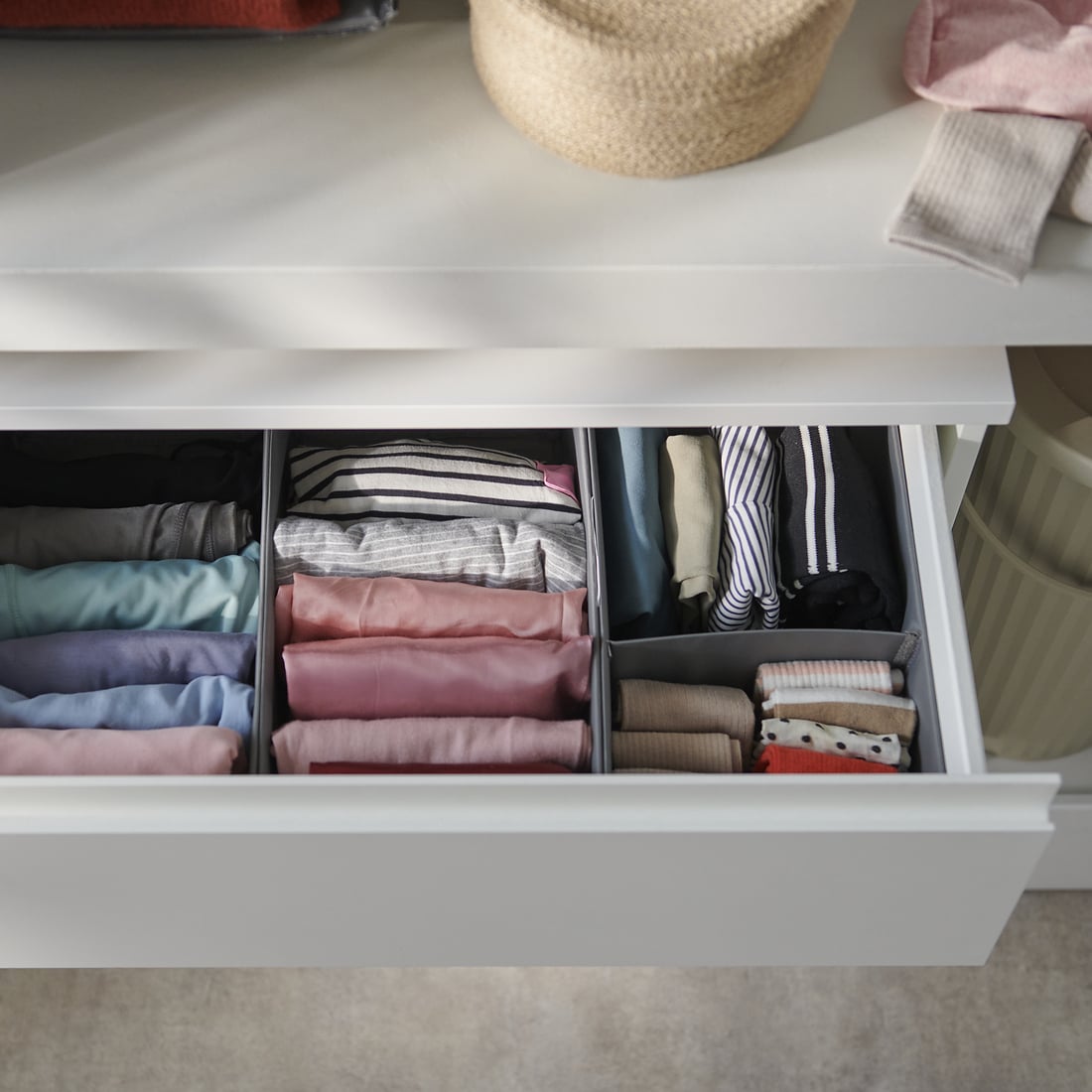
The company says its Store & Organize product range is intended to help customers make use of existing space through storage products for areas including kitchens, closets and drawers.
IKEA photo
The IKEA Store & Organize Report 2026: Finding Meaning in the Mess is based on a global survey conducted by YouGov in April 2026 involving 31,488 participants across 31 markets, including Canada. The findings cited by IKEA are based on the Canadian sample.
IKEA Canada is part of Ingka Group, which operates 574 IKEA stores in 31 countries. In Canada, the company operates 15 stores and 13 plan and order points.
IKEA Canada says its stores attracted 33.3 million visitors last year, while its website recorded 199.9 million visitors.
The company says the anniversary offers and research are the beginning of further initiatives planned throughout the coming year as IKEA marks 50 years in Canada.
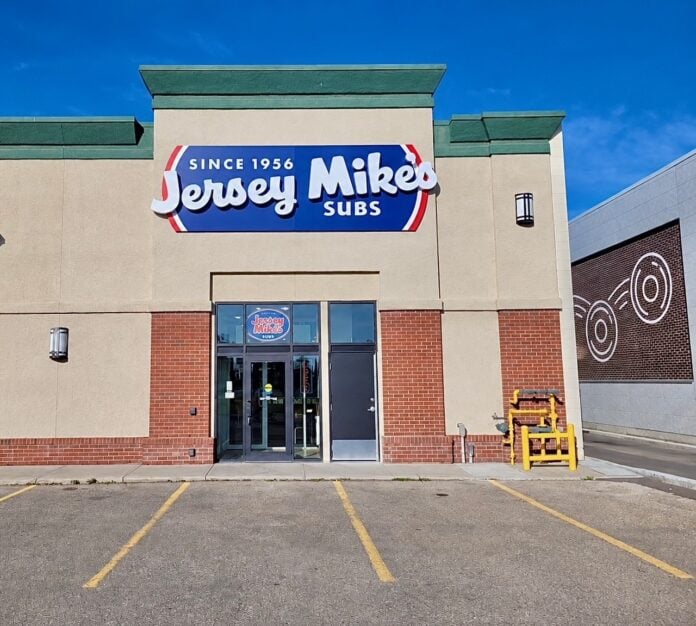
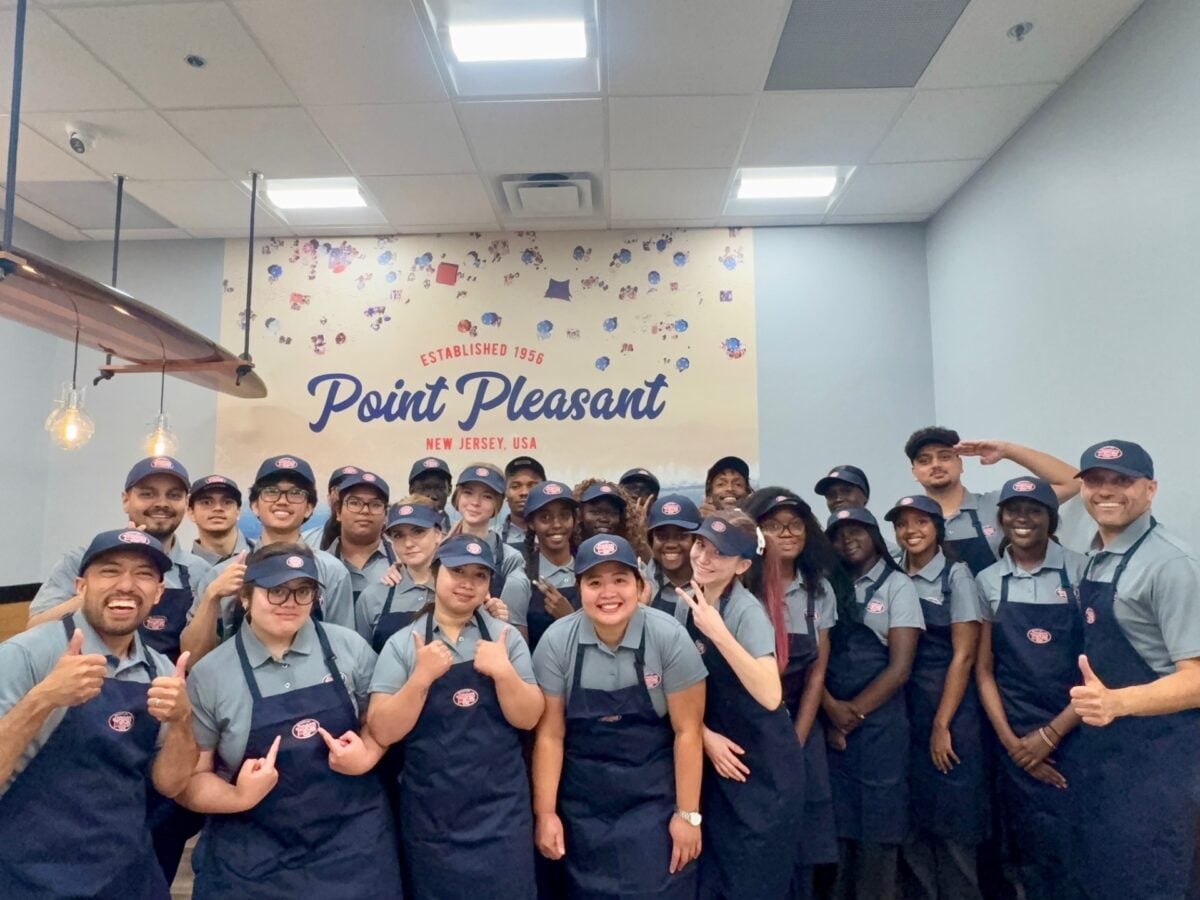
Jersey Mike’s Subs is opening its first Calgary restaurant as Canadian franchisee Redberry Restaurants continues an expansion plan that calls for 300 locations of the sandwich chain across the country by 2035.
The new restaurant at 9631 Macleod Trail opens Wednesday, Sept. 9, adding Calgary to Jersey Mike’s Alberta footprint, which includes locations in Edmonton, Red Deer, Lethbridge, Grande Prairie and Fort Saskatchewan.
A second Edmonton location and a restaurant in St. Albert are also planned to open later this year, according to Redberry.
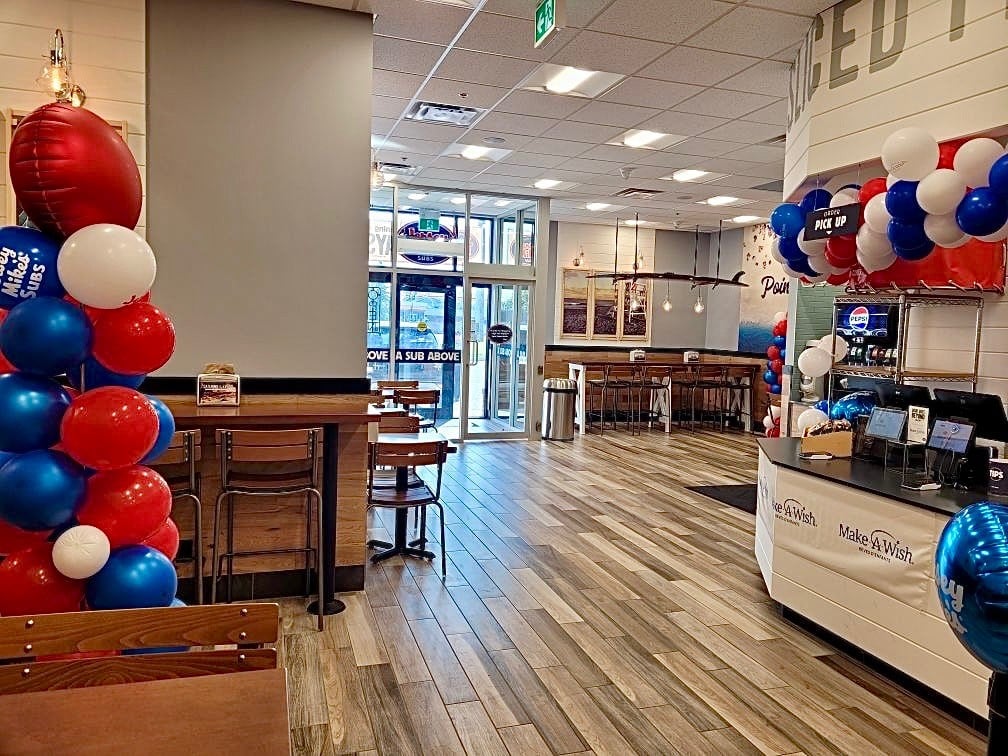
The Calgary opening comes with a 10-day fundraising campaign for Make-A-Wish Canada running from Sept. 9 to Sept. 18. Customers who received a special fundraising coupon before the opening can make a minimum $5 contribution to Make-A-Wish Canada in exchange for a regular sub. The coupon is required to participate in the offer.
Customers without a coupon can download the Jersey Mike’s app and earn a free regular sub after their first in-app sub purchase. They can also make a donation to Make-A-Wish Canada through a donation box at the restaurant.
Ken OttoJersey Mike’s photo
“We are excited to be opening our doors in the great city of Calgary,” said Ken Otto, CEO, Redberry. “We know Calgarians are going to love our authentic sub sandwiches, sliced right in front of them and served Mike’s Way with lettuce, onions, tomatoes, oil, vinegar and spices.”
The expansion is part of Redberry’s broader Canadian growth strategy. The Mississauga, Ont.-based company operates more than 200 restaurants across Canada under the BURGER KING, Taco Bell and Jersey Mike’s Subs brands.
Jersey Mike’s has more than 3,300 locations across the United States and Canada. Redberry said its Canadian expansion plan is to reach 300 Jersey Mike’s locations by 2035.
The company’s Calgary restaurant will operate from 10 a.m. to 10 p.m. seven days a week. Customers can order in-store, through the Jersey Mike’s app, online or through national delivery apps. Catering orders will also be available.
Jersey Mike’s sandwiches feature meats and cheeses sliced in the restaurant and served on in-store baked bread. The chain also offers cheesesteaks prepared to order.
Jersey Mike’s photo
The Calgary fundraiser builds on Jersey Mike’s existing relationship with Make-A-Wish Canada. In May, the company pledged to raise $1 million for the organization by 2030. Since 2024, Jersey Mike’s has raised more than $300,000 for Make-A-Wish Canada.
Make-A-Wish Canada grants wishes to children diagnosed with critical illnesses. The organization said it has granted more than 40,000 wishes over the past 43 years, including 1,835 last year.
Redberry was founded in 2005 and is headquartered in Mississauga. The company said its growth is supported through a partnership with Uncommon Equity.
Jersey Mike’s was founded in 1956 as Mike’s Subs in Point Pleasant, N.J., and has since expanded across the United States and Canada. The company’s Canadian and U.S. operations include more than 3,300 locations.
PetSmart has launched its 2026 Halloween collection in Canada, offering seasonal costumes, toys, treats and accessories for dogs, cats, reptiles and small pets.
The Thrills & Chills collection is being offered in PetSmart stores and online as the retailer expands its seasonal merchandise ahead of Halloween.
The collection includes traditional Halloween costumes such as pumpkins, bats, devils, angels, skeletons, dragons and dinosaurs, as well as novelty options including lobster, princess, cowboy, banana, Highland cow and hot dog costumes.
“Every pet has a personality all their own, and Halloween is the perfect time for pet parents to let it shine,” said Charndeep Grewal, vice president of merchandising at PetSmart Canada. “We’re seeing more families include their pets in every part of the celebration, whether that means dressing up together, capturing memorable photos or treating four-legged visitors at the door. Our 2026 Halloween collection makes it easy for pet parents to celebrate in ways that feel just as fun and unique as their pets.”
The assortment also includes costumes and seasonal products for smaller animals and reptiles, including pumpkin, spider, banana, Highland cow and hot dog designs.
Beyond apparel, the retailer is offering Halloween-themed treats and toys. Products include ghost and Halloween treats for dogs, seasonal treats for small pets and toys such as vampire teeth, cactus, horseshoe and skull designs.
Charndeep GrewalPetSmart photo
The collection also includes Halloween-themed Chance & Friends plush toys, with proceeds from those products supporting pets in need, according to PetSmart.
PetSmart is also promoting a selection of toys, treats, apparel and accessories priced below $15. Items include pumpkin-inspired dog cookies, plush pumpkin, werewolf and bat toys, cat toys and festive dog bandanas.
The retailer’s grooming salons are also offering a Halloween-themed package that includes a take-home plush toy, pumpkin spice latte spritz and candy corn bandana.
PetSmart said the collection is available through its stores and website.
The retailer operates more than 160 stores across Canada and also offers online and app-based shopping, including autoship, same-day delivery and in-store pickup.
PetSmart’s services include professional grooming, pet training, Doggie Day Camp and PetsHotel overnight boarding at many locations. Its PetSmart Treats Rewards program offers personalized offers and points that can be used toward future savings.
The company said PetSmart Charities of Canada has helped more than 400,000 pets find homes through in-store adoption programs.